Social & External
The people behind it
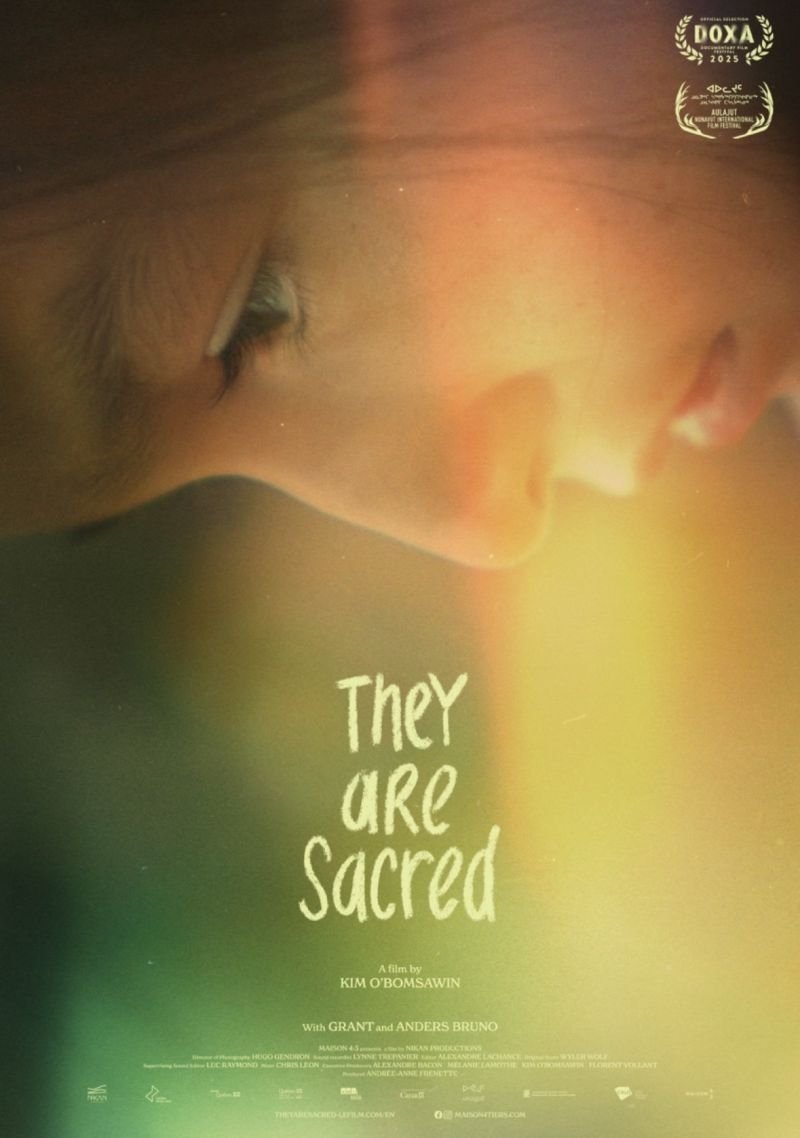
Following young Anders and his father, Dr. Grant Bruno, of the Samson Cree Nation, this documentary gives viewers unique access to the world of an autistic child, and to follow his father’s journey to bring back traditional First Peoples perspectives in our contemporary world.
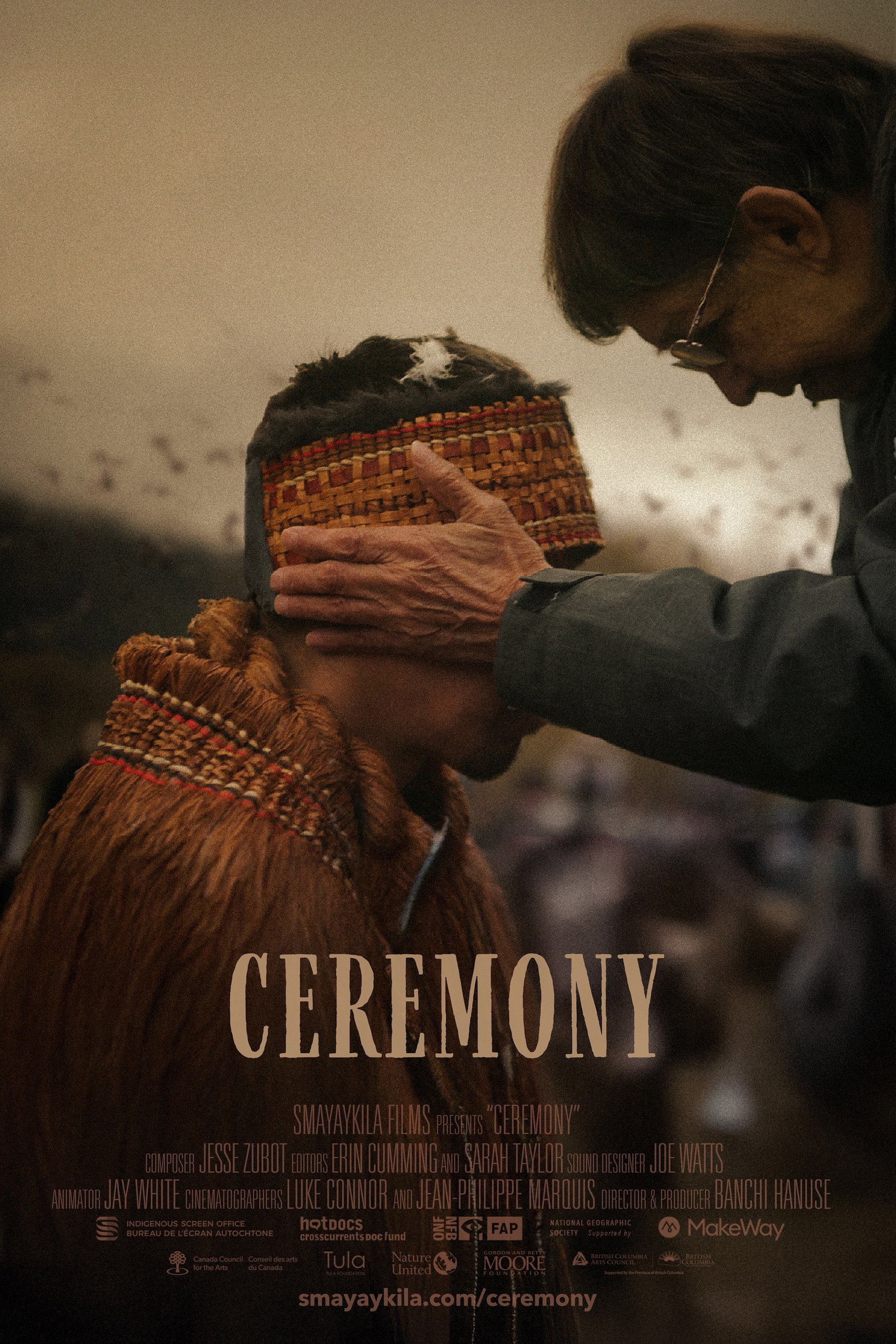
When the Nuxalk trace their vanished ooligan alongside a land claim filed the day smallpox arrived, their radio station becomes courtroom, confessional and conjuring ground, where an older law insists: the fish and the people return together or not at all.
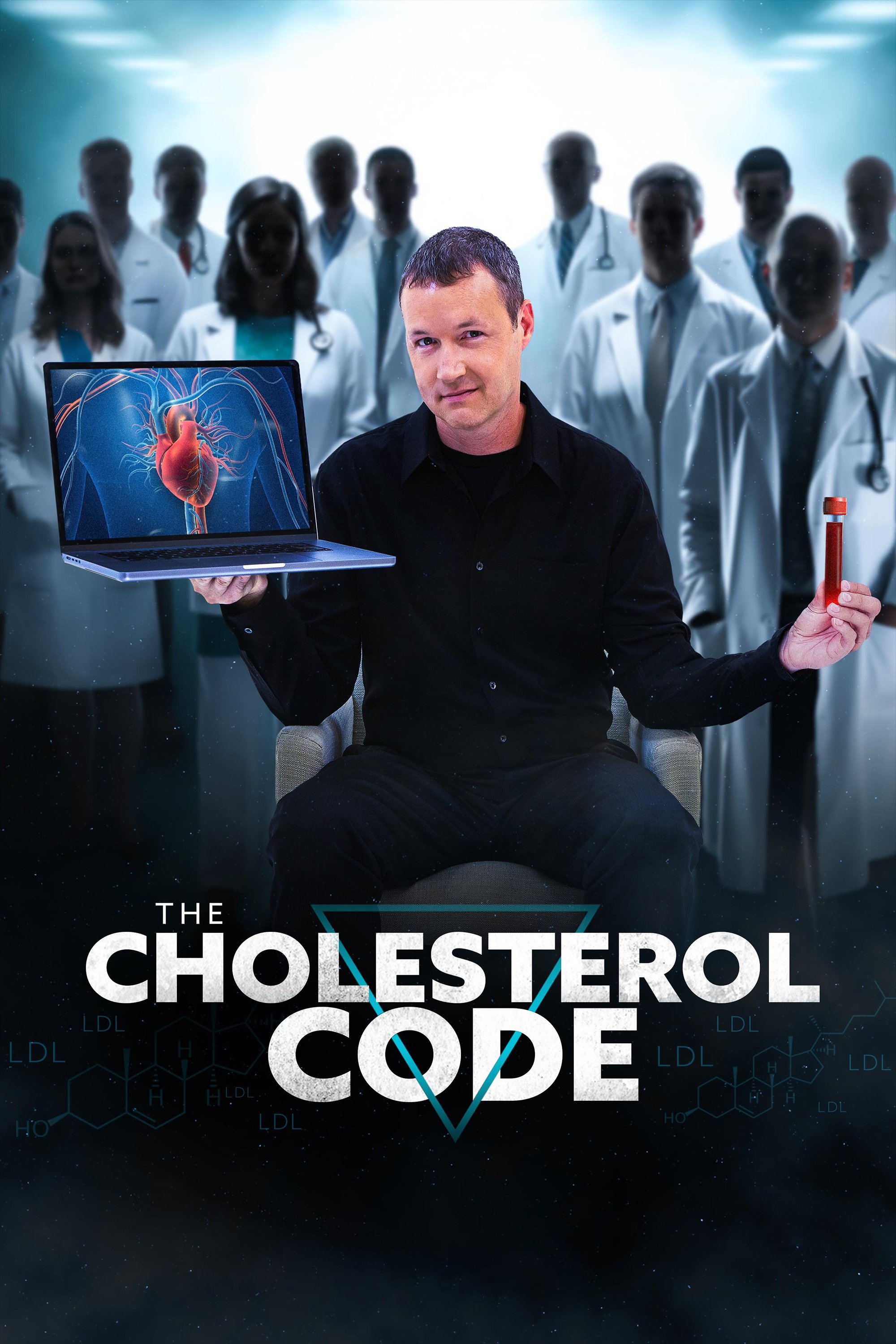
In a world where 92 million Americans rely on statins as their lifeline, one man's unexpected health journey uncovers a medical mystery that could upend everything we think we know about heart health, cholesterol, and the ketogenic diet.
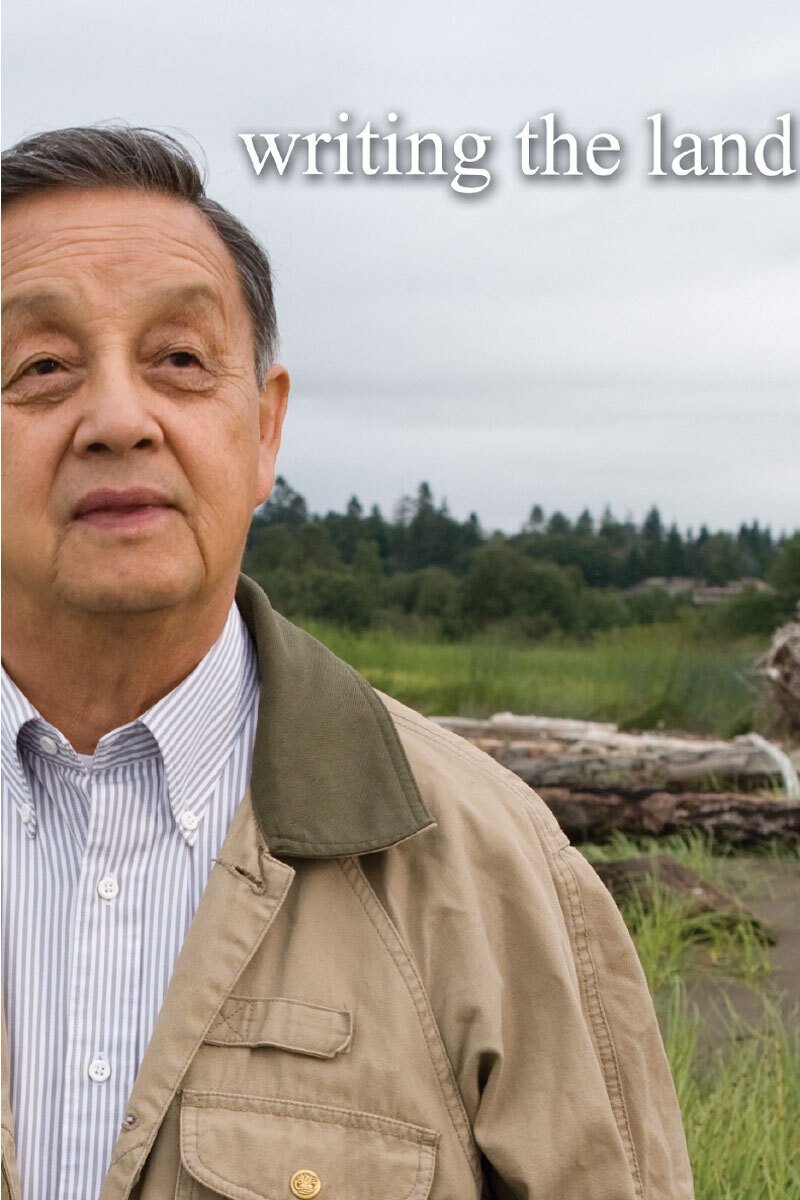
In this short documentary, a Musqueam elder rediscovers his Native language and traditions in the city of Vancouver, in the vicinity of which the Musqueam people have lived for thousands of years. Writing the Land captures the ever-changing nature of a modern city - the glass and steel towers cut against the sky, grass, trees and a sudden flash of birds in flight and the enduring power of language to shape perception and create memory.
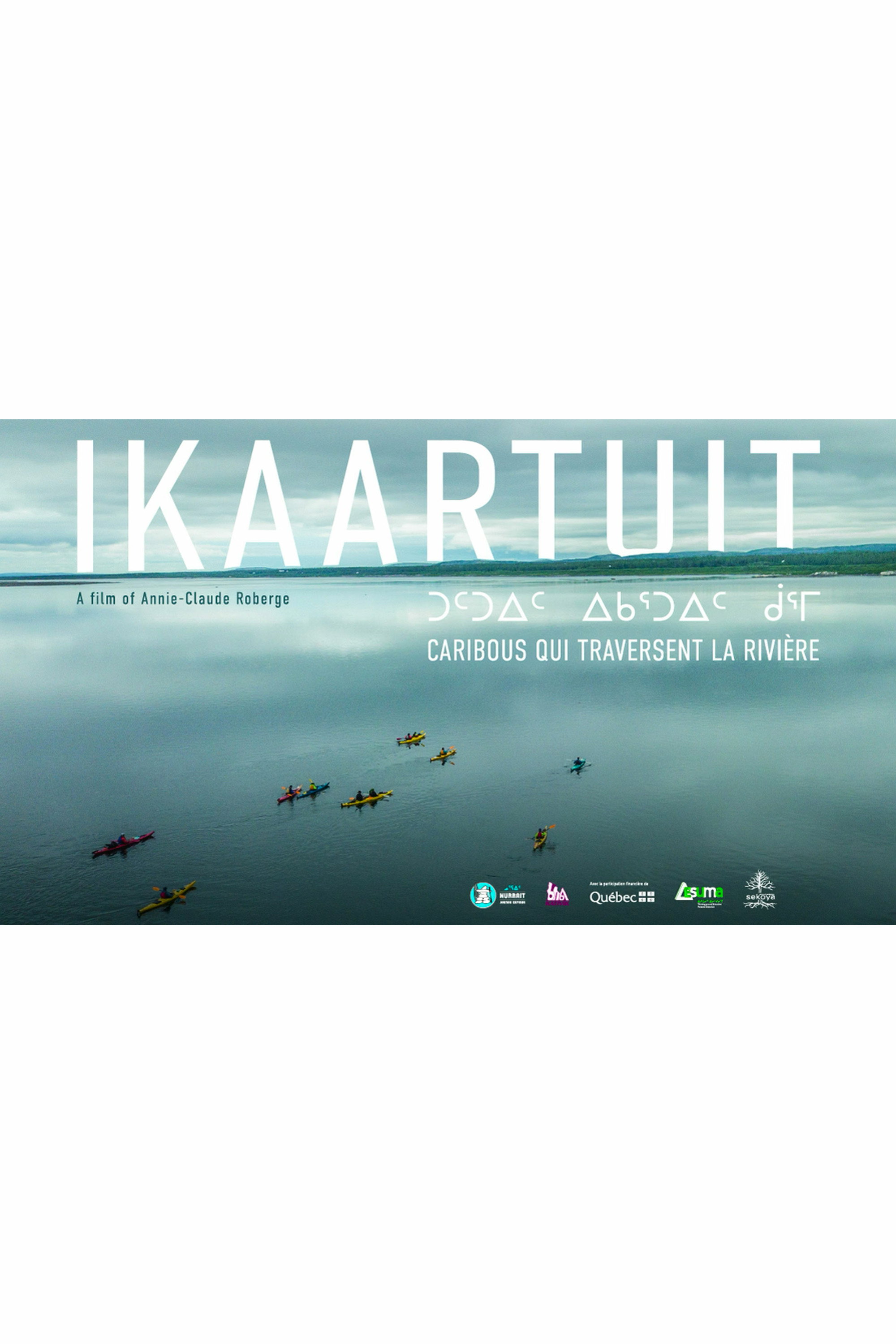
During the summer of 2022, eight teenagers and young adults from Kuujjuaq, Kangiqsualujjuaq and Kangirsuk took part in a two-week kayaking adventure.
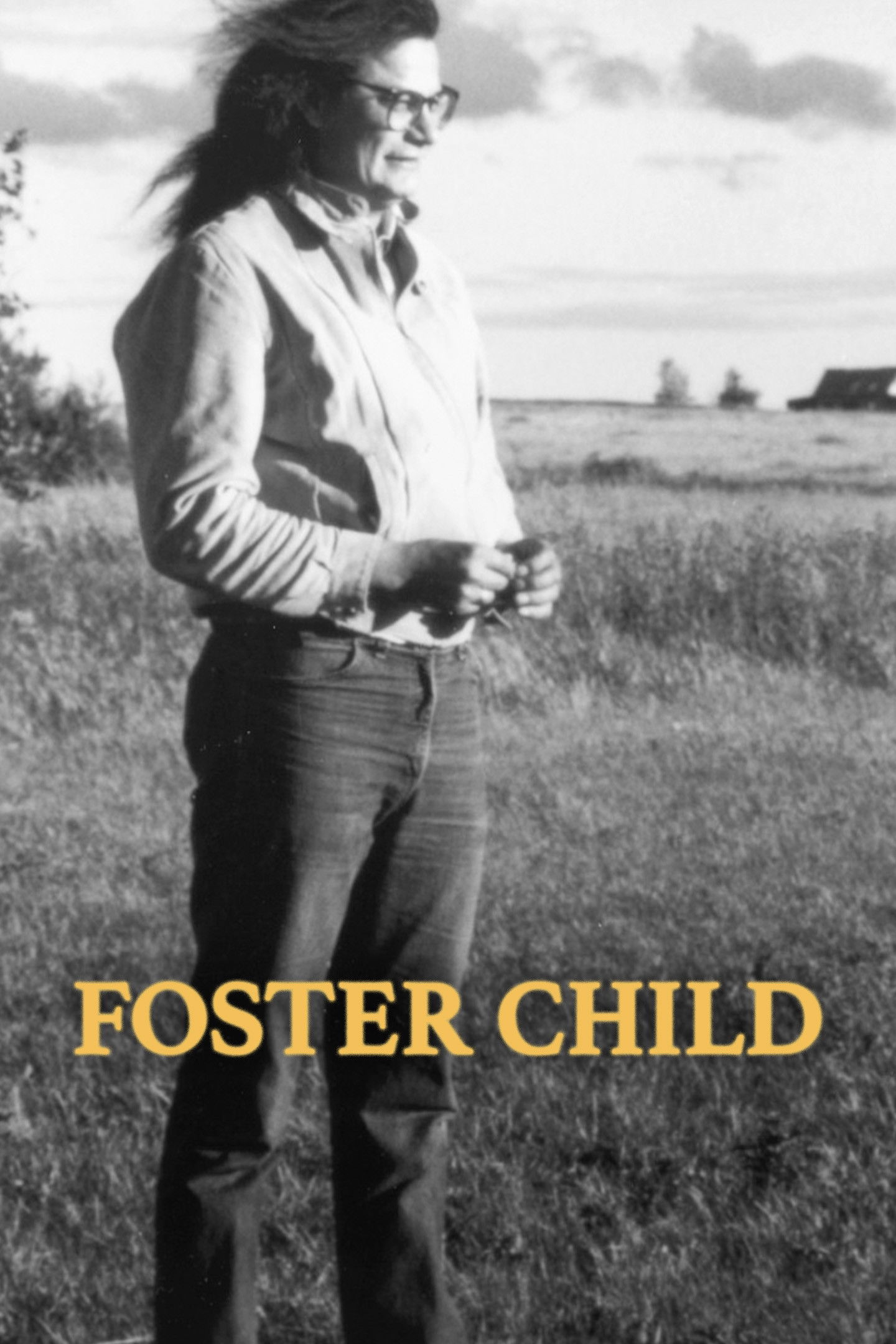
Gil Cardinal searches for his natural family and an understanding of the circumstances that led to his becoming a foster child. An important figure in the history of Canadian Indigenous filmmaking, Gil Cardinal was born to a Métis mother but raised by a non-Indigenous foster family, and with this auto-biographical documentary he charts his efforts to find his biological mother and to understand why he was removed from her. Considered a milestone in documentary cinema, it addressed the country’s internal colonialism in a profoundly personal manner, winning a Special Jury Prize at Banff and multiple international awards.
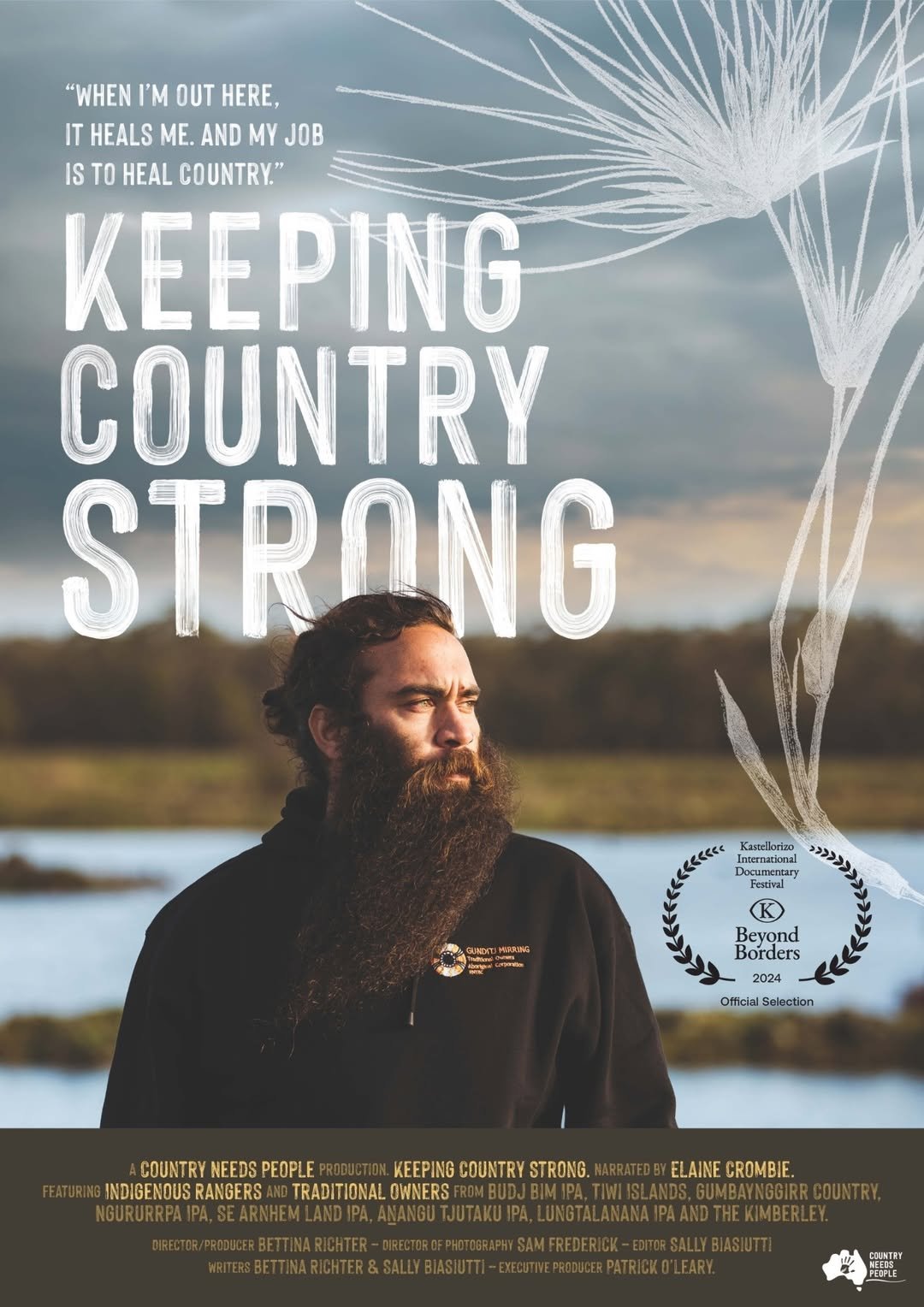
Keeping Country Strong is a new documentary by Country Needs People From the heart of the desert to the islands and estuaries of Sea Country, Indigenous Protected Areas span over 110 million hectares of land and sea and now cover over 54% of Australia’s reserves on land. Indigenous Rangers are on the frontline. Working in some of the most remote corners of the planet they are safeguarding endangered species, fighting wildfires and invasive species, and practising culture in the face of a changing climate. FEATURING Indigenous Rangers and Traditional Owners from Budj Bim IPA, Gaagal Wajaarr Proposed Sea Country IPA, Ngururrpa IPA, Tiwi Islands Proposed IPA, Anangu Tjutaku IPA, Lungtalanana IPA, Mayala IPA & SE Arnhem Land IPA.
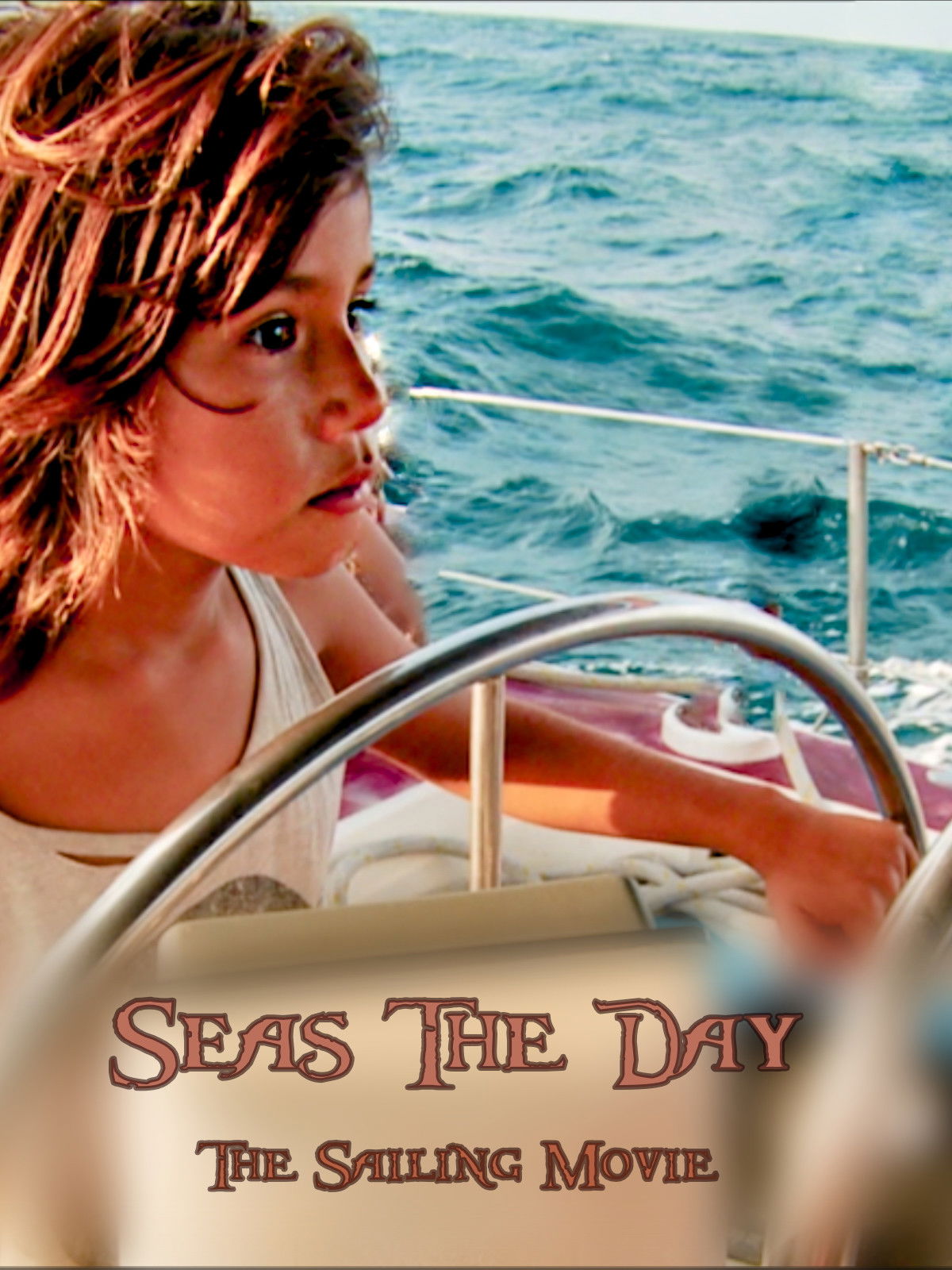
Seas the Day: The Sailing Movie is a genre-defying documentary that blends real-world adventure with deeply human storytelling. It transcends typical sailing documentaries by blending docu-fiction with a narrative inspired by Joseph Campbell’s classic The Hero's Journey. Directed by Ryan Luskin, an anthropologist and teacher, the film follows his family's quest across sixteen countries, learning life skills from diverse cultures.
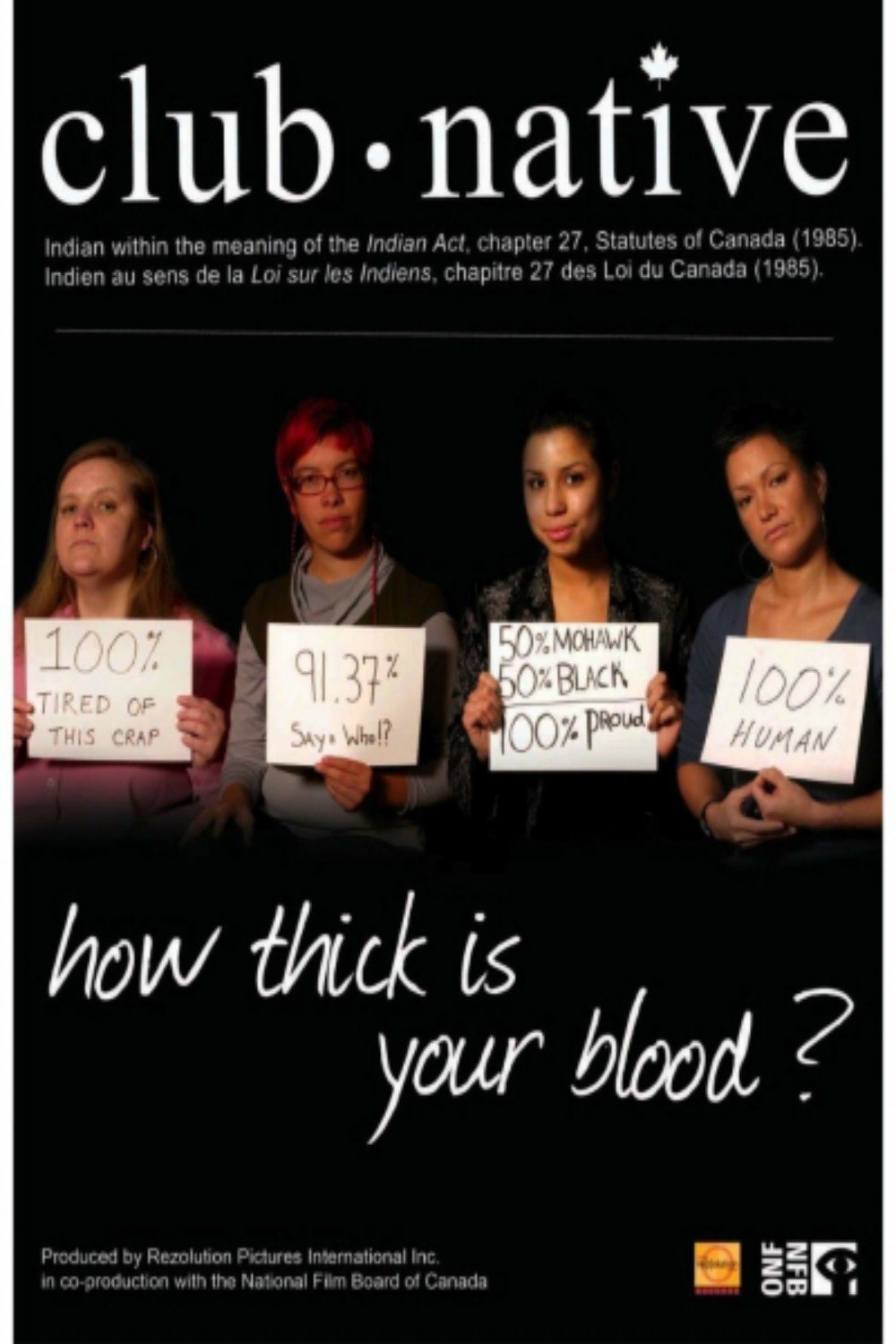
With moving stories from a range of characters from her Kahnawake Reserve, Mohawk filmmaker, Tracey Deer, reveals the divisive legacy of more than a hundred years of discriminatory and sexist government policy to expose the lingering "blood quantum" ideals, snobby attitudes and outright racism that threaten to destroy the fabric of her community.
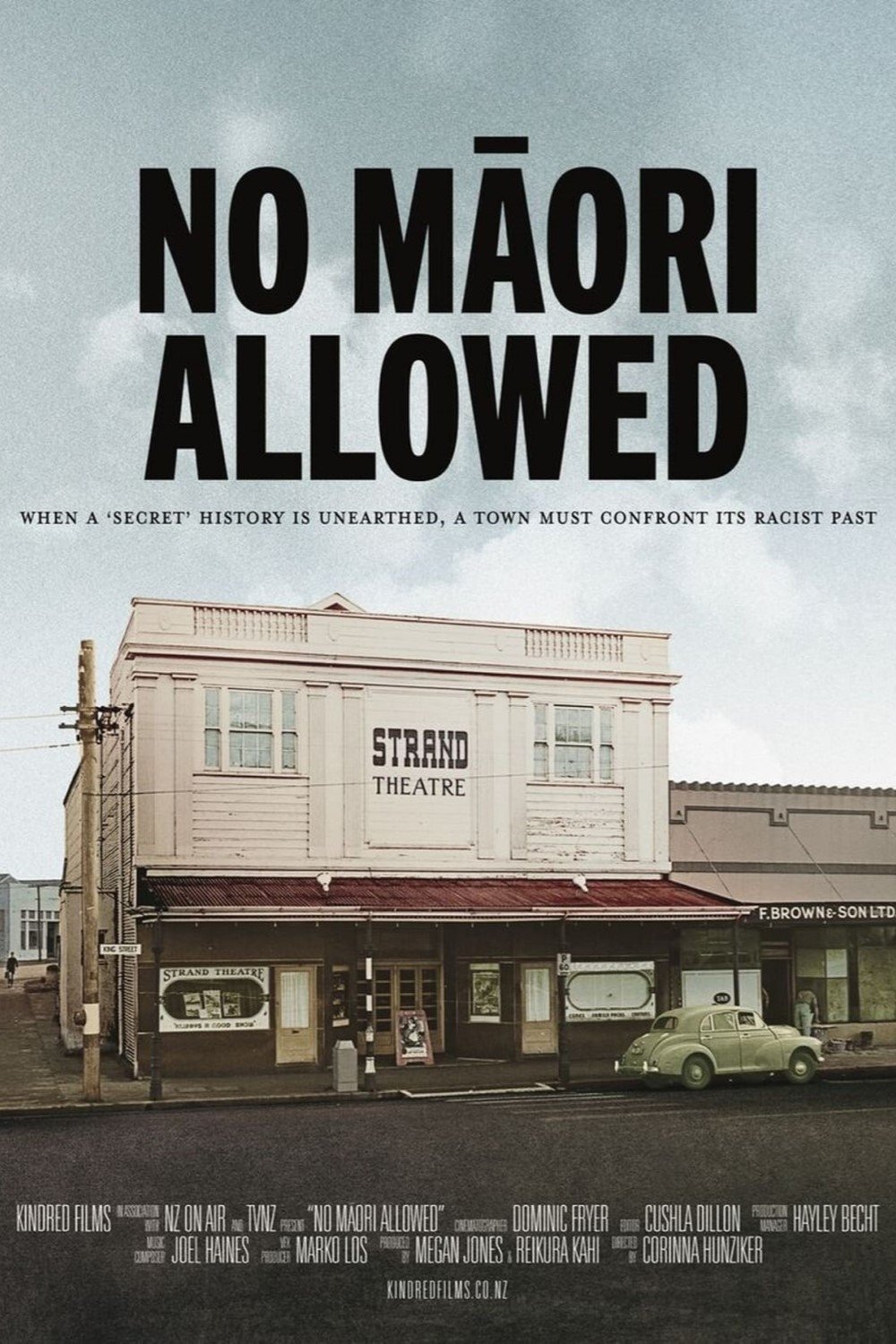
When an academic unearths a forgotten history, residents of the small township of Pukekohe, including kaumātua who have never told their personal stories before, confront its deep and dark racist past.
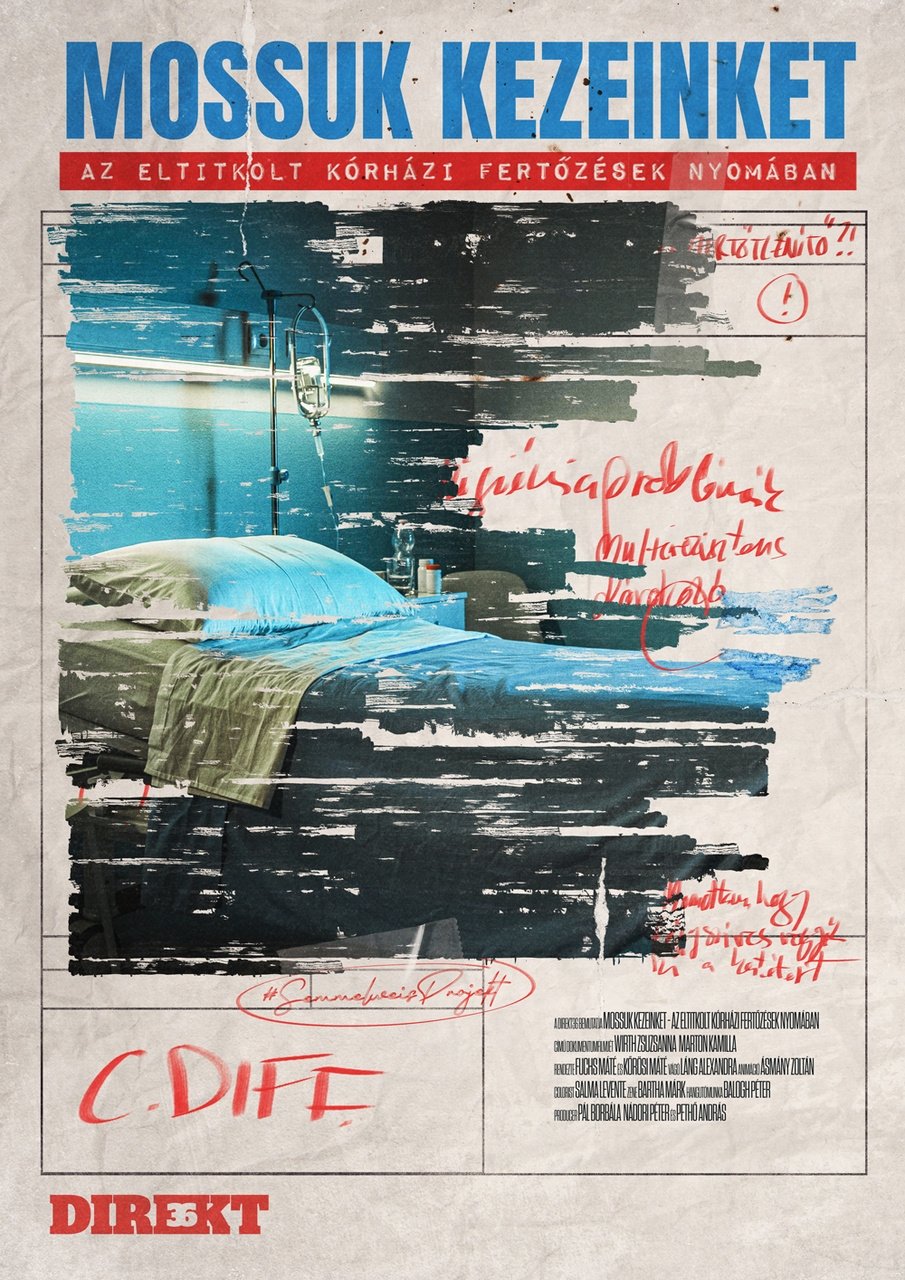
This film is part of the Semmelweis Project, launched by Direkt36, an investigative journalism center based in Hungary, to show the reality and the causes of hospital-acquired infections, which are a growing problem in the country.
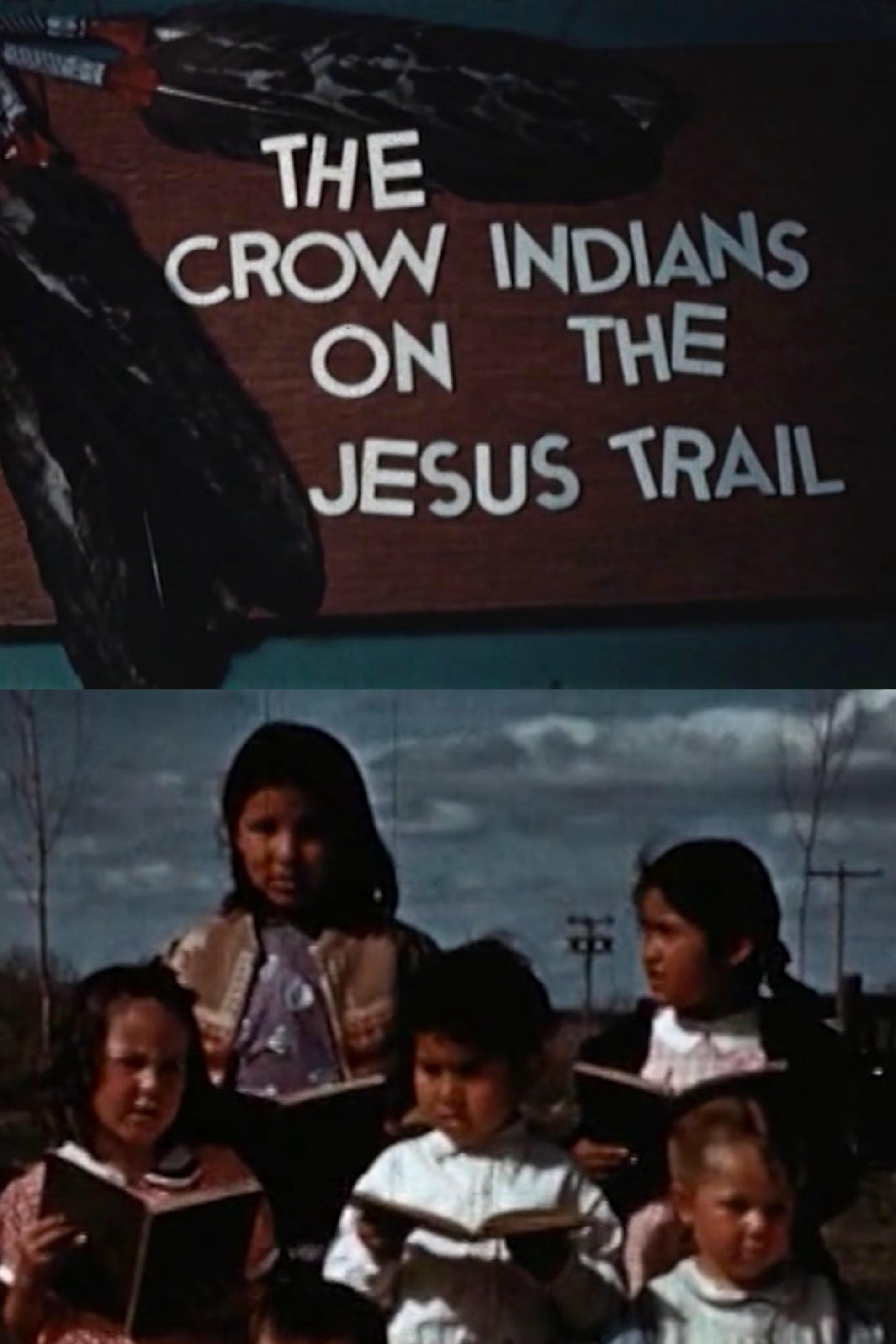
Profile of the Crow Indian Mission in Lodge Grass, Montana.
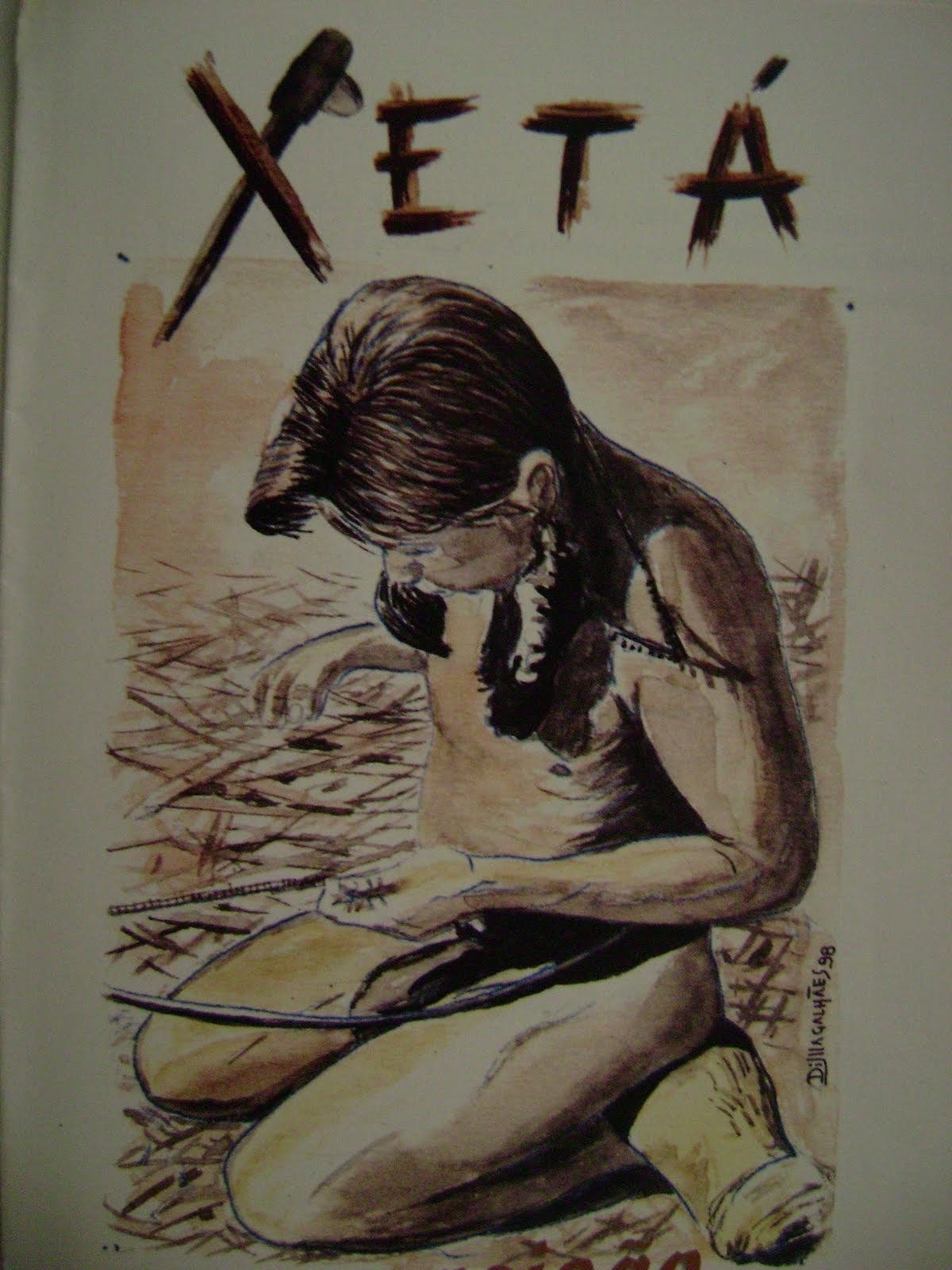
Documentary about the life of three families living in the city of Boa Vista, north of Brazil. Some of them look for a more intense daily life going to parties, work and dealing with family trouble, others want to get back to the tribe. Personal crises and the search for their own identity are aspects that reveal great relevance.
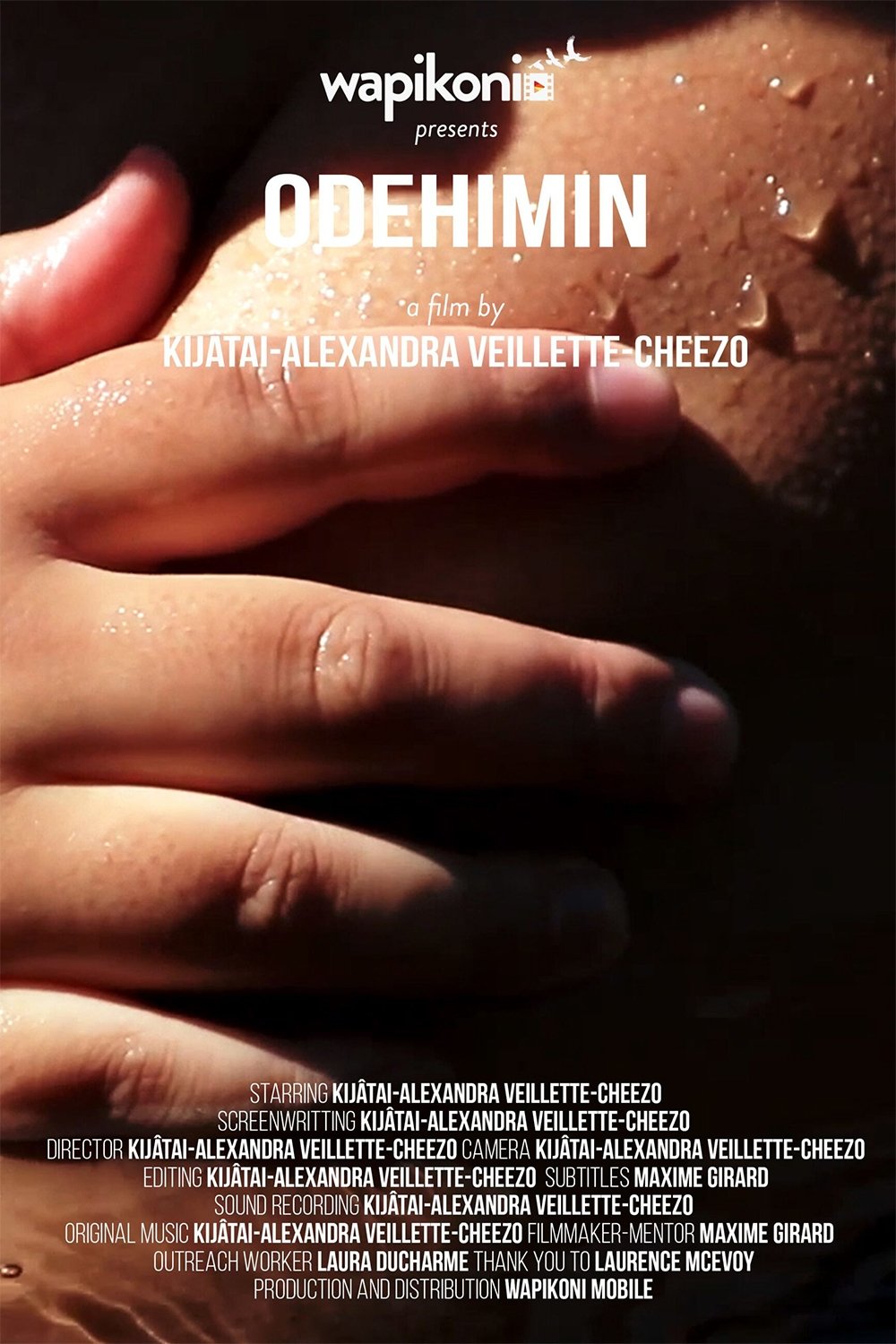
A lyrical film ode to the odehimin or heart berry. A two-spirit Anishnaabe person finds themself in a dark place with their body. They undertake a healing journey, stating aloud their intentions and reconnecting with the land and the water for strength. As they get more in touch with their body and the beings around them, we begin to see them heal.
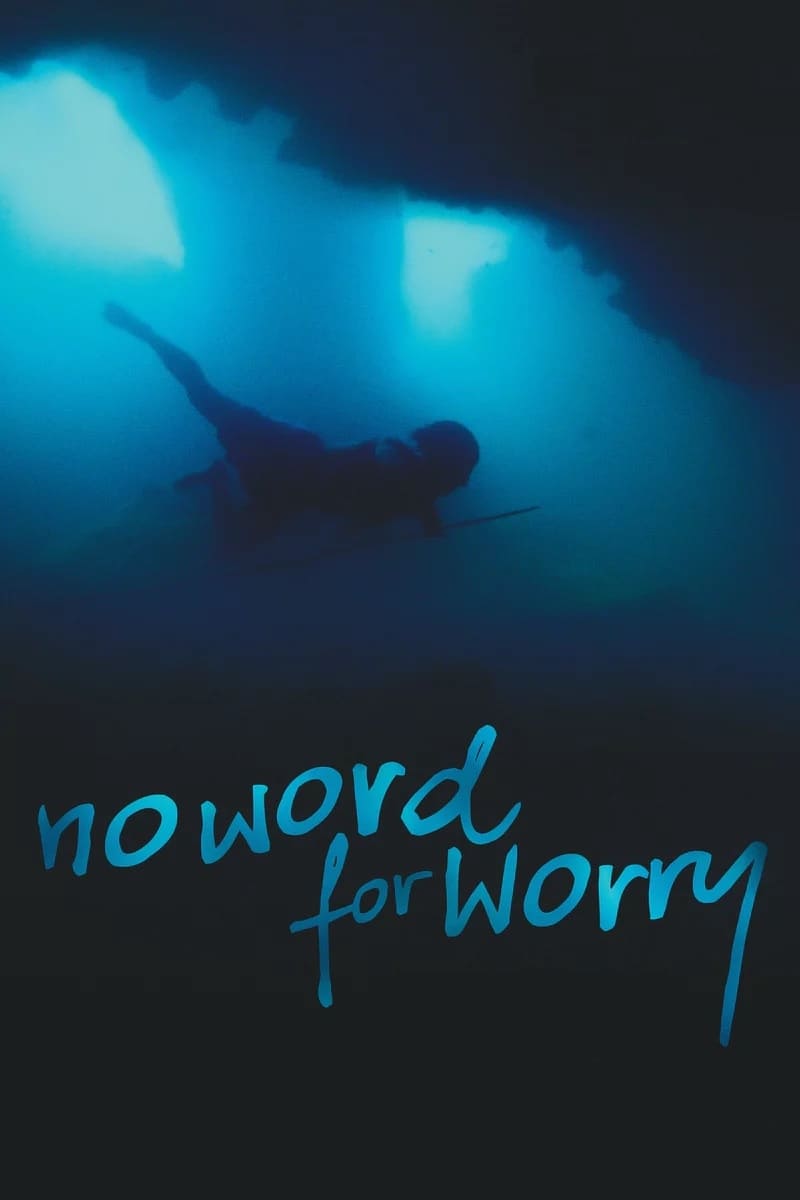
As a sea nomad, Hook grew up with the ocean as his universe. Now he must make a courageous voyage to salvage the remains of his dying culture
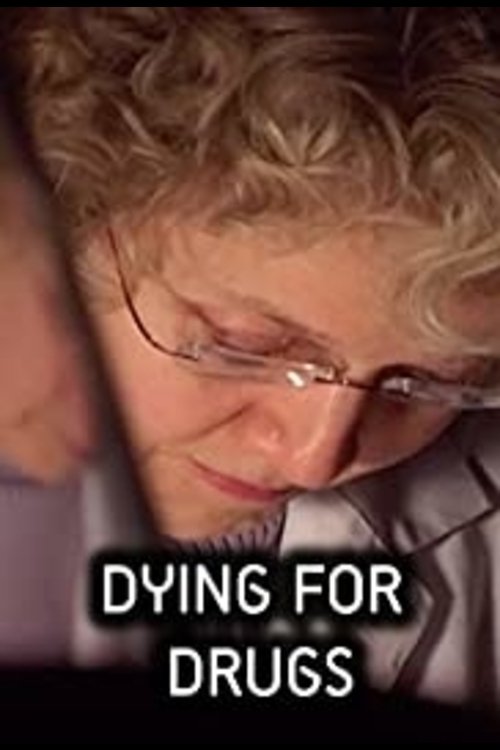
Every year many new drugs come to market which offer hope to the sick and dying. This documentary film investigates just how far drug companies are prepared to go to get their drugs approved, what they will do to make sure they get the prices they want, and what happens when profits are put before people.
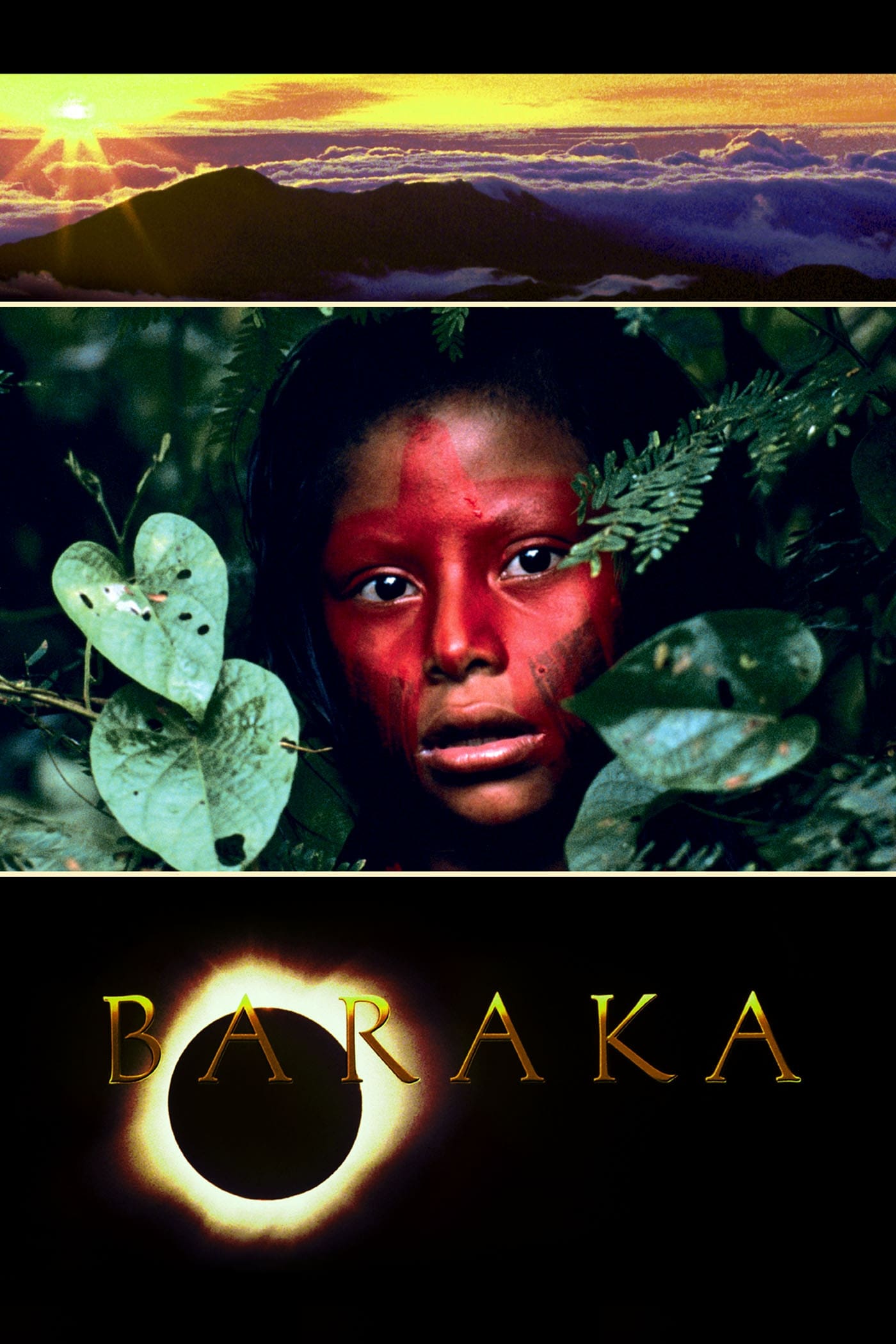
A paralysingly beautiful documentary with a global vision—an odyssey through landscape and time—that attempts to capture the essence of life.
In an intimate and joyful story of love in the face of loss, celebrated poets Andrea Gibson and Megan Falley find strength—and unexpected hilarity—in what might be their final year together.
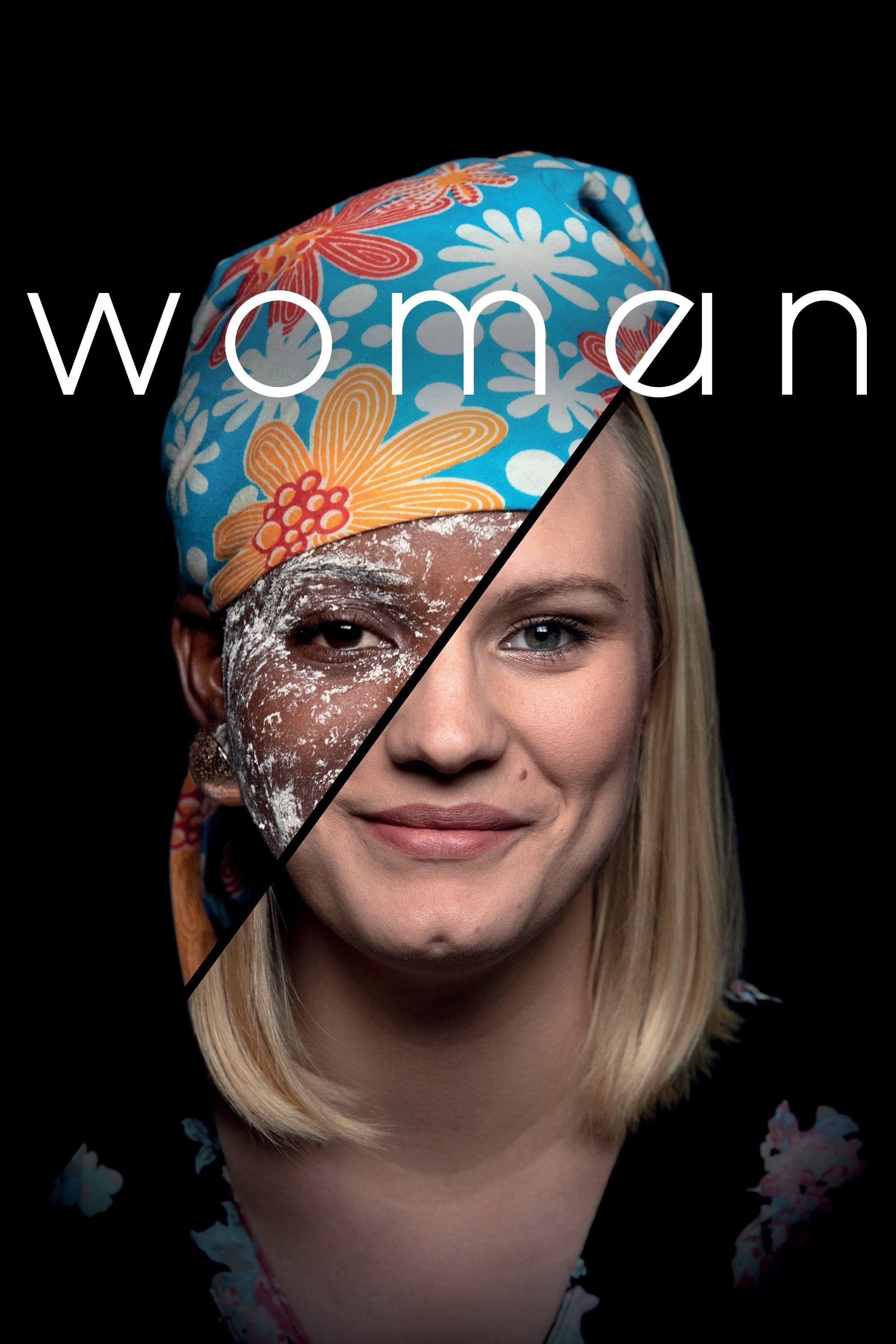
The film is based on interviews with 2,000 women from 50 countries, and covers the status of women all over the world. The topics covered include forced marriages, sexual assault, female genital mutilation, acid attacks, motherhood, sexuality, menstruation, education and the professional success of women.
A string of threatening emails escalates into a revenge plot involving a newly married US marshal and his ex-girlfriend.
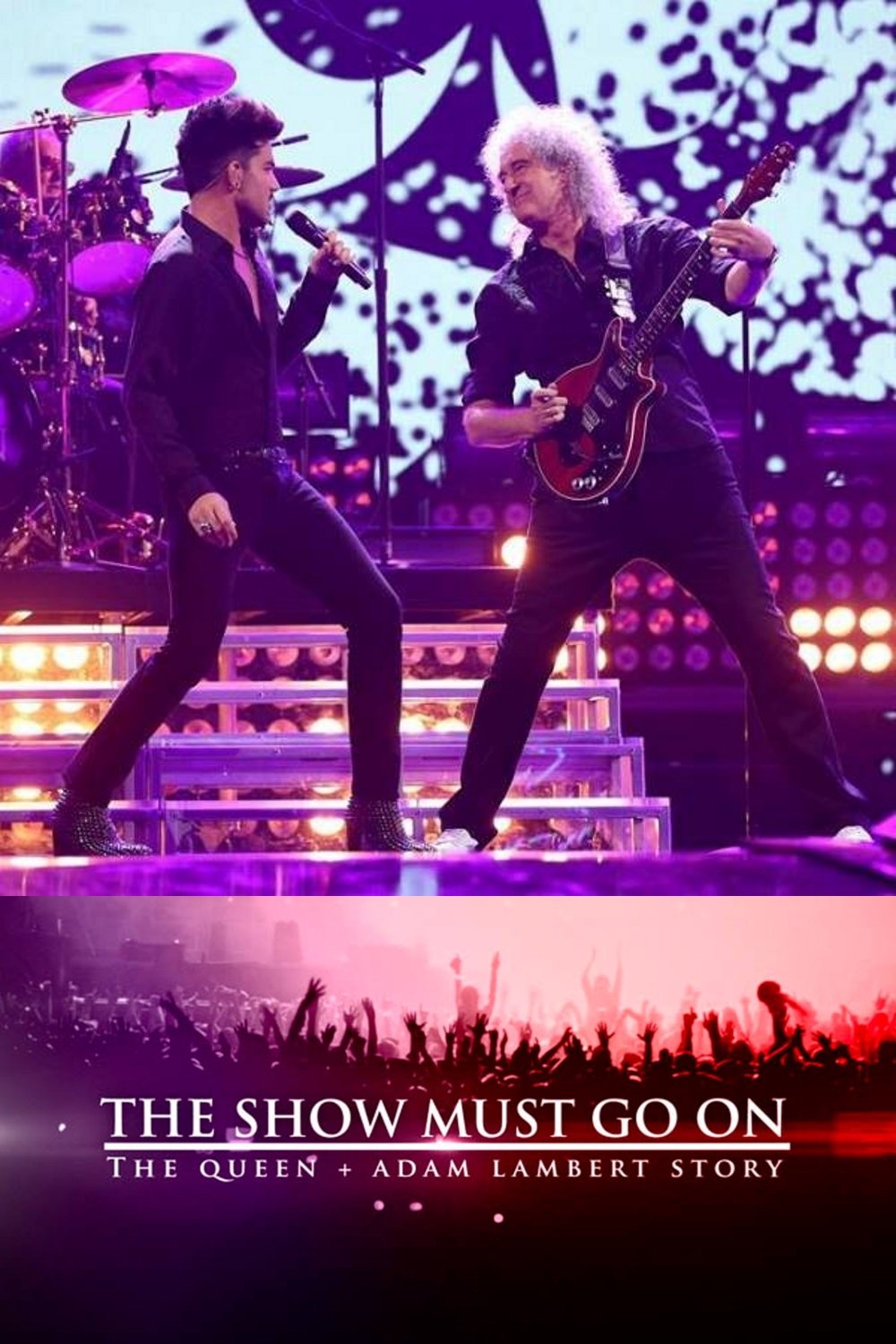
A documentary chronicling Queen and Lambert's incredible journey since they first shared the stage together on "American Idol" in 2009.
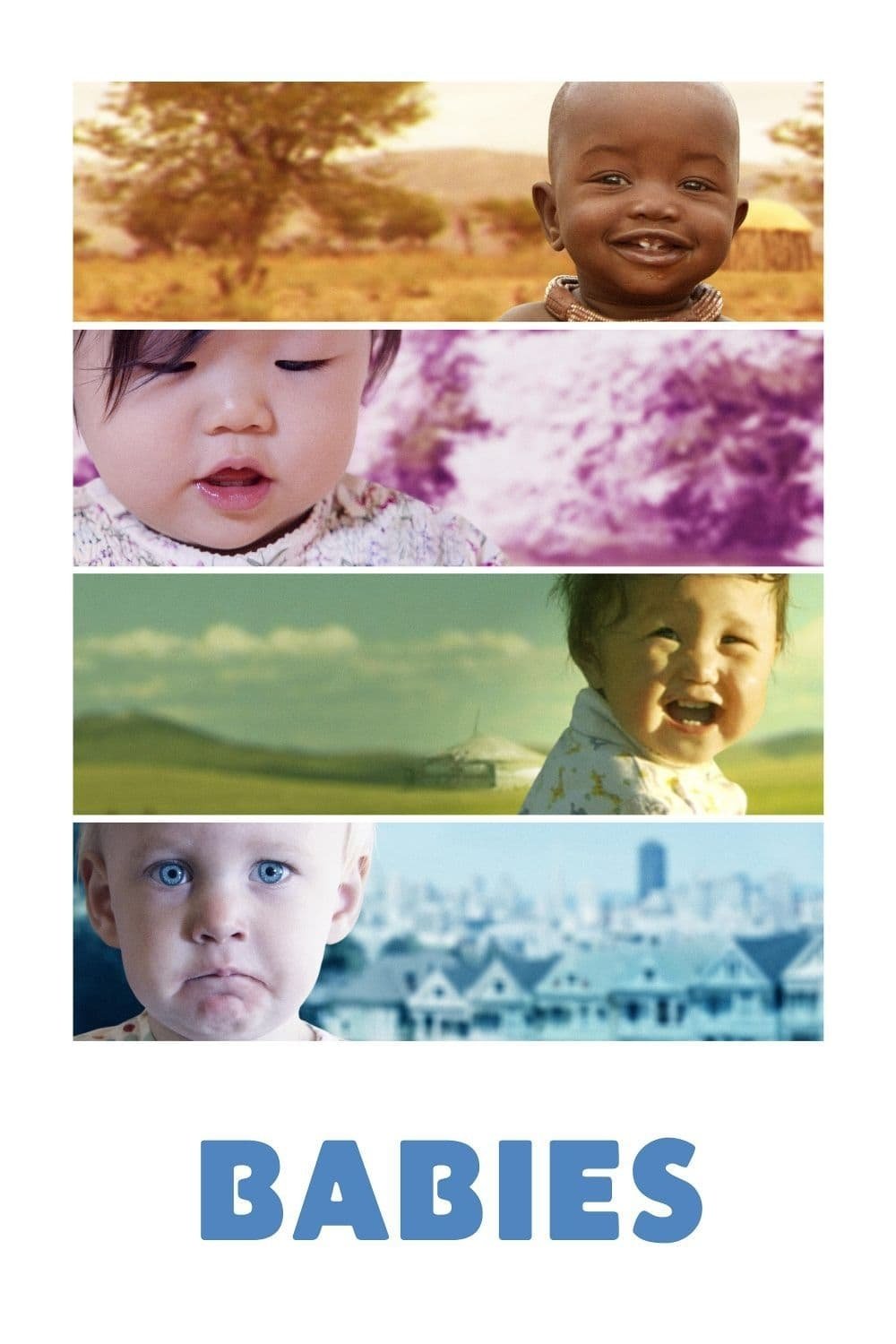
A non-narrated documentary following the lovesome lives of four infants from birth to their first birthday. The babies featured are two from rural areas: Ponijao from Opuwo, Namibia, and Bayar from Bayanchandmani, Mongolia, as well as two from urban areas: Mari from Tokyo, Japan, and Hattie from San Francisco, USA.
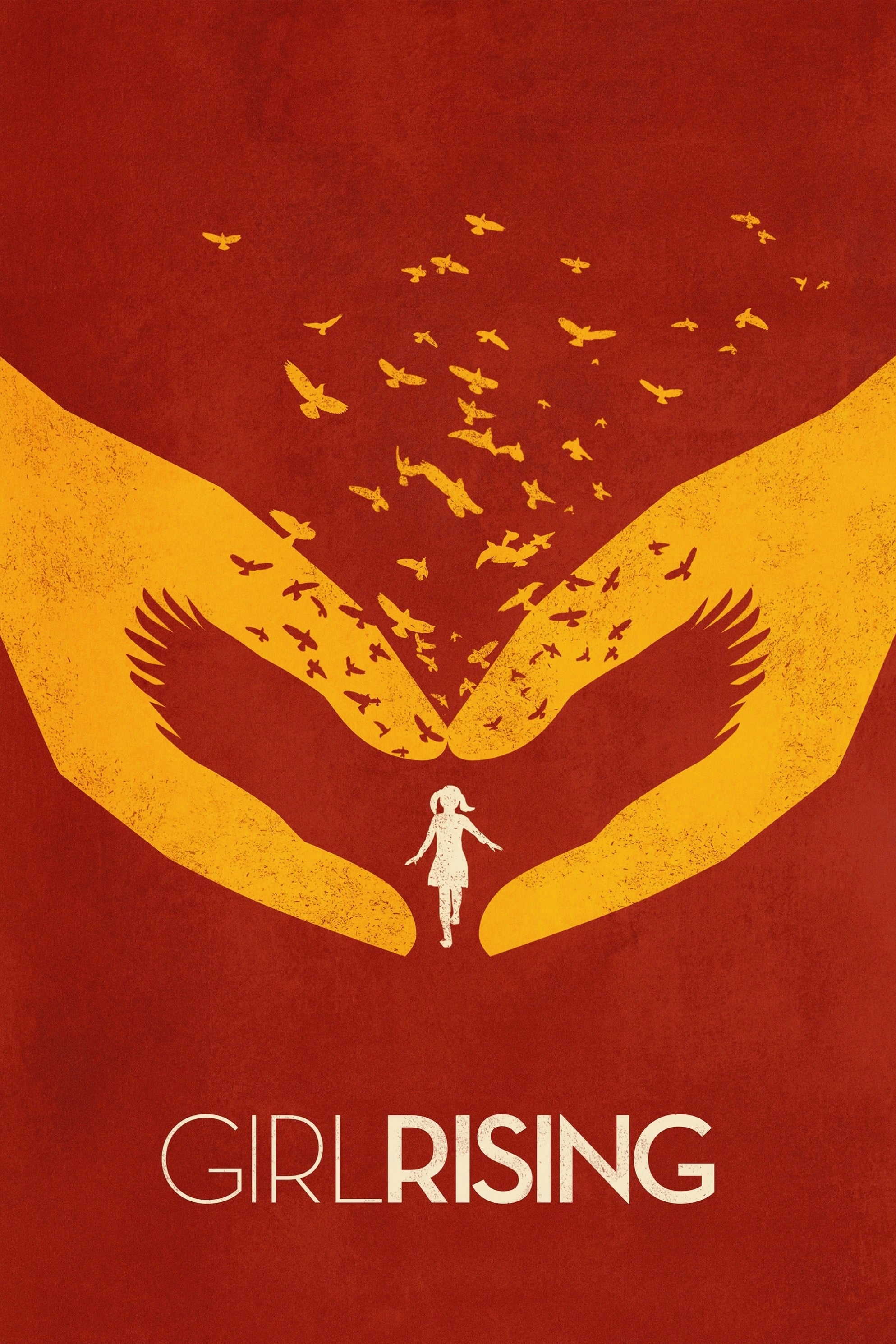
Nine filmmakers each profile a young girl from a different part of the world to weave a global tapestry of youth in the 21st century.
A documentary about how a dominant cultural and demographic institution both sustains their traditional activities and adapts to the digital revolution.
A sexual wellness company gains fame and followers, then members come forward with shocking allegations.
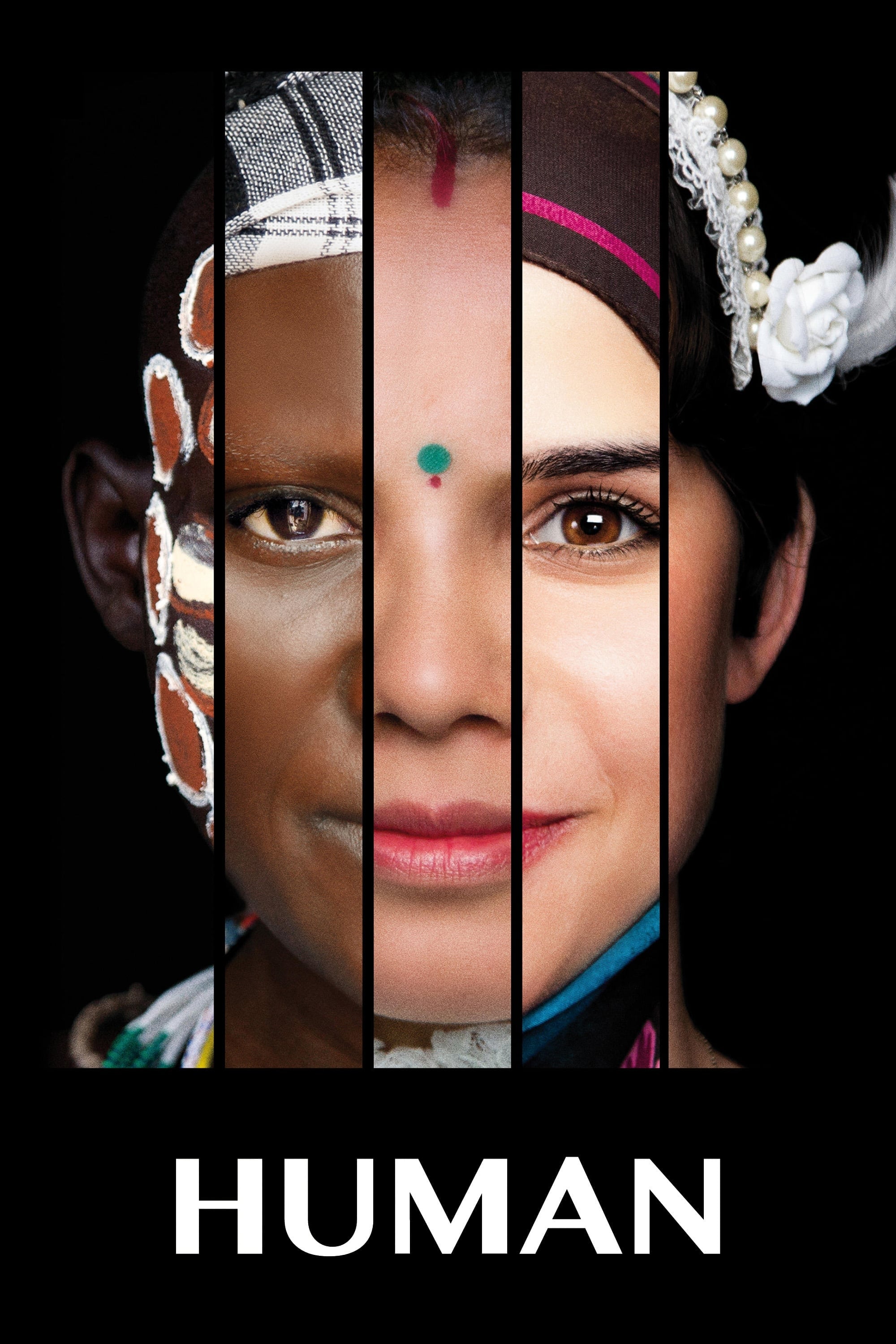
A collection of stories about and images of our world, offering an immersion to the core of what it means to be human. Through these stories full of love and happiness, as well as hatred and violence, it brings us face to face with the Other, making us reflect on our lives. From stories of everyday experiences to accounts of the most unbelievable lives, these poignant encounters share a rare sincerity and underline who we are – our darker side, but also what is most noble in us, and what is universal. Our Earth is shown at its most sublime through never-before-seen aerial images accompanied by soaring music, resulting in an ode to the beauty of the world, providing a moment to draw breath and for introspection. This film is a politically engaged work which allows us to embrace the human condition and to reflect on the meaning of our existence.
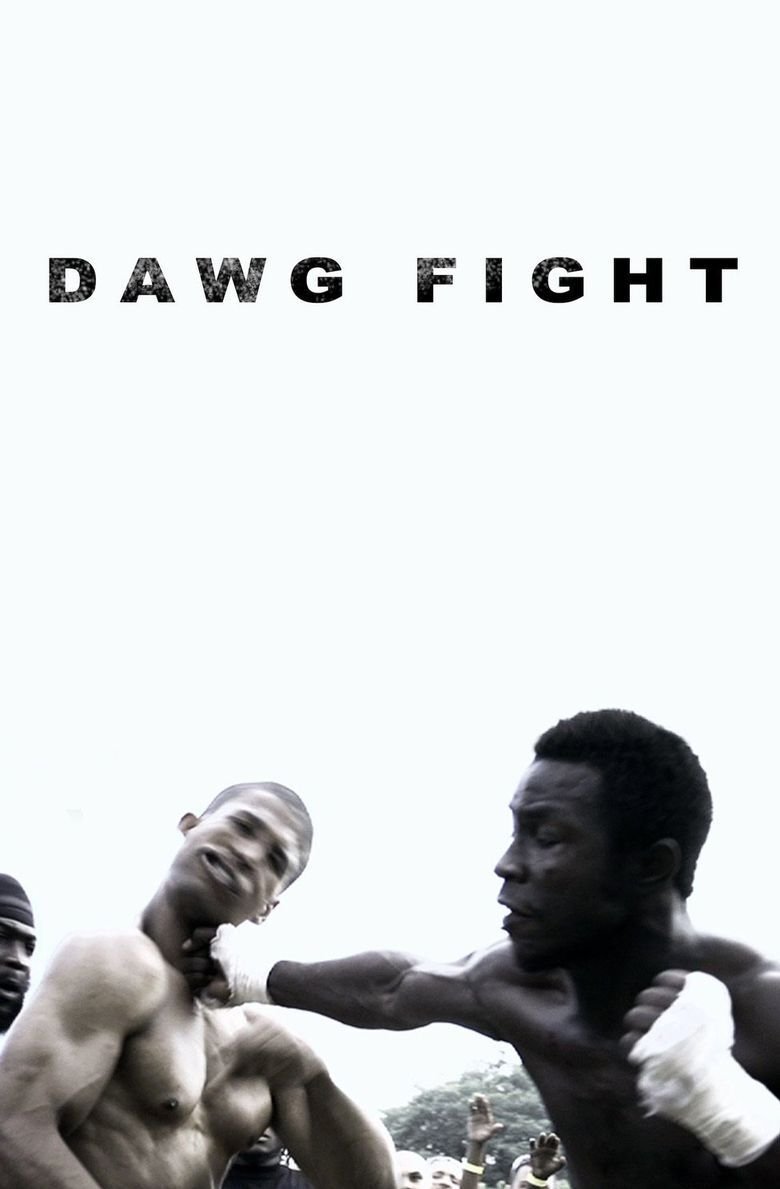
In a crime-plagued neighborhood near Miami, brutal, bare-knuckled backyard fights give young men a chance to earn money -- and self-respect.
A detailing of the rise to prominence and global sporting superstardom of six supremely talented young Manchester United football players (David Beckham, Nicky Butt, Ryan Giggs, Paul Scholes, Phil and Gary Neville). The film covers the period 1992-1999, culminating in Manchester United's European Cup triumph.
Those who knew iconic funnyman John Candy best share his story, in their own words, through never-before-seen archival footage, imagery, and interviews.
An inside look at one of the most anticipated movie sequels ever with James Cameron and cast.
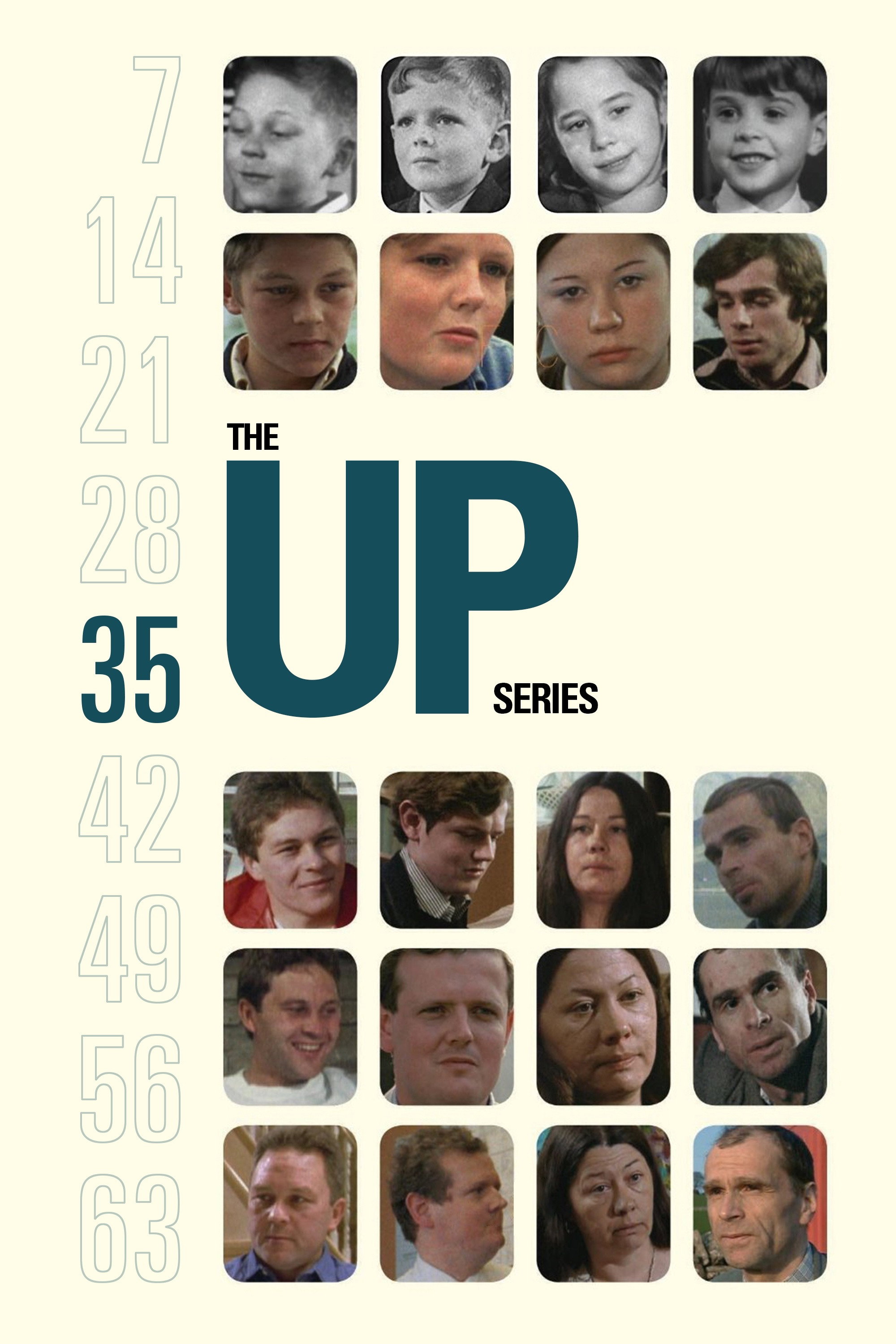
Director Michael Apted revisits the same group of British-born adults after a 7 year wait. The subjects are interviewed as to the changes that have occurred in their lives during the last seven years.
A look at the origins, history and conspiracies behind the "Majestic 12", a clandestine group of military and corporate figureheads charged with reverse-engineering extraterrestrial technology.
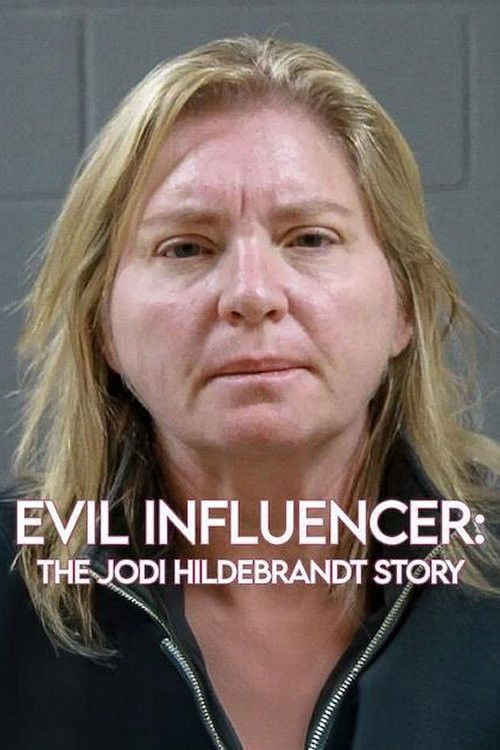
Unravel the case of Utah therapist Jodi Hildebrandt, whose child abuse arrest with parenting YouTuber Ruby Franke exposed a twisted tale of manipulation.
This searing investigative work shadows a group of activists risking unimaginable peril to confront the ongoing anti-LGBTQ program raging in the repressive and closed Russian republic. Unfettered access and a remarkable approach to protecting anonymity exposes this under-reported atrocity–and an extraordinary group of people confronting evil.
A purely observational non-fiction film that takes viewers into the ethically murky world of end-of-life decision making in a public hospital.
A visual montage portrait of our contemporary world dominated by globalized technology and violence.