Social & External
The people behind it
On September 11, 2004, filmmaker Robert Morin shot Que Dieu bénisse l'Amérique, set on September 11, 2001. For artistic reasons, he decided to shoot the feature in a single day. Philippe Falardeau witnessed this tumultuous day, which ended tragically. At the same time, filmmaker Louis Bélanger criticizes Robert Morin's working methods.
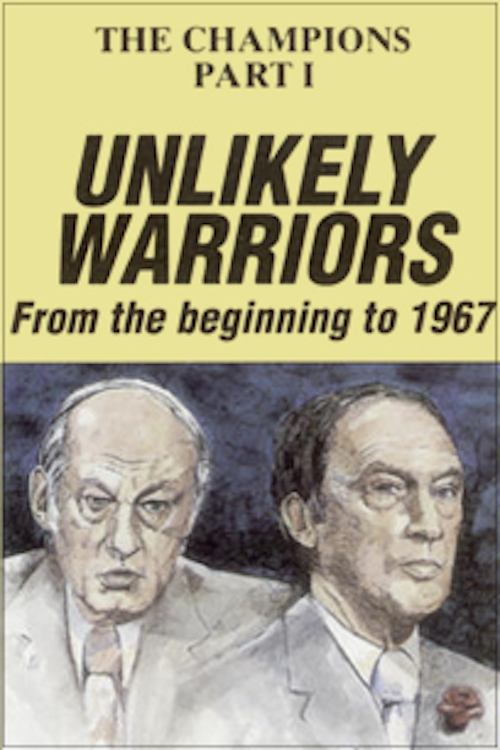
In Part 1 of this 3-part documentary series, director Donald Brittain chronicles the early years of Pierre Elliott Trudeau and René Lévesque. From their university days in the 1950s to 1967 when Lévesque left the Liberal Party and Trudeau became the federal Minister of Justice, Brittain attempts to get at the heart of what makes these men so fascinating.
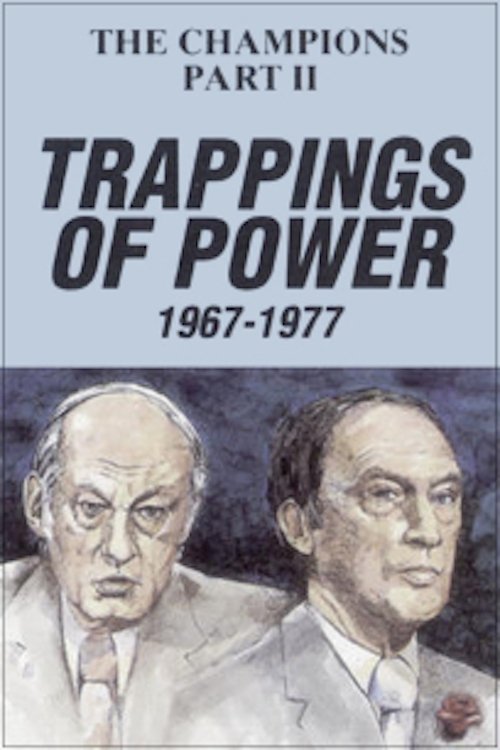
Part 2 of this 3-part documentary series about Pierre Elliott Trudeau and René Lévesque covers the years between 1967 and 1977, a colourful decade that saw Trudeau win three federal elections, the 1970 October Crisis and the sweeping rise to power of the Parti Québécois.
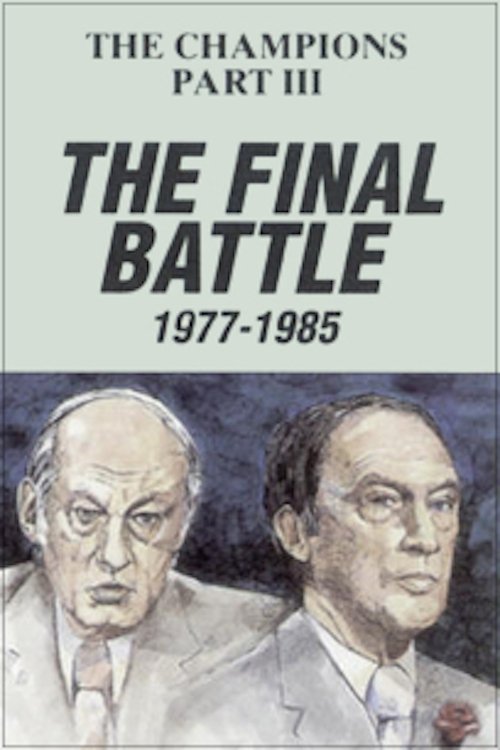
The final instalment of this 3-part documentary series about Pierre Elliott Trudeau and René Lévesque spans the decade between 1976 and 1986. The film reveals the turbulent, behind-the-scenes drama during the Quebec referendum and the repatriation of the Canadian Constitution. In doing so, it also traces both Trudeau's and Lévesque's fall from power.
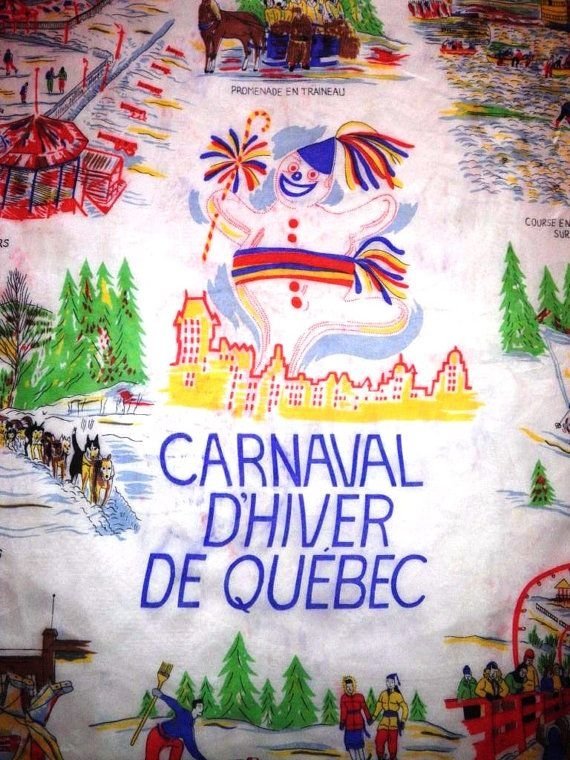
Carnival time in Quebec, Canada, is also time for racing with sled-dogs, horse-drawn sleighs, hockey, curling the carving of ice-statues, obstacle races by youngsters, fireworks, and also the selection of a Carnival Queen.
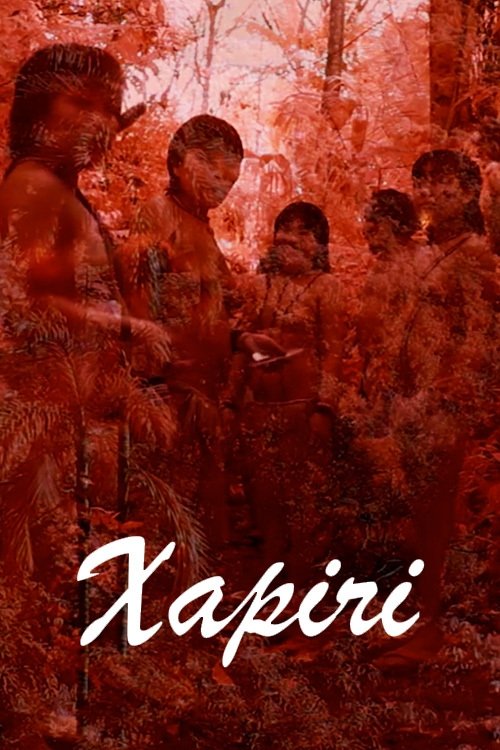
Xapiri is a Yanomami term that characterizes the shamans, male spirits (xapiri thëpë) and also auxiliary spirits (xapiri pë). Xapiri is an experimental film about Yanomami shamanism that was filmed during a meeting of 37 shamans at the Watoriki Reserve, Roraima, in March of 2011. The film was designed to take into account two different notions of image: those of the Yanomami and ours. Therefore, it does not set out to explain shamanism, its methods or procedures, but to allow different cultures to visualize and feel the way in which the shamans “embody” the spirits, their bodies and voices.
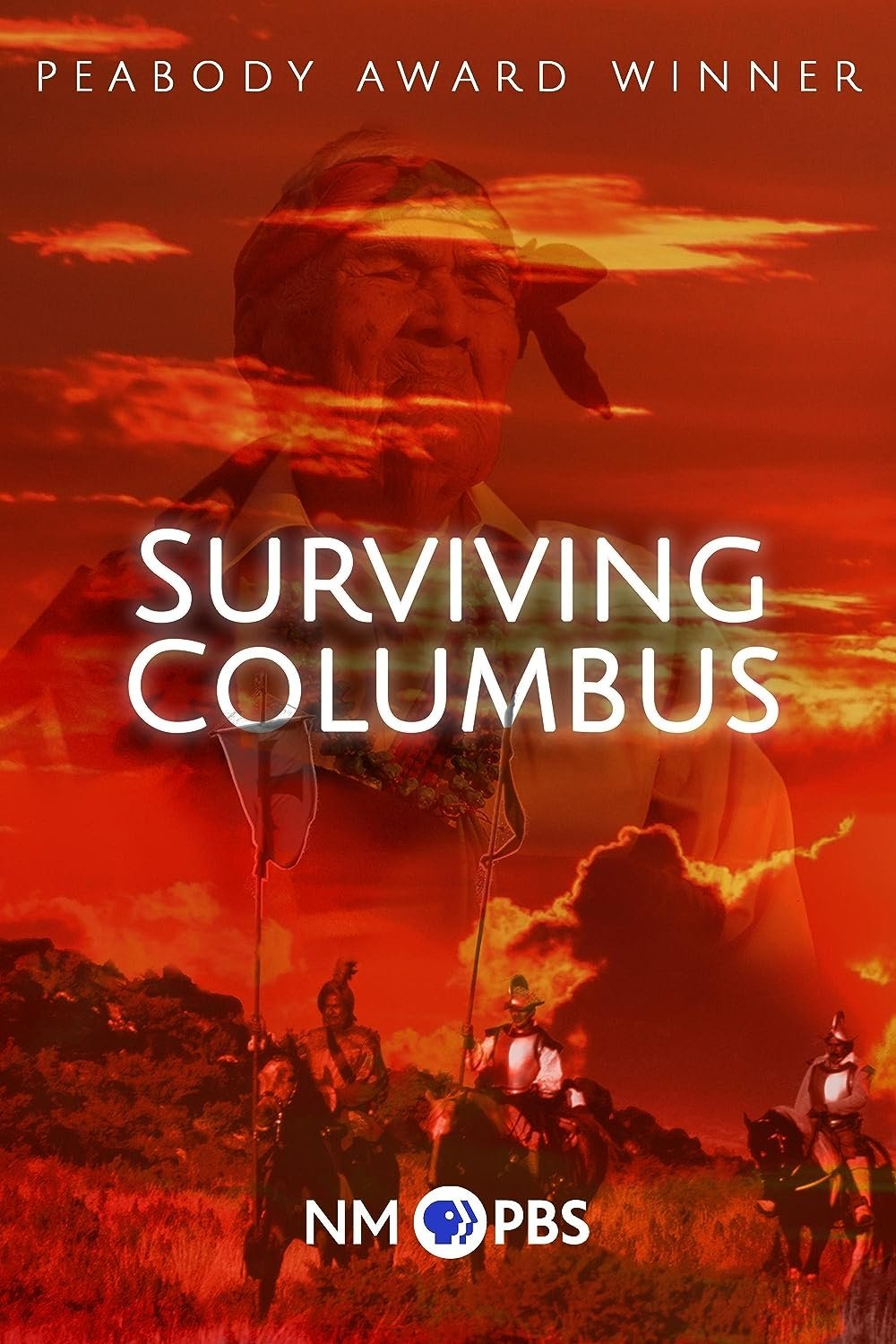
This Peabody Award-winning documentary from New Mexico PBS looks at the European arrival in the Americas from the perspective of the Pueblo Peoples.
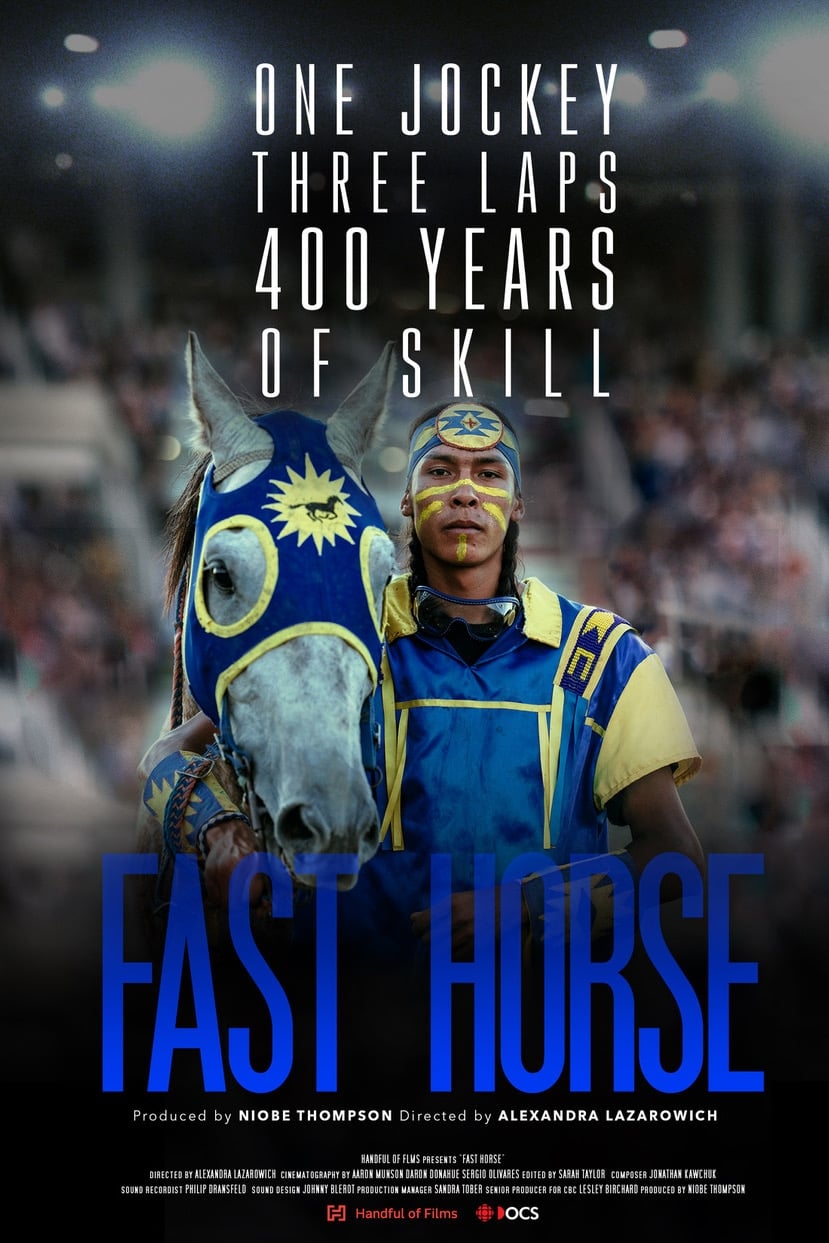
The Blackfoot bareback horse-racing tradition returns in the astonishingly dangerous Indian Relay. Siksika horseman Allison Red Crow struggles with secondhand horses and a new jockey on his way to challenging the best riders in the Blackfoot Confederacy.
In a continuation of her first film We Are Not Speaking the Same Language, Danika explains what it feels like to be displaced Indigenous urban.
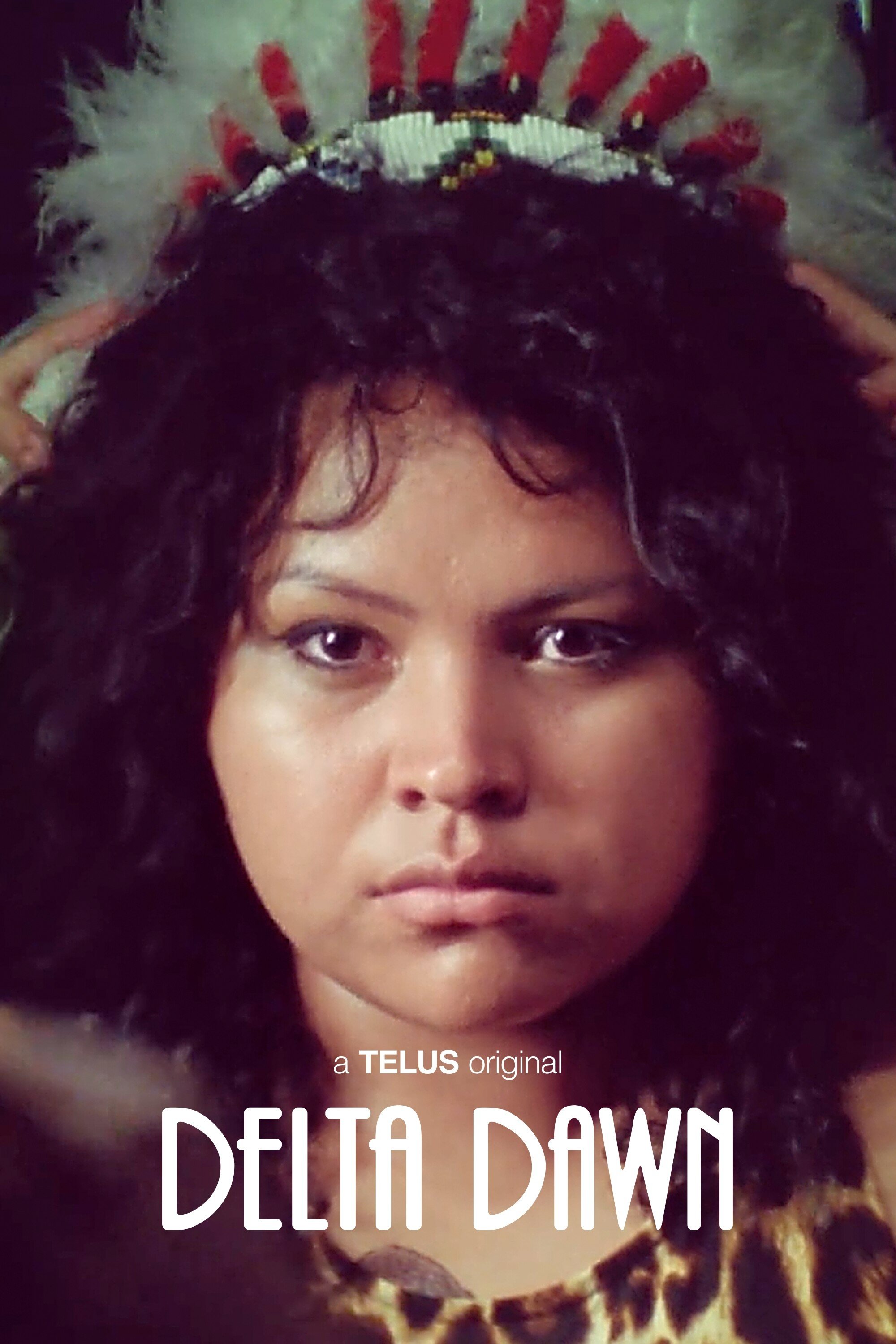
This documentary follows Dawn Murphy, or “Princess Delta Dawn”, who rose to fame in the 1980s and early 1990s and became the first Indigenous woman wrestler and the first Canadian woman wrestler to compete in Japan.
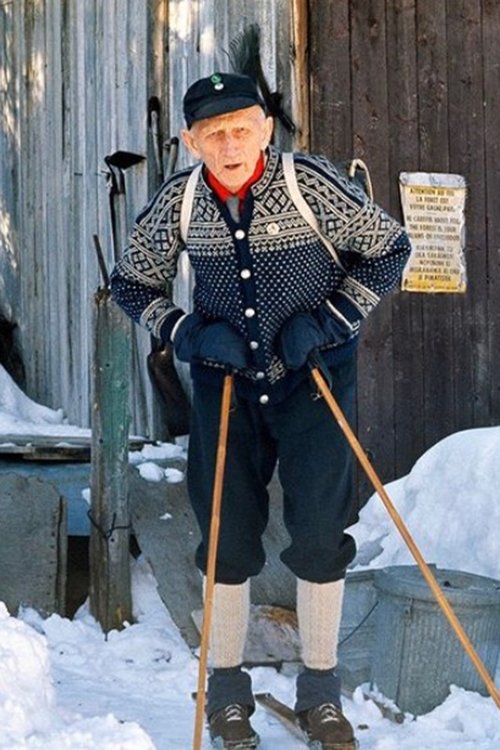
This short film retraces the life of Herman Smith Johannsen – the man who introduced the sport of cross-country skiing to Canadians. From past to present, his life story is portrayed through pictures from sports newsreels, Norwegian archives and his family album. The film catches up with him at both the Canadian Ski Marathon, where he is the honoured guest, and on a return trip to his native Norway.
The Manoki people live in northwestern Mato Grosso, Brazil, and one of their main economic activities is selling pequi, a local fruit, on the highways that cross their land. During a video workshop, the youngsters decided to present aspects of their villages and the process of gathering and selling the pequi fruit to the outside world. Incited by the possibility of filming and starring in their own film, they looked for the elders in the villages in attempt to find myths about the pequi. The making of this film was a process between indigenous and non-indigenous videomakers: from the main concept and filming to the editing and post-production. All images were recorded by the Manoki videomakers.
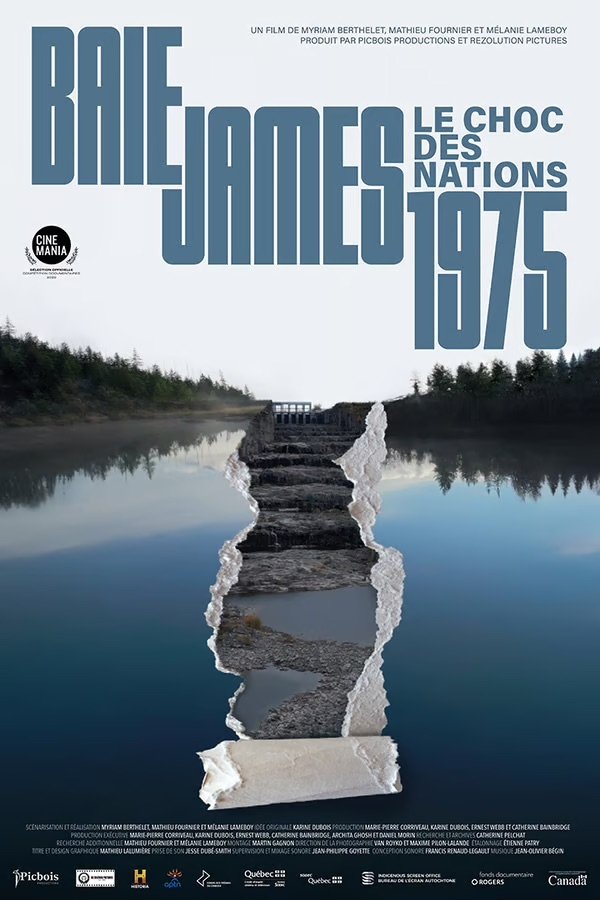
A dive into the origins of two revolutions: the rapid expansion of Hydro-Québec with the construction of the La Grande hydroelectric power plant, a project championed by Premier Robert Bourassa, and the awakening of Indigenous nations. A clash of civilizations where two worldviews collide. Quebec, buoyed by the momentum of the Quiet Revolution, takes control of its destiny. Meanwhile, in the North, young Inuit and Cree rise up for the first time to protect what is most precious to them: their land and their culture. At the heart of the conflict is the James Bay construction site, the largest of its kind in North America.
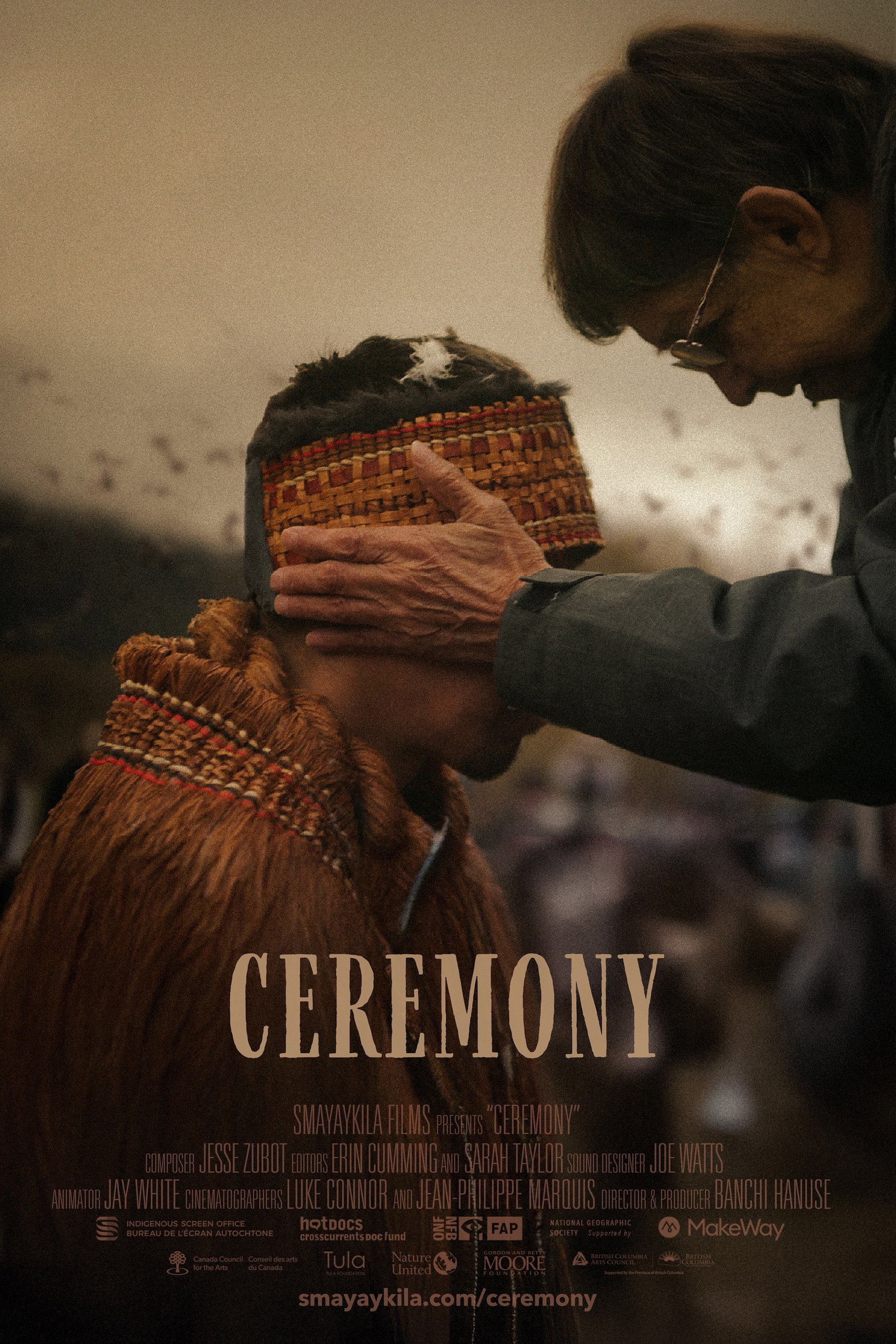
When the Nuxalk trace their vanished ooligan alongside a land claim filed the day smallpox arrived, their radio station becomes courtroom, confessional and conjuring ground, where an older law insists: the fish and the people return together or not at all.
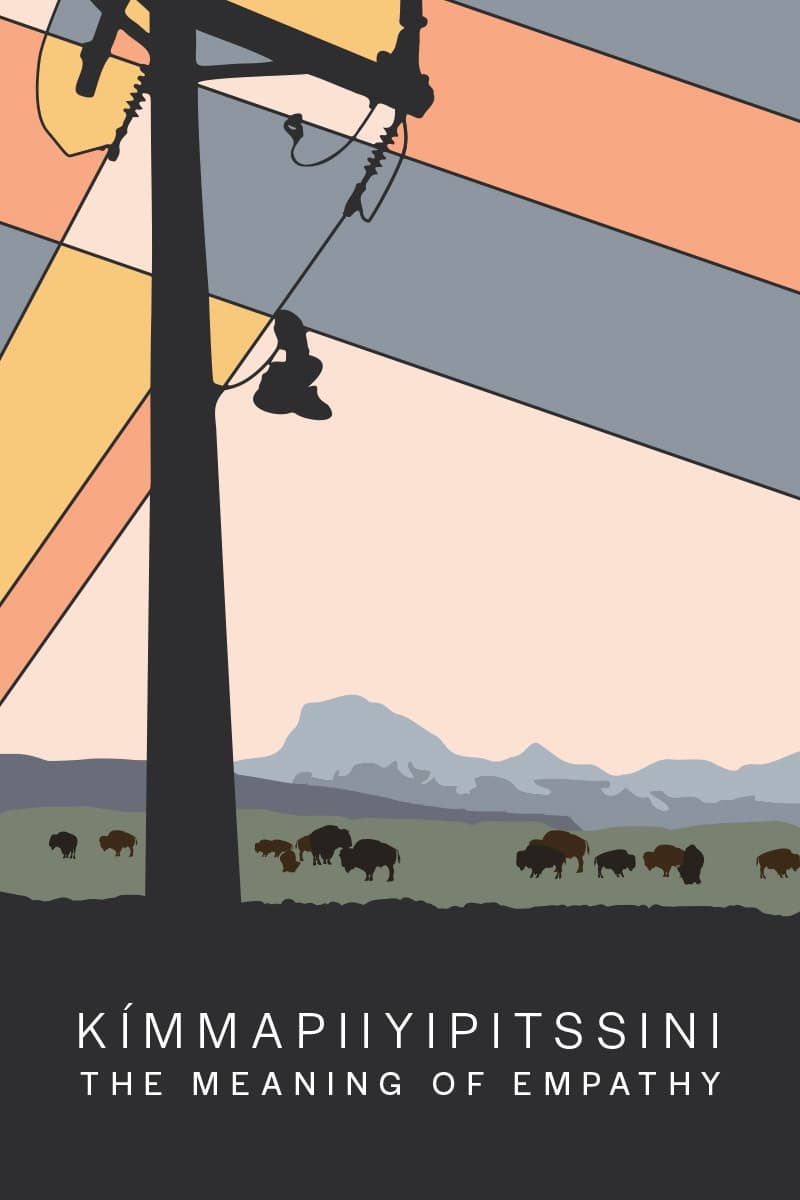
Follow filmmaker Elle-Máijá Tailfeathers as she creates an intimate portrait of her community and the impacts of the substance use and overdose epidemic. Witness the change brought by community members with substance-use disorder, first responders and medical professionals as they strive for harm reduction in the Kainai First Nation.
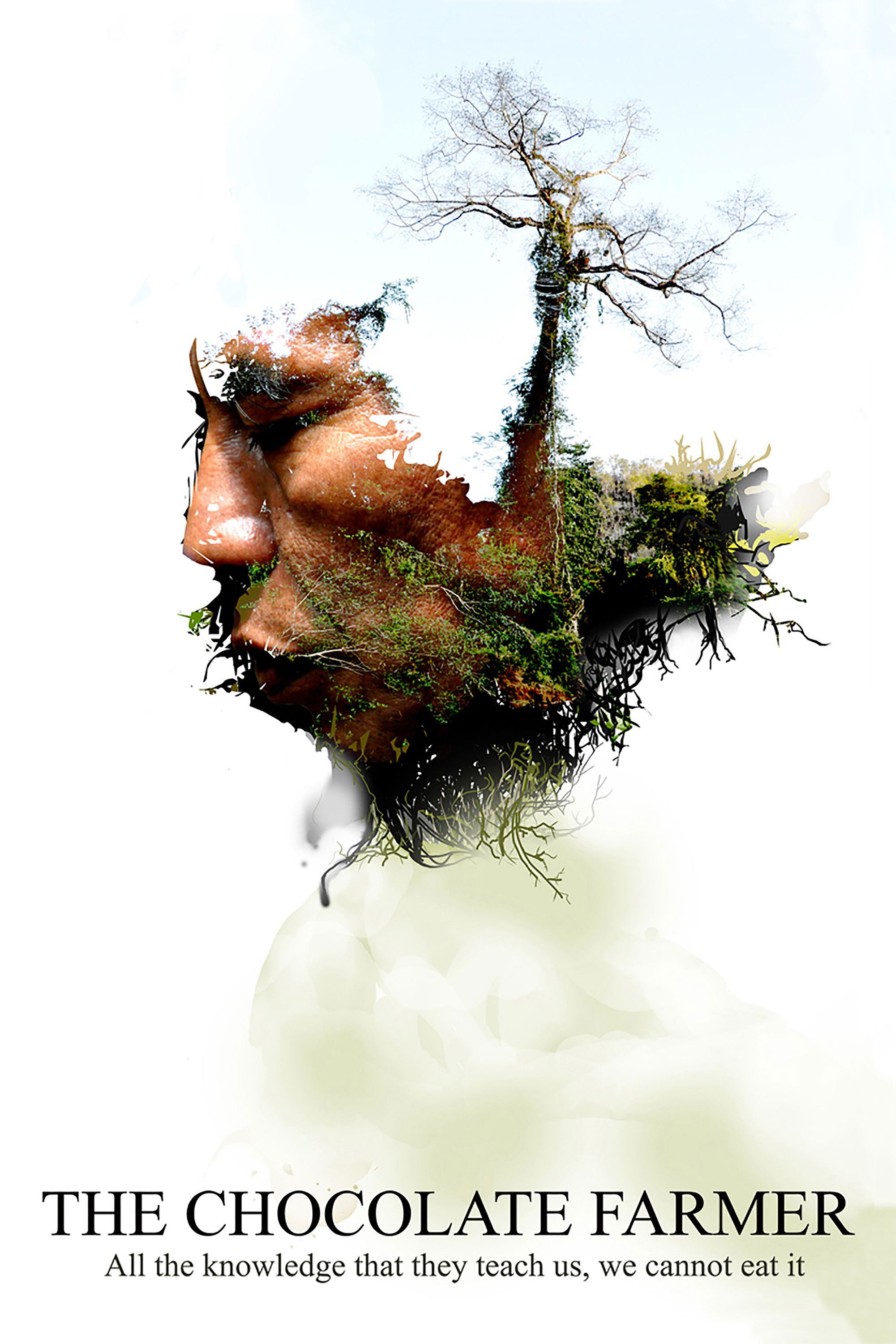
For ancient Mayans, cocoa was as good as gold. For subsistence farmer Eladio Pop, his cocoa crops are the only riches he has to support his wife and 15 children. As he wields his machete with ease, slicing a path to his cocoa trees, the small jungle plot he cultivates in southern Belize remains pristine and wild. His dreams for his children to inherit the land and the traditions of their Mayan ancestors present a familiar challenge. The kids feel their father's philosophies don't fit into a global economy, so they're charting their own course. Rohan Fernando's direction tenderly displays a generational shift, causalities of progress in modern times and a man valiantly protecting an endangered culture. Breathtaking vistas of lush rainforests contrast with the urban dystopia that pulled Pops children away from him. Will one child return to carry on a waning way of life
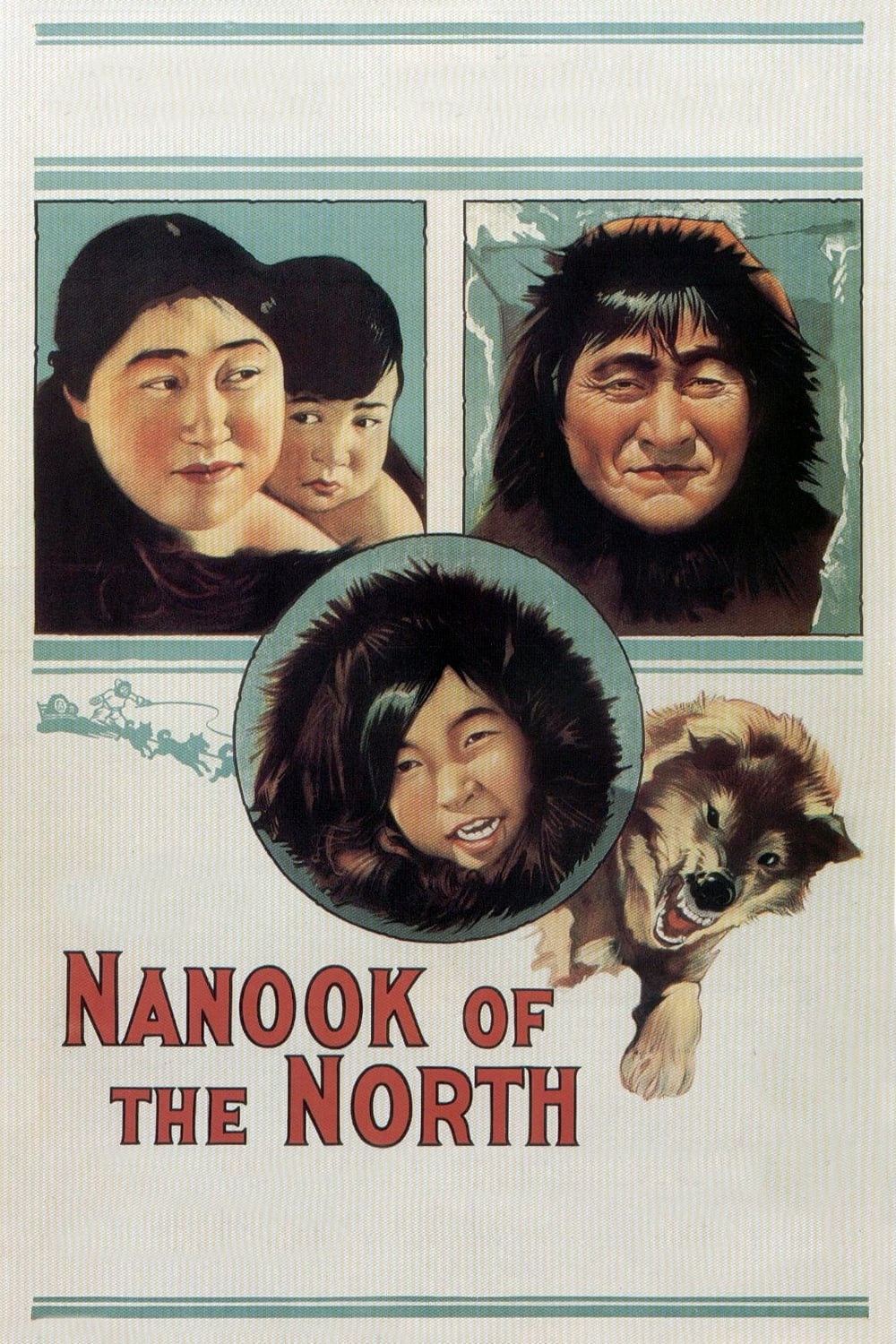
This pioneering documentary film depicts the lives of the indigenous Inuit people of Canada's northern Quebec region. Although the production contains some fictional elements, it vividly shows how its resourceful subjects survive in such a harsh climate, revealing how they construct their igloo homes and find food by hunting and fishing. The film also captures the beautiful, if unforgiving, frozen landscape of the Great White North, far removed from conventional civilization.
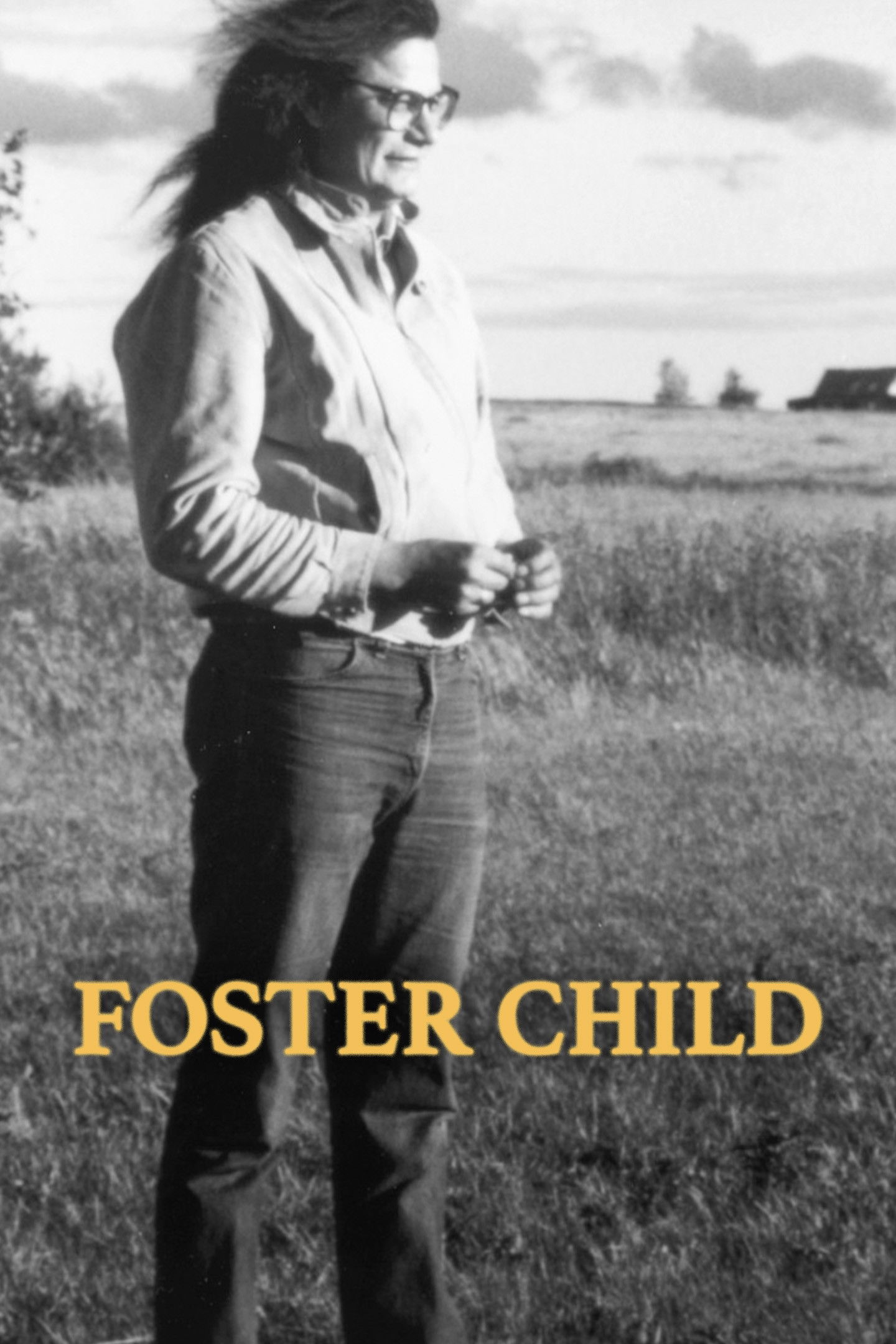
Gil Cardinal searches for his natural family and an understanding of the circumstances that led to his becoming a foster child. An important figure in the history of Canadian Indigenous filmmaking, Gil Cardinal was born to a Métis mother but raised by a non-Indigenous foster family, and with this auto-biographical documentary he charts his efforts to find his biological mother and to understand why he was removed from her. Considered a milestone in documentary cinema, it addressed the country’s internal colonialism in a profoundly personal manner, winning a Special Jury Prize at Banff and multiple international awards.
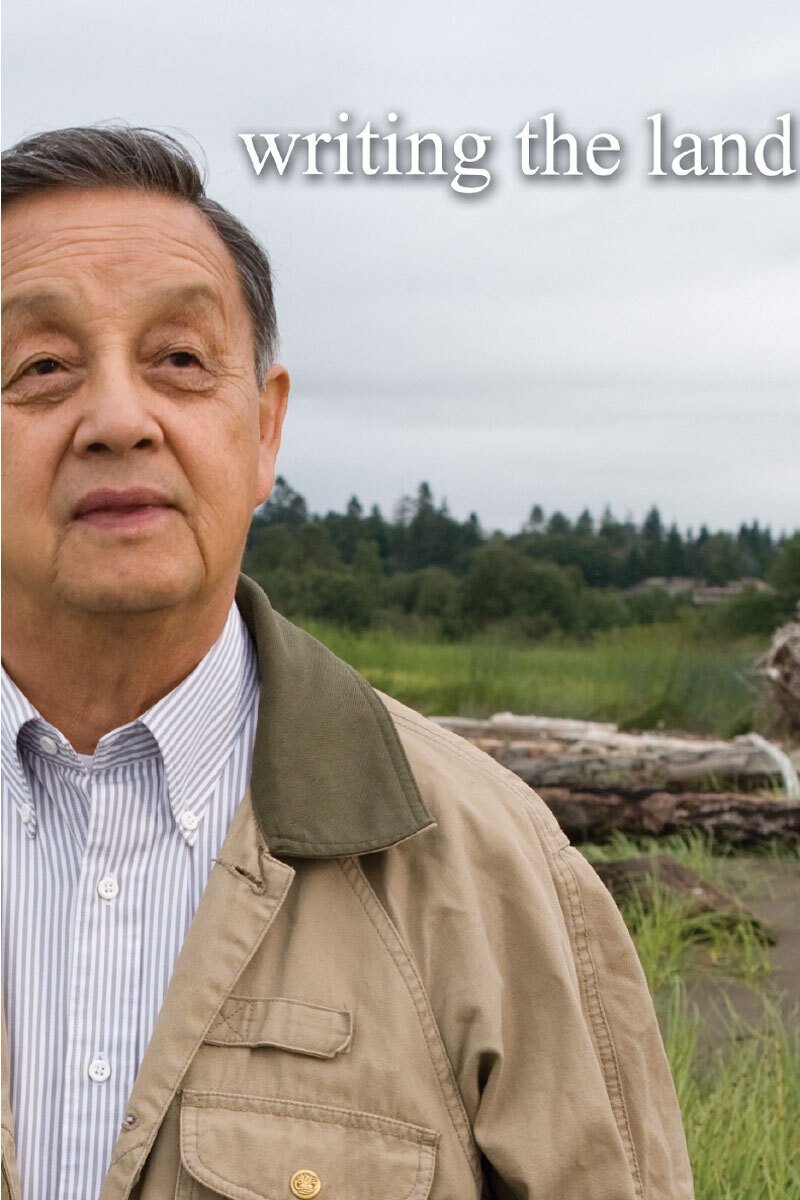
In this short documentary, a Musqueam elder rediscovers his Native language and traditions in the city of Vancouver, in the vicinity of which the Musqueam people have lived for thousands of years. Writing the Land captures the ever-changing nature of a modern city - the glass and steel towers cut against the sky, grass, trees and a sudden flash of birds in flight and the enduring power of language to shape perception and create memory.
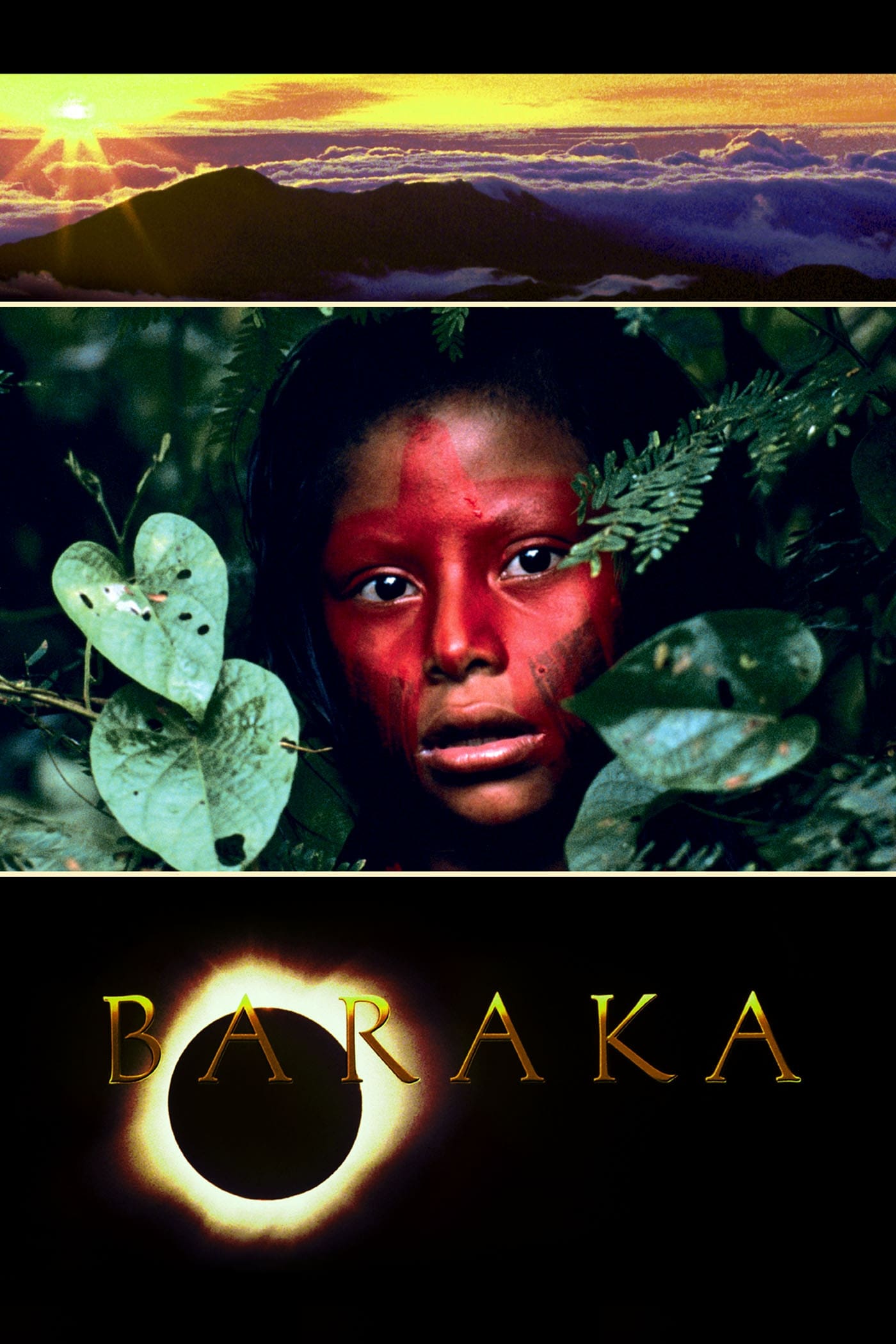
A paralysingly beautiful documentary with a global vision—an odyssey through landscape and time—that attempts to capture the essence of life.
In an intimate and joyful story of love in the face of loss, celebrated poets Andrea Gibson and Megan Falley find strength—and unexpected hilarity—in what might be their final year together.
Alexander McQueen's rags-to-riches story is a modern-day fairy tale, laced with the gothic. Mirroring the savage beauty, boldness and vivacity of his design, this documentary is an intimate revelation of McQueen's own world, both tortured and inspired, which celebrates a radical and mesmerizing genius of profound influence.
The Captains is a feature-length documentary film written and directed by William Shatner. The film follows Shatner as he interviews the other actors who have portrayed starship captains in the Star Trek franchise.
Through deeply personal interviews with her siblings and an examination of the photographs, letters, and belongings left behind, Mariska assembles a new portrait of her mother Jayne Mansfield, an extraordinary and complex woman.
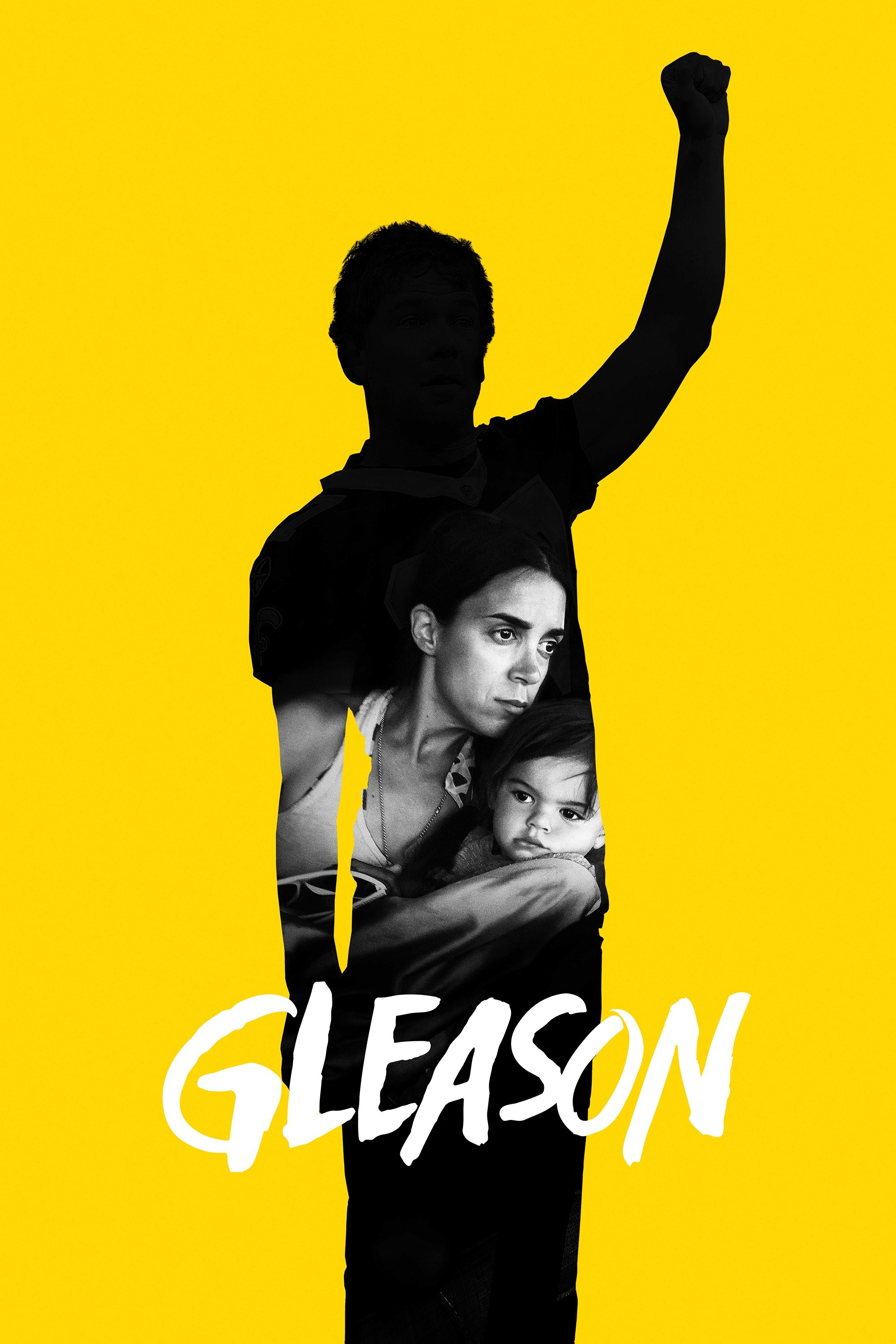
At the age of 34, former New Orleans Saints defensive back Steve Gleason was diagnosed with ALS and given a life expectancy of two to five years. Weeks later, Gleason found out his wife, Michel, was expecting their first child. A video journal that began as a gift for his unborn son expands to chronicle Steve’s determination to get his relationships in order, build a foundation to provide other ALS patients with purpose, and adapt to his declining physical condition—utilizing medical technologies that offer the means to live as fully as possible.
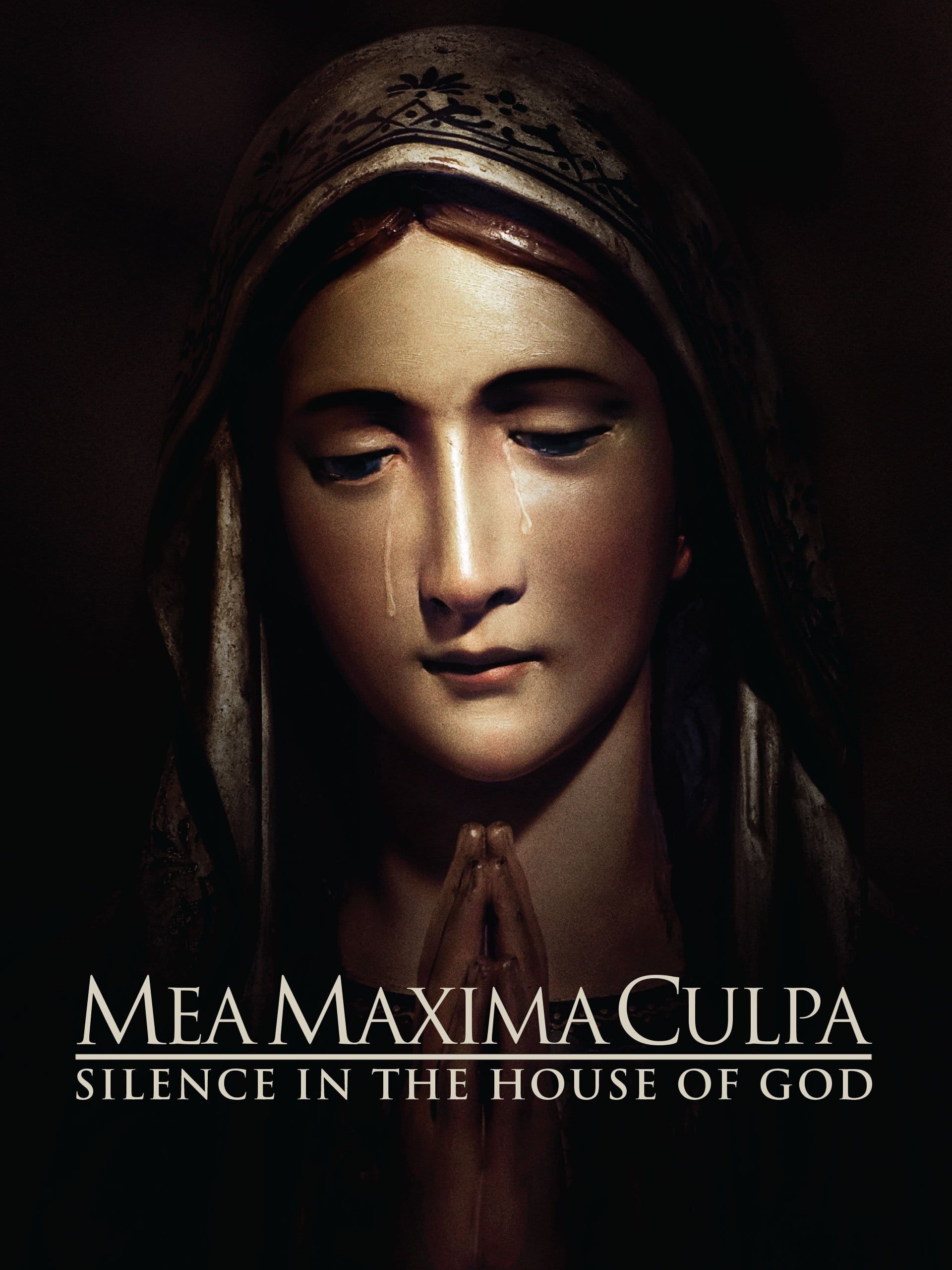
Alex Gibney explores the charged issue of pedophilia in the Catholic Church, following a trail from the first known protest against clerical sexual abuse in the United States and all way to the Vatican.
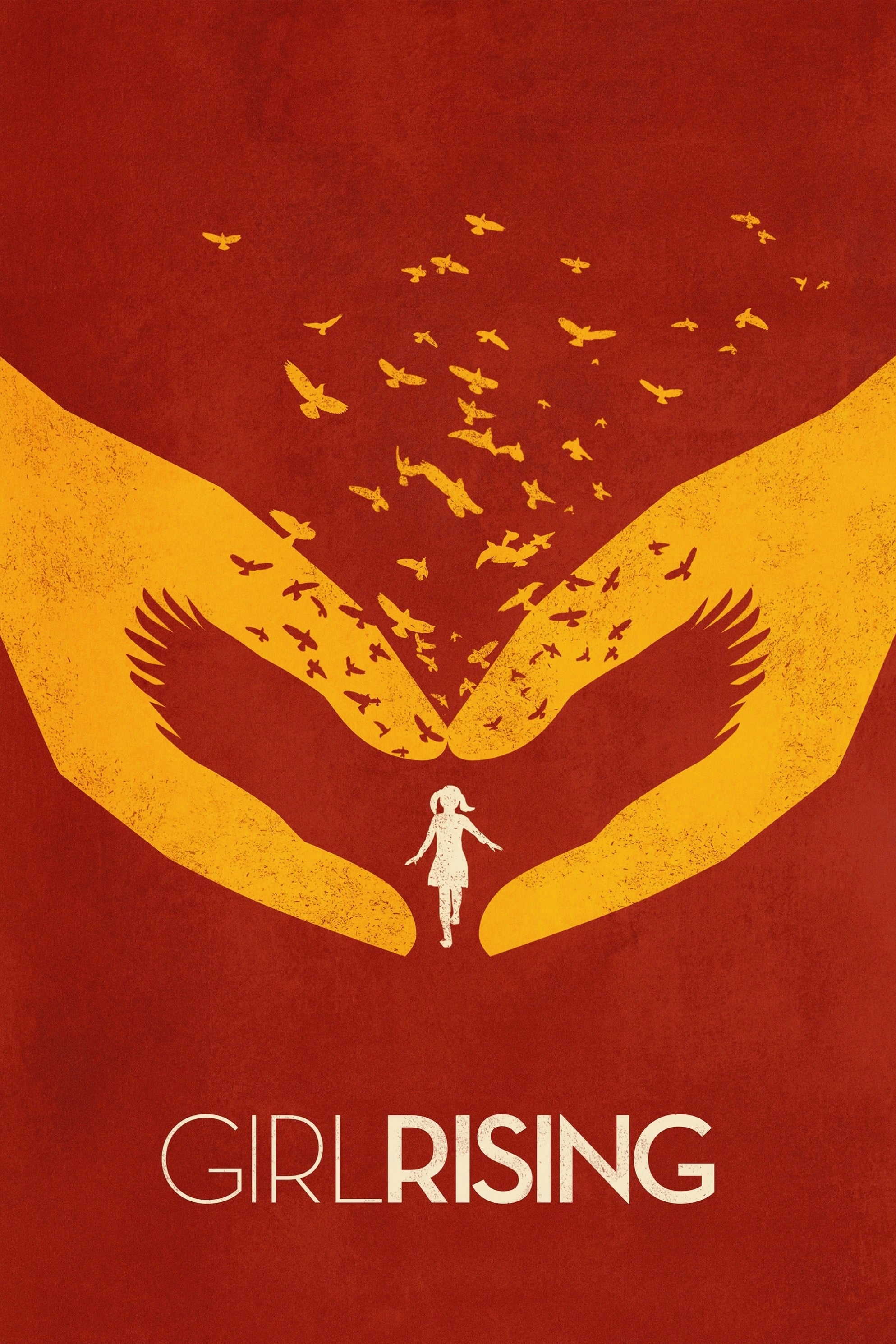
Nine filmmakers each profile a young girl from a different part of the world to weave a global tapestry of youth in the 21st century.
Captured during Billie Eilish's sold-out world tour, a concert experience from one of the most celebrated and successful artists of her generation, presented in immersive 3D.
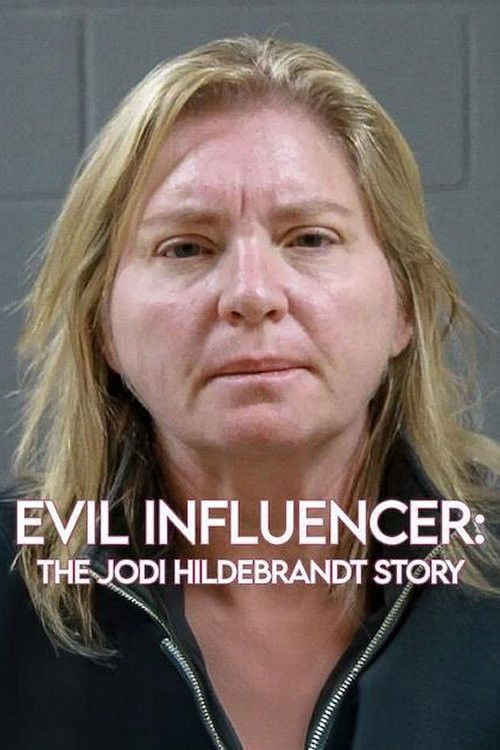
Unravel the case of Utah therapist Jodi Hildebrandt, whose child abuse arrest with parenting YouTuber Ruby Franke exposed a twisted tale of manipulation.
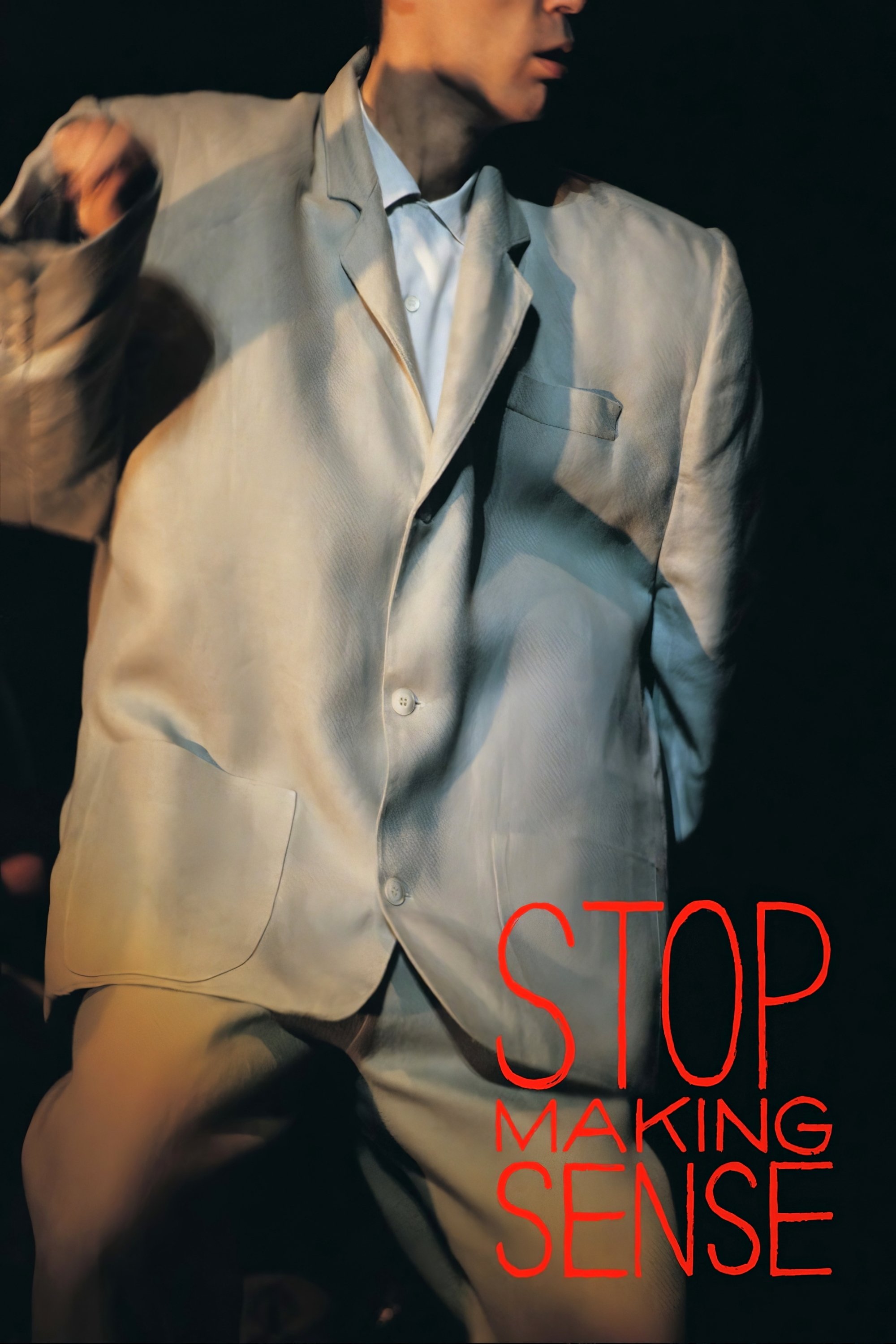
A concert film documenting Talking Heads at the height of their popularity, on tour for their 1983 album "Speaking in Tongues." The band takes the stage one by one and is joined by a cadre of guest musicians for a career-spanning and cinematic performance that features creative choreography and visuals.
A young penguin, driven by his instinct, embarks on his first major trip to an unknown destination.
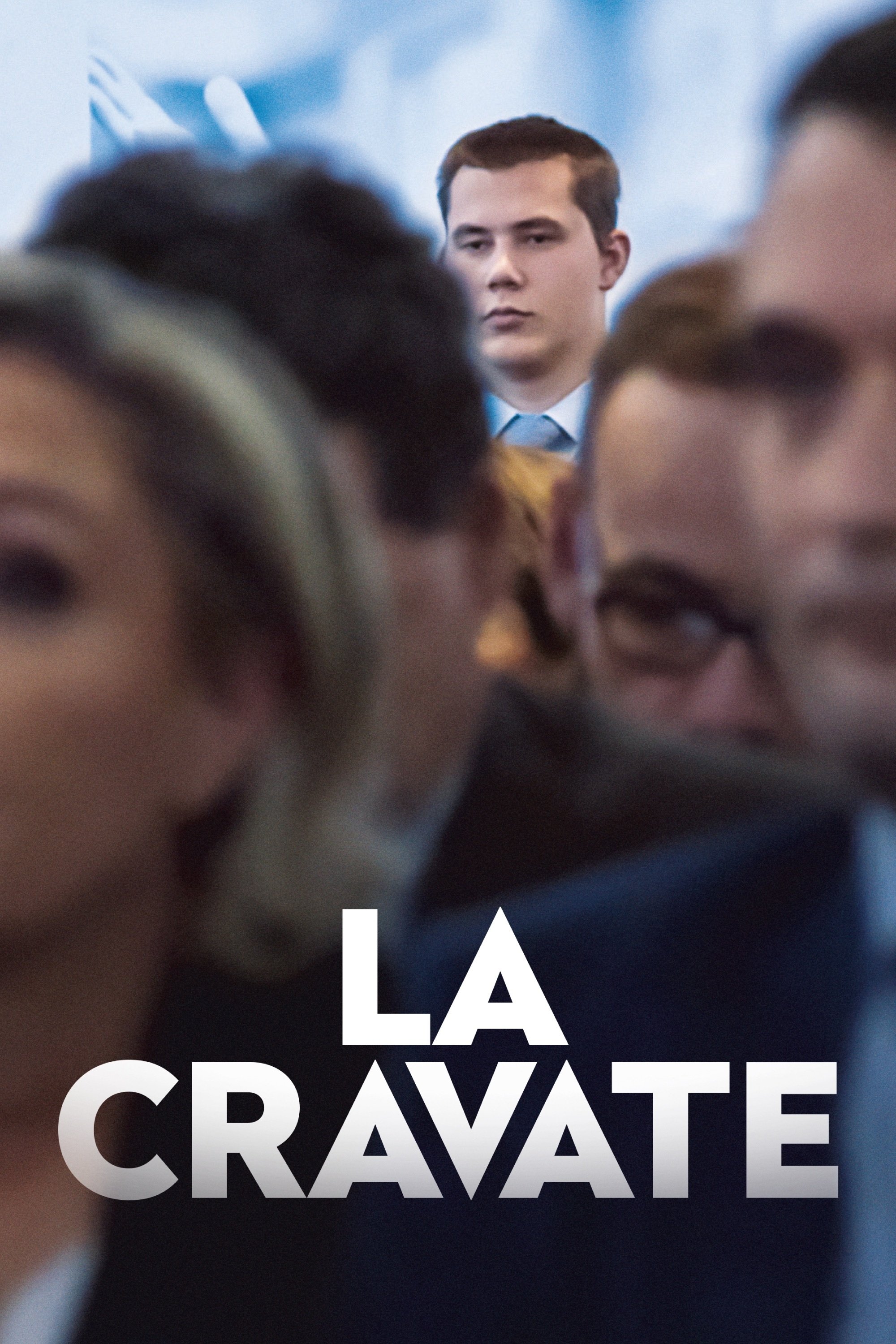
Bastien is twenty years old and has been an activist for five years in the main extreme right party. When the presidential campaign begins, he's invited by his superior to commit even further. Initiated into the art of decking himself out like a politician, he starts to dream of a career, but old demons surge forth...
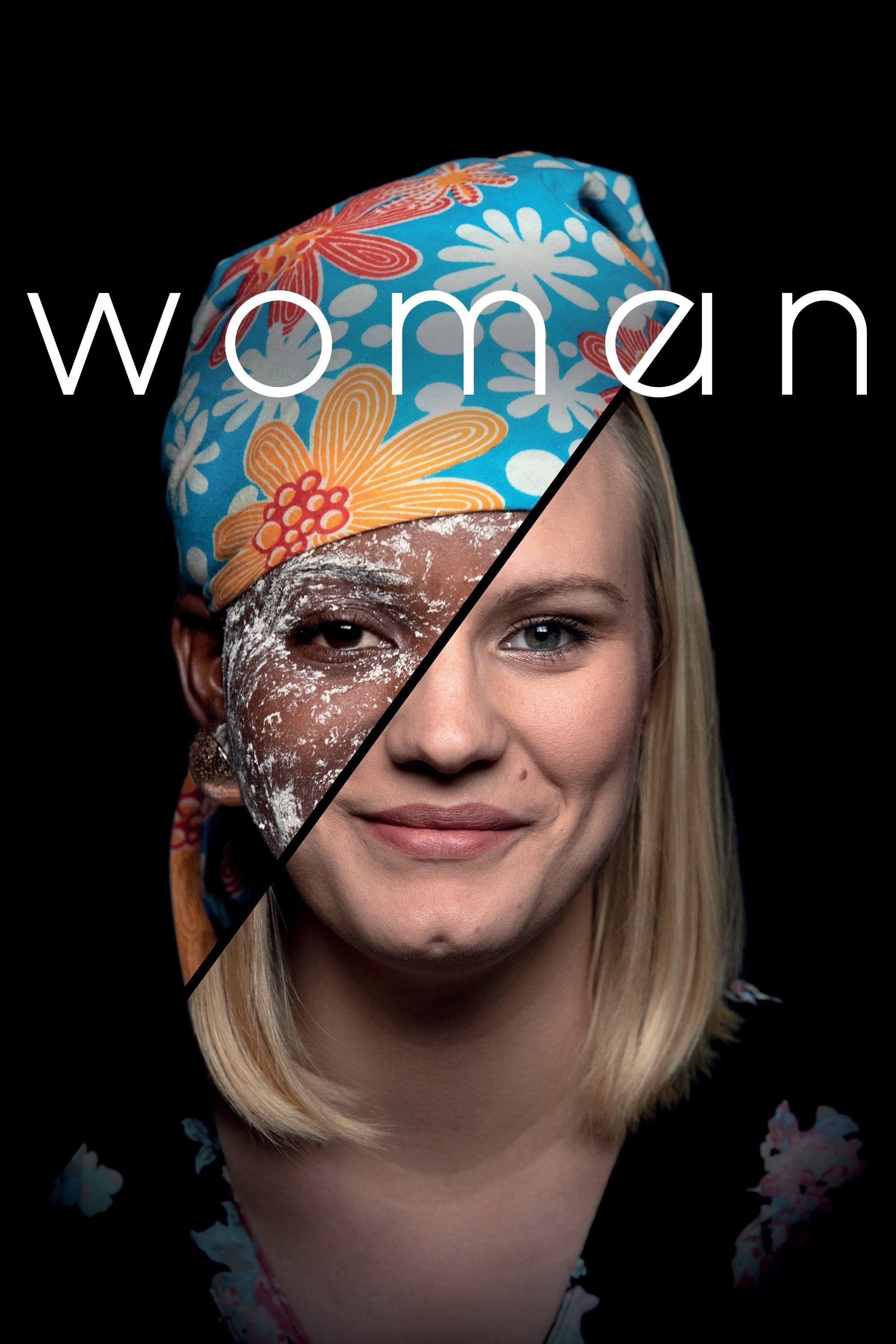
The film is based on interviews with 2,000 women from 50 countries, and covers the status of women all over the world. The topics covered include forced marriages, sexual assault, female genital mutilation, acid attacks, motherhood, sexuality, menstruation, education and the professional success of women.
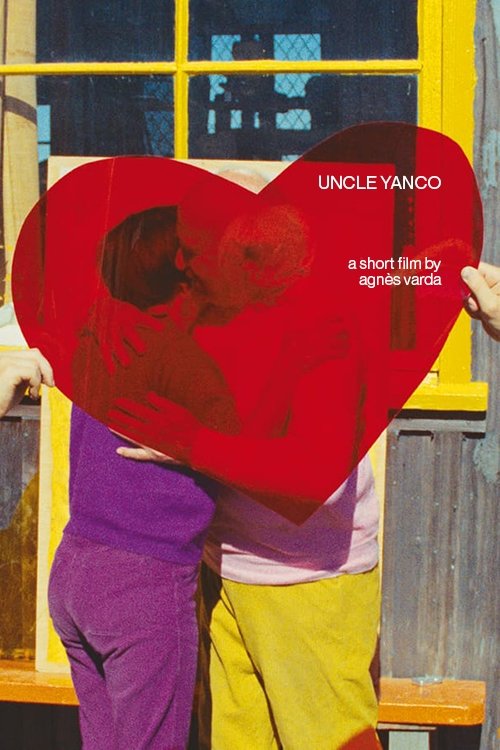
While in San Francisco for the promotion of her last film in October 1967, Agnès Varda, tipped by her friend Tom Luddy, gets to know a relative she had never heard of before, Jean Varda, nicknamed "Yanco". This hitherto unknown uncle lives on a boat in Sausalito, is a painter, has adopted a hippie lifestyle and loves life. The meeting is a very happy one.
Filmed at the end of the tour in Vancouver, B.C., with the entire Tortured Poets Department set.
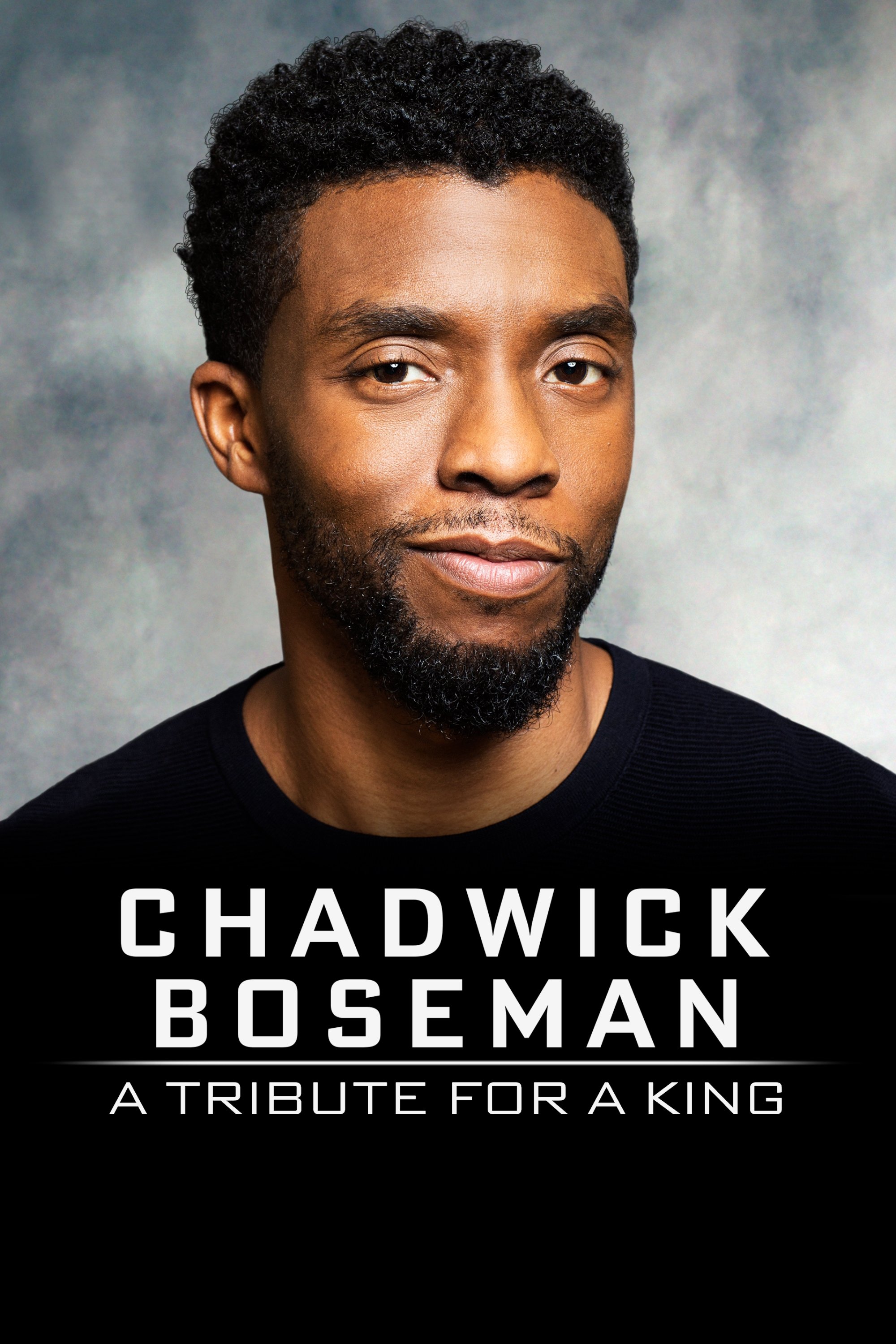
A tribute to Chadwick Boseman, celebrating his life and legacy.
While investigating the furtive world of illegal doping in sports, director Bryan Fogel connects with renegade Russian scientist Dr. Grigory Rodchenkov—a pillar of his country’s “anti-doping” program. Over dozens of Skype calls, urine samples, and badly administered hormone injections, Fogel and Rodchenkov grow closer despite shocking allegations that place Rodchenkov at the center of Russia’s state-sponsored Olympic doping program.
Echo is a youngster who can't quite decide if it's time to grow up and take on new responsibilities-or give in to her silly side and just have fun. Dolphin society is tricky, and the coral reef that Echo and his family call home depends on all of its inhabitants to keep it healthy. But Echo has a tough time resisting the many adventures the ocean has to offer.
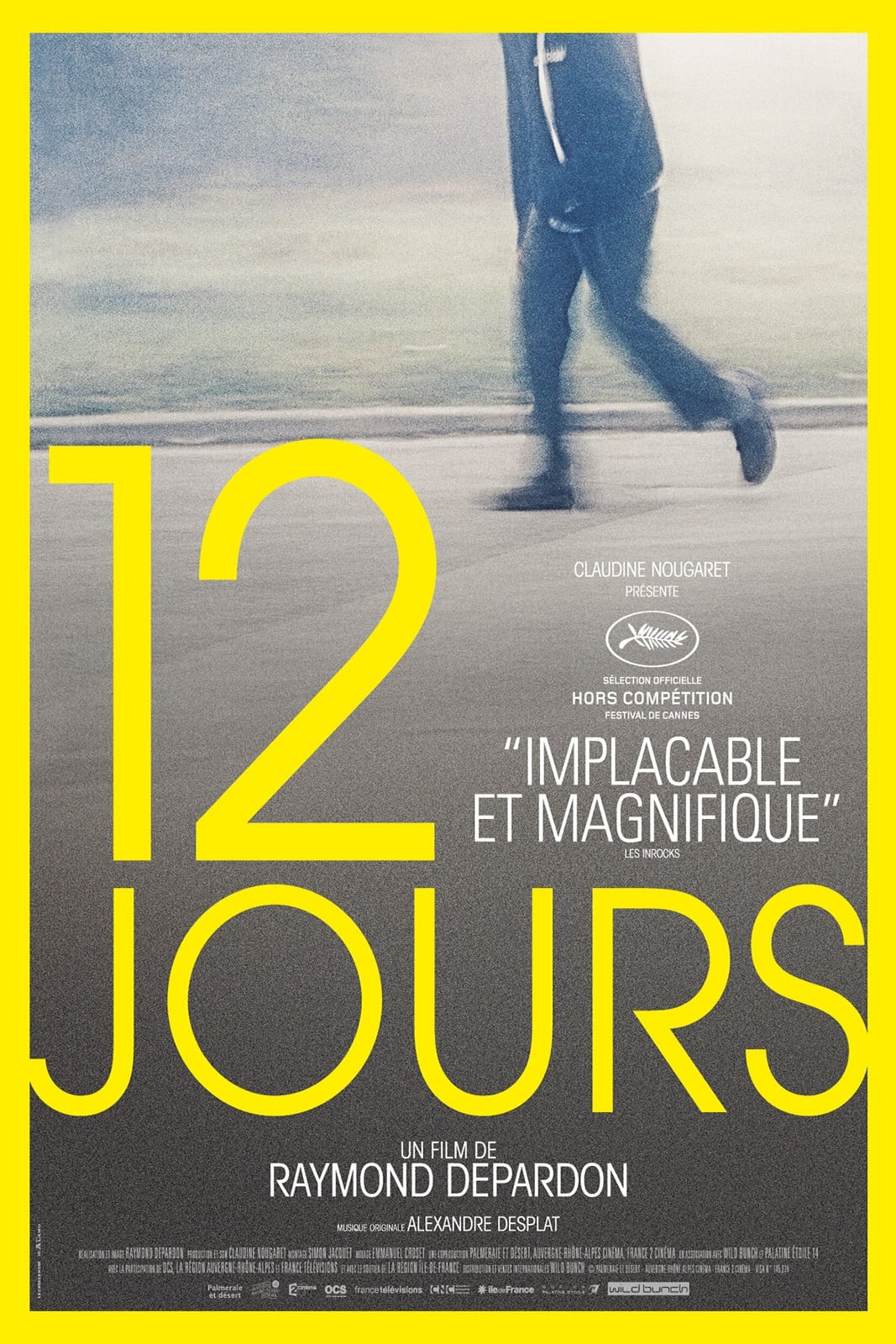
A new documentary by filmmaker-photographer Raymond Depardon – where justice and psychiatry meet.