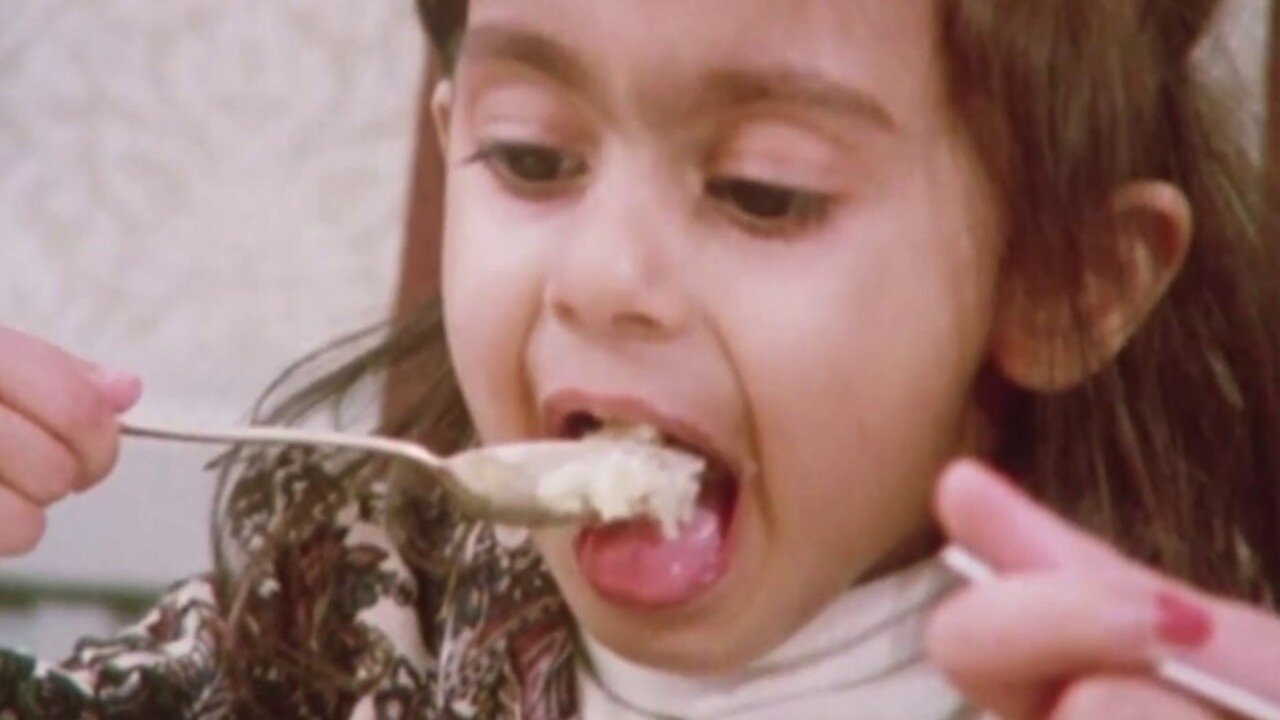
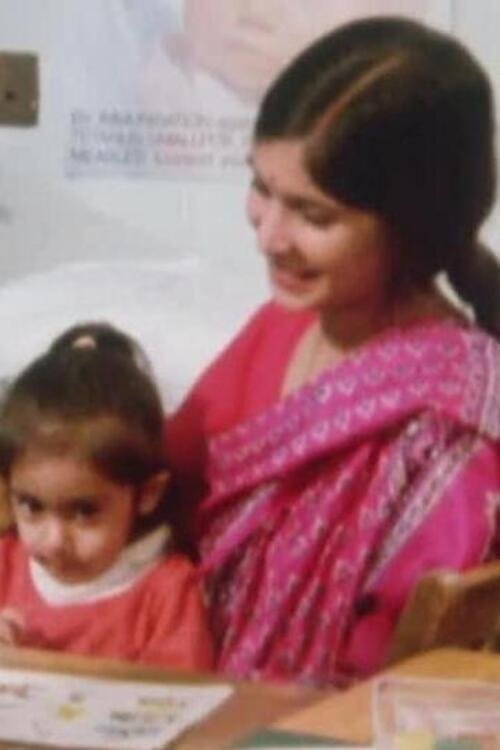
This film focuses on the basics of adapting to life in England.
Social & External
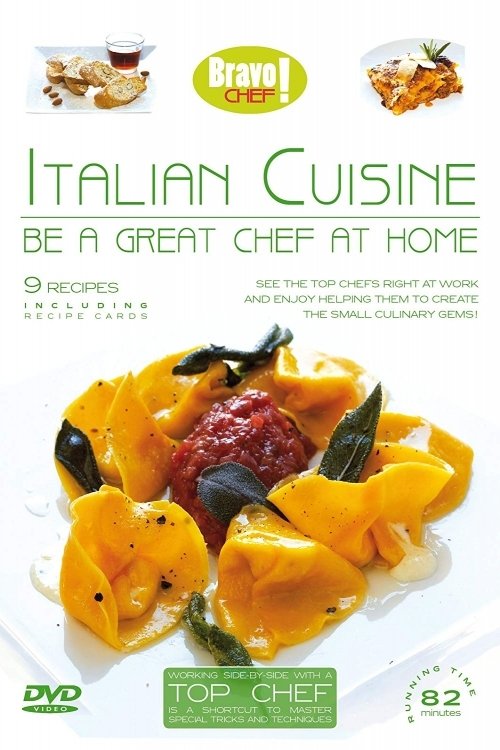
Bravo Chef: Italian Cuisine (2009) September 29th, 2009. Belmundo Entertainment. 84 Minutes. See the top chefs right at work! Working side-by-side with a top chef is a shortcut to mastering special tricks and techniques. A straightforward and hands-on approach renders lengthy and boring explanations unnecessary. A modern approach to the most sacred national dishes lets you master them without fear. The chefs don't hesitate to show you their treasured techniques, they understand that sharing a secret with a kindred spirit is a joy! Recipes included: 1 - Tuscan Cantucci Biscuits. 2 - Gnocchi with Wild Mushrooms and Shellfish. 3 - Lasagna with Bolognese Sauce. 4 - Ravioli with Creamy Parmesan Filling and Beef Tartare. 5 - Seafood Risotto. 6 - Spaghetti Aglio, Olio, Peperoncino with Tuna Tartare. 7 - Tiramisu with Amaretti Biscuits. 8 - Tuna in Breadcrumbs with a Mixed Leaf Salad. 9 - Vitello Tonnato.
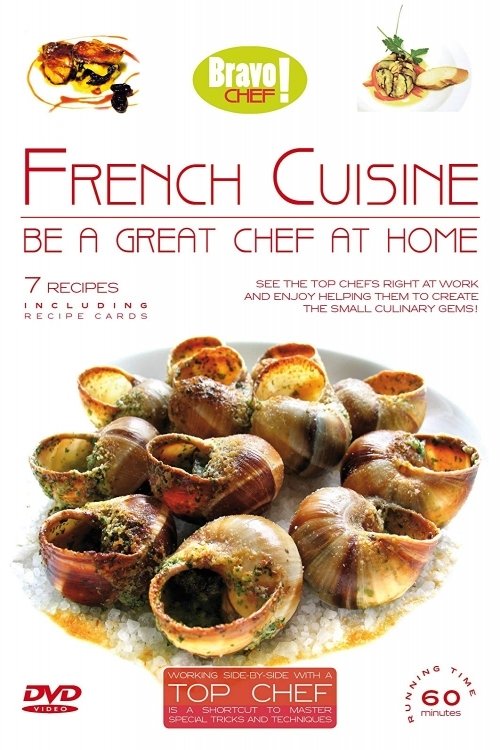
Bravo Chef: French Cuisine (2009) September 29th, 2009. Belmondo Entertainment. 60 Minutes. See the top chefs right at work! Working side-by-side with a top chef is a shortcut to mastering special tricks and techniques. A straightforward and hands-on approach renders lengthy and boring explanations unnecessary. A modern approach to the most sacred national dishes lets you master them without fear. The chefs don't hesitate to show you their treasured techniques, they understand that sharing a secret with a kindred spirit is a joy! Recipes included: 1 - Grilled Pike-Perch with Slices of Salmon. 2 - Pan-Seared Duck Foie Gras. 3 - Capon Bourguinon. 4 - Grilled Quail with Mushrooms and Spinach. 5 - Tian with Whipped Goat's Cheese. 6 - Escargots Bourguignon Au Gratin. 7 - Creme Brulee.
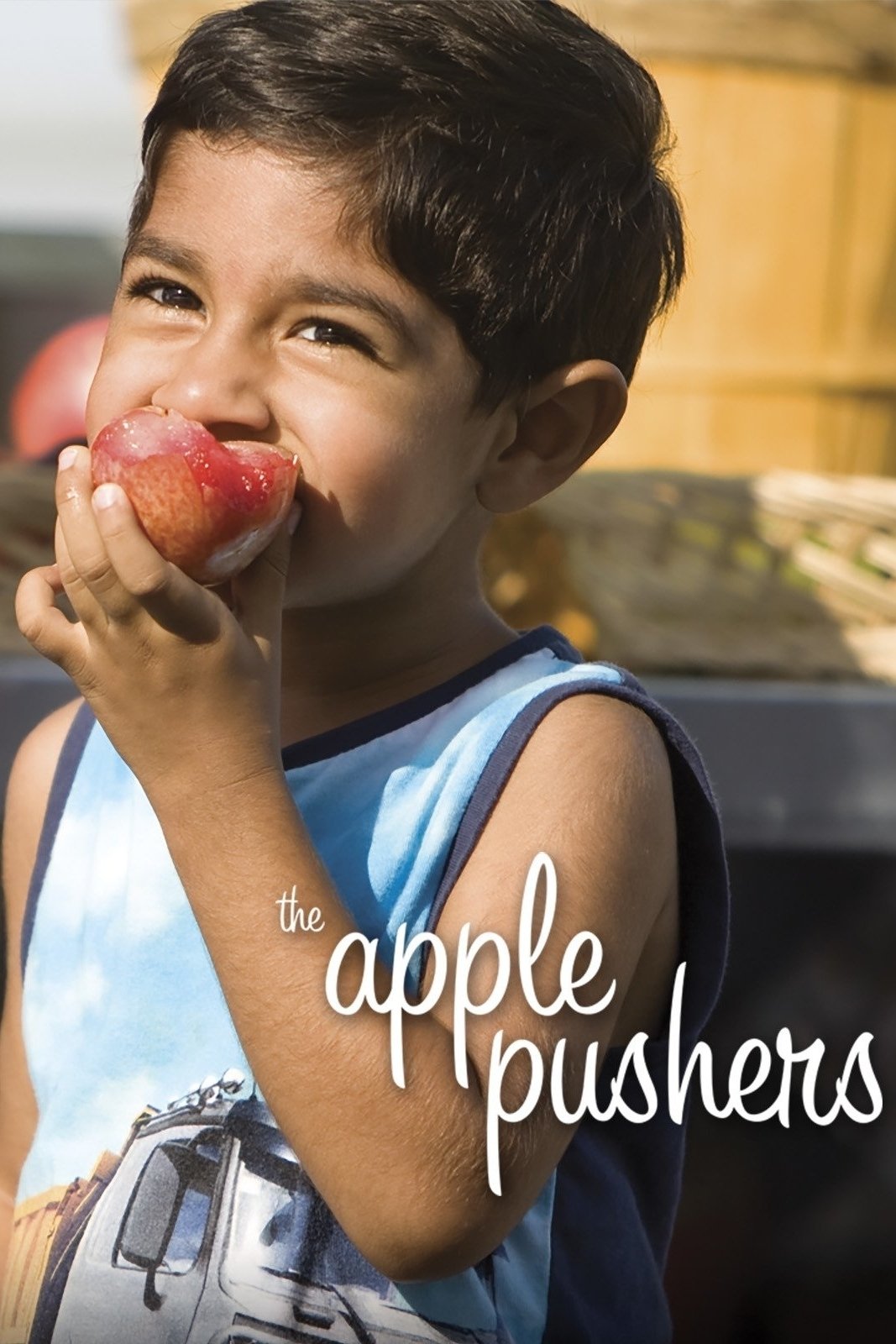
The Apple Pushers, narrated by Edward Norton, follows the inspiring stories of five immigrant pushcart vendors who are rolling fresh fruits and vegetables into New York City's food deserts.
The film is about the band Stockholms Negrer, but also about what formed their music, about being Swedish but still being viewed as an outsider.
A documentary that measures the cost of providing amnesty to millions of illegal aliens.
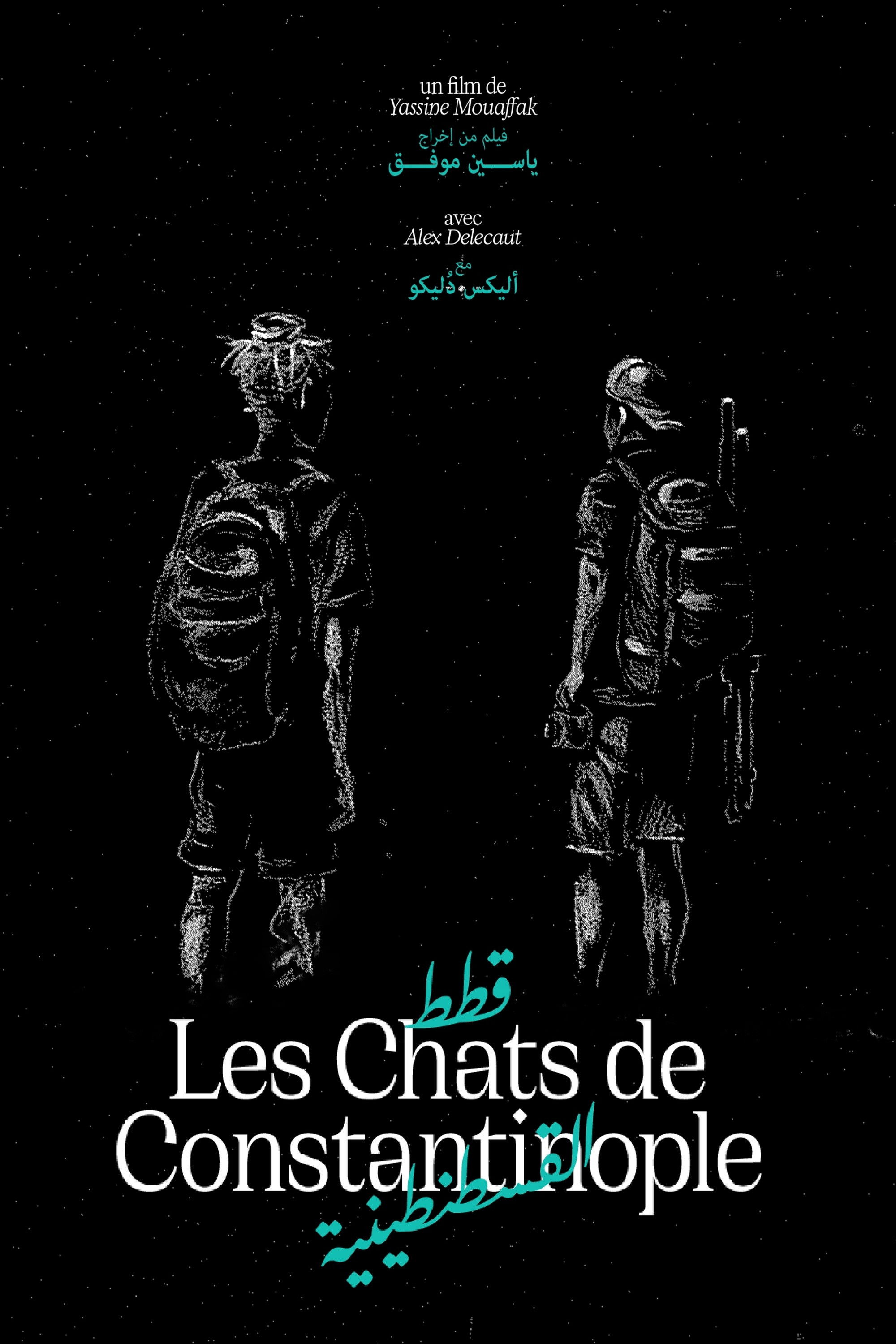
This film will tell the story of a tour of France undertaken by two children of "controlled origin"—as Mouss and Hakim wryly put it. For us, the reference to the century-old schoolbook Le Tour de la France par deux enfants by Augustine Fouillée is far more than a mere nod; published in the wake of the Franco-Prussian War of 1870, this reader was a fiercely patriotic manual designed to shape the education and morals of young French children. Written under the pseudonym "G. Bruno," the book recounted the journey of two children, André and Julien Volden, who—following the Prussian annexation of Alsace-Lorraine and the death of their father—set out to find their uncle across France’s beautiful provinces. The book was steeped in nationalism and a martial spirit, instilling the values of the Third Republic—equality and citizenship—with a heavy hand, ensuring that no one dared to stand out from the crowd.
"In Algeria, I fought to ensure that girls—like me—would not be forced to wear the veil. In France, I began defending women's right to wear it, should they choose to do so. Does that surprise you? To me, it is the same fight. By revisiting the stereotypes that have clung to Arab women since the colonial era, Madame la France, ma mère et moi examines the way French people view women of Maghrebi origin. This film—for which I retraced the steps of my mother and aunt in Algeria—will, I hope, help people understand my anger, an anger shared by many Arabs in France." (Samia Chala)
Migrating is seldom an easy solution. It is rather a journey, that begins with a journey. After more than eight years of campaigning, the immigrant cleaners outsourced at the School of Oriental and African Studies (SOAS) in London continue to demand being brought in-house. Limpiadores charts the history of their and others’ campaigns – from winning the London Living Wage to the deportation of nine colleagues, and the day-to-day invisible labour of cleaners on our campus.
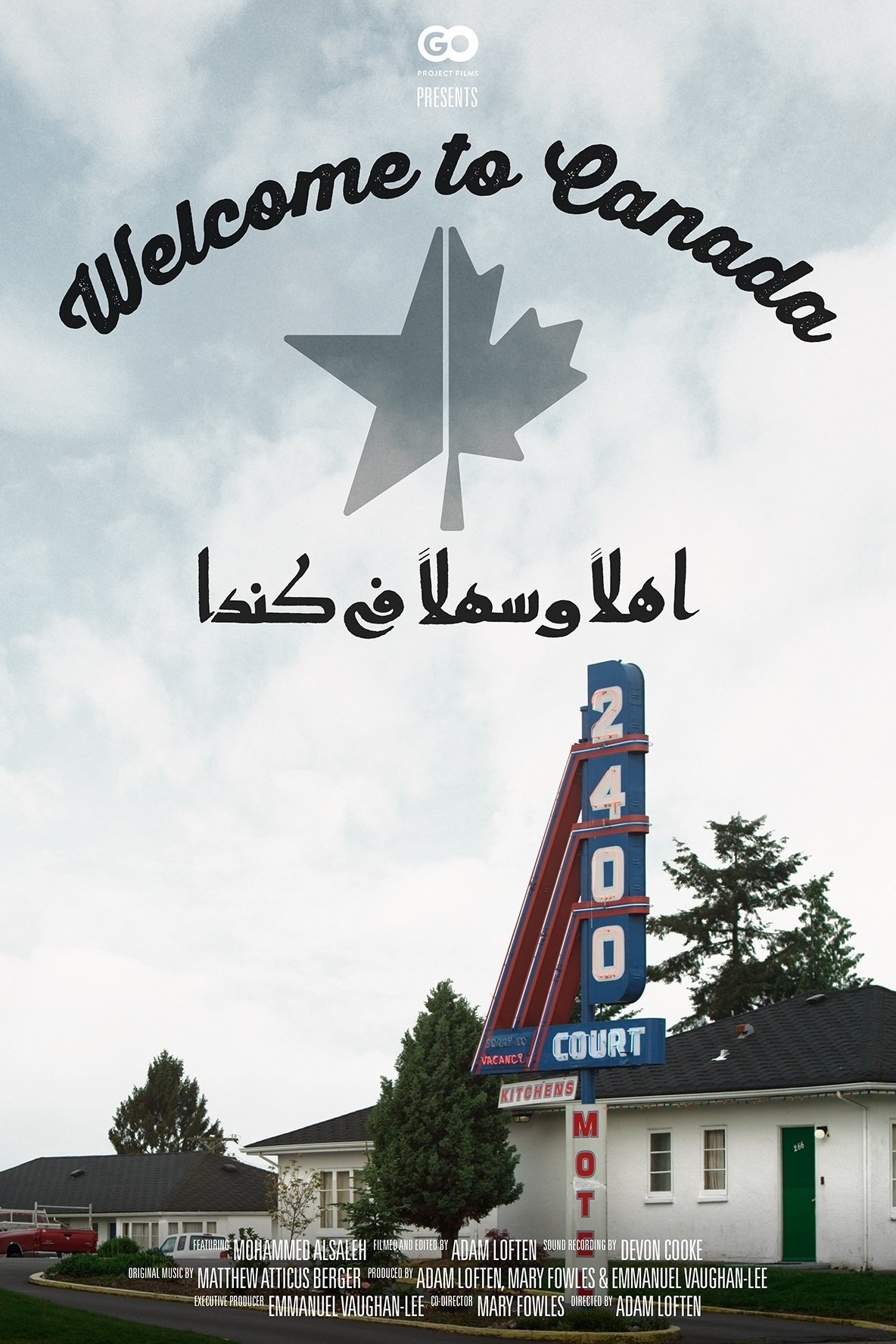
Mohammed Alsaleh, a young Syrian refugee, is rebuilding his life after being granted asylum in Canada. In Vancouver, he counsels and helps resettle newly-arrived Syrian refugee families so that they may find new homes and begin again.
The decision to move to Holland doesn't sound like a wise idea. Why move to a country that could be flooded at any moment? For the last 25 years, the political climate has shifted. The public debate on migration has become harsher, more heated, and polarized. What would have been considered right-wing xenophobia back then, is now considered mainstream. Populists simplify complex realities into good and evil, victims and perpetrators: ‘us’ versus ‘them’. Their rhetoric often consists of dehumanizing words and metaphors. One of these is ‘water’. In reality, water is not an immediate threat to the average Dutch person; but it is a huge threat to the thousands trying to reach the Netherlands. People trying to survive the Mediterranean Sea in rubber boats. Trying to survive winter on the Aegean coast in primitive tents. To them, water really is deadly.
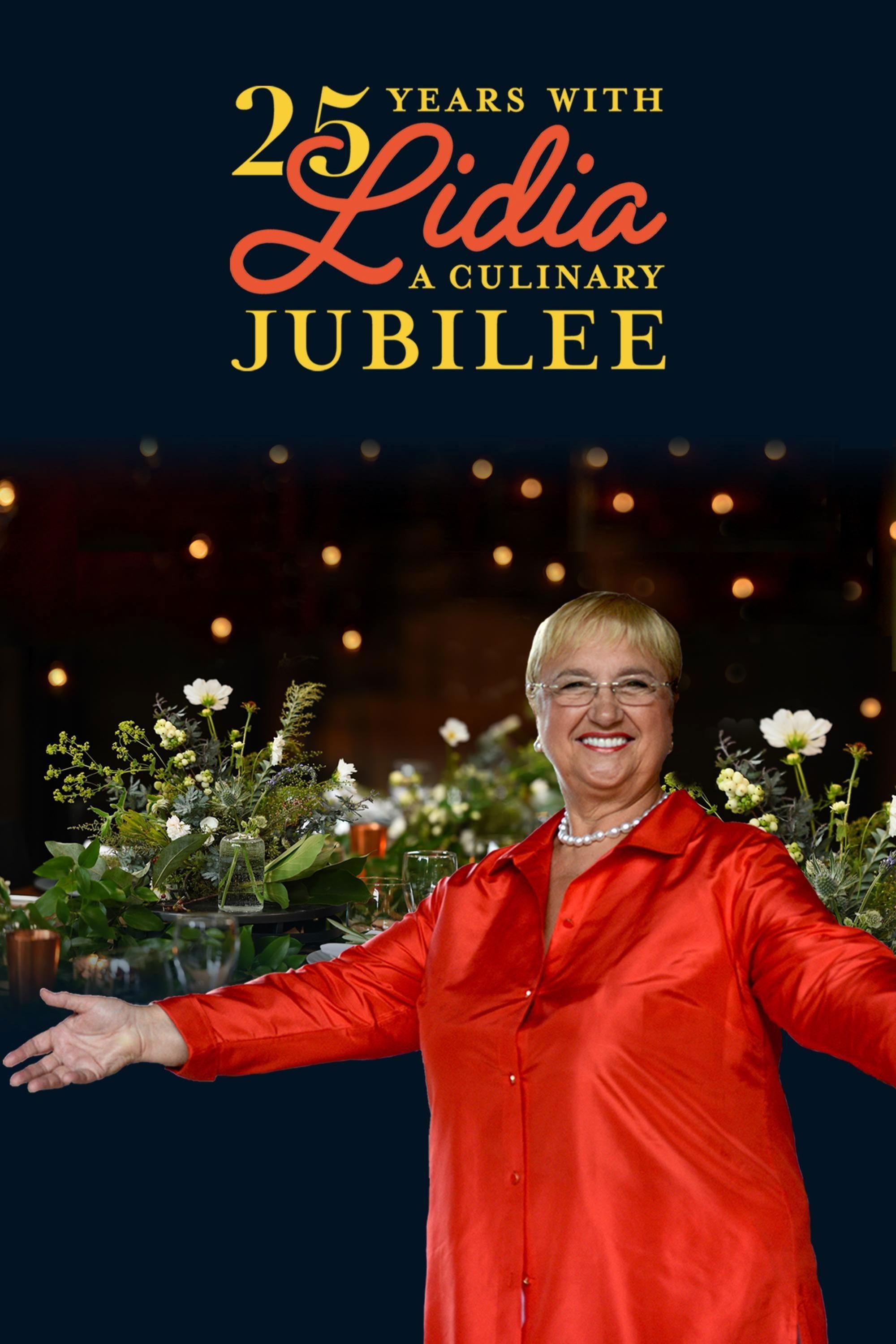
A look at the life of chef, restaurateur and cookbook author Lidia Bastianich both on and off the screen as she celebrates 25 years on public television.
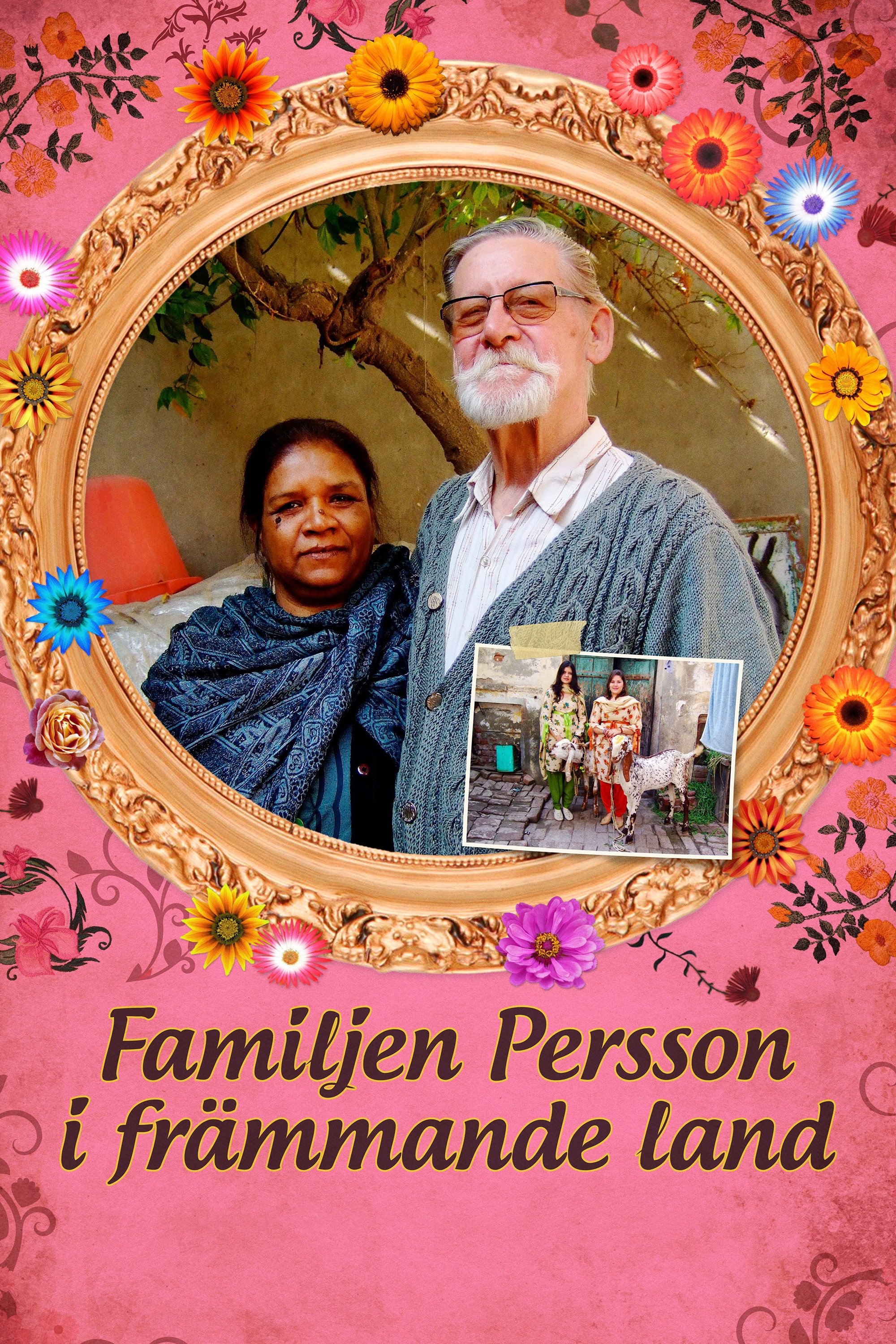
Per Persson left Sweden 40 years ago. In Pakistan he fell in love and became the father of two daughters. Trouble starts when the girls grow up and the family decides to emigrate to Sweden. When they end up living in a caravan outside Hässleholm, all their expectations are dashed.
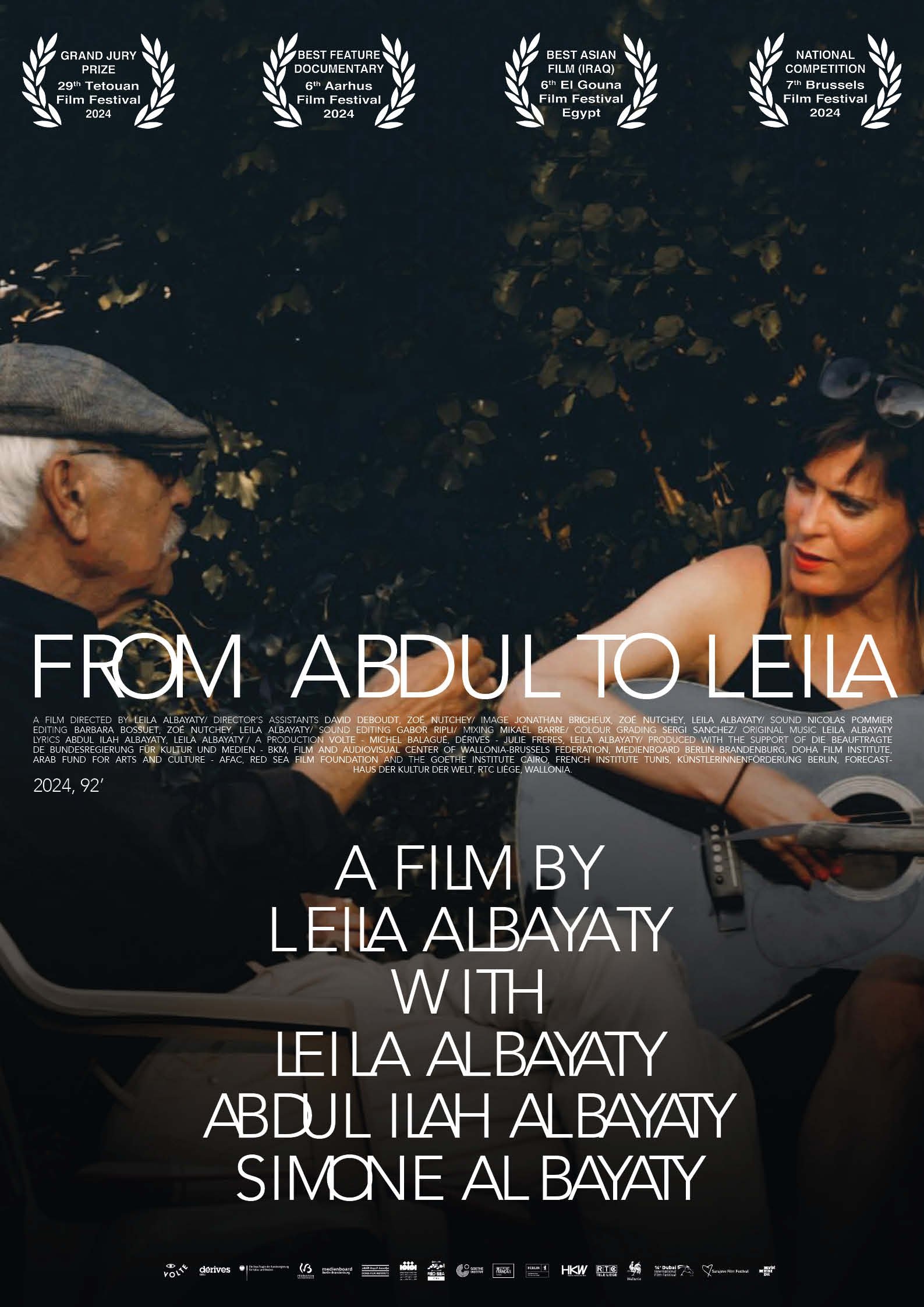
After losing part of her memory in an accident, Leila, a young French woman of Iraqi origin, reconstructs her story by reconnecting with her family and exploring her roots. Through music and cinema, she brings her exiled father's poems to lite, dis-covers the reality of the Middle East, and embarks on a personal quest to understand her identity and find her voice.
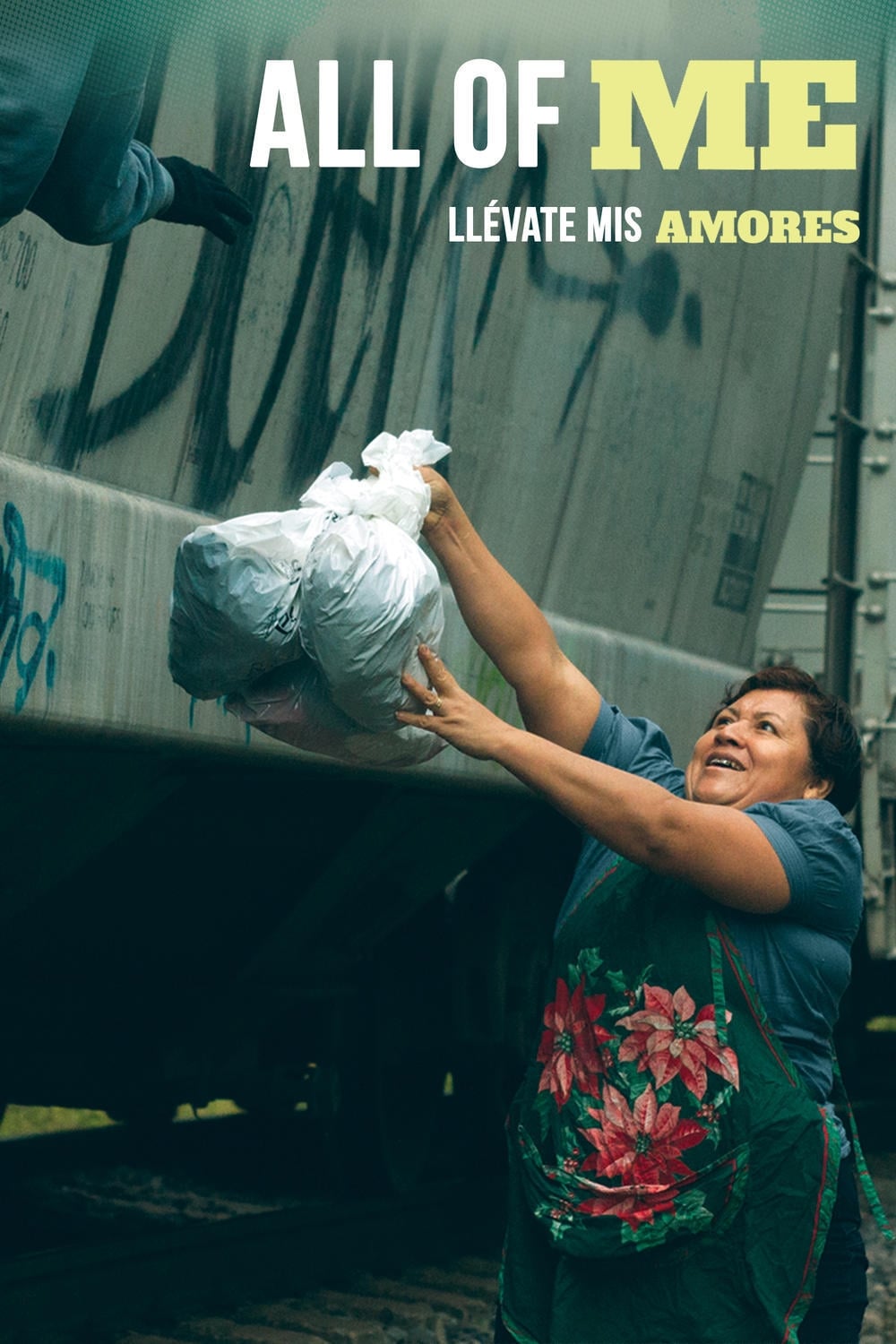
"Take my love" is a documentary film about "Las Patronas", a group of women who daily cook, pack and throw food to the migrants riding the "Beast" train.
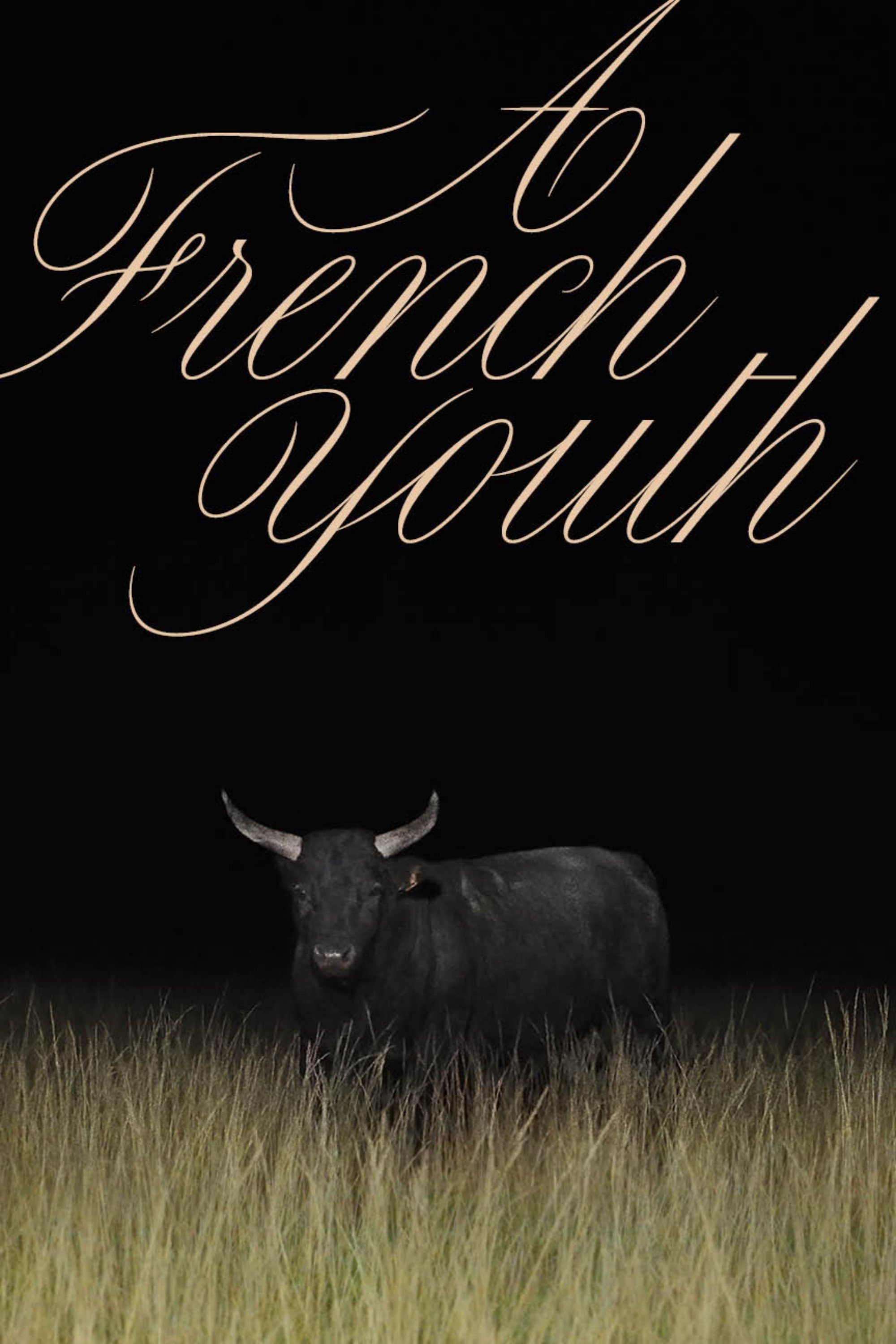
In the heart of the Camargue region, in the south of France, Jawad and Belka find freedom in their love of Camargue races. For these young Maghrebi men, the event is more than a simple tradition. Facing off with a bull is an opportunity to establish their place in the arena—and in French society. But at what cost?
Averroès and Rosa Parks: two units of the Esquirol Hospital, which - like the Adamant - are part of the Paris Central Psychiatric Group. From individual interviews to «carer-patient» meetings, the filmmaker focuses on showing a form of psychiatry that continually strives to make room for and rehabilitate the patients’ words. Little by little, each one eases open the door to their world. Within an increasingly worn-out health system, how can the forsaken be given a place among others.
Story of Mary Mallon. Typhoid fever carrier
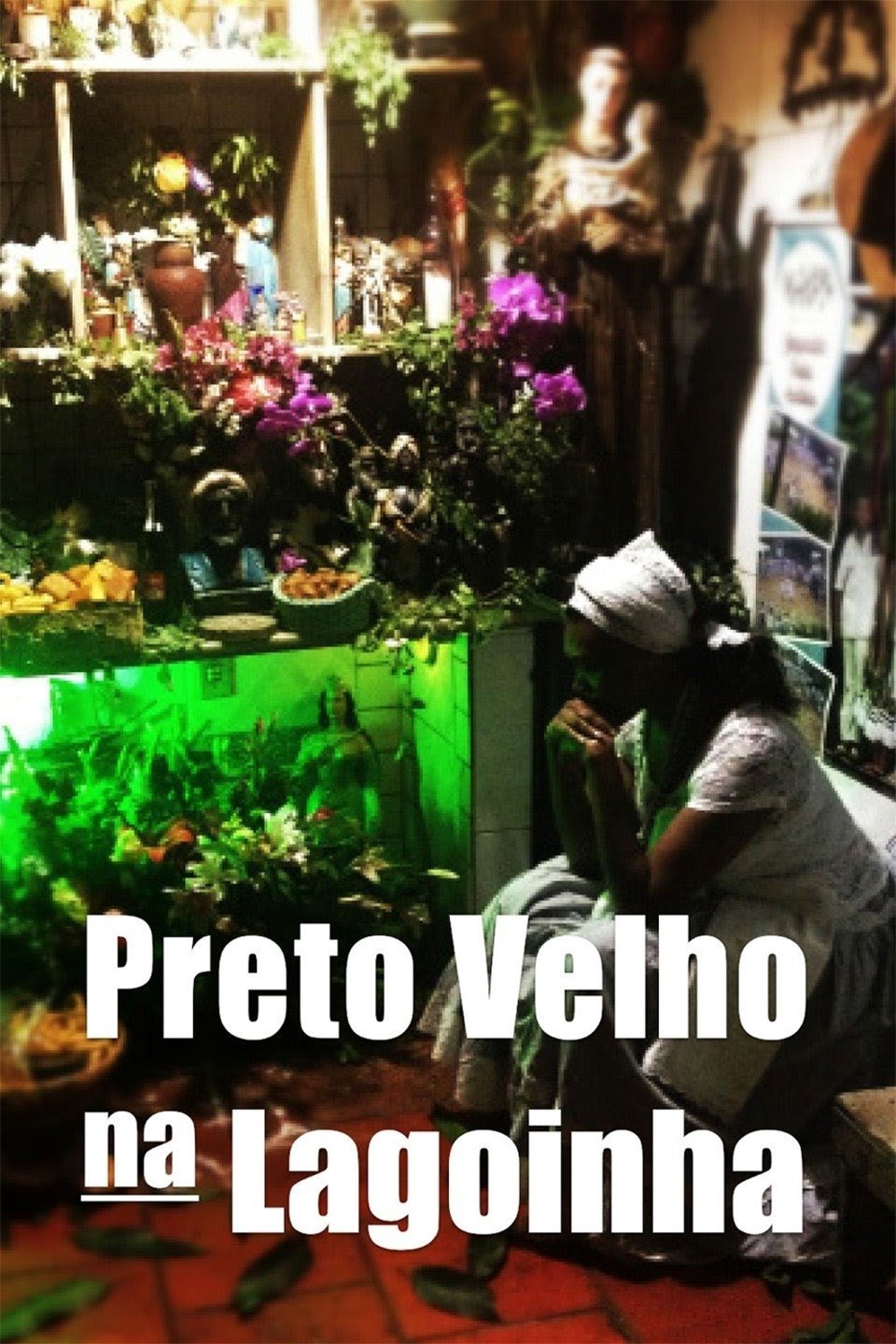
Documentary about the preparation of a popular celebration of "Dia do Preto Velho", one of the most important rituals from the Umbanda in Brazil.
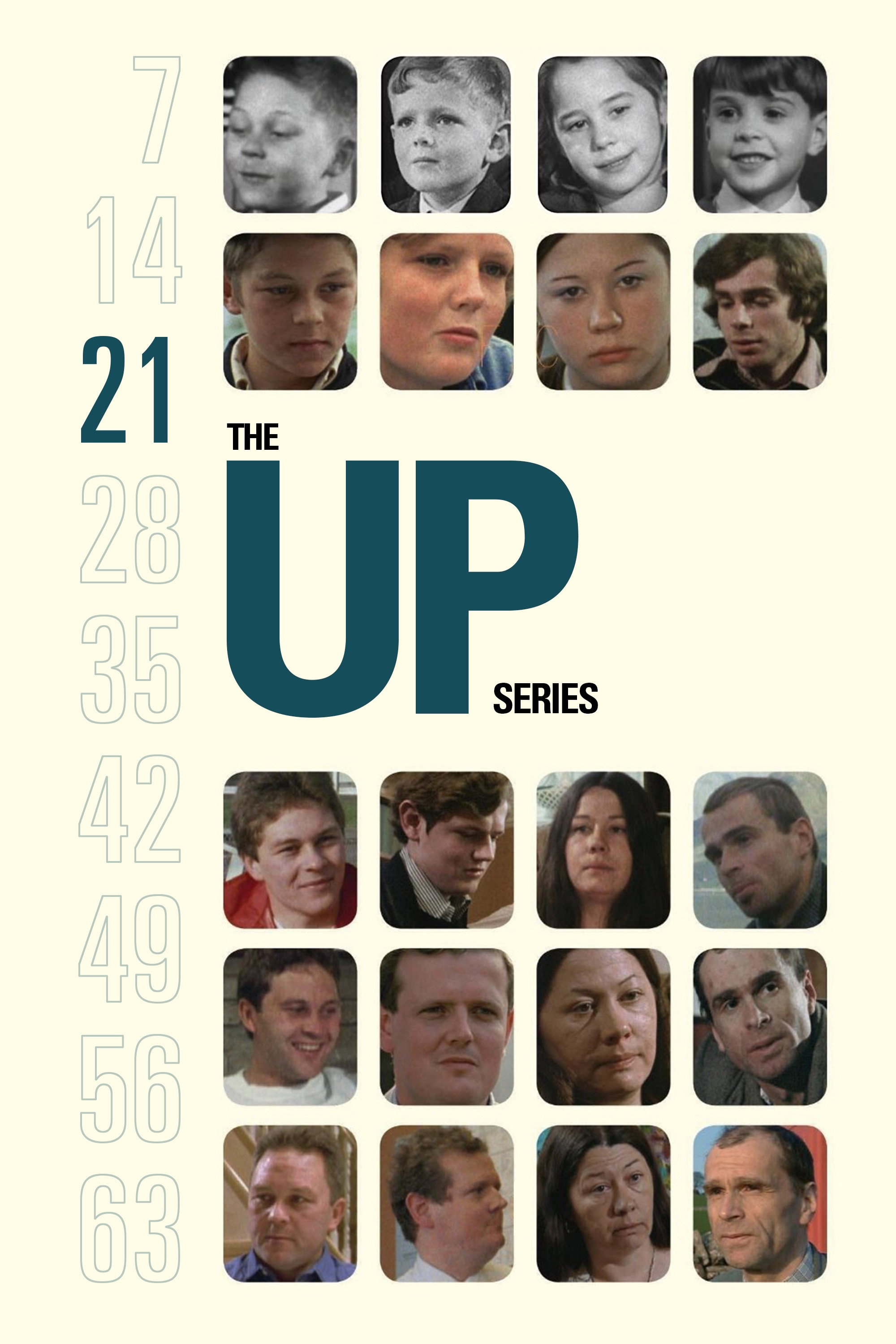
Director Michael Apted revisits the same group of British-born adults after a 7 year wait. The subjects are interviewed as to the changes that have occurred in their lives during the last seven years.
Through deeply personal interviews with her siblings and an examination of the photographs, letters, and belongings left behind, Mariska assembles a new portrait of her mother Jayne Mansfield, an extraordinary and complex woman.
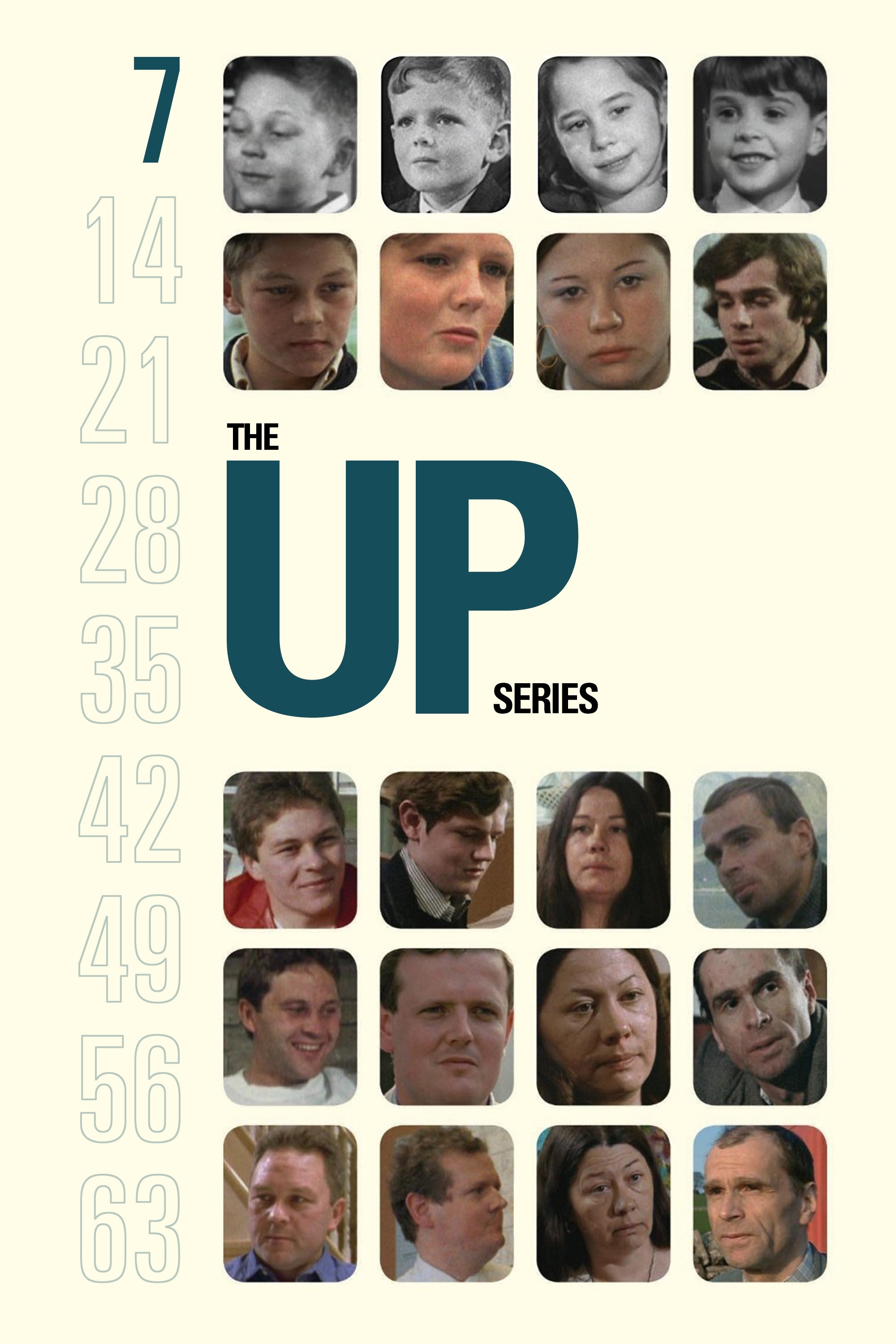
A group of British children aged 7 from widely ranging backgrounds are interviewed about a range of subjects. The filmmakers plan to re-interview them at 7 year intervals to track how their lives and attitudes change as they age.
In an intimate and joyful story of love in the face of loss, celebrated poets Andrea Gibson and Megan Falley find strength—and unexpected hilarity—in what might be their final year together.
After another 7 year wait, director Michael Apted revisits the same group of British-born children from Seven Up! and 7 Plus Seven. The subjects are interviewed as to the changes that have occurred in their lives during the last seven years.
Explore the evolution of Buzz Lightyear from toy to human in the making of Pixar’s Lightyear. Dive into the origin and cultural impact of everyone’s favorite Space Ranger, the art of designing a new “human Buzz,” and the challenges faced by the Lightyear crew along the way.
Musician and performance artist Laurie Anderson reflects on the deaths of her husband Lou Reed, her mother and her beloved dog.
An inside look at one of the most anticipated movie sequels ever with James Cameron and cast.
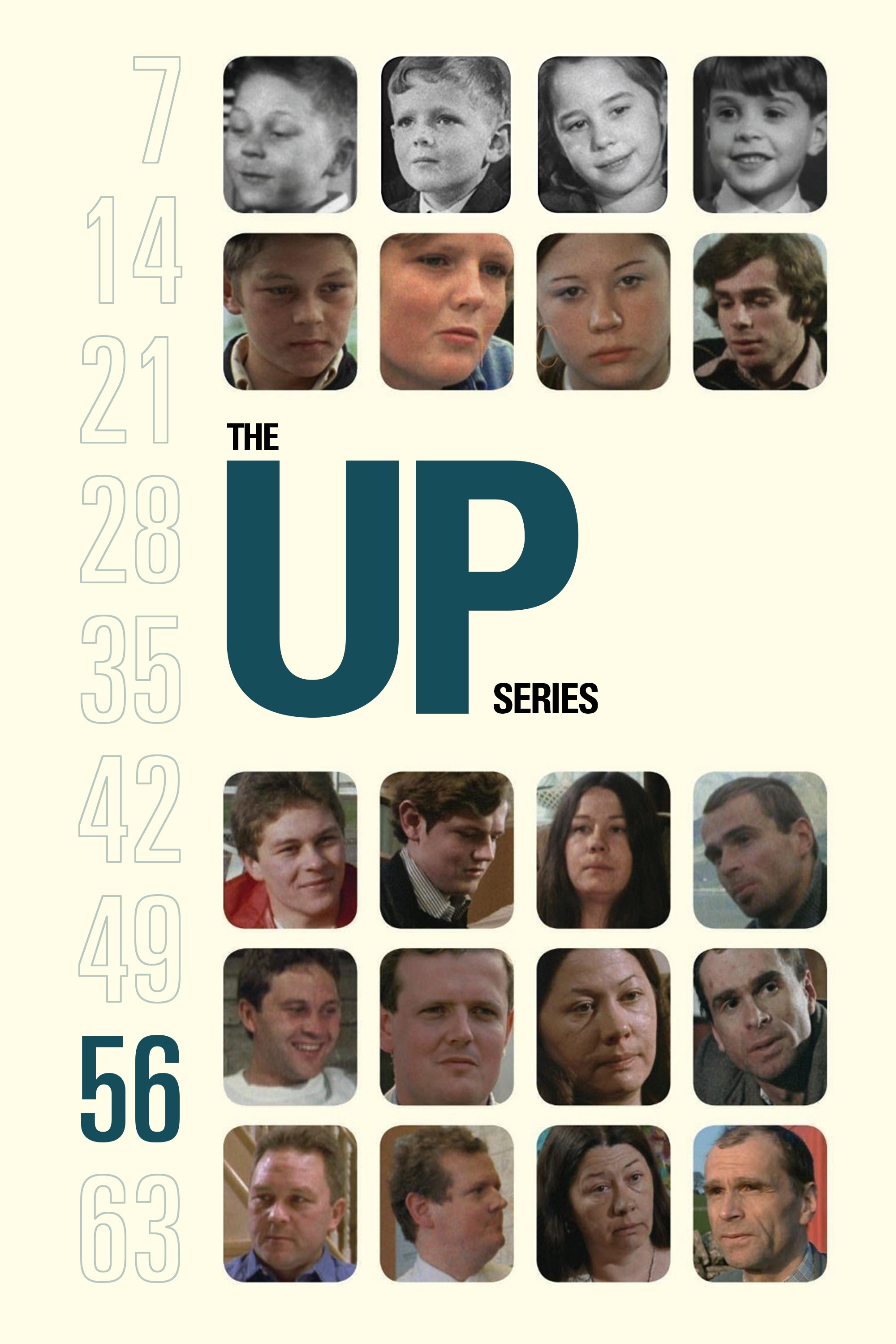
When a cross-section of seven-year-olds were interviewed for 7 Up in 1964 it was immediately evident that their social backgrounds influenced their attitudes towards life. While the upper class children were confident and self-assured, those from middle and working class backgrounds were resigned to a challenging life of hard work. This premise was put to the test every seven years when the same group were interviewed about the progression of their lives. 49 years in the making, the changes that occurred to the original 14 make for fascinating television and are in many ways the stories of all our lives. From success and disappointment, marriage and childbirth, to poverty and illness, nearly every facet of life has been captured on film. Now, at the age of 56, the group are once more brought together and, with the benefit of hindsight, assess whether their lives have been ruled by circumstance or self-determination.
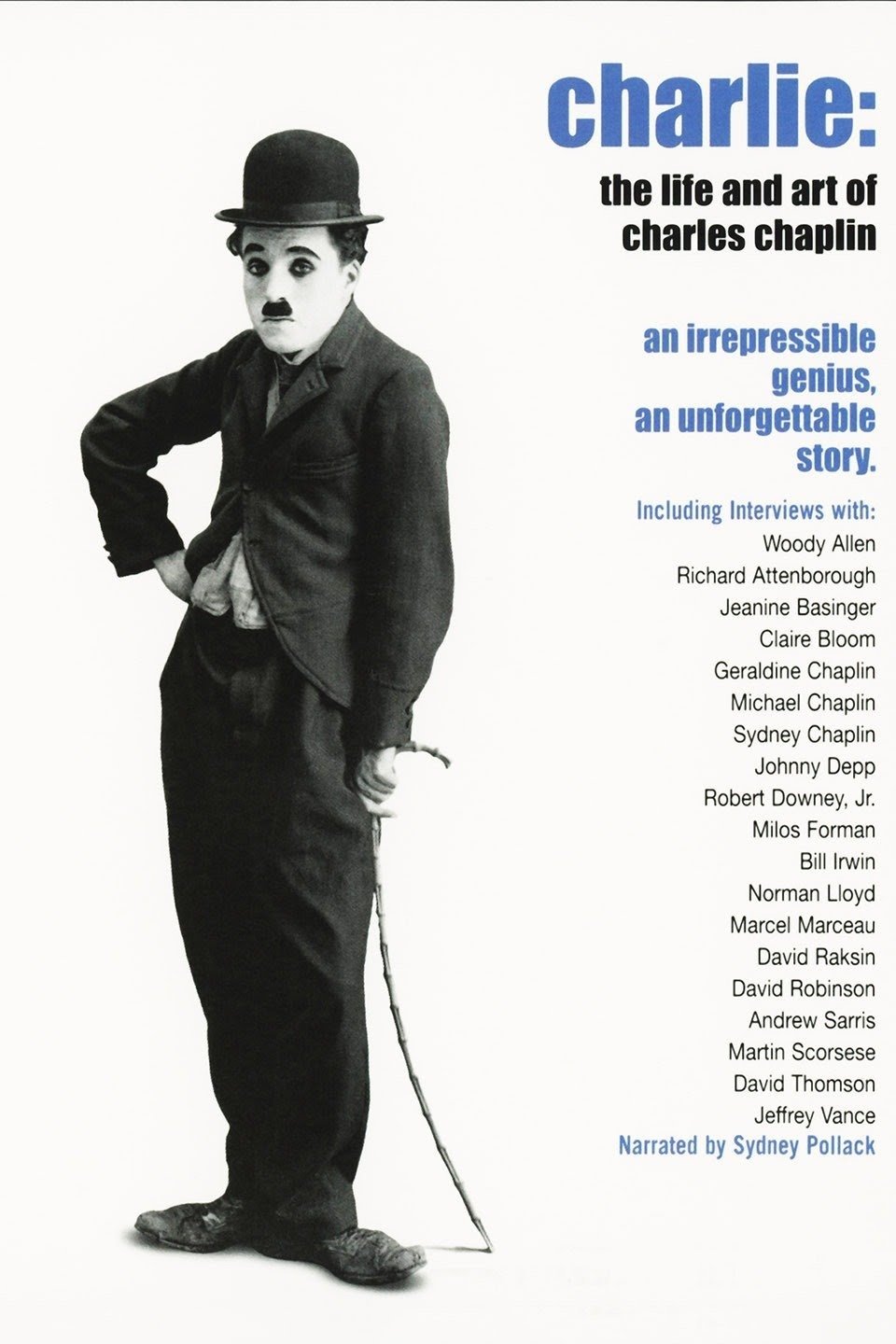
Brilliant, long in-the-works story of the life and art of the world's greatest comedian and the cinema's first genius, Charlie Chaplin. Produced, written and directed by renowned film critic Richard Schickel.
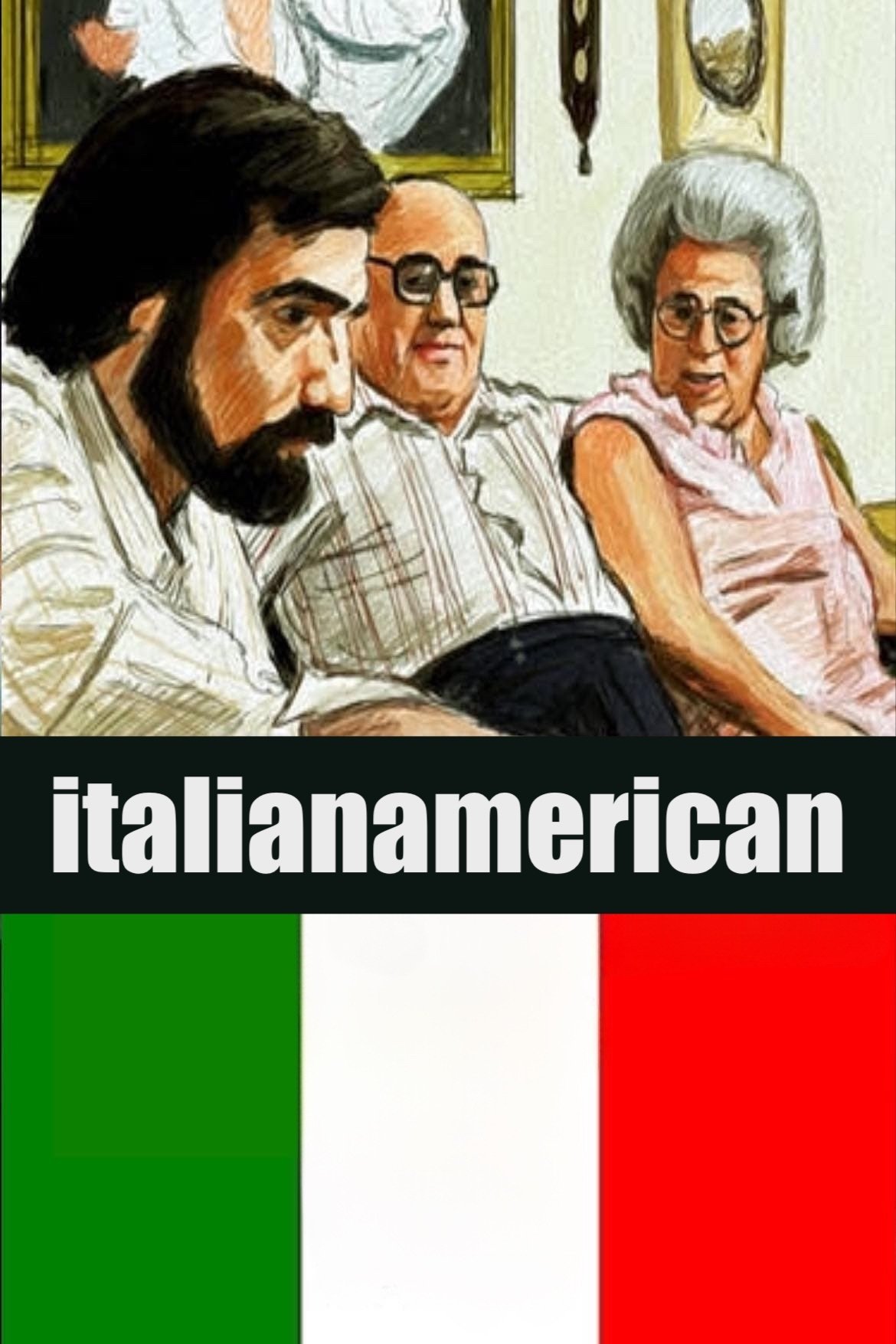
Filmmaker Martin Scorsese interviews his mother and father about their life in New York and family history back in Sicily.
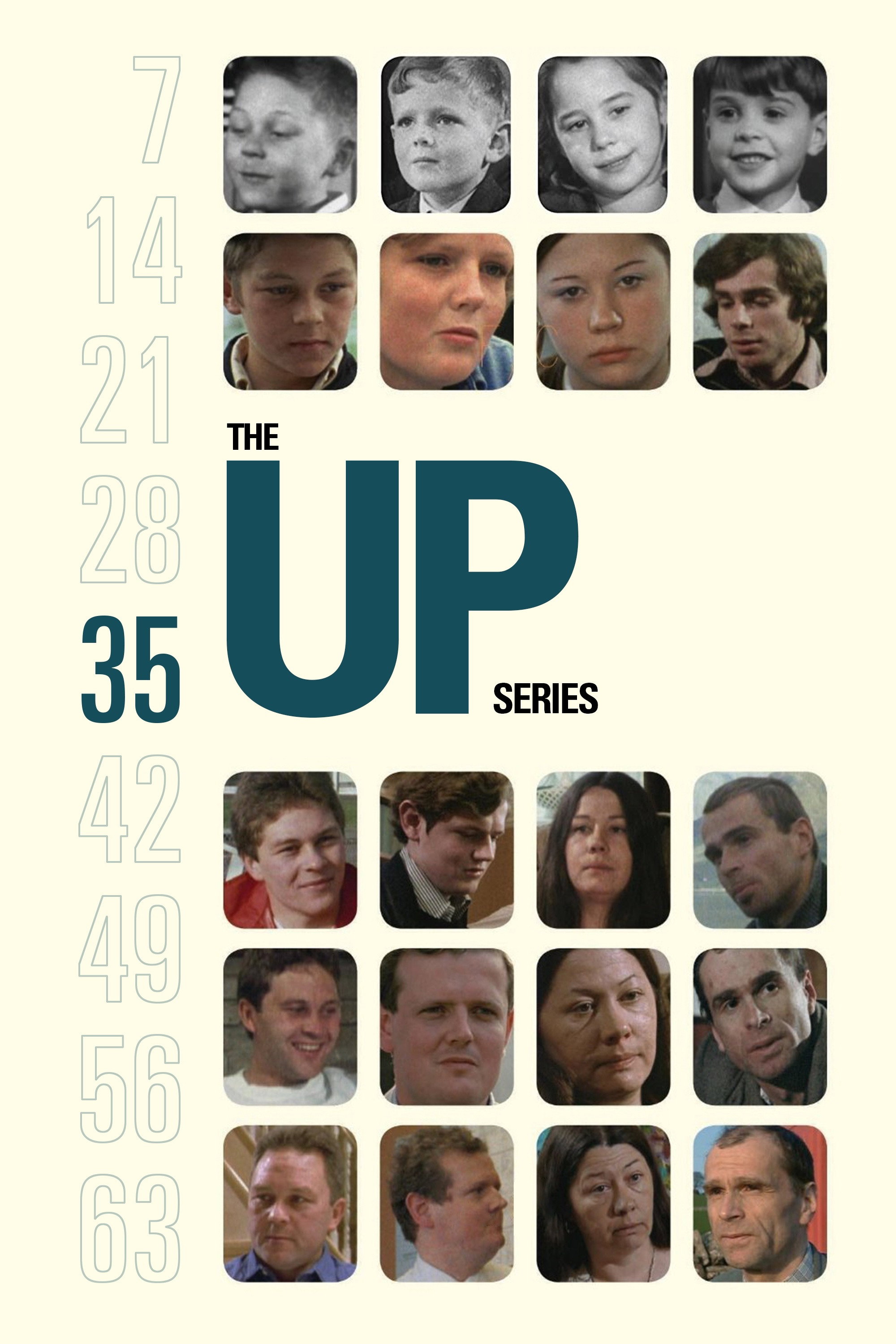
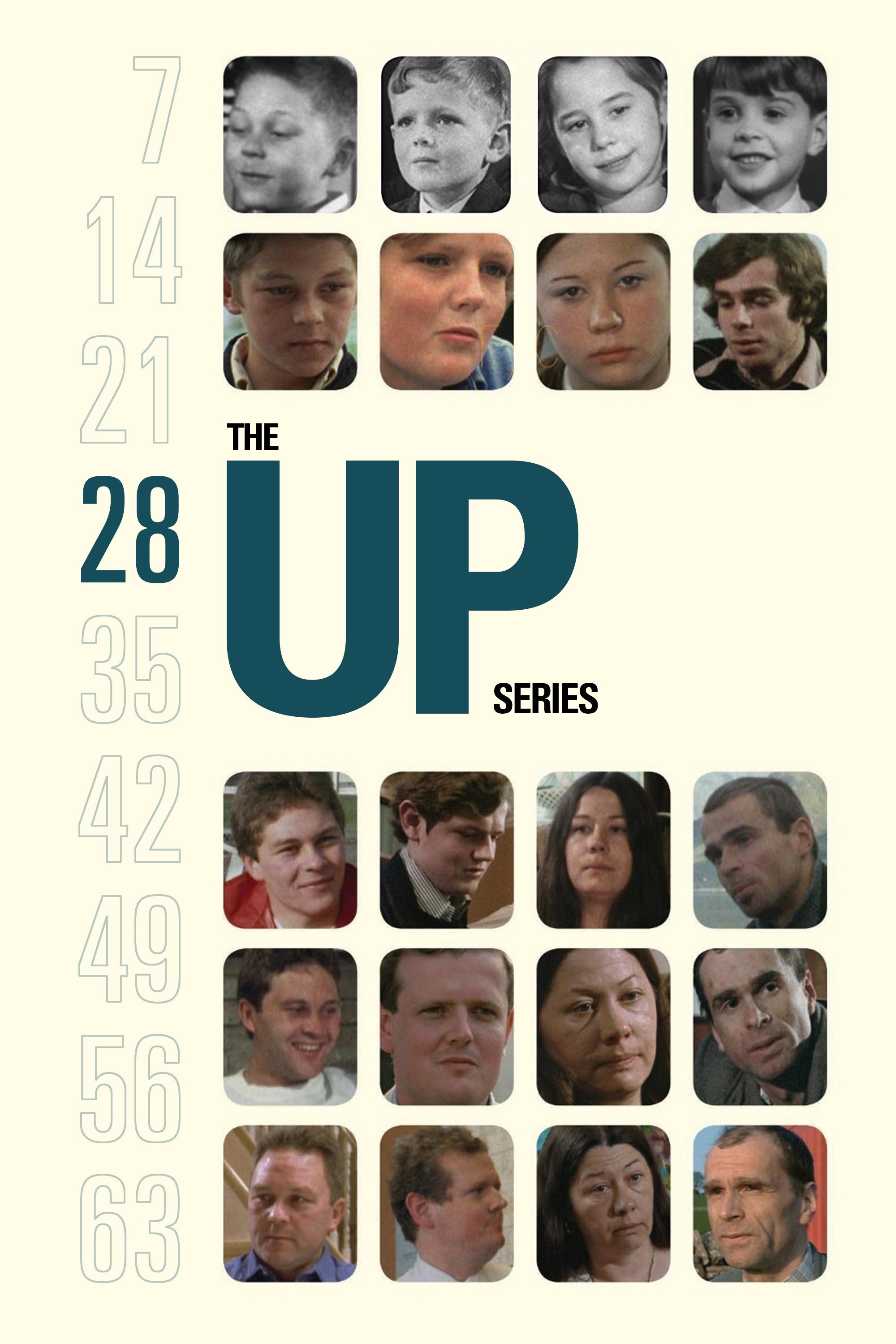
Just two years away from turning 30, participants in Michael Apted's documentary series are facing serious questions of identity and purpose, wondering whether they've found their place in the world.
A string of threatening emails escalates into a revenge plot involving a newly married US marshal and his ex-girlfriend.
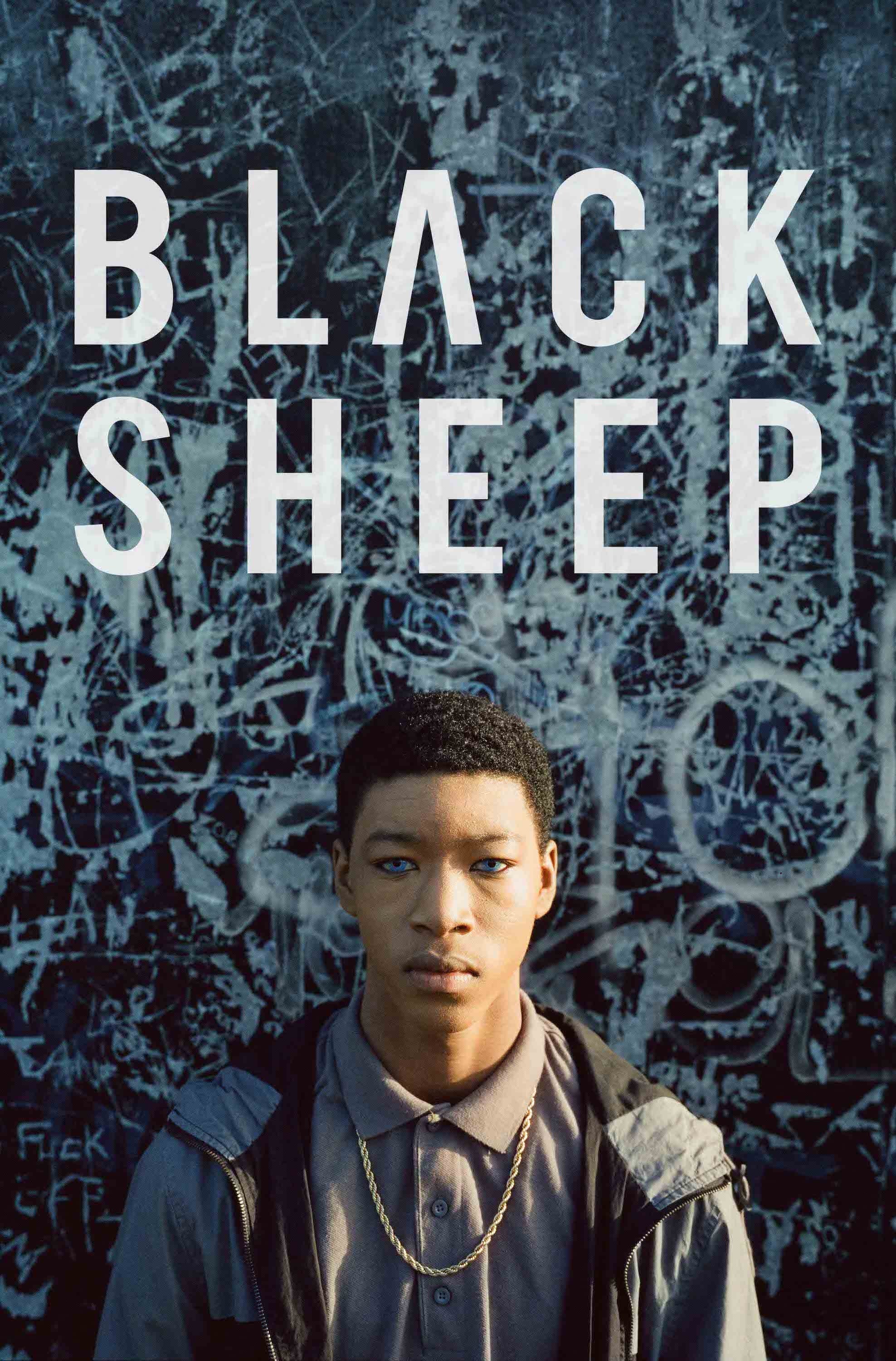
After the high-profile killing of Damilola Taylor, Cornelius' family move out of London. But when they discover their new town is run by racists, Cornelius takes a drastic step to survive.
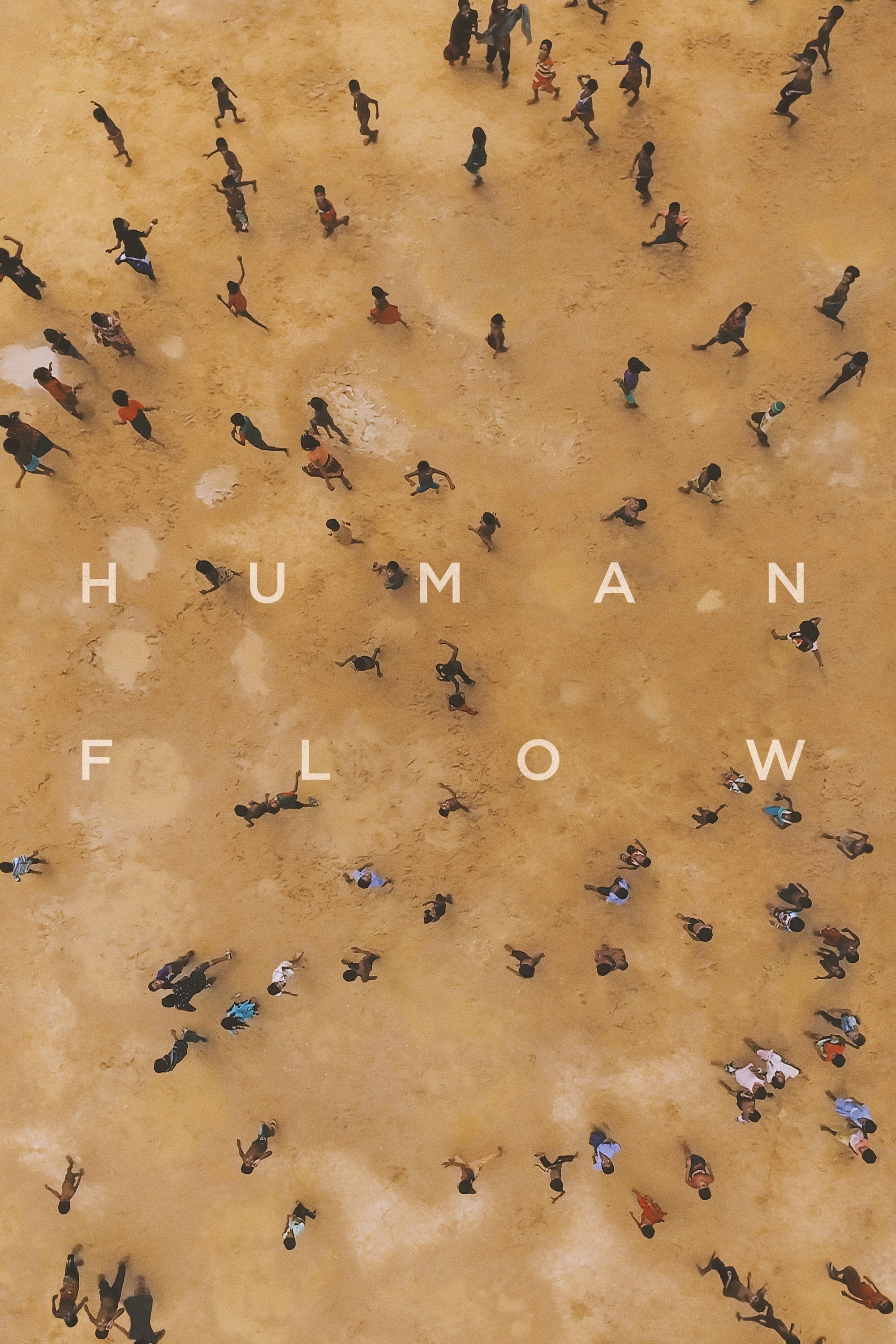
More than 65 million people around the world have been forced from their homes to escape famine, climate change and war, the greatest displacement since World War II. Filmmaker Ai Weiwei examines the staggering scale of the refugee crisis and its profoundly personal human impact. Over the course of one year in 23 countries, Weiwei follows a chain of urgent human stories that stretch across the globe, including Afghanistan, France, Greece, Germany and Iraq.
A promotional making-of documentary for the film The Matrix (1999) that devotes its time to explaining the digital and practical effects contained in the film. This is very interesting, seeing as how they're giving away the cinematic secrets that they created solely for the this movie, that have now been spoofed and referenced in countless other films.
Join the likes of Jeremy Renner, Hailee Steinfeld, Florence Pugh, and Vincent D’Onofrio as they reveal how Marvel Studios’ “Hawkeye” was conceived and created. Witness firsthand what it took to pull off the show’s pulse-pounding action set pieces, and discover how iconic characters from the pages of Marvel Comics such as Kate Bishop were adapted and brought to life for the six-episode series.
The story lives forever in this feature-length documentary that charts the making of Star Wars: The Rise of Skywalker.
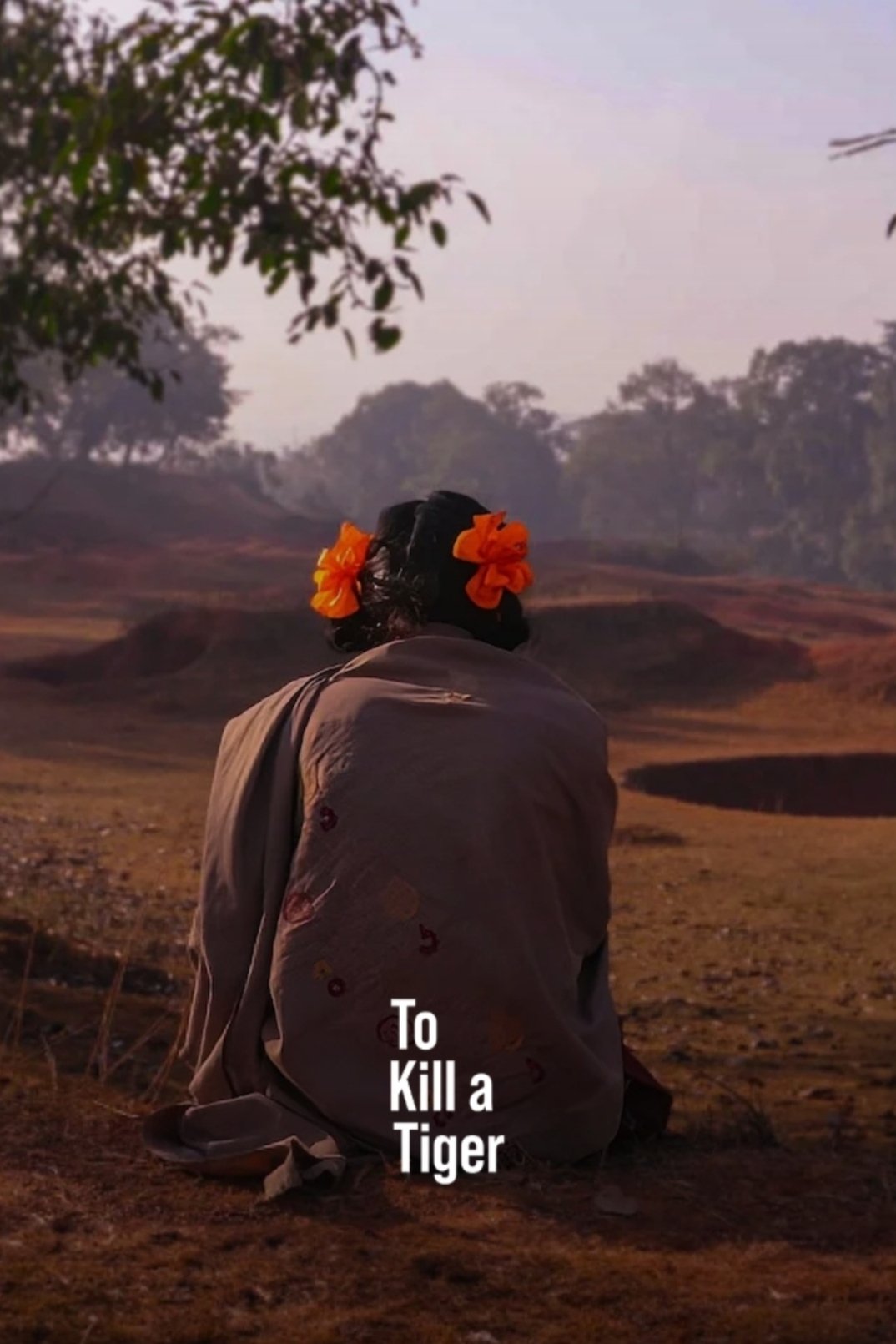
Ranjit, a farmer in India, takes on the fight of his life when he demands justice for his 13-year-old daughter, the victim of a brutal gang rape. His decision to support his daughter is virtually unheard of, and his journey unprecedented.
From the heights of her modeling fame to her tragic death, this documentary reveals Anna Nicole Smith through the eyes of the people closest to her.