Social & External
Filmmaker Werner Herzog combs through the film archives of volcanologists Katia and Maurice Krafft to create a film that celebrates their legacy.
Spy Capital is a documentary exploring Vienna's deep-rooted espionage history, establishing the city as a key hub for international spy operations over the past 150 years. Directed by espionage expert Boris Volodarsky and produced by Dennis Dewall, the film spans from Vienna's 1873 World Exhibition to espionage tied to the 2023 Russia-Ukraine conflict. Featuring interviews with prominent figures like Christo Grozev and Gert Polli, it also includes dramatic reenactments of historical events. Notorious cases such as Colonel Alfred Redl, a Russian double agent, are highlighted. The film delves into Vienna's pivotal role in intelligence during the World Wars and the Cold War. With striking visuals and advanced technology, Spy Capital: Vienna immerses viewers in a blend of history and drama, offering a thorough look into the covert world of spies that has shaped the city.
"The Pig and the Society," symbolizes the stark contrast between the excesses of wealth and the plight of those left behind. It invites viewers to reflect on their perceptions and prejudices, challenging them to see beyond the surface and understand the systemic issues perpetuating homelessness.
A state of secrets and a ruthless hunt for whistleblowers – this is the story of 25-year-old Reality Winner who disclosed a document about Russian election interference to the media and became the number one leak target of the Trump administration.
Three young queer people share their experiences on what it’s like to deviate from the straight cis-norm. Throughout the film, painful experiences make room for a more positive perspective, such as the overwhelming sense of connection with millions of other queer individuals worldwide or the freedom that arises as one can relinquish certain expectations. This so-called ‘queer-joy’ is being discovered, providing inspiring and moving insights.
On a misty morning in the fall of 1985, a small group of Haida people blockaded a muddy dirt road on Lyell Island, demanding the government work with Indigenous people to find a way to protect the land and the future. In a riveting new feature documentary drawn from more than a hundred hours of archival footage and audio, award-winning director Christopher Auchter (Now Is the Time) recreates the critical moment when the Haida Nation’s resolute act of vision and conscience changed the world.
60 years ago, almost nothing was known of elephants in the wild. But then one young Scottish biologist changed that forever. In 1965 Iain Douglas-Hamilton arrived in Tanzania to live alongside African elephants. Later joined by his wife Oria and daughters Saba and Dudu, elephants became central to their lives with matriarch Boadicea and gentle young mother Virgo cherished like human relatives. But this garden Eden was short-lived as an ivory poaching epidemic swept across Africa forcing Iain to switch from pioneering scientist to maverick conservationist. He became a lone crusader against the international Ivory trade which was finally banned in 1989. Now back in the field and revealing even more about the fascinating world of elephants, Iain’s work continues alongside a new generation of Kenyan conservationists. This inspiring documentary combines stunning wildlife imagery with the story of a remarkable life showing how sometimes you have to stand alone to protect what you love.
Narrated by Eastbourne's resident pier tarot reader Jennifer, this film is a visual exploration of the cycles of life and death in a town that is both the sunniest place in the UK and one of the top 3 suicide spots in the world.
Professor Alice Roberts follows a decade-long historical quest to reveal a hidden secret of the famous bluestones of Stonehenge. Using cutting-edge research, a dedicated team of archaeologists led by Professor Mike Parker Pearson have painstakingly compiled evidence to fill in a 400-year gap in our knowledge of the bluestones, and to show that the original stones of Britain’s most iconic monument had a previous life. Alice joins Mike as they put together the final pieces of the puzzle, not just revealing where the stones came from, how they were moved from Wales to England or even who dragged them all the way, but also solving one of the toughest challenges that archaeologists face.
Documents the history and politics of a Portland institution: The city's strip clubs.
An elephant torn from her family, ill and locked up for half a century; an industry that is reluctant to cease to exist; economic and political interests that ruined her life; and a society that has changed forever. Caravan is the story of the elephant Pelusa and the historic journey that will make her the first elephant in South America to cross two countries. Risking her life to touch another elephant for the first time, Pelusa´s caravan will undoubtedly set a precedent that will not only leave the business of elephants in captivity mortally wounded, but will open the possibility for 10 other elephants that are in captivity today in Argentina and more than 40 in the region. What justifies captivity during a lifetime of a species? Does the fact that the existence of wild animals in zoos continue to be legal makes it an ethical attraction? Is it possible to reconvert zoos into a conservation space?
Argentina currently exports 60% of all horse meat consumed globally. However, the consumption of horse meat is prohibited in Argentina itself and no horses are bred for this purpose in the country. So, with 200,000 horses being slaughtered each year for export to the European Union, where exactly is this meat coming from? “Cinco Corazones” reveals the grim reality behind the lives of Argentinian horses. These animals suffer many forms of abuse from the moment they are born, only to end their lives being slaughtered for export to the main consuming countries in Europe. The film exposes cultural and sporting practices, political collusion and shady business dealings, which severely harm the health of these animals and constitute animal welfare violations.
Legends circulate in the public consciousness about Kex, which existed from late 1968 to the autumn of 1971. For baby boomers, it represented freedom and spontaneity. The band rejected the world of Communist cultural policy with its uniqueness and refusal to conform, something in which the best of the artistic intelligentsia and political dissidents saw value. They attended their concerts, and the film recalls their experiences. At times, one feels as if they are watching a spy film parody, as one gains insight into the secret files containing reports from agents embedded within the audience.
A major figure in contemporary feminism and the first Frenchwoman to win the Nobel Prize for Literature, Annie Ernaux is seen by many as a source of individual and collective emancipation, blending the intimate with the universal. Filmmaker Claire Simon has devoted an original portrait to her, giving students and teachers a voice.
How could the Cannes Film Festival become the biggest cinema event in the world? For 75 years, Cannes has succeeded in this prodigy of placing cinema, its sometimes paltry splendors but also its requirements of great modern art, at the center of everything, as if, for ten days in May, nothing was more important than it. This film tells how Cannes has become the largest film festival in the world by opening up to cinematic modernity while never forgetting that cinema remains a performing art, a popular art.
A decade after An Inconvenient Truth brought climate change into the heart of popular culture comes the riveting and rousing follow-up that shows just how close we are to a real energy revolution. Vice President Al Gore continues his tireless fight, traveling around the world training an army of climate champions and influencing international climate policy. Cameras follow him behind the scenes—in moments private and public, funny and poignant—as he pursues the empowering notion that while the stakes have never been higher, the perils of climate change can be overcome with human ingenuity and passion.
After killing one person and wounding two others in a two-day shooting spree in July 2010, 37-year-old Raoul Moat went on the run. This is the story of the investigation—and how Moat escaped police officers’ clutches for a week.
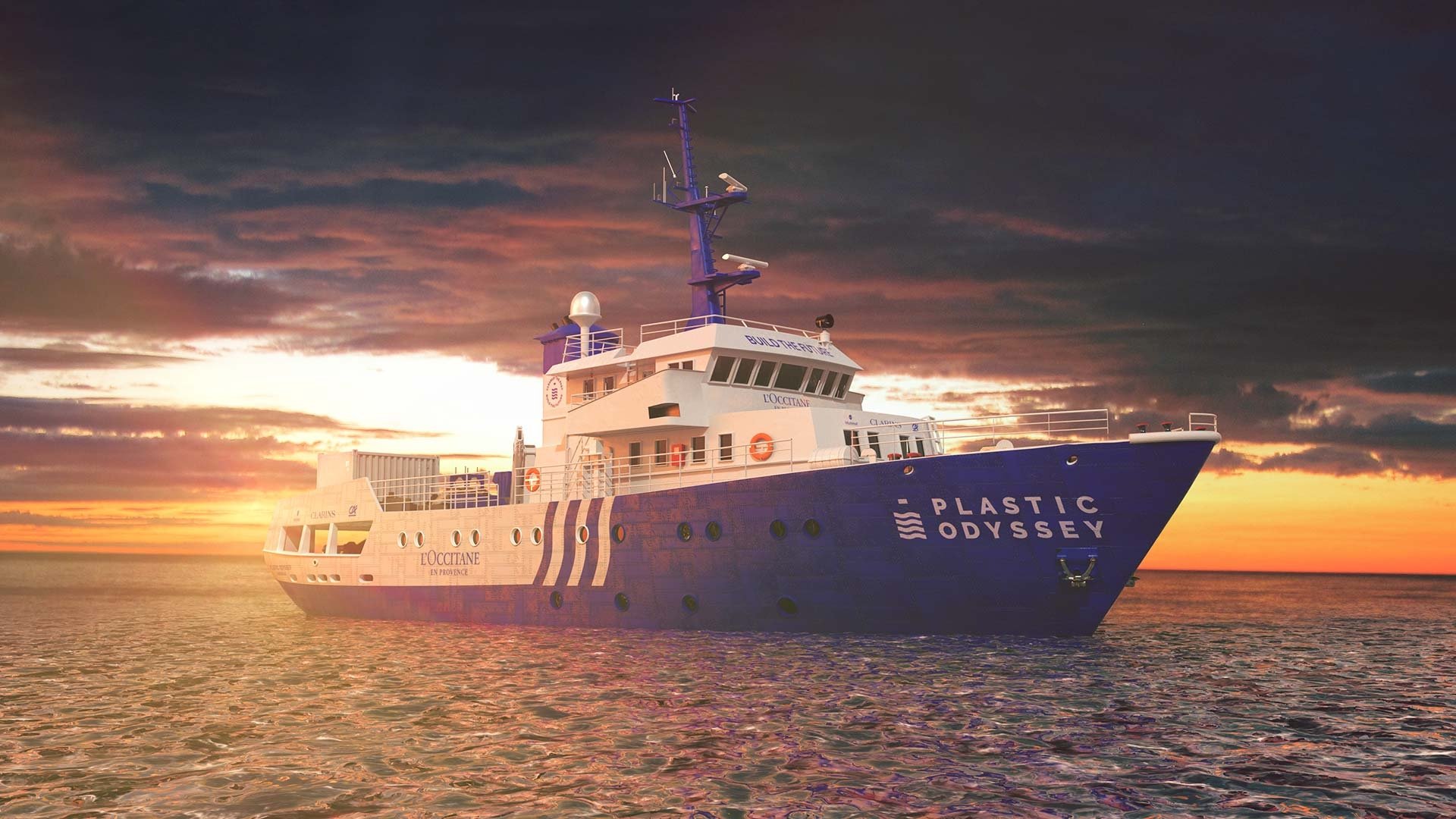
A documentary focused on plastic pollution in the world's oceans.
David Attenborough and scientist Johan Rockström examine Earth's biodiversity collapse and how this crisis can still be averted.
David Attenborough takes viewers on a breathtaking journey showing there is nowhere more vital for our survival, more full of life, wonder, or surprise, than the ocean. Through spectacular sequences featuring coral reefs, kelp forests and the open ocean, Attenborough shares why a healthy ocean keeps the entire planet stable and flourishing.
Passionate about ocean life, a filmmaker sets out to document the harm that humans do to marine species — and uncovers an alarming global conspiracy.
Embark on a delightful journey into the world of dogs in this documentary that reveals scientific and emotional insights about our lovable BFFs.
A documentary on Al Gore's campaign to make the issue of global warming a recognized problem worldwide.
Described as being a film about determination, danger and the ocean’s greatest depths, James Cameron's "Deepsea Challenge 3D" tells the story of Cameron’s journey to fulfill his boyhood dream of becoming an explorer. The movie offers a unique insight into Cameron's world as he makes that dream reality – and makes history – by becoming the first person to travel solo to the deepest point on the planet.
One man's journey to discover the bitter truth about sugar. Damon Gameau embarks on a unique experiment to document the effects of a high sugar diet on a healthy body, consuming only foods that are commonly perceived as 'healthy'. Through this entertaining and informative journey, Damon highlights some of the issues that plague the sugar industry, and where sugar lurks on supermarket shelves.
This documentary follows oceanographer Sylvia Earle's campaign to save the world's oceans from threats such as overfishing and toxic waste.
Climate is changing. Instead of showing all the worst that can happen, this documentary focuses on the people suggesting solutions and their actions.
A documentary on the expletive's origin, why it offends some people so deeply, and what can be gained from its use.
Sheds light on an alternative approach to farming called “regenerative agriculture” that could balance our climate, replenish our vast water supplies, and feed the world.
When Allied forces liberated the Nazi concentration camps in 1944-45, their terrible discoveries were recorded by army and newsreel cameramen, revealing for the first time the full horror of what had happened. Making use of British, Soviet and American footage, the Ministry of Information’s Sidney Bernstein (later founder of Granada Television) aimed to create a documentary that would provide lasting, undeniable evidence of the Nazis’ unspeakable crimes. He commissioned a wealth of British talent, including editor Stewart McAllister, writer and future cabinet minister Richard Crossman – and, as treatment advisor, his friend Alfred Hitchcock. Yet, despite initial support from the British and US Governments, the film was shelved, and only now, 70 years on, has it been restored and completed by Imperial War Museums under its original title "German Concentration Camps Factual Survey".
An exploration of technologically developing nations and the effect the transition to Western-style modernization has had on them.
Never-before-seen footage shows how our living in lockdown opened the door for nature to bounce back and thrive. Across the seas, skies, and lands, Earth found its rhythm when we came to a stop.
A visual montage portrait of our contemporary world dominated by globalized technology and violence.
Dive into our planet's greatest mysteries with a team of international underwater cinematographers as they explore the breathtaking bond between humanity and the ocean.
This revealing documentary honors the legendary Sidney Poitier—iconic actor, filmmaker, and civil rights activist. Featuring interviews with Denzel Washington, Spike Lee, Halle Berry, and more.
The successes and failures of a couple determined to live in harmony with nature on a farm outside of Los Angeles are lovingly chronicled by filmmaking farmer John Chester, in this inspiring documentary.
Deep Blue is a major documentary feature film shot by the BBC Natural History Unit. An epic cinematic rollercoaster ride for all ages, Deep Blue uses amazing footage to tell us the story of our oceans and the life they support.