A talented artist creates a portrait of someone he has never seen before.
Social & External
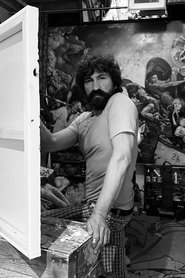
Unknown Role
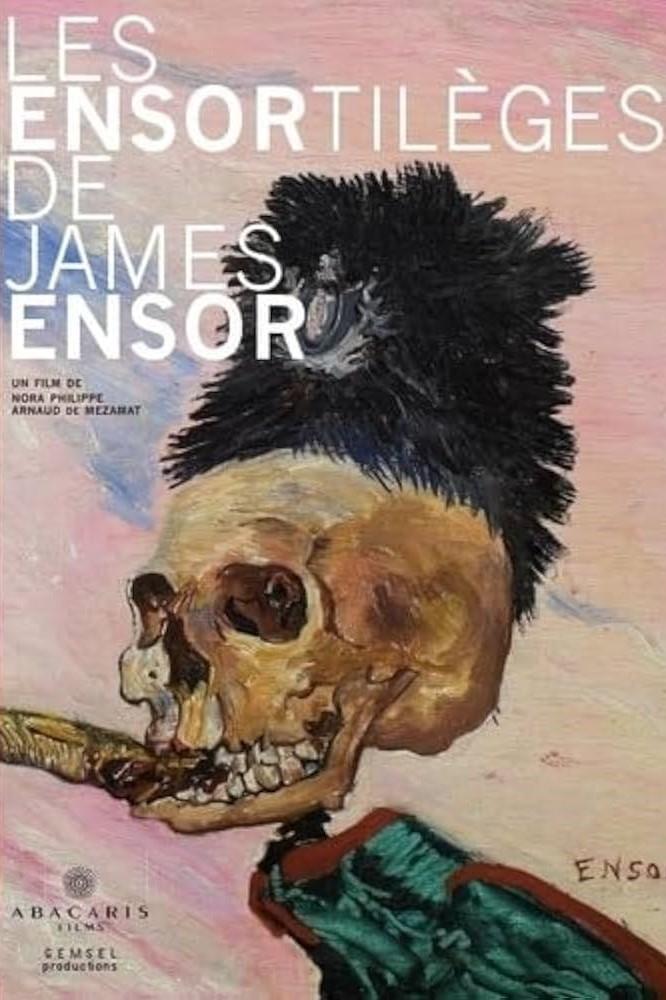
This film explains what James Ensor (1860-1949) meant for the development of art and makes palpable where he got his inspiration from.
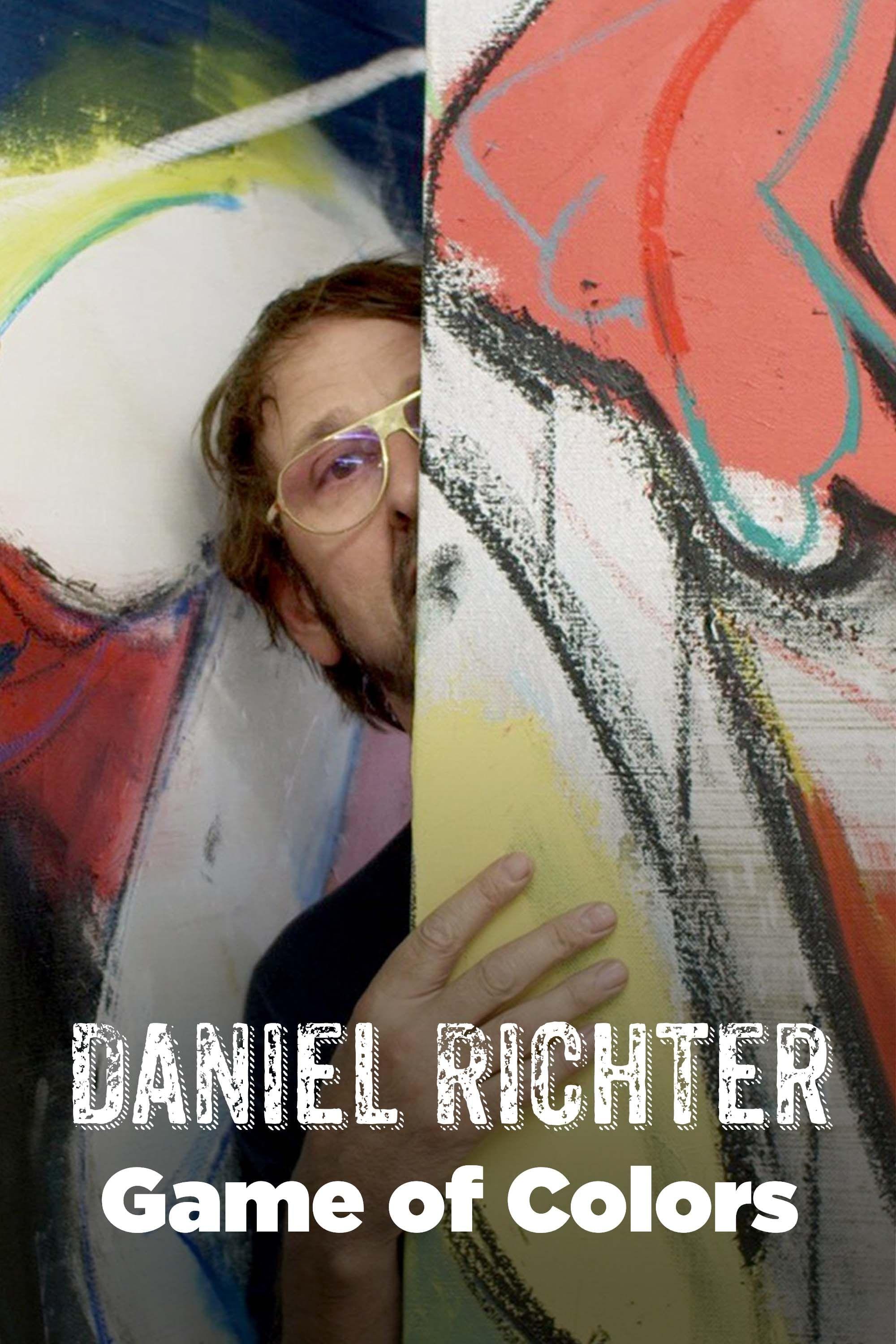
Few artist portraits give us the privilege of getting as close to the painter as if we had free access to his studio. Over a period of three years, Pepe Danquart got to accompany the painter Daniel Richter, watching him paint, negotiate with his gallerist, talk to his publisher and joke with fellow artist Jonathan Meese. Danquart interviews collectors, attends auctions and even visits record shops.
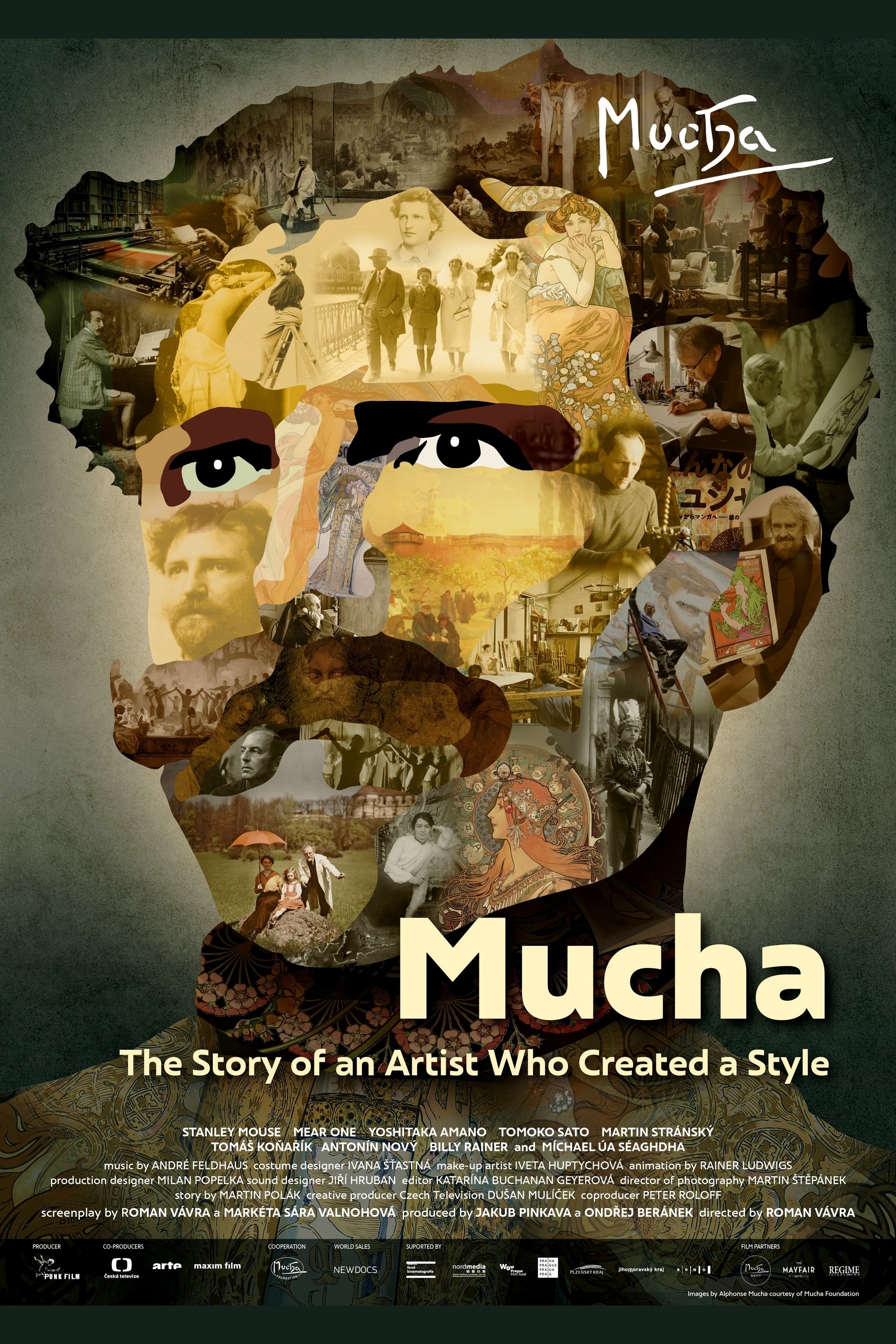
Czech painter and illustrator Alphonse Mucha (1860-1939) ranks among the pioneers of the Art Nouveau movement at the end of the 19th century. Virtually overnight, he becomes famous in Paris thanks to the posters that he designs to announce actress Sarah Bernhardt’s plays. But at the height of his fame, Mucha decides to leave Paris to realize his lifetime project.
Romantic art was a response to the social upheavals of the 19th century, as shown by works by its emblematic painters Friedrich, Venetsianov and Delacroix.
A portrait of the visionary Dutch artist M. C. Escher (1898-1972), according to his own words, taken from his diary, his correspondence and the texts of his lectures.
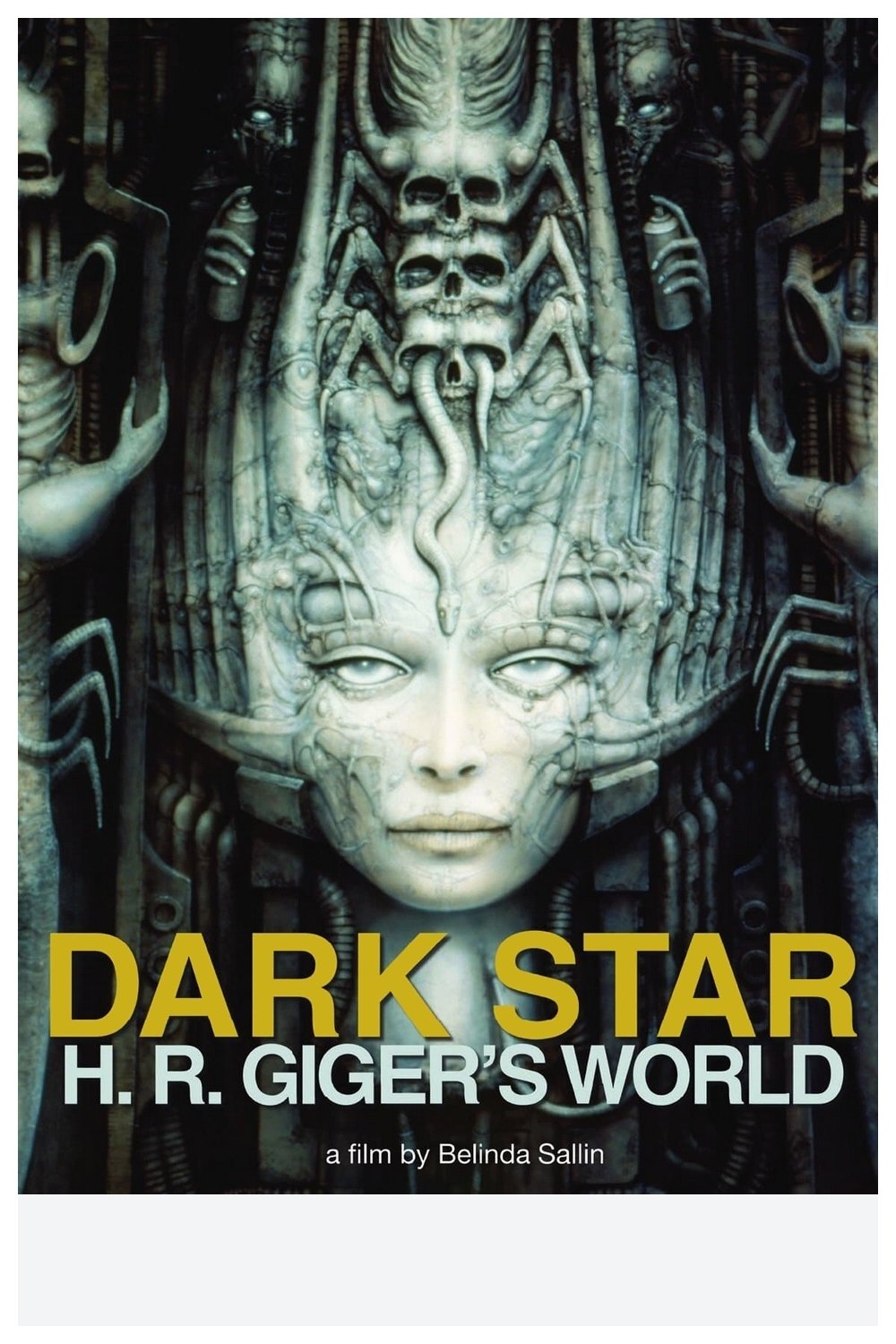
An account of the life and work of Swiss painter, sculptor, architect and designer H. R. Giger (1940-2014), tormented father of creatures as fearsome as they are fascinating, inhabitants of nightmarish biomechanical worlds.
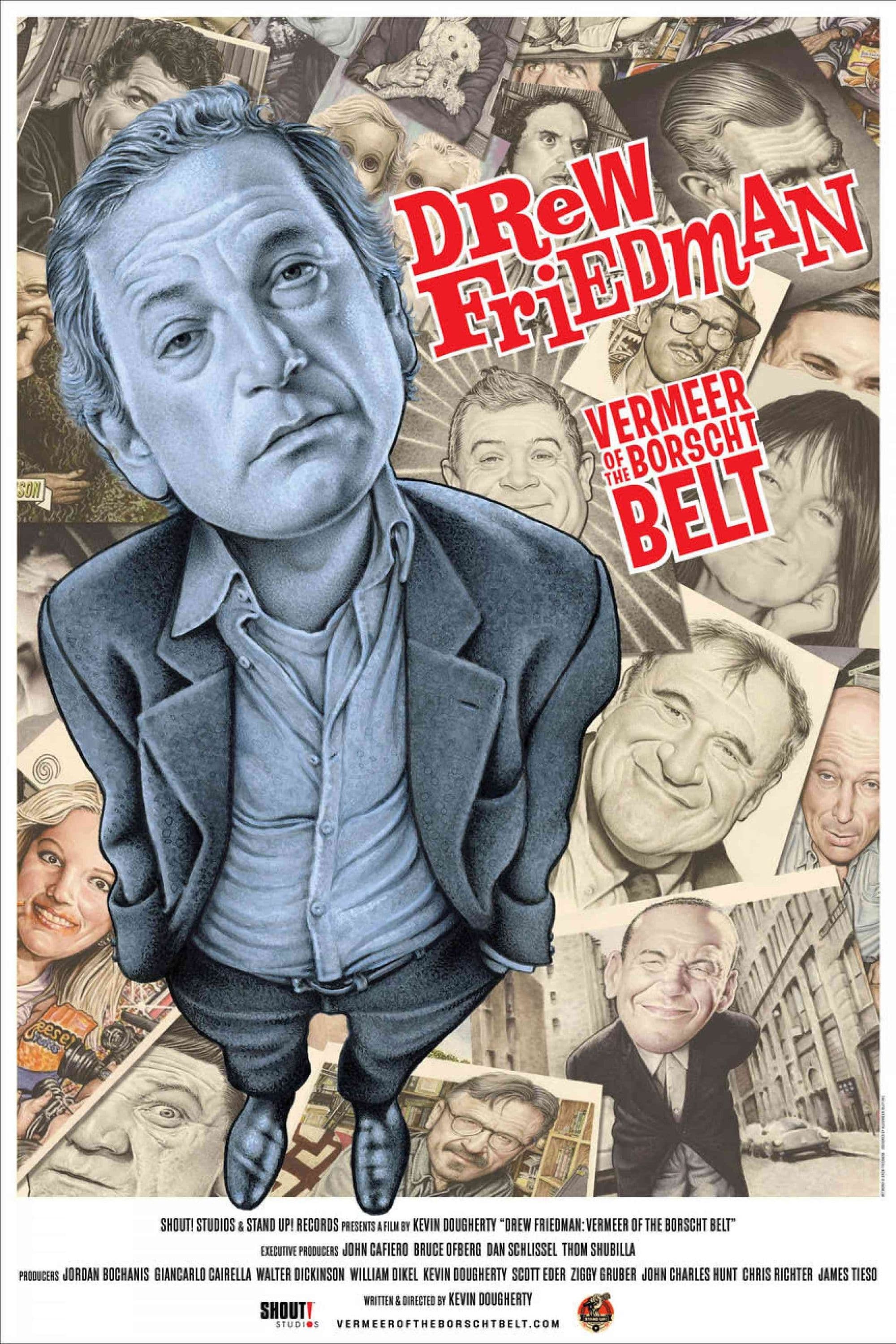
For years, artist Drew Friedman has chronicled a strange, alternate universe populated by forgotten Hollywood stars, old Jewish comedians and liver-spotted elevator operators. Drew Friedman: Vermeer of the Borscht Belt is an in-depth documentary tracing artist Friedman's evolution from underground comics to the cover of The New Yorker. The film, directed by Kevin Dougherty, features interviews with Friedman's friends and colleagues, including Gilbert Gottfried, Patton Oswalt, Richard Kind, Mike Judge, Merrill Markoe and many others.
The documentary is about an old man from Yerevan who paints on garages, transforming rusty metal walls into vivid landscapes and leaving a subtle yet unforgettable mark on the city.
Ernest Pignon Ernest is a French visual artist who is considered one of the pioneers of urban art in France. This film recounts the major stages of a considerable body of work that began in the 1960s on the Albion plateau and culminated in Les Extases at the Abbey Church of Bernay. The film gives him space to speak freely, generously, and with conviction. Ernest Pignon Ernest's hands are ancient, reaching back from Caravaggio to Titian, from Masaccio to El Greco. His works speak to us. They transform our streets into fictional spaces, reminiscences, rituals.
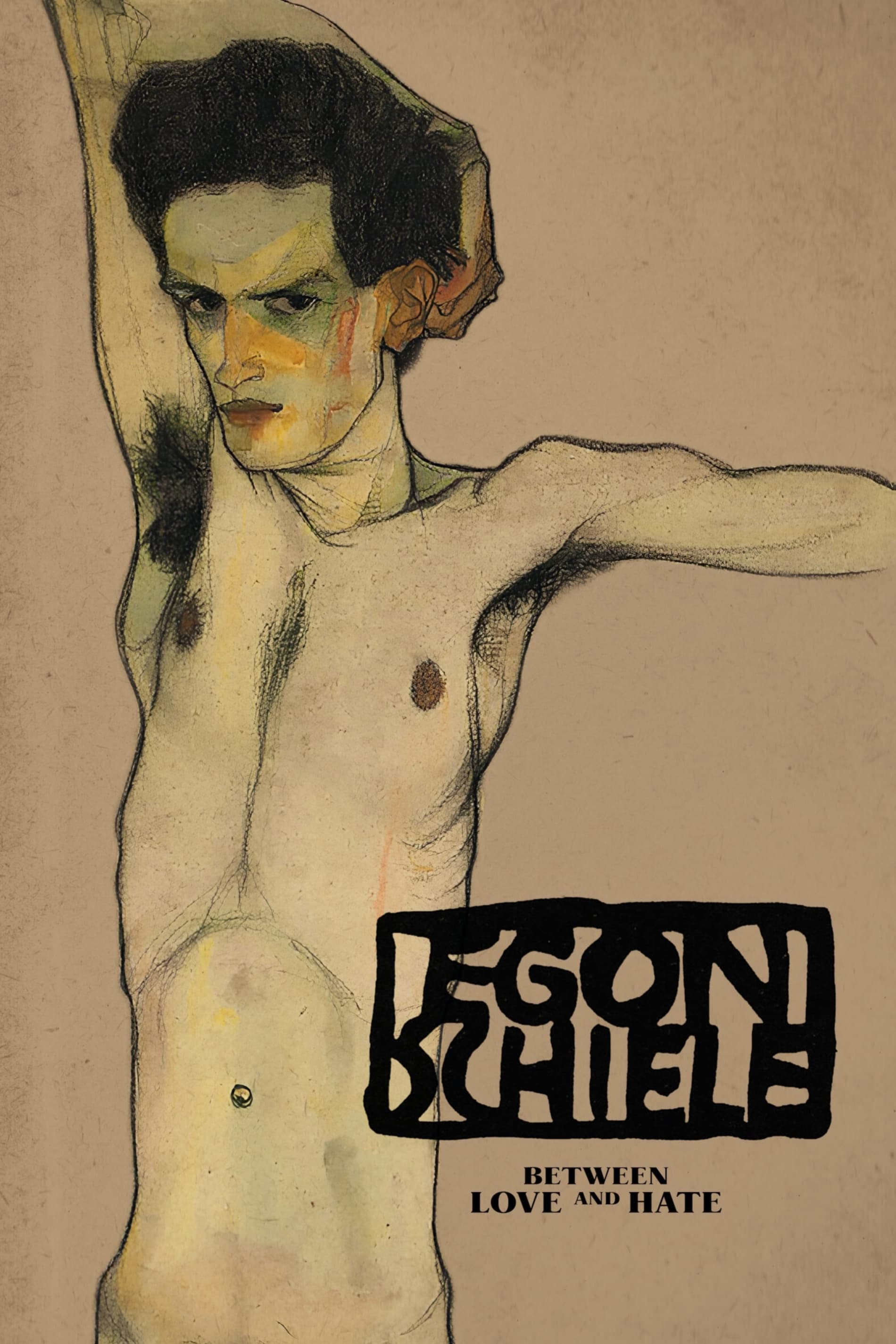
An account of the short life and the astonishing and provocative work of the Austrian painter Egon Schiele (1890-1918), seen through the peculiar point of view and the critic voices of the women who defined the paramount milestones of his existence: Gerti, his sister; Wally, his main model and lover; and Edith, his wife. A brief story of love, hate, betrayal and misfortune.
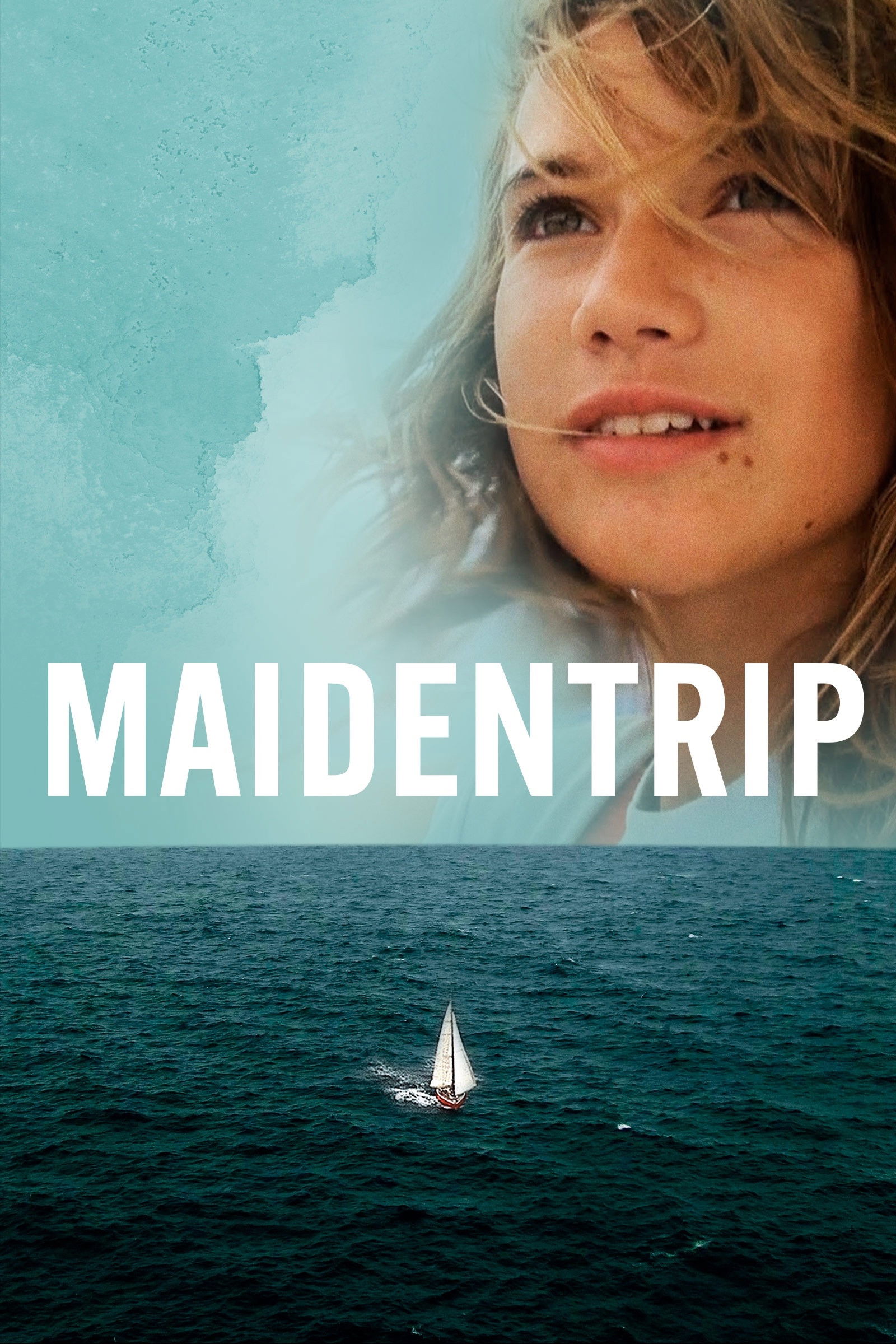
British surrealist Leonora Carrington was a key part of the surrealist movement during its heyday in Paris and yet, until recently, remained a virtual unknown in the country of her birth. This film explores her dramatic evolution from British debutante to artist in exile, living out her days in Mexico City, and takes us on a journey into her darkly strange and cinematic world.
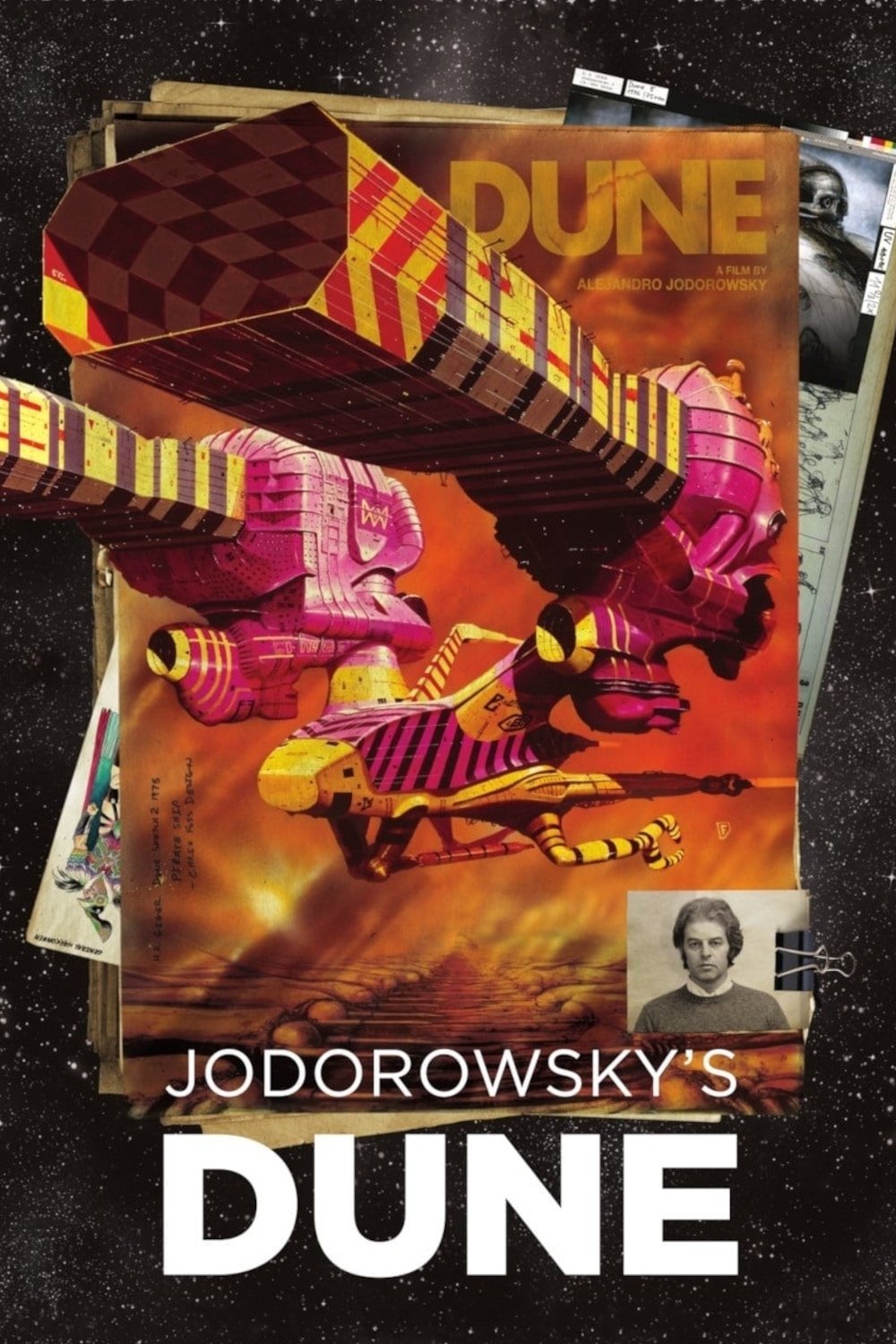
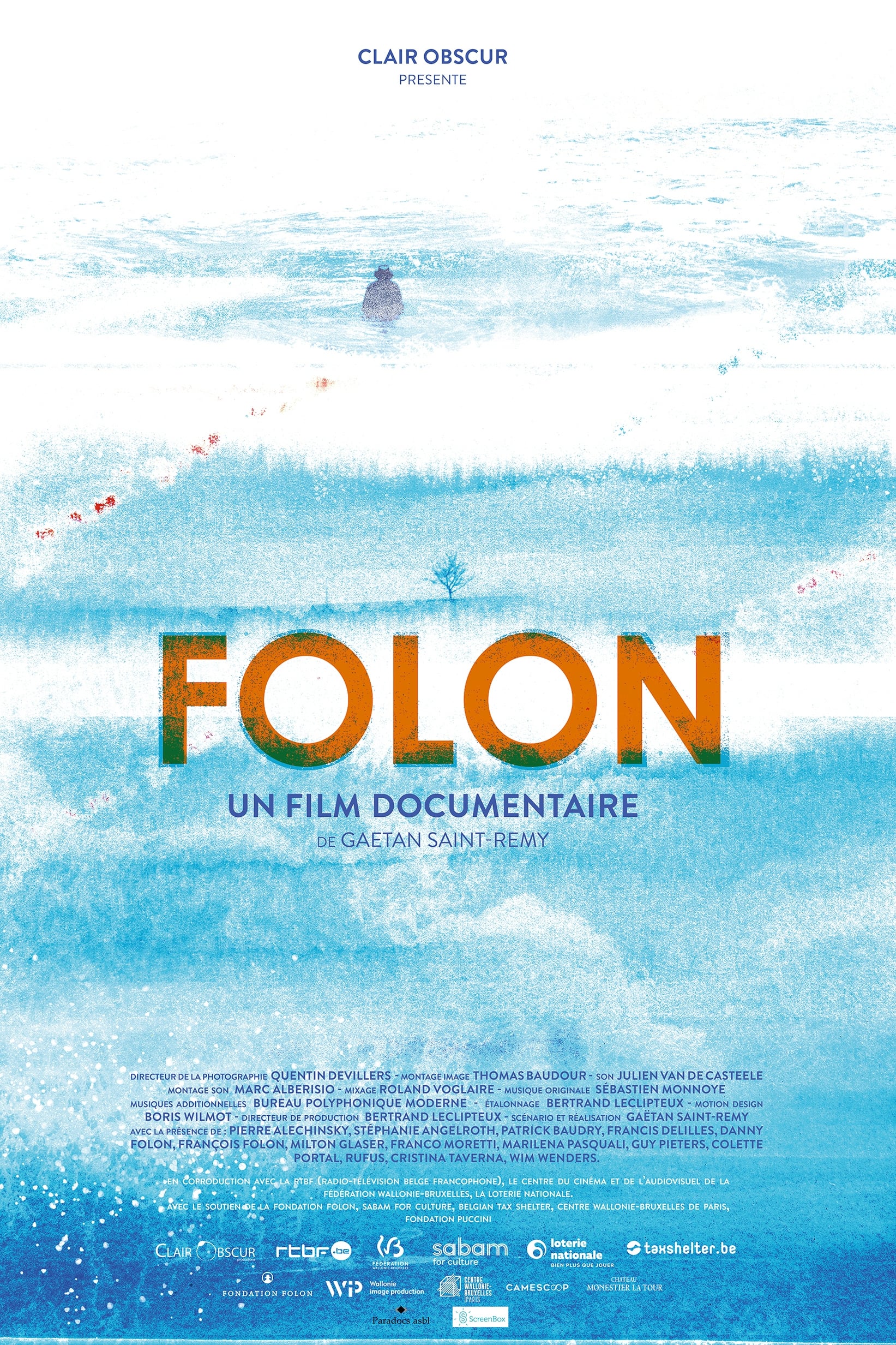
One of the 20th century Belgian artists who was the most idolized, exhibited, published, sold... Yet the artist himself, Jean-Michel Folon (1934-2005), whose work became controversial because deemed insipid, with its mannerisms, pastel tones and colors, remains little-known. Through previously unseen archive footage, Gaëtan de Saint-Rémy offers him a voice.
The history of how the Museum of Spanish Abstract Art of Cuenca was created. In the mid-1950s, the Spanish collector and painter Fernando Zóbel de Ayala (1924-84) becomes fascinated by the young generation of Spanish abstract artists, so he begins to collect their works to show them to the public in Toledo. Until Gustavo Torner, a young forest engineer interested in art, proposes him to visit his city, Cuenca.
Biographer Sir John Richardson and Picasso’s granddaughter, Diana Widmaier Picasso, are the star witnesses in a documentary that reassesses the artist’s output in the years before his death in 1973. The story is of a creative spirit finding new impetus in response to both death’s approach and the censure of contemporaries and critics. Those who were members of Picasso’s private inner circle – gossip about his lifestyle also helped to fire him back up – put the later work forward as some of his frankest, wittiest and most profound.
Alongside Rembrandt and Vermeer, Frans Hals was one of the key figures in 17th century Dutch art. But unlike his contemporaries, who tended to paint gloomy or pensive pictures, Hals was entirely devoted to joy. He painted people who could barely conceal their zest for life - at a time when it was frowned upon to show teeth.
A sincere portrait, and in first person, of the multifaceted Andalusian artist José Pérez Ocaña.
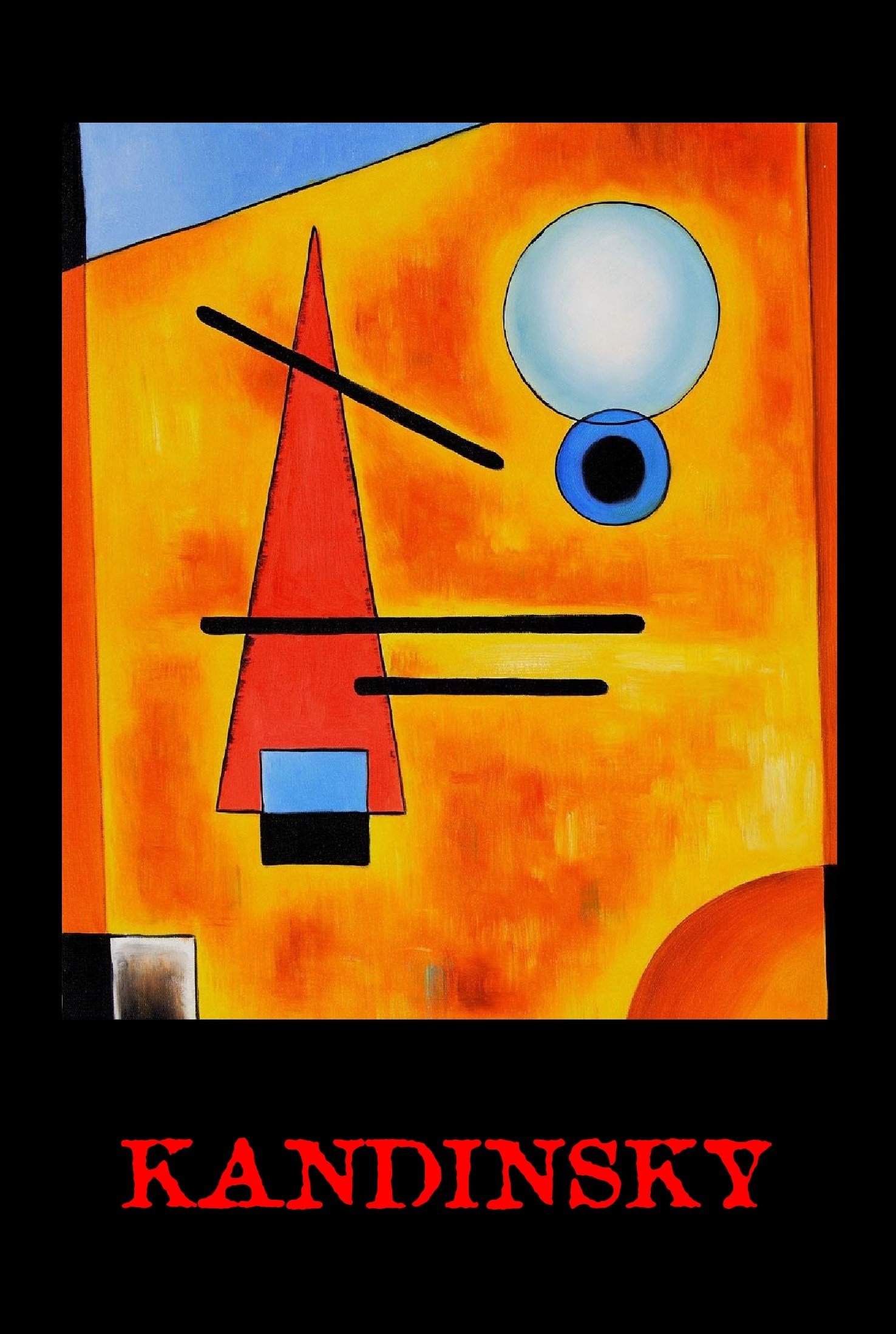
The Russian painter Wassily Kandinsky claimed, or has been credited with, the 'creation' of abstract art. At the core of this film is a dramatic recreation of Kandinsky's account of returning to his studio one dark evening, and being astonished by an unknown masterpiece of abstract art leaning against the easel - a picture which turned out to be one of his own landscapes fallen on its side. 'Now I knew for certain that the object spoiled my pictures.' While this film's narration does indeed emphasize the notion of an inspired breakthrough to Abstraction, the picture it conveys in more purely filmic ways is a rich and complex one.