Documentary directed by Klaus Antes
Social & External
Pictures of the Mediterranean made with bread, oil and wine. In one meal the history, geography, economy, climate, culture and people of the Mediterranean. Close up of threshing floors, threshing floors, mills. Dietary habits, production methods, daily routines together with the natural and built environment make up the cultural body of the most interesting, perhaps, man-made environment in history. A culture that runs as a commonplace even in seemingly different worlds. The Mediterranean emerges in a sea of convergence and meeting without, however, ignoring the dynamics of the different.
Produced by the Fox Movietone News arm of Fox Film Corporation and based on the book by Lawrence Stallings, this expanded newsreel, using stock-and-archive footage, tells the story of World War I from inception to conclusion. Alternating with scenes of trench warfare and intimate glimpses of European royalty at home, and scenes of conflict at sea combined with sequences of films from the secret archives of many of the involved nations.
A documentary of Turkish political history about multi-party period, Democrat Party government and the coup d'etat of 27th May. Including eye-witness interviews with journalists, officers, politicians and family members.
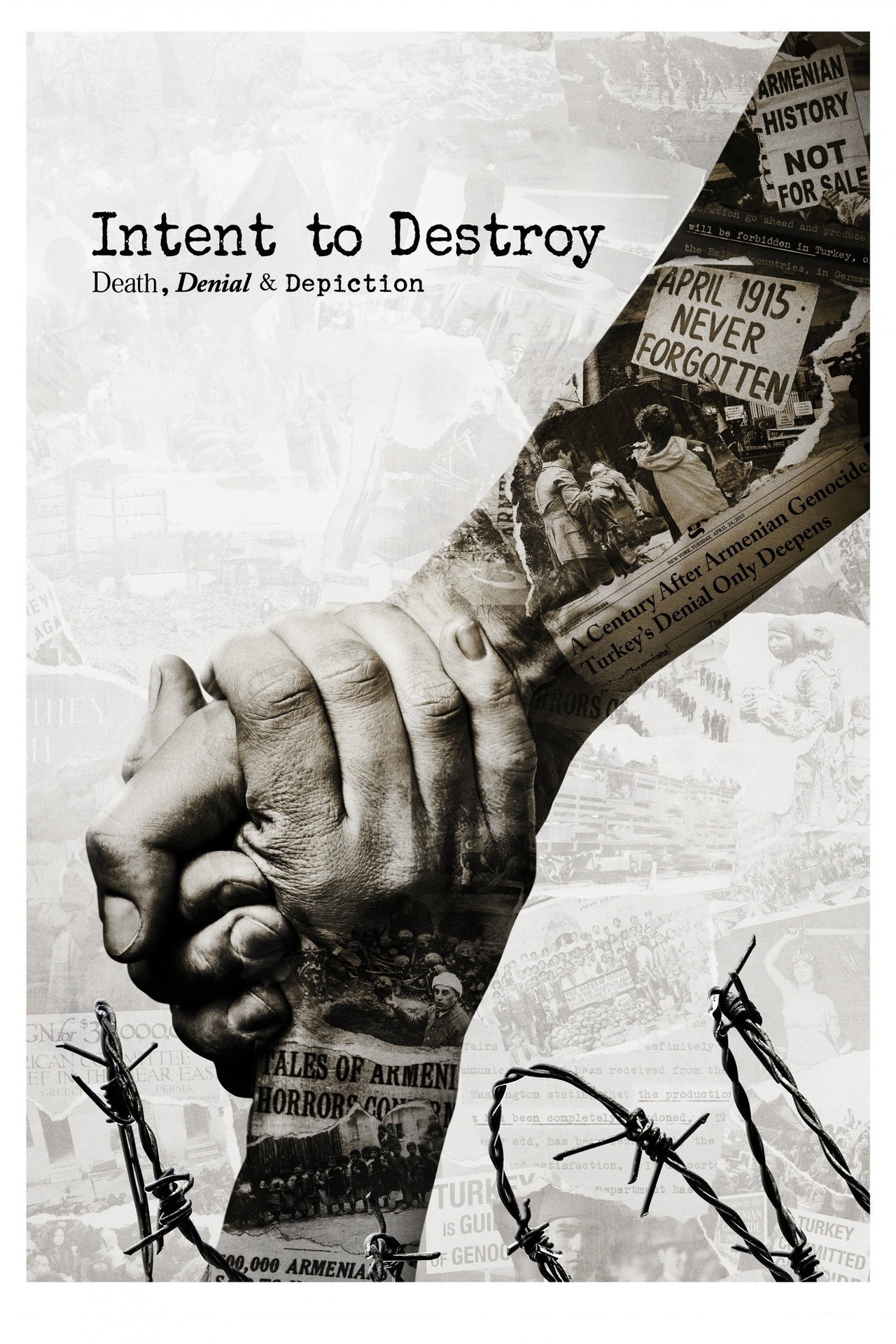
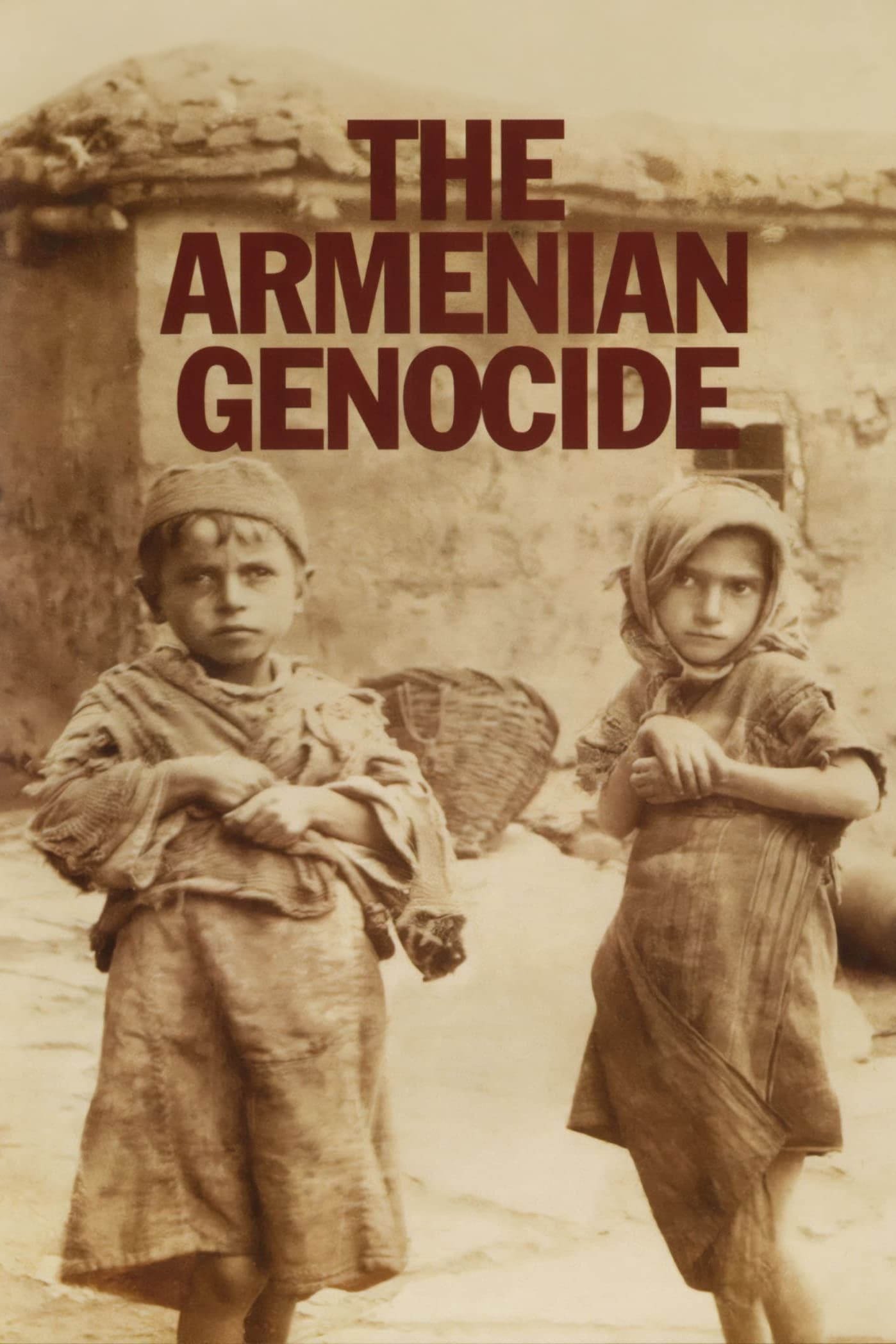
More than one million Armenians perished between 1915 and 1916 in massacres or brutal deportation programs. Turkey still denies it ever happened. Laurence Jourdan examines massacres of Armenians in the decades leading up to the mass murder, and the geopolitical situation both before and after the genocide. Contemporaneous reports and documents written by Western diplomats stationed in the Ottoman Empire describe the methods used and the deportation routes. These accounts are mixed with personal stories from the living survivors and archive footage from Ottoman authorities.
Though both the historical and modern-day persecution of Armenians and other Christians is relatively uncovered in the mainstream media and not on the radar of many average Americans, it is a subject that has gotten far more attention in recent years.

Fragmentary perspectives on Human Rights and transgender (trans*) People in Turkey. What remains at the place where a murder happened? What constitutes trans* life? How to cope with daily violence and hatred? We begin to search for traces. We follow the tracks of resistance and survival. We are collectors of the expelled. We gather fragments of trans* lives inspired by texts of Nazim Hikmet, Foucault, Benjamin and Zeki Müren. Trans*BUT is a documental research study driven by the question: “What keeps you going when all else falls away?”
The story of three Turkish men. They all grew up in Switzerland and all got deported after various criminal offenses.
The recording process of musician Nilufer Akdogu's Turkish jazz album Aristo'ya Inat (Against Aristotle). The film presents the musical searches during the creation of an album with all its fragility. At the same time, it is a record of special sharings which elements from world jazz history are discussed with experiences, and the joy is never lost despite the setbacks.
Turkey in the 1960s and 1970s was one of the biggest producers of film in the world. In order to keep up with the demand, screenwriters and directors were copying scripts and remaking movies from all over the world. This documentary visits the fastest working directors, the most practical cameramen and the most hardheaded actors to have a closer look into the country's tumultuous history of movie making.
Kurdistan, partitioned between Iran, Iraq, Turkey and Syria, could play a major role in a torn Middle East. But who are the Kurds? What influence do they have? Who exactly is Abdullah Öcalan, the leader of the Kurdistan Workers' Party? An enlightening investigation by Luis Miranda.
While the government was in a deep sleep, the brain staff of the revolution was completing its final preparations at the Military Academy, there were only a few hours left for the revolution that had been prepared for six years. Despite six years of preparation, there was actually no serious plan at hand. An unplanned, unscheduled full night raid was to be organized. The management level of the army was pro-government. Therefore, it was impossible for the intervention to take place within the chain of command. This was to be a grassroots military operation. The army of the operation consisted of young cadets. Except for the Harbiye, there was no force at hand. It was even possible for units such as the Guards Regiment and the Central Command to resist. That's how the day of May 27 began with the unknown and risks. Major General Cemal Madanoğlu, the commander of the Revolution Headquarters, would have the last word...
Turkish democracy got over the 27th of May and the 12th of March and set off again, but the storm did not subside and the mutual reckoning was not over. On the contrary, new fronts were opened in the country and blood began to flow like a gutter. Finally, on September 12, there was a knock on the door again. Those who came that day changed everything, everything. Nothing would ever be the same again, nothing would be the same as before.