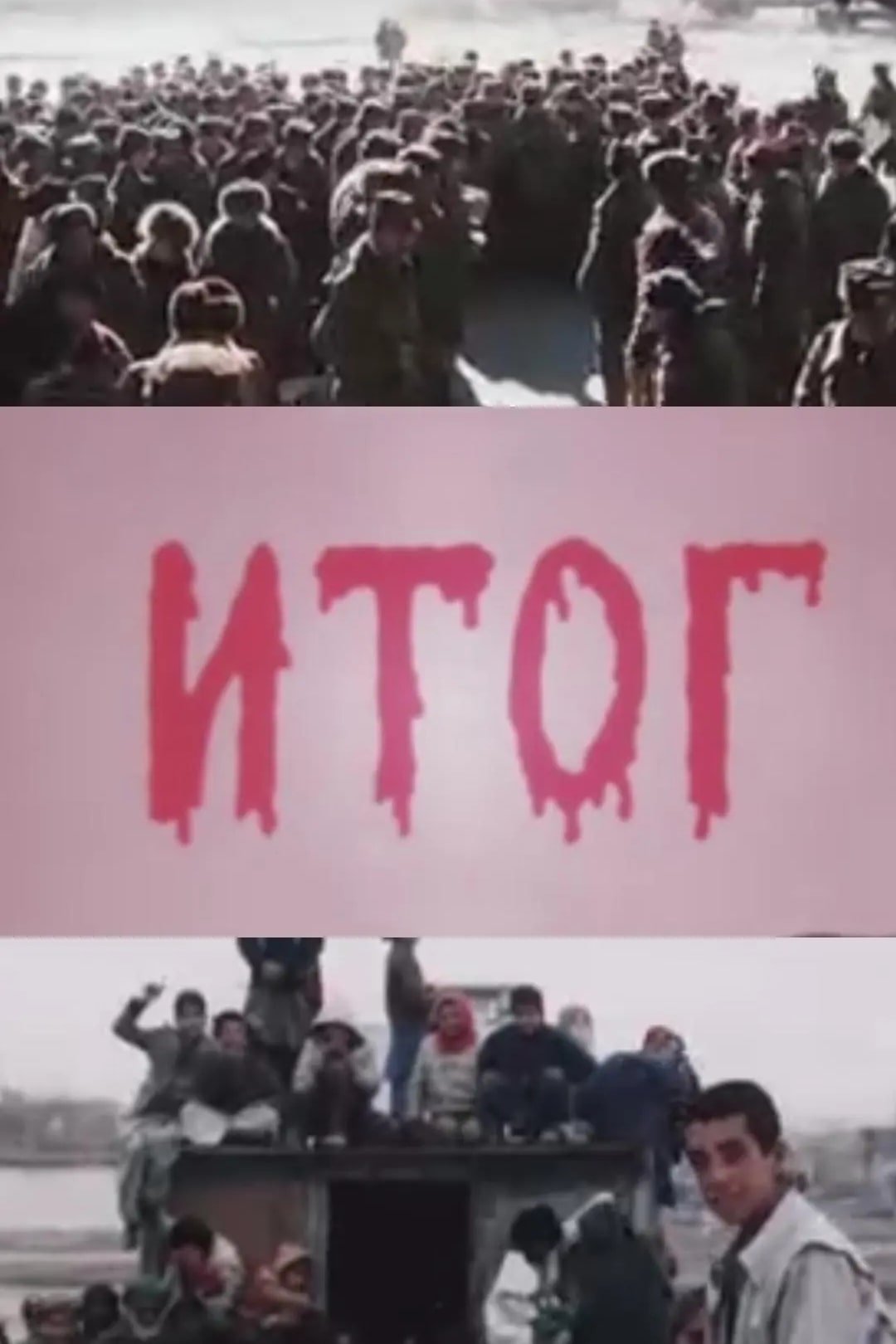
These are last days of the Soviet troops' stay in Afghanistan. What's next? About the economic difficulties after the war is over, the results of the military company.
Social & External

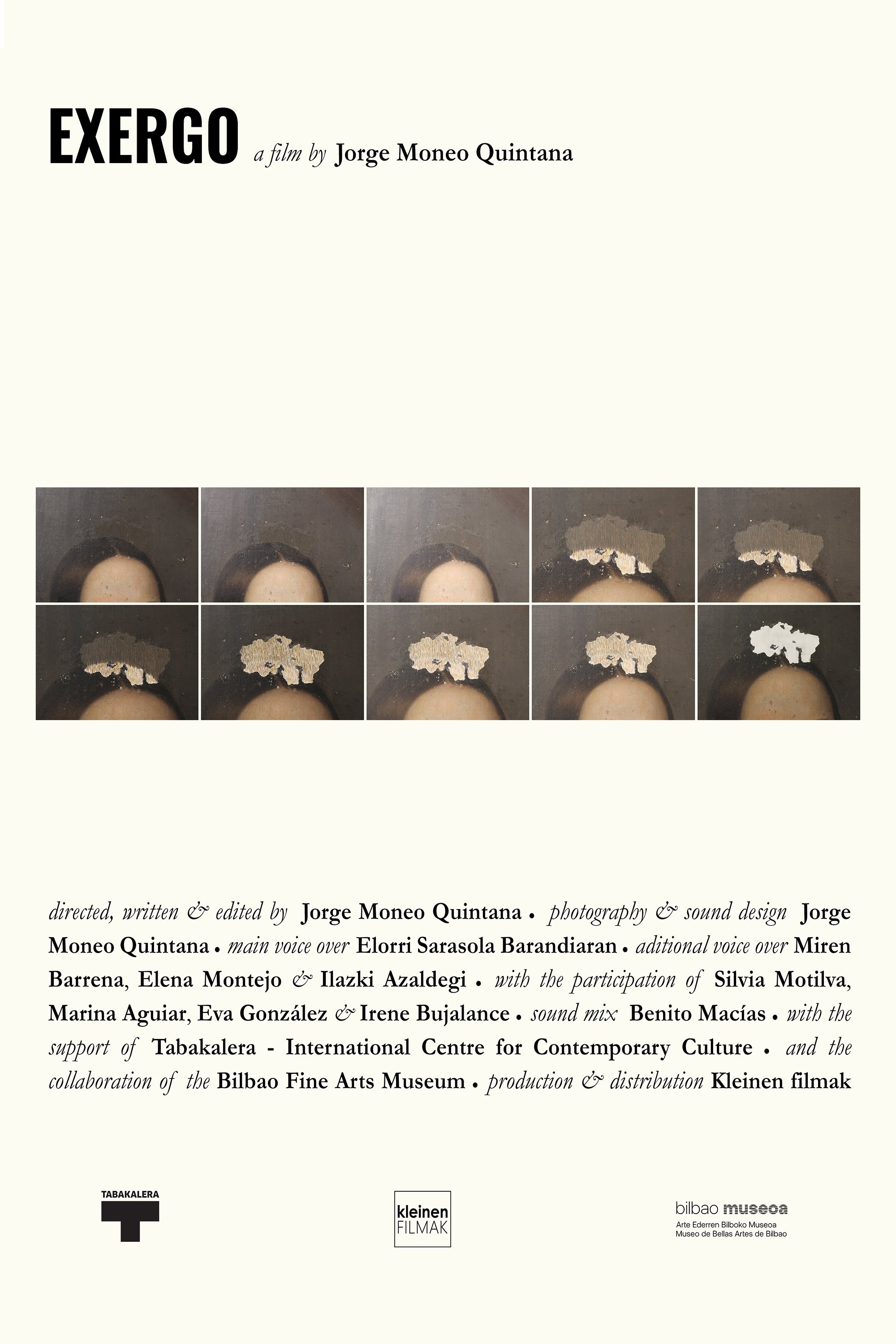
Departing from peripheral details of some paintings of the Bilbao Fine Arts Museum, a female narrator unravels several stories related to the economic, social and psychological conditions of past and current artists.
With breathtaking clarity, renowned University of Massachusetts Economics Professor Richard Wolff breaks down the root causes of today's economic crisis, showing how it was decades in the making and in fact reflects seismic failures within the structures of American-style capitalism itself. Wolff traces the source of the economic crisis to the 1970s, when wages began to stagnate and American workers were forced into a dysfunctional spiral of borrowing and debt that ultimately exploded in the mortgage meltdown. By placing the crisis within this larger historical and systemic frame, Wolff argues convincingly that the proposed government "bailouts," stimulus packages, and calls for increased market regulation will not be enough to address the real causes of the crisis, in the end suggesting that far more fundamental change will be necessary to avoid future catastrophes.
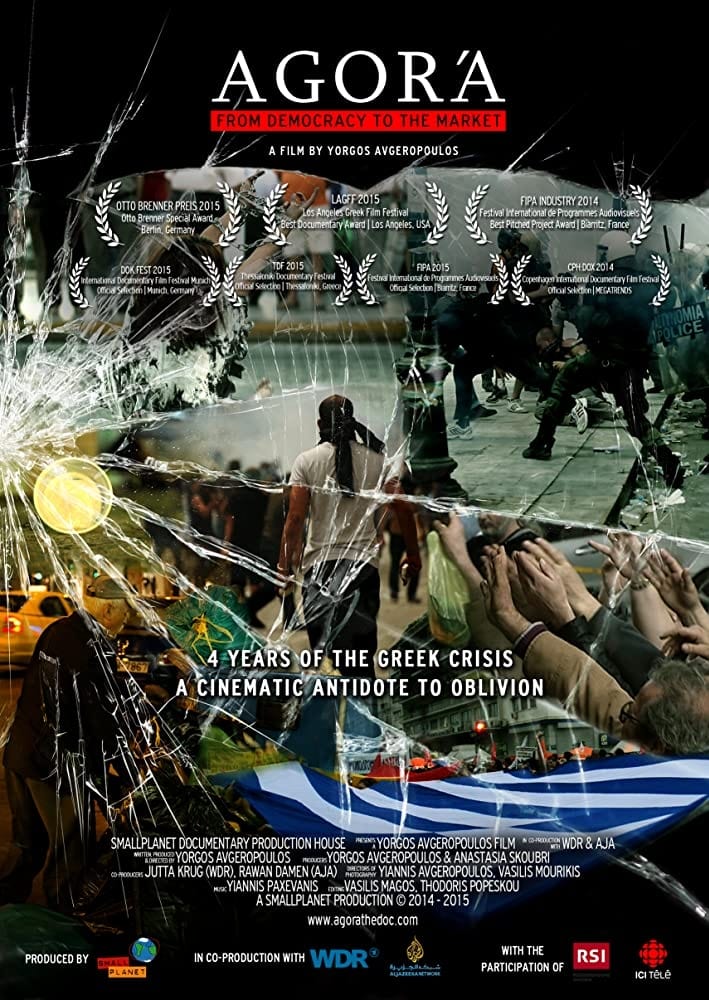
The popular resistance to the current Greek economic crisis explored and expressed through the ethical and political writings of Ancient Greece.
In an audacious campaign to demand better borrowing, Michael Sheen buys £1m of debt from hundreds of people in Wales, and then he writes it all off
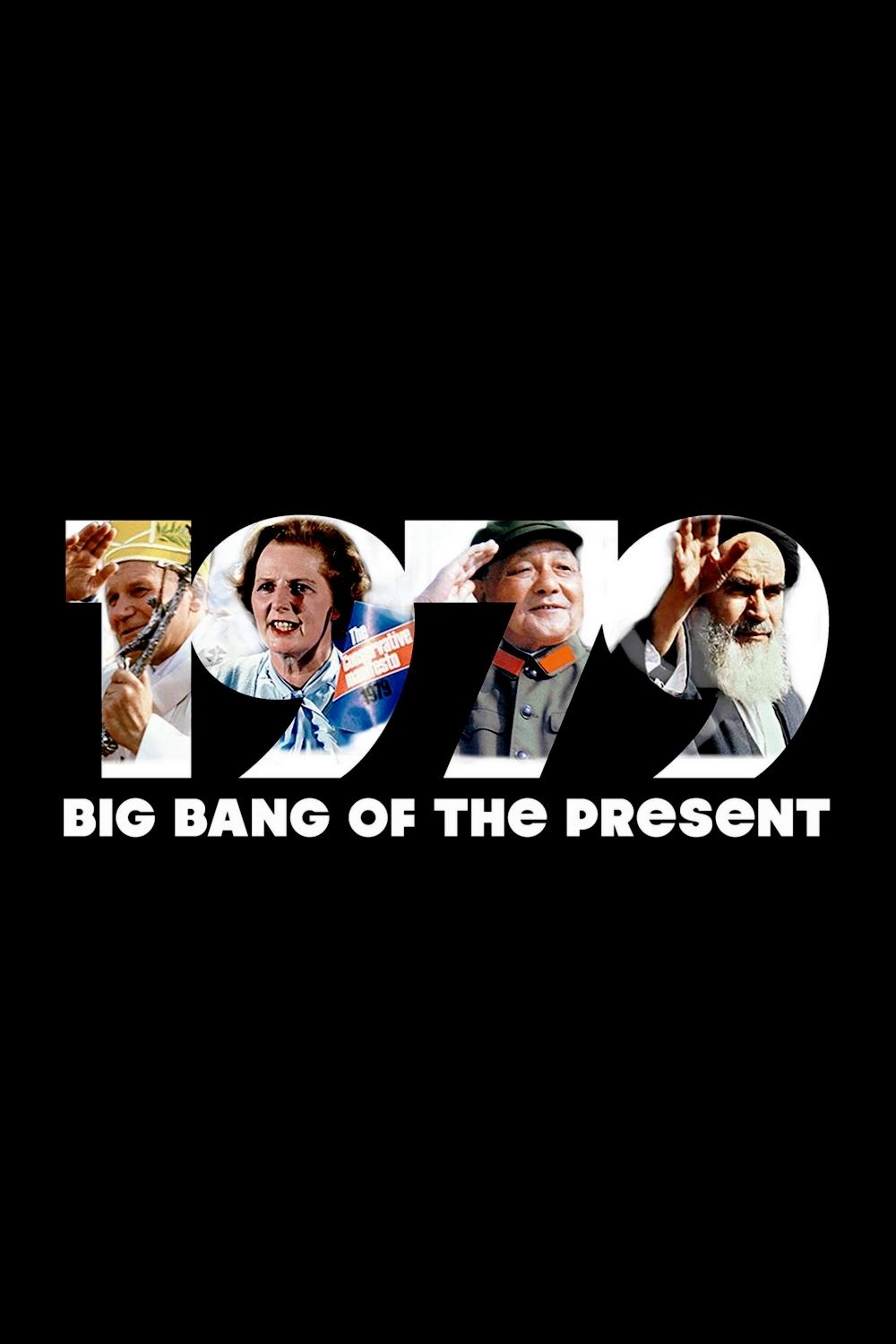
Deng Xiaoping's economic and political opening in China. Margaret Thatcher's extreme economic measures in the United Kingdom. Ayatollah Khomeini's Islamic Revolution in Iran. Pope John Paul II's visit to Poland. Saddam Hussein's rise to power in Iraq. The Soviet invasion of Afghanistan. The nuclear accident at the Harrisburg power plant and the birth of ecological activism. The year 1979, the beginning of the future.
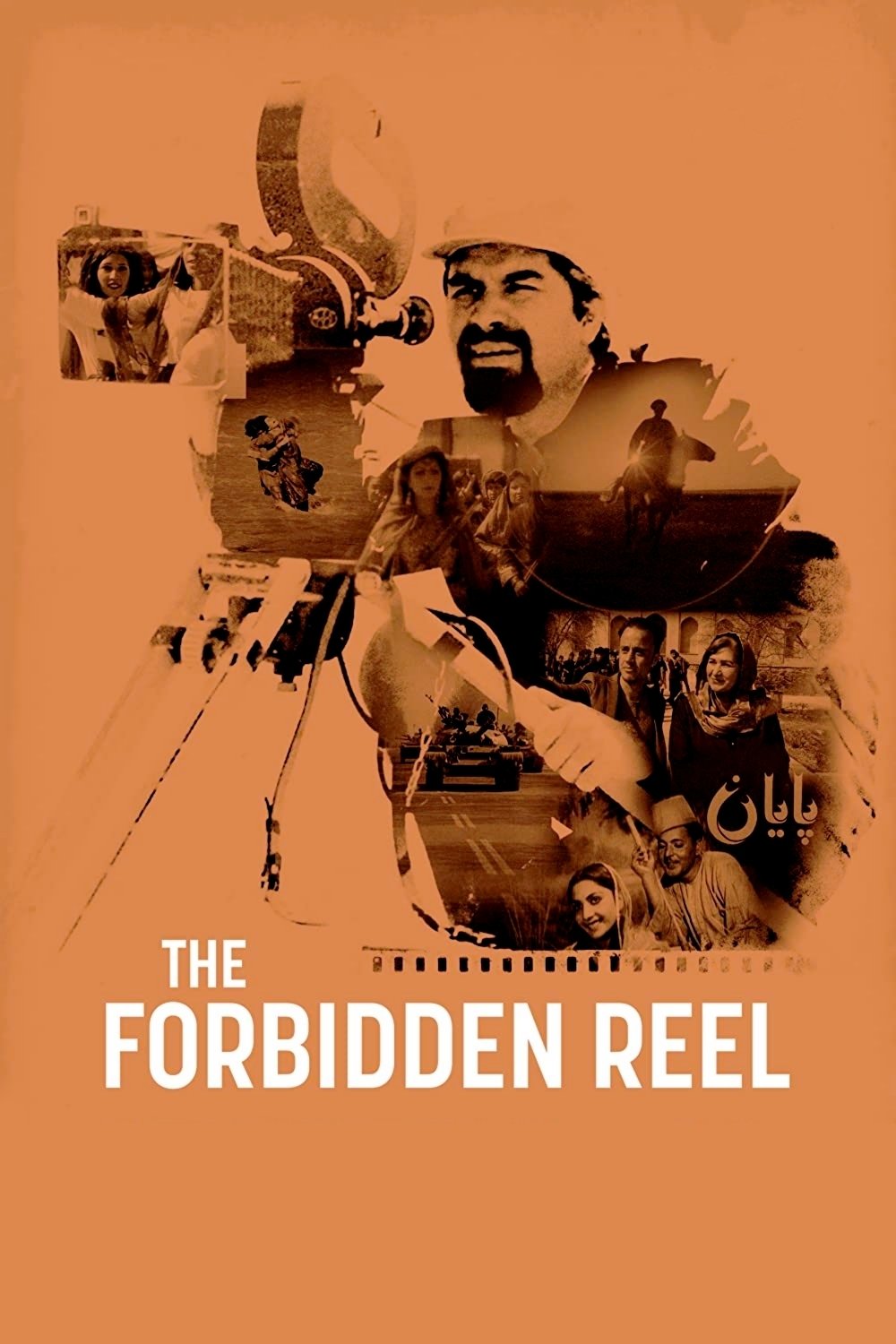
According to the official history of Afghanistan, ruthless destruction has always prevailed over art and creation; but there is another tale to be told, the forgotten account of a diverse and progressive country, seen through the lens of innovative filmmakers, a story that survives thanks to a few brave Afghans, a small but very passionate group that secretly fought to save a huge film archive that was constantly menaced by war and religious fanaticism.
In 1992 – 500 years after the beginning of Spain's global empire with the discovery of America – Spain proudly presented itself to the international community as a modern, developed, dynamic country through the Olympic Games in Barcelona and the Expo in Seville. But for filmmaker Luis López Carrasco (1981, Murcia), 1992 was also the year in which the regional parliament building in Cartagena was razed during furious protests against the threatened closure of various local industries. El año del descubrimiento revives this almost forgotten history in a typical Spanish bar in Cartagena, where different generations come together to drink, eat, smoke and talk. Stories from witnesses, demonstrators and strikers from back then and discussions among younger café visitors on themes such as class consciousness, the economic crisis and the role of unions percolate to the surface amidst talk of other life issues.
A German Documentary about the “village of friendship” that was created by American Veteran George Mizo to help the Vietnamese kids suffering from the Vietnam War.
Things are busy at the Paris hospital where young psychiatrist Jamal and his colleagues work. The place is run down, the staff are exhausted, budgets are constantly being slashed. You know the story, but you’ve rarely seen it conveyed as engagingly as in ‘On the Edge’, which employs a handheld camera and meaningful, artistic interventions to observe the daily routine at the psychiatric ward. The deeply sympathetic Jamal is an everyday hero with an exemplary, humanistic disposition, for whom the most important prerequisites for mental health – and for a healthy society in general – are good relationships with other people. He puts his philosophy into practice by listening patiently, giving good advice and organising theatre exercises based on Molière. Realism and idealism, however, are in balance for the young doctor, at least as long as the institutional framework holds up.
A tomato is planted, harvested and sold at a supermarket, but it rots and ends up in the trash. But it doesn’t end there: Isle of Flowers follows it up until its real end, among animals, trash, women and children. And then the difference between tomatoes, pigs and human beings becomes clear.
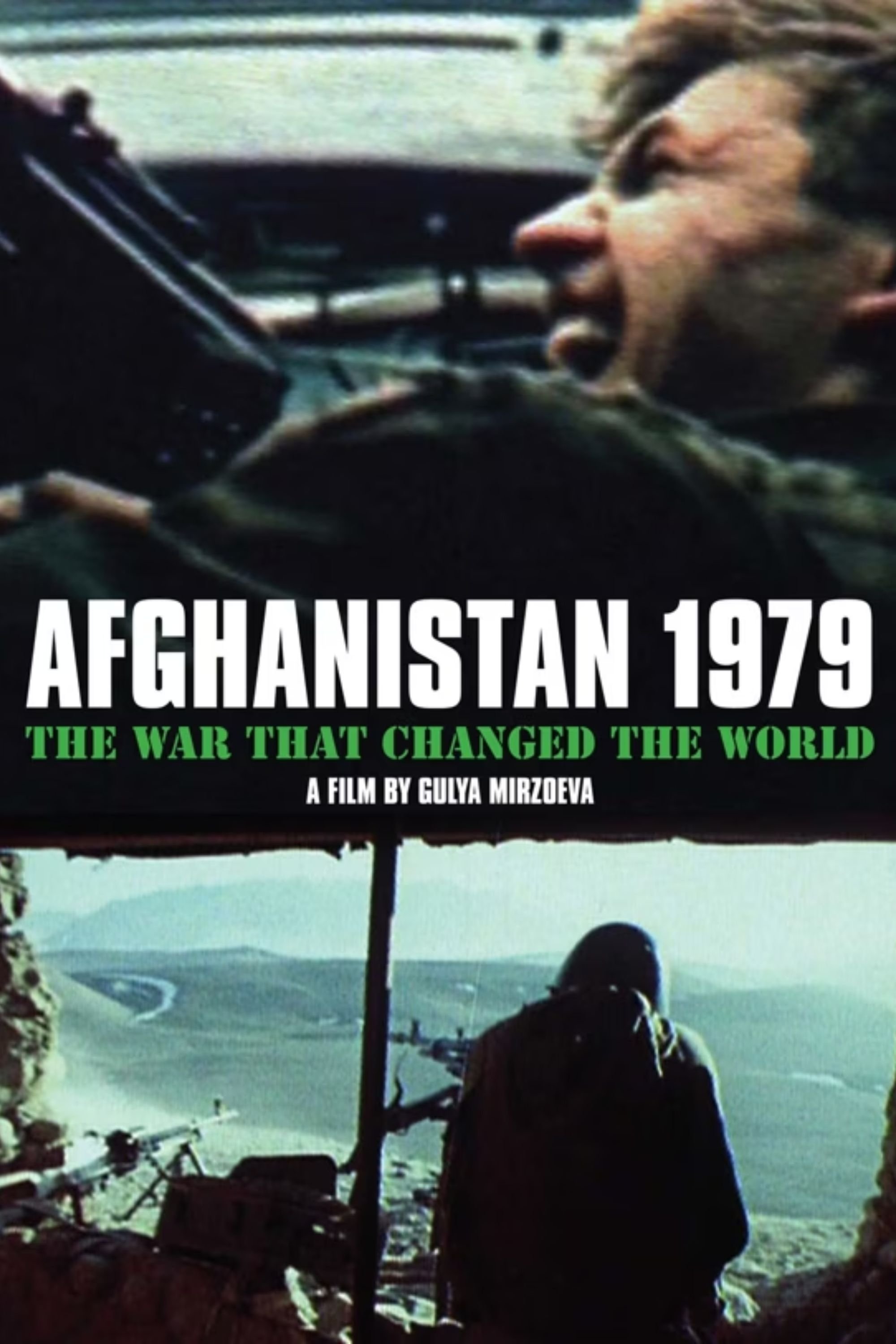
Documentary exploring the experience of Soviet soldiers during the Soviet war in Afghanistan.
Hurricane María abated, the news crews packed up and left Puerto Rico, and the interest of the international community turned elsewhere. What happened next?
Chapter 15 of the series 18 decades of life in Mexico in the twentieth century. Images of the cultural, social and political life in Mexico from 1970 to 1974. During the presidential term of Luis Echeverria Alvarez fantasies of prosperous and modern country it dissolves; Mexico live in political crisis. It is a time of omnipotence, barbarism, and violence intervention: the world seeks new ways. In Mexico, it held the World Cup, unionism is strengthened and inflation responds to the continuing economic imbalances.
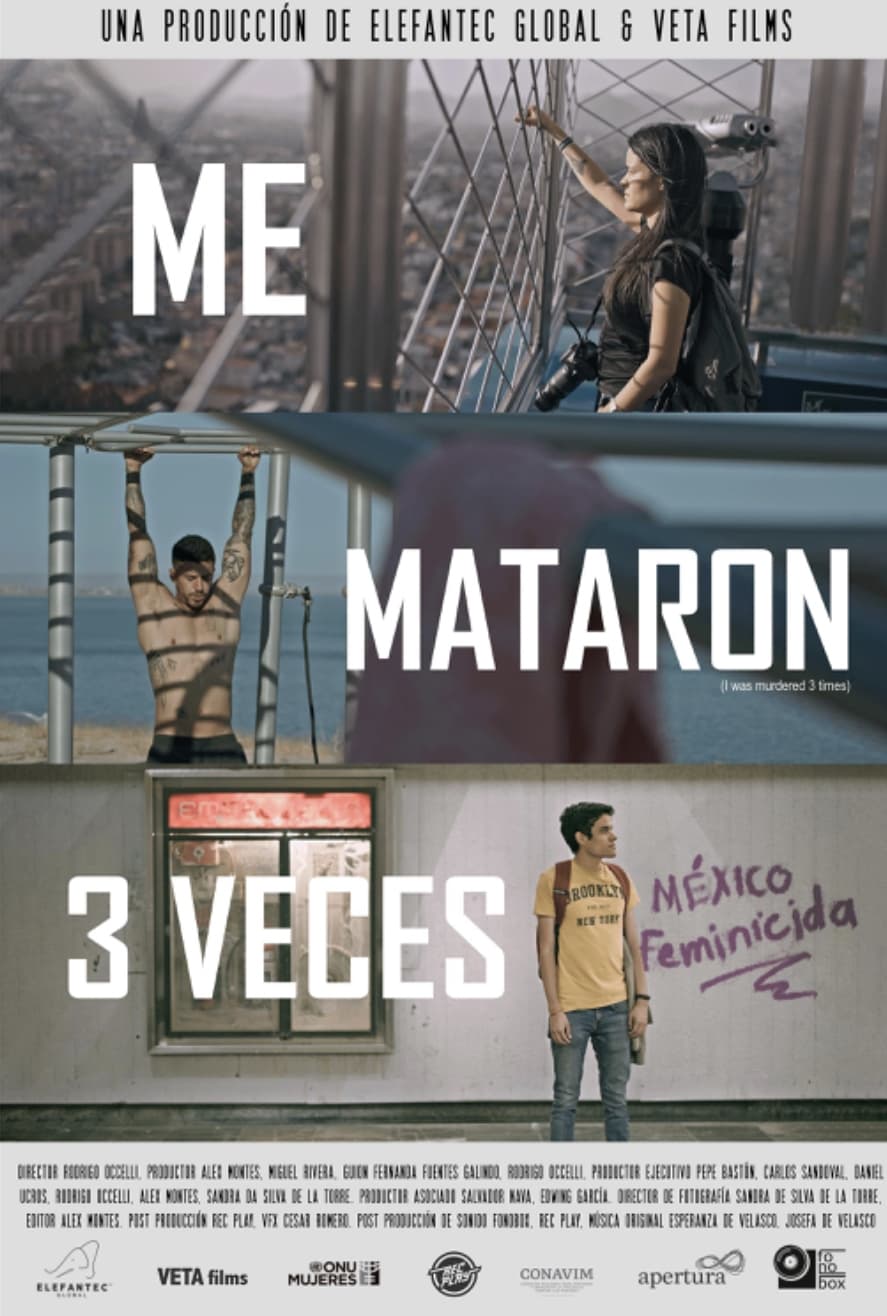
After their mother's femicide, three siblings are separated and forced to live in different places. Years later they gather to raise their voices and fight to be made visible in a country where orphans for femicide are ignored by the state and invisible to society. It's up to them to tell their story.
1997 revisits South Korea's tumultuous late 1990s through documents obtained from the International Monetary Fund (IMF) by the civic organization The Center for Freedom of Information and Transparent Society.
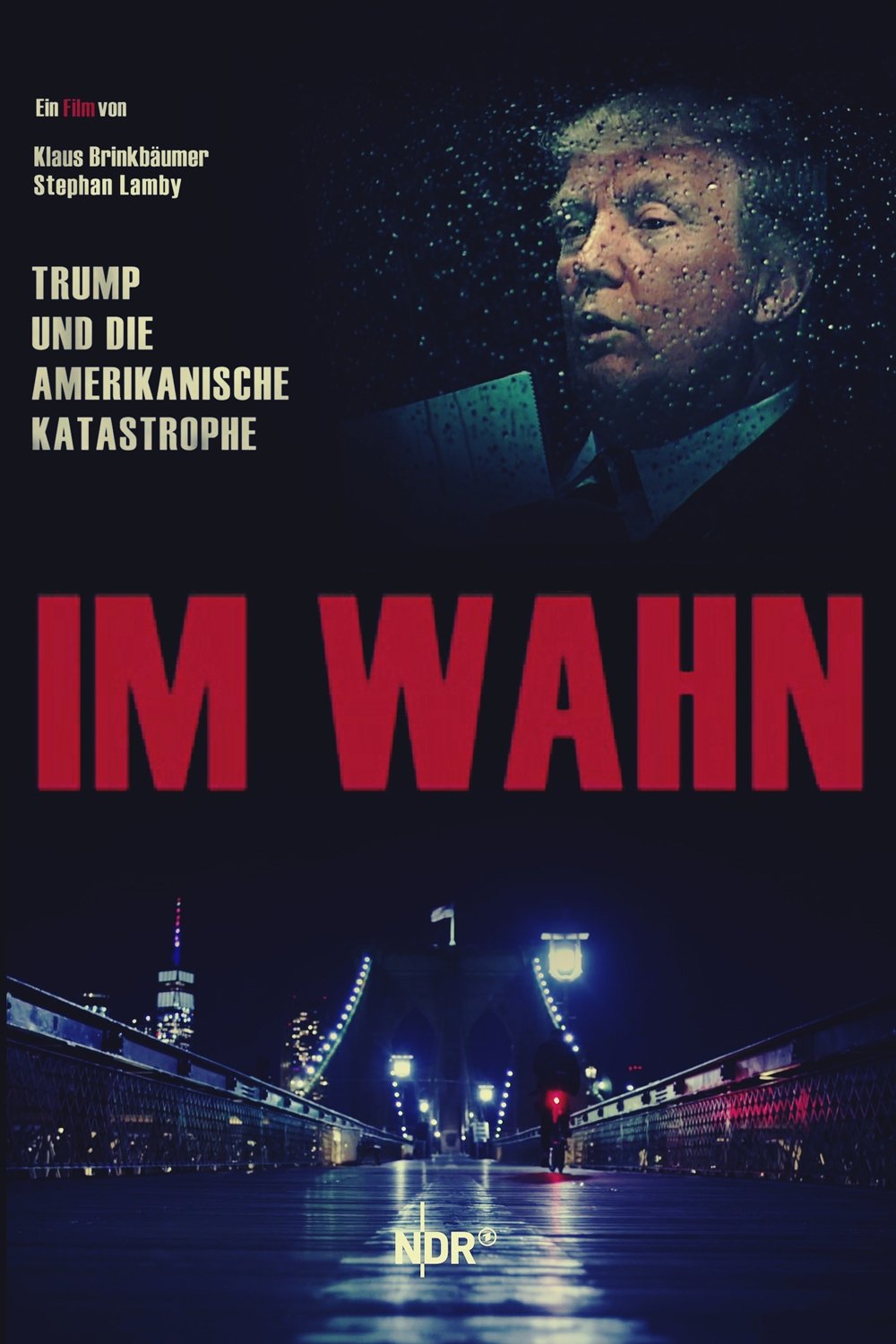
In 2020, the USA experienced a multiple catastrophe: No other country in the world was hit so badly by the coronavirus pandemic, the economic slump was dramatic, and so was the rise in unemployment. A rift ran through society. In the streets there were protests of both camps with violent riots, authoritarian traits were evident in the actions of the leader of the nation. And all of this in the middle of the election year, when the self-centered president fought vehemently for his re-election. From the start of his presidency, Donald Trump had divided American society, incited individual sections of the population against one another, fueled racism, hatred, xenophobia and prejudice, insulted competitors and denigrated critical journalists as enemies of the people. The documentary shows how this could happen and what role the targeted disinformation of certain sections of the population through manipulative media played.