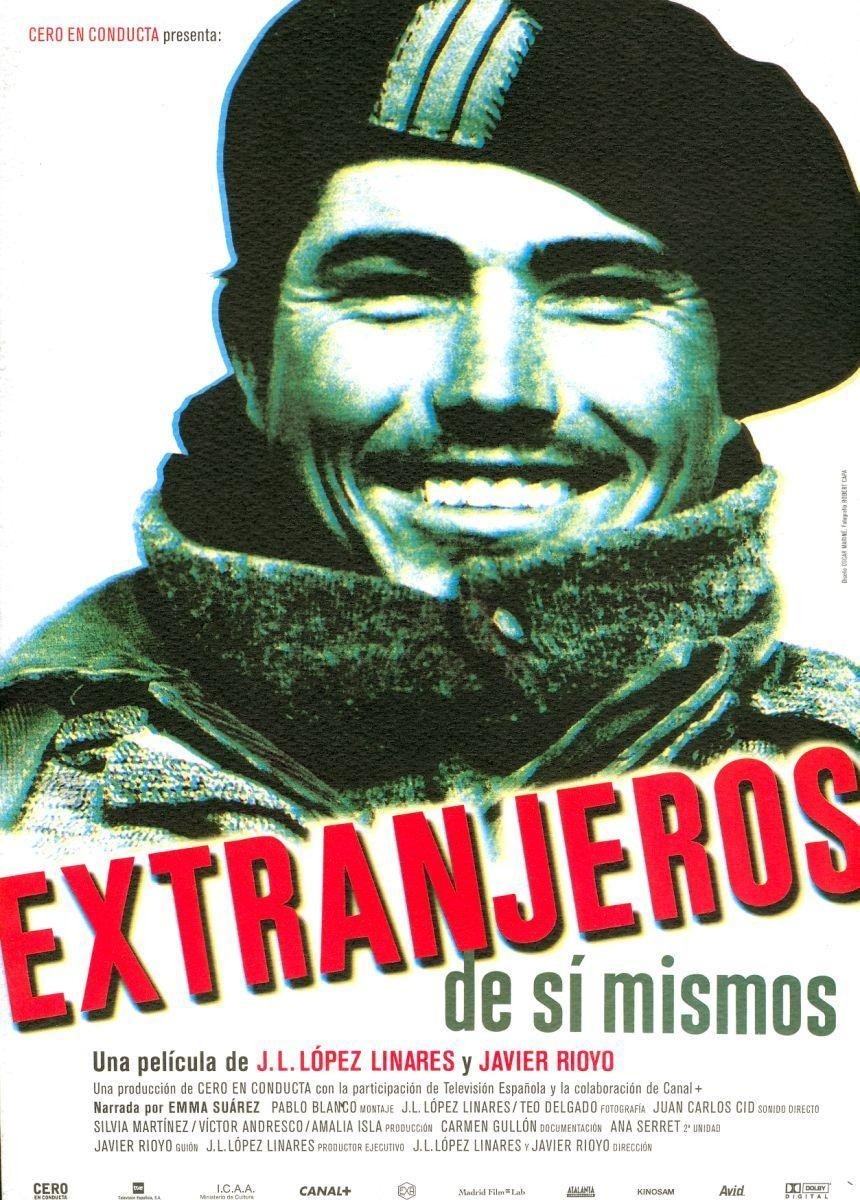
Documentary exploring the experience of Soviet soldiers during the Soviet war in Afghanistan.
Social & External
The people behind it
Geoff Druett
Narrator
Having emerged from an 11-year civil war that left more than 50,000 people dead and two million displaced, Sierra Leone strives for a peaceful and democratic future. Since the end of conflict in 2002, the people of Sierra Leone have strived to build a democratic and peaceful society. The path remains difficult, with poverty entrenched, yet signs of progress, too often ignored by the international media, can also be found. Sierra Leone has held two consecutive democratic elections, and women and young people have taken the lead in creating an engaged civil society. This short film documents the progress Sierra Leone has made since the end of its brutal civil war and the hope of a new generation for creating a more just society.
Bajo el signo libertario is a propaganda documentary, with the script and direction of Les (known for his articles in Solidaridad Obrera and the magazine Espectáculo) whose central theme is the reconstruction of the development of life in a libertarian community in the Aragonese town of Pina de Ebro.
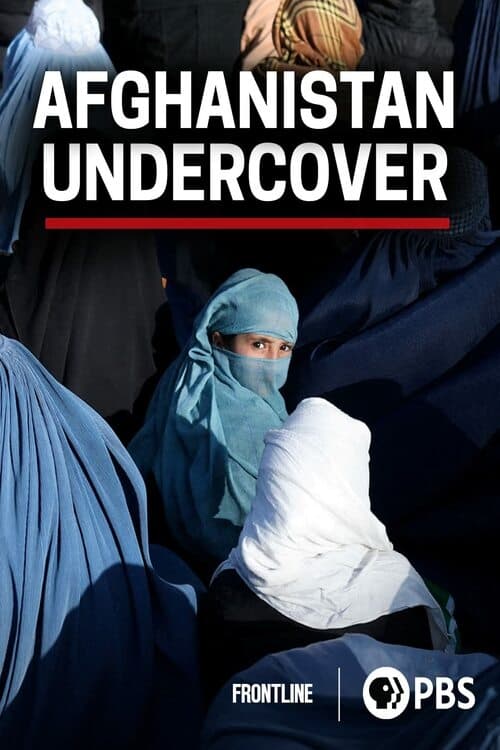
An undercover investigation focuses on the Taliban's crackdown on women in Afghanistan.
Afghanistan: From Ground Zero to Ground Zero is the story of Masuda Sultan, a 23-year-old Afghan-American woman who travels back to Kandahar, Afghanistan to see what has become of her country. Masuda is delighted to see the yoke of the Taliban lifted, but horrified to find out what happened to her family. Seeking refuge from the American bombing, a large number of her family escaped to the small village of Chowkar-karez, 60 miles north of Kandahar. On October 22, 2001 Chowkar-Karez was attacked by the American military. 41 civilians were killed. 19 of them were members of Masuda's family. Masuda, who supports America's effort against terrorism, wants to know why her family had to die in the desert.
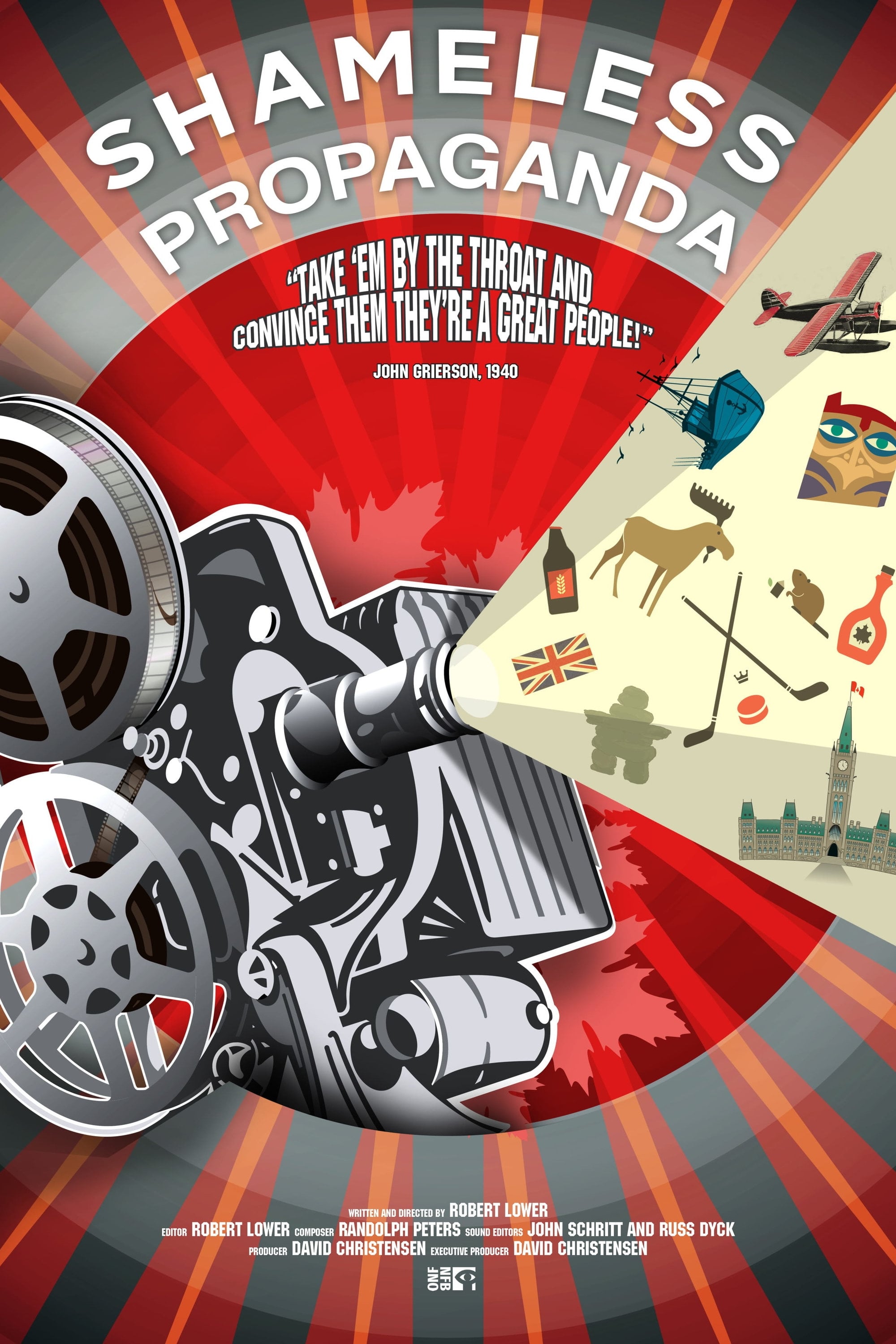
This feature documentary examines its own genre, which has often been called Canada's national art form. Released in the year of the NFB's 75th birthday, Shameless Propaganda is filmmaker Robert Lower's take on the boldest and most compelling propaganda effort in our history (1939-1945), in which founding NFB Commissioner John Grierson saw the documentary as a "hammer to shape society". All 500 of the films produced by the NFB until 1945 are distilled here for the essence of their message to Canadians. Using only these films and still photos from that era, Lower recreates the picture of Canada they gave us and looks in it for the Canada we know today. What he finds is by turns enlightening, entertaining, and unexpectedly disturbing.
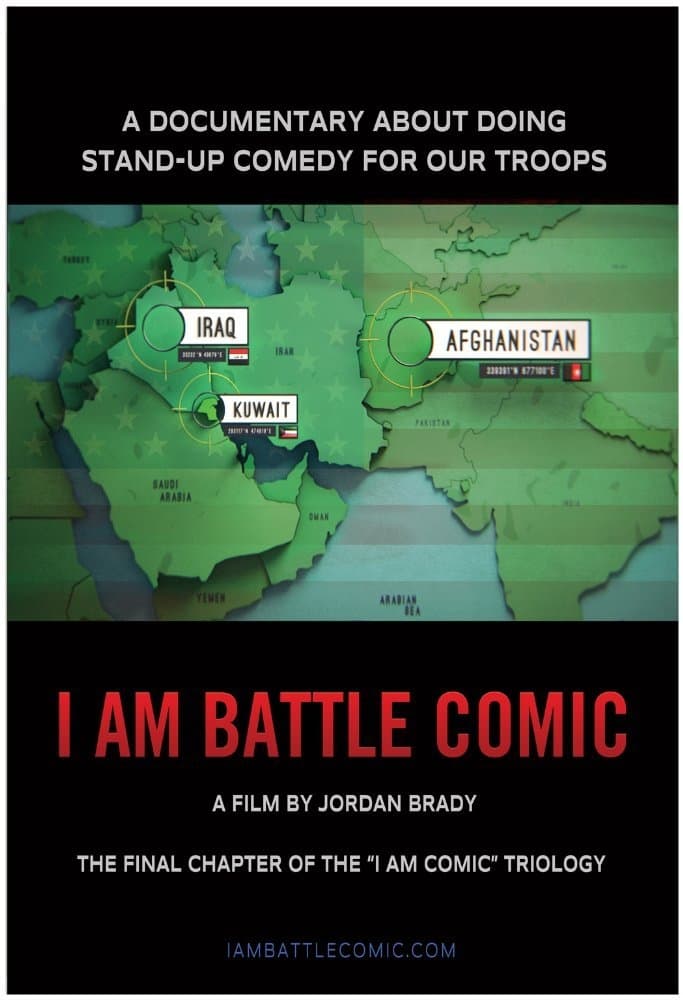
A comedy documentary about performing stand-up comedy for U.S. Troops stationed in Afghanistan, Kuwait and Iraq. Heartfelt interviews with top professional comedians are woven in with filmmaker Jordan Brady's first-hand experience going to the Middle East. While traveling (Spring 2016) brutal terrorist attacks in Brussels, Turkey and Iraq remind us of the dangers in thew world, and underscore the mission to provide laughter for the men and women serving the military.
Near-silent and shot via a cell phone, a war veteran observes the world which has been colored by his experiences in Afghanistan.
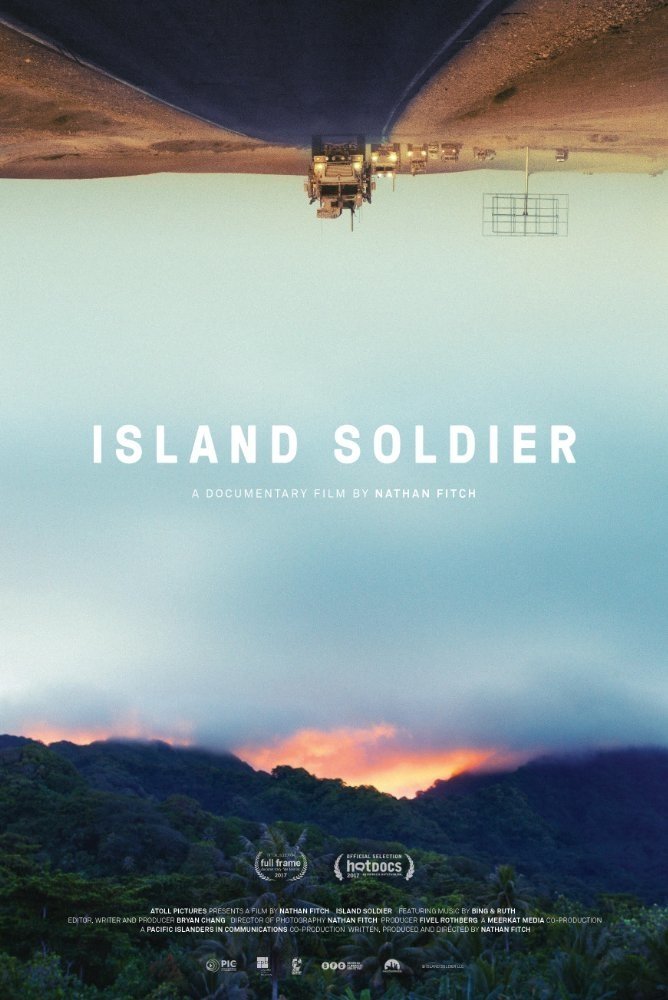
The untold story of Micronesian citizens fighting America's wars. Through the personal odyssey of the Nenas, one family experiences the consequences of military service, as they represent a pristine Pacific island on the brink of economic collapse.
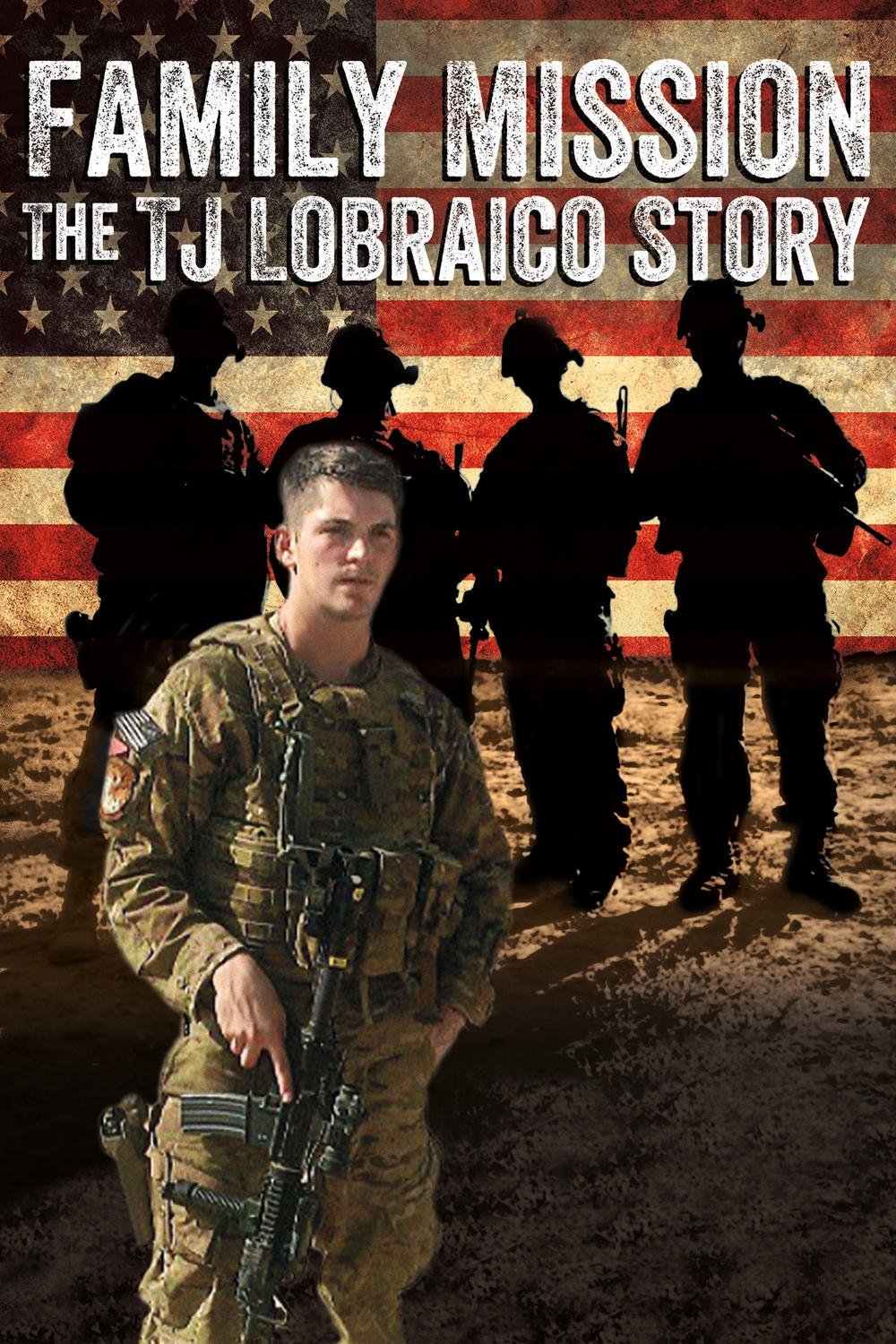
Family Mission is a feature documentary based on the life of TJ Lobraico, a USAF Staff Sergeant from Connecticut who gave his life for his country in Afghanistan in 2013. TJ's mother, father and step-father also served in the Air Force, and the film explores the history and dynamics of these brave Americans who consider service to others a family mission.
Seminal Danish documentary about Nazi Germany's occupation of Denmark in the Second World War between 1940 and 1945.
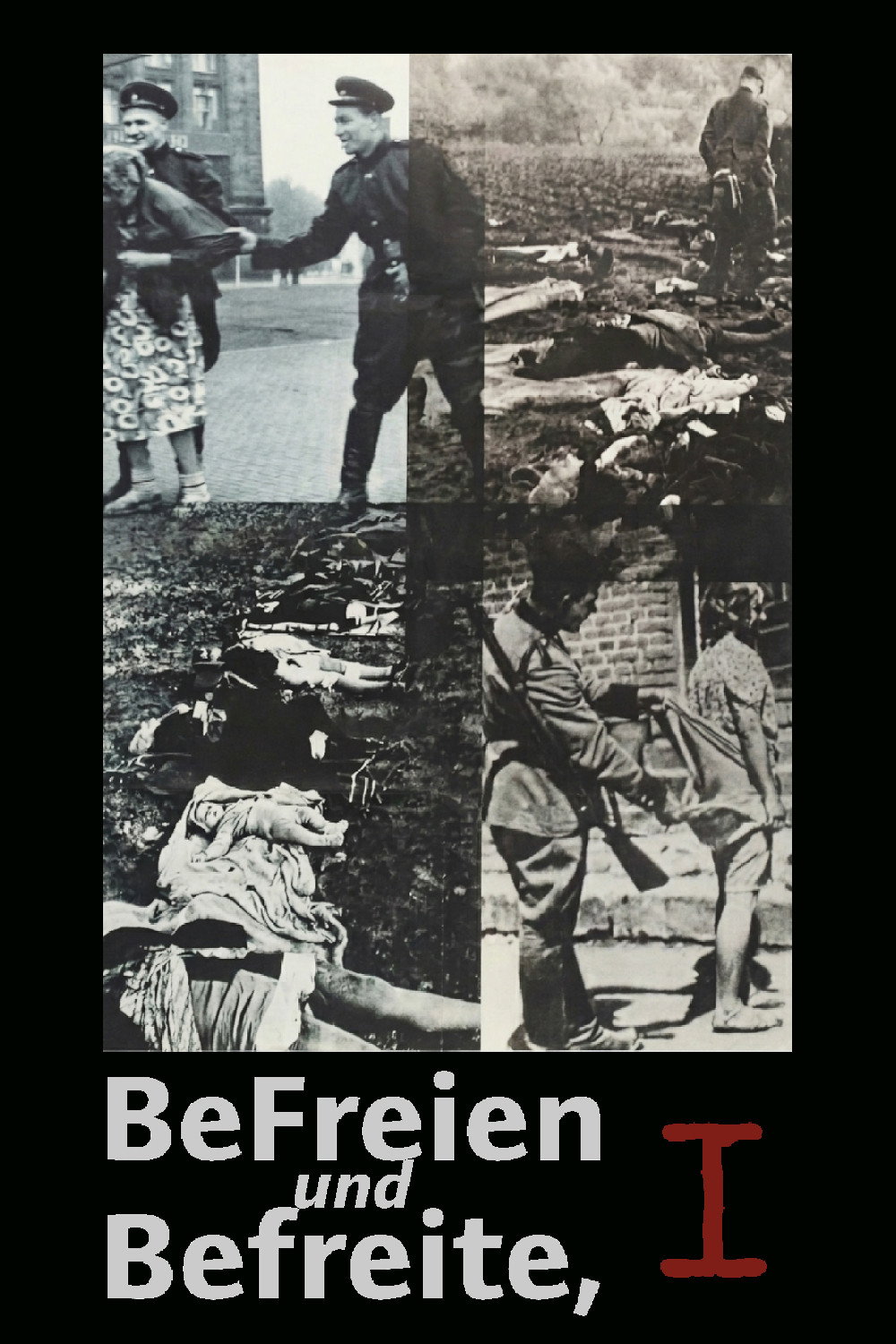
Based on years of research into the mass rapes committed by the Red Army at the end of the Second World War. In the first part of the documentary Helke Sander interviews multiple German women who were raped in Berlin by Soviet soldiers in May 1945. Most women never spoke of their experience to anyone, after 46 years of silence they talk for the first time publicly about their violent experiences that have left such a mark.
The story of the last months of the 20-year war in Afghanistan through the intimate relationship between American Green Berets and the Afghan officers they trained.
As a young and idealistic war correspondent, Graeme Smith followed the troops into battle in Afghanistan. Now he returns to a place that gave him nightmares to see if there is hope for peace. Smith revisits old friends and acquaintances and sees the deep divisions in the country.
A thought-provoking documentary on the current and historical causes of the Israeli-Palestinian conflict and U.S. political involvement.
Fallujah, November 2004. While bombings and massacres with unconventional weapons follow one another in the city, an American soldier and an Iraqi woman meet in a strange room. The story told, based on episodes that really happened, is interspersed with repertoire material and interviews with Simona Torretta.
Three film-makers travel to Iraq to film the ongoing crisis in which ISIS forces are trying to take over the country. The film-makers speak with locals, military, police and other media outlets to get their opinions on the crisis but it's the voices of the children which often goes unheard, so the film-makers listen to the children, and find out their views on the crisis.
A look at the confrontations between American and Soviet aviation over the ocean during the Cold War, through the recollections of direct participants and eyewitnesses.
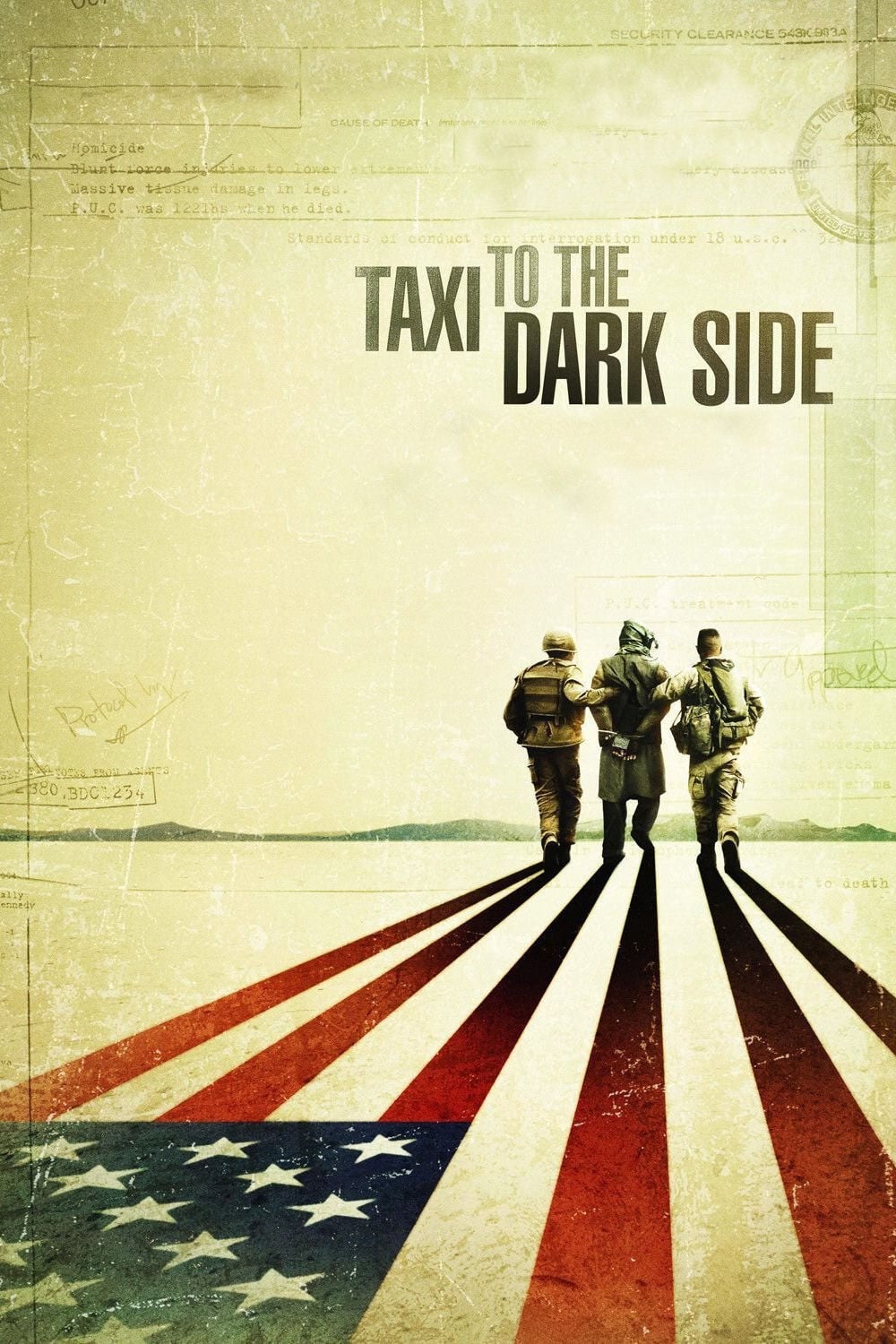
An in-depth look at the torture practices of the United States in Afghanistan, Iraq and Guantanamo Bay, focusing on an innocent taxi driver in Afghanistan who was tortured and killed in 2002.
“The Soviet Story” is a story of an Allied power, which helped the Nazis to fight Jews and which slaughtered its own people on an industrial scale. Assisted by the West, this power triumphed on May 9th, 1945. Its crimes were made taboo, and the complete story of Europe’s most murderous regime has never been told. Until now...
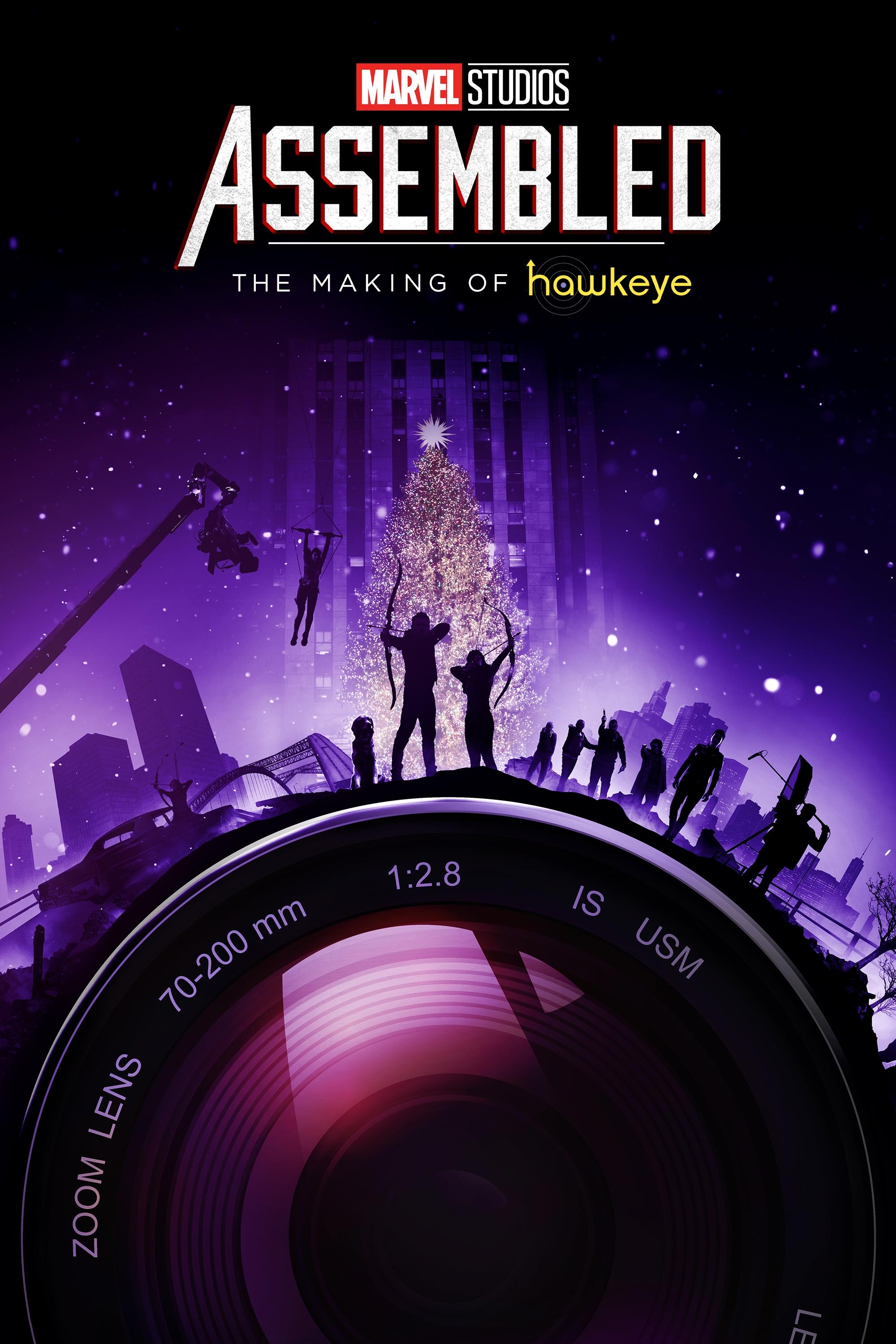
Join the likes of Jeremy Renner, Hailee Steinfeld, Florence Pugh, and Vincent D’Onofrio as they reveal how Marvel Studios’ “Hawkeye” was conceived and created. Witness firsthand what it took to pull off the show’s pulse-pounding action set pieces, and discover how iconic characters from the pages of Marvel Comics such as Kate Bishop were adapted and brought to life for the six-episode series.
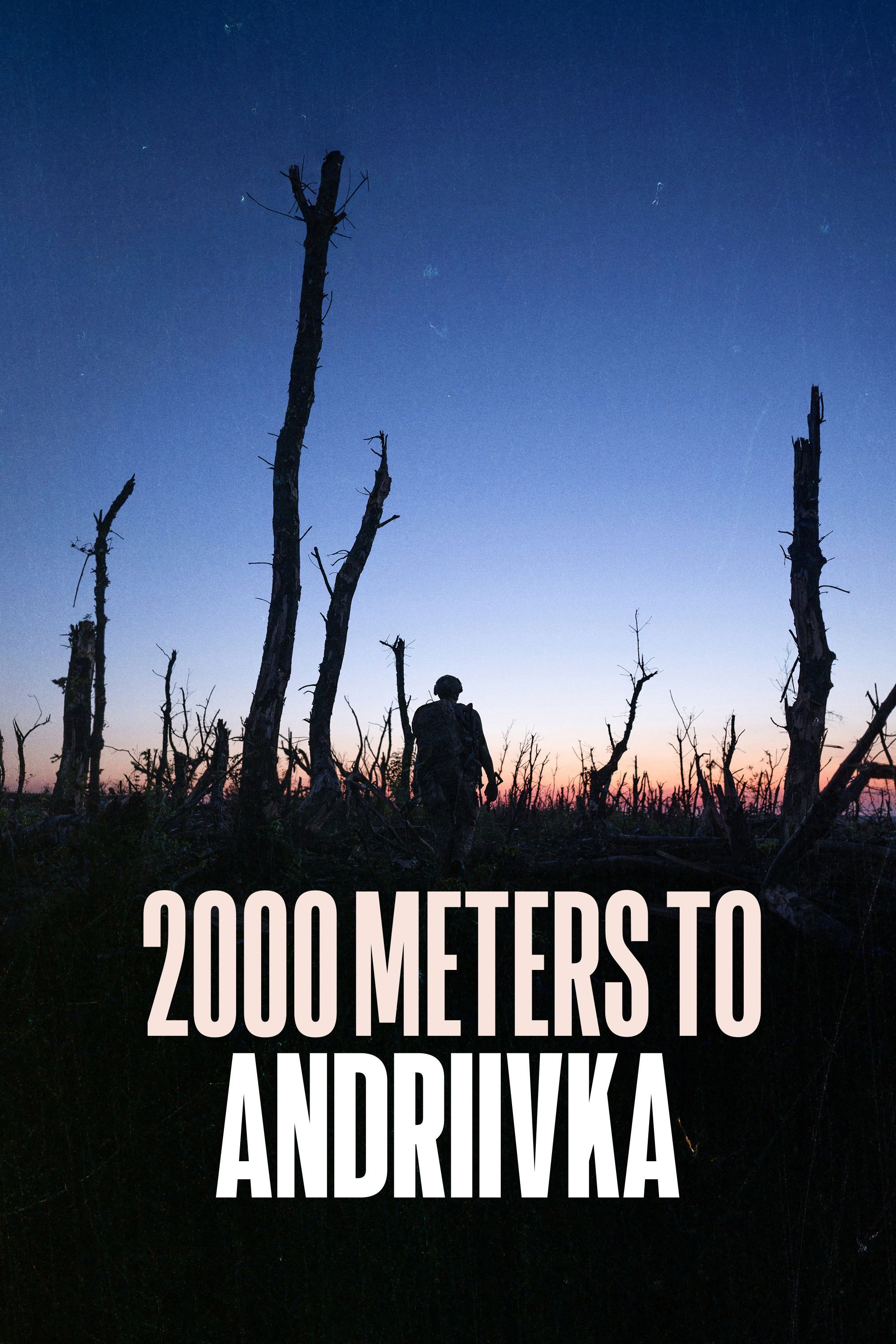
Amid the failing counteroffensive, a journalist follows a Ukrainian platoon on their mission to traverse one mile of heavily fortified forest and liberate a strategic village from Russian occupation. But the farther they advance through their destroyed homeland, the more they realize that this war may never end.
A documentary about the life and films of director John Ford.
In an intimate and joyful story of love in the face of loss, celebrated poets Andrea Gibson and Megan Falley find strength—and unexpected hilarity—in what might be their final year together.
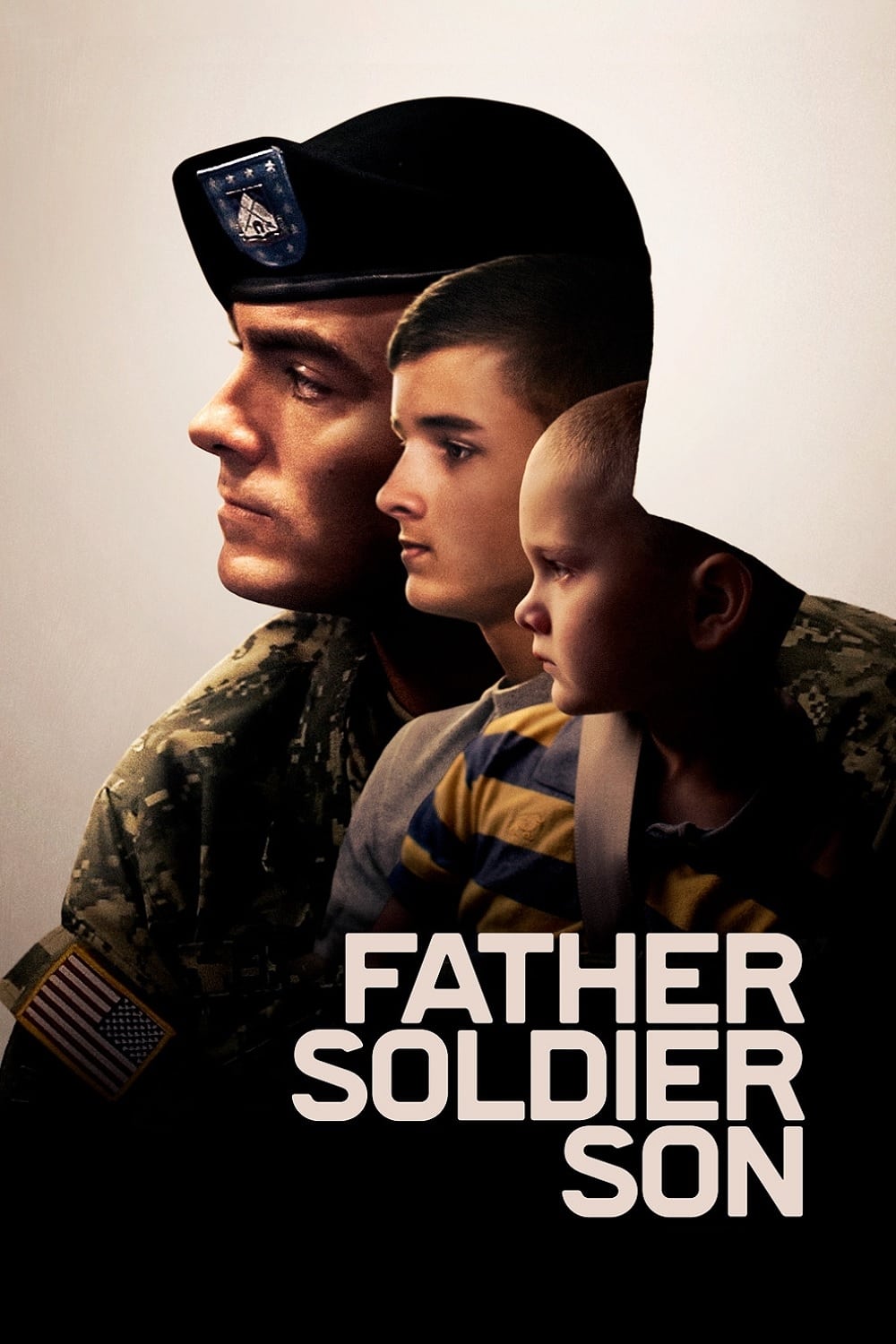
When Sgt. First Class Brian Eisch is critically wounded in Afghanistan, it sets him and his sons on a journey of love, loss, redemption and legacy.
Those who knew iconic funnyman John Candy best share his story, in their own words, through never-before-seen archival footage, imagery, and interviews.
A documentary about how a dominant cultural and demographic institution both sustains their traditional activities and adapts to the digital revolution.
The Making-of James Cameron's Avatar. It shows interesting parts of the work on the set.
Ranjit, a farmer in India, takes on the fight of his life when he demands justice for his 13-year-old daughter, the victim of a brutal gang rape. His decision to support his daughter is virtually unheard of, and his journey unprecedented.
RETURN tells the story of a retired Green Beret who embarks on a healing journey from Montana to Vietnam. There he retraces his steps, shares his wartime experiences with his son, treats his Post-Traumatic Stress Disorder, and seeks out the mountain tribespeople he once lived with and fought alongside as a Special Forces officer.
Through deeply personal interviews with her siblings and an examination of the photographs, letters, and belongings left behind, Mariska assembles a new portrait of her mother Jayne Mansfield, an extraordinary and complex woman.
Korengal picks up where Restrepo left off; the same men, the same valley, the same commanders, but a very different look at the experience of war.
Alexander McQueen's rags-to-riches story is a modern-day fairy tale, laced with the gothic. Mirroring the savage beauty, boldness and vivacity of his design, this documentary is an intimate revelation of McQueen's own world, both tortured and inspired, which celebrates a radical and mesmerizing genius of profound influence.
An in-depth investigation into the private world of the American writer J. D. Salinger (1919-2010), who lived most of his life behind the impenetrable wall of a self-imposed seclusion: how his dramatic experiences during World War II influenced his life and work, his relationships with very young women, his obsessive writing methods, his many literary secrets.
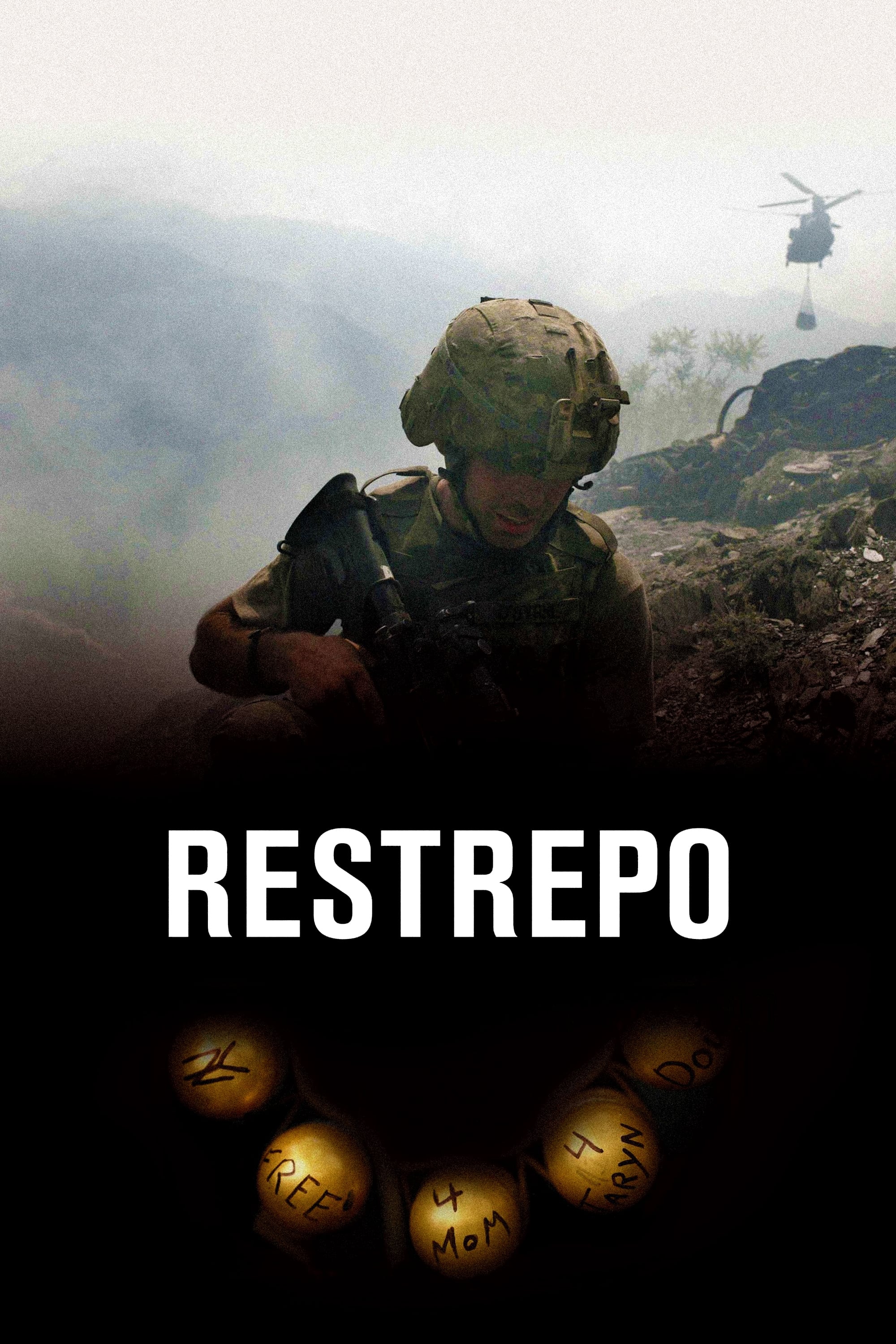
Directors Hetherington and Junger spend a year with the 2nd Battalion of the United States Army located in one of Afghanistan's most dangerous valleys. The documentary provides insight and empathy on how to win the battle through hard work, deadly gunfights and mutual friendships while the unit must push back the Taliban.
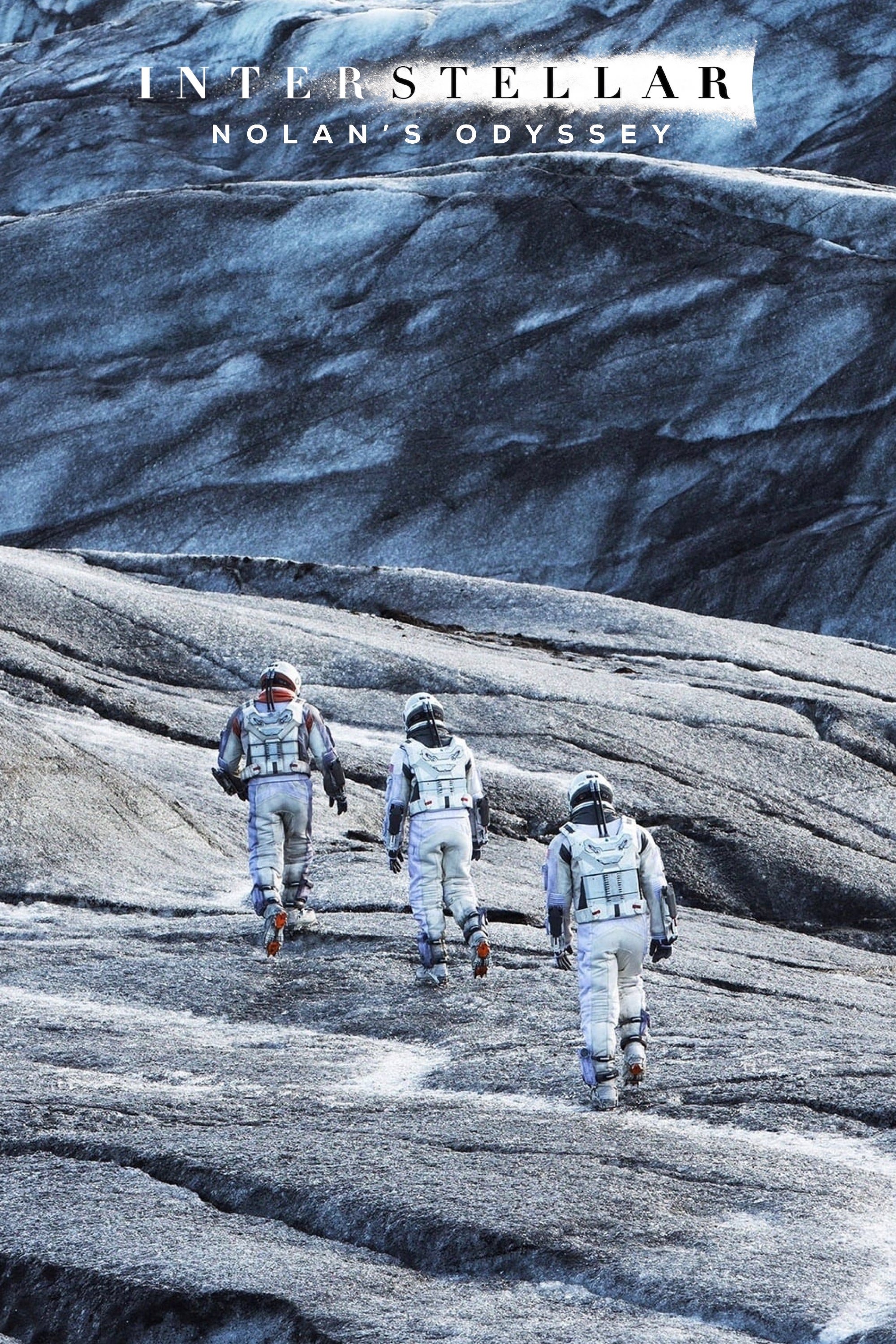
A look behind the lens of Christopher Nolan's space epic.
This documentary focuses on the actors and their journey over two summers to create the remake to the original IT, by Stephen King. The documentary originally released as bonus material, bundled with IT: Chapter Two.
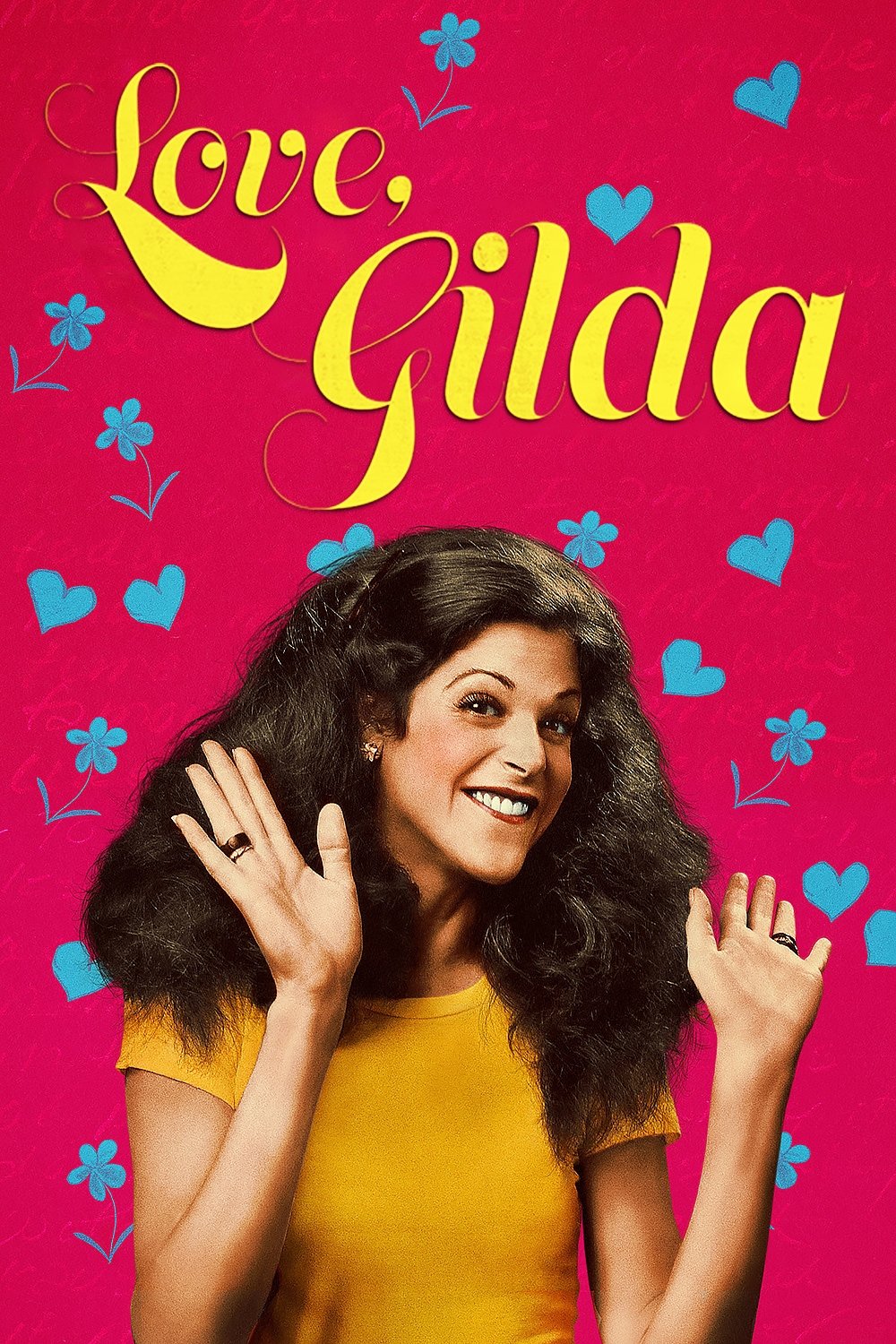
Diaries, audiotapes, videotapes and testimonials from friends and colleagues offer insight into the life and career of Gilda Radner -- the beloved comic and actress who became an icon on Saturday Night Live.
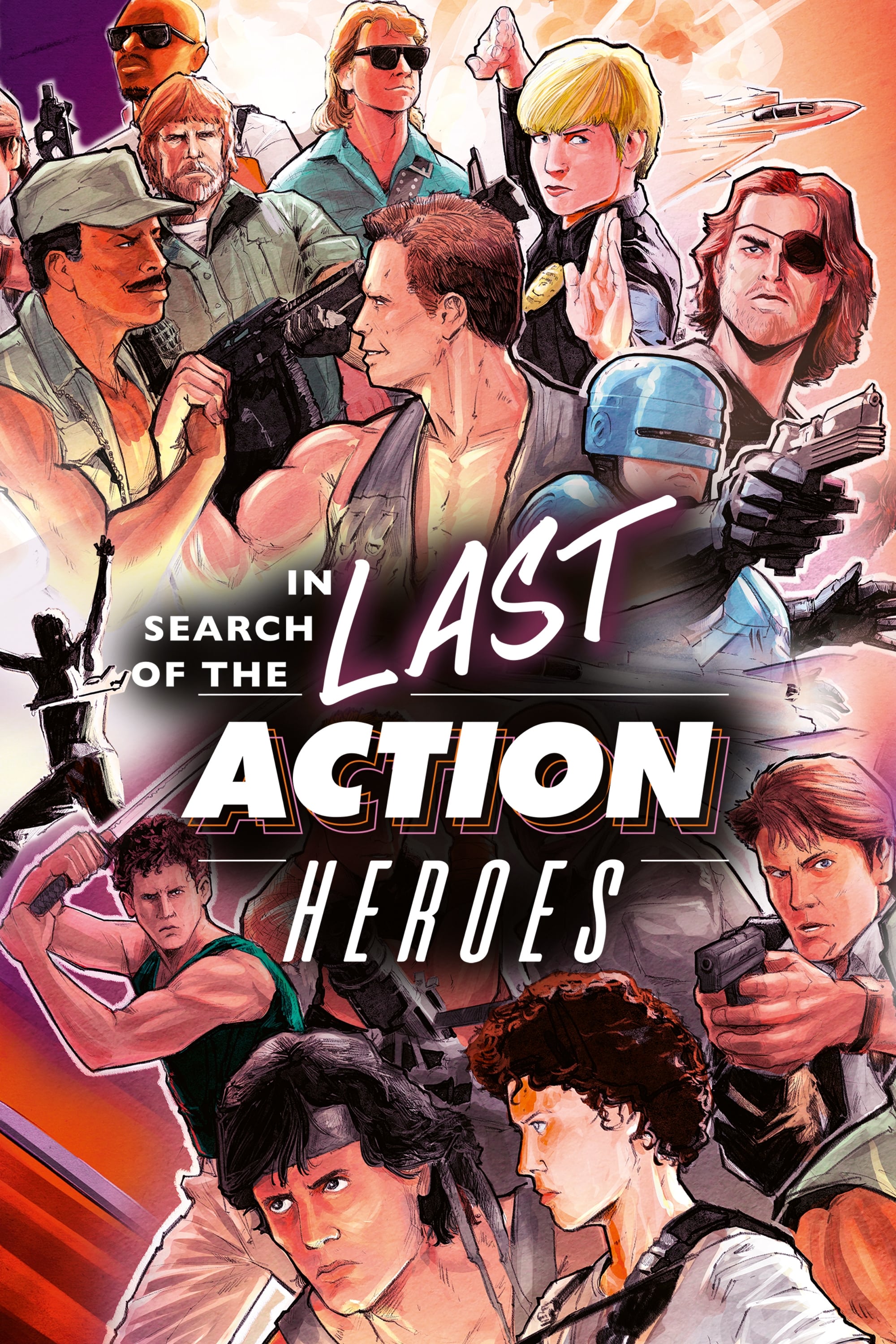
The most comprehensive retrospective of the '80s action film genre ever made.