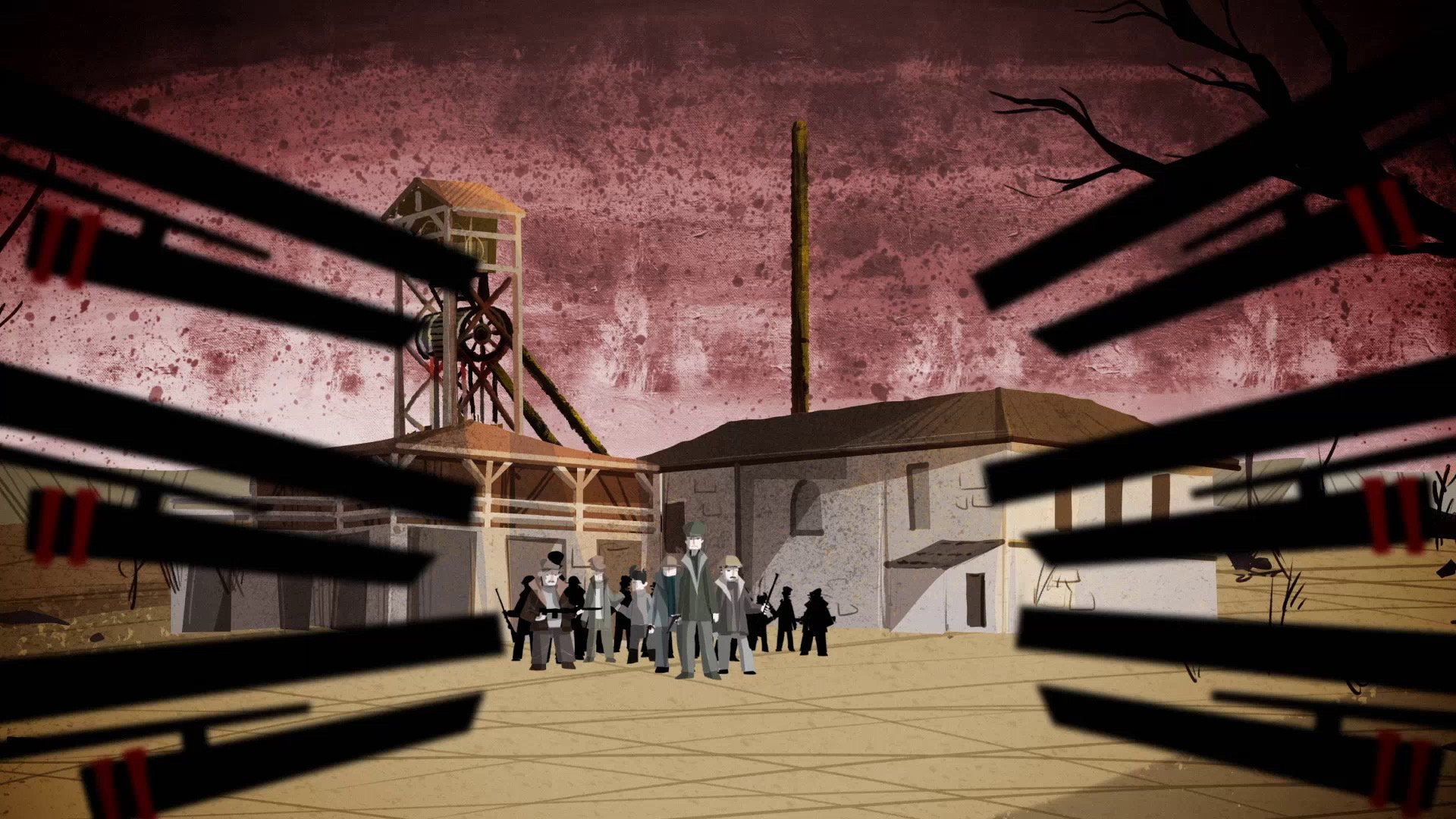
100th Anniversary overview of the Labin Republic - the world's first anti-fascist uprising.
Social & External
Narrator
A walk through the landscapes of the province of Salamanca, Spain, as well as a testimony of the daily life and customs of its inhabitants.
A walk through the landscapes of the province of Barcelona, Spain, as well as a testimony of the daily life and customs of its inhabitants.
1918, Castelao leaves his public position in Pontevedra to work as a doctor in Rianxo during the Spanish flu. A hero for the town, but an absent man for his wife, Virxinia. 1929, the couple travels through Britain a few months after the loss of their only son. Two broken beings and a bond that is no longer understood. A trip will unite them forever and ever. Castelao before being Castelao. Galicia before the “xeración Nós”. Castelao and Virxinia before being “we”.
Spurred by a white woman's lie, vigilantes destroy a black Florida town and slay inhabitants in 1923.
Filmed in the coal country of West Virginia, "Matewan" celebrates labor organizing in the context of a 1920s work stoppage. Union organizer, Joe Kenehan, a scab named "Few Clothes" Johnson and a sympathetic mayor and police chief heroically fight the power represented by a coal company and Matewan's vested interests so that justice and workers' rights need not take a back seat to squalid working conditions, exploitation and the bottom line.
A cameraman wanders around with a camera slung over his shoulder, documenting urban life with dazzling inventiveness.
When Astrid Lindgren was very young something happened that affected her profoundly, and this combination of both miracle and calamity came to shape her entire life. It was an event that transformed her into one of the most inspiring women of our age and the storyteller a whole world would come to love. This is the story of when a young Astrid, despite the expectations of her time and religious upbringing, decided to break free from society's norms and follow her heart.
Explores Leni Riefenstahl's artistic legacy and her complex ties to the Nazi regime, juxtaposing her self-portrayal with evidence suggesting awareness of the regime's atrocities.
In the class-obsessed and religiously divided UK of the early 1920s, two determined young runners train for the 1924 Paris Olympics. Eric Liddell, a devout Christian born to Scottish missionaries in China, sees running as part of his worship of God's glory and refuses to train or compete on the Sabbath. Harold Abrahams overcomes anti-Semitism and class bias, but neglects his beloved sweetheart in his single-minded quest.
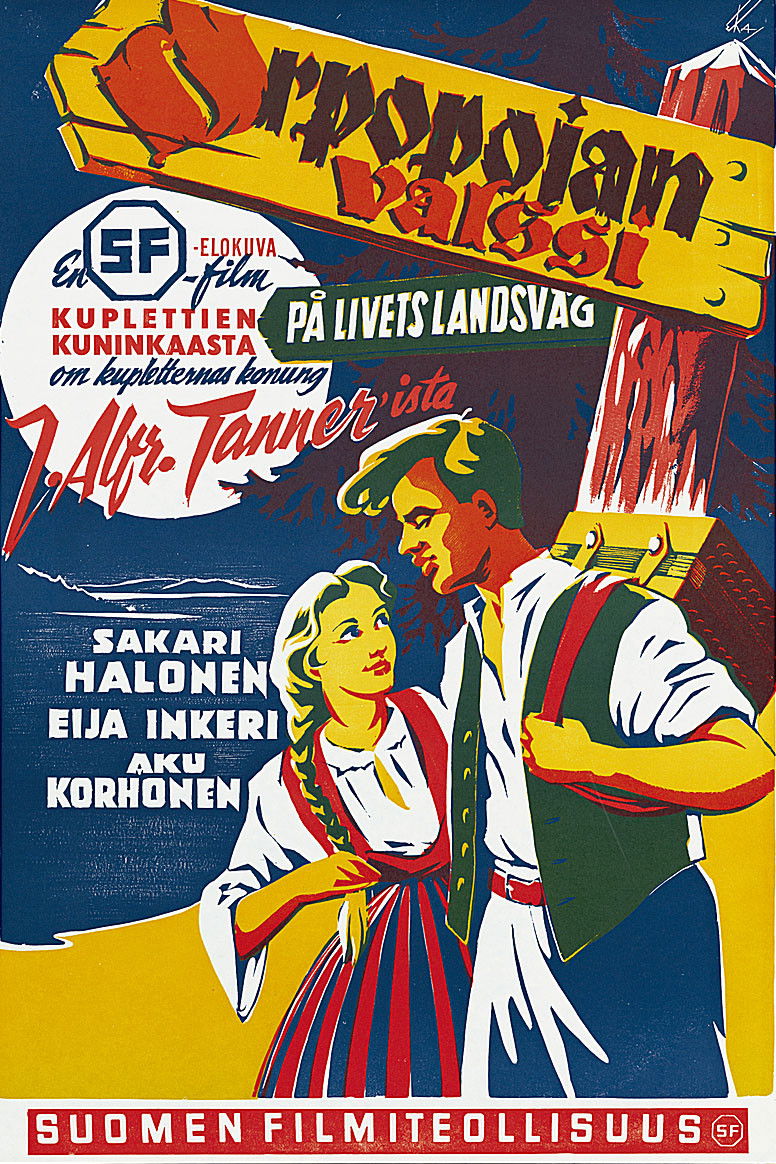
A biographical film about Finnish singer J. Alfred Tanner and his path through a failed career as a construction master to become a highly successful couplet singer - the "king of couplets".
Their names are Chorowicz, Cyroulnik, Glichtzman, Feldhandler... They were born in France, after the second world war. Their families came from Central and Eastern Europe in the 20s and 30s, fleeing antisemitism and poverty. After the Holocaust, they grew up among ghosts, between anger, a desire for vengeance and a will to change the world. In the 60s and 70s, they became activists. Through their personal stories and the tale of their internationalist and antifascist struggle, the movie shows the audacity of those years of dissent.
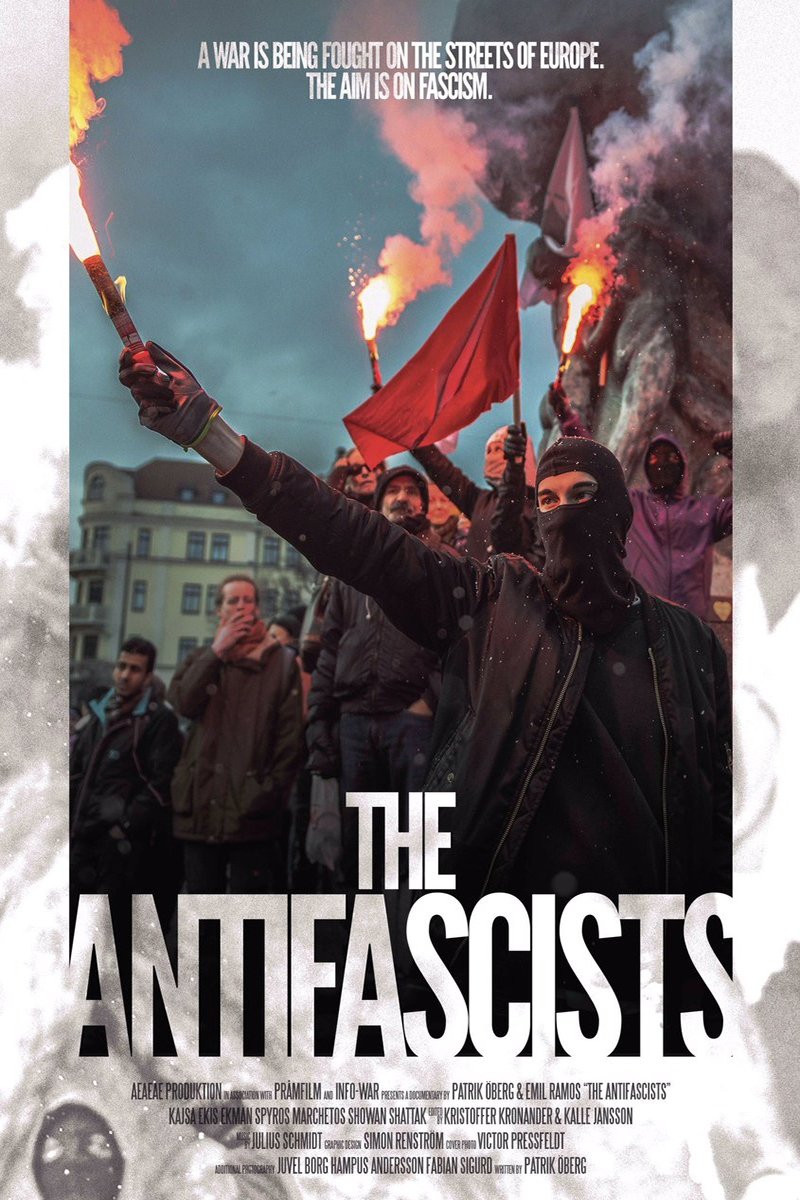
A low-intensity war is being fought on the streets of Europe and the aim is on fascism. This critically acclaimed documentary takes us behind the masks of the militants called antifascists. In 2013 a group of armed nazis attacks a peaceful demonstration in Stockholm where several people are injured. In Greece the neo-nazi party Golden Dawn becomes the third largest in the election and in Malmö the activist Showan Shattak and his friends are attacked by a group of nazis with knives and he ends up in a coma. In this portrait of the antifascists in Greece and Sweden we get to meet key figures that explain their view on their radical politics but also to question the level their own violence and militancy.
In the years before World War II, a penniless Japanese child is torn from her family to work as a maid in a geisha house.
Alain Lefevre is a boxer paid by a Marseille mobster to take a dive. When he wins the fight he attempts to flee to America with the mobster's girlfriend Katrina. This plan fails and he seeks escape by joining the foreign legion. As part of the legion he tangles with abusive lieutenant Steinkampf and bonds with legionnaires Luther, Mackintosh and Rosetti.
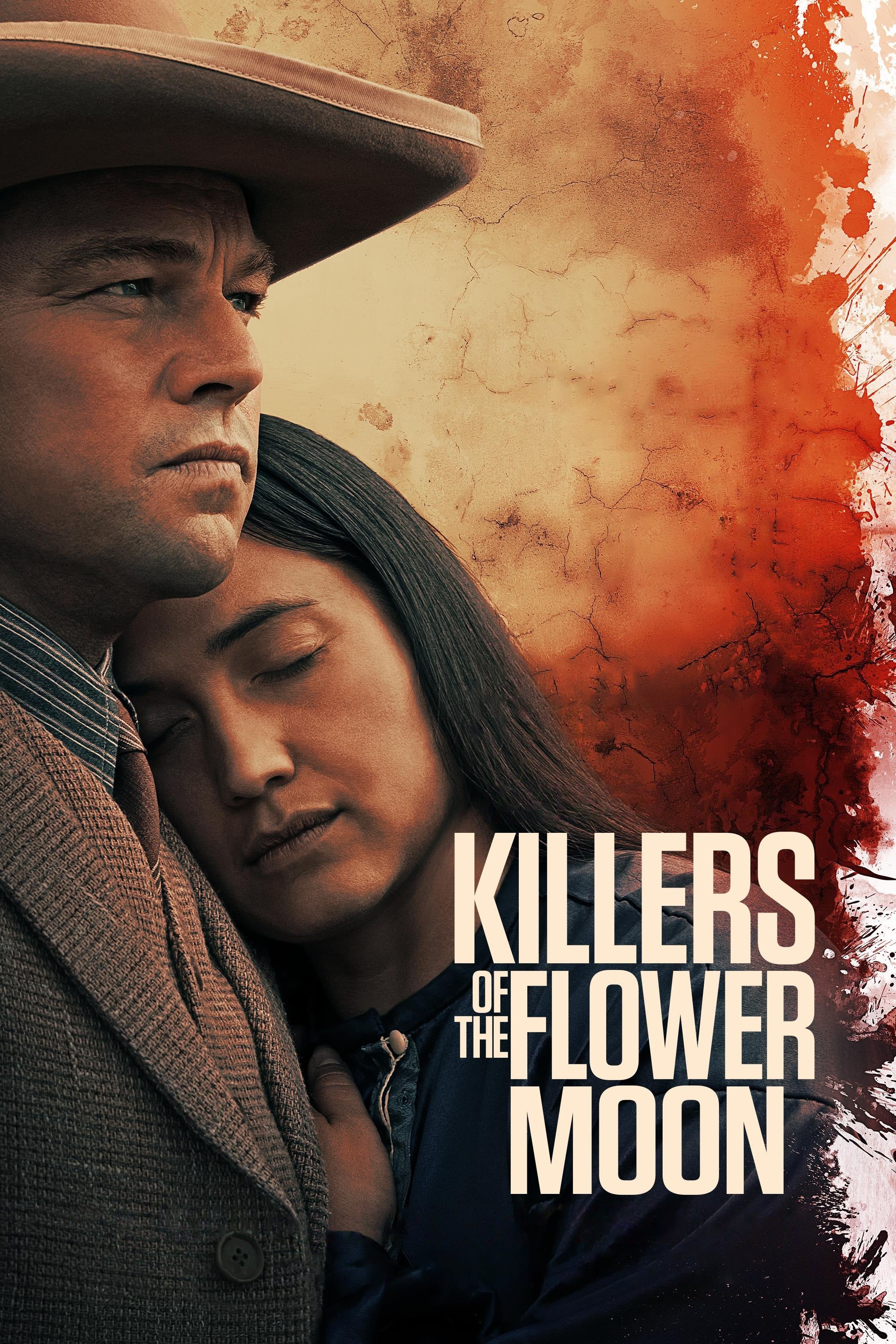
When oil is discovered in 1920s Oklahoma under Osage Nation land, the Osage people are murdered one by one—until the FBI steps in to unravel the mystery.
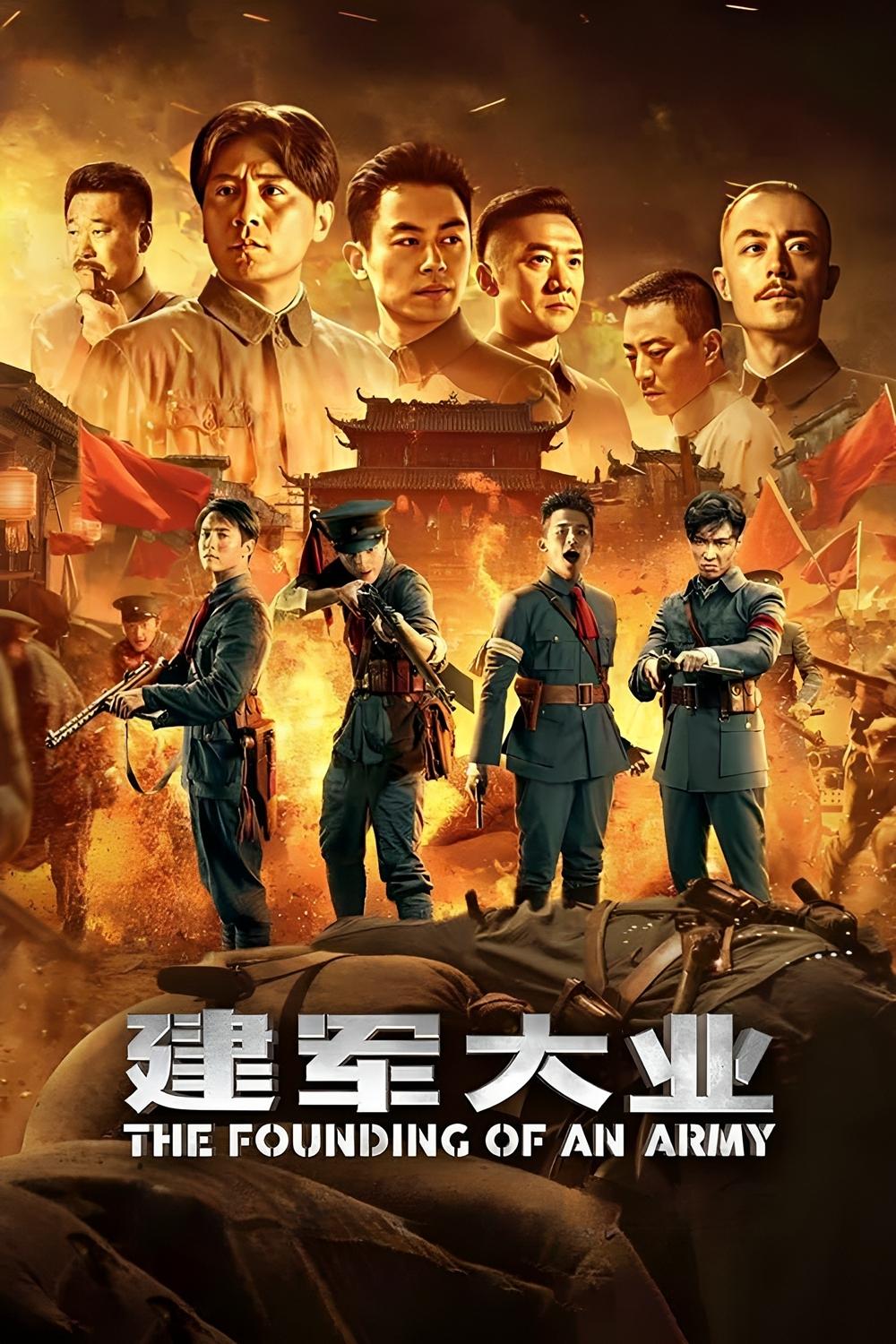
The Founding of an Army is a 2017 Chinese film commissioned by China's government to commemorate the 90th anniversary of the founding of the People's Liberation Army.
The concept for the film was developed based on sociological research conducted as part of the Youth Subcultures conference in collaboration with the Institute of Sociology of the Slovak Academy of Sciences. The film’s core value lies in its ability to provide an inside look at selected subcultures, achieving an exceptional level of engagement with their members. The filmmakers managed to break through the participants' initial reluctance to openly discuss their experiences. The documentary directly addresses key aspects of these subcultures, including drugs, faith, and personal beliefs. It focuses on six specific groups: the techno scene, graffiti artists, antifascists, religiously oriented youth, skinheads, and young people inspired by Eastern spirituality. The film includes footage from illegal rave parties, graffiti sessions, and other underground activities. Overall, the documentary serves as an insightful map of Bratislava’s contemporary alternative scene.
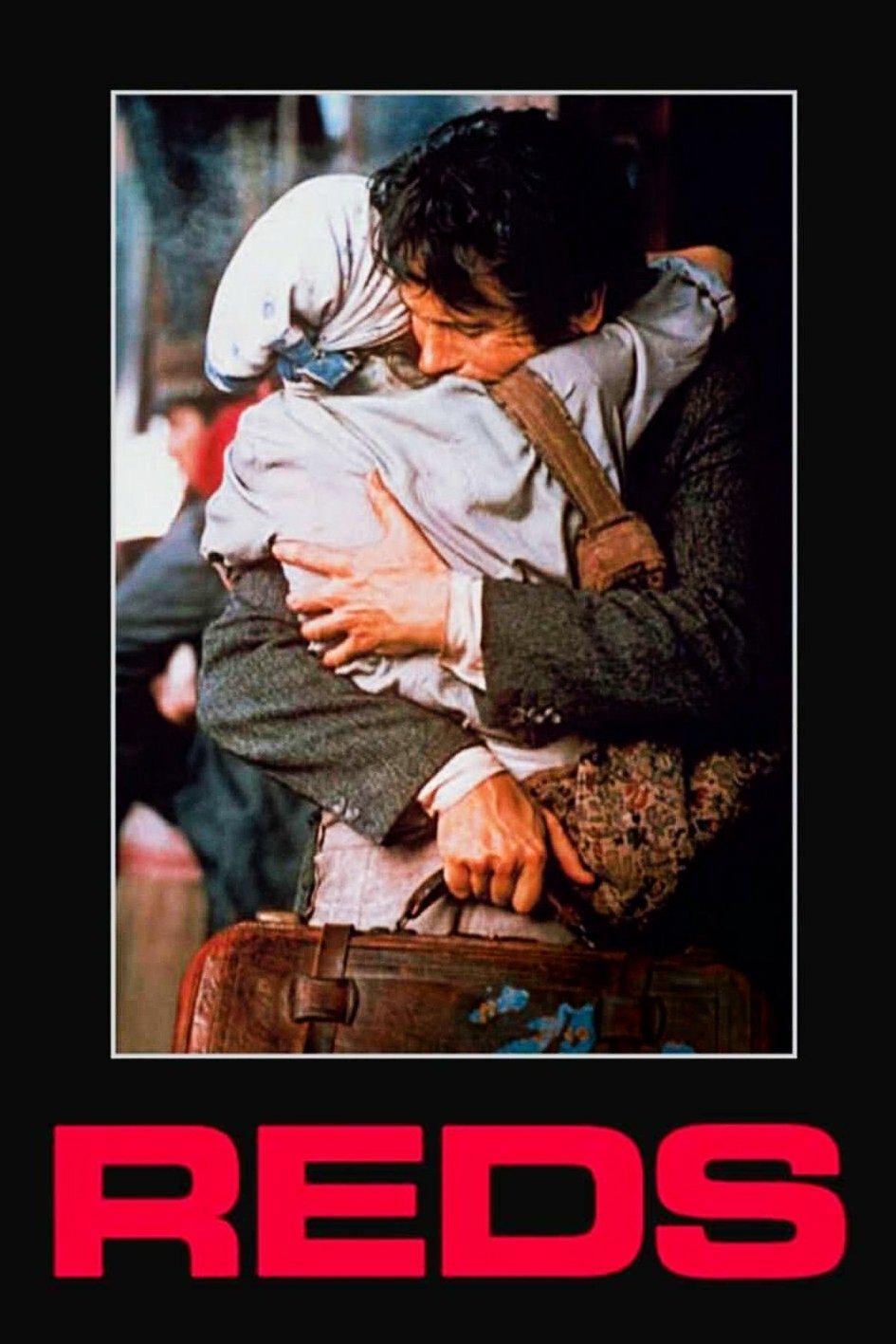
An account of the revolutionary years of the legendary American journalist John Reed, who shared his adventurous professional life with his radical commitment to the socialist revolution in Russia, his dream of spreading its principles among the members of the American working class, and his troubled romantic relationship with the writer Louise Bryant.