Social & External
Self
Poetic stroll in the work of Jean Genet.
It's a sensitive, moving doc chronicling the life of Tétrault's brother Philip , a Montreal poet, musician and diagnosed paranoid schizophrenic. A promising athlete as a child, Philip began experiencing mood swings in his early 20s. His extended family, including his daughter, share their conflicted feelings love, guilt, shame, anger with the camera. They want to make sure he's safe, but how much can they take?
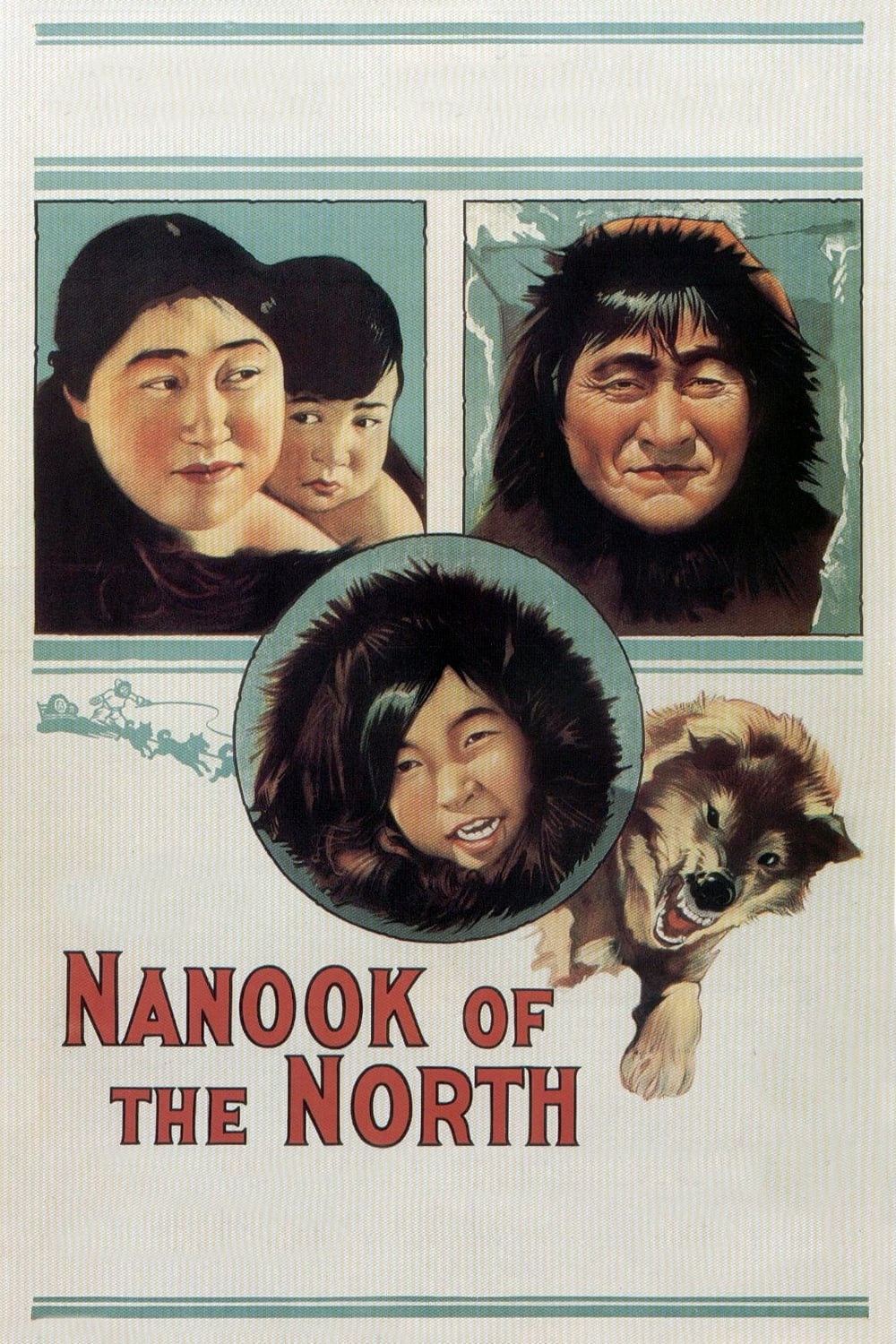
This pioneering documentary film depicts the lives of the indigenous Inuit people of Canada's northern Quebec region. Although the production contains some fictional elements, it vividly shows how its resourceful subjects survive in such a harsh climate, revealing how they construct their igloo homes and find food by hunting and fishing. The film also captures the beautiful, if unforgiving, frozen landscape of the Great White North, far removed from conventional civilization.
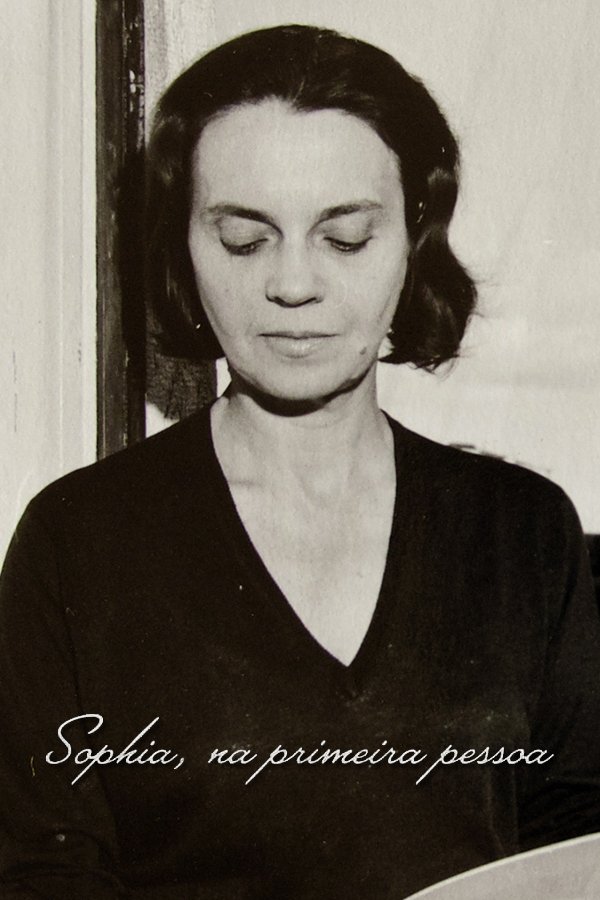
Using the author's personal estate, current images of places where she lived or were dear to her, and archival images of television and film; using parts of her prose and poetry always with first-person testimonies; from Porto to Lisbon, from Granja to Lagos, from the Atlantic Sea to the Mediterranean, from Greece to 25 April: the passions and disappointments of a life and work dedicated to the search for the real, freedom and justice.
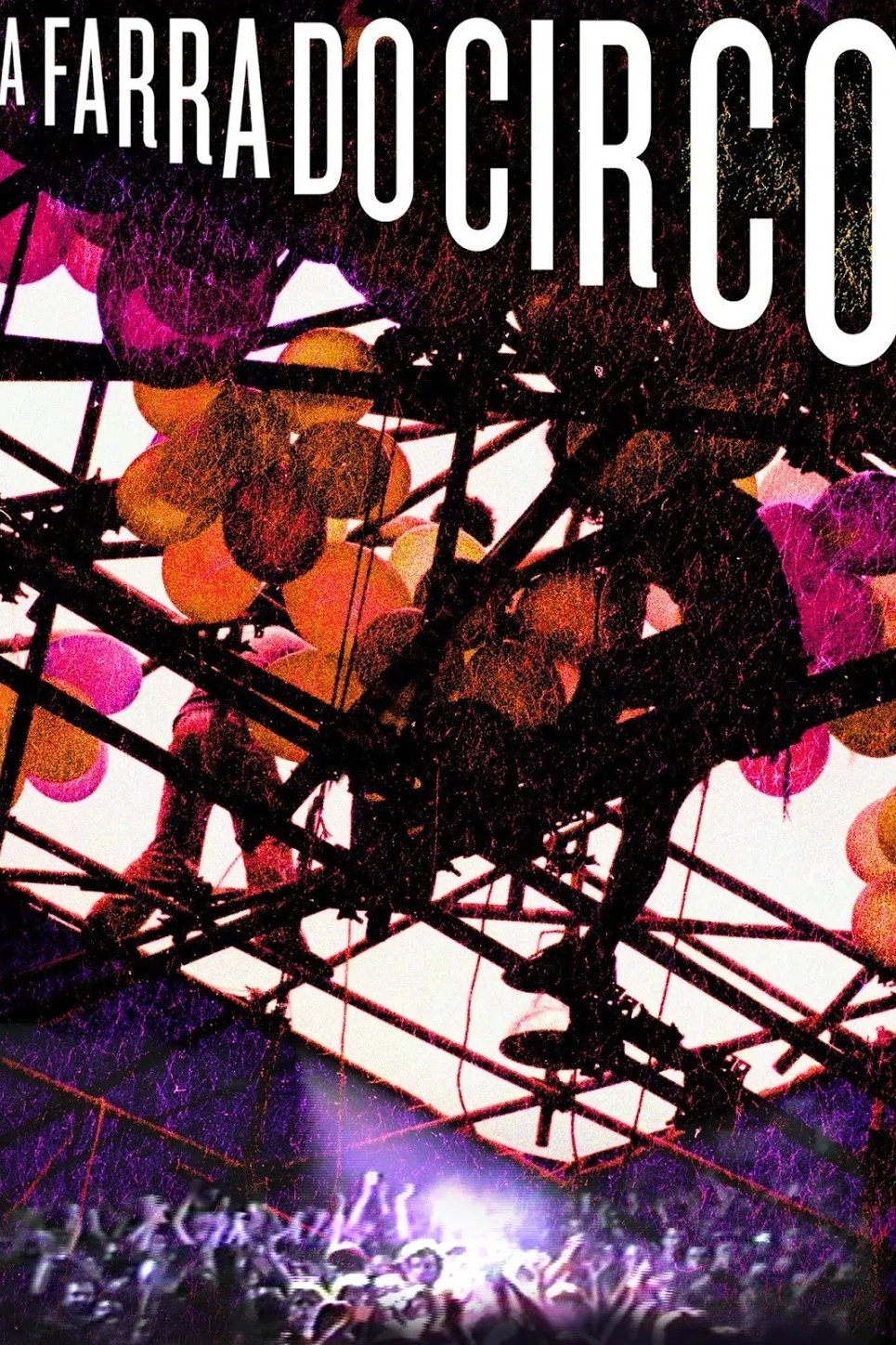
This documentary highlights the evolution of Brazil's Circo Voador venue from homespun artists' performance space to national cultural institution.
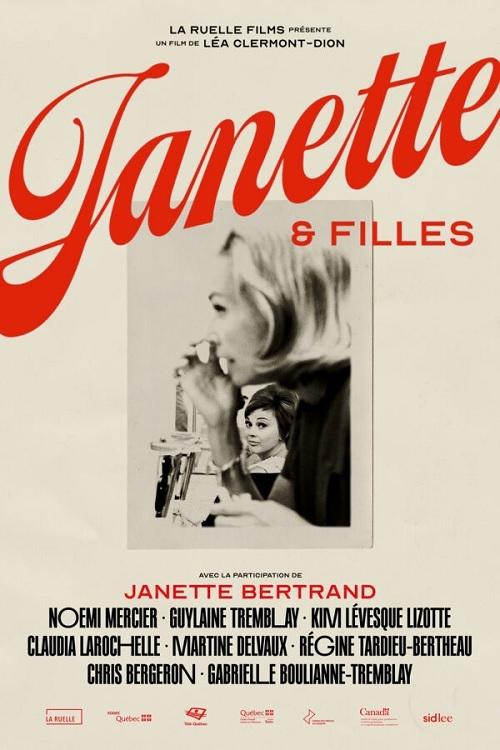
Janette Bertrand, 96, is at the time of the balance sheets. Where are the women, where is the fight for gender equality? An hour of History with a capital H and Love with a capital A, to not forget anything and, above all, never stop moving forward.
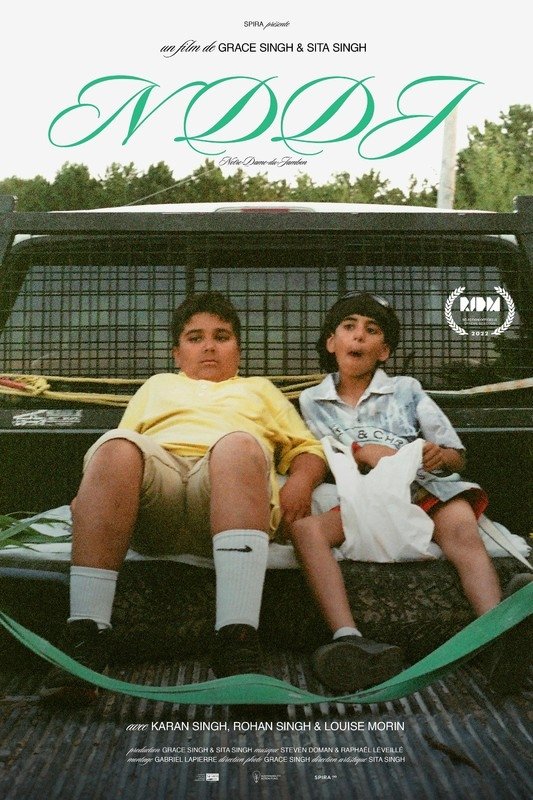
Karan and Rohan, two biracial brothers raised in a marginal environment, are finding ways to get stimulated on a normal summer day. They embark on a trip to buy candies to avoid boredom. This film plays with the sense of boundaries between what is real and what is fiction. It is a film about the love of two brothers and their singular reality in the countryside of Quebec.
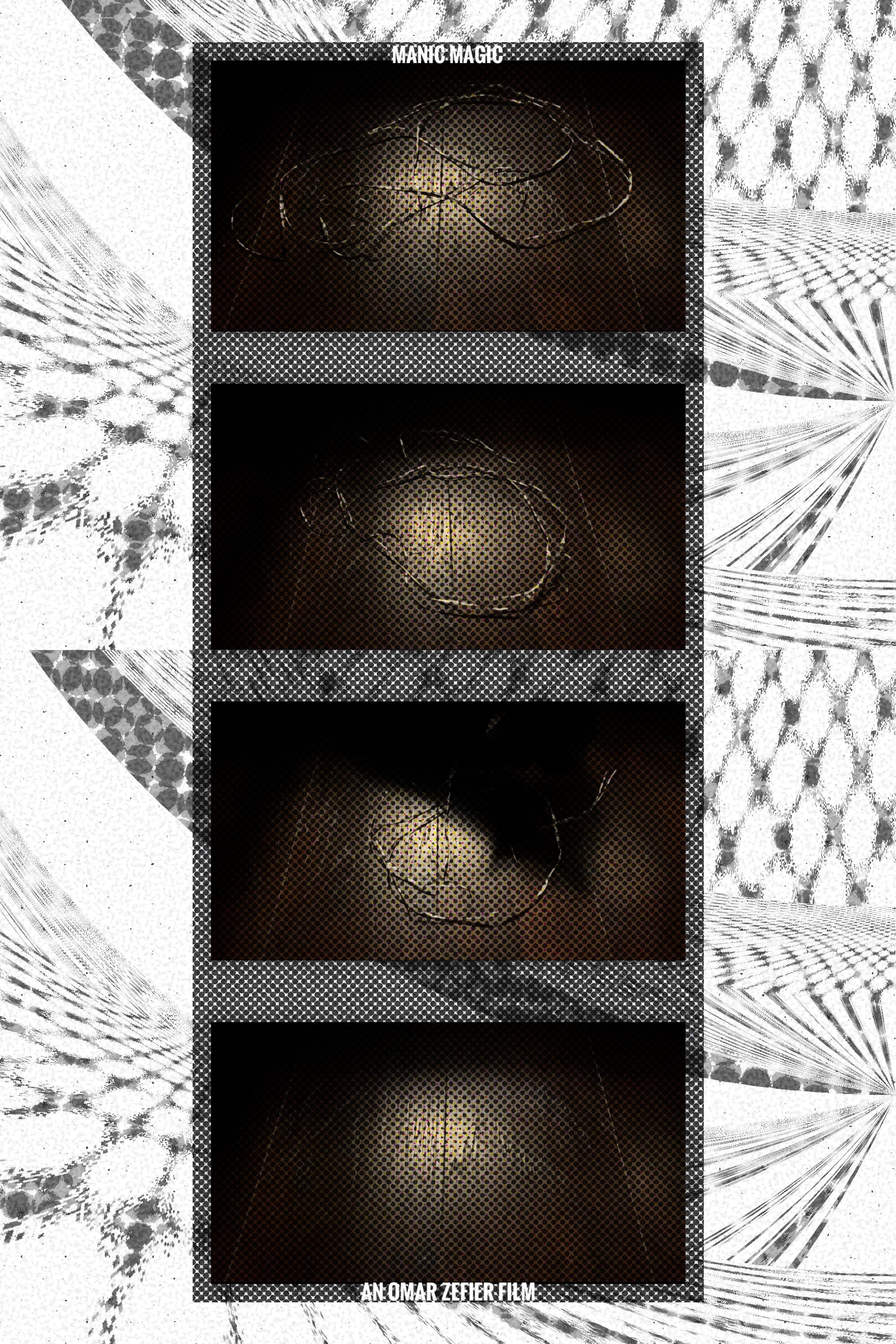
A poem about mania written by Omar Zefier. His second film.
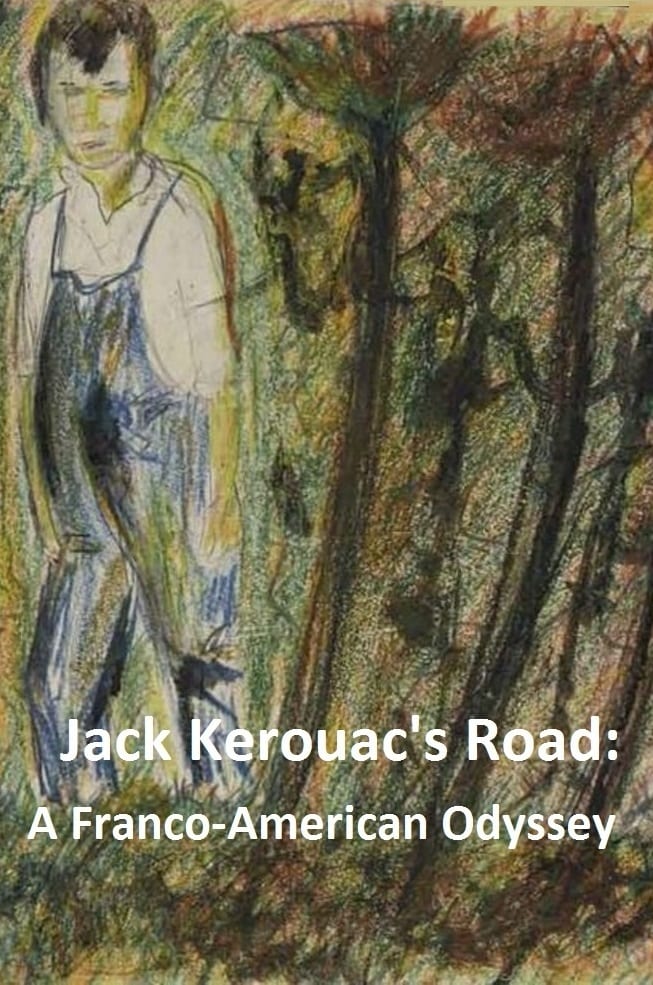
Part documentary, part drama, this film presents the life and work of Jack Kerouac, an American writer with Québec roots who became one of the most important spokesmen for his generation. Intercut with archival footage, photographs and interviews, this film takes apart the heroic myth and even returns to the childhood of the author whose life and work contributed greatly to the cultural, sexual and social revolution of the 1960s.
Cacaso, a Brazilian poet, lived in Rio de Janeiro. Born Antonio Carlos de Brito (1944-1987) he was one of the leaders of the marginal poetry movement. Cacaso filled notebooks not only with poems but reflections, drawings and collages. He also became a lyricist and partner of celebrated songwriters such as Tom Jobim, Edu Lobo, Toninho Horta, João Donato and Sivuca.
Autism spectrum disorder (DSA) - It is not what they have, but what they are, who they are. They are Felix, Anthony, Marc and Brigitte. They are different.
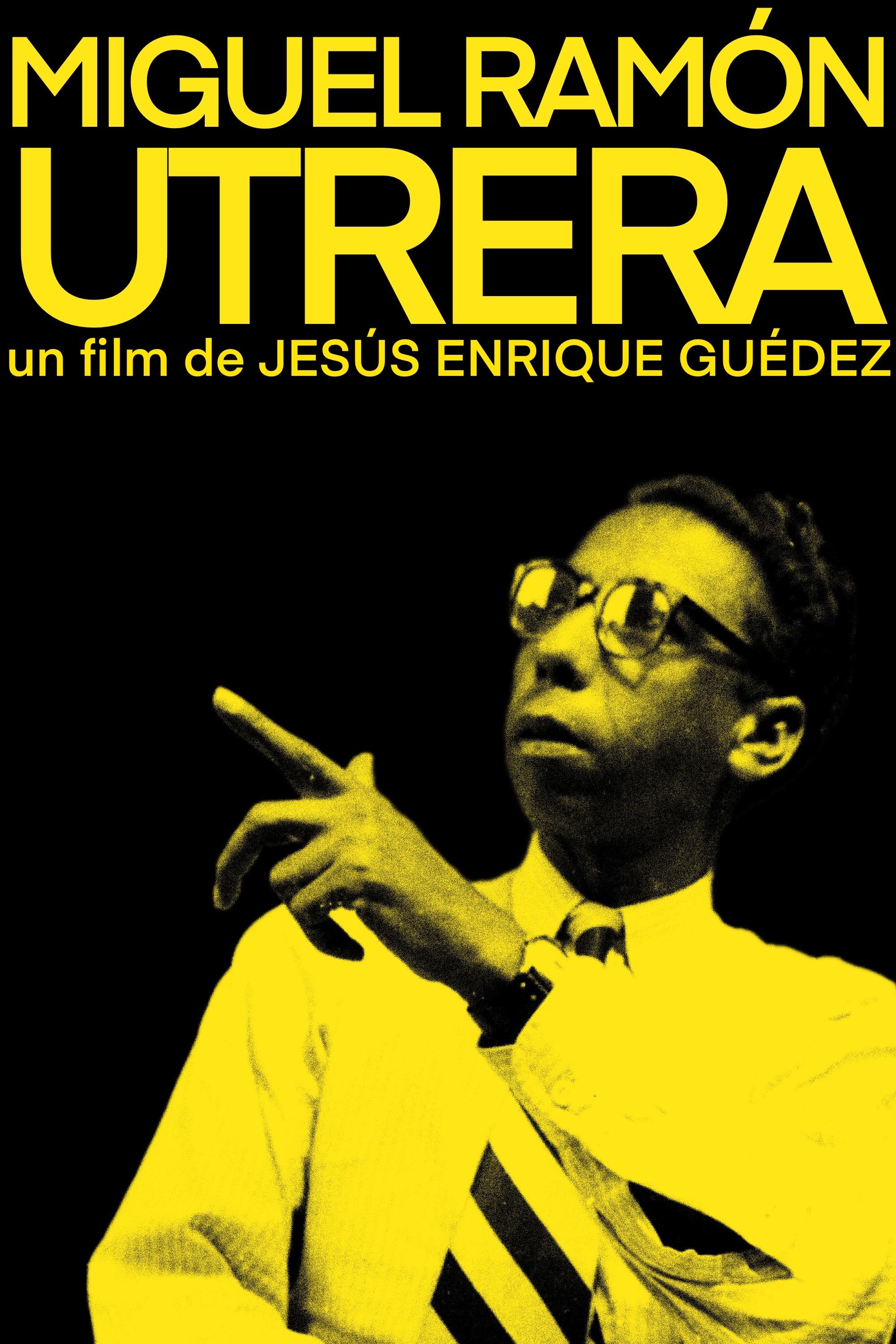
Documentary about the poet Miguel Ramón Utrera.
Eldar Ryazanov reads his poetry. An introspective movie on his multifaceted work.
After World War II a group of young writers, outsiders and friends who were disillusioned by the pursuit of the American dream met in New York City. Associated through mutual friendships, these cultural dissidents looked for new ways and means to express themselves. Soon their writings found an audience and the American media took notice, dubbing them the Beat Generation. Members of this group included writers Jack Kerouac, William Burroughs, Allen Ginsberg. a trinity that would ultimately influence the works of others during that era, including the "hippie" movement of the '60s. In this 55-minute video narrated by Allen Ginsberg, members of the Beat Generation (including the aforementioned Burroughs, Anne Waldman, Peter Orlovsky, Amiri Baraka, Diane Di Prima, and Timothy Leary) are reunited at Naropa University in Boulder, CO during the late 1970's to share their works and influence a new generation of young American bohemians.
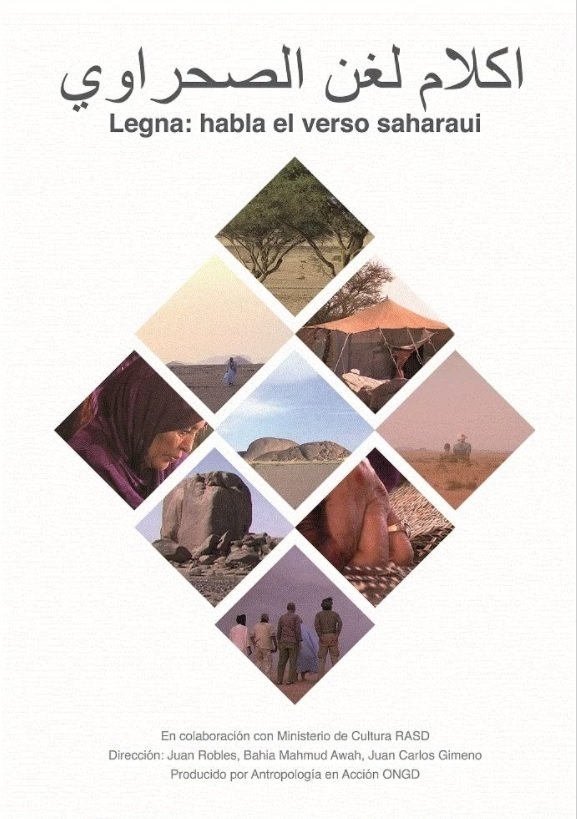
"Legna: speak the Saharawi verse" is an audiovisual poetry story that traces the essential elements of the Saharawi culture, chaining the verses recited in a rigorous and evocative way in Hasania and Spanish by the poets and poetesses themselves. Poems that sing and evoke the essence of Bedouin material culture linked to the movement from Saquia el Hamra to Rio de Oro. A magical journey from the Draa River in the north to Agüenit and Leyuad on the southern border with Mauritania, from the coast with the white beaches of Bojador up to the vague boundaries of the Badia. A Saharawi national territory marked by the trace of the recent history of revolution, war, resistance (intifada) and waiting. Territory, history, culture, basted from poetry full of life, love and nostalgia.
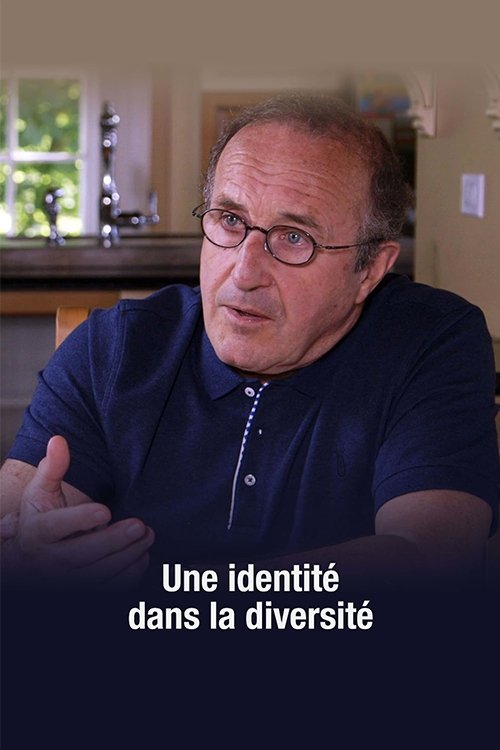
Canadian director Catherine Annau's debut work is a documentary about the legacy of Pierre Trudeau, the long-running Prime Minister of Canada, who governed during the 1970s. The film focuses particularly on Trudeau's goal of creating a thoroughly bilingual nation. Annau interviews eight people in their mid-30s on both sides of the linguistic divide. One tells of her life growing up in a community of hard-core Quebec separatists, while another, a yuppie from Toronto, recalls believing as a child that people in Montreal got drunk and had sex all day long. Annau has all of the interviewees discuss how Trudeau's policies affected their lives and their perceptions of the other side, in this issue that strikes to the heart of Canada's national identity.