Social & External
Spring
Spring (singing voice)
Liitle Mouse
Little Frog
Hedgehog
Little Rooster
Little Cloud
Unknown Role
Forest
Sun
Bear
Fox
Wolf
Concert and documentary celebrating the 1st Anniversary of Moscow’s Zaryadye Hall
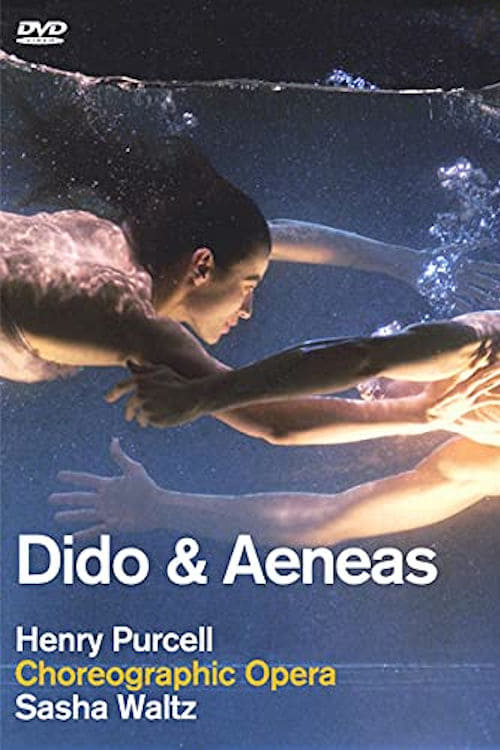
Henry Purcell's opera Dido & Aeneas, completed in 1689, was the subject of a memorable and breathtaking performance at the Staatsoper Berlin in 2005. In Dido & Aeneas Sasha Waltz opens up new horizons in music theatre, creating a fusion of dance, singing and music the choreographic opera. The (extended, revised) libretto, the (reconstructed) music, vocal parts, dance, the stage set featuring a rousing underwater ballet combine to form a sublime total choreography and parallel action involving dancers, singers and musicians. In this choreographic opera, Sasha Waltz demonstrates not only her familiarity with Emile Jaques-Dalcroze and Pina Bausch, but also the confidence she has in her own style. Sensational!
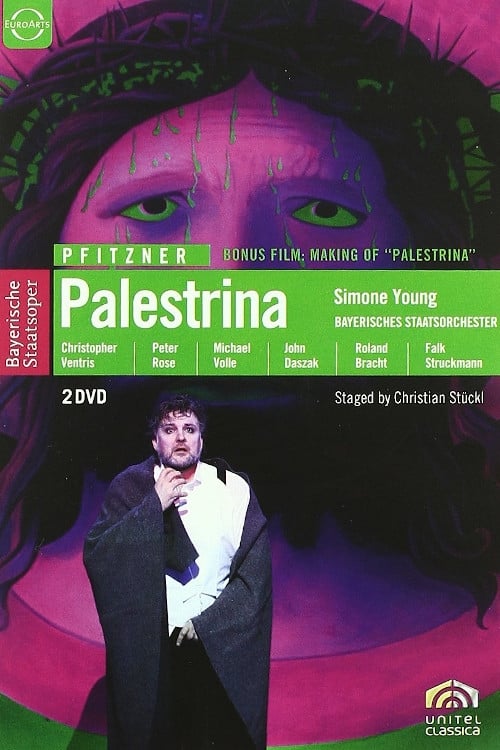
Requiring 38 soloists, chorus, and large orchestra, Hans Pfitzner's "Palestrina" is a challenging opera to stage. In Munich, the city in which it was premiered in 1917, director Christian Stückle, conductor Simone Young, and the Bavarian State Opera met those challenges with stunning success.
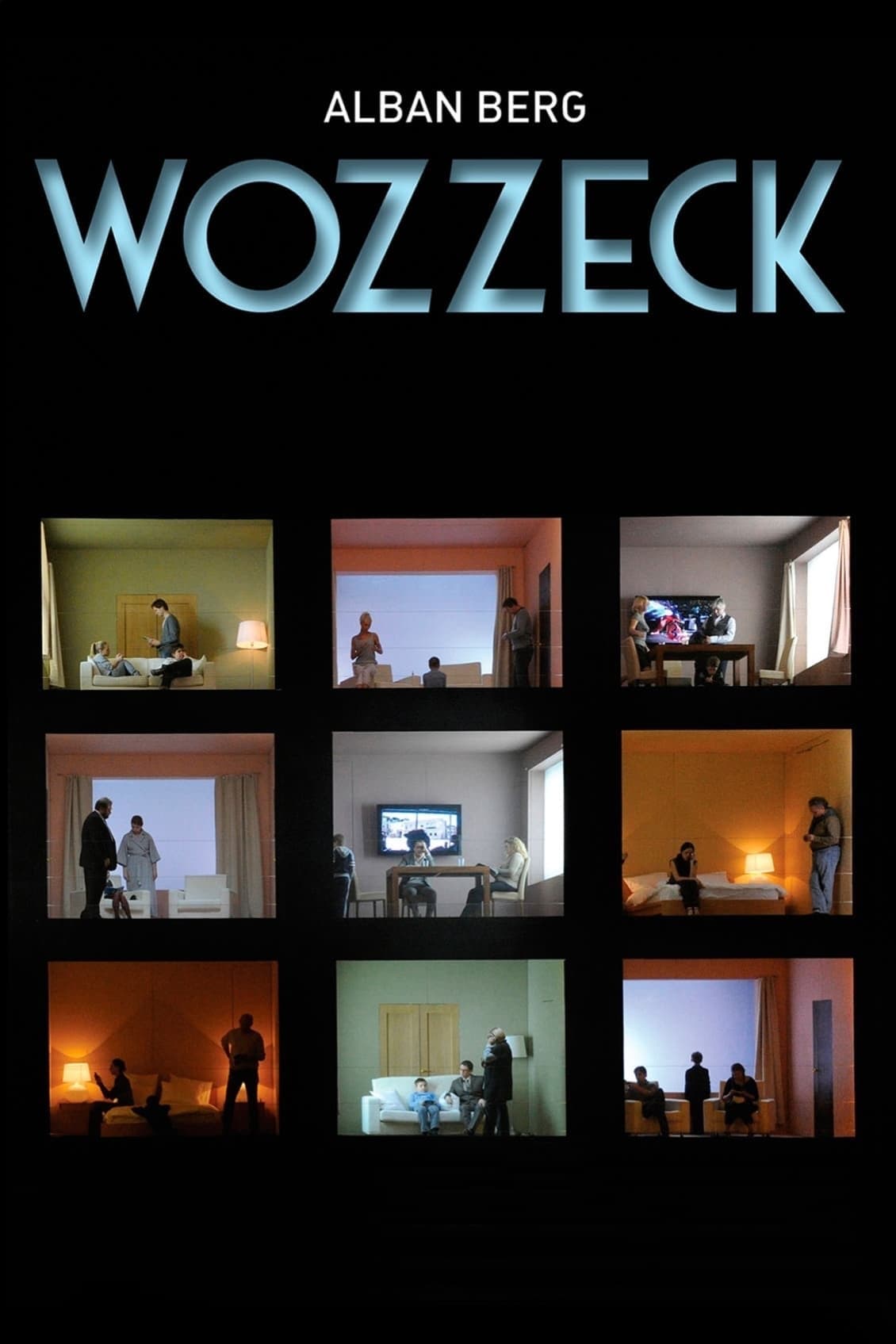
In 2010, for the first time in its history, the Bolshoi Opera presented Alban Berg’s masterpiece Wozzeck conducted by Teodor Currentzis. Dmitri Cherniakov’s aim with this bold, sensitive transposition was “to highlight the hidden sorrows of a late twentieth-century man dwelling in a megalopolis.”
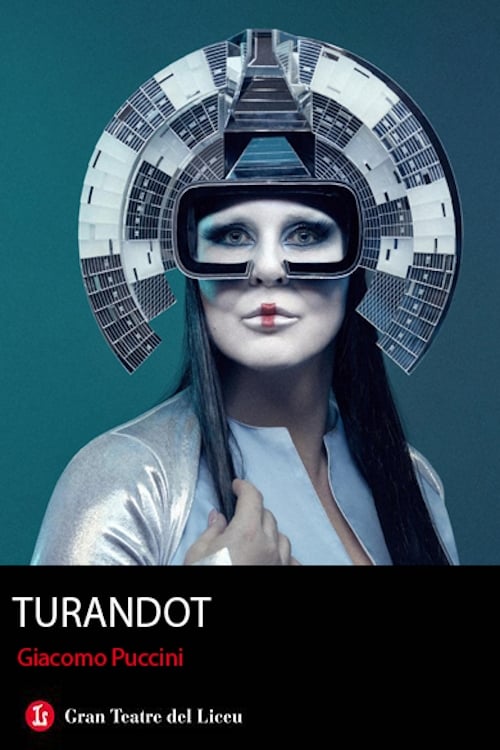
The Pucchini opera "Turandot" will be shown completely new at the Gran Teatre del Liceu. The new production by the Spanish video artist Franc Aleu refers with a wink to the history of the Catalan institution: 20 years ago, this very opera was resumed there after a fire in 1994 severely damaged the theater.
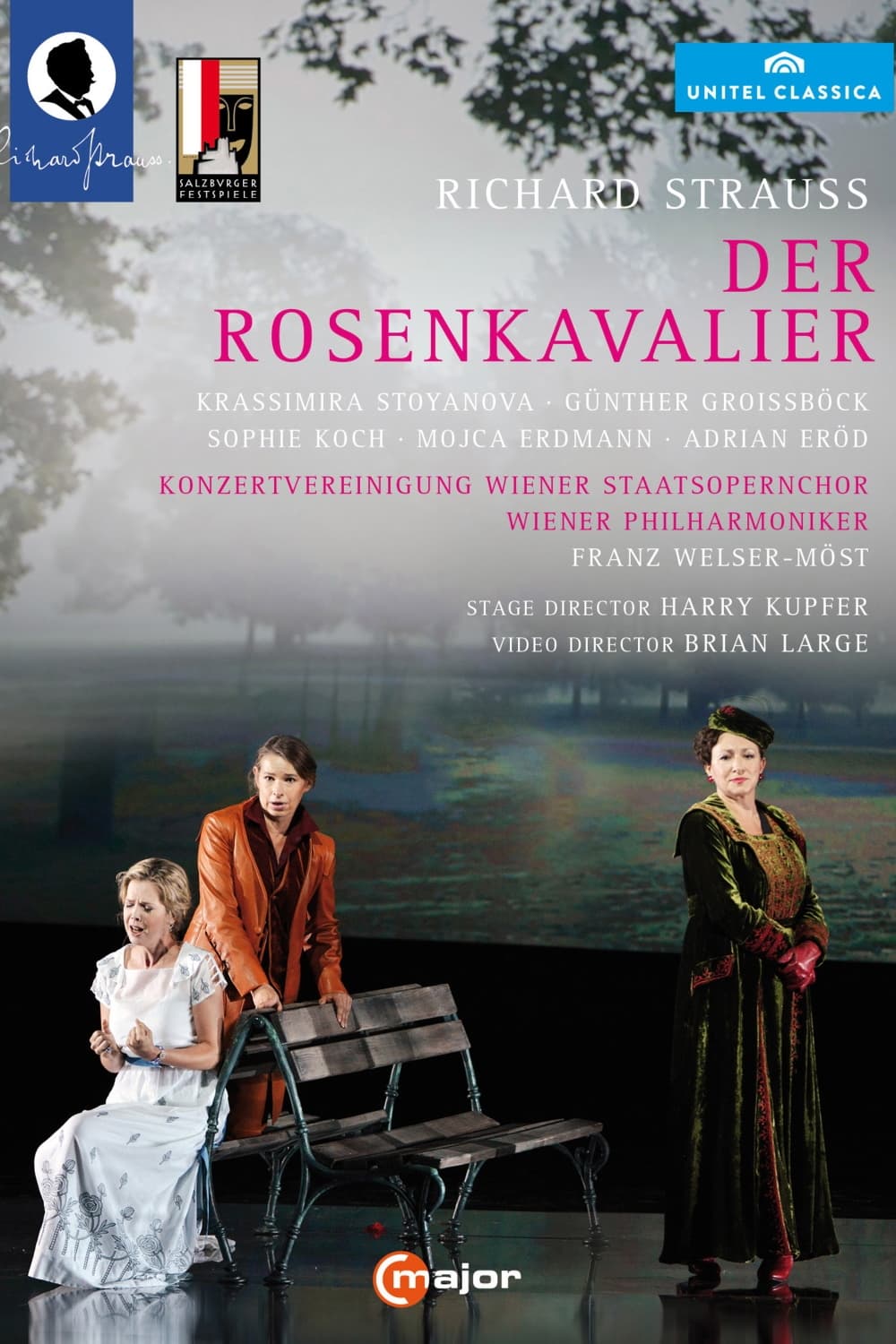
With their “comedy for music” in the spirit of Mozart, Richard Strauss and his inspired librettist Hugo von Hofmannsthal created the most popular of all their works and one of the most frequently performed operas of all time. In the guise of a gossamer-light and supremely entertaining high-class comedy, Der Rosenkavalier touches on universal themes such as love, sex, marital fidelity and the changes that human relations undergo over time – and all of it set to music of the most glorious kind imaginable. With its stellar cast under the inspired direction of Harry Kupfer, the 2014 Salzburg Festival’s production of Der Rosenkavalier was one of the most internationally acclaimed interpretations of the work since the start of the new millennium. “A musical feast from beginning to end“ (Wiener Zeitung).
Giuseppe Verdi based his famous opera on the novel “The Lady of the Camellias” by Alexandre Dumas. Robert Wilson’s production of Violetta Valéry’s tragic fate is his first work at the State Theater of Linz, Austria, one of the most modern operatic stages in Europe by architect Terry Pawson. After the run in Linz, the production was transferred to the Opera House in Perm, Russia, where the production was conducted by Teodor Currentzis. In 2017, the work received a “Golden Mask”, the most prestigious Russian theater award, in three categories (Teodor Currentzis, Best Conductor; Nadezhda Pavlova, Best Female Singer; Robert Wilson, Best Lighting Design).
B. Britten's famous opera, which became a major theatrical event in its production by the National Theater Brno... The story of the opera Peter Grimes is as harsh and stormy as the landscape in which it takes place. A boy dies in a fishing village on the North Sea coast. Fisherman Peter Grimes is suspected of his murder. Although he is acquitted by the court, the locals have their own opinion and make it known. Social outcasts and the sea are the thematic pillars of this tragic opera, in which the staunch pacifist and humanist Benjamin Britten sides with all those who deviate from the norms of mainstream society. Although Benjamin Britten's work forms a fundamental part of contemporary opera production and he is the most frequently staged composer of the 20th century worldwide, in the Czech Republic we rarely have the opportunity to encounter his work. His most famous opera, Peter Grimes, from 1945, had its Czechoslovak premiere two years later at the National Theater in Brno.
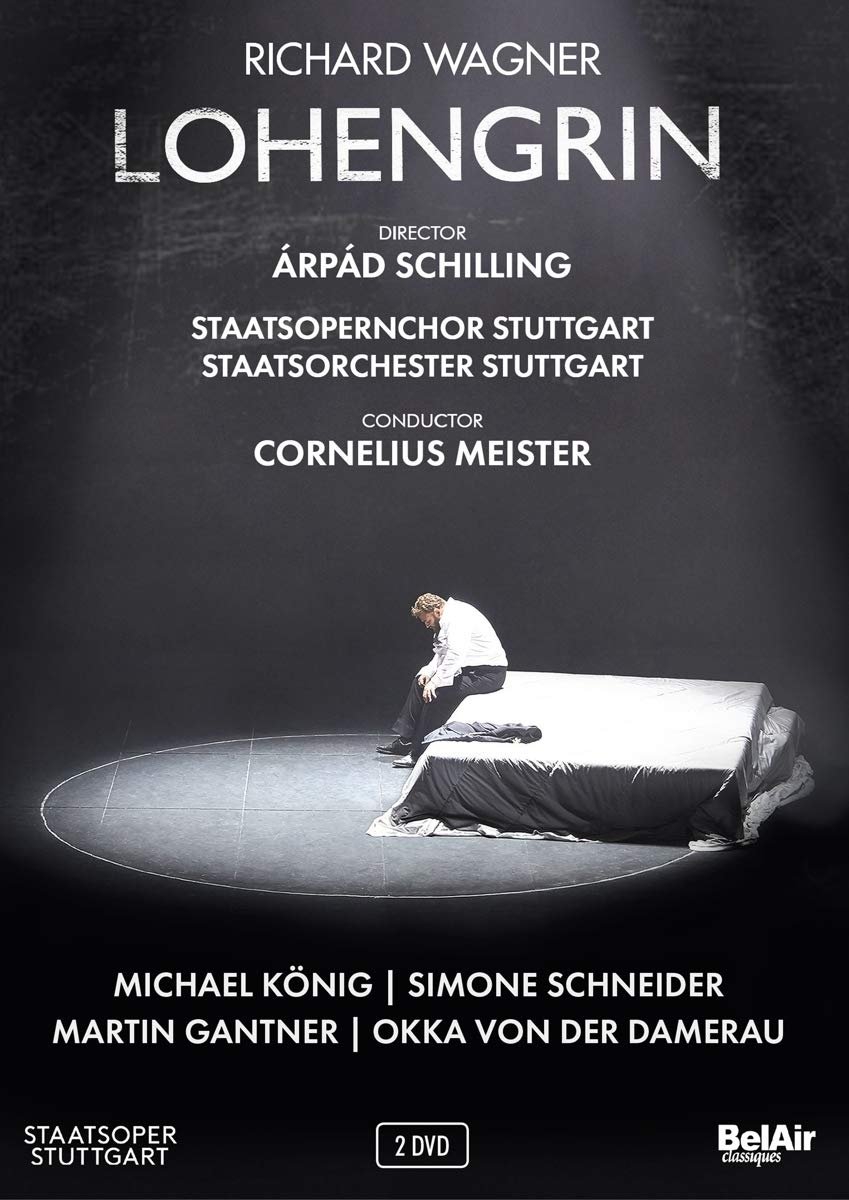
What are heroes made of and why do our societies need them so badly? At the Staatsoper Stuttgart, stage director Árpád Schilling tries to answer this mythological, political and existential question, lying at the core of Richard Wagners Lohengrin. A wonder! A miracle!, the men and women of Brabant agreed when, against all expectations, someone stood up for Elsa and invalidated the allegations made by the plaintiff Telramund. And yet he does the most normal thing in the world: to help a person in distress. So why is there a need for this savior, surrounded by the aura of mystery, whose name and origin even his new wife Elsa cannot ask? Why does the collective body abdicates its moral and political responsibilities and surrenders them to a single individual? And when does the providential man stops being a savior and becomes a threat?
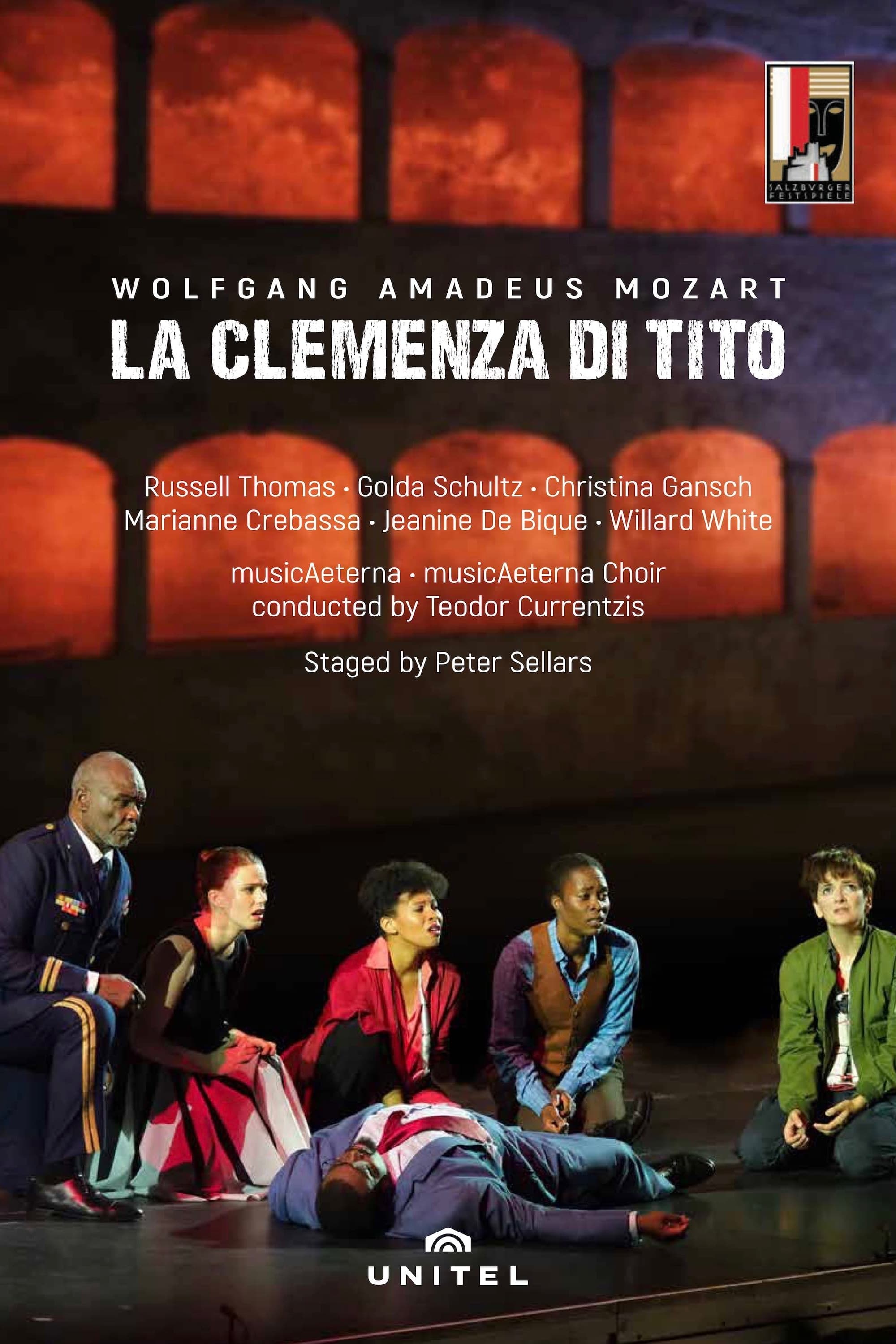
How do we live together in an age of conflict? How do you heal a divided and angry people? In their 2017 production of Mozart’s La clemenza di Tito, Peter Sellars and Teodor Currentzis examine these questions through the story of a warrior-emperor who brings peace to his divided land and pardons his own would-be assassins. Written under a time crunch (legend has it that it was written in only 18 days, although it is likely an exaggeration) during the last year of Mozart’s life, the opera is based on a libretto written more than half a century earlier by Pietro Metastasio. It was commissioned for the coronation of Leopold II as King of Bohemia, and received its first public performance at the Estates Theatre in Prague on September 6, 1791.
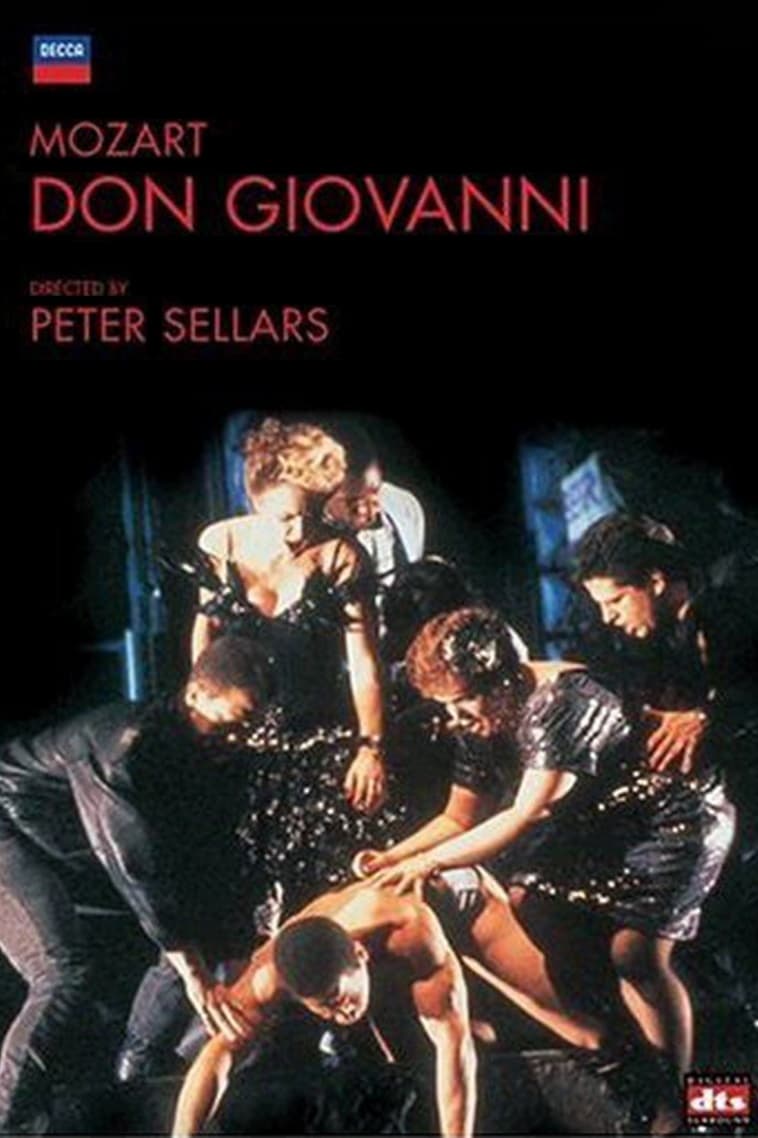
This production was originally staged for the Pepsico Summerfare Festival, The International Performing Arts Festival of the State University of New York at Purchase. Leaving the lyrics in their original Italian, acclaimed American director Peter Sellars transports Wolfgang Amadeus Mozart's "Don Giovanni" to a modern-day metropolis, nestling the opera's beloved characters among the brownstones of New York City's Harlem. Sellars's contemporary retelling of a classic musical tale is one of three performances in a Mozart series that also includes "Le Nozze di Figaro" and "'Così Fan Tutte."
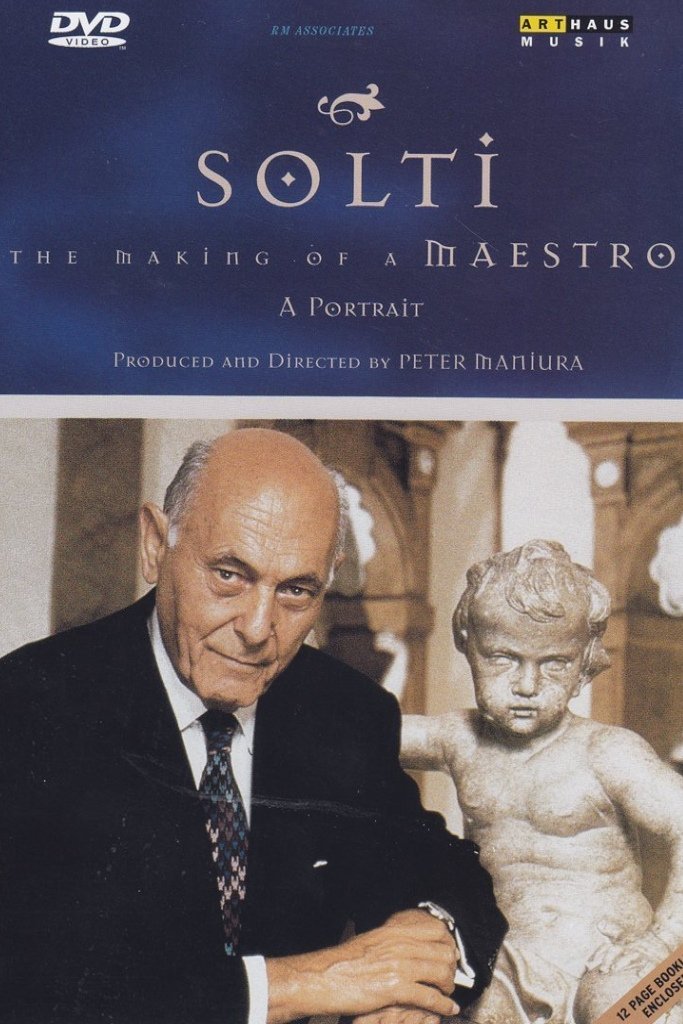
One of the world's most acclaimed conductors, Sir Georg Solti has consistently inspired audiences around the world through his extreme discipline and passion. This documentary takes us behind-the-scenes through archival footage of Solti's career and along for the ride as the great conductor travels the world.
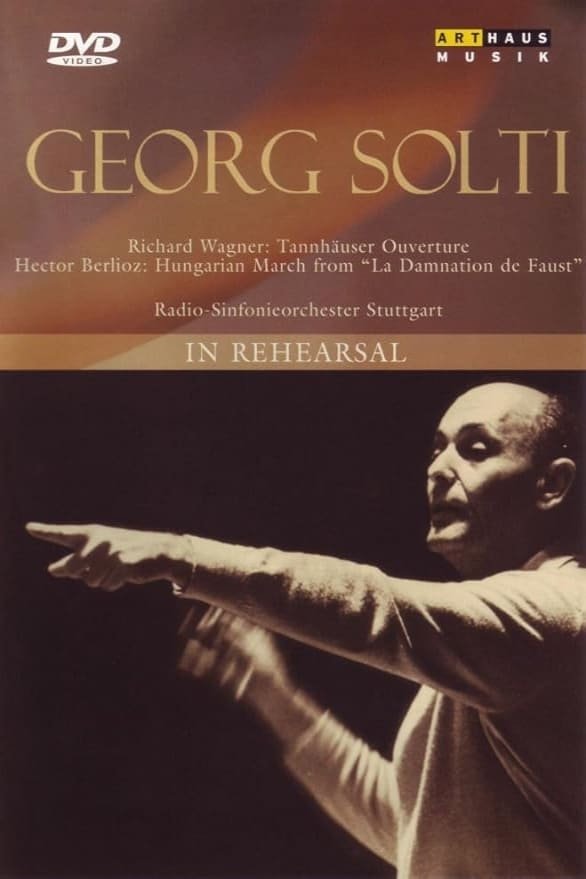
No doubt, Sir Georg Solti was one of the most auratic maestros of the past century. Being a real master of the orchestra he inevitably impressed his great visions of sound and interpretation upon the musicians and the audience. These rare black and white documentations produced in 1966 and 1968 show how Solti's amiable insistence in rehearsal with the Süddeutsche Rundfunk Sinfonie Orchester Stuttgart turns Wagner's Tannhäuser Overture and Berlioz' Hungarian March into sharpened and haunting performances.
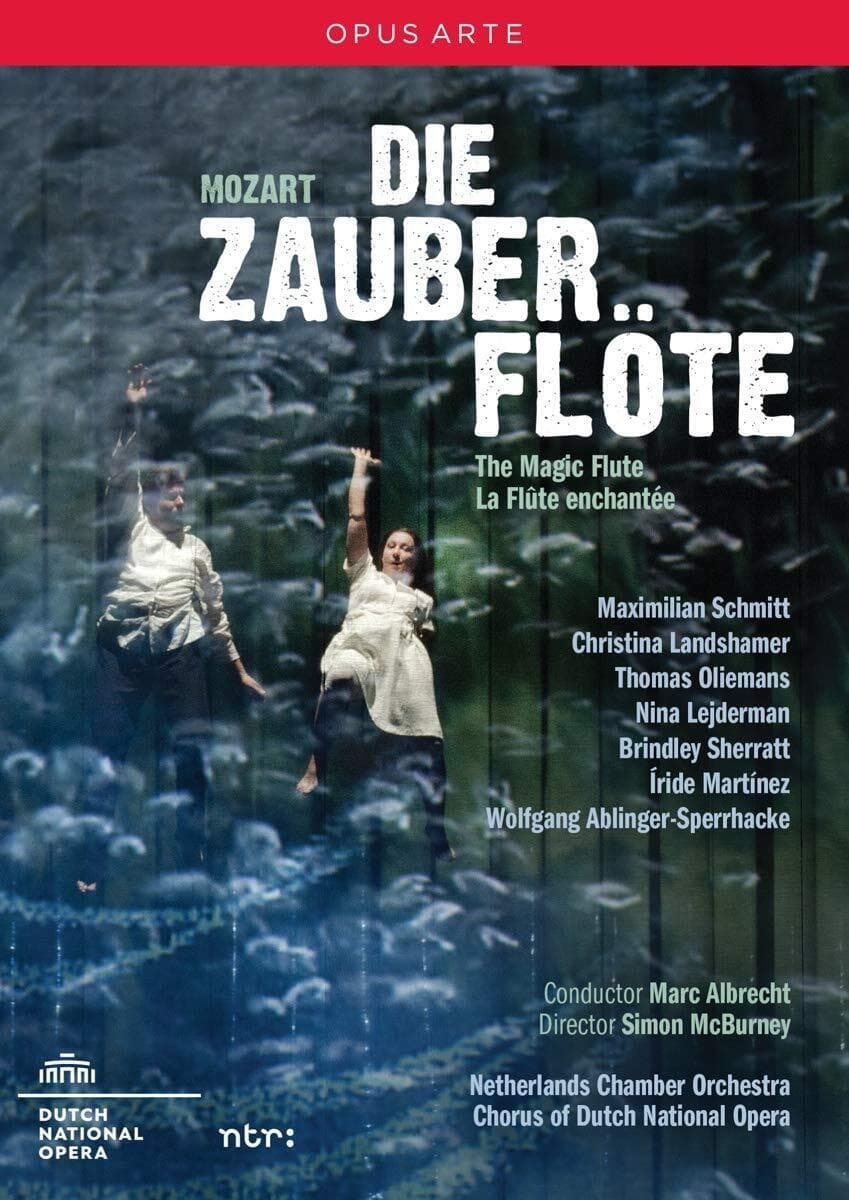
Since it's premiere in a tiny suburban theatre in Vienna, Die Zauberflote has delighted audiences young and old for over 200 years. Mozart's Singspiel seamlessly alternates seriousness and jollity, and combines philosophical ideas with a fairytale world of wondrous animals and magical musical instruments. Emanuel Schikaneder's original production was theatrically inventive, and this new interpretation from director Simon McBurney emulates that in fresh and current terms. Fusing music, technology and stagecraft, this exciting production gives Die Zauberflote a refreshing new treatment that is both thrilling and simple in it's approach. Following an overwhelming success on stage, McBurney's unique production received five-star reviews in the Dutch press: 'a feast for the eyes and the ears' (Het Parool) and 'Delicious!' (Trouw).
Performance of La Bohème in Teatro alla Scala, 1979.
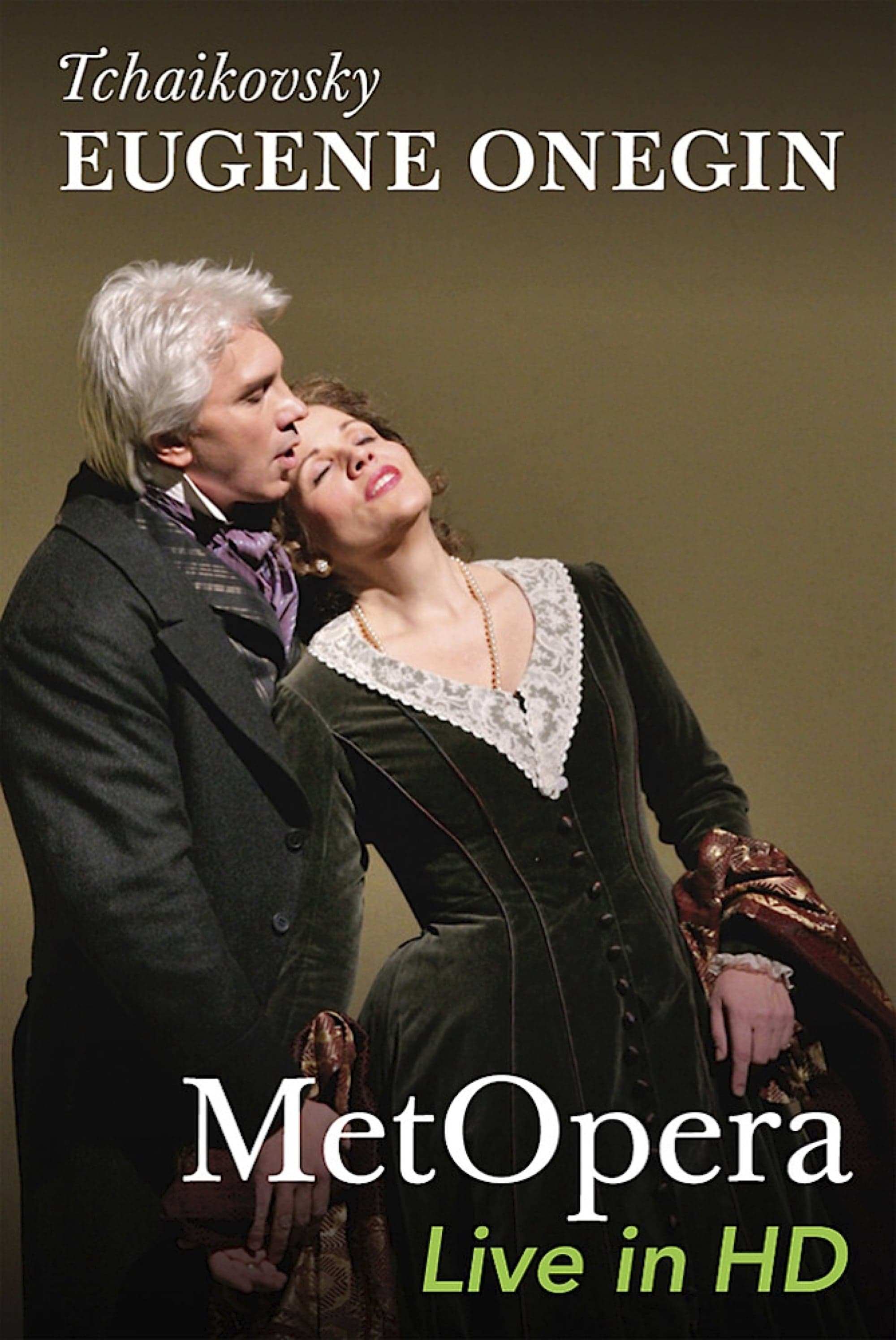
The pain of unrequited love is portrayed unforgettably by two of today’s greatest stars. Renée Fleming is musically and dramatically radiant as the shy Tatiana, who falls in love with the worldly Onegin, played with devastating charisma by Dmitri Hvorostovsky. Their mesmerizing vocalism and chemistry explode in one of opera’s most heartbreaking final scenes. With Valery Gergiev on the podium conducting Tchaikovsky’s passionate score, this performance is one for the ages.