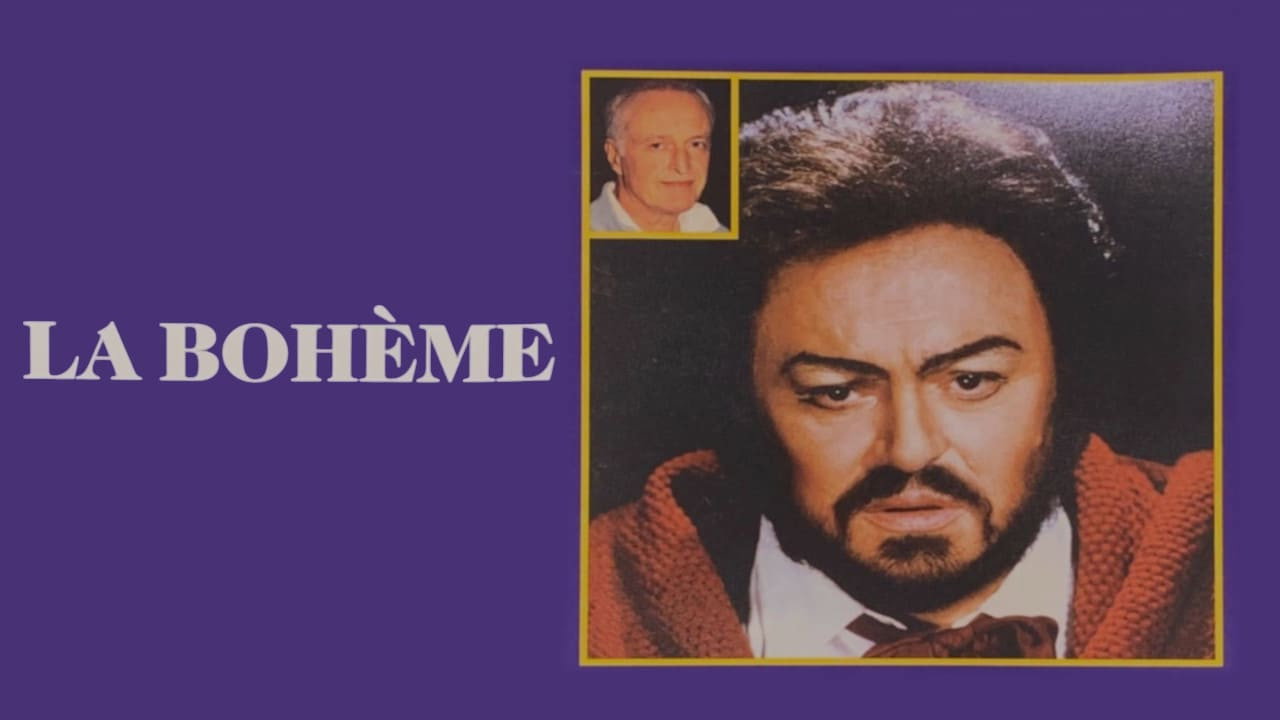
Performance of La Bohème in Teatro alla Scala, 1979.
Social & External
The people behind it
Luciano Pavarotti
Rodolfo
Giorgio Giorgetti
Schaunard
Claudio Giombi
Benoît
Ileana Cotrubas
Mimì
Lorenzo Saccomani
Marcello
Evgeny Nesterenko
Colline
Alfredo Giacomotti
Alcindoro
Lucia Popp
Musetta
Saverio Porzano
Parpignol
Carlo Meliciani
Sergente dei doganieri
A live performance of Giuseppe Verdi's opera.
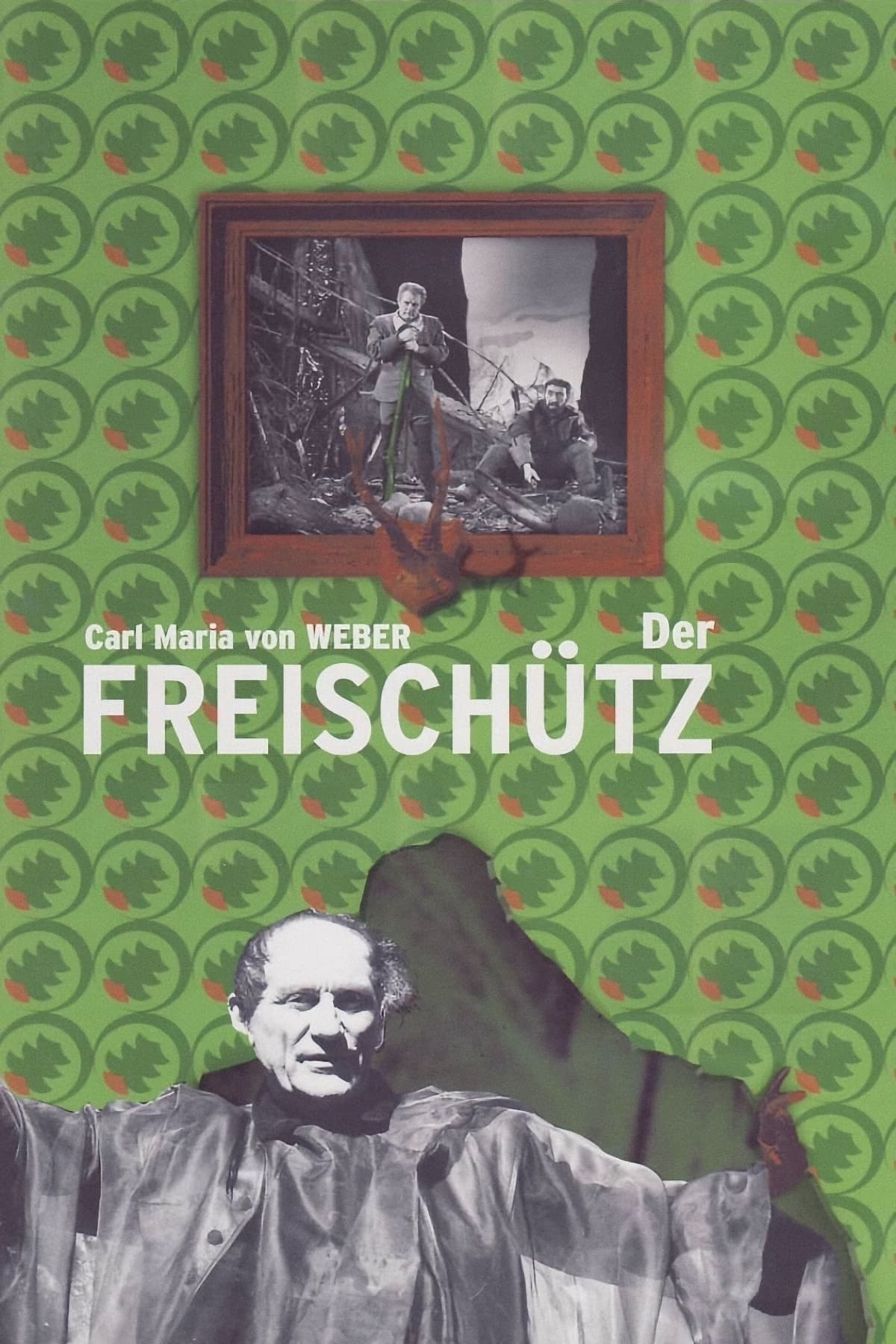
Director Rolf Liebermann’s 1968 filmed-for-TV production of Carl Maria von Weber’s opera, with the Hamburg State Opera performing an adapted stage version. Soloists include Bernhard Minetti, Toni Blankenheim and Arlene Saunders. The conductor is Leopold Ludwig.
Production from Antwerp. The knight Titurel has built a fortress for two sacred objects he has miraculously obtained: thechalice from the Last Supper in which Christ's blood was later collected, and the spear thatwounded Christ on the cross. The chalice is believed to be the Holy Grail that gives life and has apurifying effect on the human race. The Grail has become the focus for a community of knightswho, strengthened by the holy chalice, are willing to fight for the faith. All the knights have takena vow of chastity. However, the Grail King Amfortas, their leader and Titurel’s son, fails to resistseduction by Kundry, a woman with a double life: she is both a Grail messenger and temptressin the service of Klingsor.
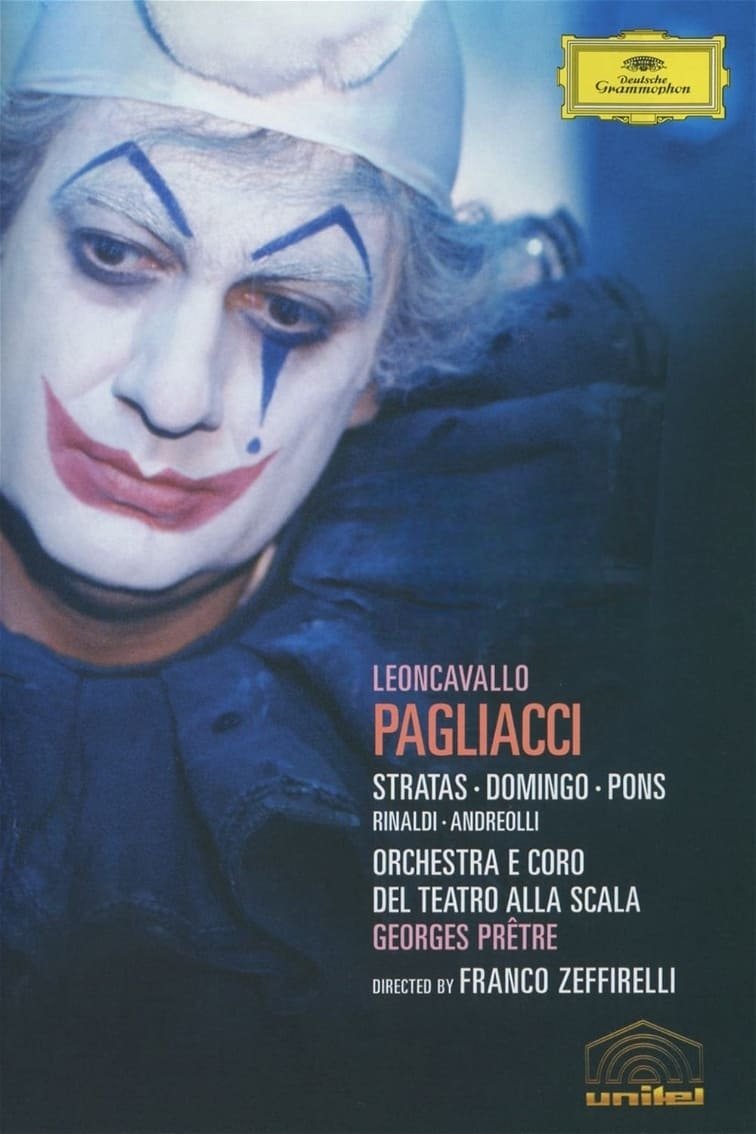
The story is set in southern Italy and recounts the tragedy of Canio, the lead clown (or pagliaccio in Italian) in a commedia dell'arte troupe, his wife Nedda, and her lover, Silvio. When Nedda spurns the advances of Tonio, another player in the troupe, he tells Canio about Nedda's betrayal. In a jealous rage Canio murders both Nedda and Silvio. Although Leoncavallo's opera was originally set in the late 1860's, Zeffirelli's production is updated to the period between World War I and World War II.
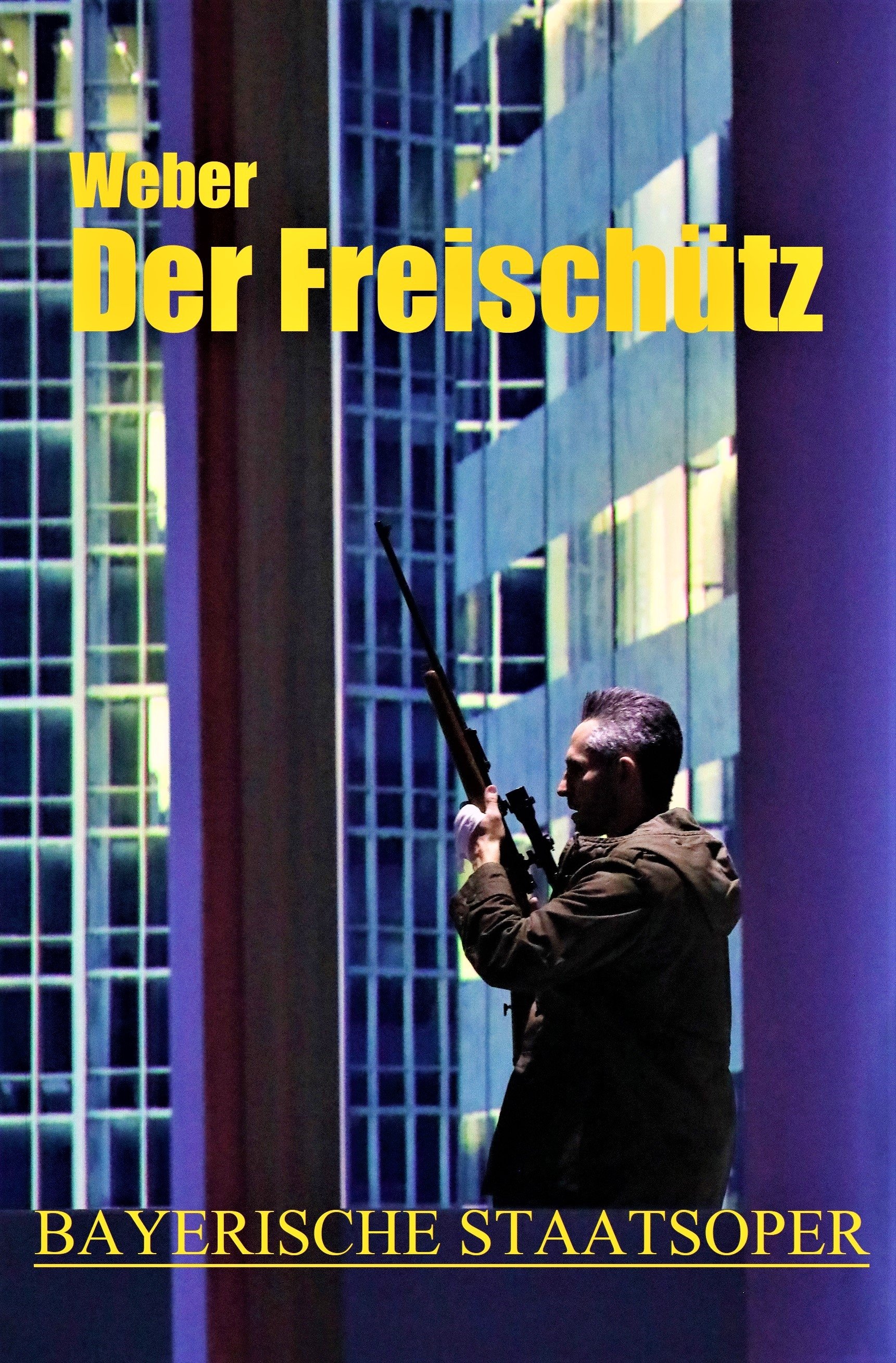
In a village community that holds firm to archaic customs, the young hunter Max must pass a marksmanship test so he may marry his sweetheart, Agathe. Of all times now when his shooting has been very much below par! Carl Maria von Weber and his librettist Friedrich Kind fluctuate between ghost story, fairy tale, fortune play and interplay between heaven and hell.
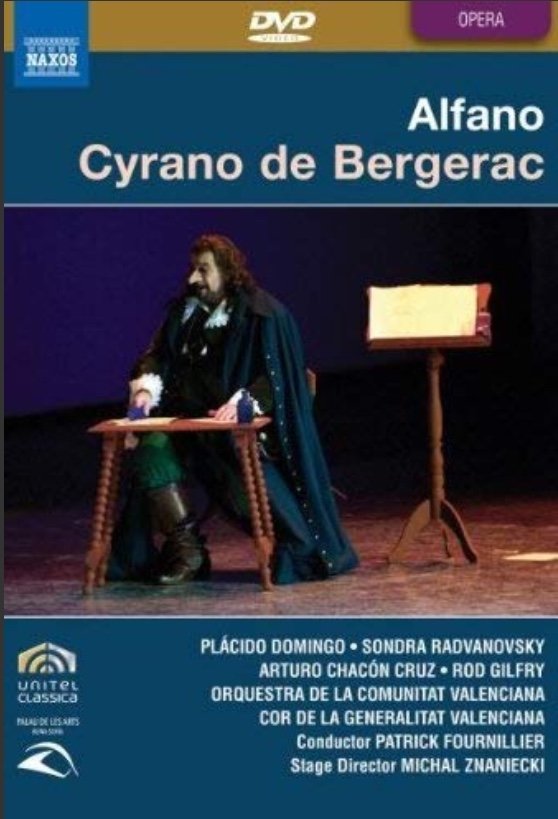
While best known today for having composed the ending to Puccini's unfinished Turandot, Franco Alfano wrote some dozen operas, including Cyrano de Bergerac (1936) with a libretto by Henri Cain based on Edmond Rostand's drama of the same name. It is a moving tale of romantic misunderstanding, swashbuckling bravado and heartbreaking loyalty, in which the eloquent Cyrano feels unable to express his love for Roxane because of his famously protuberant nose except on behalf of his handsome but inarticulate friend, Christian.
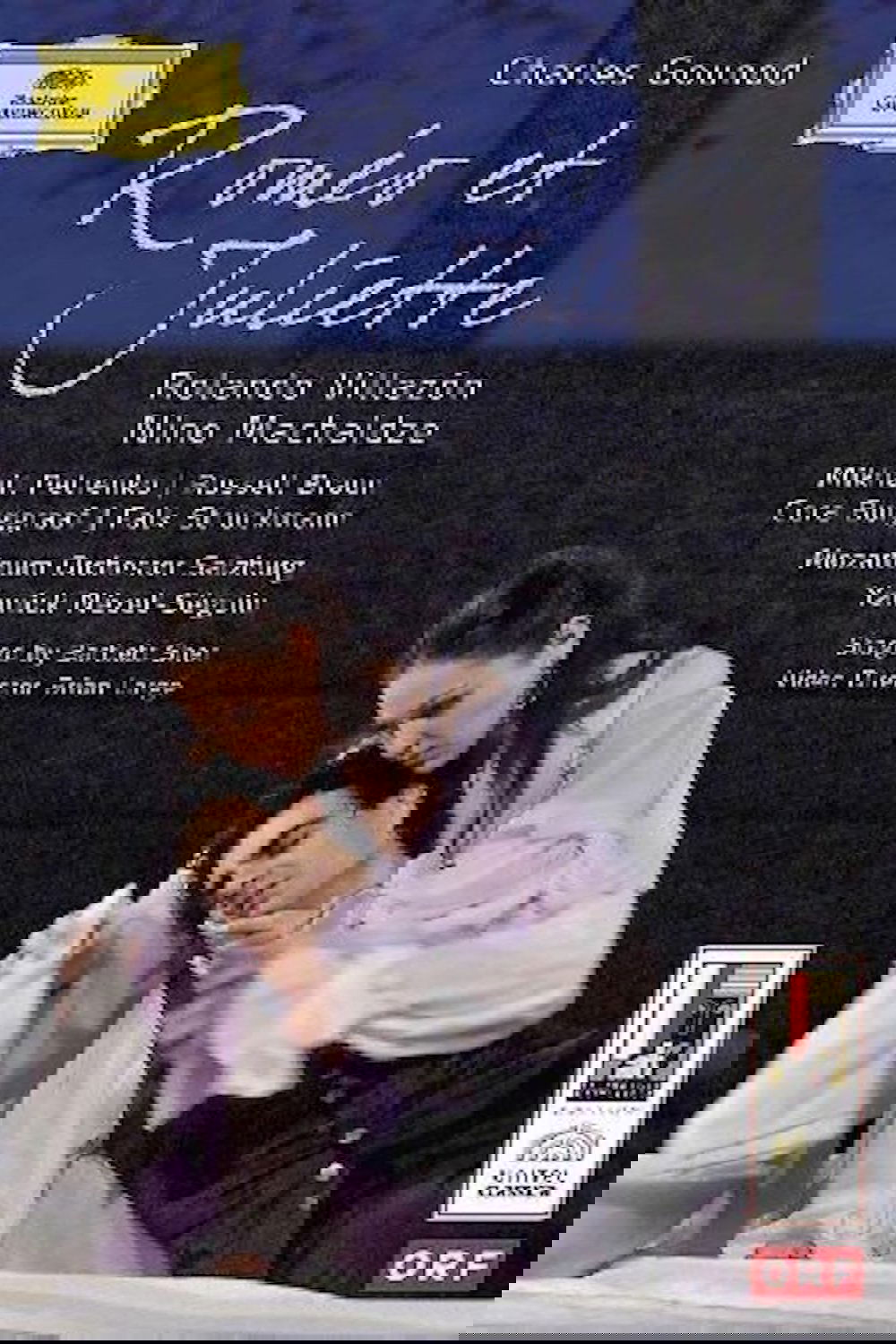
The sensational hit of Salzburg's 2008 festival season arrives on DVD! Starring tenor Rolando Villazón in a stunning performance, this was the must have ticket of the season. Soprano Nino Machaidze, only 25 years old, burst upon the Salzburg stage with an emotionally vulnerable and vocally spectacular performance. With movie star good looks and a large, warm voice, Machaidze wowed the press and audiences alike. Tony Award winner (South Pacific) Bartlett Sher directs this production of Gounod's classic opera. With sets by Michael Yeargan and costumes by Catherine Zuber, the visually vibrant production is sure to become the benchmark. Bonus materials includes "Salzburg Impressions--Behind the Scenes of Roméo et Juliette," "Love and Death in Verona" and Villazón giving an introduction to the opera.
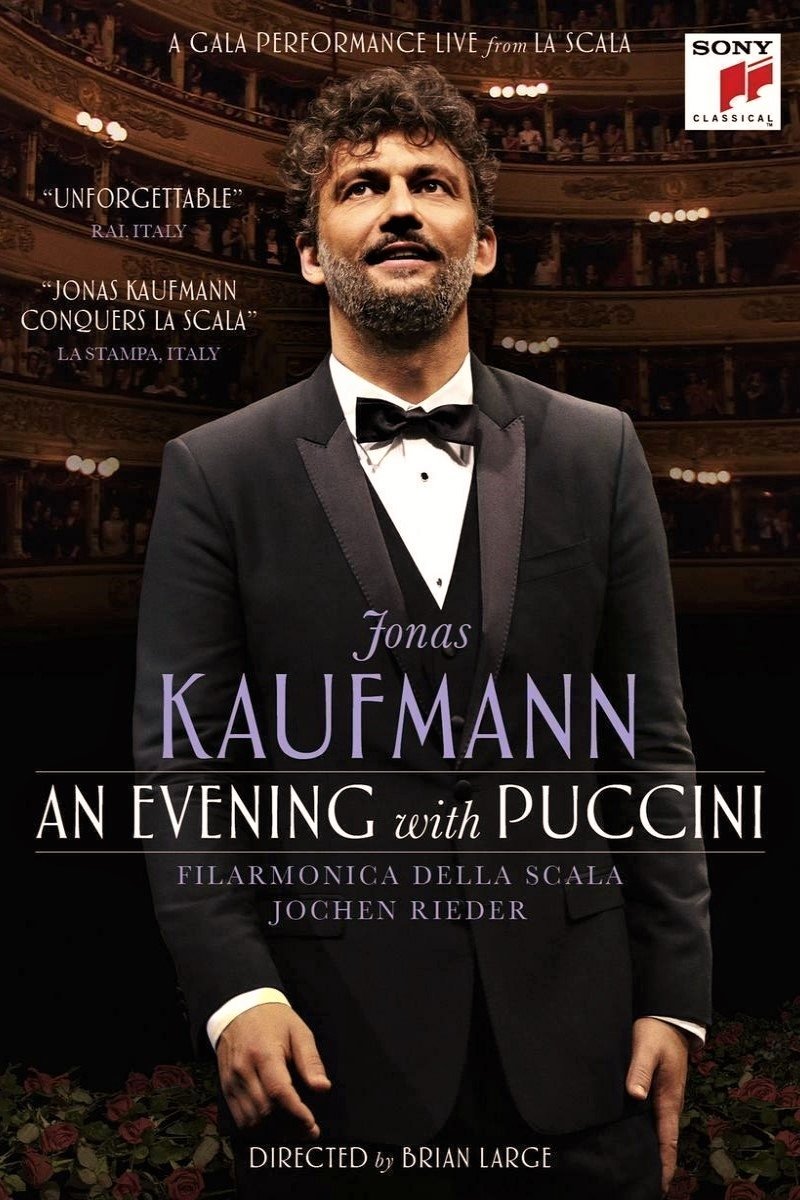
In June 2015, superstar tenor Jonas Kaufmann walked onto the stage of La Scala in Milan to perform a concert of Puccini arias. The concert made national news in Italy with the audience demanding five encores and a forty minute standing ovation. The film of this legendary performance, Jonas Kaufmann An Evening with Puccini, will be shown nationwide in over 300 movie theaters on February 23, and is available as a DVD and Blu-ray. Directed by Brian Large, the film includes an introduction about Puccini the man, the musician, the superstar narrated by Jonas and featuring rare archive footage. The program features a selection of Puccini s world-famous tenor arias all of which appear on Kaufmann s latest recording, Nessun dorma The Puccini Album.
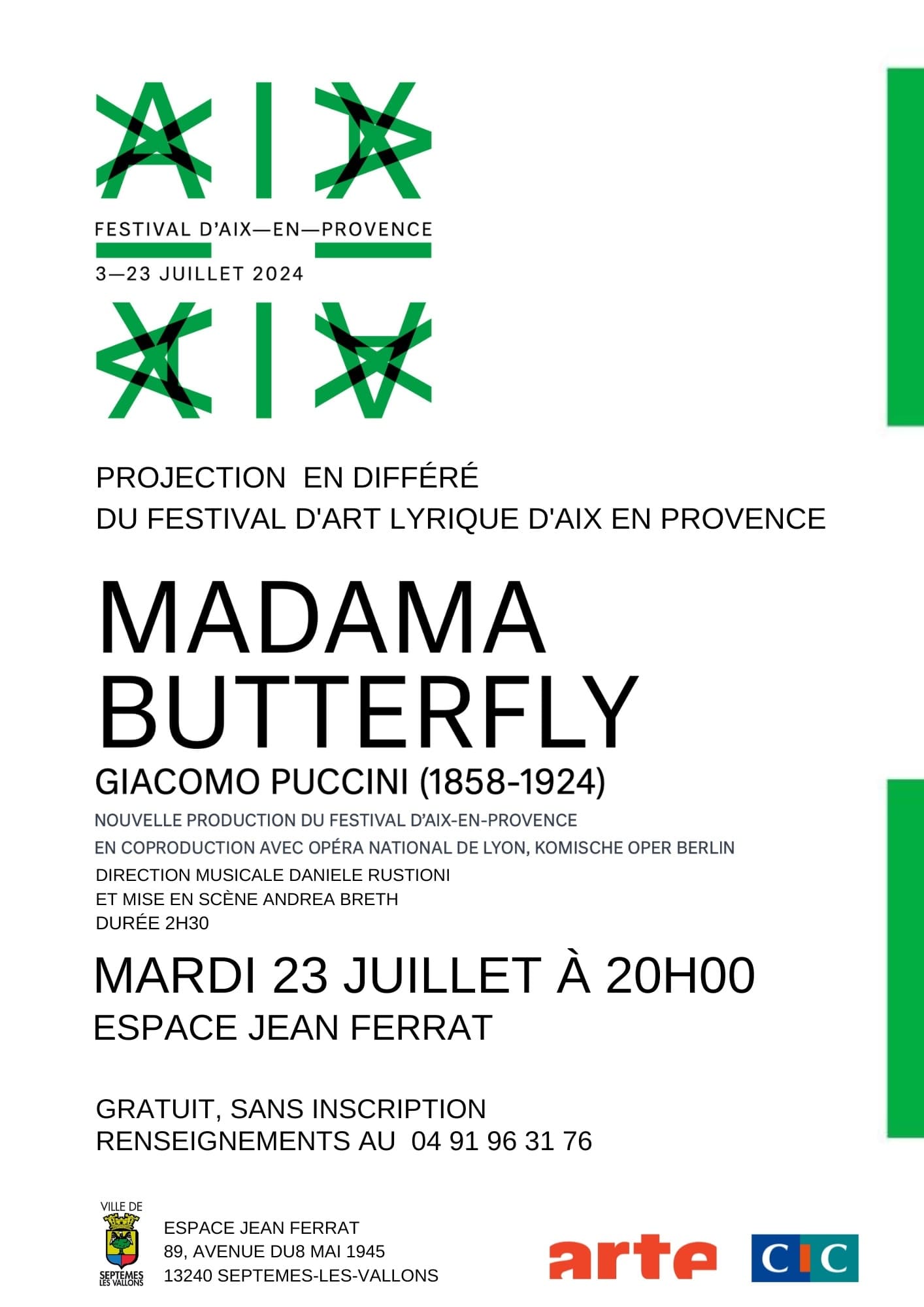
After Tosca (2019), which marked Puccini’s entry into its repertoire, the Festival celebrates the centenary of the composer’s death this year by putting on his ‘Japanese tragedy’ Madame Butterfly: the cruel story of a vulnerable but strong and wilful heroine, driven by her blind perseverance to ritual suicide. By enveloping her with a bright lyricism and a supremely refined orchestration, Puccini reaches the heart of his artistic identity – reminding us of the real pleasure of tears. Conducting the orchestra of the Opéra de Lyon, Daniele Rustioni offers the finest of backdrops to Ermonela Jaho, whose rare combination of force and delicacy has made her a go-to choice in this wonderful yet harrowing role, in which she is making her prized debut in Aix.
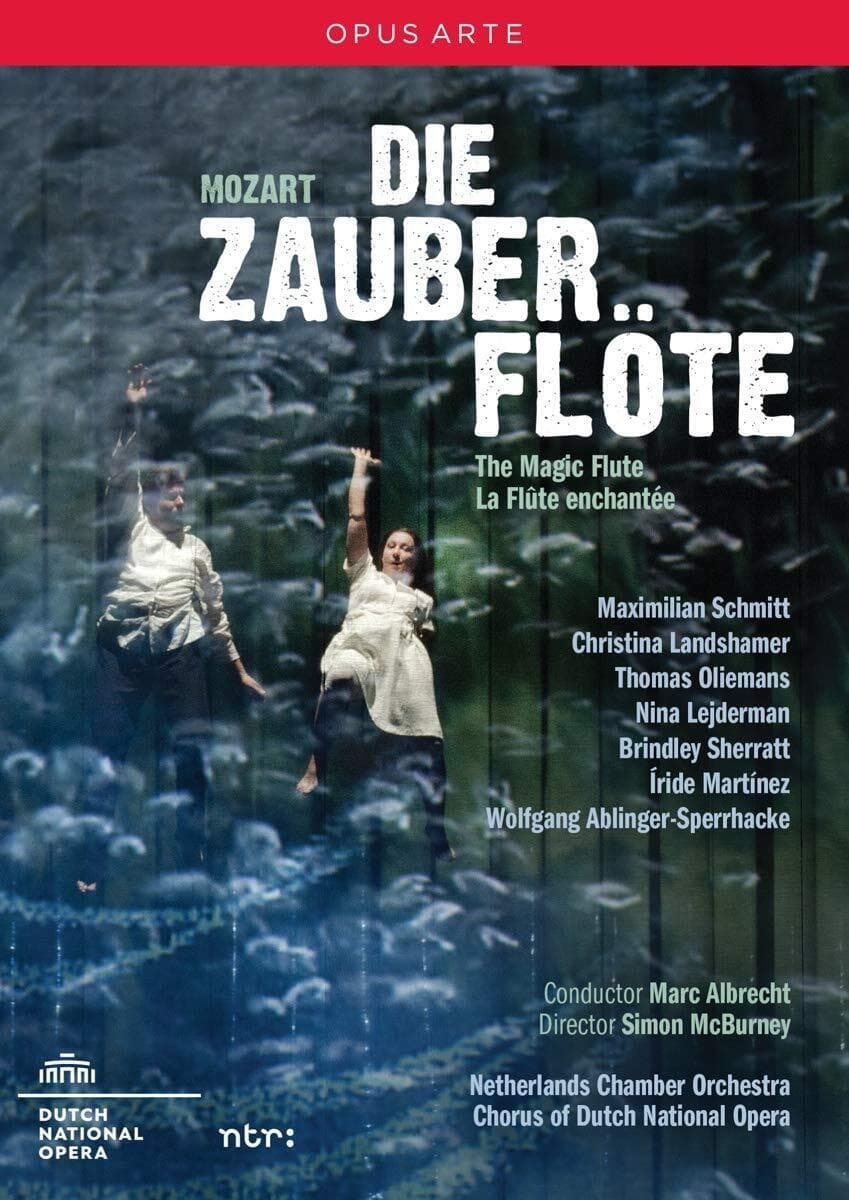
Since it's premiere in a tiny suburban theatre in Vienna, Die Zauberflote has delighted audiences young and old for over 200 years. Mozart's Singspiel seamlessly alternates seriousness and jollity, and combines philosophical ideas with a fairytale world of wondrous animals and magical musical instruments. Emanuel Schikaneder's original production was theatrically inventive, and this new interpretation from director Simon McBurney emulates that in fresh and current terms. Fusing music, technology and stagecraft, this exciting production gives Die Zauberflote a refreshing new treatment that is both thrilling and simple in it's approach. Following an overwhelming success on stage, McBurney's unique production received five-star reviews in the Dutch press: 'a feast for the eyes and the ears' (Het Parool) and 'Delicious!' (Trouw).
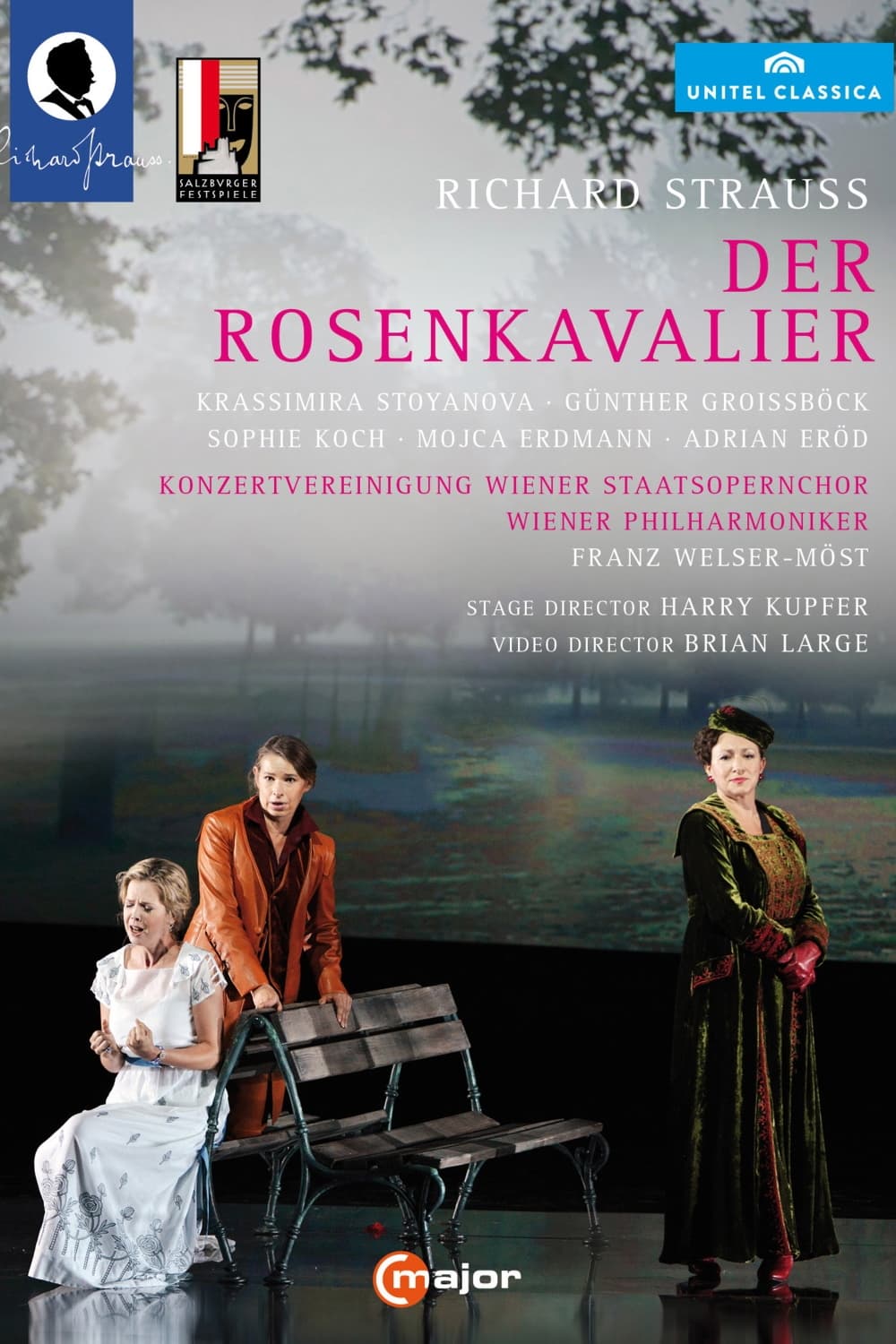
With their “musical comedy” in the spirit of Mozart, Richard Strauss and his brilliant librettist Hugo von Hofmannsthal created the most popular of all their works and one of the most frequently performed operas of all time. Disguised as a refined comedy, light as a feather and extremely entertaining, “Der Rosenkavalier” tackles universal themes such as love, sexuality, marital fidelity, and the changes that human relationships undergo over time. All set to music of the most sumptuous kind. With its prestigious cast under the inspired direction of Harry Kupfer, the 2014 Salzburg Festival production of *Der Rosenkavalier* was one of the most internationally acclaimed interpretations of the work since the start of the new millennium.
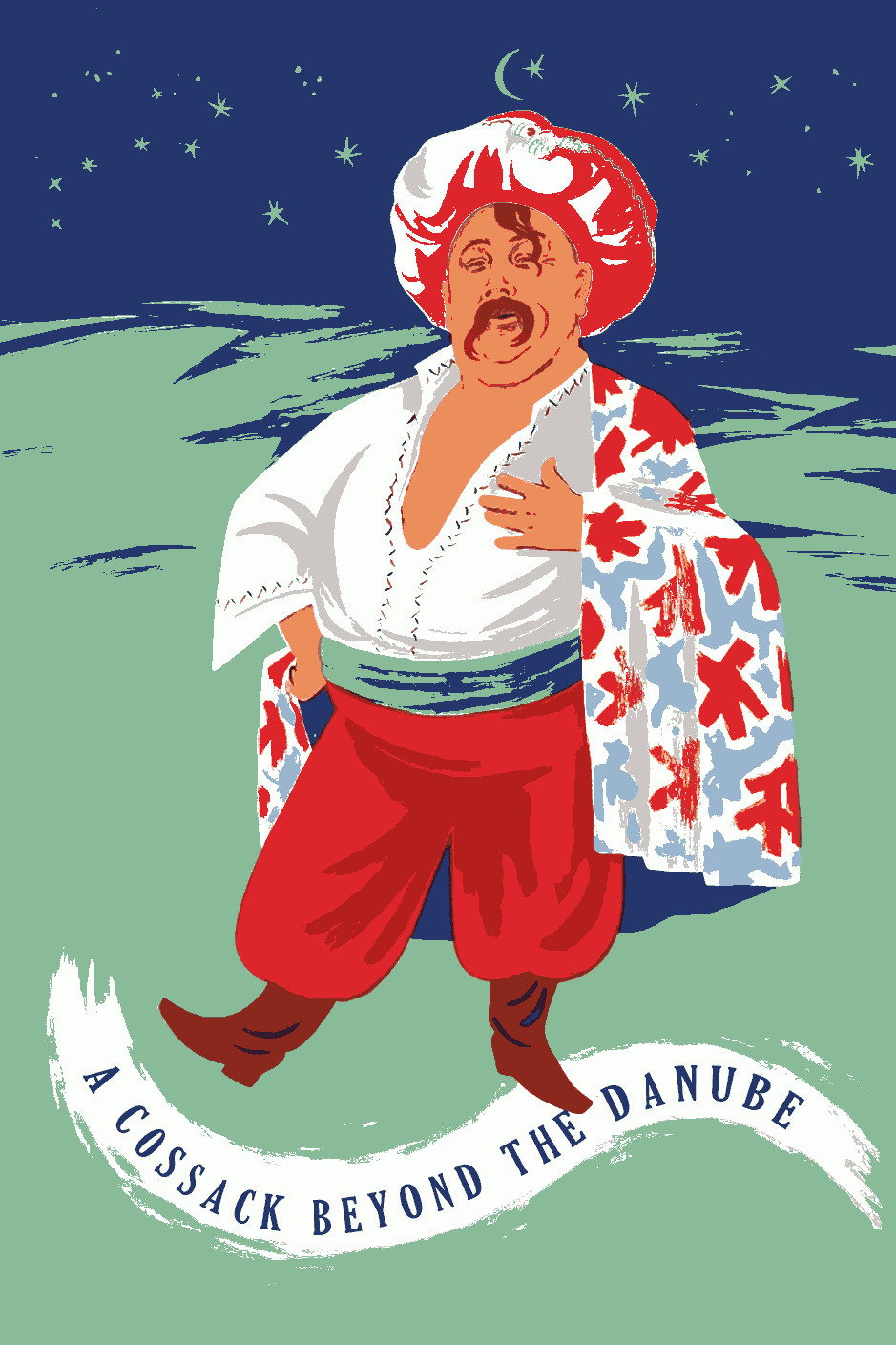
A Ukrainian comic opera with spoken dialogue in three acts with music and libretto by the composer Semen Hulak-Artemovsky (1813–1873). The orchestration has subsequently been rewritten by composers such as Reinhold Glière and Heorhiy Maiboroda. This is one of the best-known Ukrainian comic operas depicting national themes.
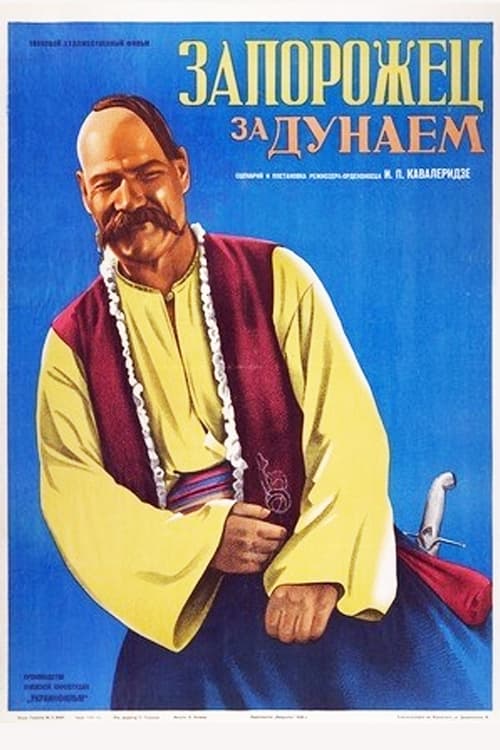
Adapted from the opera written by the composer Semen Hulak-Artemovsky.
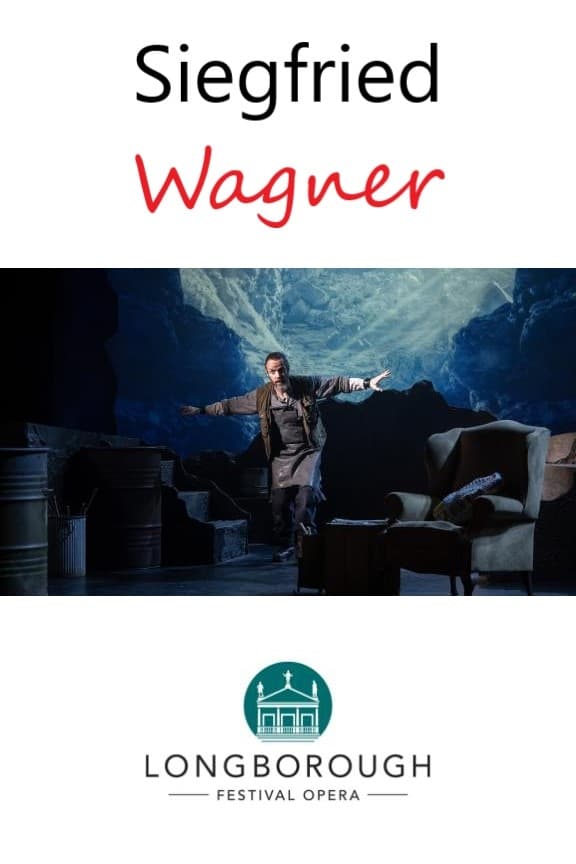
The hero Siegfried reforges his father’s shattered sword, embarking on a quest for the greatest prize of all – the love of the valkyrie Brünnhilde, who lies trapped in a ring of fire. Siegfried is the third opera in Richard Wagner’s four-opera cycle Der Ring des Nibelungen. Wagner broke off composition at the end of Act II of Siegfried to write Tristan und Isolde and Die Meistersinger von Nürnberg, returning to Siegfried seven years later. Longborough Festival Opera, known as the British Bayreuth, calls on renowned Wagnerian Anthony Negus to conduct and Amy Lane to stage this new production of Siegfried in the bucolic English Cotswolds.
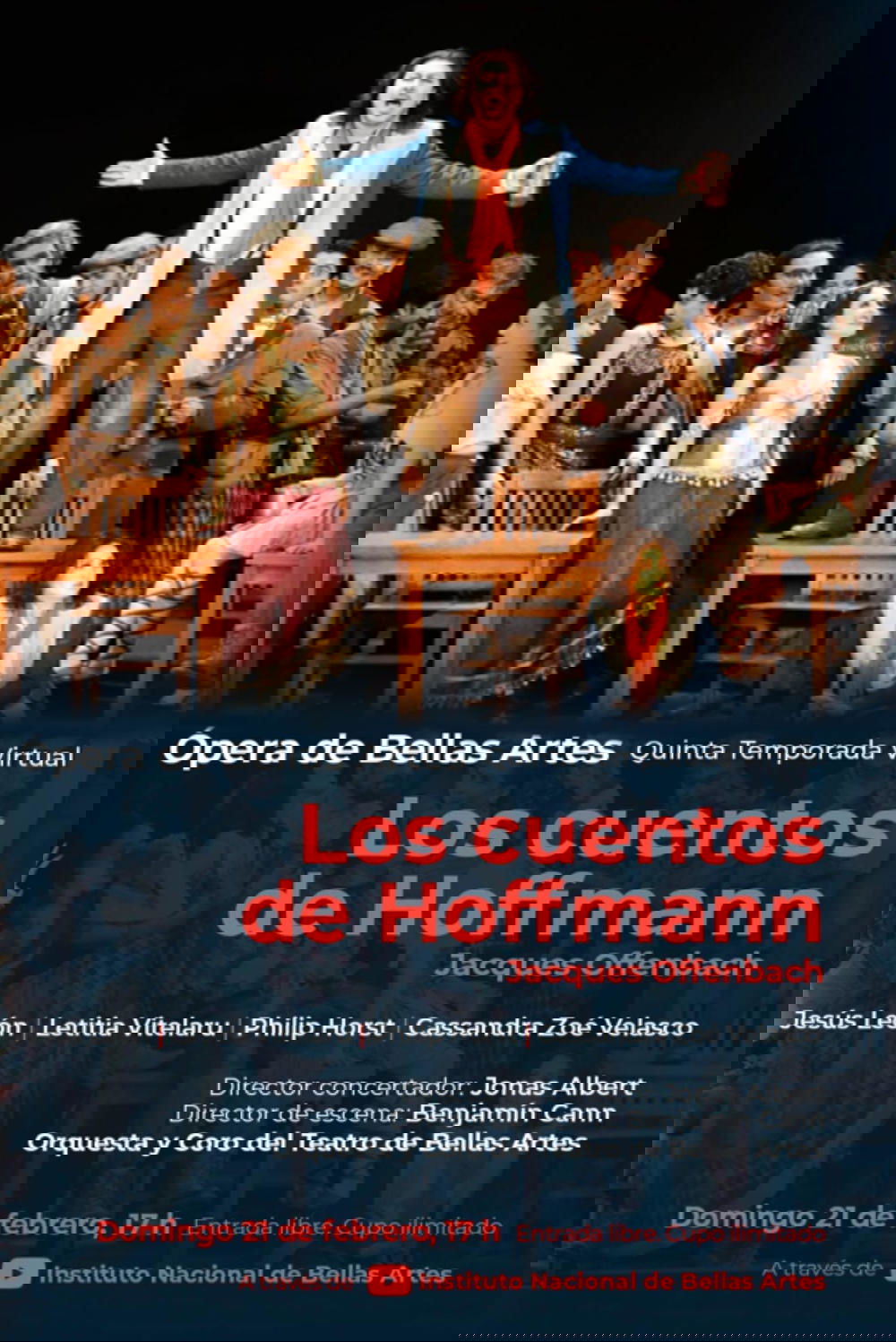
Opera in three acts, a prologue and an epilogue, by Jacques Offenbach (1819-1880), with a libretto in French by Jules Barbier (1825-1901), based on a work that Barbier himself and Michel Carré (1821-1872) had written based on stories by E.T.A. Hoffmann (1776-1822). Approximate duration: 2 h 45 min Recommended for those over 15 years old. The young poet Hoffmann, accompanied by Nicklausse, his alter ego and confidant, is in a tavern next to the theatre where Mozart's Don Giovanni is being performed. During the opera's intermission, some diners arrive at the bar who, upon seeing the poet, encourage him to sing and tell them the story of his famous love affairs. Hoffmann finally gives in and shares with them the stories of Olympia, Antonia and Giulietta. They, absorbed in the poet's stories, remain in the tavern, forgetting about the opera performance.
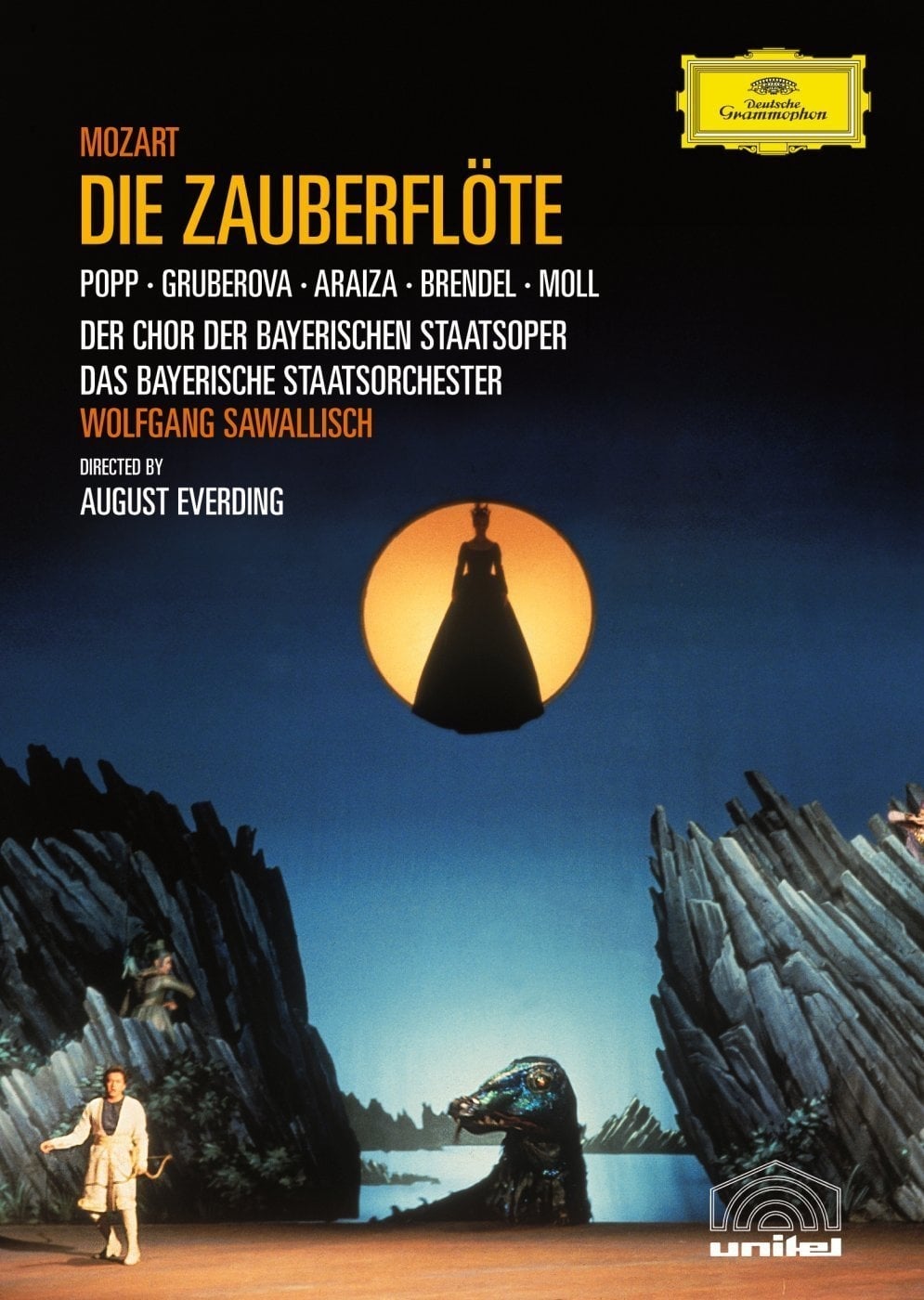
The Queen of the Night enlists a handsome prince named Tamino to rescue her beautiful kidnapped daughter, Princess Pamina. Aided by the lovelorn bird hunter Papageno and a magical flute that holds the power to change the hearts of men, young Tamino embarks on a quest for true love, leading to the evil Sarastro's temple where Pamina is held captive.
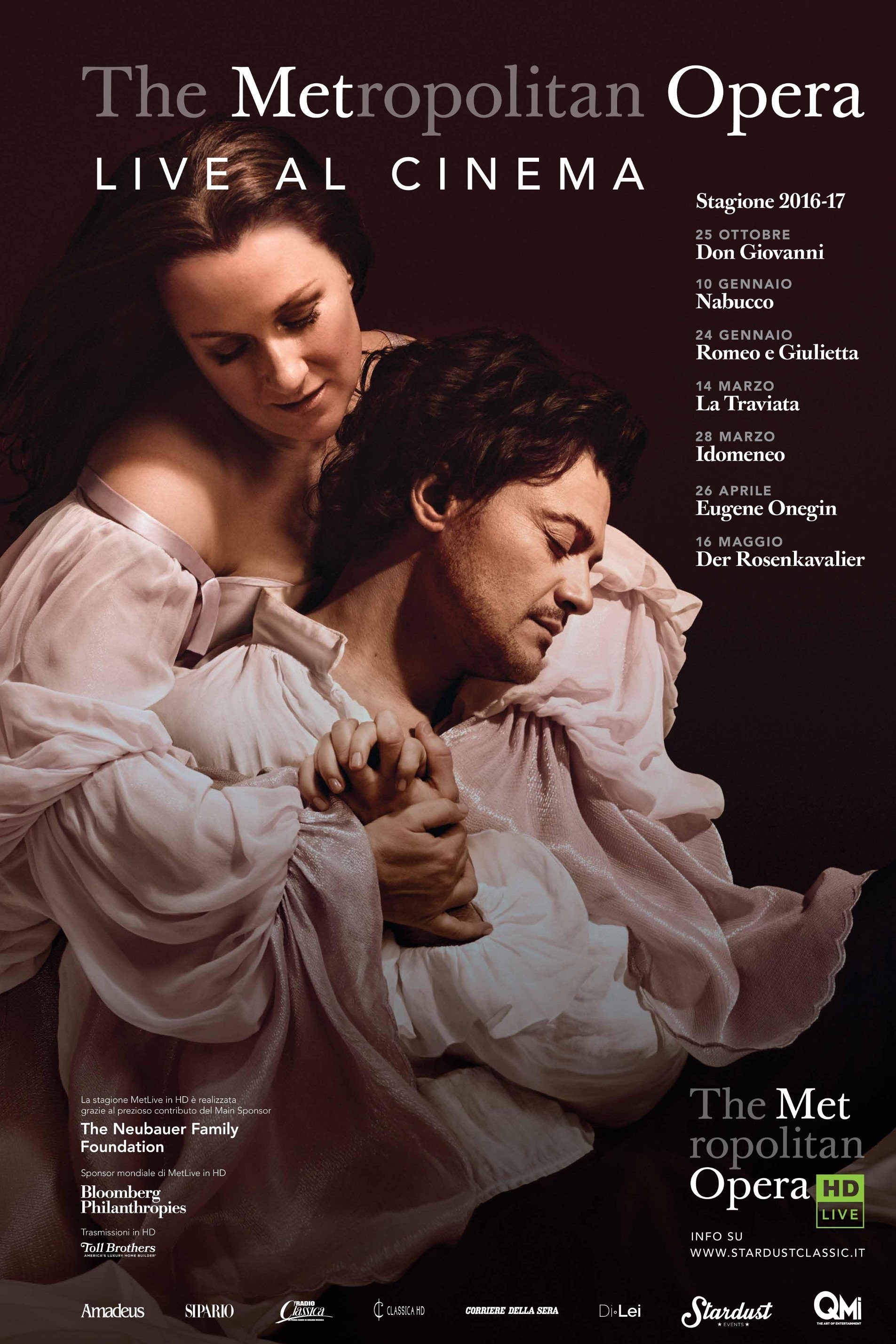
Diana Damrau and Vittorio Grigolo are opera’s classic lovers in Gounod’s lush Shakespeare adaptation. Director Bartlett Sher’s “brilliant and inspired new production … is a revelation” (Huffington Post), and has already won acclaim for its vivid 18th-century milieu and stunning costumes during runs at Salzburg and La Scala. Emmanuel Villaume conducts the sumptuous score.
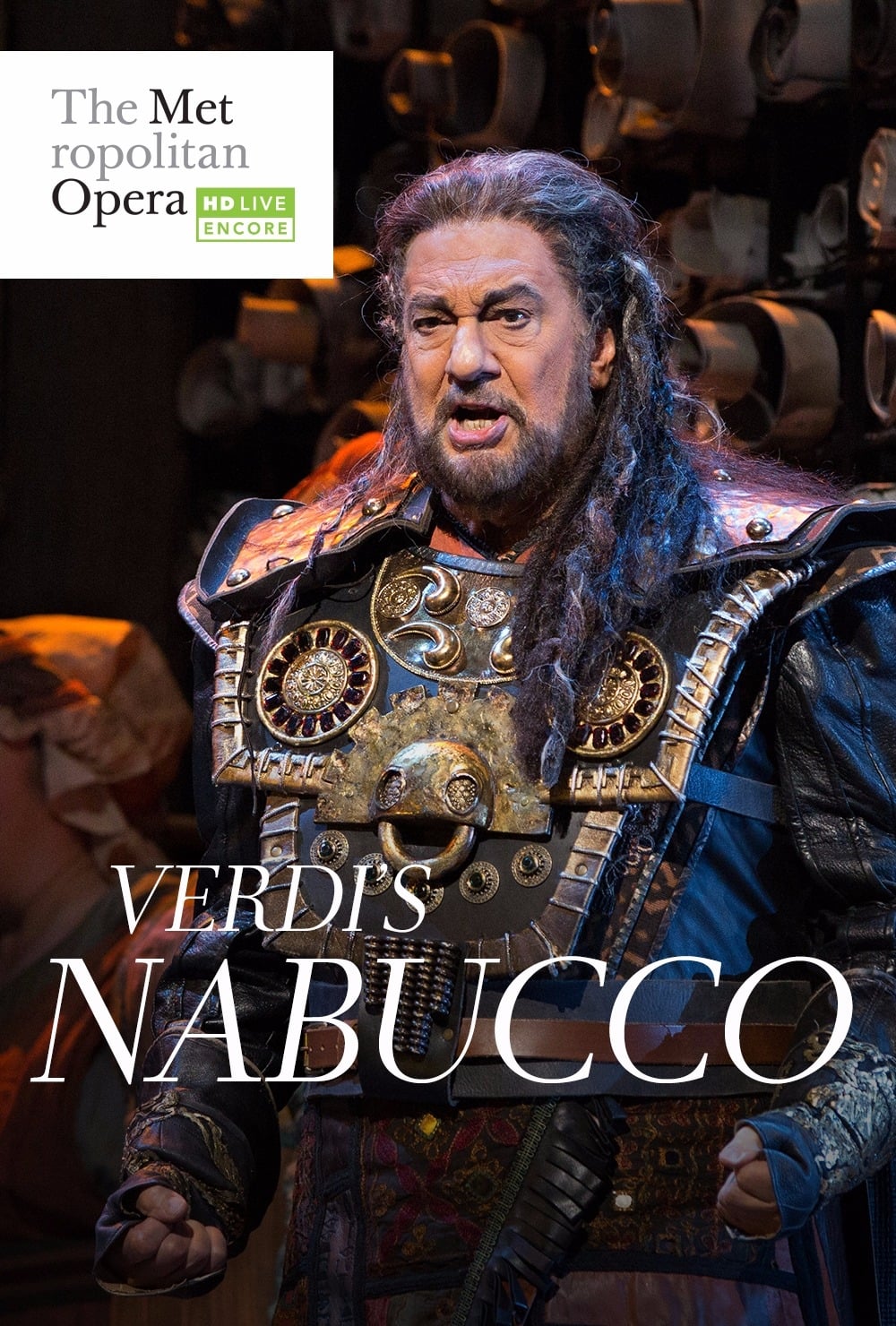
The legendary Plácido Domingo brings another new baritone role to the Met under the baton of his longtime collaborator James Levine. Liudmyla Monastyrska is Abigaille, the warrior woman determined to rule empires, and Jamie Barton is the heroic Fenena. Dmitri Belosselskiy is the stentorian voice of the oppressed Hebrew people.
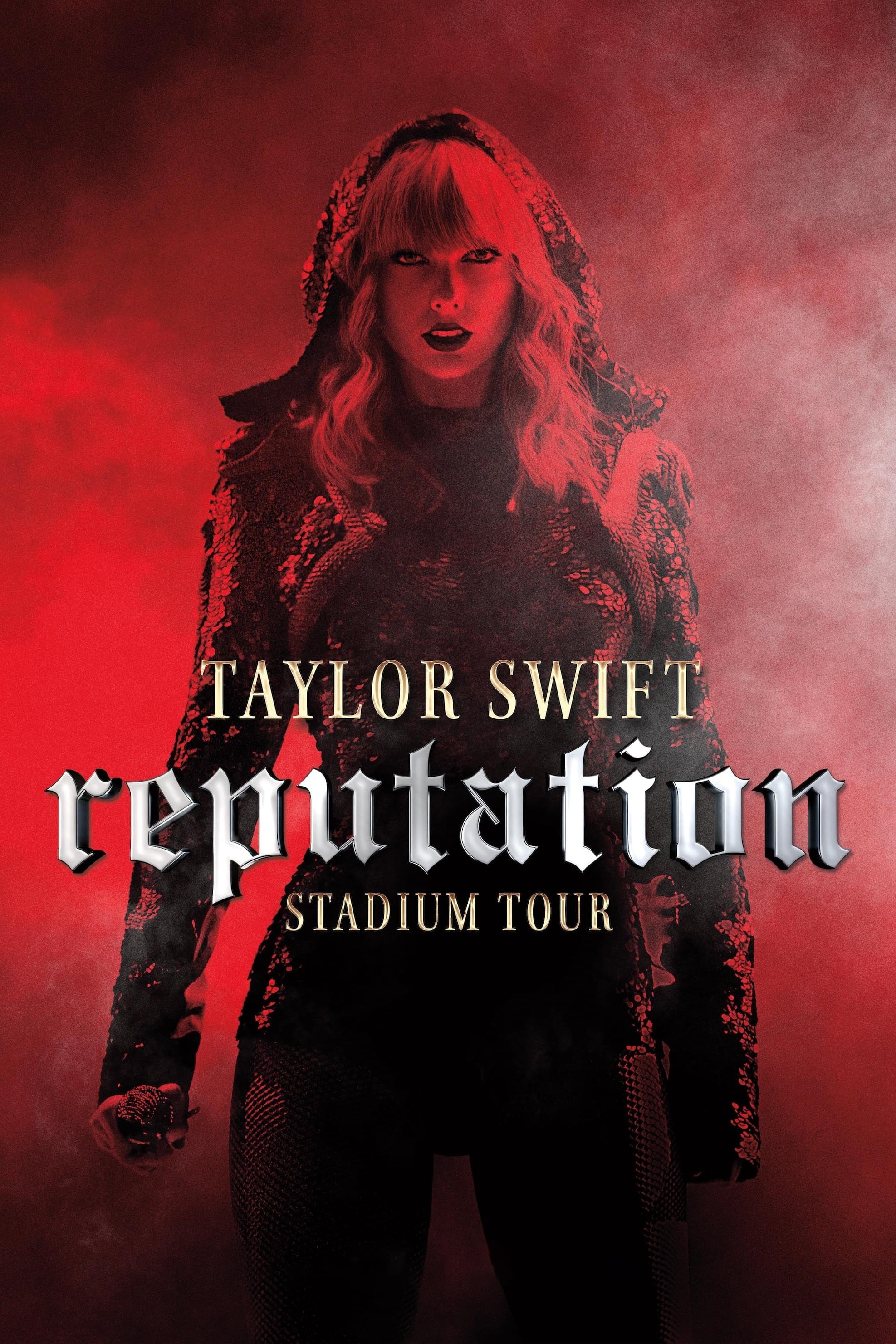
Taylor Swift takes the stage in Dallas for the Reputation Stadium Tour and celebrates a monumental night of music, memories and visual magic.
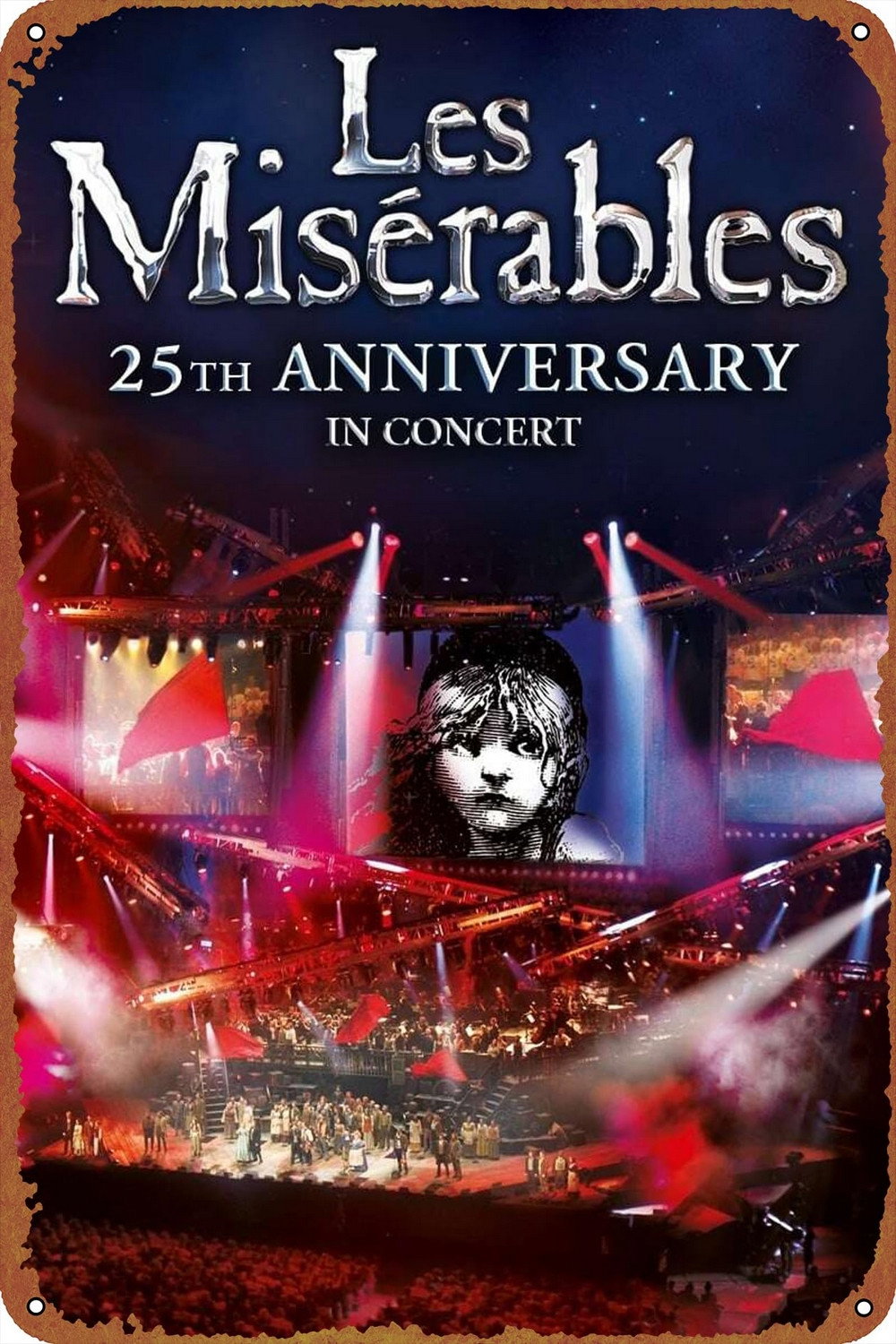
This concert, recorded to celebrate the 25th anniversary of the landmark musical Les Miserables, gathers the casts of the show's 2010 original production at the Queen's Theatre, the 1985 original production by the London company, and the 2010 production at the Barbican together for one performance. Together with talents like Michael Ball, Hadley Fraser, and John Owen-Jones, the performers present the play's musical numbers in a semi-theatrical style, fully costumed and with all the emotion of the musical's heyday.
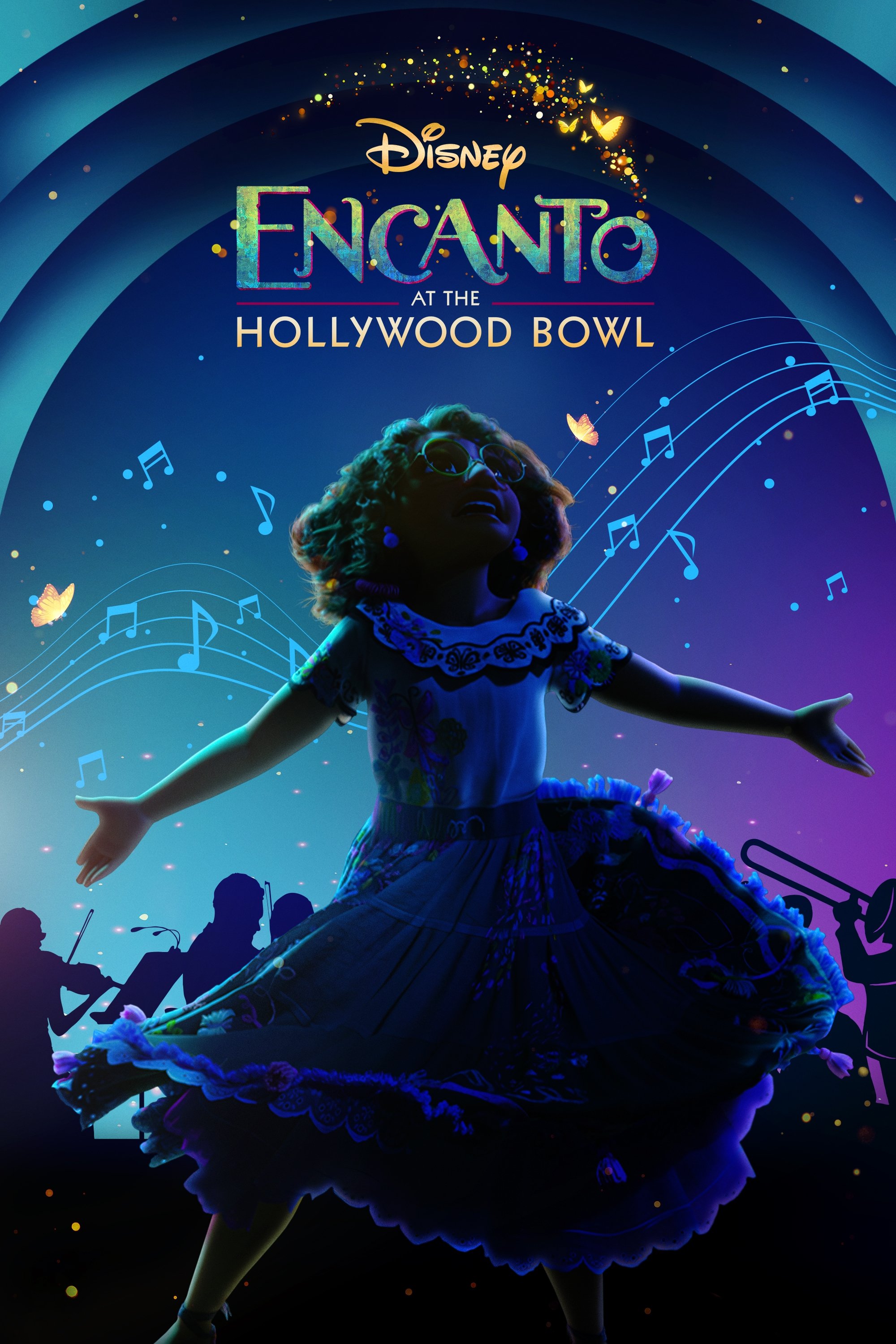
Step into Casa Madrigal for a special concert spectacular as the original voice cast of Disney Animation's Oscar®-winning "Encanto," Stephanie Beatriz, Adassa, Carolina Gaitán, Jessica Darrow, Diane Guerrero, Mauro Castillo, Angie Cepeda and Olga Merediz, along with special guests including Colombian superstar Carlos Vives, reunites for "Encanto at the Hollywood Bowl." This unprecedented concert experience gives you a front-row seat to the musical extravaganza celebrating the global phenomenon.
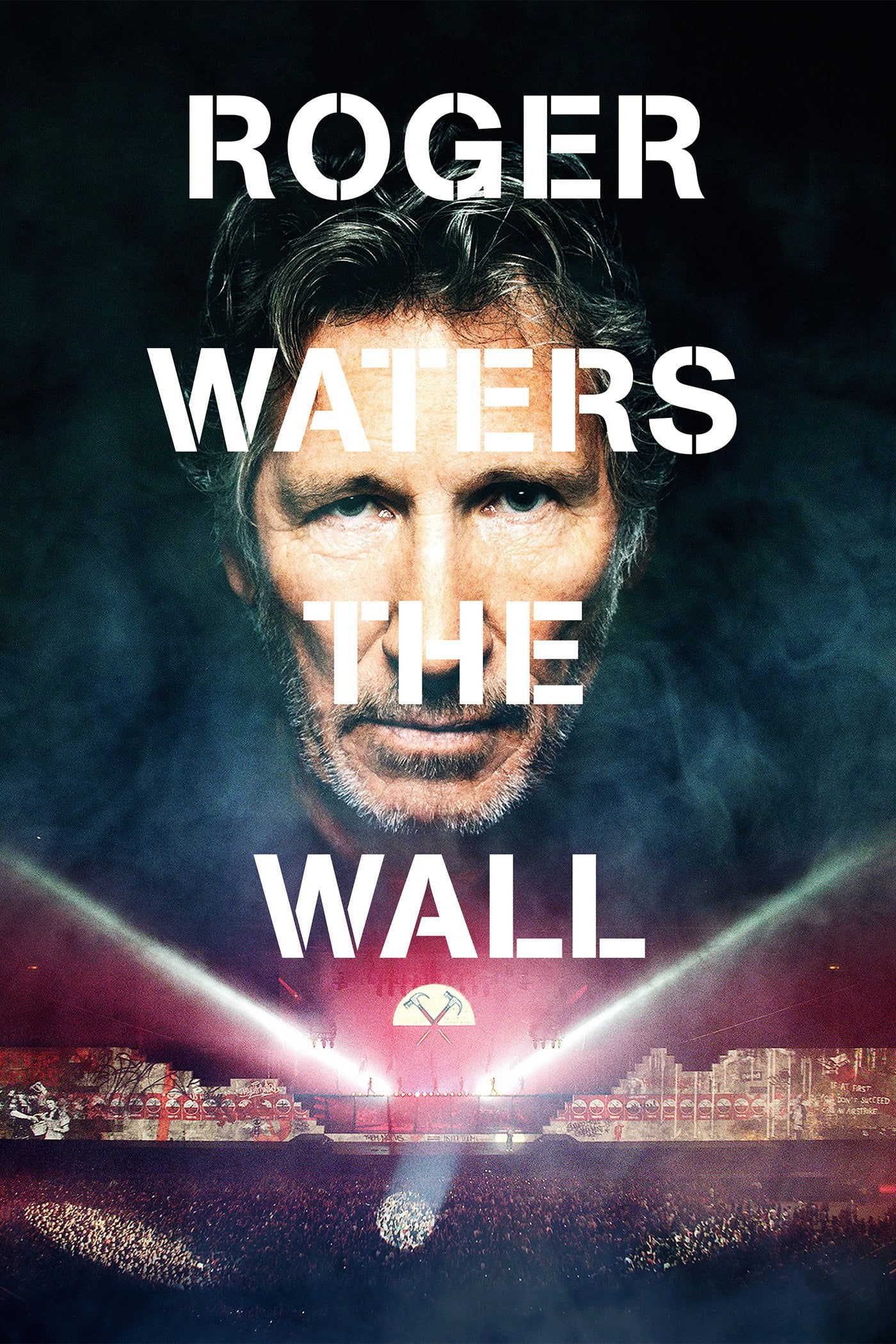
A concert film that the former Pink Floyd singer-songwriter made on various tour dates between 2010 and 2013, when he was playing his former group's 1980 double-album in its entirety.
The Marx Brothers take on high society and the opera world to bring two lovers together. A sly business manager and two wacky friends of two opera singers help them achieve success while humiliating their stuffy and snobbish enemies.
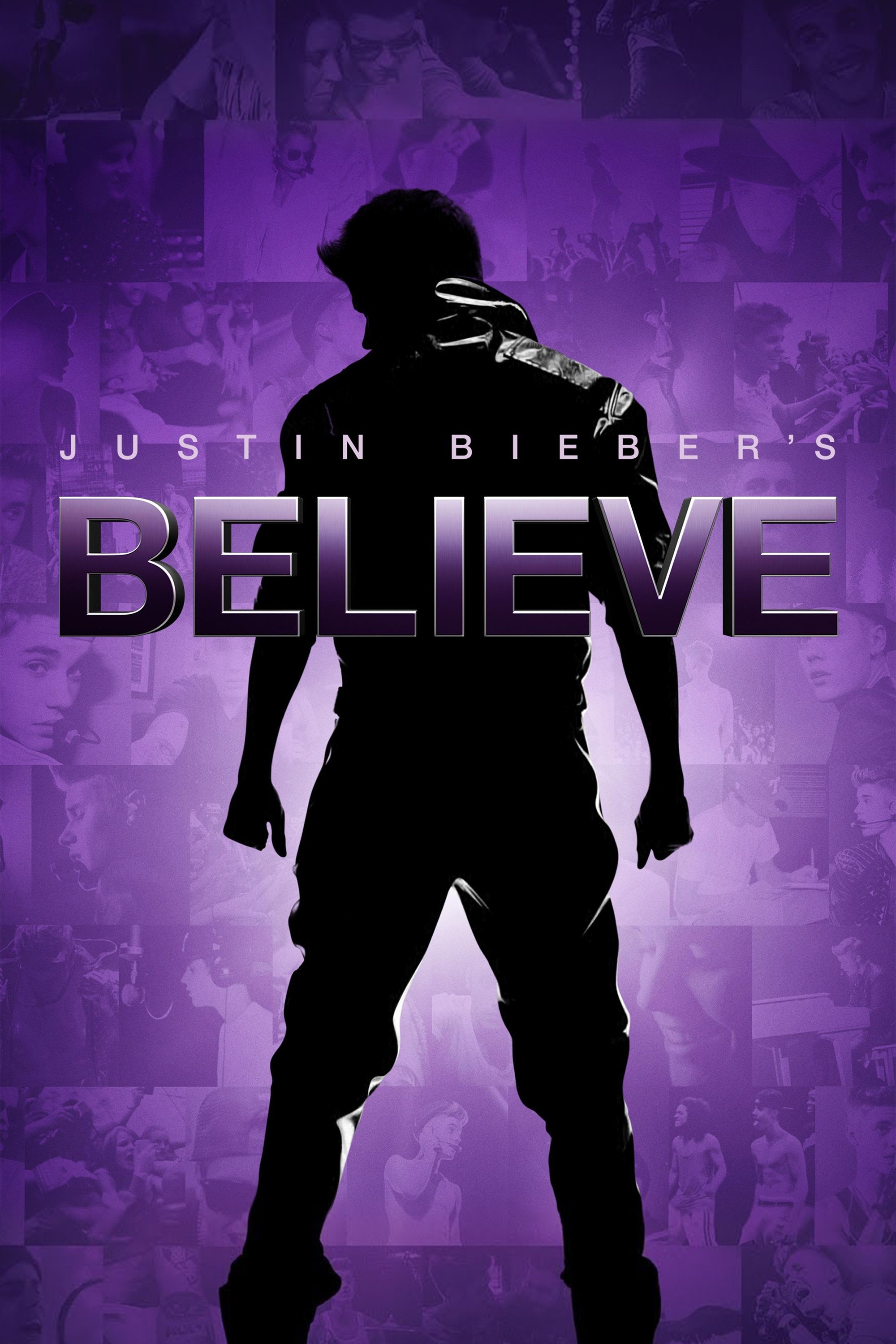
A backstage and on-stage look at Justin Bieber during his rise to super stardom.
Where We Are: Live from San Siro Stadium features the entire 23 track concert filmed at San Siro Stadium in Milan in June 2014, as well as 24 minutes of bonus content including backstage footage of One Direction and their crew.
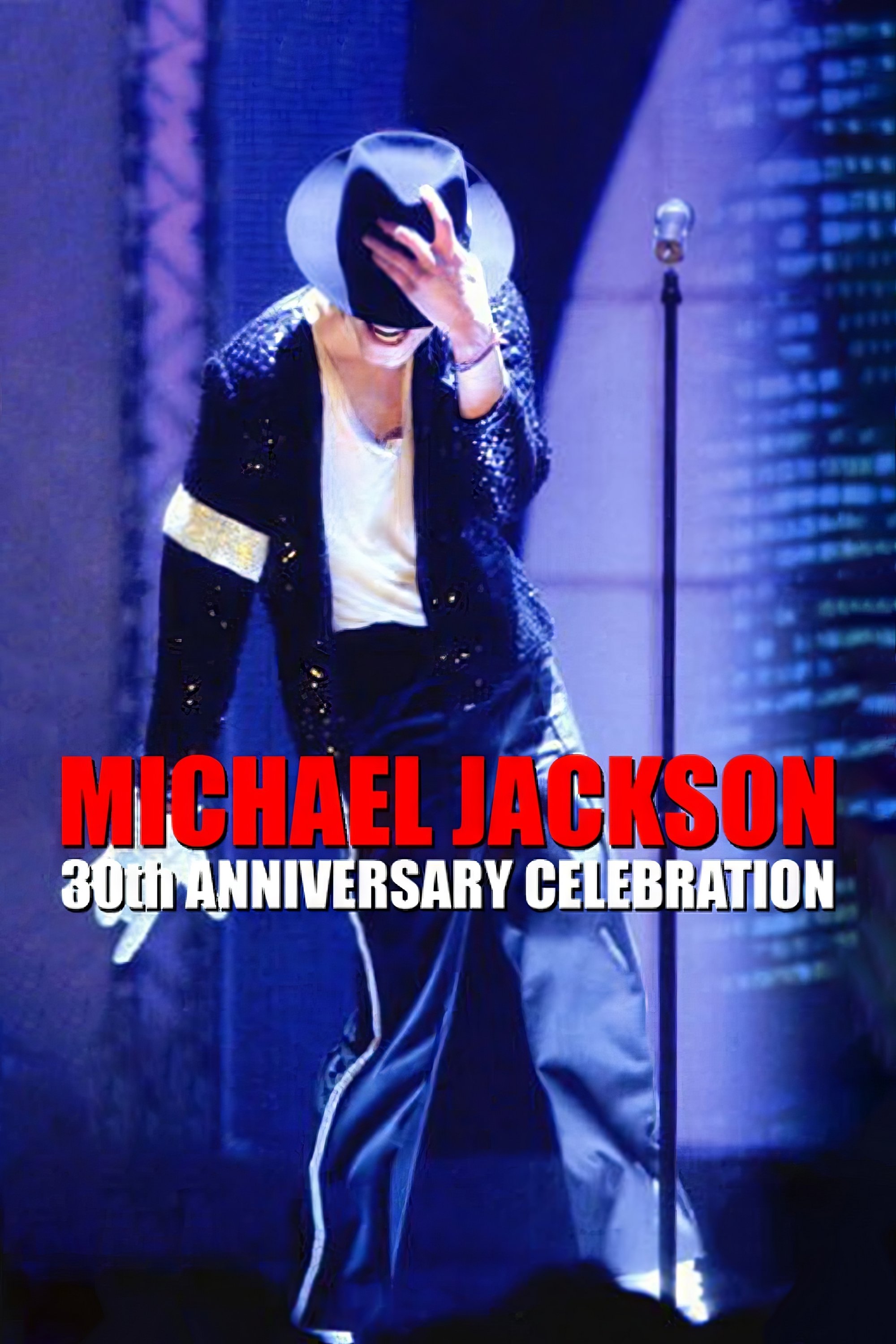
Celebrating the 30 year anniversary of Michael Jackson's solo career, this legendary performance took place on September 10, 2001.
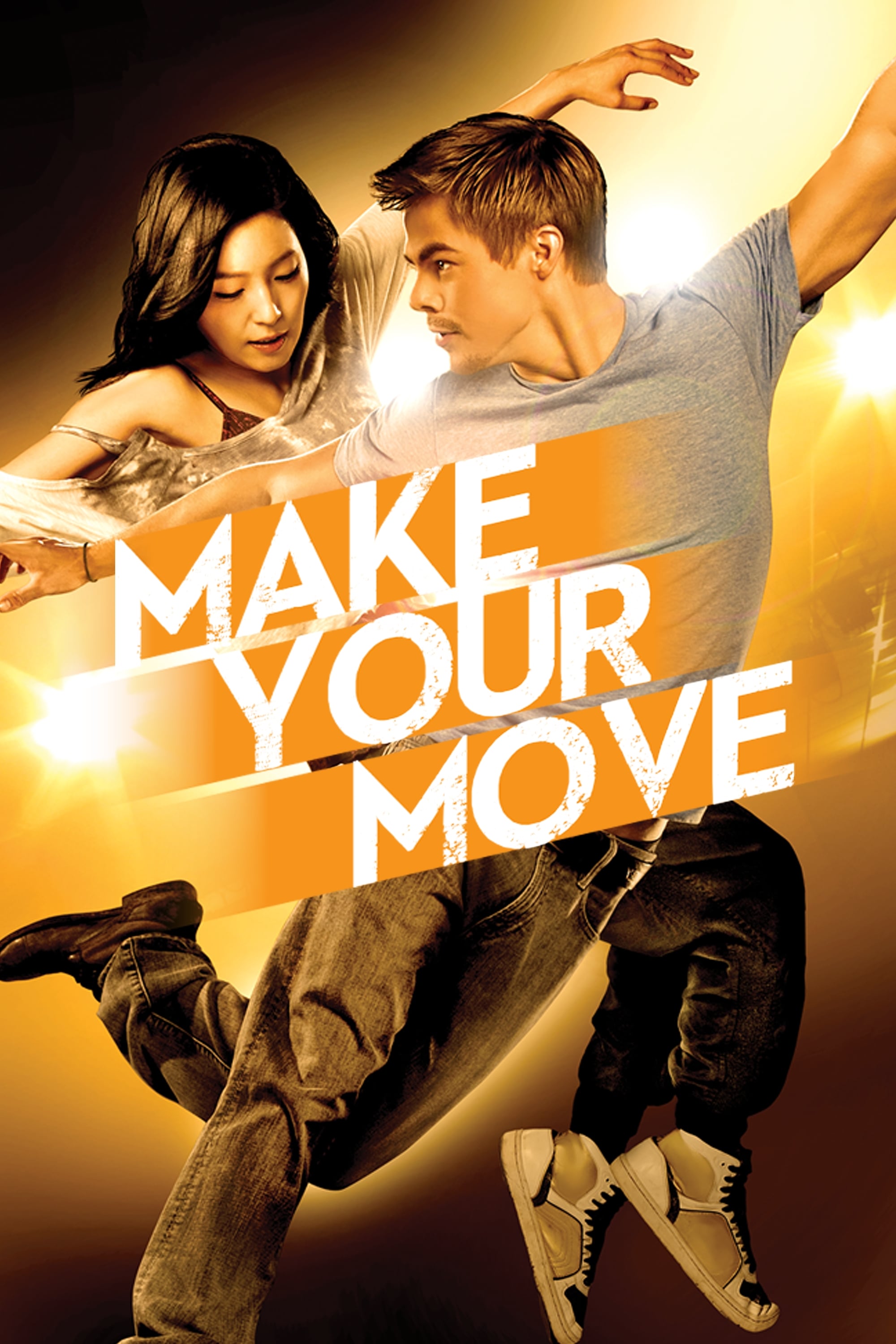
A pair of star-crossed dancers in New York find themselves at the center of a bitter rivalry between their brothers' underground dance clubs.
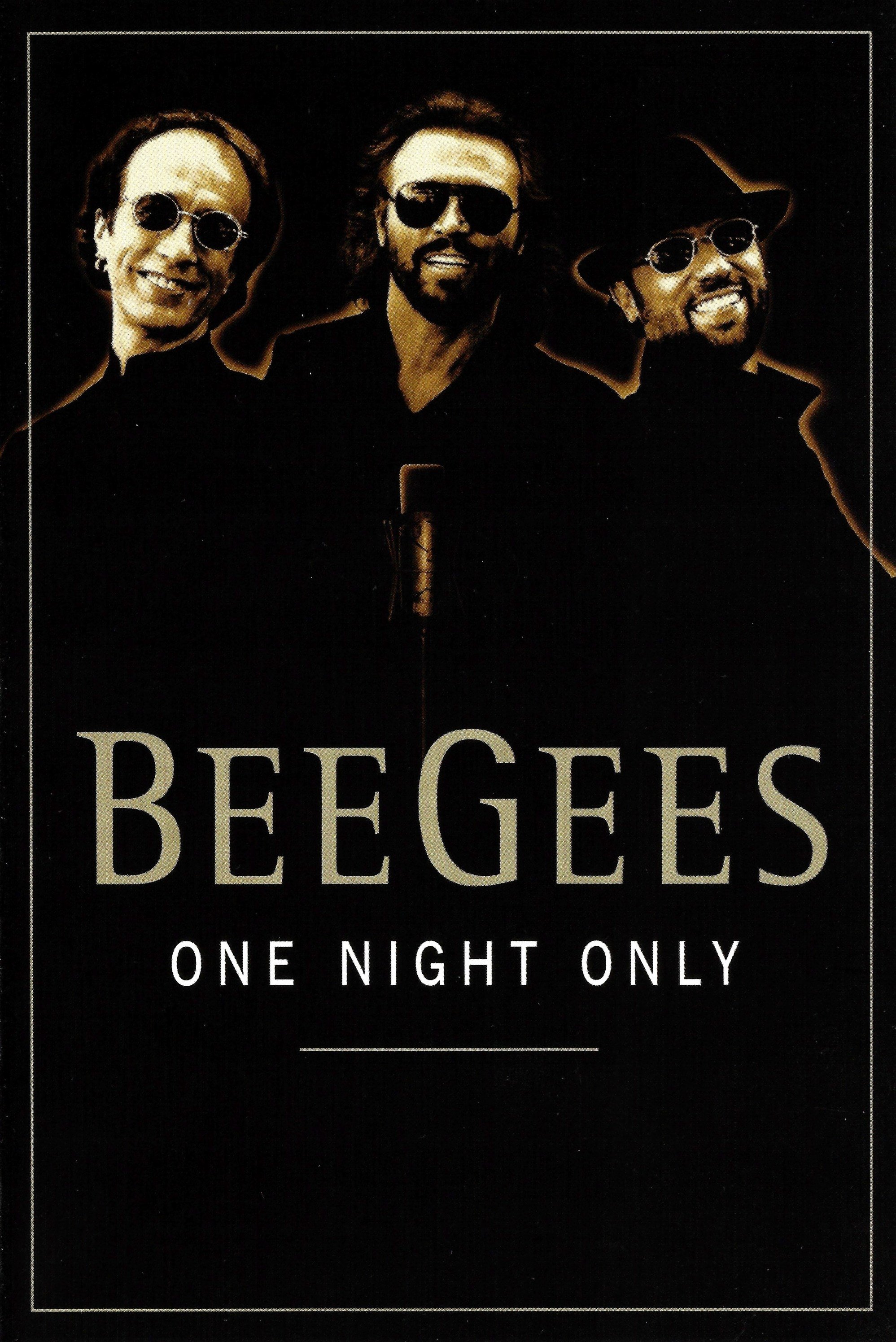
The brothers Gibb perform their greatest hits from the 60's, 70's, 80's and 90's including many songs written for and made hits by other artists but never recorded by the Bee Gees themselves.
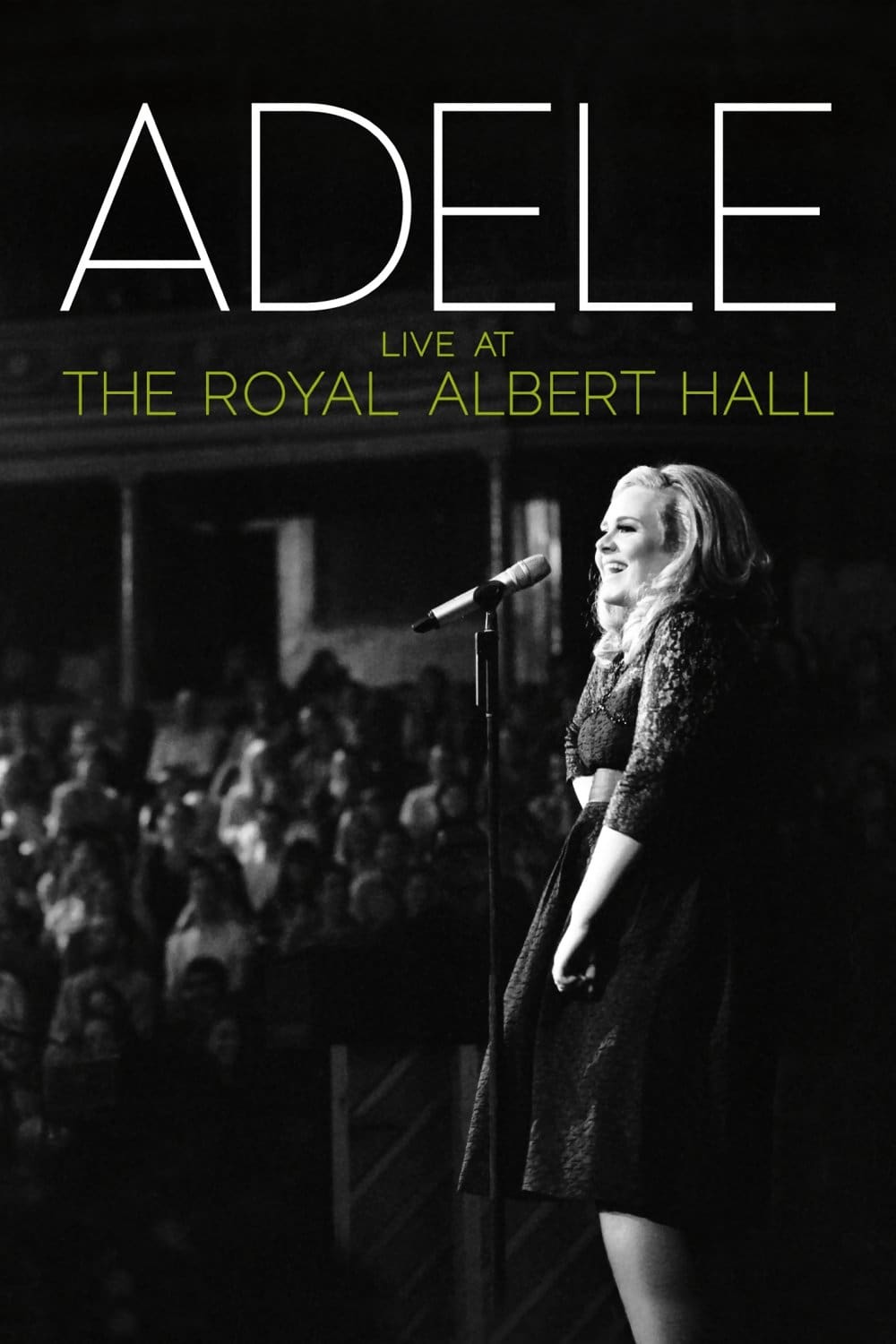
On September 22nd 2011, Adele played The Royal Albert Hall in London. A dream come true moment and a highlight of her record breaking year with the album '21'.
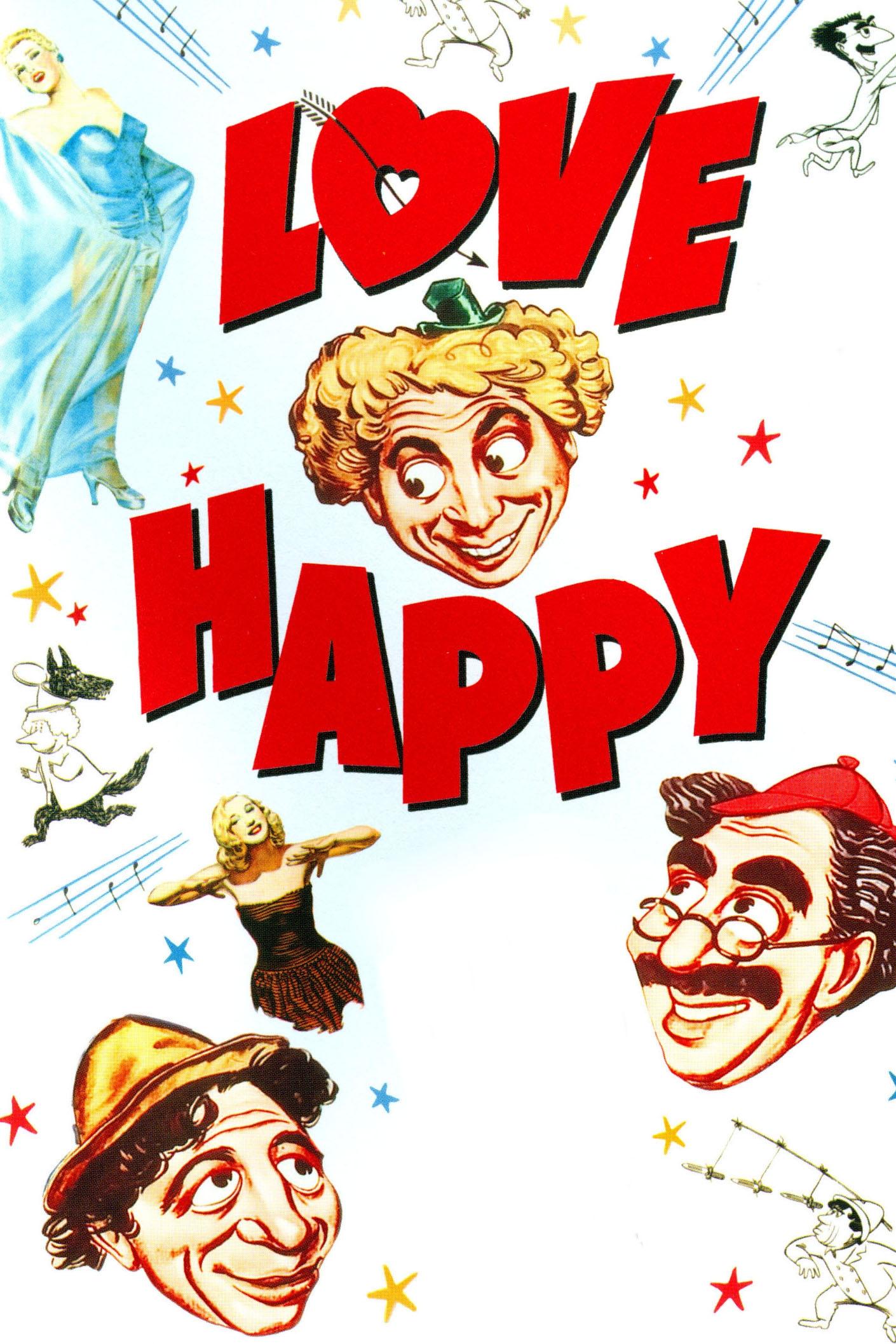
The Marx Brothers help young Broadway hopefuls when they get mixed up with gangsters due to a tin of sardines containing Romanoff diamonds.
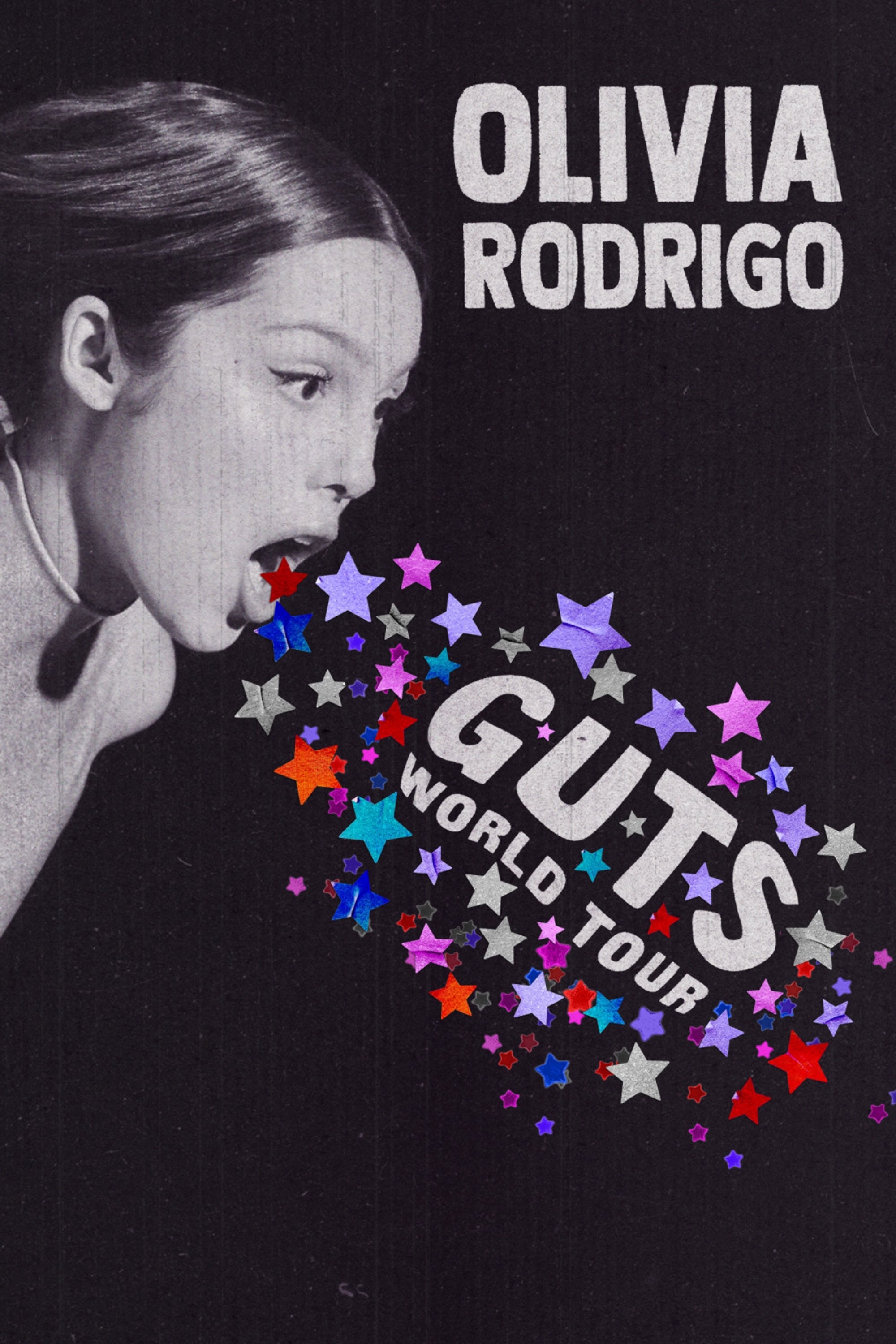
At a sold-out concert in her hometown of LA, Olivia Rodrigo pours her heart into an electrifying night of chart-topping hits and pop-rock power ballads.
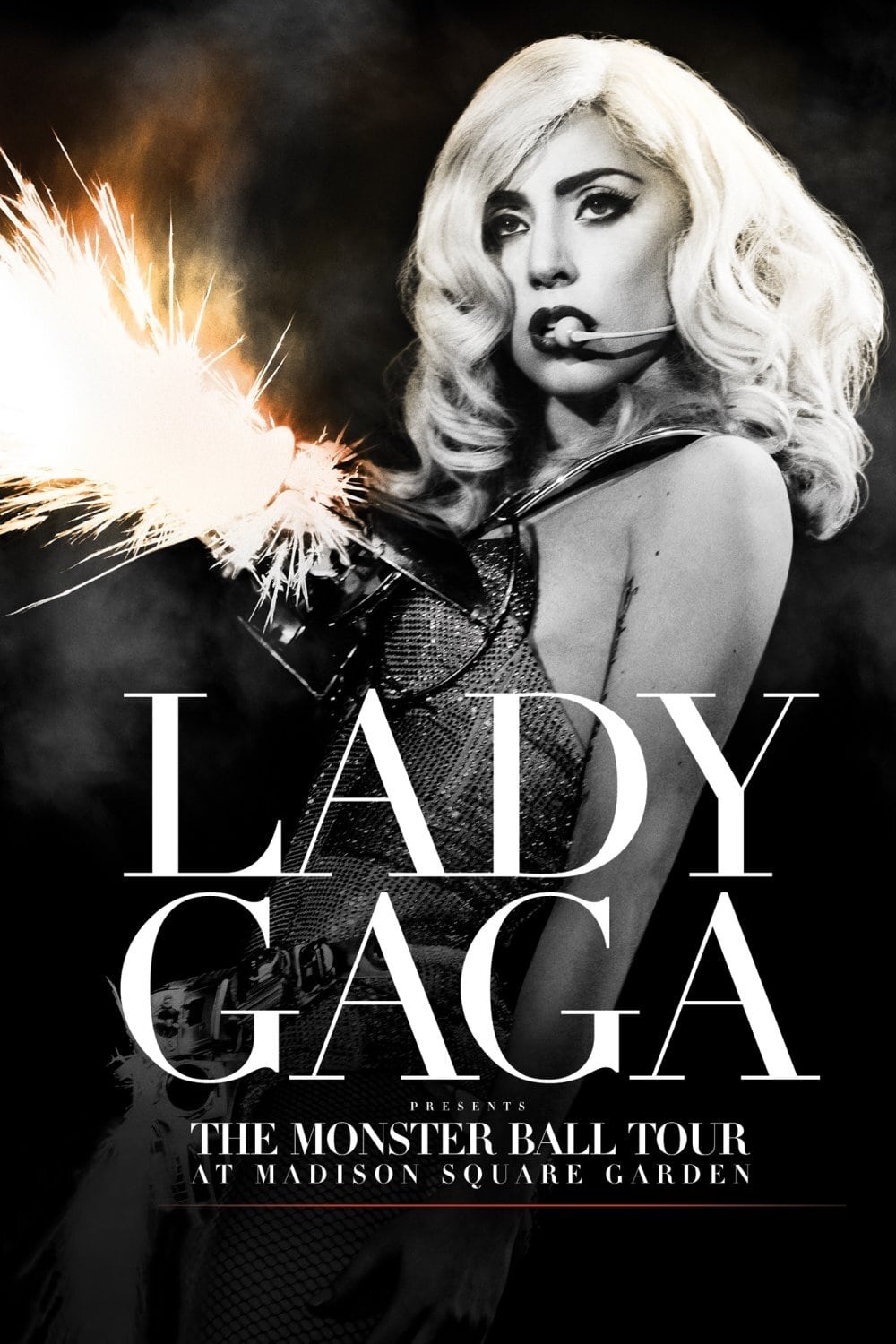
Lady Gaga Presents The Monster Ball Tour at Madison Square Garden is a 2011 concert special documenting the February 21 and 22, 2011 shows of Lady Gaga's The Monster Ball Tour. It features concert footage as well as pre-concert and backstage content.
This film follows the remarkable and inspirational true story of Paul Potts, a shy, bullied shop assistant by day and an amateur opera singer by night.
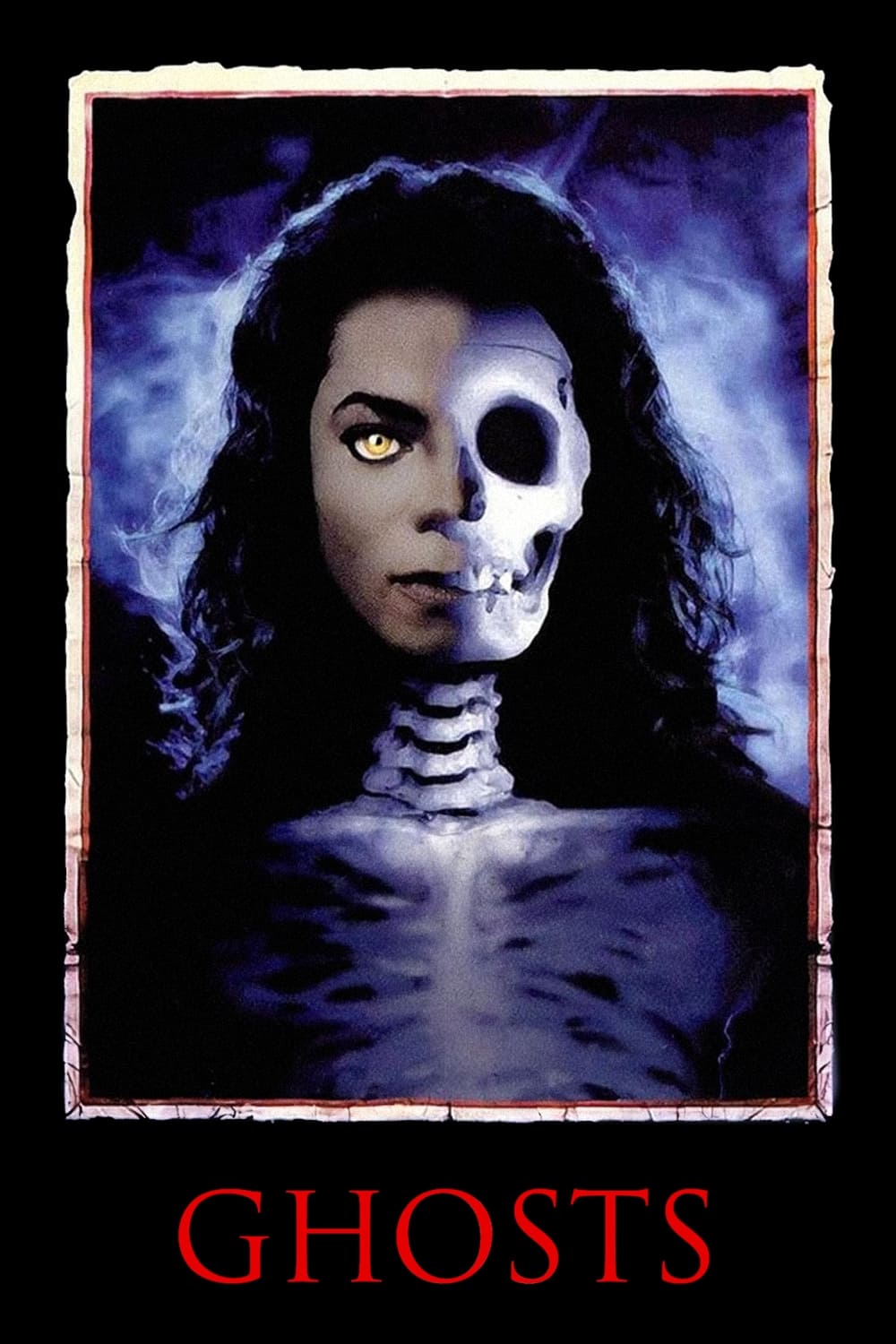
In the town of Normal Valley, an eccentric magician named Maestro entertains the local children every day in his spooky mansion. One stormy night, the town's mayor leads a group of angry citizens to the mansion in an attempt to run Maestro out of town.
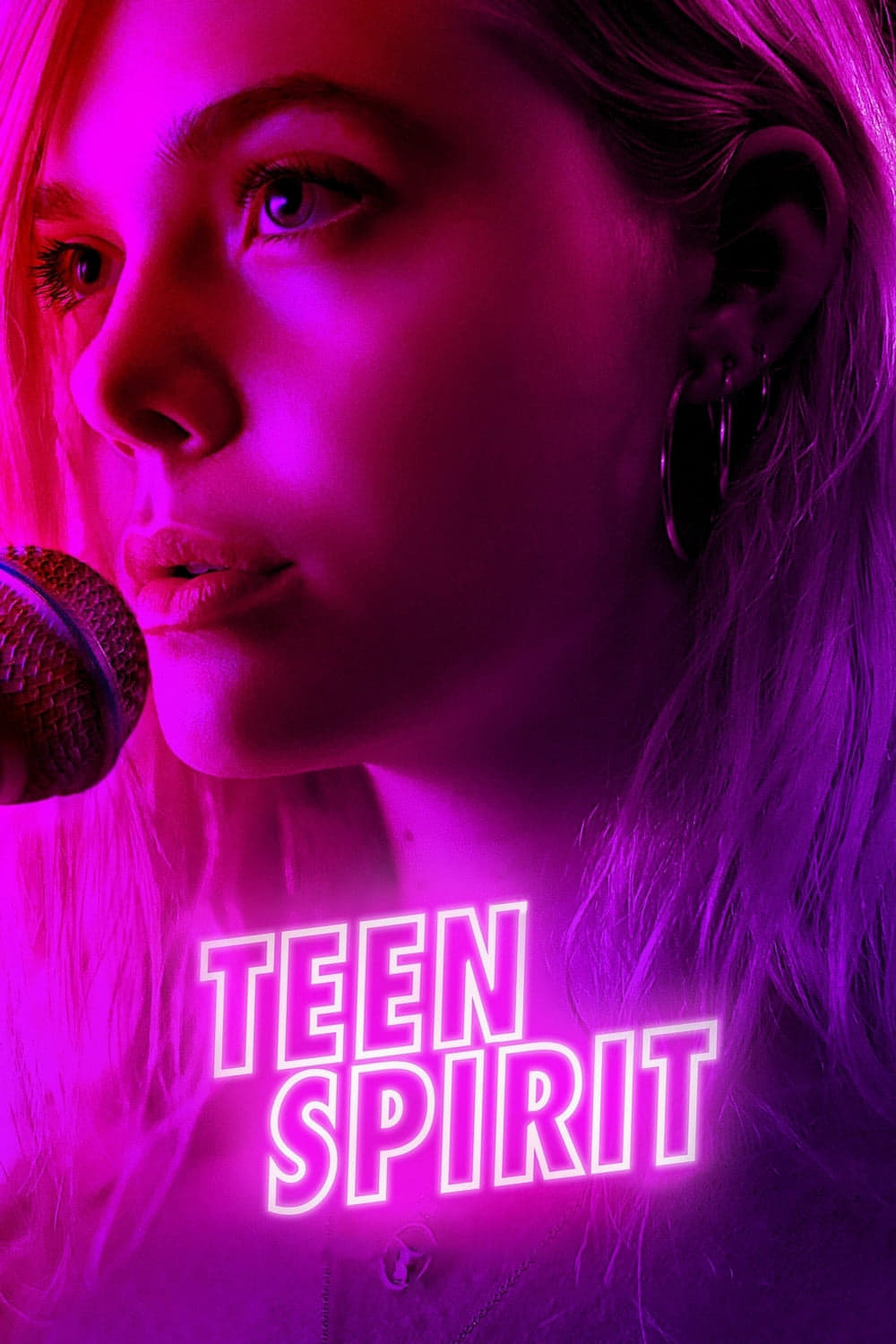
A shy teenager living on the Isle of Wight dreams of pop stardom. With the help of an unlikely mentor, she enters a singing competition that will test her integrity, talent, and ambition.
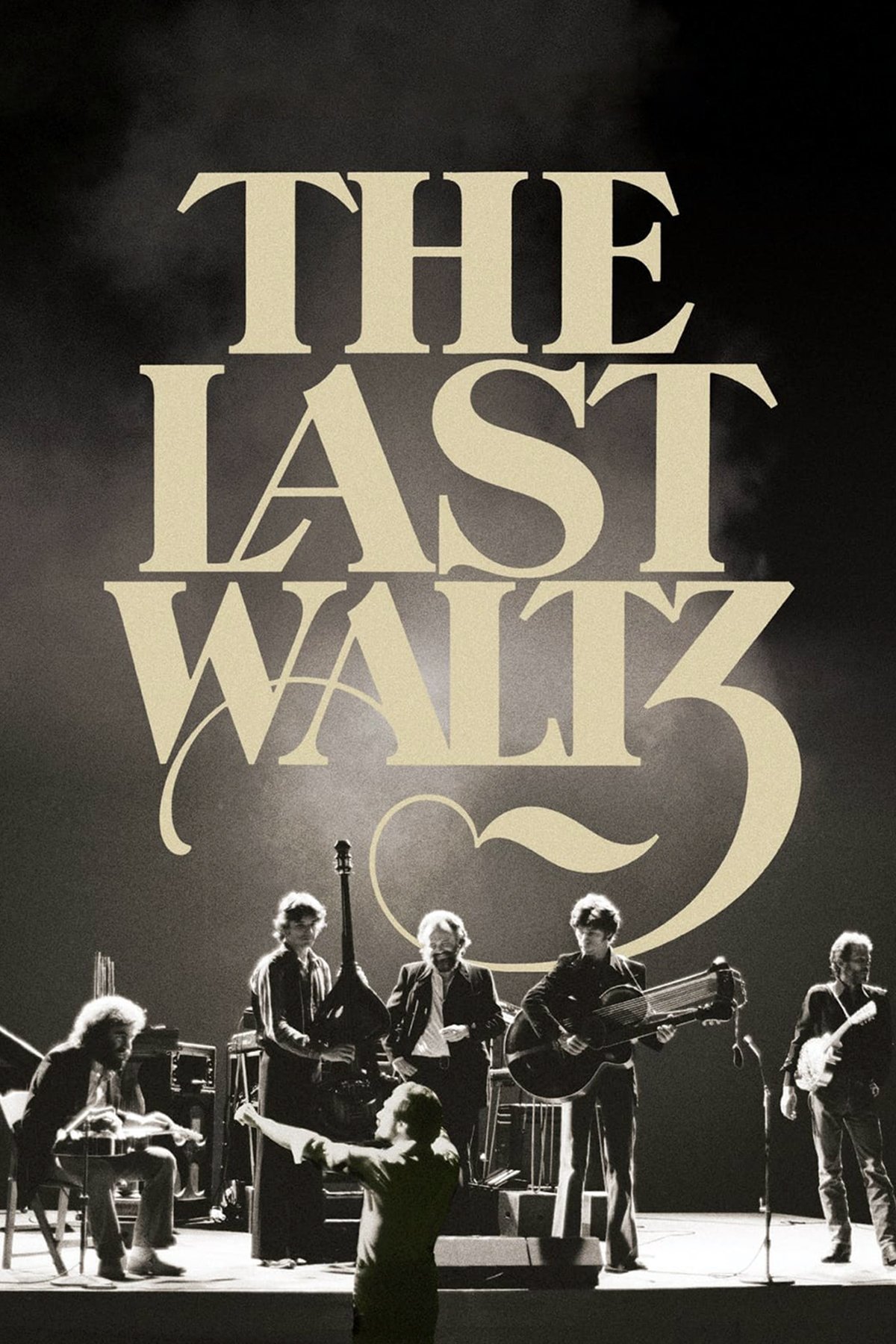
Martin Scorsese's documentary intertwines footage from The Band's incredible farewell tour with probing backstage interviews and featured performances by Eric Clapton, Bob Dylan, Joni Mitchell, Van Morrison, and other rock legends.
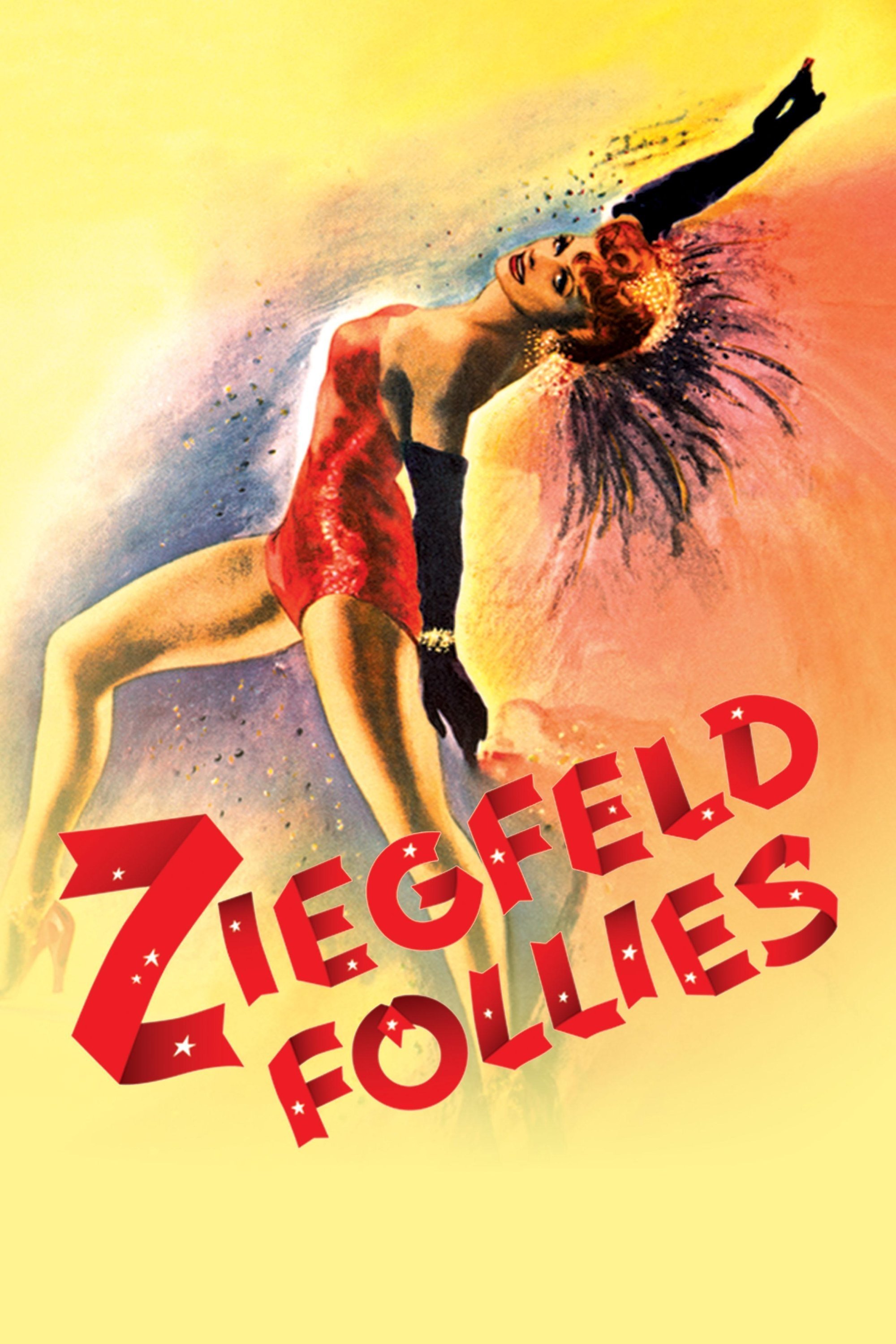
The late, great impresario Florenz Ziegfeld looks down from heaven and ordains a new revue in his grand old style.
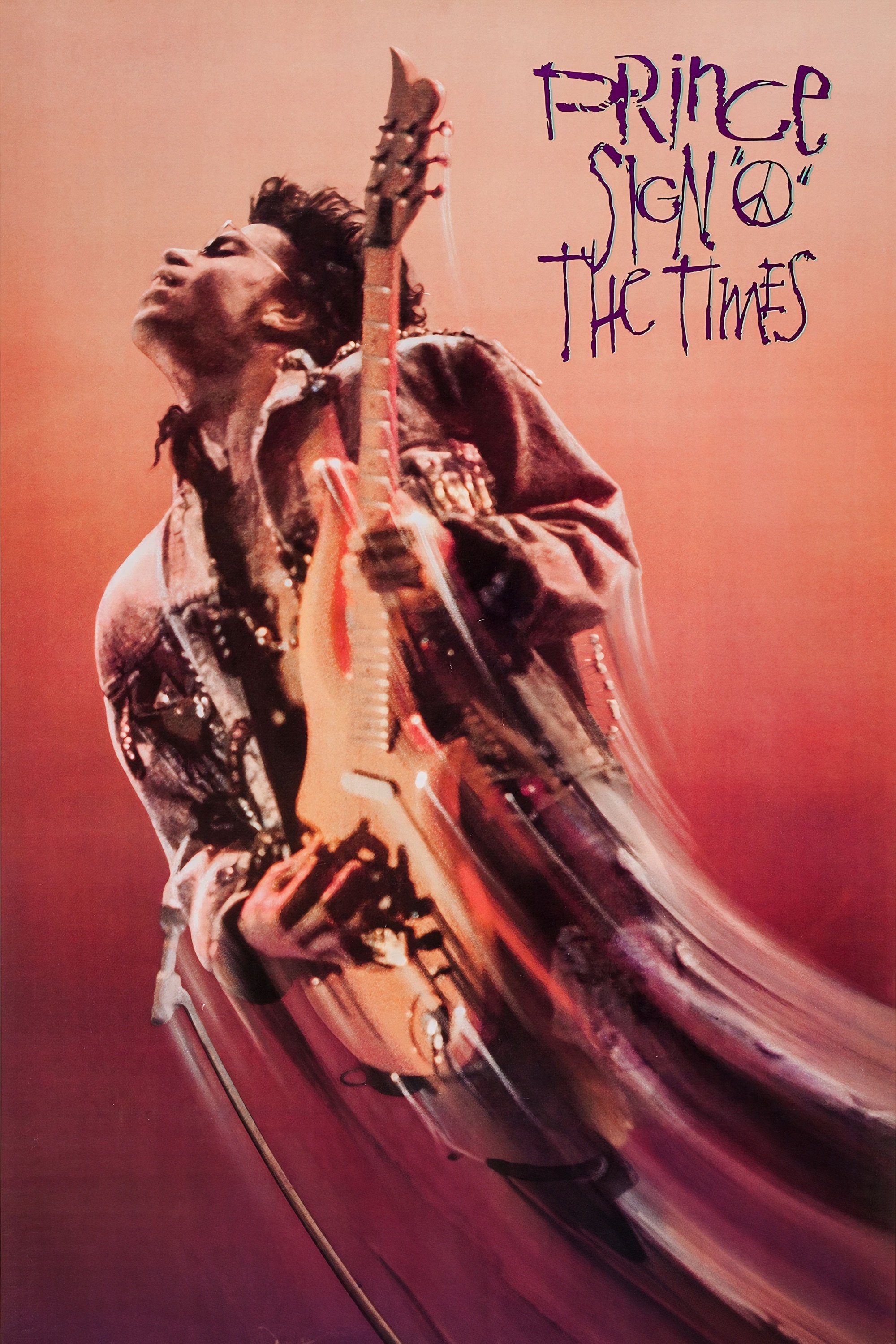
In 1987, to capitalize on his growing success in Europe, Prince toured extensively to promote the album of the same name and sales increased accordingly. However, the United States remained resistant to his latest album, and sales began to drop; it was at this point that Prince decided to film a live concert promoting the new material, for eventual distribution to theaters in America. Featuring the band that accompanied Prince on his 1987 Sign o' the Times Tour, including dancer Cat Glover, keyboardist Boni Boyer, bassist Levi Seacer, Jr., guitarist Miko Weaver, drummer Sheila E. and former member of The Revolution keyboardist Dr. Fink, the film sees the group perform live on stage (although "U Got the Look" is represented by its promotional music video).