Shows chimpanzees in the Tai National Forest of the Ivory Coast in their daily life of feeding on nuts (Coula edulis and Panda oleosa) and social interaction.
Social & External
The people behind it
Christophe Boesch
Narrator
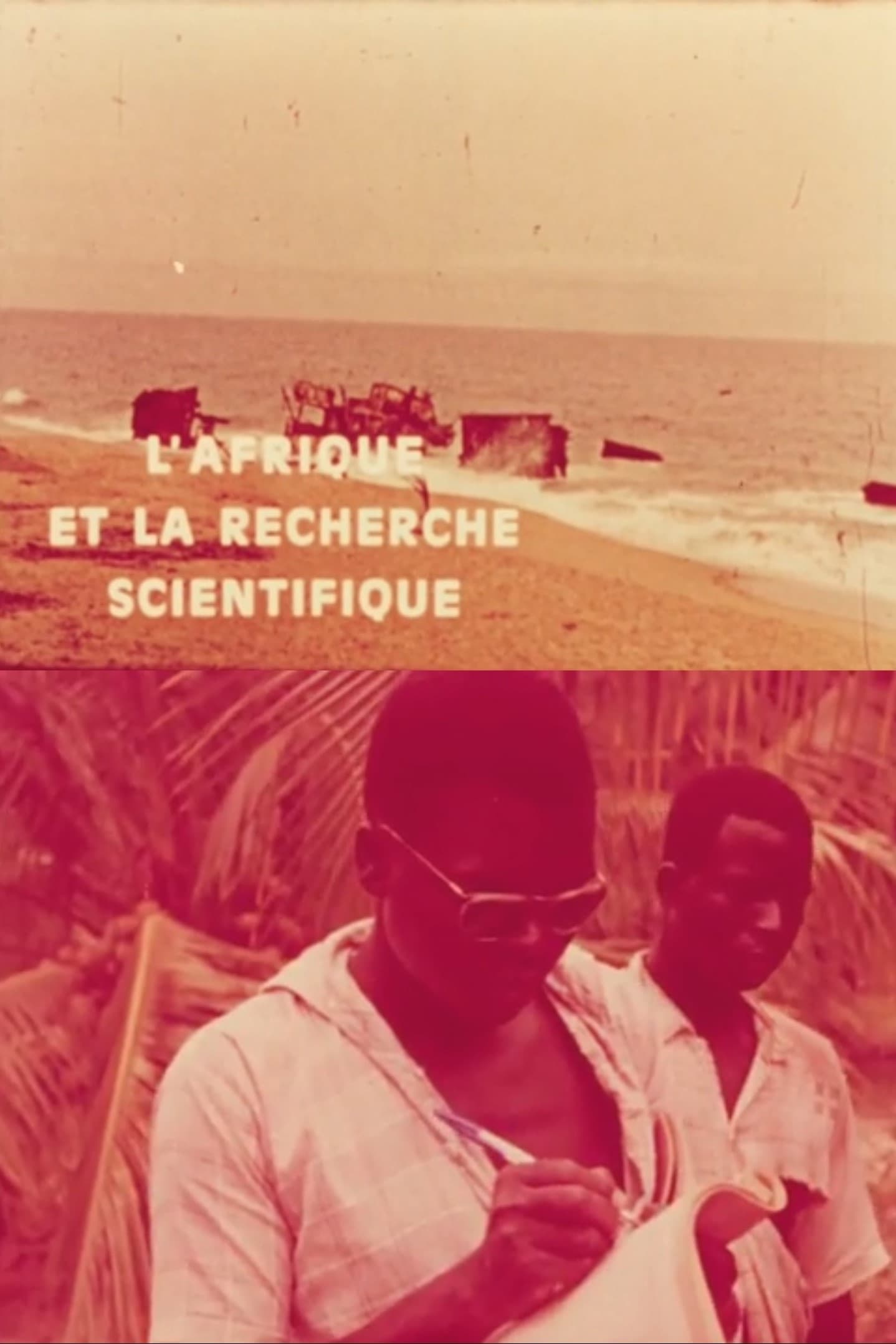
This documentary offers an overview of French scientific research in Africa French scientific research in Africa: hydrology, botany, biology oil palm and coconut cultivation, industrial sea fishing and and urban planning. Film montage taking stock of scientific research research in Africa, mainly in the fields of hydrology hydrology, botany, biology and agriculture. The film is a compilation of extracts from several short films made by Jean Rouch in Mali, Niger and Côte d'Ivoire between 1962 and 1963: Abidjan, port de pêche, Le Mil, Le Cocotier and Le Palmier à l'huile. l'huile.
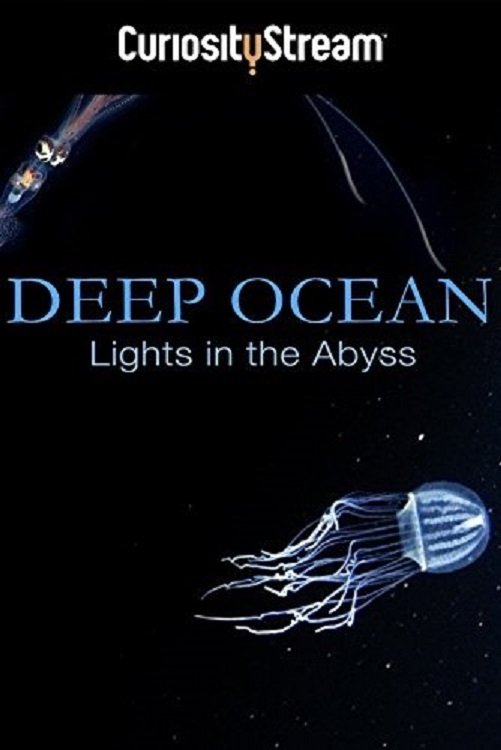
The NHK team that captured the world's first footage of a live giant squid in its natural habitat is setting out for another deep-sea adventure. They will give us a look at the amazing life forms with luminous bodies that have survived the harsh, pitch-dark deep-sea environment of the Pacific.
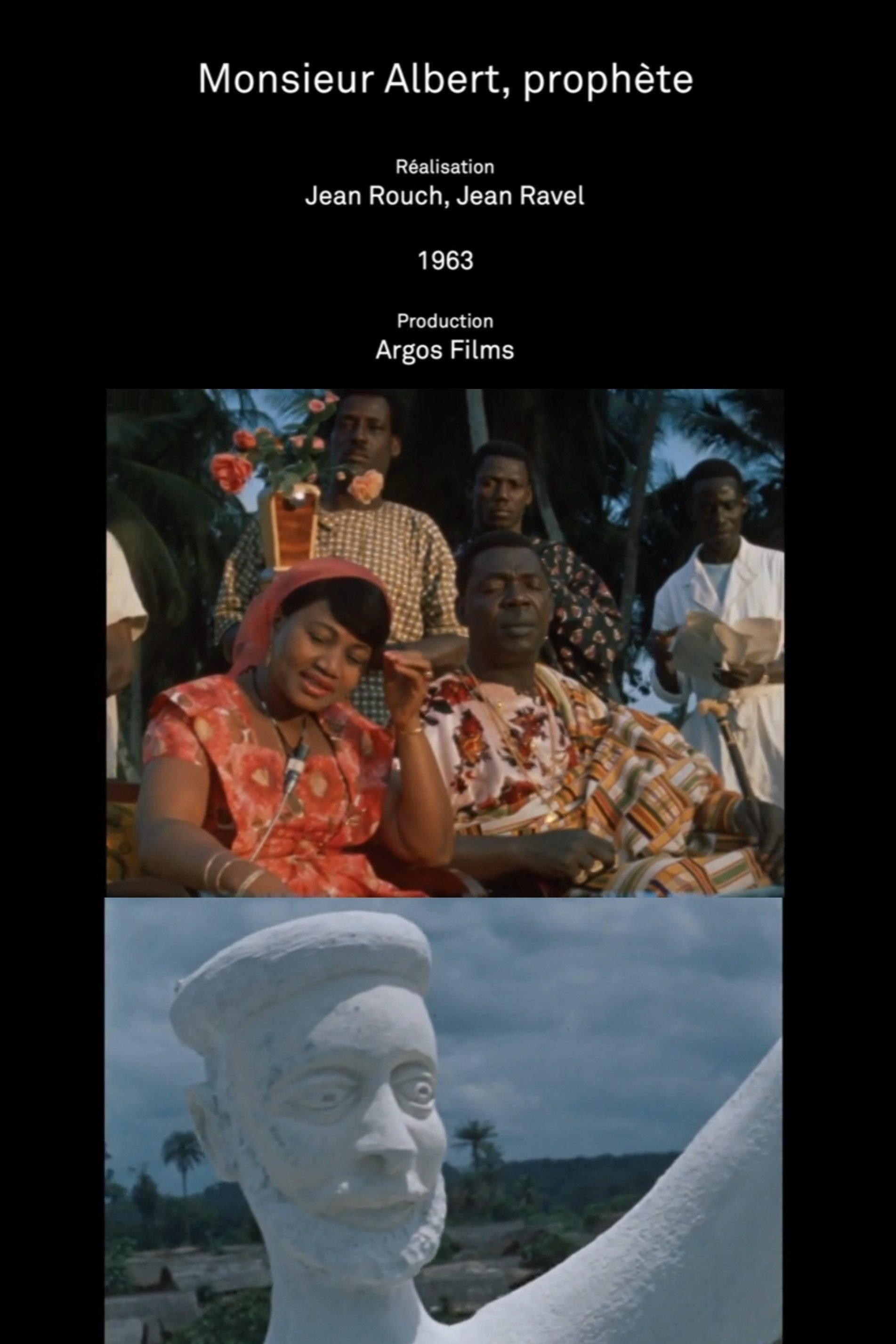
Life in a community of Harist disciples in the village of Bregbo, Côte d'Ivoire, under the aegis of their "prophet" Alberto Atcho. 50 km from Abidjan, magician Albert Archo treats the sick, most of them mentally ill. Through a combination of public confession and the use of local medicinal plants, he achieves spectacular healing.
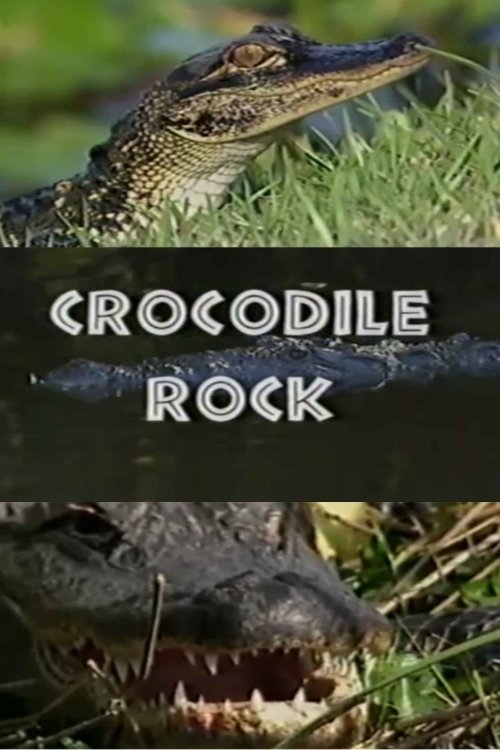
Get ready to rock with the animals and explore the world of reptiles, including crocodiles, alligators and all the other animals that share this planet!
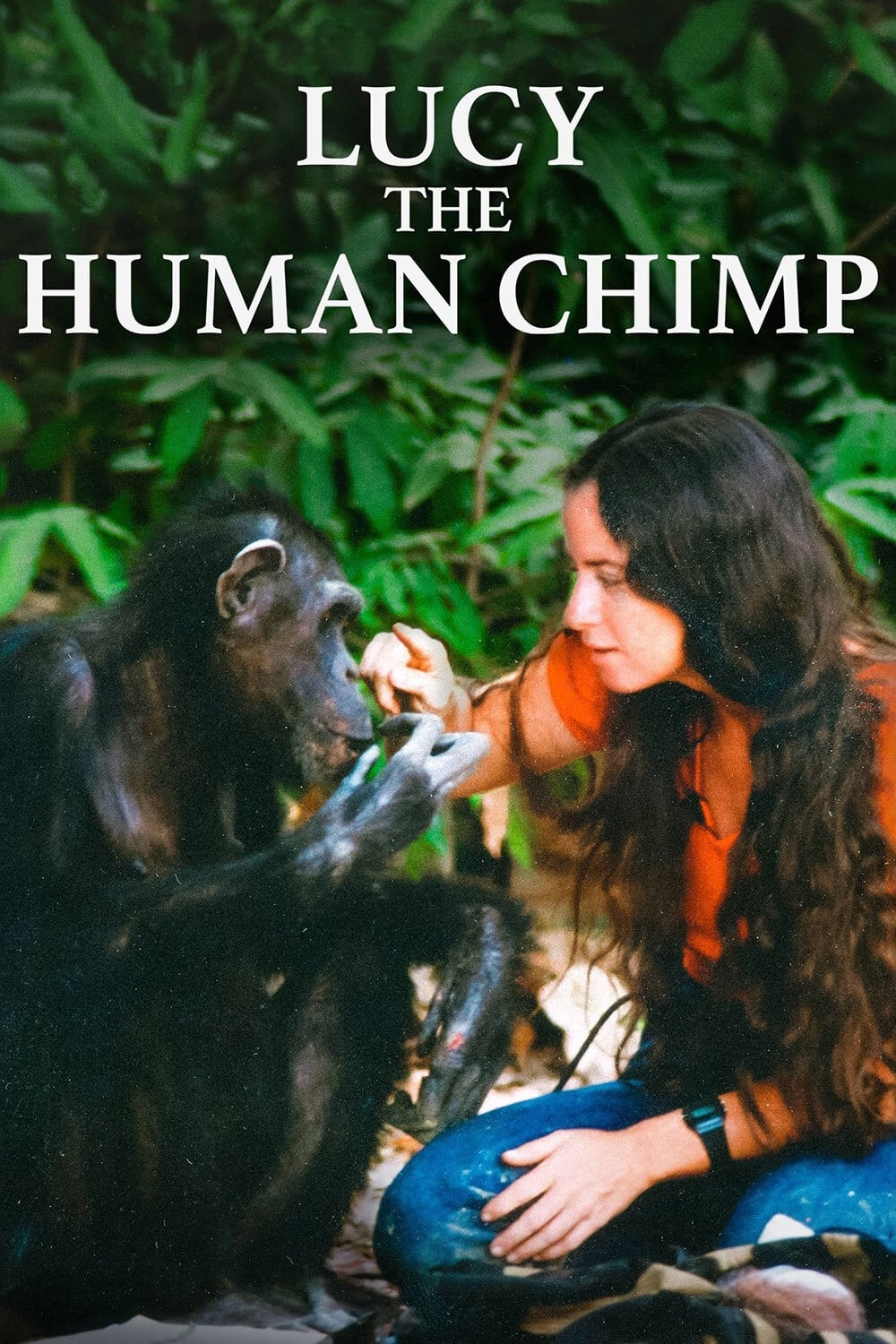
The profound story of Lucy Temerlin, a female chimpanzee raised as human from birth in a domestic environment, and Janis Carter, the woman who took on the seemingly impossible task of giving her a new life in the wild.
Recognized as Cape Verde's oldest performing batucadeira at 86 years old, Marina Vaz revisits her life in Cidade Velha, Cape Verde - from a childhood of scarcity to a deep bond with the sea and batuko music - revealing a portrait of resilience, cultural identity, and female strength.
This short travel documentary showcases the natural landscapes, water systems, and historic sites of Tasmania. Produced on behalf of the Australian National Travel Association, it serves to promote regional tourism by illustrating the area's scenic and industrial appeal.
Erich Honecker visits the Republic of Zambia
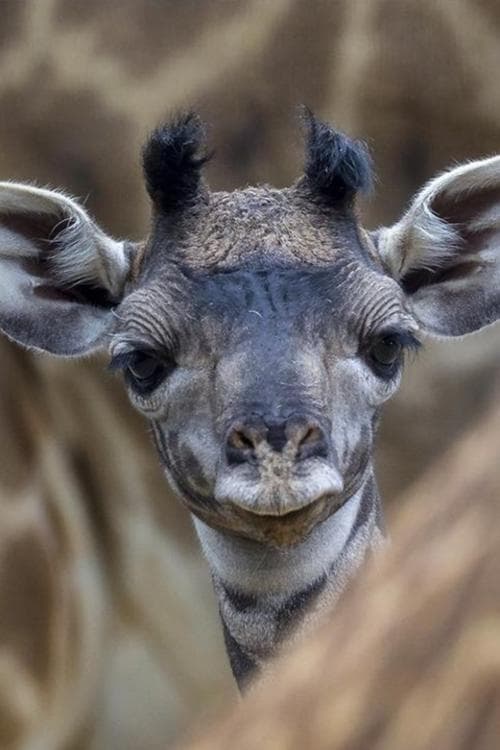
Kenya, 2050. The reserve has dwindled to half its size, under pressure from farmers who have enlarged their territory at the expense of the animals. Among the latter, the last giraffe just died. To be able to admire this fabulous beast again, you’d have to go back to 2016, when it became clear that the biggest living land animal was threatened with extinction due to poaching and loss of habitat. Thanks to some spectacular images of this enchanted place with its abundant biodiversity, this film offers a new type of documentary experience, to understand how this symbol of the African continent could end up disappearing from the planet. By imagining its future, it reveals to us the reality of life in the wild and the daily life of this animal, few of which reach adulthood. We follow in the footsteps of Twiga's family, one of the last baby giraffes, who attends helplessly at the death of his mother. A heartfelt tribute to this mammal whose unique anatomy continues to fascinate.
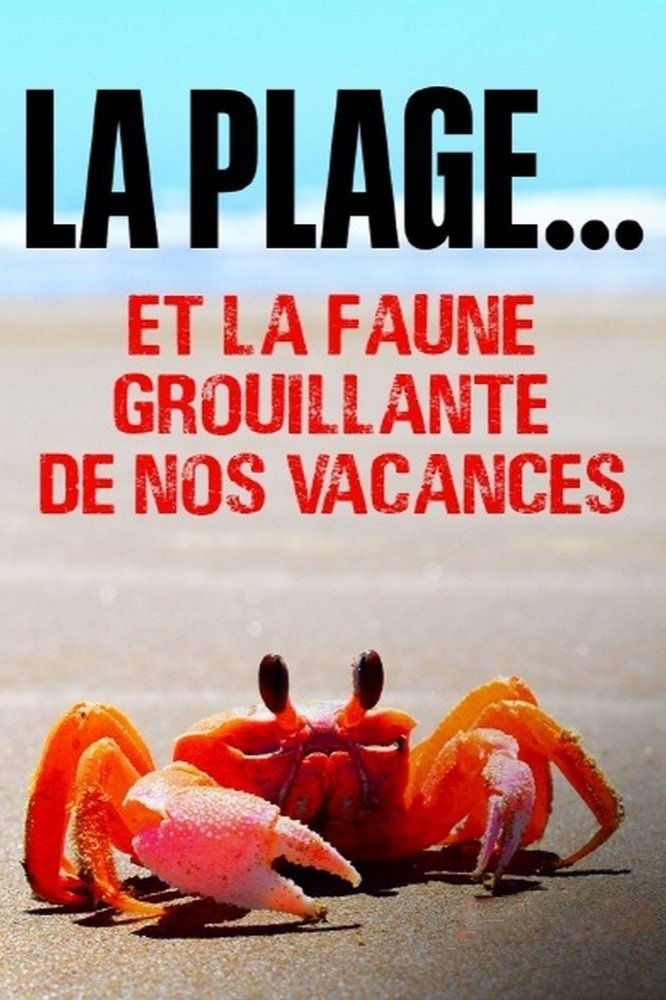
If the beach is synonymous with holidays and relaxation, it is also of capital importance for the animals and plants that flourish there. Between wet towels, umbrellas and sandcastles, the real inhabitants of this golden expanse have developed amazing strategies to adapt to the tourist crowds.
Erik Løchen struggles to find the midnight sun.
A poetic tapestry eulogizing Chicago's famed "Old" Comiskey Park.
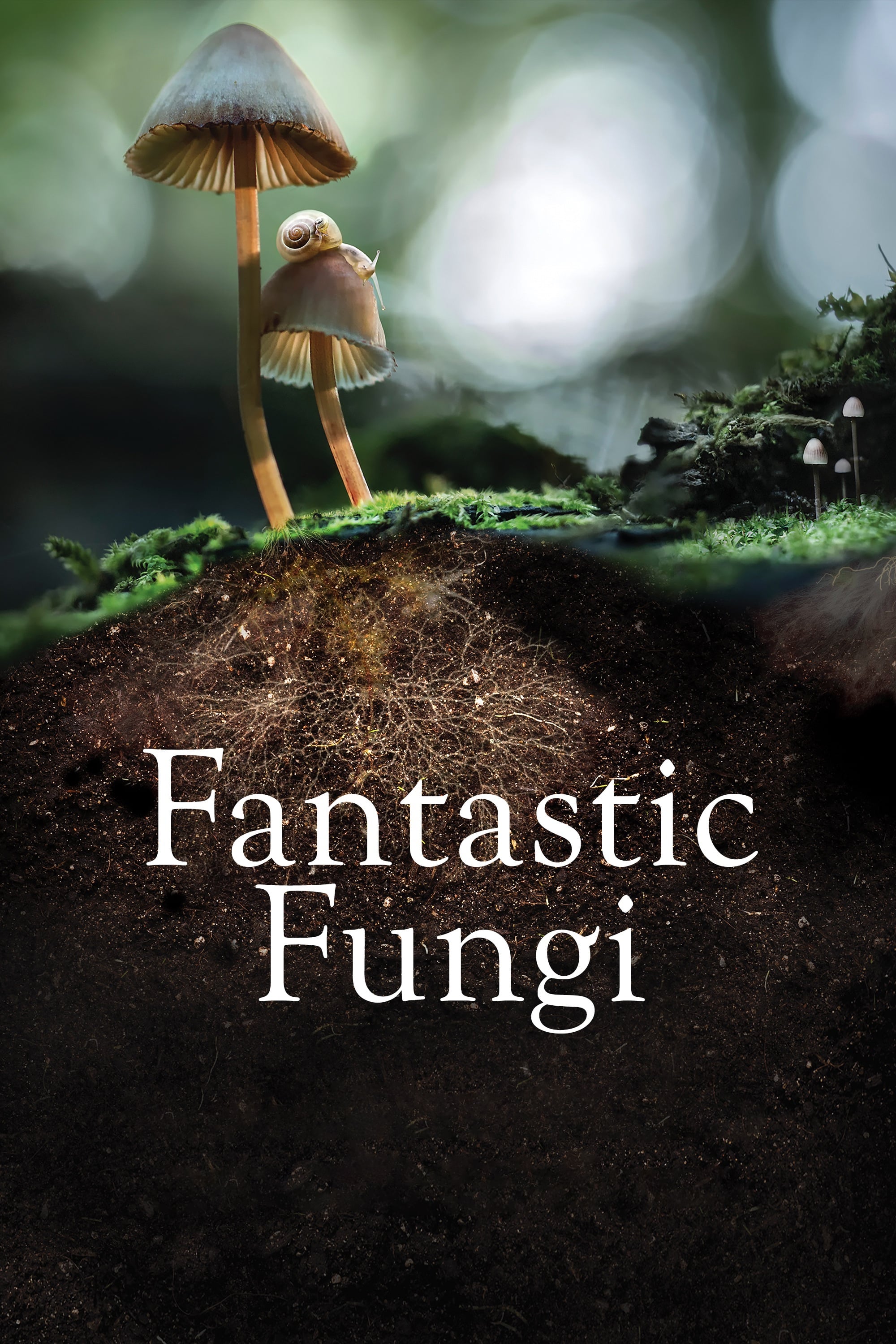
A vivid journey into the mysterious subterranean world of mycelium and its fruit— the mushroom. A story that begins 3.5 billion years ago, fungi makes the soil that supports life, connecting vast systems of roots from plants and trees all over the planet, like an underground Internet. Through the eyes of renowned mycologist Paul Stamets, professor of forest ecology Suzanne Simard, best selling author Michael Pollan, food naturalist Eugenia Bone and others, we experience the power, beauty and complexity of the fungi kingdom.
An up-to-date look at Youth Suicide with an examination of the warning signs, statistics and causes, along with possible ways teachers and parents can use to help their child overcome this important social issue. Also includes a look at the media and its handling of the social issue through the Netflix series "13 Reasons Why" and the Tony Award-winning Broadway musical, "Dear Evan Hansen."
This films reveals the extraordinary variety of life found in the vast blue expanses of the open ocean. Here, all the action takes place in a 10 metre deep band of water, just under the surface. Many species use this section of water to migrate and hunt while others use ingenious ways to stay hidden where there appears to be no shelter.
Menhaden: The Most Important Fish in the Bay examines the role of a little-known, oily, little fish in the Chesapeake Bay. From its original concept as a classic man-versus-environment story, the film evolved to reflect the complexity of sustaining a menhaden fishery that many diverse interests depend on. The outcome: a story that seamlessly weaves together different perspectives on the menhaden fishing industry and its culture utilizing engaging personal vignettes, scientific data and creative visual storytelling techniques. Techniques include archival footage blended with cinematic live-action footage, musical performances and original, handmade animations.
Bonobos show a particularly pronounced sexual activity and an extraordinarily broad spectrum of sexual contacts for primates. These also extend to non-reproductive life phases and partner combinations. For example, homosexual contacts and sexual contacts between young animals or with adults are frequent, and females are ready to mate throughout the menstrual cycle. Bonobos use sexual contacts not only for reproductive purposes, but also in the context of social conflicts, where they have a clear tension-reducing or peacemaking function.
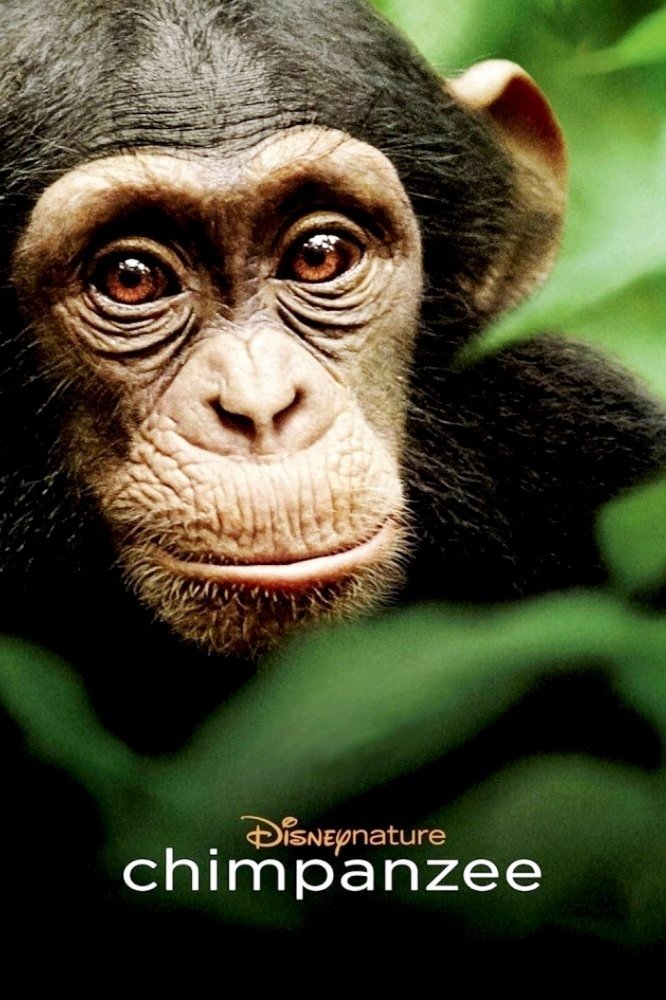
A nature documentary centered on a family of chimps living in the Ivory Coast and Ugandan rain forests. Through Oscar, a little chimpanzee, we discover learning about life in the heart of the African tropical forest and follow his first steps in this world with humor, emotion and anguish. Following a tragedy, he finds himself separated from his mother and left alone to face the hostility of the jungle. Until he is picked up by an older chimpanzee, who will take him under her protection.
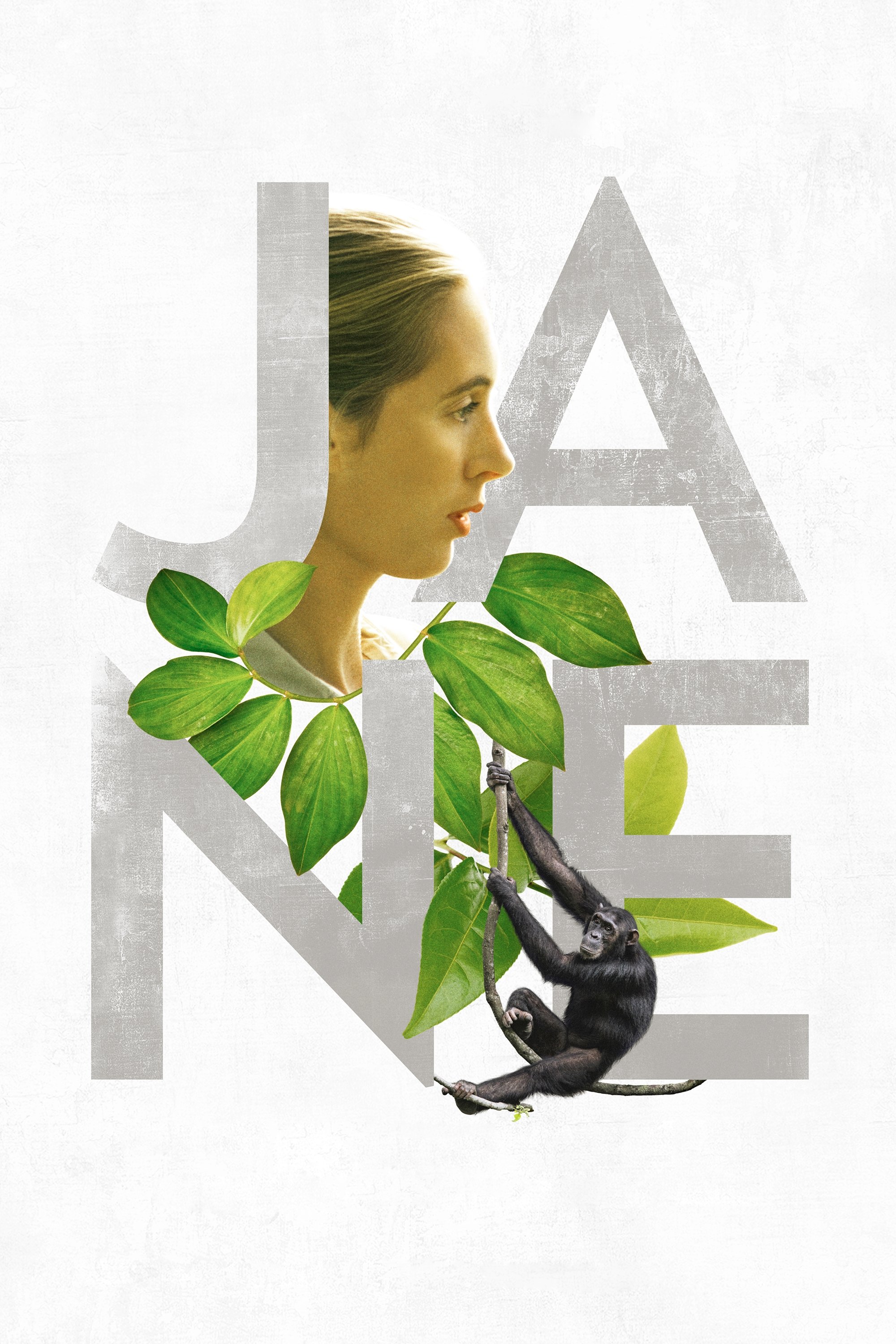
Drawing from never-before-seen footage that has been tucked away in the National Geographic archives, director Brett Morgen tells the story of Jane Goodall, a woman whose chimpanzee research revolutionized our understanding of the natural world.
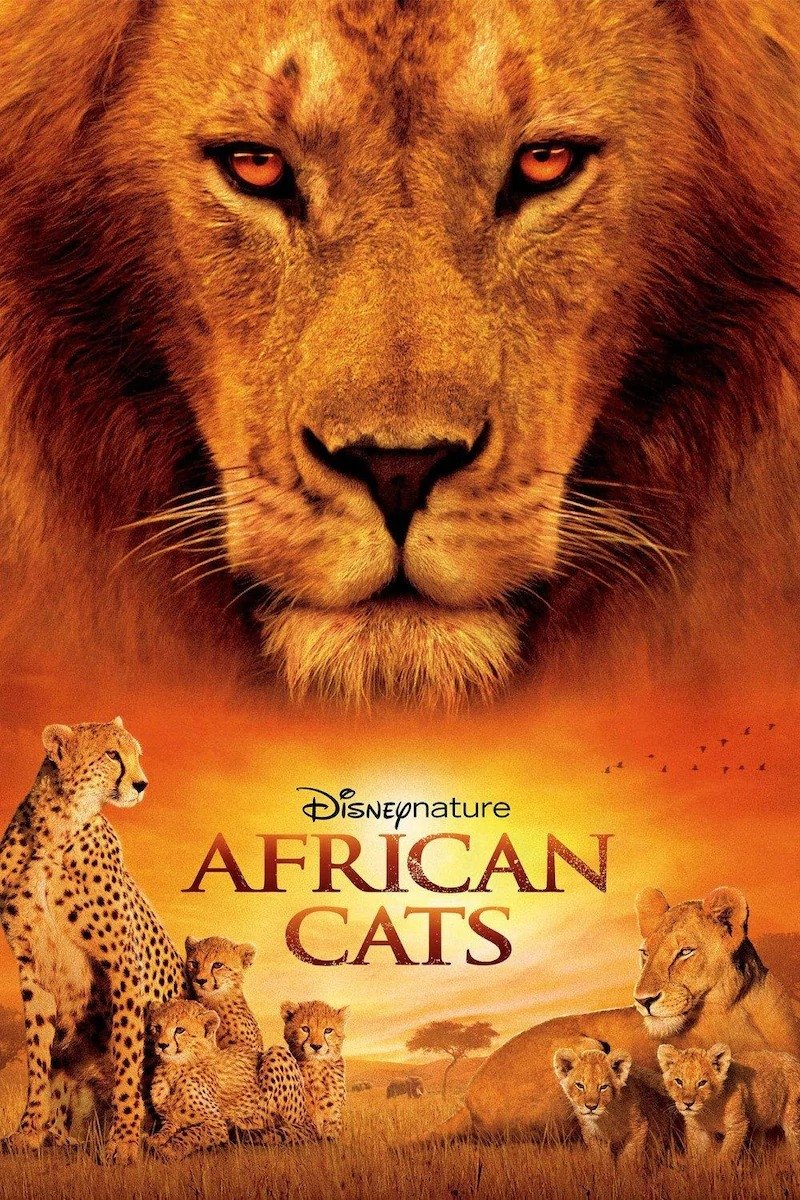
African Cats captures the real-life love, humor and determination of the majestic kings of the savanna. The story features Mara, an endearing lion cub who strives to grow up with her mother’s strength, spirit and wisdom; Sita, a fearless cheetah and single mother of five mischievous newborns; and Fang, a proud leader of the pride who must defend his family from a once banished lion.
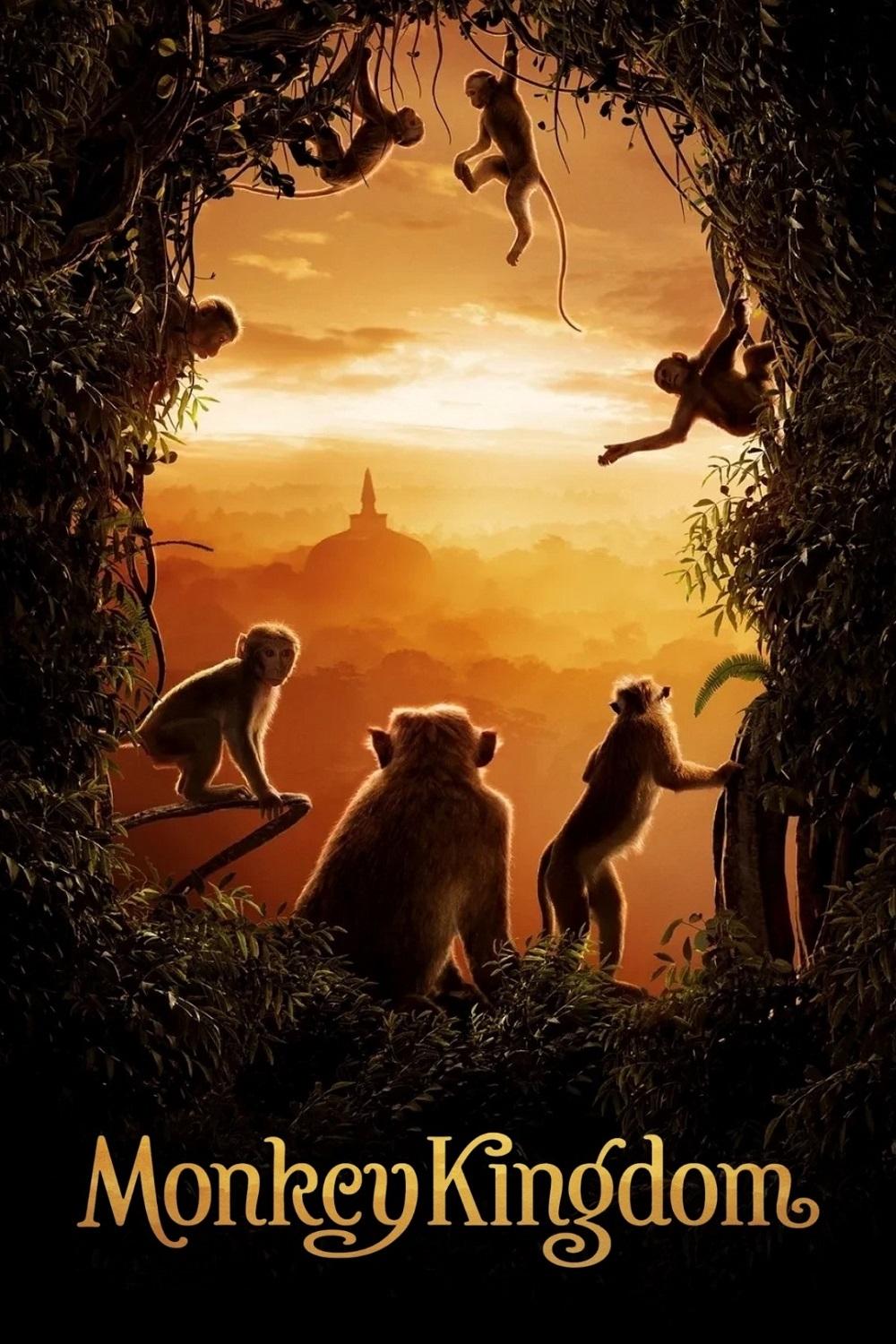
A newborn monkey and its mother struggle to survive within the competitive social hierarchy of the Temple Troop, a dynamic group of monkeys who live in ancient ruins found deep in the storied jungles of South Asia.
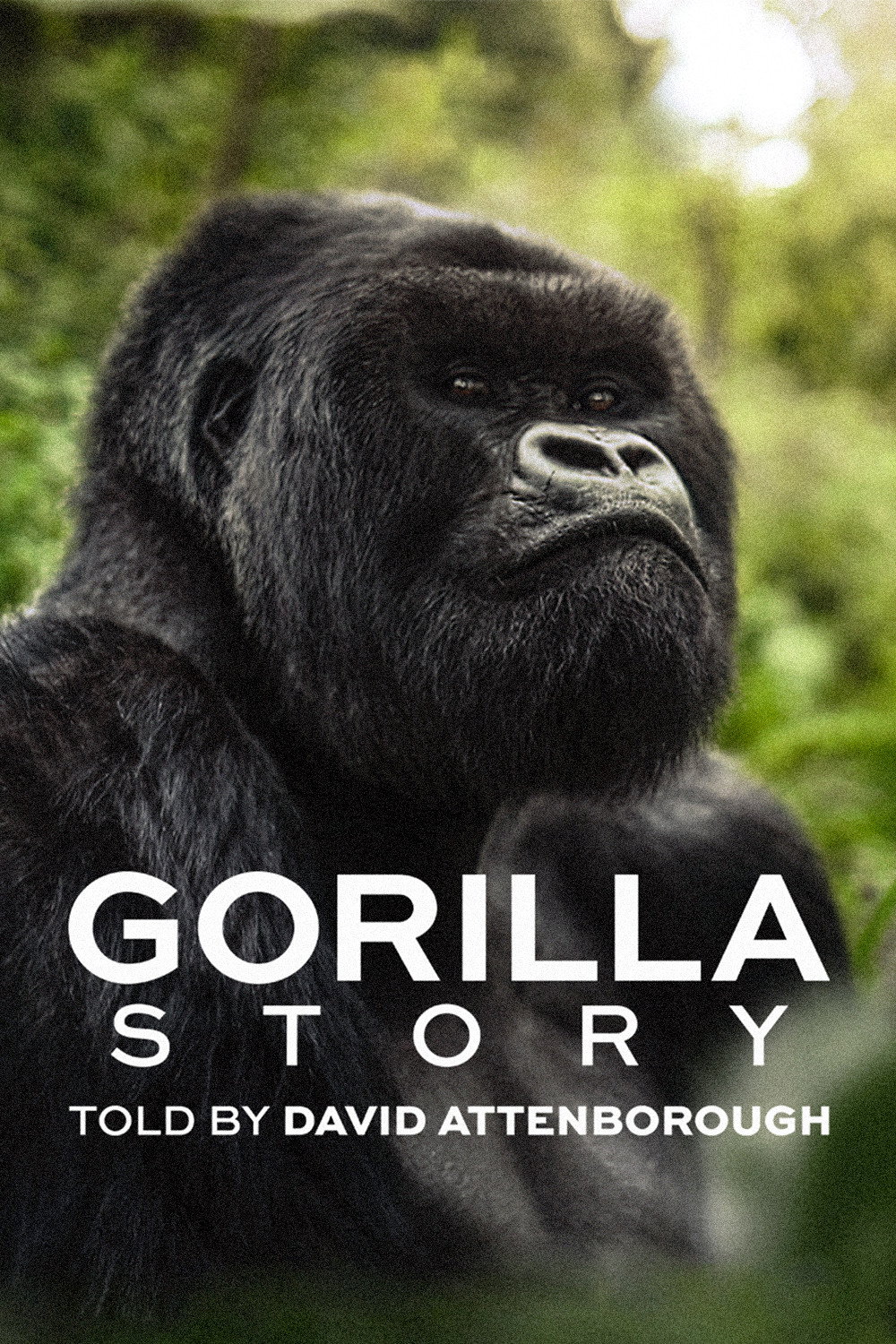
Veteran naturalist Sir David Attenborough tells the story of a remarkable group of gorillas, from his first encounter in the '70s to the present day.
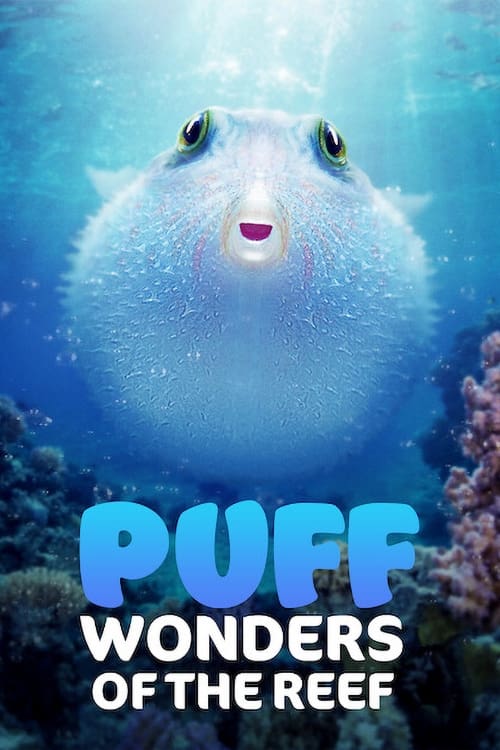
A baby pufferfish travels through a wondrous microworld full of fantastical creatures as he searches for a home on the Great Barrier Reef.
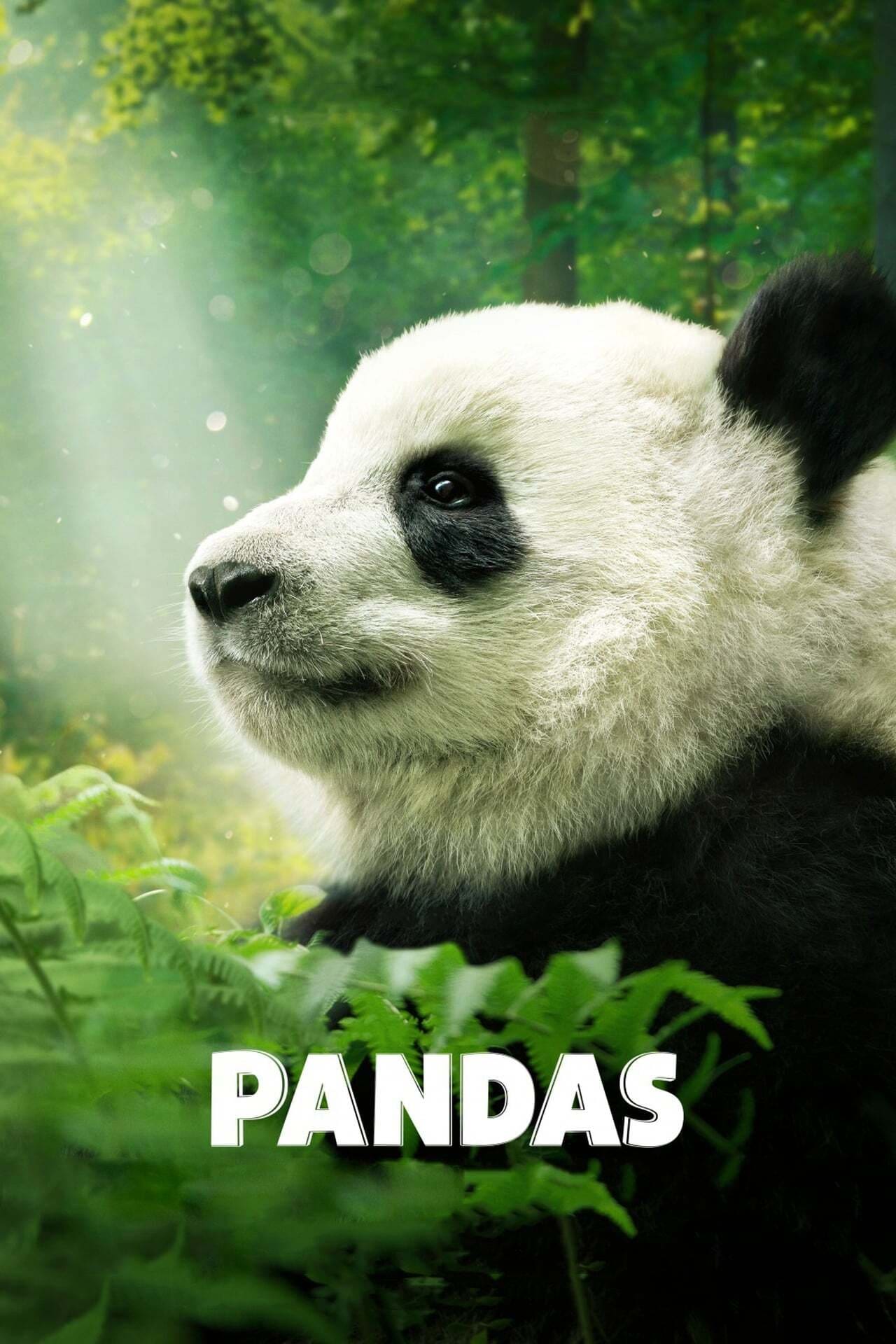
In the mountains of Sichuan, China, a researcher forms a bond with Qian Qian, a panda who is about to experience nature for the first time.
In Angola's mist-shrouded highlands, three KhoiSan master trackers embark on a spiritual quest to rediscover the legendary "ghost elephants" of Lisima, creatures presumed lost but remembered in ancestral trance, ritual, and memory.
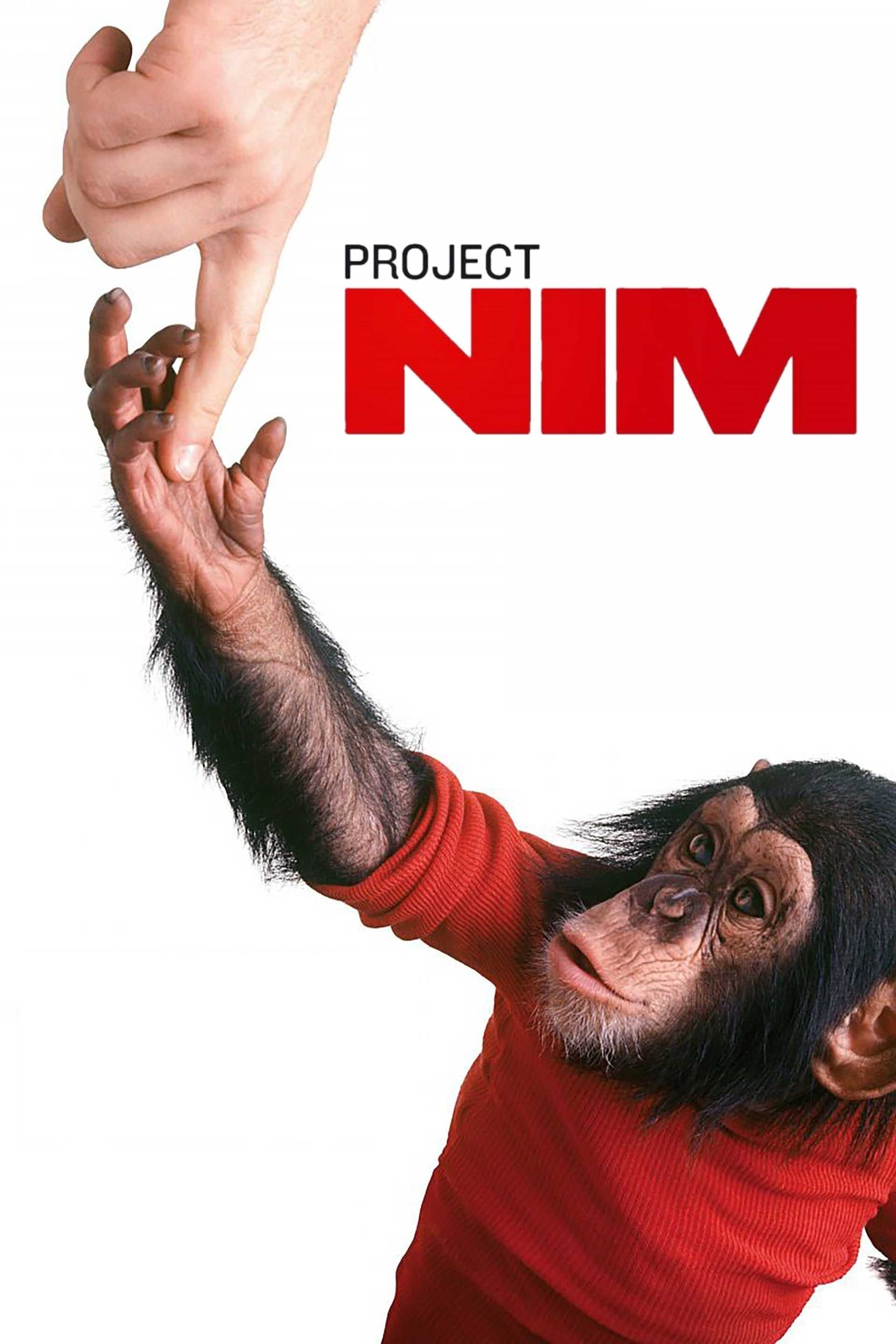
From the team behind Man on Wire comes the story of Nim, the chimpanzee who in the 1970s became the focus of a landmark experiment which aimed to show that an ape could learn to communicate with language if raised and nurtured like a human child. Following Nim's extraordinary journey through human society, and the enduring impact he makes on the people he meets along the way, the film is an unflinching and unsentimental biography of an animal we tried to make human. What we learn about his true nature - and indeed our own - is comic, revealing and profoundly unsettling.
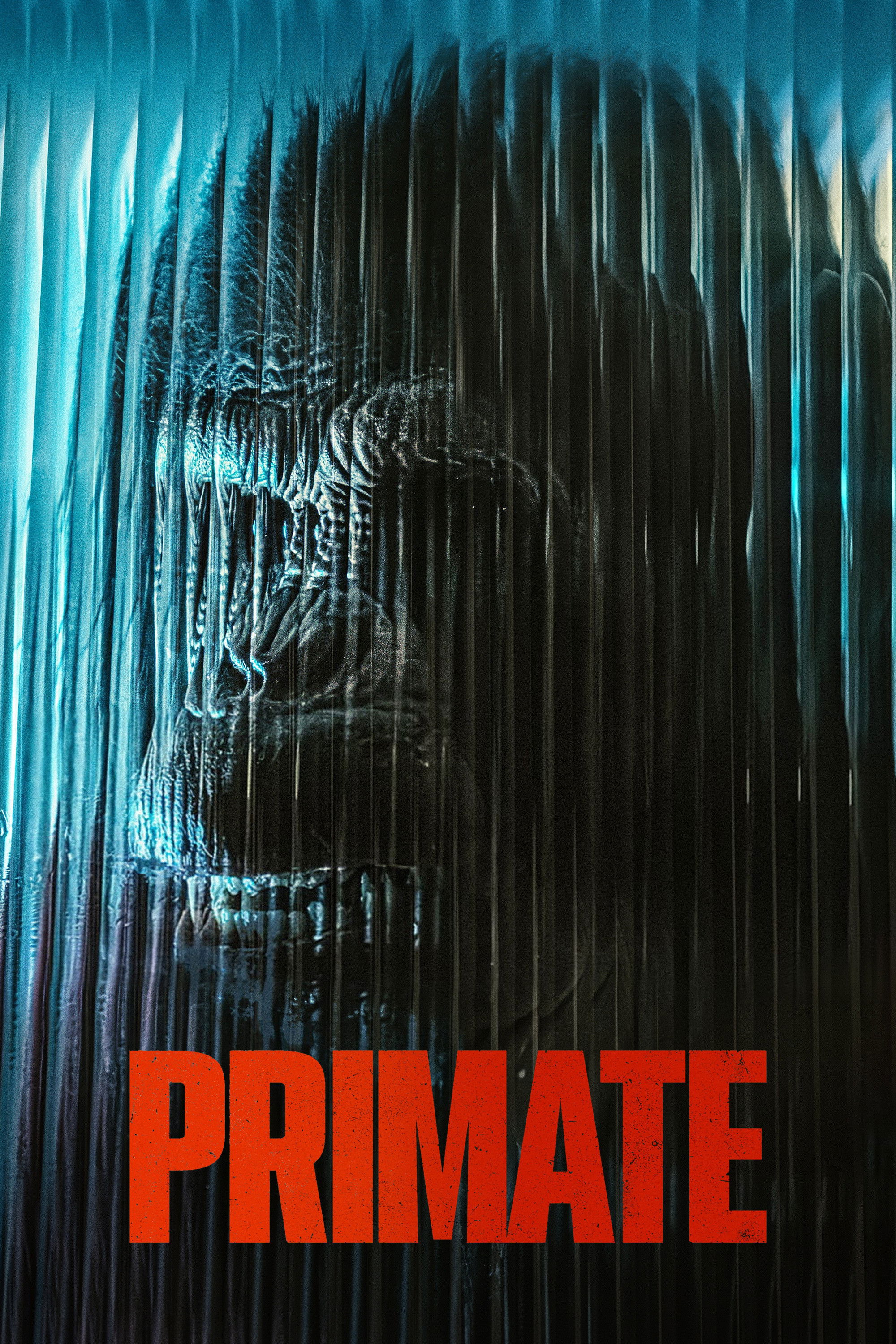
College student Lucy and her friends spend their vacation at her family's home in Hawaii, which includes her pet chimpanzee, Ben. However, when Ben contracts rabies after being bitten by a rabid animal, the group must fight for their lives in order to avoid the now-violent chimp.
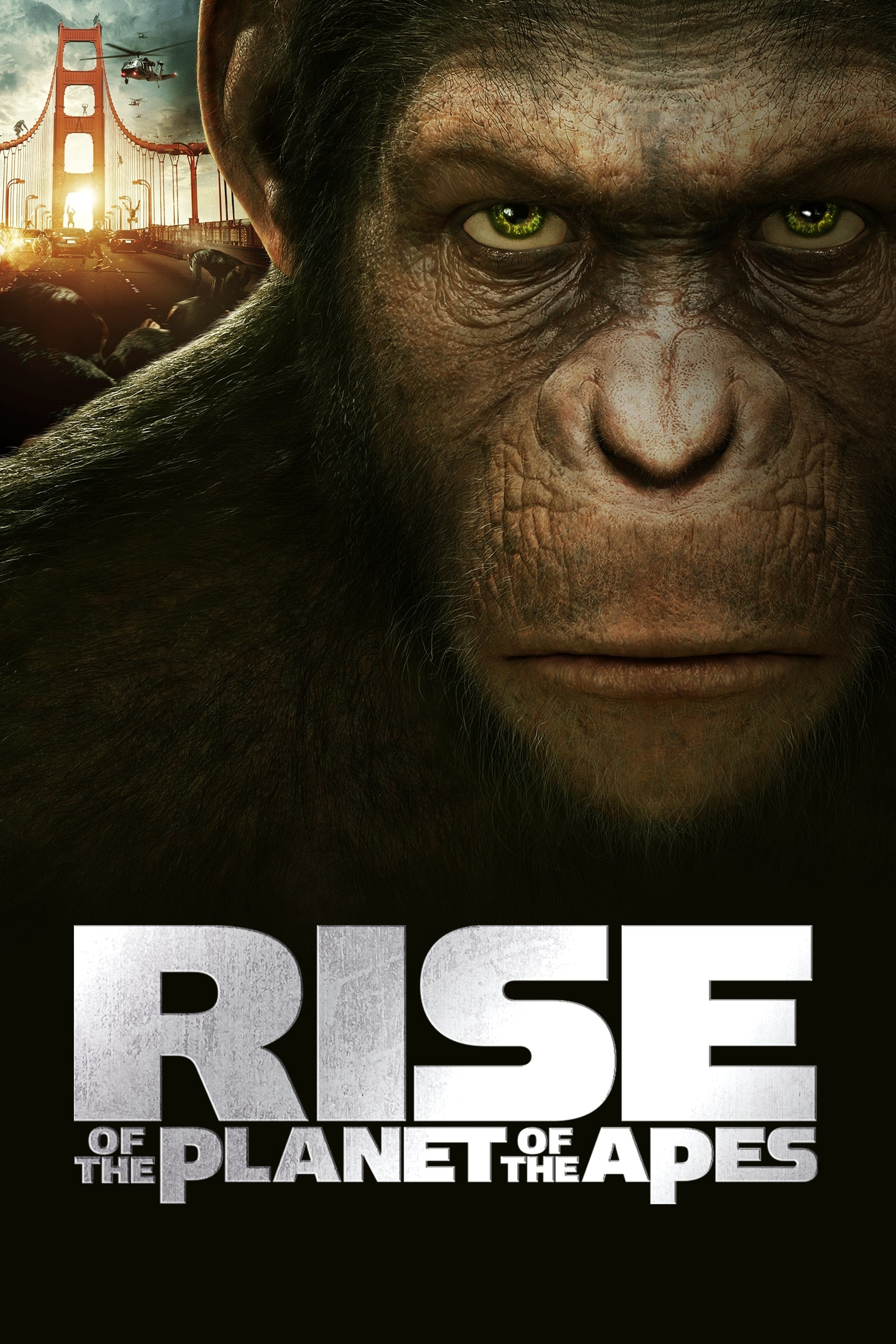
A highly intelligent chimpanzee named Caesar has been living a peaceful suburban life ever since he was born. But when he gets taken to a cruel primate facility, Caesar decides to revolt against those who have harmed him.
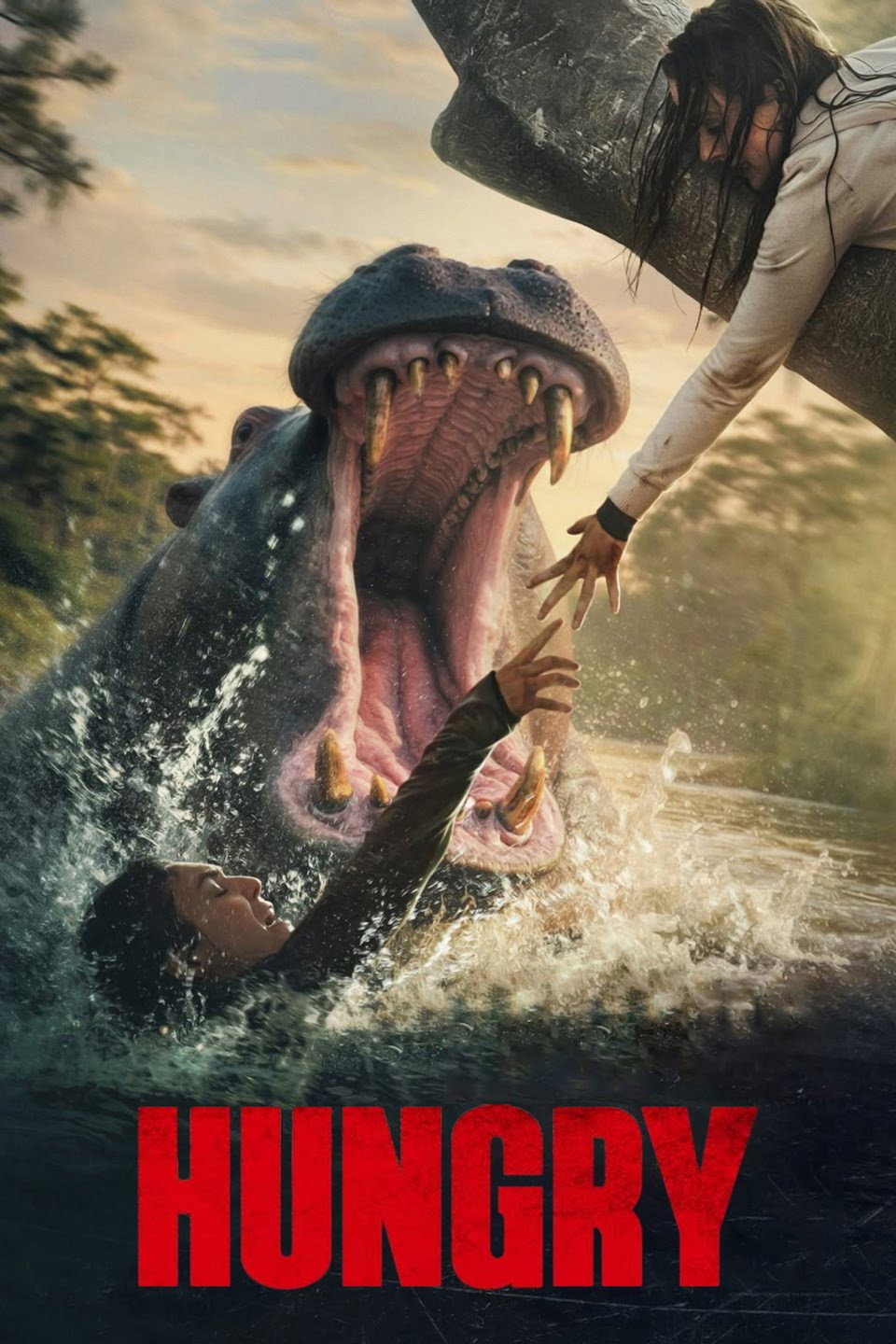
A group of holidaymakers must fight for their lives against a rampaging hippo on the loose after becoming lost in the Louisiana swamplands.
A young inductee into the military is given the task of looking after some chimpanzees used in the mysterious 'Project X'. Getting to know the chimps fairly well, he begins to suspect there is more to the secret project than he is being told.
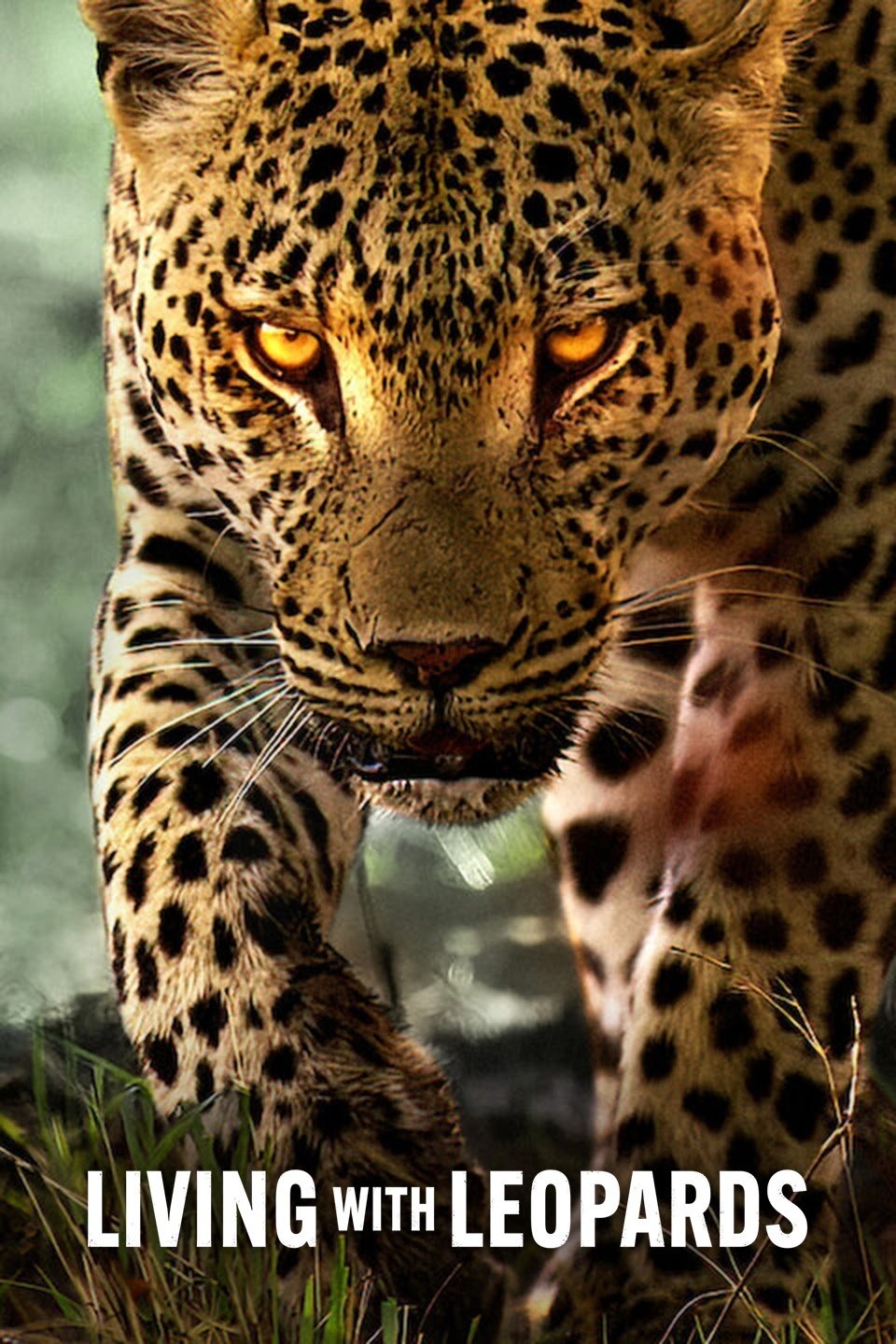
A film crew follows two leopard cubs as they make the fascinating journey from infancy into adulthood in this up-close-and-personal nature documentary.
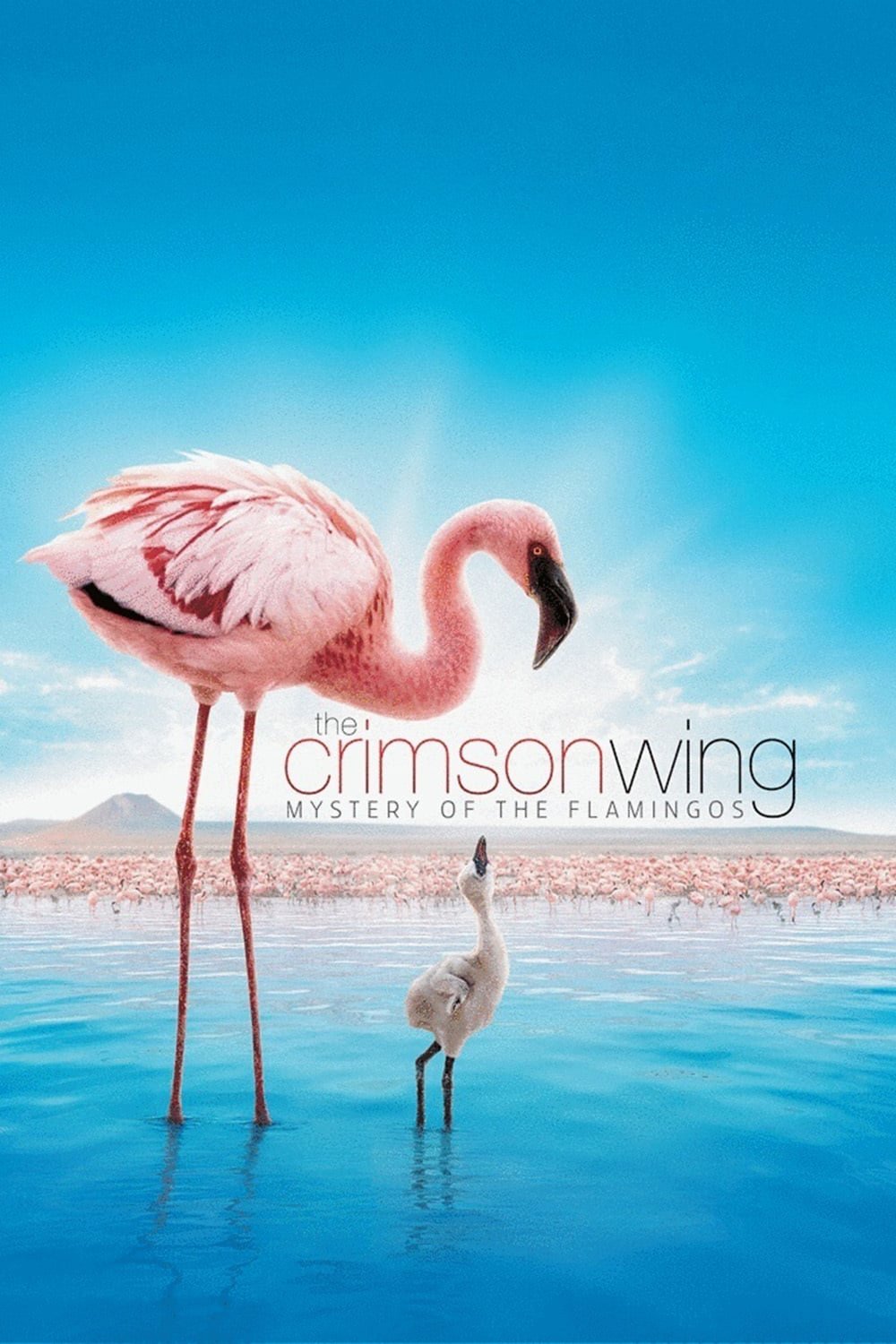
In the remote and forgotten wilderness of Lake Natron, in northern Tanzania, one of nature's last great mysteries unfolds: the birth, life and death of a million crimson-winged flamingos.
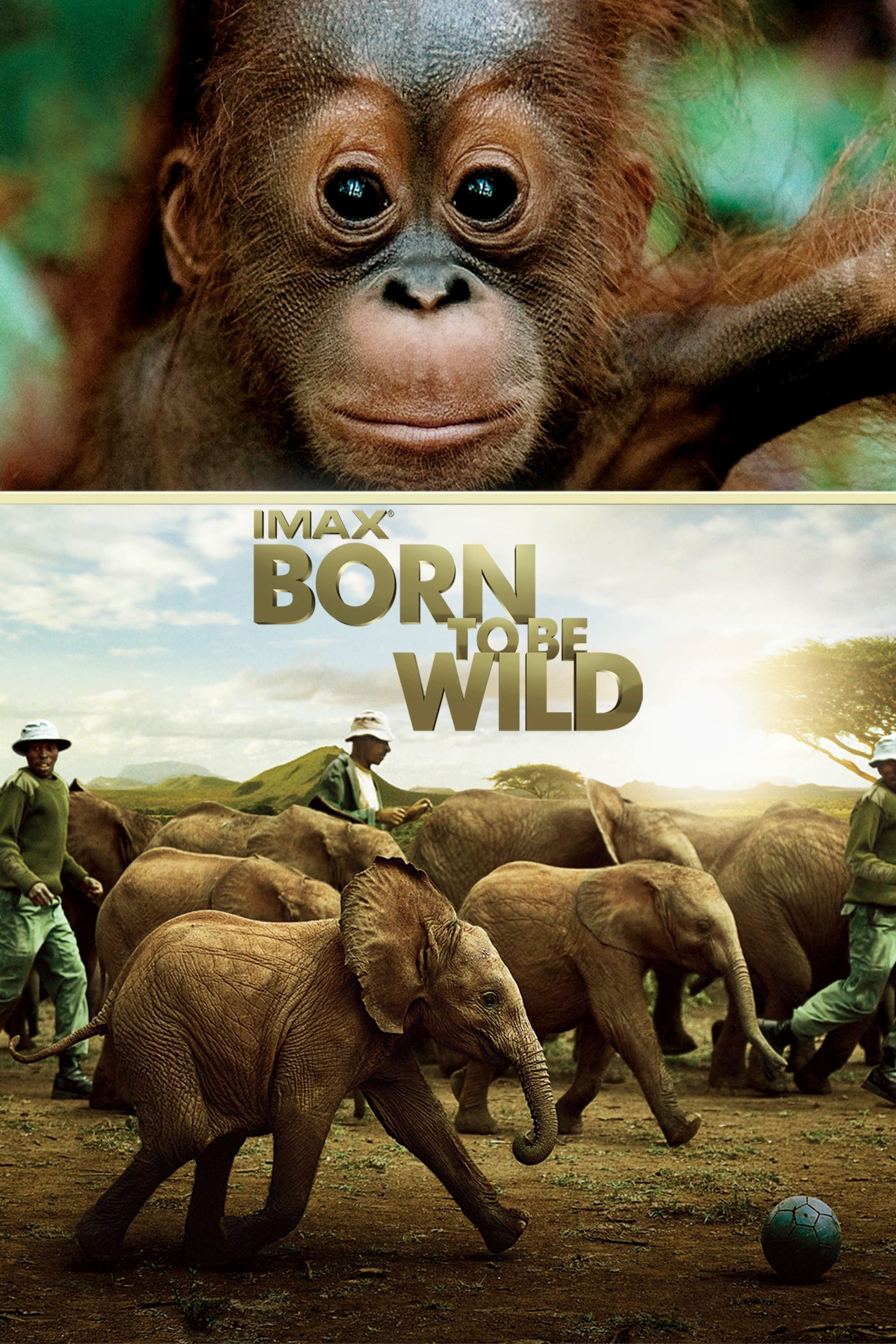
Born to Be Wild observes various orphaned jungle animals and their day-to-day behavioural interactions with the individuals who rescue them and raise them to adulthood. The film unfurls in two separate geographic spheres. Half of it takes place in the rain forests of Borneo, where celebrated primatologist Dr. Birute Galdikas assists baby orangutans; the other half takes place on the arid savannahs of Kenya, where zoologist Dame Daphne Sheldrick works with baby elephant calves.
After years of swimming every day in the freezing ocean at the tip of Africa, Craig Foster meets an unlikely teacher: a young octopus who displays remarkable curiosity. Visiting her den and tracking her movements for months on end he eventually wins the animal’s trust and they develop a never-before-seen bond between human and wild animal.
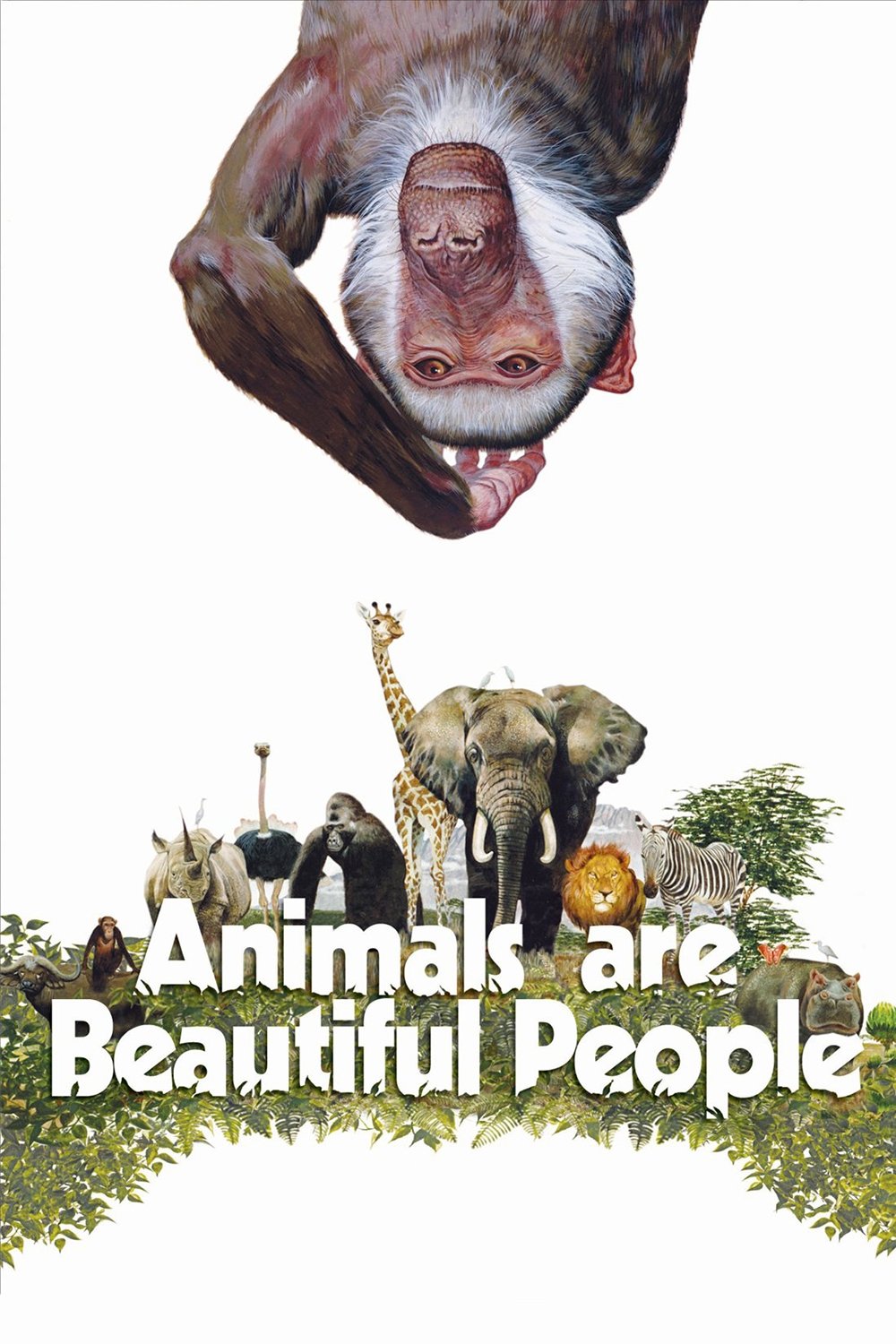
Animals Are Beautiful People (also called Beautiful People) is a 1974 South African nature documentary written, produced, directed, filmed and edited by Jamie Uys, about the wildlife in Southern Africa, presented with comedic elements. It was filmed in the Namib Desert, the Kalahari Desert and at the Okavango River and Okavango Delta. It was the recipient of the 1974 Golden Globe Award for Best Documentary Film. The film, a critical and commercial success, was independently made by Uys, also known for his later African comedy The Gods Must Be Crazy (1980).
Some of the world's most majestic birds display delightfully captivating mating rituals, from flashy dancing to flaunting their colorful feathers.
The story of Steve, an Adélie penguin, on a quest to find a life partner and start a family. When Steve meets with Wuzzo the emperor penguin they become friends. But nothing comes easy in the icy Antarctic.