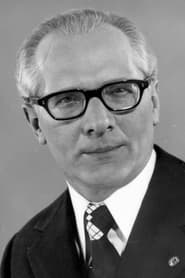
Erich Honecker visits the Republic of Zambia
Social & External
The people behind it
Erich Honecker
Self
Kenneth Kaunda
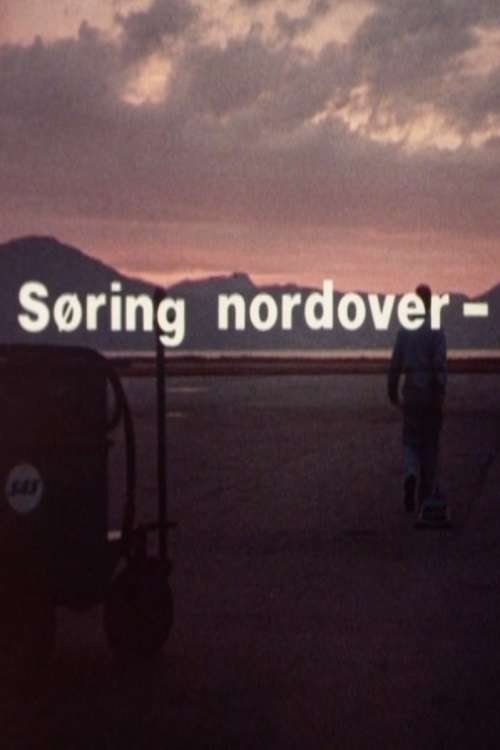
Erik Løchen struggles to find the midnight sun.
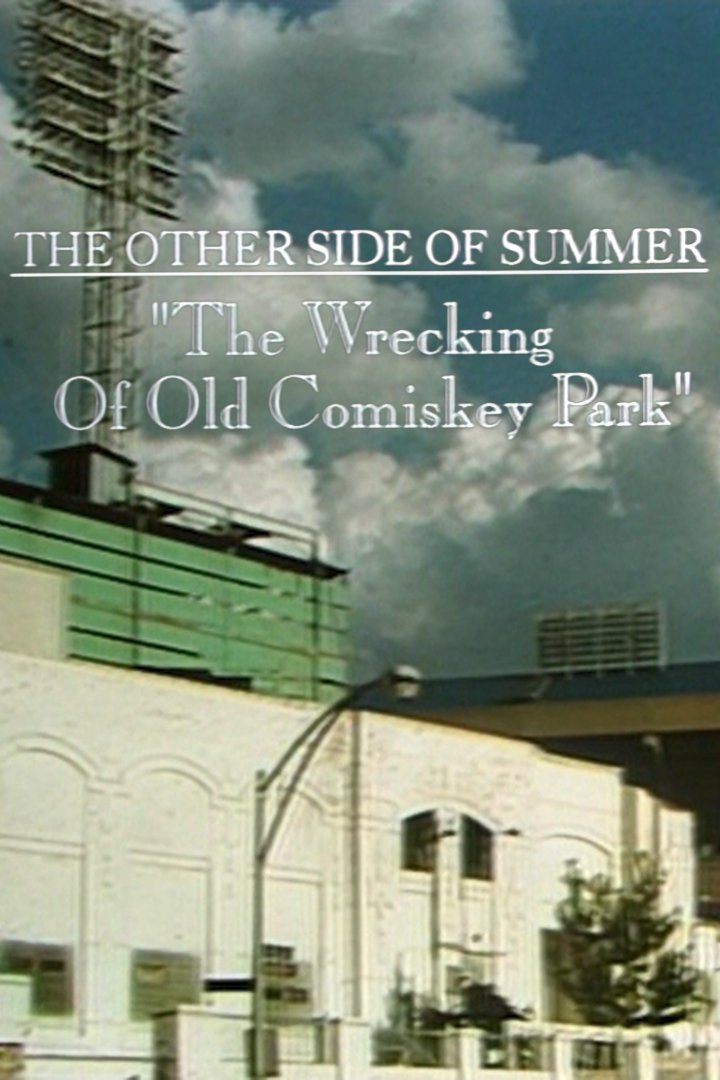
A poetic tapestry eulogizing Chicago's famed "Old" Comiskey Park.
Recognized as Cape Verde's oldest performing batucadeira at 86 years old, Marina Vaz revisits her life in Cidade Velha, Cape Verde - from a childhood of scarcity to a deep bond with the sea and batuko music - revealing a portrait of resilience, cultural identity, and female strength.
This short travel documentary showcases the natural landscapes, water systems, and historic sites of Tasmania. Produced on behalf of the Australian National Travel Association, it serves to promote regional tourism by illustrating the area's scenic and industrial appeal.
Agrokor is the largest privately owned company in Croatia and a symbol of modern-day success of Croatian economy. The corporation headquarters is located in the tower of Dražen Petrović House, popularly known as the Cibona Tower, which represents one of the symbols of previous Croatian achievements from the late socialist period. In 2017 Agrokor’s business problems are disclosed – the losses amount to billions. In collusion between politics and economy, who is responsible for the breakdown of this corporation? Today Agrokor’s sign no longer hangs from the Cibona Tower.
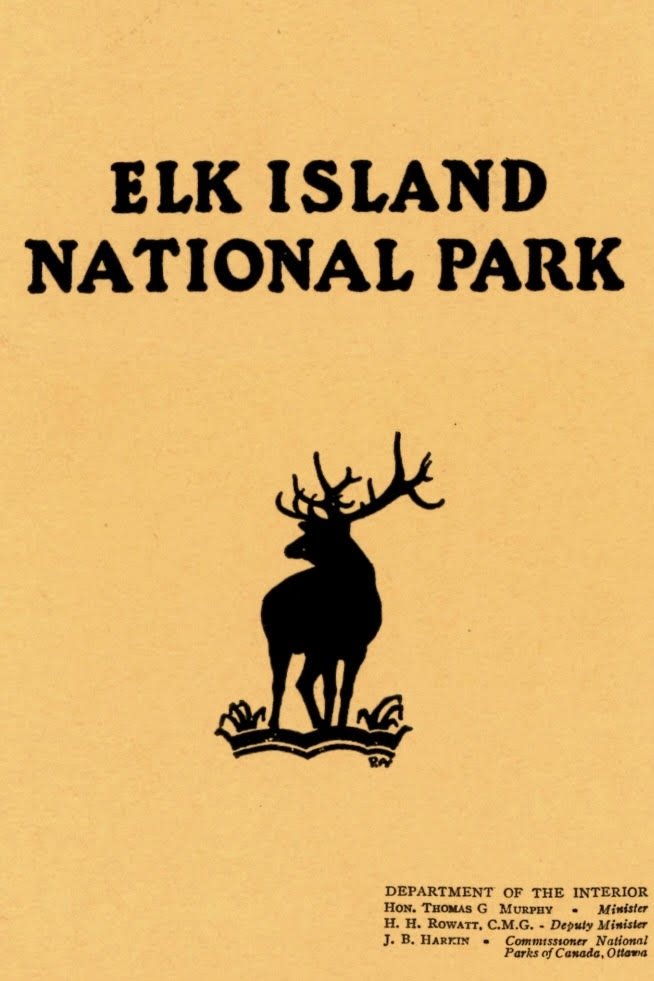
This short documentary focuses on a man-made island that became the first federal sanctuary for wildlife in Canada. Situated an hour east of Edmonton, it houses one of the world's densest collections of wildlife, maintained by Parks Canada. Elk Island offers a glimpse of the behind-the-scenes activity of the island.
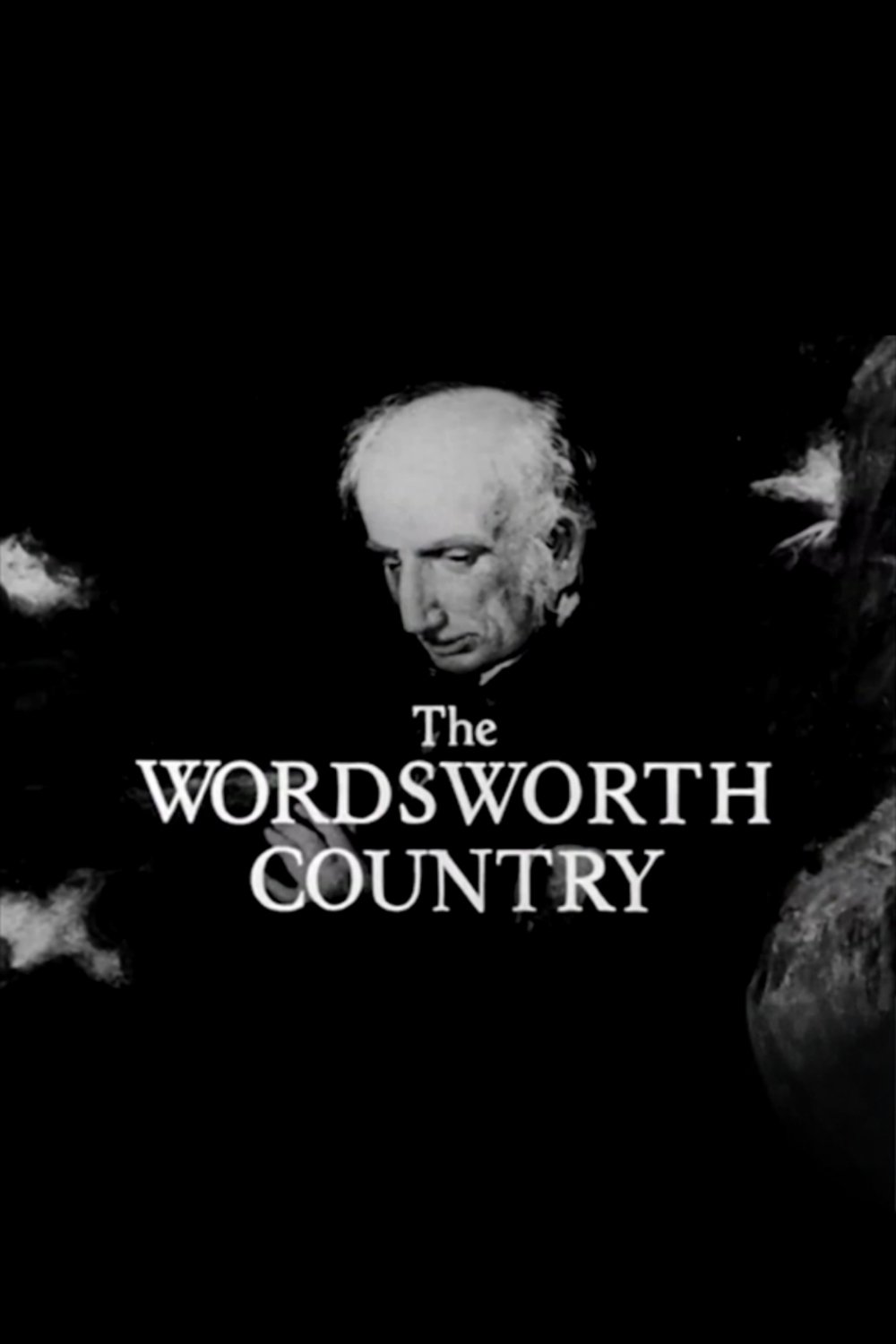
A look at the Lake District and its famous poet.
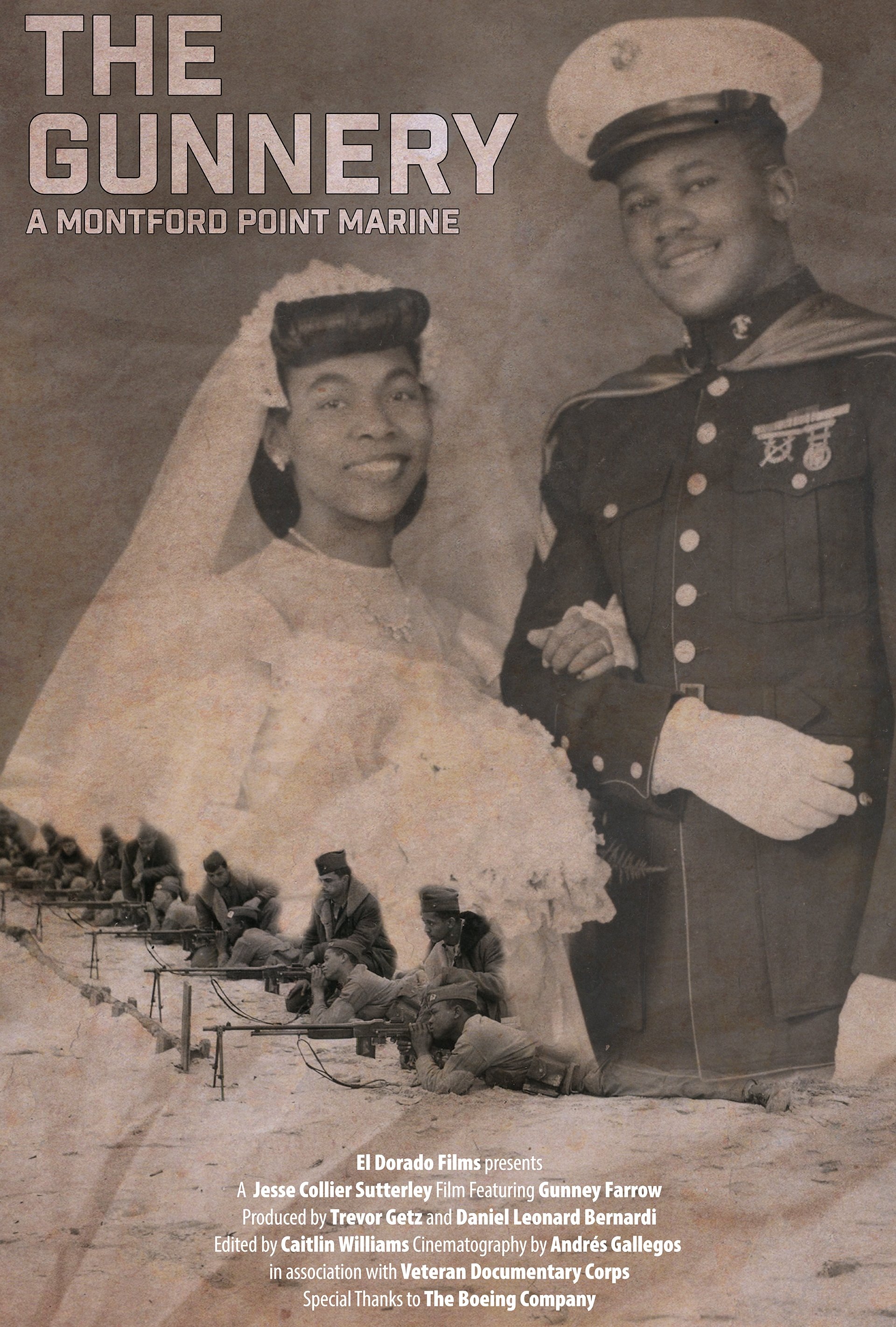
In this heartfelt short film by Jesse Collier Sutterley, Roosevelt Farrow, born in 1929 at the start of the Great Depression, shares his lifelong dream of becoming a U.S. Marine, despite the racial barriers of his time. Raised by his grandmother in humble conditions, he was inspired by the sight of Marines visiting his community. Farrow’s determination led him to join the Marine Corps, where he faced the challenges of Montford Point boot camp, eventually becoming an expert marksman and retiring as a Gunnery Sergeant. Although he never saw combat, a fact he attributed to his wife’s prayers, he realized the significance of his journey when he witnessed black officers rising in the ranks. Farrow's story is a testament to perseverance and the pursuit of one's dreams, encouraging others not to give up on their aspirations despite austere beginnings and social injustice.
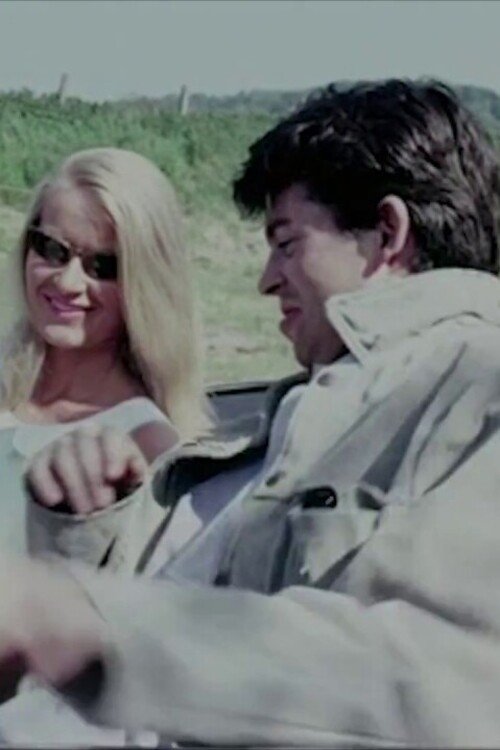
Hitch a ride with a glamorous blonde in a convertible sports car, and take a spin around the seaside town of Weston-Super-Mare and its surroundings.
A movie that portrays a reflection about sense of being self, to love and to be loved.
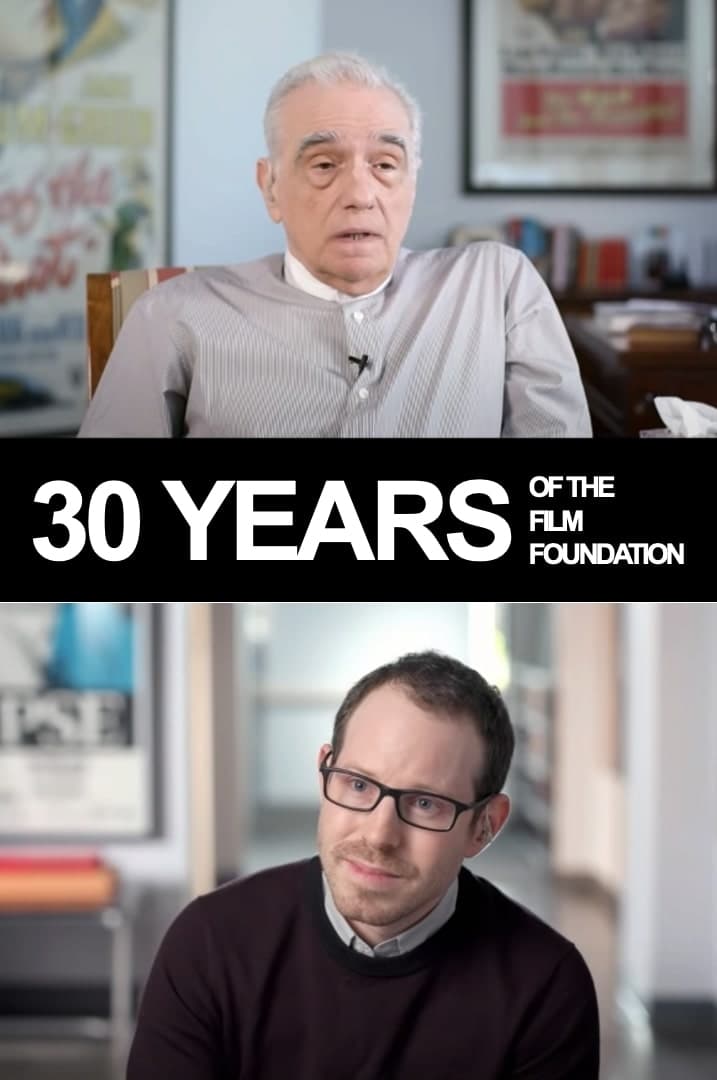
In the following conversation, recorded remotely in 2020, filmmakers Martin Scorsese and Ari Aster discuss the mission, evolution, and ongoing work of The Film Foundation, the nonprofit organization dedicated to protecting and preserving motion-picture history that Scorsese established in 1990.
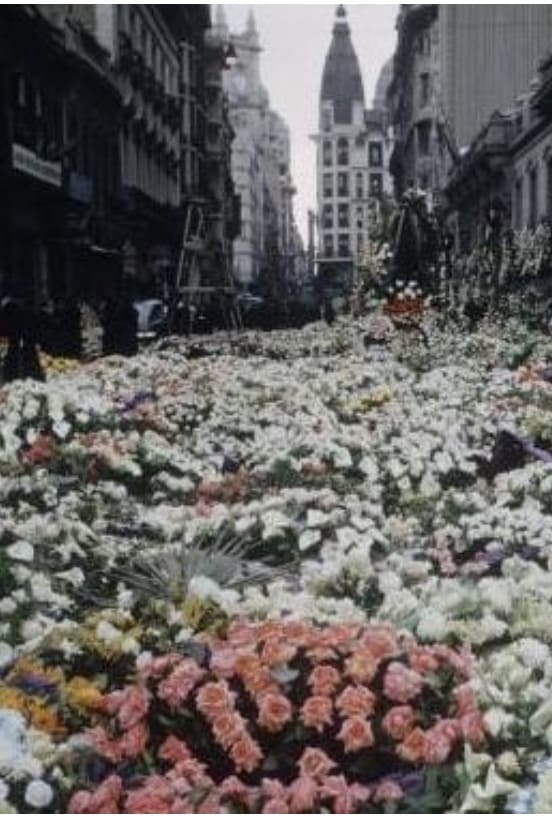
Documentary depicting the funeral of Argentinian First Lady Eva Perón in 1952.
GUERRILLA HABEAS tells their inspiring yet maddening tale, as they rescue a few and many others are swept up by the system.
This video is about the idea of narcissistic transference, sexual dependency, and the failure to distinguish between the self and the loved one. It is also about using love to create a border between oneself and political and psychological oppression.
In his first public endurance feat, David Blaine was buried underground in a plexiglas coffin underneath a 3-ton water-filled tank for seven days and nights, surviving on nothing but liquids.
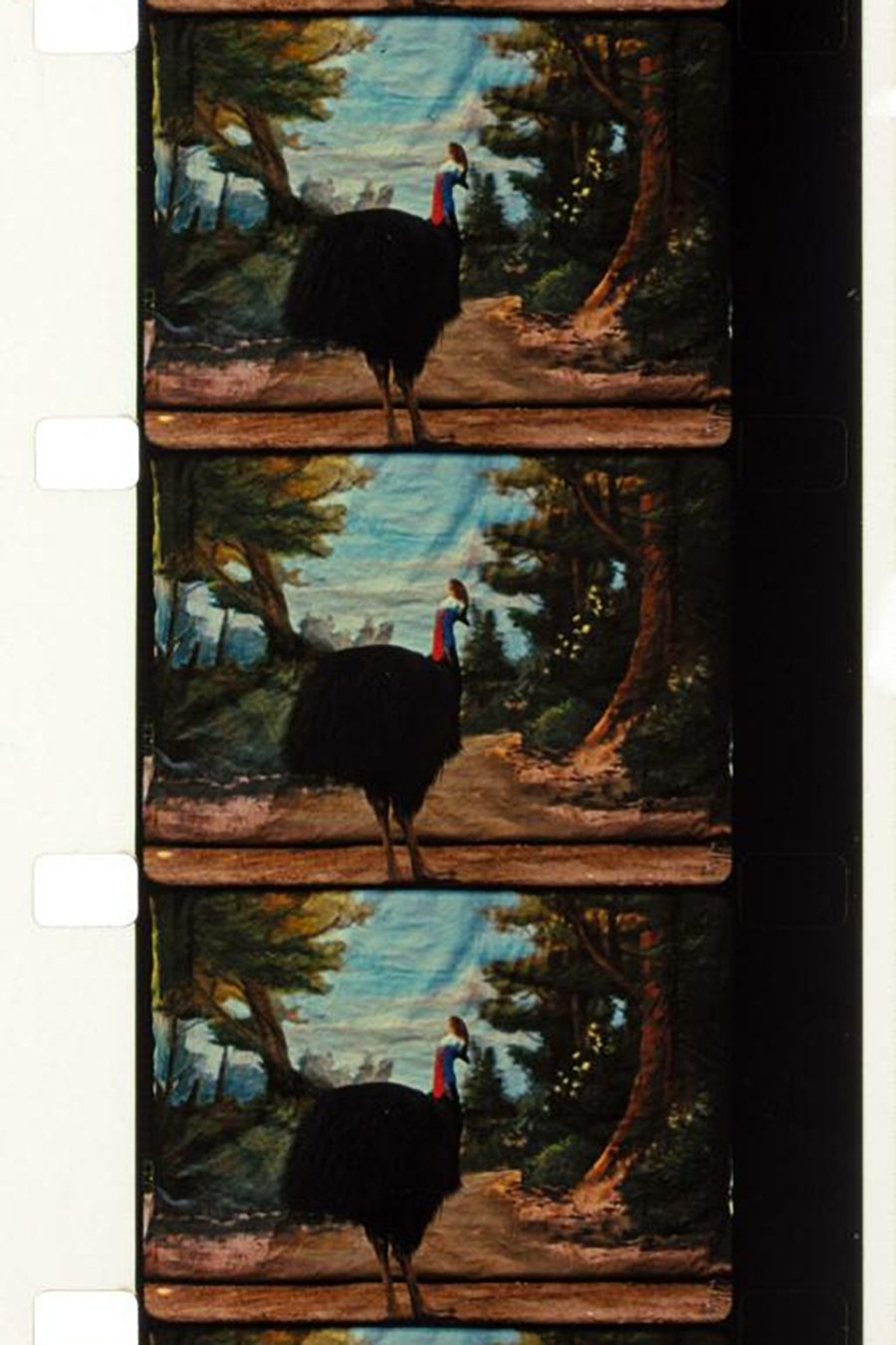
An encounter at Jardim Zoológico de Lisboa shot in 16mm by JMG+PP.
In interviews, various actors and directors discuss their careers and their involvement in the making of what has come to be known as "cult" films. Included are such well-known genre figures as Russ Meyer, Curtis Harrington, Cameron Mitchell and James Karen.
The story of The Beatles' last song featuring exclusive footage and commentary.
Inside the making of Anchorman 2: The Legend Continues
A string of threatening emails escalates into a revenge plot involving a newly married US marshal and his ex-girlfriend.
A purely observational non-fiction film that takes viewers into the ethically murky world of end-of-life decision making in a public hospital.
Daniel Craig candidly reflects on his 15 year adventure as James Bond. Including never-before-seen archival footage from Casino Royale to the upcoming 25th film No Time To Die, Craig shares his personal memories in conversation with 007 producers, Michael G Wilson and Barbara Broccoli.
Stars of "The Walking Dead," Andrew Lincoln and Danai Gurira, walk down memory lane and visit iconic locations where pivotal moments between their characters, Rick and Michonne, were filmed.
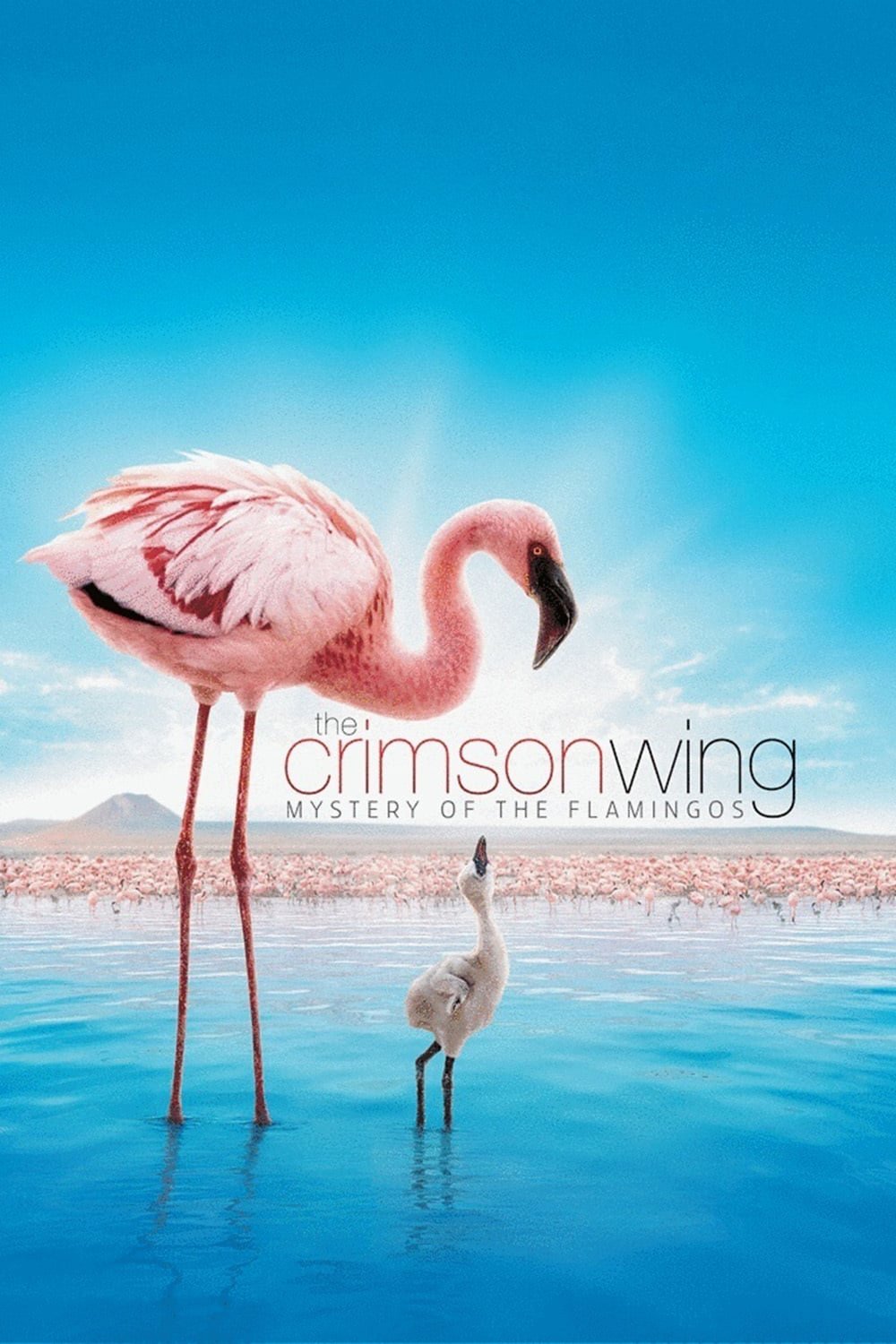
In the remote and forgotten wilderness of Lake Natron, in northern Tanzania, one of nature's last great mysteries unfolds: the birth, life and death of a million crimson-winged flamingos.
Join director Clint Eastwood and his creative team, along with Bradley Cooper and Sienna Miller, as they overcome enormous creative and logistic obstacles to make a film that brings the truth of Navy SEAL Chris Kyle's story to the screen.
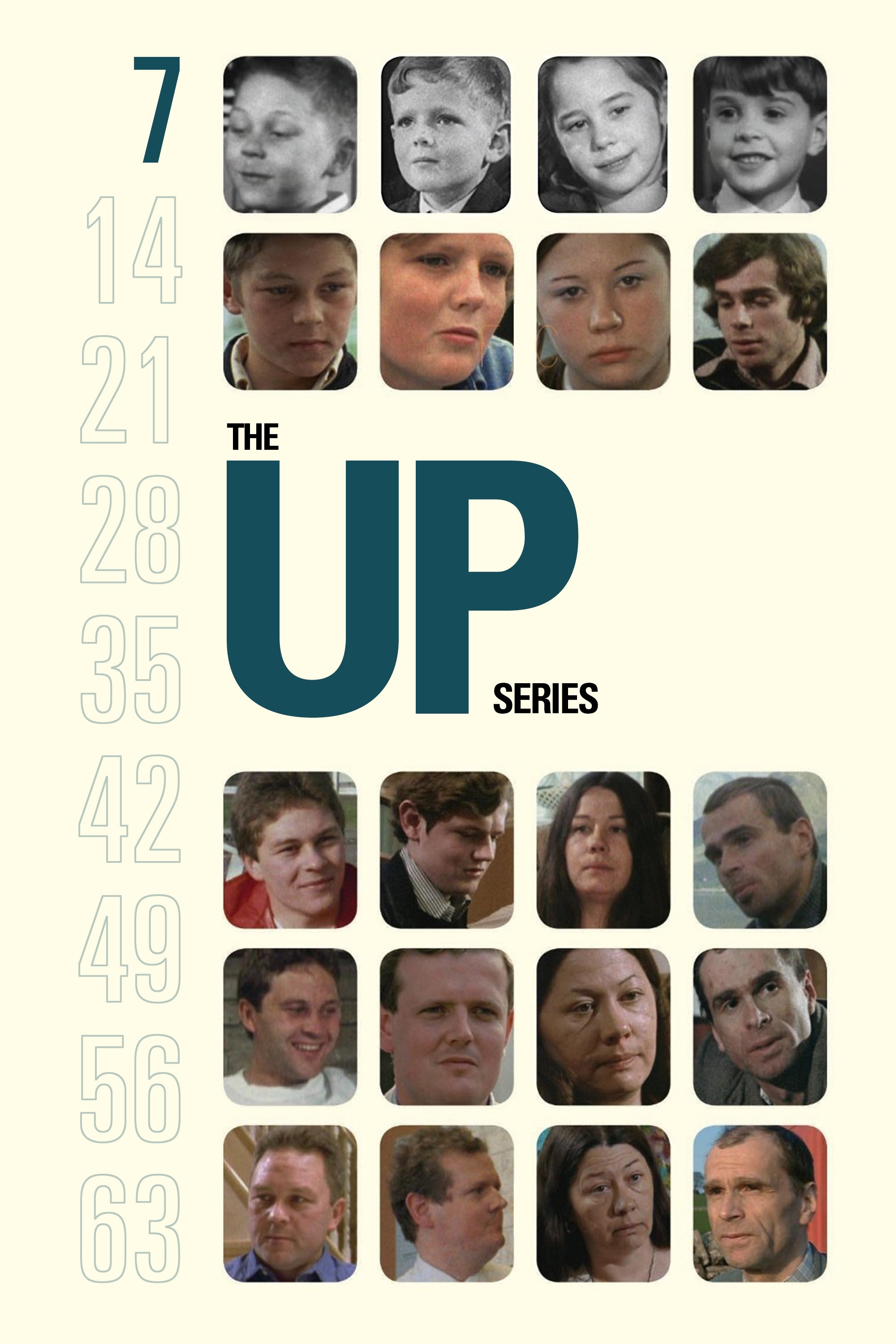
A group of British children aged 7 from widely ranging backgrounds are interviewed about a range of subjects. The filmmakers plan to re-interview them at 7 year intervals to track how their lives and attitudes change as they age.
A visual montage portrait of our contemporary world dominated by globalized technology and violence.
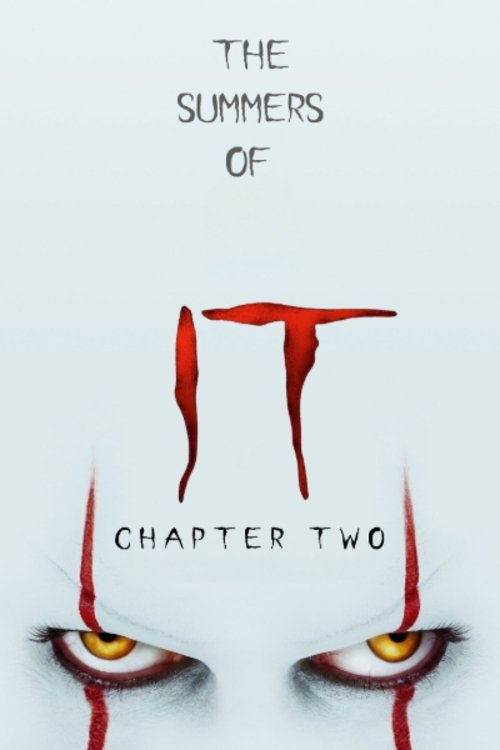
This documentary focuses on the actors and their journey over two summers to create the remake to the original IT, by Stephen King. The documentary originally released as bonus material, bundled with IT: Chapter Two.
As England reach the final of the Euros at last, 6,000 ticketless football fans storm Wembley stadium, leaving destruction in their wake.
A feature length documentary about the all-women team at the helm of Pixar's original feature, Turning Red. With unprecedented behind-the-scenes access to Director Domee Shi and her core leadership crew, this story shines a light on the powerful professional and personal journeys that brought this incredibly comical, utterly relatable, and deeply heartfelt story to the screen.
A documentary about the making of David Fincher's 2008 film THE CURIOUS CASE OF BENJAMIN BUTTON. Virtually every element in the evolution of the Fincher's film is documented here, from the project's attachment to numerous other directors during the 1990s, to its shoot in 2006 and 2007 in New Orleans, to its complex, CGI-intensive postproduction process.
A documentary about the life and films of director John Ford.
A look behind the lens of Christopher Nolan's space epic.
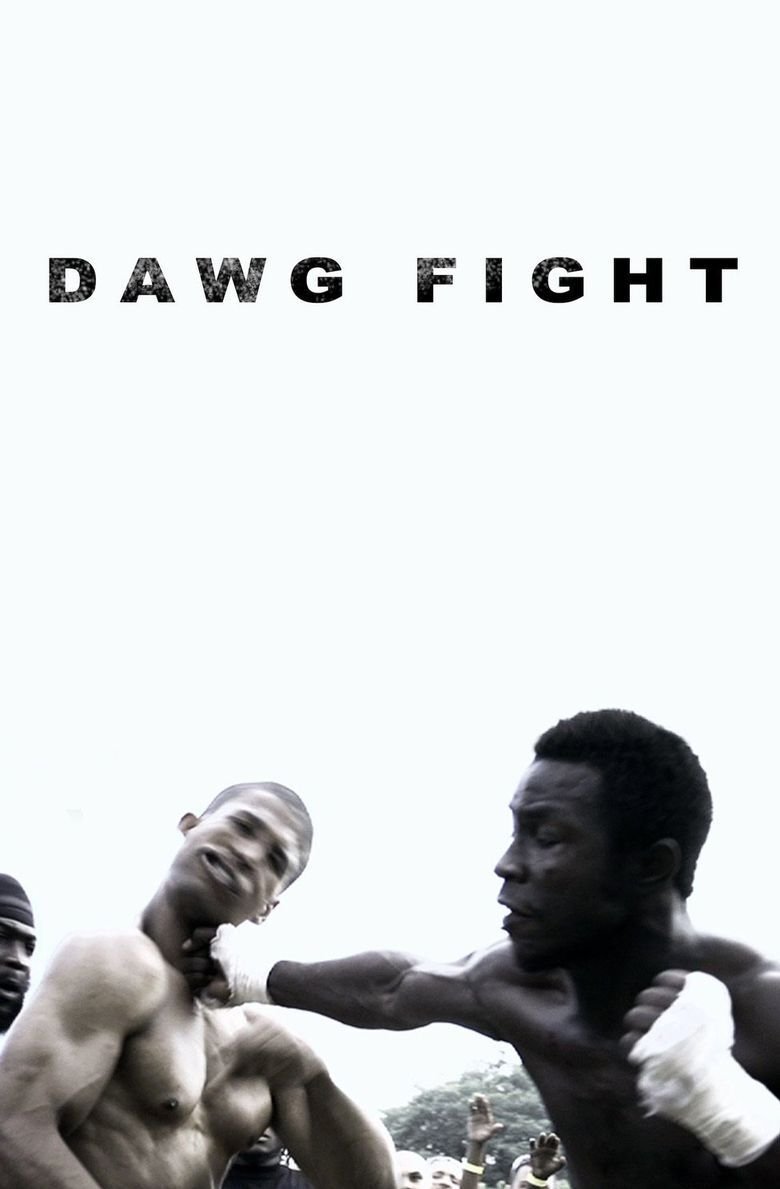
In a crime-plagued neighborhood near Miami, brutal, bare-knuckled backyard fights give young men a chance to earn money -- and self-respect.
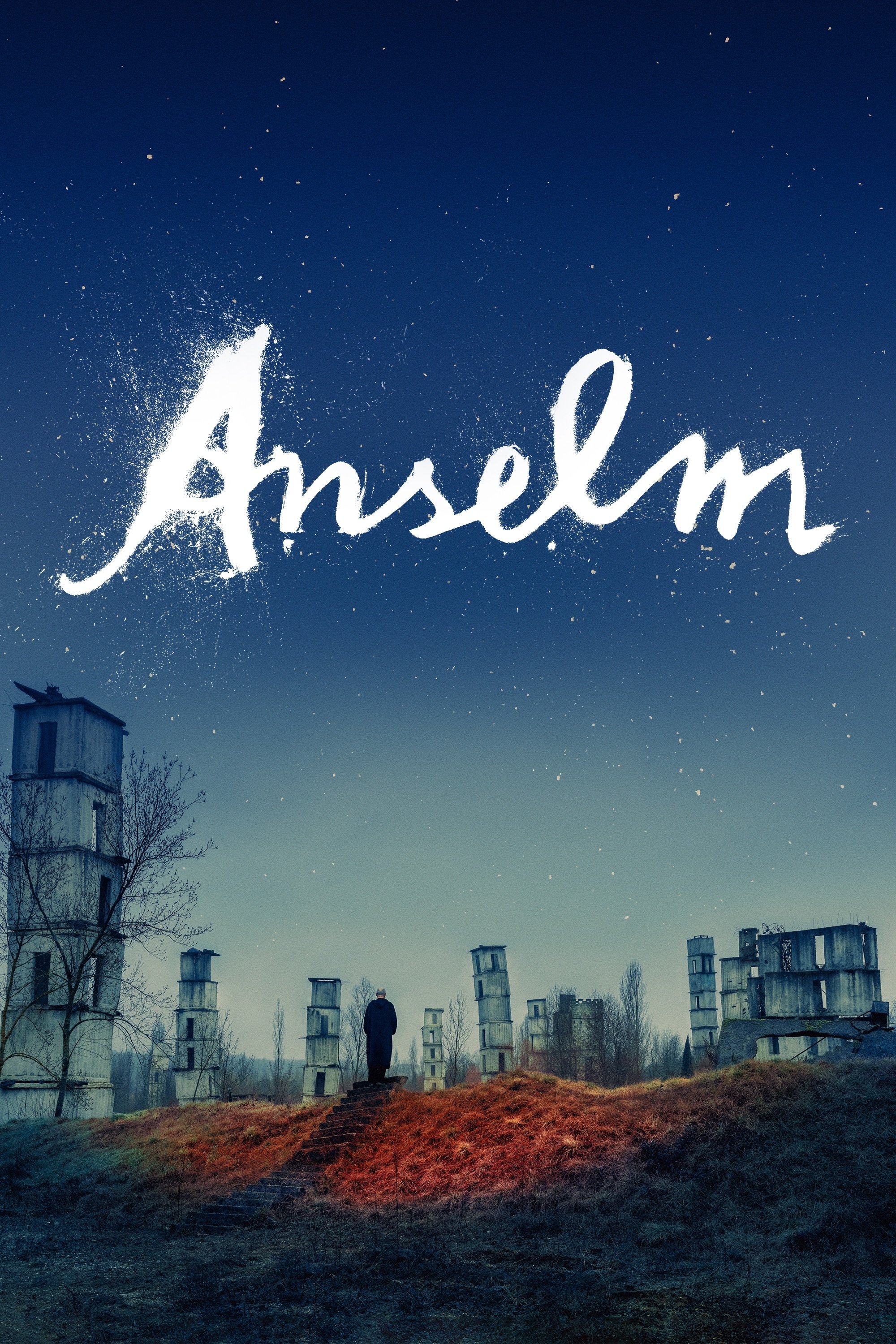
This unique cinematic experience dives deep into an artist’s work and reveals his life path, inspiration, and creative process. It explores his fascination with myth and history. Past and present are interwoven to diffuse the line between film and painting, allowing the audience to be completely immersed in the remarkable world of one of the greatest contemporary artists, Anselm Kiefer. Wim Wenders shot this unique portrait over the course of two years in stunning 3D.
A documentary on the expletive's origin, why it offends some people so deeply, and what can be gained from its use.
A detailing of the rise to prominence and global sporting superstardom of six supremely talented young Manchester United football players (David Beckham, Nicky Butt, Ryan Giggs, Paul Scholes, Phil and Gary Neville). The film covers the period 1992-1999, culminating in Manchester United's European Cup triumph.
In an intimate and joyful story of love in the face of loss, celebrated poets Andrea Gibson and Megan Falley find strength—and unexpected hilarity—in what might be their final year together.
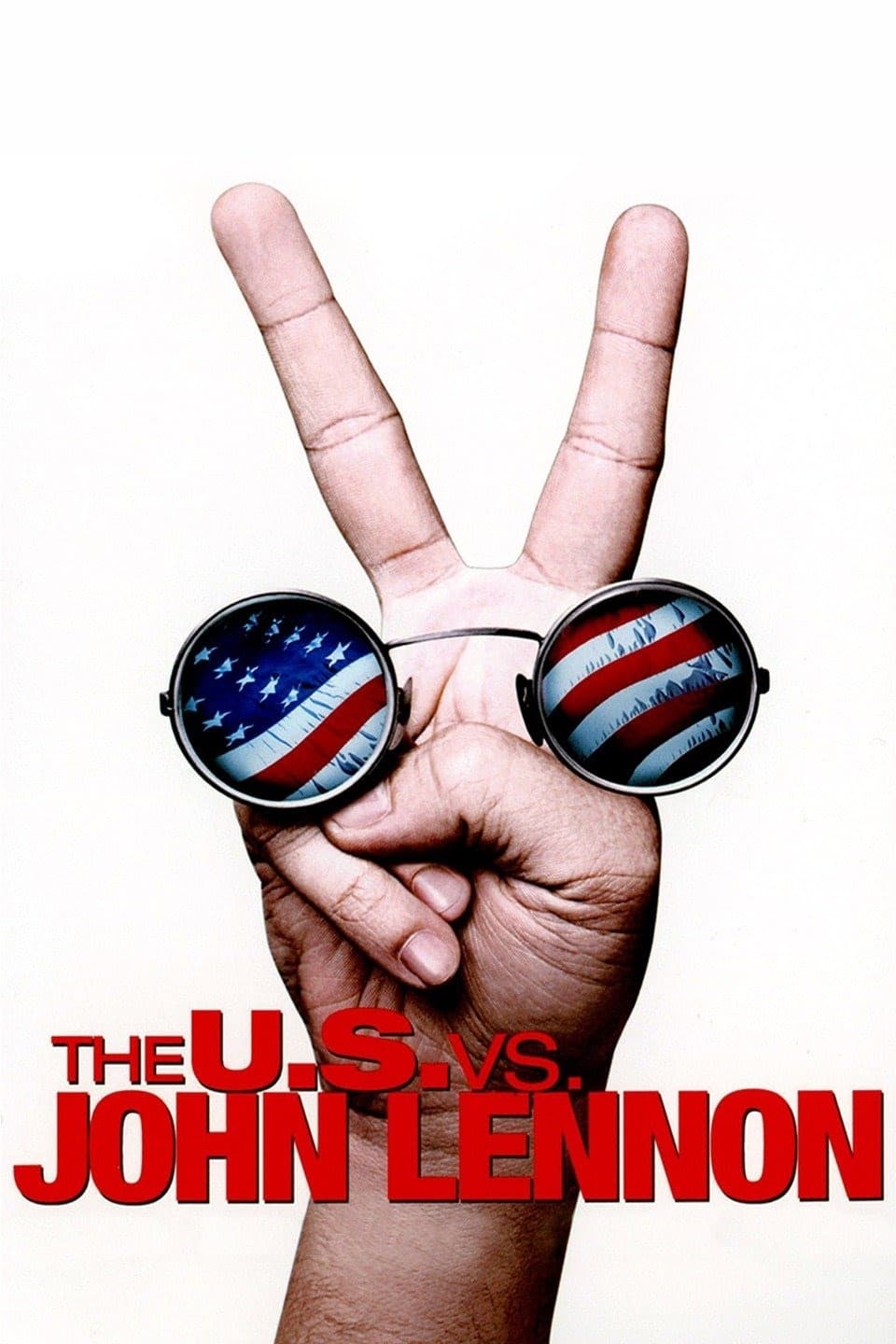
A documentary on the life of John Lennon, with a focus on the time in his life when he transformed from a musician into an antiwar activist.