The show tells a thrilling story of the most remarkable space mission in human history.
Social & External
On December 7, 1972, NASA launched Apollo 17, a lunar mission crewed by Eugene Cernan, Ronald Evans and Harrison Schmitt. It would be the last time humans traveled beyond low Earth orbit, the last time man landed on another celestial body, and the last time man went to the moon. The Last Steps uses rare, heart-pounding footage and audio to retrace the record-setting mission.
Top scientists want to build a nuclear bomb-powered spaceship to visit Mars and the planets.
The 1950s were a time marked by an idealistic feeling. The atomic age, with its promise to save humanity, revolutionized the world, technologically, socially and politically. All these factors gave birth to one of the most prolific film genres in the history of cinema: science fiction, which delighted the audience. Only a few years later, these same spectators saw on their television screens how the Russians launched the Sputnik into space.
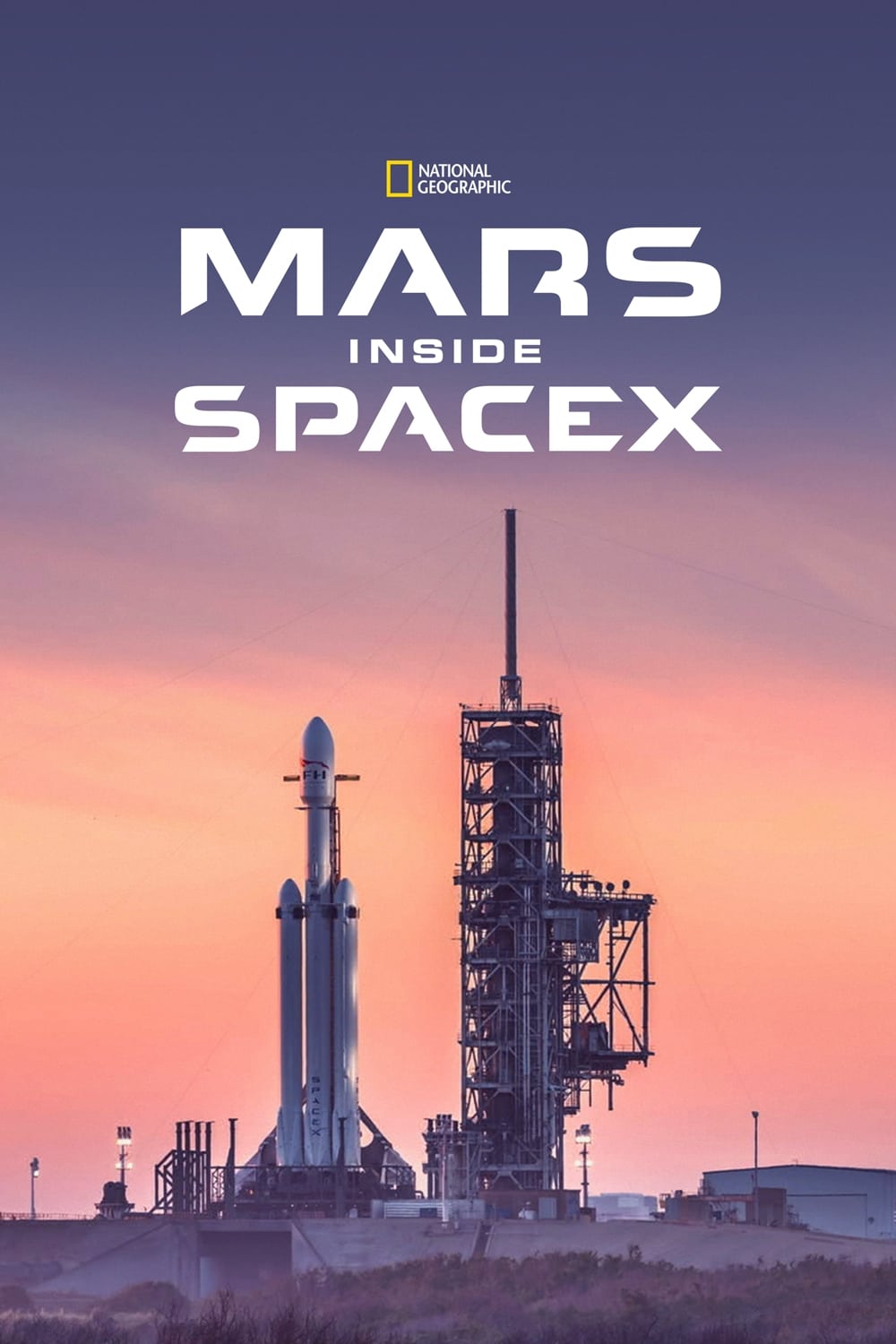
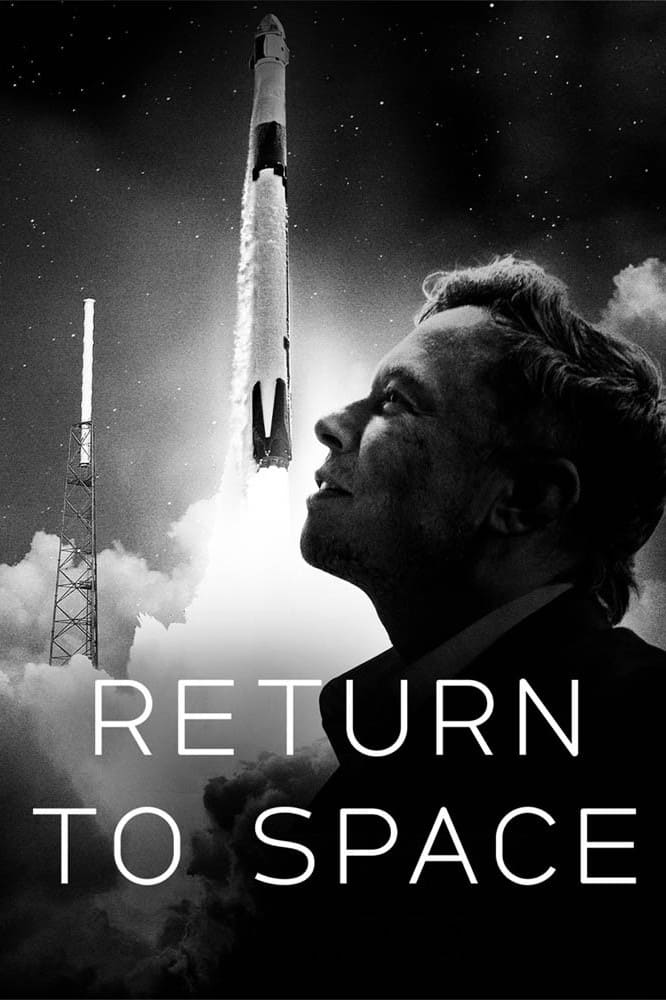
The inside story of SpaceX's plan to get humanity to Mars, providing an unprecedented glimpse into one of the world's most revolutionary companies. A behind-the-scenes journey with Elon Musk and his engineers as they persevere amidst both disheartening setbacks and huge triumphs to advance the space industry faster than we ever thought possible.
Thirty distinguished astronomers are visited at their observatories throughout the world in this comprehensive report of astronomical theories, research, and discoveries.
Mankind from Space is an epic journey of discovery. Using mind-boggling data and CGI, it traces humankind’s story from hunter-gatherer to dominant global species. Seen from the global perspective of space, this special shows the breath-taking extent of our influence, revealing how we’ve transformed our planet and produced an interconnected world of extraordinary complexity.
When we feel The Earth beneath our feet, see it with our eyes, hear it when the wind blows, we perceive only the most obvious filaments of a far more complex place. Only with exquisite machines--spacecraft in orbit and powerful computers on the ground--can humanity begin to uncover the elegant nature of our complex home. Presented here are a collection of data visualizations based on observations gathered by a fleet of spacecraft. In various depictions we see the currents of the world's oceans, changes in temperature and land cover over time, and precipitation as it cycles energy and water around our living planet. But The Earth is only one part of a dynamic sphere, and with its companion The Moon nearby, we cannot hlep but remeber that our whole planet travels in a wider ocean. This video presents Earth's Moon with data gathered by the remarkable Lunar Reconnaissance Orbiter, an advanced probe designed to map our planetary companion in unprecedented detail.
Over the centuries only few caravans dared to cross the northern route of the silk road that today lies in the territory of Kazakhstan. In this portion of Asian desert there was no place to build a majestic city nor anything else worth fighting for. Until in 1955 the Soviet government realised that those lands, far as they may be from the rest of the World, were just one step away from the Universe.
The Mediterranean. Because people have been travelling there for thousands of years, it is believed to be without secrets. And yet, far below its surface, lie vast unexplored territories, luxurious gardens worthy of the finest tropical coral reefs. These natural wonders are inaccessible to the traditional diver, in a twilight zone, between 60 and 120 m, where there’s less than 1% of sunlight. If diving at such depths is always a challenge, staying there is a fantasy, a utopia that becomes reality in Planet Mediterranean. In the tradition of Commander Cousteau and his "houses under the sea," the team of diver-photographer Laurent Ballesta is undertaking a new world-record setting mission in complete freedom and without time limit.
A film from which you can learn about the first progress of the USSR in space exploration, as well as about the achievements of Yuri Gagarin, the world famous first cosmonaut, who was the very first to conquer the depths of space. This is an educational documentary film for people of all ages. And for those who are nostalgic about the past, and for those who want to learn more about space and its conquest.
Definitively proving that all the "B" Science Fiction of the 1950s and 1960s do not hold a candle to the 'real thing,' Pavel Medvedev's surreal 45 minute documentary Ascension is certainly one to look for. Composed entirely out of archival footage, much of it from the Soviet science and space archives, delicately scored and building to an undeniable mood of surreal (perhaps even ominous) energy, it charts (and re-purposed) the progress of man into to the unknown area of space exploration with a flair for creating art out film that was shot by scientists and engineers as a mundane record.
This program reveals the daily battle between the Internet’s outlaws and the hackers who oppose them by warding off system attacks, training IT professionals and police officers, and watching cyberspace for signs of imminent infowar. Through interviews with frontline personnel from the Department of Defense, NYPD’s computer crime squad, private detective firm Kroll Associates, X-Force Threat Analysis Service, and several notorious crackers, the program provides penetrating insights into the millions of hack attacks that occur annually in the U.S.—including one that affected the phone bills of millions and another that left confidential details of the B-1 stealth bomber in the hands of teenagers. The liabilities of wireless networks, the Code Red worm, and online movie piracy are also discussed. A Discovery Channel Production. (51 minutes)
A look at the Apollo 11 mission to land on the moon led by commander Neil Armstrong and pilot Buzz Aldrin.
At an isolated outpost in the Arctic, the pioneering spirit of the Space Race clashes with the suspicions of the Cold War.
The story of America's first astronauts, known as the Mercury 7, told through archival news & radio reports, newly transferred & previously unheard NASA mission audio recordings, and more rare & unseen material.