Social & External
Yannick Marty
Ophelia Laszlo
Herpetologist
Head of the flora program of the biodiversity department
Responsible for the natural sites program
head of the watercourse renaturation sector
Home is where we grow up or settle permanently. And this home is always shaped by nature. Today, we human beings change and shape this more than any law of nature. HEIMAT NATUR is a visually stunning journey through the nature of our homeland, from the peaks of the Alps to the coasts and the depths of the North and Baltic Seas. In between is a cinematic foray through steaming forests, shimmering moors, over rose-blossoming heaths and the colorful cultural landscape around our villages and towns. In extraordinary images this nature is shown from its most beautiful side, examining the state of the native habitats. Slow-motion and time-lapse photography as well as intimate shots of familiar and unfamiliar species, some filmed for the first time, making the film a cinematic nature experience for the whole family.
Our love affair with dolphins began with 'Flipper' and ended in a multi-million dollar industry of abuse. From the dazzling sea shows where dolphins are driven to suicide, to an annual dolphin slaughter in a small cove in Japan, 'Saving Flipper' reveals the nightmare behind the dolphin's indelible smile.
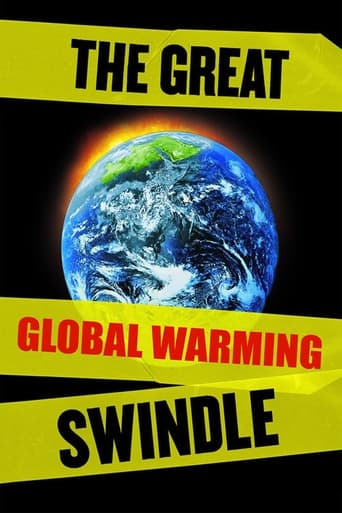
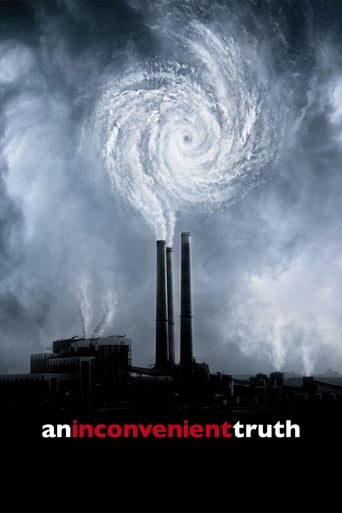
This film tries to blow the whistle on what it calls the biggest swindle in modern history: 'Man Made Global Warming'. Watch this film and make up your own mind.
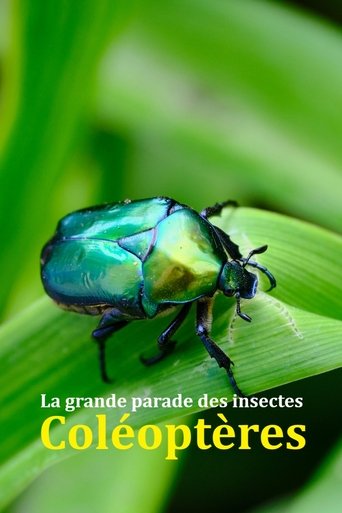
A documentary of insect life in meadows and ponds, using incredible close-ups, slow motion, and time-lapse photography. It includes bees collecting nectar, ladybugs eating mites, snails mating, spiders wrapping their catch, a scarab beetle relentlessly pushing its ball of dung uphill, endless lines of caterpillars, an underwater spider creating an air bubble to live in, and a mosquito hatching.
David Attenborough narrates the intimate story of a leopard mother and her two cubs. This very special family must survive in the wilds of Botswana alongside some less-than-friendly neighbours: lions, wild dogs and hyenas. The competition for food is tough, and if they are going to make it they must learn a new skill - they must learn to fish. This is an epic family drama. With them every step of the way is local cameraman Brad Bestelink. Brad's 18-month journey following the lives of these secretive big cats offers a rare glimpse into an otherwise hidden world
On Zambia's Liuwa Plain two star-crossed spotted hyena cubs are born to warring rival clans: Twaambo, a male cub and Nasanta, a female, are destined to lead converging lives as their extreme environment forces them together
David Attenborough takes viewers on a breathtaking journey showing there is nowhere more vital for our survival, more full of life, wonder, or surprise, than the ocean. Through spectacular sequences featuring coral reefs, kelp forests and the open ocean, Attenborough shares why a healthy ocean keeps the entire planet stable and flourishing.
Two friends, both Indigenous fishermen, are driven to desperation by a dying sea. Their friendship begins to fracture as they take very different paths to provide for their struggling families.
On February 14, 2000, Disney debuted a sequel television documentary series to the True-Life Adventures for syndication and educational video distribution. There were four entries in this new series.
Captain Kleinschmidt leads an expedition sponsored by the Carnegie Museum to the arctic regions of Alaska and Siberia to study the natives and the animal life.
Thule, Greenland, also called Qaanaaqis, one of the northernmost towns in the world. As the climate warms and the ice caps begin to melt, the gentle balance of life for the people of this community is in jeopardy. On the other side of the globe, the melting ice caps are raising sea levels around the Polynesian island nation of Tuvalu, threatening to wipe the island right off the map. Though a world apart, these two communities are intricately connected as environmental balance begins to tip and traditional ways of life are threatened. 'ThuleTuvalu' is a stunning documentary addressing the high price of a hundred years of development and how two very different communities are now bound together in facing an uncertain future.
After 25 years of the Project Tiger Scheme operating in the Madhya Pradesh, these magnificent animals have become more trusting, permitting an extraordinary intimate film which follows them from sunrise to sunset, in monsoon rains and in shimmering heat
Ewan McGregor narrates a captivating portrait of wild Shetland and traces the course of a breeding season as the animals on these remote islands battle for survival.
2 Degrees is about nothing less than the fight for the health of the planet we call home. The abstract idea of climate change is explored through the weaving of real and emotional journeys an audience can relate to. Our characters battle to mitigate the potential disasters of climate change and fight for climate justice, for it will be the developing world that bears the brunt of our profligacy and short sightedness. While An Inconvenient Truth alerted us to the problems facing the earth, 2 Degrees is the gripping and vital fight for a solution.
From the ashes of Australia’s devastating bushfires, wildlife survivors begin their long journeys to recovery. Australia’s fauna have evolved to coexist with bushfire, but these Black Summer fires are unprecedented in their scale, speed and intensity. Many native animals are unable to escape, or endure, without human help. We follow iconic species like koalas, kangaroos, wombats, and an endangered parrot through their rescue, rehabilitation and eventual release. Remarkable tales of compassion and dedication are revealed along the way – from an orphan wombat growing too attached to her carer, to audacious helicopter airdrops to feed remote rock wallabies. When the fires finally burn out, Australia looks to the science, innovation and Indigenous knowledge that will be needed to safeguard fragile wildlife in an even hotter future.
Described as being a film about determination, danger and the ocean’s greatest depths, James Cameron's "Deepsea Challenge 3D" tells the story of Cameron’s journey to fulfill his boyhood dream of becoming an explorer. The movie offers a unique insight into Cameron's world as he makes that dream reality – and makes history – by becoming the first person to travel solo to the deepest point on the planet.
A look at the state of the global environment including visionary and practical solutions for restoring the planet's ecosystems. Featuring ongoing dialogues of experts from all over the world, including former Soviet Prime Minister Mikhail Gorbachev, renowned scientist Stephen Hawking, former head of the CIA R. James Woolse
Wisconsin's tribe's ongoing fight to protect Lake Superior for future generations. "Bad River" shows the Bad River Band of Lake Superior Chippewa's long history of activism and resistance in the context of continuing legal battles with Enbridge Energy over its Line 5 oil pipeline. The Line 5 pipeline has been operating on 12 miles of the Bad River Band's land with expired easements for more than a decade. The Band and the Canadian company have been locked in a legal battle over the pipeline since 2019.
Two filmmakers follow a businessman turned eco-activist as he exposes Romania's timber mafia. Their journey takes a dramatic turn when, in the middle of a forest, the three are attacked by a group of 12 angry men. The cameras are destroyed, and all footage is lost. Faced with this harsh reality, each of them tries to manage the situation as best they can, confronting their own doubts and limitations.
Sunderbans (Forest of Beauty) is in West Bengal, India, and is the only place on Earth that is the natural habitat of Royal Bengal Tigers that have never known to be fearful of humans. One tiger has been known to kill three fully grown men, leaving behind orphans and widows who belong to poor tribes, dependent on harvesting wild honey and fishing, in a swampy mangrove region. About 80 people are killed annually by these ferocious beasts with razor-sharp jaws, whose forepaws can shatter bones, and sharp teeth can pierce a skull in one bite. Amidst religious superstitions, the narrator attempts to explain the cause behind their taste for human meat in a region devoid of electricity, roadways, firearms and safe drinking water, and why the villagers continue to live there despite of being stalked and mauled on land and water alike.