Social & External
The people behind it
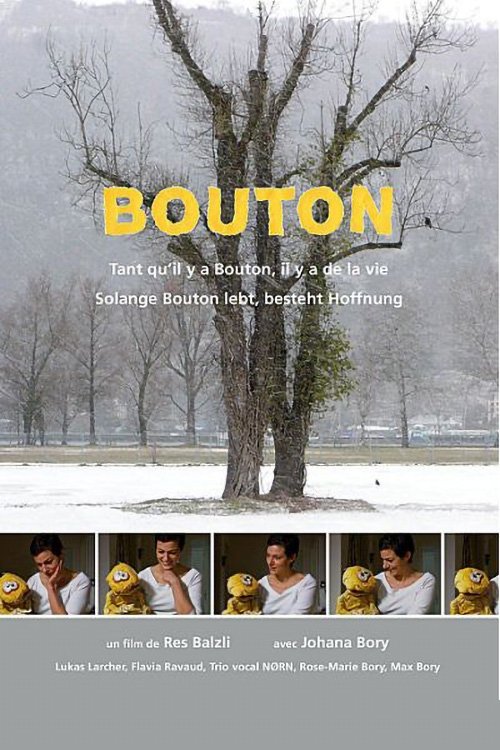
A documentary about healers from the Swiss canton of Appenzell.
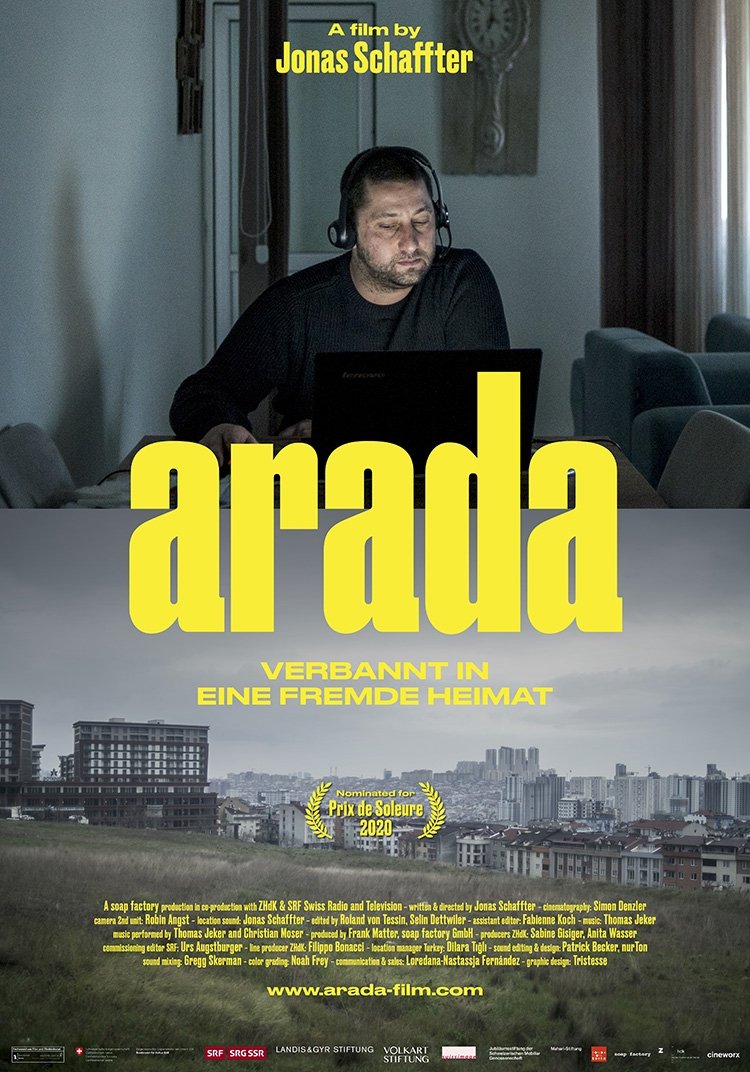
The story of three Turkish men. They all grew up in Switzerland and all got deported after various criminal offenses.
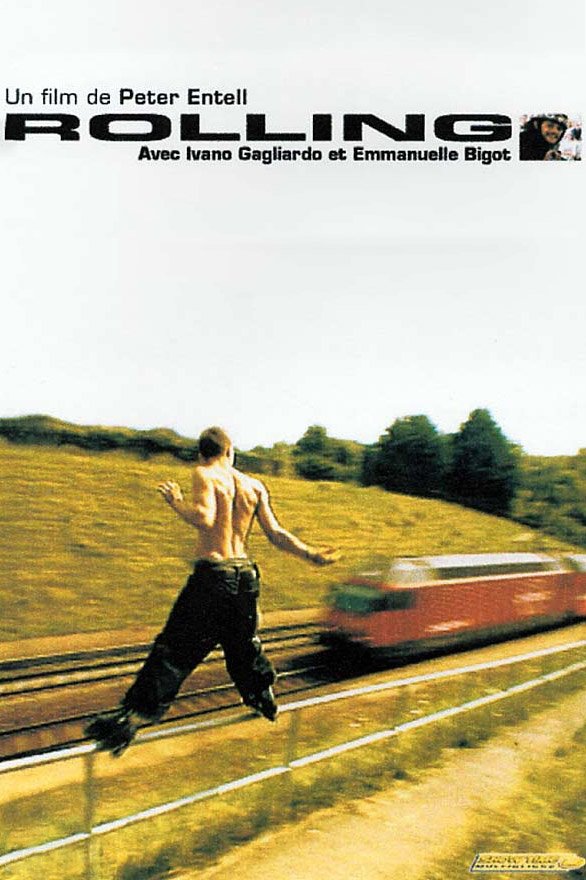
The hills of Lausanne, Switzerland, have become a Mecca for roller-skaters and Ivano has become a prince among them. Ivano rises above the ordinary and often dead-end choices that most young people face today.
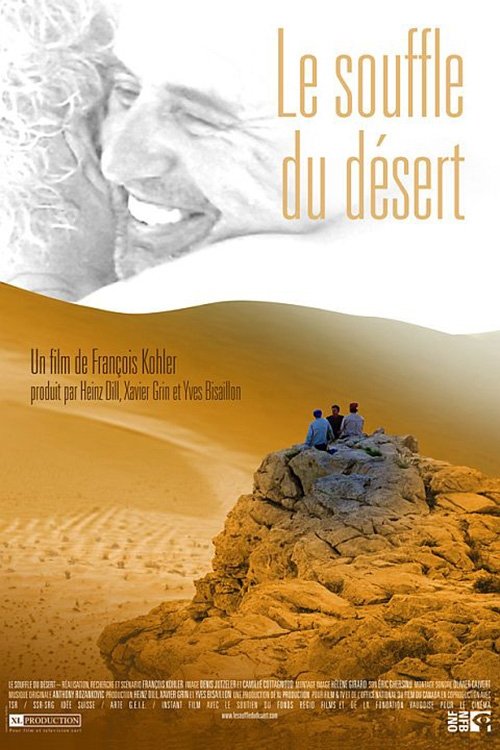
A disturbing exploration of what it means to be a man Desert Wind unveils the innermost thoughts of 13 men about their lives and male identity, making a clean sweep of clichés. Their revelations -- a glimpse of the hidden side that few men spontaneously reveal -- are of equal interest for women.
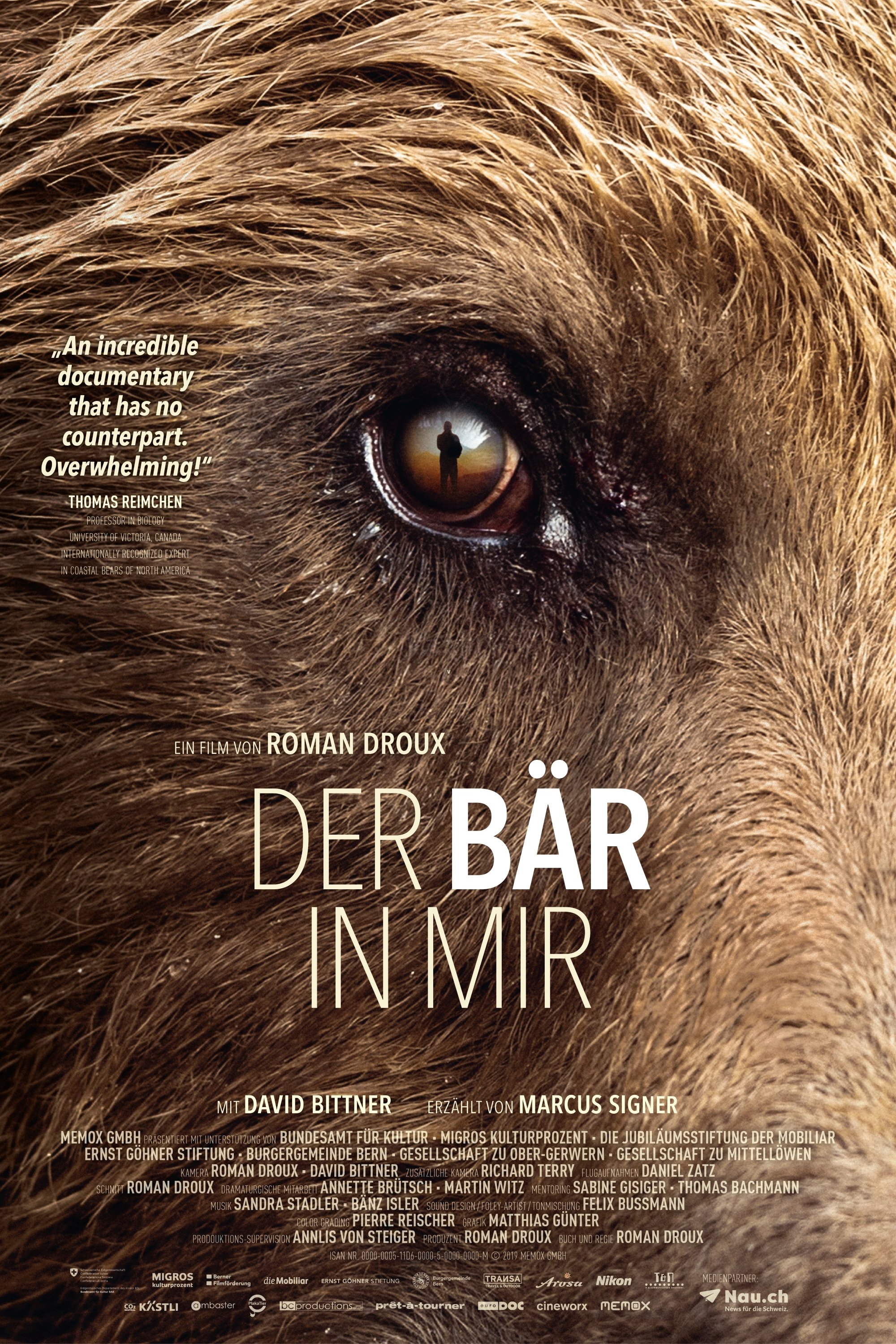
At the far end of the Alaskan peninsula, for filmmaker Roman Droux a childhood dream comes true. He discovers together with the bear researcher David Bittner the universe of wild grizzlies. The two adventurists face bears at smelling-distance, experience the struggle for survival of a bear family and witness dramatic fighting scenes. Driven by a desire to explore the unknown the film tells a personal story of wilderness, framed in breathtaking pictures of unique creatures.
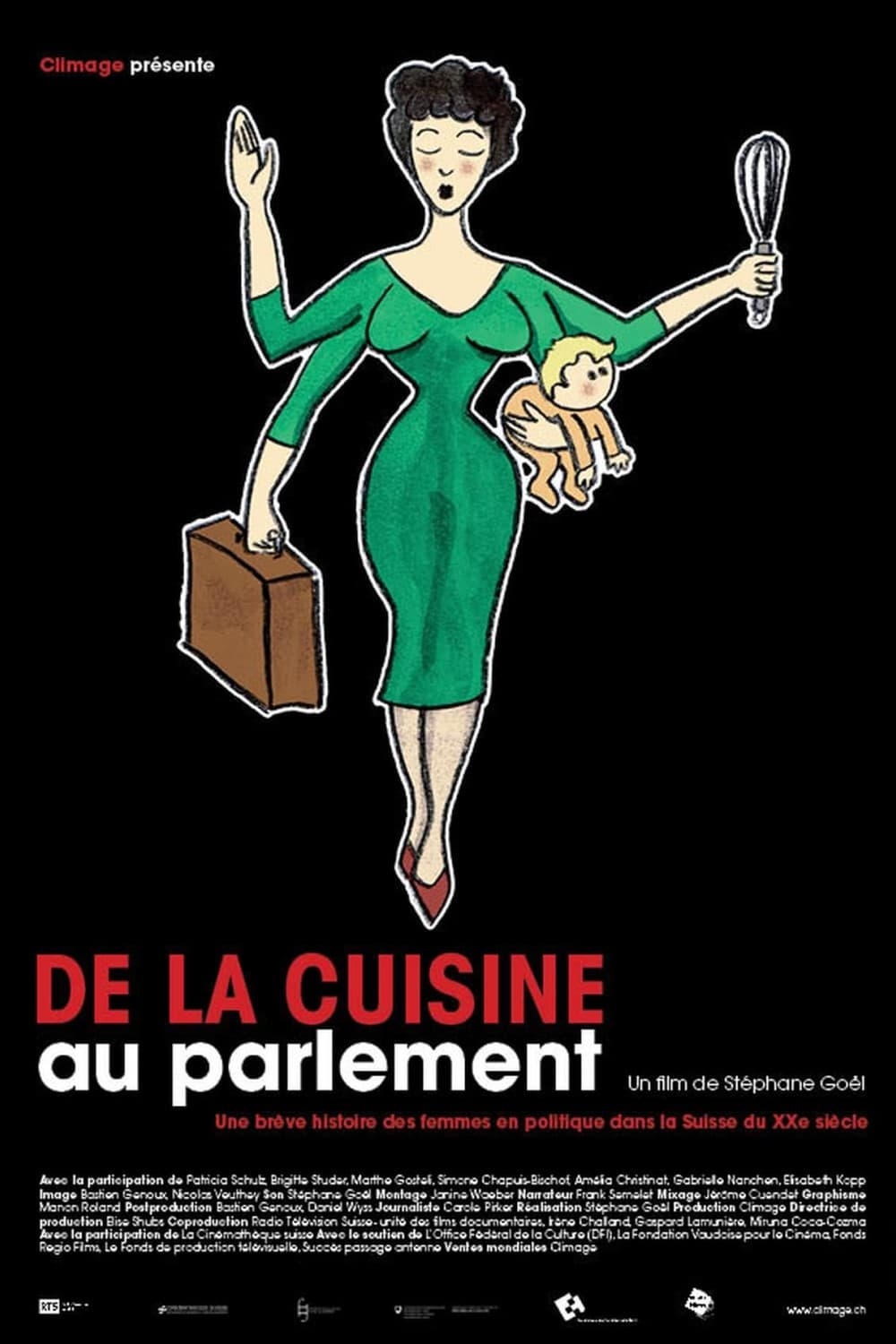
Switzerland was one of the last countries in the world to grant women the right to vote. This film guides us through a century of Swiss history, tracing the imprint left by the women who fought for the right to leave hearth and home – and by the men who did everything they could to send them back – until they gained legal equality, whose implementation seems to be in question still today.
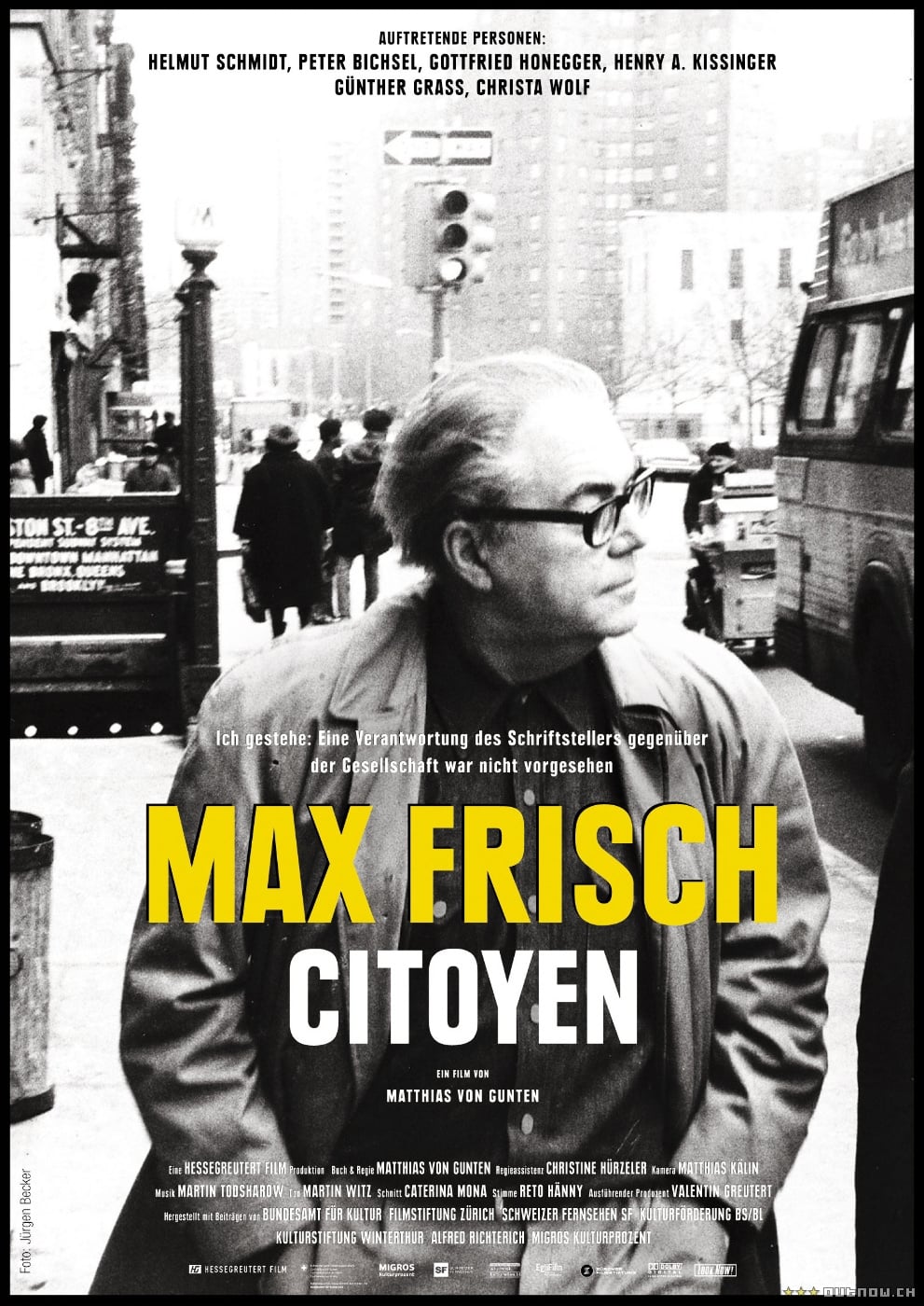
Max Frisch was the last big Swiss intellectual widely respected as a “voice” in its own right – a character hardly found today. The film retells Frisch’s story as a witness of the unfolding 20th century, wondering if such “voices” are needed at all, or if we could do without them.
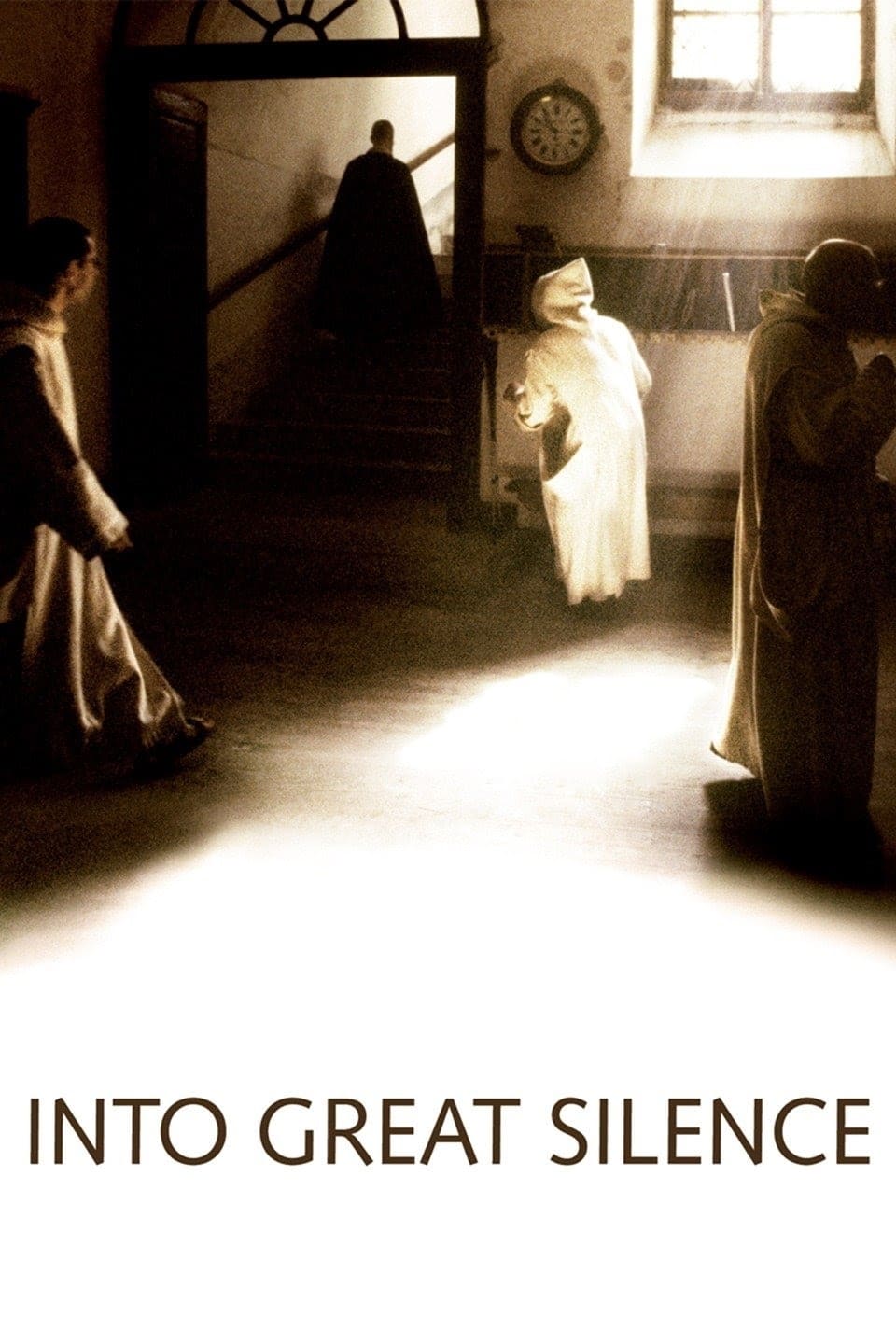
An intimate portrayal of the everyday lives of Carthusian monks of the Grande Chartreuse, high in the French Alps (Chartreuse Mountains). The idea for the film was proposed to the monks in 1984, but the Carthusians said they wanted time to think about it. The Carthusians finally contacted Gröning 16 years later to say they were now willing to permit Gröning to shoot the movie, if he was still interested.
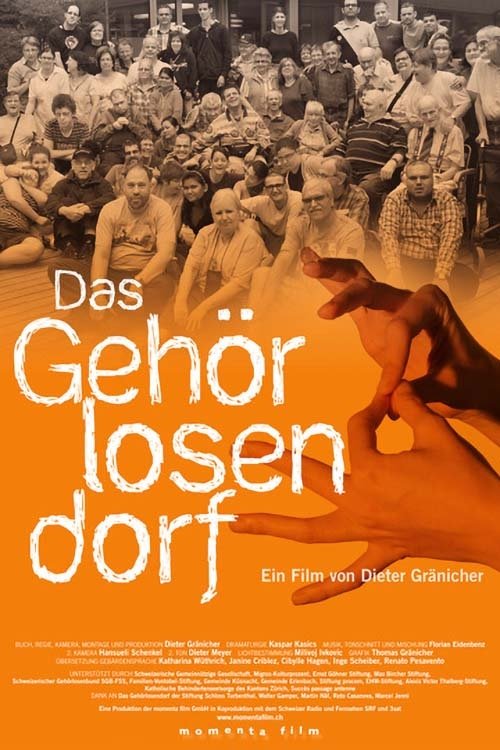
For a month, filmmaker Dieter Gränicher lives in an institution, in the village community of the deaf. As an attentive and increasingly familiar observer, he gets closer and closer to the village's inhabitants, who often suffer from a variety of handicaps, as they go about their daily lives. The film tells the story of the nuances and vivacity of sign language. It portrays human beings who, with great expressive power, overcome the limitations imposed on them by their disability, deeply touching the person opposite.
The history of cinematic sound, told by legendary sound designers and visionary filmmakers.
Oliver Stone charts the history of the United States from the Second World War to the present.
Director Claude Lanzmann spent 11 years on this sprawling documentary about the Holocaust, conducting his own interviews and refusing to use a single frame of archival footage. Dividing Holocaust witnesses into three categories – survivors, bystanders, and perpetrators – Lanzmann presents testimonies from survivors of the Chelmno concentration camp, an Auschwitz escapee, and witnesses of the Warsaw Ghetto Uprising, as well as a chilling report of gas chambers from an SS officer at Treblinka.
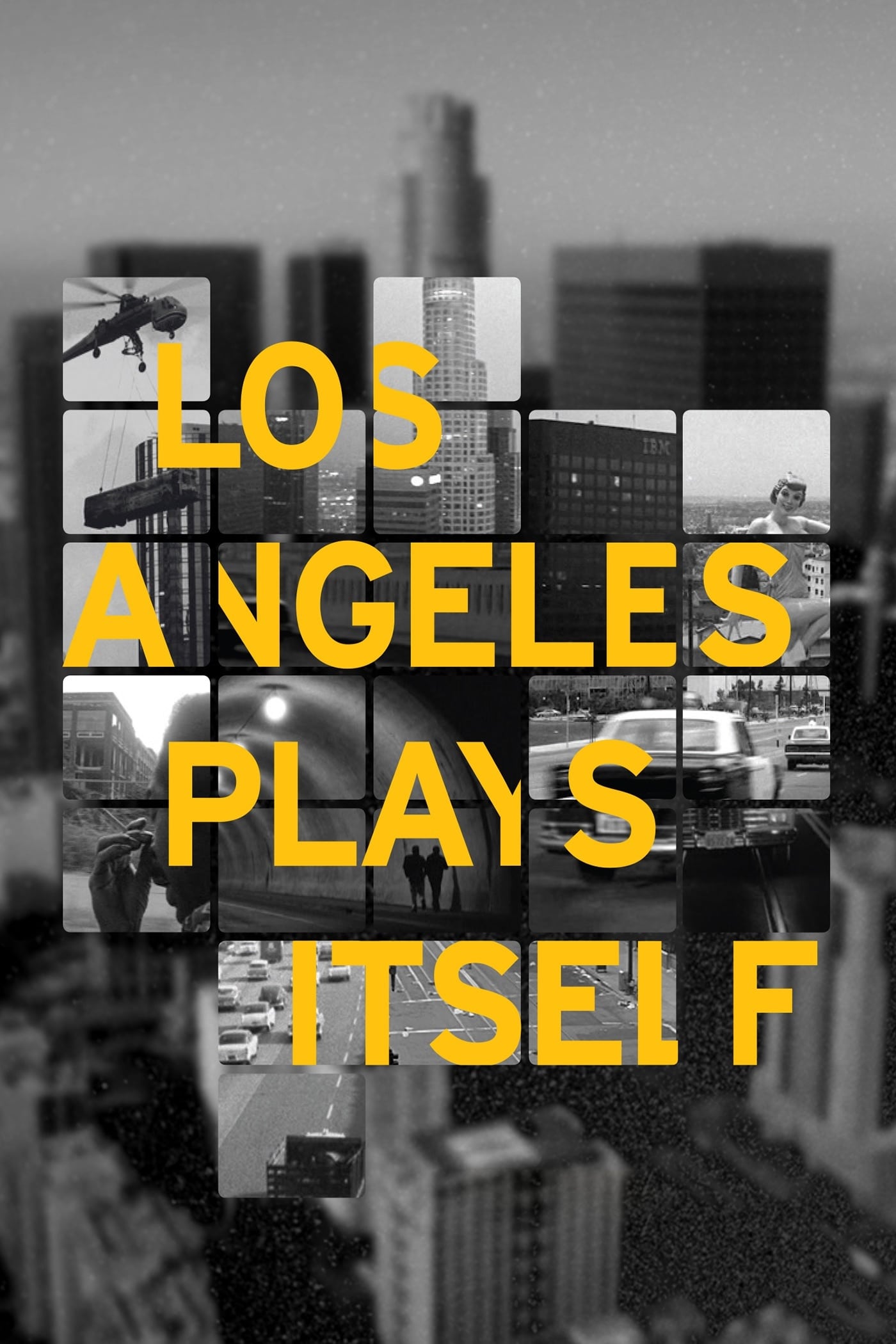
From its distinctive neighborhoods to its architectural homes, Los Angeles has been the backdrop to countless movies. In this dazzling work, Andersen takes viewers on a whirlwind tour through the metropolis' real and cinematic history, investigating the myriad stories and legends that have come to define it, and meticulously, judiciously revealing the real city that lives beneath.
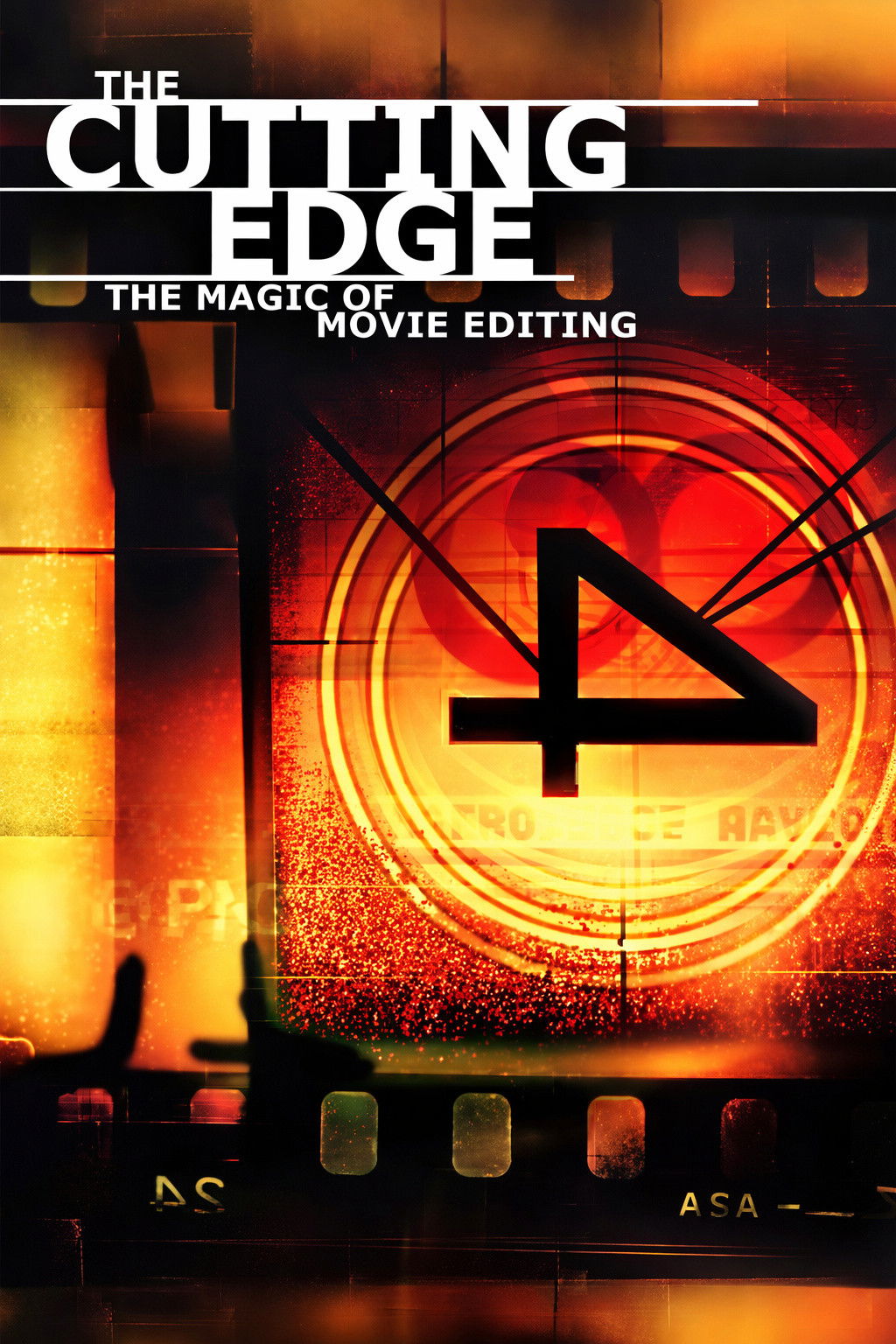
Documentary about the art of film editing. Clips are shown from many groundbreaking films with innovative editing styles.
“The Soviet Story” is a story of an Allied power, which helped the Nazis to fight Jews and which slaughtered its own people on an industrial scale. Assisted by the West, this power triumphed on May 9th, 1945. Its crimes were made taboo, and the complete story of Europe’s most murderous regime has never been told. Until now...
In an intimate and joyful story of love in the face of loss, celebrated poets Andrea Gibson and Megan Falley find strength—and unexpected hilarity—in what might be their final year together.
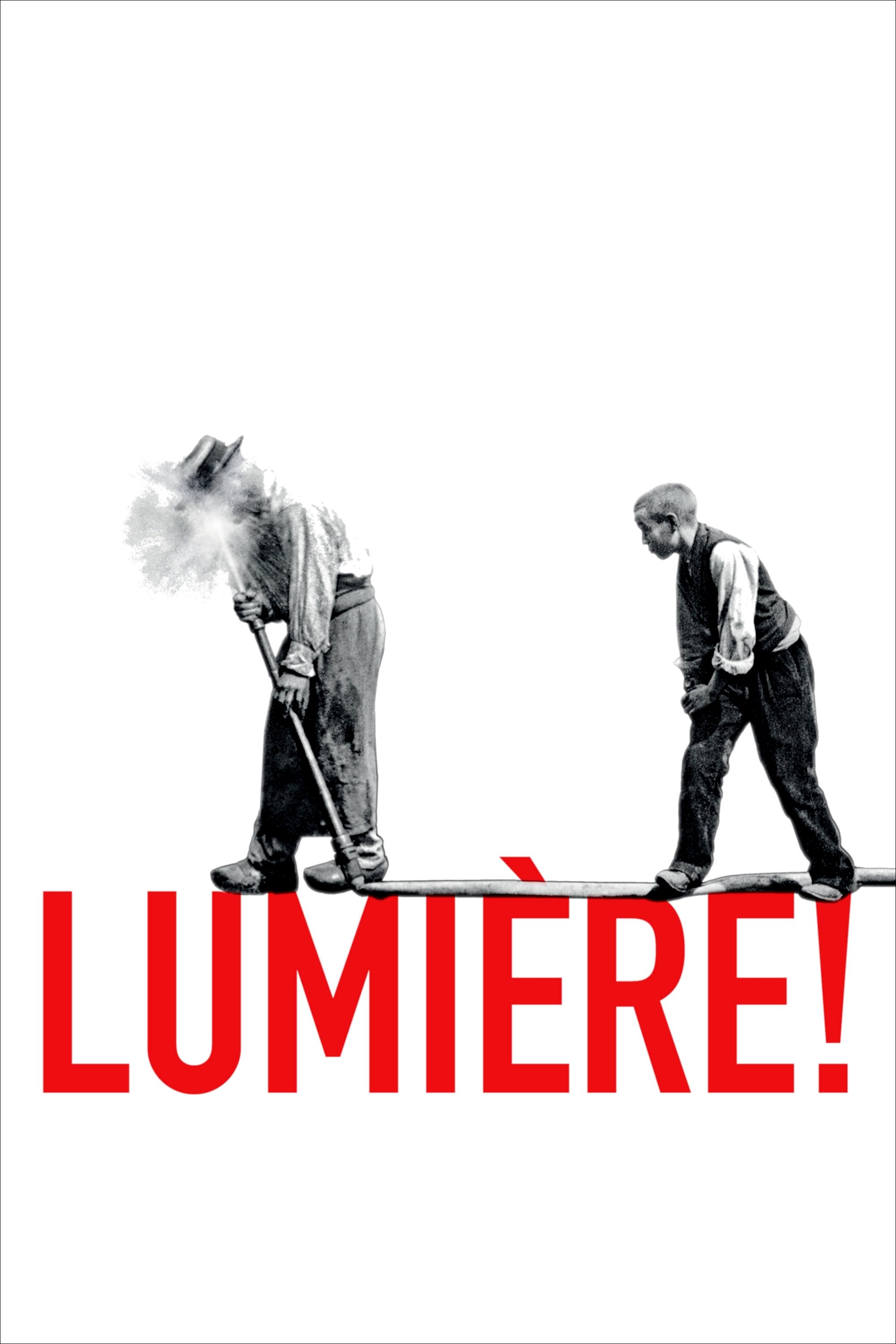
A collection of restored prints from the Lumière Brothers.
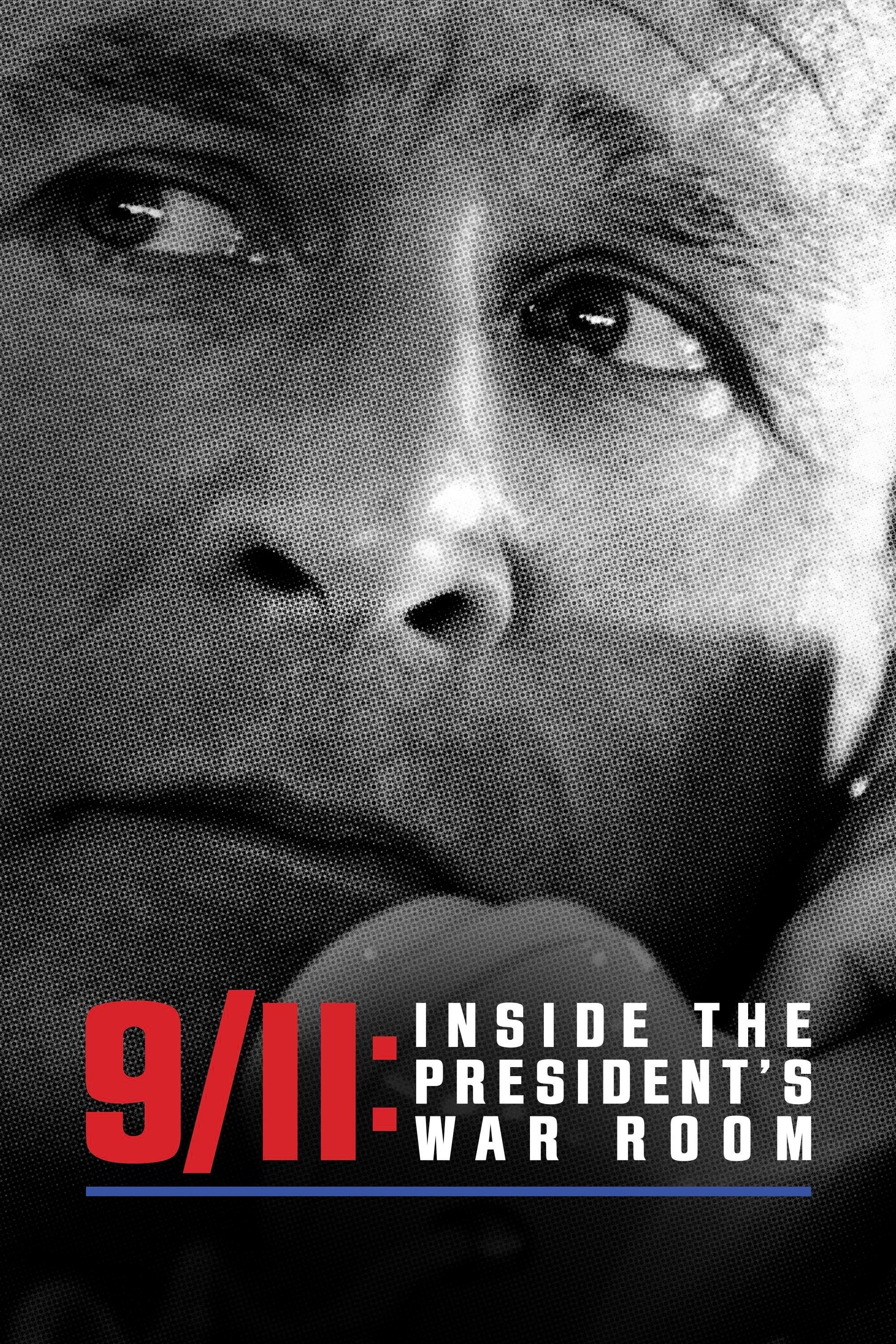
Experience the events of September 11, 2001 through the eyes of President Bush and his closest advisors as they personally detail the crucial hours and key decisions from that historic day.
A visual montage portrait of our contemporary world dominated by globalized technology and violence.
A documentary on the expletive's origin, why it offends some people so deeply, and what can be gained from its use.
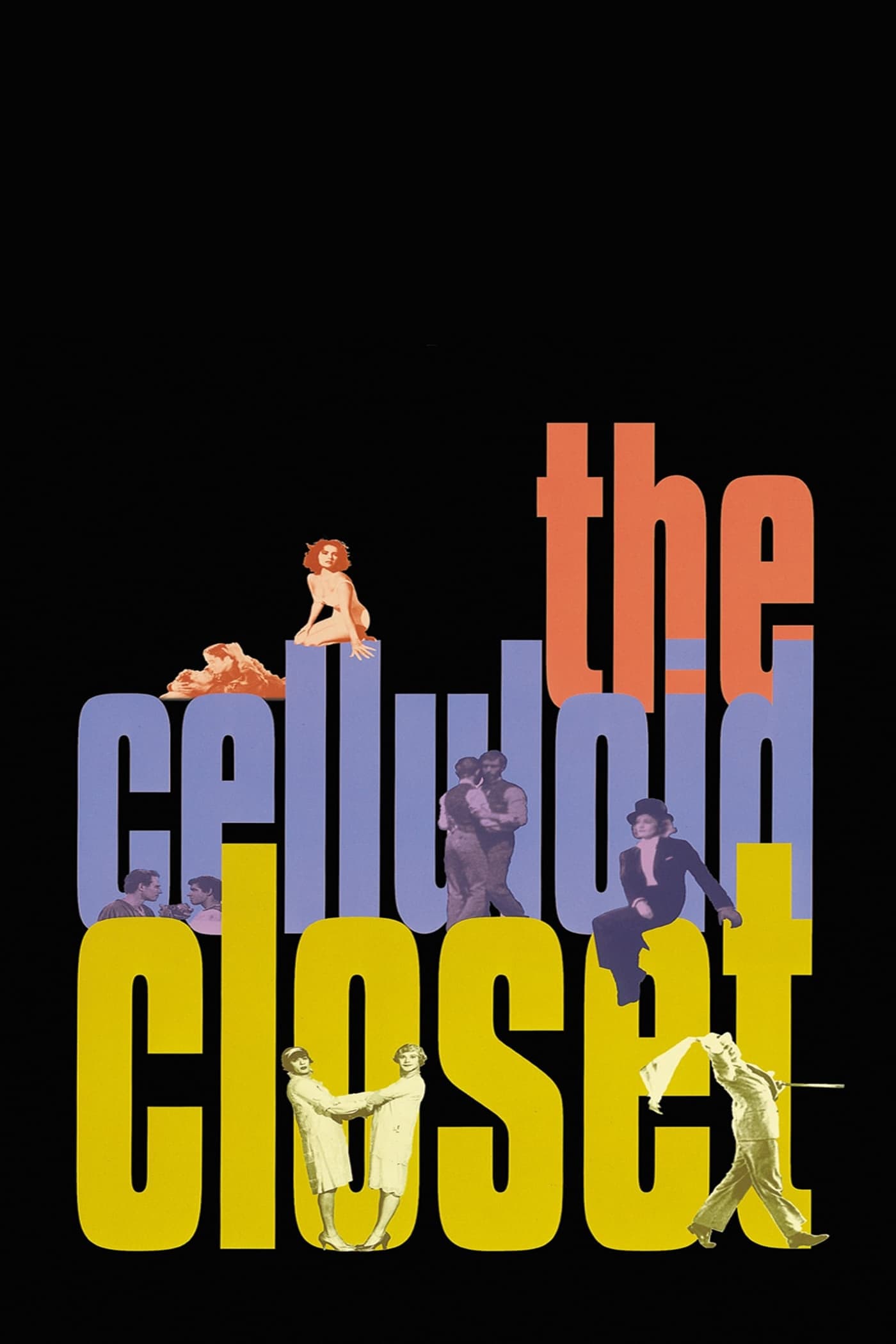
Exuberant, eye-opening movie that serves up a dazzling hundred-year history of the role of gay men and lesbians have had on the silver screen. Film contains fabulous footage from 120 films showing the changing face of cinema sexuality, from cruel stereotypes to covert love to the activist triumphs of the 1990s.
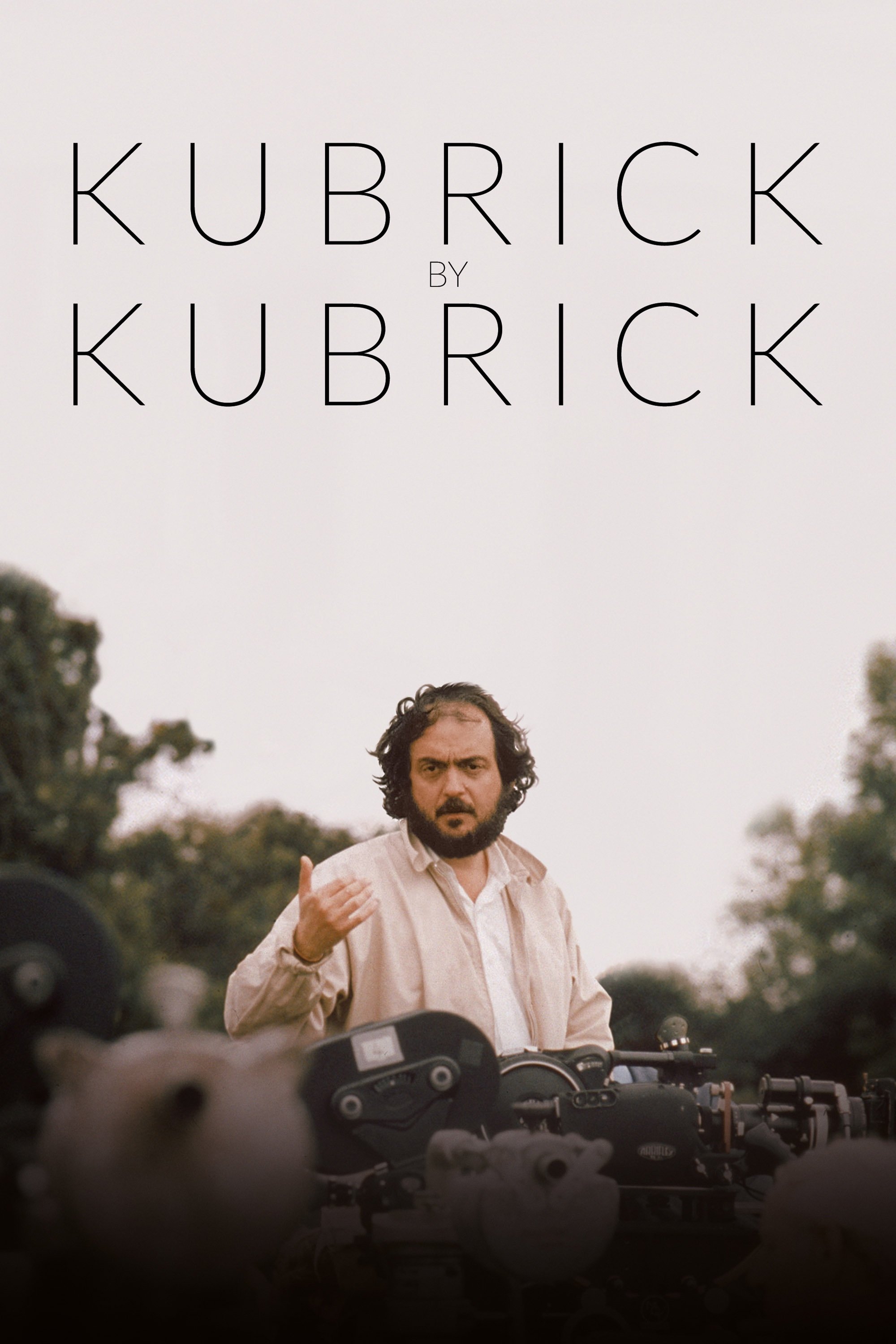
American filmmaker Stanley Kubrick (1928–1999), one of the greatest in history, but also one of the most reserved, gave few interviews throughout his long career, and none of them were filmed. A first-person journey through his life and work, based on a recorded conversation with French film critic Michel Climent.
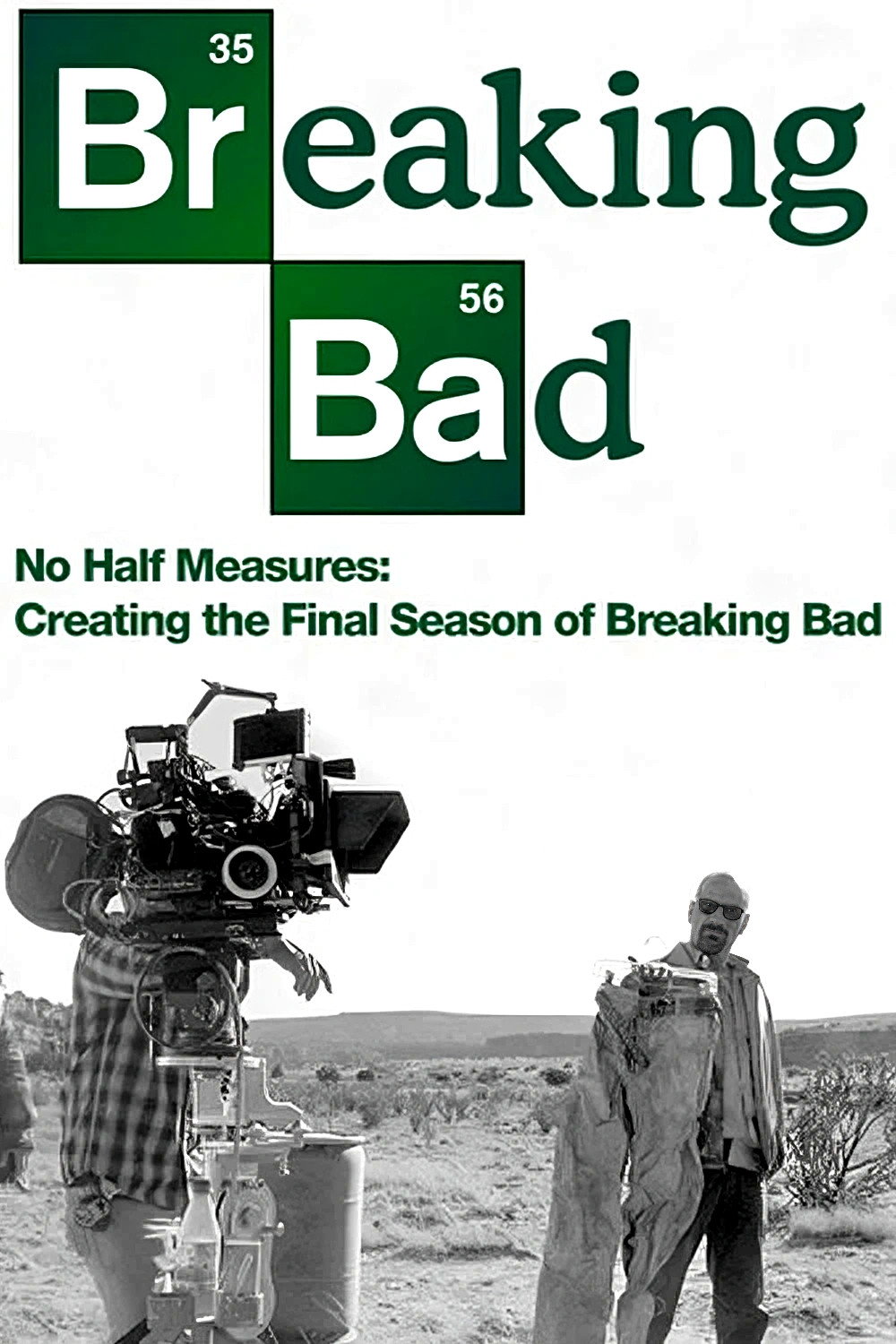
A documentary about the making of season five of the acclaimed AMC series Breaking Bad.
A compilation of over 30 years of private home movie footage shot by Lithuanian-American avant-garde director Jonas Mekas, assembled by Mekas "purely by chance", without concern for chronological order.
A documentary about the life and films of director John Ford.
Featuring interviews with filmmakers and industry legends, discover the origins and evolution of The Joker, and learn why The Clown Prince of Crime is universally hailed as the greatest comic-book supervillain of all time.
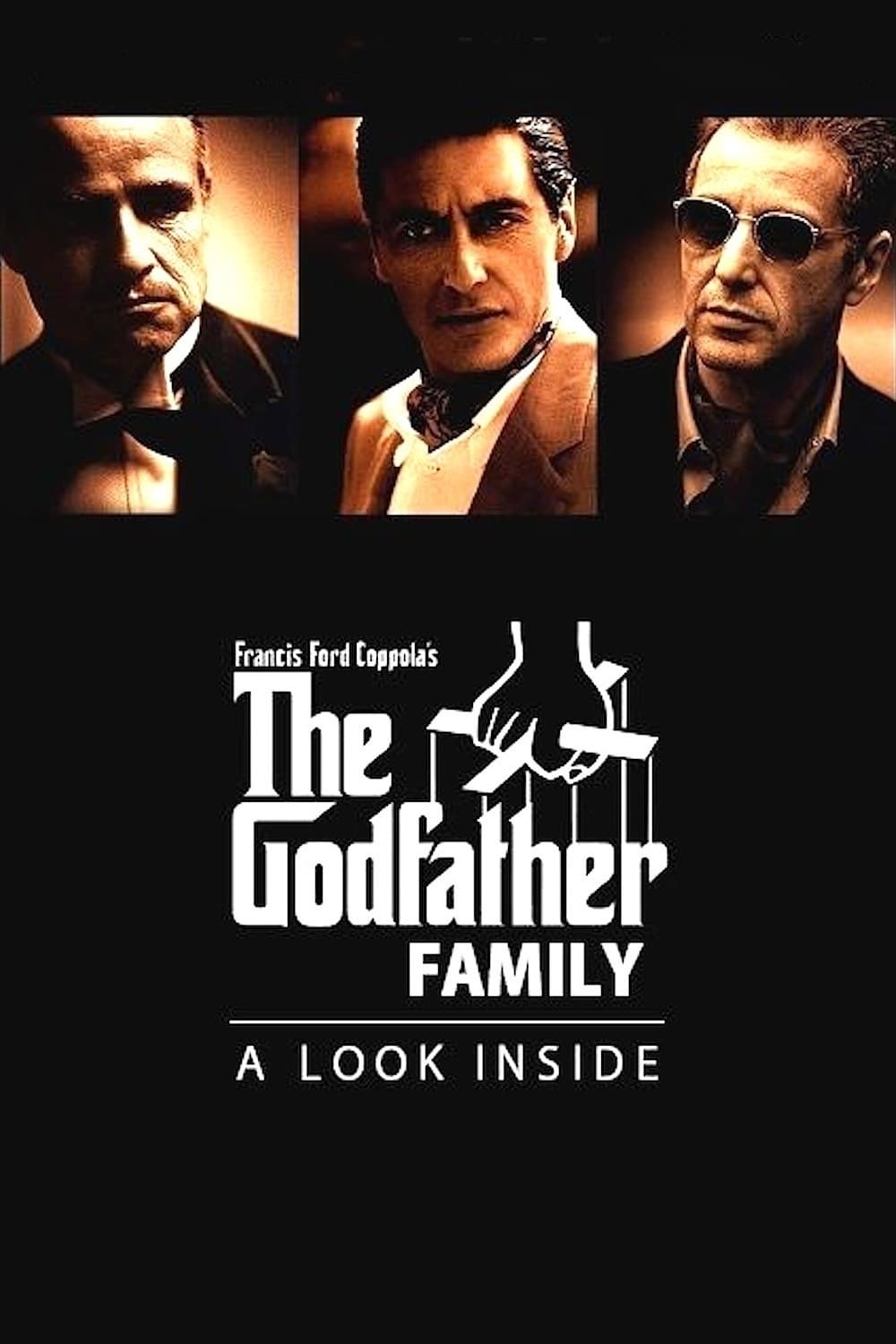
A documentary on the making of the three Godfather films, with interviews and recollections from the film makers and cast. This feature also includes the original screen tests of some of the actors for "The Godfather" film, and some candid moments on the set of "The Godfather: Part III."
An inside look at one of the most anticipated movie sequels ever with James Cameron and cast.
SEDUCED AND ABANDONED combines acting legend Alec Baldwin with director James Toback as they lead us on a troublesome and often hilarious journey of raising financing for their next feature film. Moving from director to financier to star actor, the two players provide us with a unique look behind the curtain at the world's biggest and most glamourous film festival, shining a light on the bitter-sweet relationship filmmakers have with Cannes and the film business. Featuring insights from directors Martin Scorsese, 'Bernando Bertolucci' and Roman Polanski; actors Ryan Gosling and Jessica Chastain and a host of film distribution luminaries.