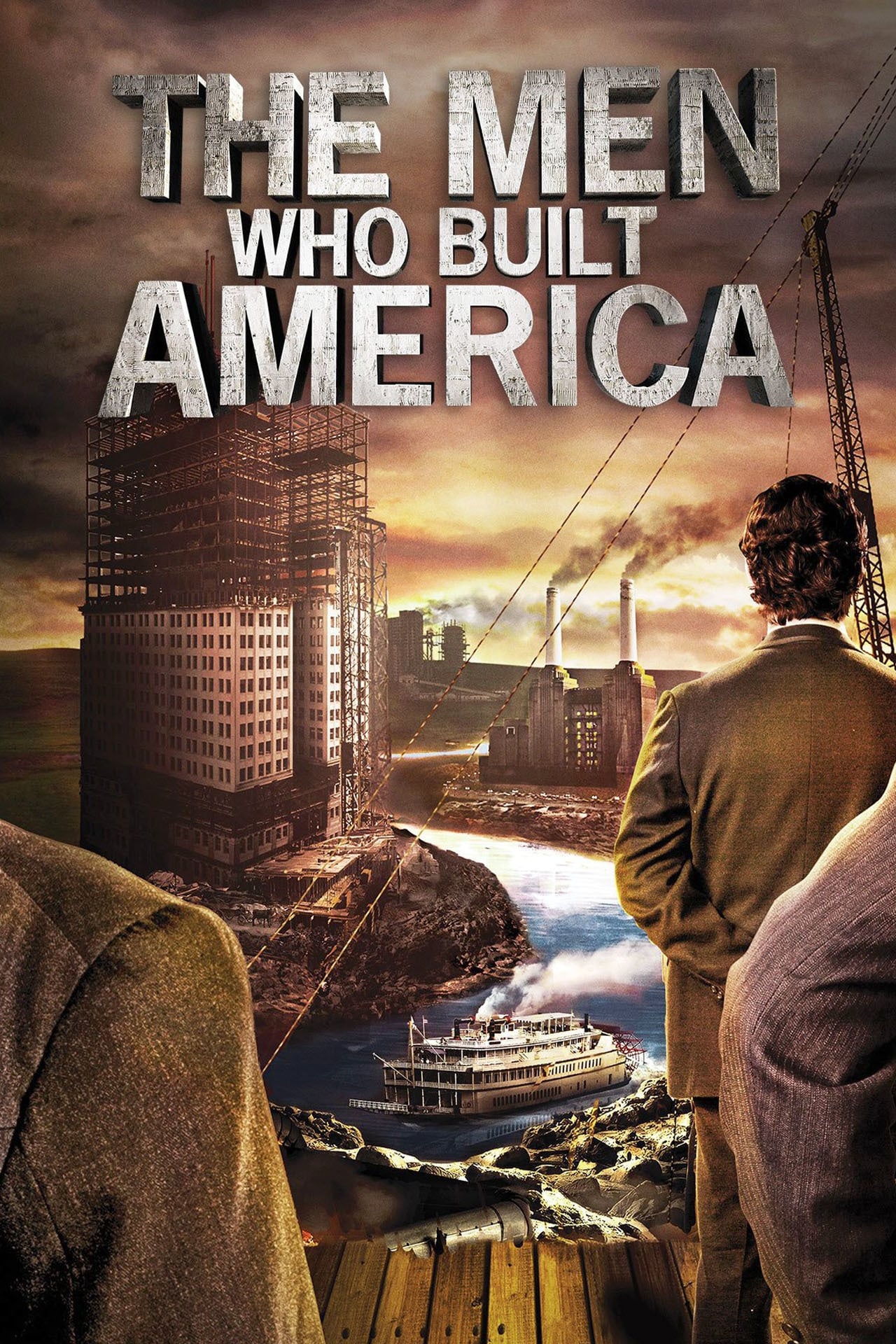
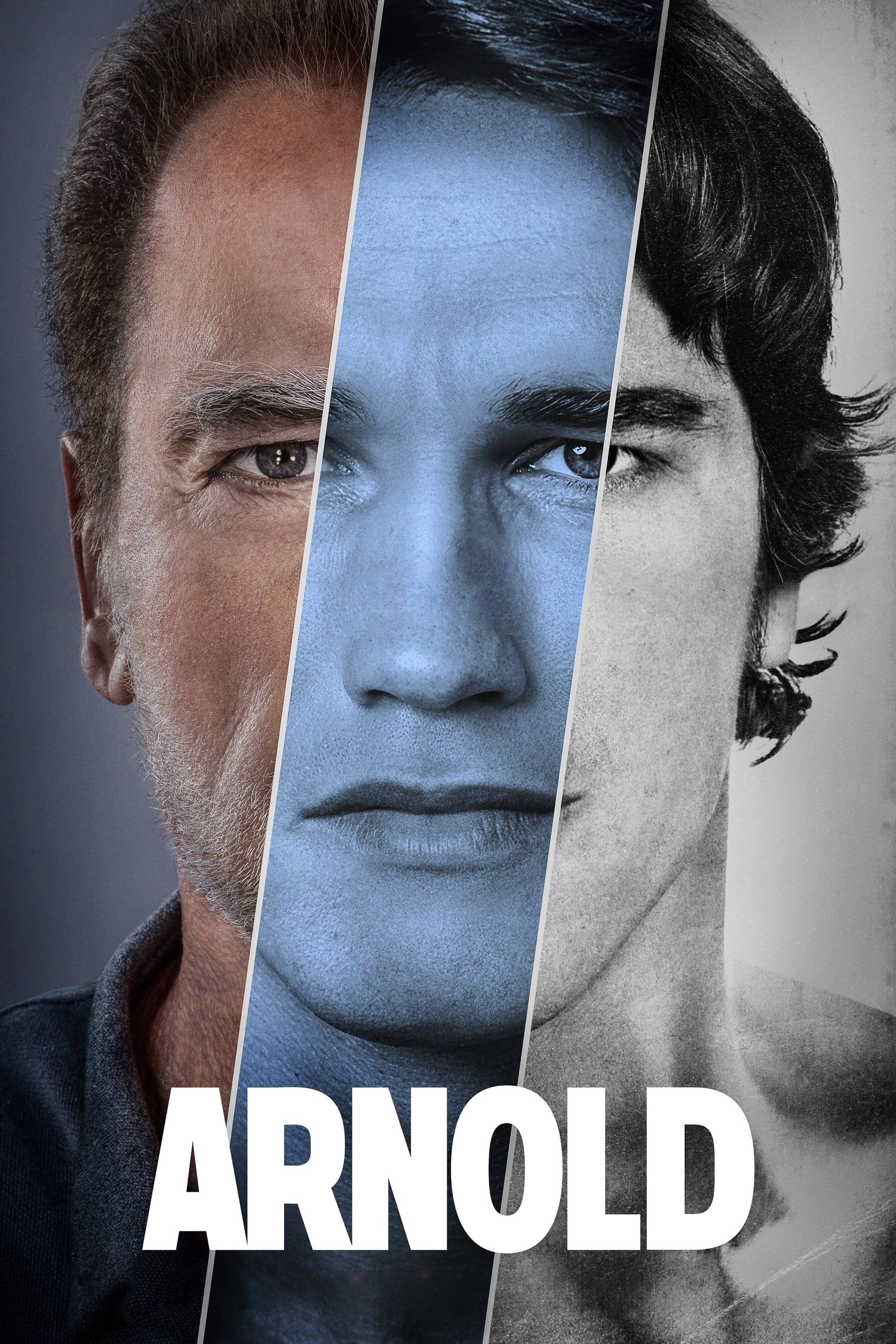
Chronicling the trades and commodities that made America an industrial power: coal, shipbuilding, brewing, textiles and steel. Also: profiles of magnates such as Andrew Carnegie and Henry Kaiser.
Social & External
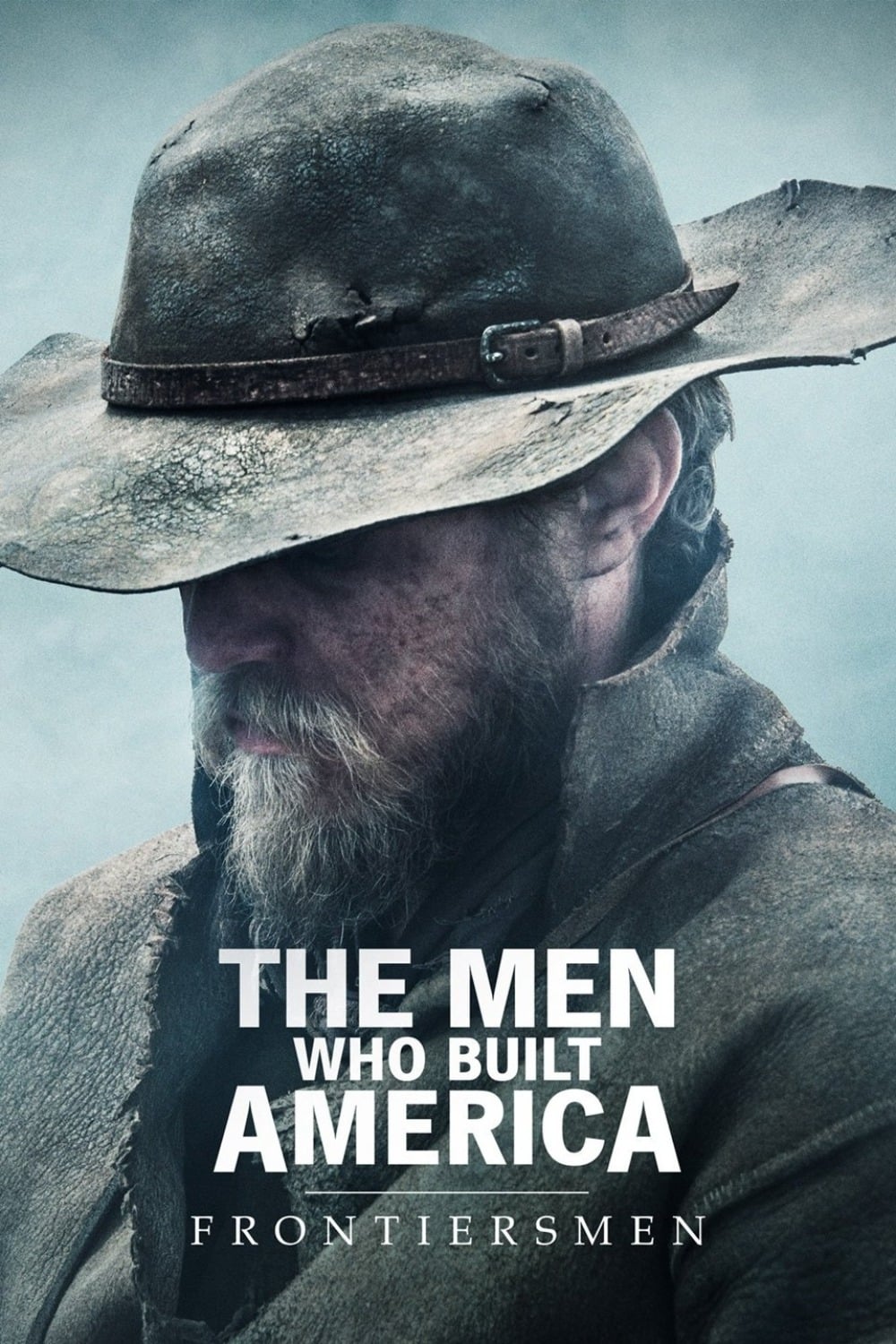
Influential builders, dreamers and believers whose feats transformed the United States, a nation decaying from the inside after the Civil War, into the greatest economic and technological superpower the world had ever seen. The Men Who Built America is the story of a nation at the crossroads and of the people who catapulted it to prosperity.
The American Revolution was at once a war for independence, a war of conquest, a civil war, and a world war, fought by neighbors on American farms and between global powers an ocean or more away. It impacted millions from Vermont’s Green Mountains to the swamps of South Carolina, from Indian Country to the Iberian Peninsula. In defeating the British Empire and giving birth to a new nation, the American Revolution turned the world upside-down. Thirteen colonies on the Atlantic Coast united in rebellion, won their independence, and established a republic that still endures. The American Revolution will present the story of the men and women of the Revolutionary generation, their humanity in victory and defeat, and the crisis that they lived through.
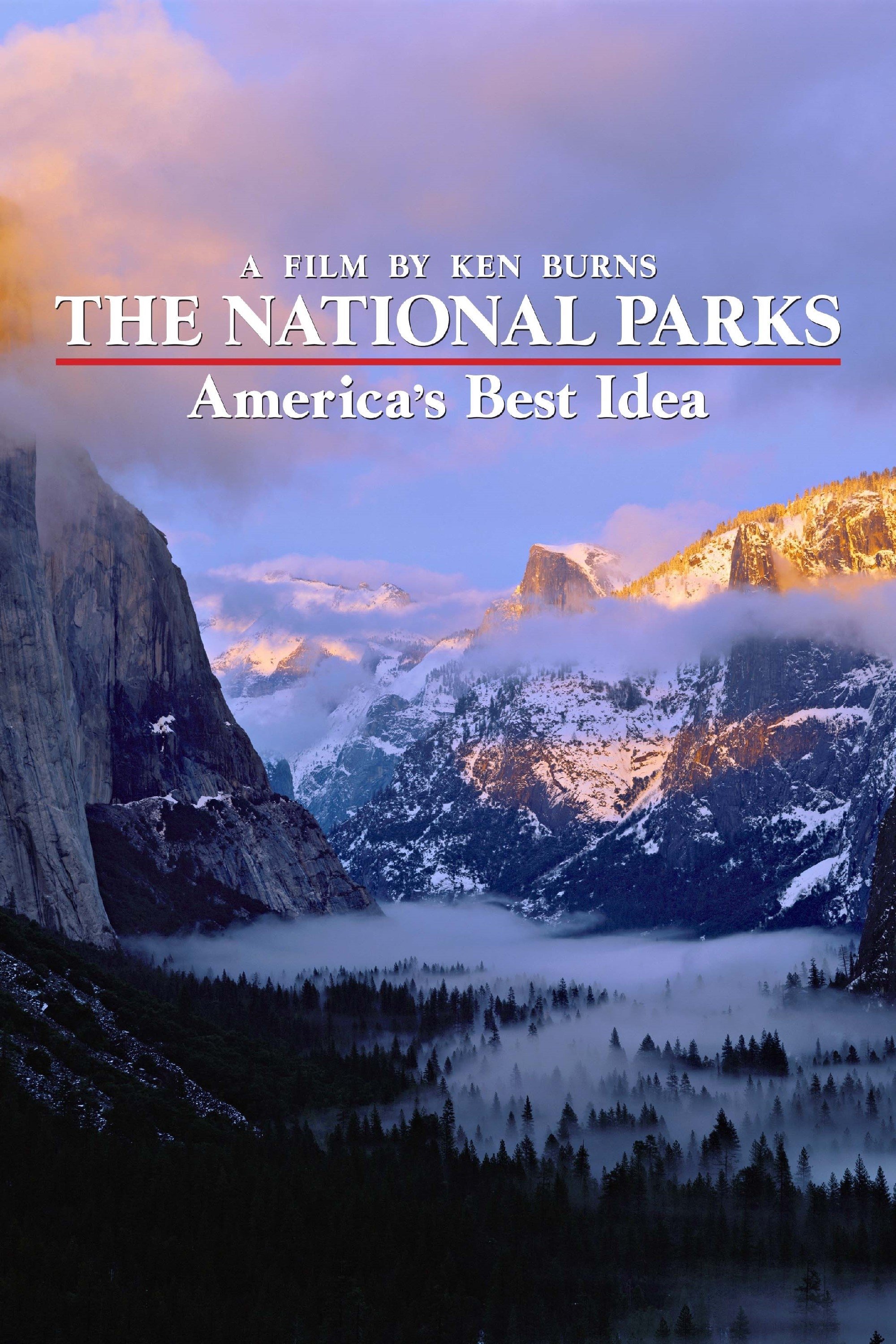
Filmed over the course of more than six years at some of nature's most spectacular locales – from Acadia to Yosemite, Yellowstone to the Grand Canyon, the Everglades of Florida to the Gates of the Arctic in Alaska - “The National Parks: America's Best Idea” is nonetheless a story of people: people from every conceivable background – rich and poor; famous and unknown; soldiers and scientists; natives and newcomers; idealists, artists and entrepreneurs; people who were willing to devote themselves to saving some precious portion of the land they loved, and in doing so reminded their fellow citizens of the full meaning of democracy.
Venture across world-famous and lesser-known national parks to reveal the diversity and wonder of the United States, from the lush valley floors of Yosemite to the constantly erupting volcanoes of Hawai'i.
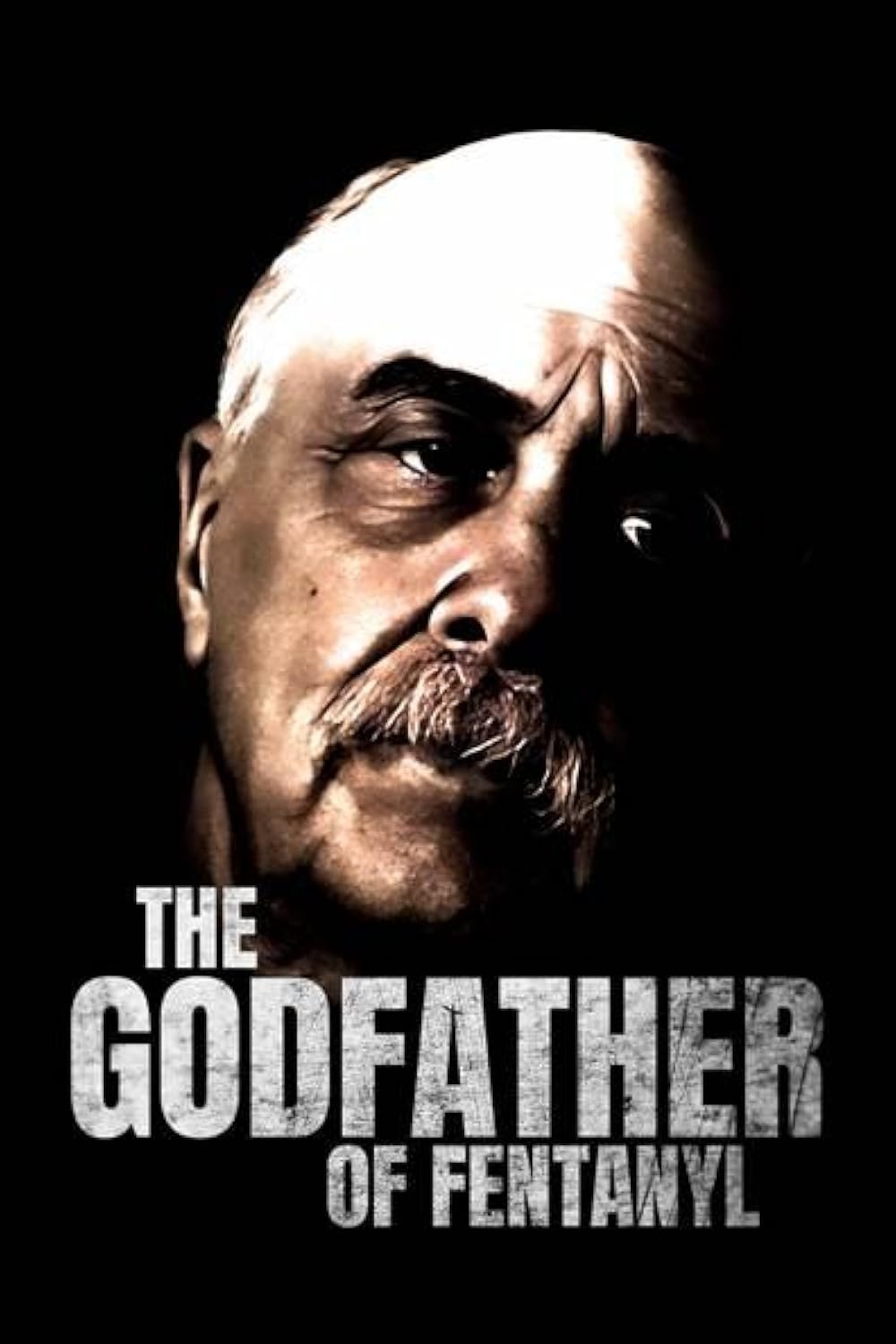
Account of the clandestine chemist behind America's first widespread fentanyl overdose crisis, featuring exclusive interviews with George Erik Marquardt.
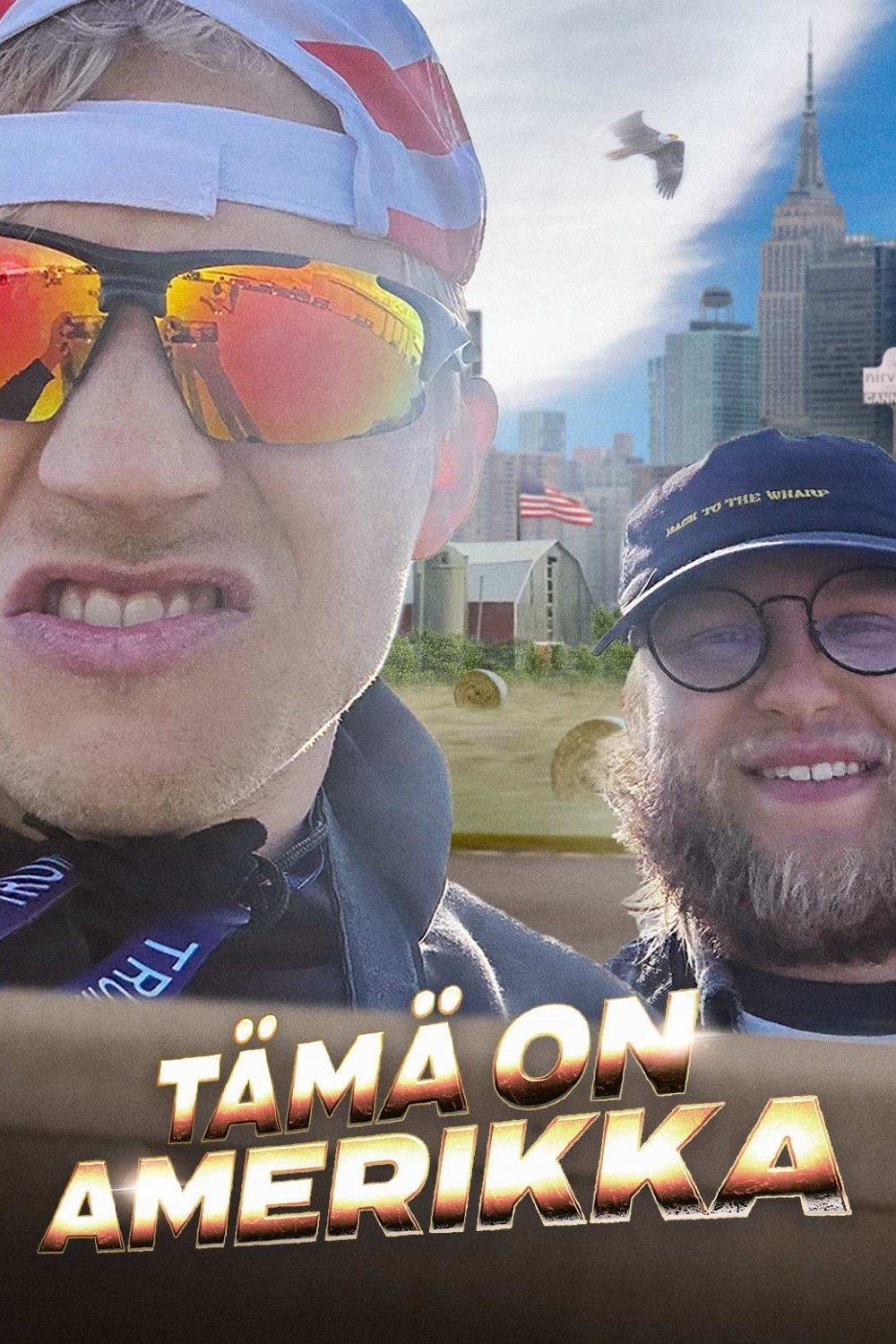
Jaakko Keso travels through Middle America to find out why the country is so polarized.
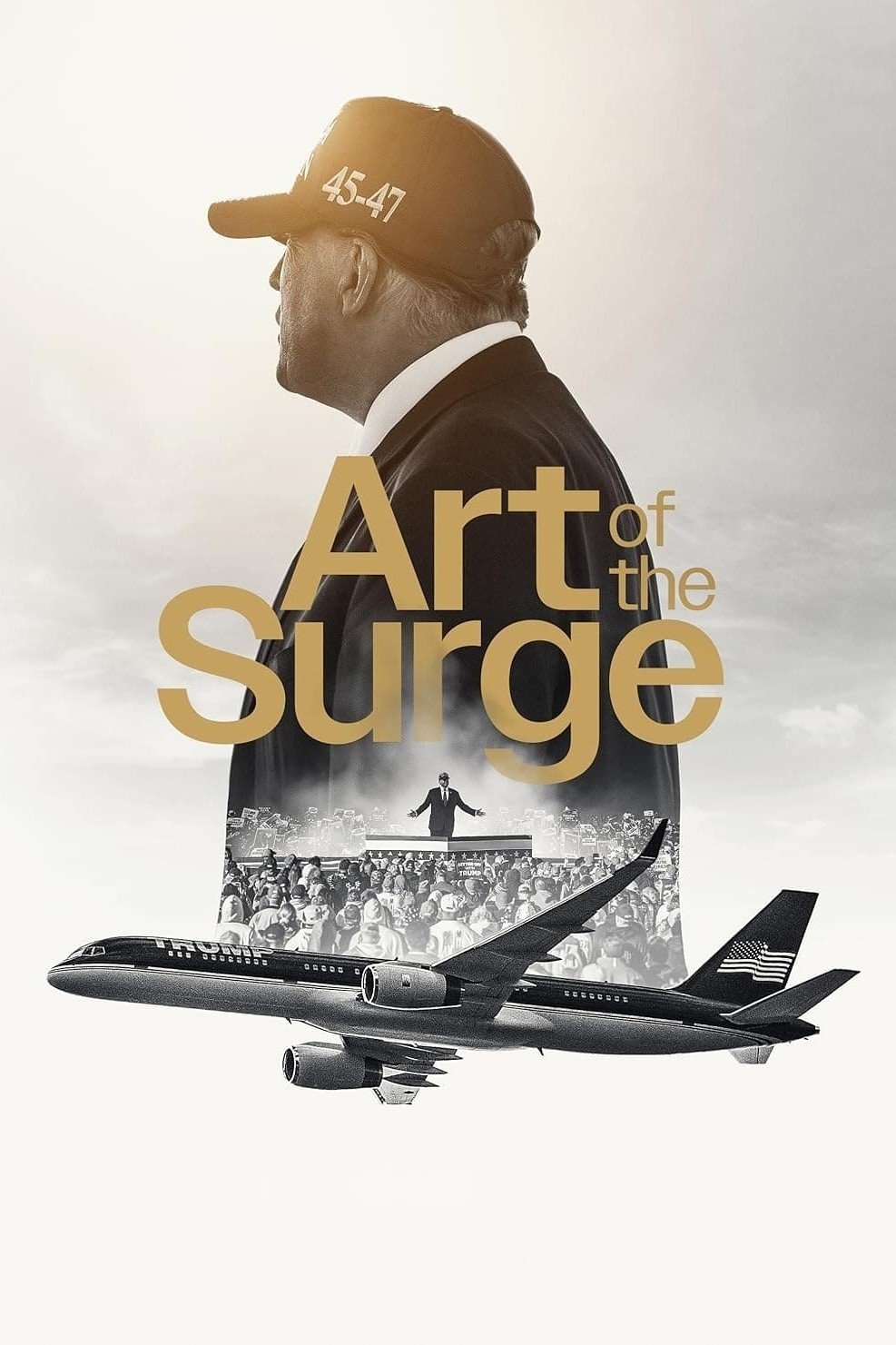
This summer, prepare to see Donald Trump as you’ve never seen him before. Enter the world of Trump’s 2024 campaign and witness firsthand moments the American media will never show you.
A celebration of the natural wonder and power of nature in our backyard. From iconic places to secret gems, this series will open the gateways for all to explore the breadth of the beauty and tranquility
"Back Pack Series" (English: Back Pack Series) is a travel program series filmed and produced by TVB. There are currently four series in the program series, namely "Backpack America", "Backpack Utopia", "Backpacking Morocco" and "The North Of South America", hosted by Chris Leung Yin Chung from the perspective of backpackers to travel around the world .
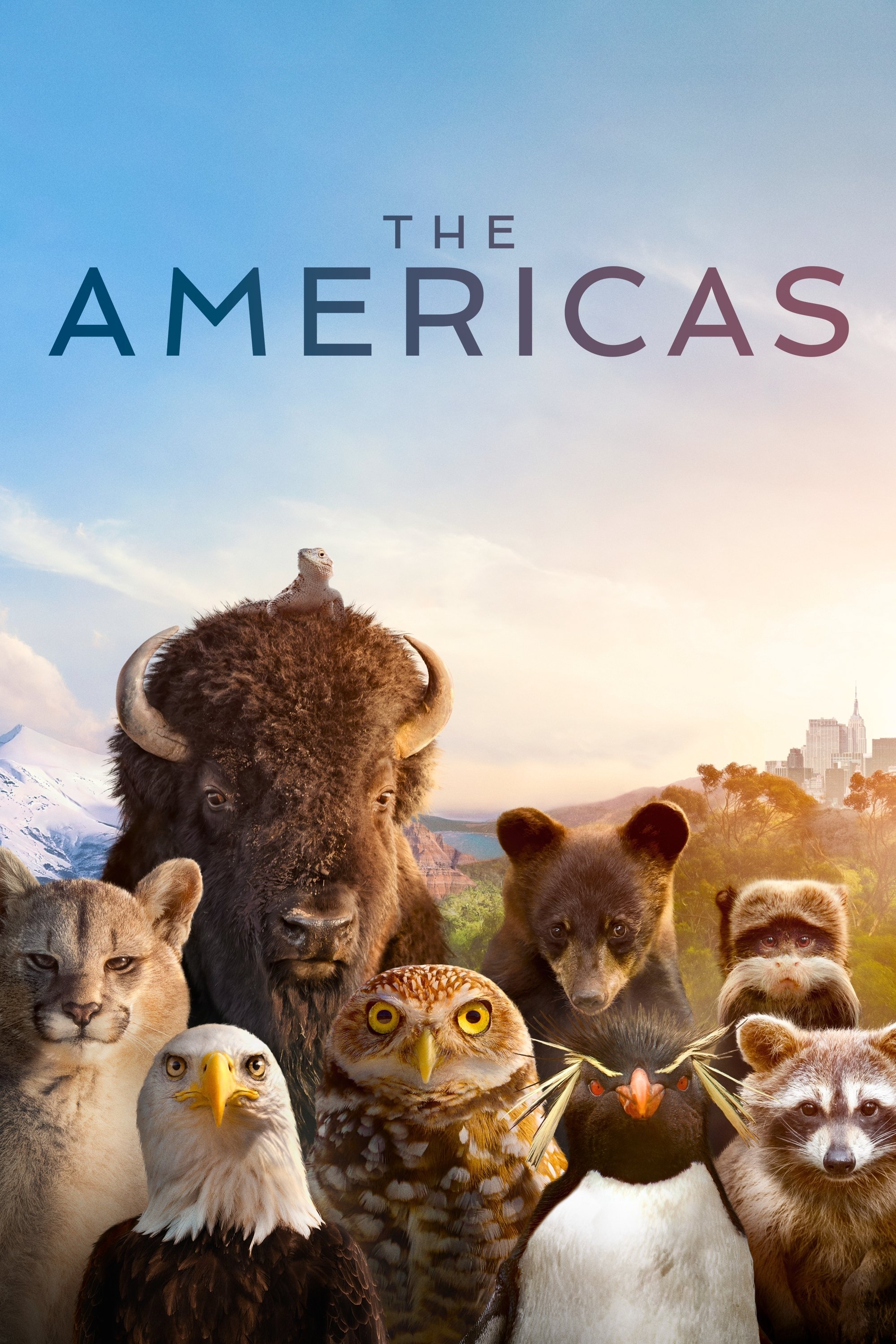
A showcase of the wonders, secrets and fragilities of the Americas, narrated by Tom Hanks.
Structured around the most compelling shows on television today, each episode focuses on one character archetype that has remained a staple of primetime through the generations.
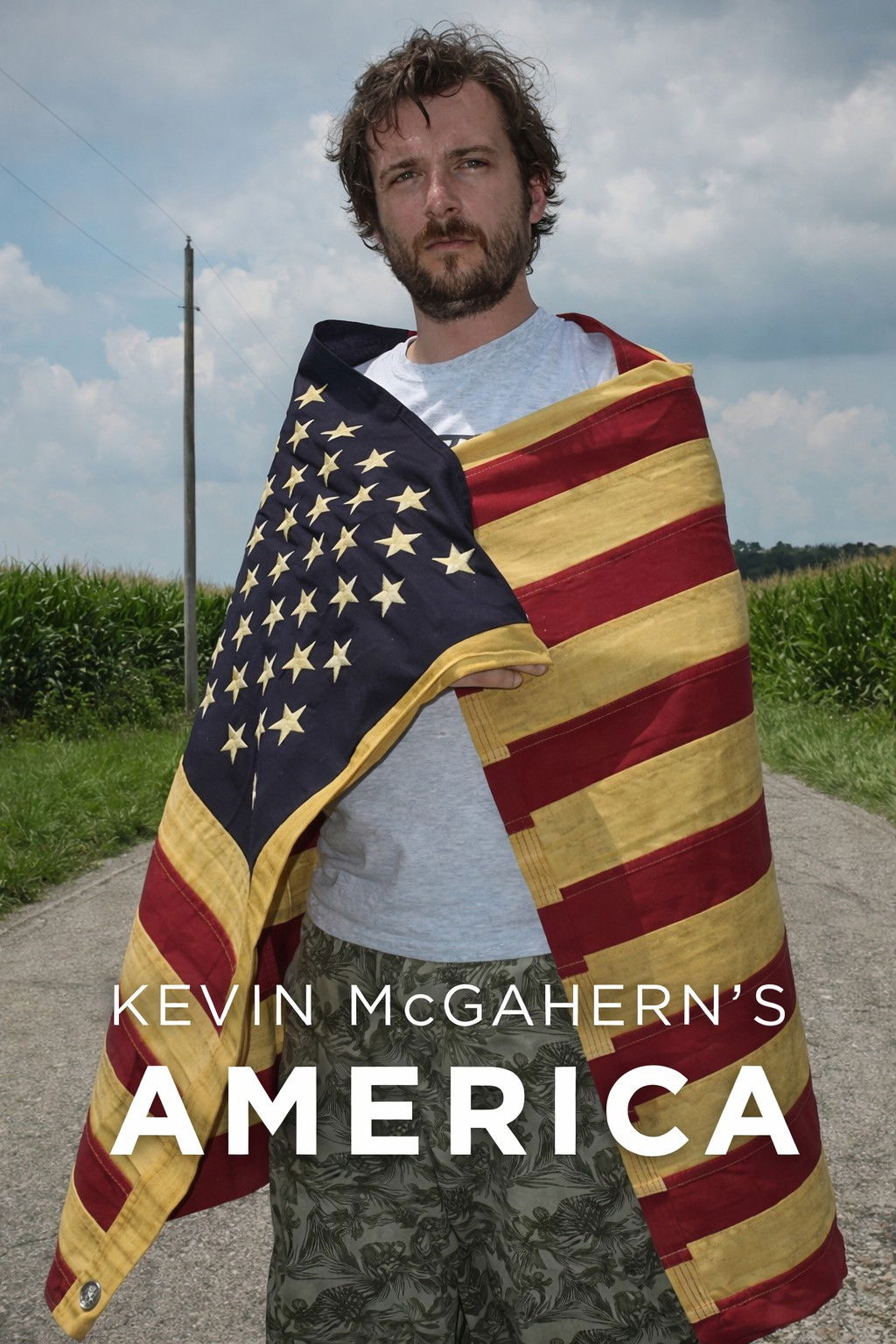
Irish comic Kevin McGahern is on a quest to find the weirdest sights in the U.S.
With the 2020 election on the horizon, Thomas Seltzer embarks on a journey in a divided country to find out: What happened to the American dream?
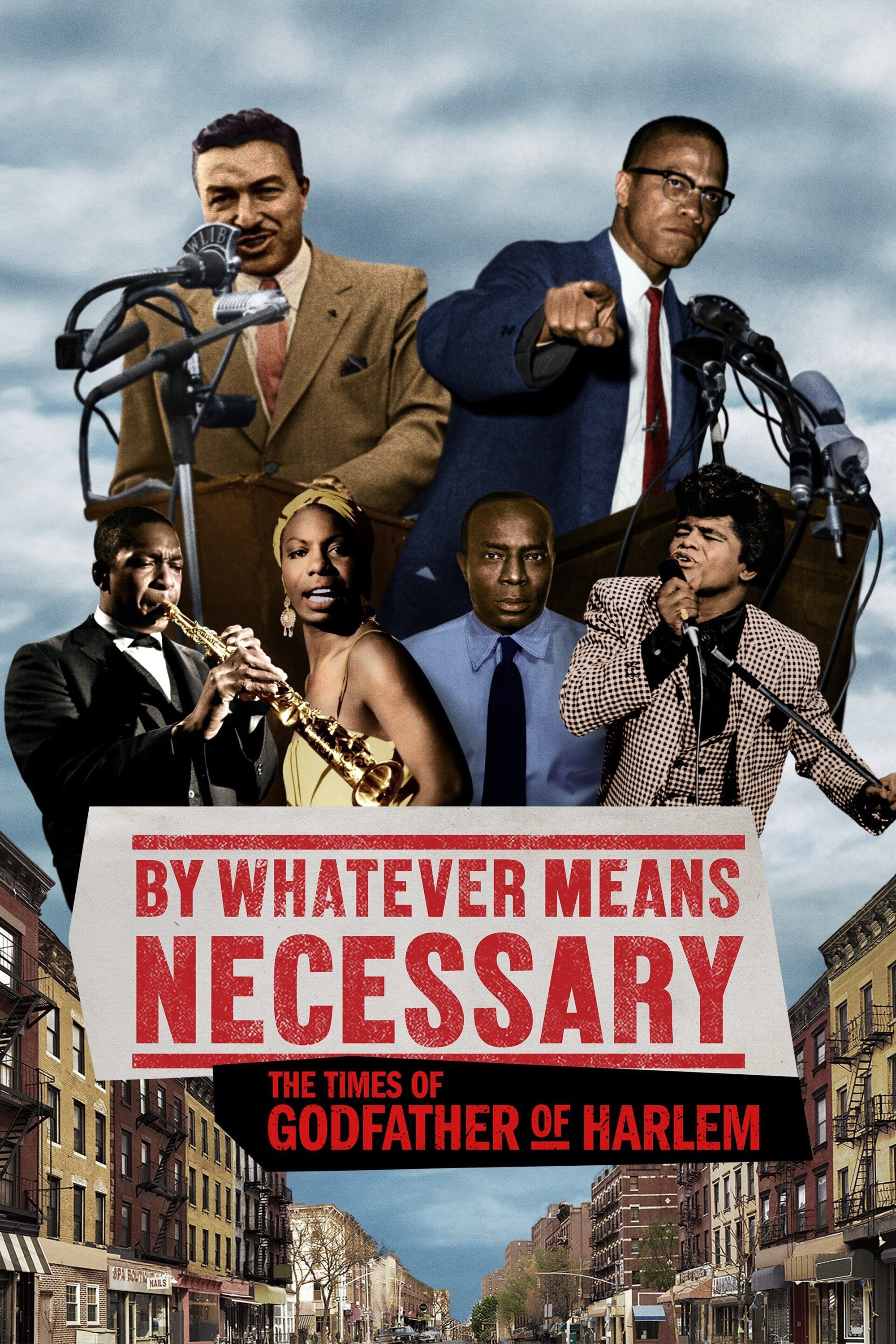
Inspired by the music and subjects featured in the series “Godfather of Harlem,” this documentary series brings alive the dramatic true story of Harlem and its music during the 1960s, and connects that history to our present moment.
Kevin explores various aspects of life in America—gun rights, intimacy in the digital age and whether you really can choose your family.
Follow Charlie, Kirby, and Patrick as they travel around the United States to learn about different kinds of trees—and what makes nature incredibly awesome. Science and history are explained with paper cutouts and goofy girl Casey back at headquarters.
A look at the lives of iconic pioneers such as Daniel Boone, Lewis and Clark, Tecumseh, Davy Crocket and Andrew Jackson as they traveled across America.
During the back-end of the 19th century, the genius but socially awkward engineer Sorano Appare and the wise yet cowardly samurai Isshiki Kosame find themselves drifting in the sea between Japan and America. With no money, the duo decide to enter the Trans-America Wild Race to win the prize money so they can get home. The two encounter rivals, bandits, and challenges in the wilderness as they race through America, from the starting line in Los Angeles to the finish line in New York, in the steam-powered car they built.
A mother and son fleeing from their past form a found family while confronting a harsh landscape of freedom and cruelty in the American West.
Adapted from David McCullough's Pulitzer Prize-winning biography, this lavish seven-part miniseries chronicles the life of Founding Father John Adams, starting with the Boston Massacre of 1770 through his years as an ambassador in Europe, then his terms as vice president and president of the United States, up to his death on July 4, 1826.
From crippling payday loans to cars that cheat emissions tests, this investigative series exposes brazen acts of corporate greed and corruption.
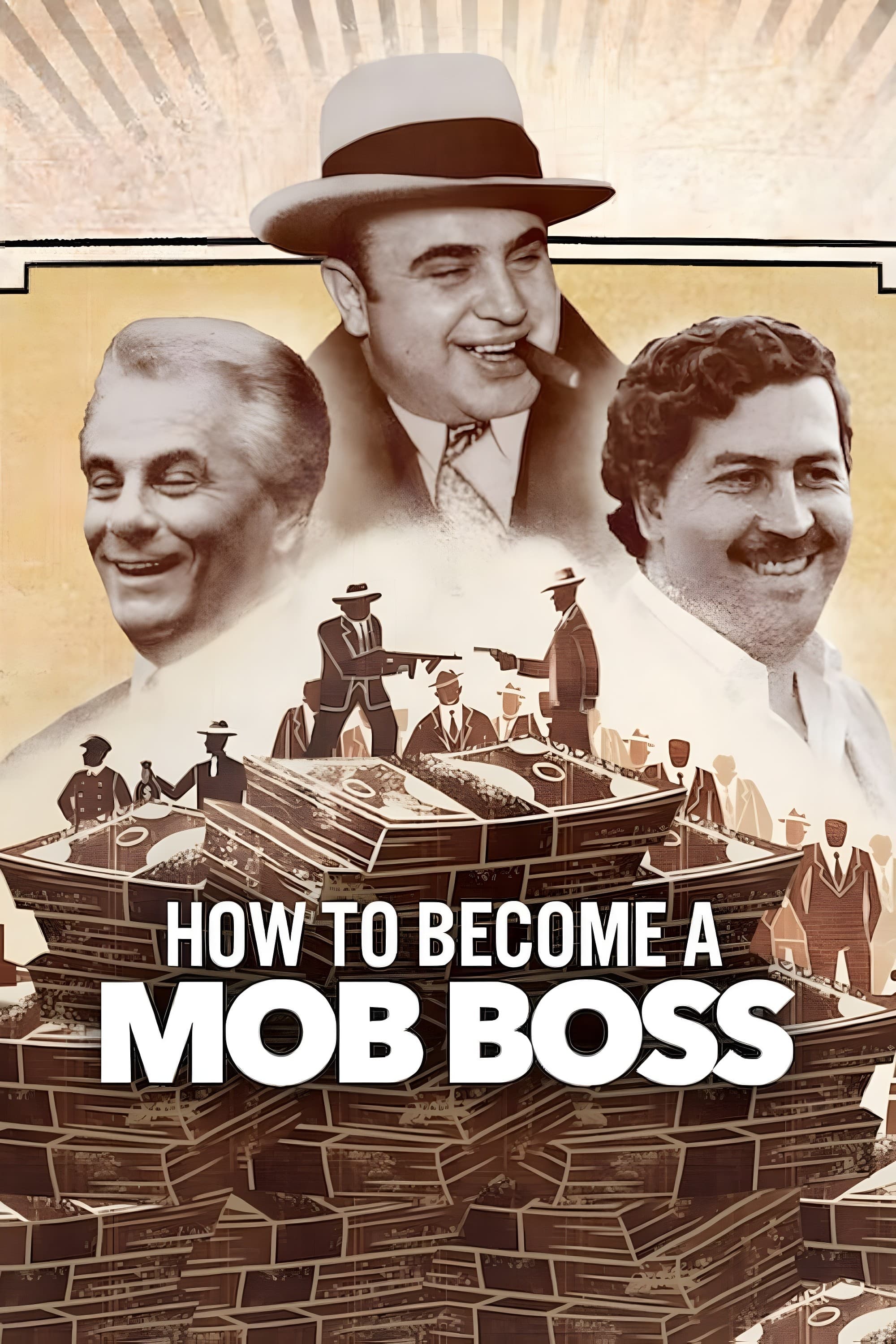
30 for 30 is the title for a series of documentary films airing on ESPN, its sister networks, and online highlighting interesting people and events in sports history. This currently includes four "volumes" of 30 episodes each, a 13-episode series under the ESPN Films Presents title in 2011–2012, and a series of 30 for 30 Shorts shown through the ESPN.com website. The series has also expanded to include Soccer Stories, which aired in advance of the 2014 FIFA World Cup, and audio podcasts. This entry refers to the main Volumes of the series presented by ESPN
The fascinating stories of the families behind the food that built America, those who used brains, muscle, blood, sweat and tears to get to America's heart through its stomach, those who invented new technologies and helped win wars.
TV's most-watched history series brings to life the compelling stories from our past that inform our understanding of the world today.
Have you ever wondered how the products you use every day are made? How It's Made leads you through the process of how everyday products, such as apple juice, skateboards, engines, contact lenses, and many more objects are manufactured.
Infographics and archival footage deliver bite-size history lessons on scientific breakthroughs, social movements and world-changing discoveries.
American Masters is a PBS television series which produces biographies on enduring writers, musicians, visual and performing artists, dramatists, filmmakers, and others who have left an indelible impression on the cultural landscape of the United States.
Biography is a documentary television series. It was originally a half-hour filmed series produced for CBS by David Wolper from 1961 to 1964 and hosted by Mike Wallace. The A&E Network later re-ran it and has produced new episodes since 1987. The older version featured historical figures such as Helen Keller and Mark Twain, or long-dead entertainment figures such as Will Rogers or John Barrymore. The A&E series has placed the emphasis on such people as Marilyn Monroe, Elvis Presley, Plácido Domingo, Freddie Mercury, Jacqueline Kennedy Onassis, Eric Clapton, Pope John Paul II, Gene Tierney, Selena, Diego Rivera, Mao Zedong and Queen Elizabeth II, and fictional characters like The Phantom, Superman, Hamlet, Betty Boop, and Santa Claus. The program ended up profiling enough figures that in 1999, A&E spun it off into an entire network, The Biography Channel.
Documentary series tracking the dreams and worries of Wrexham, a working-class town in North Wales, UK, as two Hollywood stars (Rob McElhenney and Ryan Reynolds) take ownership of the town’s historic yet struggling football club.
MegaStructures is a documentary television series appearing on the National Geographic Channel in the United States and the United Kingdom, Channel 5 in the United Kingdom, France 5 in France, and 7mate in Australia. Each episode is an educational look of varying depth into the construction, operation, and staffing of various structures or construction projects, but not ordinary construction products. Generally containing interviews with designers and project managers, it presents the problems of construction and the methodology or techniques used to overcome obstacles. In some cases this involved the development of new materials or products that are now in general use within the construction industry. MegaStructures focuses on constructions that are extreme; in the sense that they are the biggest, tallest, longest, or deepest in the world. Alternatively, a project may appear if it had an element of novelty or are a world first. This type of project is known as a Megaproject.
Tracing a century of movie and TV history, these four documentary specials explore the unparalleled global impact of Warner Bros. on art, commerce, and culture.
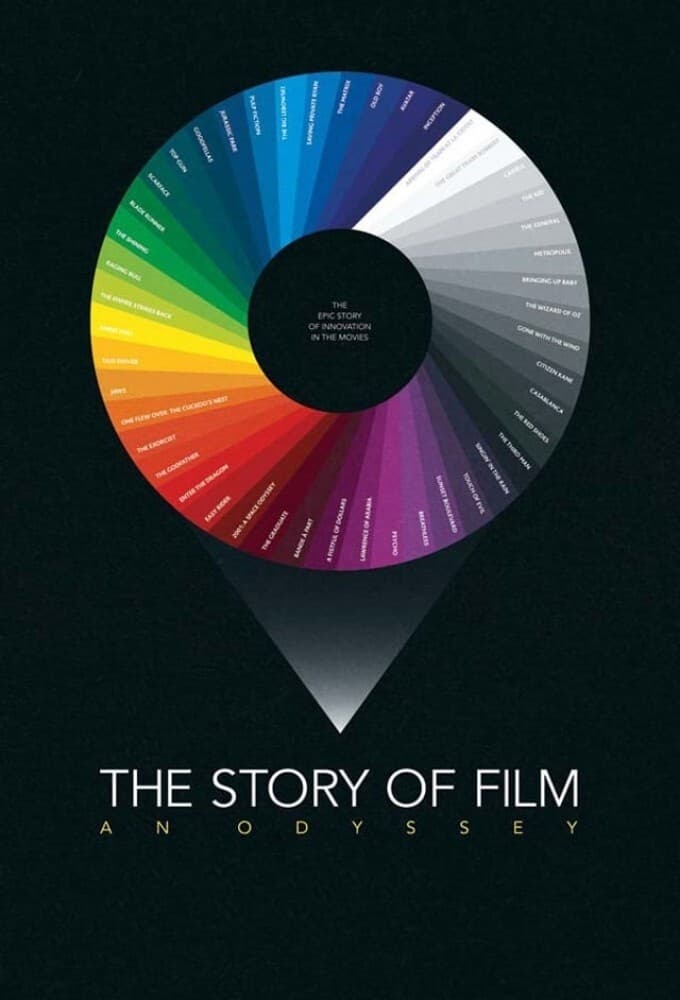
A worldwide guided tour of the greatest movies ever made and the story of international cinema through the history of cinematic innovation.
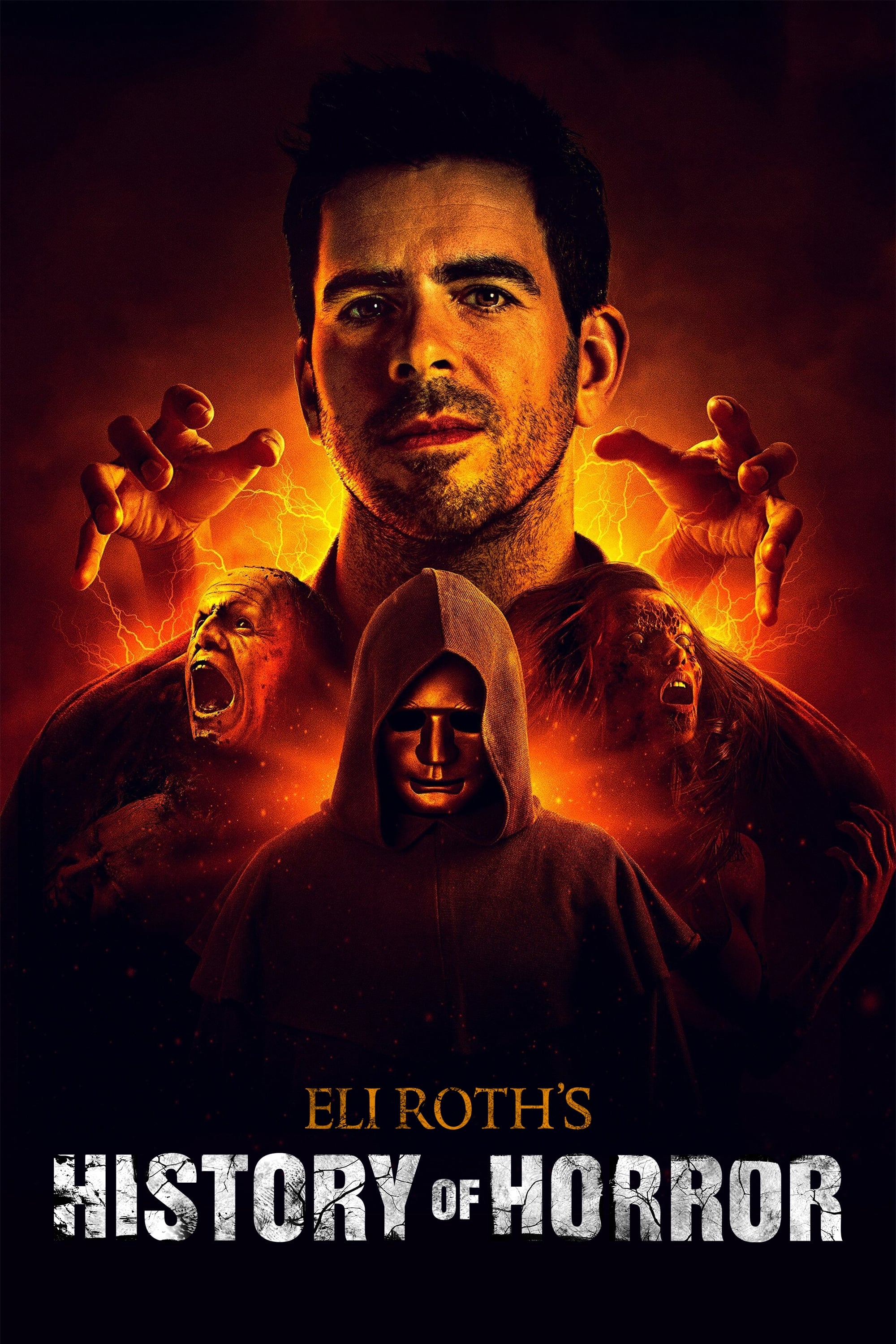
A “psychological exposé” into the minds of the most diabolical antagonists in WWE history and their impact on mainstream culture.
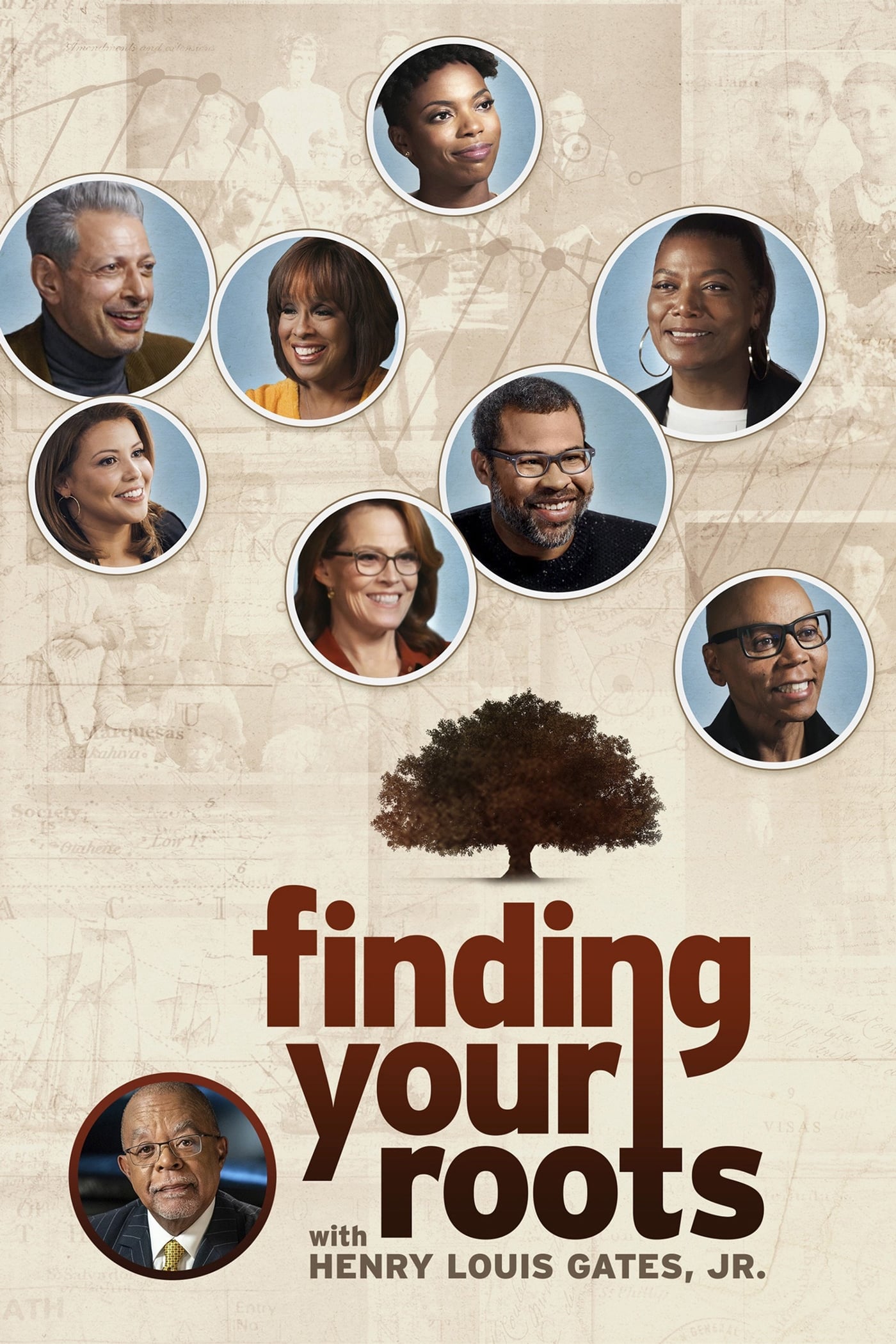
Explore American cinema through the decades and the cultural, societal and political shifts that framed its evolution.
An in-depth look at the history and pop cultural significance of horror films.
The acclaimed docu-series takes you on a lightning-fast journey through a day in the life of WWE's most intriguing Superstars and groundbreaking events.
Unknown histories take center stage as the hitmakers themselves - from ABBA to T-Pain - explore dimensions of pop music you never knew existed.
These blockbusters brought us together and gave us the time of our lives. Meet the actors, directors and industry insiders who made them happen.
Since it began in 1983, Frontline has been airing public-affairs documentaries that explore a wide scope of the complex human experience. Frontline's goal is to extend the impact of the documentary beyond its initial broadcast by serving as a catalyst for change.