Social & External
The people behind it
Přemysl Čech
Host
Based on real characters and events, this haunting drama focuses on the personal sacrifice of a Prague history student, Jan Palach, who set himself on fire in protest against the Soviet occupation of Czechoslovakia in 1969. Dagmar Burešová, a young female lawyer, became part of his legacy by defending Jan's family in a trial against the communist government, a regime which tried to dishonour Palach’s sacrifice, a heroic action for the freedom of Czechoslovakia.
Czech Century brings the key moments of the history of the Czech nation from 1918 to 1989.
Television series Golden Sixties examines new insights into Czech and Slovak cinema of the 1960s and the role of the Czechoslovak New Wave. Each episode focuses on a different filmmaker.
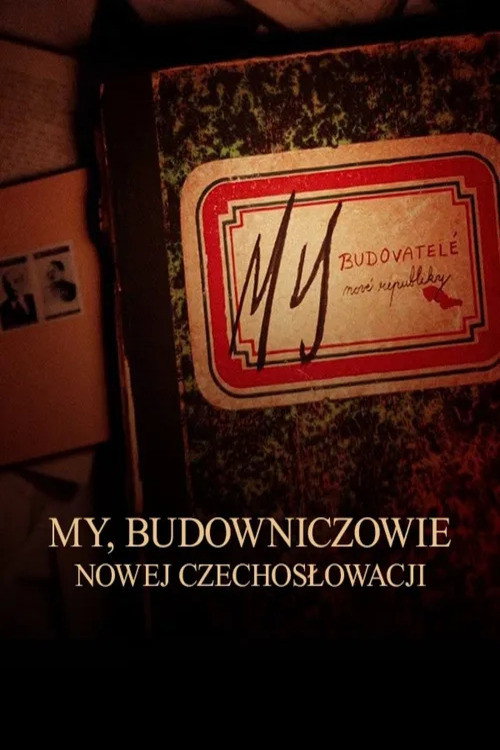
What life was like in the era of post-war hopes and fears of repression, a time of big dreams and small personal struggles, is revealed in a documentary series that brings to light previously unknown stories of ordinary people from 1945 to 1953. Through authentic diaries and previously unpublished amateur family films, viewers will gain insight into the minds and hearts of those who lived in Czechoslovakia after World War II and often shaped it. Stories full of personal dilemmas, courage, and betrayal show how difficult it was to live in a country where politics interfered with everyday life.
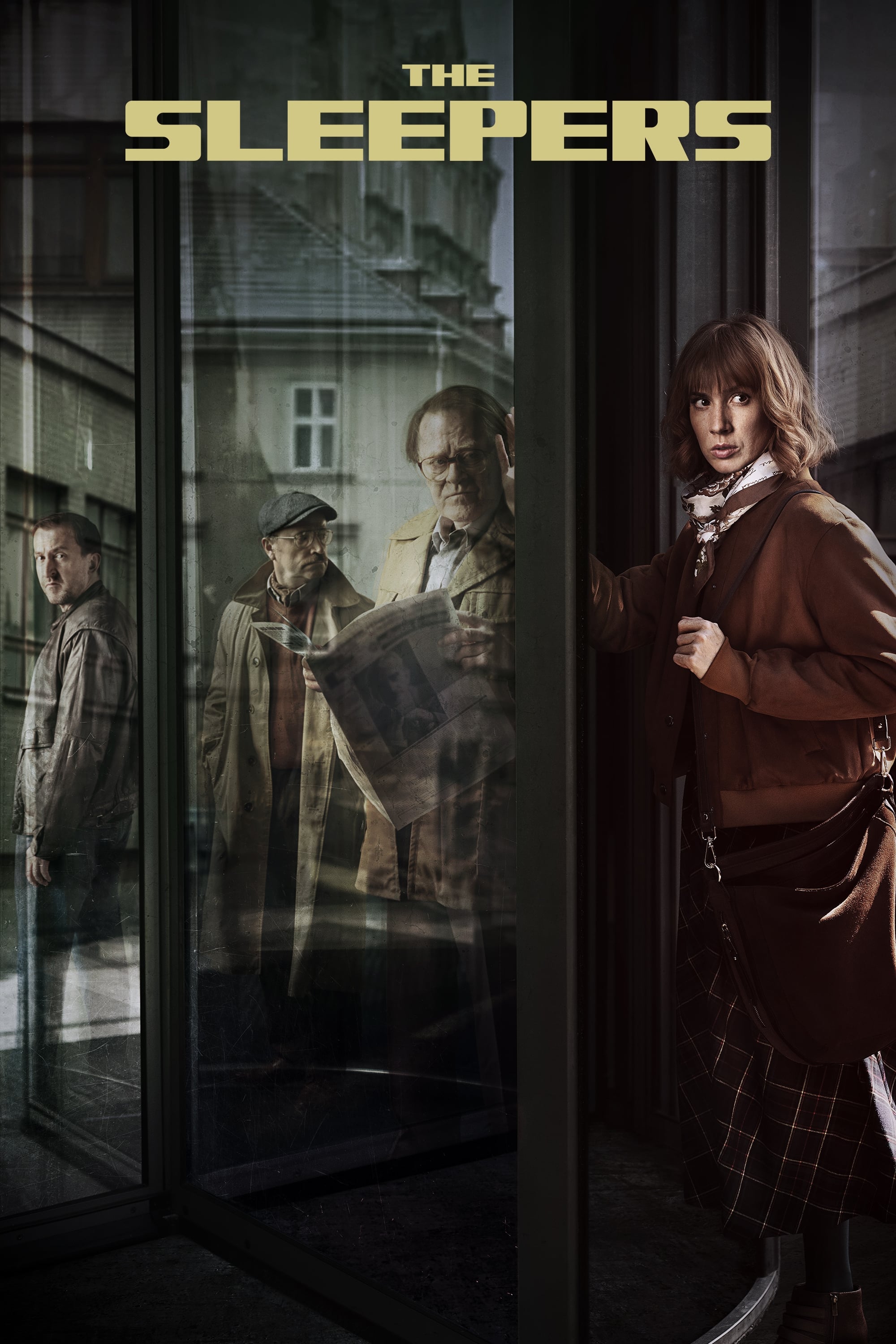
In this spy thriller, Marie and her husband Victor return from exile to Czechoslovakia on the cusp of the Velvet Revolution — but when the couple gets in a car accident, Marie wakes up from a coma to find her husband mysteriously gone.
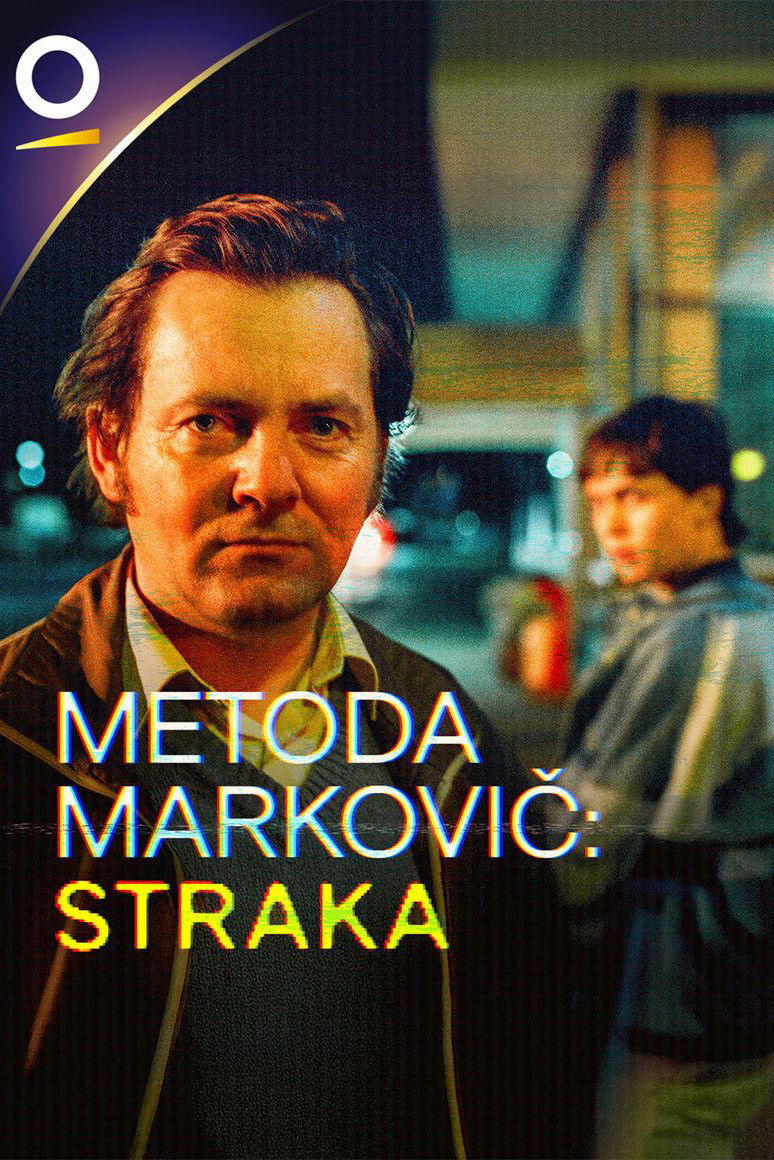
Jiří Markovic thought capturing Ladislav Hojer would be the defining case of his career. He was wrong. As communist Czechoslovakia prepares for the 1985 Spartakiad, an unpredictable serial killer terrorizes Prague. Under intense pressure from state authorities, Markovic and his team race against time to stop a murderer the entire country fears, testing the limits of justice, politics, and morality.
Slniečko is a children's TV show about the sun, named Sunny (Slniečko), as well as characters like Raťafák Plachta (Big Nose Blanket), Ruky Rukaté, and Míma Valentína.
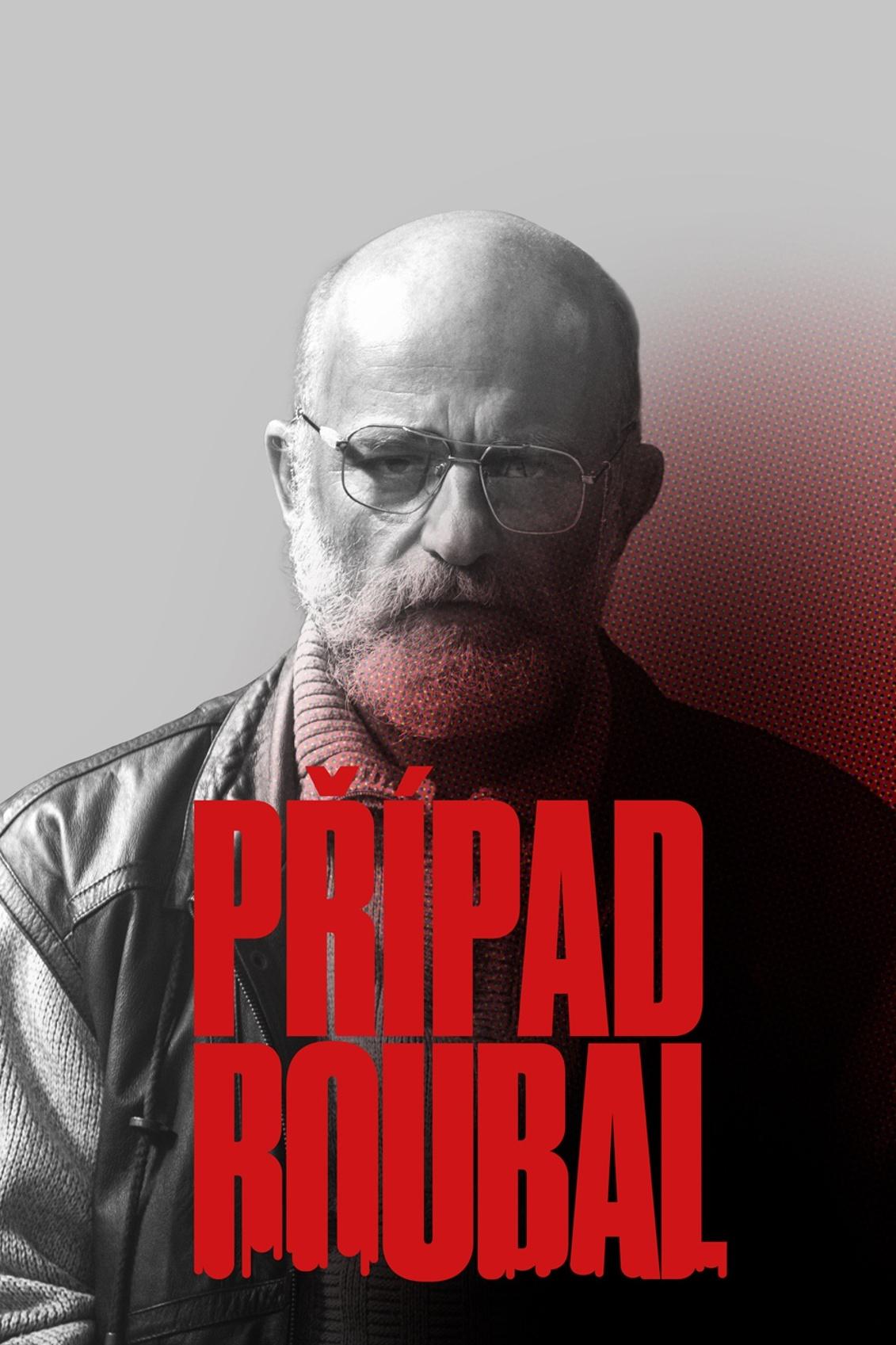
The mini-series are inspired by the real, albeit incredibly terrifying, events and actions that Ivan Roubal committed in the 1990s. Hynek Čermák is in the role of one of the biggest serial killers in Czechoslovak history.
Set in Czechoslovakia, the drama follows the lives of its characters against the backdrop of real historical events that shape their personal stories. To evoke period atmosphere, the series intersperses authentic clips from vintage Czechoslovak film newsreels, using their original commentaries or newly recorded historical voice-overs by Vladimír Fišer. A narrator, initially voiced by Vojtěch Kotek and later by Matěj Hádek, provides continuity and reflection, guiding viewers through changing times. Under the guidance of screenwriter Rudolf Merkner, each episode’s script weaves family and individual dramas into key moments of Czech and Slovak history: political shifts, cultural trends, and social transformations from the 1960s onward.
A chronicle of the fall of the Austro-Hungarian empire and the rise of the Balkan states.
Frontiers of Fight takes a sweeping look at the majesty of fight as expressed through the classic planes at the National Air and Space Museum. Investigating planes from around the world, from the time of early balloons to the space shuttle, the series highlights aviation "firsts". Meet the first person to cross the Atlantic. Lean about the first man to reach mach speed and dispel the myth of the sound barrier forever. And explore the invention of the first fuel liquid rocket.
Follow Chris in this chaotic, animal-crazy series that captures the drama, the danger, the animal antics and the sheer exhilaration of Chris Humfrey's Wild Life.
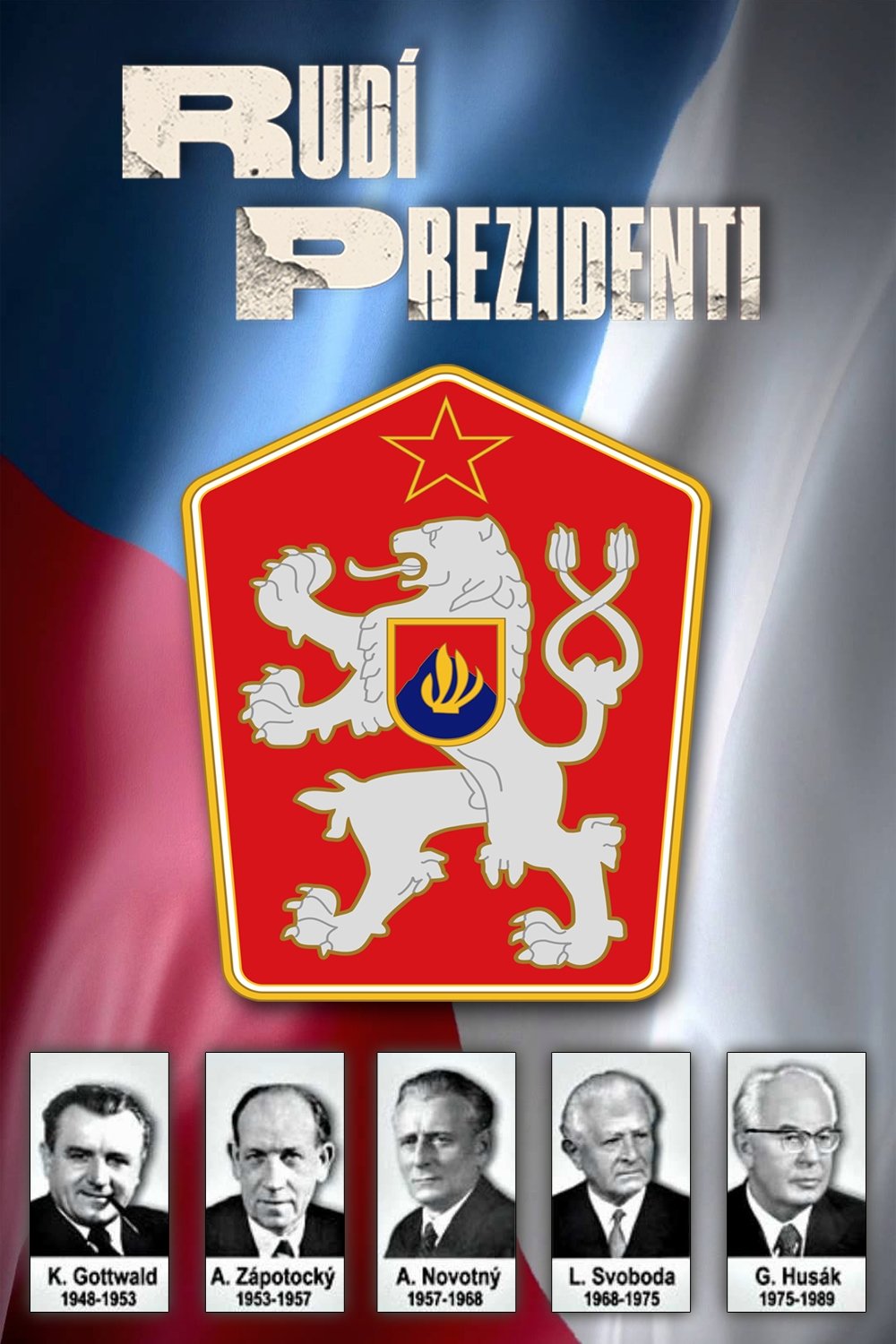
The documentary series explores different political figures throughout history.
World War II In Colour is a 13-episode television documentary miniseries recounting the events of World War II narrated by Robert Powell. The show covers the Western Front, Eastern Front, and the Pacific War. It is on syndication in America on the Military Channel. This series is in full color, combining both original and colorized footage.
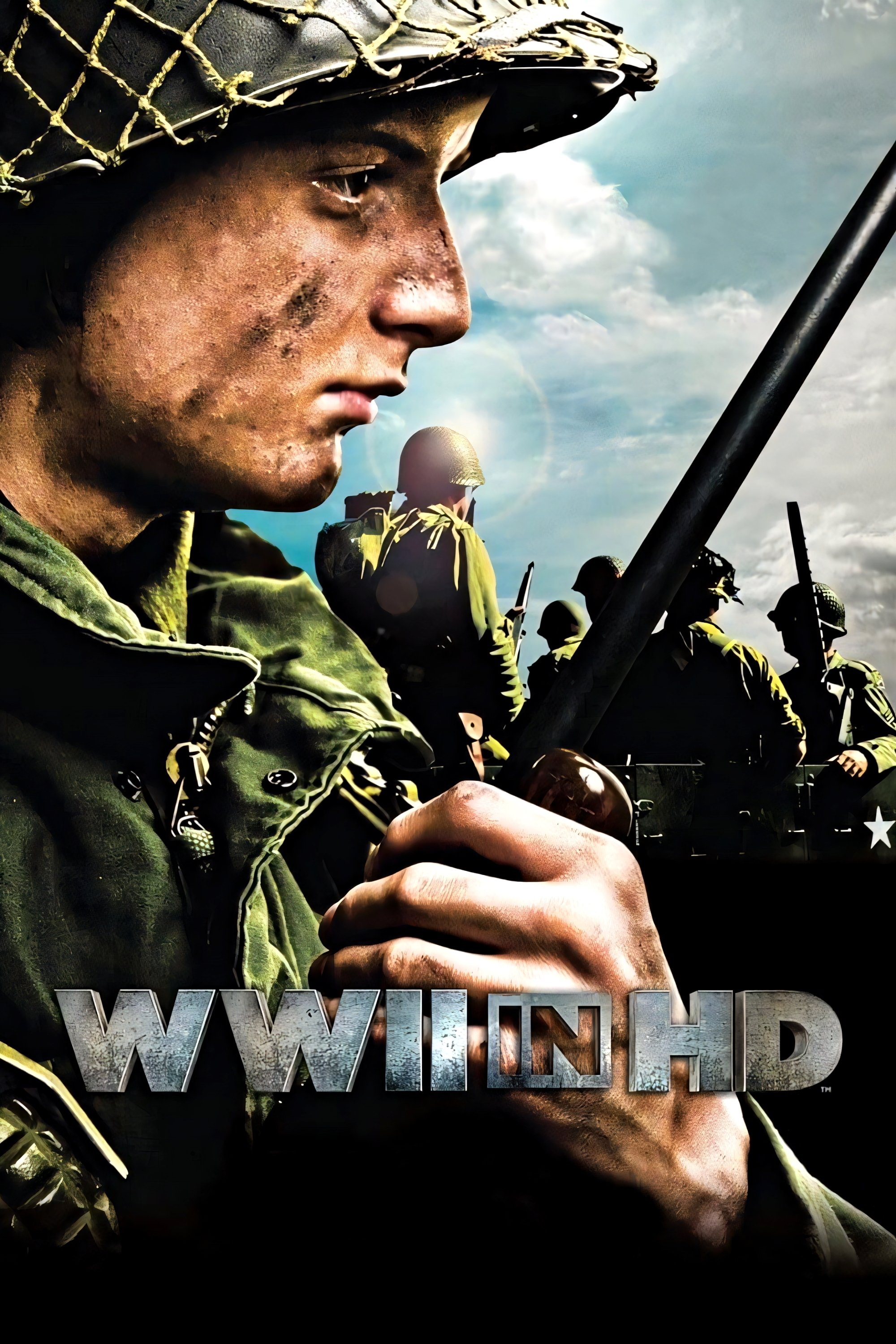
WWII in HD is a 10-part American documentary television miniseries that originally aired from November 15 to November 19, 2009 on the History Channel. The program focuses on the firsthand experiences of twelve American service members during World War II, including an Army nurse, a member of the Tuskegee Airmen, a second generation Japanese American and prisoner of war, and an Austrian Jewish immigrant. The twelve members recorded their time in both theaters and some had later interviews; found footage from the battlefield was paired with the stories of the twelve service members. The episodes premiered on five consecutive days, with two episodes per day. The series is narrated by Gary Sinise and was produced by Lou Reda Productions in Easton, Pennsylvania, United States.
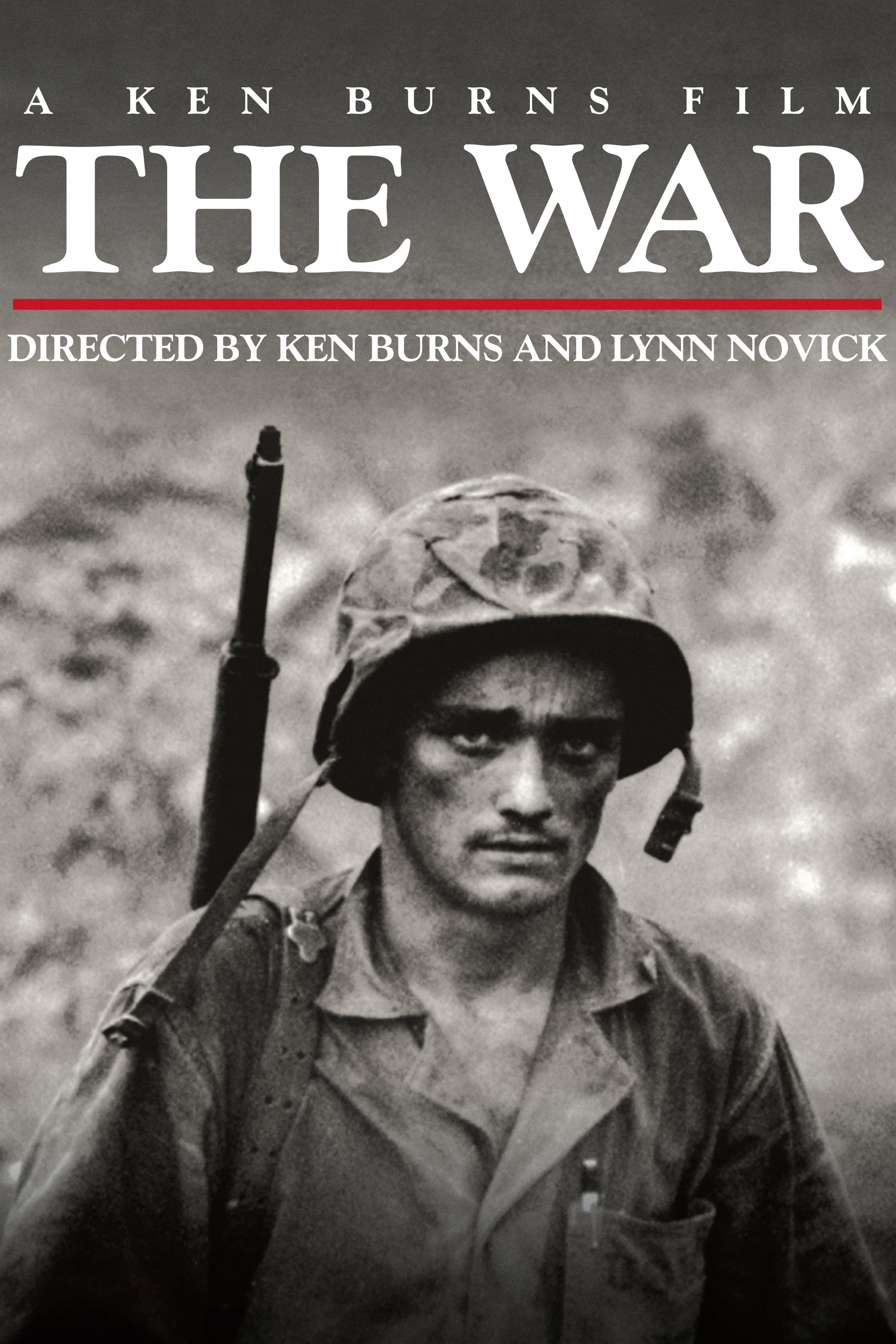
The story of the Second World War through the personal accounts of a handful of men and women from four American towns. The war touched the lives of every family on every street in every town in America and demonstrated that in extraordinary times, there are no ordinary lives.
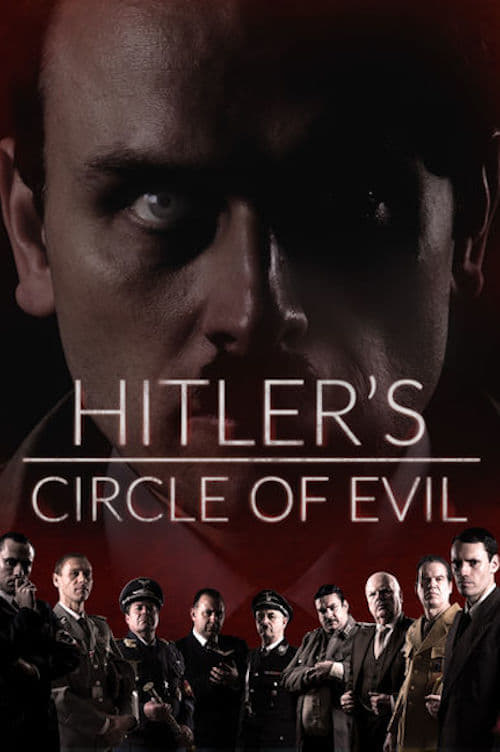
Surviving power struggles, betrayals and plots, Hitler's inner circle of Nazi leaders seizes control of Germany and designs its disastrous future.
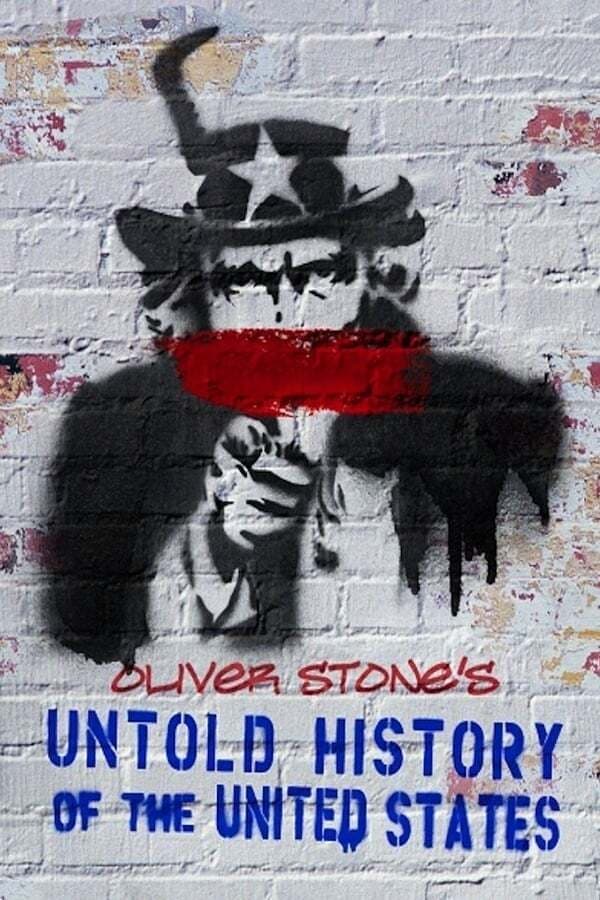
Oliver Stone's re-examination of under-reported events in American history.
Using highly advanced colourisation techniques, critical moments from World War II, from Stalingrad to The Battle of Britain, are shown in a whole new light.
A documentary series that gives a historical account of the events of World War II, from its roots in the 1920s to the aftermath and the lives it profoundly influenced.
The American Revolution was at once a war for independence, a war of conquest, a civil war, and a world war, fought by neighbors on American farms and between global powers an ocean or more away. It impacted millions from Vermont’s Green Mountains to the swamps of South Carolina, from Indian Country to the Iberian Peninsula. In defeating the British Empire and giving birth to a new nation, the American Revolution turned the world upside-down. Thirteen colonies on the Atlantic Coast united in rebellion, won their independence, and established a republic that still endures. The American Revolution will present the story of the men and women of the Revolutionary generation, their humanity in victory and defeat, and the crisis that they lived through.
Explores WWII from Germany's invasion of Poland through the atomic age, examining pivotal battles, wartime leaders like Churchill and Roosevelt, and the human cost of total war.
A documentary on the American Civil War narrated by Ken Burns, covering the secession of the Confederacy to the assassination of Abraham Lincoln.
This captivating docuseries examines Winston Churchill's pivotal role in World War II and the formative events that made him an ideal leader for the era.
Don Wildman unearths relics from the world's greatest institutions to reveal secrets from the past. He examines each artifact to illuminate history's most incredible triumphs, sensational crimes and bizarre encounters.
This documentary-series examines Grant's life story using his perspective and experiences to explore a turbulent time in history: the Civil War and Reconstruction.
In a quest for world domination, the Nazis built some of the biggest and deadliest pieces of military hardware and malevolent technology in history. This is the stories of the engineers who designed them and how these structures sparked a technological revolution that changed warfare forever.
Will Smith hosts this look at the evolving, often lethal, fight for equal rights in America through the lens of the US Constitution's 14th Amendment.
In six films, Adam Curtis traces the different forces across the world that have led to now. It covers a wide range—including the strange roots of modern conspiracy theories, the history of China, opium and opioids, the history of Artificial Intelligence, melancholy over the loss of empire and, love and power. And explores whether modern culture, despite its radicalism, is really just part of the new system of power.
In this true-crime documentary, a cult expert and filmmaker infiltrate a polygamist sect to expose a self-proclaimed prophet and bring him to justice.
Through vividly enhanced archival footage and voices from all sides of the conflict, this docuseries brings WWII to life like never before.
Five acclaimed contemporary directors tell the story of five legendary Hollywood filmmakers who enlisted in the armed forces to document World War II.