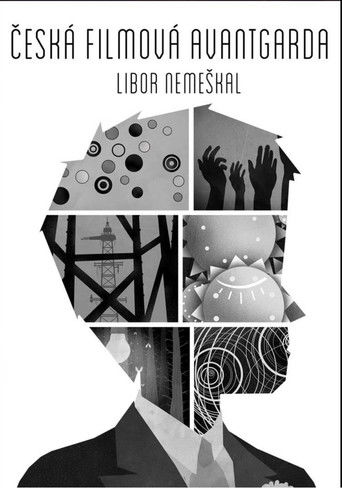
Two-part documentary about the Czechoslovak "New Wave" in the '60s, including interviews with directors, actors, and others involved in the industry at the time.
Social & External
Television series Golden Sixties examines new insights into Czech and Slovak cinema of the 1960s and the role of the Czechoslovak New Wave. Each episode focuses on a different filmmaker.
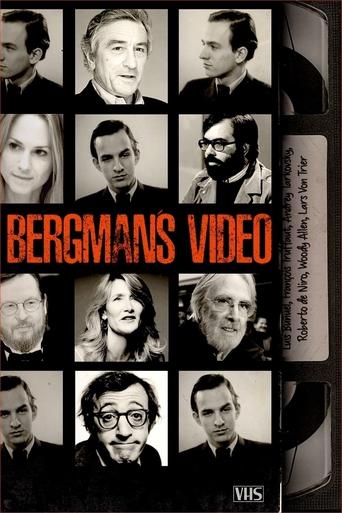
The desolate and mysterious island of Fårö, Sweden, Baltic Sea, 2004. Swedish master filmmaker Ingmar Bergman (1918-2007) looks back on his personal and artistic life; a journey through more than sixty years devoted to film, plays and television programs. (Released in 2006, edited and abridged, as Bergman Island.)
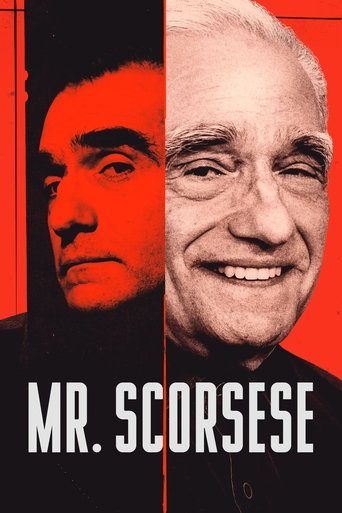
Explore the many lives of Martin Scorsese through intimate interviews with the man himself, access to his private archives, plus conversations with Robert De Niro, Leonardo DiCaprio, Margot Robbie, Daniel Day-Lewis, Steven Spielberg, and more.
An unprecedented look at the decade-long odyssey to land a man on the moon. This documentary pulls back the curtain on the familiar narrative of the moonshot, revealing a fascinating stew of scientific innovation, political calculation, media spectacle, visionary impulses and personal drama.
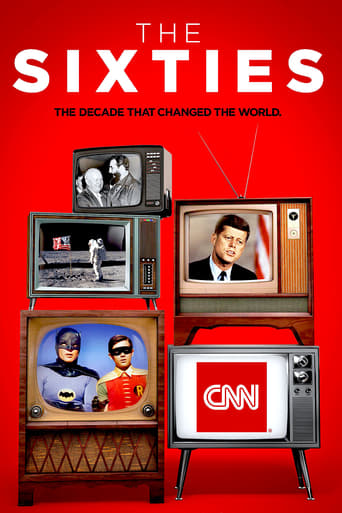
The space race, the cold war, "free love," civil rights and more: The decade of the 1960s shaped our history -- and changed the world. In collaboration with Tom Hanks, Gary Goetzman and Mark Herzog, CNN explores perhaps the most transformative decade of the modern era in a 10-part documentary series and brings new insights into how those events shaped today.
A look back at the 1960's from Norway's perspective.
This two-part docuseries celebrates the musical and artistic renaissance that exploded in the Bay Area from the mid-sixties into the mid-seventies. Featuring the music of Jefferson Airplane, Janis Joplin, the Grateful Dead, Steve Miller, and many more.
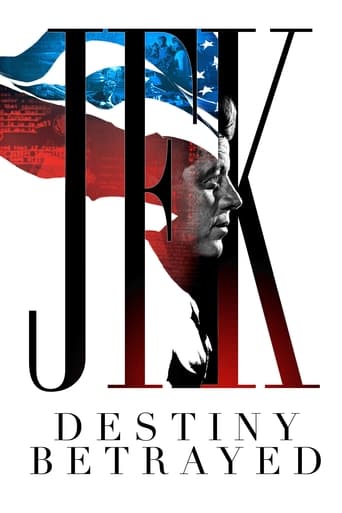
A chronicle of John F. Kennedy's life, including his youth, ascension into politics, presidency, and his lasting impact on history.
Running for seven weeks from July 2007, each week focused on a different genre, examining British film by genre. Presented by Jessica Stevenson the series featured over 200 exclusive interviews with leading actors and directors including Sir Michael Caine, Sir Anthony Hopkins and Kate Winslet.
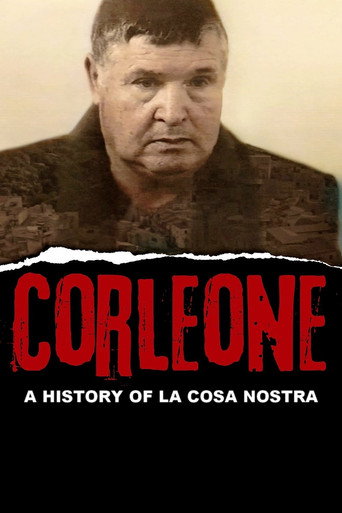
How, from 1974 to 1993, Totò Riina (1930-2017), supreme boss of the Corleone family, ruled by blood and terror over the Sicilian Mafia. An implacable account, based on the testimony of his men and those who fought against them.
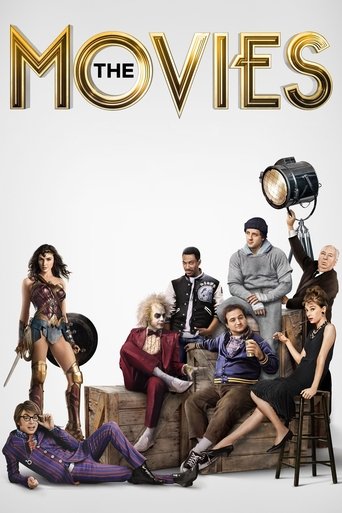
These blockbusters brought us together and gave us the time of our lives. Meet the actors, directors and industry insiders who made them happen.
Dive deep into the art of storytelling by examining the defining principles and inner workings of the greatest classic films from the past century.
It is now fifty years since the start of the 1960s – ten years of change, innovation, excitement and creativity that revolutionised our lives. To celebrate this amazing decade, Lulu presents Rewind the 60s - five entertaining programmes that explore all aspects of the 1960s: from where we lived, to what we ate, to how we dressed, and what we listened to. With the help of some very special guests, Lulu shows us how that extraordinary decade transformed Britain and the world forever – and how much fun it was to live through.
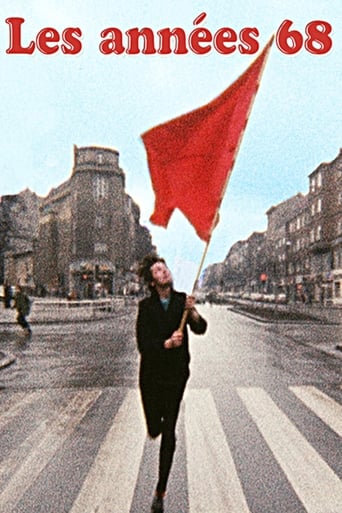
In 1968, young people from Berkeley to Paris and from Prague to Tokyo rose up against the world they were being offered. In this sprawling but riveting two-part documentary, veteran filmmaker Don Kent tracks the development, decline and legacy of this global movement against the fiery backdrop of the Vietnam War, civil rights struggles, dueling ideologies, and international coup d’états. A time capsule full of evocative sights and sounds, narrated by leading historians and political activists, Les années 68 effortlessly connects apparently discrete events to form a blazingly timely analysis of a decade that shaped the way we live now.
In the sixties, Swedish filmmaker Ingmar Bergman (1918-2007) built a house on the remote island of Fårö, located in the Baltic Sea, and left Stockholm to live there. When he died, the house was preserved. A group of very special film buffs, came from all over the world, travel to Fårö in search of the genius and his legacy. (Released in 2013, edited and abridged, as Trespassing Bergman.)
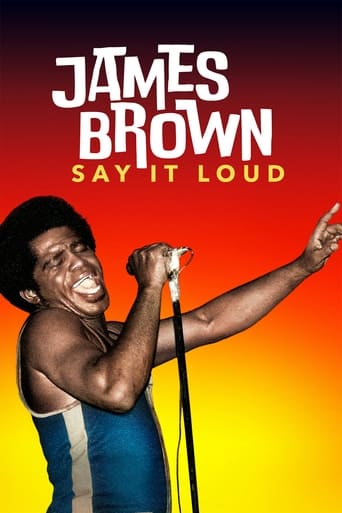
Traces the incredible trajectory of Brown’s life and career from a 7th grade drop-out arrested and jailed at the age of 16 for breaking into a car in the Jim Crow-era South, to an entertainment legend whose groundbreaking talent and unique perspective catapulted him to become a cultural force.
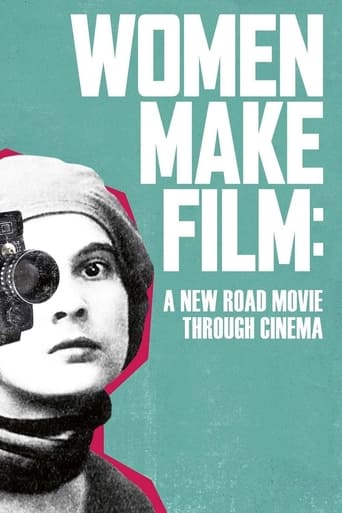
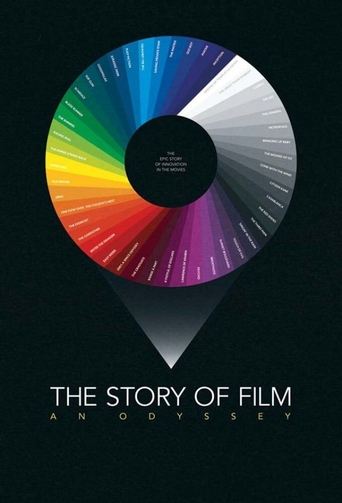
A worldwide guided tour of the greatest movies ever made and the story of international cinema through the history of cinematic innovation.
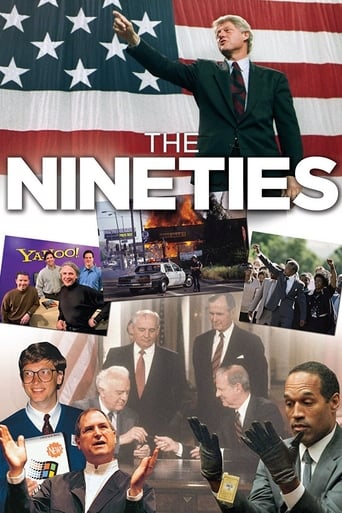
Hit rewind and explore the most iconic moments and influential people of The Nineties, the decade that gave us the Internet, DVDs, and other cultural and political milestones.
Infographics and archival footage deliver bite-size history lessons on scientific breakthroughs, social movements and world-changing discoveries.
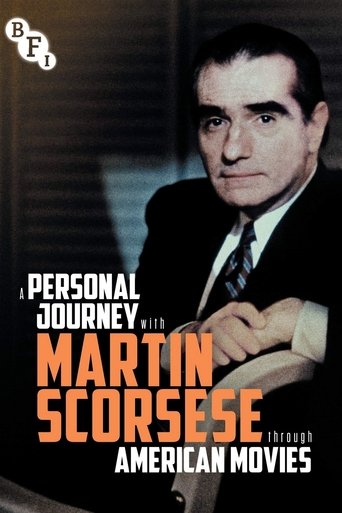
Explore American cinema through the decades and the cultural, societal and political shifts that framed its evolution.
Doctor Who Confidential is a documentary to complement the revival of the long-running British science fiction television series Doctor Who. Each episode was broadcast on BBC Three on Saturdays, immediately after the broadcast of the weekly television episode on BBC One. The running time of the first two series was 30 minutes, being extended to 45 minutes in the third. BBC Three also broadcast a cut-down edition of the programme, lasting 15 minutes, shown after the repeats on Sundays and Fridays and after the weekday evening repeats of earlier seasons.
An in-depth look at the history and pop cultural significance of horror films.
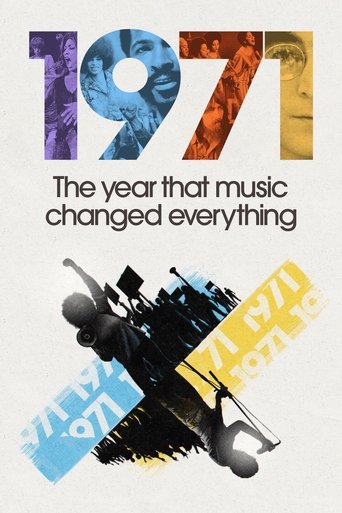
In a tumultuous era, 1971 was a year of musical innovation and rebirth fueled by the political and cultural upheaval of the time. Stars reached new heights, fresh talent exploded onto the scene, and boundaries expanded like never before.
Film lovers examine the cinematic moments that thrilled, perplexed, challenged and forever changed them in this collection of visual essays.
The documentary takes viewers through Janet Jackson's life and career, contain never-before-seen footage, and feature home videos from the legendary artist. Jackson discusses her controversial 2004 Super Bowl halftime show performance with Justin Timberlake, her father Joe Jackson, the death of her brother Michael Jackson, and more.
Since it began in 1983, Frontline has been airing public-affairs documentaries that explore a wide scope of the complex human experience. Frontline's goal is to extend the impact of the documentary beyond its initial broadcast by serving as a catalyst for change.
American Masters is a PBS television series which produces biographies on enduring writers, musicians, visual and performing artists, dramatists, filmmakers, and others who have left an indelible impression on the cultural landscape of the United States.
Biography is a documentary television series. It was originally a half-hour filmed series produced for CBS by David Wolper from 1961 to 1964 and hosted by Mike Wallace. The A&E Network later re-ran it and has produced new episodes since 1987. The older version featured historical figures such as Helen Keller and Mark Twain, or long-dead entertainment figures such as Will Rogers or John Barrymore. The A&E series has placed the emphasis on such people as Marilyn Monroe, Elvis Presley, Plácido Domingo, Freddie Mercury, Jacqueline Kennedy Onassis, Eric Clapton, Pope John Paul II, Gene Tierney, Selena, Diego Rivera, Mao Zedong and Queen Elizabeth II, and fictional characters like The Phantom, Superman, Hamlet, Betty Boop, and Santa Claus. The program ended up profiling enough figures that in 1999, A&E spun it off into an entire network, The Biography Channel.
A series of standalone documentaries powered by the unparalleled journalism and insight of The New York Times, bringing viewers close to the essential stories of our time.
20/20 is an American television newsmagazine that has been broadcast on ABC since June 6, 1978. Created by ABC News executive Roone Arledge, the show was designed similarly to CBS's 60 Minutes but focuses more on human interest stories than international and political subjects. The program's name derives from the "20/20" measurement of visual acuity. The hour-long program has been a staple on Friday evenings for much of the time since it moved to that timeslot from Thursdays in September 1987, though special editions of the program occasionally air on other nights.
The third installment from executive producers Tom Hanks, Gary Goetzman and Mark Herzog, following in the footsteps of critically-acclaimed series THE SIXTIES and THE SEVENTIES, tackles 10 years shaped by exceptionalism and excess. Like its predecessors, THE EIGHTIES intersperses rare archival newsreel footage, interviews, and comments by historians, journalists, politicians, celebrities and others, painting a perspective-rich picture of a vibrant decade. Episodes examine the age of Reagan, the AIDS crisis, the end of the Cold War, Wall Street corruption, the evolving TV and music scene, and everything in between.
Tracing a century of movie and TV history, these four documentary specials explore the unparalleled global impact of Warner Bros. on art, commerce, and culture.
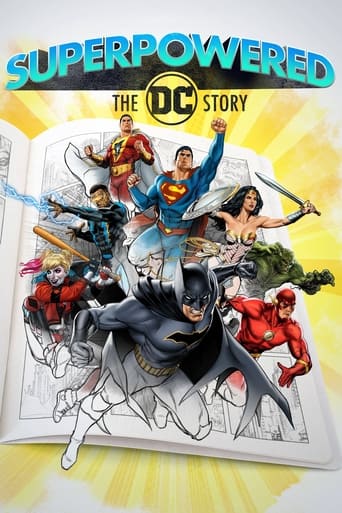
This docuseries takes an unprecedented look at the enduring and influential legacy of DC, allowing fans to rediscover the universe of characters, as well as the iconic comic book company’s origins, its evolution and its nearly nine-decade cultural impact across every artistic medium.