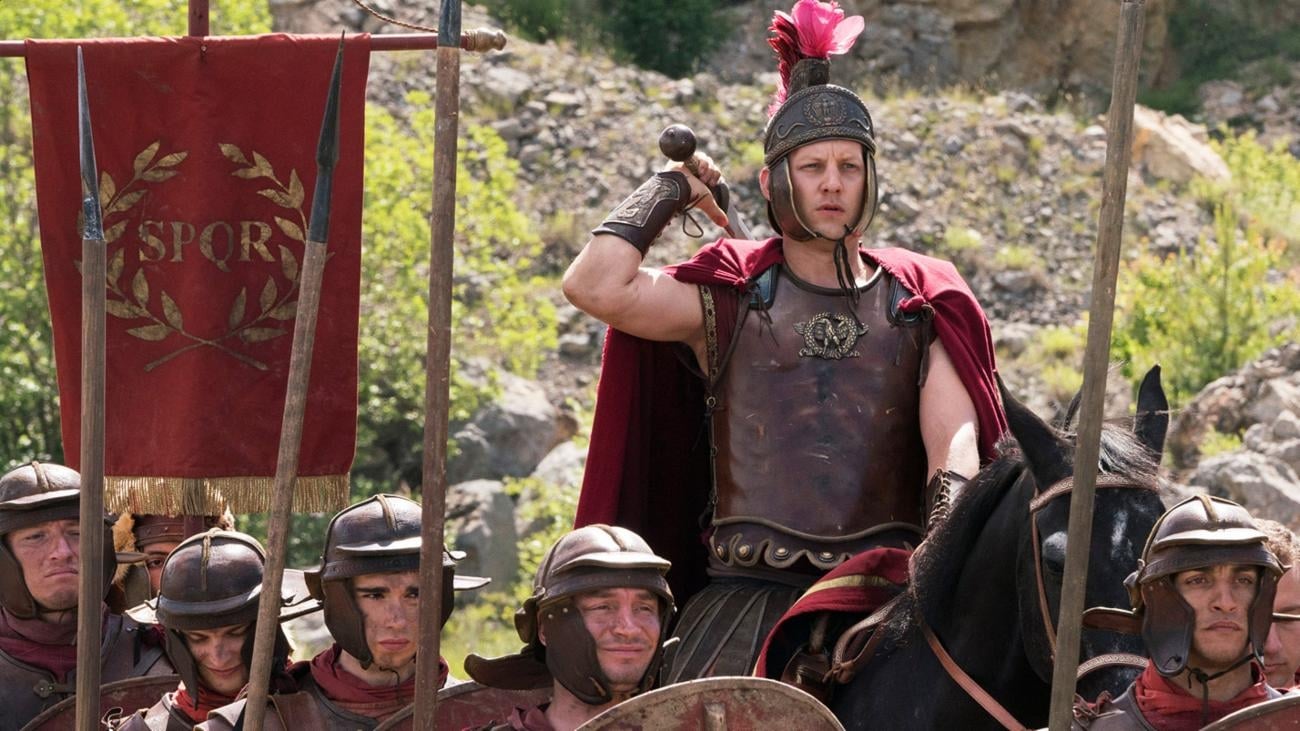
Bettany Hughes relives eight pivotal days that defined the Roman Empire and made it the world's first superpower.
Social & External
The people behind it
Marek Lichtenberg
Legionaire in Intro credits
James Sutton
Scipio
Bettany Hughes
Nathan Dean Williams
Mark Antony
Marcel Dorian
Legionaire
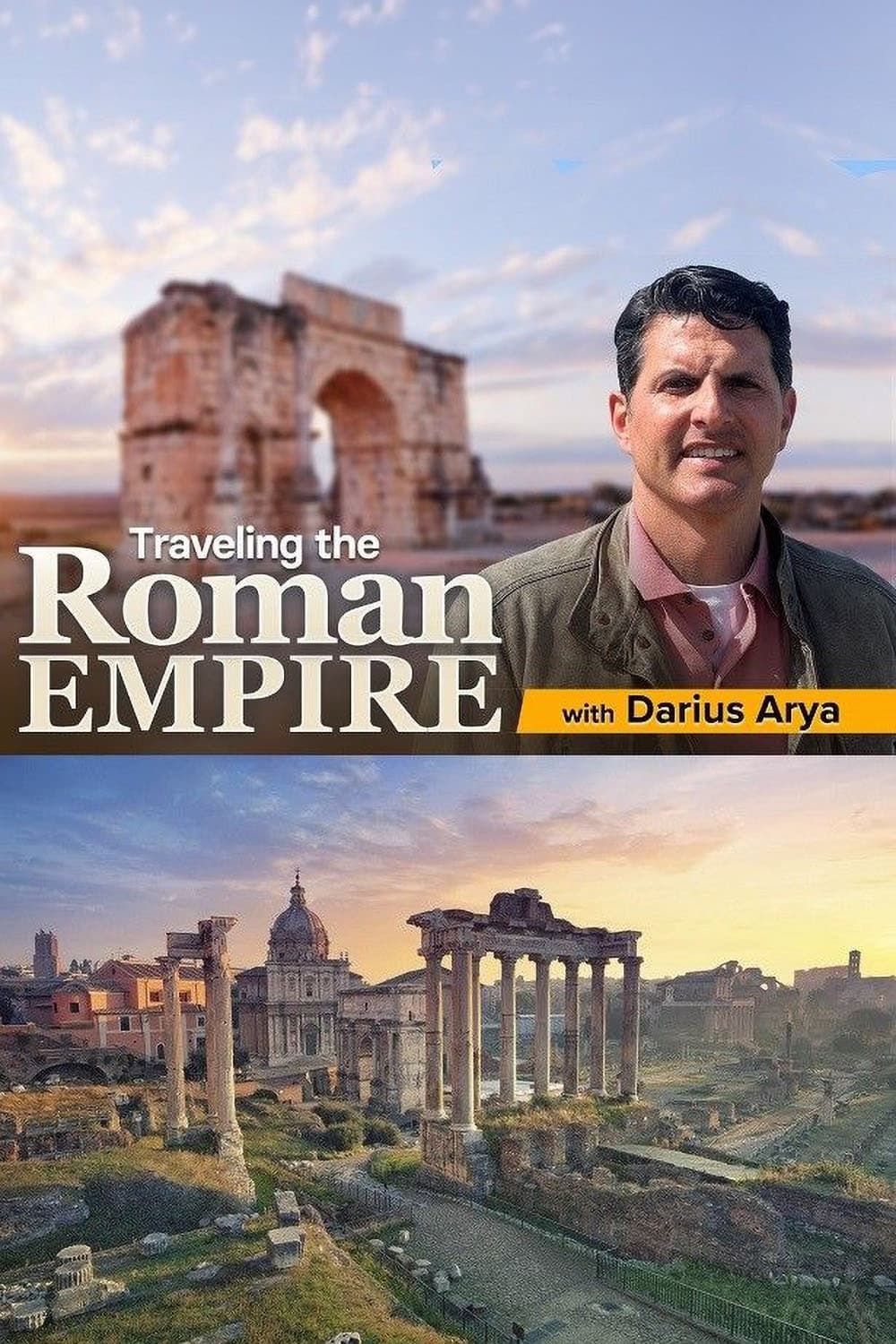
Traveling the Roman Empire is a matchless grand tour covering an astonishing range of landscapes, cultures, and history. Even if you have explored many of these places before, Darius will give you fresh insights and a new appreciation for the remarkable achievements of a single-minded city on the Tiber that had the vision, discipline, and institutions to conquer the known world and make it prosper.
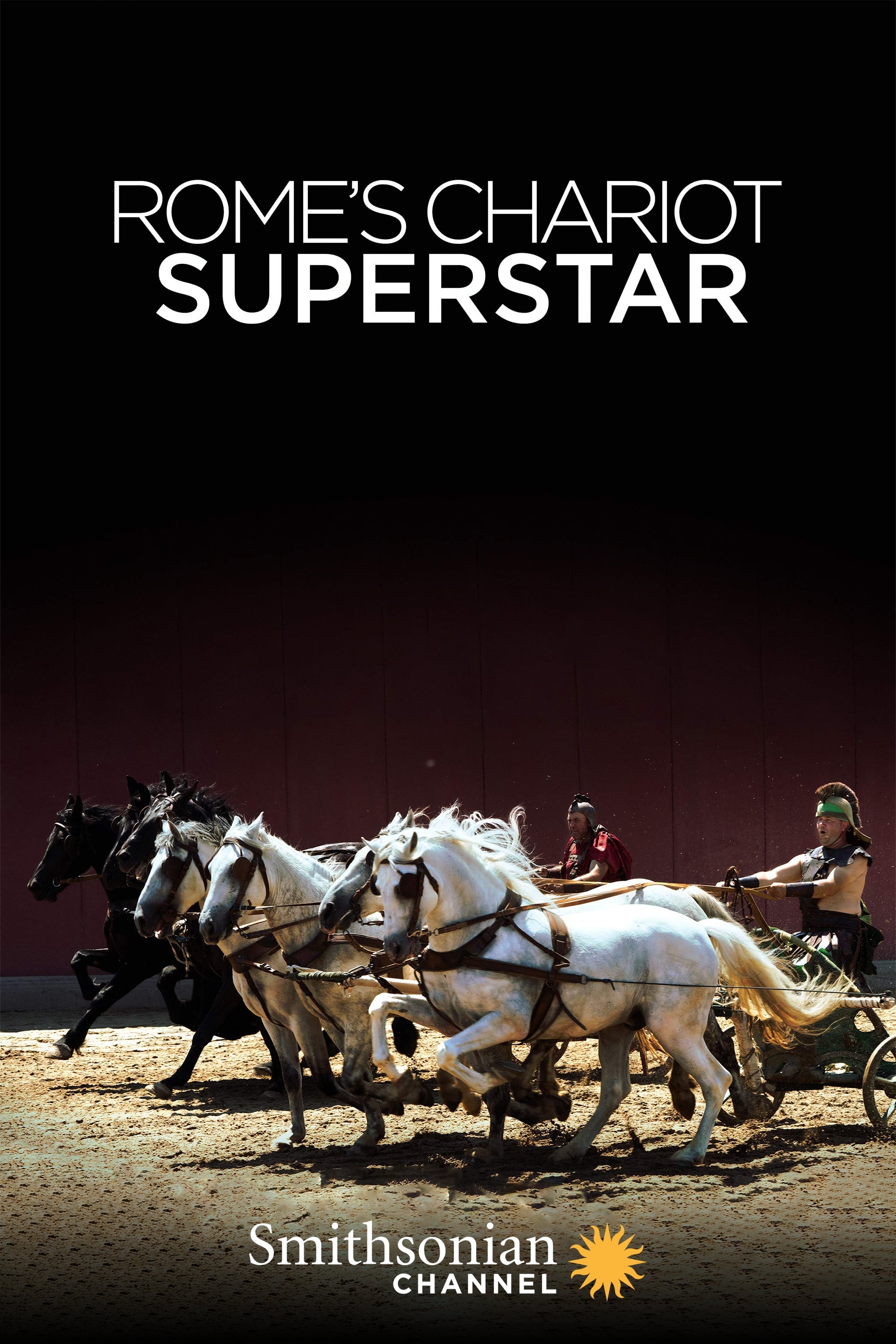
In 90 A.D., ancient Rome played host to a sporting spectacle that attracted crowds three times the size of the Colosseum?s gladiator games: chariot racing. Every week, 150,000 fans packed the massive Circus Maximus, not just to cheer on the speed, fury, and danger of the races, but to witness the champion charioteer, Flavius Scorpus. Examine his improbable rise from young slave to arguably the most successful competitor in the sport?s history.
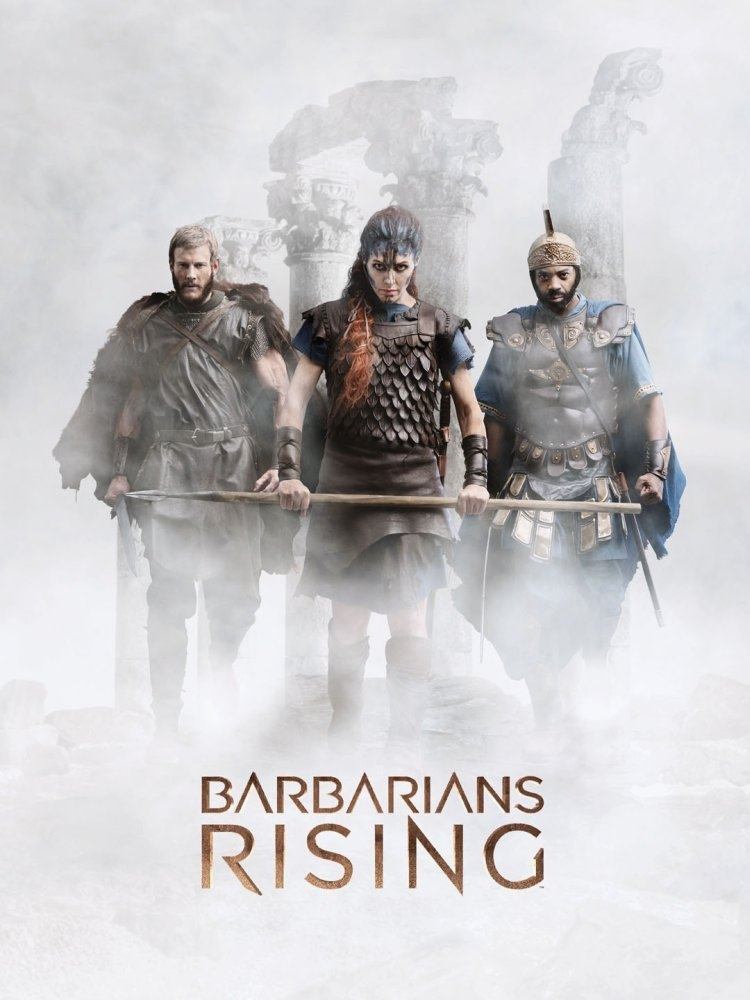
Told from the perspective of the rebel leaders, the series chronicles a wave of rebellions against absolute power by those the Roman Empire called “barbarians” – tribes they viewed as beyond the fringe of civilization that lived a brutish and violent existence. But these also were men and women who launched epic struggles that shaped the world to come with a centuries-long fight to defeat the sprawling empire.
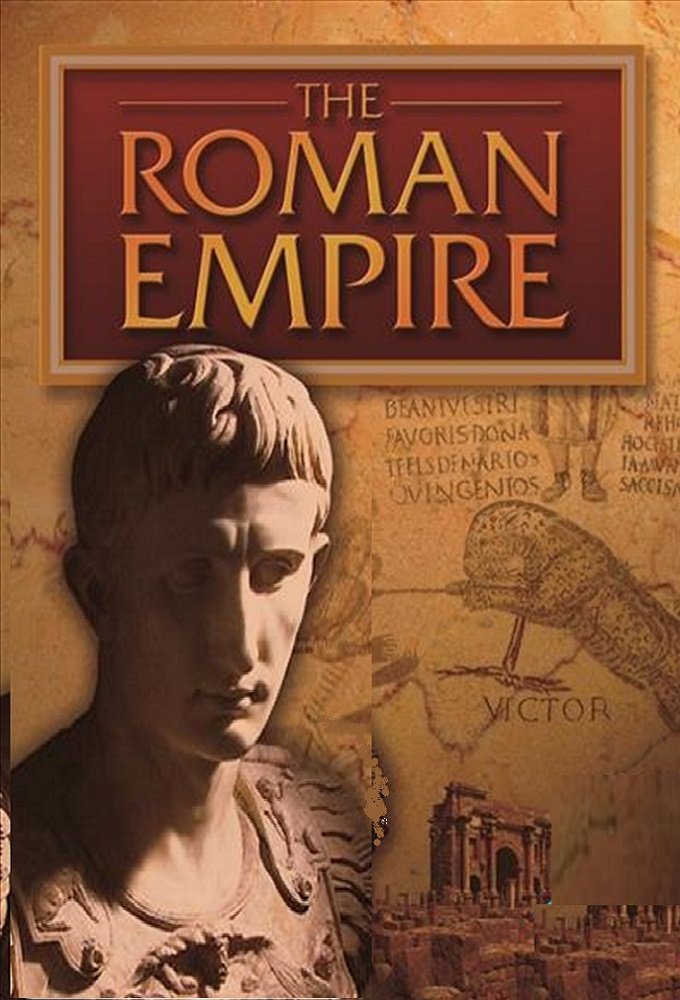
At its height, the Roman Empire encompassed Europe, the Middle East and North Africa. How did it keep prospering for over 400 years? And why did it come to a rapid end? What can we learn from the Roman Empire and what guiding principles does it offer us today?
This stylish mix of documentary and historical epic chronicles the reign of Commodus, the emperor whose rule marked the beginning of Rome's fall.
Alice embarks on her most ambitious journey to date, in search of the Roman Empire, travelling 1300 miles through Italy, France and Spain to discover the origins and secrets of Rome’s success.
Archaeologist and historian Richard Miles traces the development of Western civilization, from the first cities in Mesopotamia to the fall of the Roman Empire. In this six-part series, Miles travels through the Middle East, Egypt, Pakistan and the Mediterranean to discover how the challenges of society -- religion and politics, art and culture, war and diplomacy, technology and trade -- were dealt with and fought over in order to maintain a functioning civilization. Stories are told of disappeared, ruined and modern cities, from ancient Iraq to modern Damascus, to reveal how successes and failures of the ancients shaped the world today.
Archaeologists are making new discoveries about life during the glory days of the Roman Empire.
The history of Rome is a 1,000-year-long epic, filled with murder, ambition, betrayal and greed and encompassing such legendary characters as Rome’s Iron Age founders Romulus and Remus and its greatest general Julius Caesar. Larry is accompanied by some of Europe and America’s foremost classical experts who reveal the atmosphere of intrigue, conflict and violence at the places where the saga unfolded.
In this eight-part documentary, Roman engineering expert Isaac Moreno Gallo takes you on a tour through the different techniques and architectural elements that gave shape and life to the Roman Empire.
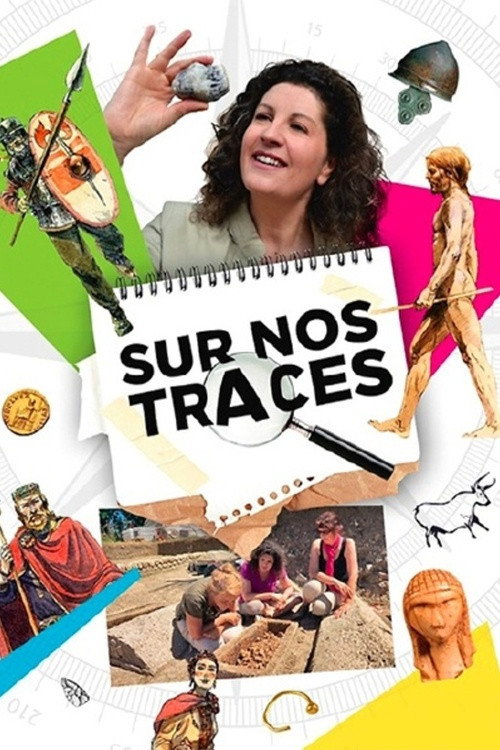
A series of eight episodes documenting 250.000 years of history. Charles Groenhuijsen takes us along sights and locations that historically harbored various inhabitants of ‘The Lowlands’. In what today is known as The Netherland, Belgium, Germany, New York, Ghana, Surinam, and Indonesia, Charles will be looking for the stories of ‘our’ past through potsherds, bones, stones, ancient text's, drawings, paintings, pictures, radio, and tv- fragments
This new series follows International teams of archaeologists on the front line, as they embark on a season of excavations to unravel the secrets of life in the Roman Empire. Crawling beneath Pompeii, unearthing an enormous lost coliseum, and hauling a 2000 year old battleship ram from the depths of the ocean, they race to unlock the secrets of this ancient civilization.
Romans is a documentary created by Tony Robinson about the Roman Empire. It was first broadcast on Channel 4 on September 20, 2003. This documentary is 3 hours in length, consists of 4 episodes and makes extensive use of research. The first two episodes portrays the life of the Dictator Julius Caesar while the remaining are portraits of Emperor Caligula and Emperor Nero. Tony Robinson is portraying Caligula in a different perspective, than what is normally associated with a the "mad emperor", by using various sources that examines his childhood in order to portray him in a better light. The last episode portrays emperor Nero.
Travel back in time to one of the most glorious empires in history. For over 1,000 years, Rome was the center of the known world, bringing to her subjects a common language, shared culture and wealth beyond imagination. But war, barbarian attacks and moral decay eventually took their toll, and the empire slowly began to crumble. Experience ancient history come to life, from Rome's primitive beginnings to the height of its glory – and its eventual downfall. Filmed in 10 countries, this documentary combines location footage of ancient monuments, detailed reenactments, period art and writings, and fascinating insights from scholars and public figures. Witness the ancient world come to life – and see history in all its drama.
A down-to-earth account of the lives of both illustrious and ordinary Romans set in the last days of the Roman Republic.
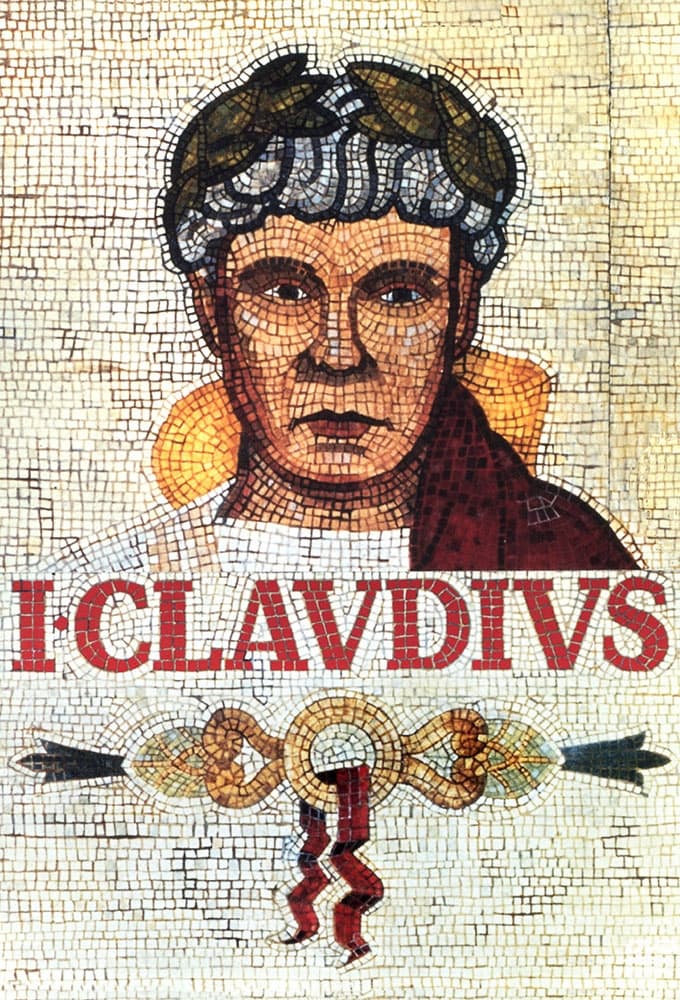
Acclaimed blackly comic historical drama series. Set amidst a web of power, corruption and lies, it chronicles the reigns of the Roman emperors - Augustus, Tiberius, Caligula and finally Claudius.
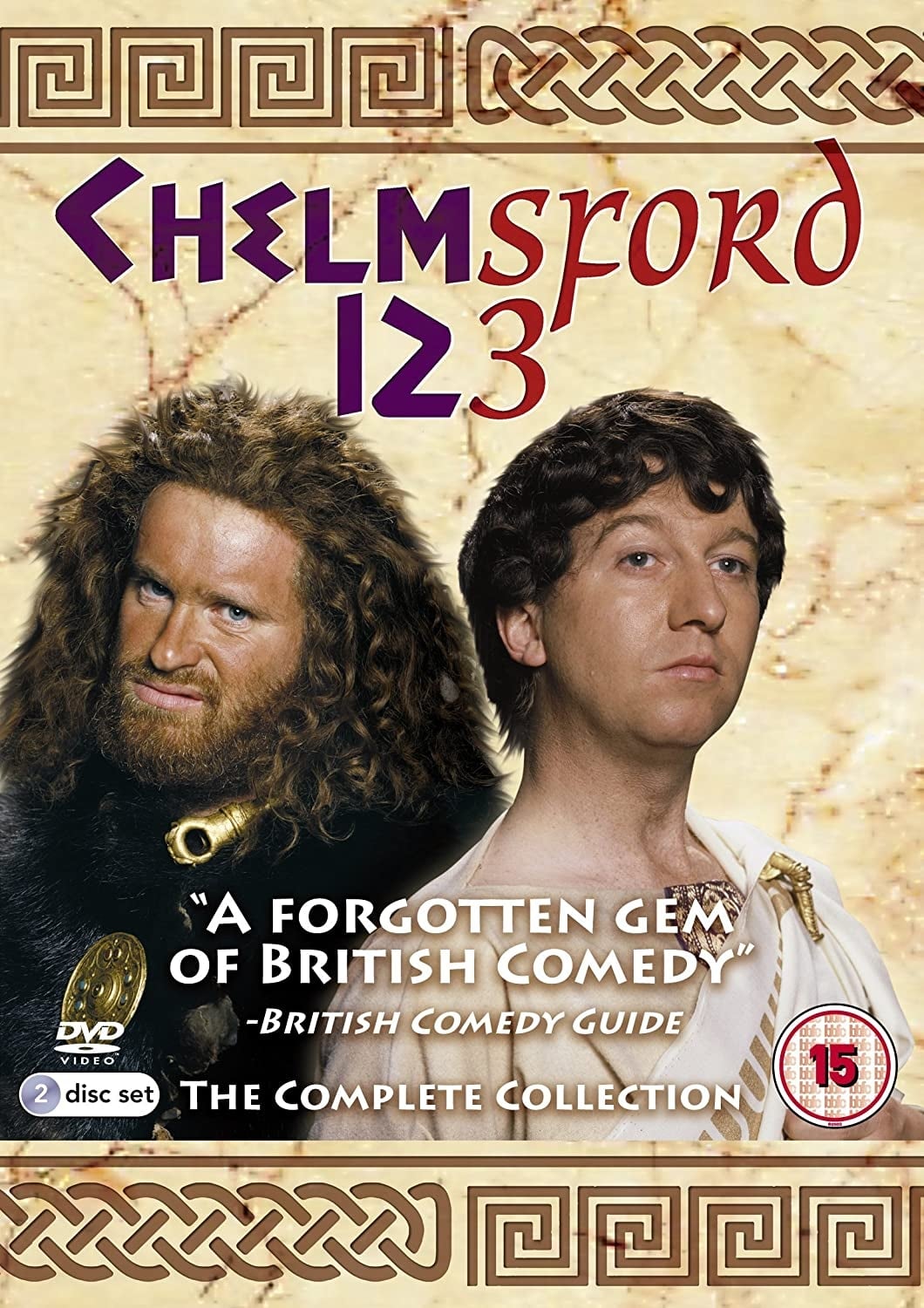
Chelmsford, Britain in the year AD 123; there is a power struggle between Roman governor Aulus Paulinus and the British chieftain, Badvoc. Britain is a miserable place, cold and wet – just the place to exile Aulus for accidentally insulting the Emperor's horse, but also give him something useful to do. Aulus, probably a play on Aulus Platorius Nepos, the governor of Roman Britain between 122 and 125, was a rather delicate Roman, who was usually outwitted by the scheming Badvoc, who hadn't had a haircut for twenty-five years.
Three people's fates are interwoven in the Battle of the Teutoburg Forest in 9 A.D., during which Germanic warriors halt the spread of the Roman Empire.
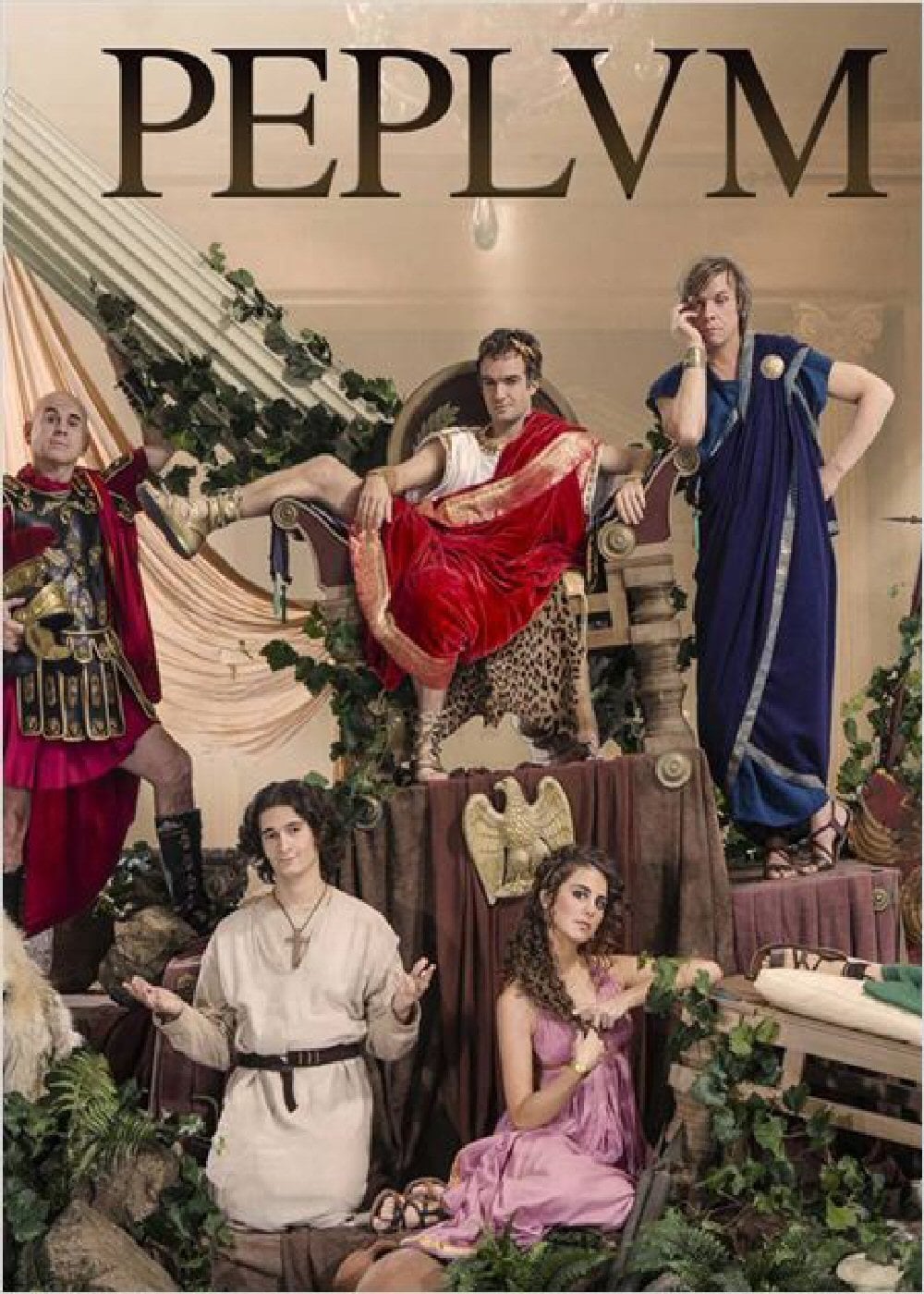
Against the background of decline of the Roman Empire, "Peplum" takes us into the lives of Bravus, a former slave who became adviser to the tyrannical Emperor Maximus. Under pressure, stuck between a professional life stressful and chaotic family life, his days are not looking easy. Indeed, work side Bravus must wet the gown to slow a decline that has a tendency to accelerate under the leadership of the incompetent messy, cruel, capricious and narcissistic Maximus. Personal side, he must face every night his son Caius freshly converted to Christianity, his wife Octavia, foreign to the codes of good Roman society and daughter Lydia sassy which assimilates too well. "Peplum" or how to avoid the burn out in a declining society. The parallel with today can not be a coincidence.
TV's most-watched history series brings to life the compelling stories from our past that inform our understanding of the world today.
American Masters is a PBS television series which produces biographies on enduring writers, musicians, visual and performing artists, dramatists, filmmakers, and others who have left an indelible impression on the cultural landscape of the United States.
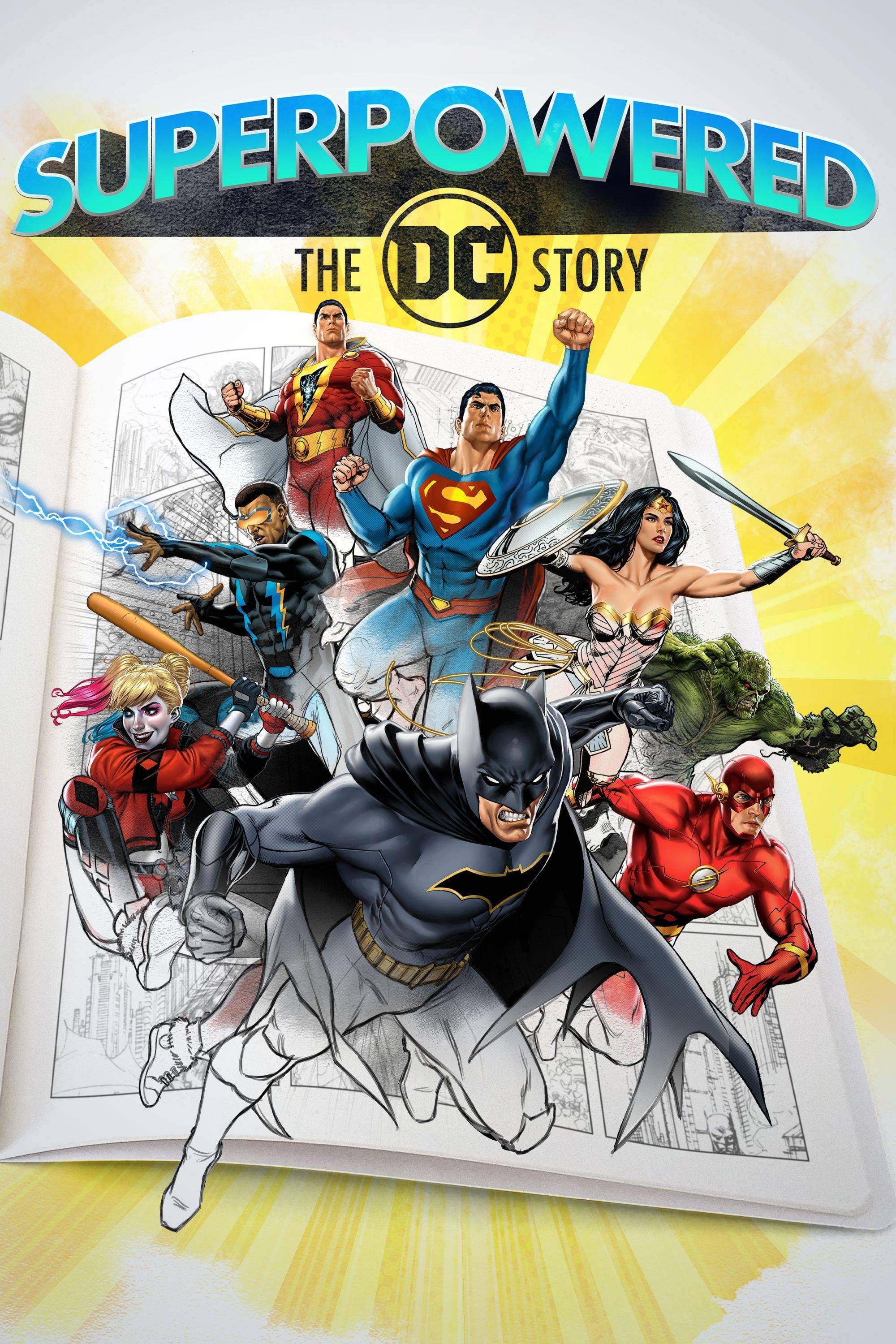
This docuseries takes an unprecedented look at the enduring and influential legacy of DC, allowing fans to rediscover the universe of characters, as well as the iconic comic book company’s origins, its evolution and its nearly nine-decade cultural impact across every artistic medium.
MegaStructures is a documentary television series appearing on the National Geographic Channel in the United States and the United Kingdom, Channel 5 in the United Kingdom, France 5 in France, and 7mate in Australia. Each episode is an educational look of varying depth into the construction, operation, and staffing of various structures or construction projects, but not ordinary construction products. Generally containing interviews with designers and project managers, it presents the problems of construction and the methodology or techniques used to overcome obstacles. In some cases this involved the development of new materials or products that are now in general use within the construction industry. MegaStructures focuses on constructions that are extreme; in the sense that they are the biggest, tallest, longest, or deepest in the world. Alternatively, a project may appear if it had an element of novelty or are a world first. This type of project is known as a Megaproject.
Motoring programme featuring reviews of and reports about cars of all types.
Come one, come all to The Circus. This real-time documentary series pulls back the curtain on the current political stories, revealing the intense, inspiring and infuriating stories behind the headlines. Key characters and events are presented in real time, as they are happening.
Steve Martin is one of the most beloved and enigmatic figures in entertainment. Dive into his extraordinary story from two distinct points of view—past and present—as Martin reflects on how his beginnings led to his unexpectedly fulfilling life today.
Executive producer Jon Favreau invites the cast and crew of The Mandalorian to share an unprecedented look at the making of the series. Each chapter explores a different facet of the first live-action Star Wars television show through interviews, never-before-seen footage, and roundtable conversations hosted by Favreau himself.
Explore American cinema through the decades and the cultural, societal and political shifts that framed its evolution.
The fascinating stories of the families behind the food that built America, those who used brains, muscle, blood, sweat and tears to get to America's heart through its stomach, those who invented new technologies and helped win wars.
Follow the bruised bodies, soul-crushing fumbles, agonizing losses, and pure joy of three NFL quarterbacks during one season.
This docuseries captures the remarkable rise and unprecedented success of one of the most dominant and iconic franchises in professional sports. Featuring exclusive access to the Buss Family and probing, revealing interviews with players, coaches, and front office execs, this series chronicles this extraordinary story from the inside – told only by the people who lived it.
Antiques Roadshow is a British television show in which antiques appraisers travel to various regions of the United Kingdom to appraise antiques brought in by local people. It has been running since 1979. There are also international versions of the programme.
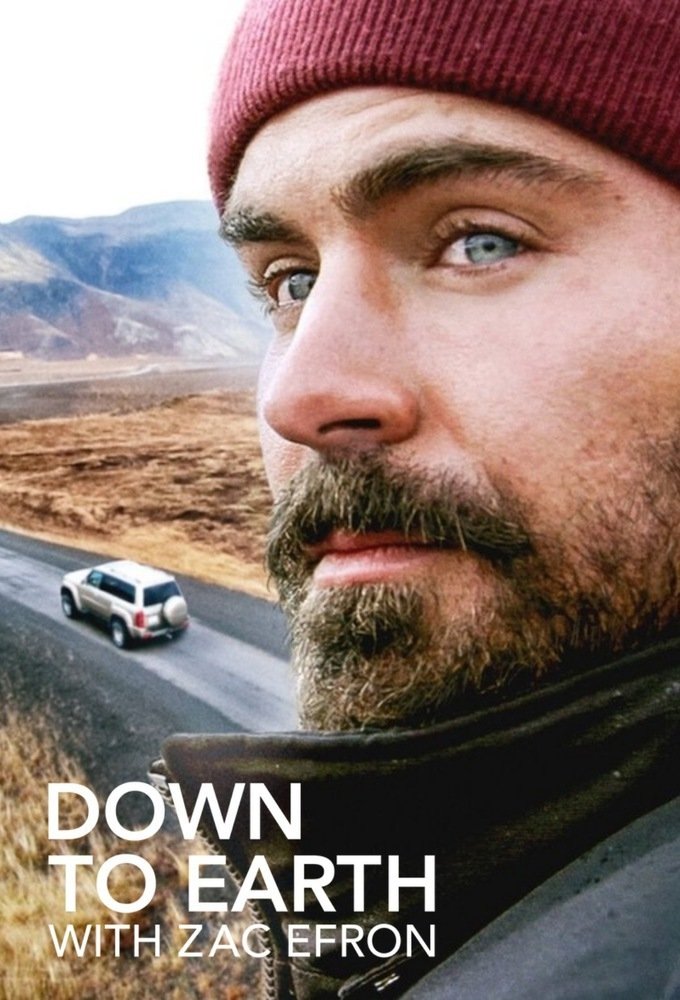
Actor Zac Efron journeys around the world with wellness expert Darin Olien in a travel show that explores healthy, sustainable ways to live.
Go behind the scenes of the shows and movies of the Marvel Cinematic Universe, following the filmmakers, cast and crew, and Marvel heroes every step of the way.
Revisit the epic heroes, villains and moments from across the MCU in preparation for the stories still to come. Each dynamic segment feeds directly into the upcoming series — setting the stage for future events. This series weaves together the many threads that constitute the unparalleled Marvel Cinematic Universe.
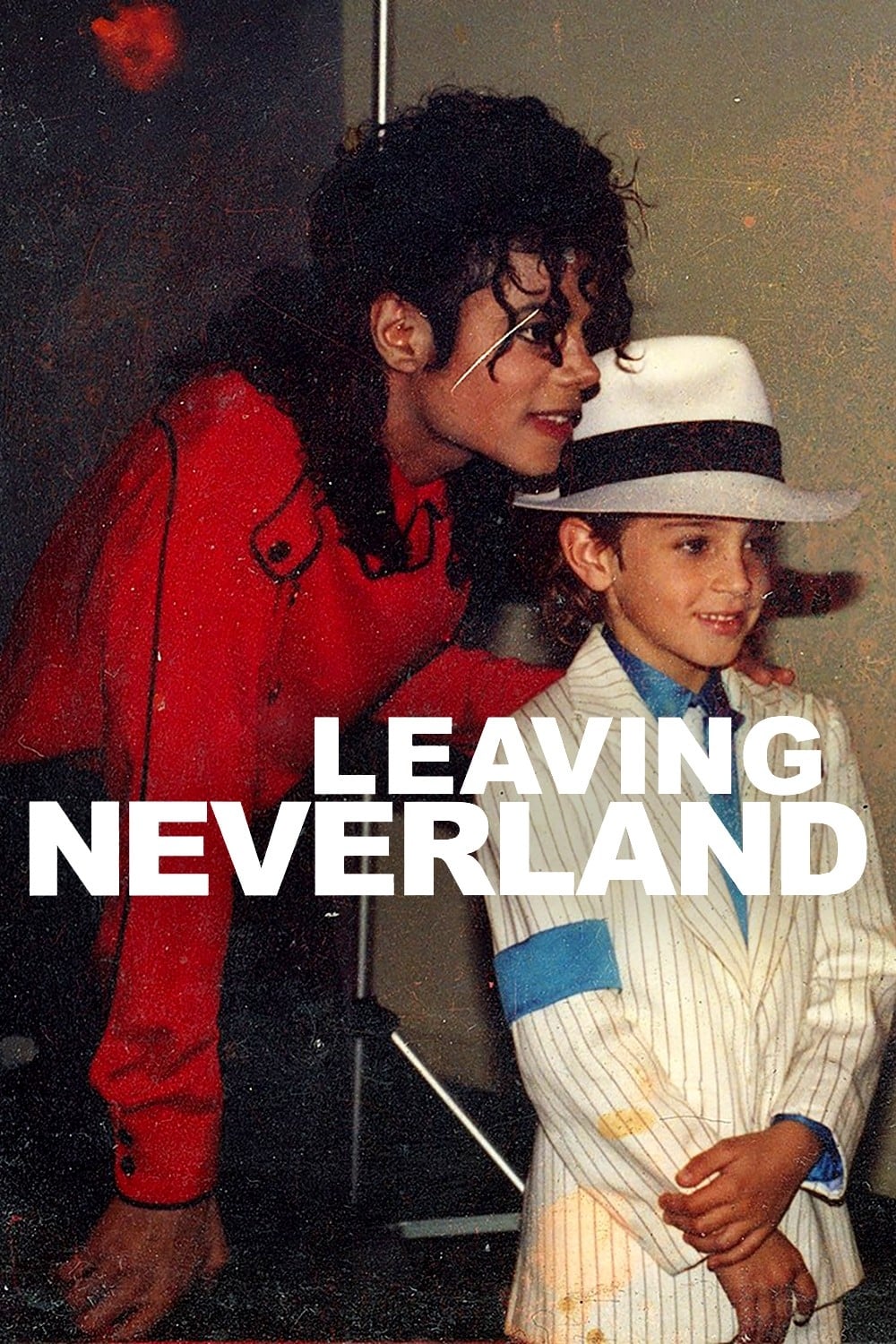
Explores the experiences of James Safechuck and Wade Robson, who were both befriended and sexually abused by singer Michael Jackson, and the complicated feelings that led them both to confront their experiences.
A tense, filmic and high-octane drama-documentary series that brings to life the stories of people who have lived through paranormal experiences that defy explanation. Using a mixture of intimate first-hand testimony and grittily realistic drama, the audience is transported into a world turned upside down by extraordinary and terrifying events.
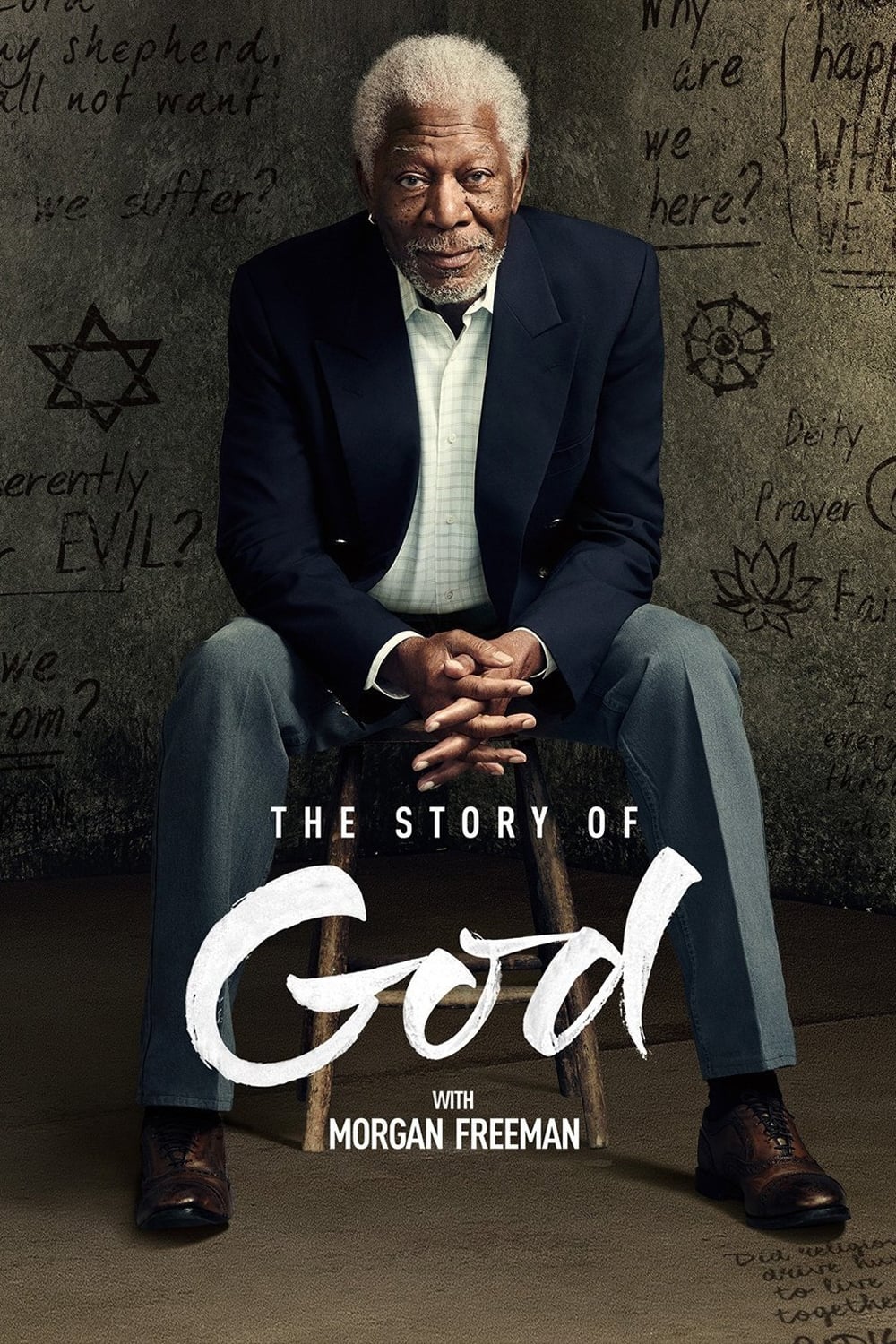
Morgan Freeman presents his quest in order to find how most religions perceive life after death, what different civilizations thought about the act of creation and other big questions that mankind has continuously asked.
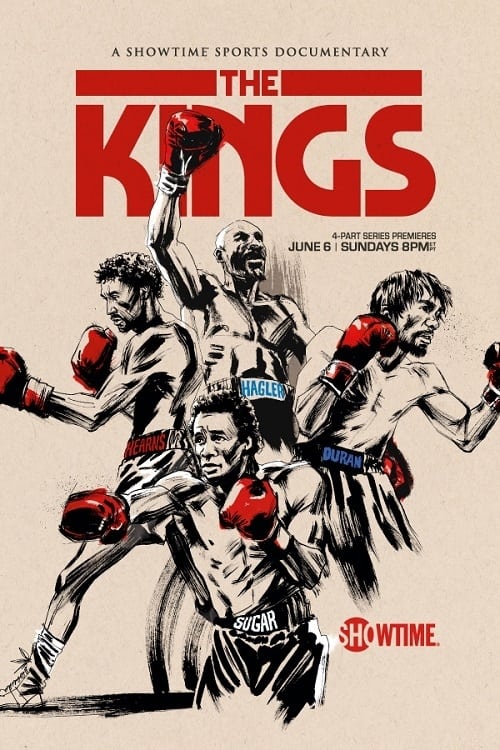
A four-part series featuring four champions who ushered in a boxing renaissance. The series showcases the dominance of Roberto Duran, Marvelous Marvin Hagler, Thomas Hearns and Sugar Ray Leonard and their battles in and out of the ring.