Social & External
The people behind it
Jiří Vondrák
Himself
Unknown histories take center stage as the hitmakers themselves - from ABBA to T-Pain - explore dimensions of pop music you never knew existed.
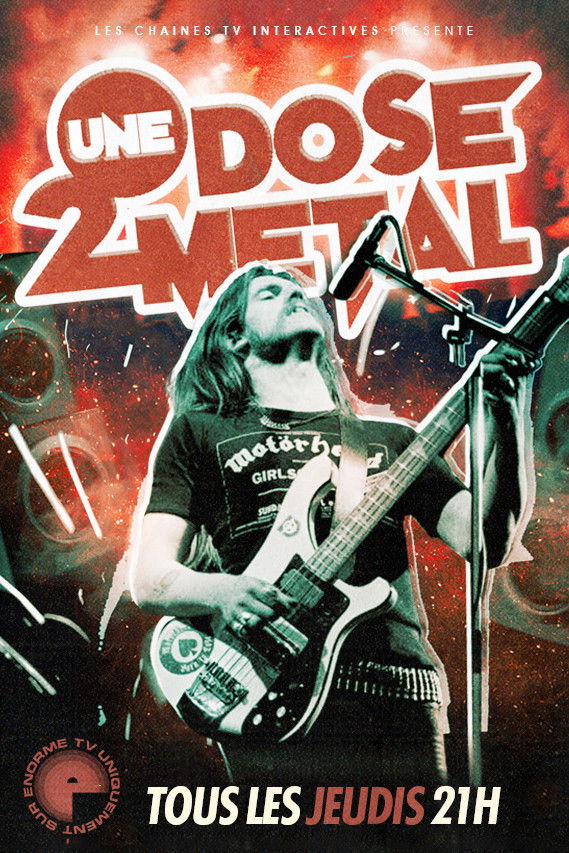
Une Dose 2 Metal is a musical show dedicated to metal music, designed by Jean-Sébastien Ventura and broadcast and produced by Enorme TV between 2012 and 2016. For 90 minutes, Stéphane Buriez, leader of the French thrash group Loudblast, Caroline Barel or Pierre Janaszak welcomes the big names in international Metal music for lives, clips, news, crazy sections and saturated anecdotes exclusively dedicated to to the Metal scene.
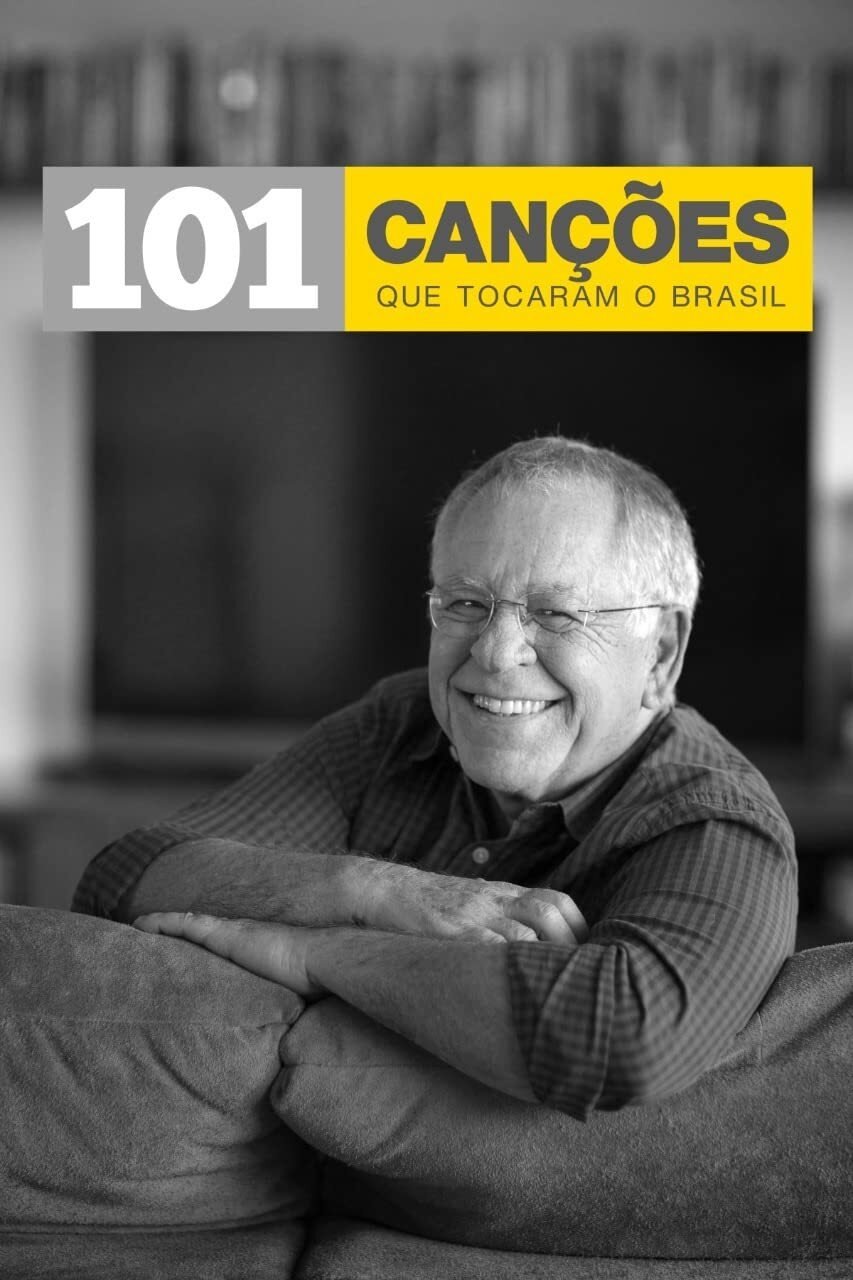
A music docuseries hosted by legendary music journalist and producer Nelson Motta about the songs that moved hearts and minds of the country, illustrated by selected archive and live performance footage.
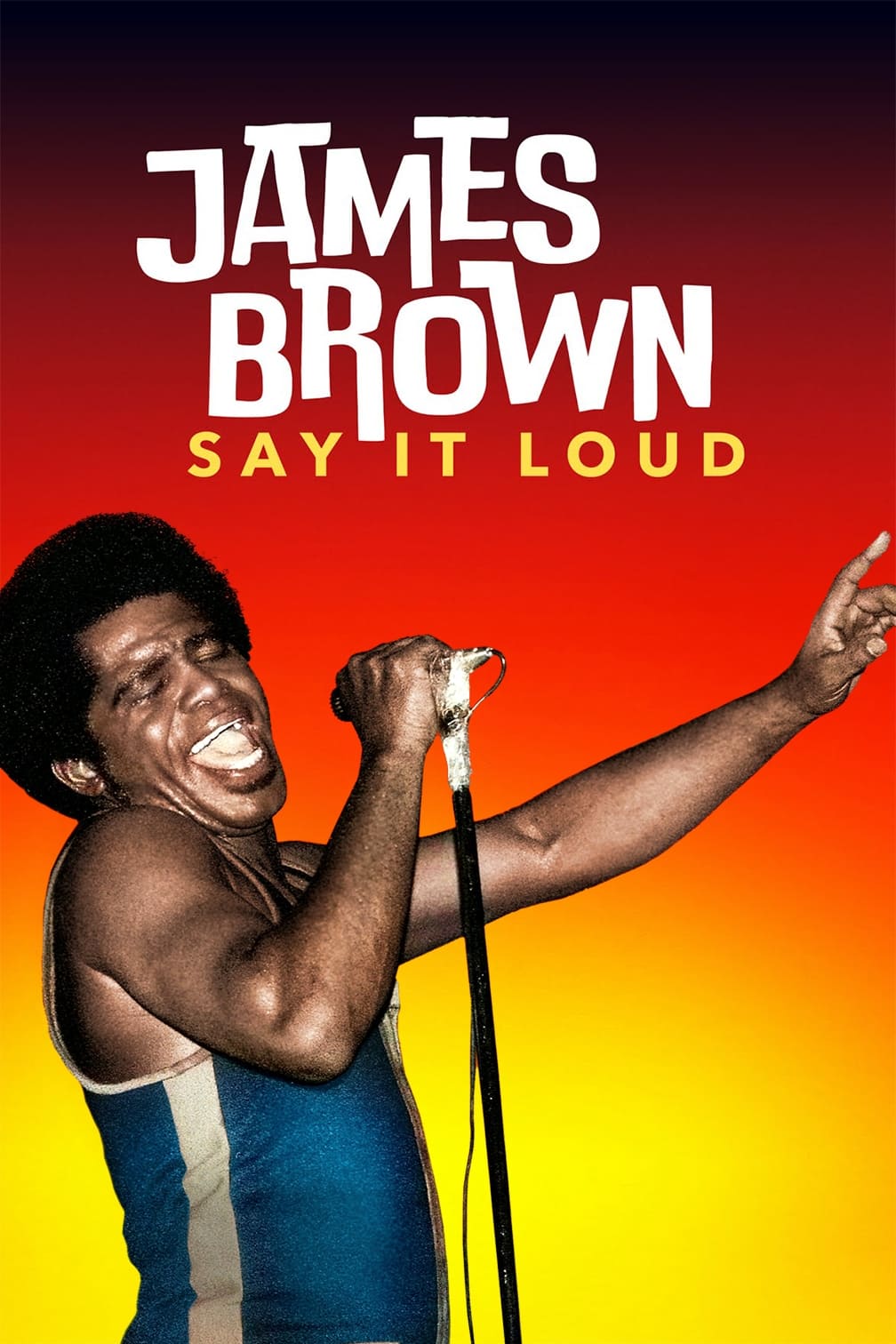
Traces the incredible trajectory of Brown’s life and career from a 7th grade drop-out arrested and jailed at the age of 16 for breaking into a car in the Jim Crow-era South, to an entertainment legend whose groundbreaking talent and unique perspective catapulted him to become a cultural force.
During the turbulent 19th century, a number of brilliant French artists developed the Romantic movement in Paris: writers Victor Hugo, Alexandre Dumas, George Sand, Honoré de Balzac and Charles Baudelaire, painter Eugène Delacroix and composer Hector Berlioz, among others, changed the way of looking at art and created enduring works that have inspired the world to this day.
The Blues (2003) is a seven-part documentary series produced by Martin Scorsese that explores the history and influence of blues music. Each episode, directed by a different filmmaker, traces a unique aspect of the genre’s evolution—from its African roots to its global impact. Originally airing on PBS, the series includes Scorsese’s Feel Like Going Home, Wim Wenders’ The Soul of a Man, Richard Pearce’s The Road to Memphis, Charles Burnett’s Warming by the Devil’s Fire, Marc Levin’s Godfathers and Sons, Mike Figgis’ Red, White and Blues, and Clint Eastwood’s Piano Blues.
Series looking into the different elements that makes up the perfect Rock band.
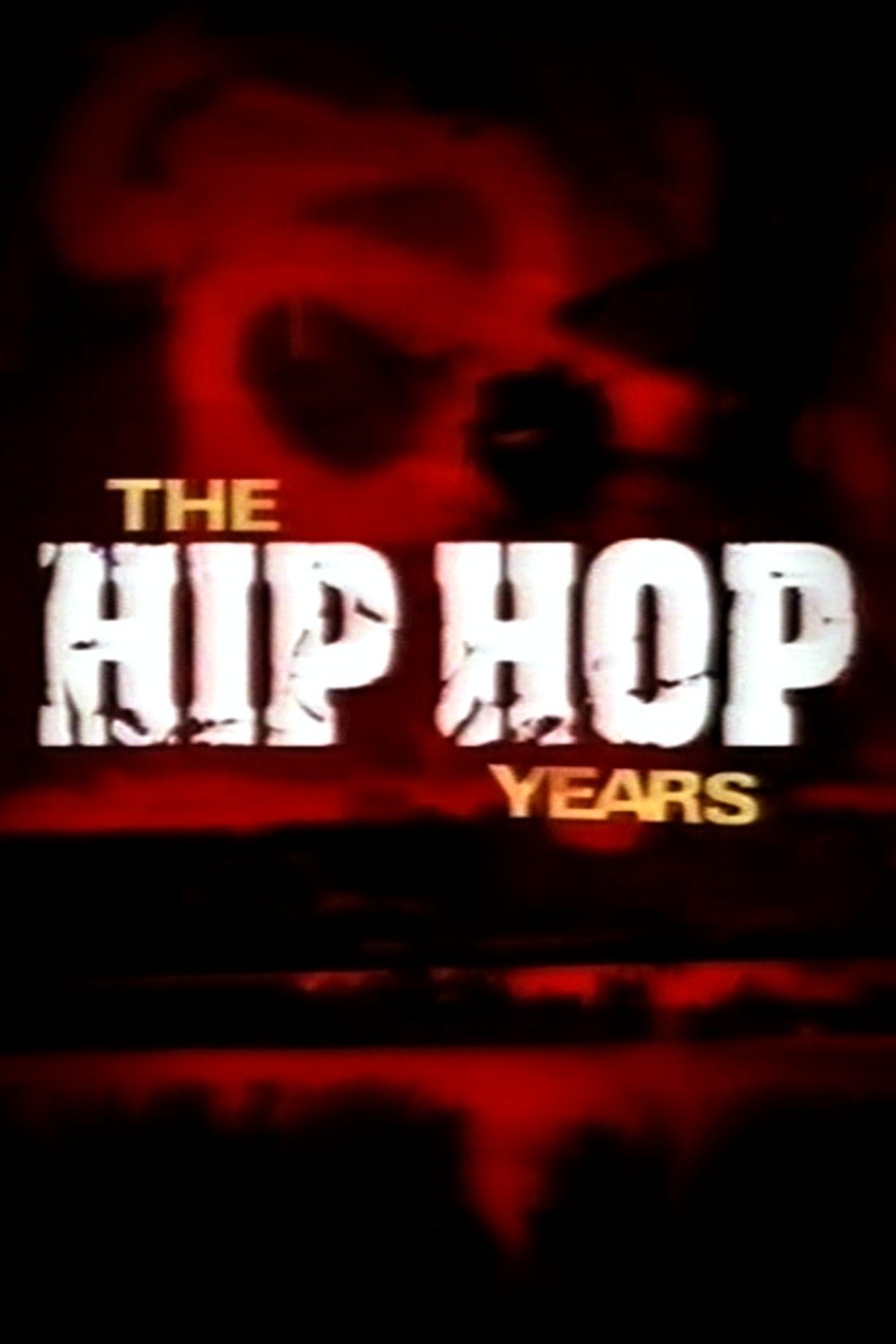
The Hip Hop Years is a three part series of one hour television documentaries, made for Channel 4 in 1999. The series was devised by David Upshal who produced, directed and narrated the series. He also produced the 33-track compilation CD which accompanied the series and co-wrote the book with Alex Ogg, also titled The Hip Hop Years. The series charts the definitive story of Hip Hop, rising from the streets of the Bronx to become, what Upshal calls, "the new Rock'n'Roll". The programmes combine archive clips and performance from TV, movies and music videos with specially shot material and interviews with key players.
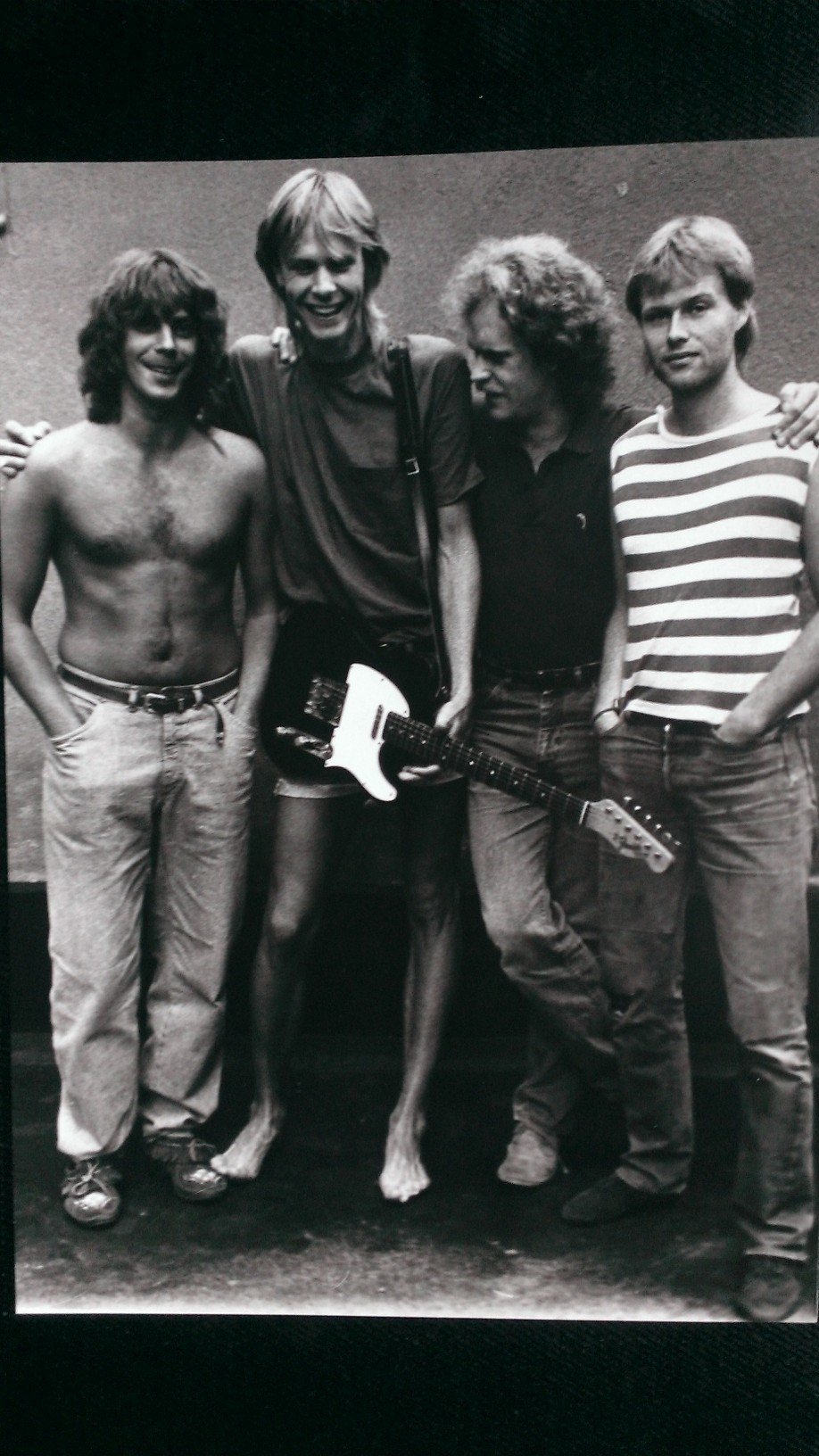
The Swedish rock band TomTrick were active 1979-1983. This live show is from the tv-show AB Svensk Rock, recorded live at Rock Palais, Stockholm. At that time, CBS had just released TomTrick's debut album "Nya äventyr i tid å rum". The tv-show "Dallas" premiered on Swedish television the very same night, on the competing channel TV2.
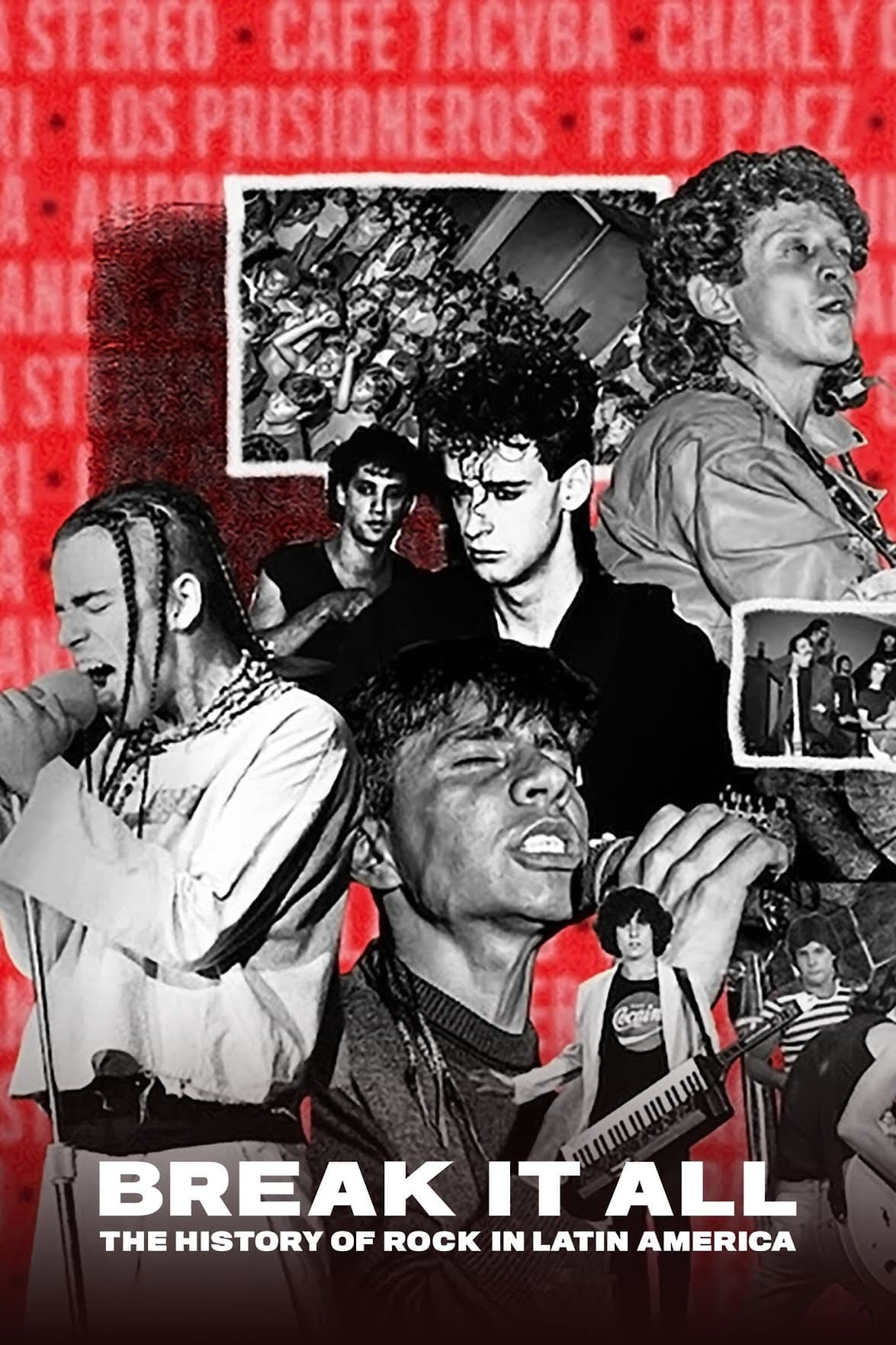
Soda Stereo, Café Tacvba, Aterciopelados and others figure in this 50-year history of Latin American rock through dictatorships, disasters and dissent.
Music Junction is a Japanese TV show about the history of popular music in Japan.
Looking at these major artists, we discover the story of their lives and the impact they made on popular culture. Interviews with well known music critics, news archive and performance.
Go inside the lives of legendary music artists—through the lens of their own music.
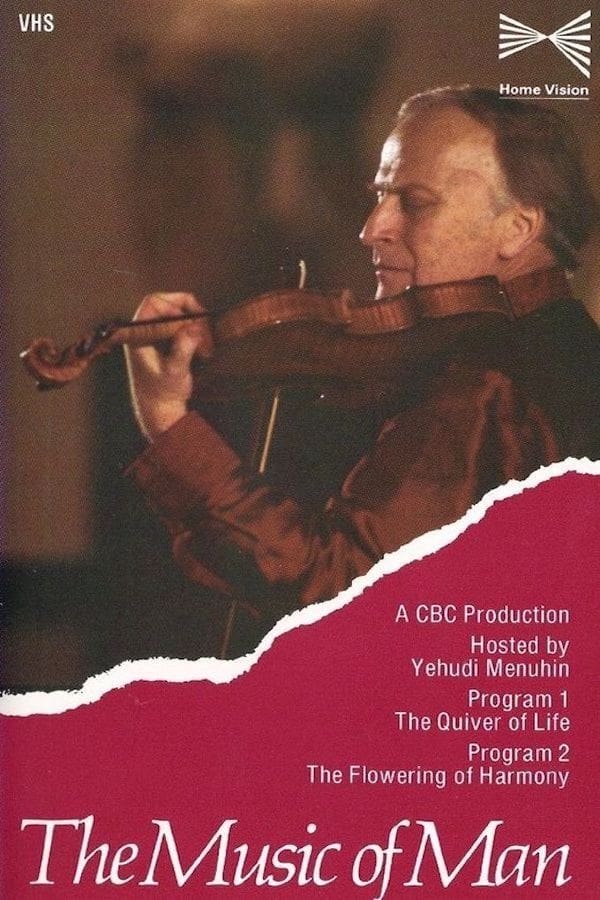
An exploration of the world's music. Yehudi Menuhin has created this expansive survey of musical traditions from five continents. With panoramic vision and infectious enthusiasm, he takes us from primeval rhythms of Africa to the symphonies of Beethoven, from plainsong to jazz, from Swiss yodeling to Irish jig, from steel drum to electronic synthesizer. The Music of Man was a series of eight hour-long specials with host Yehudi Menuhin, following the development of music from its beginnings at the dawn of history to the electronic experiments, jazz and rock of our own time. Menuhin, the renowned violinist, conductor and humanist, participated both as violin soloist and conductor throughout the series, and was also co-writer.
Don Wildman unearths relics from the world's greatest institutions to reveal secrets from the past. He examines each artifact to illuminate history's most incredible triumphs, sensational crimes and bizarre encounters.
The history of the sport of baseball in America, told through archival photos, film footage, and the words of those who contributed to the game in each era. Writers, historians, players, baseball personnel, and fans review key events and the significance of the game in America's history.
TV's most-watched history series brings to life the compelling stories from our past that inform our understanding of the world today.
Jazz is a ten part series that explores the evolution – and the genius – of America’s greatest original art form, focusing on the extraordinary men and women who could do something remarkable – create art on the spot. Jazz celebrates their profoundly enduring, endlessly varied, and infinitely alluring music in the context of the complicated country that gave birth to and influenced it, and was in turn transformed by it.
Doctor Who Confidential is a documentary to complement the revival of the long-running British science fiction television series Doctor Who. Each episode was broadcast on BBC Three on Saturdays, immediately after the broadcast of the weekly television episode on BBC One. The running time of the first two series was 30 minutes, being extended to 45 minutes in the third. BBC Three also broadcast a cut-down edition of the programme, lasting 15 minutes, shown after the repeats on Sundays and Fridays and after the weekday evening repeats of earlier seasons.
In a tumultuous era, 1971 was a year of musical innovation and rebirth fueled by the political and cultural upheaval of the time. Stars reached new heights, fresh talent exploded onto the scene, and boundaries expanded like never before.
American Masters is a PBS television series which produces biographies on enduring writers, musicians, visual and performing artists, dramatists, filmmakers, and others who have left an indelible impression on the cultural landscape of the United States.
Infographics and archival footage deliver bite-size history lessons on scientific breakthroughs, social movements and world-changing discoveries.
MegaStructures is a documentary television series appearing on the National Geographic Channel in the United States and the United Kingdom, Channel 5 in the United Kingdom, France 5 in France, and 7mate in Australia. Each episode is an educational look of varying depth into the construction, operation, and staffing of various structures or construction projects, but not ordinary construction products. Generally containing interviews with designers and project managers, it presents the problems of construction and the methodology or techniques used to overcome obstacles. In some cases this involved the development of new materials or products that are now in general use within the construction industry. MegaStructures focuses on constructions that are extreme; in the sense that they are the biggest, tallest, longest, or deepest in the world. Alternatively, a project may appear if it had an element of novelty or are a world first. This type of project is known as a Megaproject.
Biography is a documentary television series. It was originally a half-hour filmed series produced for CBS by David Wolper from 1961 to 1964 and hosted by Mike Wallace. The A&E Network later re-ran it and has produced new episodes since 1987. The older version featured historical figures such as Helen Keller and Mark Twain, or long-dead entertainment figures such as Will Rogers or John Barrymore. The A&E series has placed the emphasis on such people as Marilyn Monroe, Elvis Presley, Plácido Domingo, Freddie Mercury, Jacqueline Kennedy Onassis, Eric Clapton, Pope John Paul II, Gene Tierney, Selena, Diego Rivera, Mao Zedong and Queen Elizabeth II, and fictional characters like The Phantom, Superman, Hamlet, Betty Boop, and Santa Claus. The program ended up profiling enough figures that in 1999, A&E spun it off into an entire network, The Biography Channel.
Oscar and Grammy Award-winning producer and artist Mark Ronson explores the intersection of technology and musical innovation with his heroes and fellow hitmakers – including Paul McCartney, DJ Premier, Charli XCX, Dave Grohl, and Questlove.
An insider's look at the engineering and scientific miracles behind the things that form the modern world.
The documentary takes viewers through Janet Jackson's life and career, contain never-before-seen footage, and feature home videos from the legendary artist. Jackson discusses her controversial 2004 Super Bowl halftime show performance with Justin Timberlake, her father Joe Jackson, the death of her brother Michael Jackson, and more.
A series of standalone documentaries powered by the unparalleled journalism and insight of The New York Times, bringing viewers close to the essential stories of our time.
Have you ever wondered how the products you use every day are made? How It's Made leads you through the process of how everyday products, such as apple juice, skateboards, engines, contact lenses, and many more objects are manufactured.
In this new series, Foo Fighters commemorate their 20th anniversary by documenting the eight-city recording odyssey that produced their latest, and eighth, studio album.
Deadliest Warrior was a television program in which information on historical or modern warriors and their weapons are used to determine which of them is the "deadliest" based upon tests performed during each episode. The show was characterized by its use of data compiled in creating a dramatization of the warriors' battle to the death. The show ran for three seasons.
Motoring programme featuring reviews of and reports about cars of all types.
Hit rewind and explore the most iconic moments and influential people of The Nineties, the decade that gave us the Internet, DVDs, and other cultural and political milestones.