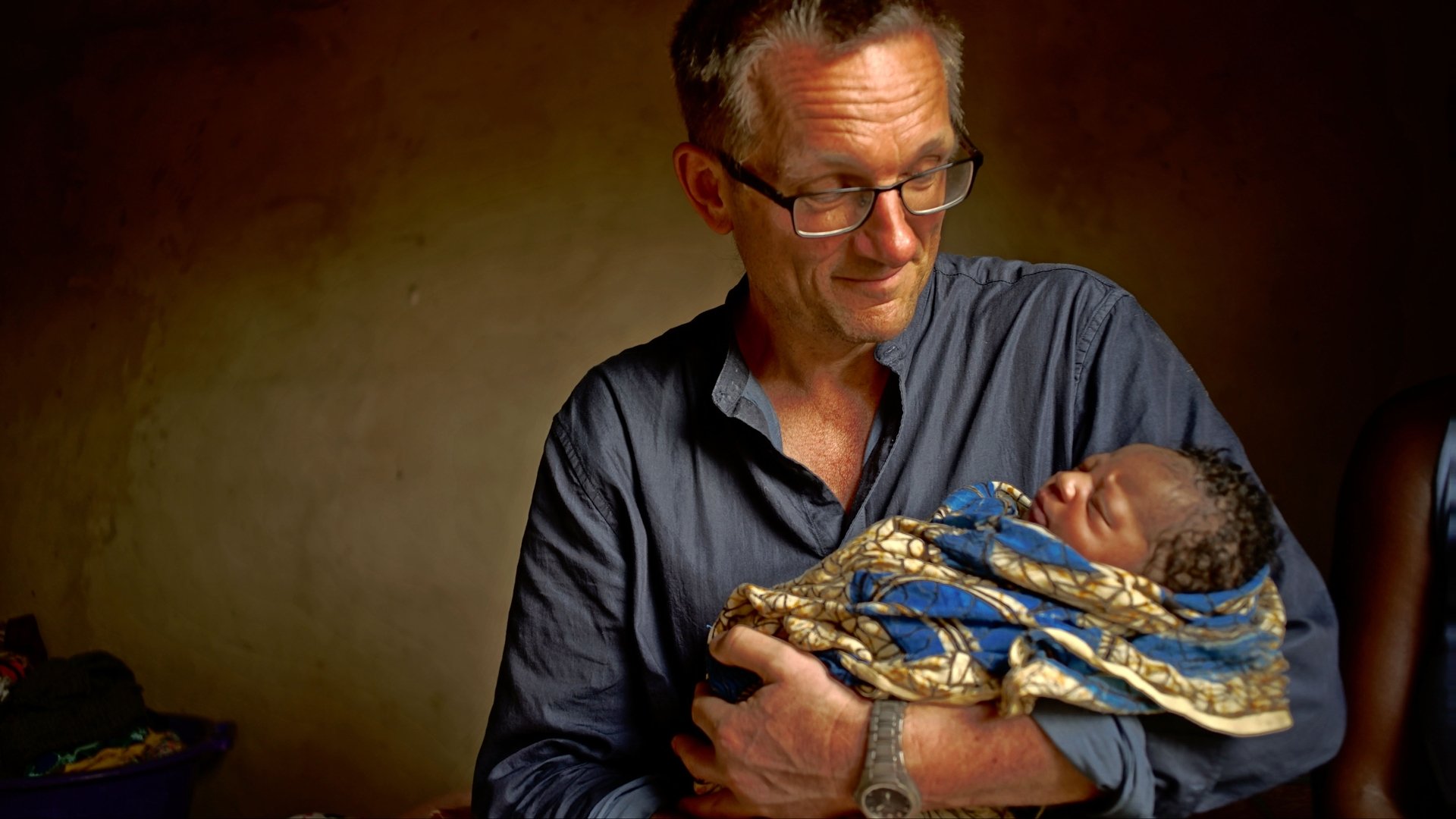
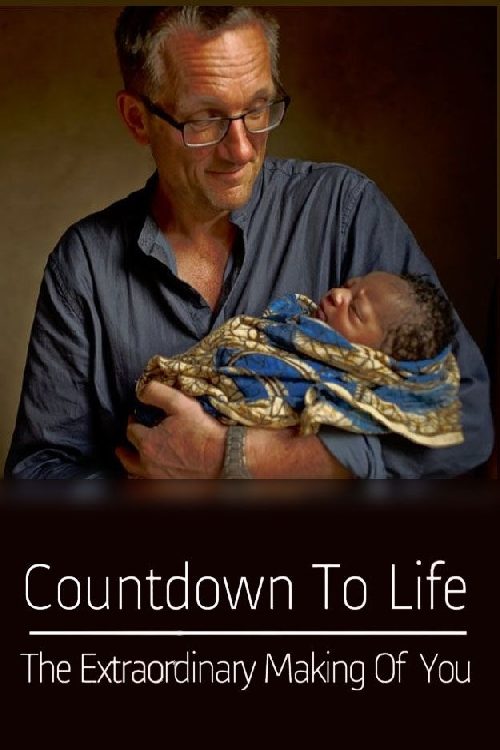
100 trillion cells. 280 days. One human life. A BBC Science series, produced in partnership with The Open University, exploring the making of you.
Social & External
Presenter
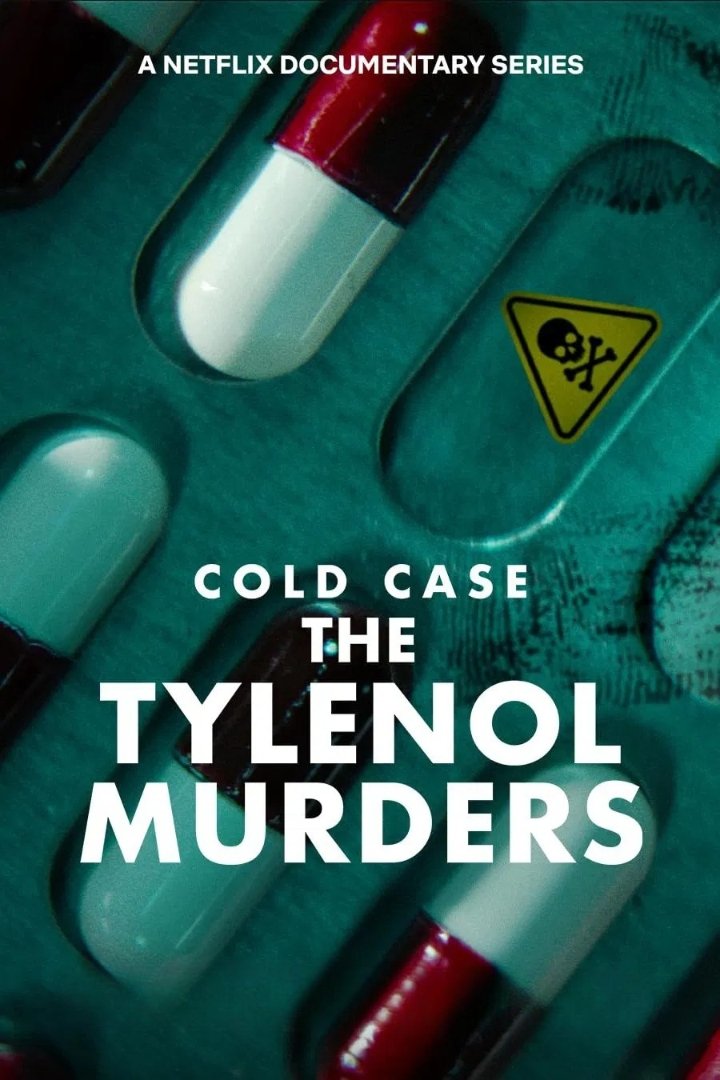
Who really laced Tylenol with cyanide? This true-crime series examines alarming theories behind the unsolved killings — and tracks down a key suspect.
From Pete, David and Leila - the creators of History Time, Voices of the Past and Something Incredible. From dust to dinosaurs; come with us as we explore the entire history of our planet. History of the Earth tells the entire story of the Earth, from its formation 4.5 billion years ago to today – covering eye-watering geology and bizarre biology along the way.
There is no bigger moment in a person’s life than when they first hold their baby in their arms. It doesn’t matter how many guidebooks you’ve read, or antenatal classes you’ve attended - nobody is ever prepared for the total shock of new parenthood. This warm and insightful new series follows the lives of eight babies in those first six months of their lives and the impact on their parents’ lives and relationships. Our families are drawn from a range of backgrounds – from young first-time parents of triplets, to seasoned pros, a single-parent family to a modern-day ‘earth mother’. We will follow each of our families on the rollercoaster ride of their lives.
In this two-part series, we take a look at the monumental discoveries underway, specifically surrounding black holes and meteorites. Black holes have been revealed as one of the foundations for the basic conditions of life. Through black holes, life is possible in an infinite number of places in space. We also follow how meteorites brought the basic substances of life to our planet, allowing for its creation. The films describe the latest findings concerning cosmic events in relation to the origin of life, providing a grandiose perspective of what makes life possible.
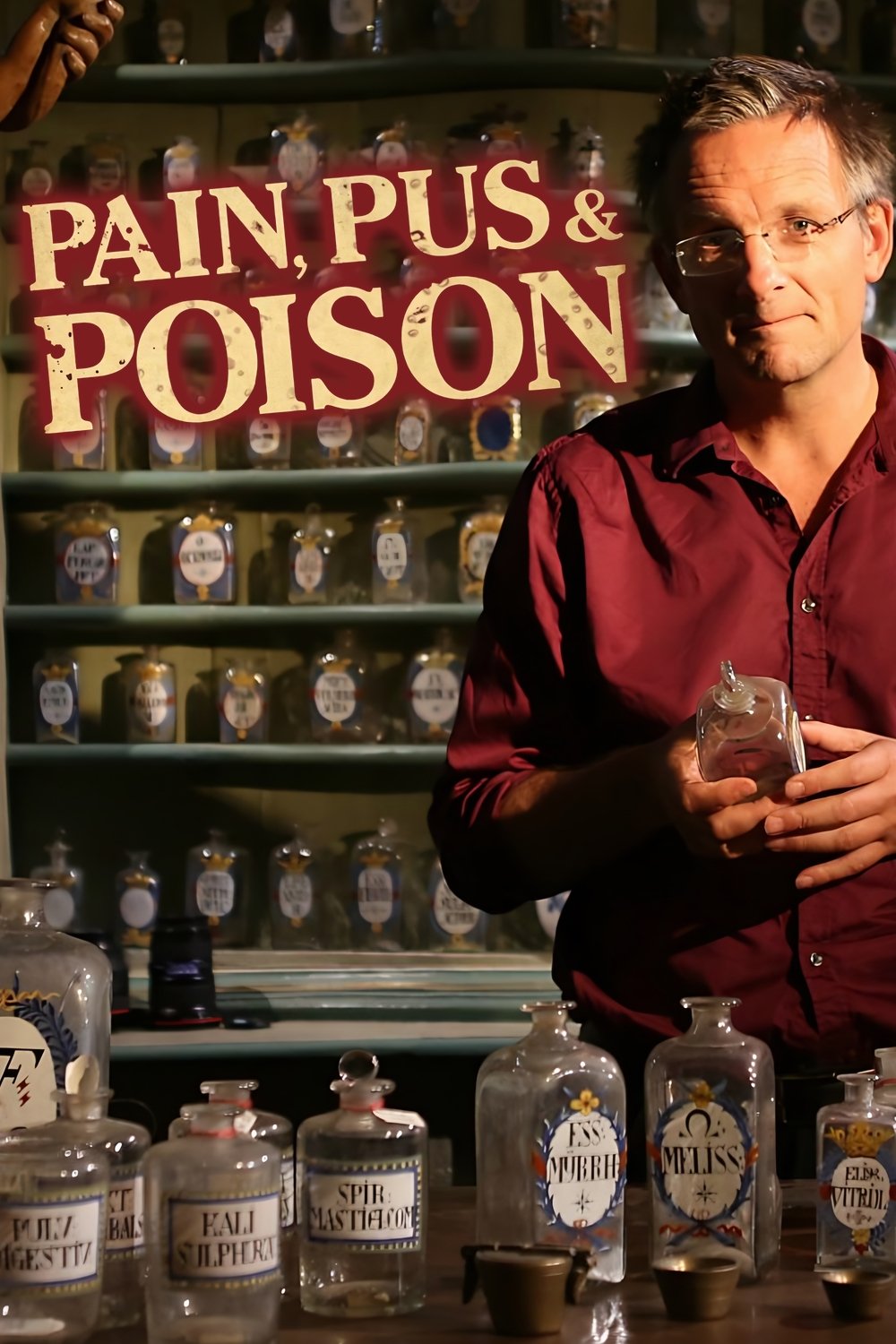
In this "entertaining medical series" (The Sunday Times, U.K.), Dr. Michael Mosley shows how drugs have revolutionized medicine and changed the course of human history. Unfolding over a period of 200 years, it's an extraordinary tale of daring, self-experimentation, revelation, genius, and outright luck.
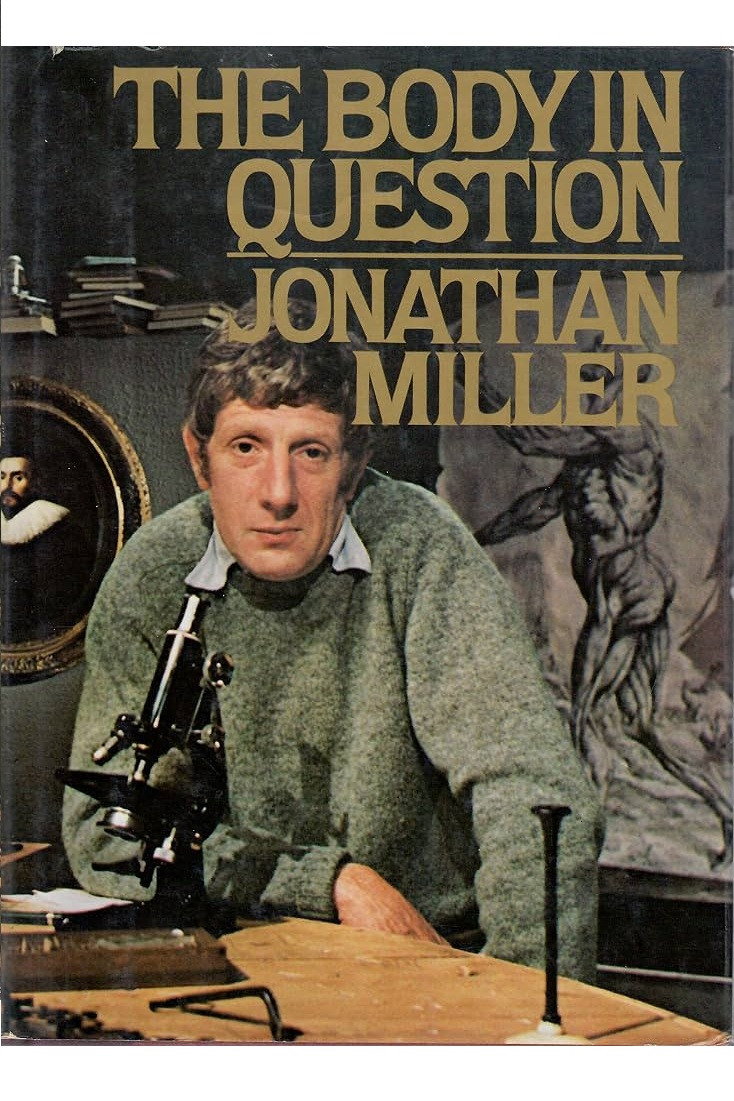
The Body in Question is a landmark British medical documentary series of 13 shows made for the BBC. It was a groundbreaking show, being the first to ever televise an autopsy (in the final show on 29 Jan 1979). Dr Jonathan Miller considers the functioning of the body as a subject of private experience. He explores our attitudes towards our bodies, our ignorance of them, and our inability to read our body's signals. The first episode starts with vox populi asking where various organs in the body are located. By the final episode we are left in no doubt. Taking as his starting point the experience of pain, Dr Miller analyses the elaborate social process of "falling ill", considers the physical foundations of "disease" and looks at the types of individuals humankind has historically attributed with the power of healing. The series was nominated for two 1979 BAFTAs: Best Factual Television Series and Most Original Programme/Series.
Some people see their lives dramatically turned upside down because they waited for too long before seeking care. The documentary series showcases individual who should have rapidly consulted with a doctor when the first signs of illness appeared, before the situation became critical.
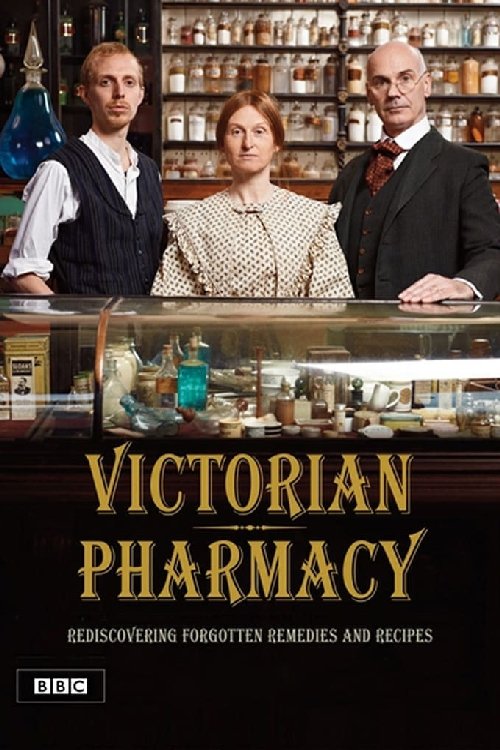
Victorian Pharmacy is a historical documentary TV series in four parts, first shown on BBC Two in July 2010. It was made for the BBC by independent production company Lion Television. It was filmed at Blists Hill Victorian Town in Shropshire. It is a historical documentary that looks at life in the 19th Century and how people attempted to cure common ailments. Since some of the ingredients of Victorian remedies are now either illegal or known to be dangerous, Nick Barber often uses his modern pharmaceutical knowledge to produce similar products without those ingredients. The other main presenters are Tom Quick, a PhD student, and Ruth Goodman, a domestic historian who also appeared in Tales from the Green Valley, Victorian Farm and Edwardian Farm.
The series investigates Paolo Macchiarini’s claims to have invented a ground-breaking method to create new organs. His method using plastic tracheas sown with stemcells has been operated on patients in the US, Russia, Sweden and the UK. So far, unfortunately, the track record of his plastic organs is not very good. Almost all patients are dead. And several of his former surgeon colleagues in Sweden claim that not only does the method not work, but that his scientific claim to fame is based on falsified and misrepresented data. Some even claim that his patients have been used as human guinea-pigs.
Michael Mosley embarks on three journeys to understand science's last great frontier - the human mind - as he traces the history of the attempts to understand and manipulate the brain.
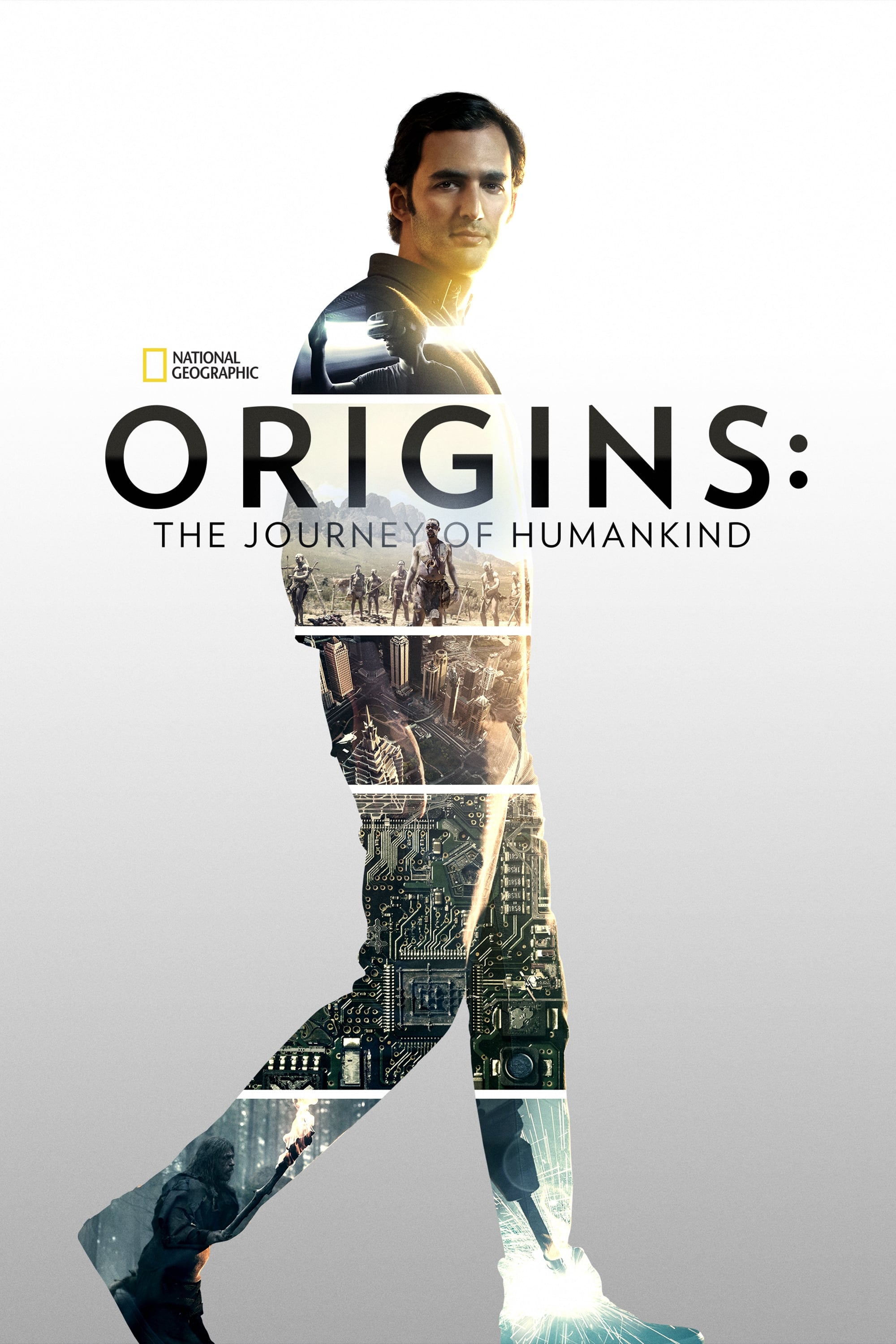
Hosted by Jason Silva, Origins: The Journey of Humankind rewinds all the way back to the beginning and traces the innovations that made us modern.
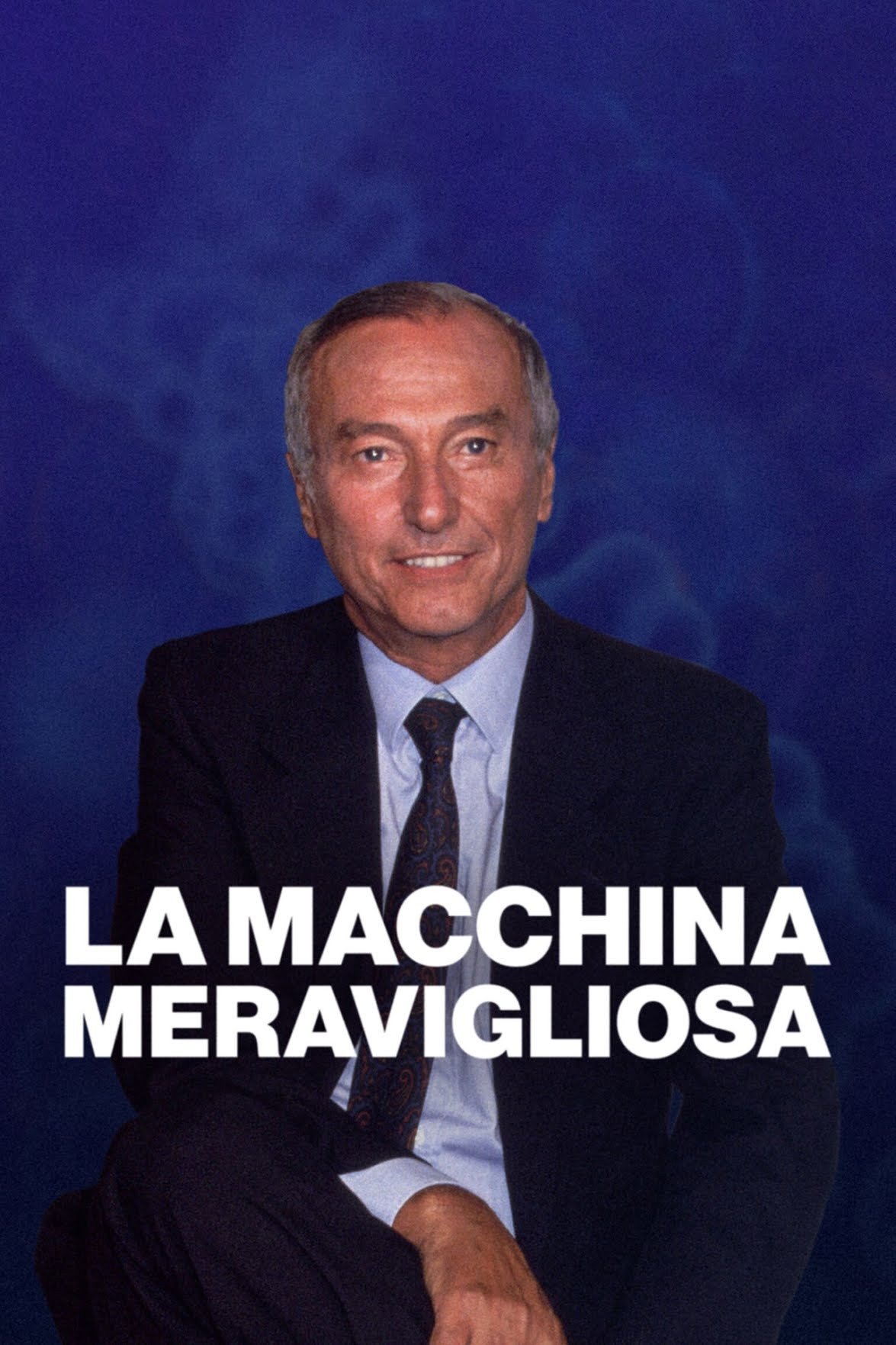
A long journey in 8 episodes to discover the human body, with Piero Angela who closely observes our organism, focusing each time on a theme: the eye, the ear, taste and smell, the stomach and the intestine, liver, bones, lungs and heart. How does our "wonder machine" work? To make each explanation direct and clear, the program uses films, animations and photographs developed with the scanning electron microscope.
Examining the quality crisis in our health-care system and exploring innovative solutions, this four-part PBS documentary provides a comprehensive look at the state of medicine in America today. Topics include patient safety, medical and medication mistakes, hospital-acquired infections, family-centered care and effective management of chronic disease. Moving personal stories highlight the problems and the people who are working to solve them.
Surgeon Gabriel Weston introduces us to people from across the globe with the world's most unique bodies.
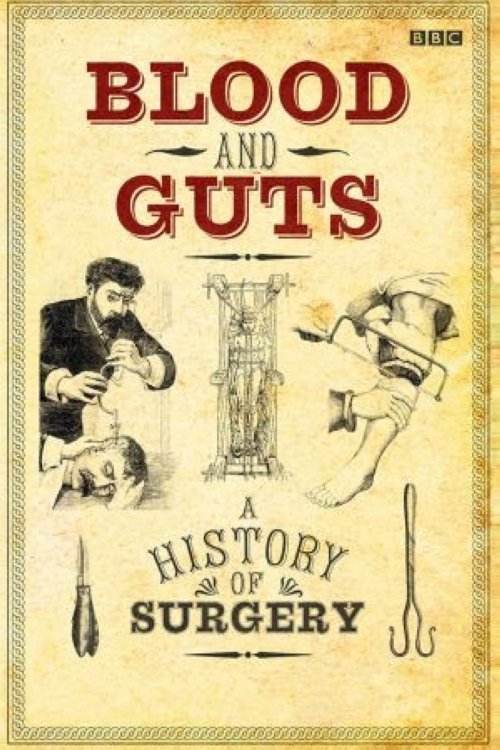
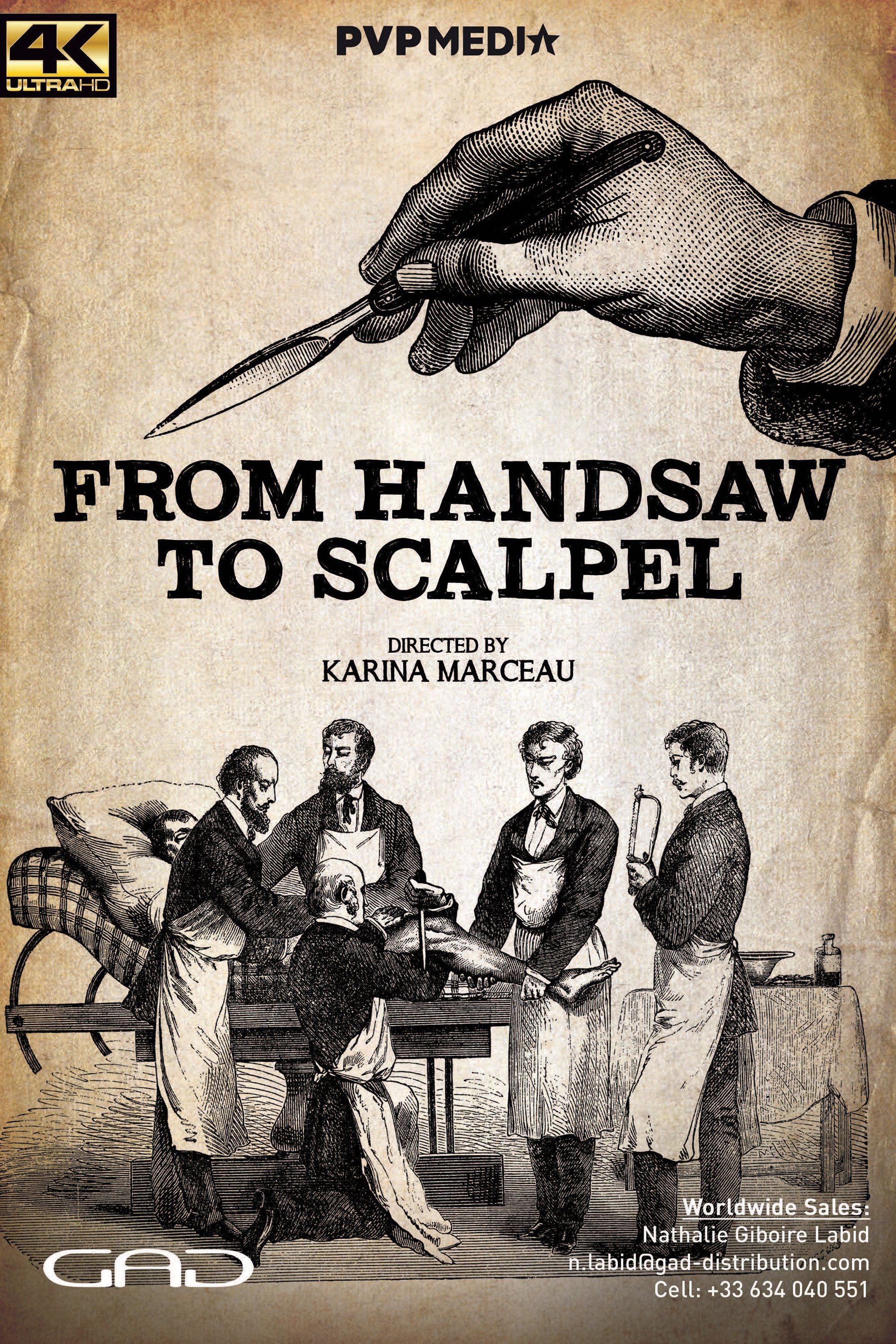
From the pioneering work of Galen on Roman gladiators to the latest advances in plastic surgery, this five-part series illustrates the evolution of surgical techniques—a story as much of mishaps and misadventures as it is of successes and amazing advances. Filmed in America and Europe and presented by the charismatic and medically trained Michael J. Mosley. Contains surgical scenes of a graphic nature. A BBC Production. 5-part series.
A fascinating insight into the evolution of modern medicine as we explore the medical treatments for certain issues from past to present, seeing just how much we have learned through trial and error. The series is also a chance to see how medical advancements are currently used to treat problems in the fields of oncology, ophthalmology, dentistry, neurology, obstetrics and orthopaedics, and to see what the future may hold.
Orphaned Jang-geum becomes the first female physician in the Joseon Dynasty and her determination is tested when people around her start showing their true faces.
TV's most-watched history series brings to life the compelling stories from our past that inform our understanding of the world today.
Infographics and archival footage deliver bite-size history lessons on scientific breakthroughs, social movements and world-changing discoveries.
This intimate docuseries follows Arnold Schwarzenegger's multifaceted life and career, from bodybuilding champ to Hollywood icon to politician.
Motoring programme featuring reviews of and reports about cars of all types.
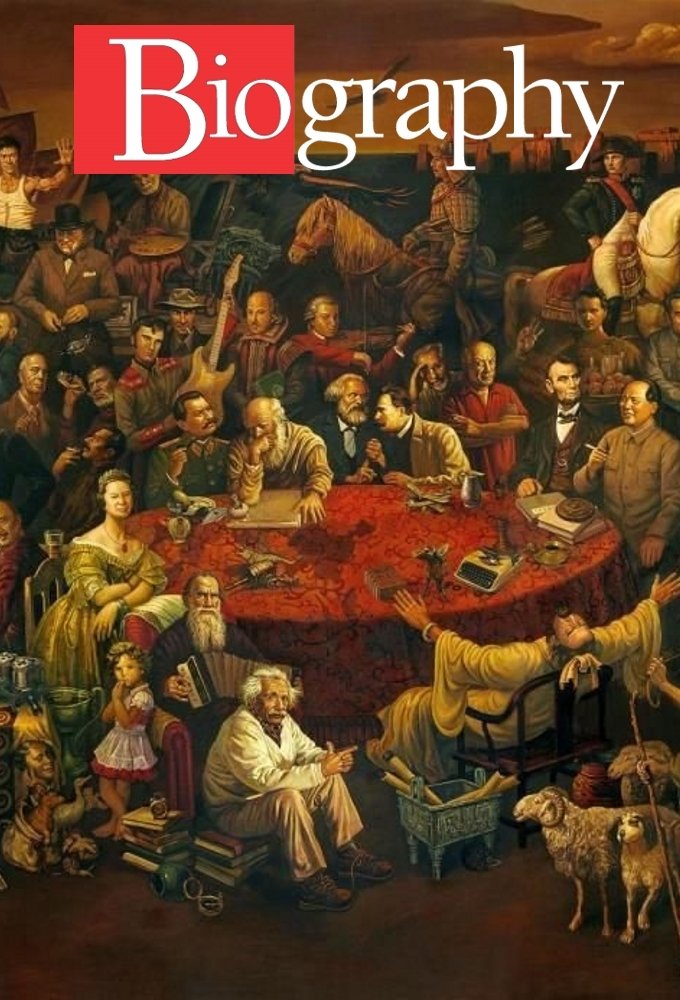
Biography is a documentary television series. It was originally a half-hour filmed series produced for CBS by David Wolper from 1961 to 1964 and hosted by Mike Wallace. The A&E Network later re-ran it and has produced new episodes since 1987. The older version featured historical figures such as Helen Keller and Mark Twain, or long-dead entertainment figures such as Will Rogers or John Barrymore. The A&E series has placed the emphasis on such people as Marilyn Monroe, Elvis Presley, Plácido Domingo, Freddie Mercury, Jacqueline Kennedy Onassis, Eric Clapton, Pope John Paul II, Gene Tierney, Selena, Diego Rivera, Mao Zedong and Queen Elizabeth II, and fictional characters like The Phantom, Superman, Hamlet, Betty Boop, and Santa Claus. The program ended up profiling enough figures that in 1999, A&E spun it off into an entire network, The Biography Channel.
A series of standalone documentaries powered by the unparalleled journalism and insight of The New York Times, bringing viewers close to the essential stories of our time.
The science of living and the randomness of death are combined with a dash of Darwinism. Forensic experts, pathologists, toxicologists, herpetologists, and other experts offer eloquent explanations of mortality.
This compelling series investigates the motives and m.o. of female murderers. While males are often driven by anger, impulse and destruction, women usually have more complex, long-term reasons to kill.
American Masters is a PBS television series which produces biographies on enduring writers, musicians, visual and performing artists, dramatists, filmmakers, and others who have left an indelible impression on the cultural landscape of the United States.
Explore the surprising things we know (and don’t know) about why people are the way they are through expert interviews, rare footage from historical experiments, and brand-new, ground-breaking demonstrations of human nature at work.
Morgan Freeman presents his quest in order to find how most religions perceive life after death, what different civilizations thought about the act of creation and other big questions that mankind has continuously asked.
Horizon tells amazing science stories, unravels mysteries and reveals worlds you've never seen before.
PBS' premier science series helps viewers of all ages explore the science behind the headlines. Along the way, NOVA demystifies science and technology, and highlights the people involved in scientific pursuits.
An insider's look at the engineering and scientific miracles behind the things that form the modern world.
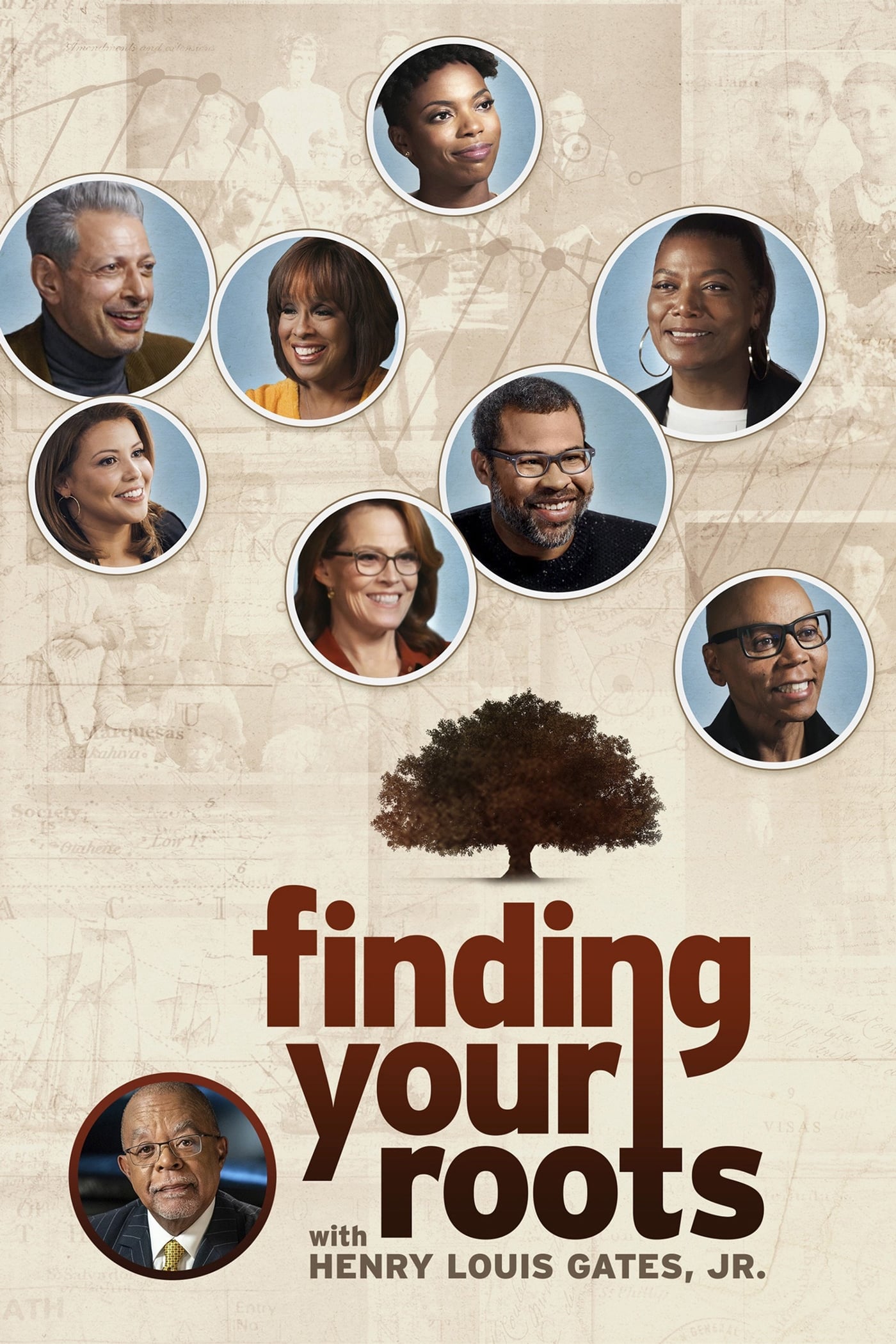
A British genealogy documentary series in which celebrities trace their ancestry, discovering secrets and surprises from their past.
Since it began in 1983, Frontline has been airing public-affairs documentaries that explore a wide scope of the complex human experience. Frontline's goal is to extend the impact of the documentary beyond its initial broadcast by serving as a catalyst for change.
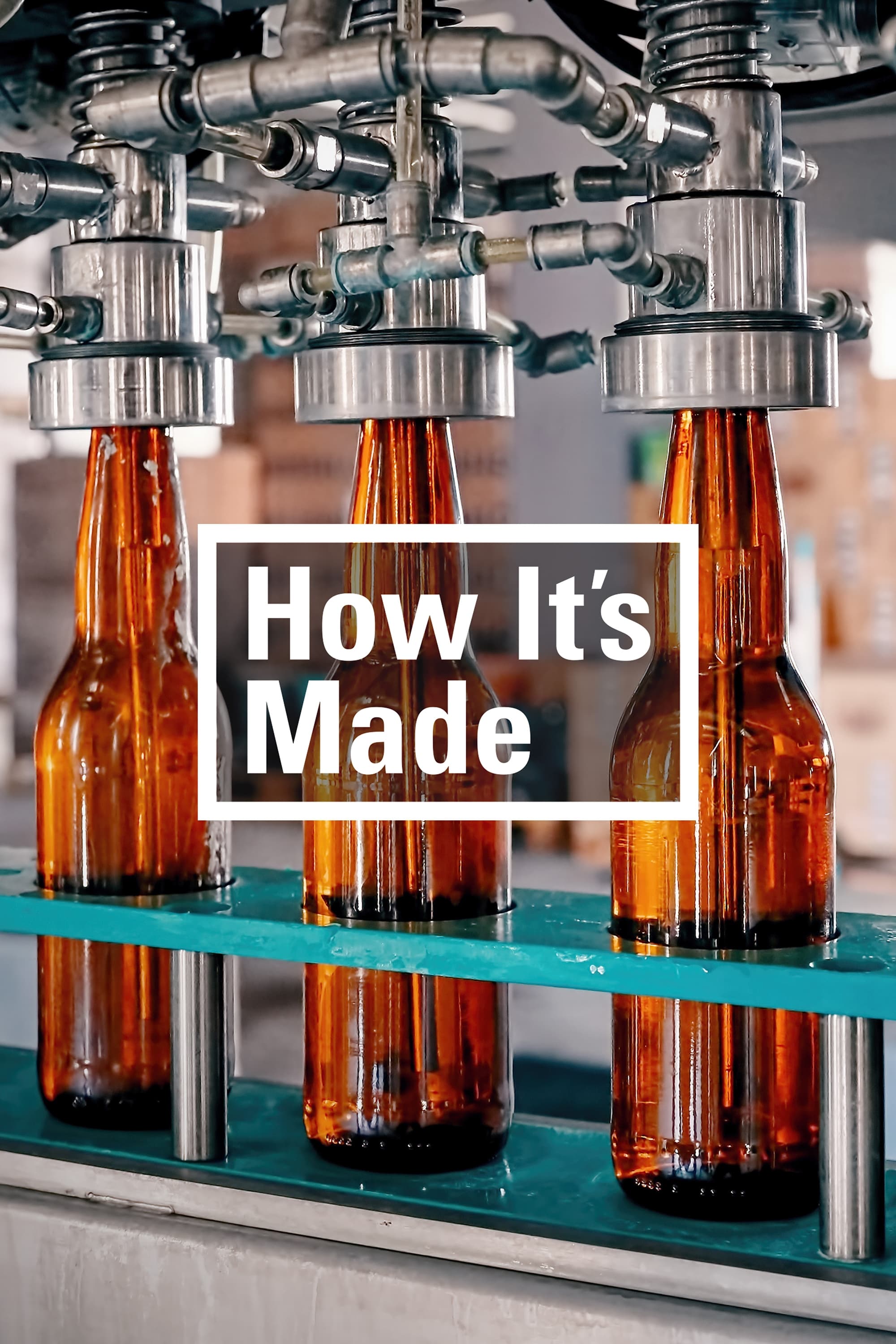
Have you ever wondered how the products you use every day are made? How It's Made leads you through the process of how everyday products, such as apple juice, skateboards, engines, contact lenses, and many more objects are manufactured.
The best in the performing arts from across America and around the world including a diverse programming portfolio of classical music, opera, popular song, musical theater, dance, drama, and performance documentaries.
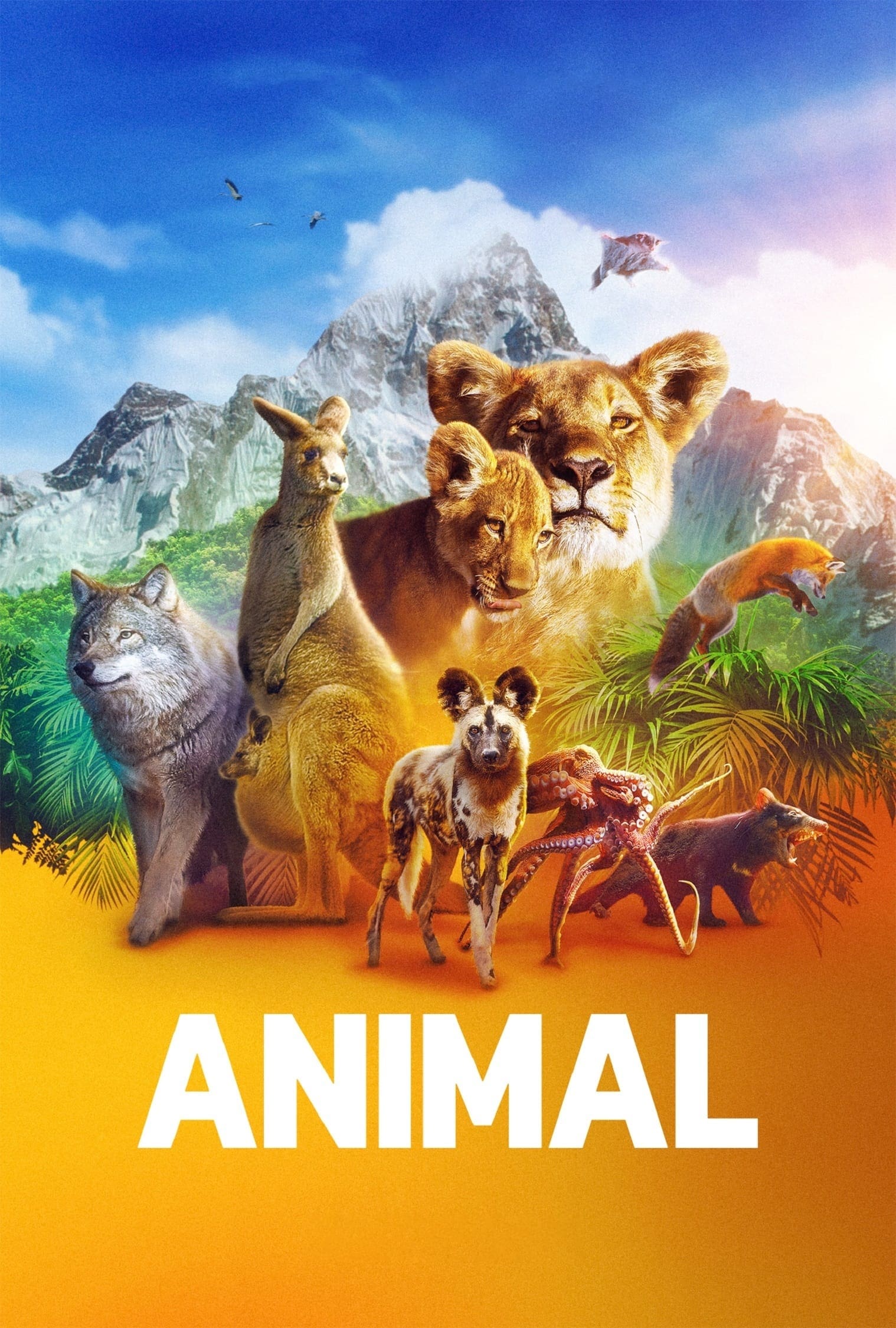
This immersive series follows the world's most magnificent creatures, capturing never-before-seen moments from the heartwarming to the outrageous.
A documentary news series with a taboo-breaking team who deliver incredible news stories from around the world.