Social & External
The people behind it
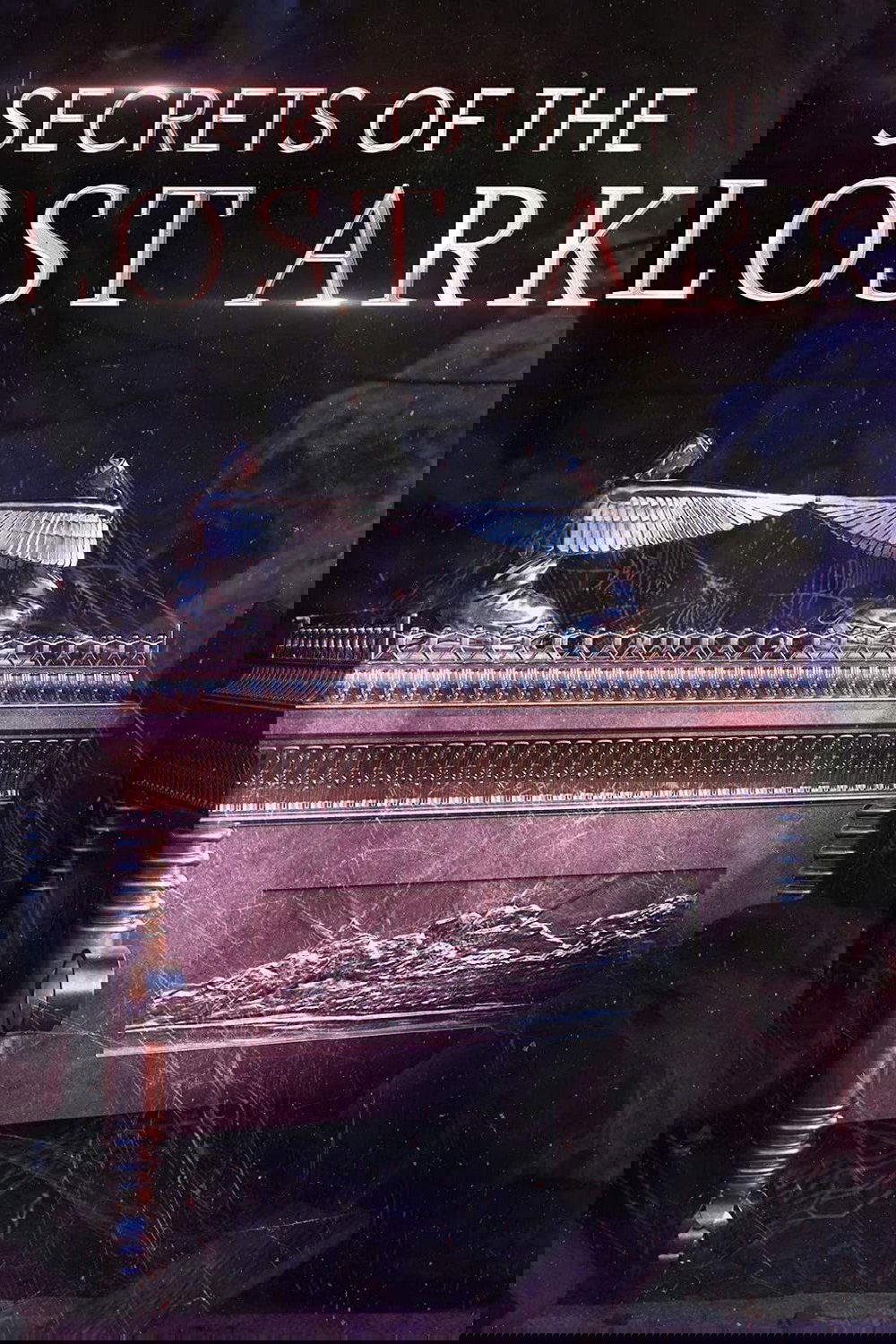
For centuries, explorers have searched for the Bible’s most sacred religious artefacts. One of the most mysterious of these objects is the famed Ark of the Covenant. The gold-plated wooden chest – one of the most instrumental symbols of faith and God's presence – was believed to house the two tablets bearing the Ten Commandments. The Ark’s exact whereabouts has long puzzled scholars. Where did it go? And why has it remained such a mystery?
This gripping documentary miniseries investigates the mystery of two 1300-year-old burial ships from the Viking Age. With dramatic reconstructions and unearthed evidence, follow key archaeologists as they investigate the remains, and reveal how they fundamentally alter our understanding of Viking Europe.
Millions of tourists visit Angkor Wat in Cambodia every year to marvel at its remarkable architecture, yet most are probably unaware that when it was built nearly 1,000 years ago it was even more impressive. Using remote sensing technology, scientists now know what is hidden beneath the nearby paddy fields and jungle: a sophisticated metropolis with an elaborate network of houses, canals, boulevards and temples covering 30 square kilometres that housed three-quarters of a million people. To put that into perspective, London at that time was home to just 18,000. These previously hidden finds tell us a great deal about life during the golden age of the powerful Khmer dynasty.
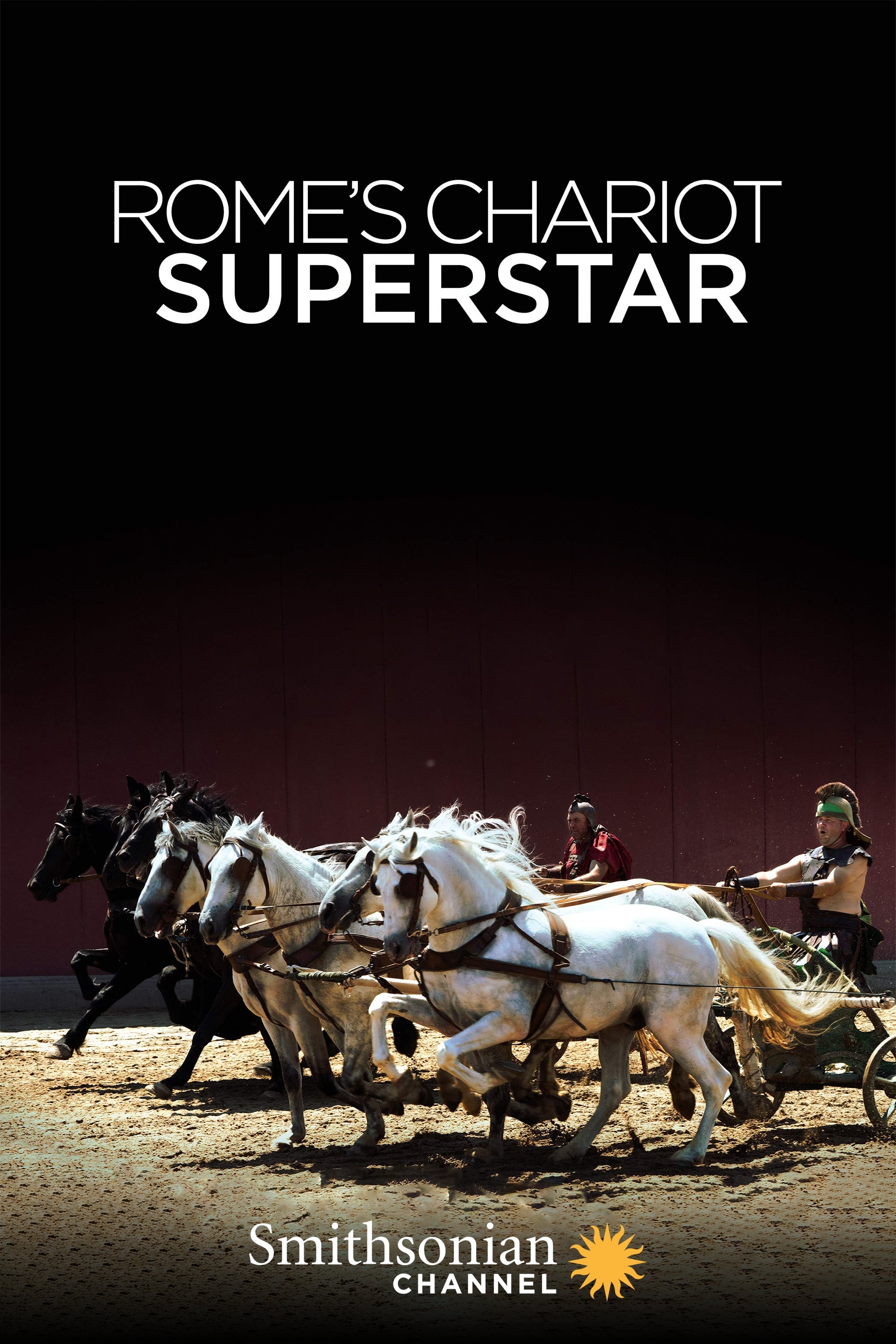
In 90 A.D., ancient Rome played host to a sporting spectacle that attracted crowds three times the size of the Colosseum?s gladiator games: chariot racing. Every week, 150,000 fans packed the massive Circus Maximus, not just to cheer on the speed, fury, and danger of the races, but to witness the champion charioteer, Flavius Scorpus. Examine his improbable rise from young slave to arguably the most successful competitor in the sport?s history.
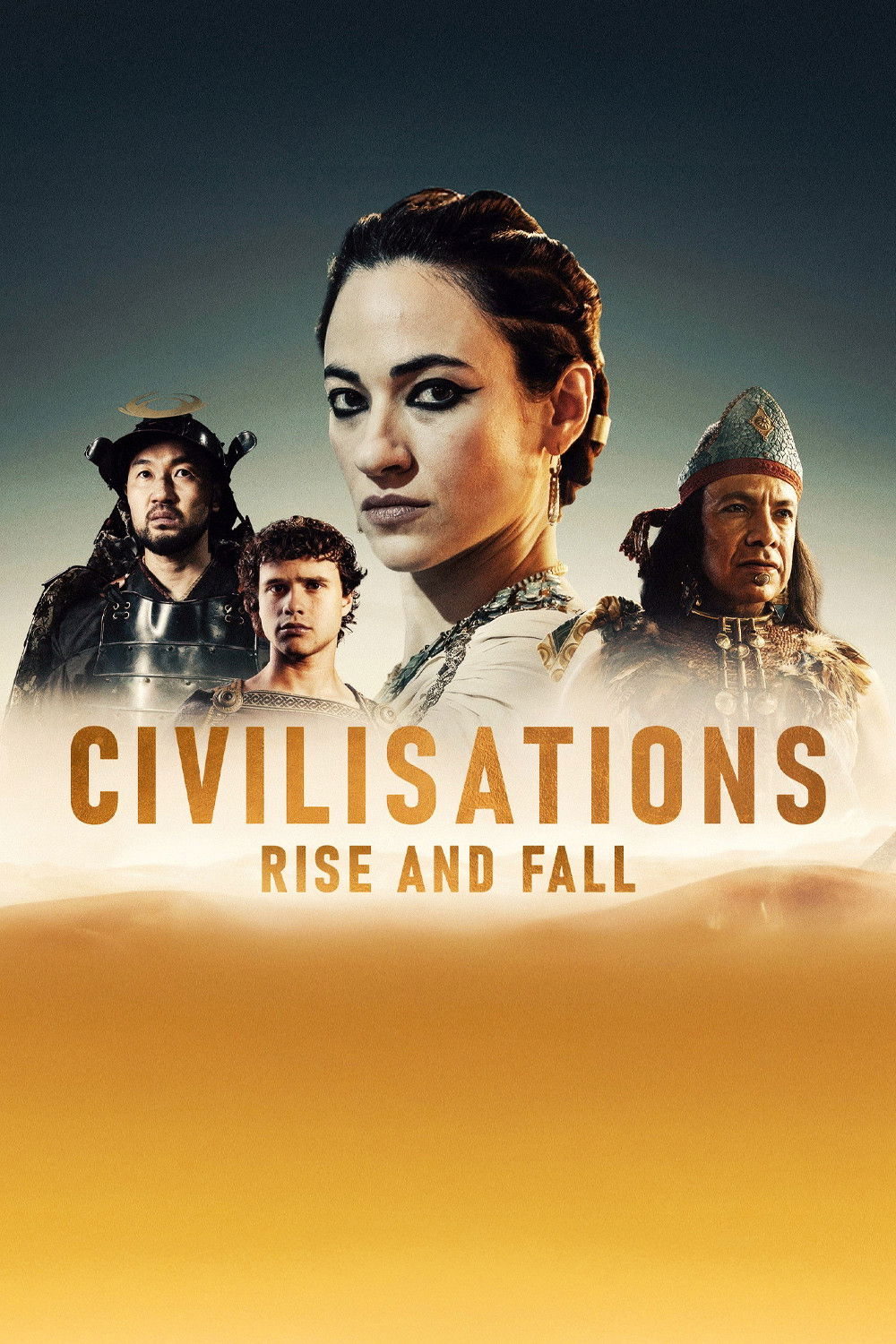
Four mighty civilisations - Rome, Egypt, Japan's Samurai and the Aztecs. Their legends remain - now priceless artefacts reveal what led them to fall into the echoes of history.
Clash of Ancient Warriors is a series that uses modern science to investigate the mysteries of the most legendary battles from ancient times. Spartans vs Persians in the battle of Thermoplyae, Hannibal vs Rome in the battle of Cannae, The Knights Templar vs Saladdin’s riders at Mongisard, Greeks vs Trojans in the siege of Troy...Military genius and epic battles have led the greatest civilisations to the pinnacle of glory...or the brink of collapse. Join scientists as they hunt for the hidden clues and traces of titanic clashes that could unlock the truth about how one army triumphed and changed the course of history. Unfolding s a countdown to annihilation, each episode builds on the scientist’s investigation to retrace, hour by hour, the dramatic chain of events that ultimately led one side to a bloody victory.
Dan Snow uncovers the lost Vikings in America with Dr Sarah Parcak. As Sarah searches for Vikings across the Atlantic, Dan explores their journey 500 years before Columbus.
Throughout human history, there have been sinister desires driven by animalistic lust, and the Ancient Egyptians were no different. From Rameses II, who bent the truth and made himself a god on the earth, to Cleopatra, who engaged in incest and used her sex appeal as a weapon, this History Channel movie explores the dark side of one of the greatest empires in history.
The Bible is both a religious and historical work, but how much is myth and how much is history?
A mission to discover and re-create unexcavated worlds still hidden beneath the earth.
It is said to be one of the oldest books in the world. Has it been altered? If yes why? A remarkable journey back in time to see what the Old Testament and the New Testament is hiding from us.
It was an archaeological find that became global news. An extraordinary mega-tomb, filled with the largest concentration of coffins ever unearthed in Saqqara, Egypt. This four-part series places you at the site to witness this ground-breaking discovery as it happened and follows Egyptologists as they try to determine why all of these mummies were buried together and what this ancient cemetery can tell us about the Egyptian civilization's way of death 2,500 years ago.
The construction of the Egyptian pyramids remains an enigma, an unsolved mystery. But today, Egyptologists and archaeologists have developed a new tool which uses aerial and satellite images to provide valuable fresh clues about the position, construction, and evolution of these edifices. This series sets out to decode the mysteries of the pyramids' construction, and to recreate Egypt as it was more than 5000 years ago.
America from the Ground Up was filmed on location at archaeological and historical sites throughout the U.S. and Canada. Join us in the search for clues to America's hidden history: from exploring the ruins of America's lost civilizations, to the settlement of the North American continent in the 19th Century.
Alastair Sooke tells the story of Ancient Egyptian art through 30 extraordinary masterpieces.
Explore a world never seen before a world hidden under miles of water, the landscape of the seabed. Join expeditions to dive long-lost vessels, discover ancient sites and follow the scientists who are probing the darkest and deepest corners of this underwater world. Computer generated, three-dimensional maps and imagery will offer a first glimpse of these mysteries.
This epic series explores the lives of some of Egypt's greatest rulers: Ramses the Great, pyramid pioneer King Sneferu, the most famous woman who ever lived, Cleopatra, the rebel heretic Akhenaten, the ill-fated Tutankhamen and feminist trailblazer Hatshepsut. Hosted by renown Egyptologist Dr. Bob Brier, this series unveils the true stories of their battles, loves, obsessions, preoccupations and deaths. Brier guides viewers on an enlightening quest for answers to the mysteries surrounding the legacies of the pharaohs. Spectacular footage and unique information make this series a perfect guide to the history of ancient Egypt.
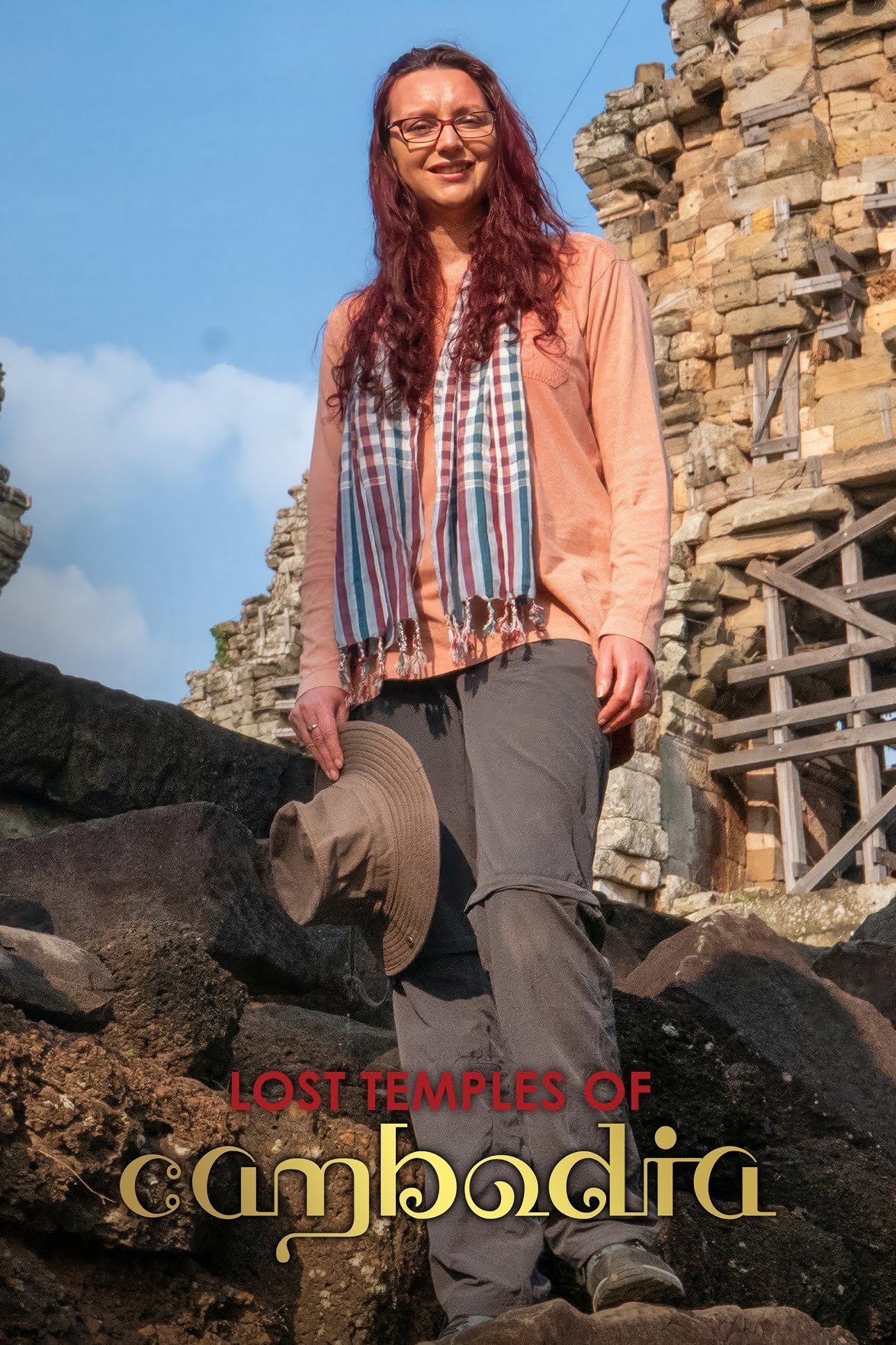
Across Cambodia, archaeologist Pauline Carroll meets the experts piecing together the mysteries of the ancient Khmer civilization
An immersive, action-packed and discovery-led series following International teams of Egyptologists as they unearth the world's richest seam of ancient archaeology - Egypt's Valley of the Kings.
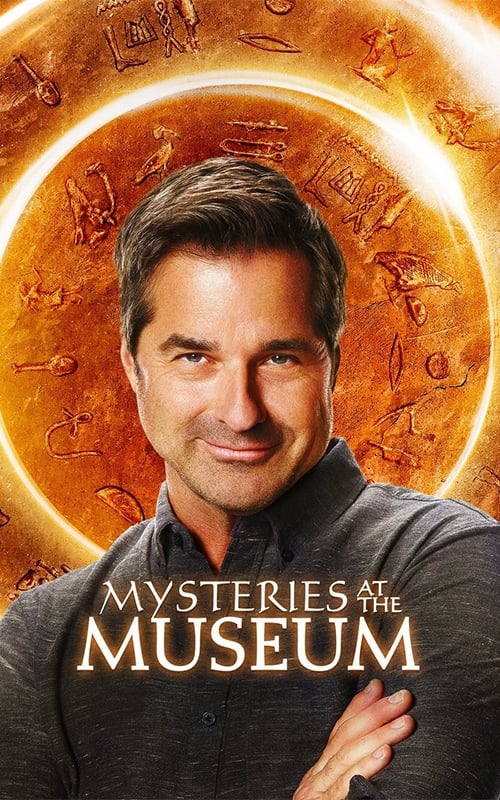
Don Wildman unearths relics from the world's greatest institutions to reveal secrets from the past. He examines each artifact to illuminate history's most incredible triumphs, sensational crimes and bizarre encounters.
Part detective story, part true-life drama, long-running series explores some of the most iconic moments in history to debunk myths and shed new light on past events. Using the latest investigative techniques, forensic science and historical examination, it shatters accepted wisdom, challenges prevailing ideas, overturns existing hypotheses, spotlights forgotten mysteries, and ultimately rewrites history.
Based on the popular BBC series running since 1979, the PBS Antiques Roadshow combines history with discovery. Each year, the show visits a handful of cities to appraise items brought in by viewers. Are these items worth a lot of money, more than the visitors expect?
Morgan Freeman presents his quest in order to find how most religions perceive life after death, what different civilizations thought about the act of creation and other big questions that mankind has continuously asked.
The history of the sport of baseball in America, told through archival photos, film footage, and the words of those who contributed to the game in each era. Writers, historians, players, baseball personnel, and fans review key events and the significance of the game in America's history.
Antiques Roadshow is a British television show in which antiques appraisers travel to various regions of the United Kingdom to appraise antiques brought in by local people. It has been running since 1979. There are also international versions of the programme.
TV's most-watched history series brings to life the compelling stories from our past that inform our understanding of the world today.
A series of standalone documentaries powered by the unparalleled journalism and insight of The New York Times, bringing viewers close to the essential stories of our time.
Infographics and archival footage deliver bite-size history lessons on scientific breakthroughs, social movements and world-changing discoveries.
Turning points in ancient Roman history and some of the Empire's greatest stories are brought to life in this drama documentary series.
Doctor Who Confidential is a documentary to complement the revival of the long-running British science fiction television series Doctor Who. Each episode was broadcast on BBC Three on Saturdays, immediately after the broadcast of the weekly television episode on BBC One. The running time of the first two series was 30 minutes, being extended to 45 minutes in the third. BBC Three also broadcast a cut-down edition of the programme, lasting 15 minutes, shown after the repeats on Sundays and Fridays and after the weekday evening repeats of earlier seasons.
Maritime mysteries—old and new—come to life in this series, combining scientific data and digital re-creations to reveal shipwrecks, treasures, and sunken cities on the bottom of lakes, seas and oceans around the world.
This compelling series investigates the motives and m.o. of female murderers. While males are often driven by anger, impulse and destruction, women usually have more complex, long-term reasons to kill.
Motoring programme featuring reviews of and reports about cars of all types.
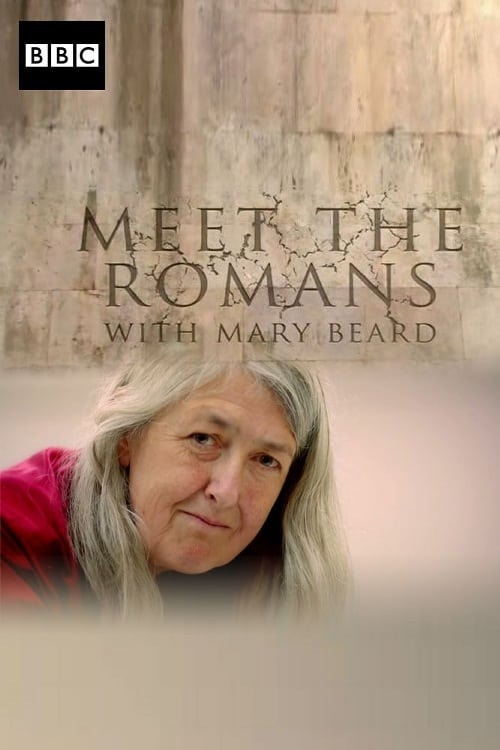
Professor Mary Beard looks beyond the stories of emperors, armies, guts and gore to meet the everyday people at the heart of Ancient Rome's vast empire.
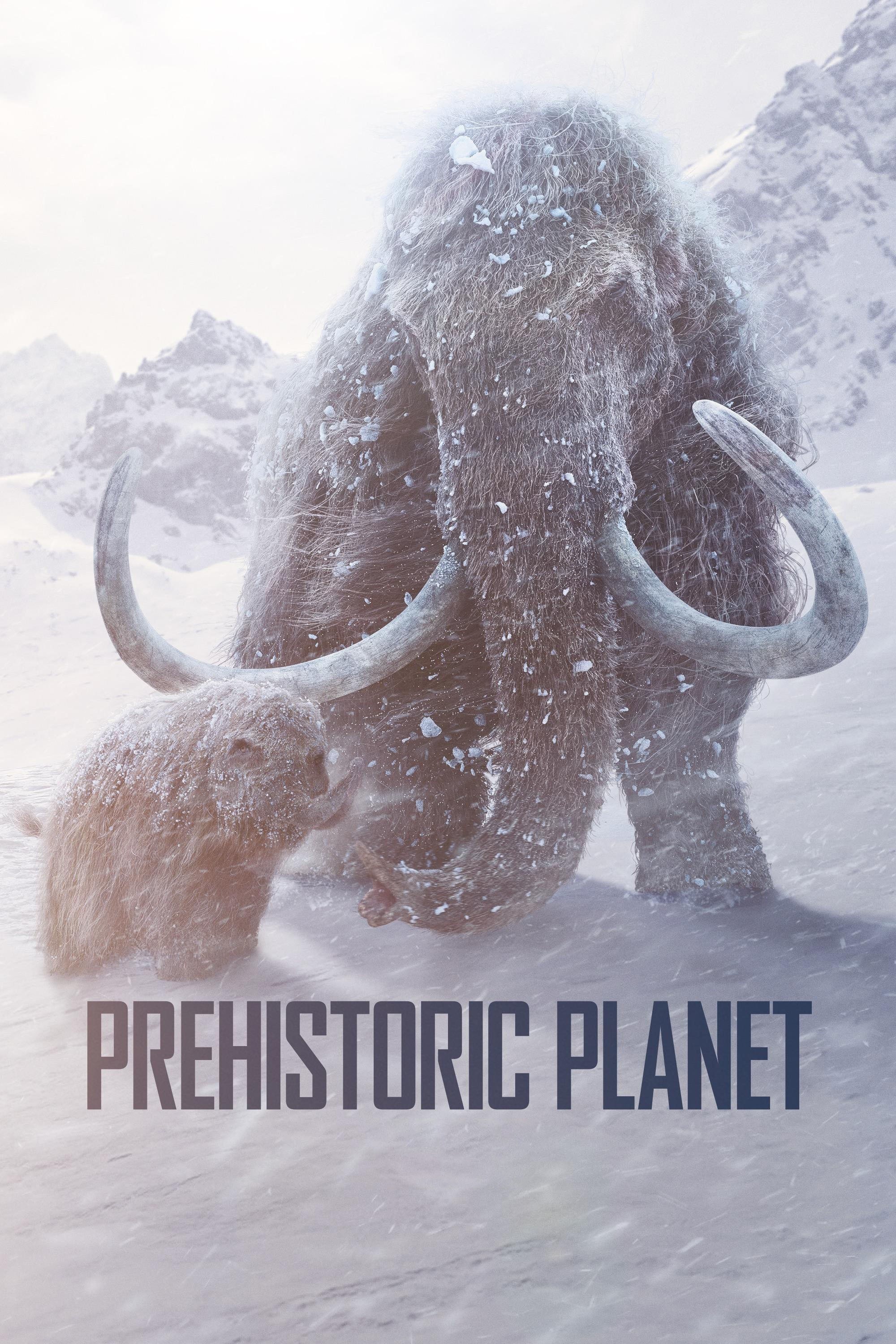
Experience the wonders of our world like never before in this epic series from Jon Favreau and the producers of Planet Earth. Travel back 66 million years to when majestic dinosaurs and extraordinary creatures roamed the lands, seas, and skies.
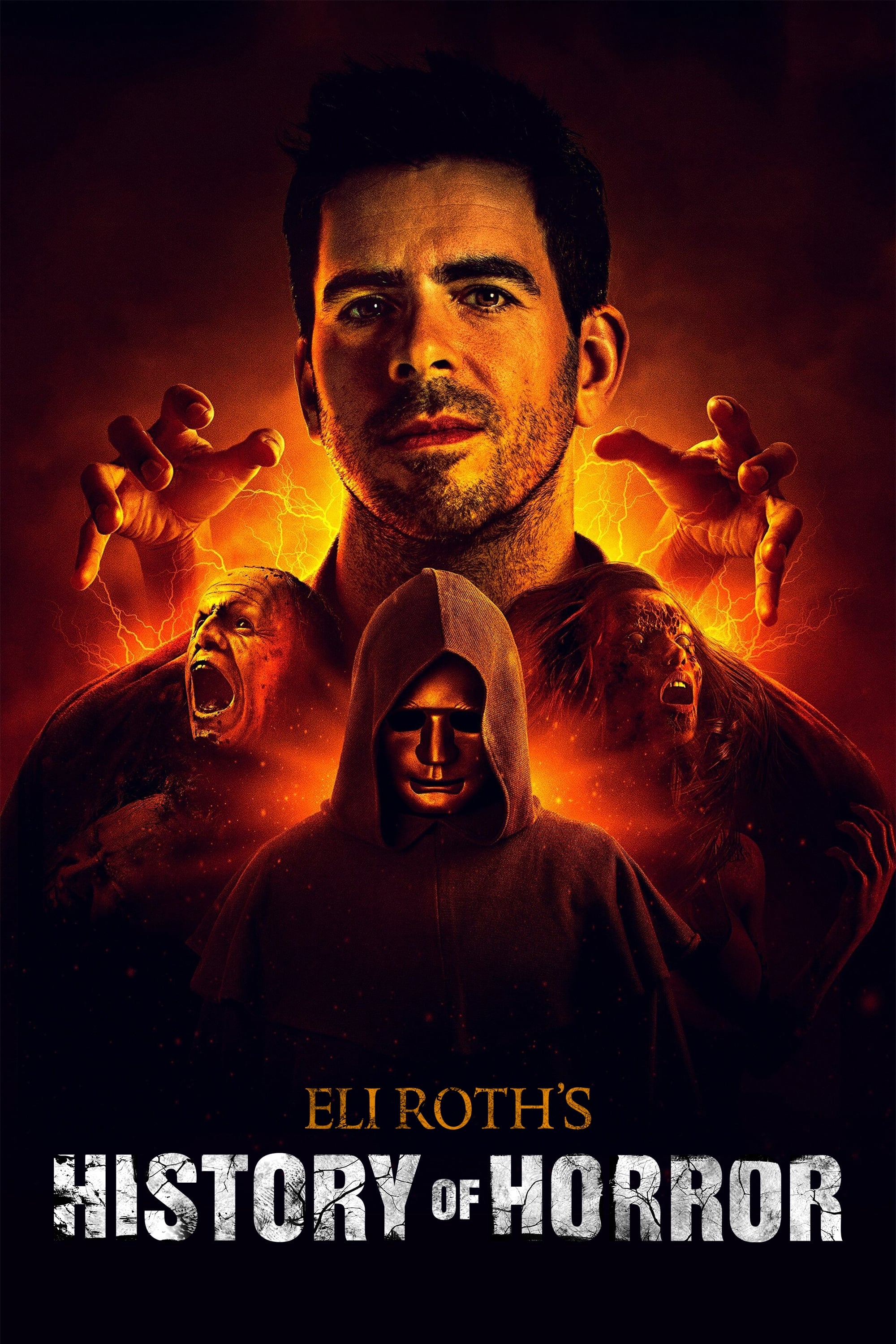
An in-depth look at the history and pop cultural significance of horror films.
American Masters is a PBS television series which produces biographies on enduring writers, musicians, visual and performing artists, dramatists, filmmakers, and others who have left an indelible impression on the cultural landscape of the United States.
Horizon tells amazing science stories, unravels mysteries and reveals worlds you've never seen before.