
Catalyst is Australia's premier science investigation series. Each week the team brings you stories from Australia and around the world, meeting scientists at the forefront of discovery.

Social & External
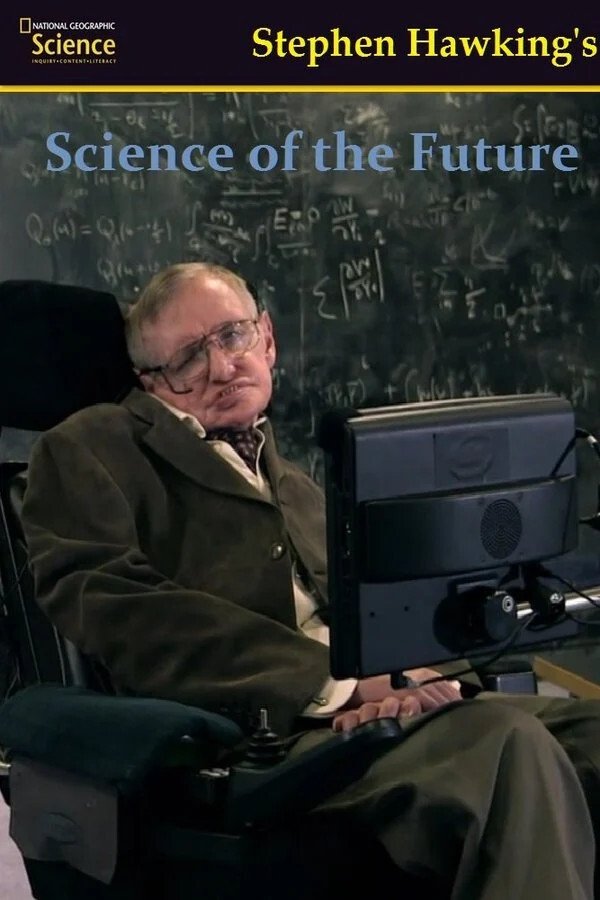
Stephen Hawking’s Science of the Future investigates the very latest game changing innovations. Each episode takes one area of progress and sends five top scientists out to actively test the inventions and breakthroughs that are driving it. The team explore human upgrades, the virtual world, bio-mimicry, high-tech emergency responses, and more. Featuring a wide range of examples, from advanced robotics and breathtaking digital actors, to cutting edge smart homes and electronic brain stimulation, the series reveals how science is delivering astonishing improvements to all our lives. Using the evidence they gather, the team reveals the year when each innovation will be rolled out for us all to benefit from, and Hawking then draws out his own uniquely insightful predictions about what our world will be like in the years to come.
TV's most-watched history series brings to life the compelling stories from our past that inform our understanding of the world today.
David Attenborough embarks on a remarkable 500 million-year journey revealing the extraordinary group of animals that dominate our world, and how their evolution defines our human bodies.
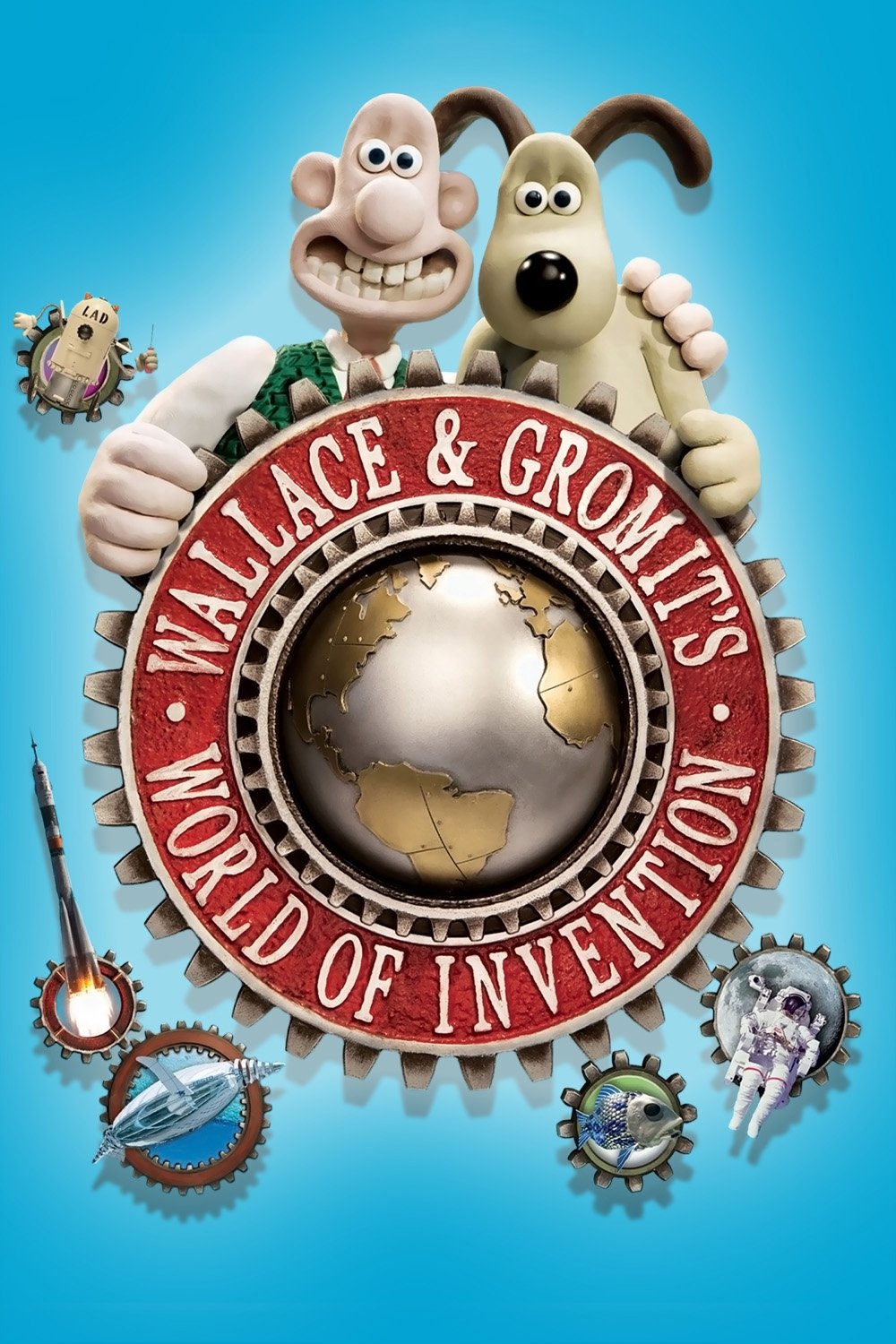
In the series, "Wallace will take a light hearted and humorous look at the real-life inventors, contraptions, gadgets and inventions, with the silent help of Gromit. The series aims to inspire a whole new generation of innovative minds by showing them real, but mind-boggling, machines and inventions from around the world that have influenced his illustrious inventing career" (the BBC press statement). Peter Sallis reprised his role as the voice of Wallace. The filmed inserts are mostly narrated by Ashley Jensen, with one in each episode presented in-vision by Jem Stansfield. John Sparkes also voices a portion in the unseen character of archivist Goronwy.
From strange abductions, to mutated species, to bizarre occurrences, there are some phenomena that science cannot - or will not - explain. This summer Science Channel unveils some of these shocking and mind-boggling cases from around the world in the world premiere series THE UNEXPLAINED FILES. From mysterious disappearances and UFO encounters, to unidentified fanged predators and reported curses, THE UNEXPLAINED FILES investigates actual, inexplicable occurrences that have confounded scientists and inspired legends. Science Channel invites viewers on a mystifying journey that will challenge disbelief with THE UNEXPLAINED FILES.
Horizon tells amazing science stories, unravels mysteries and reveals worlds you've never seen before.
NOVA scienceNOW is a News magazine version of the long-running and venerable PBS science program Nova. Premiering on January 25, 2005, the series was originally hosted by Robert Krulwich, who described it as an experiment in coverage of "breaking science, science that's right out of the lab, science that sometimes bumps up against politics, art, culture". At the beginning of season two, Neil deGrasse Tyson replaced Krulwich as the show's host. Tyson announced he would leave the show and was replaced by David Pogue beginning season 6.
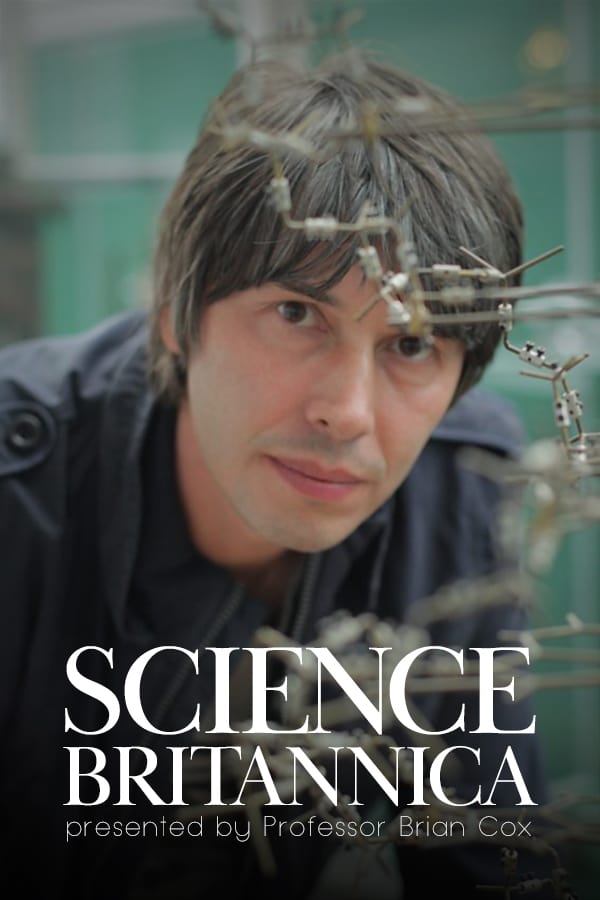
Professor Brian Cox embarks on a mission to guide viewers through 350 years of British science, laying bare what science really is, who the people are who practise it, and how it connects to the past, present and future of each of us.
A stunning new documentary series exploring the incredible story of uranium, from its creation in an exploding star to its deployment in nuclear weapons, nuclear power, and nuclear medicine. It’s a journey across nine countries and more than a century of stories, to discover the rock that made the modern world. It’s part science, part history, and all epic adventure. Join physicist and YouTube phenomenon Dr. Derek Muller as he reveals the untold story of the most wondrous and terrifying rock on Earth.
A long journey in 8 episodes to discover the human body, with Piero Angela who closely observes our organism, focusing each time on a theme: the eye, the ear, taste and smell, the stomach and the intestine, liver, bones, lungs and heart. How does our "wonder machine" work? To make each explanation direct and clear, the program uses films, animations and photographs developed with the scanning electron microscope.
Il Pianeta dei Dinosauri was a television documentary series, hosted by Piero and Alberto Angela in 1993, dedicated to the life of the Dinosaurs studied by the reconstructions, thanks to the co-production with Agip and the advice of Professor Dale Russell
A television documentary series, hosted by Piero Angela and Alberto Angela in 1998, dedicated to the exploration of the Universe
Professor Brian Cox goes on a grand tour of the planet to explain how the Earth's beauty is created by just a handful of forces.
From renowned author, educator and television presenter Ted Rimmarniet comes "Our Fascinating Planet", an exciting new educational series that explores our Universe and ourselves - and our place in both of those things. Featuring episodes on Space, Energy, The Brain and The Earth, this staggeringly monumental series contains all of the passion, wonder and curiosity of award-winning programs like “NOVA" but with double or triple the amount of fascinatingness.
A science magazine show that brings you the world like you've never seen it before. The hosts demystify the mysteries of science and bridge the gap between the lab and your living room. From movies to microbiology, space to sports, food to hi-tech gizmos, they make sense of the science of everyday life ... and they make it fun too.
See the ultimate guide to the Solar System from the dedicated people who sent spacecraft to explore the sun and the planets, and witness their astonishing tales of discovery as they reveal wonders never seen before.
James May gives a straightforward guide to some of science's big ideas, explaining everything from evolution and Einstein to engineering and chemistry.
Satellites orbit Earth at 17,000 miles an hour, capturing images of our world that are breathtaking, but some are bizarre. This unique perspective reveals objects that seem to make no sense & phenomena that defy explanation. Such images force the question, what on Earth is that?