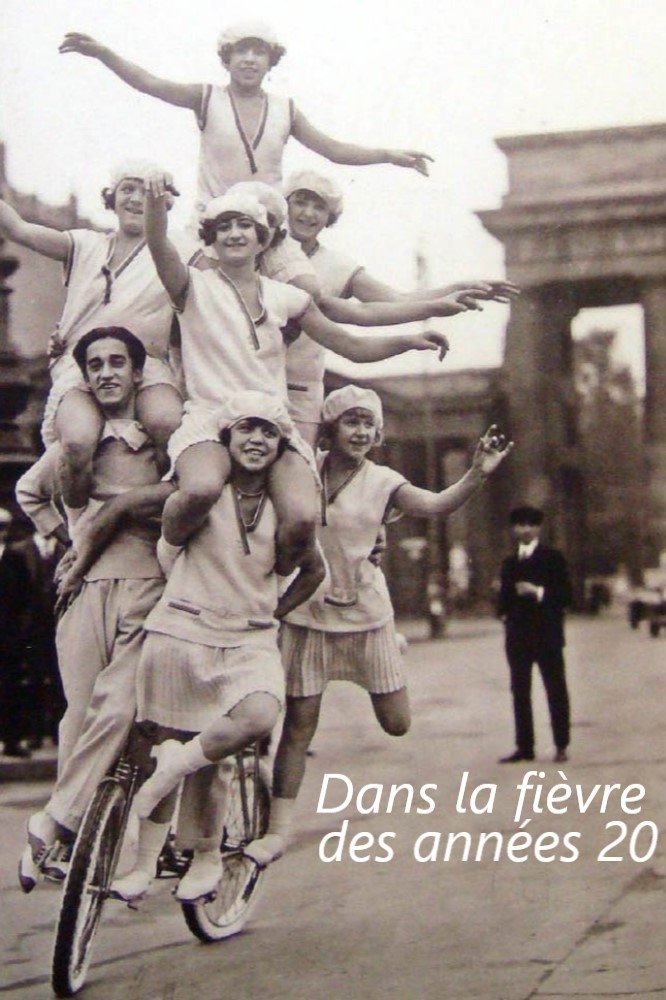
Series looking at the 1920s and 30s, which creates a portrait of an age so daring, influential and exciting that it still shapes who we are today.
Social & External
Voiceover Artist
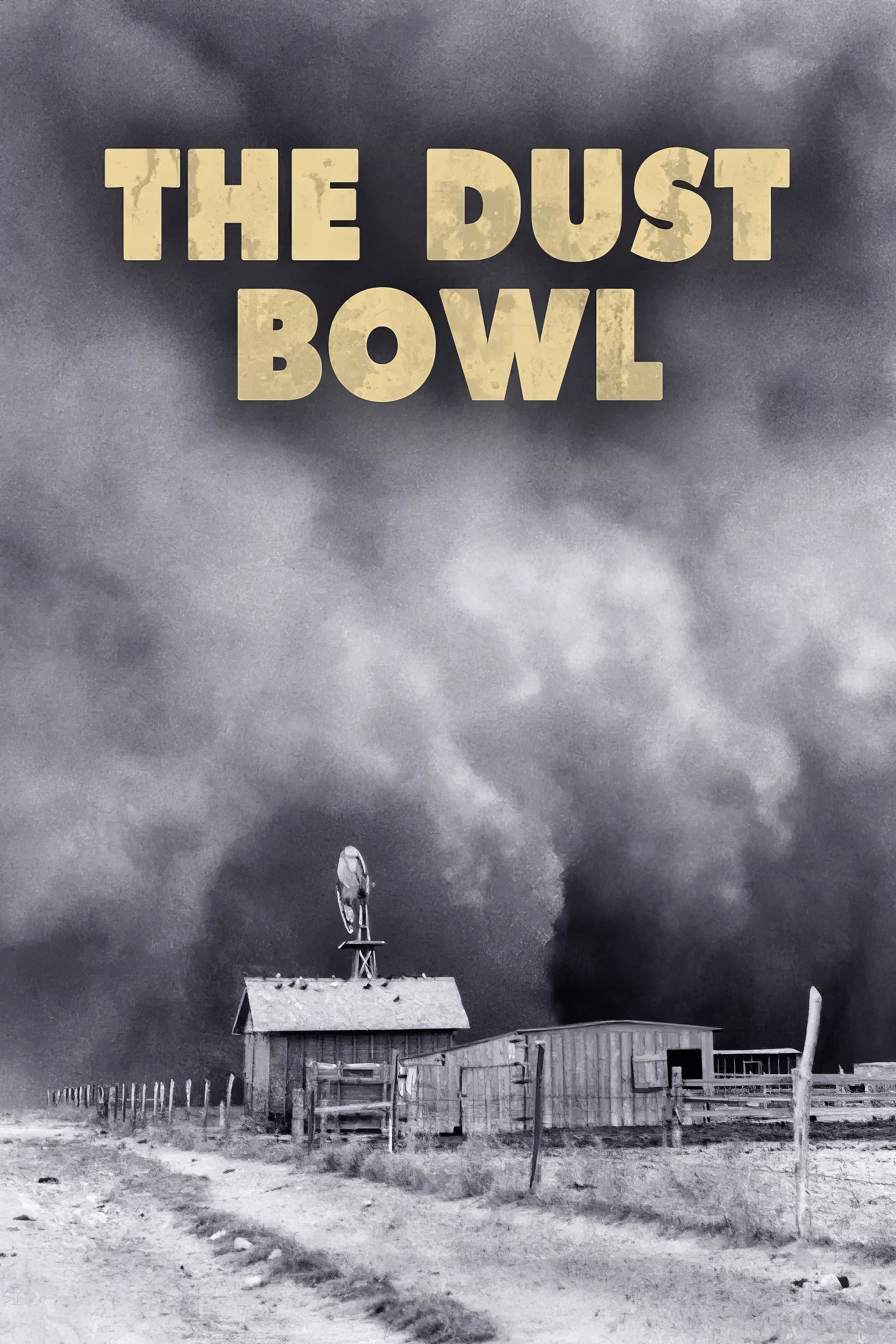
Chronicles the worst man-made ecological disaster in American history, in which the frenzied wheat boom of the Great Plow-Up, followed by a decade-long drought during the 1930s nearly swept away the breadbasket of the nation.

The remarkable story of the Irish War of Independence (1919-1922) which resulted in the formation of the Irish Free State and became the model for other British colonies to gain their independence.
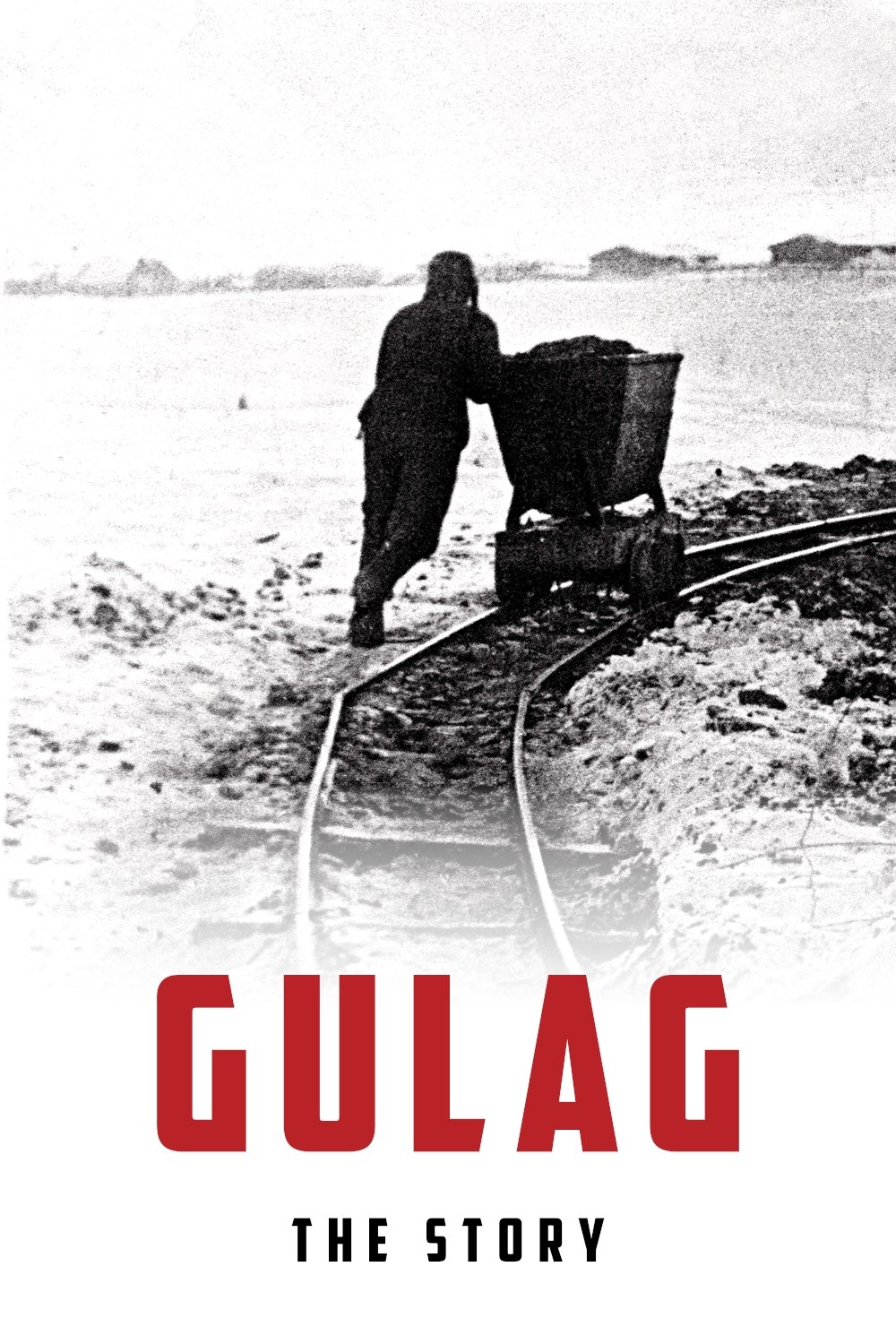
A major political, historical, human and economic fact of the 20th century, the Gulag, the extremely punitive Soviet concentration camp system, remains largely unknown.

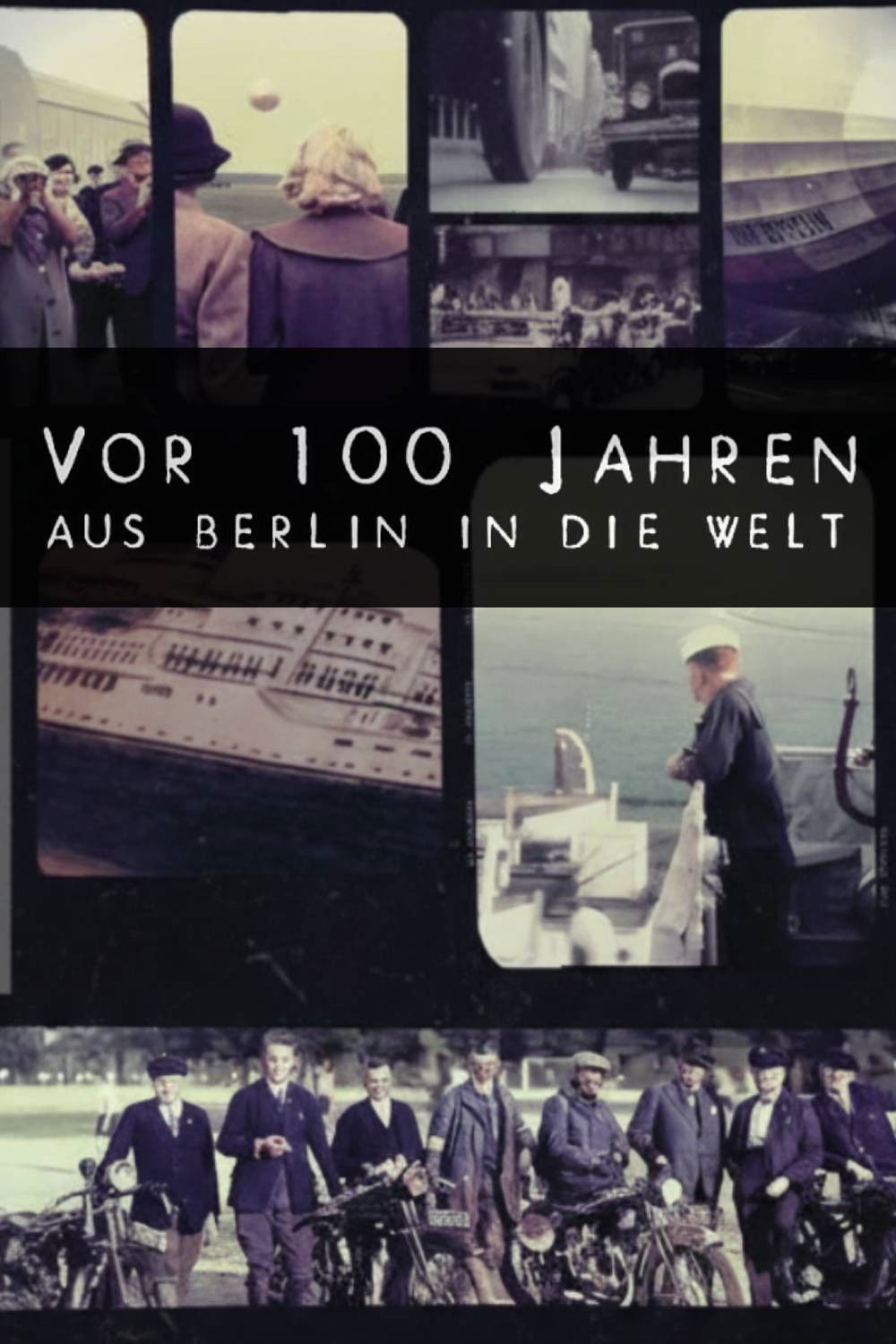
A century ago, the world experienced a revolution in mobility. Cities like Berlin grew rapidly, with the Graf Zeppelin soaring over the city in 1928, sparking excitement for airship travel. These majestic airships made ocean crossings faster and more luxurious, and even enabled polar expeditions. At the same time, automobiles and motorcycles became staples for many, although streets became congested. Women like Amelia Earhart and Elly Beinhorn broke barriers in aviation, inspiring new possibilities for both genders in the field of technology. While air travel grew in popularity, trains remained the main long-distance transport. The era also saw an explosion of new mobility options, with faster, cheaper ways to travel across the globe, making the world seem smaller and more connected. However, this golden age of mobility would be cut short by the outbreak of World War II.
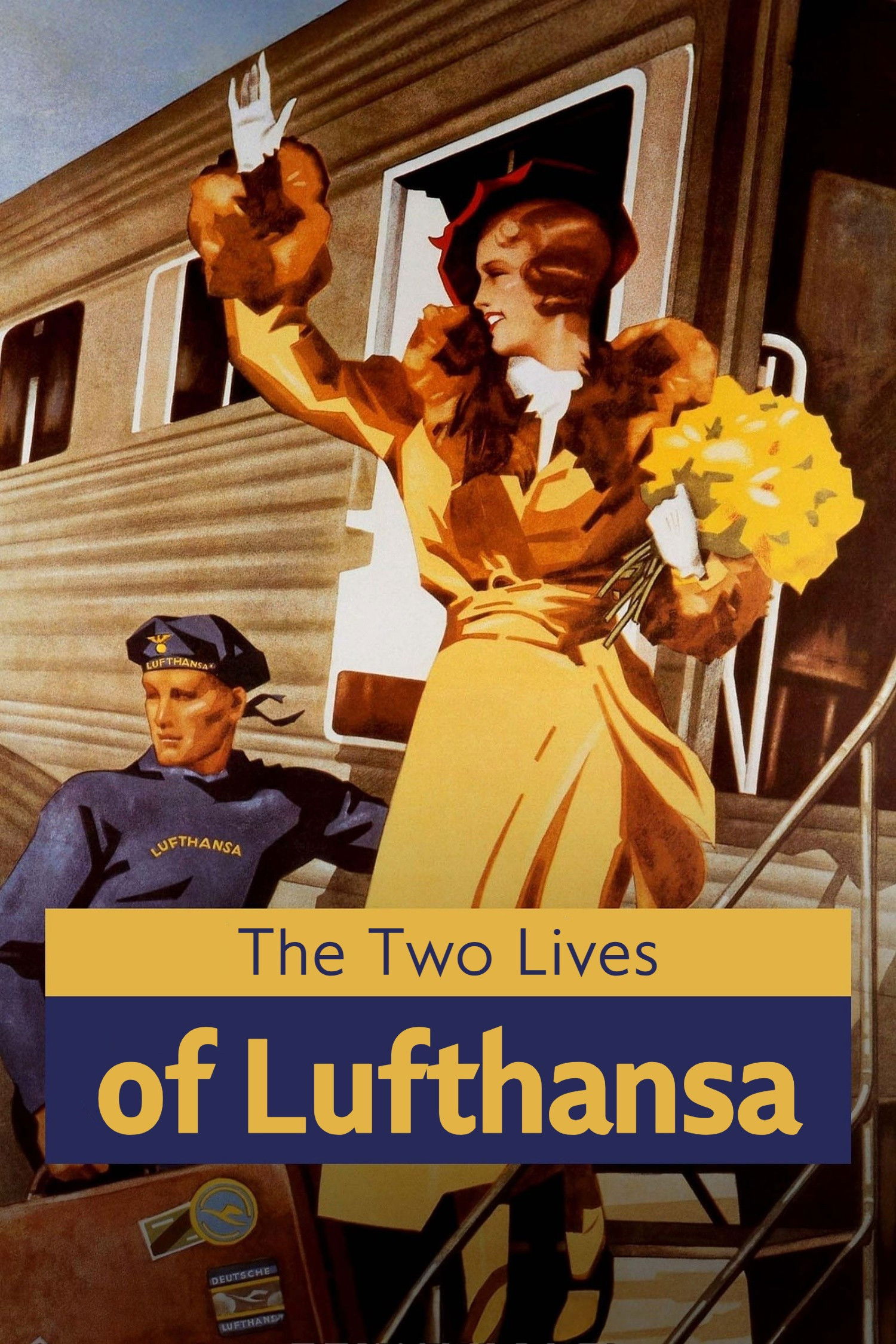
From the beginnings of passenger aviation, through militarization during the Second World War, to its development into one of the world’s leading aviation companies: this two-part documentary focuses on the history of Lufthansa and, using previously unpublished archival footage and eyewitness accounts, reveals unknown aspects of the German airline as well as its journey from its founding to the present day.
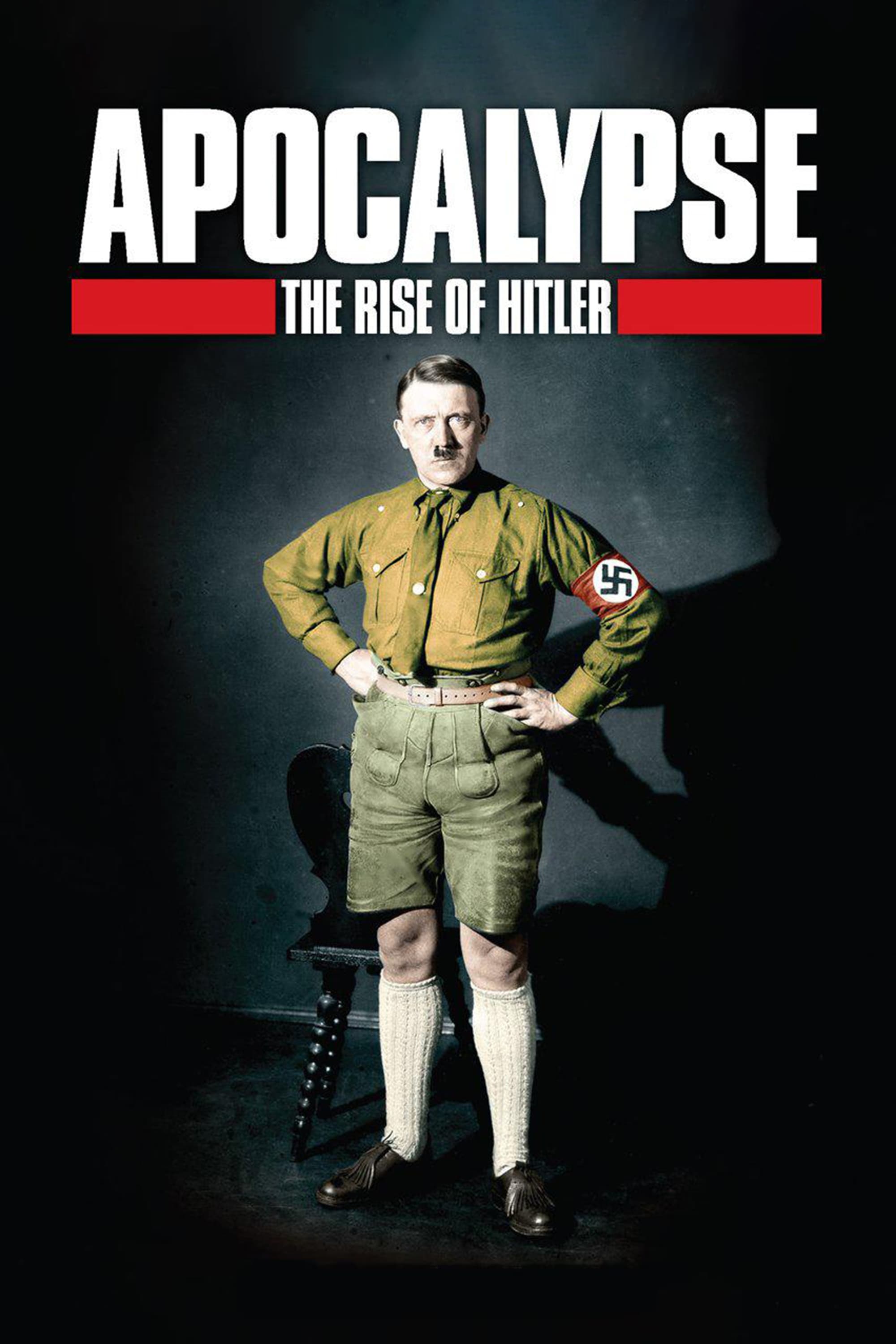
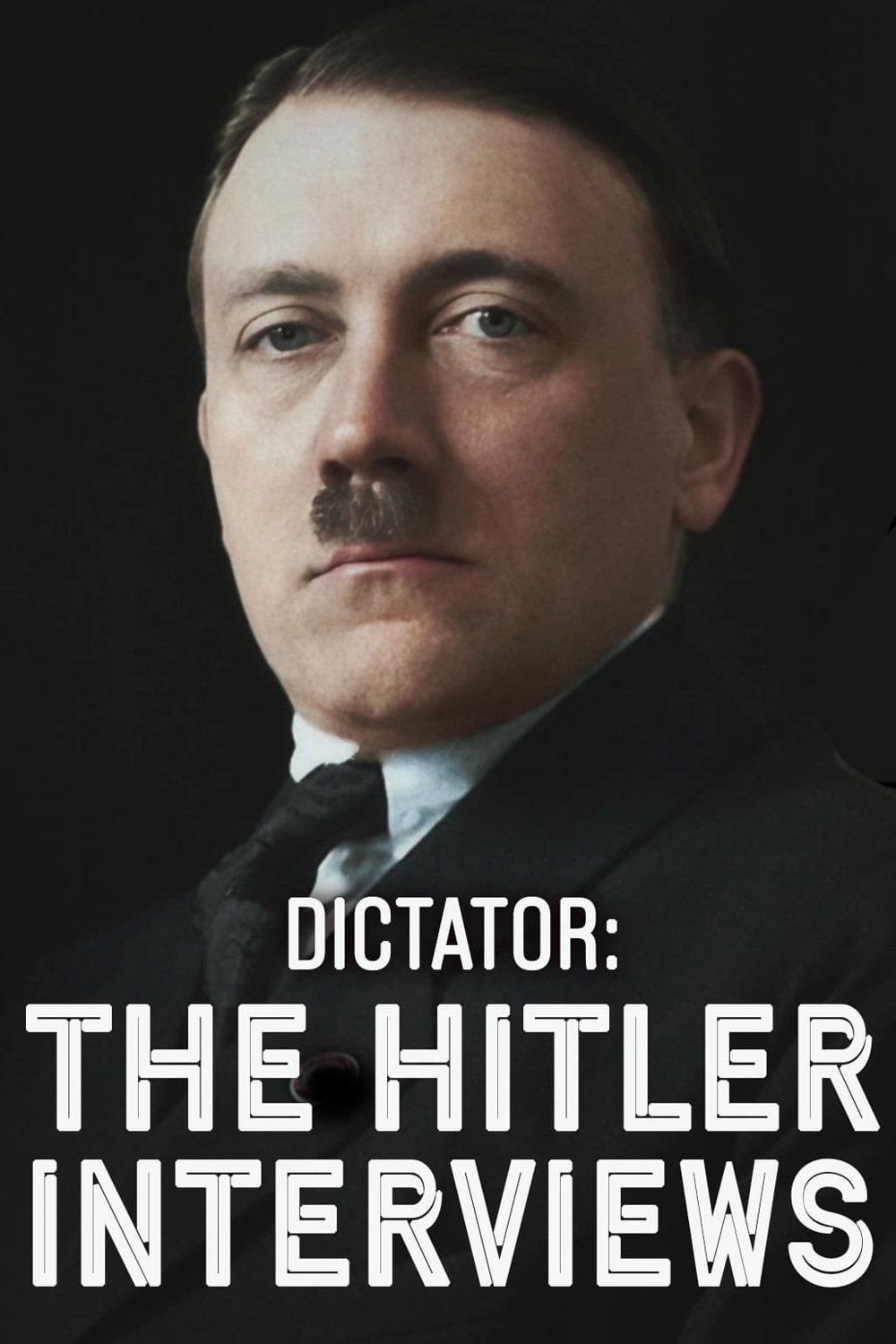
Adolf Hitler (1889-1945) was a mediocre who rose to power because of the blindness and ignorance of the Germans, who believed he was nothing more than an eccentric dreamer. But when the crisis of 1929 devastated the economy, the population, fearful of chaos and communism, voted for him. And no one defended democracy. As the dictatorship extended its relentless shadow, the leader claimed peace, but was preparing the Apocalypse.
The history of the rise, rule and fall of the Eighteenth Amendment to the United States Constitution and the entire era it encompassed (1920-33). After nearly a century of activism, Prohibition was intended to improve the lives of all citizens by protecting individuals, families and society at large from the devastating effects of alcohol abuse; but paradoxically it made millions of people rethink their definition of morality.
Through the birth of cinema and the first images recorded in Spain, this series takes viewers on a journey from the late 19th century to the 1970s across 6 hour-long episodes. An exclusive journey through Spain's history featuring stunning footage colorized for the first time and enhanced with realistic sound design to bring out their vividness and spectacular nature. A captivating yet educational series with lively and emotional narration that offers viewers a new way to experience the past.
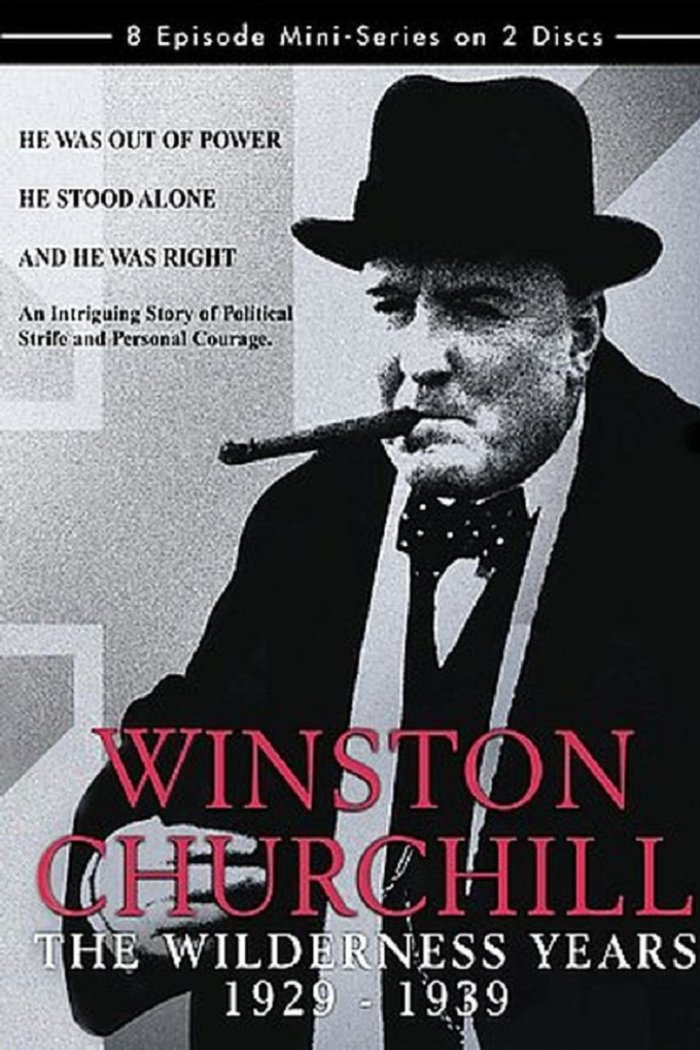
Winston Churchill: The Wilderness Years is an 8-part 1981 drama serial based on the life of Winston Churchill, and particularly his years in enforced exile from political position during the 1920s and 30s. It was written and directed by Ferdinand Fairfax and Churchill was played by Robert Hardy. Hardy's brilliant performance as Churchill won critical acclaim and a BAFTA award in 1982. He reprised the role in The Sittaford Mystery, Bomber Harris and War and Remembrance and at the 50th anniversary celebrations of the end of World War II in 1995 when he quoted a number of Churchill's wartime speeches in character.
Thirties in Colour: Countdown to War takes black-and-white films from the era and colourises the footage, bringing the past vividly back to life.
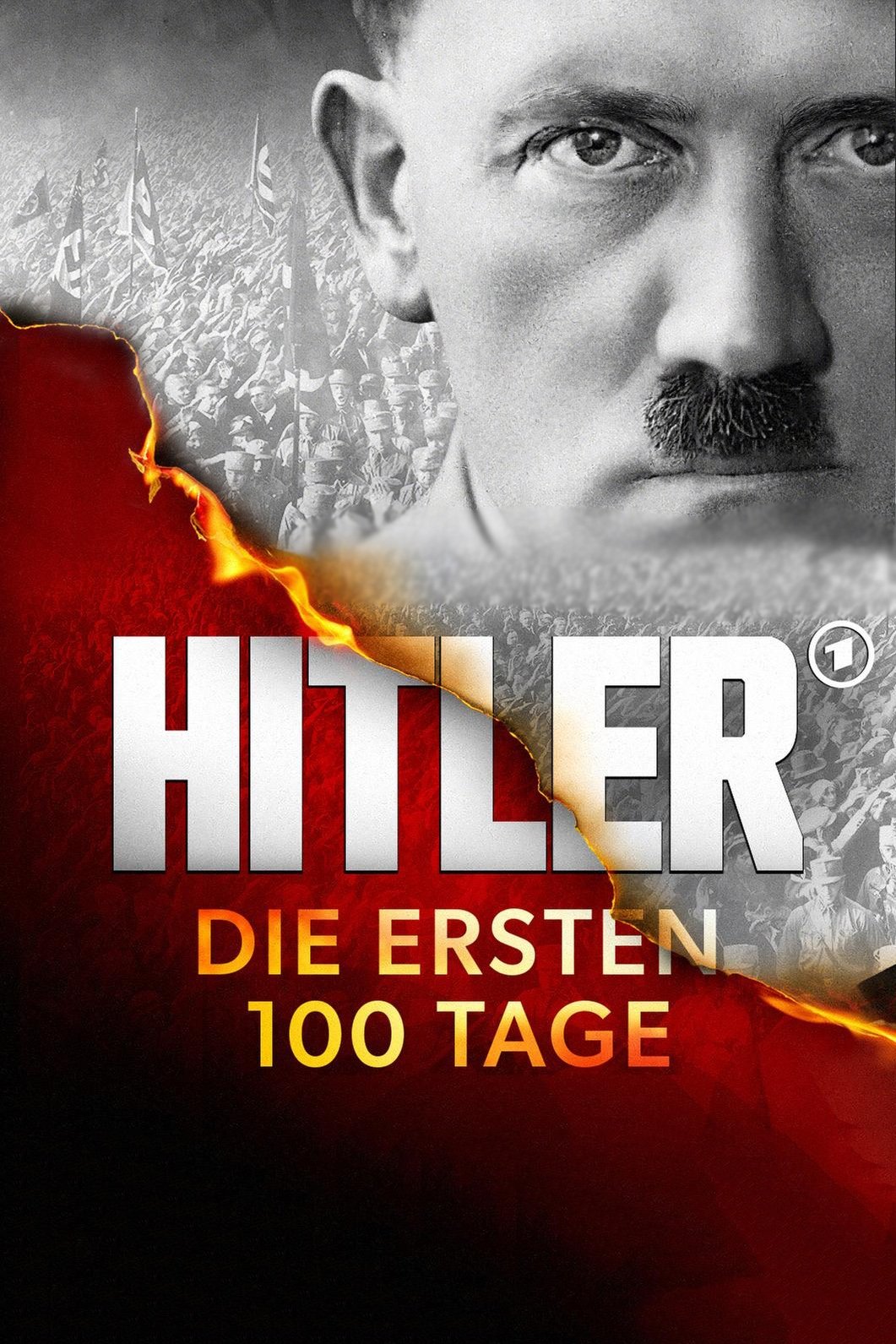
It is customary to give every new government 100 days to draw an initial summary of its work, its successes, its failures, its prospects. A “grace period” that also applied to Chancellor Adolf Hitler. However, he uses them more radically for his goals than anyone before him. This is what this series tells about – as a canon of contemporary voices. Diary entries from all over Germany document different perspectives, perceptions and very private things. How can a civilized country, a democratic state, turn into a brutal dictatorship in just a few weeks?
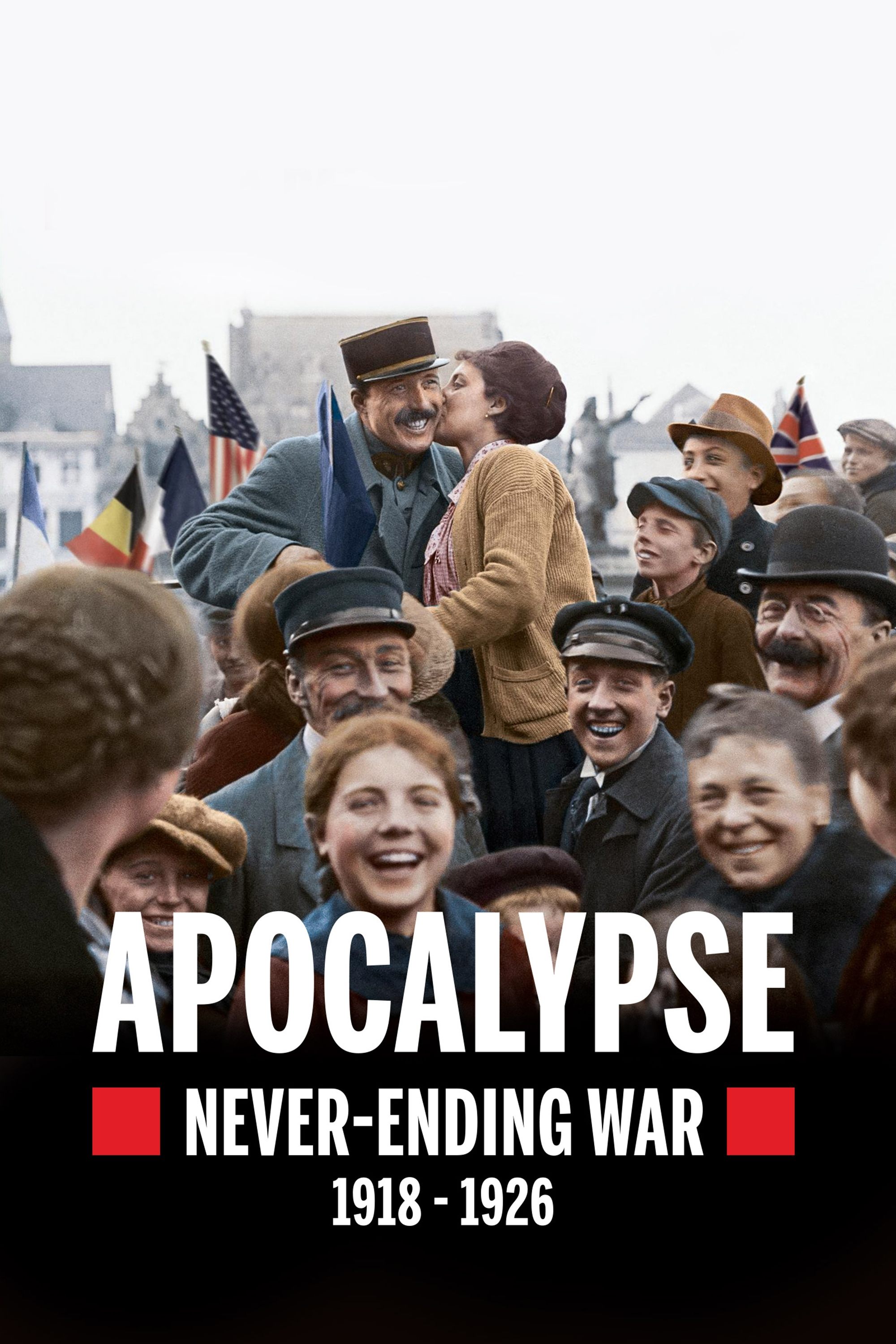
November 11, 1918. The world emerges from the most horrific conflict ever known. While leaders of the victorious countries design a new world order, traumatized societies struggle to find their footing. In the aftermath of war the Russian, German, Austro-Hungarian and Ottoman Empires fall apart, currencies fluctuate wildly, and vast numbers of refugees flee misery. Before long, age-old hatreds, fears, and resentments resurface and drive the world to the brink of a new apocalypse.
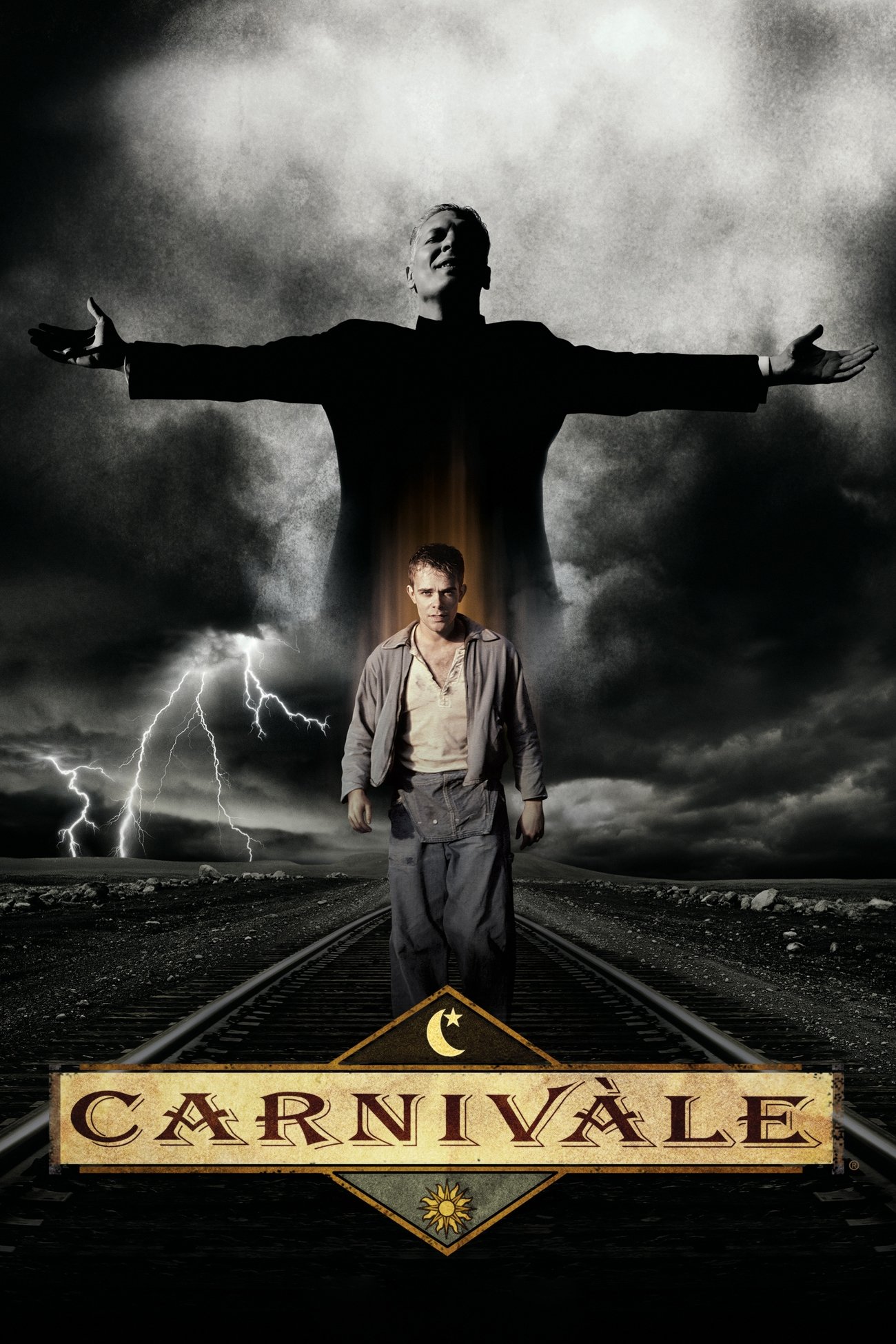
Carnivàle is an American television series set in the United States during the Great Depression and Dust Bowl. In tracing the lives of two disparate groups of people, its overarching story depicts the battle between good and evil and the struggle between free will and destiny; the storyline mixes Christian theology with gnosticism and Masonic lore, particularly that of the Knights Templar.
Shanghai in 30s: An intriguing crime case emerges amidst the bustling city. A beautiful new graduate of police academy, Qin Xiaoman, joins the investigation unit. The famous detective Luo Fei becomes her colleague and neighbour.
In 1930s Shanghai, Communist agent Xiao Ke is betrayed while carrying secret evacuation codes and becomes the target of a deadly manhunt. Amid shifting alliances and hidden dangers, he must outwit enemies in a high-stakes battle of espionage and sacrifice for the revolution.
East Berlin, 1956. Bertolt Brecht, revolutionary of the theater and poet of the state, looks back: his exploits as a teenager during the World War I; his romantic adventures during the twenties; the escape of the Nazi regime; the return from exile. The life of a timeless classic, a class fighter, an indefatigable free spirit, a committed artist.
A divorced woman decides to train as a Nanny in 1930s England.
Ma Shuai, a modern man, is transported back to 1938 and trapped in a time loop during the Anti-Japanese War. As he relives the past, he transforms from a reluctant survivor into a selfless hero, discovering the power of patriotism and the impact one person can have on a nation’s fate.
Hit rewind and explore the most iconic moments and influential people of The Nineties, the decade that gave us the Internet, DVDs, and other cultural and political milestones.
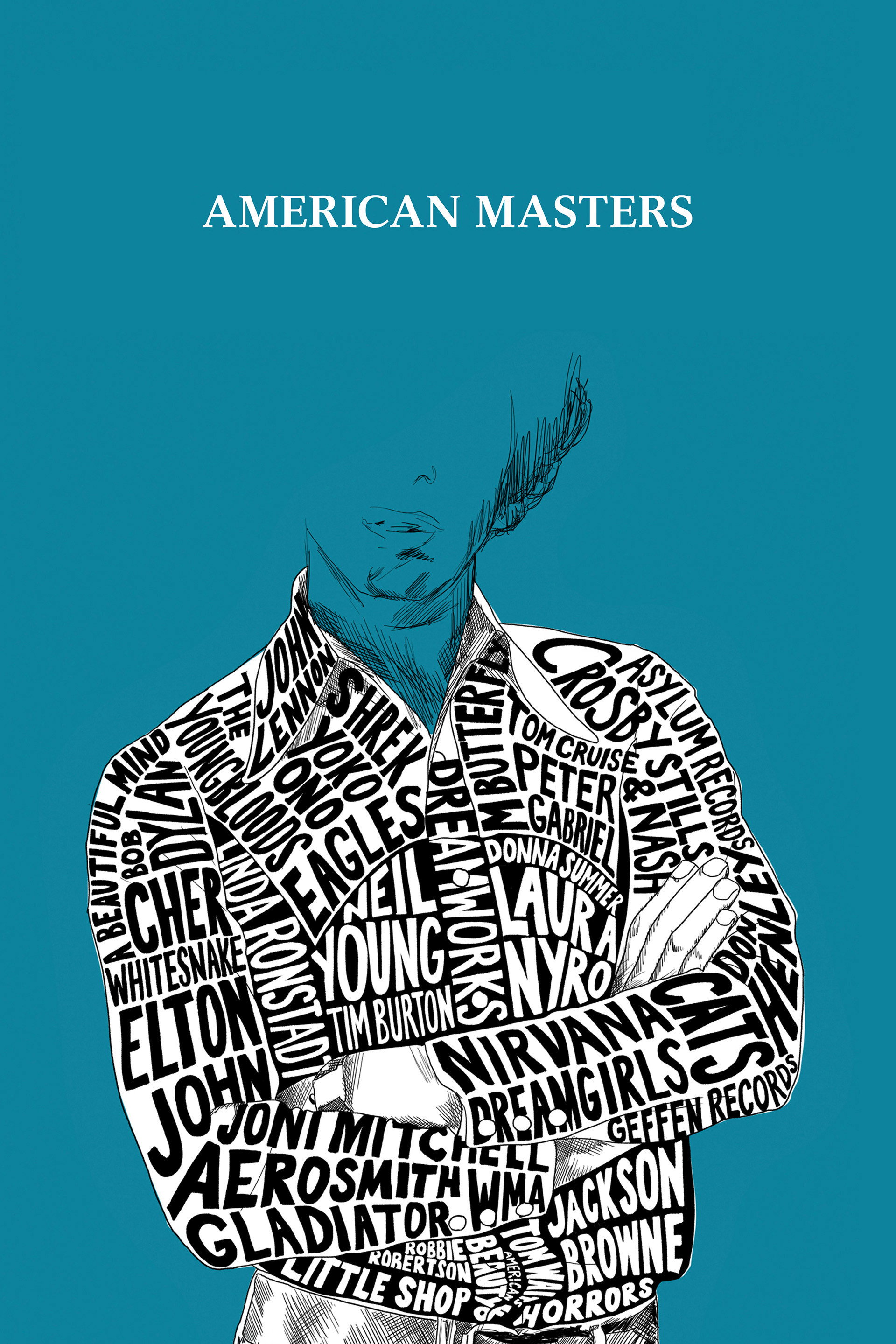
American Masters is a PBS television series which produces biographies on enduring writers, musicians, visual and performing artists, dramatists, filmmakers, and others who have left an indelible impression on the cultural landscape of the United States.
Award-winning actor and nervous explorer Eugene Levy steps out of his comfort zone for a whirlwind tour of the world's most beautiful and intriguing destinations.
Infographics and archival footage deliver bite-size history lessons on scientific breakthroughs, social movements and world-changing discoveries.
The space race, the cold war, "free love," civil rights and more: The decade of the 1960s shaped our history -- and changed the world. In collaboration with Tom Hanks, Gary Goetzman and Mark Herzog, CNN explores perhaps the most transformative decade of the modern era in a 10-part documentary series and brings new insights into how those events shaped today.
In a tumultuous era, 1971 was a year of musical innovation and rebirth fueled by the political and cultural upheaval of the time. Stars reached new heights, fresh talent exploded onto the scene, and boundaries expanded like never before.
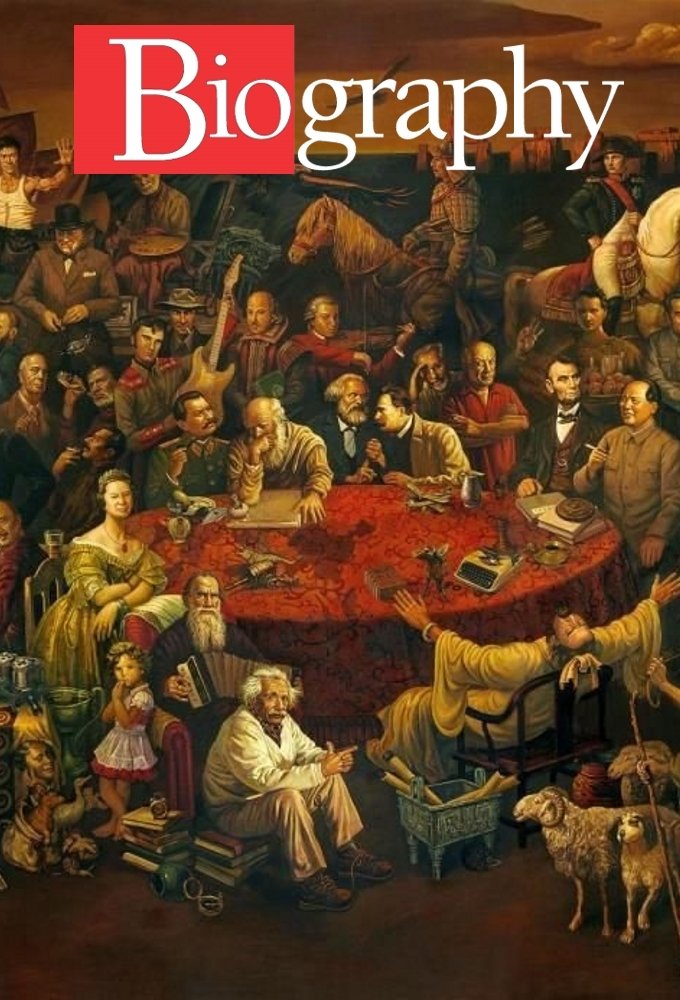
TV's most-watched history series brings to life the compelling stories from our past that inform our understanding of the world today.
A series of standalone documentaries powered by the unparalleled journalism and insight of The New York Times, bringing viewers close to the essential stories of our time.
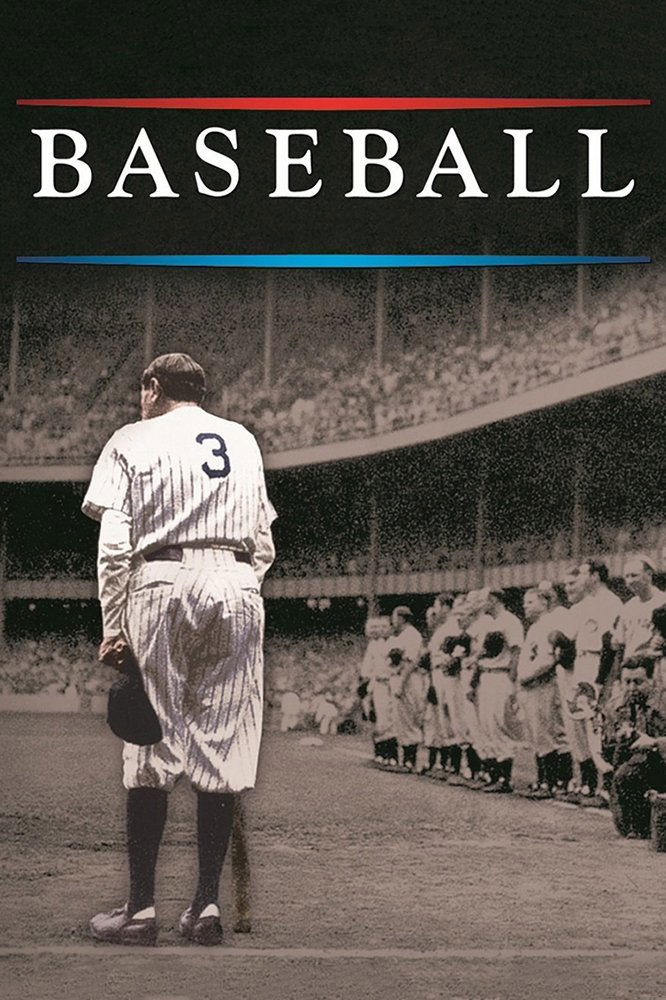
The history of the sport of baseball in America, told through archival photos, film footage, and the words of those who contributed to the game in each era. Writers, historians, players, baseball personnel, and fans review key events and the significance of the game in America's history.
This compelling series investigates the motives and m.o. of female murderers. While males are often driven by anger, impulse and destruction, women usually have more complex, long-term reasons to kill.
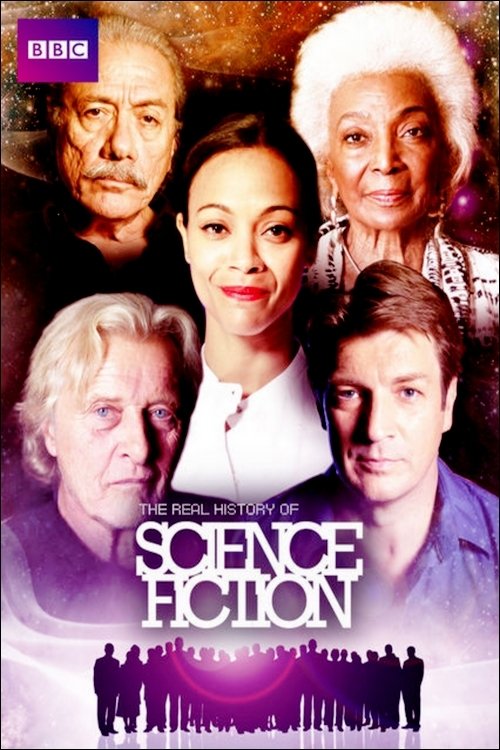
The series heads to the very frontiers of space and science to produce the definitive television history of science fiction, told through its impact on cinema, television and literature, with the help of filmmakers, writers, actors, and graphic artists. Each episode will explore one of the enduring themes of science fiction: time travel; the exploration of space; robots and artificial intelligence; and aliens.
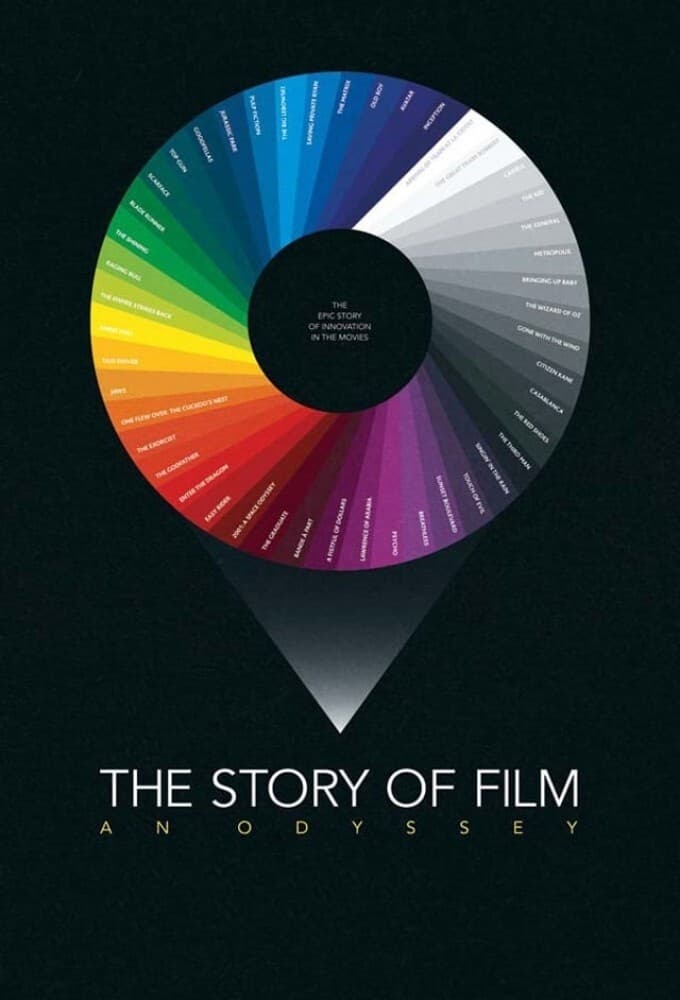
A worldwide guided tour of the greatest movies ever made and the story of international cinema through the history of cinematic innovation.
Three-part crime thriller. When detective Marcus Farrow looks into a seemingly forgotten case, he has no idea of the chaos and heartache that will soon follow. He is found at the scene of a murder, and with all the evidence pointing towards him, he is arrested and charged.
An in-depth look at the history and pop cultural significance of horror films.
Doctor Who Confidential is a documentary to complement the revival of the long-running British science fiction television series Doctor Who. Each episode was broadcast on BBC Three on Saturdays, immediately after the broadcast of the weekly television episode on BBC One. The running time of the first two series was 30 minutes, being extended to 45 minutes in the third. BBC Three also broadcast a cut-down edition of the programme, lasting 15 minutes, shown after the repeats on Sundays and Fridays and after the weekday evening repeats of earlier seasons.
The Muppet Babies (Kermit, Piggy, Gonzo, Fozzy and company) live in a large nursery watched over by Nanny. The babies have active imaginations, and often embark upon adventures into imaginary worlds.
A kaleidoscopic portrait told in two parts tracing the life of the imaginative artist.
After a plane carrying three Agents crashes in the Himalayas, they are rescued by an advanced civilisation secretly living in Tibet who grant them enhanced versions of the ordinary five senses, and intellectual and physical abilities.
Using highly advanced colourisation techniques, critical moments from World War II, from Stalingrad to The Battle of Britain, are shown in a whole new light.
Crime drama set in the 1960s about an old-school detective trying to come to terms with a time when the lines between the police and criminals have become blurred.