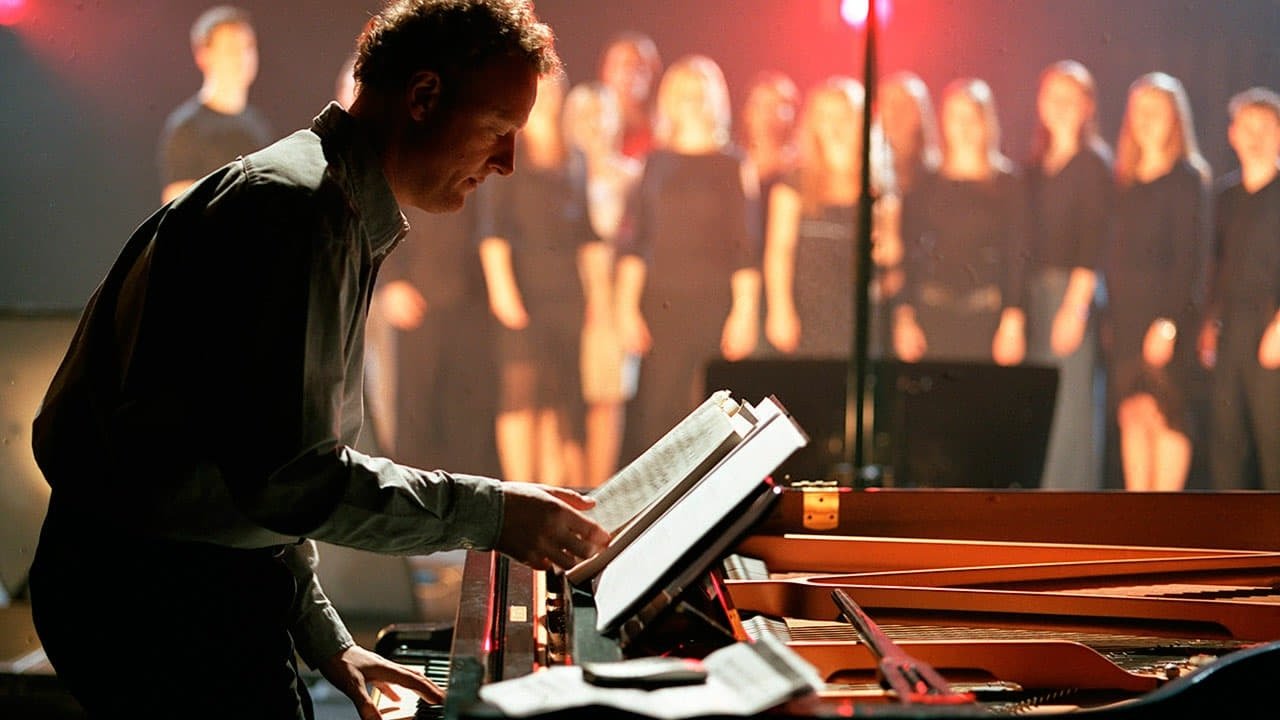
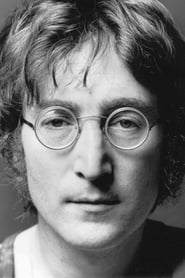
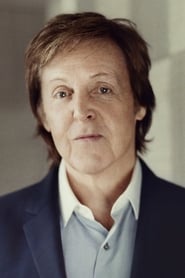
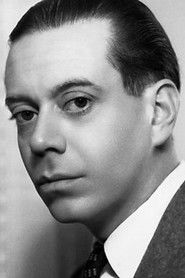
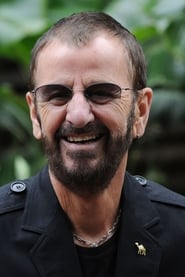
Howard Goodall examines the work of The Beatles, Cole Porter, Bernard Herrmann and Leonard Bernstein.
Social & External
The people behind it
Leonard Bernstein
Self (archive footage)
Howard Goodall
Presenter
George Harrison
Bernard Herrmann
John Lennon
Paul McCartney
Cole Porter
Ringo Starr
Actor/adventurer Jack Maxwell learned a lot working in South Boston bars, and one lesson stood out: Enjoy a couple of drinks with a stranger, and the whole world opens up. Those experiences inspired "Booze Traveler," which follows Maxwell to various countries to quench his curiosity about what people drink, why, and the tales it prompts. In Armenia, Belize, Lithuania, Mongolia, Nepal and elsewhere, Maxwell learns its intoxicating traditions, meets with locals, joins in activities, and even helps with the alcohol-making process. He finds a unique drink, makes friends and shares stories in each spot.
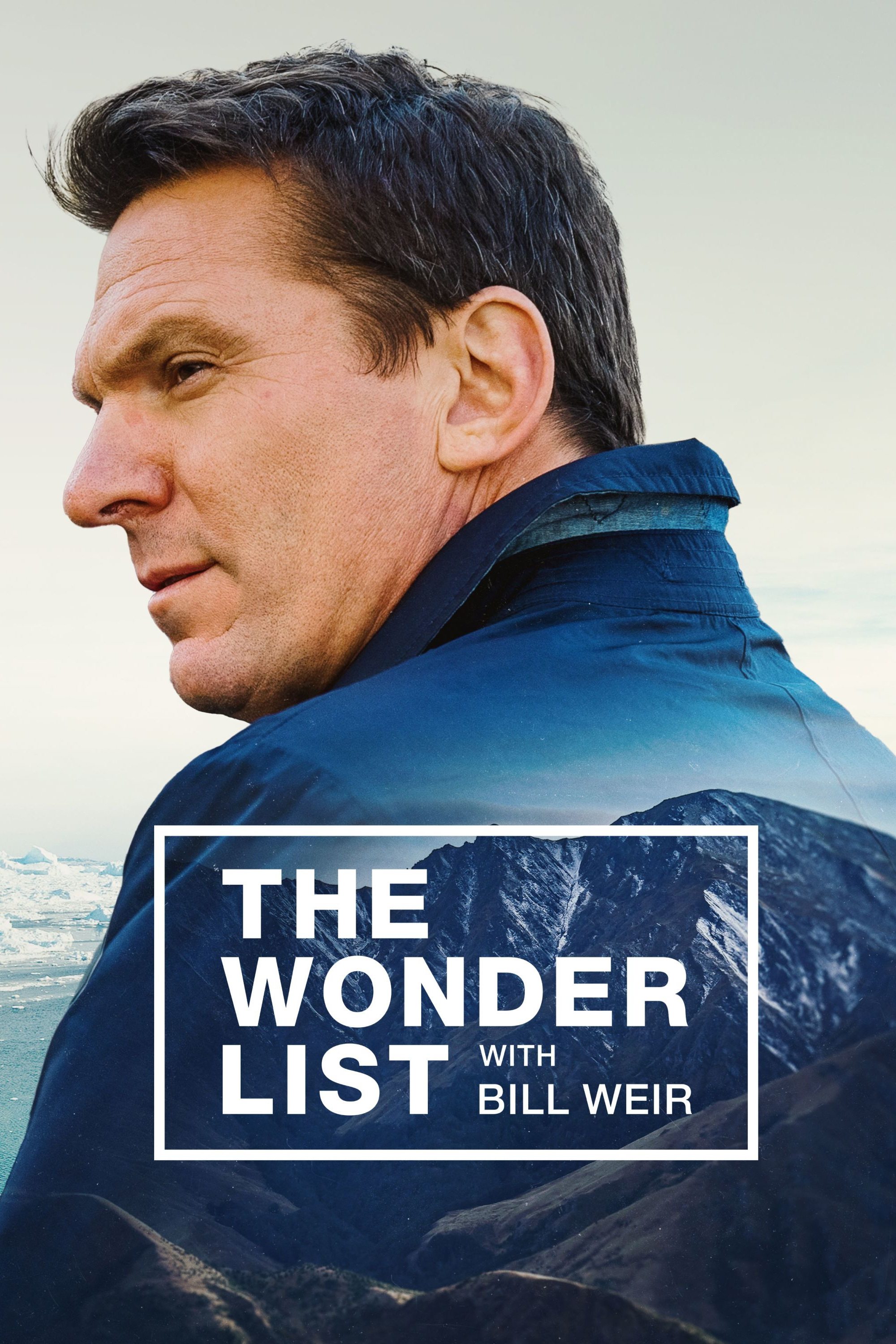
Storyteller Bill Weir and renowned filmmaker Philip Bloom embarks on a quest to tell the untold stories of extraordinary people, places, cultures and creatures that are at a crossroads.
Adam Richman is on the ultimate hunt to uncover the most unique, surprising, and delicious hidden food treasures in every town. He'll uncover the dishes you would never find anywhere else on the planet, at the places you would never expect.
The BBC's orchestras are joined by world-renowned singers and musicians at some of the UK's most beautiful concert halls, performing the best in contemporary and classical music.
Jamie Oliver travels the country searching for new ideas and inspiration and to find out what makes British food great.
Glittering facades, vibrant life, and people facing the daily struggle for survival. ZDF correspondents each profile a megacity within their reporting area. How do people celebrate, laugh, and love in such a city? How are problems like housing shortages, food supply, transportation, and climate change solved – in metropolises with over ten million inhabitants?
Rick Steves, America's leading authority on European travel, returns to transport viewers to the continent's bustling cities, quaint villages and picturesque countryside.
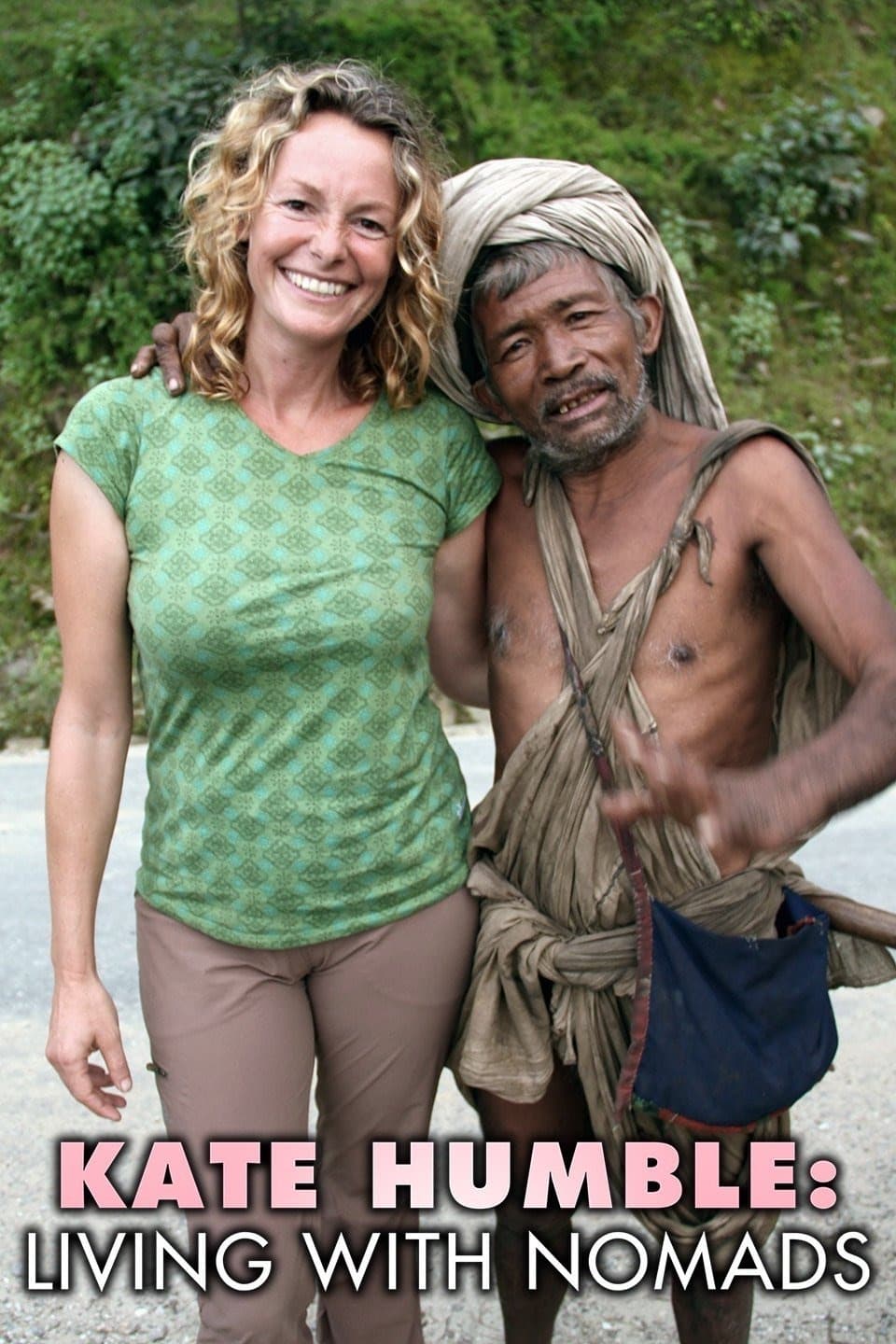
When she was a child, Kate Humble wanted to be a nomad. Living in some of the world's most remote wildernesses, cheek by jowl with nature, seemed like such a wildly romantic existence.
Follow journalist Nick Watt as he explores the world to answer burning questions such as: Are the French really rude? Do cowboys still exist? Is Albania that weird? Using his quick wit, he'll offer a point of view that is both surprising and entertaining.
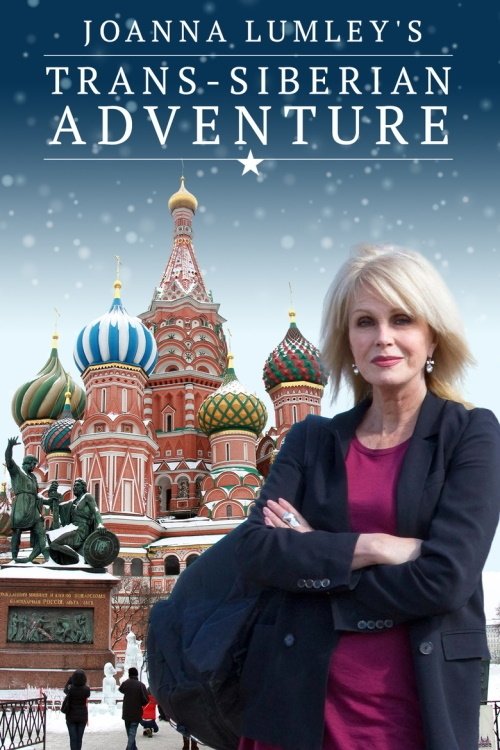
The cameras follow Joanna Lumley as she travels from East to West on a Trans-Siberian adventure. She starts in Hong Kong and crosses 5777 miles of both Asia and Europe, through seven time zones, taking in an immense panorama of vistas and cultures, people and places, before her final arrival in Moscow.
Documentary series which ranges widely over Britain's social and cultural history, its narrative-led storytelling offering a richly immersive and varied window onto the past.
Simon Schama explores the story of the Jewish experience from ancient times to the present day.
In each 1-hour episode of 36 Hours, co-hosts Kristen Kish and Kyle Martino arrive in a new city, where they’ll have 36 hours to explore the most delicious foods and hot spots, meet fascinating local insiders and experience the best attractions unique to each destination. Their itineraries will be informed by New York Times editors and contributors, who bring extensive research and expertise to each locale. Each episode will be timed to coincide with new or updated New York Times 36 Hours newspaper columns. There also will be companion editorial and video content across platforms on NYTimes.com and Travel Channel digital properties.
"Talent" Chip Tsao went to London, Greenwich, Wales, Oxford, Cambridge, England, to analyze the British people's living habits, academic development, economic conditions, etc .; and went to Warsaw, Gdansk, Krakow to know a country with a hundred years of blood and tears. Eason Chan visited Tokyo, Kyoto, Osaka, and Fukuoka in Japan to learn about the cultural differences; Social worker Shiu Ka-chun went deep into Finland's Turku, Helsinki, Nokia and other places to experience the local customs through living with locals. They will introduce the details of each famous city from a social, historical, and cultural perspective, bringing different connotations, depths, and education.
A documentary series of Bucharest City, or as some say, the center of the world.
In 2007, TVB invited Helen To to host the travel show "Popular Tokyo". Because of her unique hosting style and her "Hong Kong girl" style behavior, she received a lot of support even in the scolding. While scolding her Hong Kong girl behavior for "teaching a bad way", the audience was attracted by her humorous language style, so an interesting phenomenon of scolding and watching was formed. Therefore, Helen To also created a new form of travel programs, that is, launching a series of programs with the host as the core, which can maximize the host's hosting skills and personality charm.
In this four-part BBC documentary, former Monty Python funnyman and renowned globe-trotter Michael Palin sets off from Gibraltar to travel across the Sahara, his witty humor downplaying the hardships he faces along the arduous journey. He travels to Morocco, Mauritania, Mali and beyond, across some of the harshest terrain on the planet.
American Masters is a PBS television series which produces biographies on enduring writers, musicians, visual and performing artists, dramatists, filmmakers, and others who have left an indelible impression on the cultural landscape of the United States.
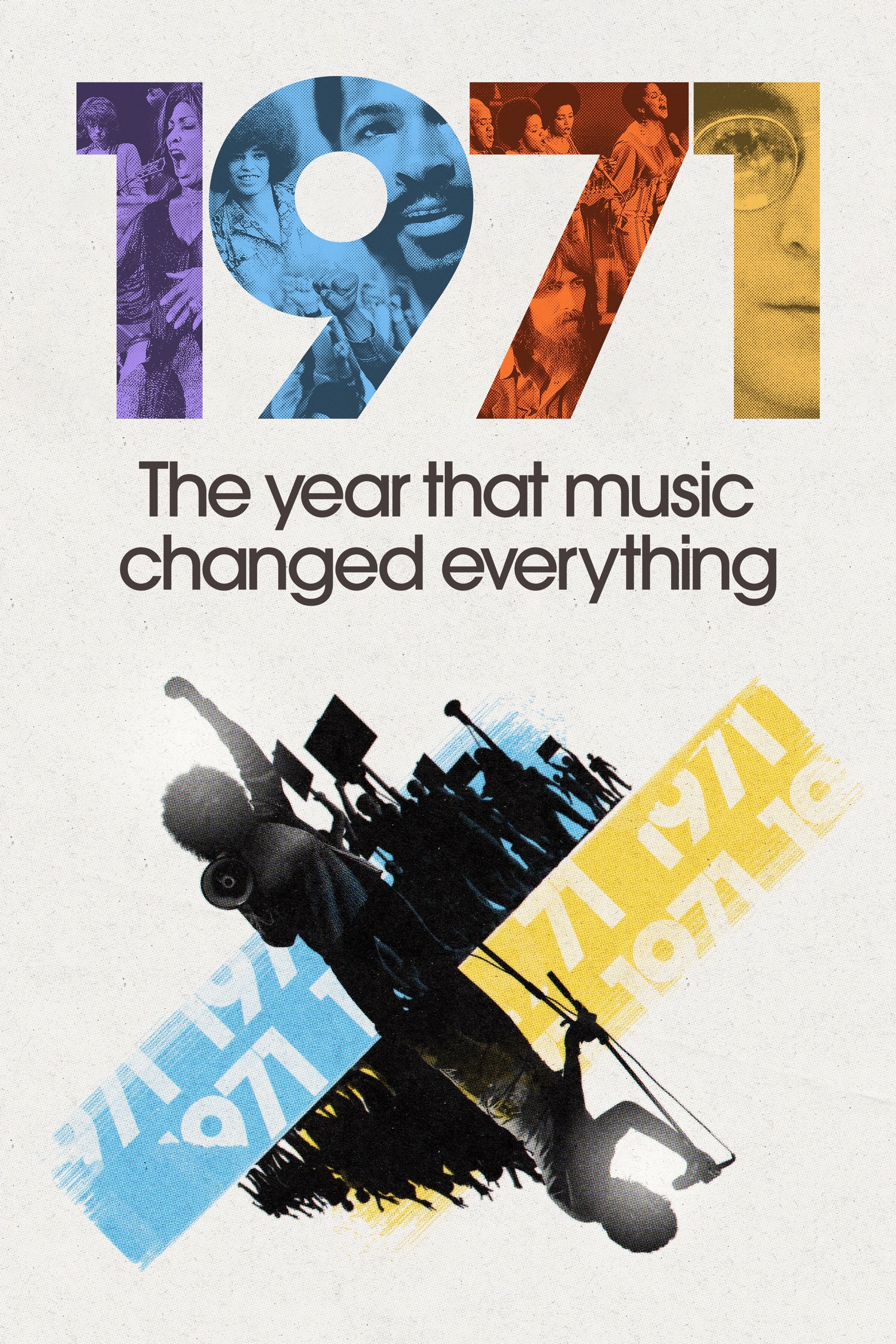
In a tumultuous era, 1971 was a year of musical innovation and rebirth fueled by the political and cultural upheaval of the time. Stars reached new heights, fresh talent exploded onto the scene, and boundaries expanded like never before.
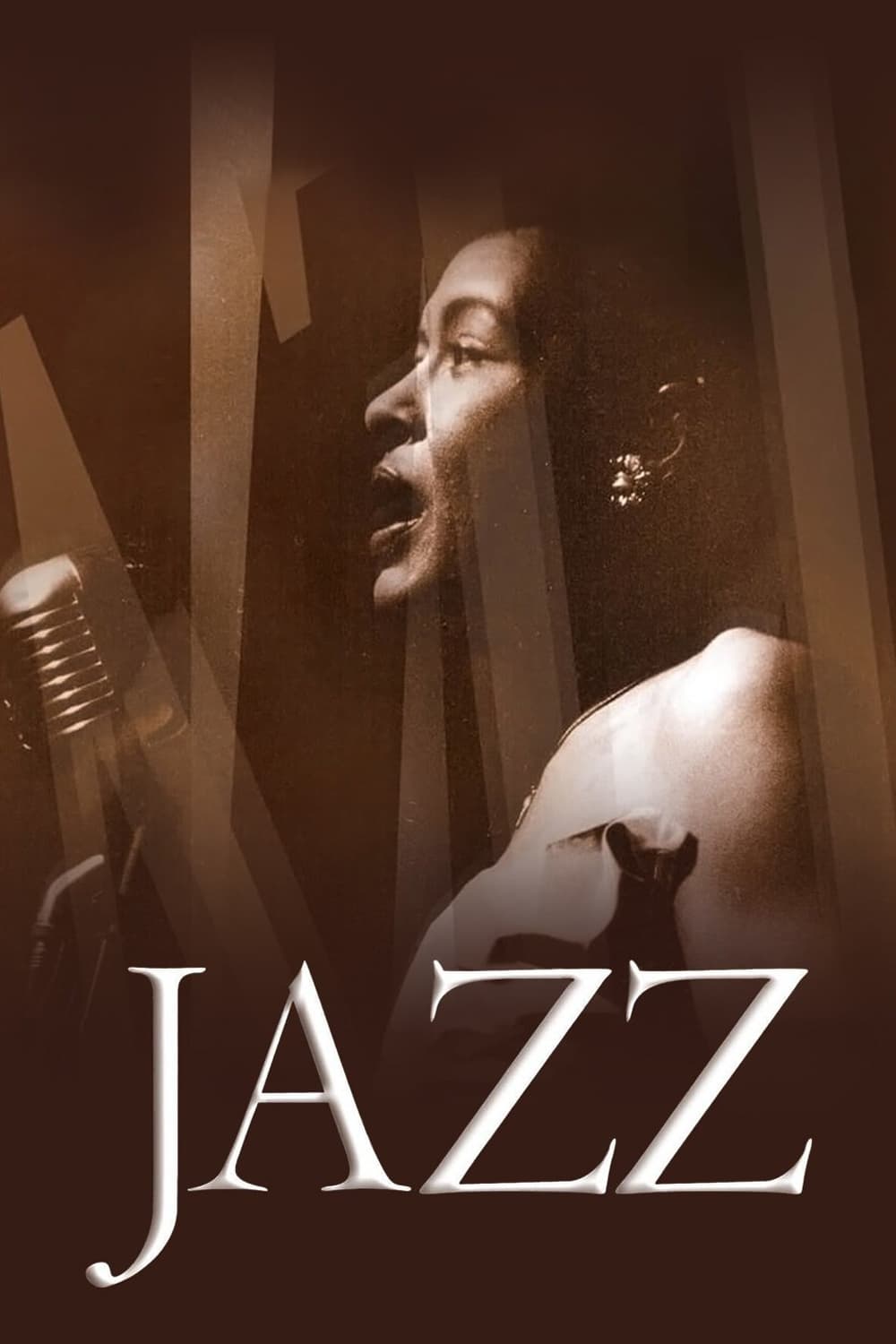
Jazz is a ten part series that explores the evolution – and the genius – of America’s greatest original art form, focusing on the extraordinary men and women who could do something remarkable – create art on the spot. Jazz celebrates their profoundly enduring, endlessly varied, and infinitely alluring music in the context of the complicated country that gave birth to and influenced it, and was in turn transformed by it.
TV's most-watched history series brings to life the compelling stories from our past that inform our understanding of the world today.
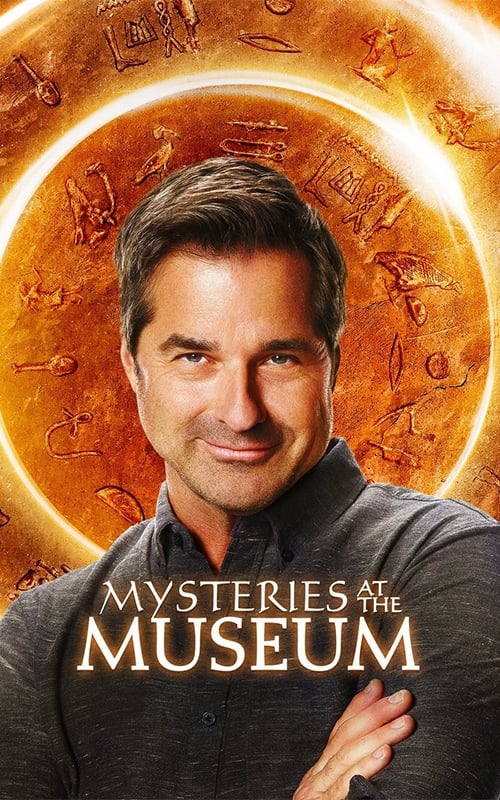
Don Wildman unearths relics from the world's greatest institutions to reveal secrets from the past. He examines each artifact to illuminate history's most incredible triumphs, sensational crimes and bizarre encounters.
Through the prism of Jeff Goldblum's always inquisitive and highly entertaining mind, nothing is as it seems. Each episode is centered around something we all love — like sneakers or ice cream — as Jeff pulls the thread on these deceptively familiar objects and unravels a wonderful world of astonishing connections, fascinating science and history, amazing people, and a whole lot of surprising big ideas and insights.
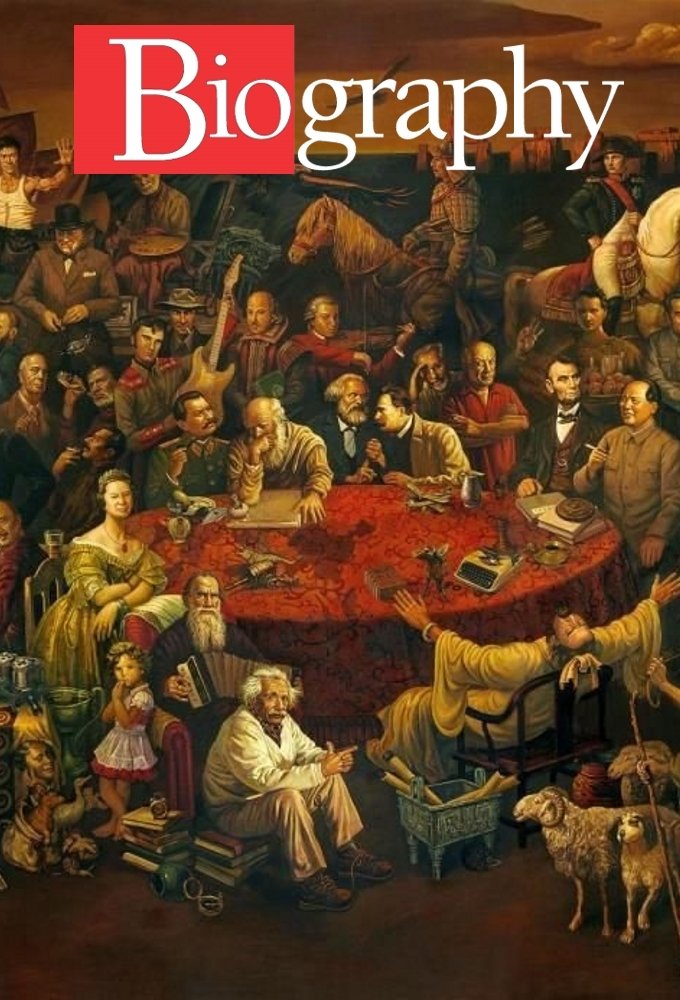
Biography is a documentary television series. It was originally a half-hour filmed series produced for CBS by David Wolper from 1961 to 1964 and hosted by Mike Wallace. The A&E Network later re-ran it and has produced new episodes since 1987. The older version featured historical figures such as Helen Keller and Mark Twain, or long-dead entertainment figures such as Will Rogers or John Barrymore. The A&E series has placed the emphasis on such people as Marilyn Monroe, Elvis Presley, Plácido Domingo, Freddie Mercury, Jacqueline Kennedy Onassis, Eric Clapton, Pope John Paul II, Gene Tierney, Selena, Diego Rivera, Mao Zedong and Queen Elizabeth II, and fictional characters like The Phantom, Superman, Hamlet, Betty Boop, and Santa Claus. The program ended up profiling enough figures that in 1999, A&E spun it off into an entire network, The Biography Channel.
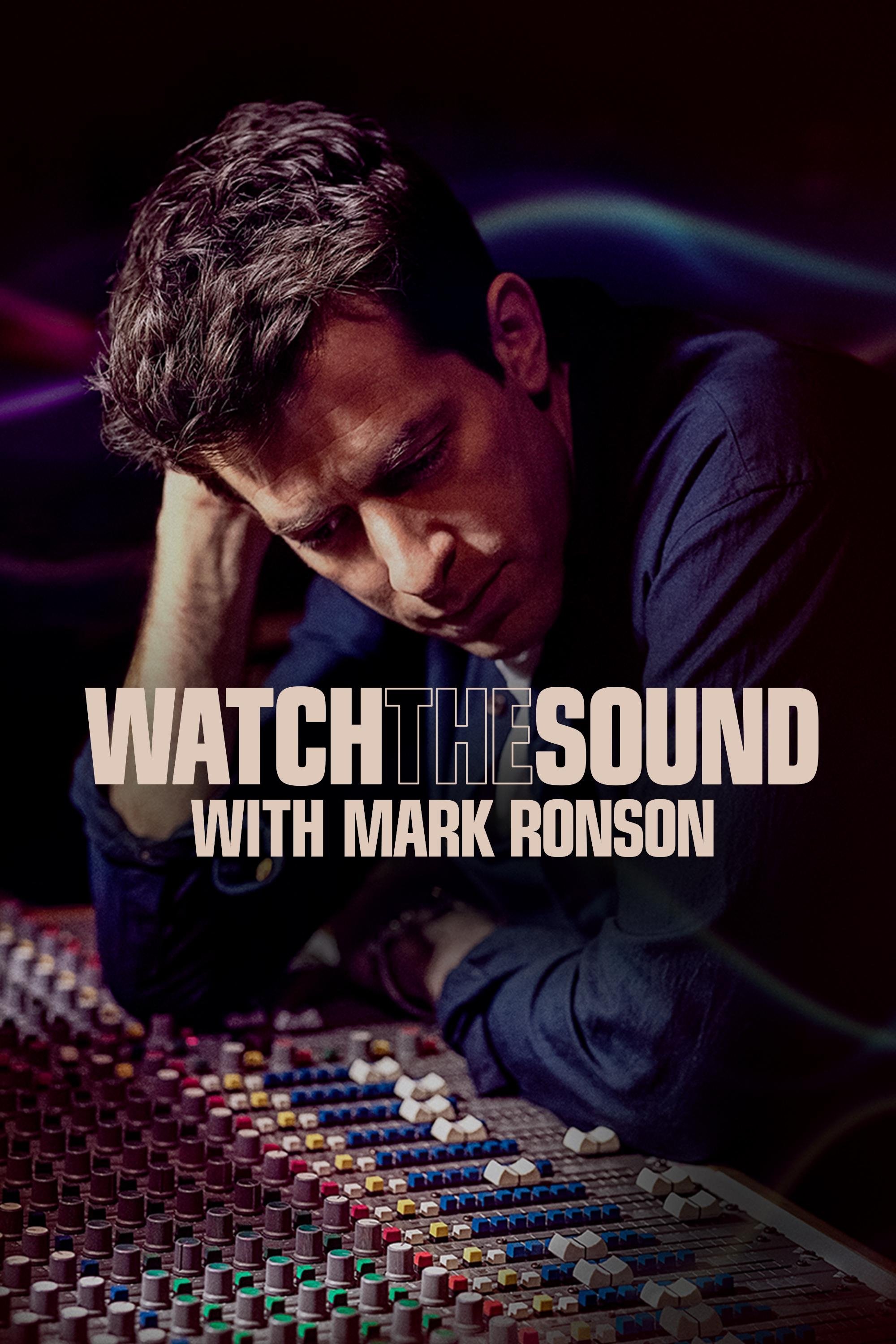
Oscar and Grammy Award-winning producer and artist Mark Ronson explores the intersection of technology and musical innovation with his heroes and fellow hitmakers – including Paul McCartney, DJ Premier, Charli XCX, Dave Grohl, and Questlove.
The history of the sport of baseball in America, told through archival photos, film footage, and the words of those who contributed to the game in each era. Writers, historians, players, baseball personnel, and fans review key events and the significance of the game in America's history.
The documentary takes viewers through Janet Jackson's life and career, contain never-before-seen footage, and feature home videos from the legendary artist. Jackson discusses her controversial 2004 Super Bowl halftime show performance with Justin Timberlake, her father Joe Jackson, the death of her brother Michael Jackson, and more.
Unknown histories take center stage as the hitmakers themselves - from ABBA to T-Pain - explore dimensions of pop music you never knew existed.
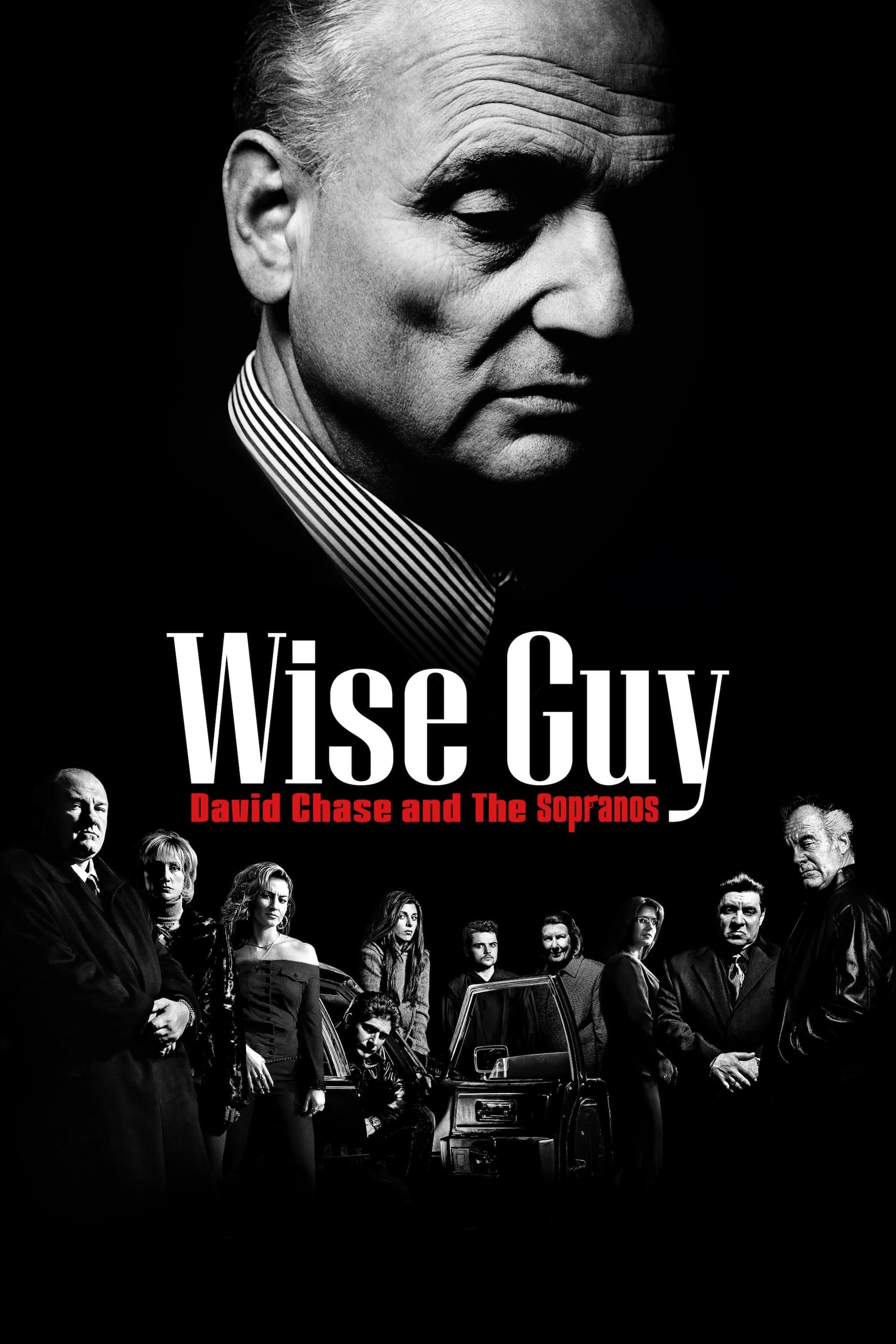
A portrait of celebrated filmmaker David Chase: his life, his career and his groundbreaking work on the HBO original series The Sopranos.
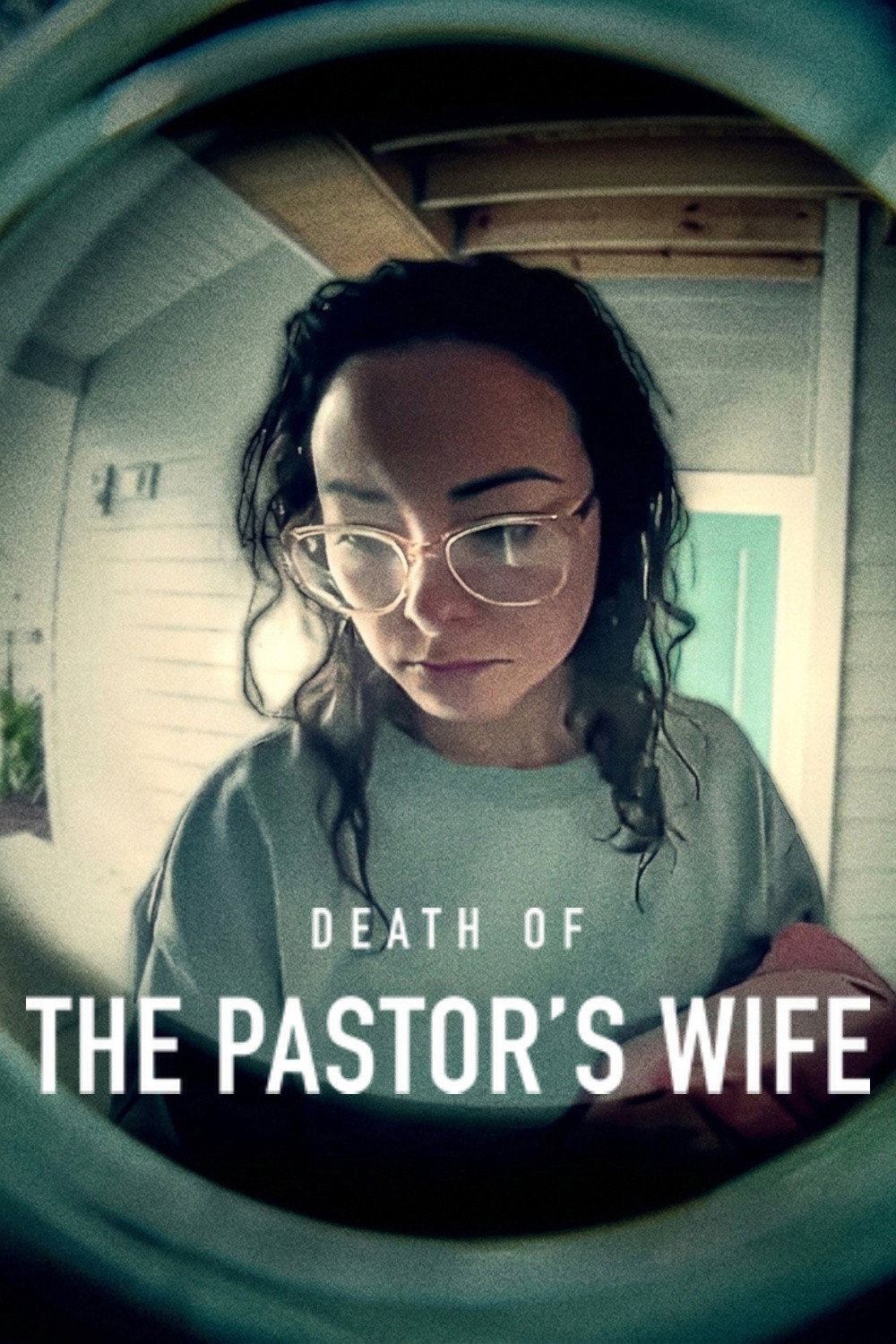
What happened to Mica Miller? This documentary series retraces her promising life, toxic marriage and the mysterious circumstances of her death.
MegaStructures is a documentary television series appearing on the National Geographic Channel in the United States and the United Kingdom, Channel 5 in the United Kingdom, France 5 in France, and 7mate in Australia. Each episode is an educational look of varying depth into the construction, operation, and staffing of various structures or construction projects, but not ordinary construction products. Generally containing interviews with designers and project managers, it presents the problems of construction and the methodology or techniques used to overcome obstacles. In some cases this involved the development of new materials or products that are now in general use within the construction industry. MegaStructures focuses on constructions that are extreme; in the sense that they are the biggest, tallest, longest, or deepest in the world. Alternatively, a project may appear if it had an element of novelty or are a world first. This type of project is known as a Megaproject.
Doctor Who Confidential is a documentary to complement the revival of the long-running British science fiction television series Doctor Who. Each episode was broadcast on BBC Three on Saturdays, immediately after the broadcast of the weekly television episode on BBC One. The running time of the first two series was 30 minutes, being extended to 45 minutes in the third. BBC Three also broadcast a cut-down edition of the programme, lasting 15 minutes, shown after the repeats on Sundays and Fridays and after the weekday evening repeats of earlier seasons.
A series of standalone documentaries powered by the unparalleled journalism and insight of The New York Times, bringing viewers close to the essential stories of our time.
Horizon tells amazing science stories, unravels mysteries and reveals worlds you've never seen before.
This docuseries takes an unprecedented look at the enduring and influential legacy of DC, allowing fans to rediscover the universe of characters, as well as the iconic comic book company’s origins, its evolution and its nearly nine-decade cultural impact across every artistic medium.
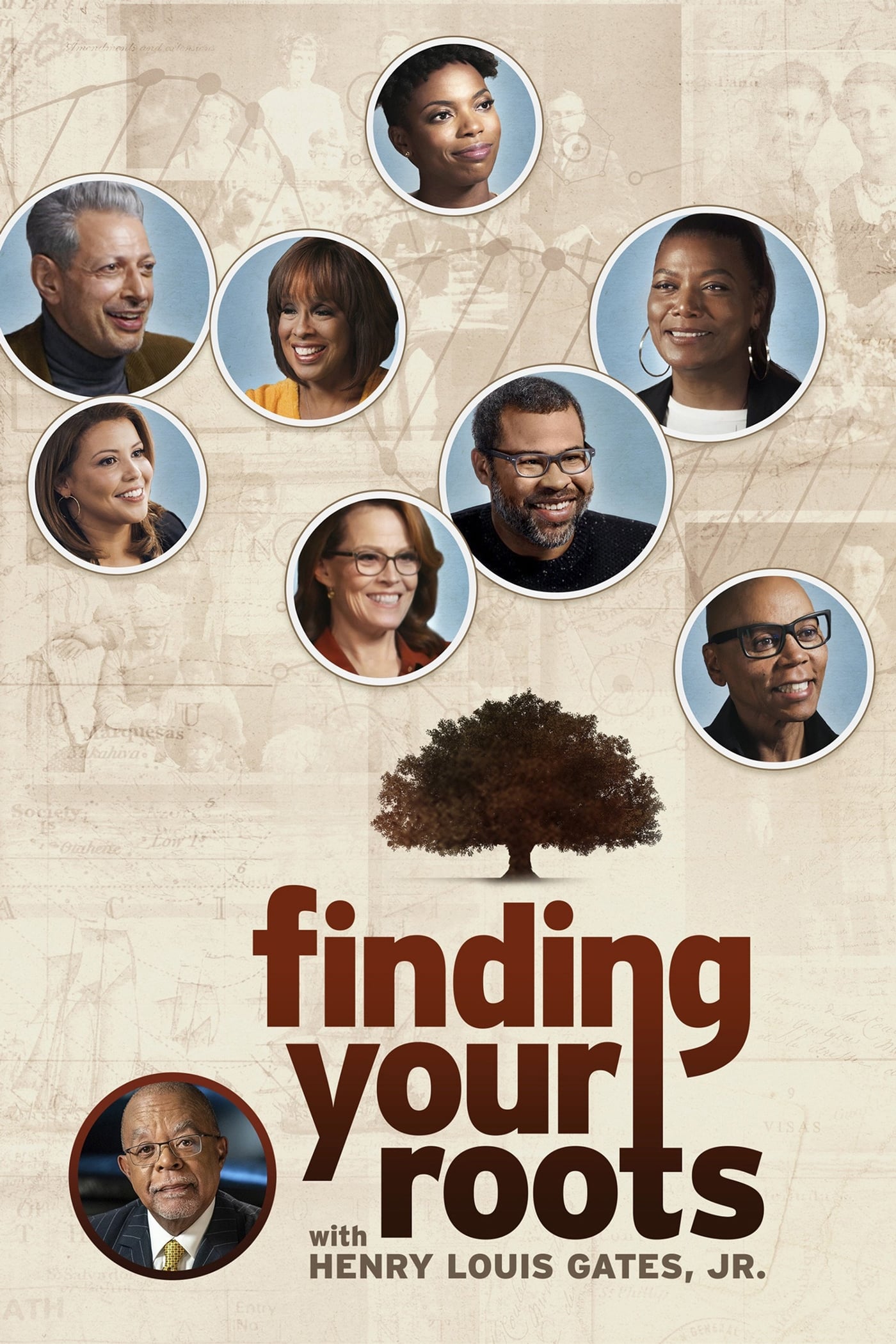
Noted Harvard scholar Henry Louis Gates, Jr. has been helping people discover long-lost relatives hidden for generations within the branches of their family trees. Professor Gates utilizes a team of genealogists to reconstruct the paper trail left behind by our ancestors and the world’s leading geneticists to decode our DNA and help us travel thousands of years into the past to discover the origins of our earliest forebears.
Hit rewind and explore the most iconic moments and influential people of The Nineties, the decade that gave us the Internet, DVDs, and other cultural and political milestones.