The story of the discovery that everything is made from atoms, one of the greatest scientific breakthroughs in history, and the brilliant minds behind it.
Social & External
The people behind it
Jim Al-Khalili
Presenter
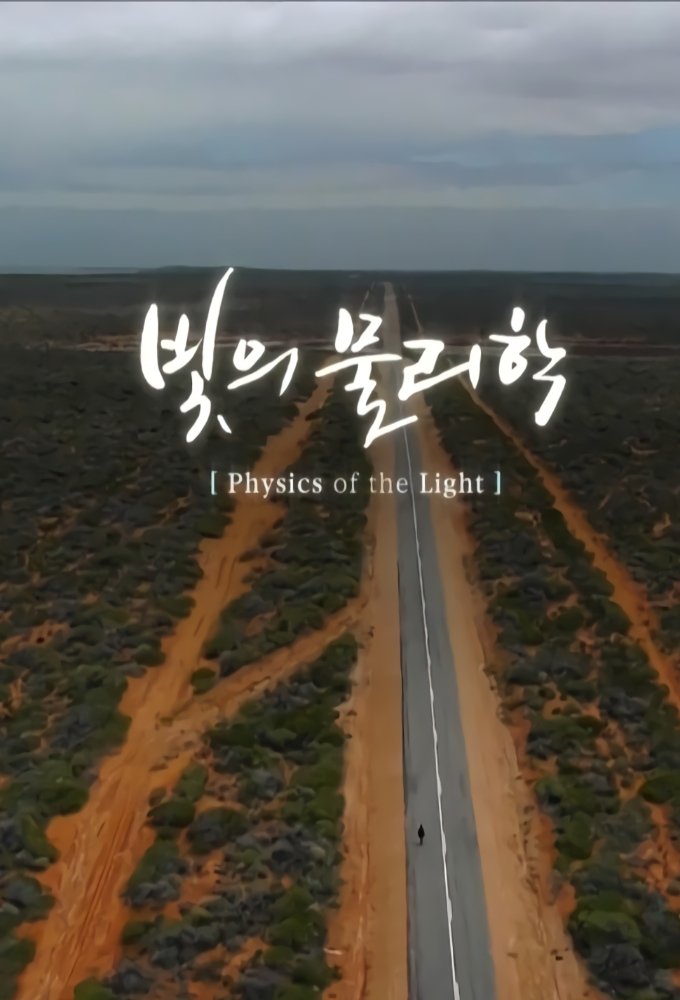
While the terms "quantum physics" and "Theory of Relativity" are used casually every day, not many people know what they really mean. Yet these theories have had a profound impact not only on science and technology, but also on our world view. This intriguing 6-part documentary series explores the concepts of physics from familiar theories, such as Newton's Law of Gravity, to the latest in scientific research, like string theory and M-theory. By connecting all of this research with the medium of light, we can gain a deeper understanding not only of our immediate reality, but of the unseen realities that are hidden beyond our perception. Starting with Einstein's Theory of Relativity, Physics of Light explores the true nature of light, peers inside the atom, and looks ahead to the most cutting edge theories in physics.
Richard Feynman, theoretical physicist, enjoys thinking aloud about the adventures science can offer. Here he uses physics to explain how the everyday world works, such as why rubber bands are stretchy, why tennis balls can't bounce forever, and what you're really seeing when you look in the mirror.
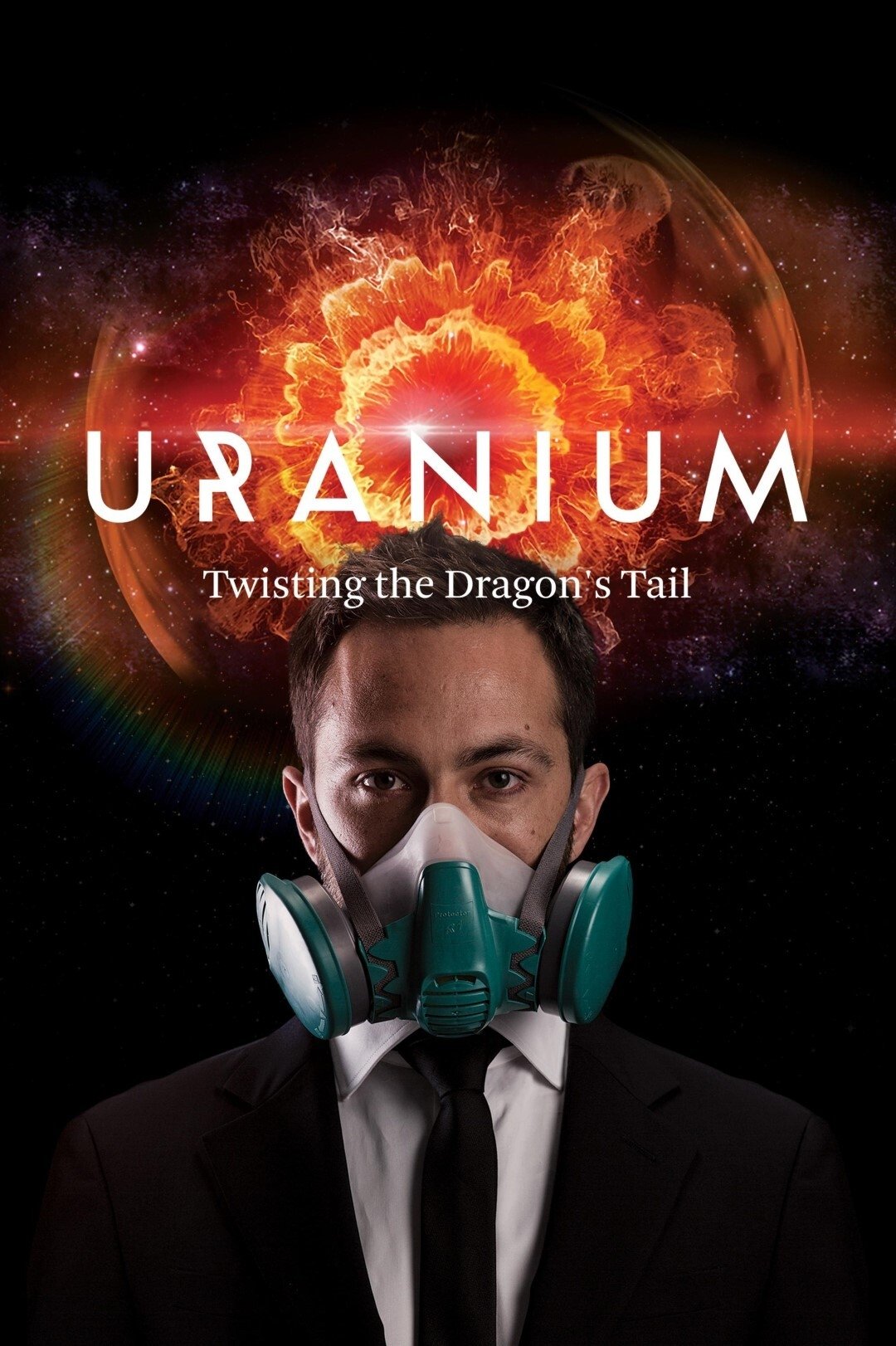
A stunning new documentary series exploring the incredible story of uranium, from its creation in an exploding star to its deployment in nuclear weapons, nuclear power, and nuclear medicine. It’s a journey across nine countries and more than a century of stories, to discover the rock that made the modern world. It’s part science, part history, and all epic adventure. Join physicist and YouTube phenomenon Dr. Derek Muller as he reveals the untold story of the most wondrous and terrifying rock on Earth.
While the terms "quantum physics" and "Theory of Relativity" are used casually every day, not many people know what they really mean. Yet these theories have had a profound impact not only on science and technology, but also on our world view.
A users' guide to the cosmos, from the Big Bang to galaxies, stars, planets and moons: where did it all come from and how does it all fit together? A primer for anyone who has ever looked up at the night sky and wondered.
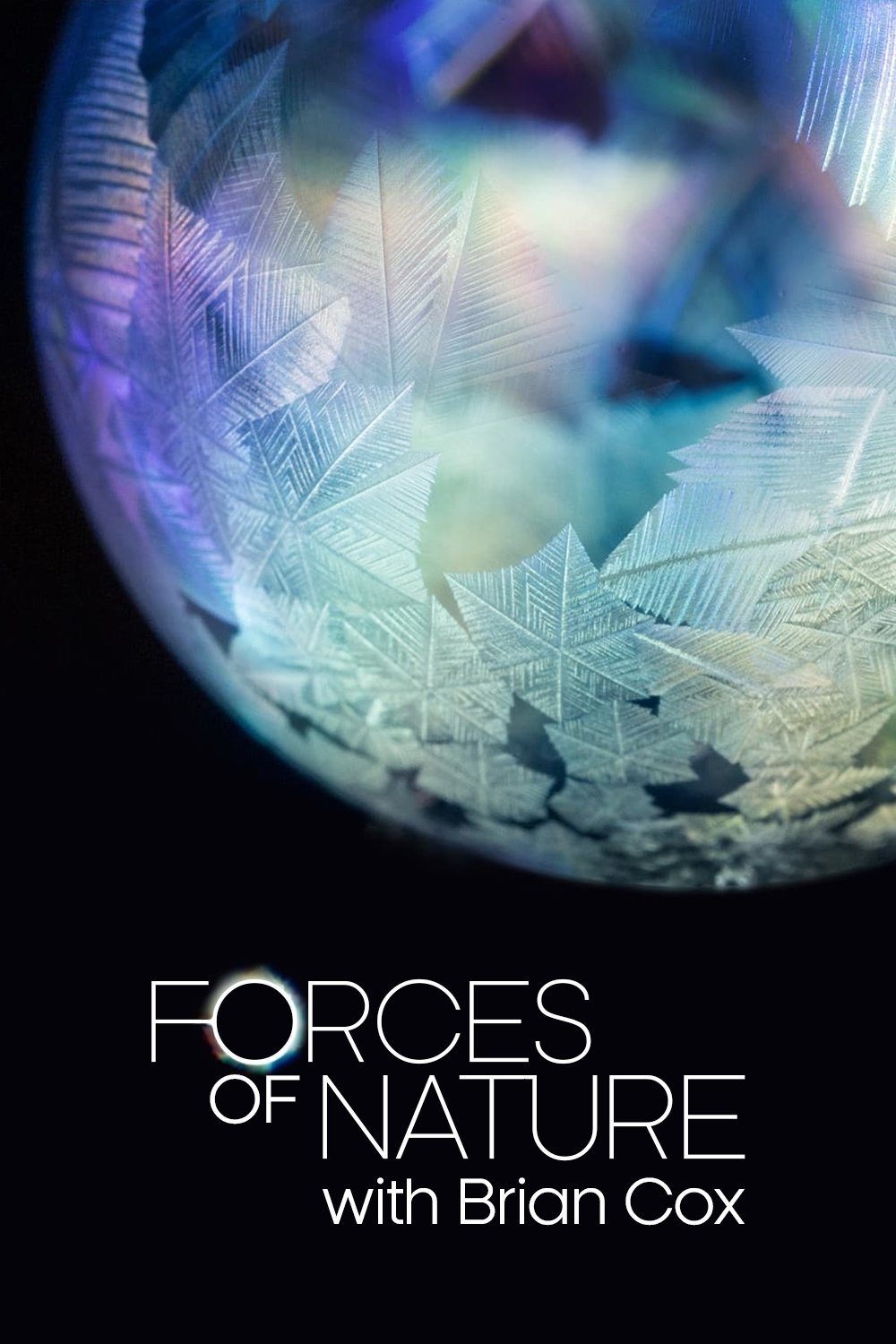
Professor Brian Cox goes on a grand tour of the planet to explain how the Earth's beauty is created by just a handful of forces.
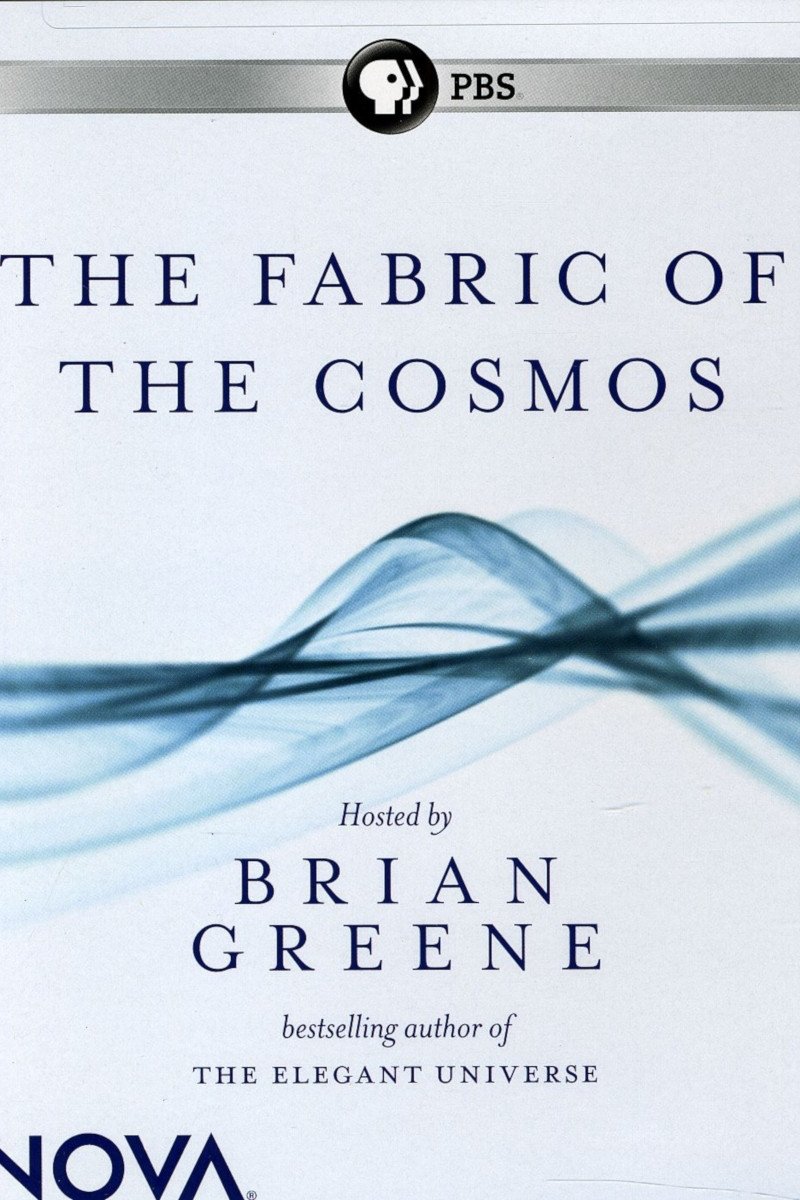
Brian Greene is going to let you in on a secret: We've all been deceived. Our perceptions of time and space have led us astray. Much of what we thought we knew about our universe-that the past has already happened and the future is yet to be, that space is just an empty void, that our universe is the only universe that exists-just might be wrong.
Two-part documentary which deals with two of the deepest questions there are - what is everything, and what is nothing? Professor Jim Al-Khalili searches for an answer to these questions as he explores the true size and shape of the universe and delves into the amazing science behind apparent nothingness.
Professor of physics Jim Al-Khalili investigates the most accurate and yet perplexing scientific theory ever - quantum physics.
Stephen Hawking draws on 40 years of research to answer some of life's most compelling questions.
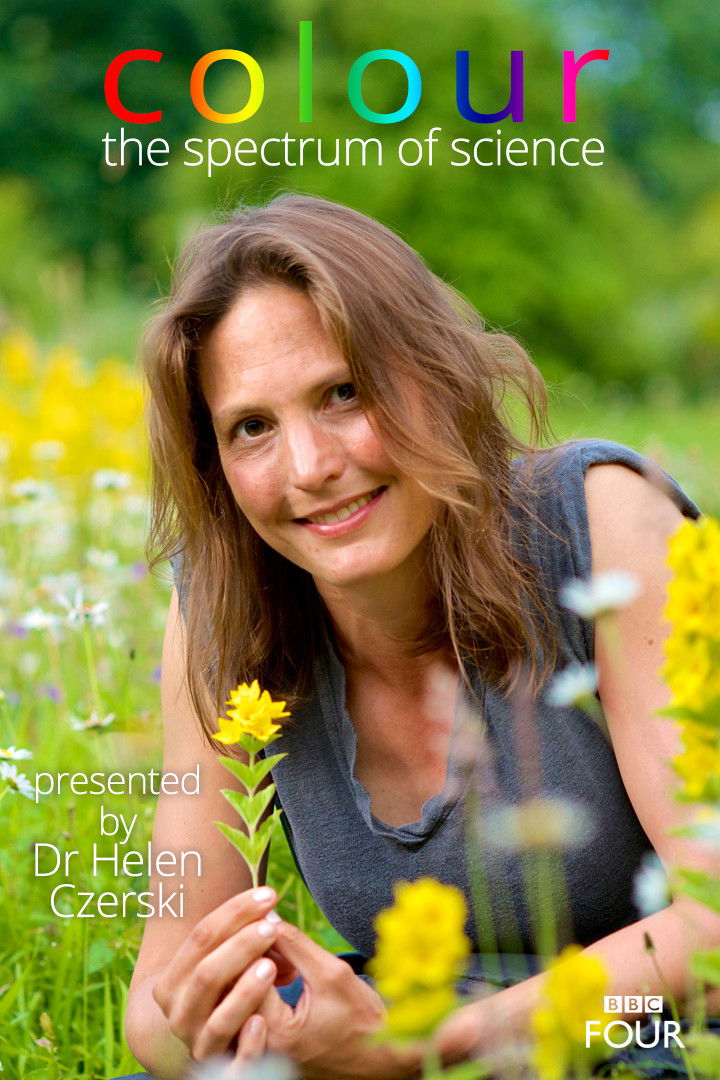
We live in a world ablaze with colour. Rainbows and rainforests, oceans and humanity, Earth is the most colourful place we know of. But the colours we see are far more complex and fascinating than they appear. In this series, Dr Helen Czerski uncovers what colour is, how it works, and how it has written the story of our planet - from the colours that transformed a dull ball of rock into a vivid jewel to the colours that life has used to survive and thrive. But the story doesn't end there - there are also the colours that we can't see, the ones that lie beyond the rainbow. Each one has a fascinating story to tell.
A nine part television series, produced by J.C. Crimmins for PBS. Music composed, arranged and performed by Pat Metheny and Lyle Mays. The stated purpose of “The Search for Solutions” is to stimulate interest in science and technology, primarily among the young. The film comprises nine 18-minute sections touching on various aspects of scientific inquiry that its makers say can be shown as a whole, as it is in this engagement, or in any combination of its parts.
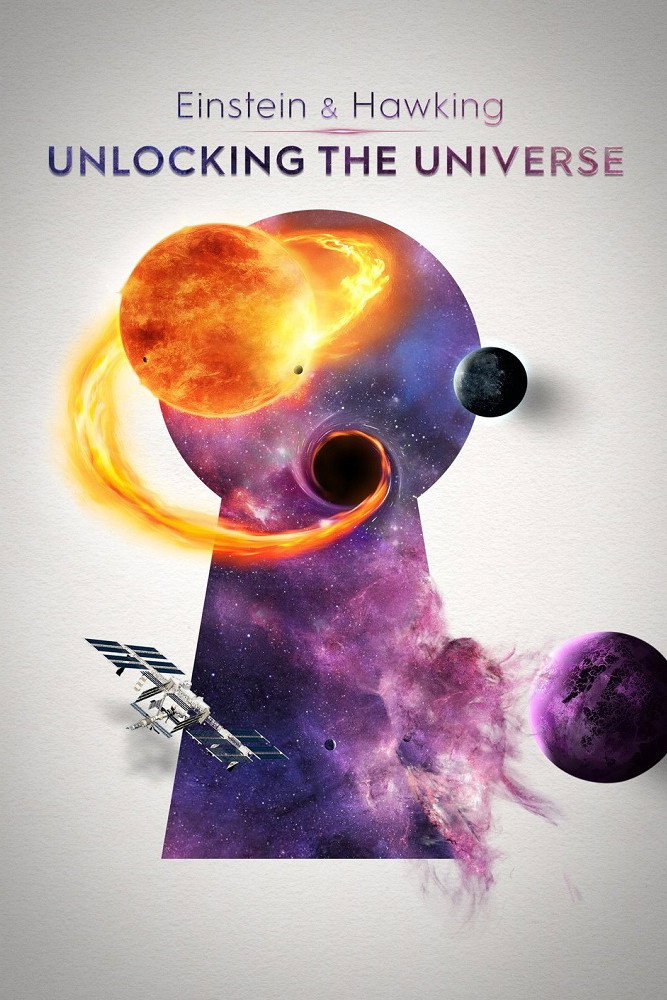
Two brilliant physicists of our day, Albert Einstein and Stephen Hawking have each defined humanity's understanding of the universe but their beliefs on how it works do not always align. Through the use of CGI and voice synthesizing technology we bring the two geniuses back to life and together for the very first time.
Dr Helen Czerski goes on a spectacular journey to the extremes of the temperature scale, where everyday laws of physics break down and a new world of scientific possibility begins.
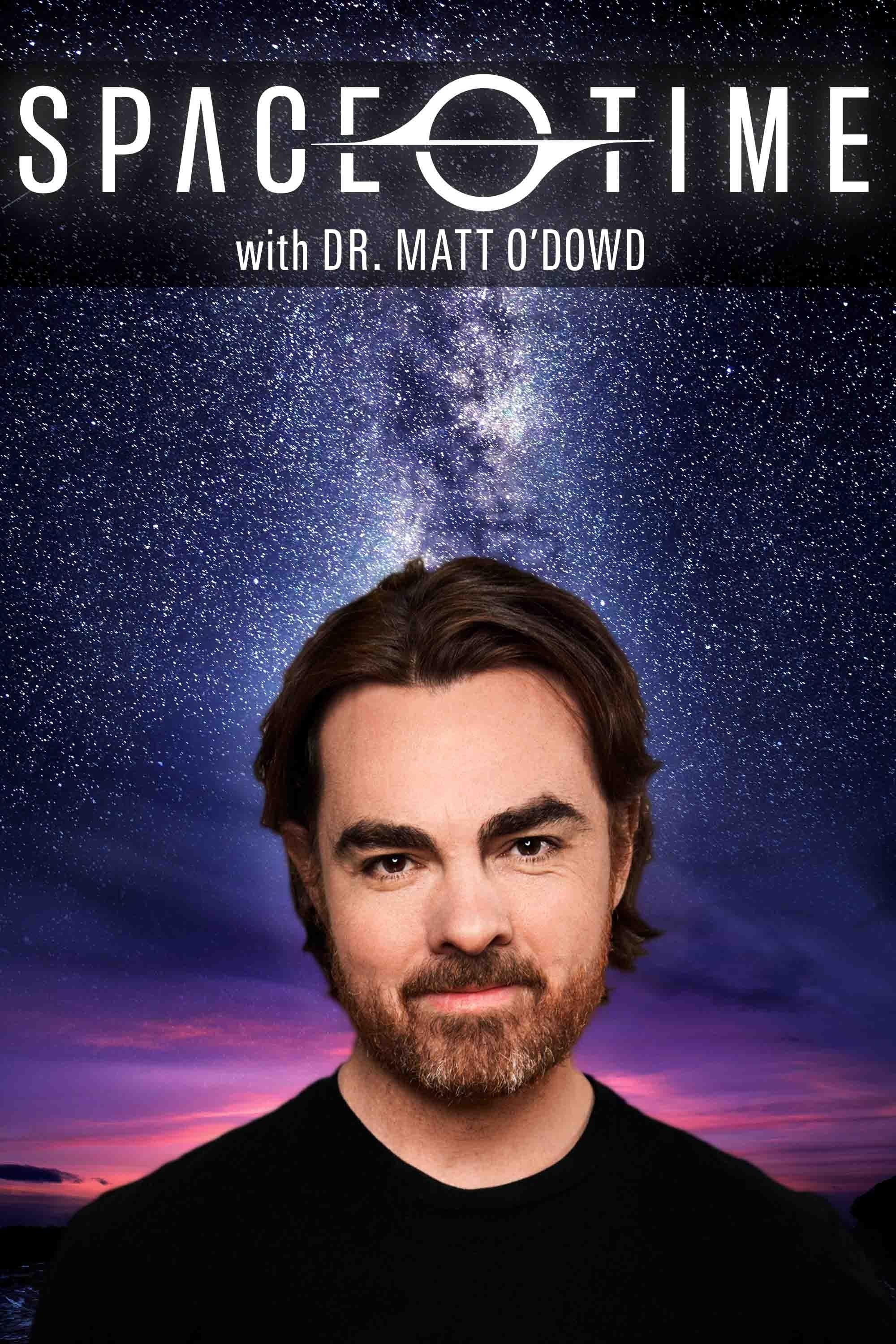
Space Time explores the outer reaches of space, the craziness of astrophysics, the possibilities of sci-fi, and anything else you can think of beyond Planet Earth.
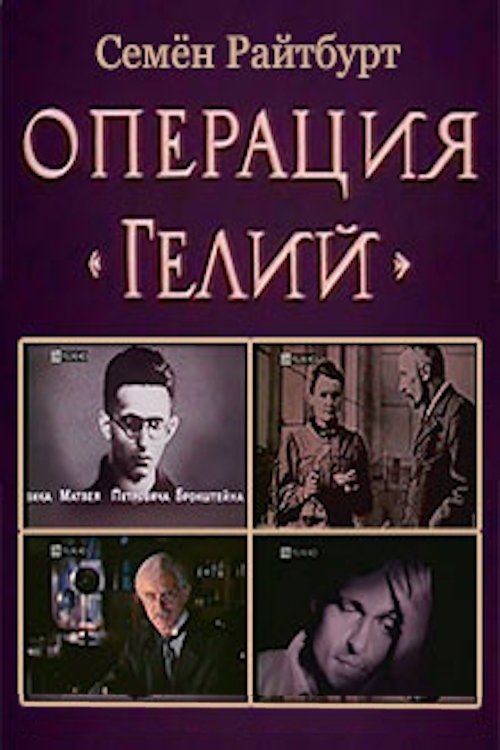
On the example of the history of the discovery of the "solar substance" Helium, the history of the most important discoveries in the field of physics and chemistry of the early XX century is given.
Famed astrophysicist Neil deGrasse Tyson provides clarity for the vision of the cosmos as he voyages across the universe with never-before-told stories that delve into the scientific concepts of the laws of gravity and the origins of space and time.
Dr Helen Czerski examines the world of sound waves.
Horizon tells amazing science stories, unravels mysteries and reveals worlds you've never seen before.
An insider's look at the engineering and scientific miracles behind the things that form the modern world.
From the planets to the stars and out to the edge of the unknown, history and science collide in a wondrous yet deadly adventure through space and time.
Through the prism of Jeff Goldblum's always inquisitive and highly entertaining mind, nothing is as it seems. Each episode is centered around something we all love — like sneakers or ice cream — as Jeff pulls the thread on these deceptively familiar objects and unravels a wonderful world of astonishing connections, fascinating science and history, amazing people, and a whole lot of surprising big ideas and insights.
Professor Brian Cox explores the dramatic lives of the eight majestic planets/worlds that make up our solar system.
The history of the sport of baseball in America, told through archival photos, film footage, and the words of those who contributed to the game in each era. Writers, historians, players, baseball personnel, and fans review key events and the significance of the game in America's history.
Hosted by Morgan Freeman, Through the Wormhole explores the deepest mysteries of existence - the questions that have puzzled mankind for eternity. What are we made of? What was there before the beginning? Are we really alone? Is there a creator? These questions have been pondered by the most exquisite minds of the human race. Now, science has evolved to the point where hard facts and evidence may be able to provide us with answers instead of philosophical theories. Through the Wormhole brings together the brightest minds and best ideas from the very edges of science - Astrophysics, Astrobiology, Quantum Mechanics, String Theory, and more - to reveal the extraordinary truth of our Universe.
Have you ever wondered how the products you use every day are made? How It's Made leads you through the process of how everyday products, such as apple juice, skateboards, engines, contact lenses, and many more objects are manufactured.
Motoring programme featuring reviews of and reports about cars of all types.
Oscar and Grammy Award-winning producer and artist Mark Ronson explores the intersection of technology and musical innovation with his heroes and fellow hitmakers – including Paul McCartney, DJ Premier, Charli XCX, Dave Grohl, and Questlove.
Steve Martin is one of the most beloved and enigmatic figures in entertainment. Dive into his extraordinary story from two distinct points of view—past and present—as Martin reflects on how his beginnings led to his unexpectedly fulfilling life today.
Jazz is a ten part series that explores the evolution – and the genius – of America’s greatest original art form, focusing on the extraordinary men and women who could do something remarkable – create art on the spot. Jazz celebrates their profoundly enduring, endlessly varied, and infinitely alluring music in the context of the complicated country that gave birth to and influenced it, and was in turn transformed by it.
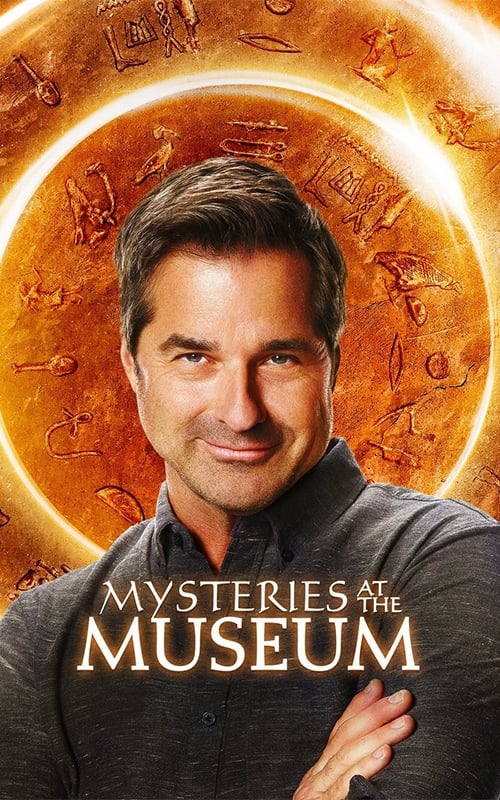
Don Wildman unearths relics from the world's greatest institutions to reveal secrets from the past. He examines each artifact to illuminate history's most incredible triumphs, sensational crimes and bizarre encounters.
Professor Brian Cox journeys across the vastness of time and space revealing epic moments of sheer drama that changed the universe forever.
British television series which features unusual and often elaborate architectural homebuilding projects.
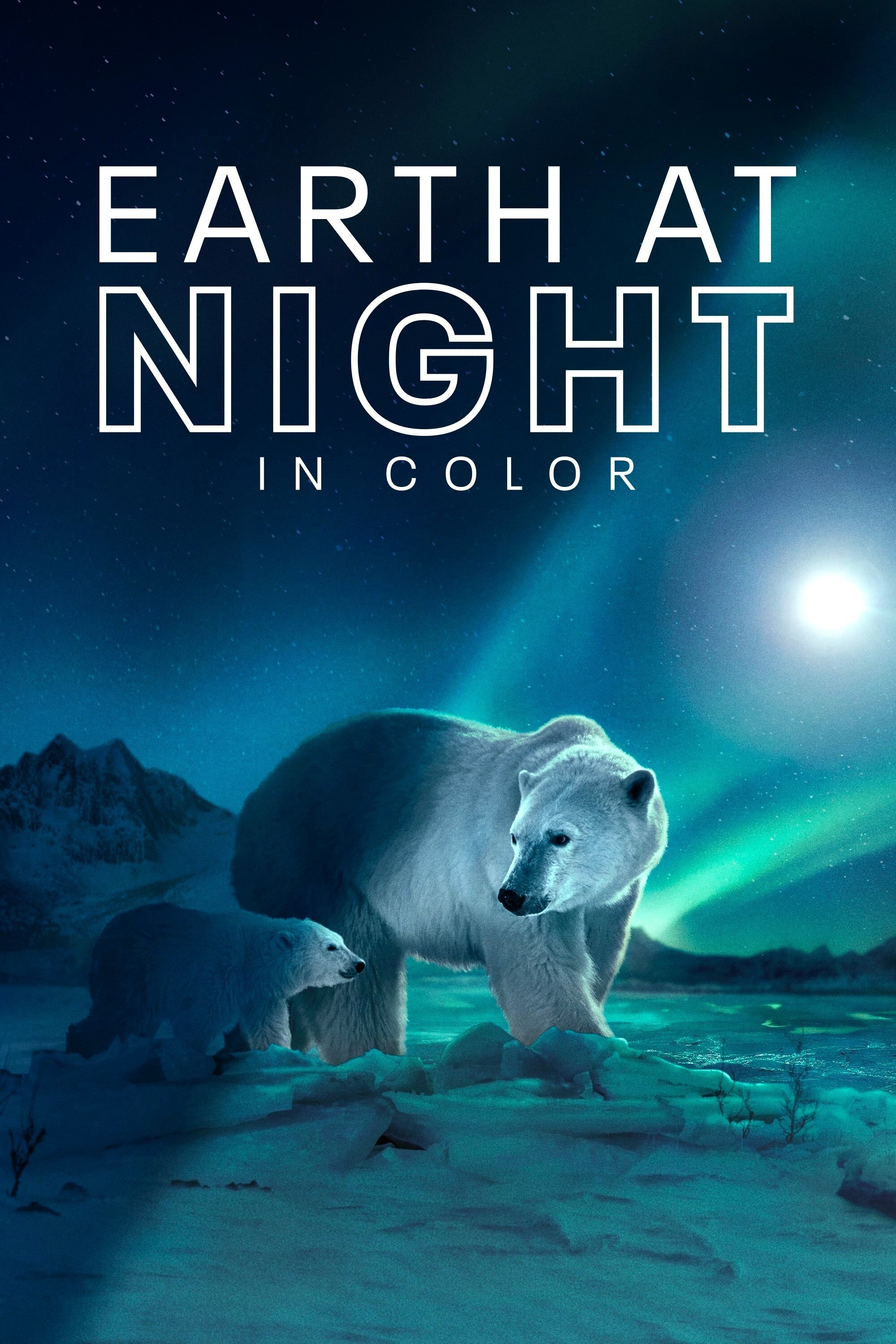
Filmed across six continents, this docuseries uses cutting-edge camera technology to capture animals' nocturnal lives, revealing new behaviours filmed in full color like never before.
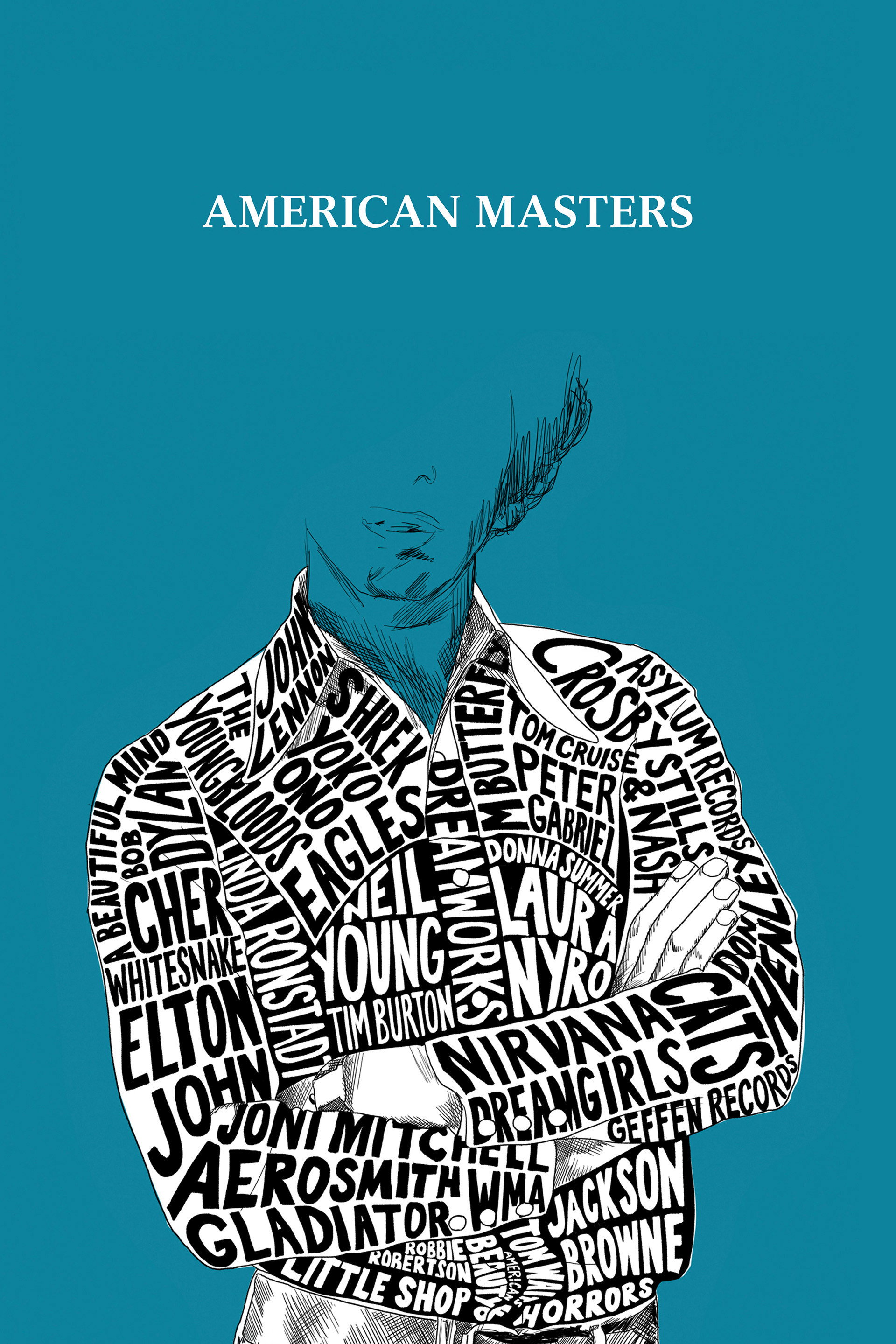
American Masters is a PBS television series which produces biographies on enduring writers, musicians, visual and performing artists, dramatists, filmmakers, and others who have left an indelible impression on the cultural landscape of the United States.
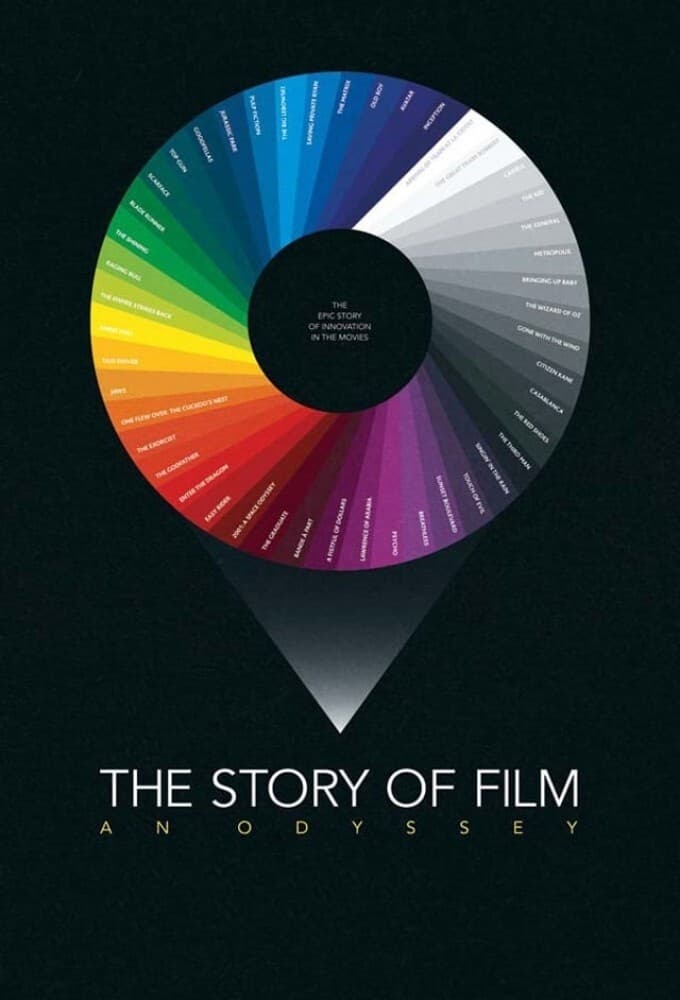
A worldwide guided tour of the greatest movies ever made and the story of international cinema through the history of cinematic innovation.