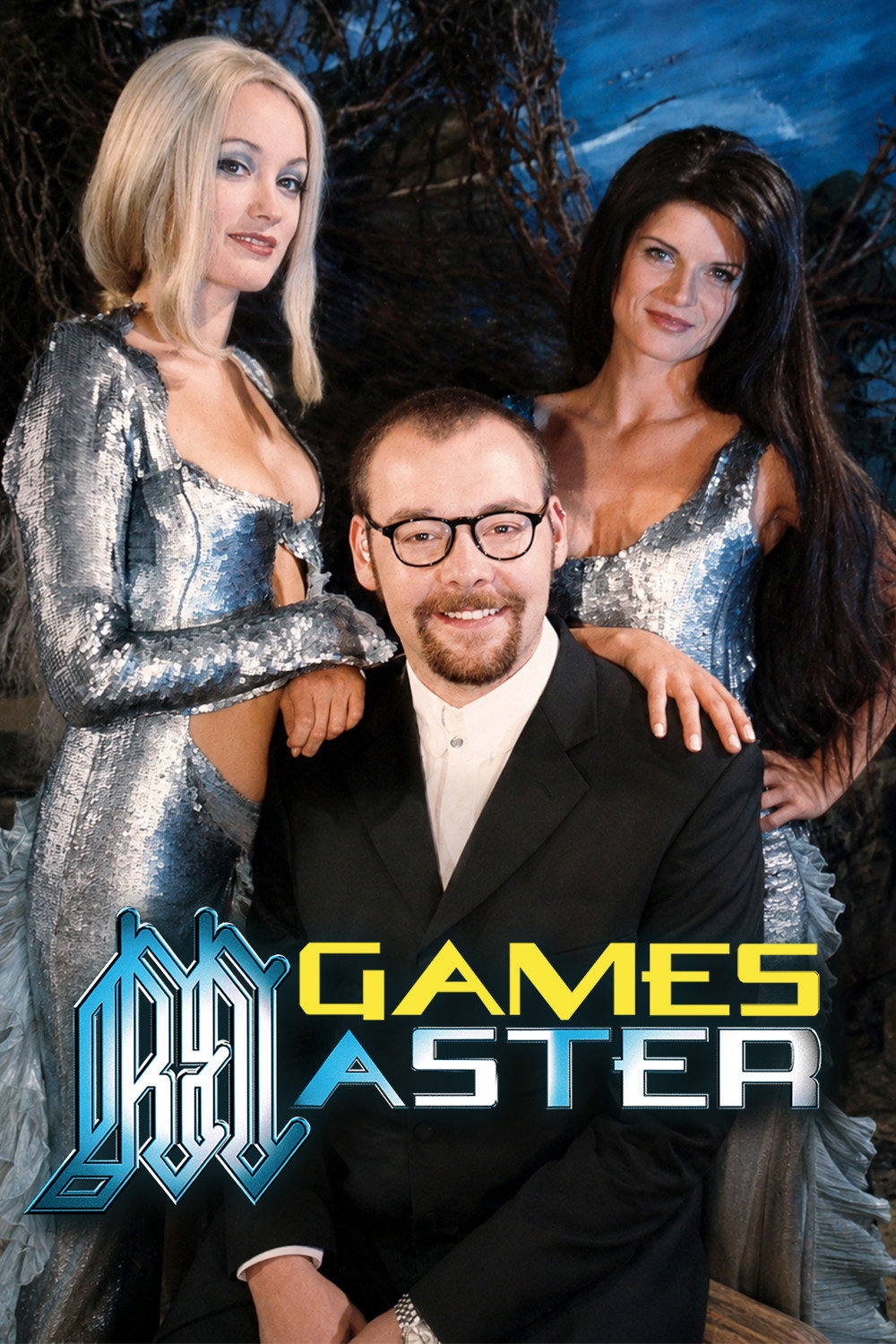
GamesMaster was a British television show, screened on Channel 4 from 1992 to 1998, and was the first ever UK television show dedicated to computer and video games.

Social & External
GamesMaster
Self - Presenter
The second version of the American television game show.
In a Temple filled with lost treasures and protected by mysterious Mayan temple guards, six teams of two children compete to retrieve one of the historical artifacts in the Temple by performing physical stunts and answering questions based on history, mythology, and geography. After three elimination rounds, only one team remains, who then earns the right to go through the Temple to retrieve the artifact within three minutes and win a grand prize.
Storybook Squares is a short-lived Saturday morning version of Hollywood Squares for children. The primary difference, apart from having children as contestants, was that it featured celebrities in costume as well-known fictional characters and some as historical figures. As with the adult version, Peter Marshall was host and Kenny Williams was announcer; Williams read the characters' names off a scroll as "The Guardian of the Gate", a role similar to his "Town Crier" on Video Village. The series originally ran on NBC from January 4 to April 19, 1969, with repeats airing until August 30.
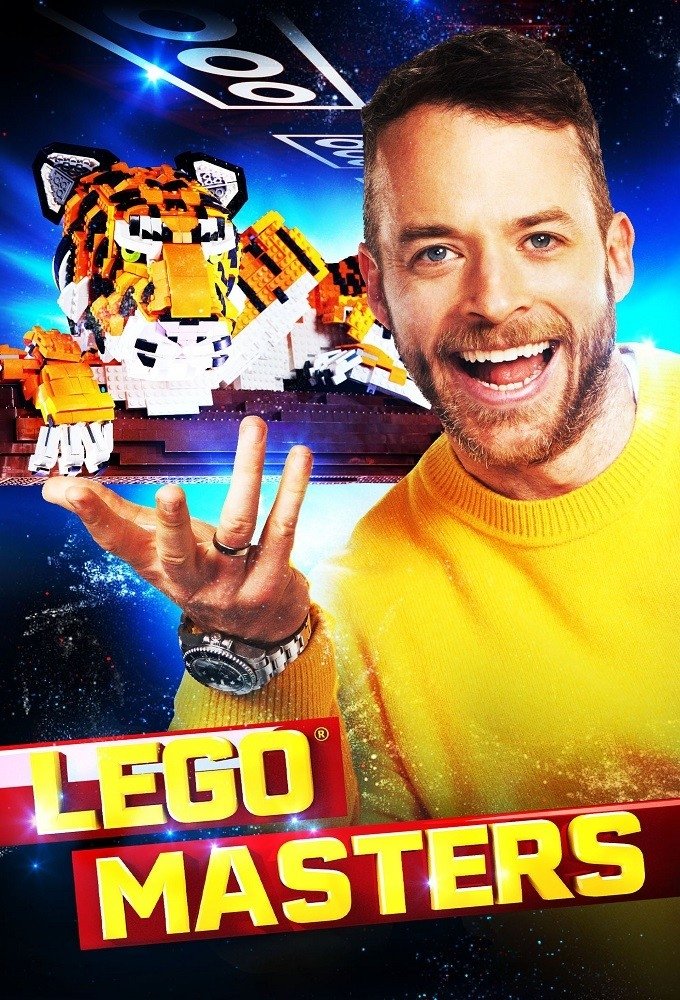
Eight pairs of Brick heads are pitted against each other in a quest to impress with their creativity, design and flair, driven by their unparalleled passion for the possibilities that will start with a single LEGO brick.
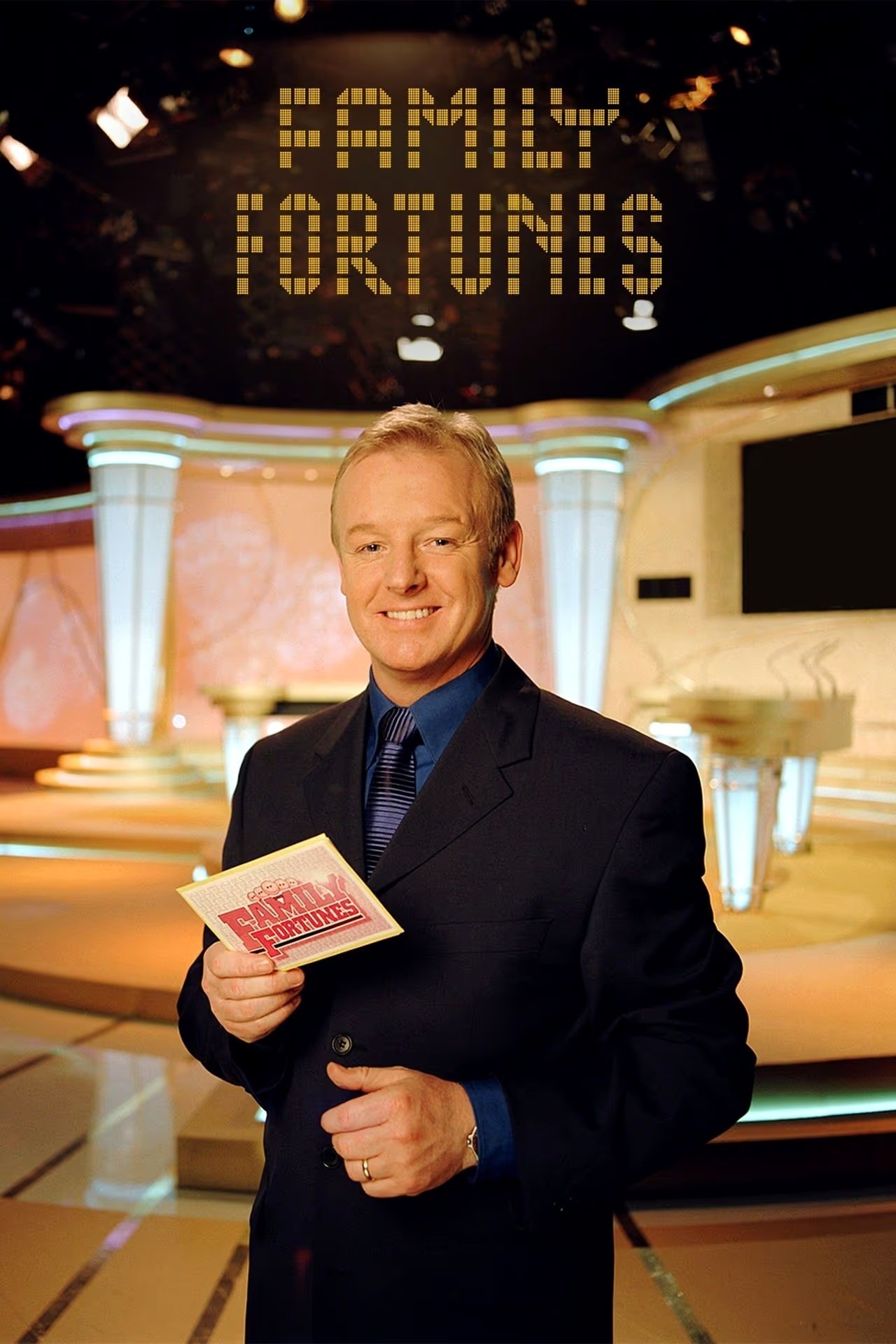
Two families go head to head as they try to name the post popular answer to survey-based questions posed to 100 people for a chance to win a jackpot prize.
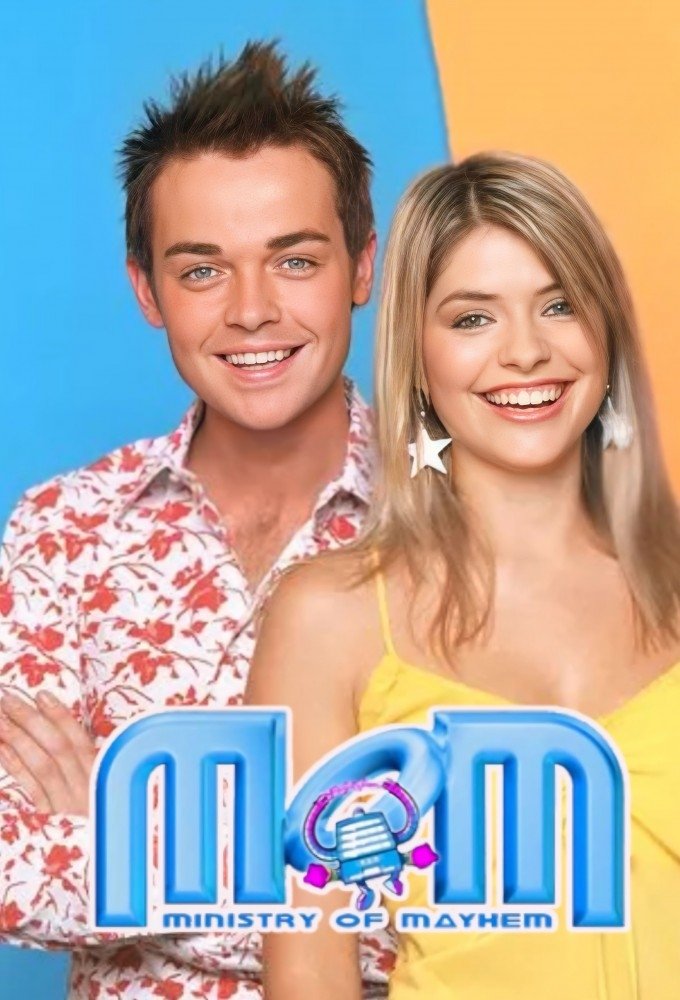
Holly & Stephen's Saturday Showdown is a CITV children's game show show which was broadcast on the ITV Network from January 2004 to July 2006.
Two teams of children answer questions and perform stunts all-the-while getting messy.
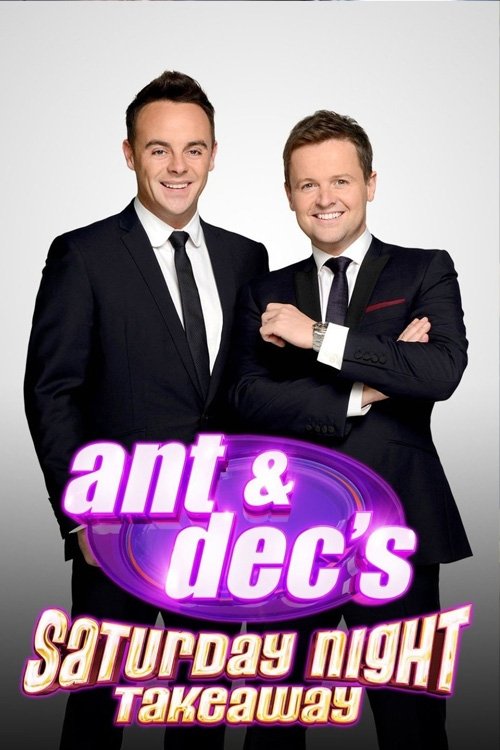
A gameshow hosted by Ant and Dec filled with stunts, sketches, and special guest appearances.
America's favorite quiz show where contestants are presented with general knowledge clues in the form of answers, and must phrase their responses in question form.
This game show sees contestants solve word puzzles, similar to those used in Hangman, to win cash and prizes determined by spinning a giant carnival wheel.
German version of the reality singing competition where celebrities battle it out with one major twist: each singer is shrouded from head to toe in an elaborate costume, concealing their identity from the audience and the viewers at home.
Footage from the popular game show, Takeshi's Castle has been re-edited, re-written and re-voiced into a hilarious, intentionally over-produced, modern "action/X-treme" sports show.
Spell-Mageddon is an American spelling bee game show on ABC Family and is hosted by Alfonso Ribeiro. It premiered on July 24, 2013. Its season finale aired on September 11, 2013.
The Mole is a reality television game show which was originally created in 1999 by Woestijnvis. It was conceived by Michiel Devlieger, Bart de Pauw, Tom Lenaerts and Michel Vanhove, and won the famous Rose d'Or in Montreux, Switzerland, in 2000. The format has been licensed in 40 countries from all around the world. The show aired on TV1 (now VRT 1) for 3 reasons between 1998 and 2003; in 2016 it was revived and moved to VIER (now PLAY).
Blankety Blank is a British comedy game show based on the 1977–1979 Australian game show Blankety Blanks. The British version ran from 18 January 1979 to 12 March 1990 on BBC One, hosted first by Terry Wogan and later by Les Dawson. Regular members of the celebrity panel on this version included Kenny Everett, Lorraine Chase, Gareth Hunt, Gary Davies, and Cheryl Baker. A revival fronted by Lily Savage was produced by the BBC from 26 December 1997 to 28 December 1999, followed by ITV from 7 January 2001 to 10 August 2002. This version was produced by Grundy, then Thames.
Blockbusters is a British television game show based upon the American game show of the same name in which contestants answer trivia questions to complete a path across or down a game board of hexagons.
Waku waku is the Dutch version of a Japanese game-show format (hence the name, unintelligible in Dutch or other Western languages) in which a small panel of celebrities is shown a number of short film sequences in which (usually wild or zoo) animals are shown in unusual (often artificially created) situations. The presenter asks the panel members multiple choice-questions about what an animal (or group)'s next move or reaction will be, as a rule a matter of guessing, the scores don't actually affect the show.
A contestant must choose from 26 sealed briefcases containing a marker for various amounts of cash from one penny to $1 million. The player then eliminates the remaining 25 cases one by one. The chosen ones are opened and the amount of money inside revealed. After several cases are opened, the player is tempted by the Banker to accept an offer of cash in exchange for not continuing the game and possibly winning a larger sum of money.
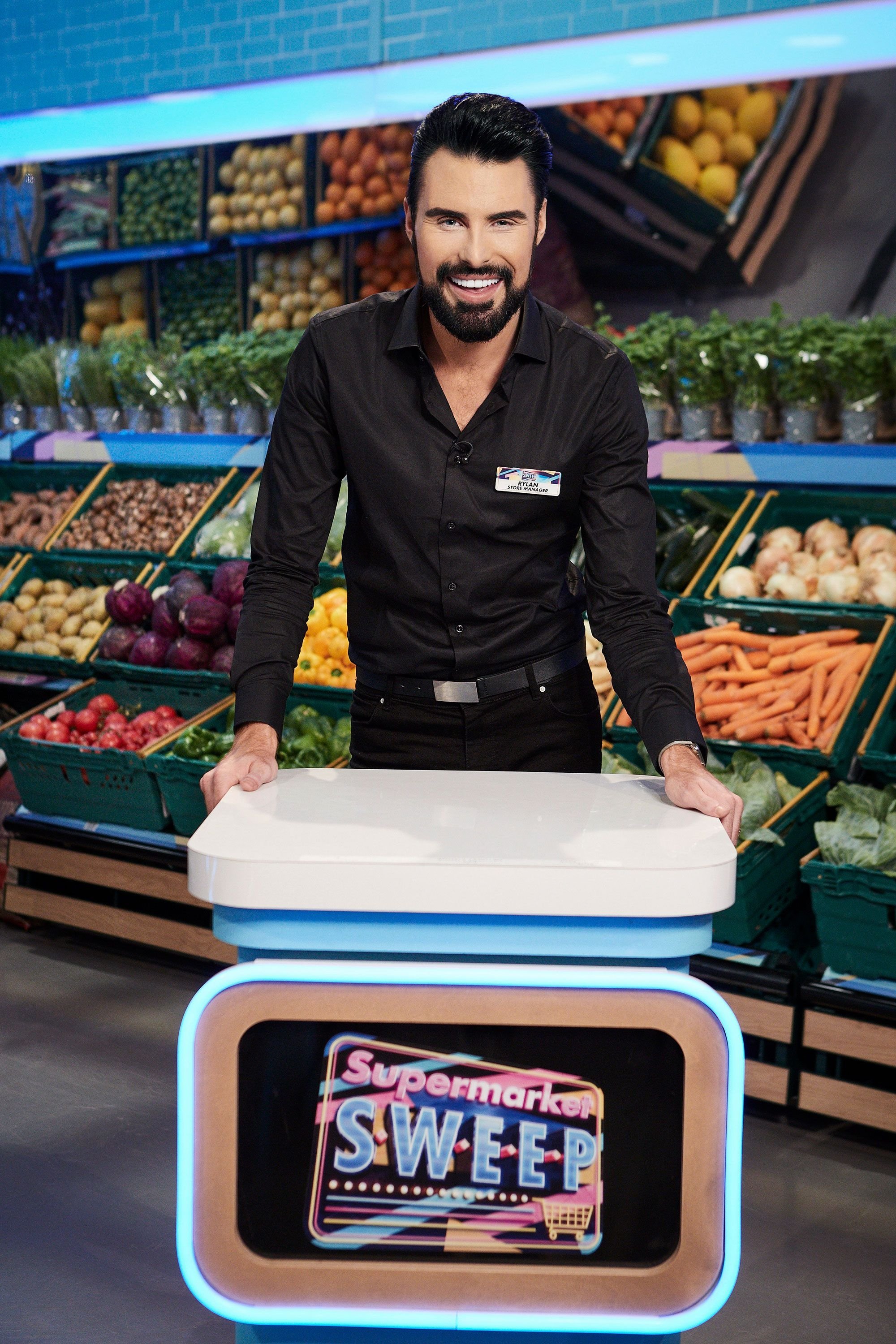
Three pairs of shoppers go wild in the aisles as they compete to win a 3,000-pound prize in this reboot of the iconic game show.
In 1989 the two most famous plumbers from Brooklyn burst out of the Nintendo game world and onto television screens across America. The Super Mario Bros. Super Show! aired weekday afternoons and brought Mario, Luigi, Princess Toadstool and King Koopa more thrilling adventures as cartoon characters. And if that weren't enough, each episode also contained live-action segments featuring Mario and Luigi running their Brooklyn plumbing shop - all before they were flushed down a drainpipe into the Mushroom World.
American version of the tense gameshow where contestants tackle a series of multiple-choice questions to win large cash prizes.
"Come on down!" The Price Is Right features a wide variety of games and contests with the same basic challenge: Guess the prices of everyday (or not-quite-everyday) retail items.
I gathered 1,000 people to fight for $5,000,000, the LARGEST cash prize in TV history! We're also giving away a private island, Lamborghinis, and millions more in cash throughout the competition! Go watch to see the greatest show ever made!
The Chase isn’t just a quiz… it’s a race, where the players must ensure they stay one step ahead of ‘The Chaser’, a ruthless quiz genius determined to stop them winning at all costs.
The Angry Video Game Nerd is an adult web television series of comedic retrogaming video reviews created by and starring James Rolfe. The show's format revolves around his commentary and review of older, but unsuccessful video games which are deemed to be of particularly low-quality, unfair difficulty or poor design. The series began as a feature on YouTube and later became a program on ScrewAttack Entertainment before moving to GameTrailers exclusively. The show was renamed The Angry Video Game Nerd to prevent any trademark issues with Nintendo and due to the fact he started reviewing games from non-Nintendo consoles such as those made by Atari and Sega. Rolfe's character, "The Nerd" is a short-tempered and foul-mouthed video game fanatic. He derives comic appeal from excessive and inventive use of anger, profanity, and habitual consumption of alcohol while reviewing video games.
The show where everything's made up and the points don't matter. Not a talk show, not a sitcom, not a game show, Whose Line Is It Anyway? is a completely unique concept to network television. Four talented actors perform completely unrehearsed skits and games in front of a studio audience. Host Drew Carey sets the scene, with contributions from the audience, but the actors rely completely on their quick wit and improvisational skills. It's genuinely improvised, so anything can happen - and often does.
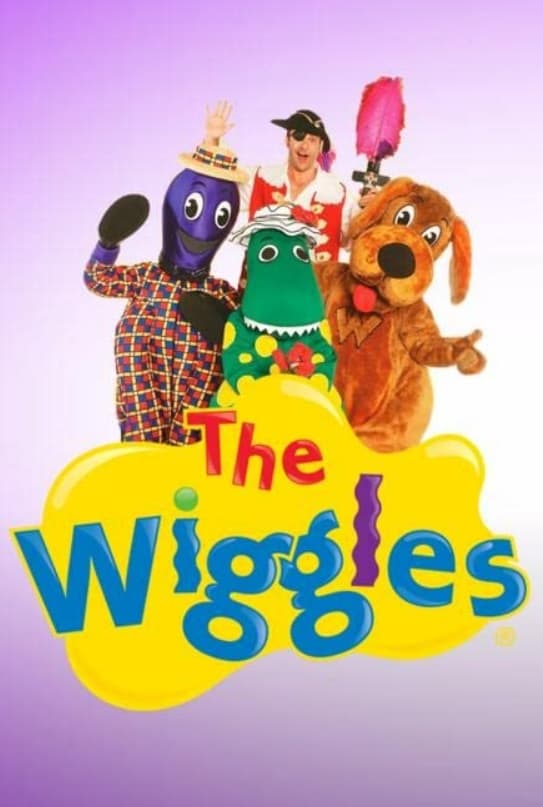
A show geared for babies up to older toddlers. This show is full of music, teaching kids songs and easy dances.
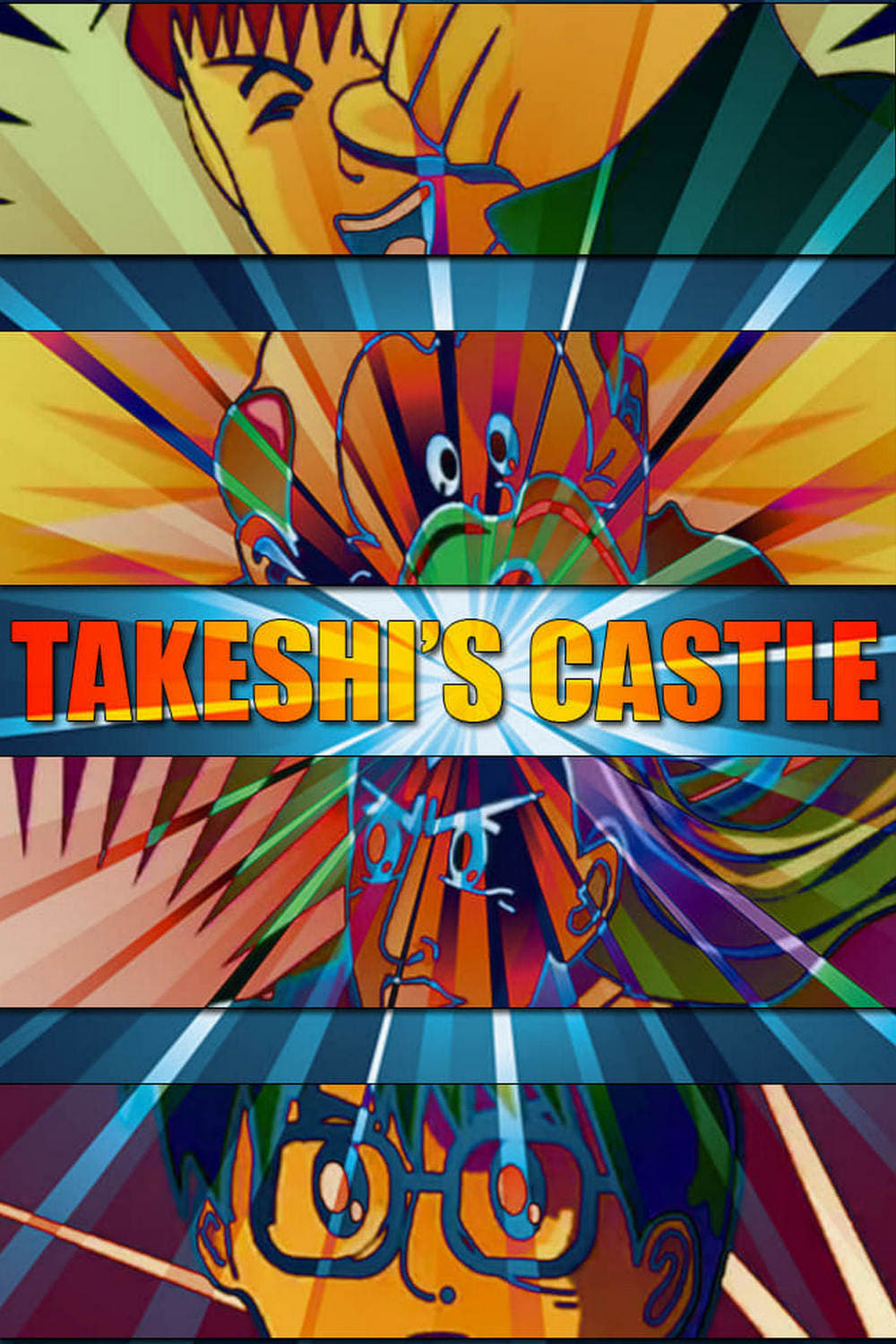
Takeshi's Castle was a Japanese game show that aired between 1986 and 1990 on the Tokyo Broadcasting System. It featured the Japanese actor Takeshi Kitano as a count who owns a castle and sets up difficult challenges for players to get to him. Contestants throw themselves into daunting physical challenges as they attempt to storm Takeshi's Castle and win the grand prize of one million yen. The show has become a cult television hit around the world. A special live "revival" was broadcast on April 2, 2005, for TBS's 50th anniversary celebrations.
Two families compete against each other in a contest to name the most popular responses to a survey question posed to 100 people.
A five-person team comprised of a thief, a grifter, a hacker, and a retrieval specialist, led by former insurance investigator Nathan Ford, use their skills to fight corporate and governmental injustices inflicted on ordinary citizens.
The Amanda Show is an American live action sketch comedy and variety show that aired on Nickelodeon from October 16, 1999 to September 21, 2002. It starred Amanda Bynes, Drake Bell, and Nancy Sullivan, along with several performing artists who came and left at different points, such as John Kassir, Raquel Lee, and Josh Peck. The show was a spin-off from All That, in which Bynes had co-starred for several years. The show was unexpectedly cancelled at the end of 2002, according to creator Dan Schneider's blog. Writers for the show included John Hoberg, Steven Molaro, Andrew Hill Newman, and Dan Schneider. Two years after the end of The Amanda Show, Dan Schneider created a new series, called Drake & Josh, featuring Drake Bell, Josh Peck and Nancy Sullivan.
Hundreds of years from now, the last surviving humans discover the means of sending consciousness back through time, directly into people in the 21st century. These "travelers" assume the lives of seemingly random people, while secretly working as teams to perform missions in order to save humanity from a terrible future.
The sparkling notes of a trumpet fanfare and the familiar logo of the sun alert viewers that it's time for CBS's Sunday morning staple. Journalist Jane Pauley helms the show, taking over hosting duties from Charles Osgood, who spent 22 years on the job. A morning talk show, this program airs at a different pace and focuses much of its attention on the performing arts. After a quick update of the day's news and national weather, correspondents offer longer-length segments on a variety of topics, from architecture to ballet to music to pop culture to politics.
20/20 is an American television newsmagazine that has been broadcast on ABC since June 6, 1978. Created by ABC News executive Roone Arledge, the show was designed similarly to CBS's 60 Minutes but focuses more on human interest stories than international and political subjects. The program's name derives from the "20/20" measurement of visual acuity. The hour-long program has been a staple on Friday evenings for much of the time since it moved to that timeslot from Thursdays in September 1987, though special editions of the program occasionally air on other nights.
The adventures of a larger-than-life red dog on Bridwell Island.
Samantha Bee breaks up late-night's all-male sausage fest with her nuanced view of political and cultural issues, her sharp interview skills, her repartee with world leaders and, of course, her 10-pound lady balls.
In the distant future, two groups of soldiers battle for control of the least desirable piece of real estate in the known universe: a box canyon in the middle of nowhere.