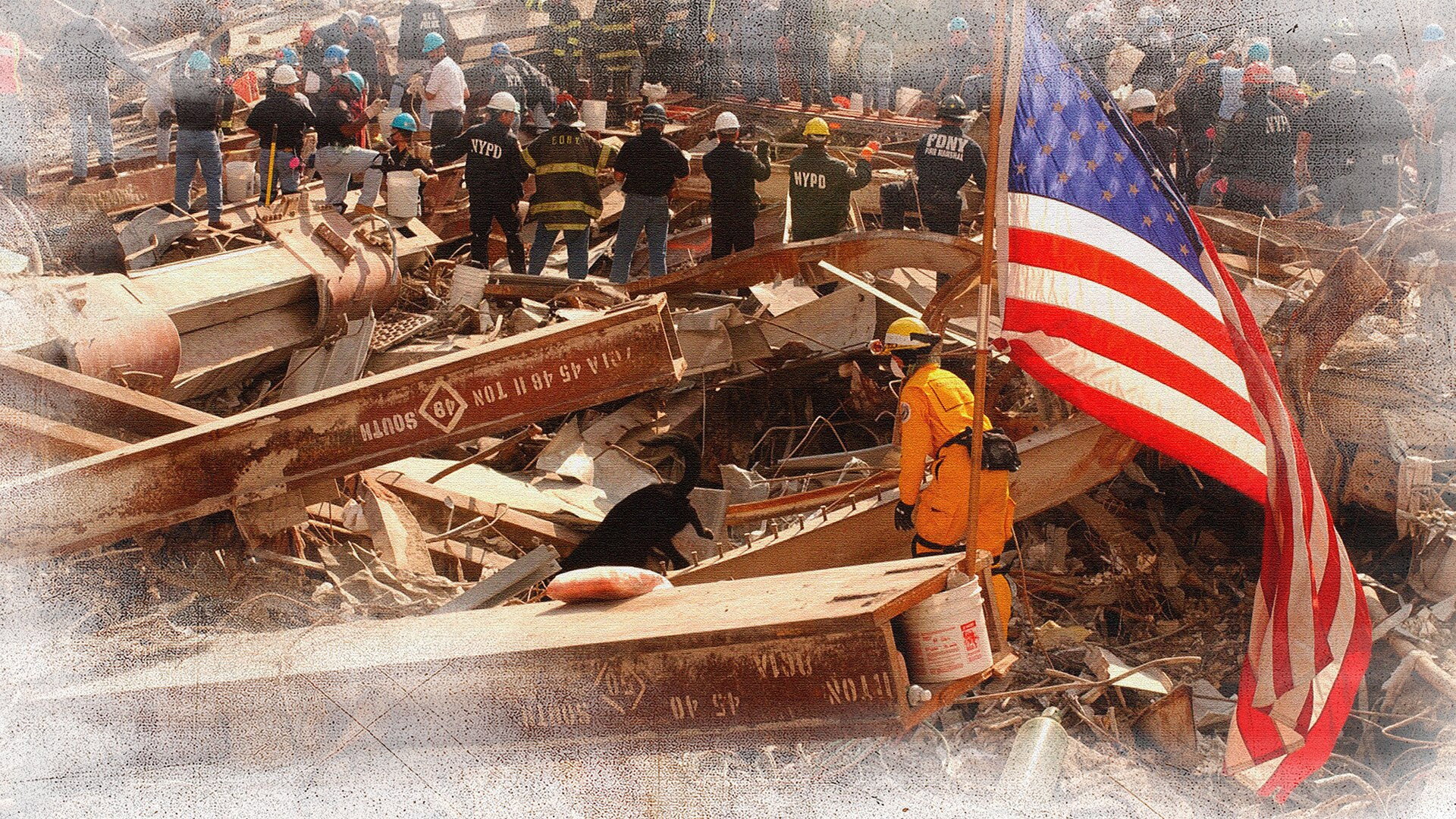
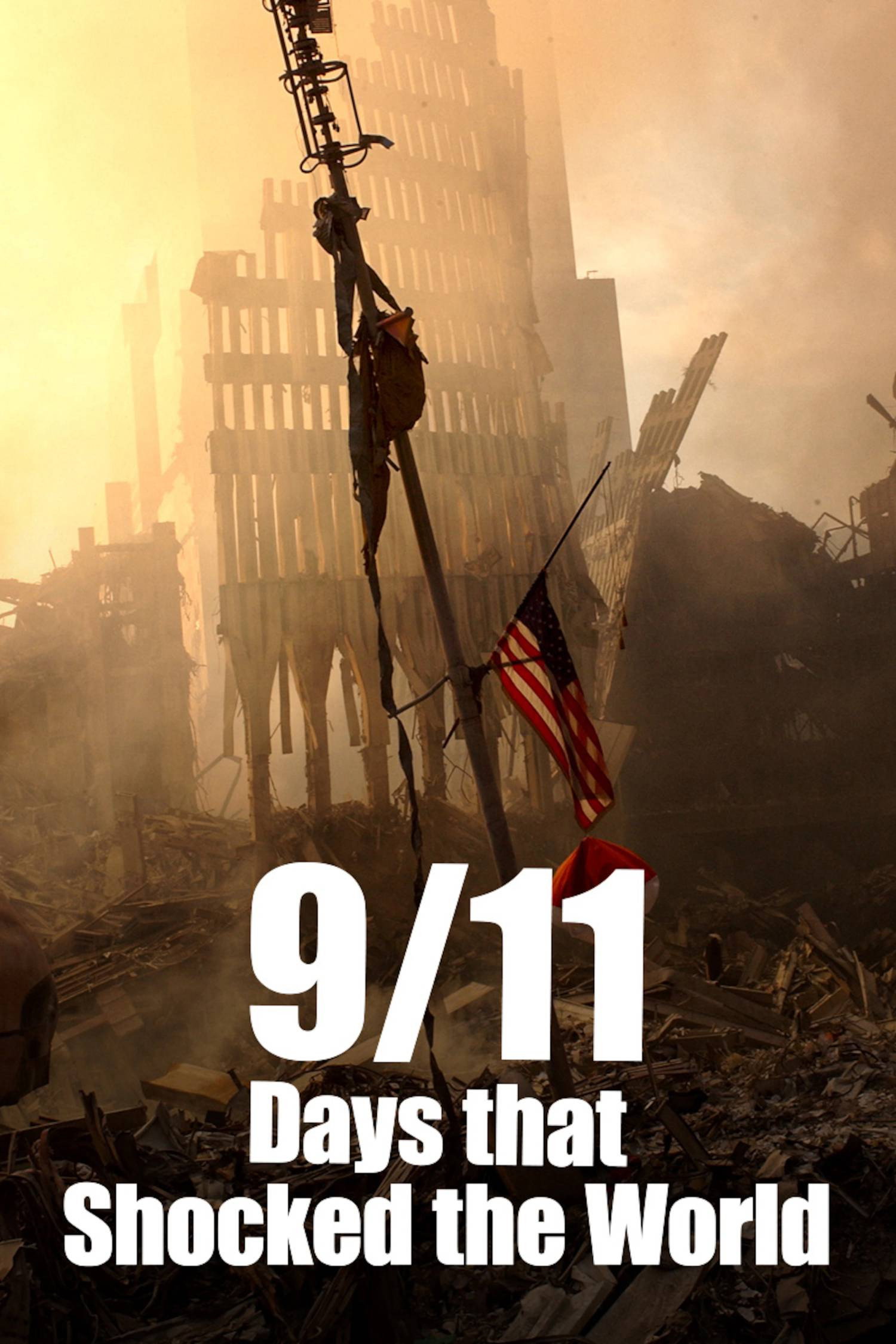

The terrorist hijackings and destruction of the Twin Towers were a defining moment in human history. Nearly 3,000 people were killed, triggering the war on terror and changing the way we live today.
Social & External
Researchers are pushing the boundaries of their fields to develop more accurate and efficient responses against international terrorism.
For Palestinians, 1948 marks the “Nakba” or “catastrophe”, when hundreds of thousands were forced out of their homes. For Israelis, the same year marks the creation of their own state. This four-part series attempts to present an understanding of the events of the past that are still shaping the present.
Guided Tour is a television and radio program about the treasures of the Portuguese cultural heritage. Treasures with recognized universal value, pieces that any western country would be proud to integrate into its heritage, and little known to the Portuguese. From a silver goblet with Mozarabic decoration and a thousand years old to a cloister that is referred to as a masterpiece of European Renaissance, passing through a collection of African art classified as one of the best in the world, the nature of objects, their context geographic location and historical time vary from episode to episode.
The series covers the life and work of leading science fiction authors of the last couple of centuries. It depicts how they predicted and, accordingly, influenced the development of scientific advancements by inspiring many readers to assist in transforming those futuristic visions into everyday reality.
A group of history experts from London's King's College has created this documentary series that tries to assess the key political figures of WWII.
In the tradition of WWII-themed graphic novels such as Maus, six remarkable motion comics tell the dramatic stories of the brave people who raised their voices to advocate for Jewish refugees victimized by the Nazis
The history of mankind is a never-ending story of change, revolution, and evolution, but surely no span of a hundred years can claim to have changed the world so dramatically as the Twentieth Century. In this series we examine the 101 Events which, in the judgment of experts, including those who contribute to the series, most influentially shaped the century, our world, and our way of life.
Montagu, Garbo, Fuchs, Penkovsky... they were the greatest spies of the twentieth century. Through analysis of declassified documents, archives, reconstructions, and interviews, “Spies of War” offers you a glimpse into the minds and methods of undercover operatives. Discover the tactics for transmitting top secret information. See how one man assumed 24 identities to simulate the existence of a spy ring. Witness how scientists provided the USSR with ultra-confidential plans for the atomic bomb.
A one-hour series showcasing documentary films from across the Al Jazeera Network.
Each hour-long film follows a different woman as they experience “moments that are emotionally raw, thought-provoking and utterly personal”.
Fashion underlines our individuality – or does it? What do dress codes tell us about conventions? Whether normcore, „old money style“, school uniforms or police uniforms – clothing reveals a lot about the identity, tradition and status of its wearers. Fashion is therefore more than style: it is pure psychology and a reflection of its time.
The Vasa was built for war but also to impress the enemy and display power. However, she sank on her maiden voyage, taking about thirty people with her to the depths. Many were rescued from the water by small boats that were in Stockholm’s ström to witness the proud vessel. Today, 400 years later, researchers study this unique time capsule from the early 17th century. How powerful were Vasa’s 64 cannons? Who do the countless, colorful sculptures on the ship actually depict? And the big question: what was the reason the ship sank?
Documentary from 1976 about the Indonesian struggle for independence. Unique archive footage and interviews with former vice-president Mahammed Hatta (the only existing interview with him on film), journalist/writer Johan Fabricius, the physician dr. Abu Hafina, the nationalist youth leader Roelan Abgulgani, dr. P. J. Koets, at the time political adviser of the Lt. Governor-General, the Indonesian generals Nasution and Simaupang, and the planter couple Marsman.
A risky expedition along thoroughfares that harbor mortal danger for those who use them or live on them. They run through deserts, ice, and snow, deep in the jungle, along water, and over mountains: the world's most dangerous roads, truly "hot roads." Many have died along these roads.
Spectacular crimes in German criminal history: Investigators and experts explain the possibilities and limitations of investigative work at that time – and why the cases still amaze today.
TV's most-watched history series brings to life the compelling stories from our past that inform our understanding of the world today.
An in-depth look at the history and pop cultural significance of horror films.
Infographics and archival footage deliver bite-size history lessons on scientific breakthroughs, social movements and world-changing discoveries.
An insider's look at the engineering and scientific miracles behind the things that form the modern world.
Insider accounts and never-seen-before footage tell the story of the 7/7 bombings on London's transport network in 2005 — and its explosive aftermath.
Explores WWII from Germany's invasion of Poland through the atomic age, examining pivotal battles, wartime leaders like Churchill and Roosevelt, and the human cost of total war.
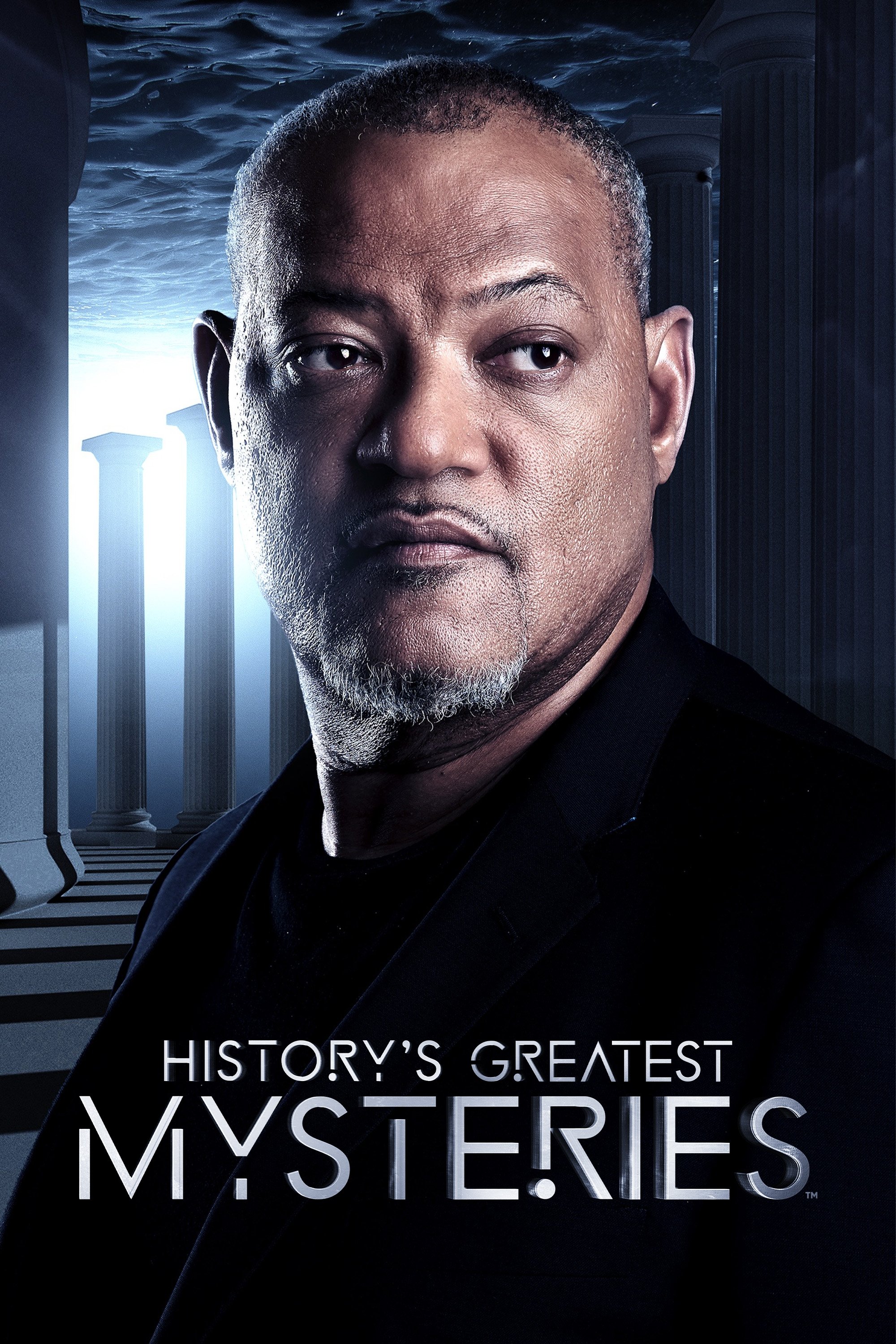
Investigates a wide range of historically compelling topics and the mysteries surrounding each including the Titanic, D.B. Cooper, Roswell, John Wilkes Booth, and more. Fresh, new evidence and perspectives will be showcased, such as never-before-released documents, personal diaries and DNA evidence.
In this true-crime documentary, a cult expert and filmmaker infiltrate a polygamist sect to expose a self-proclaimed prophet and bring him to justice.
Featuring rare footage and interviews with CIA insiders, this edge-of-your-seat documentary series traces the epic hunt for Osama bin Laden.
This docuseries explores the period between 1979 and 1981 when at least 30 African-American children and young adults disappeared or were murdered in Atlanta, Georgia.
A worldwide guided tour of the greatest movies ever made and the story of international cinema through the history of cinematic innovation.
In official collaboration with the 9/11 Memorial & Museum, this documentary series takes viewers through harrowing moments of the historic morning of September 11, 2001.
Archive footage, chilling reenactments and exclusive interviews shed new light on a tragedy — and two brothers — that suspended a city in terror.
In a tumultuous era, 1971 was a year of musical innovation and rebirth fueled by the political and cultural upheaval of the time. Stars reached new heights, fresh talent exploded onto the scene, and boundaries expanded like never before.
Serial killer Jeffrey Dahmer confesses to his gruesome crimes in unguarded interviews, offering an unsettling view into a disturbed mind.
30 for 30 is the title for a series of documentary films airing on ESPN, its sister networks, and online highlighting interesting people and events in sports history. This currently includes four "volumes" of 30 episodes each, a 13-episode series under the ESPN Films Presents title in 2011–2012, and a series of 30 for 30 Shorts shown through the ESPN.com website. The series has also expanded to include Soccer Stories, which aired in advance of the 2014 FIFA World Cup, and audio podcasts. This entry refers to the main Volumes of the series presented by ESPN
A documentary series focusing on the ongoing Vietnam War, the Watergate scandal, evolving music industry, the Iran Hostage Crisis, the sexual revolution, and the rise of foreign and domestic terrorism.
Modern history can be divided into two time frames: before 9/11 and after 9/11. This five-part docuseries is a cohesive chronicle of the September 11, 2001 attacks on the U.S., offering illuminating perspectives and personal stories of how the catastrophic events of that day changed the course of the nation.
Explore the surprising things we know (and don’t know) about why people are the way they are through expert interviews, rare footage from historical experiments, and brand-new, ground-breaking demonstrations of human nature at work.
Biography is a documentary television series. It was originally a half-hour filmed series produced for CBS by David Wolper from 1961 to 1964 and hosted by Mike Wallace. The A&E Network later re-ran it and has produced new episodes since 1987. The older version featured historical figures such as Helen Keller and Mark Twain, or long-dead entertainment figures such as Will Rogers or John Barrymore. The A&E series has placed the emphasis on such people as Marilyn Monroe, Elvis Presley, Plácido Domingo, Freddie Mercury, Jacqueline Kennedy Onassis, Eric Clapton, Pope John Paul II, Gene Tierney, Selena, Diego Rivera, Mao Zedong and Queen Elizabeth II, and fictional characters like The Phantom, Superman, Hamlet, Betty Boop, and Santa Claus. The program ended up profiling enough figures that in 1999, A&E spun it off into an entire network, The Biography Channel.