Social & External
There's no place like home. Brill bungalows, cosy cottages, terrific terraces - Laurence Llewelyn-Bowen leads the search for Northern Ireland’s most desirable dwelling.
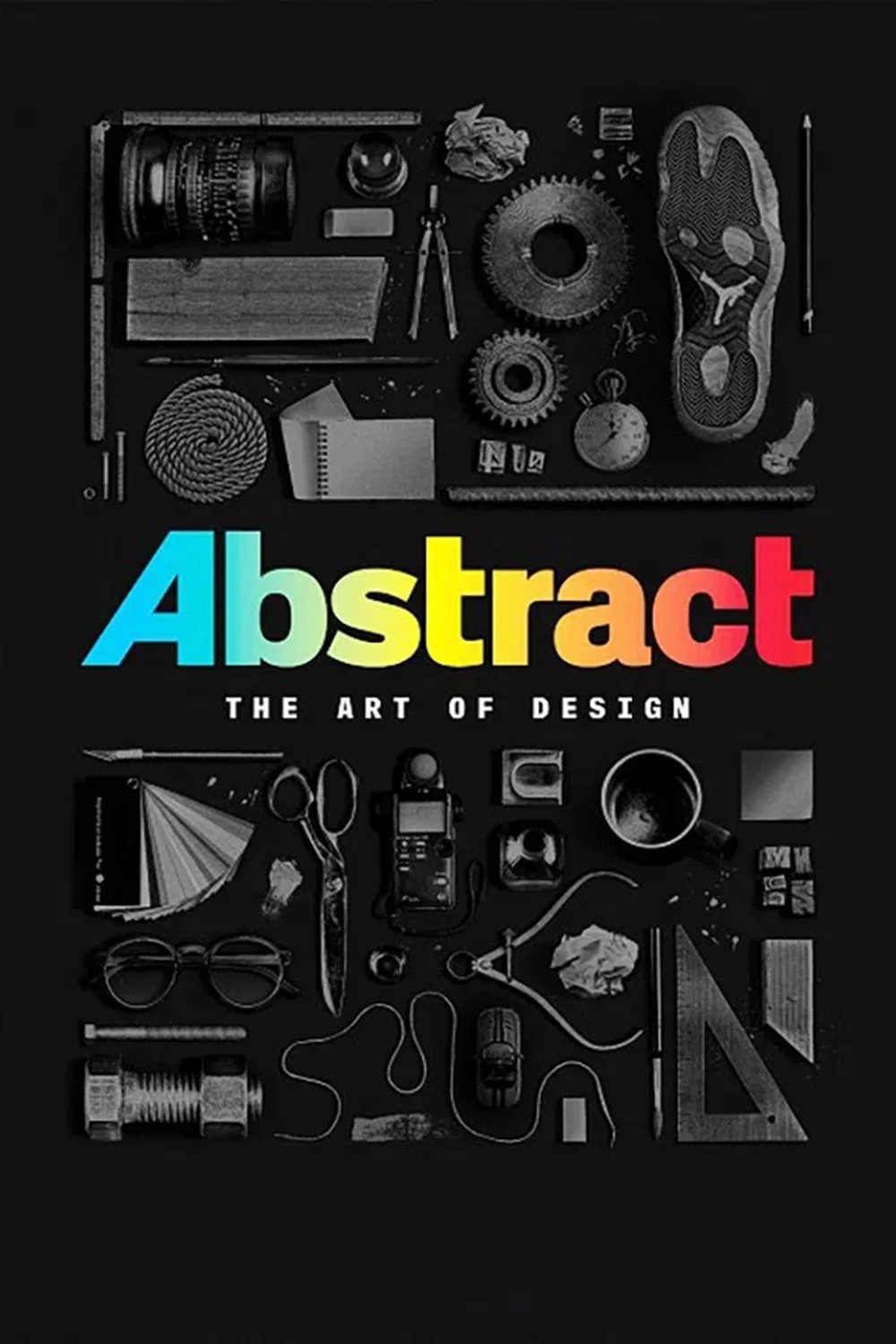
Documentary series exploring the history of design
Scattered across the United States are abandoned structures, forgotten ruins of the past and monuments to a bygone era. Each one shines a light on the story of this land and its people, revealing the secrets of a hidden America.
How can we build architectural environments that help children learn, provide dignity and protection to the most vulnerable, and help offenders rehabilitate? This series looks at new schools, prisons, and homeless shelters whose architects have used innovative techniques to create buildings that help society.
Iconic designer objects, Swedish designers, in the time the object was created. These are the stories behind the beloved Swedish Design Classic. Narrated by Elsa Billgren.
Hindu or Buddhist temples, synagogues, churches or mosques: religions have inspired architectural marvels. Four episodes to discover jewels of Muslim sacred art, masterpieces of Christian architecture, captivating Hindu and Buddhist buildings or even the most beautiful synagogues, witnesses of the history of the Jewish people.
Sarah-Jeanne Labrosse meets people who know and care about architecture, real estate and design, and finds out what guided their choices in the design and construction of their homes.
Architect George Clarke meets people taking on challenging huge builds for powerful emotional reasons. He follows them as they uproot their lives, stretch their finances and test their relationships, all in order to build wonderful homes of their dreams.
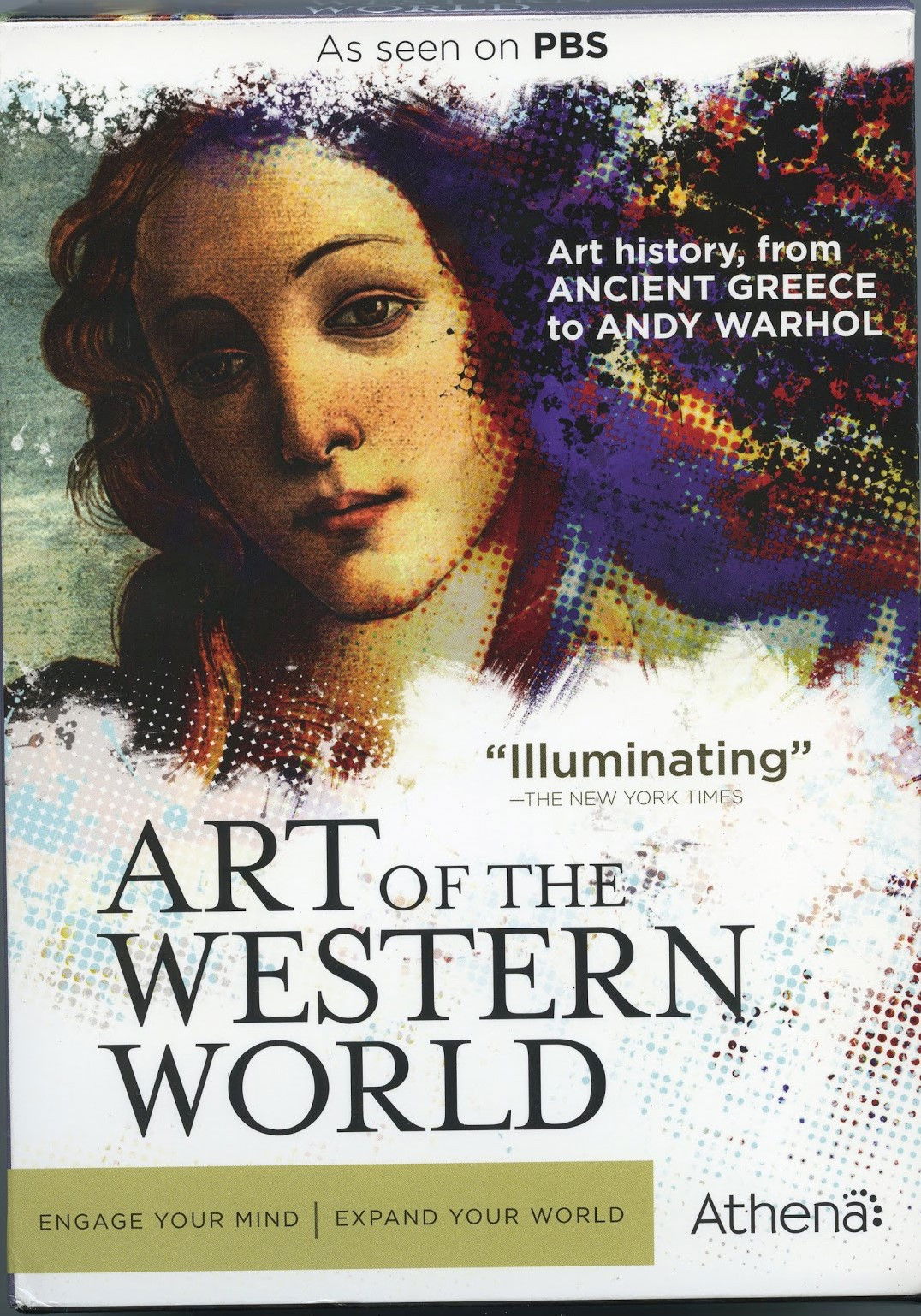
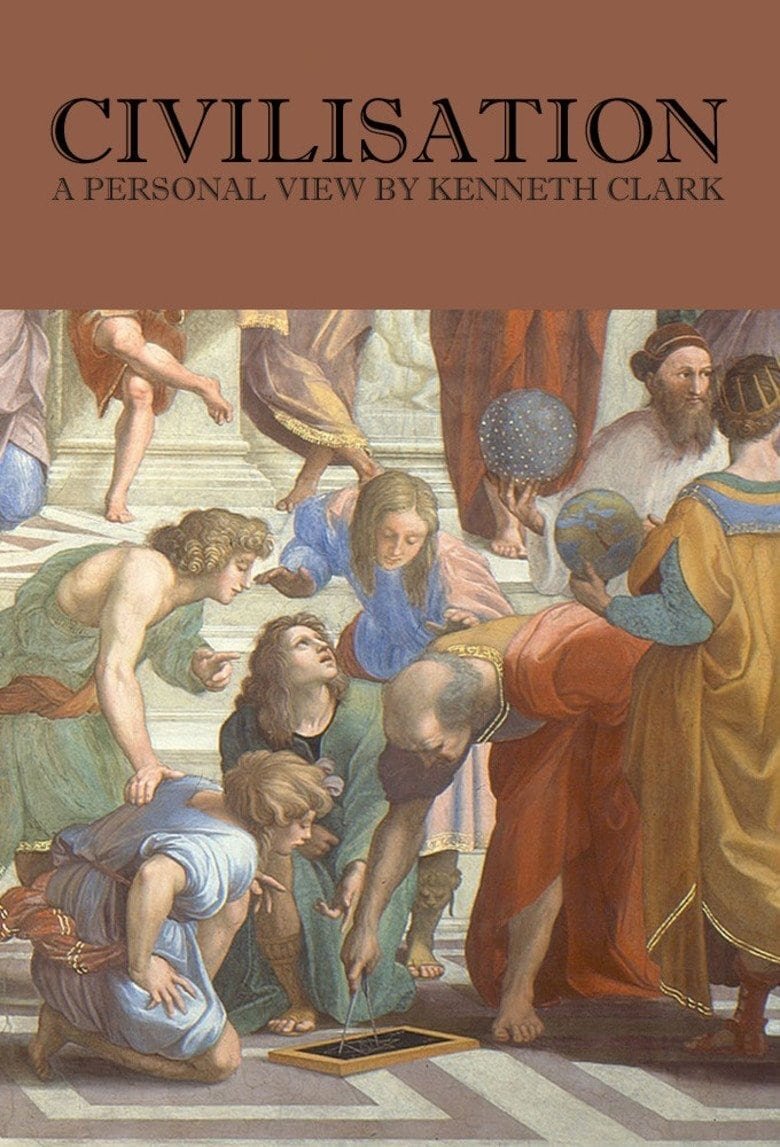
First broadcast on October 2, 1989, these 18 original 30-minute episodes provide a panorama of 2000 years of architecture, painting and sculpture, and studies the art masterpieces as reflections of the Western culture that produced them.
These are some of the most spectacular examples of abandoned engineering the world has ever known. The series explores how and why they were built, consider the financial and social costs of their failure and examine the environmental and ecological impacts. The series also explores how experts came up with plans to make something beautiful or useful from the ruins.
From underwater retreats to treetop cabins, this series explores the world's hidden hotels.
Across Quebec, André Robitaille meets with individuals, organizations, and businesses that have embarked on renovations or restorations of unique historic buildings. Whether by vocation, business, or because fate has thrown an ambitious project their way, the people who have taken charge of these unforgettable places share their stories with passion. Through their experience, the show offers an open door to a host of fascinating heritage sites, where we understand that built heritage is more alive than ever.
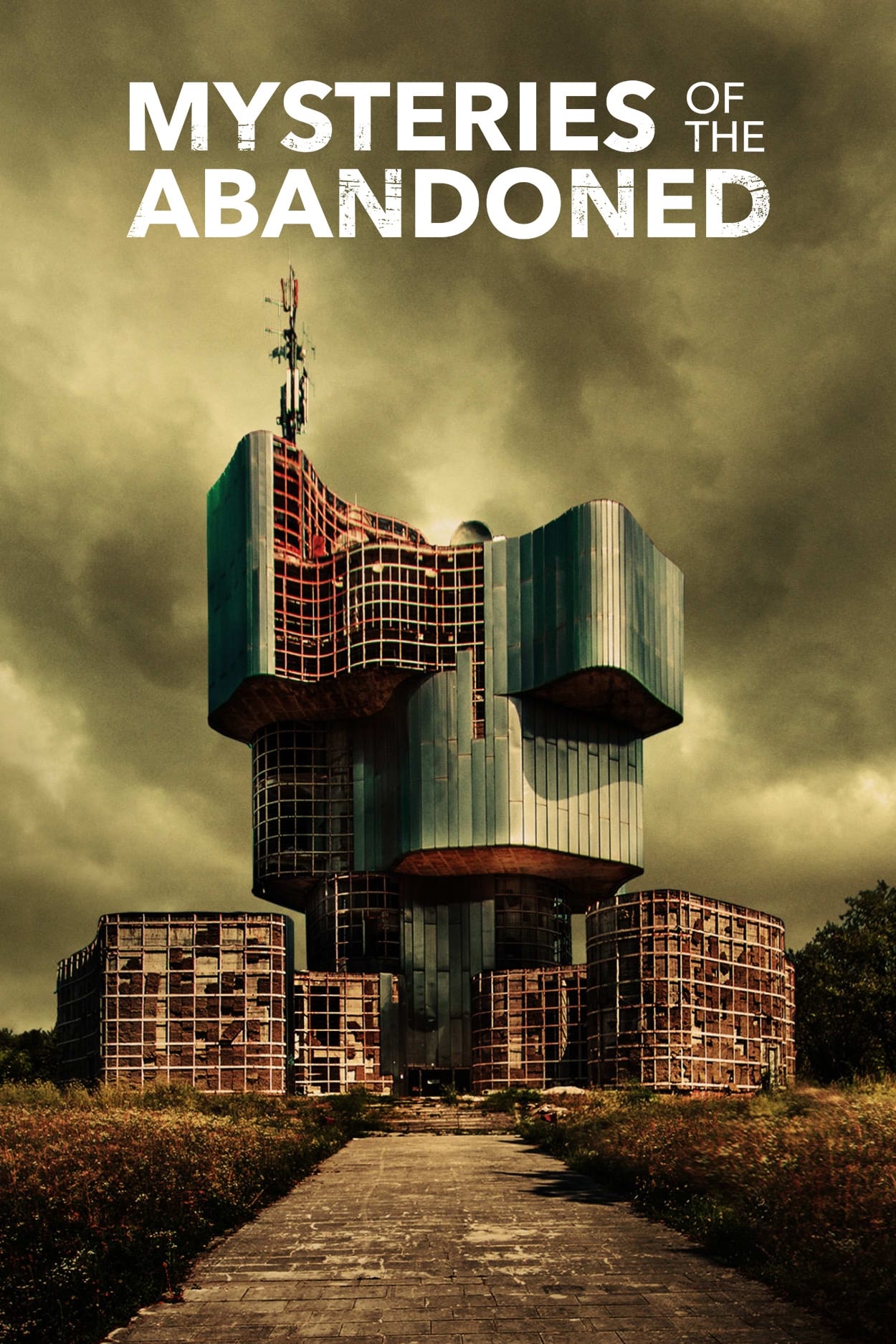
Documentary series investigating why some of the world's most advanced architectural achievements were abandoned.
Property and design enthusiast Tinie Tempah follows homeowners as they unleash their inner architect and build beautiful, often radical and 'out there' home extensions.
Jonathan Meades takes a quixotic tour of Scotland, a country which has intrigued him since he first encountered lists of towns only known from football coupons
Step inside the minds of the most innovative designers in a variety of disciplines and learn how design impacts every aspect of life.
Featuring two separate households who dream of living together under one roof. Whether it’s a couple moving in together for the first time, two halves of a soon to be blended family, or grandparents ready to be closer to their loved ones, they will all have something in common; two houses that don’t work for the next stage of their lives and the need for one dream home fit for them all.
The show that puts renovation wrongs right, as homeowners who've had bad experiences with builders salvage their half-built homes.
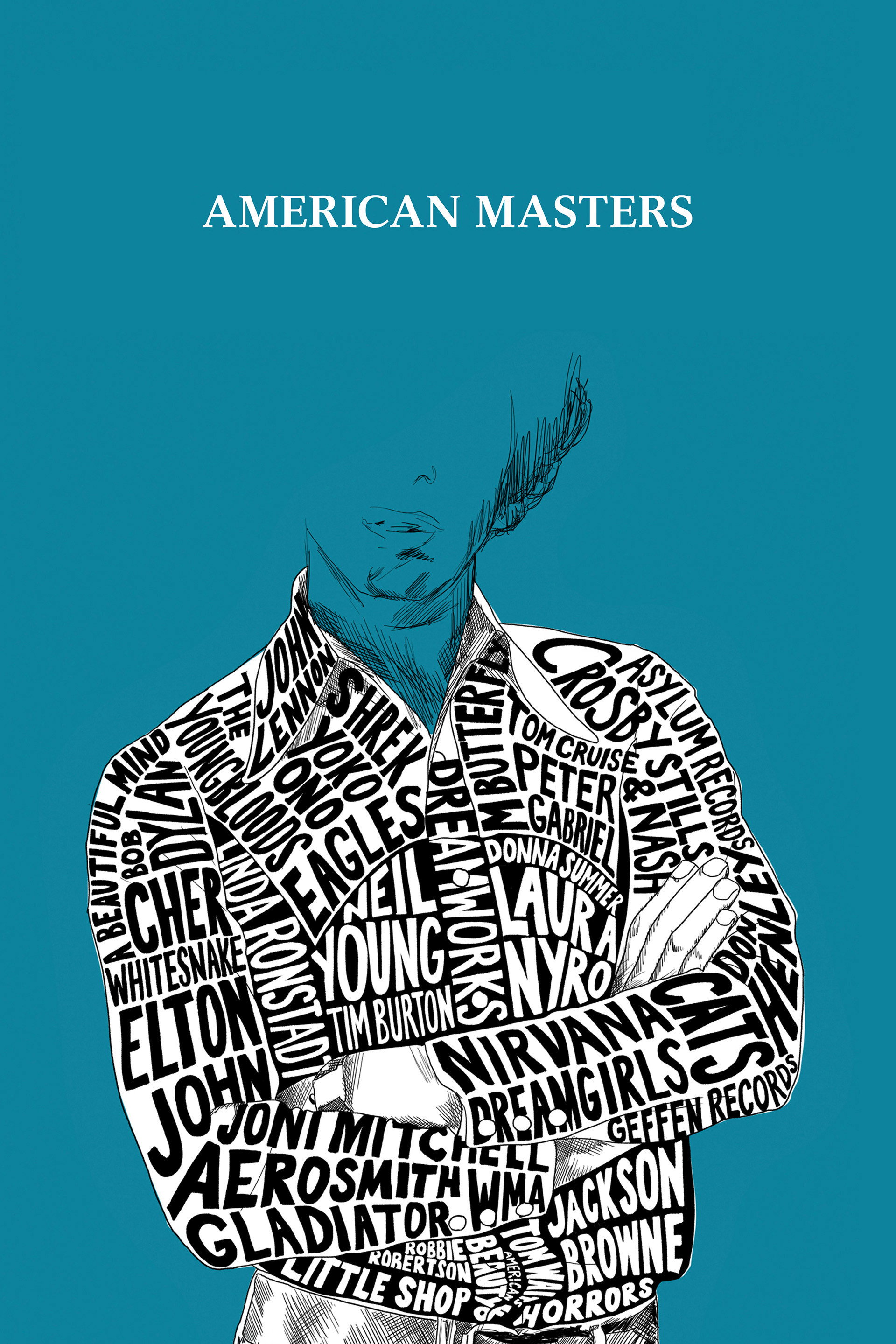
American Masters is a PBS television series which produces biographies on enduring writers, musicians, visual and performing artists, dramatists, filmmakers, and others who have left an indelible impression on the cultural landscape of the United States.
Infographics and archival footage deliver bite-size history lessons on scientific breakthroughs, social movements and world-changing discoveries.
British television series which features unusual and often elaborate architectural homebuilding projects.
The documentary takes viewers through Janet Jackson's life and career, contain never-before-seen footage, and feature home videos from the legendary artist. Jackson discusses her controversial 2004 Super Bowl halftime show performance with Justin Timberlake, her father Joe Jackson, the death of her brother Michael Jackson, and more.
Don Wildman unearths relics from the world's greatest institutions to reveal secrets from the past. He examines each artifact to illuminate history's most incredible triumphs, sensational crimes and bizarre encounters.
An insider's look at the engineering and scientific miracles behind the things that form the modern world.
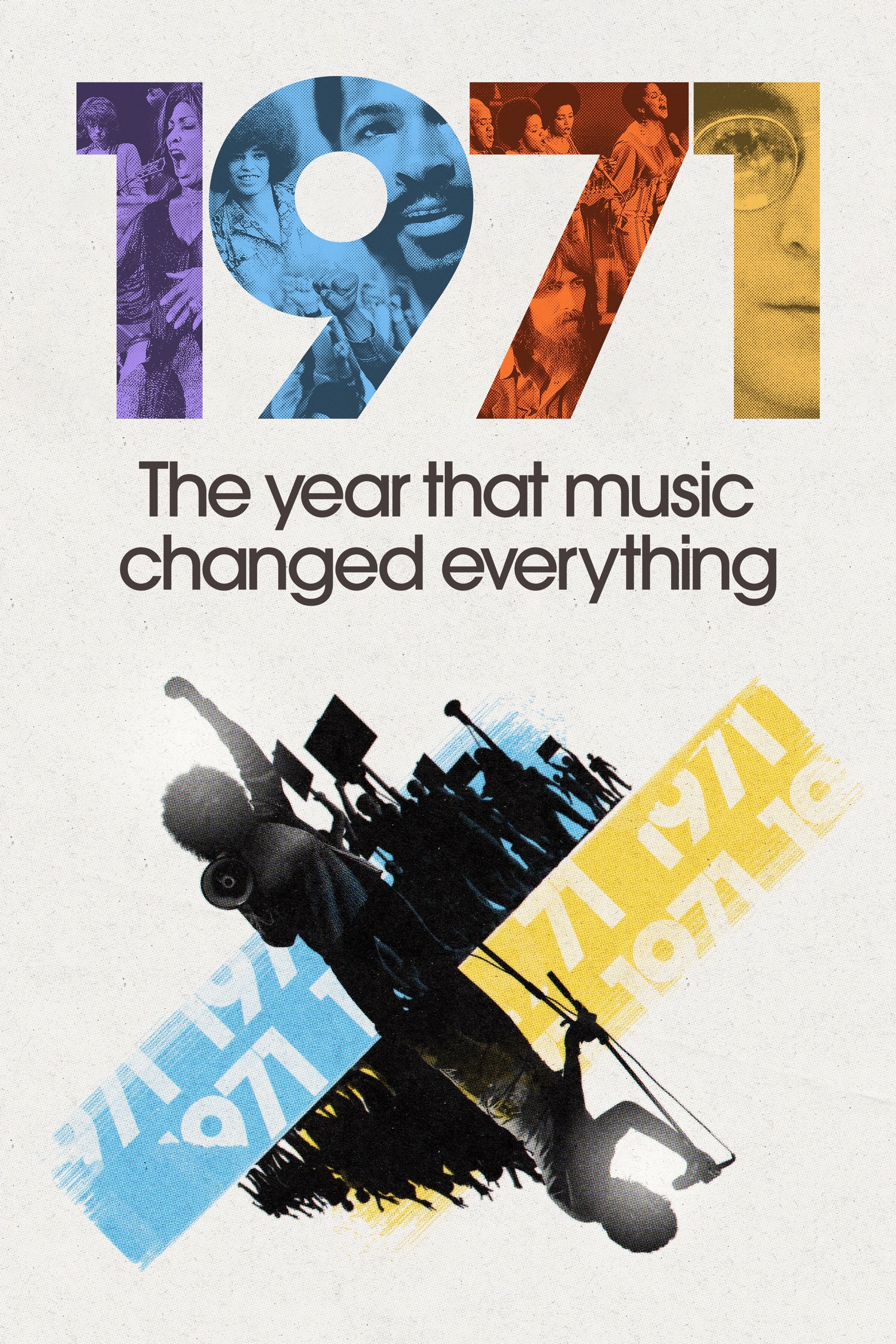
In a tumultuous era, 1971 was a year of musical innovation and rebirth fueled by the political and cultural upheaval of the time. Stars reached new heights, fresh talent exploded onto the scene, and boundaries expanded like never before.
MegaStructures is a documentary television series appearing on the National Geographic Channel in the United States and the United Kingdom, Channel 5 in the United Kingdom, France 5 in France, and 7mate in Australia. Each episode is an educational look of varying depth into the construction, operation, and staffing of various structures or construction projects, but not ordinary construction products. Generally containing interviews with designers and project managers, it presents the problems of construction and the methodology or techniques used to overcome obstacles. In some cases this involved the development of new materials or products that are now in general use within the construction industry. MegaStructures focuses on constructions that are extreme; in the sense that they are the biggest, tallest, longest, or deepest in the world. Alternatively, a project may appear if it had an element of novelty or are a world first. This type of project is known as a Megaproject.
A series of standalone documentaries powered by the unparalleled journalism and insight of The New York Times, bringing viewers close to the essential stories of our time.
Motoring programme featuring reviews of and reports about cars of all types.
The history of the sport of baseball in America, told through archival photos, film footage, and the words of those who contributed to the game in each era. Writers, historians, players, baseball personnel, and fans review key events and the significance of the game in America's history.
Oscar and Grammy Award-winning producer and artist Mark Ronson explores the intersection of technology and musical innovation with his heroes and fellow hitmakers – including Paul McCartney, DJ Premier, Charli XCX, Dave Grohl, and Questlove.
This compelling series investigates the motives and m.o. of female murderers. While males are often driven by anger, impulse and destruction, women usually have more complex, long-term reasons to kill.
Doctor Who Confidential is a documentary to complement the revival of the long-running British science fiction television series Doctor Who. Each episode was broadcast on BBC Three on Saturdays, immediately after the broadcast of the weekly television episode on BBC One. The running time of the first two series was 30 minutes, being extended to 45 minutes in the third. BBC Three also broadcast a cut-down edition of the programme, lasting 15 minutes, shown after the repeats on Sundays and Fridays and after the weekday evening repeats of earlier seasons.
Steve Martin is one of the most beloved and enigmatic figures in entertainment. Dive into his extraordinary story from two distinct points of view—past and present—as Martin reflects on how his beginnings led to his unexpectedly fulfilling life today.
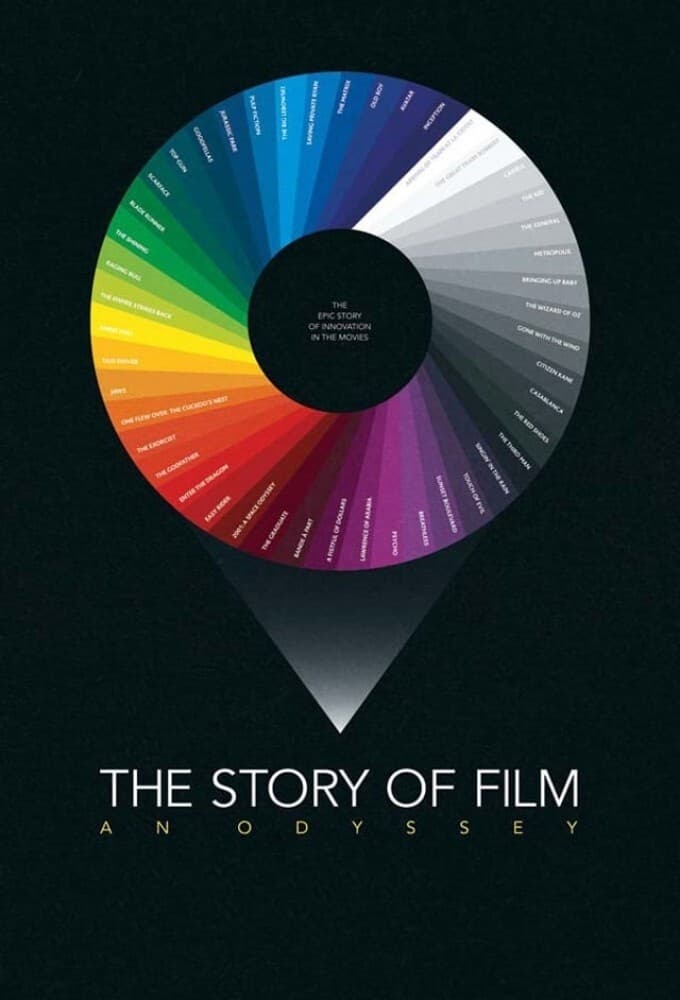
A worldwide guided tour of the greatest movies ever made and the story of international cinema through the history of cinematic innovation.
Antiques Roadshow is a British television show in which antiques appraisers travel to various regions of the United Kingdom to appraise antiques brought in by local people. It has been running since 1979. There are also international versions of the programme.
Sir Kenneth Clark guides us through the ages exploring the glorious rise of civilisation in western man. Beginning with the bleakness of the dark ages to the present day, we consider civilisation's articulations and expressions in some of man's finest works of art.