

North Star chronicles the exceptional journey of Laurie Rousseau-Nepton, a young, Quebec-born Innu astrophysicist who’s leading a massive research project at the Canada-France-Hawaii Telescope.

Social & External
Self
Secrets of the Universe launches viewers on eight mind-blowing adventures to seek answers to some of the Universe’s biggest mysteries. How did the Universe begin? Are there other Earth-like worlds? What is life? Each stand-alone film tells the remarkable stories of the missions and the breakthroughs that have revolutionized our understanding of the cosmos, featuring many of the world’s top space scientists, engineers, and explorers. They reveal not just wonderful far away vistas and amazing science, but also the powerful human stories that reveal the dedication and perseverance needed to explore the Universe for all of humanity.
A scientific and historical mini-series looking at the relationship between human beings and the moon.
Life Beyond explores humanity's future, the evolution of technology, and the mysteries of the universe. From AI and space exploration to philosophical reflections on existence, each chapter combines stunning visuals with emotional music, creating an immersive experience.
Host, Gordie Lucius goes on a grand adventure to learn everything he can about nature. Where did life come from? Why are animal’s genitals so weird? Look out Attenborough, there’s a new kid in town.
Secrets of the Superfactories is a fast-paced and fact-filled documentary series that lifts the lid on the production of some of the world’s biggest, greenest and smartest factories around the globe. The series explores how everything from everyday products to iconic design is made and takes viewers into the hidden world of the hyper-efficient and flexible factories of the future.
In this two-part series, we take a look at the monumental discoveries underway, specifically surrounding black holes and meteorites. Black holes have been revealed as one of the foundations for the basic conditions of life. Through black holes, life is possible in an infinite number of places in space. We also follow how meteorites brought the basic substances of life to our planet, allowing for its creation. The films describe the latest findings concerning cosmic events in relation to the origin of life, providing a grandiose perspective of what makes life possible.
MythBusters is a science entertainment television program created and produced by Australia's Beyond Television Productions for the Discovery Channel. The show's hosts, special effects experts Adam Savage and Jamie Hyneman, use elements of the scientific method to test the validity of rumors, myths, movie scenes, adages, Internet videos, and news stories.
Carl Sagan covers a wide range of scientific subjects, including the origin of life and a perspective of our place in the universe.
Horizon tells amazing science stories, unravels mysteries and reveals worlds you've never seen before.
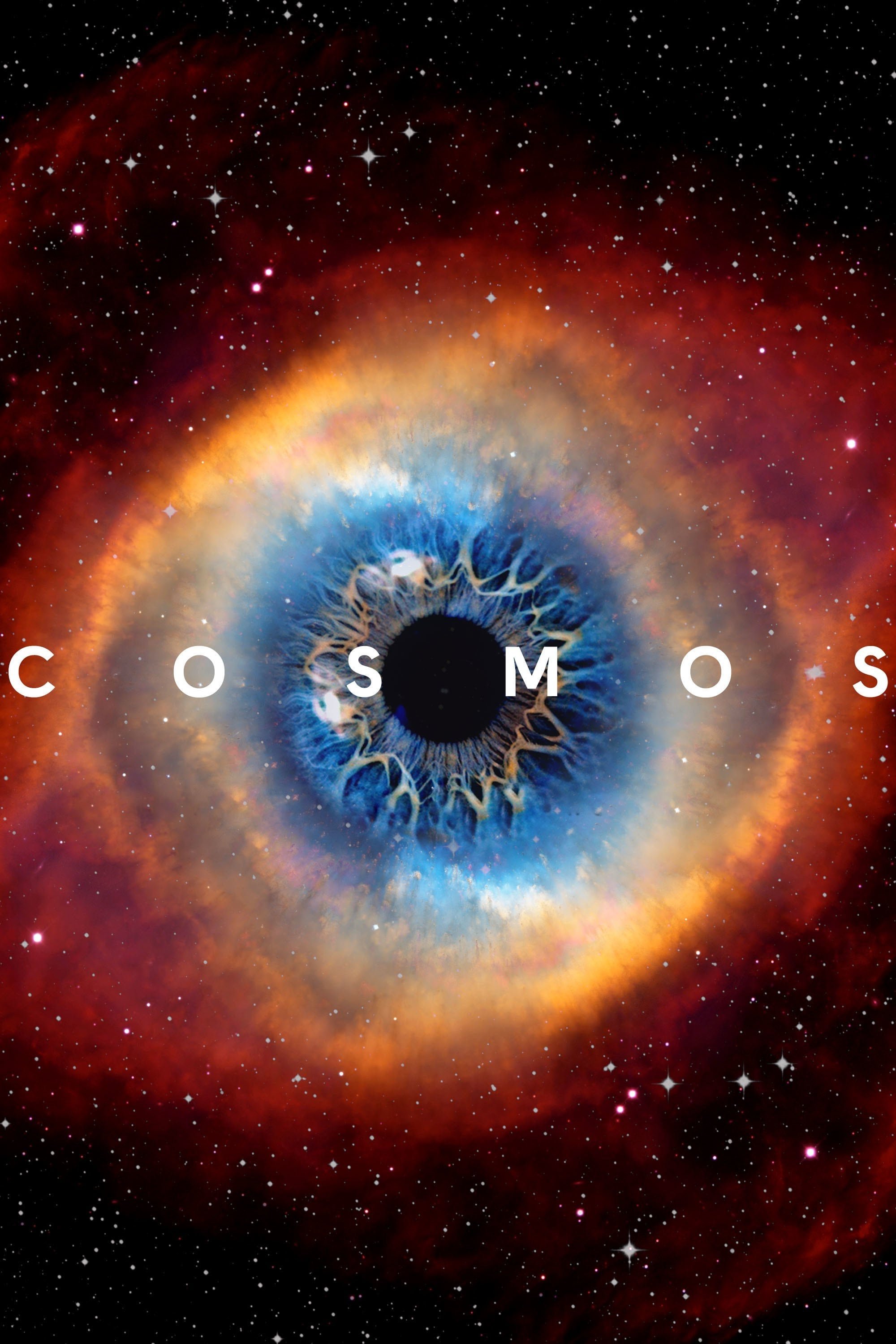
Famed astrophysicist Neil deGrasse Tyson provides clarity for the vision of the cosmos as he voyages across the universe with never-before-told stories that delve into the scientific concepts of the laws of gravity and the origins of space and time.
There's nothing else like it. Chris Packham reveals the epic, four-billion-year story of our home - from its dramatic creation to the arrival of human life... and whatever's next.
From the planets to the stars and out to the edge of the unknown, history and science collide in a wondrous yet deadly adventure through space and time.
Paleoanthropologist Ella Al-Shamahi reveals humanity's incredible story across 300,000 years of human evolution – and how the story is stranger and more surprising than ever imagined.
It's "Mr. Wizard" for a different decade. Bill Nye is the Science Guy, a host who's hooked on experimenting and explaining. Picking one topic per show (like the human heart or electricity), Nye gets creative with teaching kids and adults alike the nuances of science.
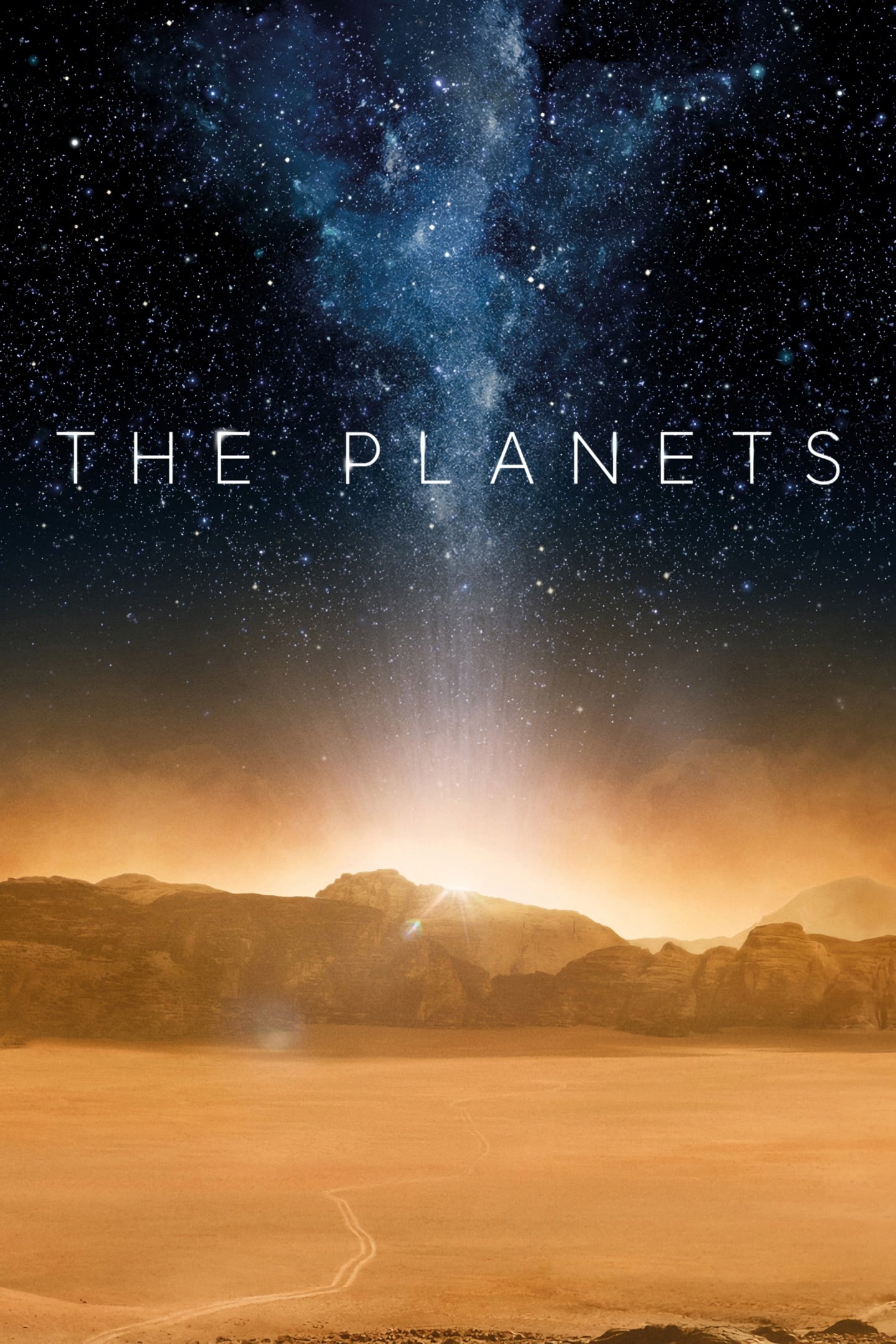
Professor Brian Cox explores the dramatic lives of the eight majestic planets/worlds that make up our solar system.
Hawking gives us the ultimate guide to the universe, a ripping yarn based on real science, spanning the whole of space and time -- from the nature of the universe itself, to the chances of alien life, and the real possibility of time travel.
Dara investigates the amazing star at the centre of our solar system.
PBS' premier science series helps viewers of all ages explore the science behind the headlines. Along the way, NOVA demystifies science and technology, and highlights the people involved in scientific pursuits.
Morgan Freeman presents his quest in order to find how most religions perceive life after death, what different civilizations thought about the act of creation and other big questions that mankind has continuously asked.
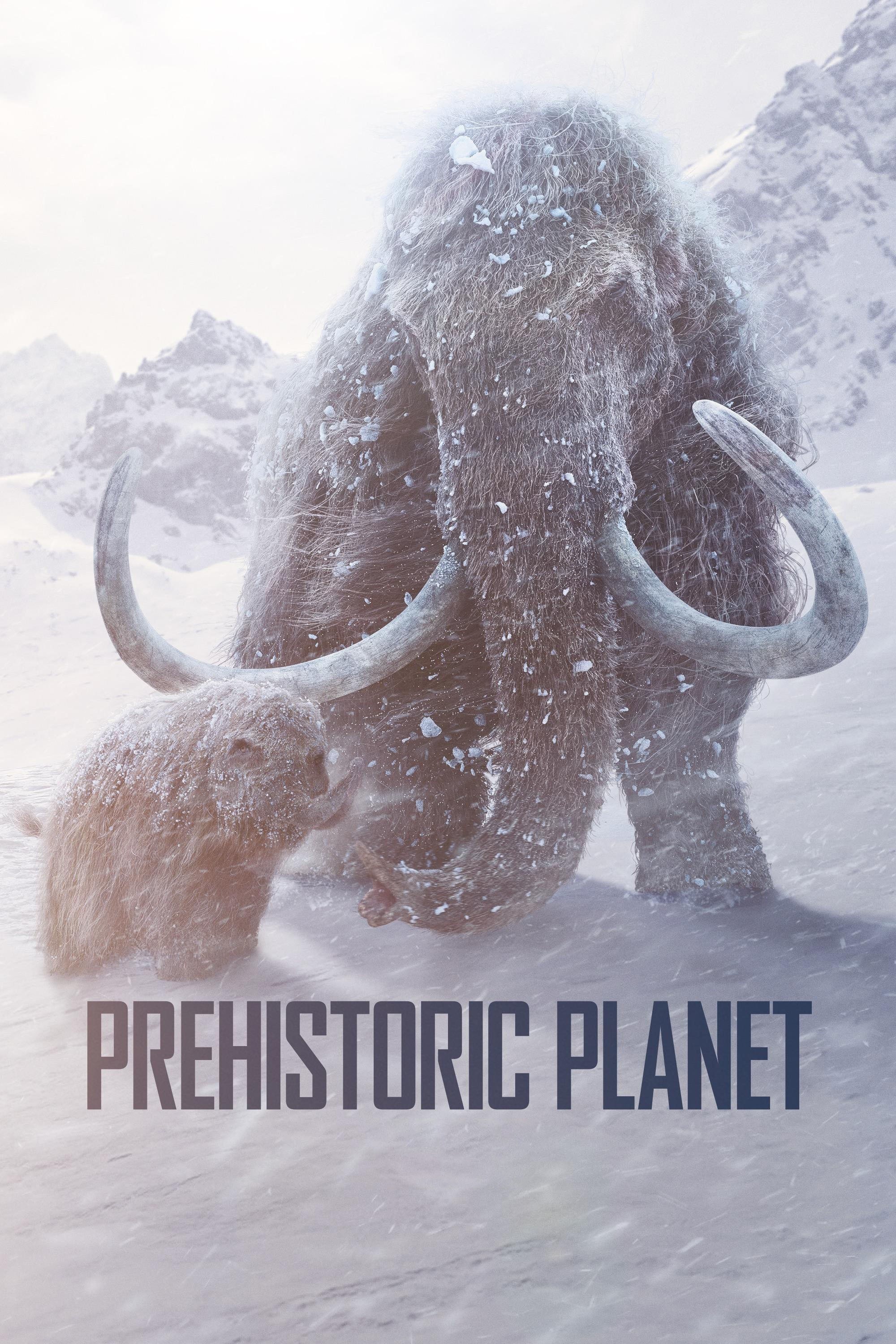
Experience the wonders of our world like never before in this epic series from Jon Favreau and the producers of Planet Earth. Travel back 66 million years to when majestic dinosaurs and extraordinary creatures roamed the lands, seas, and skies.
A users' guide to the cosmos, from the Big Bang to galaxies, stars, planets and moons: where did it all come from and how does it all fit together? A primer for anyone who has ever looked up at the night sky and wondered.
Motoring programme featuring reviews of and reports about cars of all types.
Since it began in 1983, Frontline has been airing public-affairs documentaries that explore a wide scope of the complex human experience. Frontline's goal is to extend the impact of the documentary beyond its initial broadcast by serving as a catalyst for change.
Filmed across six continents, this docuseries uses cutting-edge camera technology to capture animals' nocturnal lives, revealing new behaviours filmed in full color like never before.
30 for 30 is the title for a series of documentary films airing on ESPN, its sister networks, and online highlighting interesting people and events in sports history. This currently includes four "volumes" of 30 episodes each, a 13-episode series under the ESPN Films Presents title in 2011–2012, and a series of 30 for 30 Shorts shown through the ESPN.com website. The series has also expanded to include Soccer Stories, which aired in advance of the 2014 FIFA World Cup, and audio podcasts. This entry refers to the main Volumes of the series presented by ESPN
Doctor Who Confidential is a documentary to complement the revival of the long-running British science fiction television series Doctor Who. Each episode was broadcast on BBC Three on Saturdays, immediately after the broadcast of the weekly television episode on BBC One. The running time of the first two series was 30 minutes, being extended to 45 minutes in the third. BBC Three also broadcast a cut-down edition of the programme, lasting 15 minutes, shown after the repeats on Sundays and Fridays and after the weekday evening repeats of earlier seasons.
This show combines cold hard science with some of the craziest, most spectacular and painful user generated clips ever recorded. Richard Hammond introduces all manner of mishaps featuring brave, if misguided individuals from around the world and then explains the science behind their failure and humiliation with the use of bespoke animations and super slo-mo cinematography. Every episode features between 50 and 60 clips of misadventure – ordinary folk making extraordinary mistakes. Each week watch stunts involving weightlifting, shooting guns or jumping over cars, that have gone wrong, paused, re-wound, and re-played and analysed to determine exactly what went wrong and why. Richard explains the physics, chemistry and biology at play, then presents forensic details to explain the stupidity that resulted in failure. He’ll look at everything including weight, volume, momentum, combustion and even how the brain operates. This is misadventure explained. This is the Science of Stupid.
Natural World is a nature documentary television series broadcast annually on BBC Two and regarded by the BBC as its flagship natural history brand. It is currently the longest-running series in its genre on British television, with more than 400 episodes broadcast since its inception in 1983. Natural World is produced by the BBC Natural History Unit in Bristol, but individual programmes can be in-house productions, collaborative productions with other broadcasters or films made and distributed by independent production companies and purchased by the BBC. Natural World programmes are often broadcast as PBS Nature episodes in the USA. Since 2008, most Natural World programmes have been shot and broadcast in high definition.
MegaStructures is a documentary television series appearing on the National Geographic Channel in the United States and the United Kingdom, Channel 5 in the United Kingdom, France 5 in France, and 7mate in Australia. Each episode is an educational look of varying depth into the construction, operation, and staffing of various structures or construction projects, but not ordinary construction products. Generally containing interviews with designers and project managers, it presents the problems of construction and the methodology or techniques used to overcome obstacles. In some cases this involved the development of new materials or products that are now in general use within the construction industry. MegaStructures focuses on constructions that are extreme; in the sense that they are the biggest, tallest, longest, or deepest in the world. Alternatively, a project may appear if it had an element of novelty or are a world first. This type of project is known as a Megaproject.
The history of the sport of baseball in America, told through archival photos, film footage, and the words of those who contributed to the game in each era. Writers, historians, players, baseball personnel, and fans review key events and the significance of the game in America's history.
An insider's look at the engineering and scientific miracles behind the things that form the modern world.
Hit rewind and explore the most iconic moments and influential people of The Nineties, the decade that gave us the Internet, DVDs, and other cultural and political milestones.
Stephen Hawking draws on 40 years of research to answer some of life's most compelling questions.