Social & External
The people behind it
What would we be without mucus? Can we live on water? How much does life weigh? Finding out the answers is the aim of ARTE's new science show. In a nod to Douglas Adams's "Hitchhiker's Guide to the Galaxy", where the figure 42 is the ultimate answer to all questions, 42 tries to provide the answers.
Award-winning filmmaker Reggie Yates travels around the world tackling big issues such as gun violence, racism, gay rights and addiction.
Documentary series which ranges widely over Britain's social and cultural history, its narrative-led storytelling offering a richly immersive and varied window onto the past.
What it felt like to live through the collapse of communism and democracy. A series of films by Adam Curtis.
A politically charged mini-series researched and written by Duncan Campbell which saw dramatic Special Branch raids on BBC Scotland. An entire production office was loaded into transit vans and confiscated by the police. + One: 'The Secret Constitution' about secret Cabinet committees that amount to a secret decision making system at the highest levels of power in the United Kingdom. + Two: 'In Time of Crisis' about secret preparations for war that began in 1982 within every NATO country. This programme revealed what Britain would do. + Three: 'A Gap In Our Defences' about bungling defence manufacturers and incompetent military planners who have botched every new radar system that Britain has installed since World War II. + Four: 'We're All Data Now' about the Data Protection Act. + Five: 'Association of Chief Police Officers' and how Government policy and actions are determined in the fields of law and order. + Six: 'Communications' with particular reference to Zircon spy satellites ...
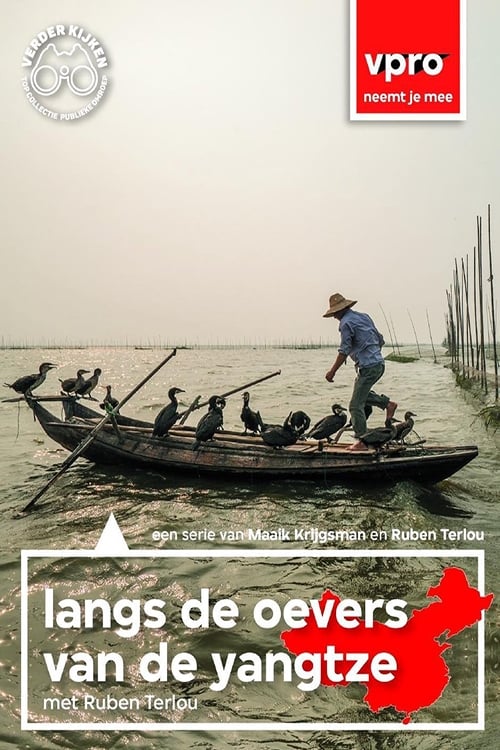
A six-part series in which photographer Ruben Terlou travels from Shanghai, the most westernized part of China, to the much more traditional Tibetan city of Shangri-La. Through the stories of people he meets along the 6,300-kilometre river, Ruben discovers the real China, forty years after Mao’s death.
Pandora's Box is a six-part 1992 BBC documentary television series which examines the consequences of political and technocratic rationalism. The episodes deal, in order, with communism in The Soviet Union, systems analysis and game theory during the Cold War, economy in the United Kingdom during the 1970s, the insecticide DDT, Kwame Nkrumah's leadership in Ghana during the 1950s and 1960s and the history of nuclear power.
Did democracy actually originate in Greece? Was the plague the worst epidemic of all time? And did we really work harder in the past than we do today? Is it true that ...? questions what we think we know and takes another look at history.
The Essential Lectures of Alan Watts video series was recorded in 1971 above Muir Woods, California, and in 1972 aboard the ferryboat the SS Vallejo in Sausalito. Produced by his son Mark and directed by long-time archivist Henry Jacobs, the series explores core philosophical themes that spawned over Watts' career.
From shark attacks to transport disasters and collapsing buildings - why do these events happen? Delve into the mysteries and science behind the stories that hit the headlines.
Artist Sir Grayson Perry visits Silicon Valley to explore how AI and robotics will shape the future, in a series that raises profound questions about what it is to be human.
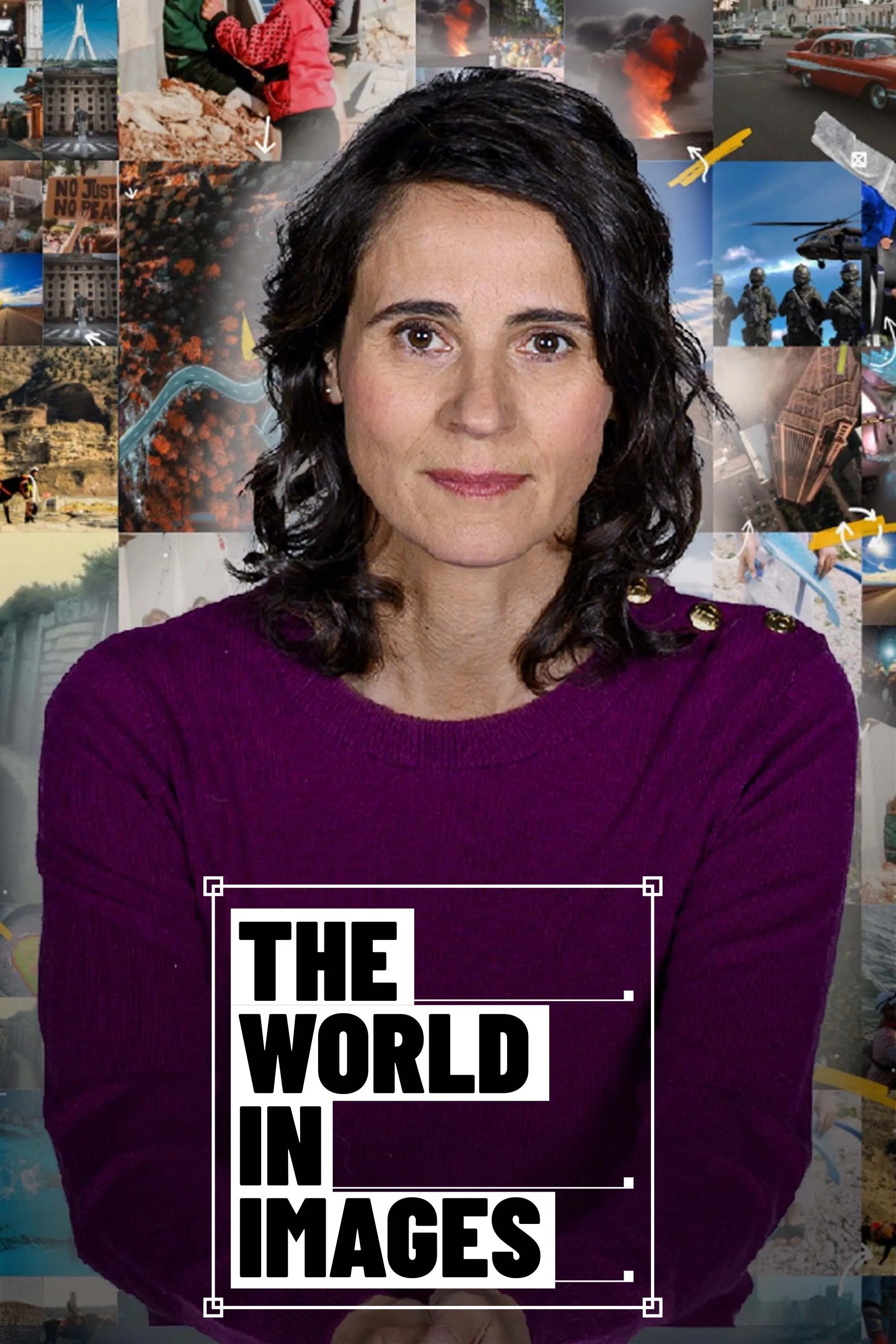
Telling the story of an image: From its creation to its impact on our vision of the world, how can we explain its power? The World in Images offers an interpretation that asks us to look beyond the first glance.
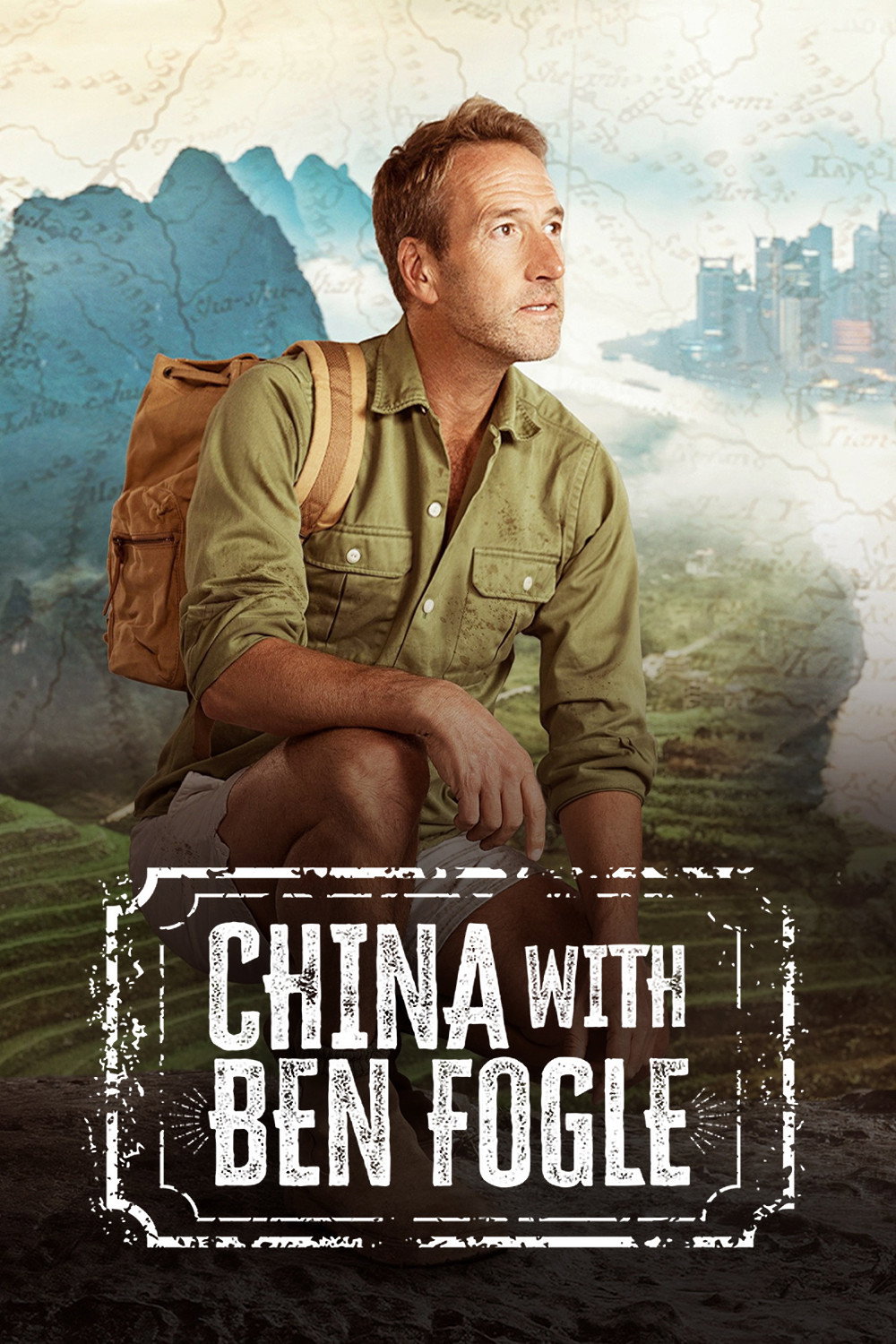
In beautifully crafted episodes, presenter Ben Fogle embarks on a once-in-a-lifetime journey to understand China - to see its most staggering sights, go beyond the stereotypes and discover its true identity. Ben delves into an epic 3000-year tale of how China has got to where it is today - how centuries of Imperial rule gave way to Communist revolution under Chairman Mao and the breakneck economic transformation as the state capitalist China of recent years has emerged. Mixing both the experiences from the people themselves, and a tour of this magnificent region Ben takes the temperature of a country now at the very centre of humanity in the 21st century. So why and how has contemporary China become so important to all our lives?
An irregularly broadcast omnibus series of two-minute mini-dramas based on the 17 goals of the SDGs (UN's "Sustainable Development Goals"). In these short stories, a message is conveyed that we should work together to achieve a society where no one is left behind, and how Japanese society, culture, and traditions are facing each goal.
Infographics and archival footage deliver bite-size history lessons on scientific breakthroughs, social movements and world-changing discoveries.
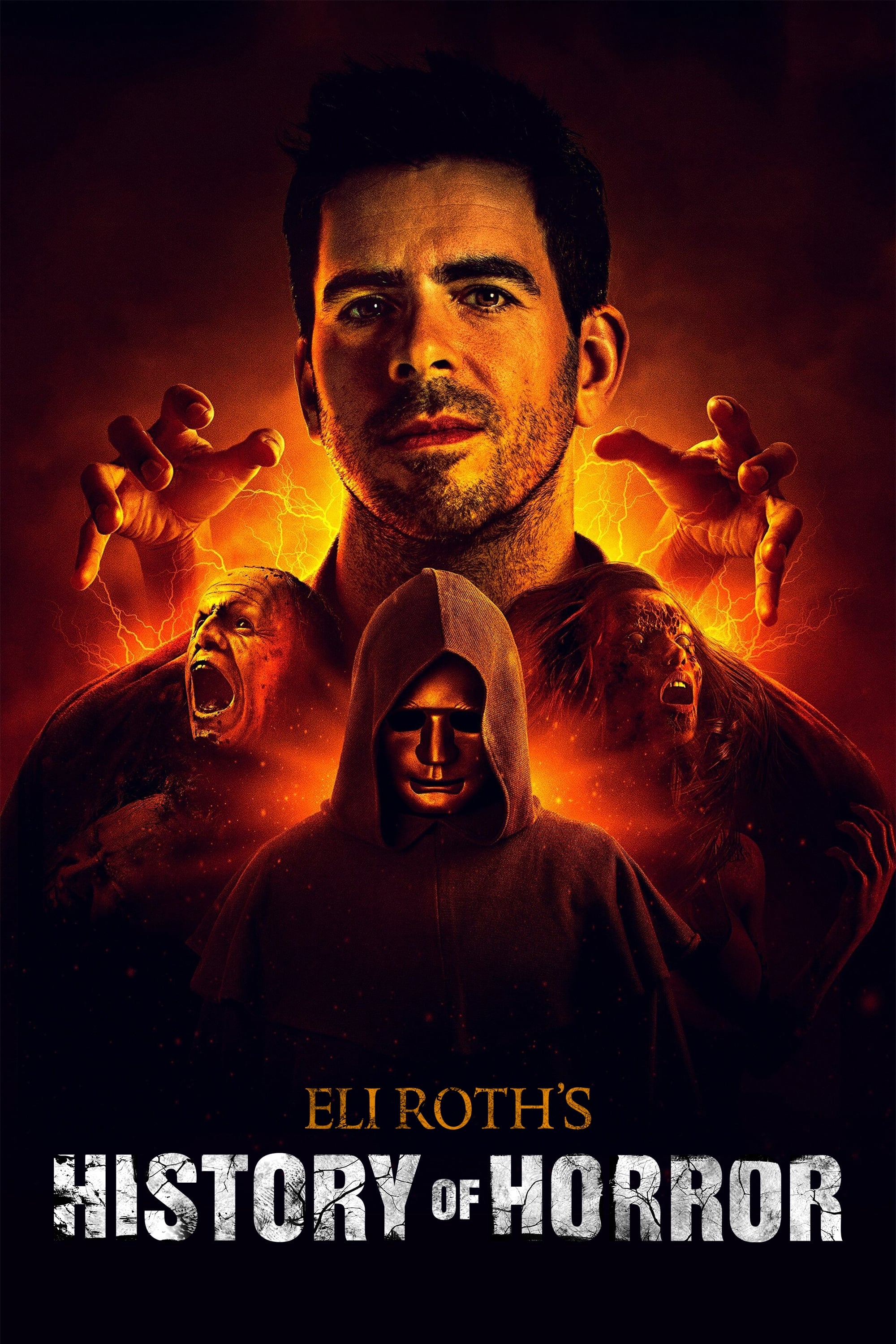
An in-depth look at the history and pop cultural significance of horror films.
A series of standalone documentaries powered by the unparalleled journalism and insight of The New York Times, bringing viewers close to the essential stories of our time.
Motoring programme featuring reviews of and reports about cars of all types.
Doctor Who Confidential is a documentary to complement the revival of the long-running British science fiction television series Doctor Who. Each episode was broadcast on BBC Three on Saturdays, immediately after the broadcast of the weekly television episode on BBC One. The running time of the first two series was 30 minutes, being extended to 45 minutes in the third. BBC Three also broadcast a cut-down edition of the programme, lasting 15 minutes, shown after the repeats on Sundays and Fridays and after the weekday evening repeats of earlier seasons.
An insider's look at the engineering and scientific miracles behind the things that form the modern world.
Don Wildman unearths relics from the world's greatest institutions to reveal secrets from the past. He examines each artifact to illuminate history's most incredible triumphs, sensational crimes and bizarre encounters.
The history of the sport of baseball in America, told through archival photos, film footage, and the words of those who contributed to the game in each era. Writers, historians, players, baseball personnel, and fans review key events and the significance of the game in America's history.
Filmed across six continents, this docuseries uses cutting-edge camera technology to capture animals' nocturnal lives, revealing new behaviours filmed in full color like never before.
Explores WWII from Germany's invasion of Poland through the atomic age, examining pivotal battles, wartime leaders like Churchill and Roosevelt, and the human cost of total war.
In this true-crime documentary, a cult expert and filmmaker infiltrate a polygamist sect to expose a self-proclaimed prophet and bring him to justice.
The documentary takes viewers through Janet Jackson's life and career, contain never-before-seen footage, and feature home videos from the legendary artist. Jackson discusses her controversial 2004 Super Bowl halftime show performance with Justin Timberlake, her father Joe Jackson, the death of her brother Michael Jackson, and more.
Sir Kenneth Clark guides us through the ages exploring the glorious rise of civilisation in western man. Beginning with the bleakness of the dark ages to the present day, we consider civilisation's articulations and expressions in some of man's finest works of art.
Explore American cinema through the decades and the cultural, societal and political shifts that framed its evolution.
Horizon tells amazing science stories, unravels mysteries and reveals worlds you've never seen before.
This immersive series follows the world's most magnificent creatures, capturing never-before-seen moments from the heartwarming to the outrageous.
TV's most-watched history series brings to life the compelling stories from our past that inform our understanding of the world today.
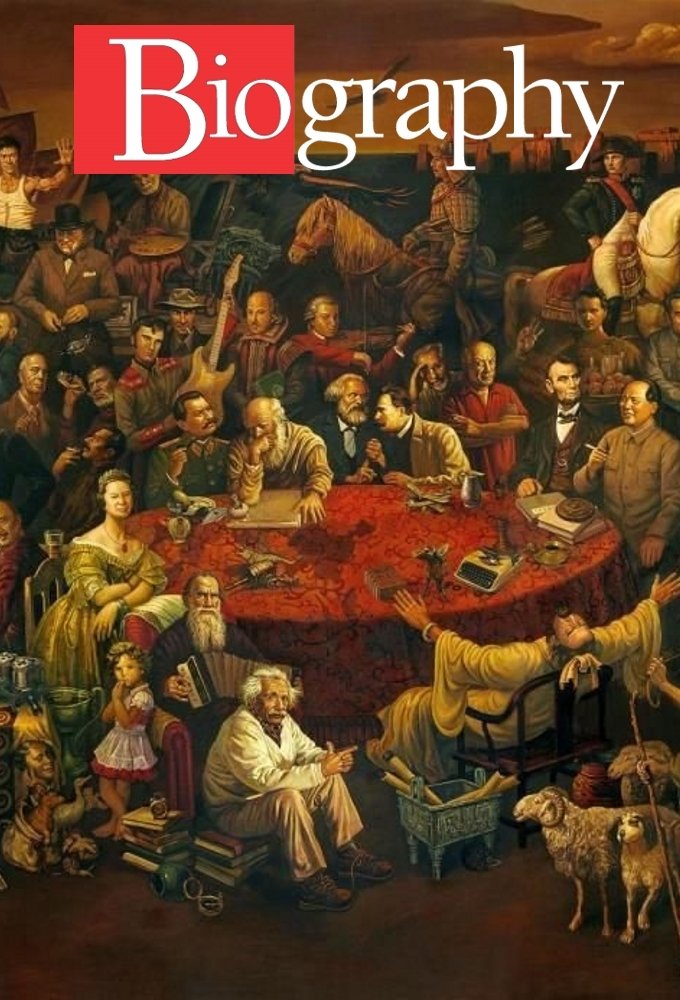
Biography is a documentary television series. It was originally a half-hour filmed series produced for CBS by David Wolper from 1961 to 1964 and hosted by Mike Wallace. The A&E Network later re-ran it and has produced new episodes since 1987. The older version featured historical figures such as Helen Keller and Mark Twain, or long-dead entertainment figures such as Will Rogers or John Barrymore. The A&E series has placed the emphasis on such people as Marilyn Monroe, Elvis Presley, Plácido Domingo, Freddie Mercury, Jacqueline Kennedy Onassis, Eric Clapton, Pope John Paul II, Gene Tierney, Selena, Diego Rivera, Mao Zedong and Queen Elizabeth II, and fictional characters like The Phantom, Superman, Hamlet, Betty Boop, and Santa Claus. The program ended up profiling enough figures that in 1999, A&E spun it off into an entire network, The Biography Channel.
Oscar and Grammy Award-winning producer and artist Mark Ronson explores the intersection of technology and musical innovation with his heroes and fellow hitmakers – including Paul McCartney, DJ Premier, Charli XCX, Dave Grohl, and Questlove.
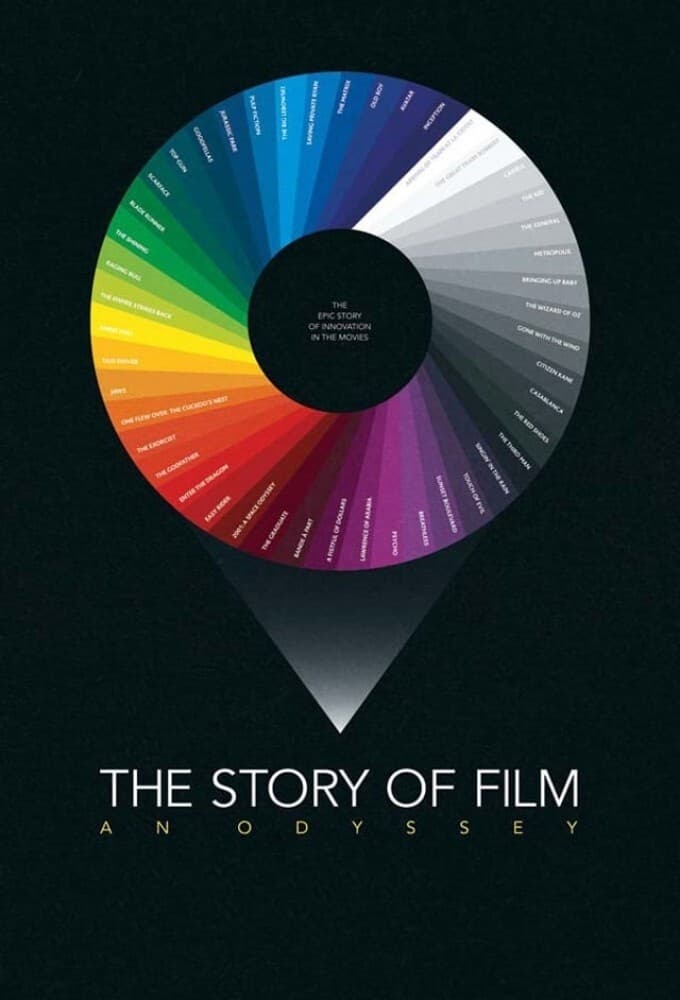
A worldwide guided tour of the greatest movies ever made and the story of international cinema through the history of cinematic innovation.