Social & External
The people behind it
Gabriel Antonioli
Self - Host
Exploring science, health and technology headlines with leading experts and professionals.
Join Steph and Nich as they cover the latest games, gaming news, controversies and conventions! From first looks at upcoming games, developer interviews, chaotic multiplayer sessions, pop culture events to a comprehensive look at the week in eSports.
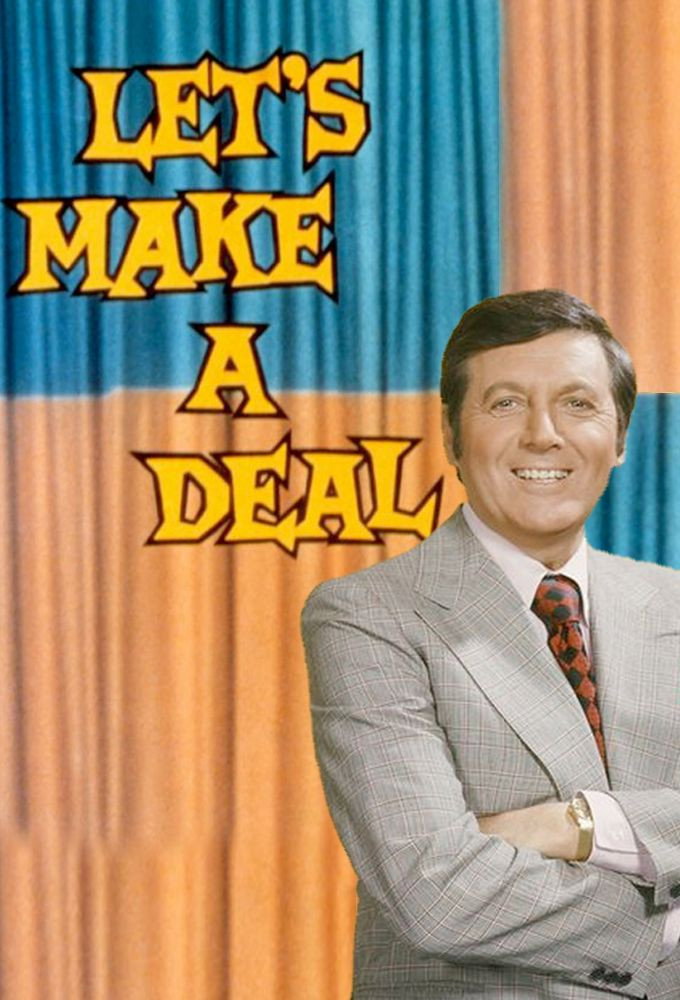
Let's Make a Deal is a television game show which originated in the United States and has since been produced in many countries throughout the world. The show is based around deals offered to members of the audience by the host. The traders usually have to weigh the possibility of an offer being for a valuable prize, or an undesirable item, referred to as a "Zonk". Let's Make a Deal is also known for the various unusual and crazy costumes worn by audience members, who dressed up that way in order to increase their chances of being selected as a trader. The show was hosted for many years by Monty Hall, who co-created and co-produced the show with Stefan Hatos. The current version is hosted by Wayne Brady, with Jonathan Mangum, Tiffany Coyne, and Cat Gray assisting.
Hundreds of cash-strapped players accept a strange invitation to compete in children's games. Inside, a tempting prize awaits — with deadly high stakes.
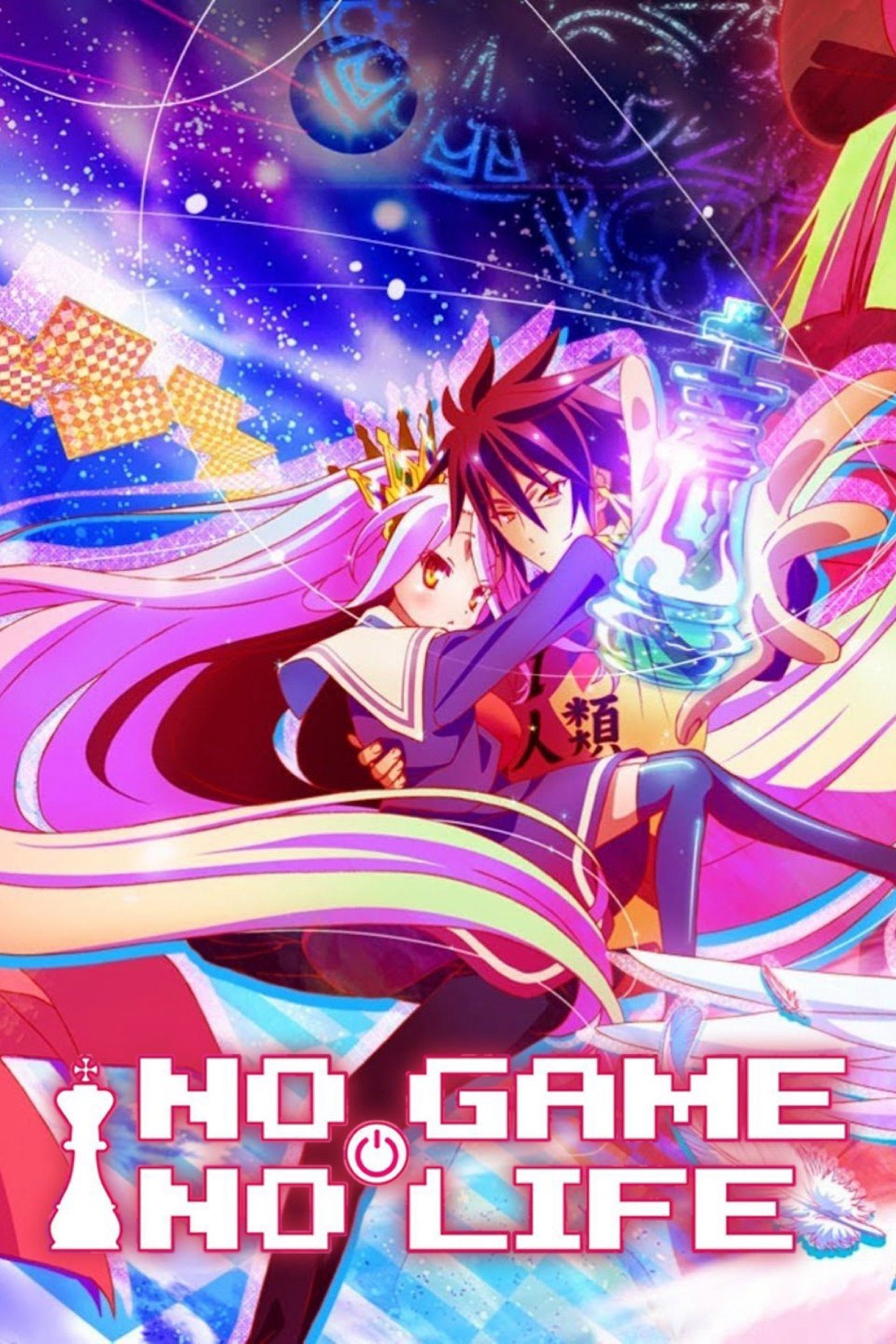
Bored with life and considering the real world to be just a “crappy game,” savvy sibling shut-ins Sora and Shiro have withdrawn into their own fantasy world filled with video games. However, one day they find themselves summoned to another world by a boy who calls himself “God,” their abilities are about to be put to the ultimate test! Now not only their fates — but the fate of all of humanity — will be decided by a series of games that may just be the hardest these super-geniuses have ever faced!
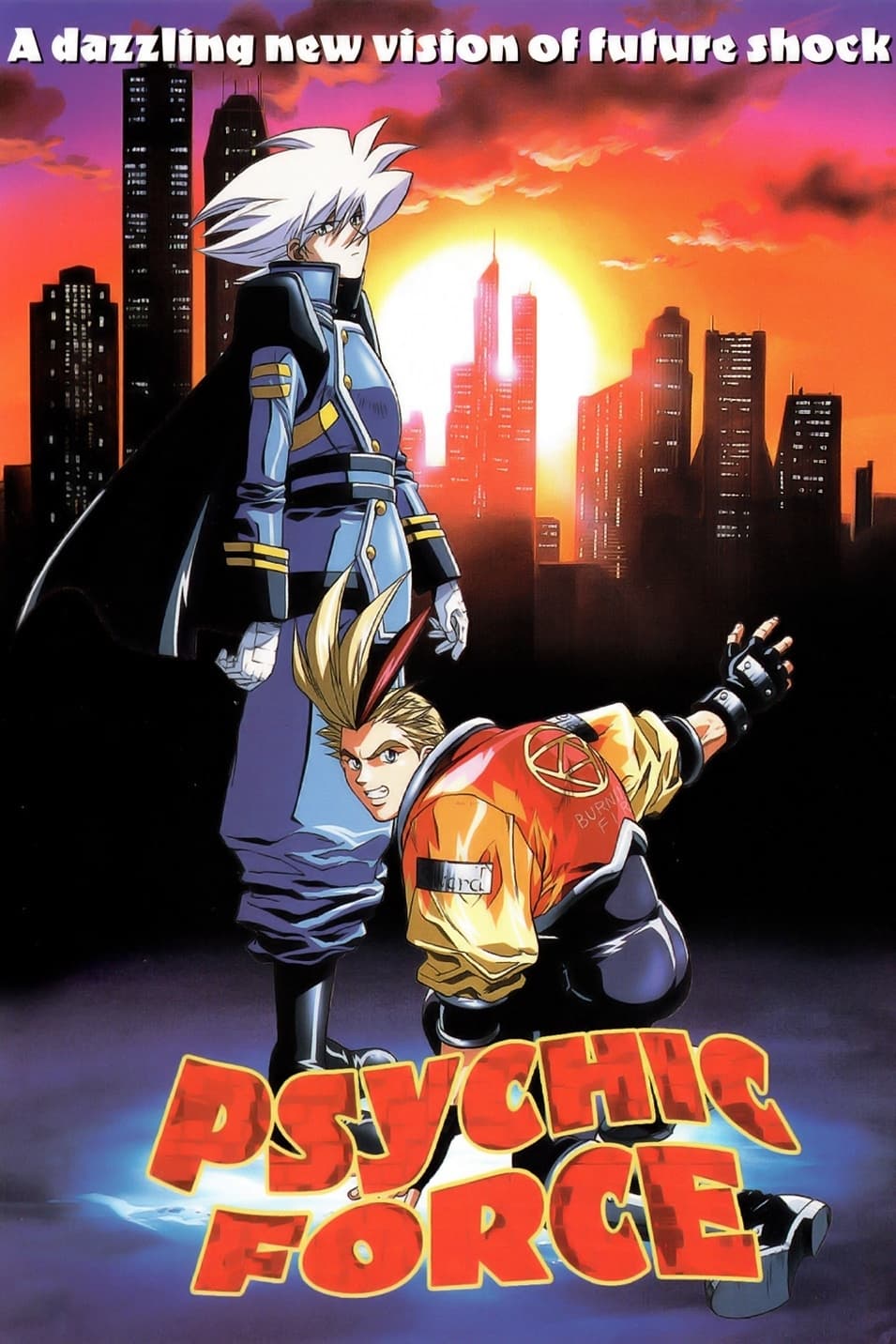
Rapid changes in the new century have brought forth a dangerous power capable of good or evil. Harnessing the psychic abilities of its residents, the government has turned its most gifted citizens into new age guinea pigs, drained of their essence and discarded after serving their purpose. One psychic, Keith Evans, escapes their clutches and with the aid of his new friend Burn Griffith, embarks on a futuristic odyssey which pushes their camaraderie and strength to the limit!
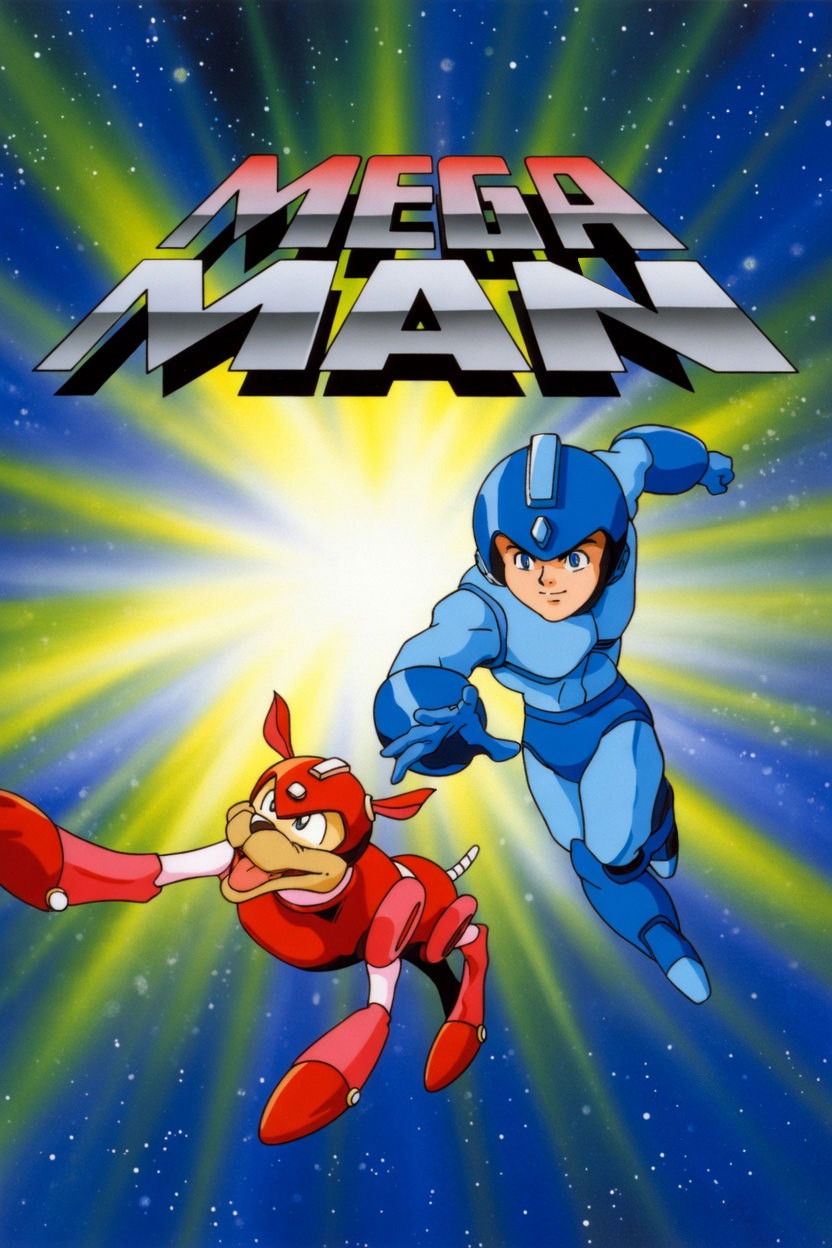
Mega Man is a robot created by a brilliant scientist named Dr. Light, who hoped many his many creations would only be used for good. One day however, a mad scientist named Dr. Wily stole Light's original 6 robots and creation plans. From them he began creating a whole new series of robots, with one goal... World Domination! But Dr. Light gave Mega Man the ultimate trump card when he built him. Mega Man possesses the ability to absorb the powers of other robots. Now Mega Man and his best friend, a robotic dog named Rush fight for everlasting peace against the evil Dr. Wily!
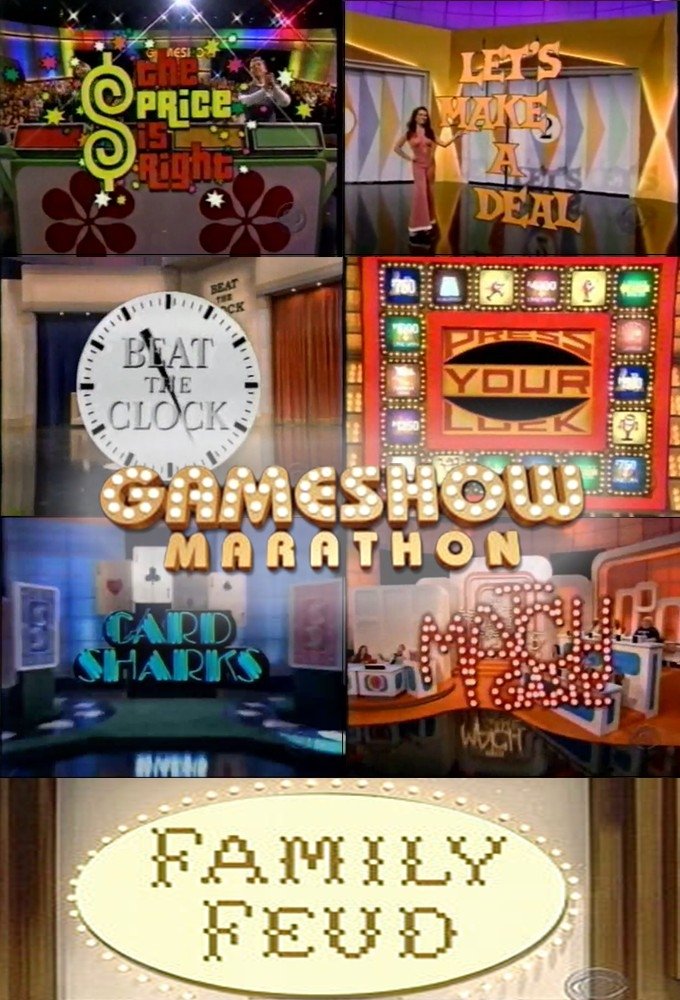
Game$how Marathon is an American television program which aired on CBS from May 31, 2006 to June 29, 2006. It is based on the UK series Ant & Dec's Gameshow Marathon which aired on ITV in 2005. The show features contestants competing in some of television's most historically popular game shows, in a single-elimination format until an ultimate winner is found. Both the UK and US versions featured celebrity contestants. The US version was produced by FremantleMedia North America and Granada America and was hosted by Ricki Lake and announced by Rich Fields. In the US, the series only aired for a single season, while in the UK a second season aired in 2007, this time entitled Gameshow Marathon and hosted by Vernon Kay. This program was recorded at Stage 46, CBS Television City in Los Angeles, CA, USA.
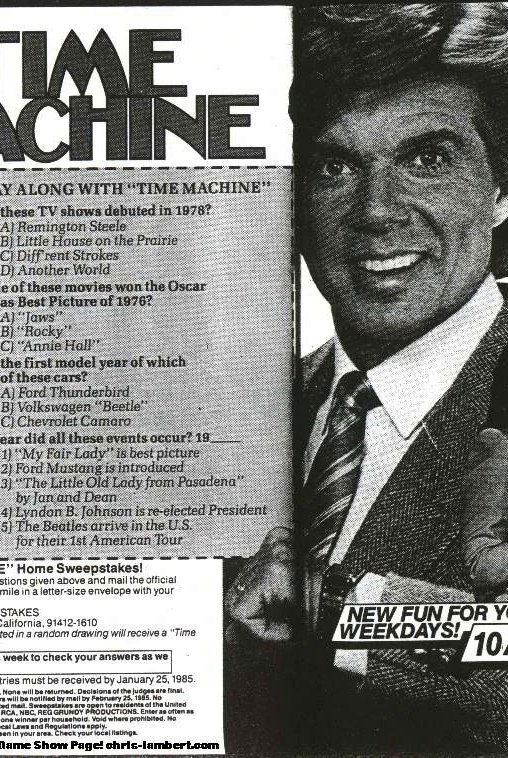
Time Machine is an American game show where contestants compete to answer trivia questions about popular culture and recent history to win prizes. The show aired on NBC from January 7 through April 26, 1985 and was hosted by John Davidson. Charlie Tuna was the announcer, with Rich Jeffries as his substitute. Reg Grundy Productions produced the series, and upon its premiere Time Machine was one of three Grundy series airing on NBC. Most of the questions used focused on nostalgia, popular culture, and recent history, and more specifically what year a particular event occurred. Future Card Sharks model Suzanna Williams appeared as one of the prize models in this series.
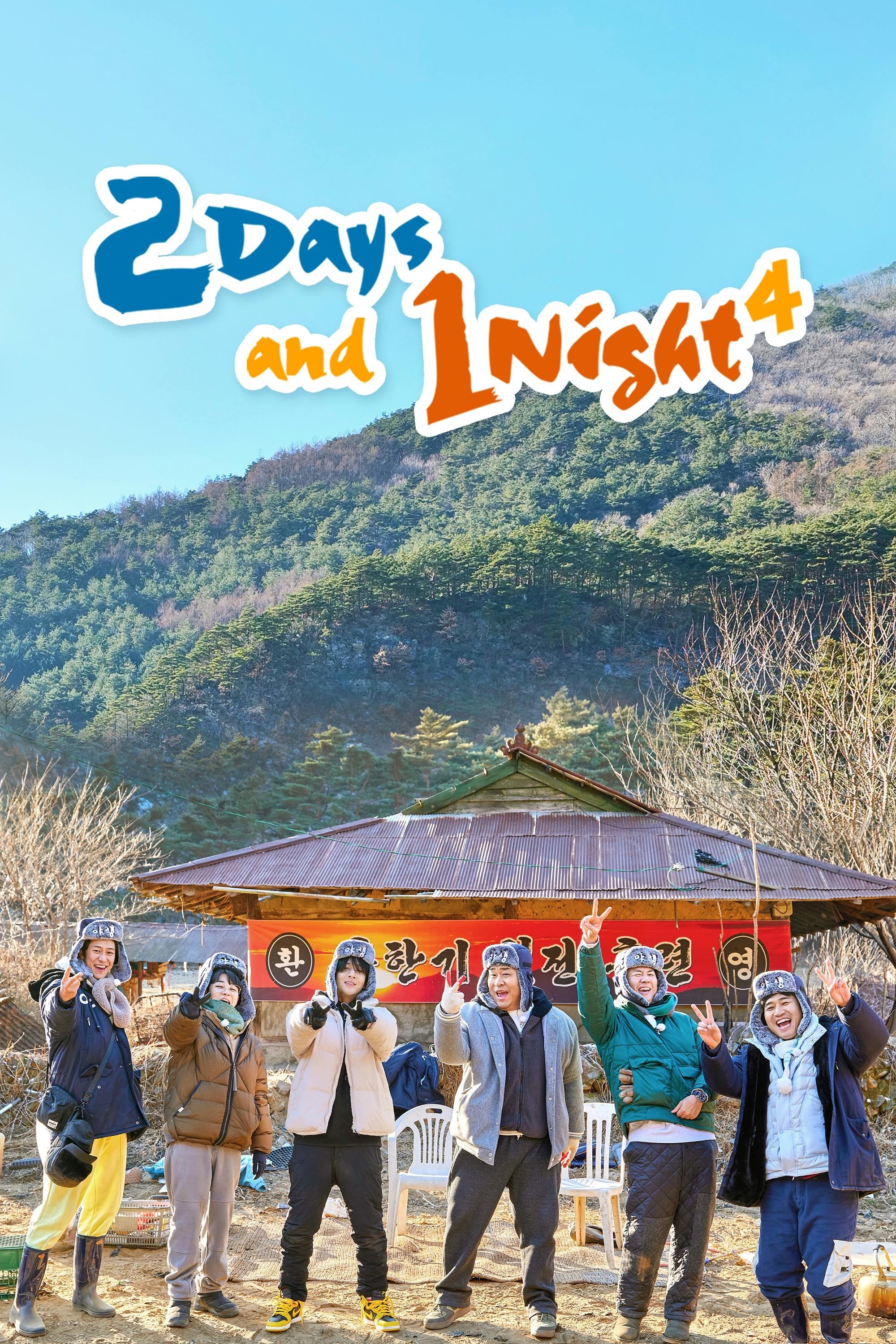
2 Days & 1 Night is a South Korean reality-variety show with the motto "real wild road variety." Its main concept is to recommend various places of interest that viewers can visit in South Korea.
In a prehistoric fantasy world, BoOzy’ OS, a brawny caveman, lives wacky adventures.
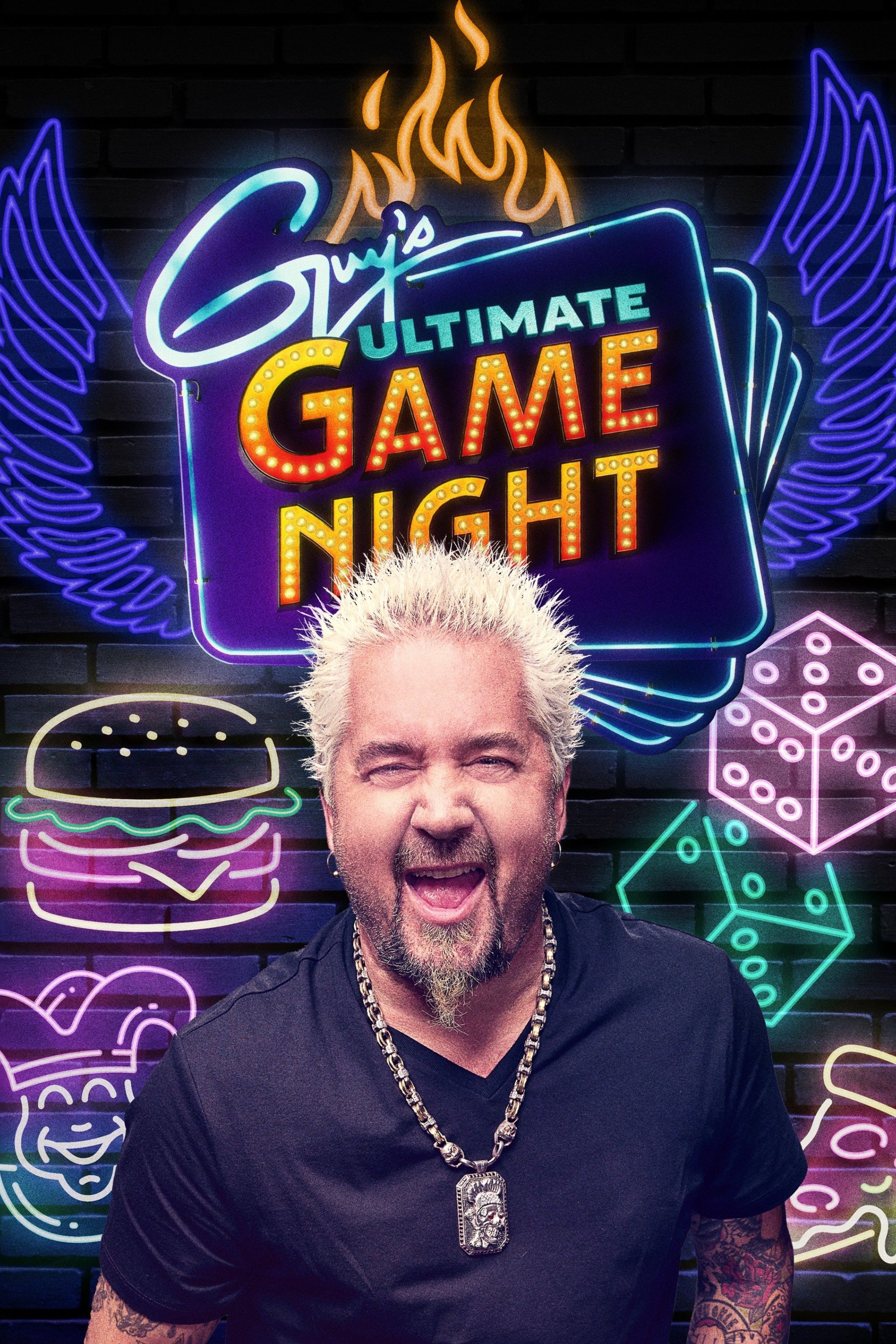
Famous Hollywood guests will compete in games and trivia related to food.
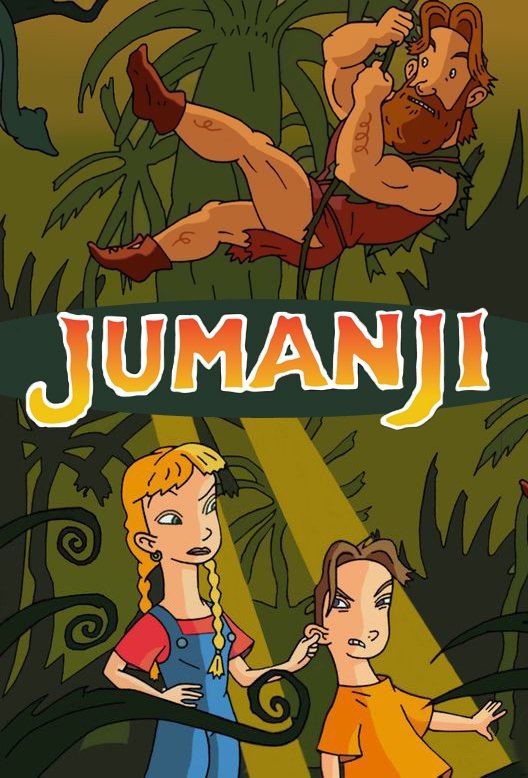
Judy and Peter Shepherd are two kids that found a board game called "Jumanji". With each turn, the two of them are given a "game clue" and then sucked into a dangerous jungle until they solve their clue. There they meet Alan Parrish, who was trapped in the Jumanji jungle because he had never seen his clue.
Chain Letters was a British television game show produced by Tyne Tees. The show was filmed at their City Road studios in Newcastle Upon Tyne and first broadcast on ITV in the United Kingdom from 7 September 1987 to 6 July 1990, then again from 2 January 1995 to 25 April 1997. Three contestants competed to win money by changing letters in words to form new words. Its original host was the late Jeremy Beadle, followed by Andrew O'Connor, Allan Stewart, Ted Robbins, Vince Henderson and Dave Spikey.
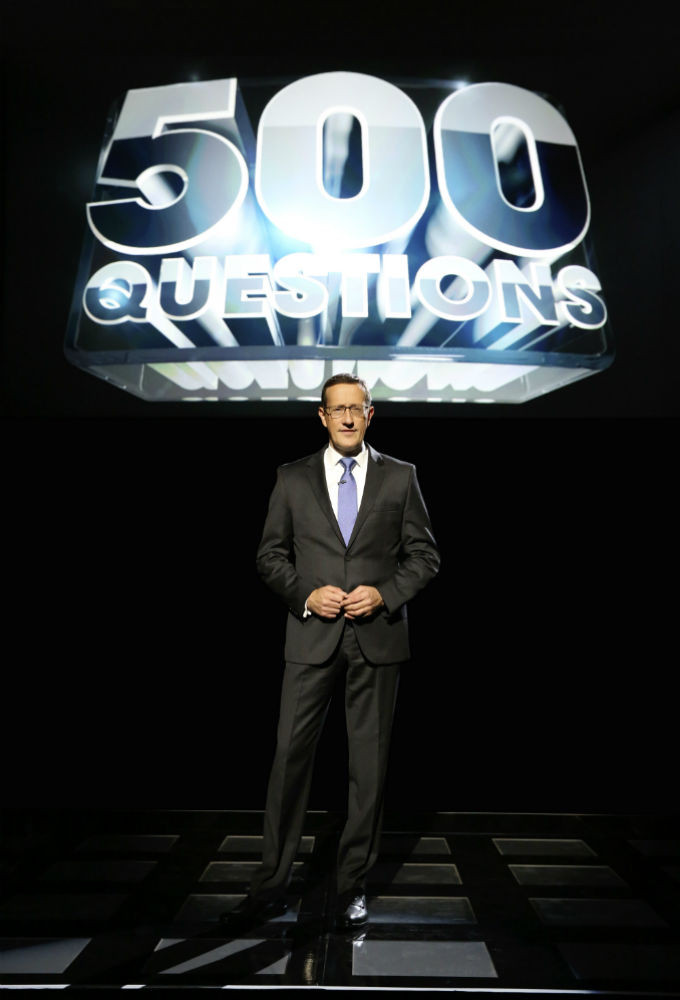
Prepare for an all-new game show event where the smartest people in the country try to achieve the seemingly impossible task of answering 500 of the most difficult general knowledge questions ever devised. There’s only one simple rule: never get three wrong in a row—or you’re gone. No saves, no helps, no multiple choice, 500 Questions will keep you on the edge of your seat to see if any of these geniuses can do it.
In the near future, a game development company, Cooltron, has developed a love game called "Listening to the Heartbeat". To promote the test game, Cooltron organizes a competition with a special bonus in which Yan Xiao Yu participates. According to the system, she is matched with engineer Ji Yun Feng. The ultimate clearance condition of this game is the heartbeat of both parties.
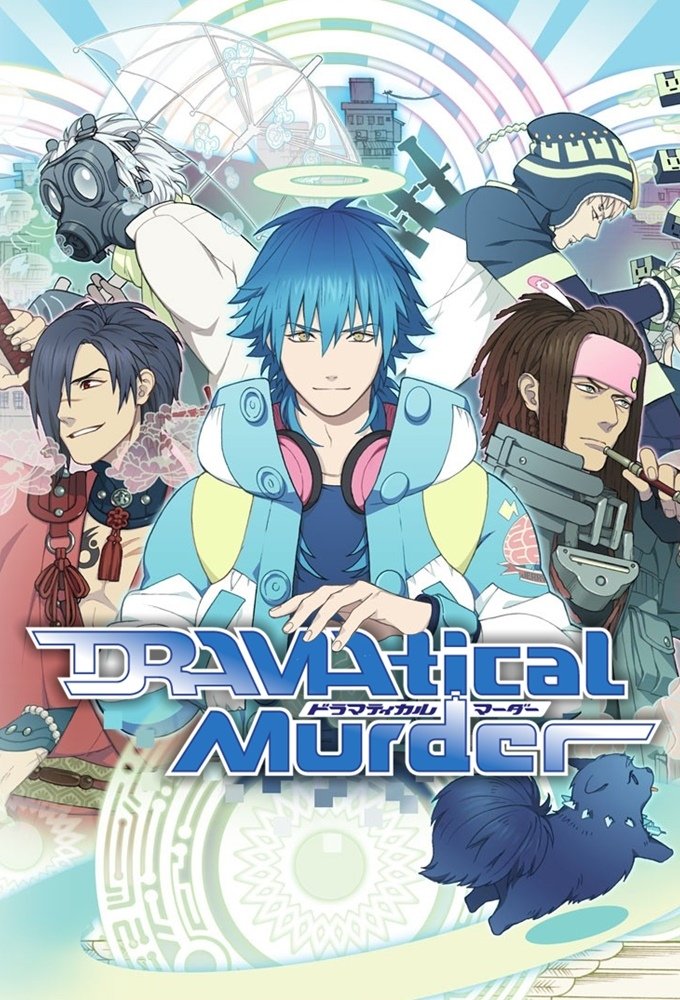
Aoba lives on Midorijima, a small island to the southwest of the main islands of Japan. He lives with his grandmother Tae while working part time at a junk shop. The popular pastimes on the island are the ongoing turf war called "Libstease" and an online game set in the virtual world of "Rhyme." Aoba isn't involved in either, preferring to live peacefully, until one day he is forced into a Rhyme battle.
There is a place after death that’s neither heaven nor hell. A bar that serves you one chance to win. You cannot leave until the game is over, and when it is, your life may be too.
Ten pair of friends will compete in a race along a path of ten thousand miles, in stages that require three days for each trip which have specific goals.
VICE News' half-hour nightly newscast. We now interrupt your regularly scheduled worldview.
The sparkling notes of a trumpet fanfare and the familiar logo of the sun alert viewers that it's time for CBS's Sunday morning staple. Journalist Jane Pauley helms the show, taking over hosting duties from Charles Osgood, who spent 22 years on the job. A morning talk show, this program airs at a different pace and focuses much of its attention on the performing arts. After a quick update of the day's news and national weather, correspondents offer longer-length segments on a variety of topics, from architecture to ballet to music to pop culture to politics.
60 Minutes, an Australian version of the U.S. television newsmagazine 60 Minutes, airs on Sunday nights on the Nine Network and is presented in much the same way as the American program on which it is based. The New Zealand version of the show has also featured segments of the Australian version. Gerald Stone, the founding executive producer, was given the job by Kerry Packer and was told: "I don't give a f... what it takes. Just do it and get it right." After the first episode was broadcast on 11 February 1979, Packer was less than impressed, telling Stone: "You've blown it, son. You better fix it fast." Over the years, Stone's award winning 60 Minutes revolutionised Australian current affairs reporting and enhanced the careers of Ray Martin, Ian Leslie, George Negus, and later Jana Wendt. Since it was first broadcast, 60 Minutes has won five Silver Logies, one Special Achievement Logie, and received nominations for a further six Logie awards.
America's popular television News magazine in which an ever changing team of CBS News correspondents contribute segments ranging from hard news coverage to politics to lifestyle and pop culture.
Veteran political journalist Tucker Carlson hosts this nightly series that bears his name. Fox News describes the show as an "hour of spirited debate and powerful reporting," with Carlson taking on issues that viewers care about. He is joined by guests to help him discuss issues that don't seem to get much coverage in other parts of the media. Regular segments include Carlson calling out political correctness that goes too far and putting overblown social-media outrage in its place, all done in what the network calls "his signature style."