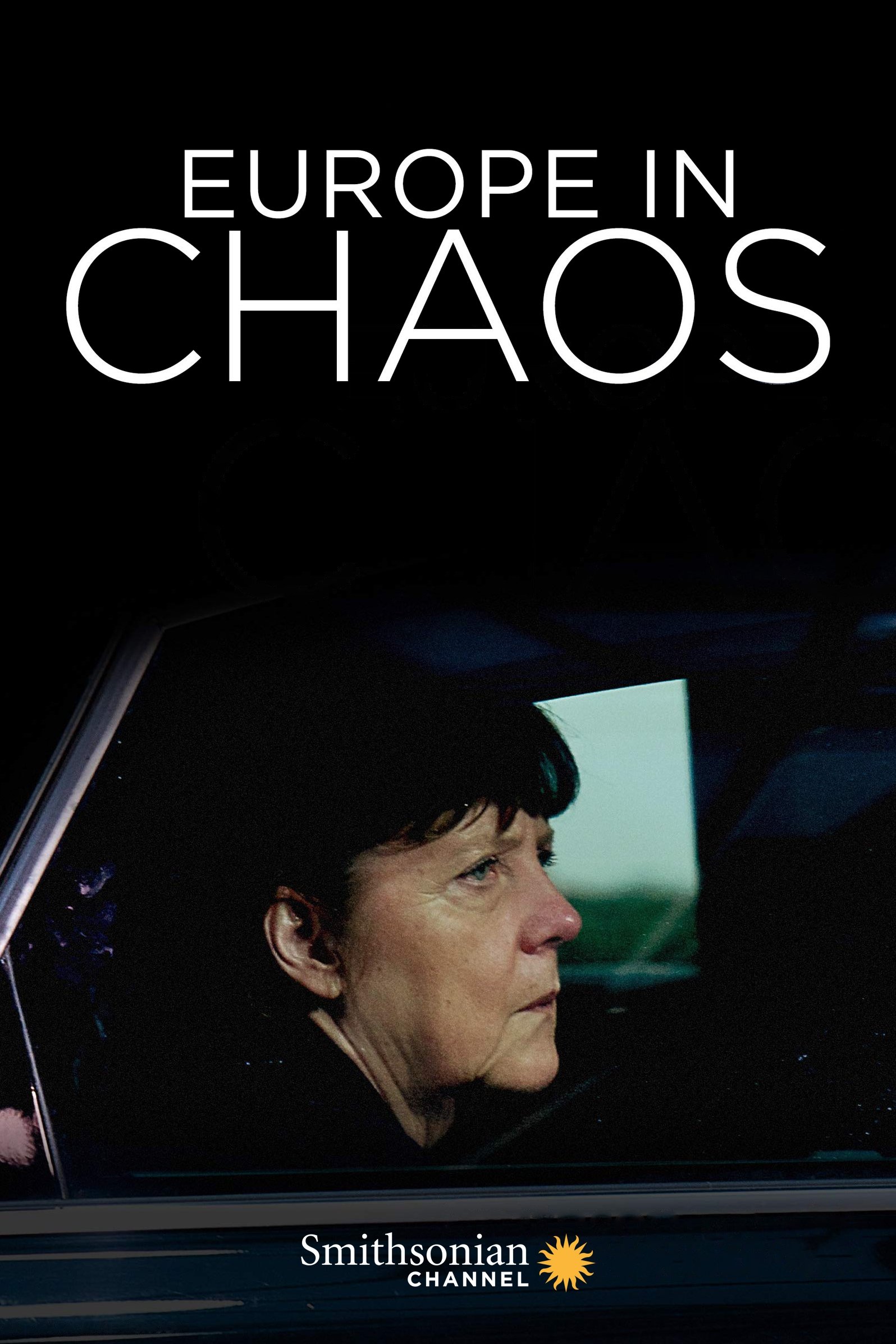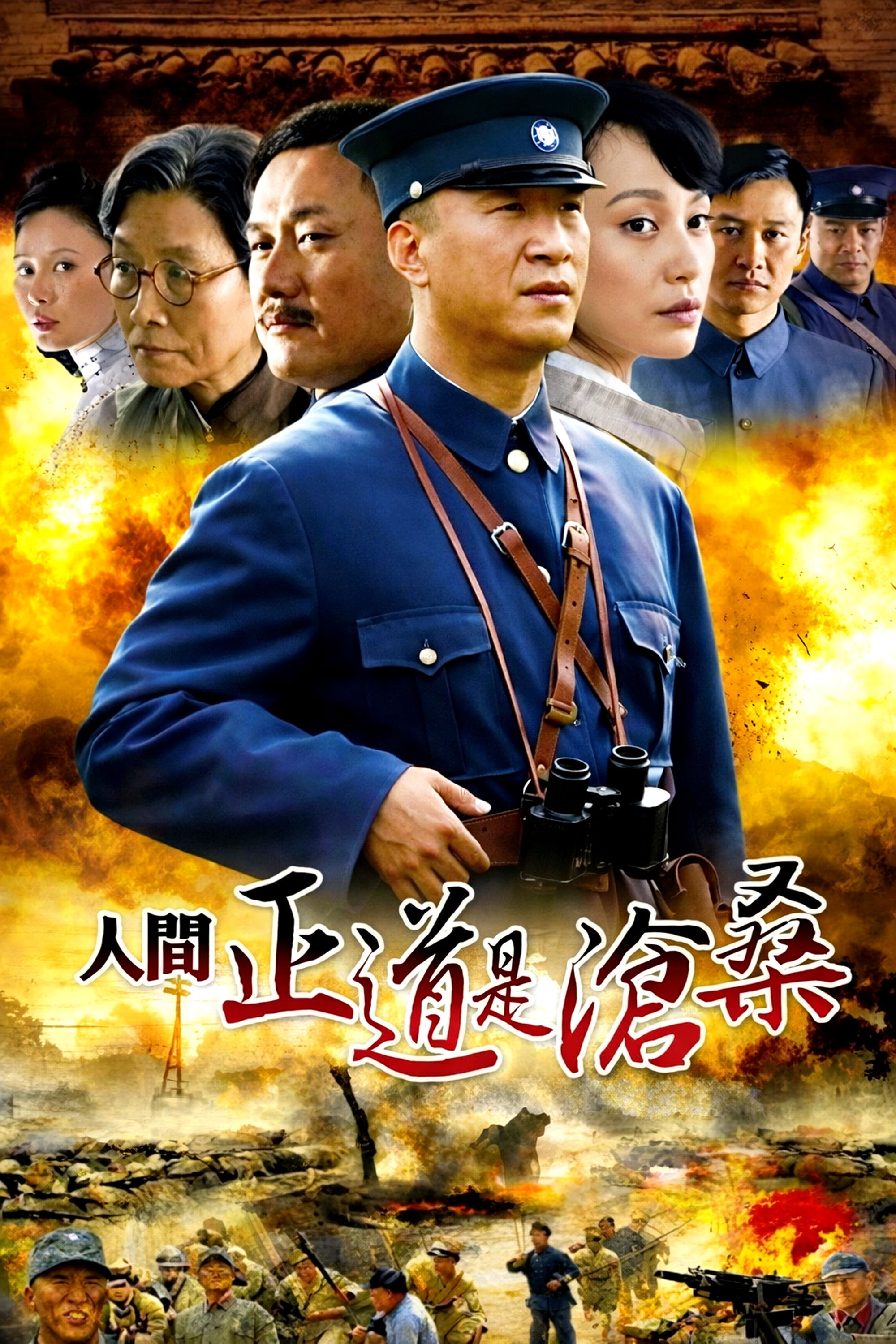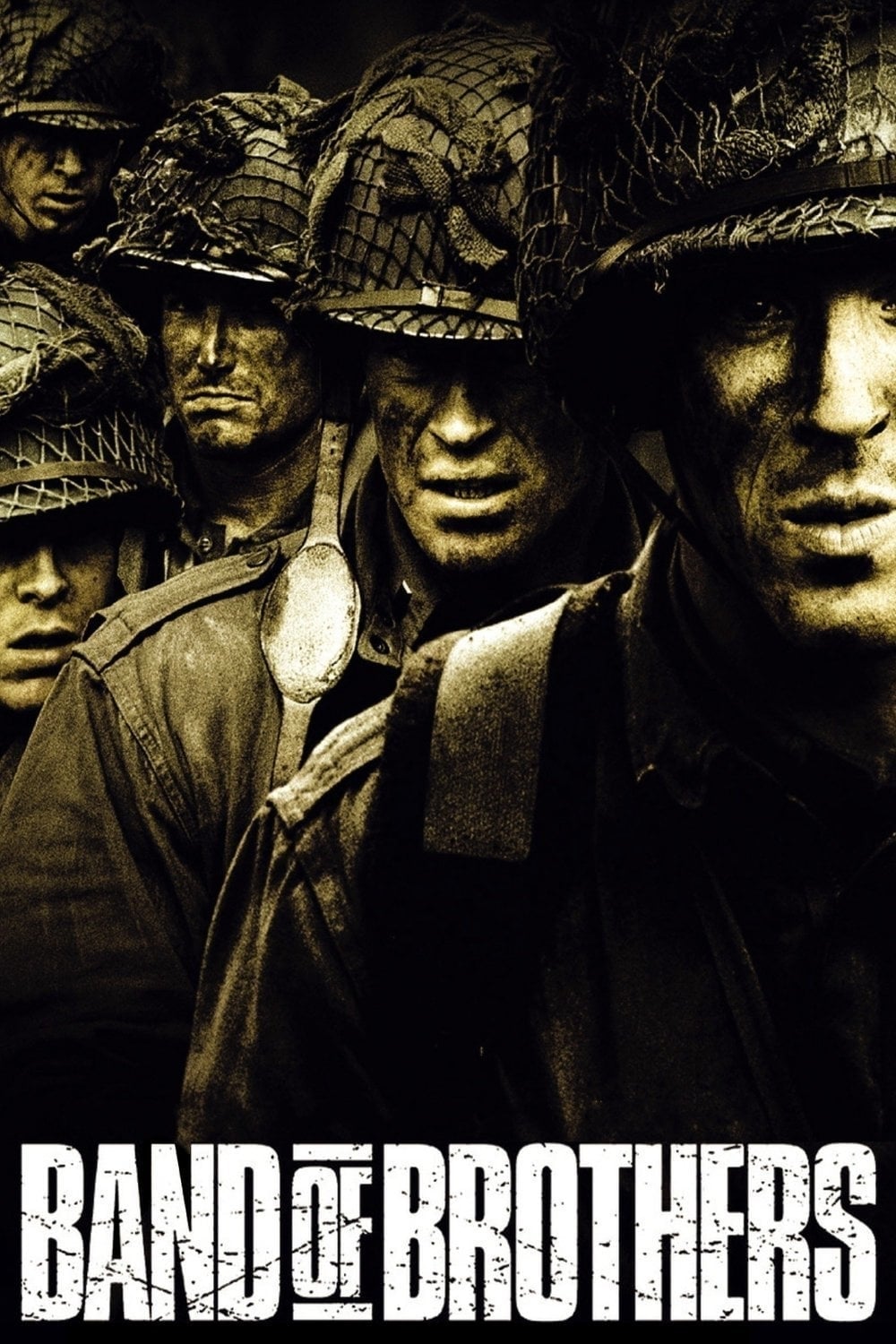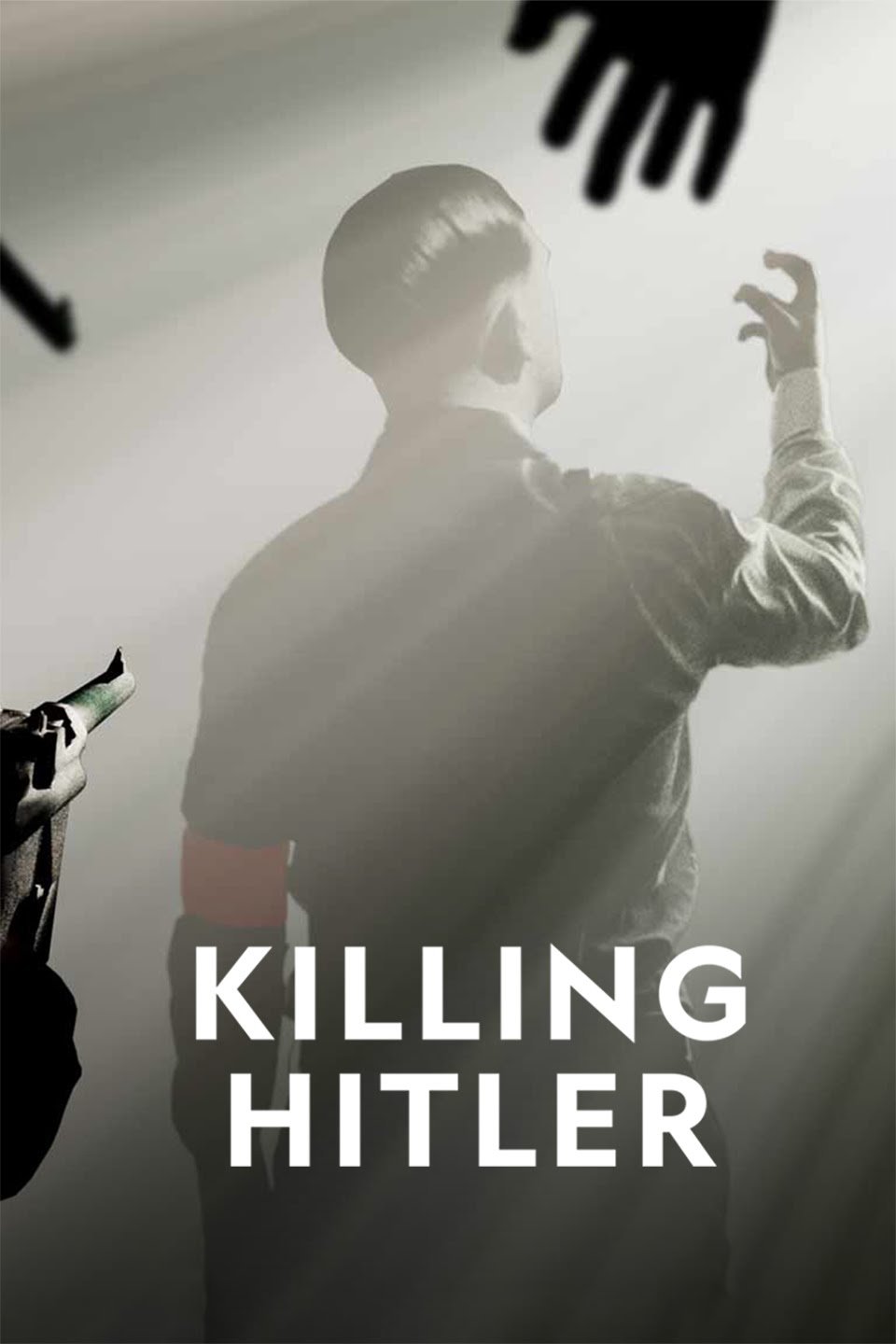

"Resistance through the ages"
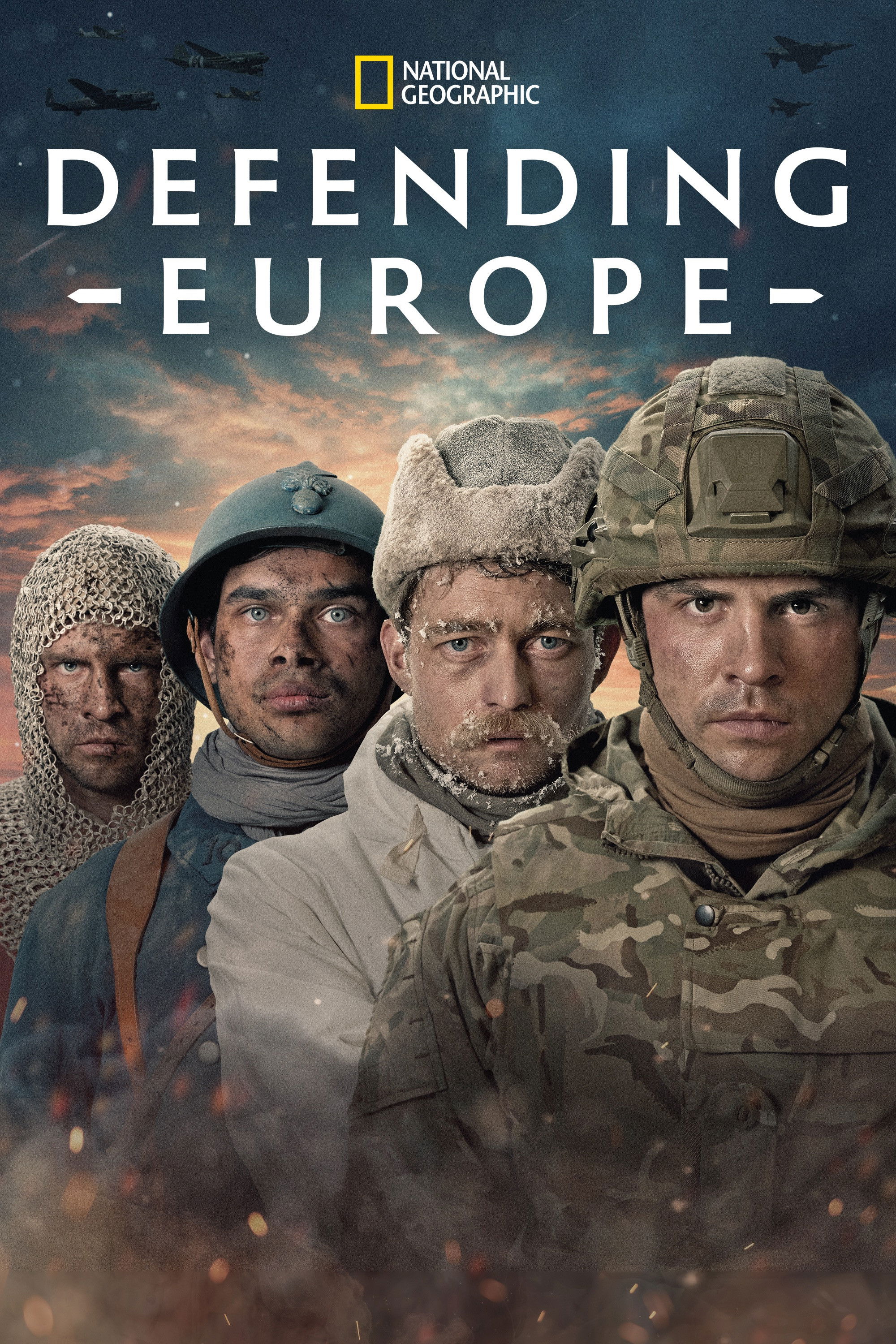
Exploring defensive strategies, weapons and structures used across Europe over 2,000 years, shedding light on forgotten histories that shaped modern borders.
Social & External
Eleven months into the One Year War in U.C.0079, top Zaku II pilot Captain Solari faces the Earth Federation's new lethal weapon: the mobile suit Gundam.
Sharpe is a British series of television dramas starring Sean Bean as Richard Sharpe, a fictional British soldier in the Napoleonic Wars. Sharpe is the hero of a number of novels by Bernard Cornwell; most, though not all, of the episodes are based on the books. Produced by Celtic Films and Picture Palace Films for the ITV network, the series was shot mainly in Turkey and the Crimea, although some filming was also done in England, Spain and Portugal. The series originally ran from 1993 to 1997. In 2004, as part of ITV's new set of drama, ITV announced that it intended to produce new episodes of Sharpe, in co-production with BBC America, loosely based on his time in India, with Sean Bean continuing his role as Sharpe. Sharpe's Challenge is a two-part adventure; part one premiered on ITV on 23 April 2006, with part two being shown the following night. With more gore than earlier episodes, the show was broadcast by BBC America in September 2006.
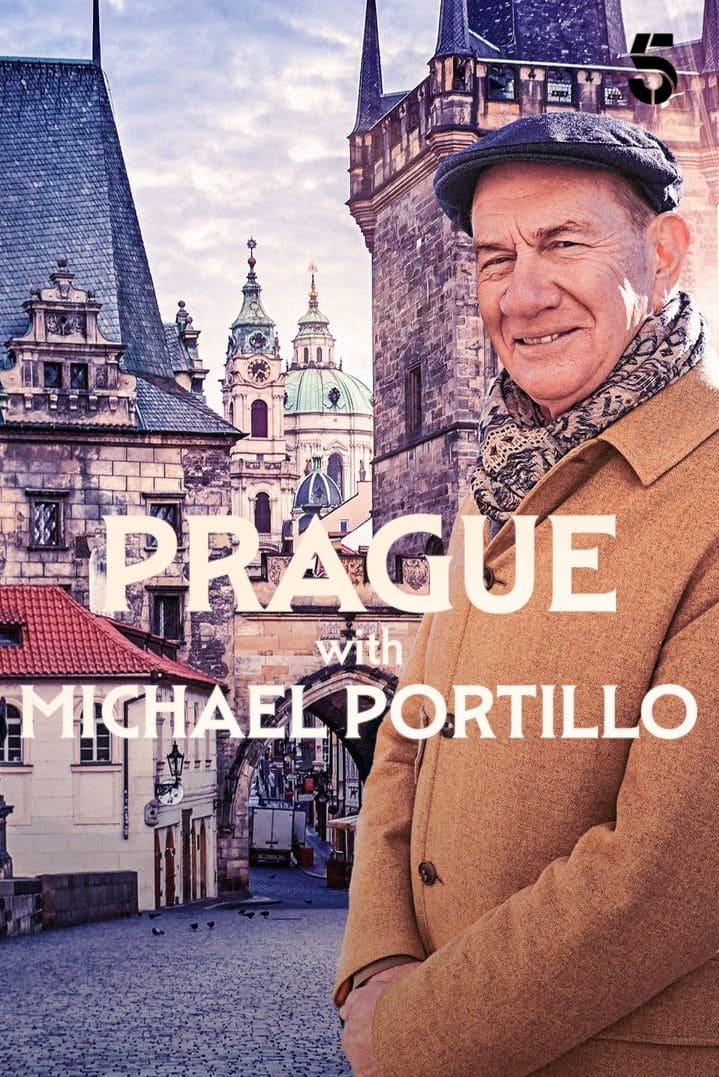
I went on a 5 week trip through Switzerland, Italy & Croatia, my first big trip in over 18 months.
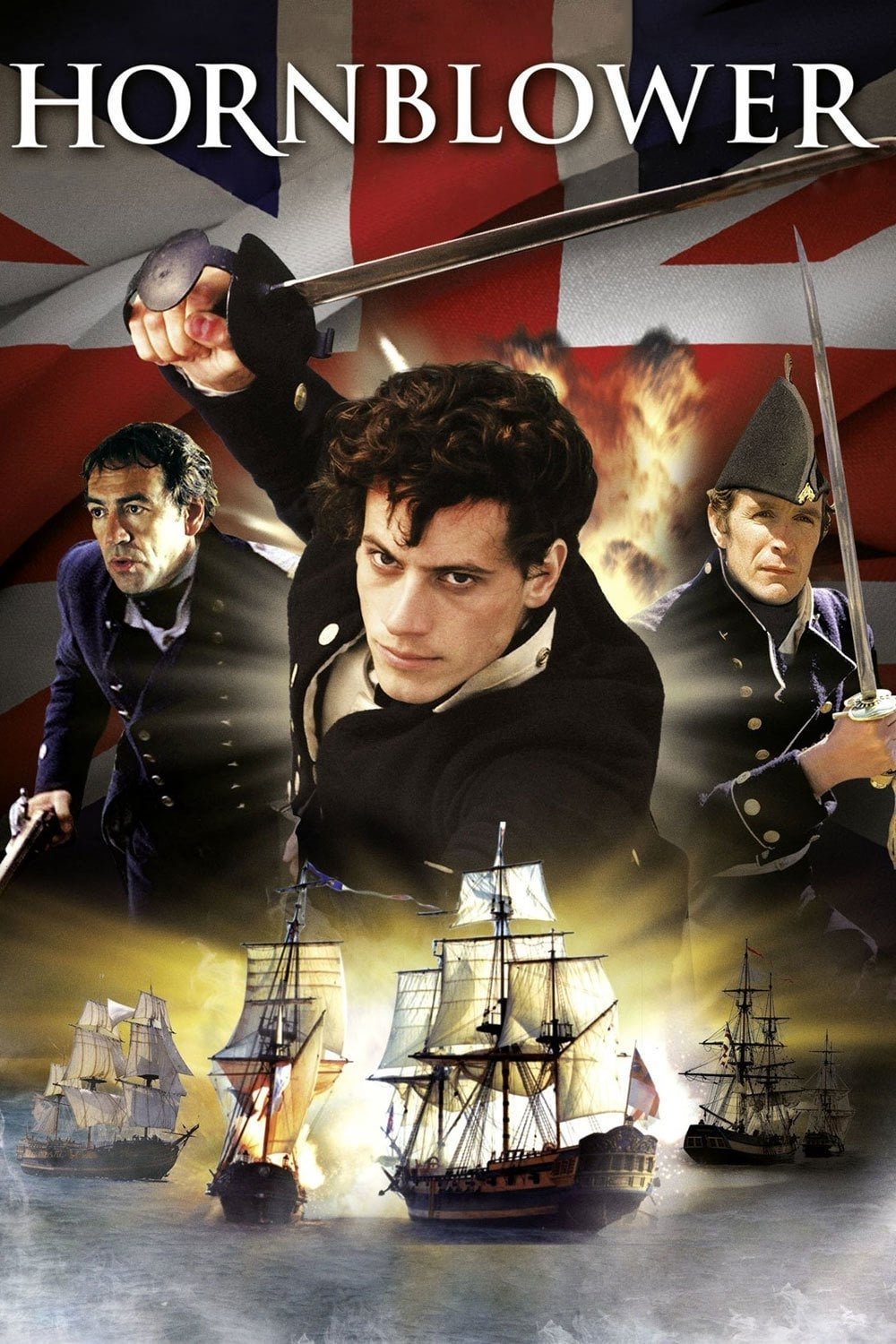
Set during the 18th century Napoleonic Wars, Horatio Hornblower, a young and shy midshipman, rises through the ranks to become an admiral.
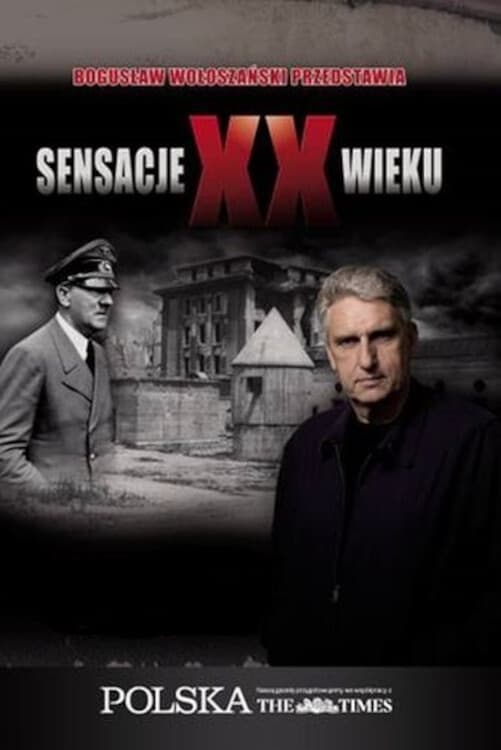
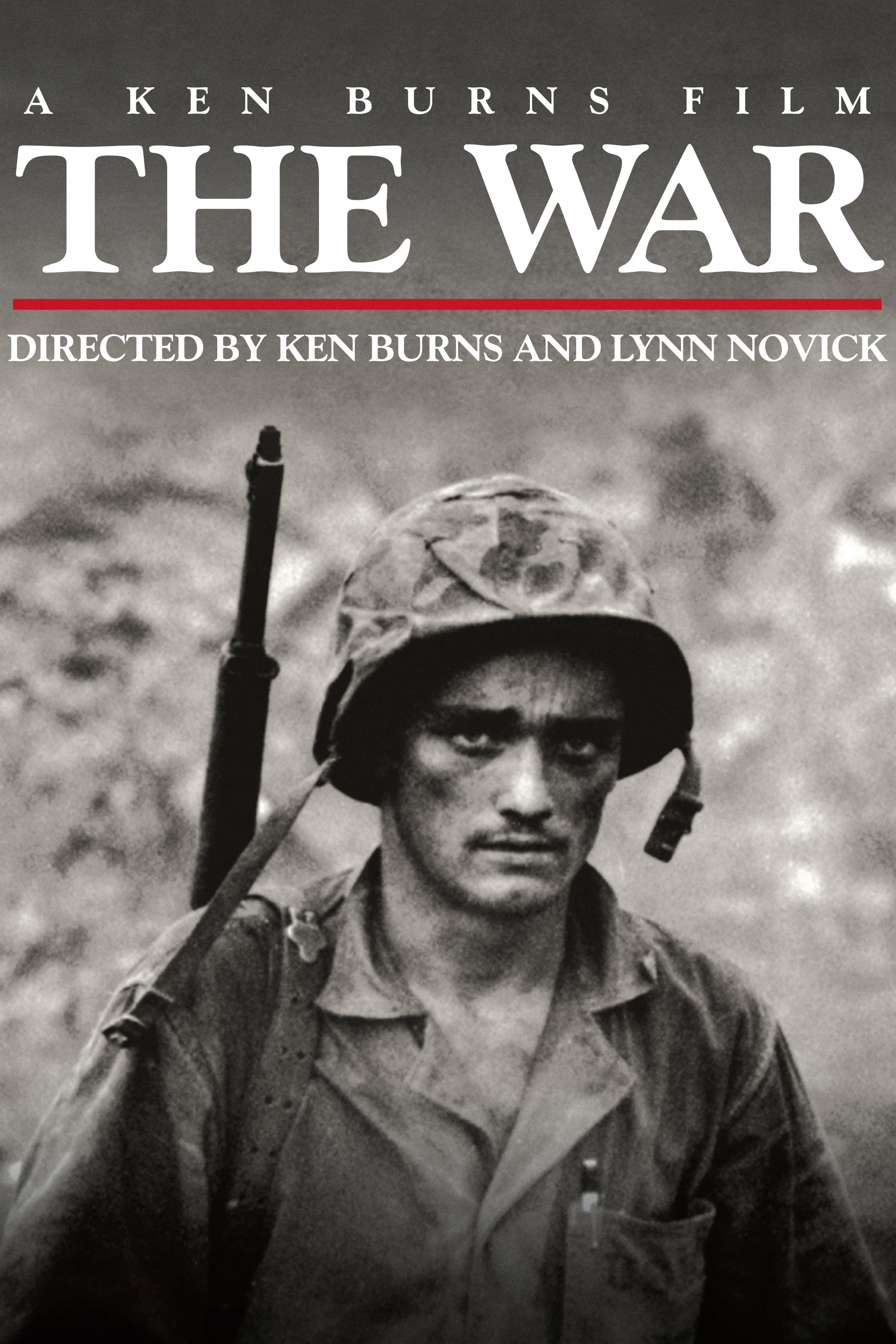
A documentary series that gives a historical account of the events of World War II, from its roots in the 1920s to the aftermath and the lives it profoundly influenced.
After Japan’s invasion of China, a Chinese professor in Boston returns to Beijing to translate a document exposing Japanese war crimes for the UN, but becomes a target of the Japanese army, who will stop at nothing, including kidnapping his brother, to silence him.
With the opening of the interstellar colonial era, humanity finally spread the core values of civilization to the entire galaxy. The warship cannon that destroyed the planet ignited a fire of positive energy for the dark and cold universe.
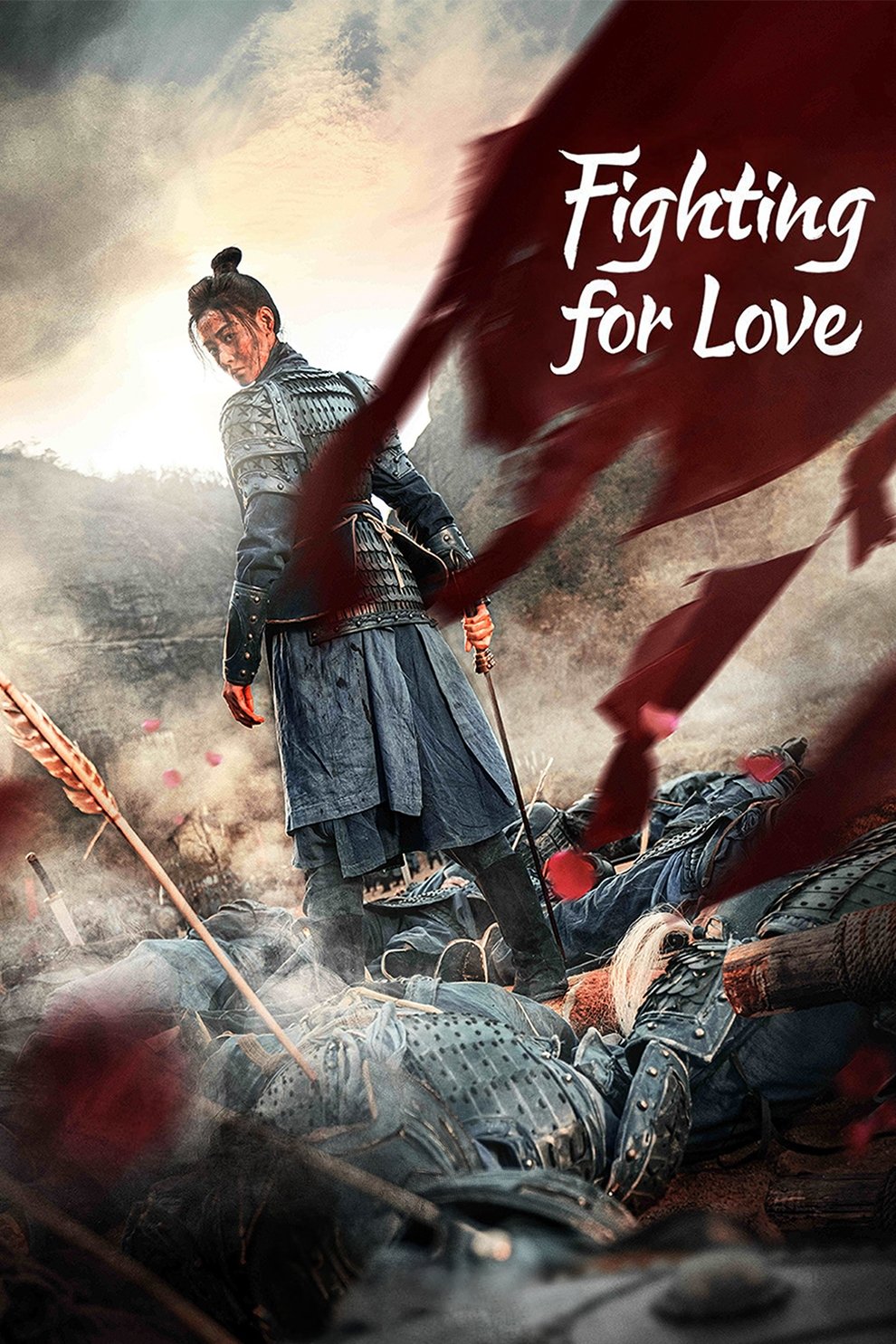
After her family is killed by her childhood sweetheart, A Mai disguises herself as a man to seek revenge. Along the way, she rescues a royal heir, joins the military, and rises to commander through her battlefield successes. As war intensifies, A Mai is torn between duty, loyalty, and the pain of her past while uncovering hidden truths that will shape the fate of the nation.
In the eight-part series Allah in Europe, Jan Leyers is looking for the face of Islam in Europe. Is there such a thing as a European, enlightened version of Islam growing and is that what Muslims themselves want?
In the year 1901, and in the 13 years that followed, the peoples of Western Europe and the English-speaking Americas were becoming consumers rather than warriors. Motor cars and motorcycles, airships, electric trains, and submarines, novelties to while away the increasing leisure time
A group of history experts from London's King's College has created this documentary series that tries to assess the key political figures of WWII.
The untold secret story of war production that shaped the Second World War.
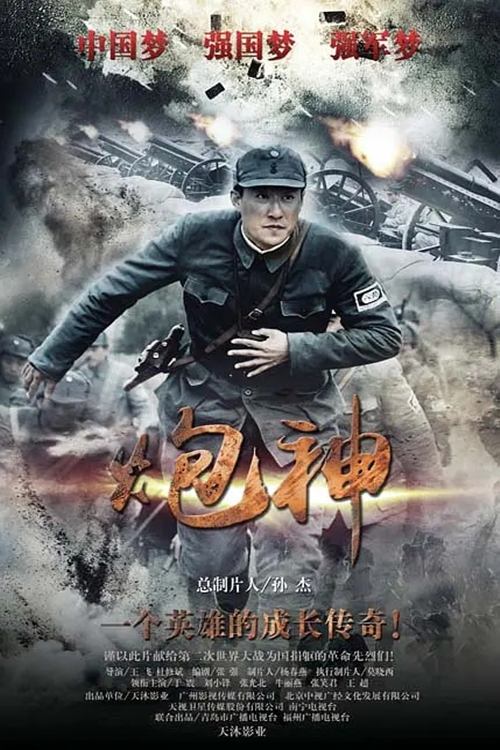
It tells the story of Yang Zhi Hua, a mafu soldier, who became a "gun god" after a series of baptisms of war.
The Vasa was built for war but also to impress the enemy and display power. However, she sank on her maiden voyage, taking about thirty people with her to the depths. Many were rescued from the water by small boats that were in Stockholm’s ström to witness the proud vessel. Today, 400 years later, researchers study this unique time capsule from the early 17th century. How powerful were Vasa’s 64 cannons? Who do the countless, colorful sculptures on the ship actually depict? And the big question: what was the reason the ship sank?
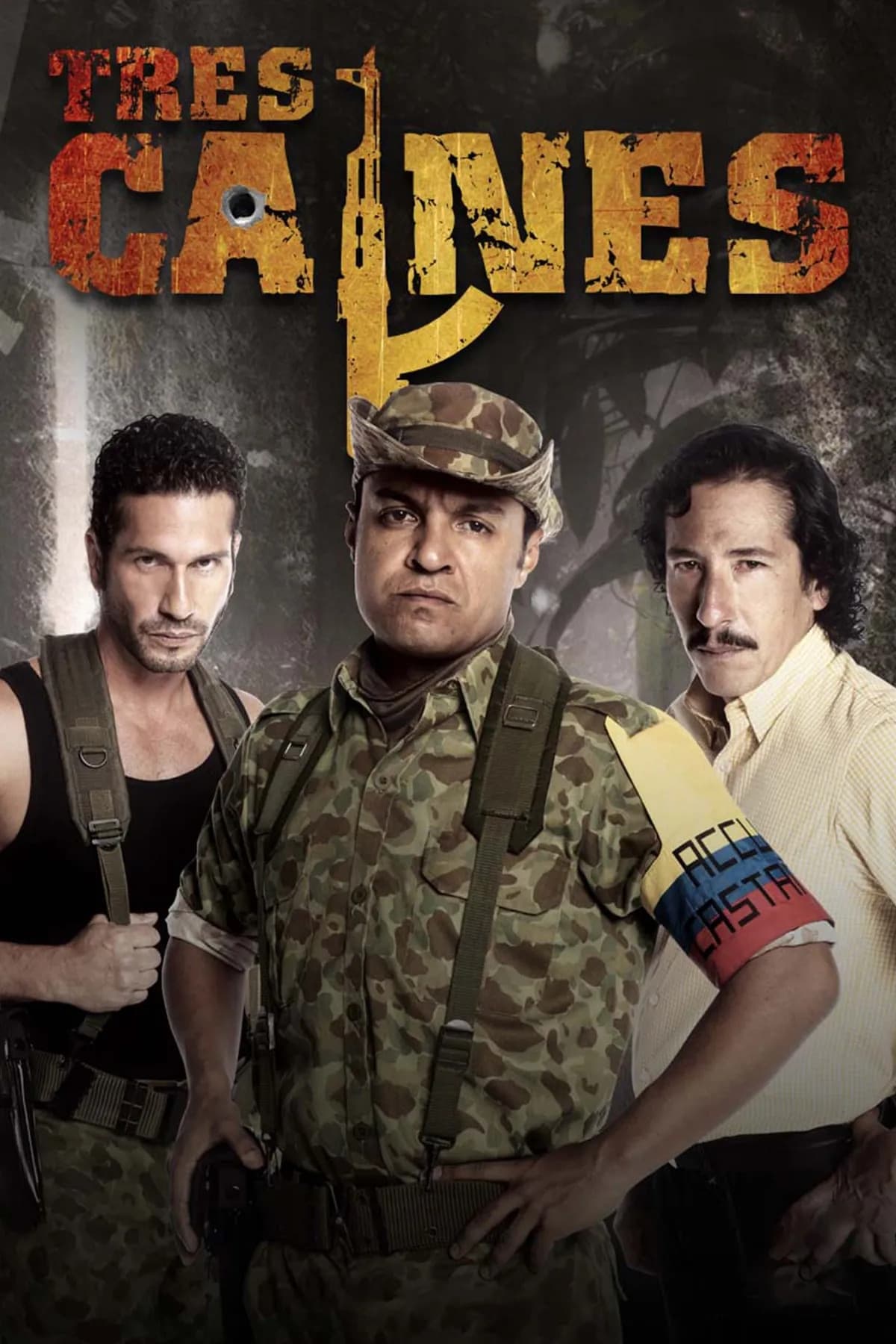
The story follows the Castaño Gil family, a prosperous cattle ranching family marked by the kidnapping and murder of patriarch José Castaño by the guerrilla. This event triggers the decision of brothers Fidel, Vicente, and Carlos to form a self-defense army to fight the guerrillas, intensifying the armed conflict in Colombia. However, what seemed like a unified struggle is threatened by betrayal.
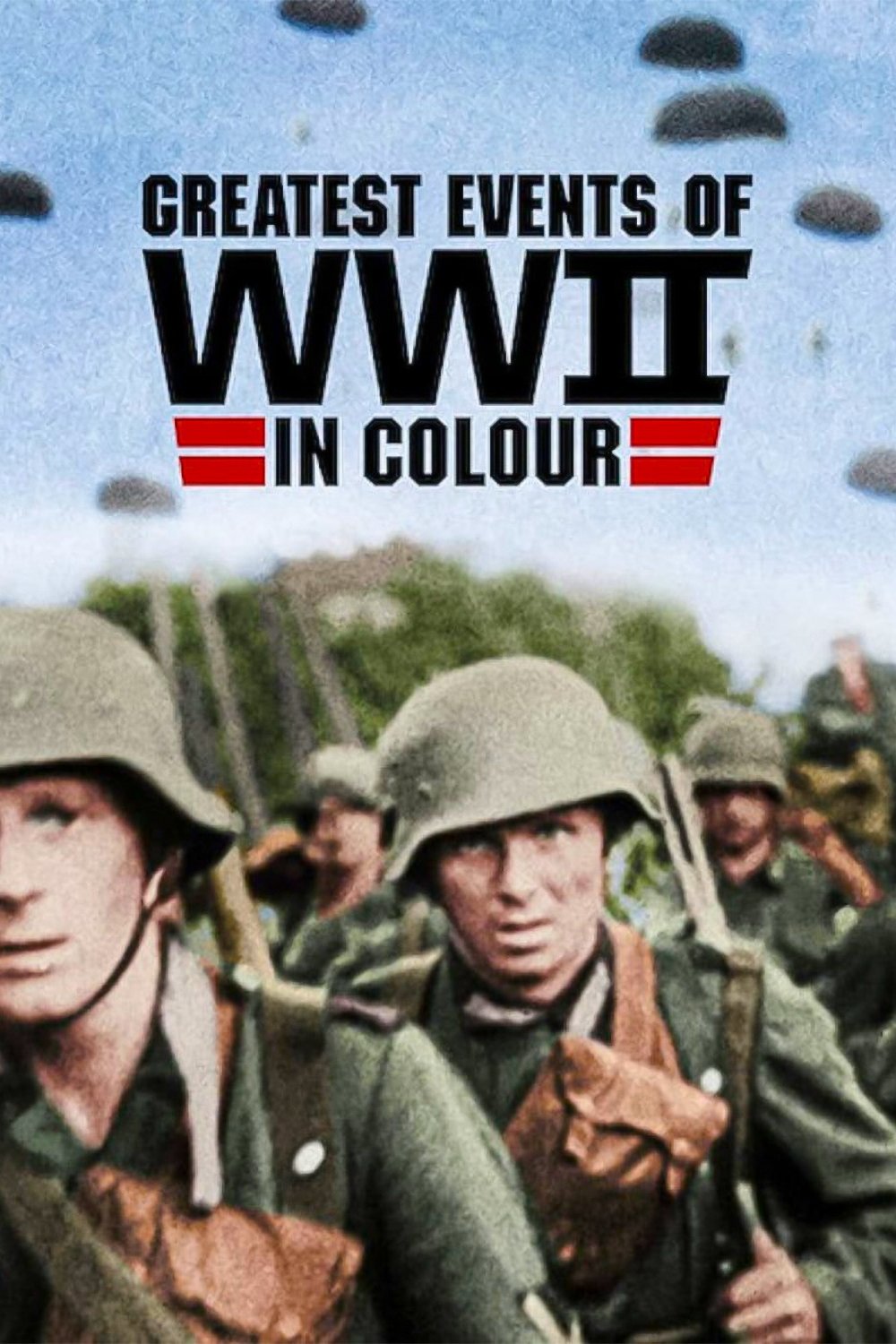
Using highly advanced colourisation techniques, critical moments from World War II, from Stalingrad to The Battle of Britain, are shown in a whole new light.
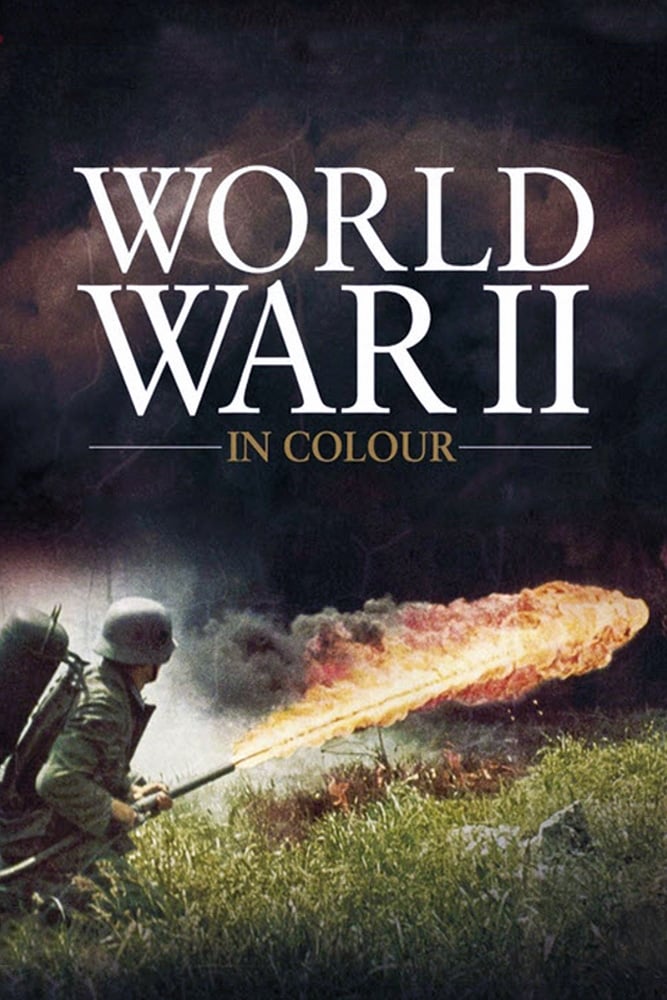
World War II In Colour is a 13-episode television documentary miniseries recounting the events of World War II narrated by Robert Powell. The show covers the Western Front, Eastern Front, and the Pacific War. It is on syndication in America on the Military Channel. This series is in full color, combining both original and colorized footage.
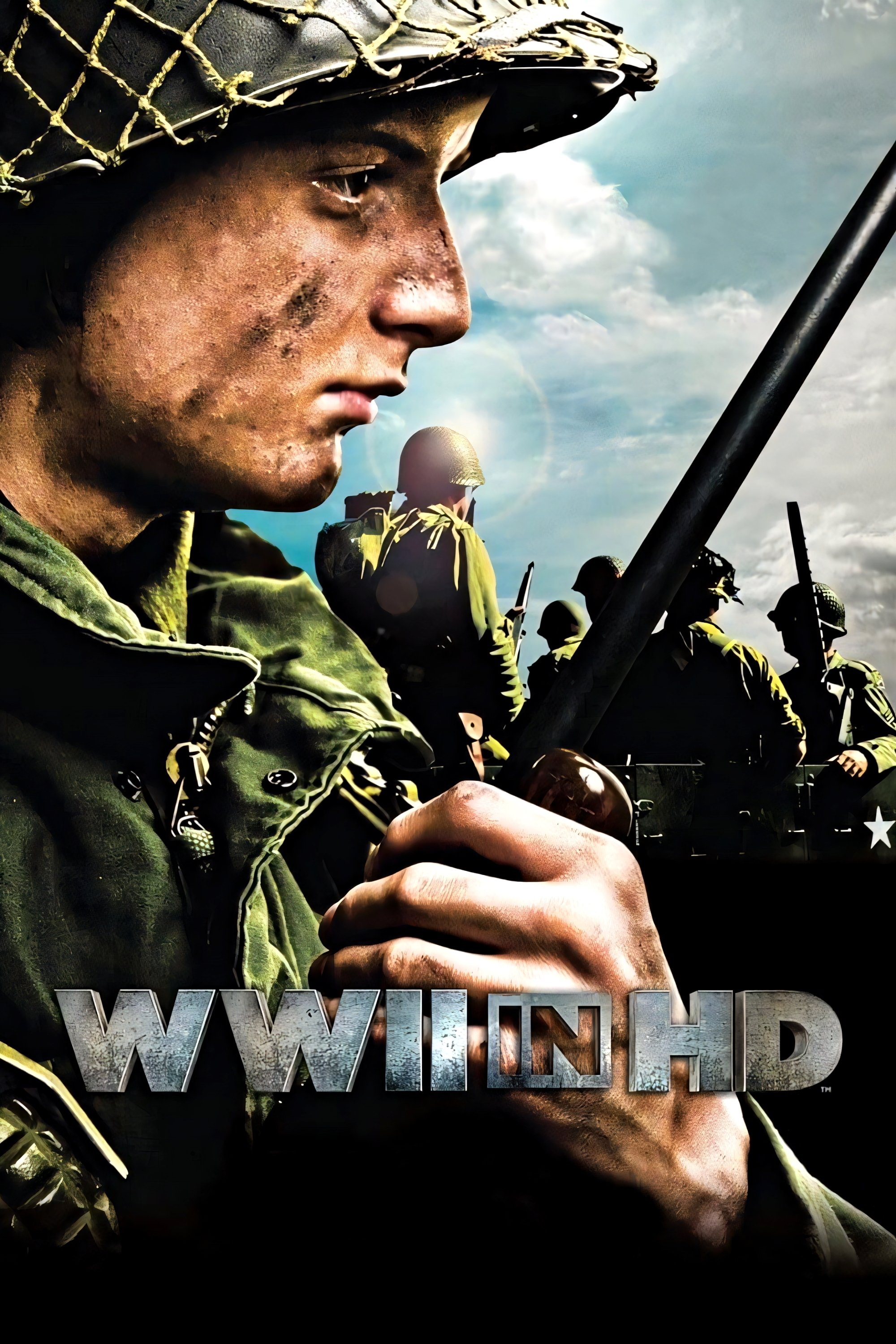
WWII in HD is a 10-part American documentary television miniseries that originally aired from November 15 to November 19, 2009 on the History Channel. The program focuses on the firsthand experiences of twelve American service members during World War II, including an Army nurse, a member of the Tuskegee Airmen, a second generation Japanese American and prisoner of war, and an Austrian Jewish immigrant. The twelve members recorded their time in both theaters and some had later interviews; found footage from the battlefield was paired with the stories of the twelve service members. The episodes premiered on five consecutive days, with two episodes per day. The series is narrated by Gary Sinise and was produced by Lou Reda Productions in Easton, Pennsylvania, United States.
The story of the Second World War through the personal accounts of a handful of men and women from four American towns. The war touched the lives of every family on every street in every town in America and demonstrated that in extraordinary times, there are no ordinary lives.
The exploits of four Allied soldiers — three Americans and one Englishman — who are part of a long-range desert patrol group in the North African campaign during World War II. Their mission: "to attack, harass and wreak havoc on Field Marshal Rommel's vaunted Afrika Korps".
The documentary series explores different political figures throughout history.
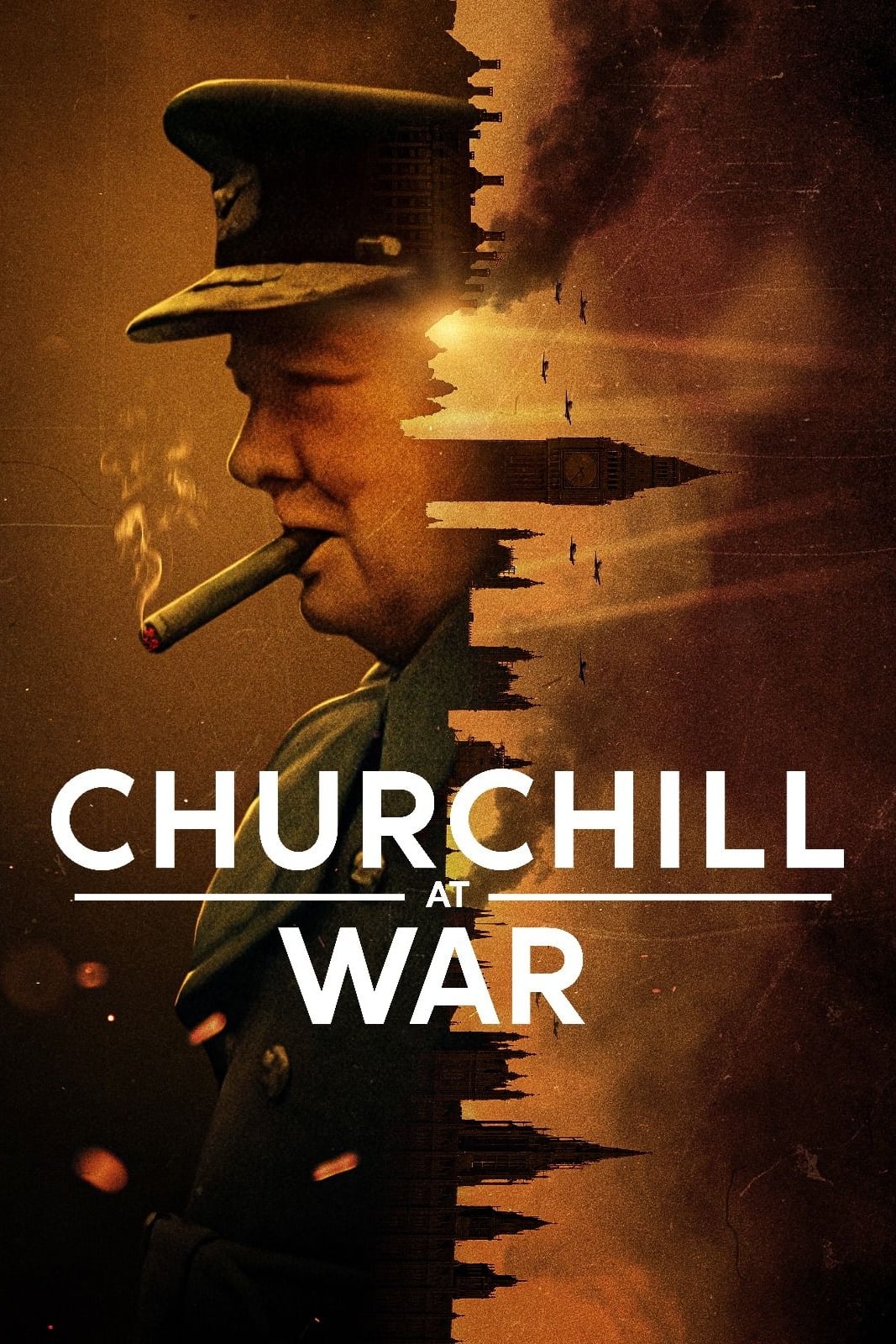
This captivating docuseries examines Winston Churchill's pivotal role in World War II and the formative events that made him an ideal leader for the era.
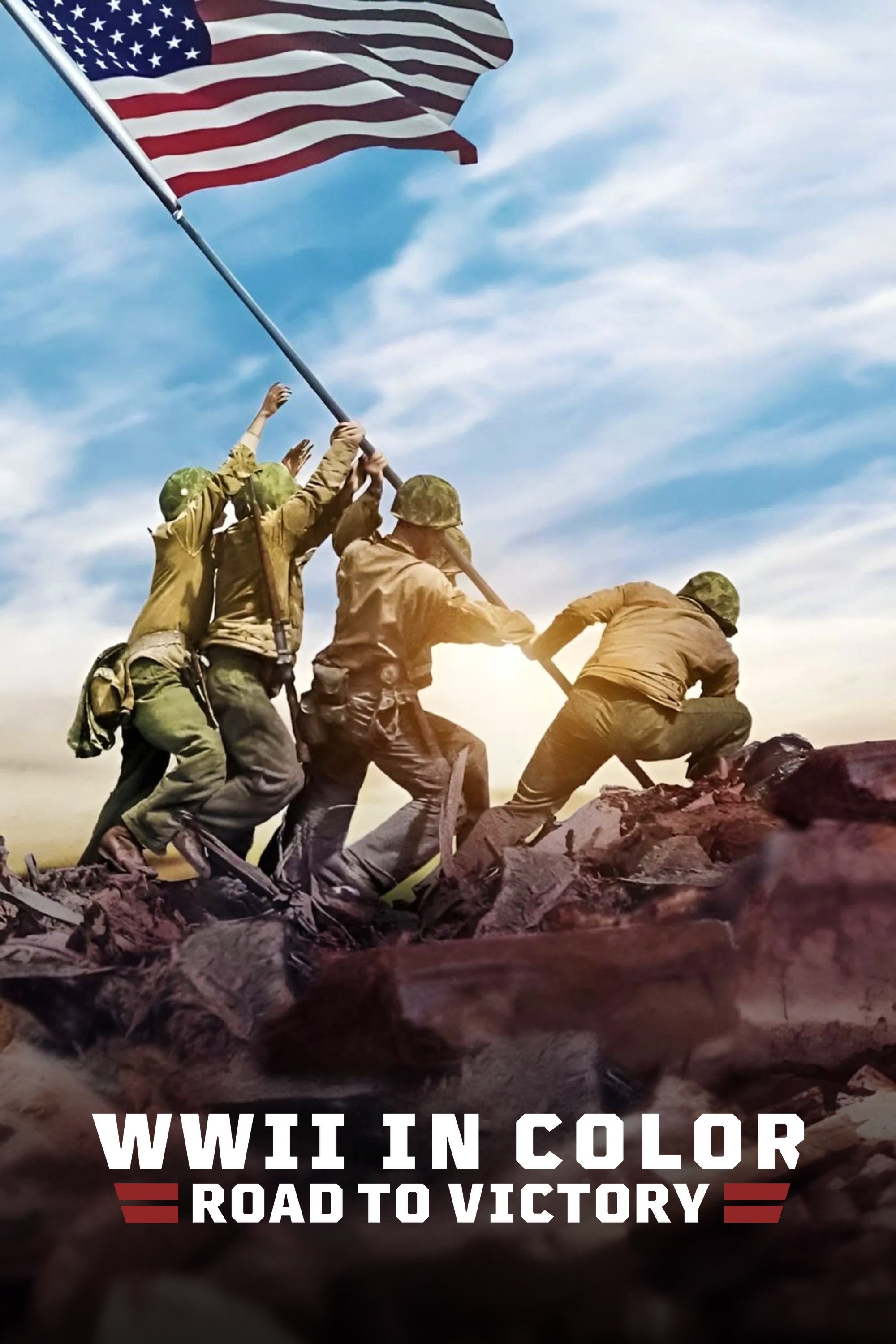
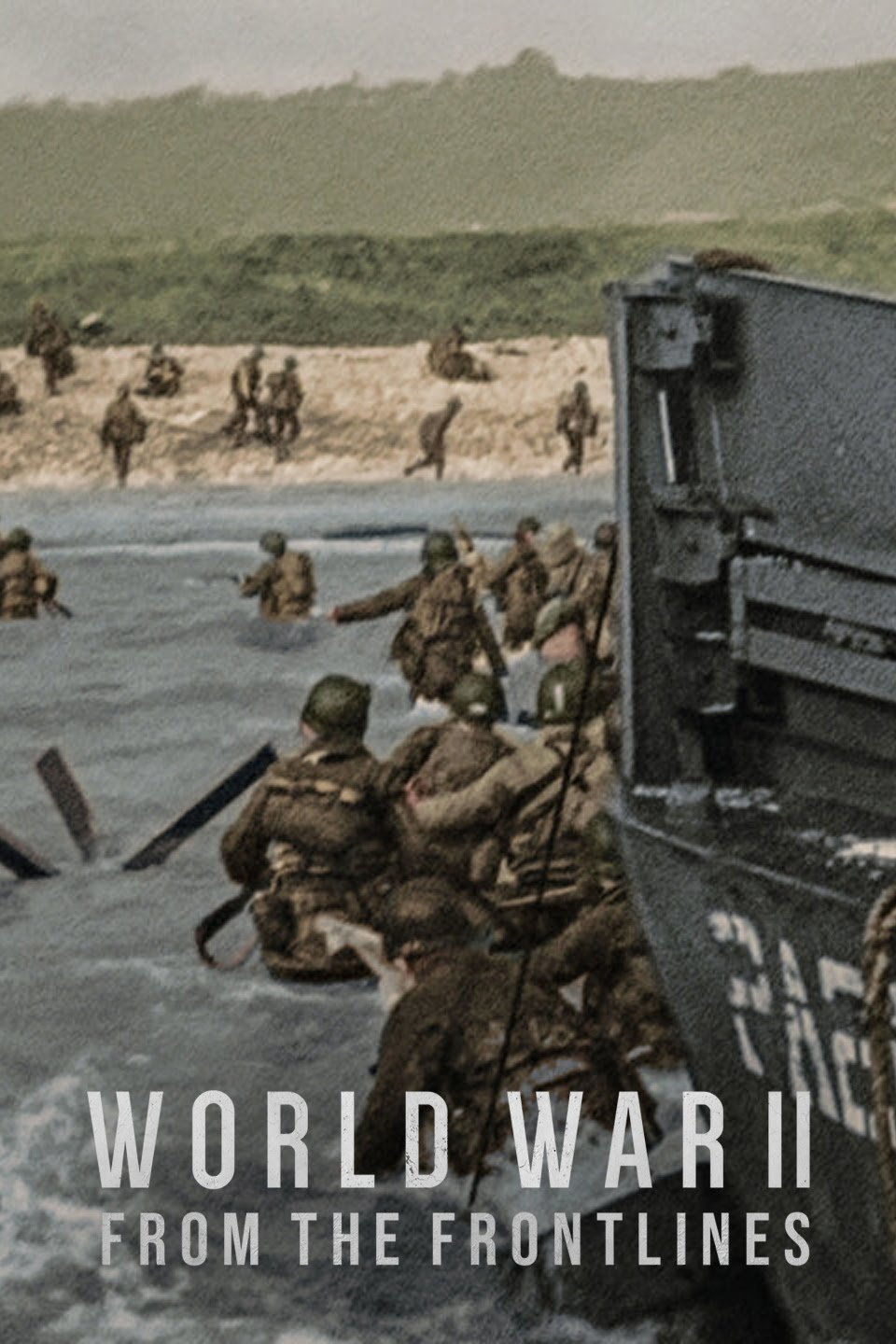
Through vividly enhanced archival footage and voices from all sides of the conflict, this docuseries brings WWII to life like never before.
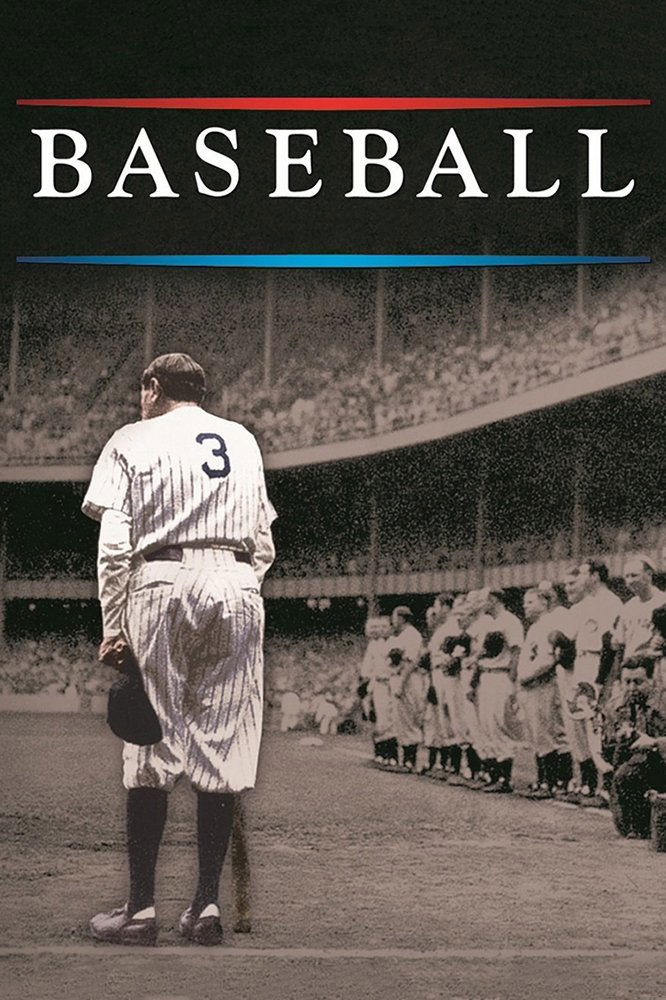
The history of the sport of baseball in America, told through archival photos, film footage, and the words of those who contributed to the game in each era. Writers, historians, players, baseball personnel, and fans review key events and the significance of the game in America's history.
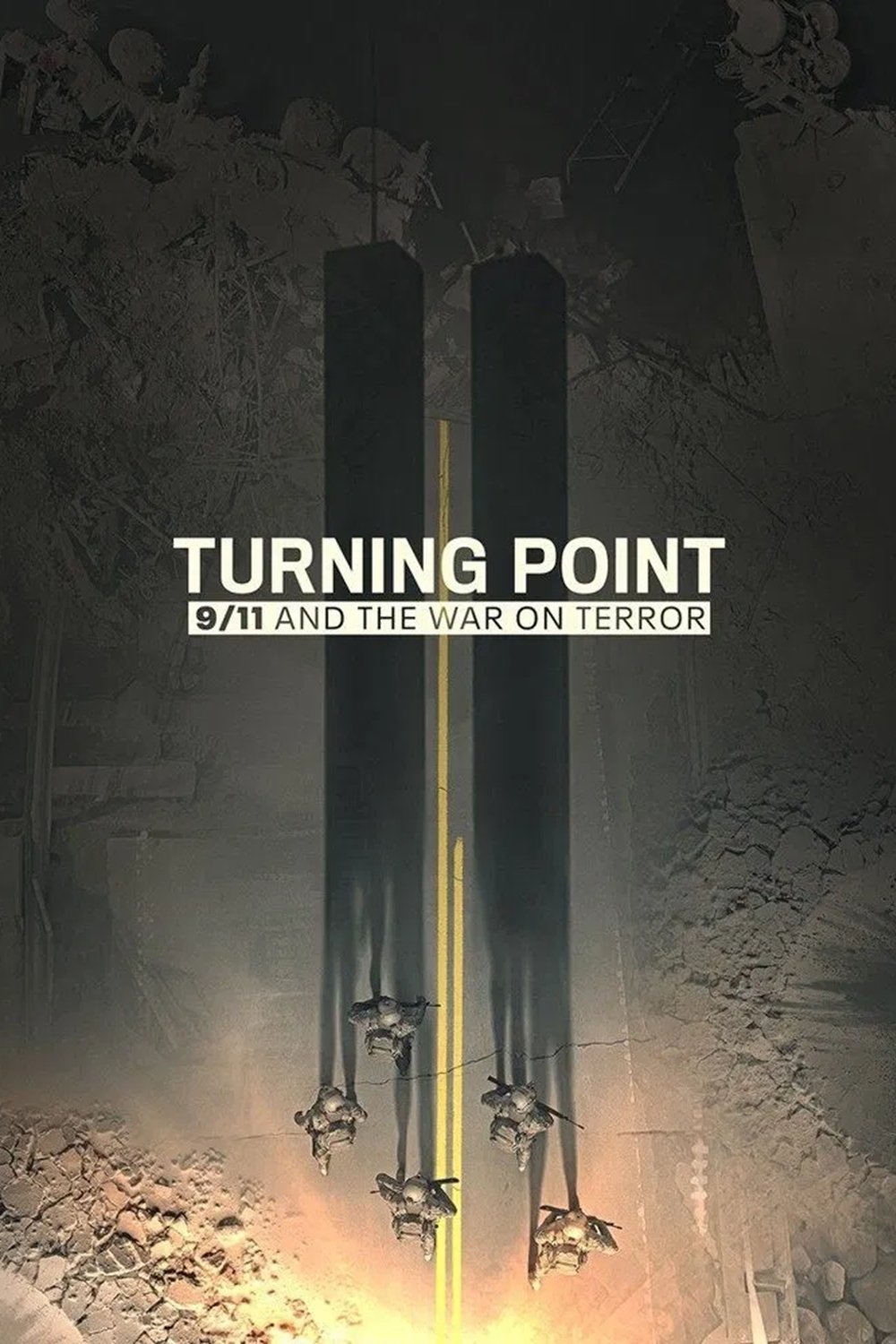
Modern history can be divided into two time frames: before 9/11 and after 9/11. This five-part docuseries is a cohesive chronicle of the September 11, 2001 attacks on the U.S., offering illuminating perspectives and personal stories of how the catastrophic events of that day changed the course of the nation.
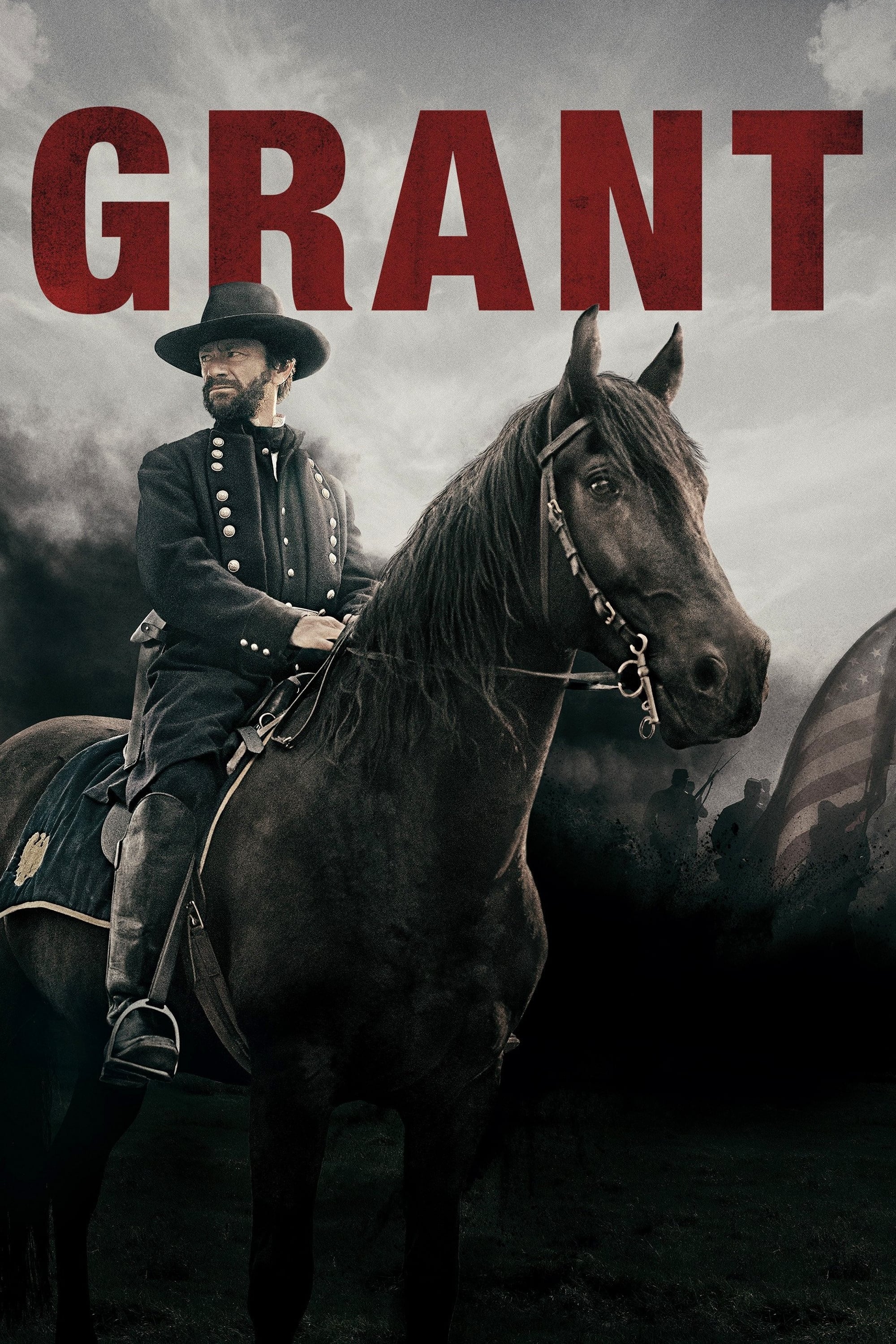
This documentary-series examines Grant's life story using his perspective and experiences to explore a turbulent time in history: the Civil War and Reconstruction.
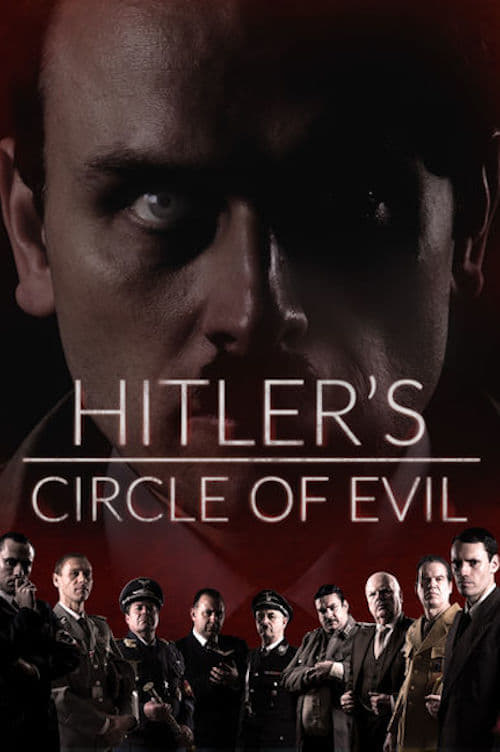
Surviving power struggles, betrayals and plots, Hitler's inner circle of Nazi leaders seizes control of Germany and designs its disastrous future.
TV's most-watched history series brings to life the compelling stories from our past that inform our understanding of the world today.
Five acclaimed contemporary directors tell the story of five legendary Hollywood filmmakers who enlisted in the armed forces to document World War II.
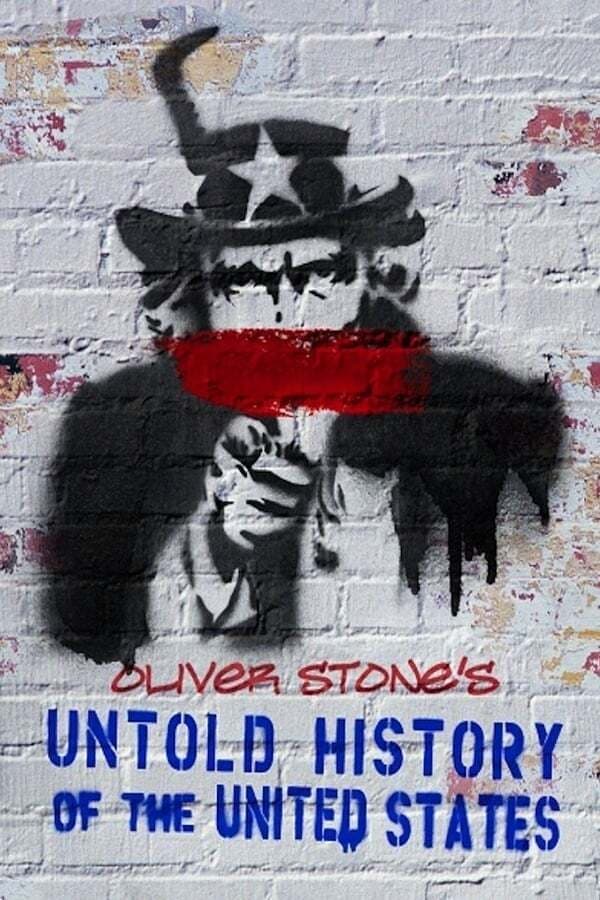
Oliver Stone's re-examination of under-reported events in American history.
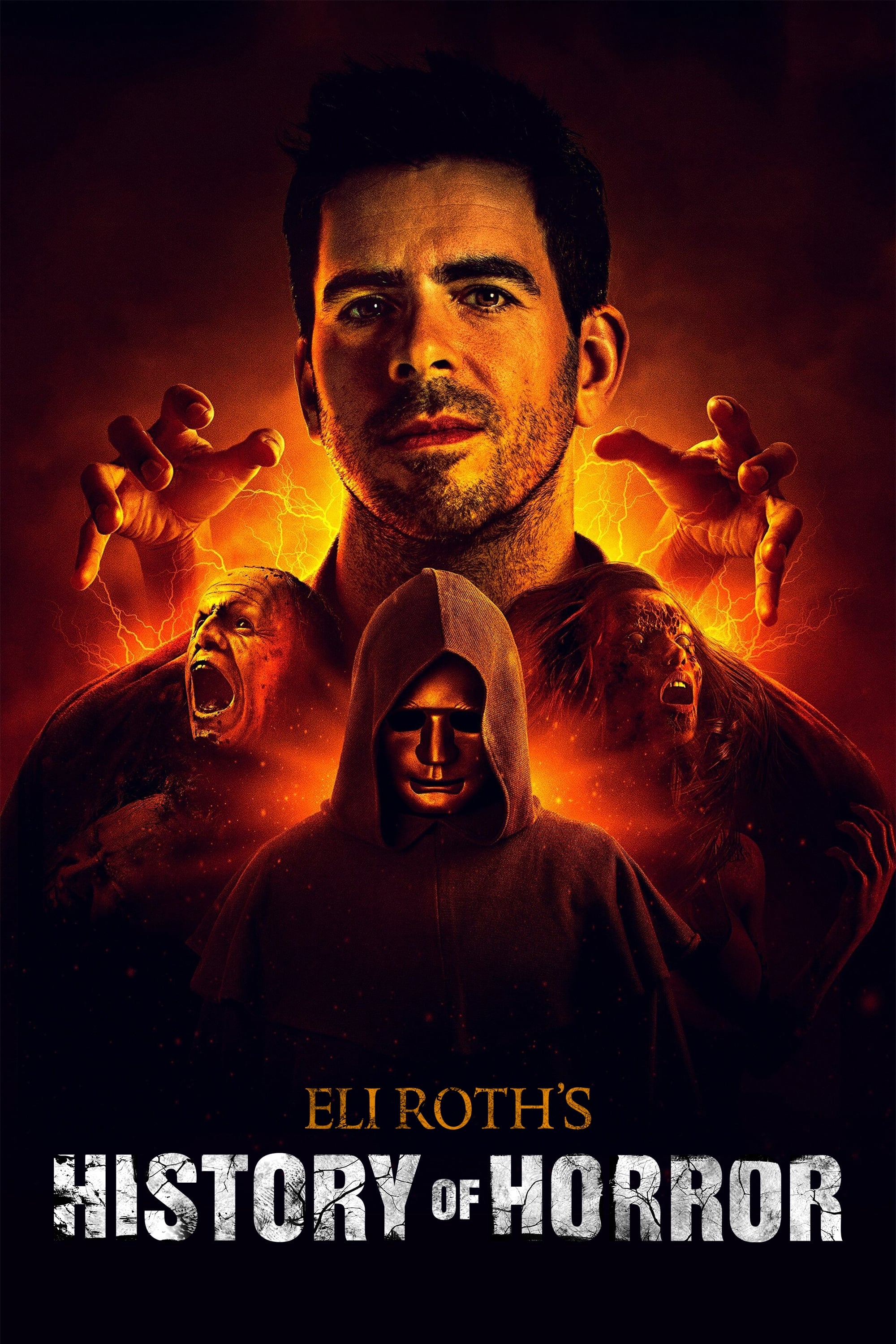
An in-depth look at the history and pop cultural significance of horror films.
Doctor Who Confidential is a documentary to complement the revival of the long-running British science fiction television series Doctor Who. Each episode was broadcast on BBC Three on Saturdays, immediately after the broadcast of the weekly television episode on BBC One. The running time of the first two series was 30 minutes, being extended to 45 minutes in the third. BBC Three also broadcast a cut-down edition of the programme, lasting 15 minutes, shown after the repeats on Sundays and Fridays and after the weekday evening repeats of earlier seasons.
A documentary on the American Civil War narrated by Ken Burns, covering the secession of the Confederacy to the assassination of Abraham Lincoln.