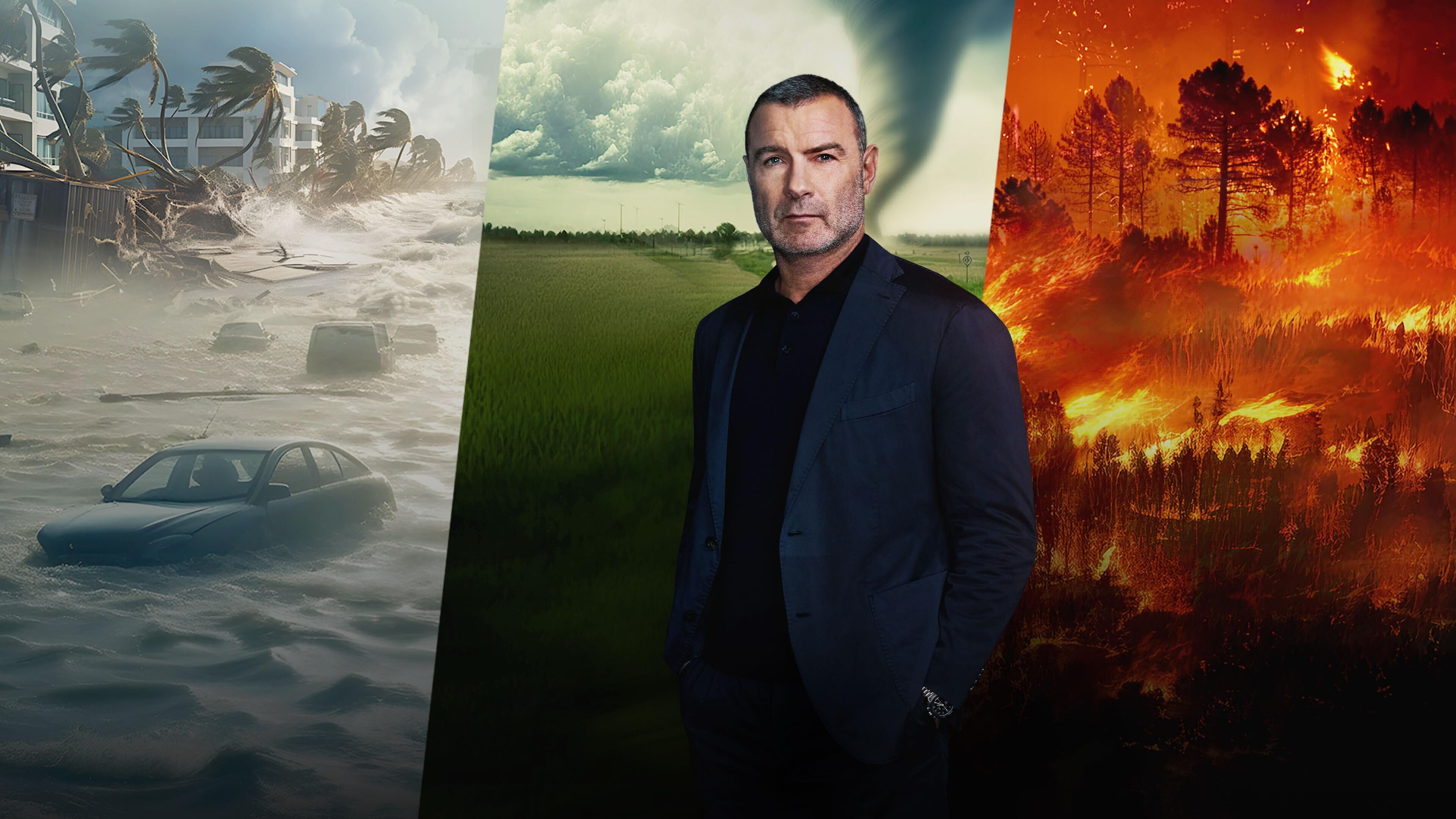
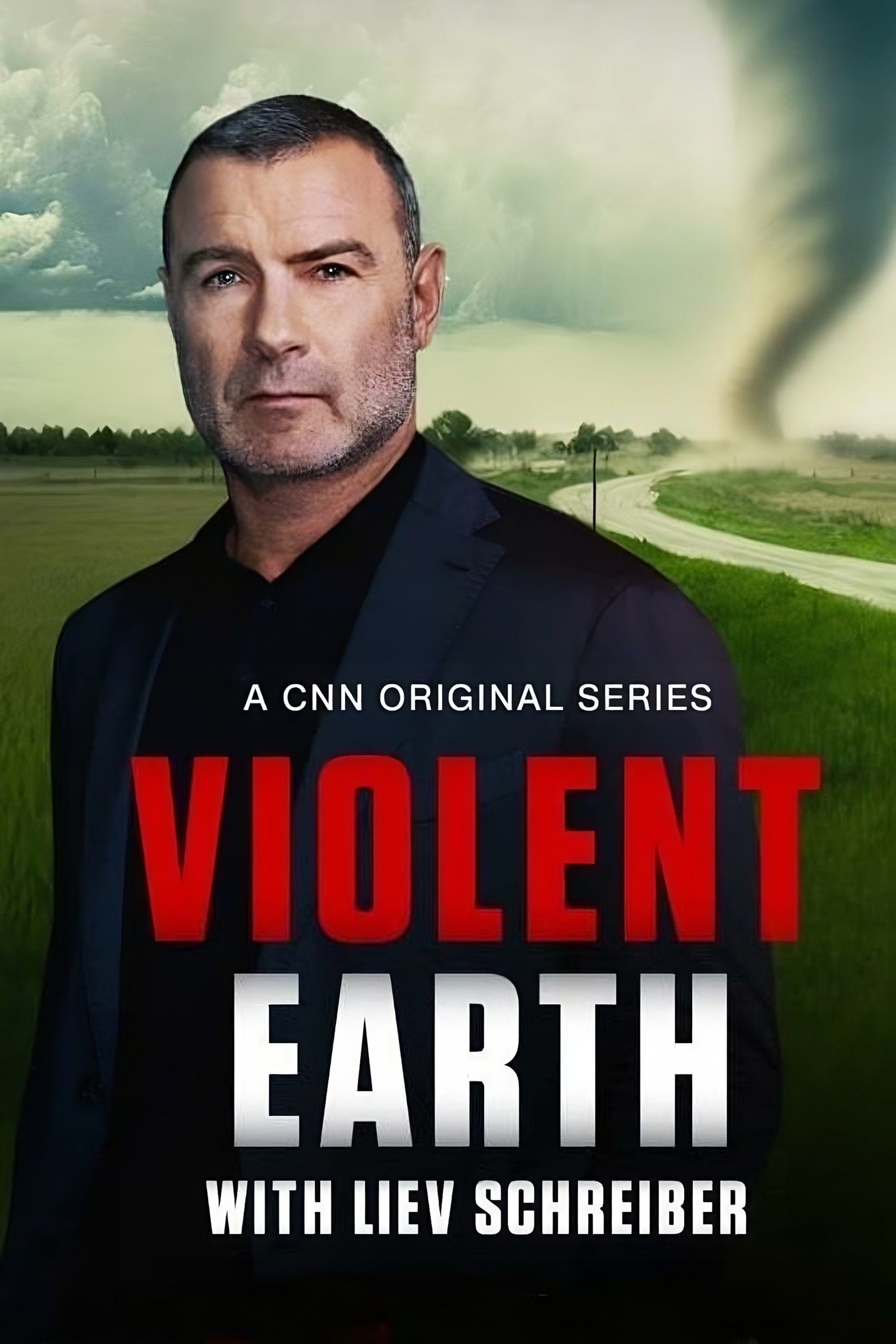
"When Mother Nature speaks, listen."
Explore the unbelievable science behind epic natural disasters. Featuring incredible footage and interviews with scientists, storm chasers, and survivors, this series examines our changing climate.
Social & External
Self - Host
The Cat Report brings you real wildlife adventure stories selected from 100’s of hours of footage, originally shot live, capturing animal interactions and behaviour.
From the largest waterfall on earth to the highest mountain in South America: Argentina is a country of extremes. Species-rich rainforests, rugged coasts, endless expanses and icy glaciers form a unique natural paradise. This three-part series delves into the extraordinary wildlife of Argentina's most diverse habitats.
Traveling to the far corners of the world, we discover the extraordinary ways animals are adapting to our rapidly changing planet. We witness nature’s remarkable resilience, as our perception of evolution and its potential is forever transformed.
The remarkable and often perilous story of the journey through life. It is a story that unites each of us with every animal on the planet, because we all set out on this journey from the moment we are born. For animals there is just one goal in life – to continue their bloodline in the form of offspring. This series follows that journey through its six crucial stages: first steps, growing up, finding a home, gaining power, winning a mate and succeeding as a parent.
In the heart of Europe lies Switzerland. In its midst yet apart from it, like an island. The Swiss Confederation holds a special position not only politically and historically – in particular, its scenic diversity is something really special: majestic mountains, lush green valleys, craggy rock landscapes and Mediterranean lakes all close together in one small geographical location. Switzerland is proud of its distinction and autonomy, reflected amongst other things in its different cantons and linguistic regions. Each episode in our series “Wild Faces of Switzerland“ seeks to do justice to this diversity.
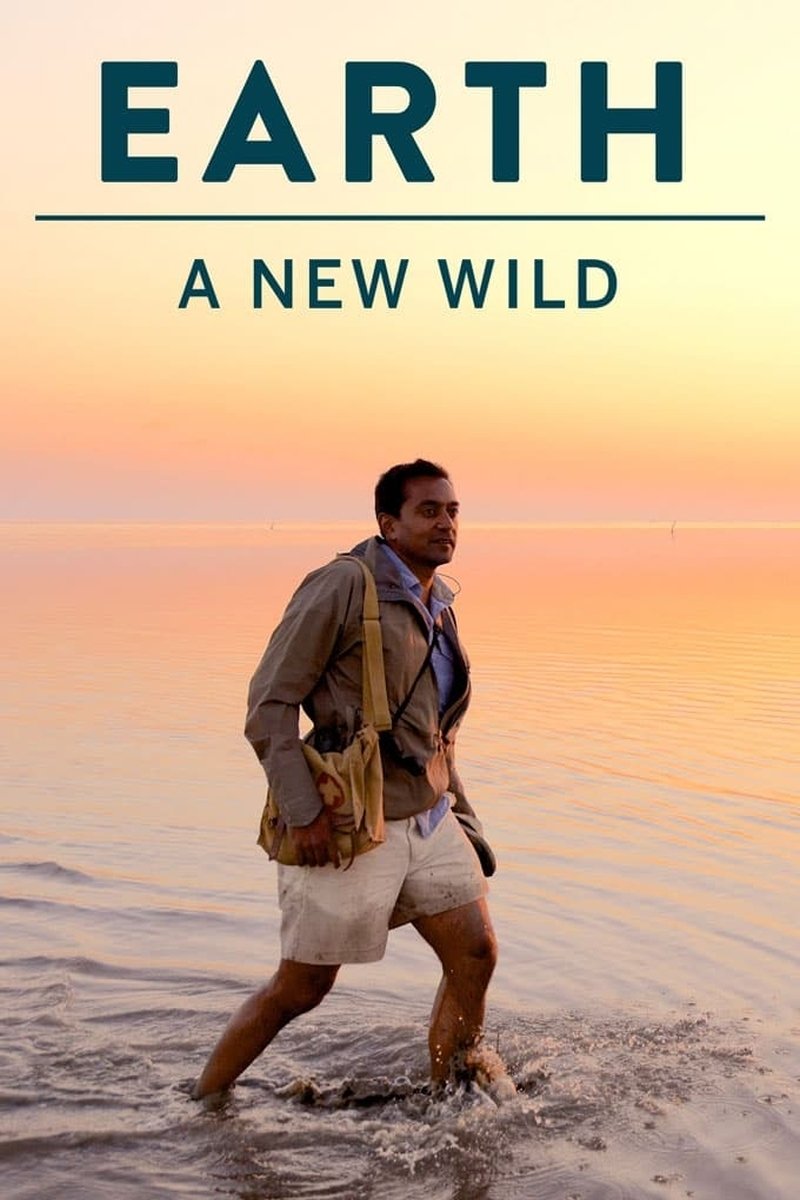
A fresh look at humankind’s relationship to the planet’s wildest places and most fascinating species. Using advanced filming techniques, this series will provide visuals as stunning as the best natural history programs. Distinguishing itself from nearly all other nature films, however, the series turns the cameras around, showing the world as it really is—with humans in the picture.
Three-part series that looks at a year in Alaska, revealing the stories of pioneering Alaskans, both animal and human, as they battle the elements and reap the benefits of nature's seasonal gold rush.
Coast Australia follows renowned Scottish archaeologist and historian Neil Oliver on his very first trip to Australia, as he and a diverse group of co-hosts gather stories about our spectacular coastline: the history, the people, the archaeology, the geography and the marine life, investigating interesting and little known facts along the way. Oliver’s co-hosts, all experts in their field, are journalist and Australian arts and culture specialist Miriam Corowa, environmentalist Professor Tim Flannery, marine scientist Dr Emma Johnston, anthropologist Dr Xanthe Mallett and television presenter and landscape architect Brendan Moar.
Weird Nature is a 2002 documentary television series produced by John Downer Productions for the BBC and Discovery Channel. The series features strange behavior in nature—specifically, the animal world. The series now airs on the Science Channel. The series took three years to make and a new filming technique was used to show animal movements in 3D. Each episode, however, tended to end with a piece about how humans are probably the oddest species of all. For example, in the end of the episode about locomotion, the narrator states how unusual it is for a mammal to be bipedal. In the episode about defences, the narrator explains that humans have no real natural defences, save for their big brains.
The High Tatras are very close to our hearts thanks to our shared history. But do we know everything about the individual peaks that tower above us? This six-part series by experienced documentary filmmaker Pavel Barabáš captures the history of the discovery of the Tatra peaks. Against the backdrop of the beautiful, majestic High Tatras, the fascinating stories and lives of their visitors unfold. These pioneers left behind a lasting legacy and played an important role in uncovering the secrets of the mountains. Kriváň, Gerlach, Ľadový štít, Mengusovský štít, Javorovy, Ostry štít, and other well-known peaks of the High Tatras shine in all their beauty in Stories of the Tatra Peaks. The smallest high mountains in the world are closely connected with great human destinies.
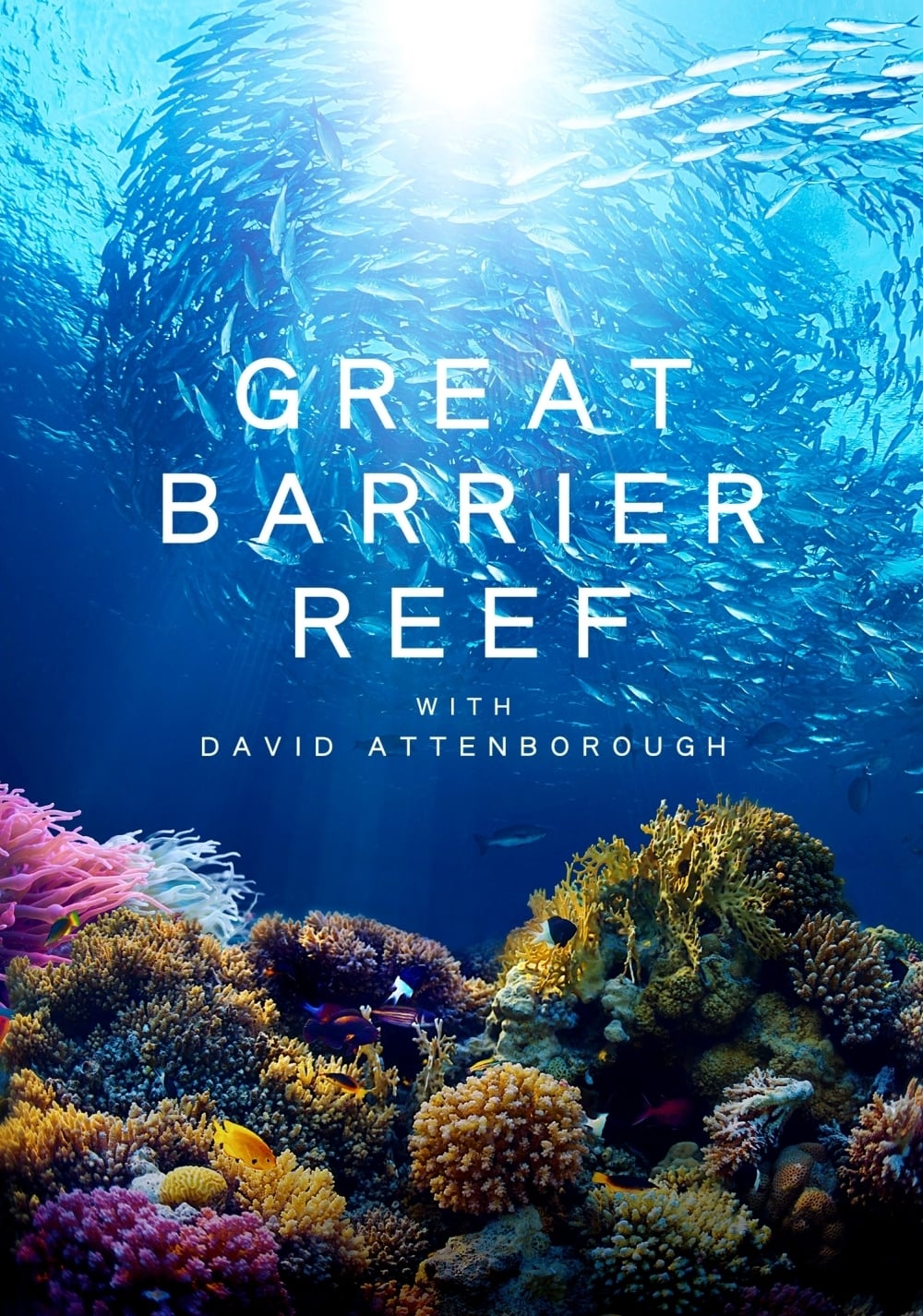
Filmed over the course of a year, this three-part documentary follows those who live in one of the most extraordinary places on the planet, Australia's Great Barrier Reef.
Oceans is an eight-part series on BBC Two, which seeks to provide a better understanding of the state of the Earth's oceans today, their role in the past, present and future and their significance in global terms. Paul Rose also documents some of the scientific observations his team made as a feature for BBC News.
David Attenborough reveals the amazing stories behind the tiny lives of invertebrates, exploring their incredible miniature world with ground-breaking camerawork and technology.
PBS' premier science series helps viewers of all ages explore the science behind the headlines. Along the way, NOVA demystifies science and technology, and highlights the people involved in scientific pursuits.
Natural World is a nature documentary television series broadcast annually on BBC Two and regarded by the BBC as its flagship natural history brand. It is currently the longest-running series in its genre on British television, with more than 400 episodes broadcast since its inception in 1983. Natural World is produced by the BBC Natural History Unit in Bristol, but individual programmes can be in-house productions, collaborative productions with other broadcasters or films made and distributed by independent production companies and purchased by the BBC. Natural World programmes are often broadcast as PBS Nature episodes in the USA. Since 2008, most Natural World programmes have been shot and broadcast in high definition.
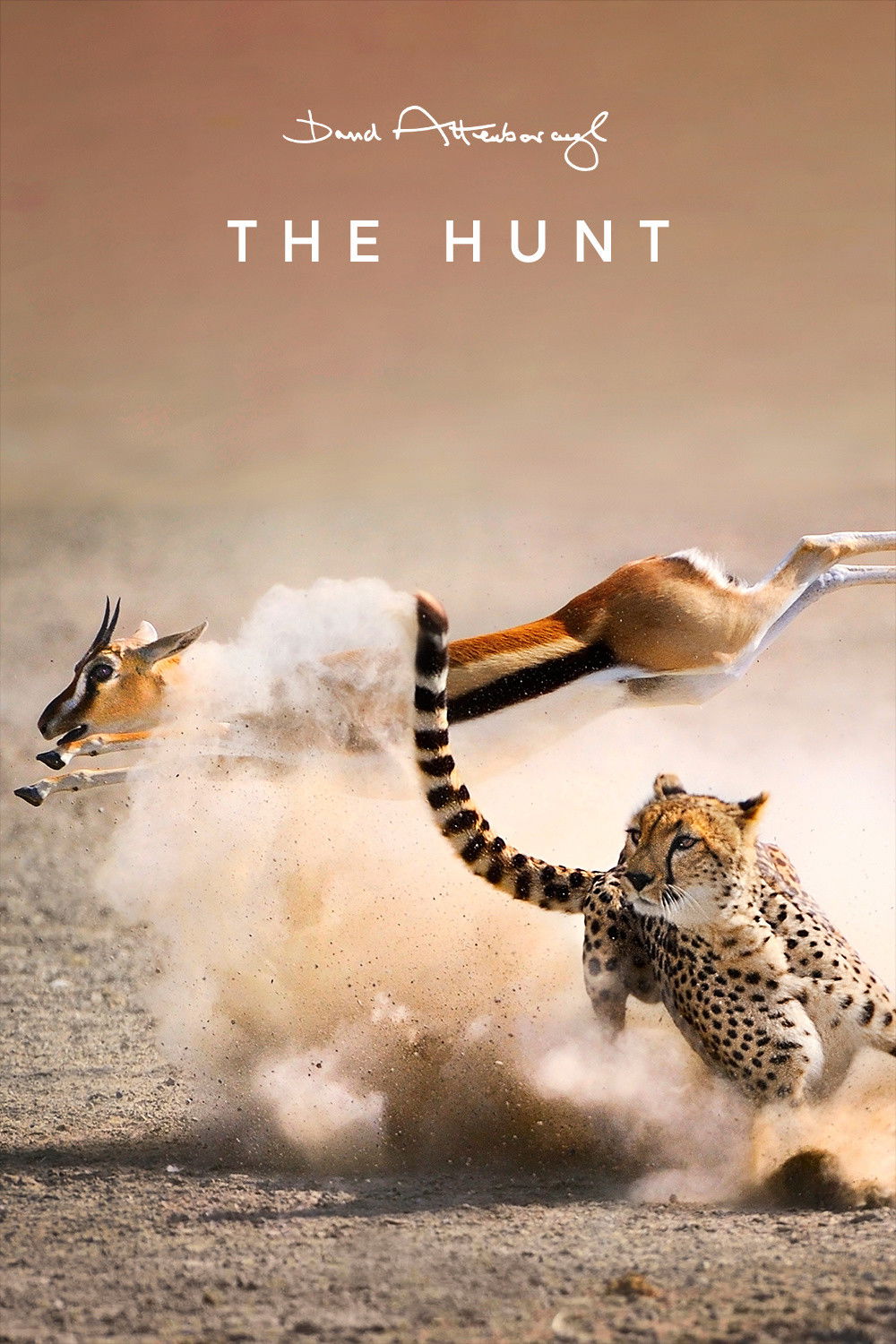
Experience our planet's natural beauty and examine how climate change impacts all living creatures in this ambitious documentary of spectacular scope.
David Attenborough presents a documentary series exploring how animals meet the challenges of surviving in the most iconic habitats on earth.
This immersive series follows the world's most magnificent creatures, capturing never-before-seen moments from the heartwarming to the outrageous.
This stunning nature series narrated by Cate Blanchett explores the intelligence, resourcefulness and interconnectedness of life on our planet.
Experience the wonders of our world like never before in this epic series from Jon Favreau and the producers of Planet Earth. Travel back 66 million years to when majestic dinosaurs and extraordinary creatures roamed the lands, seas, and skies.
Shot from land and air, in trees and cliff-blinds, on ice floes and underwater, this documentary tells the powerful stories of many of the planet's species and their movements, while revealing new scientific insights with breathtaking high-definition clarity and emotional impact. The beauty of these stories is underscored by a new focus into these species; fragile existence and their life-and-death quest for survival in an ever-changing world.
A unique fusion of blue chip natural history and earth science that explains how our living planet operates. This five-part series shows how the forces of nature drive, shape and support Earth’s great diversity of wildlife.
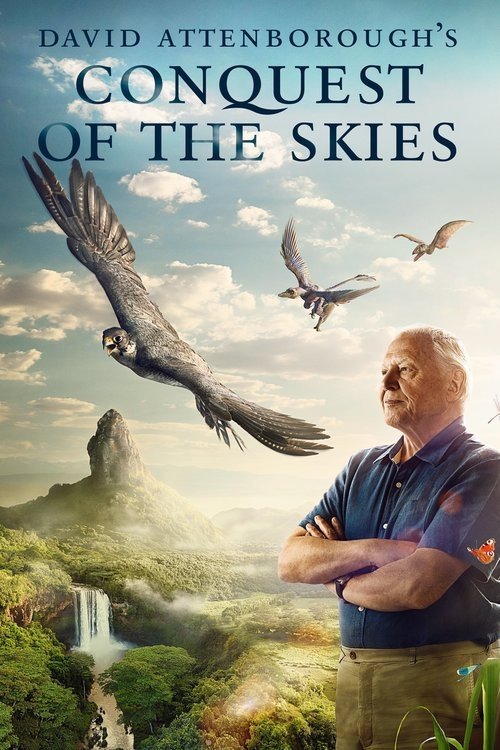
David Attenborough celebrates the amazing variety of the natural world in this epic documentary series, filmed over four years across 64 different countries.
Witness the remarkable story of our universe over billions of years and its inextricable link to life on Earth in this sweeping documentary series.
Consistently stunning documentaries transport viewers to far-flung locations ranging from the torrid African plains to the chilly splendours of icy Antarctica. The show's primary focus is on animals and ecosystems around the world. A comic book based on the show, meant to be used an as educational tool for kids, was briefly distributed to museums and schools at no cost in the mid-2000s.
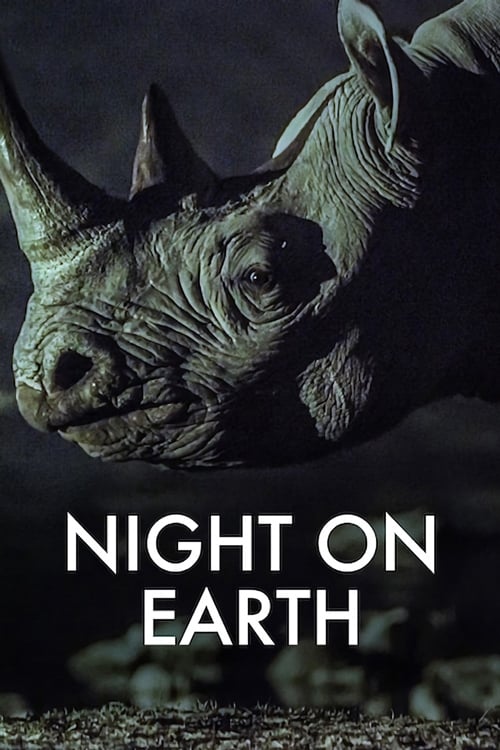
Filmed across six continents, this docuseries uses cutting-edge camera technology to capture animals' nocturnal lives, revealing new behaviours filmed in full color like never before.
Will Smith whose curiosity and wonder is positively infectious—is guided by National Geographic Explorers traveling to different corners of the world to get up close and personal with the weirdest, most unusual, dangerous and thrilling spectacles of the planet.
A mind-bending, thrilling journey exploring the fragility and wonder of planet Earth, one of the most peculiar, unique places in the entire universe, brought to life by the only people to have left it behind – the world’s most well known and leading astronauts.
Infographics and archival footage deliver bite-size history lessons on scientific breakthroughs, social movements and world-changing discoveries.
Explore the surprising things we know (and don’t know) about why people are the way they are through expert interviews, rare footage from historical experiments, and brand-new, ground-breaking demonstrations of human nature at work.
Horizon tells amazing science stories, unravels mysteries and reveals worlds you've never seen before.
Life's extraordinary journey to conquer, adapt and survive on Earth across billions of years comes alive in this groundbreaking nature docuseries.
A series of standalone documentaries powered by the unparalleled journalism and insight of The New York Times, bringing viewers close to the essential stories of our time.