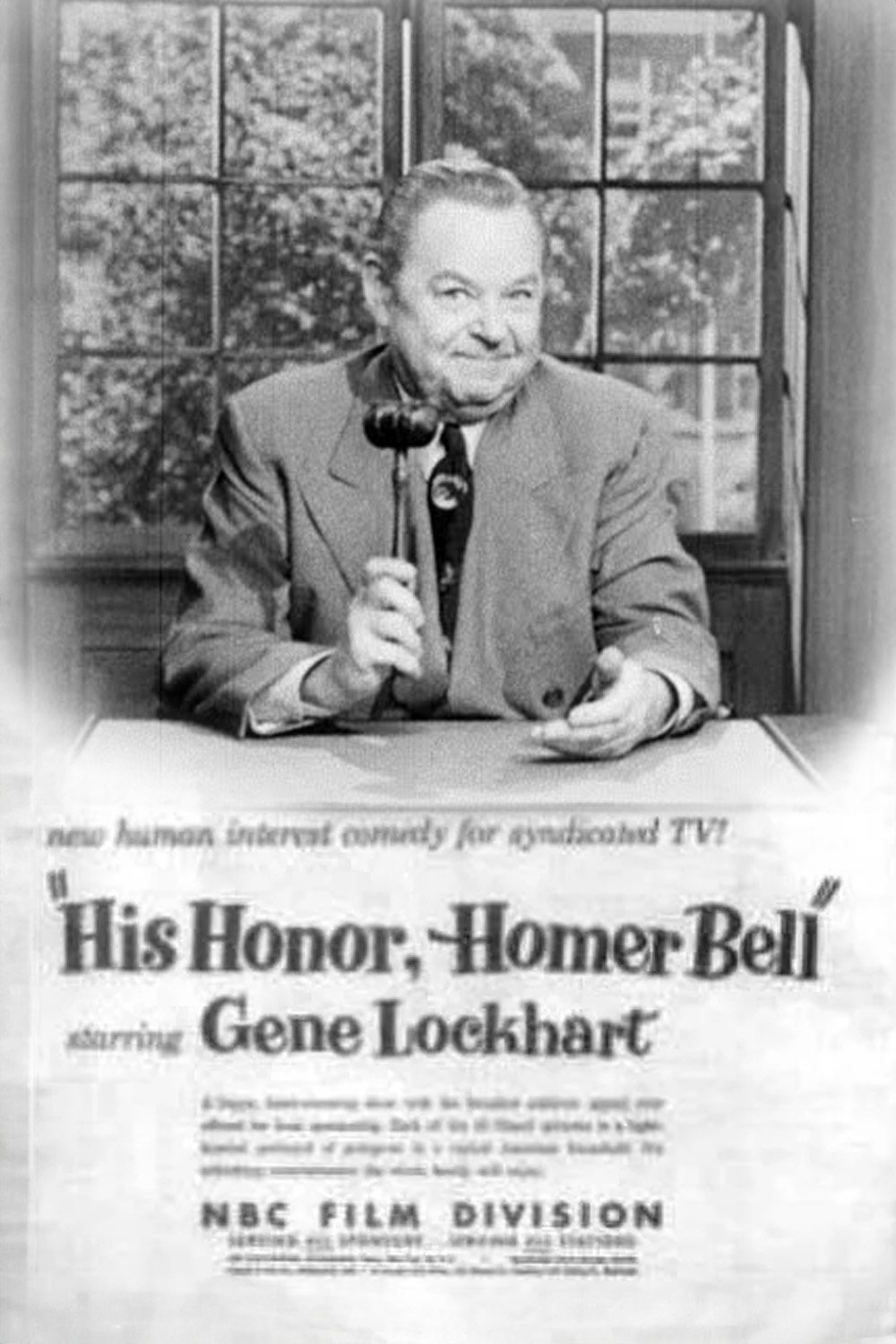
Homer Bell, an elected judge/practicing attorney and widower, looks after his orphaned niece Casey with the help of his housekeeper Maude.
Social & External
The people behind it
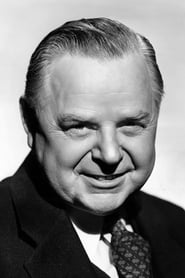
Gene Lockhart
Homer Bell
Mary Lee Dearring
Casey Bell
Jane Moultrie
Maude
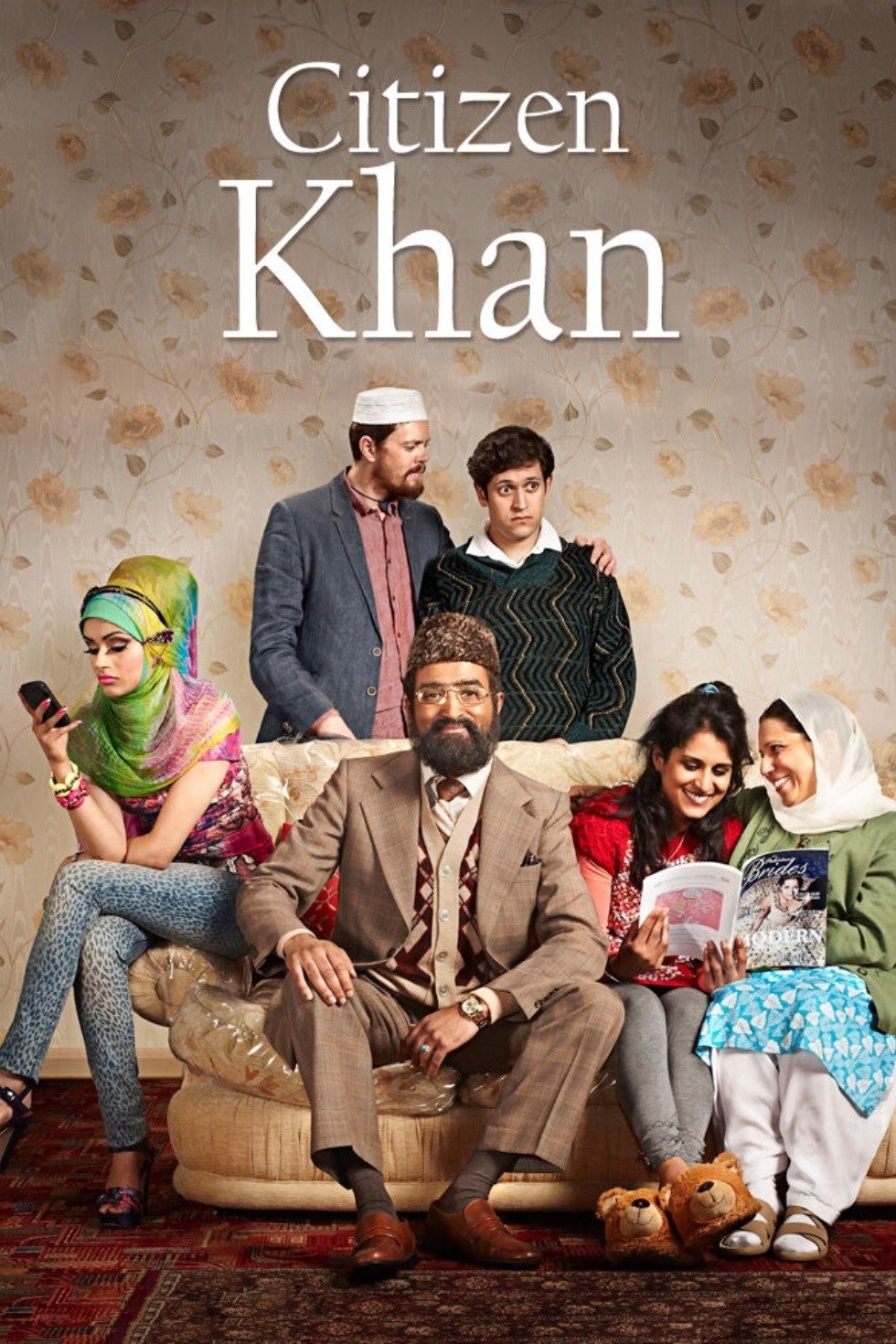
Family-based sitcom set in the capital of British Pakistan - Sparkhill, Birmingham. Citizen Khan follows the trials and tribulations of loud-mouthed, tight-fisted, self-appointed community leader Mr Khan and his long suffering family, wife Mrs Khan and daughters Shazia and Alia.
Count Arthur Strong is a faded star from the golden days of variety, prone to delusions of grandeur, selective memory loss and the blurting out of malapropisms. He was never as famous as he thinks he was... or still thinks he is. Believing that another great entertainment triumph is only a phone call away, Arthur spends his day making the most of any opportunity that comes along - gaining a free lunch or selling a dodgy foot-spa he doesn't want - creating chaos and confusion wherever he goes, blissfully unaware that he has done so.
The life and times of rather traditional Sutcuoglu family and their comedic struggles to adapt the high-profile contemporary life of Nisantasi.
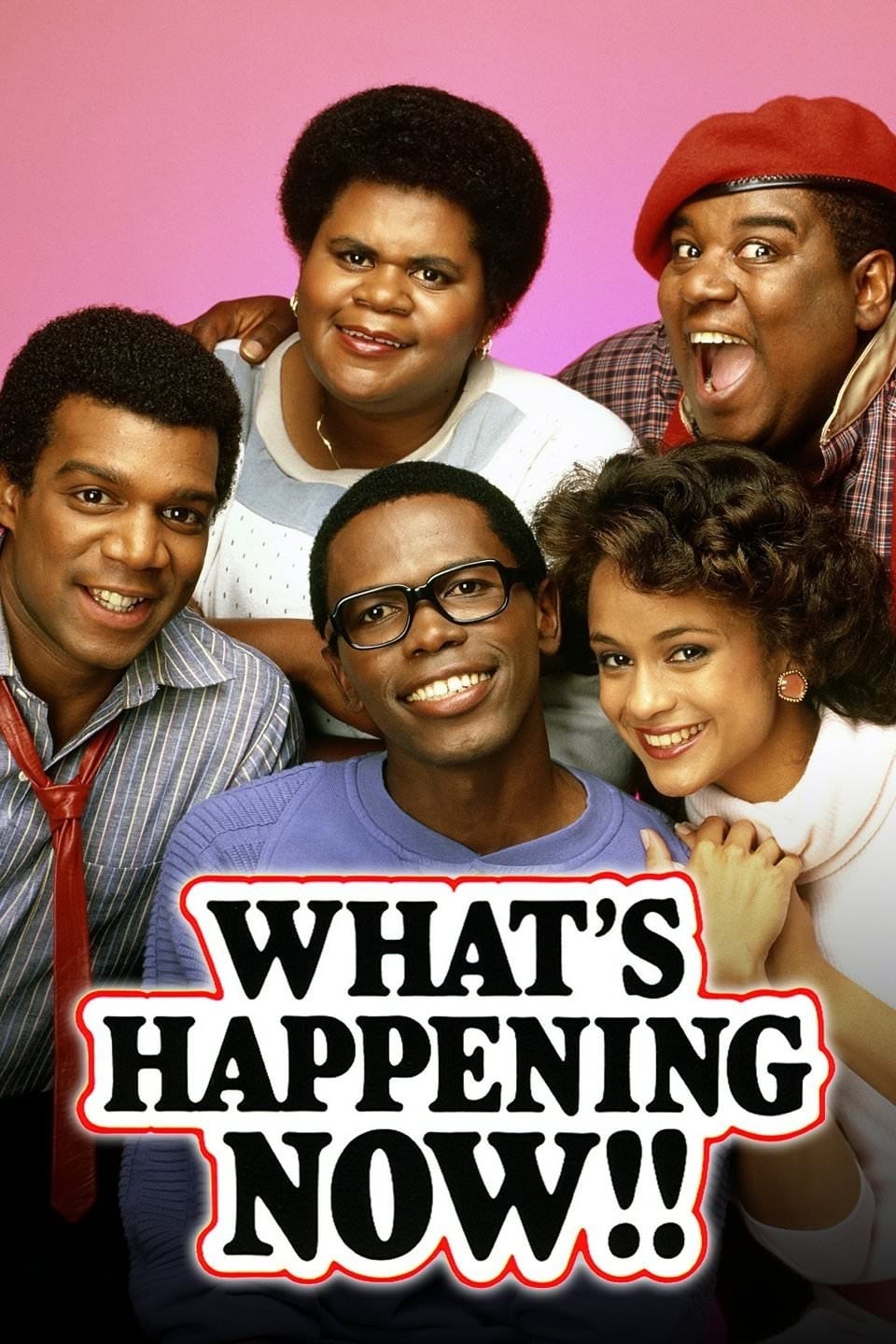
Roger 'Raj' Thomas has graduated from the University of Southern California, and become a fledgling writer. He and his wife Nadine, a social worker, move in to his old home in Watts (given to him by his mother, Mabel, now remarried and living in Phoenix, Arizona). His sister Dee is away at college. Childhood friend Dwayne Nelson has become a computer programmer, while Freddie 'Rerun' Stubbs is a used-car salesman. The old soda shop hangout, Rob's Place, has gone out of business and left abandoned. Reminded of his youth, and seeing an opportunity, Raj and Shirley Wilson, who used to wait tables there, decide to buy the business together, renaming it Rob's.
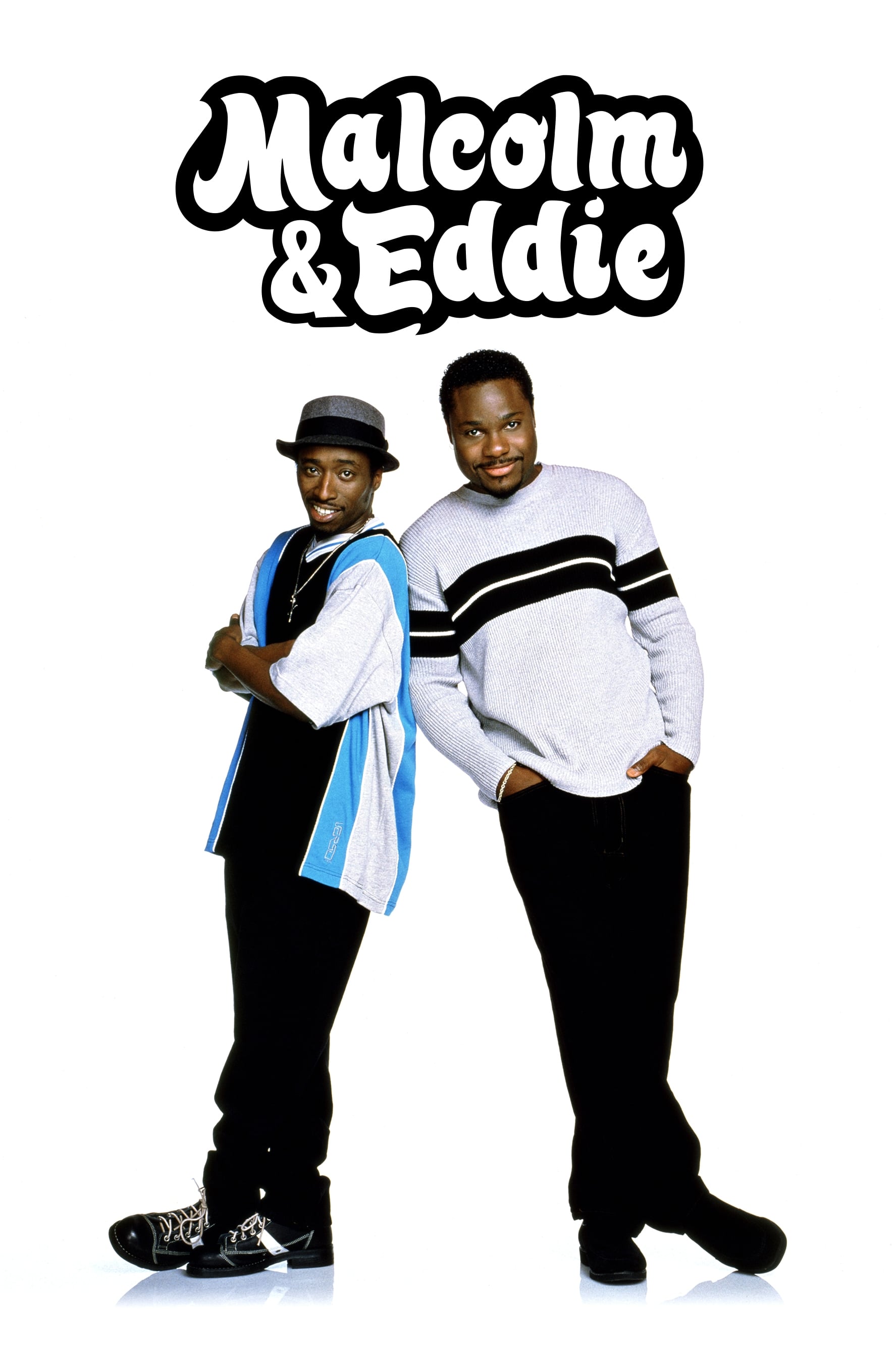
Malcolm and Eddie are as different as one can imagine. Nevertheless, they're best friends who manage to be roommates as well as co-workers and not kill each other.
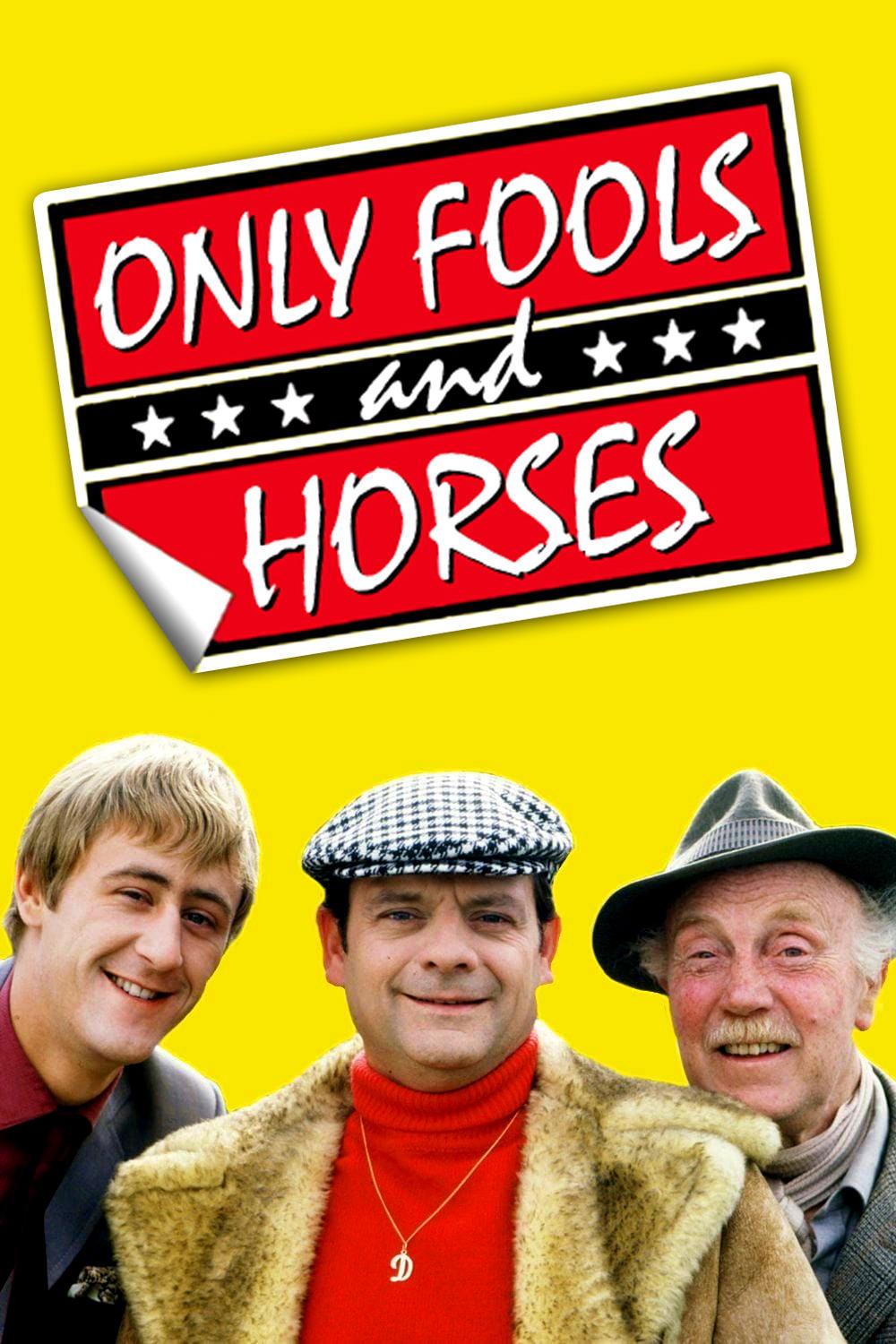
Only Fools and Horses.... Is a British sitcom created and written by John Sullivan. Seven series were originally transmitted on BBC One from 1981 to 1991, with sixteen sporadic Christmas specials aired until 2003. In working-class Peckham in south-east London, ambitious market trader Derek 'Del Boy' Trotter and his younger half-brother Rodney, explore their highs and lows in life, in particular their attempts to get rich. Initially not an immediate hit and receiving little promotion early on, it later achieved consistently high ratings, and the 1996 episode "Time on Our Hands" (originally billed as the series finale) holds the record for the biggest UK audience for a sitcom episode, attracting 24.3 million viewers. The series bears a significant influence on British culture, contributing several words and phrases to the English language.
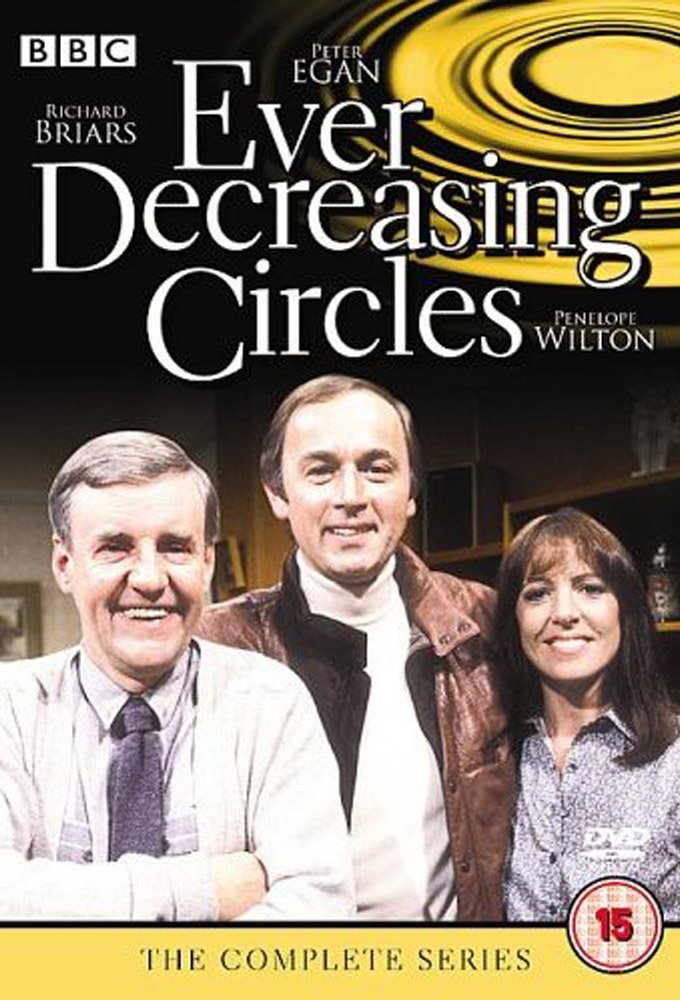
Martin Bryce lives in a quiet suburban close with his wife Anne. He does his best to "organise" the leisure time of all of the other inhabitants of the close, running umpteen societies and doing "good works". He's is quite happy with his lot until Paul Ryman moves in next door.
Welcome to Beacon Street Pizza, the perfect workplace and hangout for aimless wise-guy Berg, neurotic Pete and campus beauty Sharon. Pete and Berg are roommates and students at a local Boston university, while Sharon struggles with her work and relationships. Together, these three best friends try to navigate life and love in Boston!
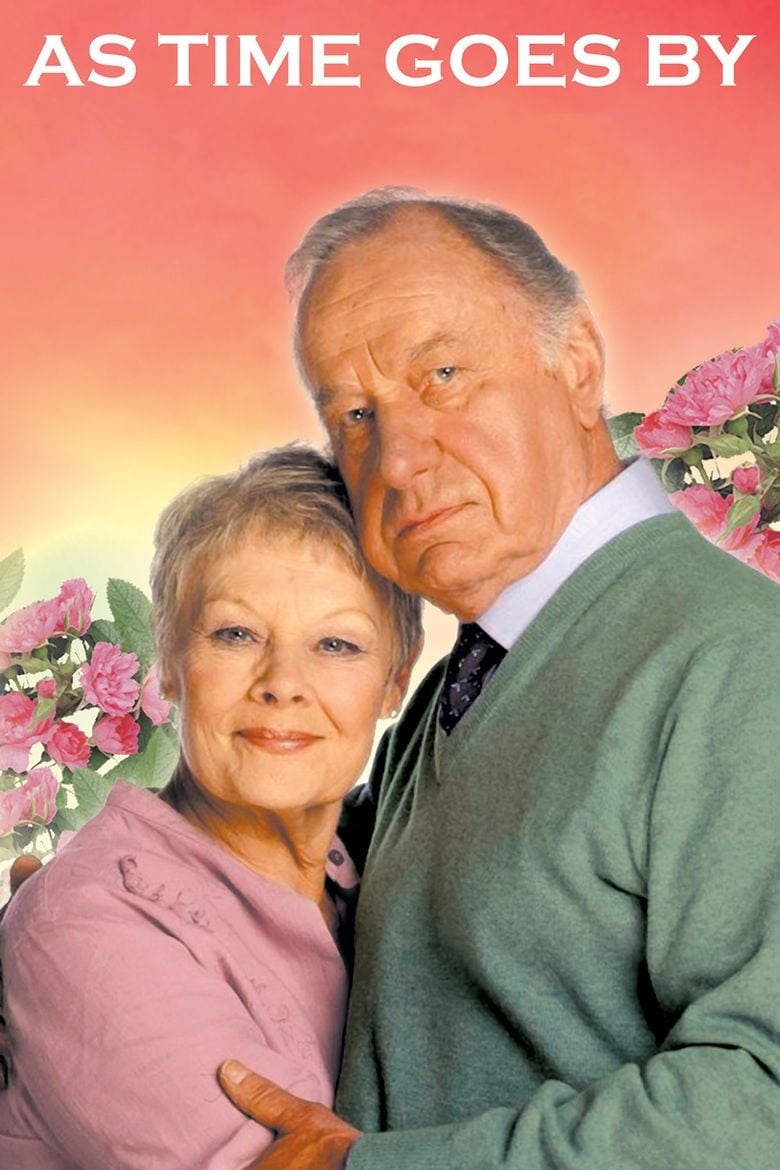
Two lovers are reunited after decades apart following a mutual misunderstanding.
Valerie Tyler is a 28-year-old organization freak who loves her 16-year-old sister Holly. Even if Holly is rambunctious. Spontaneous. Impulsive. Disconcerting. And definitely disorganized. Then Holly moves in with Val, and the sisters discover they may make better siblings than roomies.
A snobbish housewife is determined to climb the social ladder, in spite of her family's working class connections and the constant chagrin of her long suffering husband.
British sitcom in which Reverend Philip Lambe, after becoming bored in his wealthy Oxfordshire parish, asks for a transfer to a more difficult assignment. Sent to Edendale, a fictional urban town in the Midlands, he is accompanied by his wife Emma, sixteen-year-old daughter Miranda and twelve-year-old son Peter.
Titus is an American dark comedy sitcom that debuted on Fox in 2000. The series was created by its star, Christopher Titus, Jack Kenny, and Brian Hargrove. This sitcom was based on Christopher's stand-up comedy act, more specifically his one-man show Norman Rockwell is Bleeding, which was based loosely upon his real-life family; lines from Norman Rockwell is Bleeding were spoken by Titus as commentary. Titus plays an outwardly childish adult, who owns a custom car shop. The show follows him and his dimwitted halfbrother Dave, his girlfriend Erin with the "heart of gold", his goody-goody friend Tommy, and his arrogantly lewd, bigoted and multiple-divorced father Ken "Papa" Titus.
Drew is an assistant director of personnel in a Cleveland department store and he has been stuck there for ten years. Other than fighting with co-worker Mimi, his hobbies include drinking beer and not being able to get dates. To make a few extra bucks he has a micro-brewery going in his garage with his buddies.
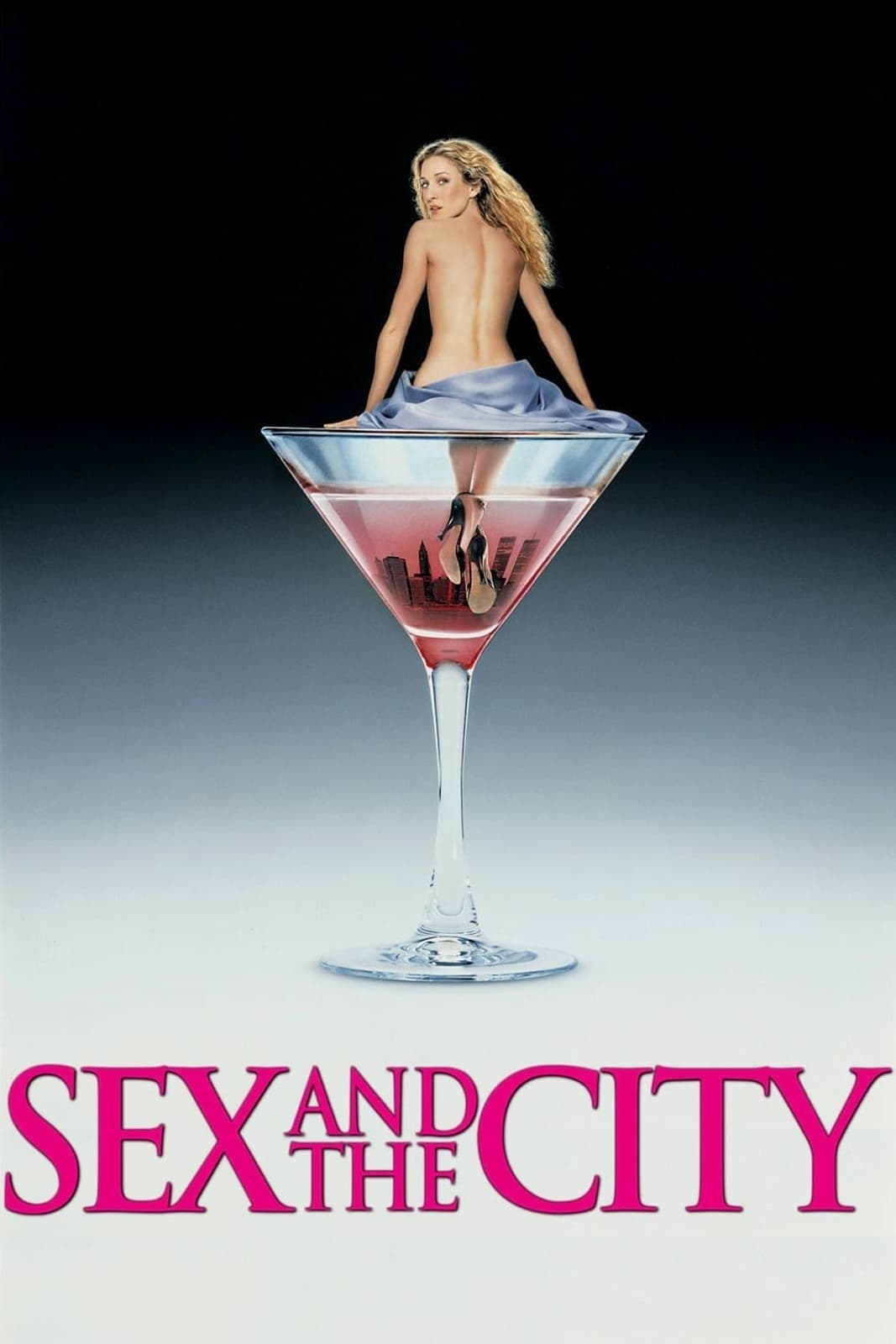
Based on the bestselling book by Candace Bushnell, Sex and the City tells the story of four best friends, all single and in their late thirties, as they pursue their careers and talk about their sex lives, all while trying to survive the New York social scene.
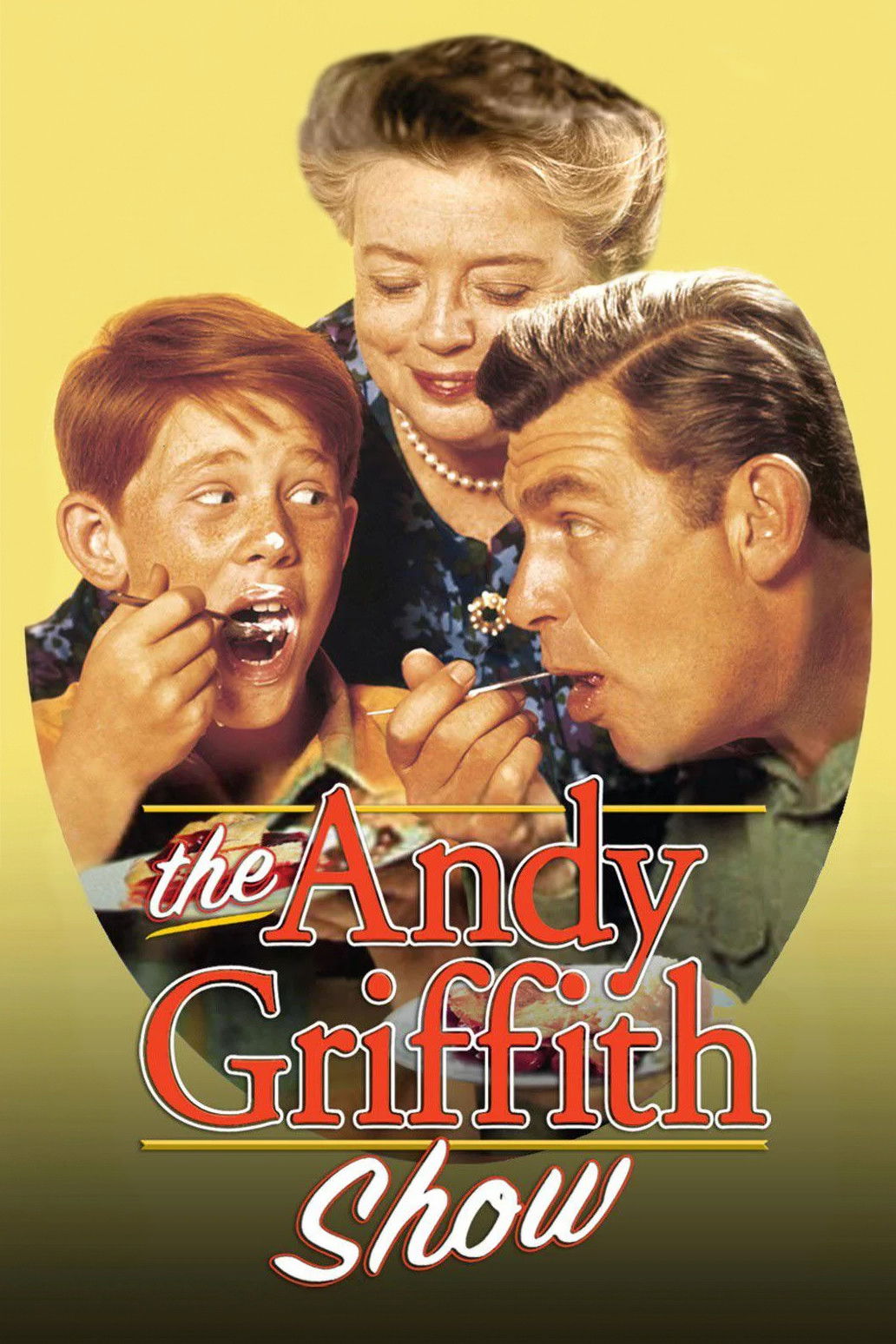
Andy Taylor is the widowed sheriff of the fictional small community of Mayberry, North Carolina. His life is complicated by an inept, but well-meaning deputy, Barney Fife, a spinster aunt and housekeeper, Aunt Bee, and a precocious young son, Opie. Local ne'er-do-wells, bumbling pals, and temperamental girlfriends further complicate his life.
Claude Casey moved up in the secretarial world of television news, from temp to the anchor's desk. After her boss hires her full time, Claude realizes she may be in over her head in this world of assistants fighting to get ahead. But Claude is determined to prove that though she may not be perfect, she's not going down without a fight.
The story of a group of friends in Madrid.
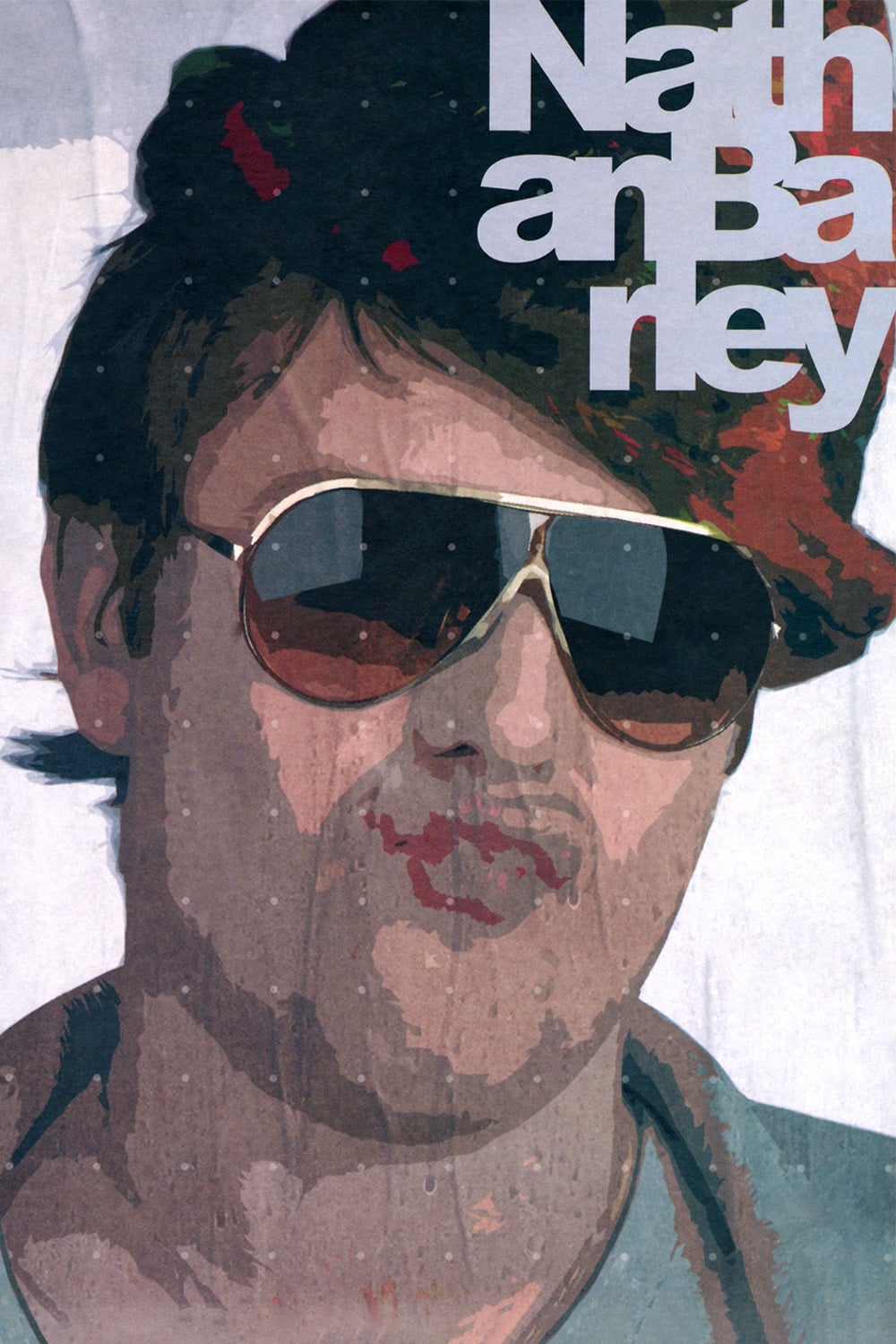
Nathan Barley is a Channel 4 sitcom written by Charlie Brooker and Chris Morris, starring Nicholas Burns, Julian Barratt, Charlie Condou and Claire Keelan. The series of six weekly episodes began broadcasting on 11 February 2005 on Channel 4. Described by his creator as a "meaningless strutting cadaver-in-waiting", the character originated on Brooker's TVGoHome – a website parodying television listings – as the focus of a fly-on-the-wall documentary called Cunt.
In the headquarters of a major American automotive company in Detroit, a floundering group of executives at Payne Motors must adapt to the changing times or be sent to the junkyard.
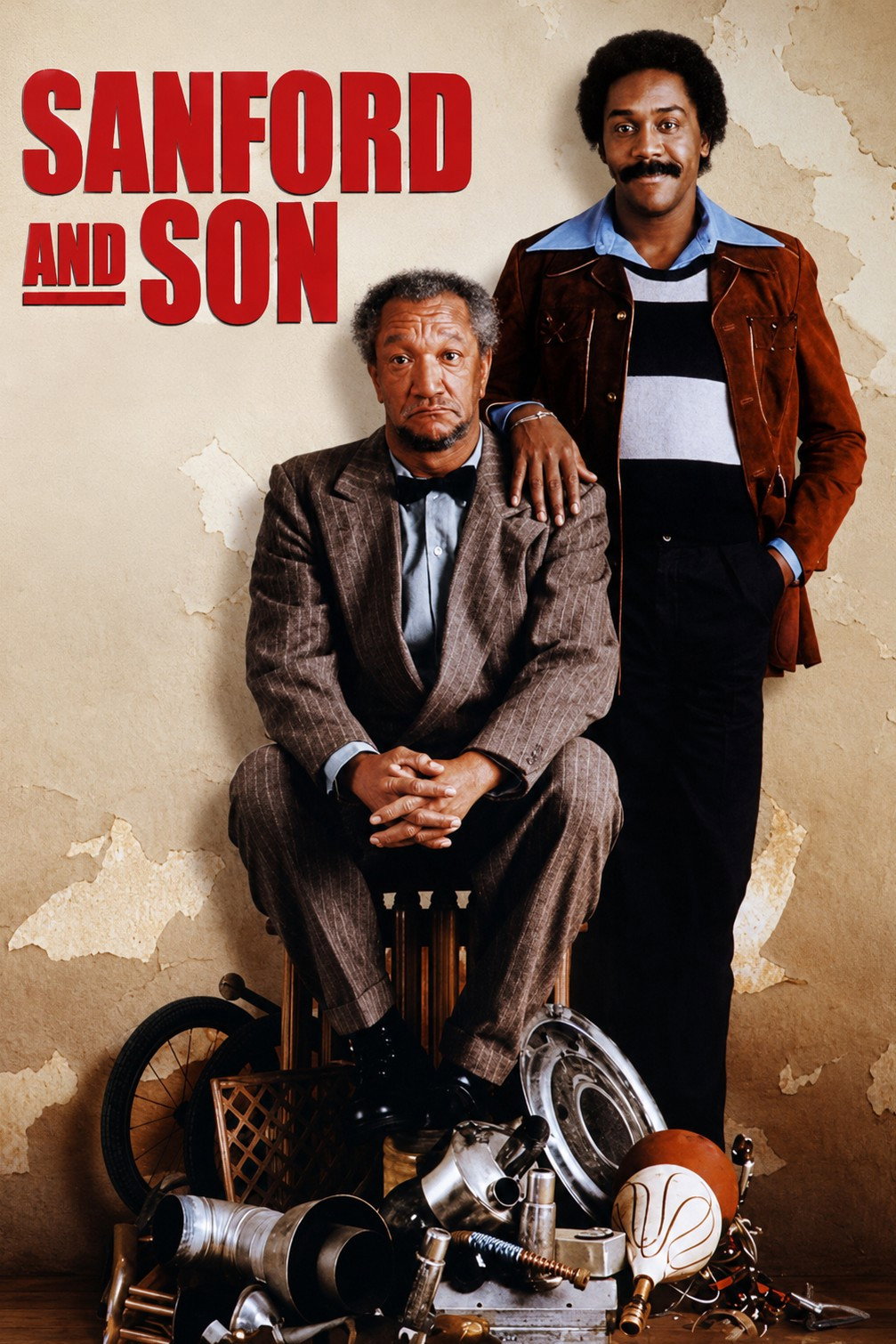
The misadventures of a cantankerous junk dealer and his frustrated son.
A married father of three tries to maintain his manliness in a world increasingly dominated by women.
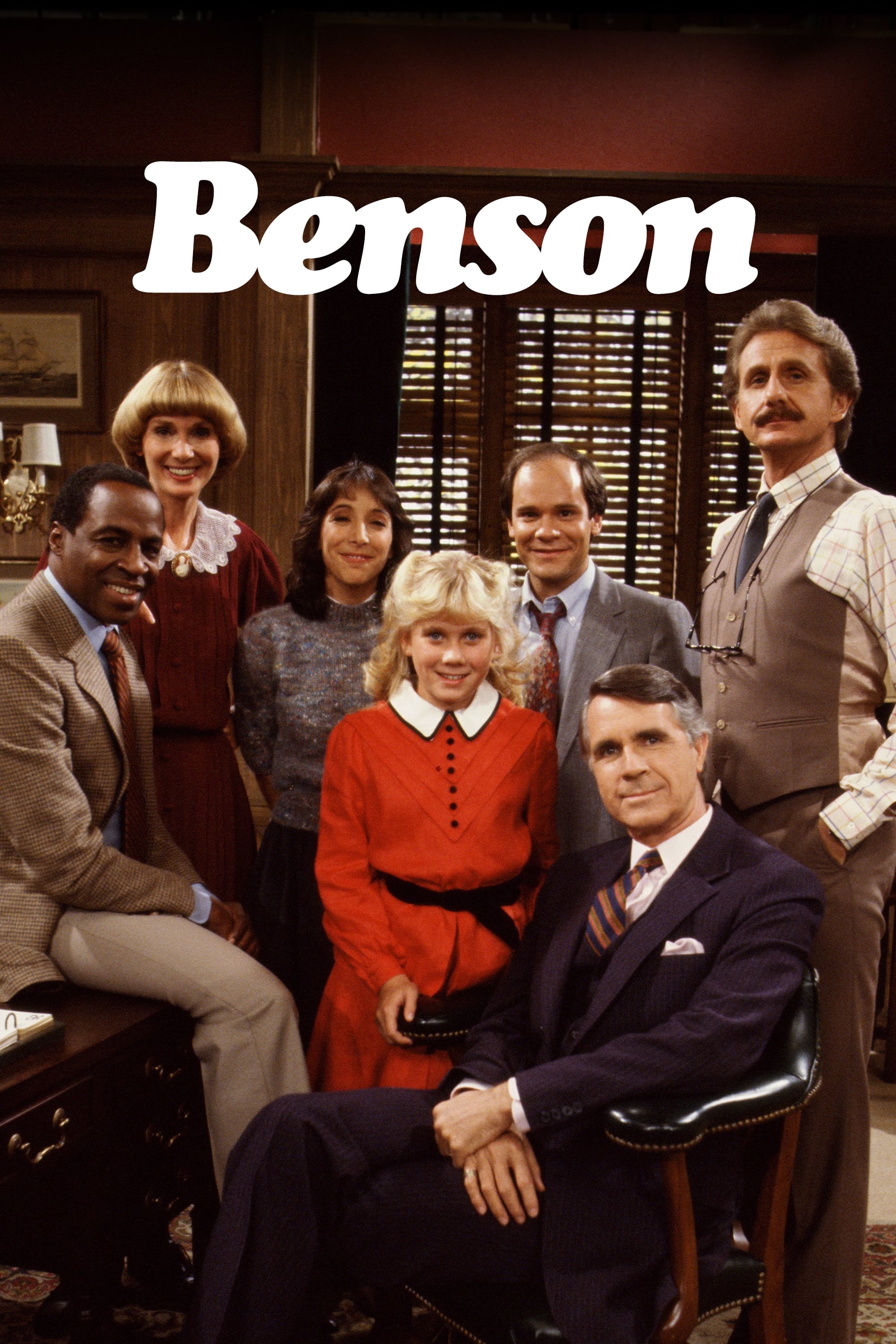
A butler deals with life at the governor's mansion.
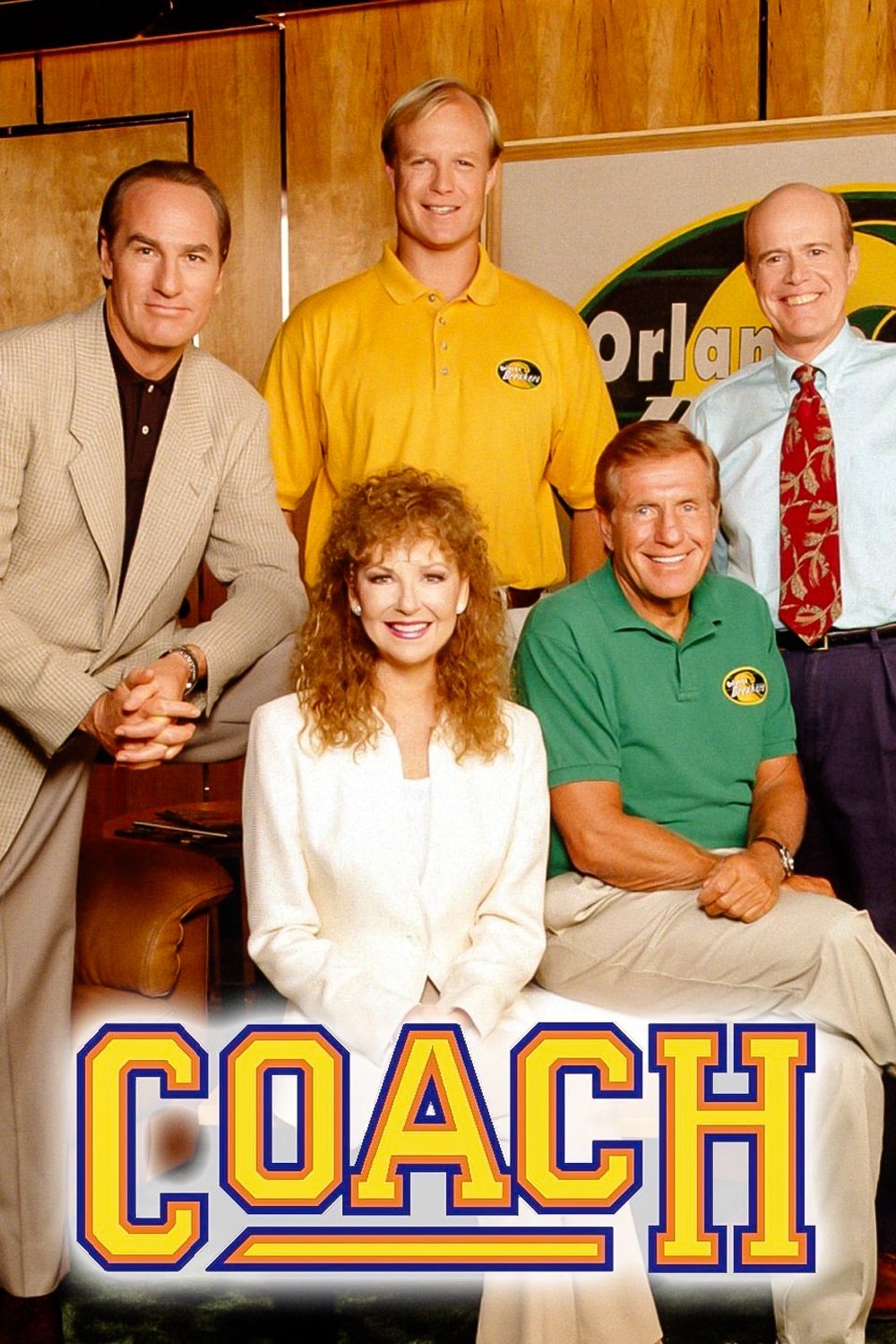
Hayden Fox, the curmudgeonly coach of Minnesota State University's Screaming Eagles football team, tries to navigate his way through the sports world, fatherhood and family life without dropping the ball.
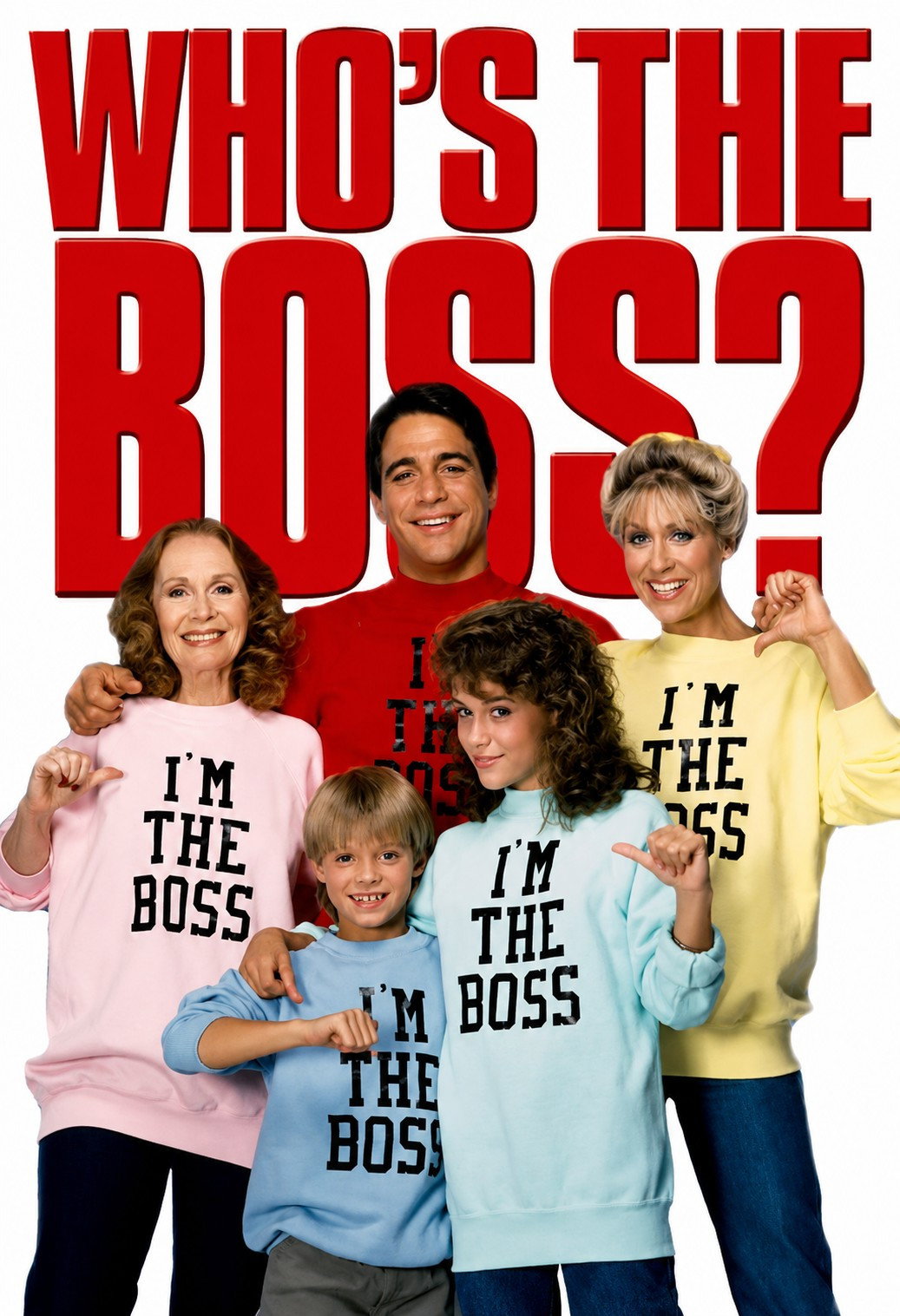
A former professional baseball player, along with his preteen daughter, moves into New York advertising executive Angela Bower's house to be both a housekeeper and a father figure to her young son. Tony 's laid-back personality contrasts with Angela's type-A behavior.
The misadventures of a divorced mother, two teenage daughters, and their new building superintendent in Indianapolis.
Matt is a stubborn, widowed owner of a classic car restoration shop. When Matt's estranged daughter Riley and her teenage kids move into his house, the real restoration begins.
A tight-knit group of best friends and family helps Wade embrace his “new normal” in the wake of the loss of his wife. As a sometimes ill-equipped but always devoted single parent to his two adolescent daughters, he is taking the major step of dating again.
In 1950s Milwaukee the Cunningham family must contend with Fonzie, a motorcycle riding Casanova.
A family comedy narrated by Katie, a strong-willed mother, raising her flawed family in a wealthy town filled with perfect wives and their perfect offspring.
Thelma Harper and her spinster sister Fran open their home to Thelma's recently divorced son Vinton and his teenage son and daughter. It's quite an adjustment for everyone, especially the cranky, argumentative Thelma.
The Dick Van Dyke Show centers around the work and home life of television comedy writer Rob Petrie. The plots generally revolve around problems at work, where Rob got into various comedic jams with fellow writers Buddy Sorrell, Sally Rogers and producer Mel Cooley.
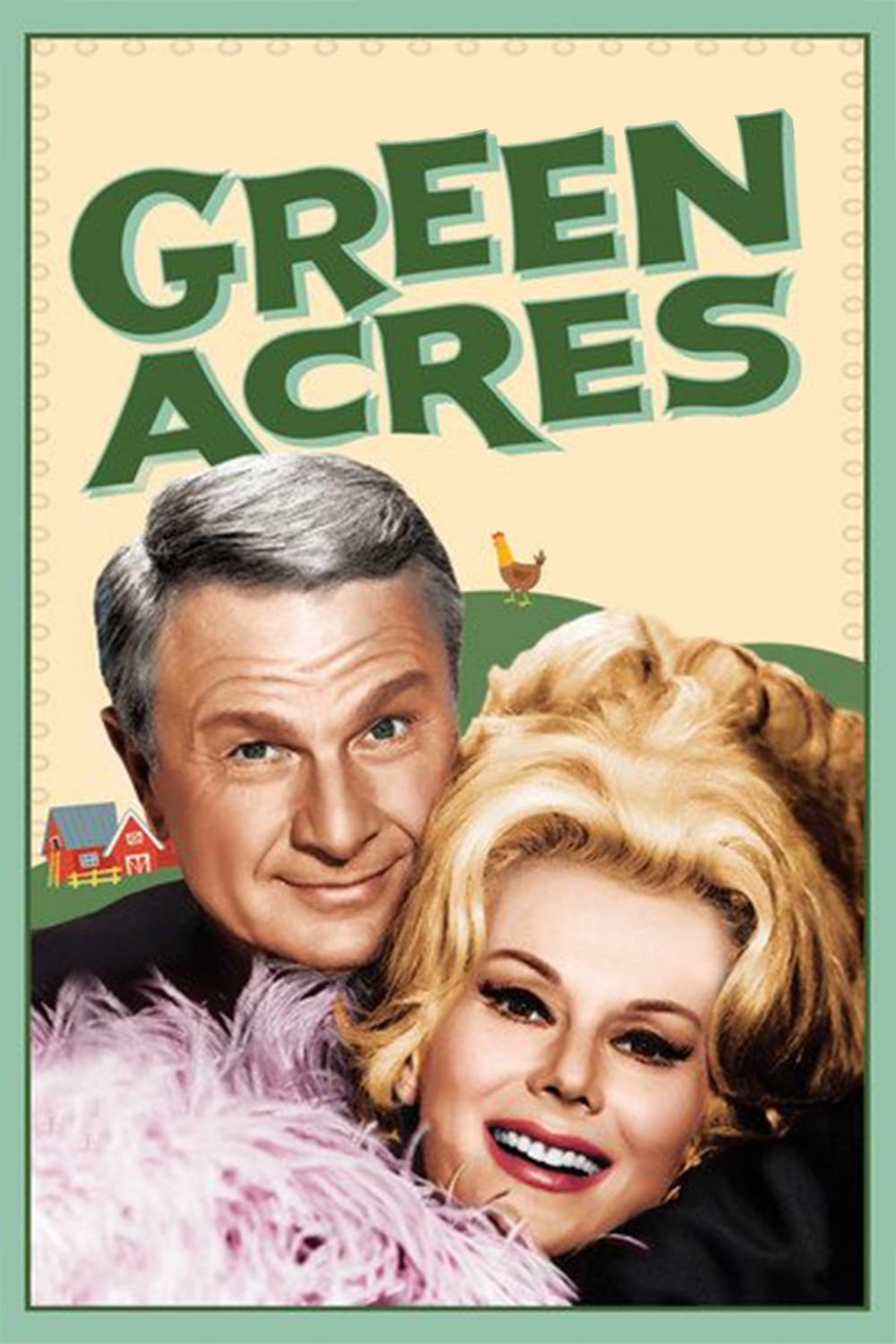
Green Acres is an American sitcom starring Eddie Albert and Eva Gabor as a couple who move from New York City to a rural country farm. Produced by Filmways as a sister show to Petticoat Junction, the series was first broadcast on CBS, from September 15, 1965 to April 27, 1971. Receiving solid ratings during its six-year run, Green Acres was cancelled in 1971 as part of the "rural purge" by CBS. The sitcom has been in syndication and is available in DVD and VHS releases. In 1997, the two-part episode "A Star Named Arnold is Born" was ranked #59 on TV Guide's 100 Greatest Episodes of All Time.
A platonic pair of former best friends approaching midlife reconnect after a long rift. The duo’s friendship becomes more consuming—and destabilizes their lives in a hilarious way.
Ashley and Gordon are two single(ish), complex humans who are brought together by a car accident and an injured dog. Flawed, funny people choosing each other and being brave enough to show their true self, scars and all, as they navigate life together.
The Naked Truth is an American sitcom broadcast on ABC from 1995 to 1996, and on NBC from 1996 to 1998. The series stars Téa Leoni and Holland Taylor. After a messy divorce with her very rich and powerful husband, Nora Wilde refuses to accept his offer of $1.8 million and tries to make it on her own. Being a Pulitzer nominated photographer, the only place that even considers hiring her is sleazy tabloid The Comet. She's forced to accept and starts as a regular papparazzo.
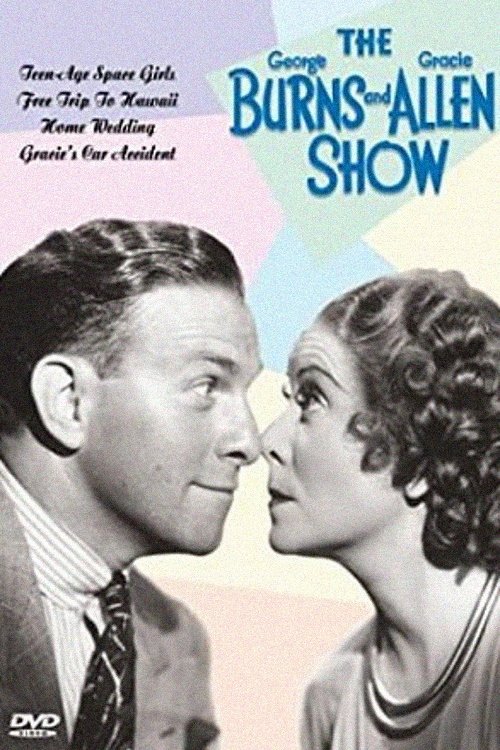
Burns and Allen, an American comedy duo consisting of George Burns and his wife, Gracie Allen, worked together as a comedy team in vaudeville, films, radio and television and achieved great success over four decades.
Nick Cannon and an A-list celebrity lead a team of improv comedians as they compete against each other.
Josh Greenberg is a naive romantic on a desperate quest for love. When his longtime girlfriend dumps him, Josh enters the dating scene, a nightmarish hellscape of untold horror. Despite the agony, Josh continues his search in the hopes of finding someone who will make all the misery worth it.
A British husband-and-wife comedy writing team travel to Hollywood to remake their successful British TV series, with disastrous results.