Britain is connected by miles of roads, canals, and railway. This series explores the history of how we get around this ancient island.
Social & External
The people behind it
Mark Benton
Self - Narrator (voice)
Investigating mankind's insatiable necessity to move faster and further; for pleasure, for work, to explore, to survive.
A risky expedition along thoroughfares that harbor mortal danger for those who use them or live on them. They run through deserts, ice, and snow, deep in the jungle, along water, and over mountains: the world's most dangerous roads, truly "hot roads." Many have died along these roads.
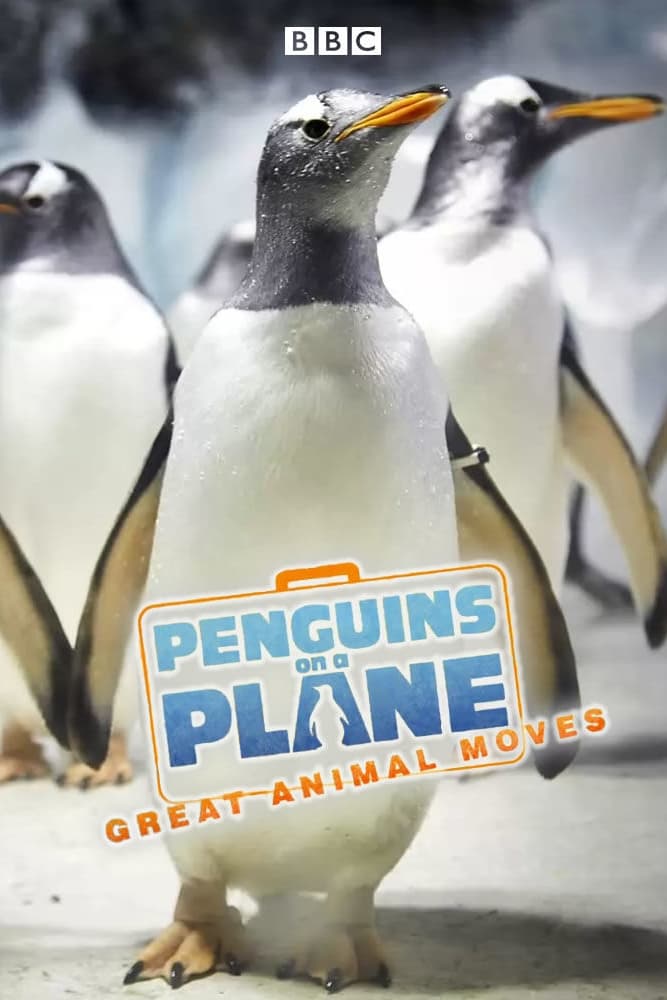
Penguins on a Plane: Great Animal Moves follows the expert handlers entrusted with transporting some of the world's most precious and challenging cargo safely to their destinations.
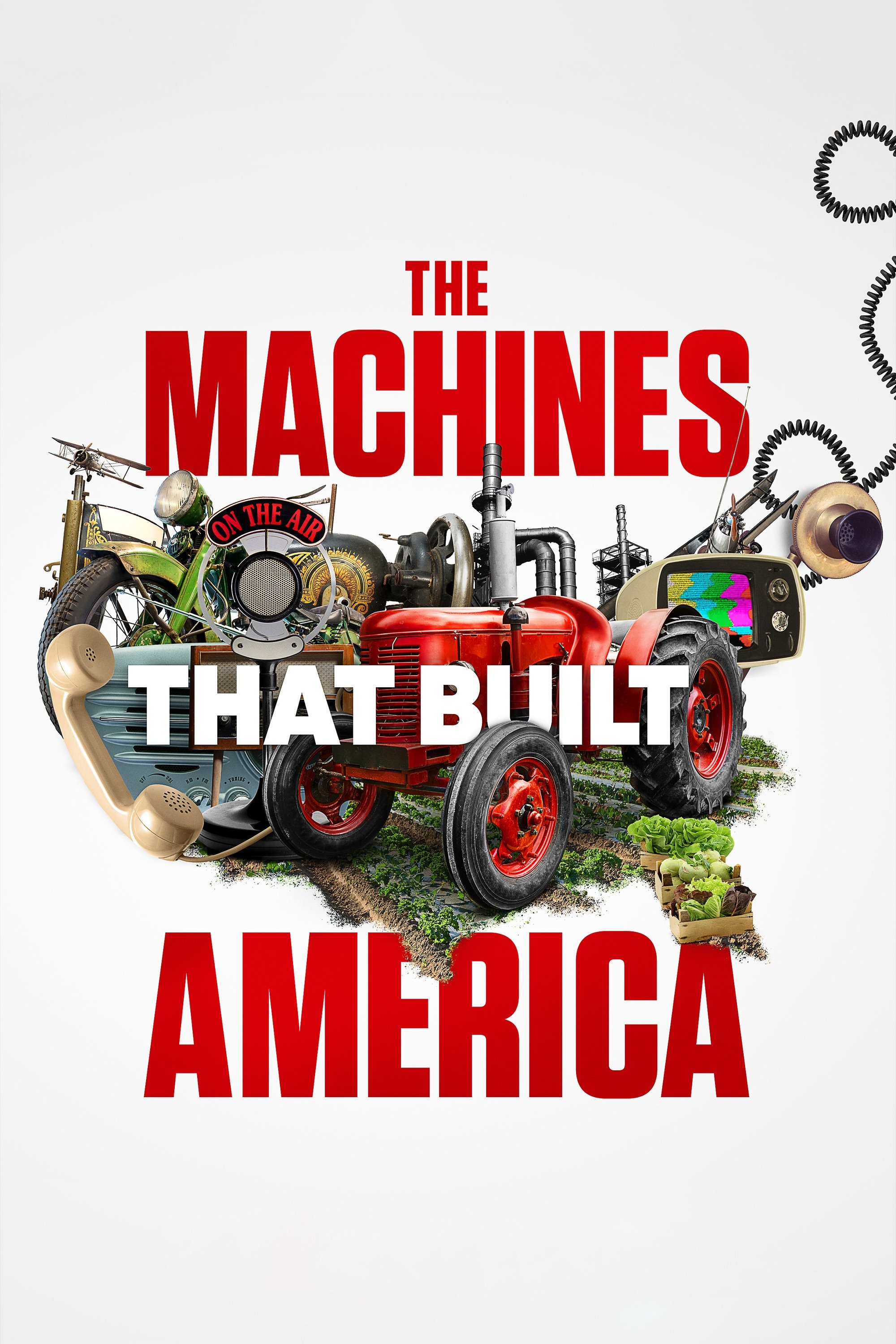
The stories behind innovations such as TV, radio, phones, airplanes, motorcycles and power tools as well as the inventors including Nikola Tesla, William Harley, Alexander Graham Bell, Duncan Black and Alonzo Decker.
The birth and development of the Industrial Revolution is explored by visiting factories, mines, and other industrial relics where the modern world was made -- not by statesmen and philosophers, but by men, women and children with dirt on their hands.
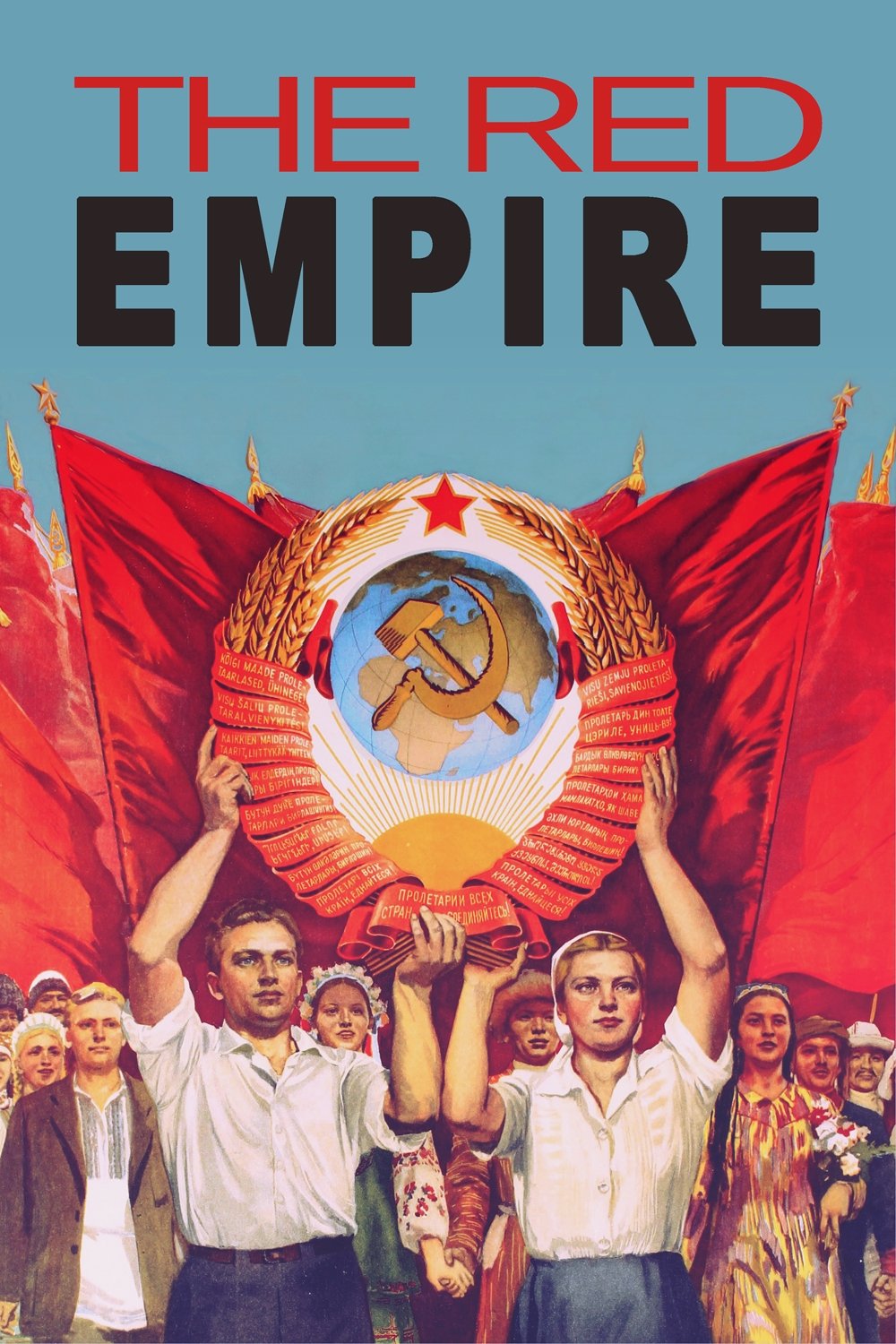
The story of an empire: From its founding in 1922 to its dissolution in 1991, the Soviet Union was shaped by revolutionary idealism, but also by oppression and decay. The USSR evolved from Stalinist terror through the Thaw under Khrushchev to political processes such as glasnost and perestroika under Gorbachev. Finally, in 1991, it collapsed.
Intercity 125 – Britain's own original high-speed train – rules the rails today, but this national icon is set to give way to hi-tech imports. It's time to celebrate the heroic story of a design classic that saved Britain's railways from terminal decline.
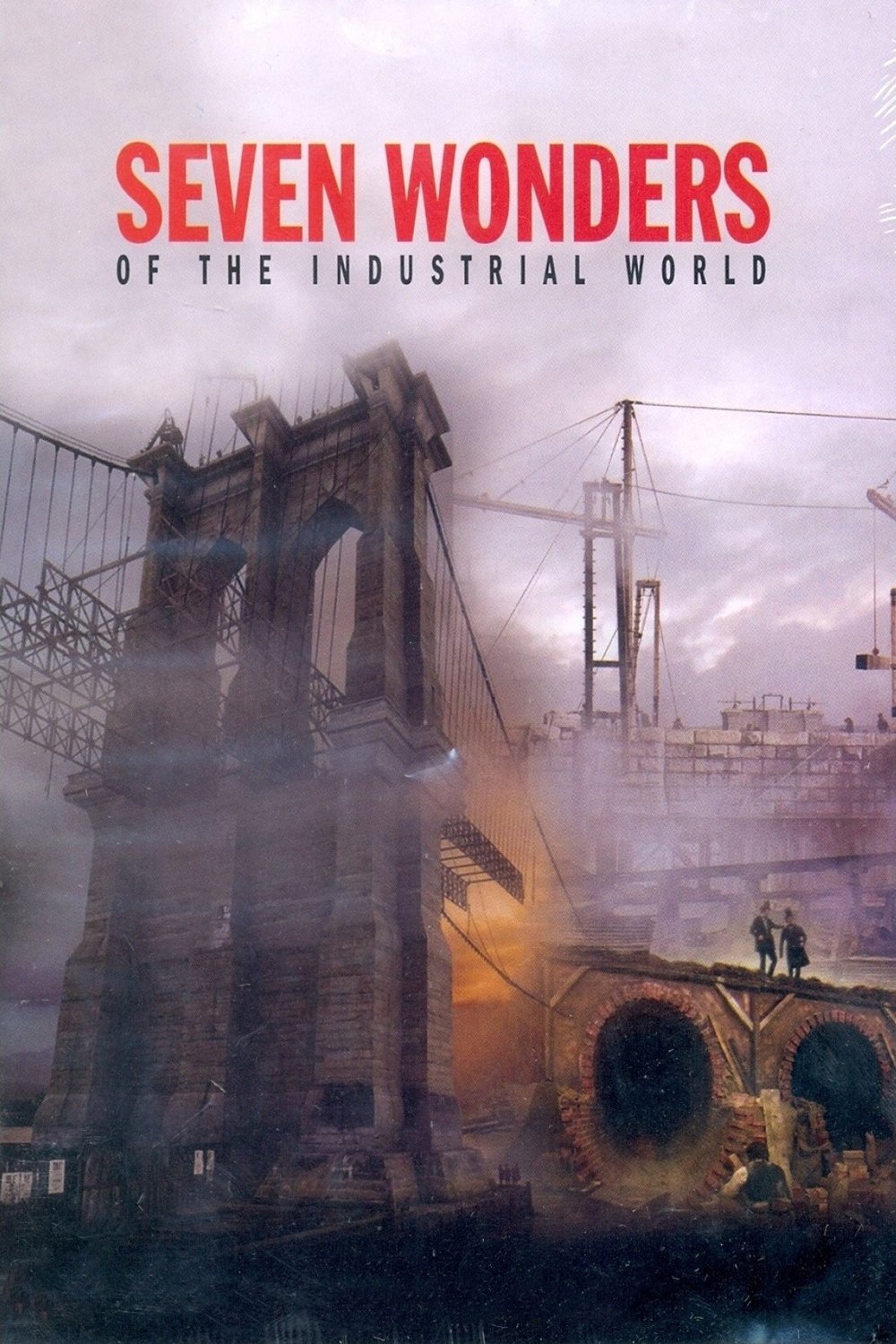
Seven Wonders of the Industrial World is a 7-part British documentary/docudrama television miniseries that originally aired from 4 September 2003 to 16 October 2003 on BBC. The programme examines seven engineering feats that occurred during the Industrial Revolution.
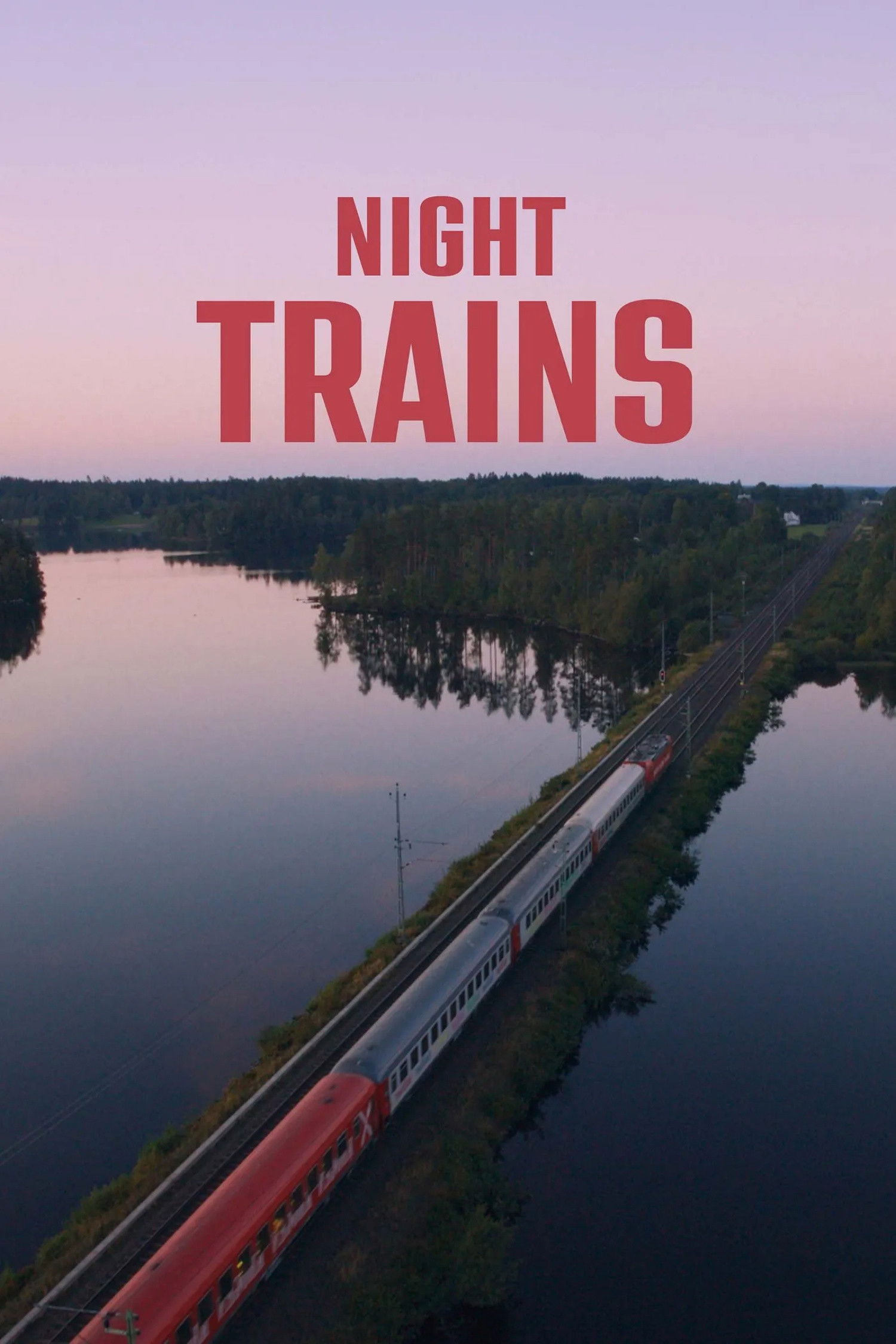
A journey along Europe’s most spectacular night train routes, uncovering hidden natural stories along the way — stories of landscapes, wildlife, and the ecosystems that shape them.We meet people on board and along the routes. What unites them is a special connection to nature. Traveling through the night and into the early hours of morning, our routes take us across Germany, Scandinavia, Hungary, Austria, Switzerland, and almost the entire Balkan Peninsula, all the way to the outskirts of Istanbul.
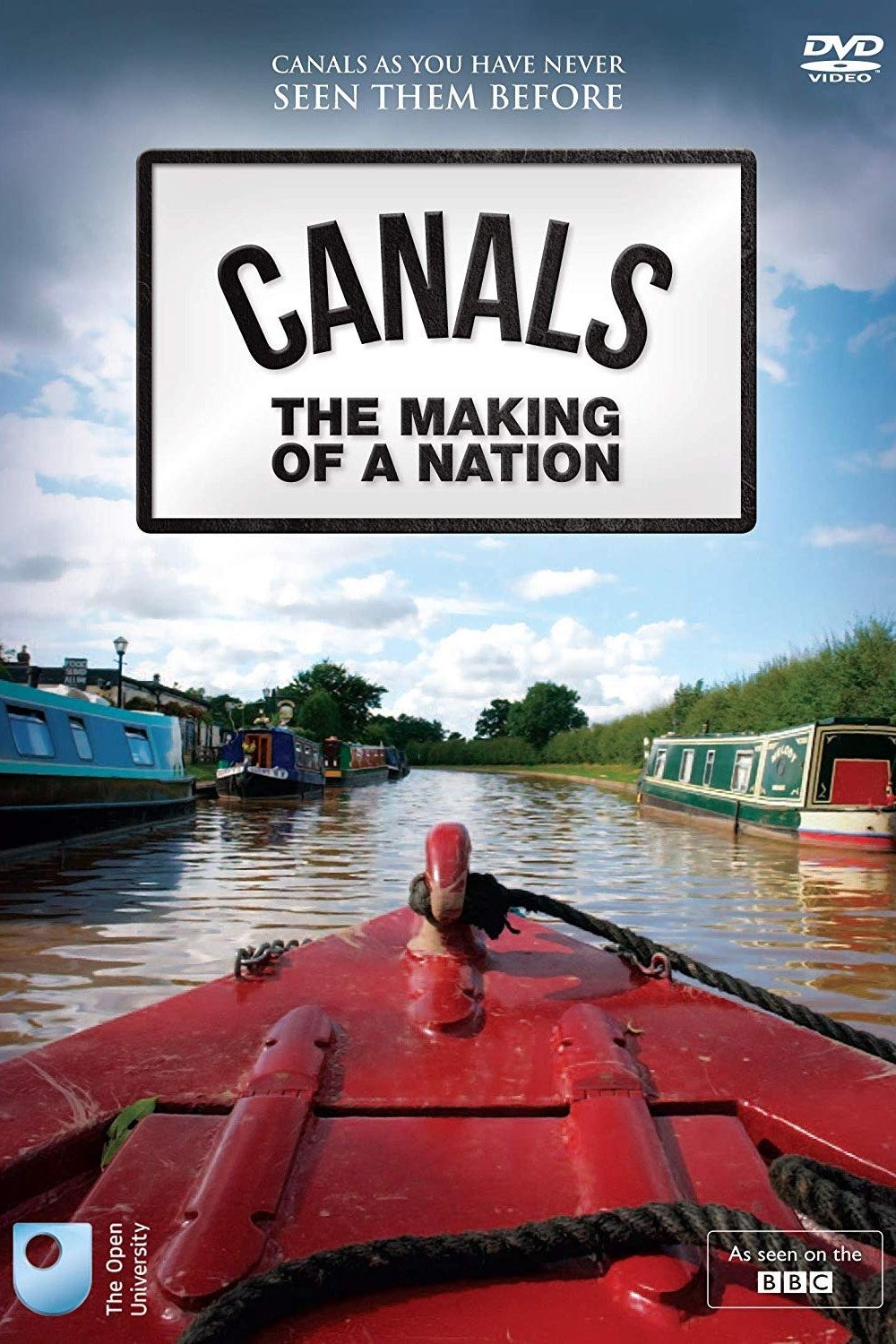
Liz McIvor looks at who built the nation's canal network, who funded it, those who worked on it and how they were regenerated following WWII.
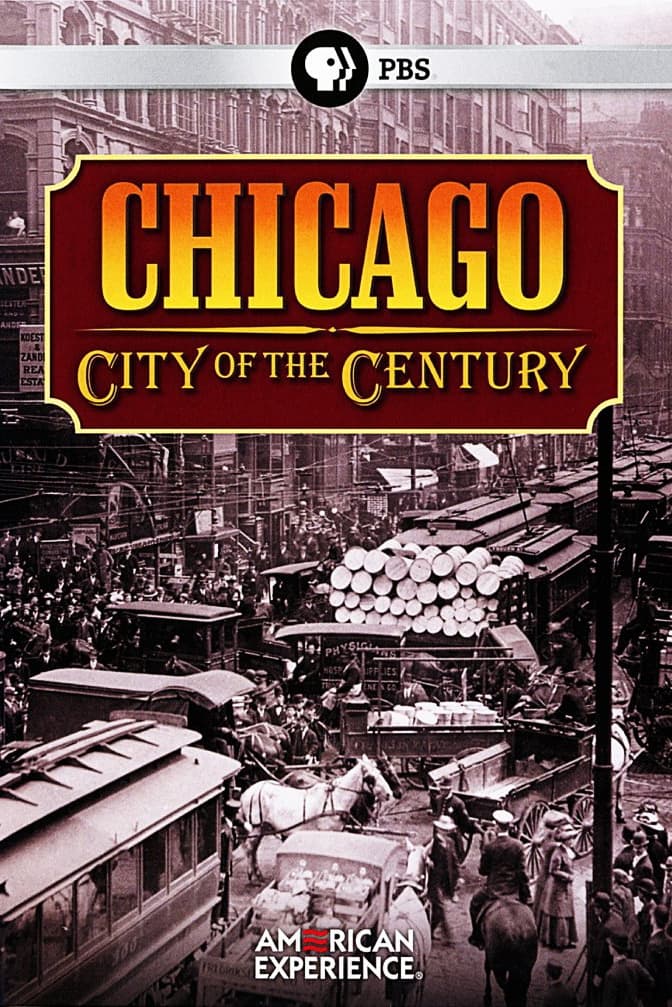
In just 60 years Chicago grew from a remote, swampy frontier town into one of the most explosively alive cities in the world. Captains of industry built empires through innovation, ingenuity, determination, and sheer ruthlessness, while the labor of millions of working men and women -- most of them immigrants from Ireland and Northern Europe -- helped reinvent the way America did business.
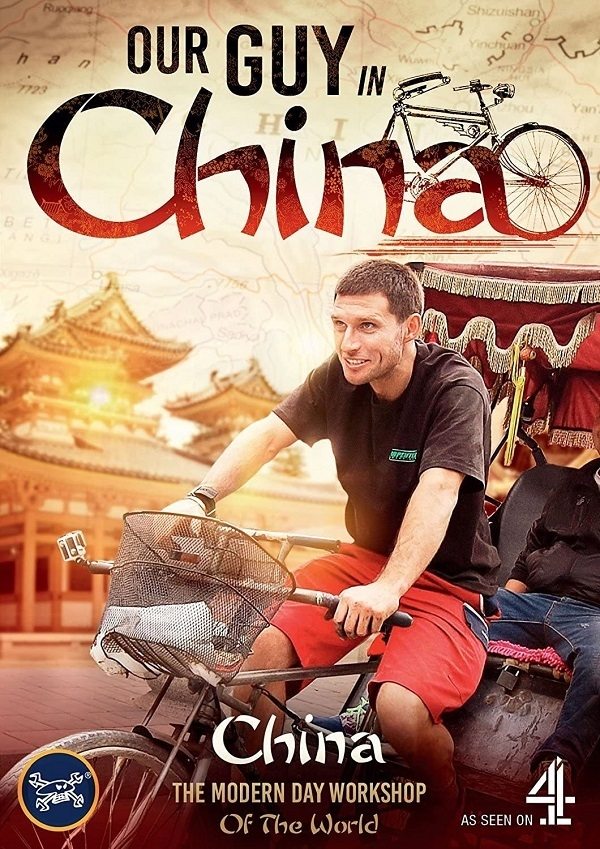
Guy Martin's love of industry and endeavour leads him to China, where he reveals the unseen side of its innovation, technological development and gigantic manufacturing.
Paddy McGuinness and Cherry Healey get exclusive access to some of the largest factories in Britain to reveal the secrets behind production on an epic scale.
Explore the last 100 years of aviation history in unprecedented detail. From the Wright brothers first flight to the Apollo moon landings and beyond, the series highlights milestones in an industry defined by innovation.
Half-hour program on the "real-life adventure" of big business. Newsman Eric Sevareid, who served as host, described the series as neither "chamber of commerce boosterism" nor anti-establishment; rather, "an effort to report how various industrial sectors actually work."
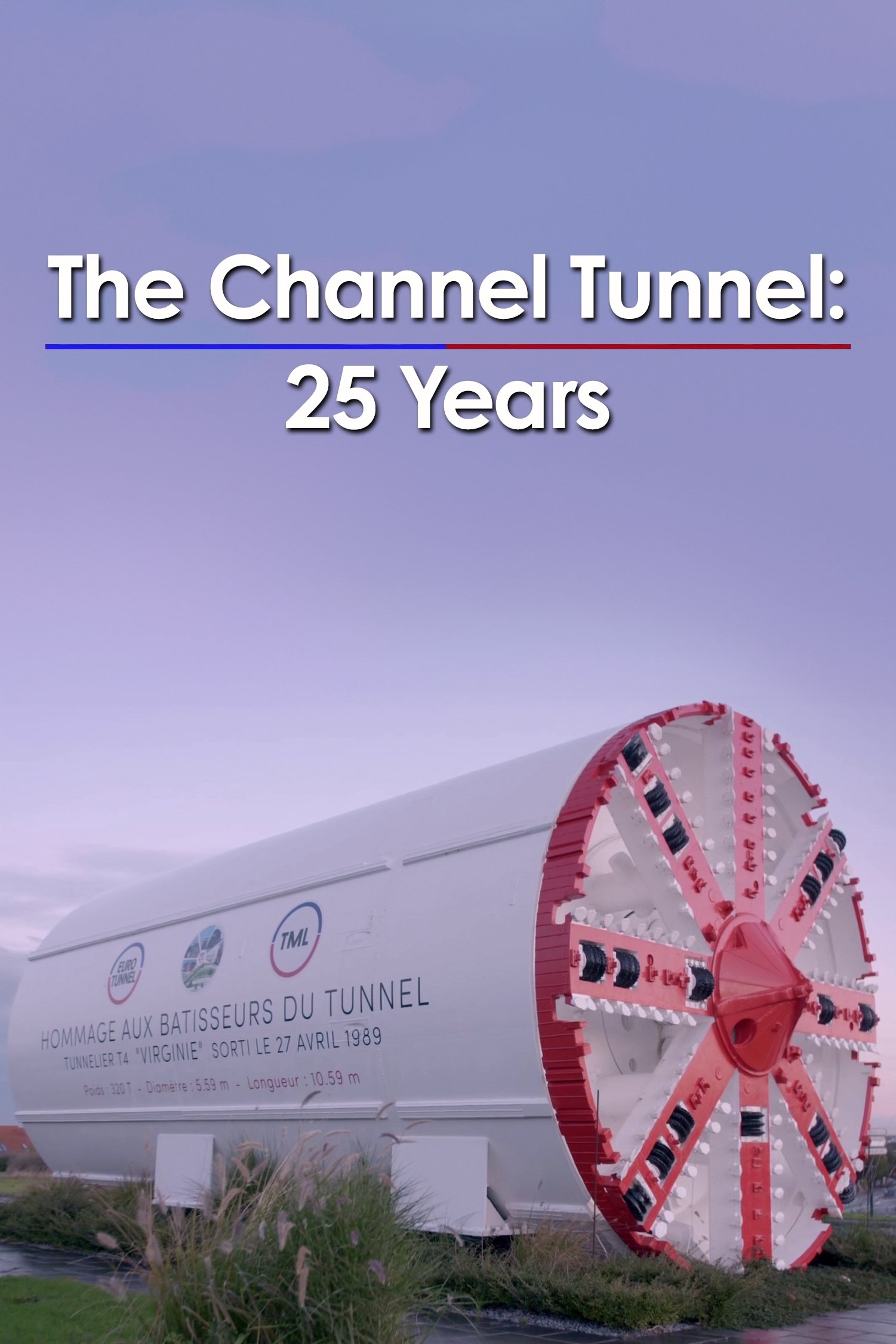
The Channel Tunnel stands as an engineering triumph and a testament to what can be achieved when two nations, Britain and France put aside their historic differences and work together. On the 25th anniversary of its opening, we reflect on what it took to build the longest undersea tunnel ever constructed.
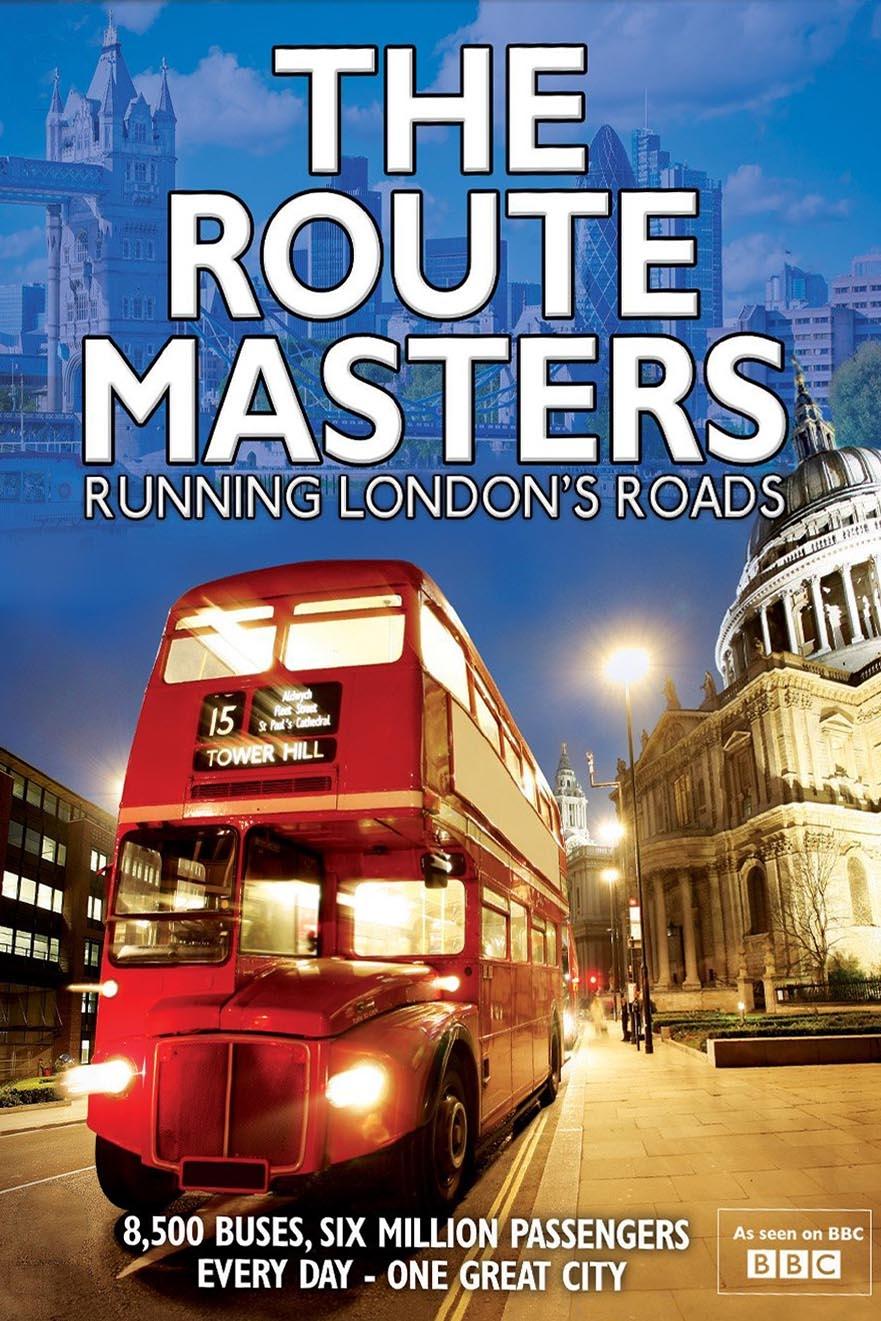
Following the Transport for London staff and police officers who keep London's road system from freezing up entirely under the immense pressure of millions of commuters.
Tony Robinson goes for a walk through some of Britain's beautiful and historic landscapes.
Carrying nearly five million passengers per day, the London Tube is one of the world's oldest and busiest metro systems in the world. Today the Tube is undergoing a complete overhaul that is long overdue. Take a behind the scenes look into the daily lives of drivers, emergency personnel, operations managers, and many others among the near twenty thousand employees of this massive rail system, as they navigate the evolution of the London Tube.
TV's most-watched history series brings to life the compelling stories from our past that inform our understanding of the world today.
Have you ever wondered how the products you use every day are made? How It's Made leads you through the process of how everyday products, such as apple juice, skateboards, engines, contact lenses, and many more objects are manufactured.
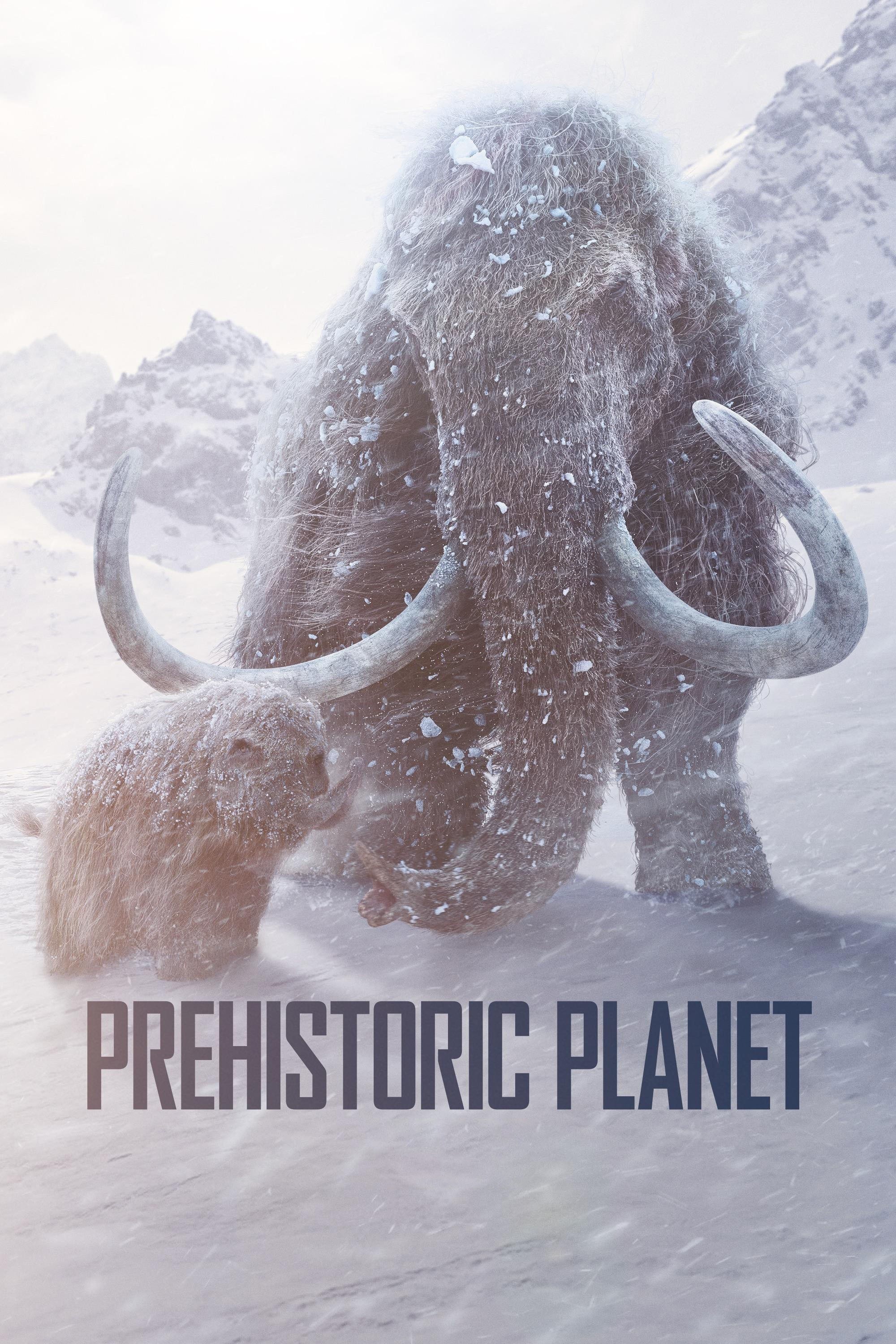
Experience the wonders of our world like never before in this epic series from Jon Favreau and the producers of Planet Earth. Travel back 66 million years to when majestic dinosaurs and extraordinary creatures roamed the lands, seas, and skies.
Motoring programme featuring reviews of and reports about cars of all types.
The history of the sport of baseball in America, told through archival photos, film footage, and the words of those who contributed to the game in each era. Writers, historians, players, baseball personnel, and fans review key events and the significance of the game in America's history.
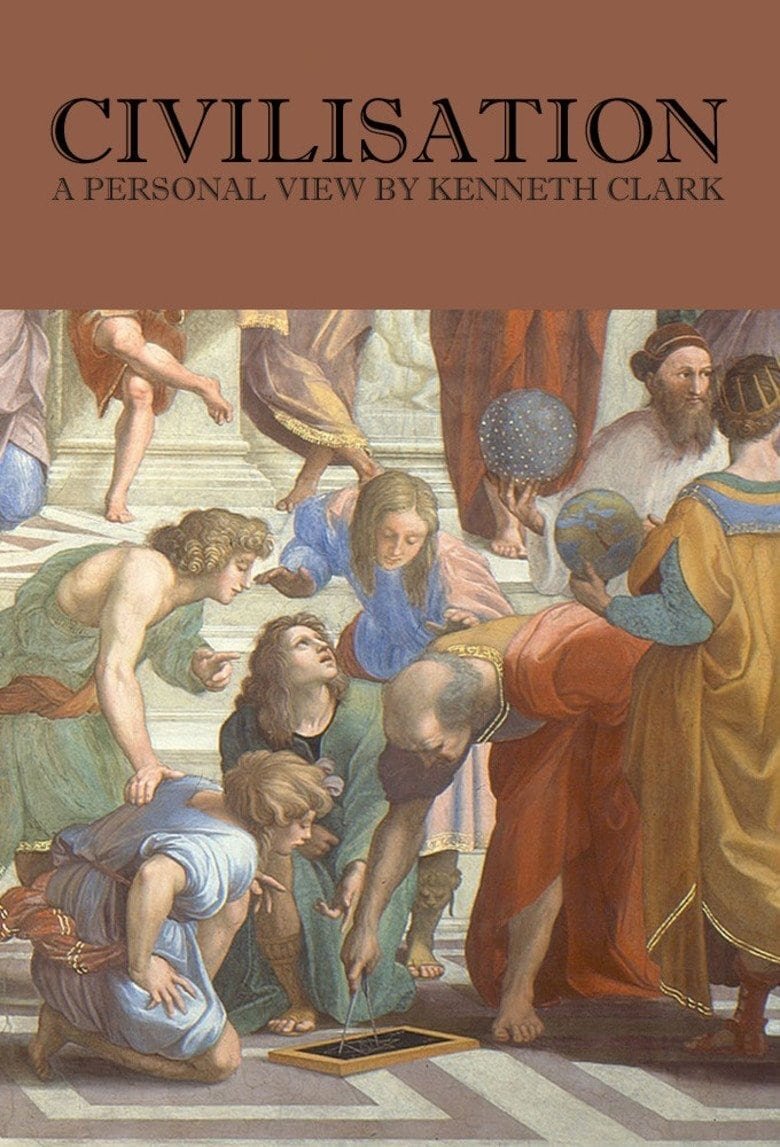
Sir Kenneth Clark guides us through the ages exploring the glorious rise of civilisation in western man. Beginning with the bleakness of the dark ages to the present day, we consider civilisation's articulations and expressions in some of man's finest works of art.
Horizon tells amazing science stories, unravels mysteries and reveals worlds you've never seen before.
Infographics and archival footage deliver bite-size history lessons on scientific breakthroughs, social movements and world-changing discoveries.
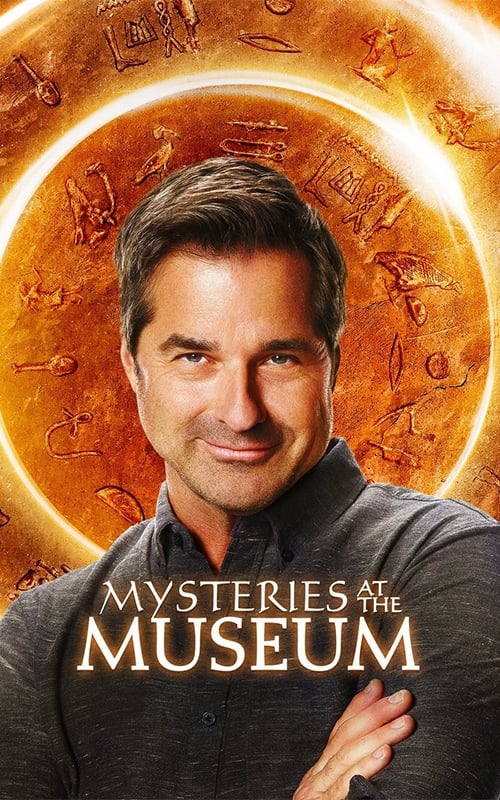
Don Wildman unearths relics from the world's greatest institutions to reveal secrets from the past. He examines each artifact to illuminate history's most incredible triumphs, sensational crimes and bizarre encounters.
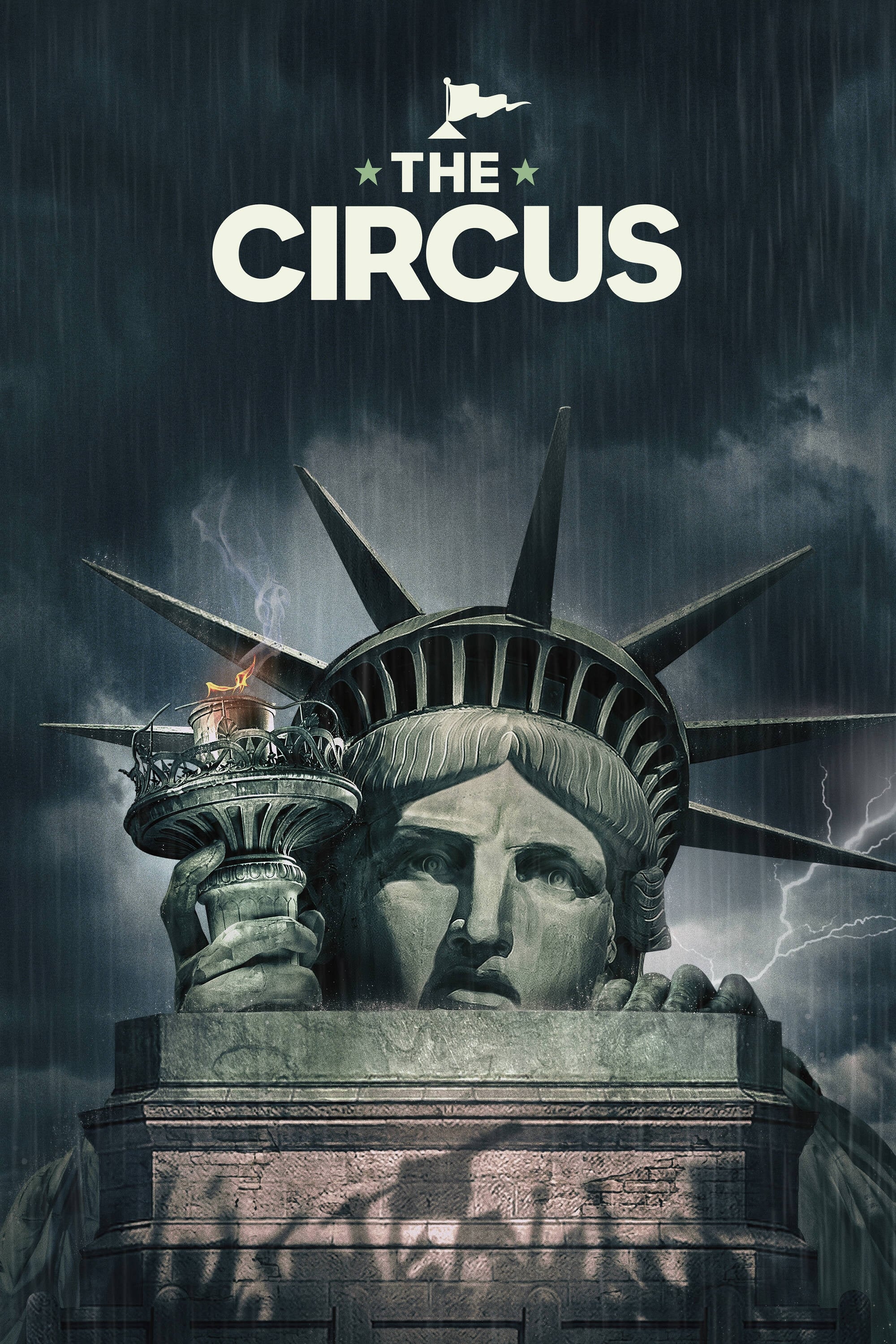
Come one, come all to The Circus. This real-time documentary series pulls back the curtain on the current political stories, revealing the intense, inspiring and infuriating stories behind the headlines. Key characters and events are presented in real time, as they are happening.
Award-winning actor and nervous explorer Eugene Levy steps out of his comfort zone for a whirlwind tour of the world's most beautiful and intriguing destinations.
MegaStructures is a documentary television series appearing on the National Geographic Channel in the United States and the United Kingdom, Channel 5 in the United Kingdom, France 5 in France, and 7mate in Australia. Each episode is an educational look of varying depth into the construction, operation, and staffing of various structures or construction projects, but not ordinary construction products. Generally containing interviews with designers and project managers, it presents the problems of construction and the methodology or techniques used to overcome obstacles. In some cases this involved the development of new materials or products that are now in general use within the construction industry. MegaStructures focuses on constructions that are extreme; in the sense that they are the biggest, tallest, longest, or deepest in the world. Alternatively, a project may appear if it had an element of novelty or are a world first. This type of project is known as a Megaproject.
An insider's look at the engineering and scientific miracles behind the things that form the modern world.
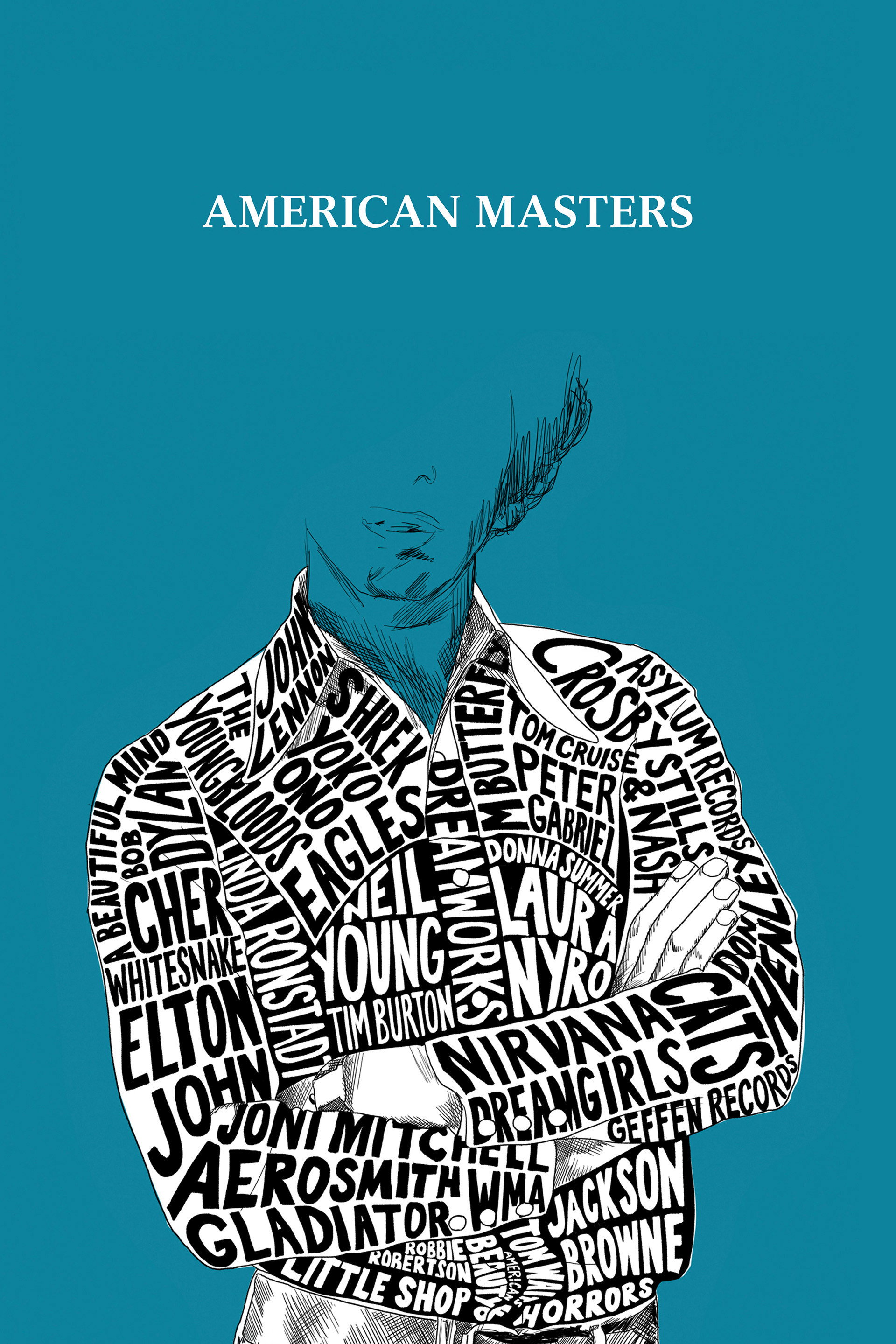
American Masters is a PBS television series which produces biographies on enduring writers, musicians, visual and performing artists, dramatists, filmmakers, and others who have left an indelible impression on the cultural landscape of the United States.
Doctor Who Confidential is a documentary to complement the revival of the long-running British science fiction television series Doctor Who. Each episode was broadcast on BBC Three on Saturdays, immediately after the broadcast of the weekly television episode on BBC One. The running time of the first two series was 30 minutes, being extended to 45 minutes in the third. BBC Three also broadcast a cut-down edition of the programme, lasting 15 minutes, shown after the repeats on Sundays and Fridays and after the weekday evening repeats of earlier seasons.
Film historian and prop collector Dan Lanigan reunites iconic Disney movie props with the filmmakers, actors, and crew who created and used them in some of Disney’s most beloved films. Throughout this journey, Dan will recover lost artifacts, visit private collections, and help restore pieces from the Walt Disney Archives to their original glory.
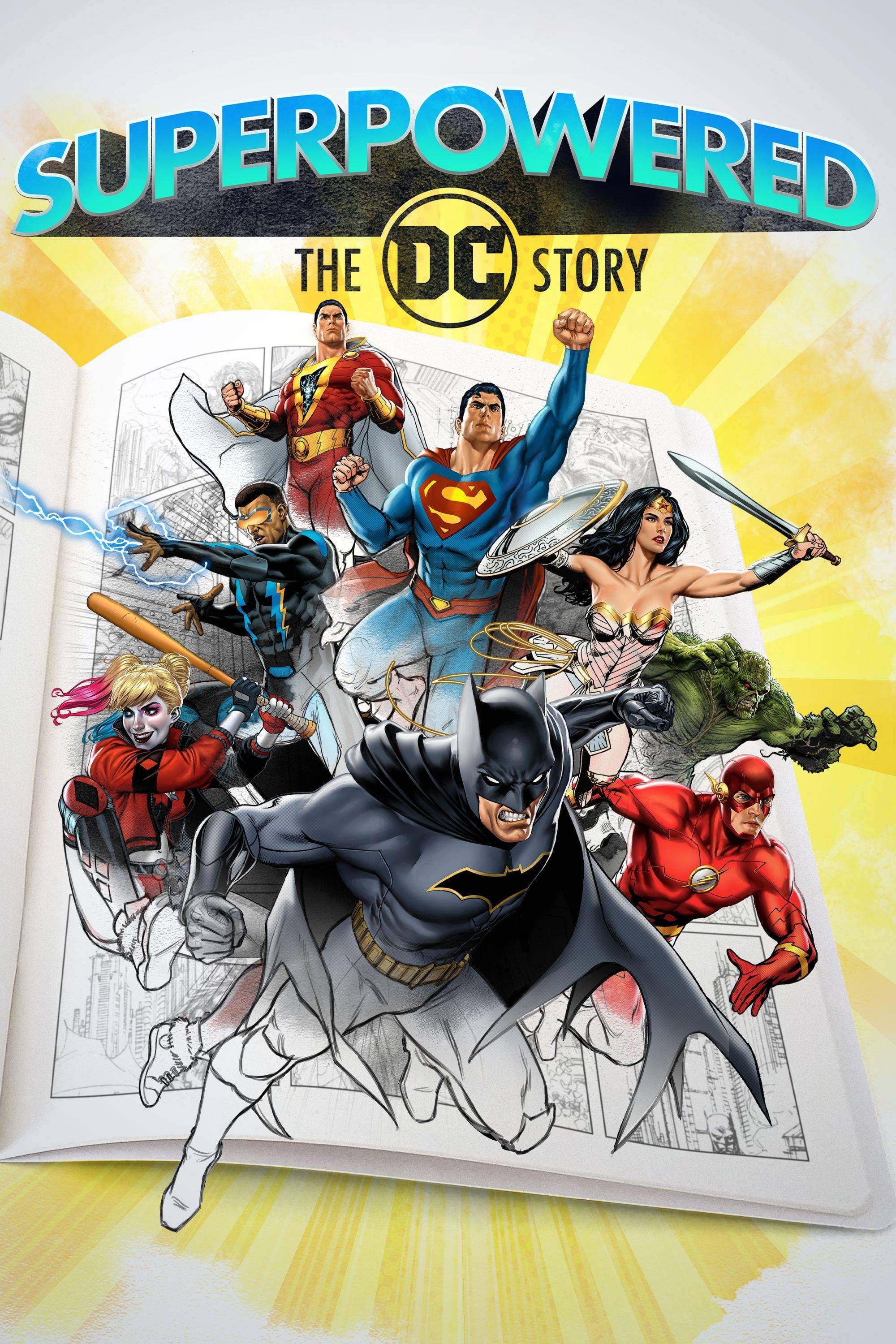
This docuseries takes an unprecedented look at the enduring and influential legacy of DC, allowing fans to rediscover the universe of characters, as well as the iconic comic book company’s origins, its evolution and its nearly nine-decade cultural impact across every artistic medium.
A series of standalone documentaries powered by the unparalleled journalism and insight of The New York Times, bringing viewers close to the essential stories of our time.
Through the prism of Jeff Goldblum's always inquisitive and highly entertaining mind, nothing is as it seems. Each episode is centered around something we all love — like sneakers or ice cream — as Jeff pulls the thread on these deceptively familiar objects and unravels a wonderful world of astonishing connections, fascinating science and history, amazing people, and a whole lot of surprising big ideas and insights.
HISTORY’s longest-running series moves to H2. Modern Marvels celebrates the ingenuity, invention and imagination found in the world around us. From commonplace items like ink and coffee to architectural masterpieces and engineering disasters, the hit series goes beyond the basics to provide insight and history into things we wonder about and that impact our lives. This series tells fascinating stories of the doers, the dreamers and sometime-schemers that create everyday items, technological breakthroughs and manmade wonders. The hit series goes deep to explore the leading edge of human inspiration and ambition.