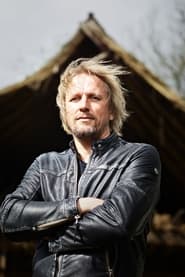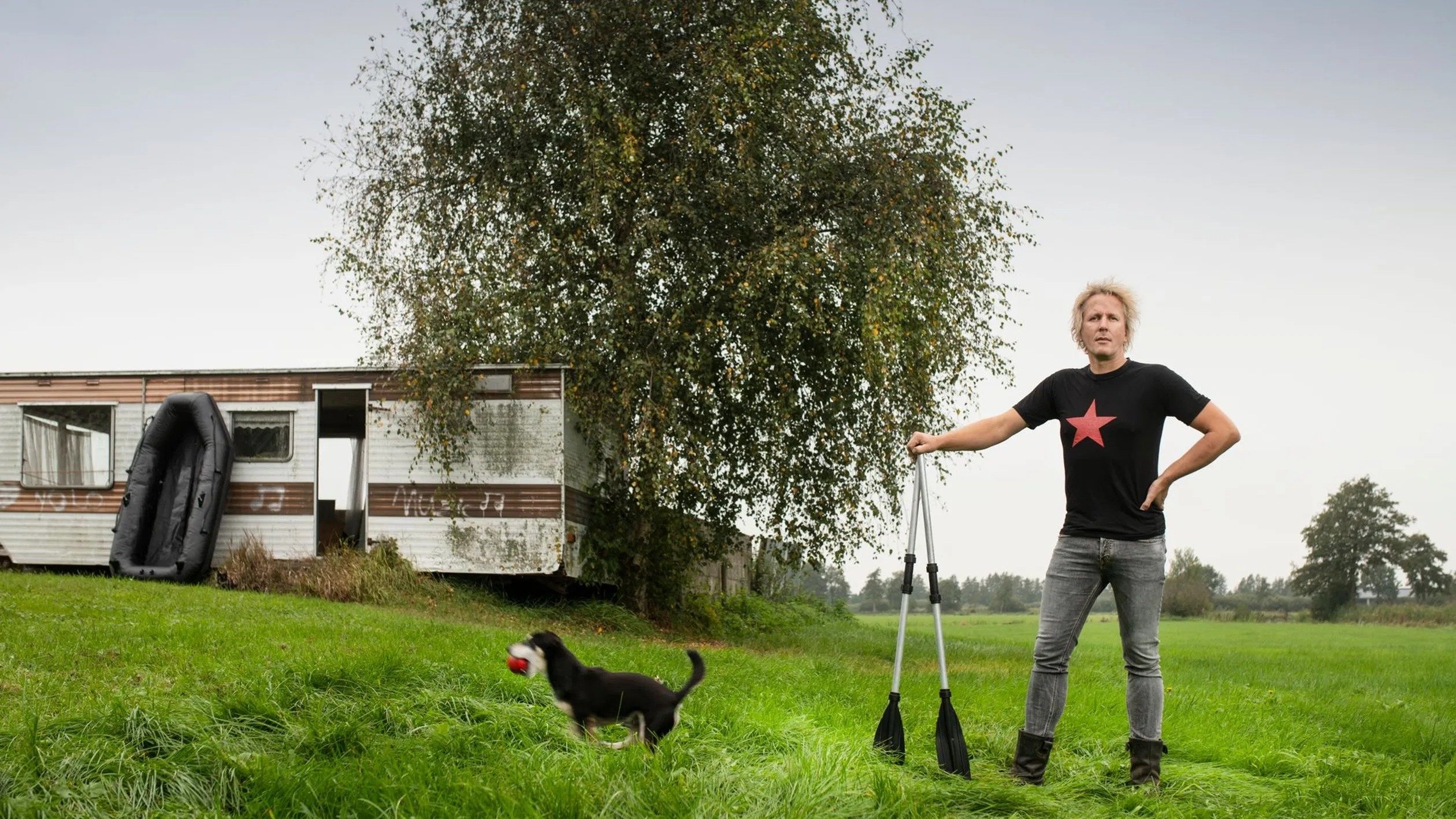
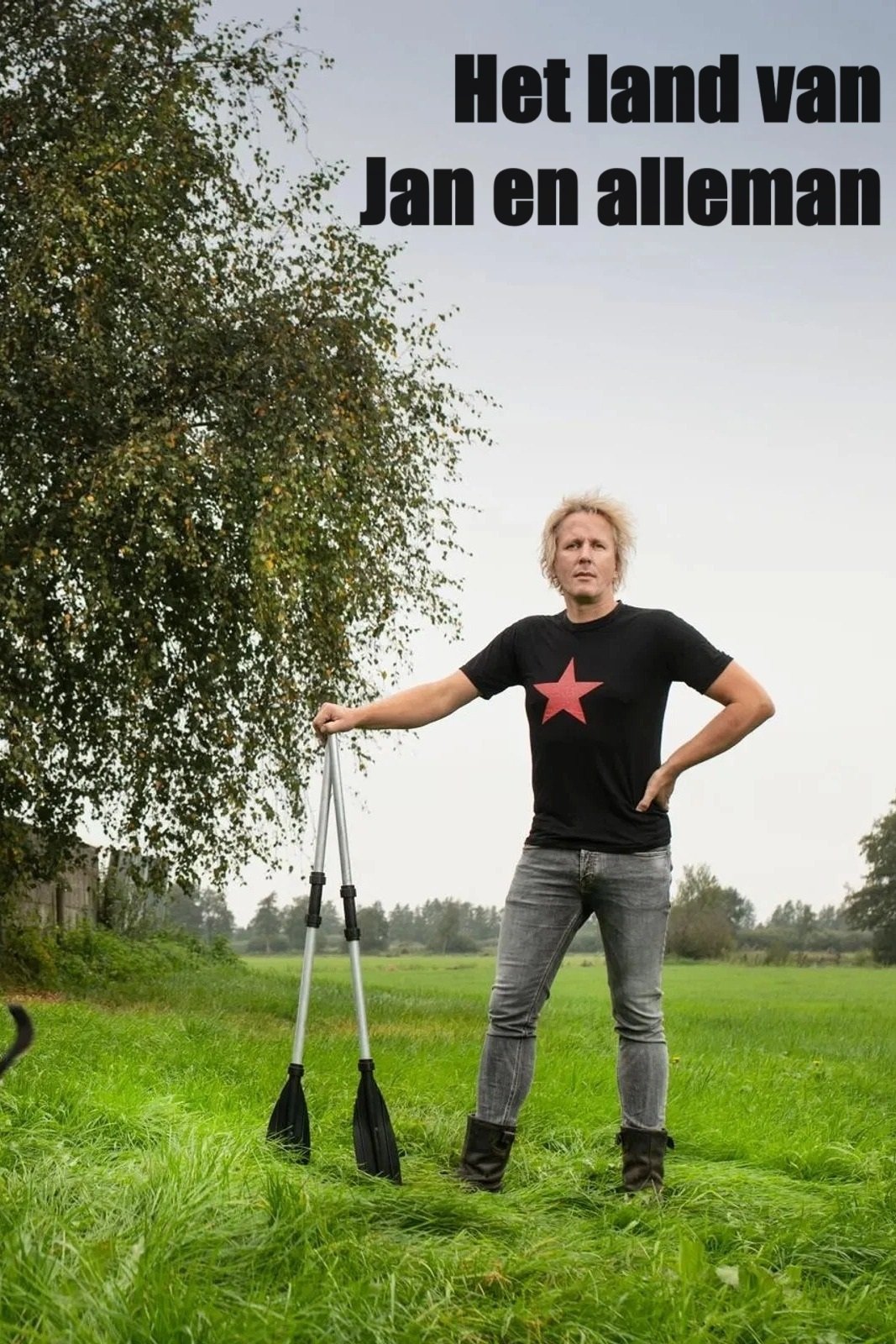
Filmmaker Geertjan Lassche focuses his camera on the region in this new EO program. What regional diversity does the Netherlands harbor?
Social & External
Interviewer
Who are the winners and losers of Brexit? Former United Kingdom correspondent Tim de Wit returns to reflect on his own role as a journalist and to investigate what became of the Brexit promises. Has migration decreased? Has healthcare improved?
The Binnenhof (Dutch Houses of Parliament) is being renovated. It will be closed off from the outside world for five years. During the years of renovation, Splinter Chabot closely follows developments.
Different presenters and their teams tackled a neighborhood dispute in each episode with the intention of resolving it. Presenters John Williams and Natasja Froger, then Jochem van Gelder and Patty Brard & later Dennis van der Geest and Leontine Borsato each individually committed themselves to one of the two parties. They listened to the story from both sides and then proposed a solution.
The history of the European peasantry, which has undergone many upheavals over the centuries: from its rise in the Middle Ages after the fall of the Roman Empire, through the oppression of the nobility and the Church, to the struggles for freedom and modernization in the present era.
Mariloup Wolfe meets up with families who moved to remote areas to improve their quality of life. She reveals the questions, doubts and decisions behind these moves, as she profiles one family per episode.
In picturesque rural Nebraska, the husband and wife veterinary team of Drs. Ben and Erin Schroeder cares for the region's many animals in need.
Hila Noorzai reflects on their success with artists and producers of the most successful Eurodance acts from the 90s. Together with 2 Unlimited, Twenty 4 Seven, SNAP!, 2 Brothers on the 4th Floor and T-Spoon she discusses the highs and lows of their career.
The twin brothers Peter Anema and Erik Hulsegge did not know about each other's existence for 17 years. Why were they separated upon adoption?
Theo Maassen grew up in Germany and was the only boy in his class in '74 not to become World Champion. With the European Championship approaching and football as a starting point, Theo gives an adventurous tour to get to know the real Germany. Are the Germans smarter, faster, stronger and better than us?
This documentary series follows emergency services from various fire stations in the Ruhr area up close and portrays the people in their grueling everyday working life.
The street dance 'breaking', which originated in the 1970s, is becoming an Olympic sport for the first time. The Dutch breakers are among the top in the world. Can they qualify for the Olympic Games in Paris? And can breaking maintain its bravado in the strictly defined world of top sport?
Hans Faber spends a year in a TBS clinic. The death of his niece, Anne Faber, in 2017 marked a turning point in forensic care. What has changed since then? And what actually goes on within the walls of a TBS clinic? What dilemmas do employees face?
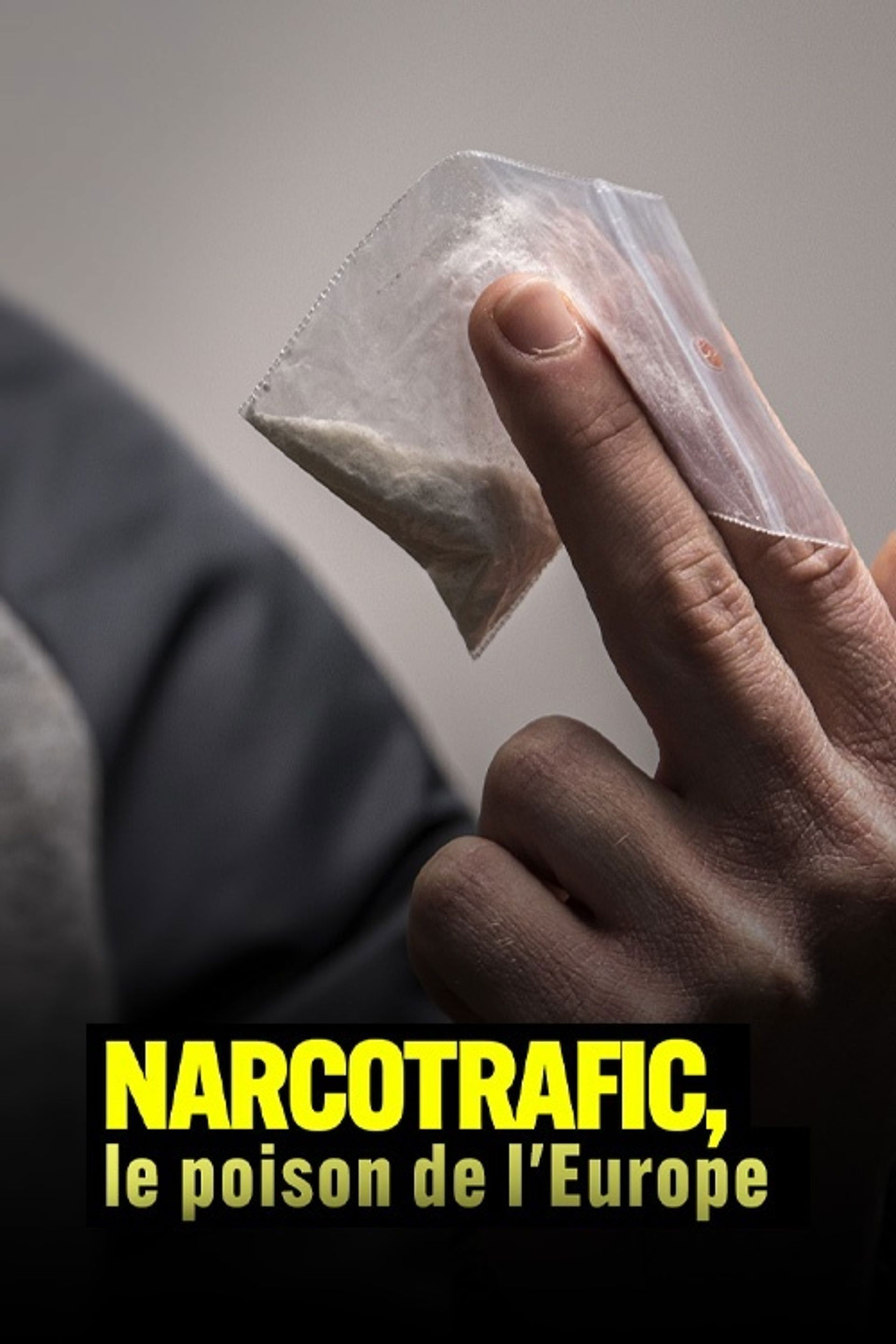
The specter of drug trafficking haunts Europe. Struggling with ultra-violent criminal groups that control the vast majority of cocaine trade, European police forces are overwhelmed. The epicenter of all this trafficking: the Netherlands. A nation at the forefront of international trade and drug policy. This two-part film delves into the origins of European drug trafficking through the unique history of the Kingdom of the Netherlands.
A series about the AZC (Asylum Seekers Centre) in Zutphen. An unusual, intimate portrait of people who live together under a glass bell jar. About their joy, sadness, and sometimes despair. Every aspect is highlighted, from the desire to belong to the emotional bonds that develop between residents and employees.
In the summer of 2021, several groups of friends set off for Mallorca. They don't know each other, until one night when an innocent boy dies in a fight. Documentary filmmaker Jessica Villerius speaks with everyone involved and explores this night from all angles.
This 3 part series is presented by the British Art Critic, Andrew Graham-Dixon. He explores the Low Countries of the Netherlands and Belgium and how history has influenced the area's art, architecture and culture. Cloth was used in the area's first expression of art in the making of tapestries going back to the 14 th century. They were the No. 1 luxury item of the day. The Low Countries were well placed geographically for markets for their art.