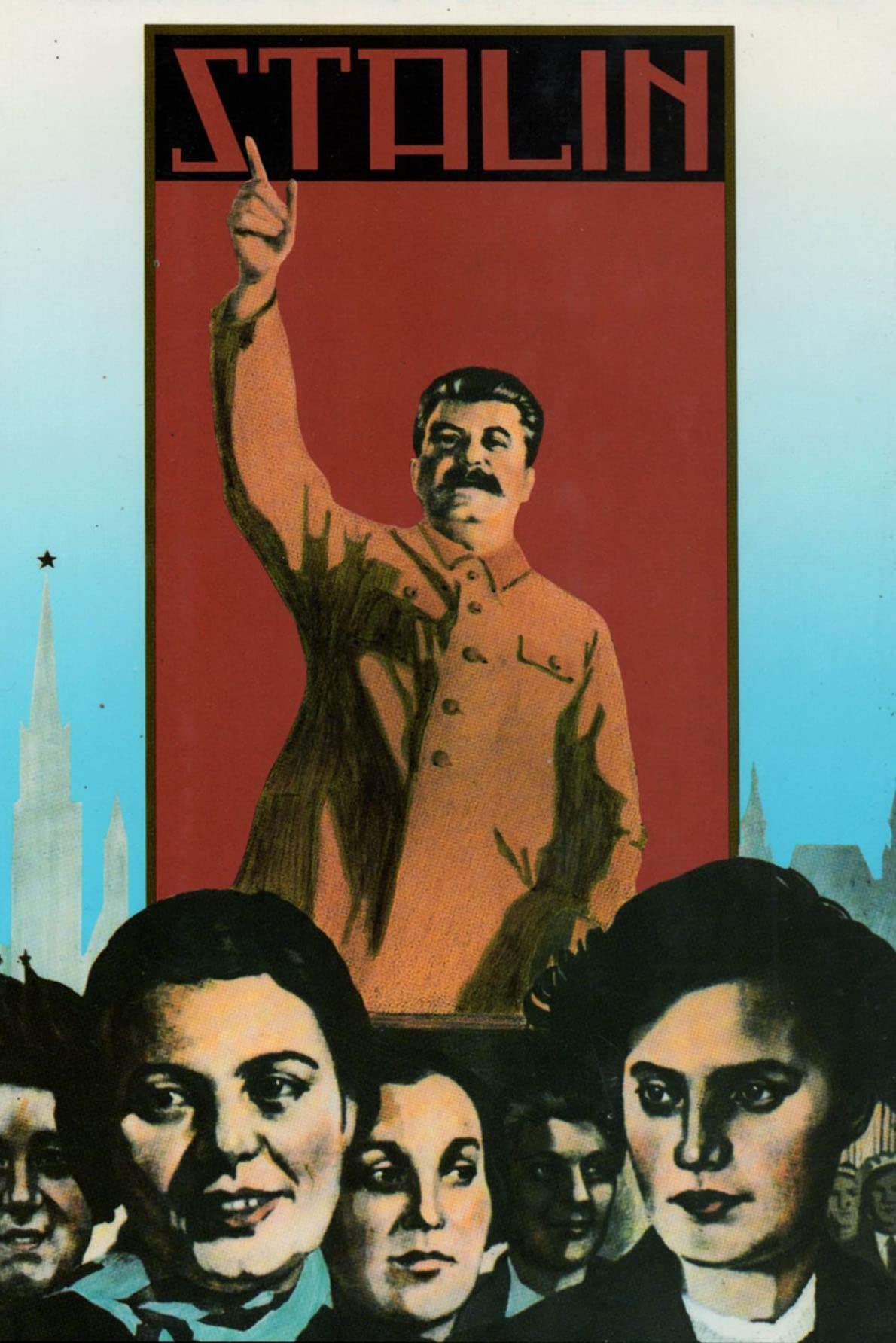
Three years in the making, this comprehensive study of the Soviet dictator blends documentary footage and interviews with experts and surviving witnesses.
Social & External
The people behind it
Ian Holm
Self - Narrator (voice)
Communism spread to all of the continents of the word, lasting through four generations and over seven decades. Hundreds of millions of men and women were affected by this political system, one of the most unjust and bloodiest in history. Using newly discovered propaganda films and archival photos, these four episodes explore the mysteries of this totalitarian political machine that lured its share of important followers into the fold. Known as the red church, communism seduced its ardent followers like some earthly religion.
What it felt like to live through the collapse of communism and democracy. A series of films by Adam Curtis.
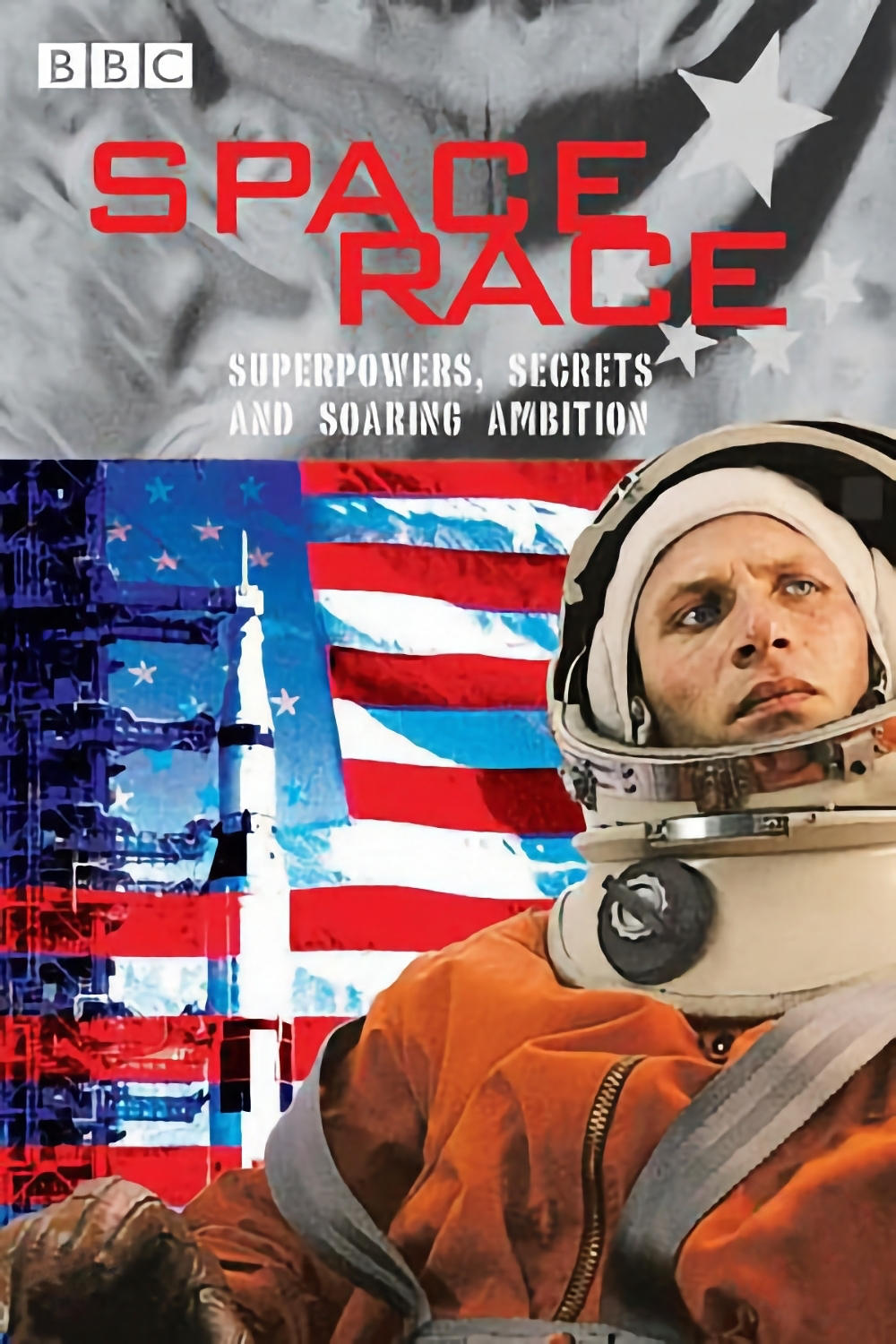
The untold true story behind the Cold War race to put man into space.
Dashing authors, the first porn sites and the last bastards. How the Russian Internet appeared and how it changed: from complete freedom to the appearance of censorship and the law on isolation.
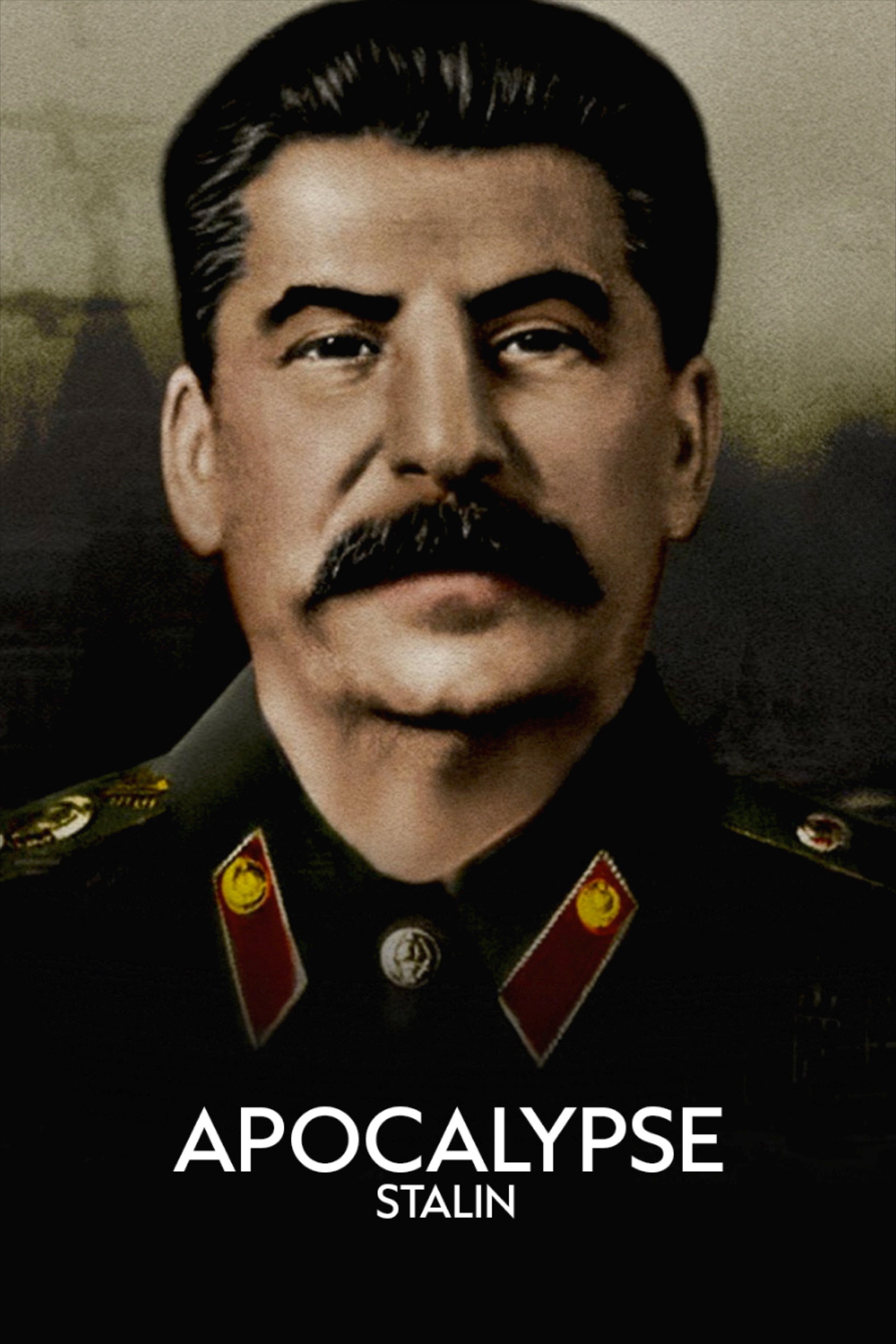
The rise of Stalin, from his early beginning as a bankrobber to the cold-blooded leader of the Soviet Union.
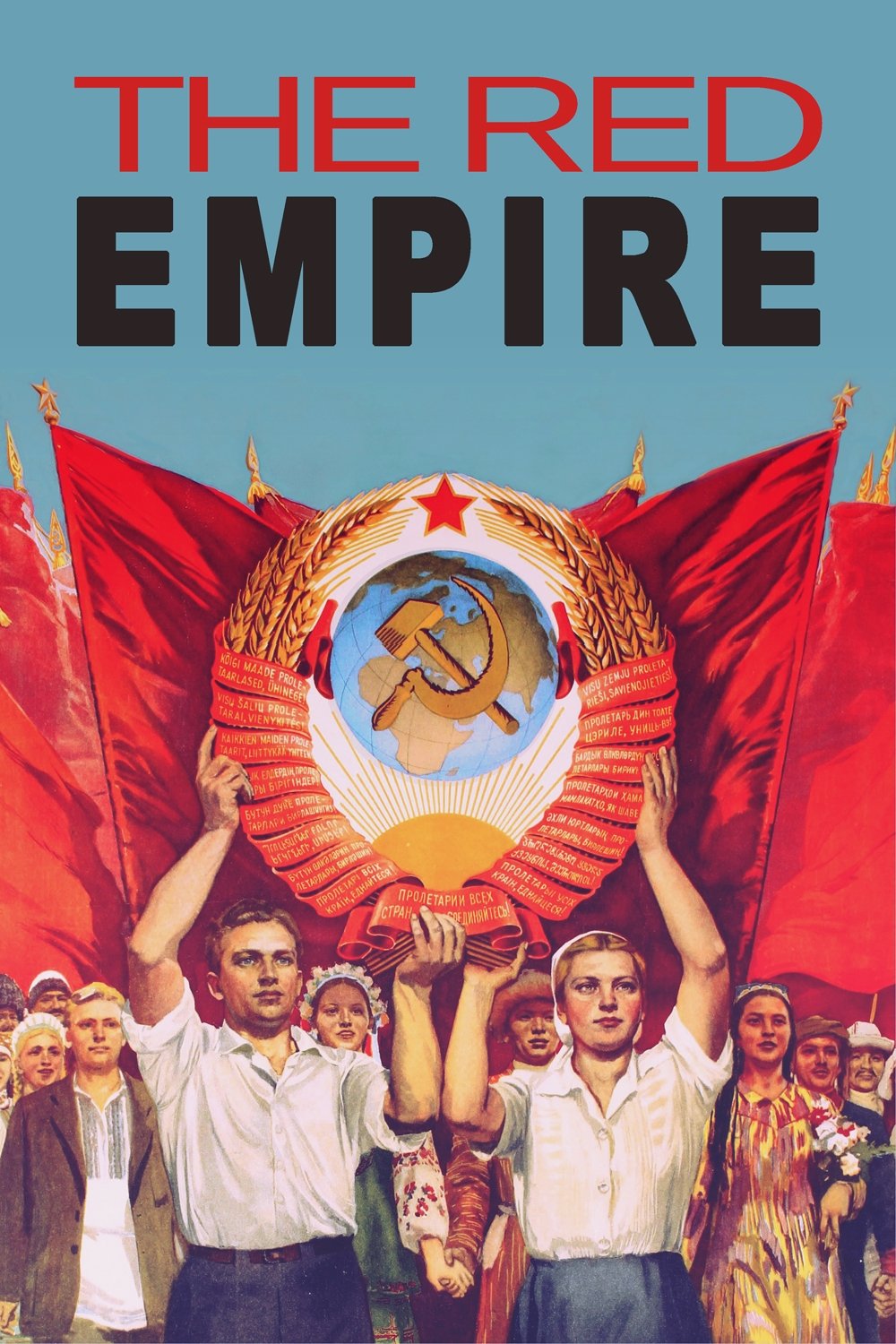
The story of an empire: From its founding in 1922 to its dissolution in 1991, the Soviet Union was shaped by revolutionary idealism, but also by oppression and decay. The USSR evolved from Stalinist terror through the Thaw under Khrushchev to political processes such as glasnost and perestroika under Gorbachev. Finally, in 1991, it collapsed.
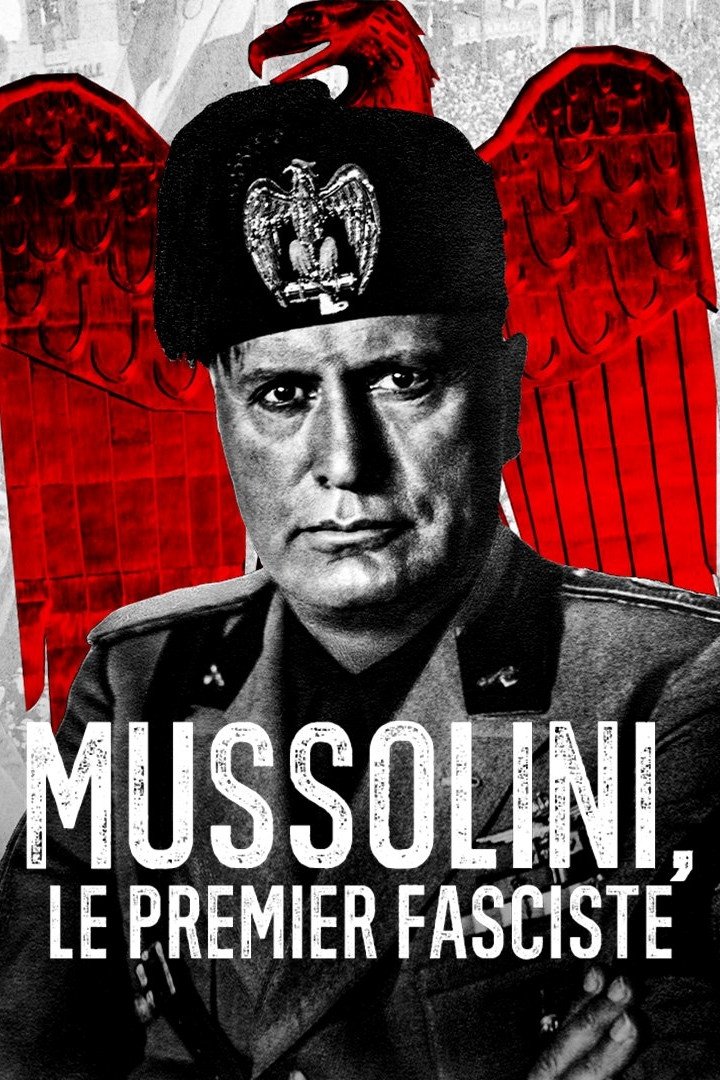
Mussolini seized power in Italy in 1922, after his March on Rome. He would hold it in his grasp until his death in 1945, establishing a dictatorship that lasted more than 20 years. Long considered a buffoon and a second-rate dictator, Il Duce invented fascism that was imitated by Hitler, who viewed the Italian as his political master. He wanted to transform his country into a warrior nation and promised Italians a return to the grandeur of the Roman Empire. He governed by violence and trickery and was one of the first populist leaders of modern times, leading his country into the catastrophe of the World War II. But who was Mussolini, this former teacher who came from the extreme left to become a newspaper editor and creator of the Fascist Party? Why did he ally himself with Hitler? Were the Italians really behind him? With archives and interviews with the last-surviving witnesses of the era, this portrait takes a look back at one of the most notorious dictators of the 20th century.
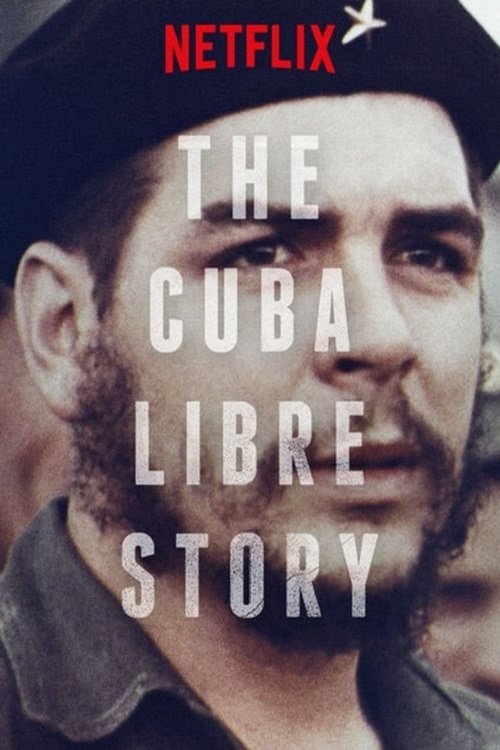
Recounts the tumultuous history of Cuba, a nation of foreign conquest, freedom fighters and Cold War political machinations.
It started with Lenin and ended with Gorbachev. In this three-part documentary we highlight the people and events that played key roles in the rise of a revolutionary idea and the fall of an empire. How was it possible that this idea could fascinate so many people, including hundreds of intellectuals? How did so many thousands of people put up with suppression, indignity and economic hardship and still remain true to the fundamental concepts of communism?
Enredos da Liberdade – O Grito do Samba Pela Democracia is a Brazilian documentary series available on Globoplay that delves into the pivotal role of samba schools during Brazil's transition from military dictatorship to democracy in the 1980s. Spanning five episodes, the series showcases how samba-enredo compositions became powerful tools of political resistance, addressing themes like censorship, economic hardship, and racial inequality. Through rare archival footage and interviews with prominent figures such as Martinho da Vila, Leci Brandão, and Rosa Magalhães, the documentary highlights the creative defiance of these cultural institutions. Each episode concludes with a reimagined performance of a significant samba, featuring artists like Teresa Cristina and Mart’nália, underscoring the enduring impact of these musical expressions in Brazil's democratic journey.
War and Peace in the Nuclear Age, first broadcast in 1989, is a thirteen-part PBS series on the origins and evolution of nuclear competition between the United States and the former Soviet Union. The series examined the rivalry for power and how it shaped the diplomacy, negotiation, ethical debates, and doctrine of deterrence that ran through the forty-year history of the nuclear age. This collection contains the full interviews and selected stock footage from the series.
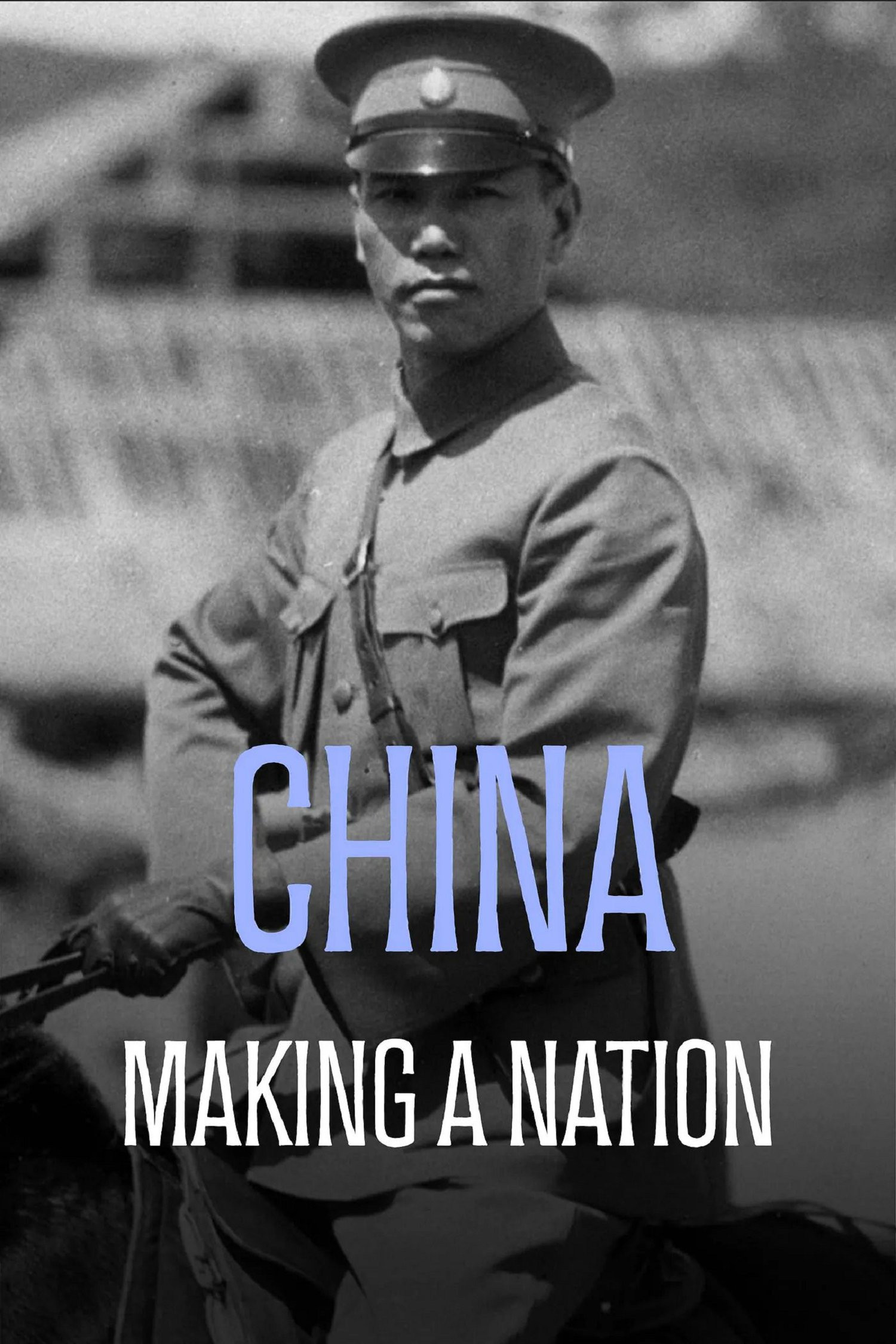
China: The Making of a Nation is the story of the painful transformation of the vast Qing Empire into the Chinese nation after the 1911 revolution. Spanning more than a century up to the Xi Jinping era, the story pits the two pivotal leaders of this transformation against each other: Chiang Kai-shek, leader of the Republic of China for 47 years, and Mao Zedong, who rose from ‘red bandit’ to master of the mainland in 1949. Sworn enemies, they fought a merciless battle: first military, then diplomatic, and finally, beyond their deaths, in the conflicting memories of the Taiwanese and the Chinese of the People's Republic. Beyond their fierce hatred, the two tyrants also had much in common: a certain vision of Chinese territory and the greatness of China, the desire to regain the country's sovereignty and the quest for a Chinese identity in a nation that also includes Tibetans, Uighurs, Mongols... and a certain ability to rewrite history.
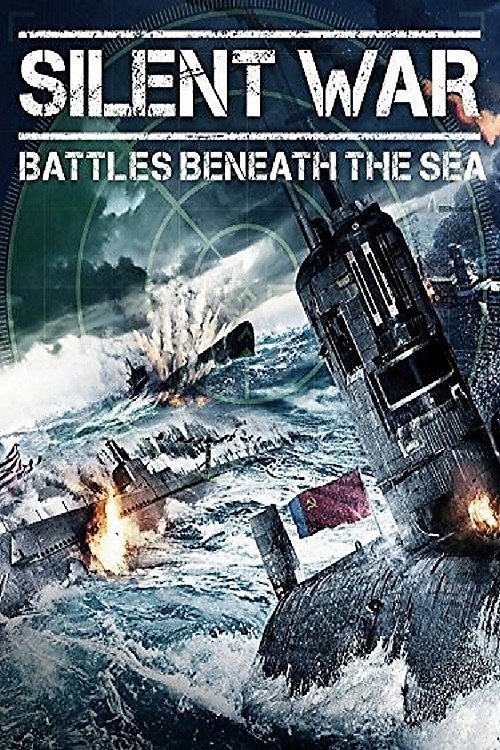
The story of the underwater war between US, UK and Soviet submarines in the second half of the 20th century.
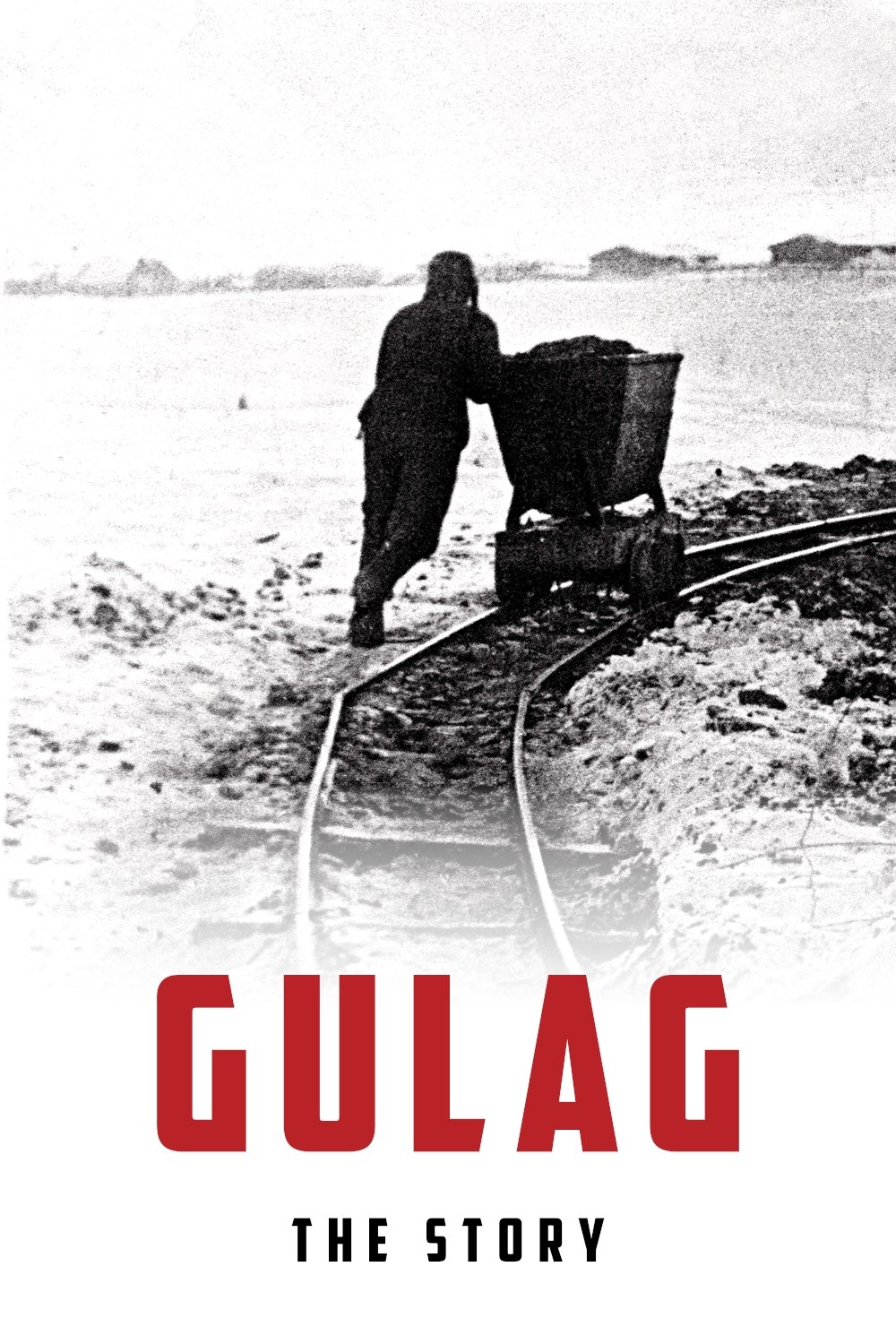
A major political, historical, human and economic fact of the 20th century, the Gulag, the extremely punitive Soviet concentration camp system, remains largely unknown.
Infographics and archival footage deliver bite-size history lessons on scientific breakthroughs, social movements and world-changing discoveries.
With firsthand accounts and access to prominent figures around the world, this comprehensive docuseries explores the Cold War and its aftermath.
An in-depth look at the history and pop cultural significance of horror films.
A series of standalone documentaries powered by the unparalleled journalism and insight of The New York Times, bringing viewers close to the essential stories of our time.
Explores WWII from Germany's invasion of Poland through the atomic age, examining pivotal battles, wartime leaders like Churchill and Roosevelt, and the human cost of total war.
Steve Martin is one of the most beloved and enigmatic figures in entertainment. Dive into his extraordinary story from two distinct points of view—past and present—as Martin reflects on how his beginnings led to his unexpectedly fulfilling life today.
Have you ever wondered how the products you use every day are made? How It's Made leads you through the process of how everyday products, such as apple juice, skateboards, engines, contact lenses, and many more objects are manufactured.
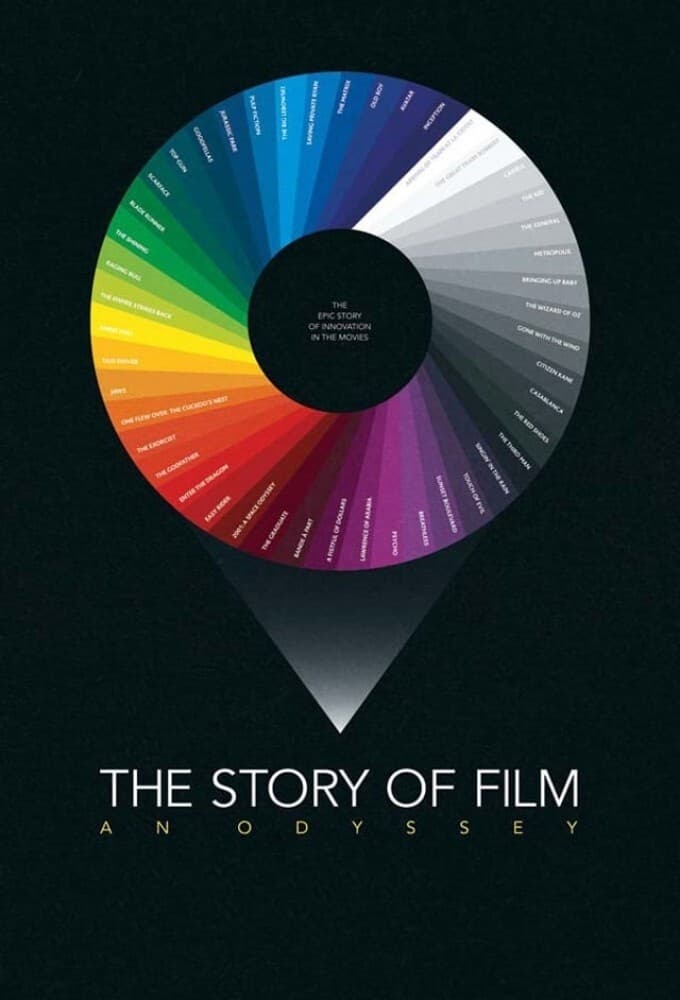
A worldwide guided tour of the greatest movies ever made and the story of international cinema through the history of cinematic innovation.
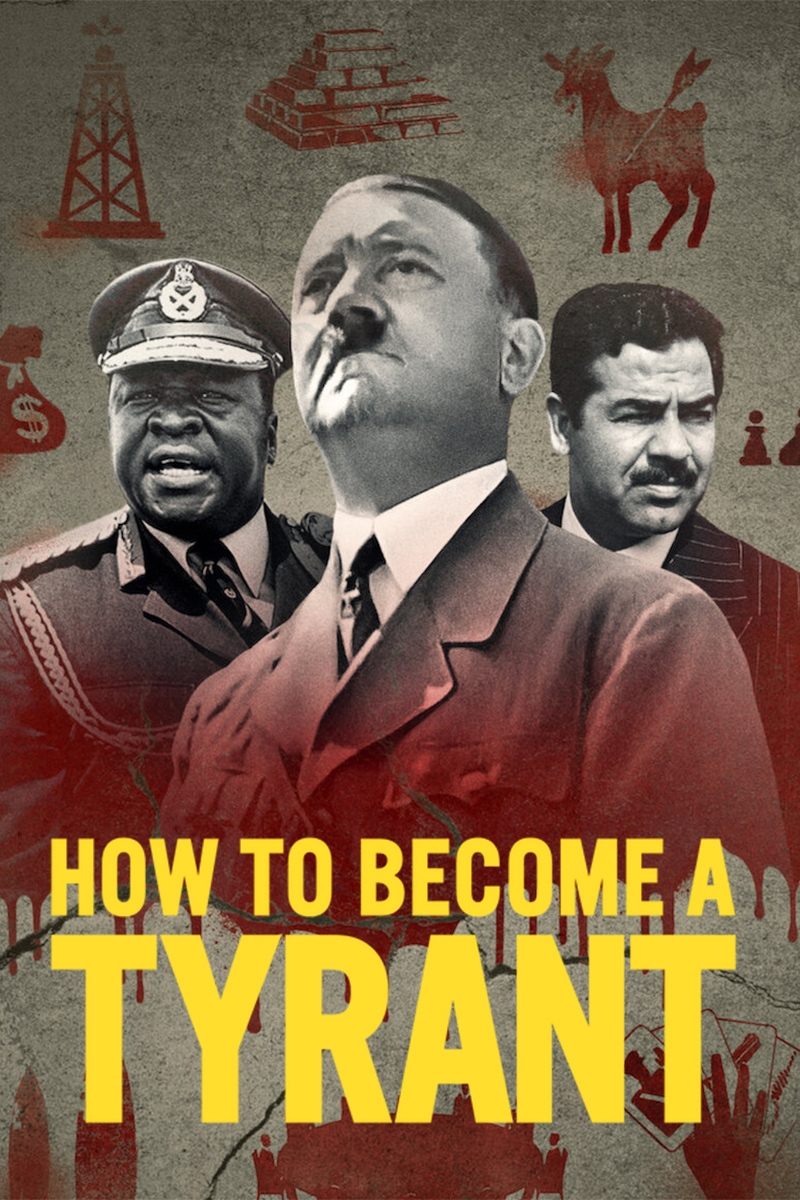
The documentary series explores different political figures throughout history.
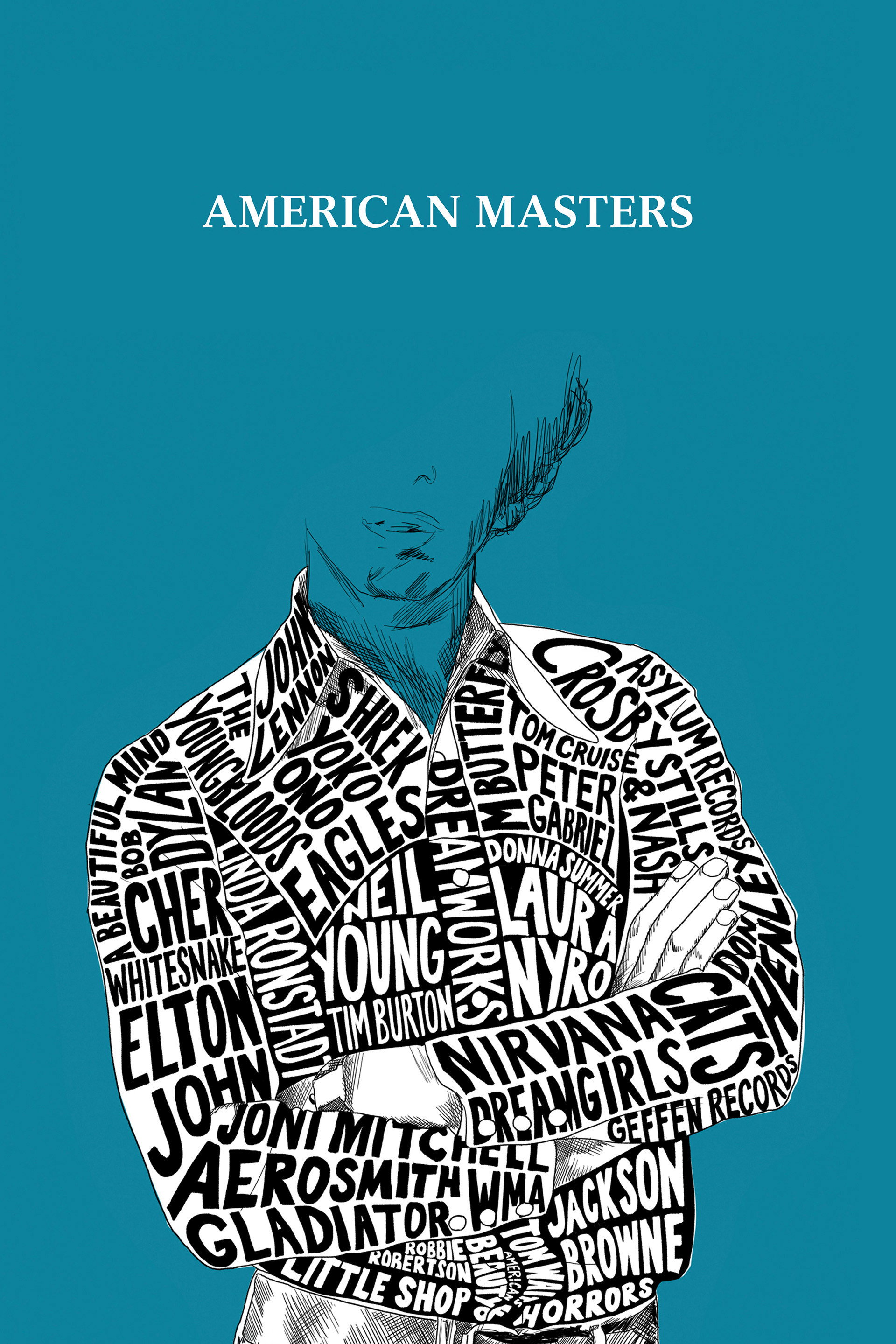
American Masters is a PBS television series which produces biographies on enduring writers, musicians, visual and performing artists, dramatists, filmmakers, and others who have left an indelible impression on the cultural landscape of the United States.
Motoring programme featuring reviews of and reports about cars of all types.
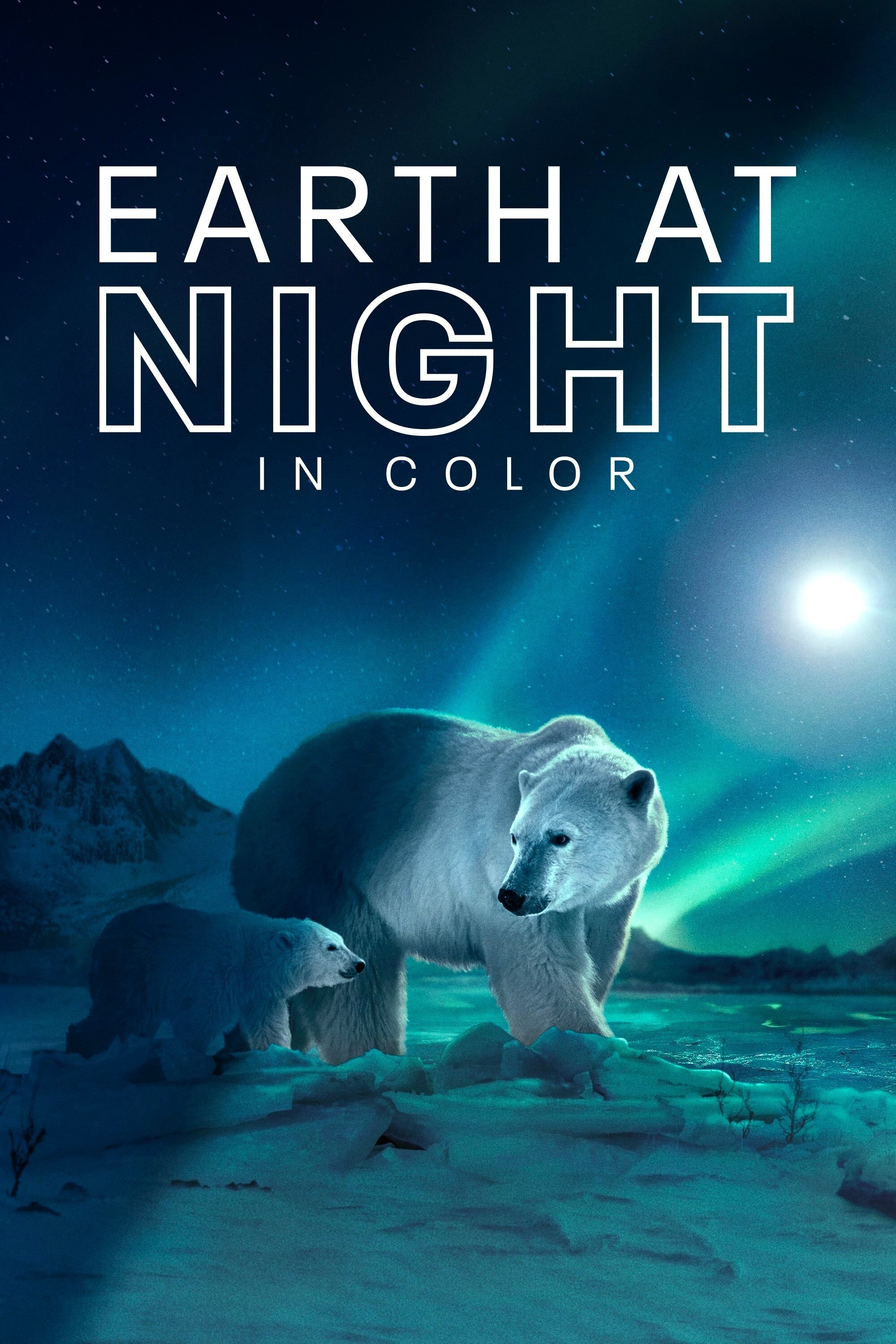
Filmed across six continents, this docuseries uses cutting-edge camera technology to capture animals' nocturnal lives, revealing new behaviours filmed in full color like never before.
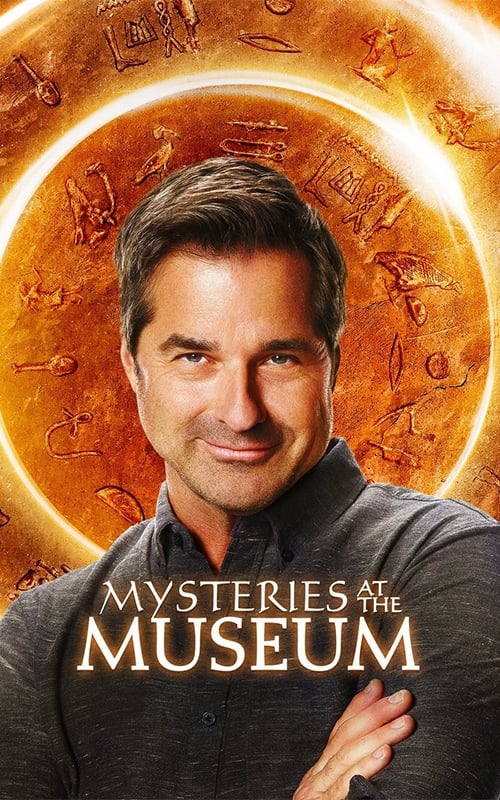
Don Wildman unearths relics from the world's greatest institutions to reveal secrets from the past. He examines each artifact to illuminate history's most incredible triumphs, sensational crimes and bizarre encounters.
The documentary takes viewers through Janet Jackson's life and career, contain never-before-seen footage, and feature home videos from the legendary artist. Jackson discusses her controversial 2004 Super Bowl halftime show performance with Justin Timberlake, her father Joe Jackson, the death of her brother Michael Jackson, and more.
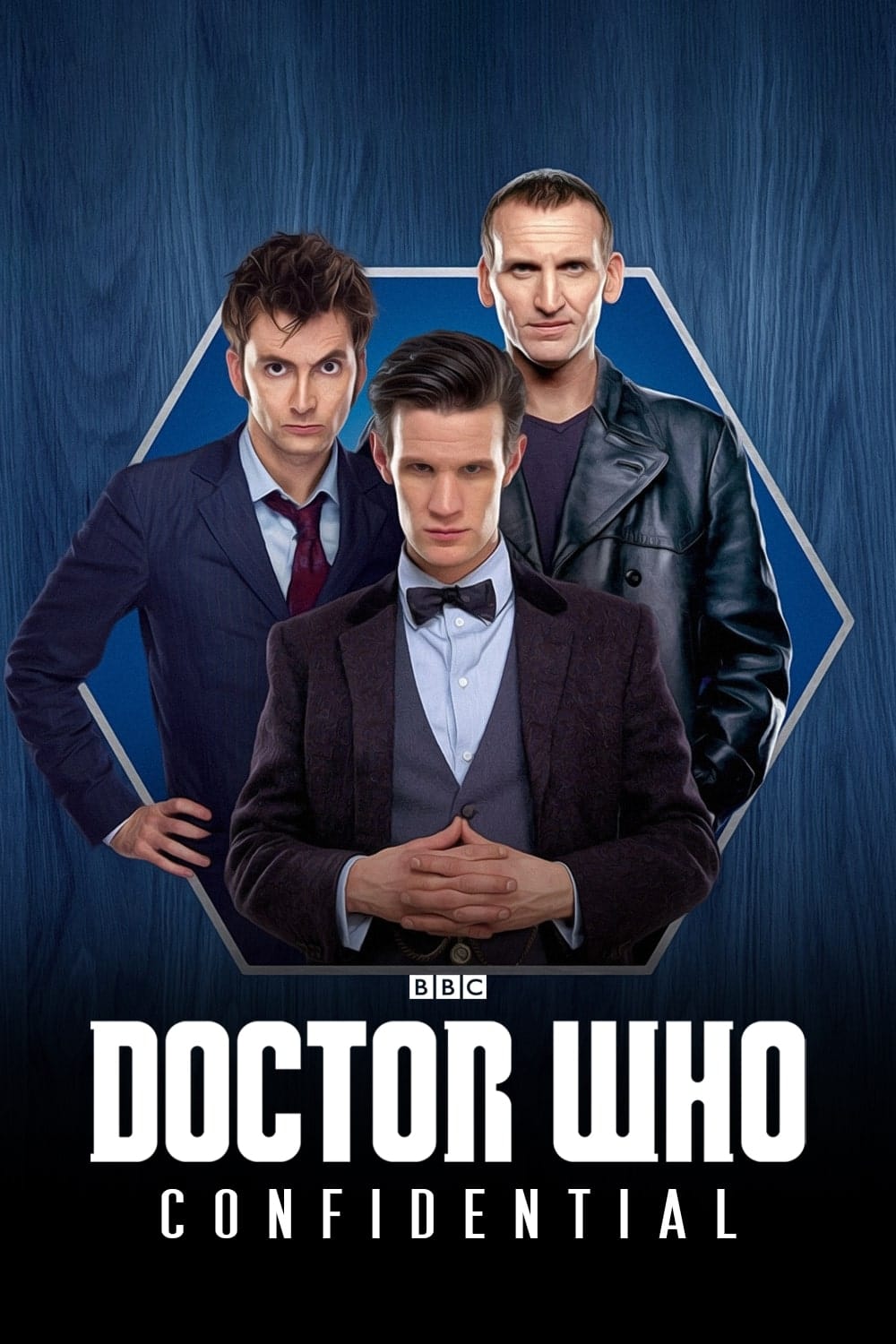
Doctor Who Confidential is a documentary to complement the revival of the long-running British science fiction television series Doctor Who. Each episode was broadcast on BBC Three on Saturdays, immediately after the broadcast of the weekly television episode on BBC One. The running time of the first two series was 30 minutes, being extended to 45 minutes in the third. BBC Three also broadcast a cut-down edition of the programme, lasting 15 minutes, shown after the repeats on Sundays and Fridays and after the weekday evening repeats of earlier seasons.
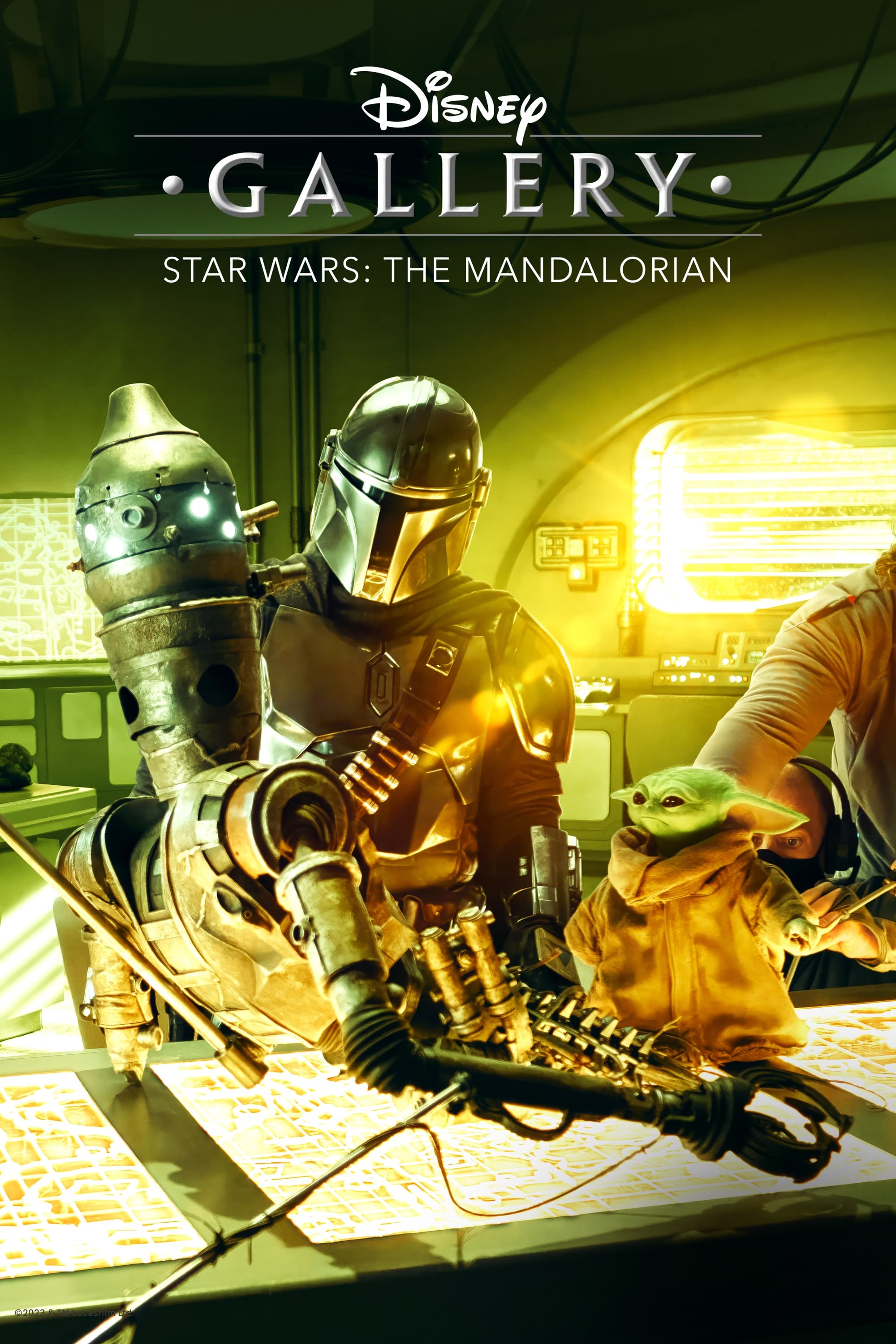
Executive producer Jon Favreau invites the cast and crew of The Mandalorian to share an unprecedented look at the making of the series. Each chapter explores a different facet of the first live-action Star Wars television show through interviews, never-before-seen footage, and roundtable conversations hosted by Favreau himself.
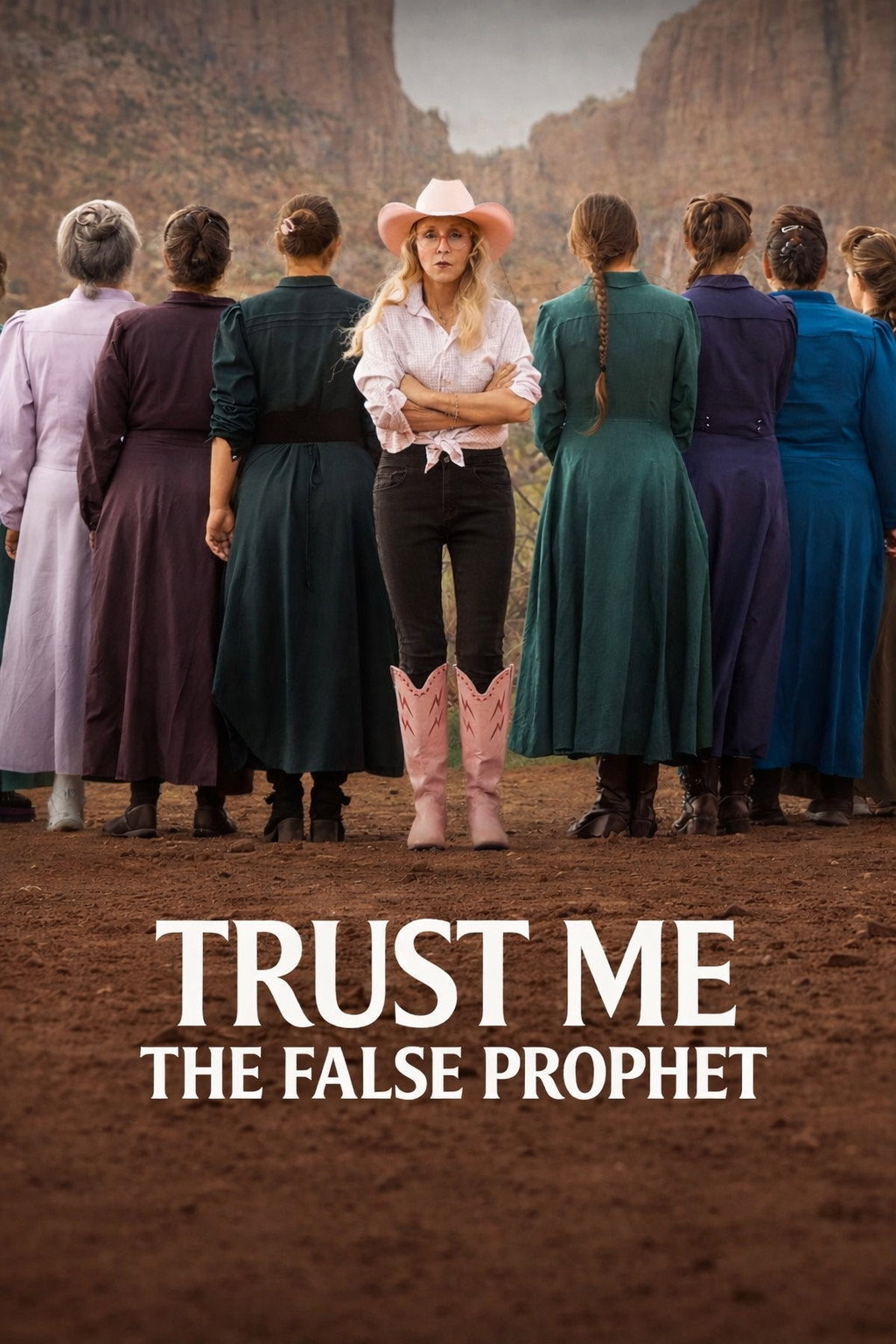
In this true-crime documentary, a cult expert and filmmaker infiltrate a polygamist sect to expose a self-proclaimed prophet and bring him to justice.
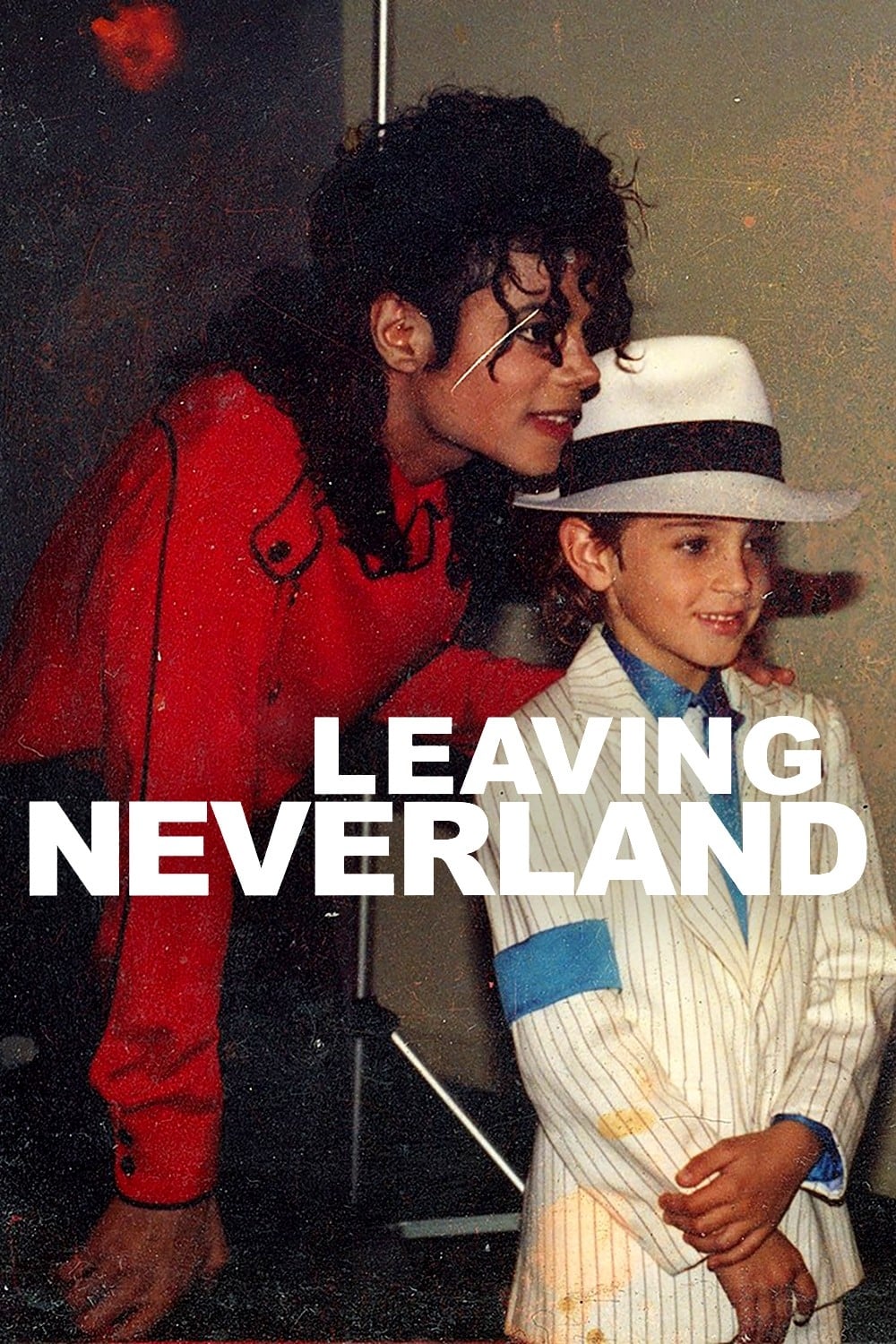
Explores the experiences of James Safechuck and Wade Robson, who were both befriended and sexually abused by singer Michael Jackson, and the complicated feelings that led them both to confront their experiences.
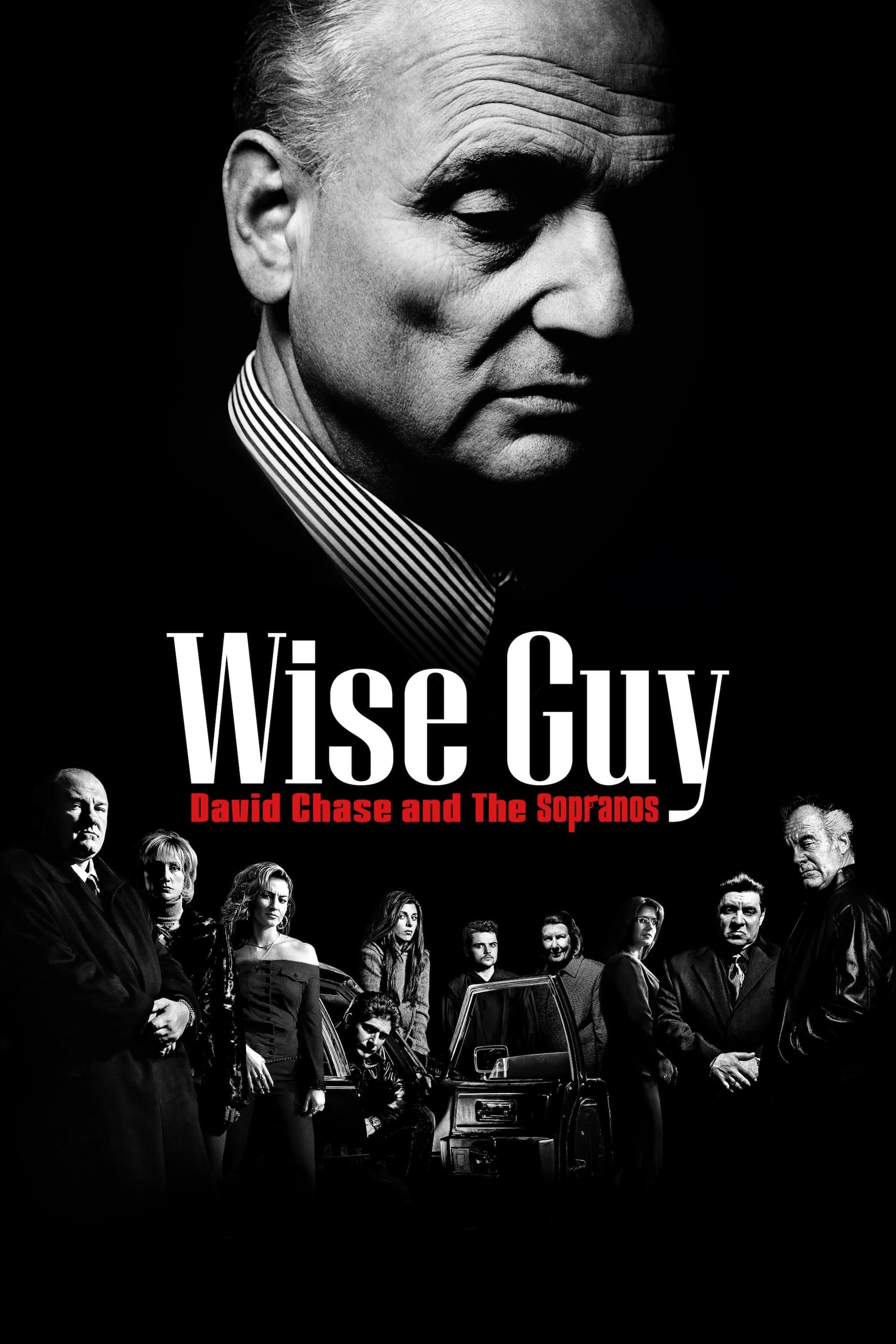
A portrait of celebrated filmmaker David Chase: his life, his career and his groundbreaking work on the HBO original series The Sopranos.
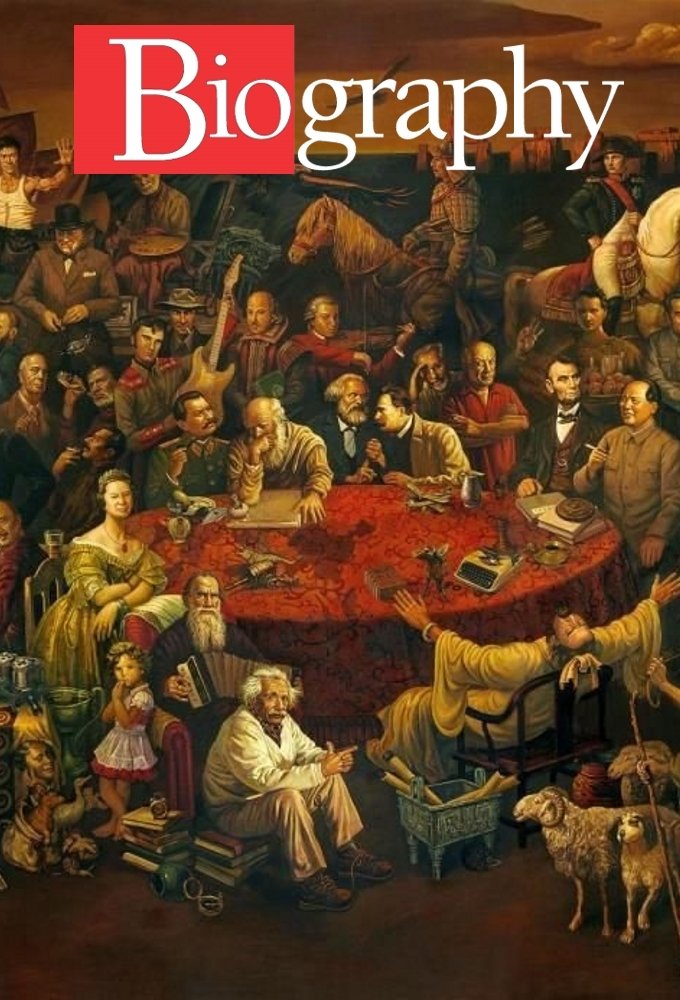
Biography is a documentary television series. It was originally a half-hour filmed series produced for CBS by David Wolper from 1961 to 1964 and hosted by Mike Wallace. The A&E Network later re-ran it and has produced new episodes since 1987. The older version featured historical figures such as Helen Keller and Mark Twain, or long-dead entertainment figures such as Will Rogers or John Barrymore. The A&E series has placed the emphasis on such people as Marilyn Monroe, Elvis Presley, Plácido Domingo, Freddie Mercury, Jacqueline Kennedy Onassis, Eric Clapton, Pope John Paul II, Gene Tierney, Selena, Diego Rivera, Mao Zedong and Queen Elizabeth II, and fictional characters like The Phantom, Superman, Hamlet, Betty Boop, and Santa Claus. The program ended up profiling enough figures that in 1999, A&E spun it off into an entire network, The Biography Channel.