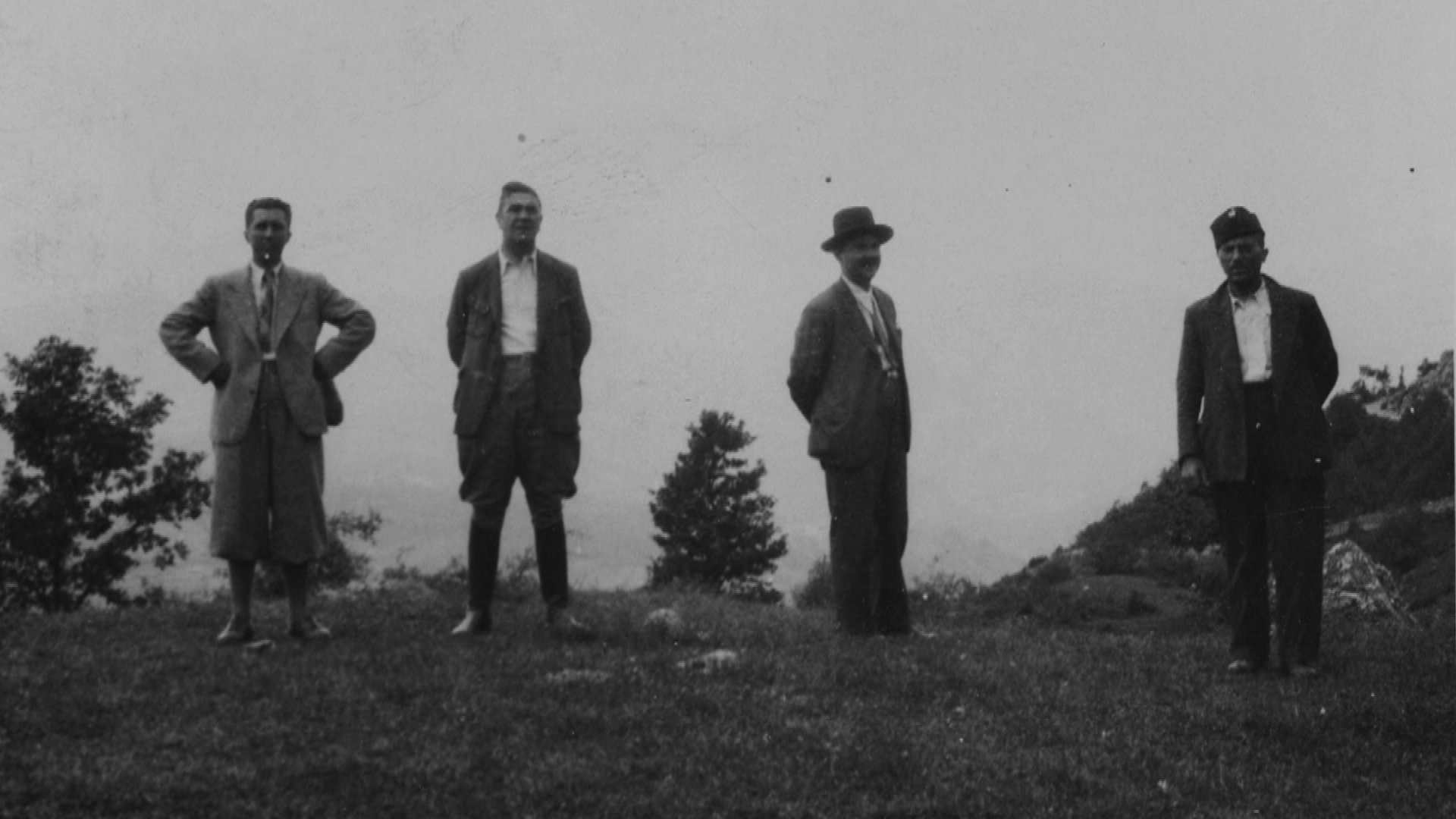
A 12-episode documentary series about the Independent State of Croatia.
Social & External
The people behind it
Hrvoje Klasić
Self
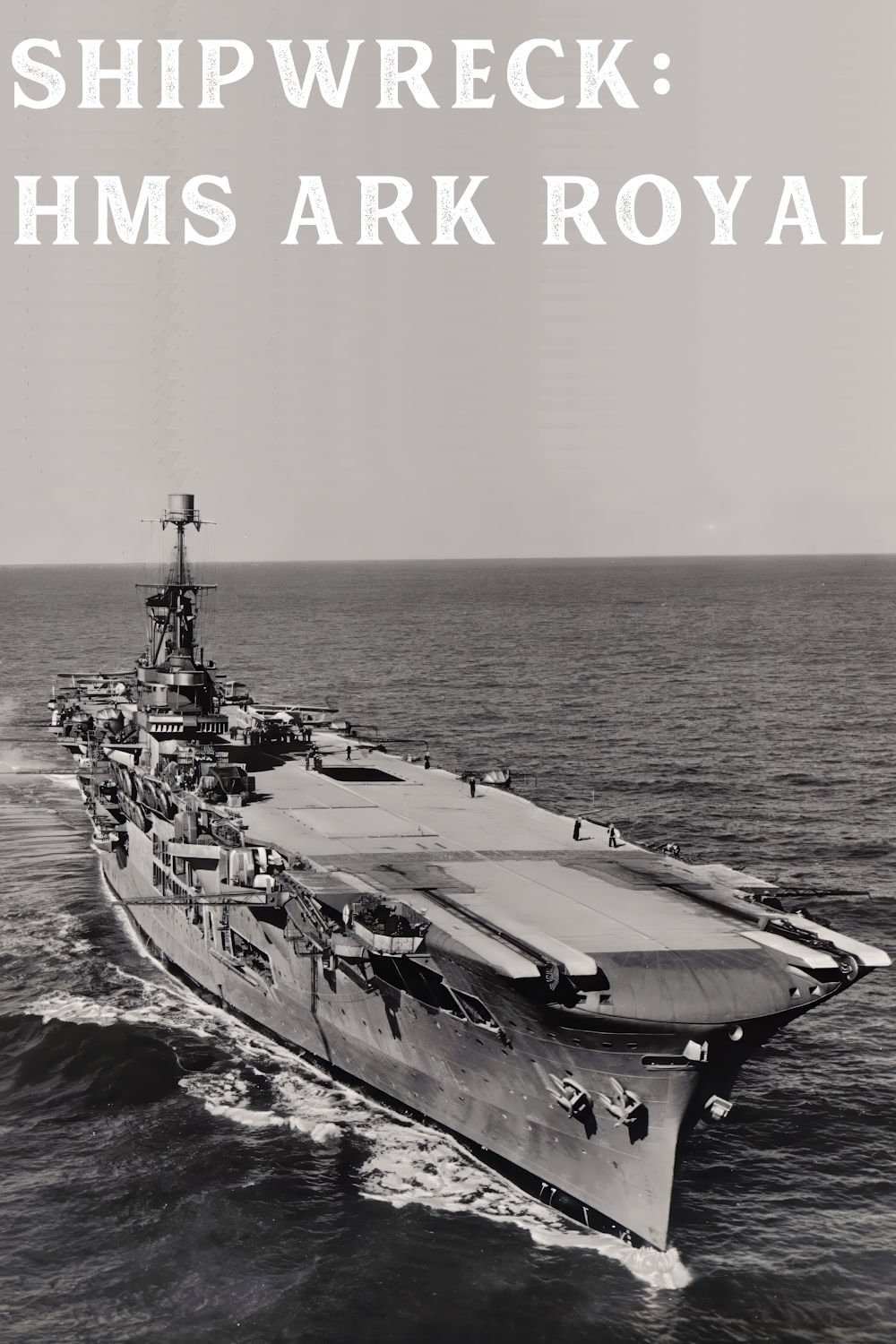
One of the Royal Navy's most modern aircraft carriers when the Second World War began, HMS Ark Royal was eventually sunk by a German torpedo. Now her wreck has been found in the Mediterranean, and veterans are among the first to see it. With Dan Snow.
The Secret History Of WWII looks into the remarkable stories behind the key events of the planet's most destructive conflict. Each episode revolves around a different major event - from Dunkirk to D-day - and uses immersive recreation and archive to drive the story, as well as insightful and poignant first-hand accounts.
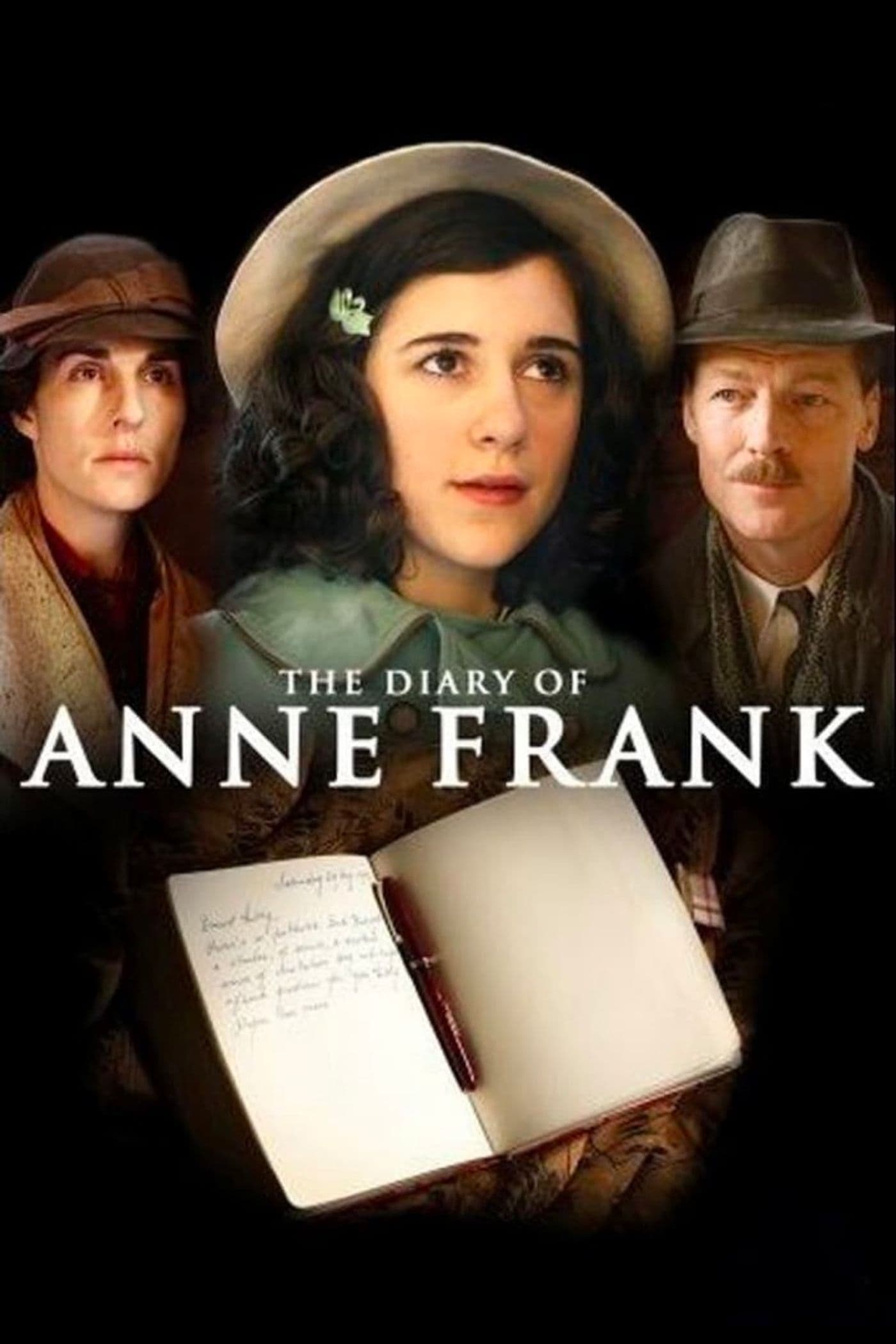
Five-part adaptation of Anne Frank's famous wartime diaries in which a young teenager and her family go into hiding from the Nazis in wartime Amsterdam.
Using witness testimony, archive and archaeological evidence, this three-part series reveals the untold story of the preparations to defend World War Two Britain by the Home Guard.
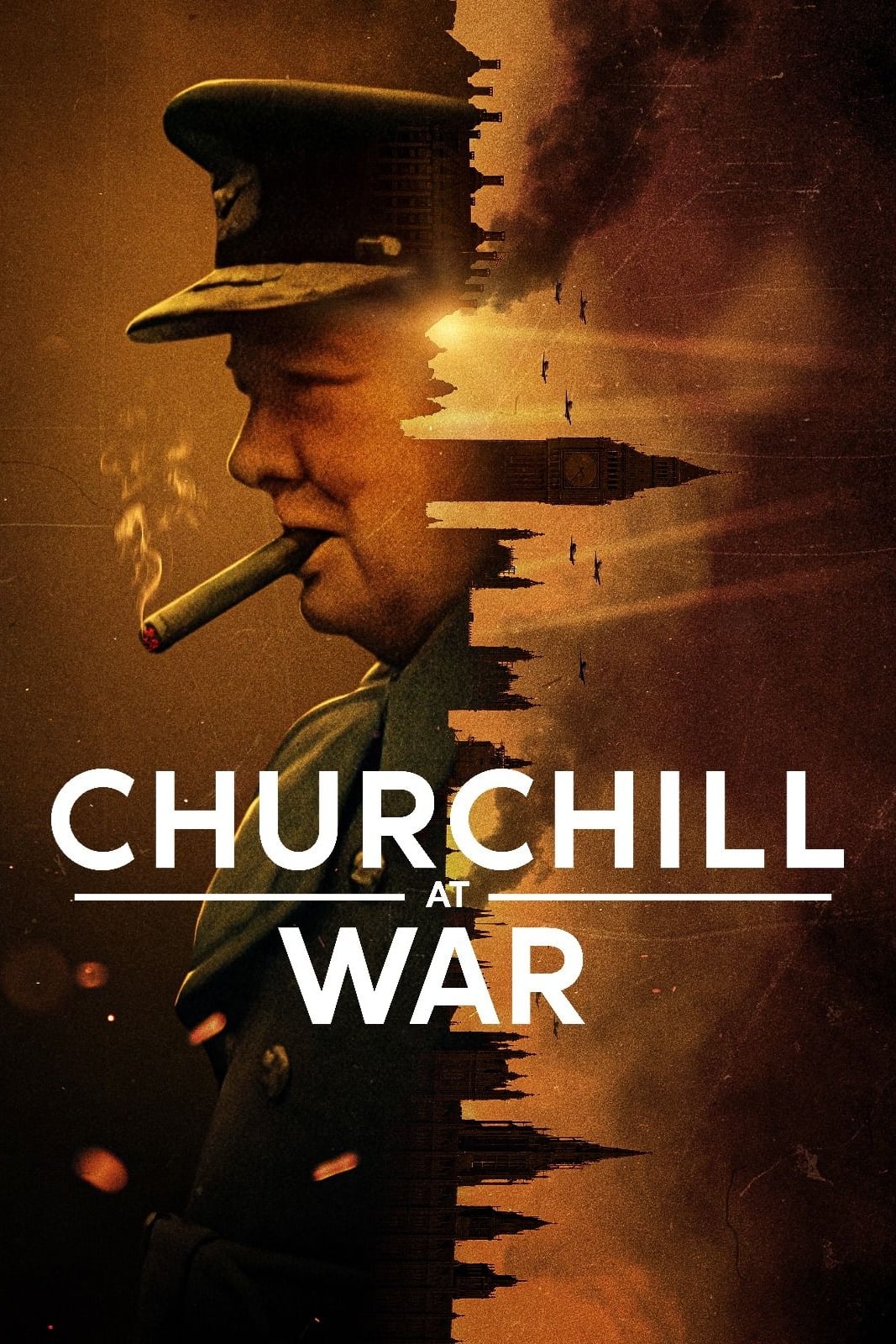
This captivating docuseries examines Winston Churchill's pivotal role in World War II and the formative events that made him an ideal leader for the era.
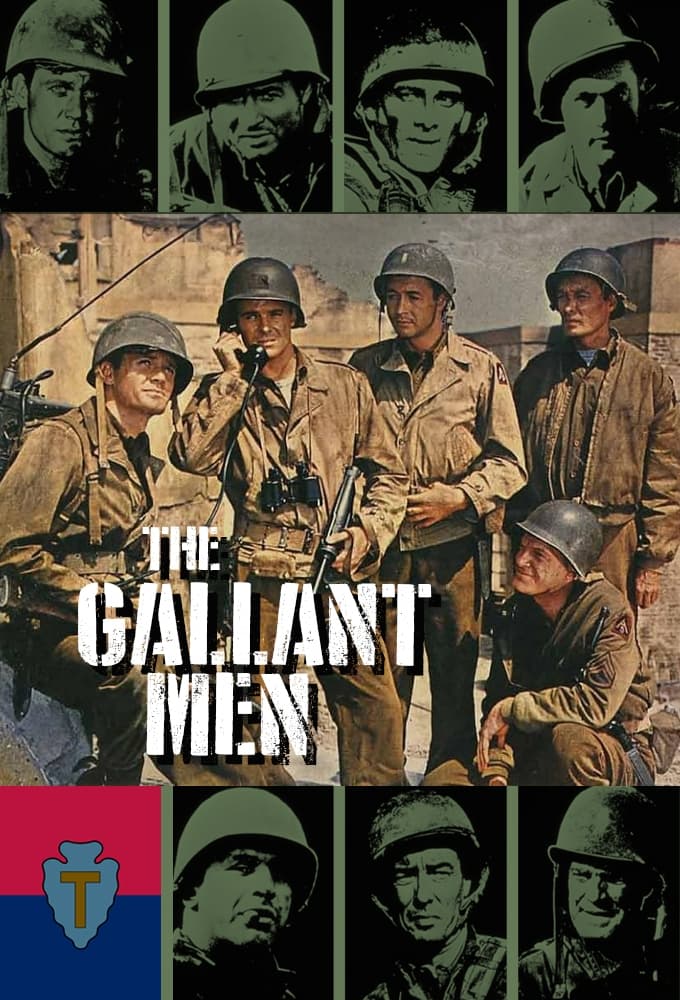
The Gallant Men is a 1962–1963 ABC television series which depicted an infantry company of American soldiers fighting their way through Italy in World War II.
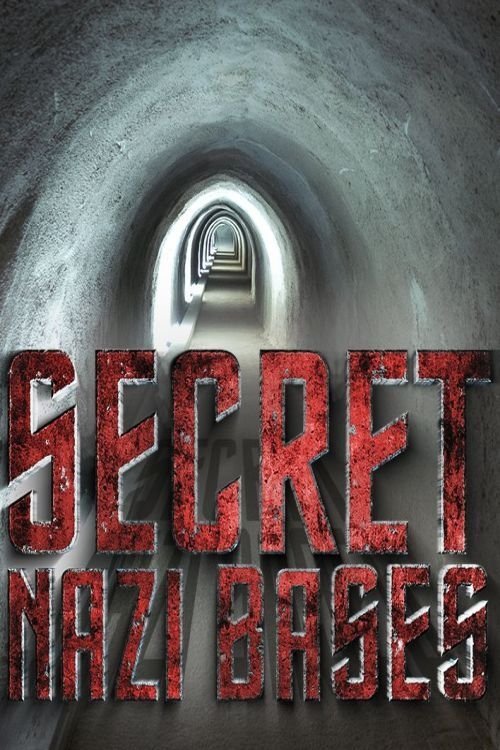
From tunnels to towers, artillery sites, resistance nests and communication centers, Nazi Germany left their footprint throughout the world. To this day, silent remains still exist, sentinels guarding clues about plots that Hitler was unable to carry out. The collapse of the Third Reich left as many secrets as it did relics. Still today, remnants of the Nazi's schemes lie concealed in structures scattered across the globe. Skeletons of projects give way to mysteries. Conspiracies abound about science fiction scenarios. The Nazis were nothing if not methodical, and a deeper look reveals even darker plans. From tunnels to towers, artillery sites and communication centers; the remains of these schemes lie waiting to reveal truths about the Fuhrer's tactics and dreams in Secret Nazi Bases. What did Hitler have planned?
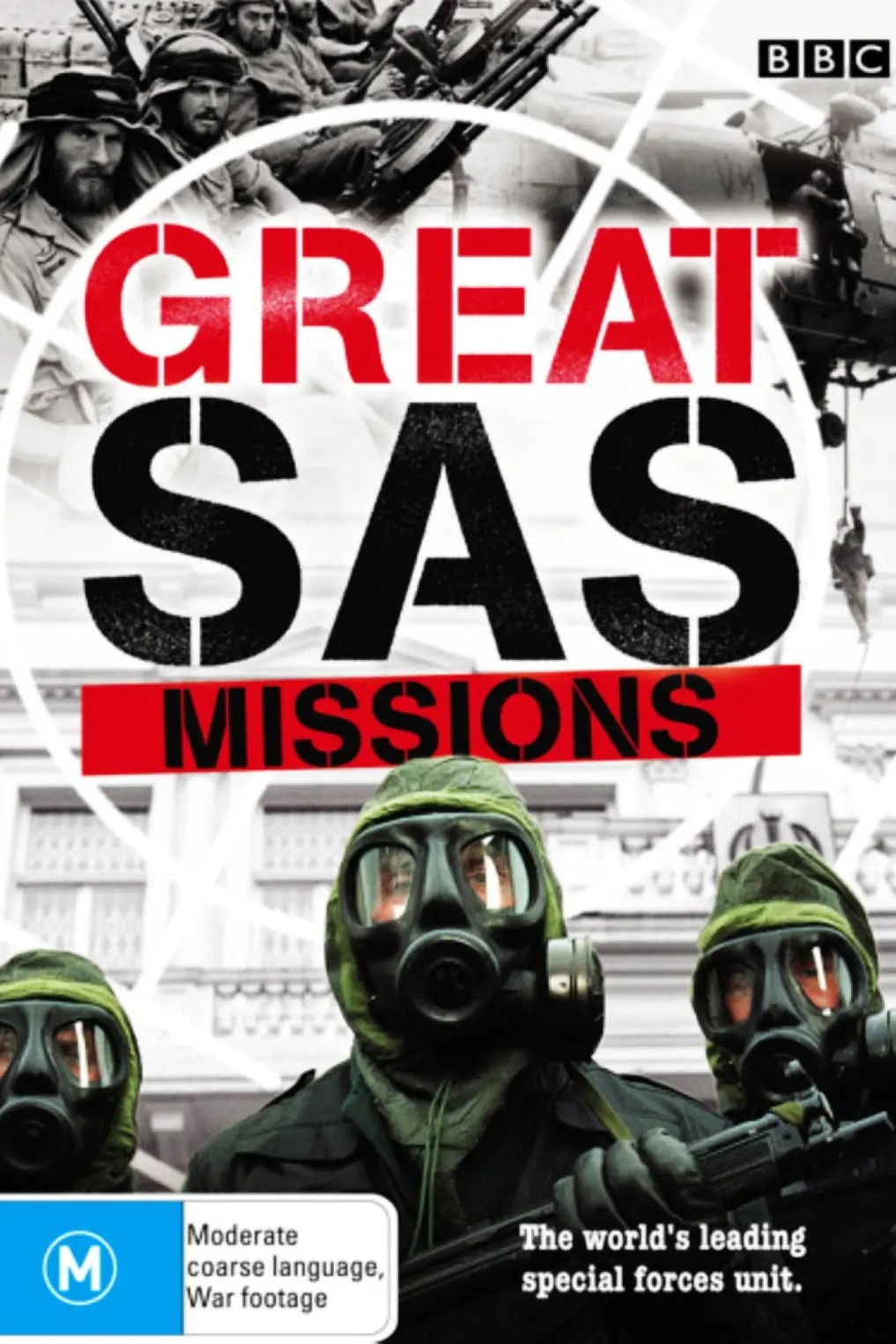
Over the past 60 years Britain's Special Air Service regiment has carried out a wide variety of clandestine missions - from deep-penetration raiding to hostage release operations - which have made it respected and feared for its professionalism and daring. The SAS prides itself on doing its work in the shadows, never allowing any publicity and never claiming credit for any of its extraordinary achievements. But, over the years, sufficient information has emerged for a picture of the regiment's exploits to be clear. This series uses interviews with former members of the SAS; detailed and painstaking reconstructions; and cutting edge 3-D graphics to recreate seven great missions which show why the SAS is today regarded as the world's leading special forces unit.
Drama of the penalty parts of political prisoners, who fought on the Soviet fronts.
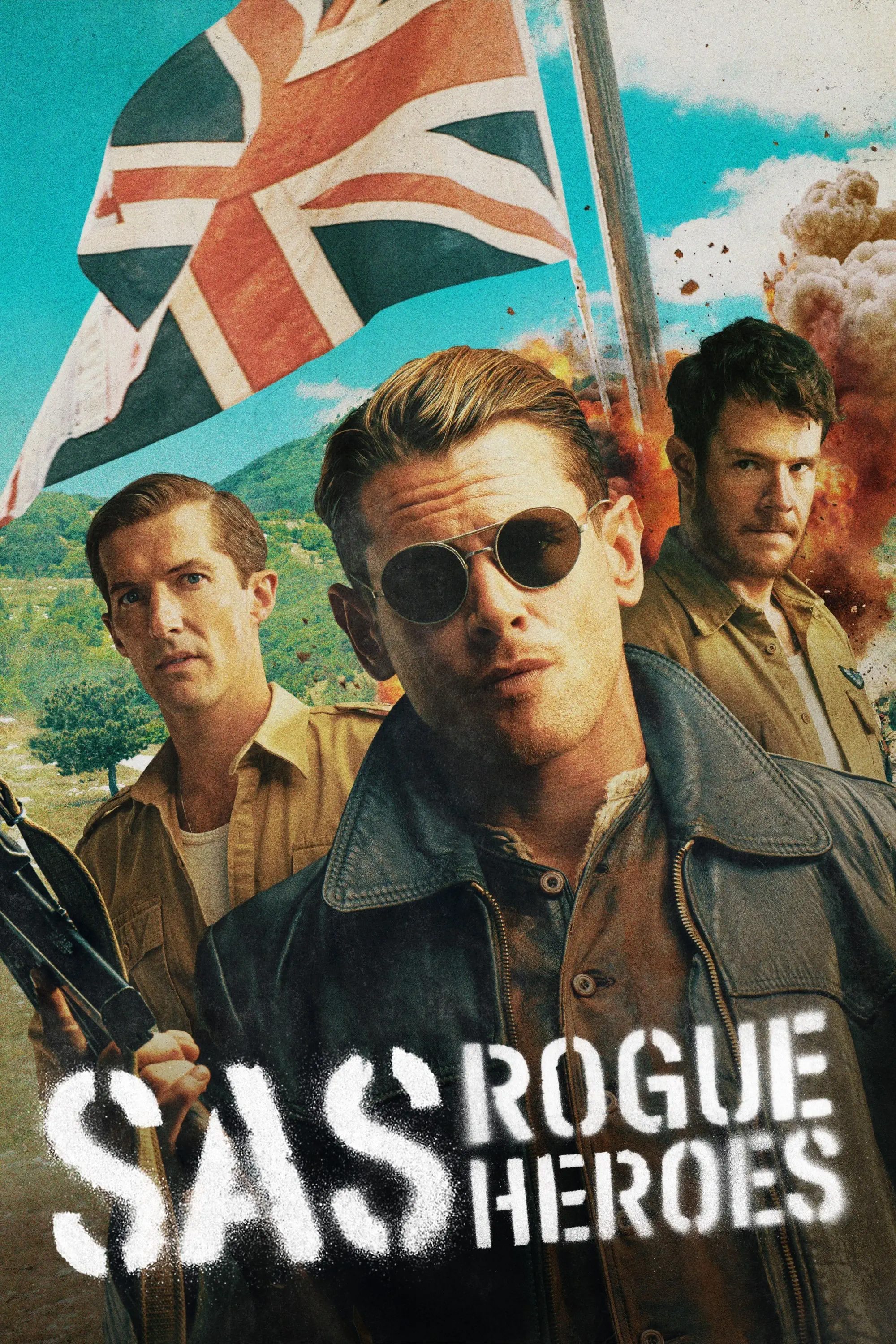
The dramatised account of how the world’s greatest Special Forces unit, the SAS, was formed under extraordinary circumstances in the darkest days of World War Two.
After a terrible winter, 1942 starts badly for Stalin due to a ruthless Nazi campaign that leaves millions of Soviets captive and without food.
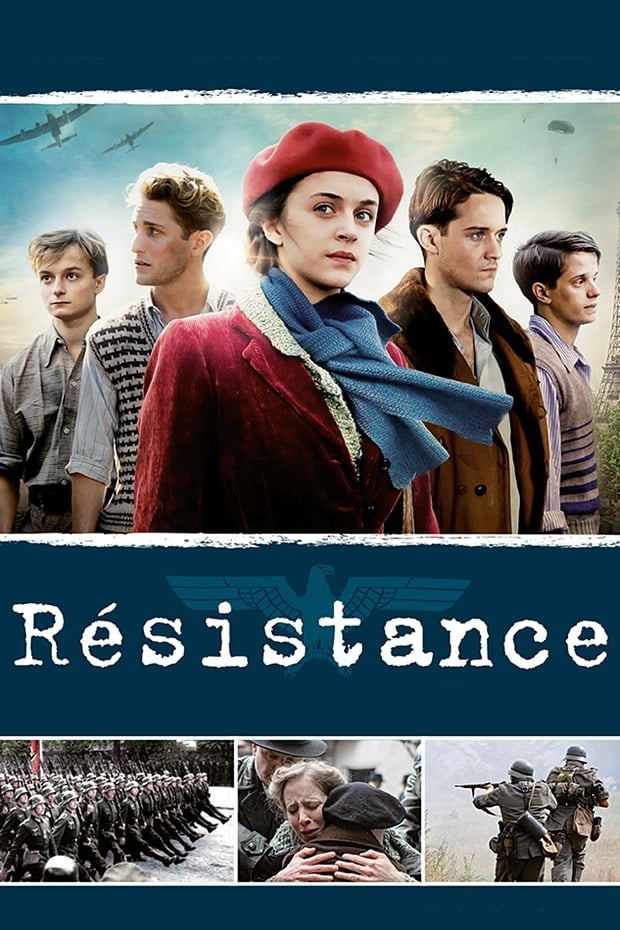
In occupied France, 17-year-old Lili encounters war before love, and joins the Resistance. Through the interconnecting destinies of its teenage heroes, Resistance tells the story of young people going to any lengths to defend their country.
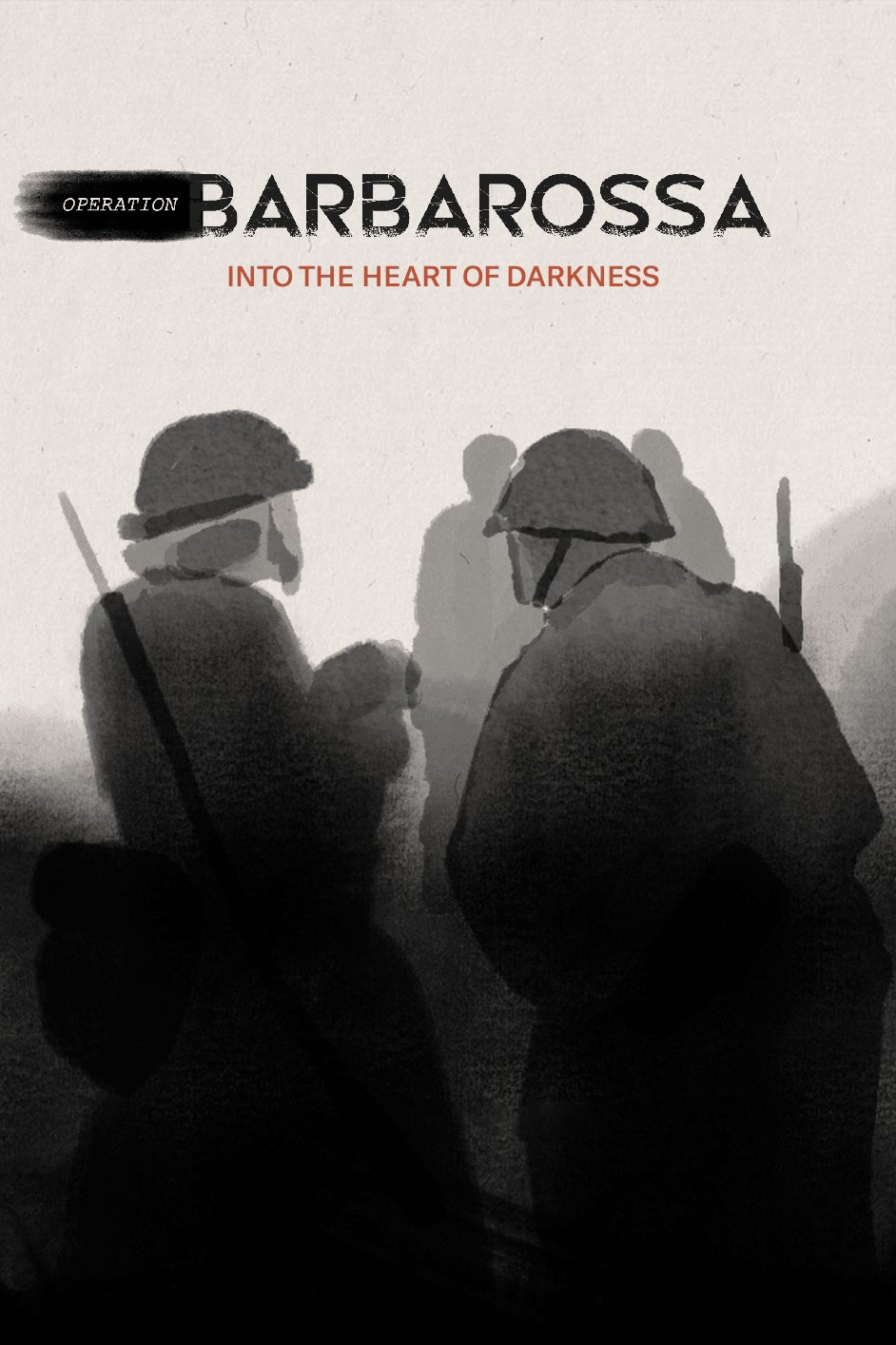
In June 1941, Hitler decides to break the German-Soviet pact and set the German army in motion toward Moscow. From summer to winter, and from Kiev to Leningrad, previously unseen archival footage, some recolored, retraces the bloodiest military operation of World War II. Testimonies from soldiers and civilians recount these endless months of battles and sieges.
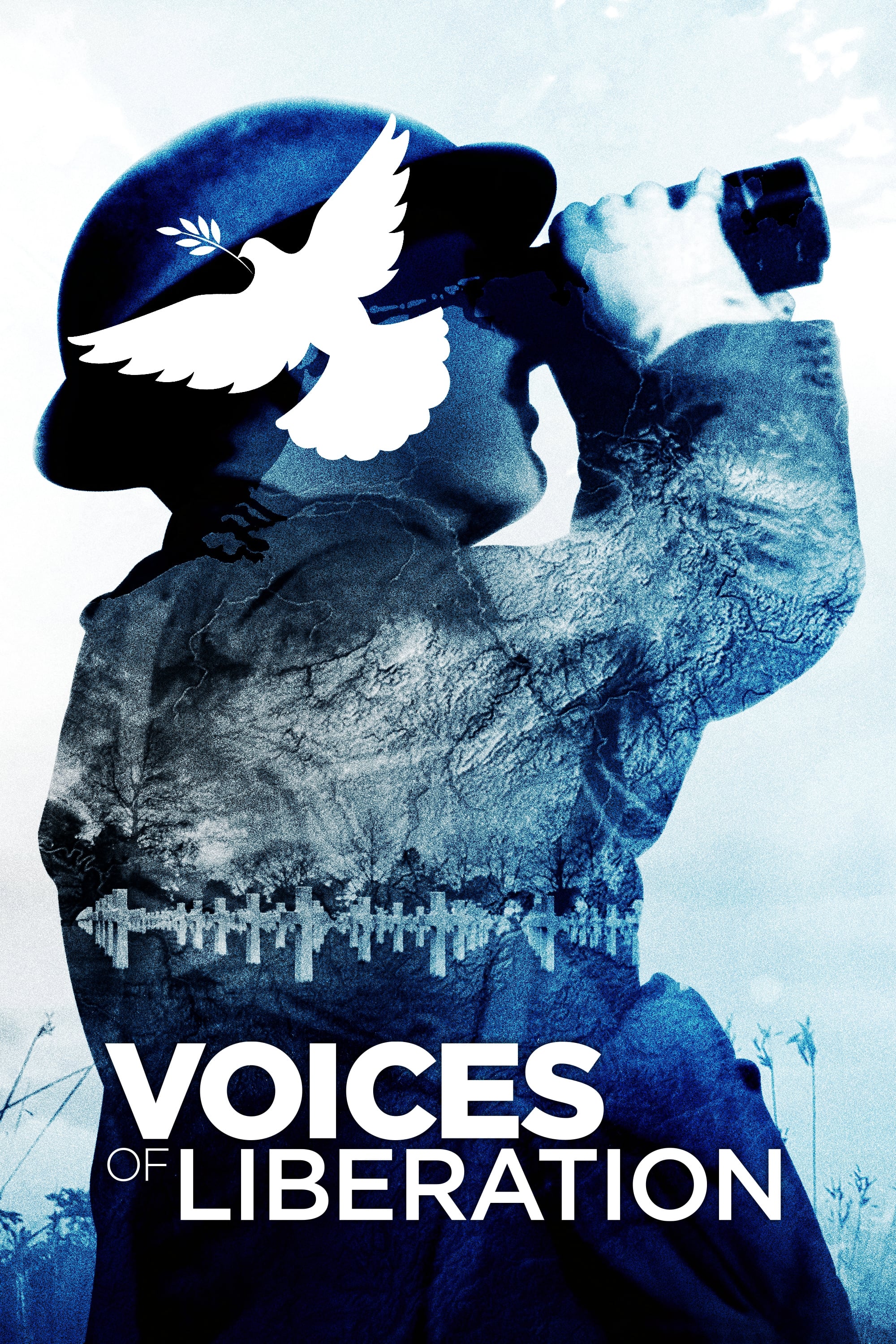
The writings and eyewitness accounts of wartime participants help trace the story of Europe's liberation during WWII in this historical docuseries.
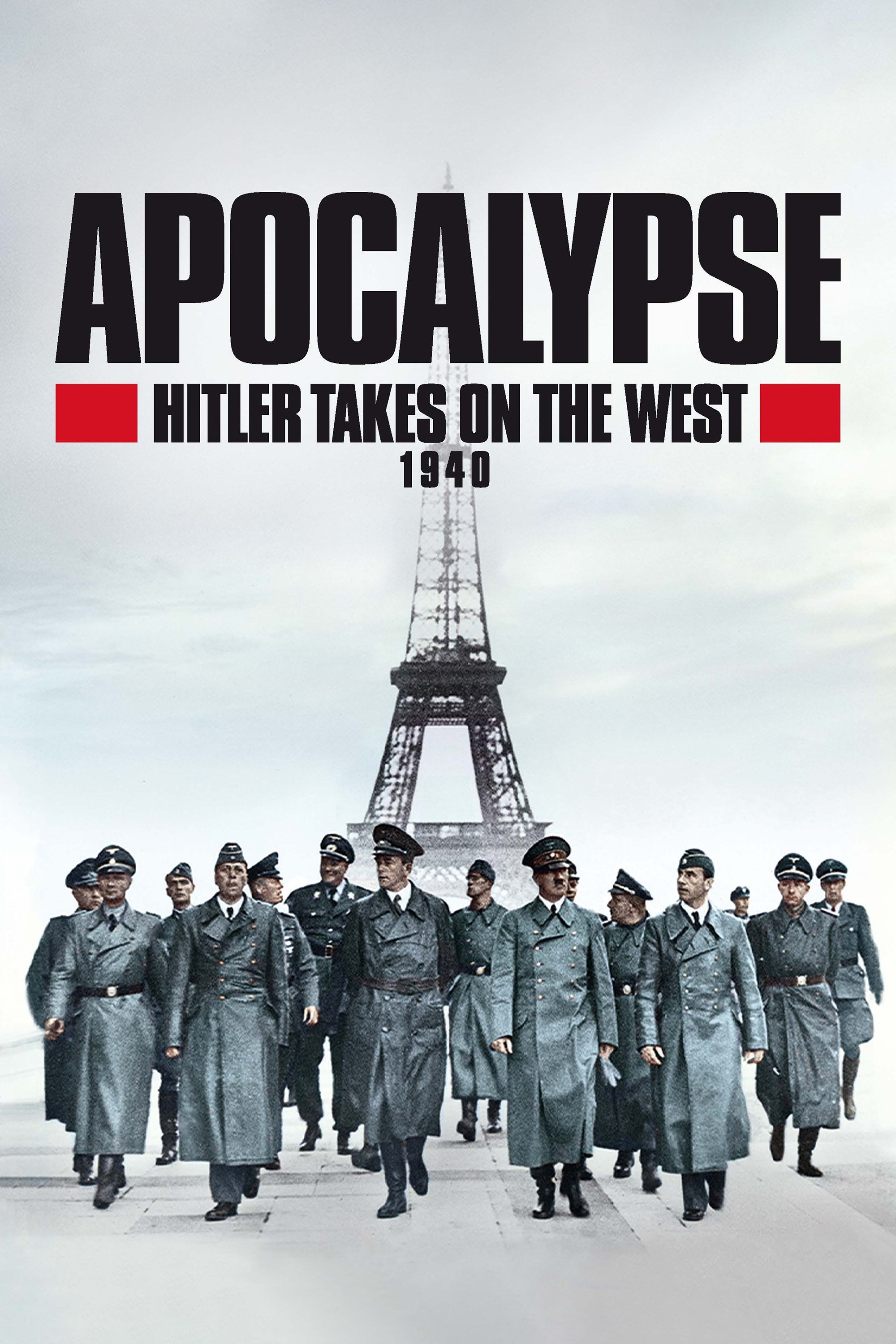
May 10th, 1940, Hitler takes on the West. Will he precipitate Europe into the Apocalypse?
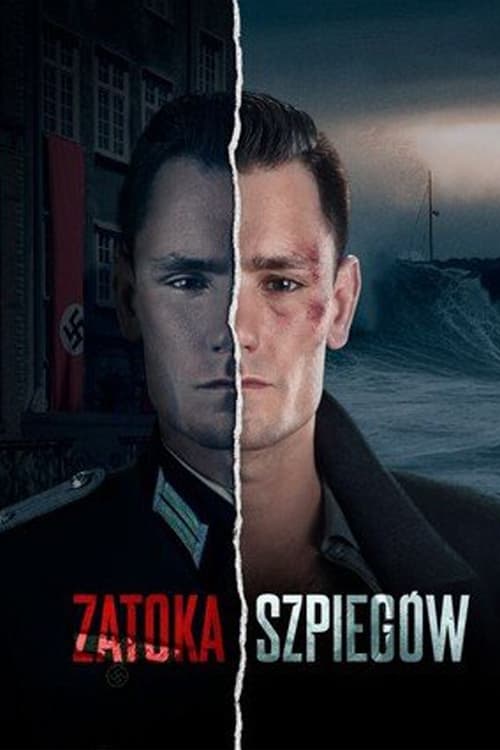
Based on true events, "The Bay of Spies" follows Franz Neumann, a young Nazi Abwehr officer, who discovers that his real father was Polish. Using this information to his advantage Franz becomes a spy for the Allies with the code name Got’ His task is to obtain information about the activities of the German Navy, the Kriegsmarine and report back to the allies. Using his charm and charisma, Franz manipulates the men he gets close to, makes women fall in love with him, and snakes his way into the German elite.
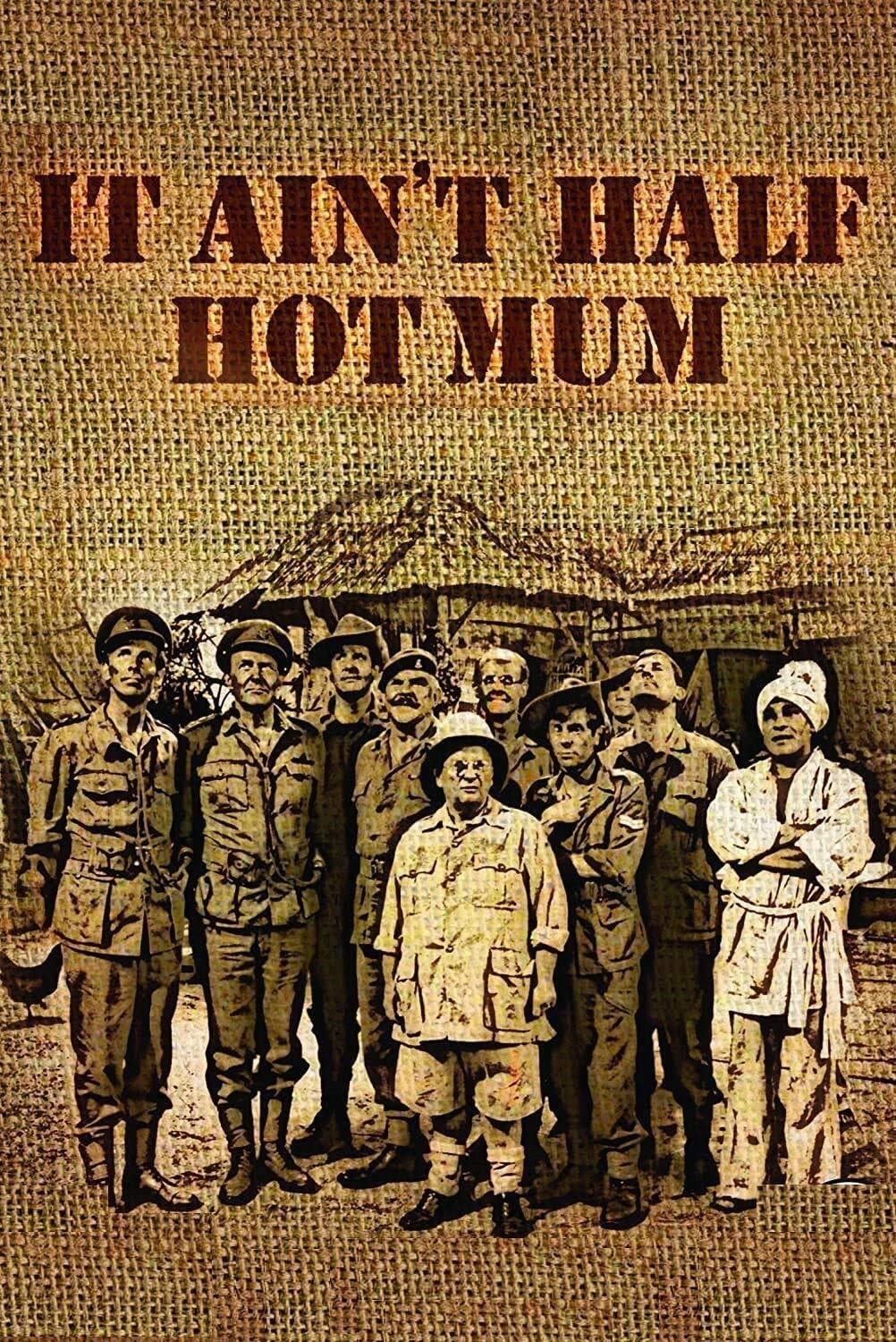
In 1945, during the final months of the Second World War, a group of soldiers perform for the Royal Artillery concert party, with comic acts and musical numbers for others prior to their departure for the frontlines. The party avoids partaking in combat duty; thus, the soldiers love being part of the outfit. Some even daydream of becoming world-famous actors when they leave the army.
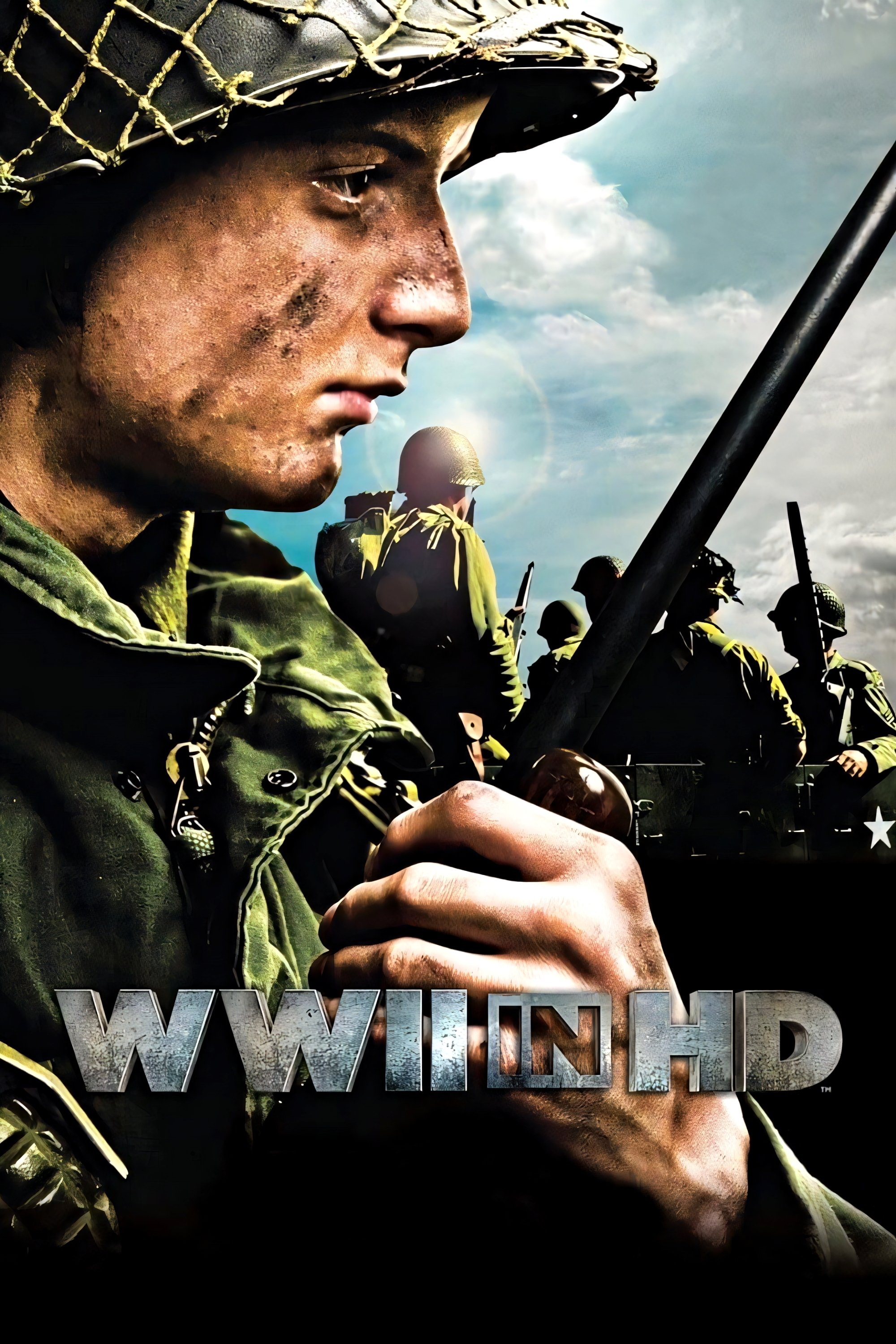
WWII in HD is a 10-part American documentary television miniseries that originally aired from November 15 to November 19, 2009 on the History Channel. The program focuses on the firsthand experiences of twelve American service members during World War II, including an Army nurse, a member of the Tuskegee Airmen, a second generation Japanese American and prisoner of war, and an Austrian Jewish immigrant. The twelve members recorded their time in both theaters and some had later interviews; found footage from the battlefield was paired with the stories of the twelve service members. The episodes premiered on five consecutive days, with two episodes per day. The series is narrated by Gary Sinise and was produced by Lou Reda Productions in Easton, Pennsylvania, United States.
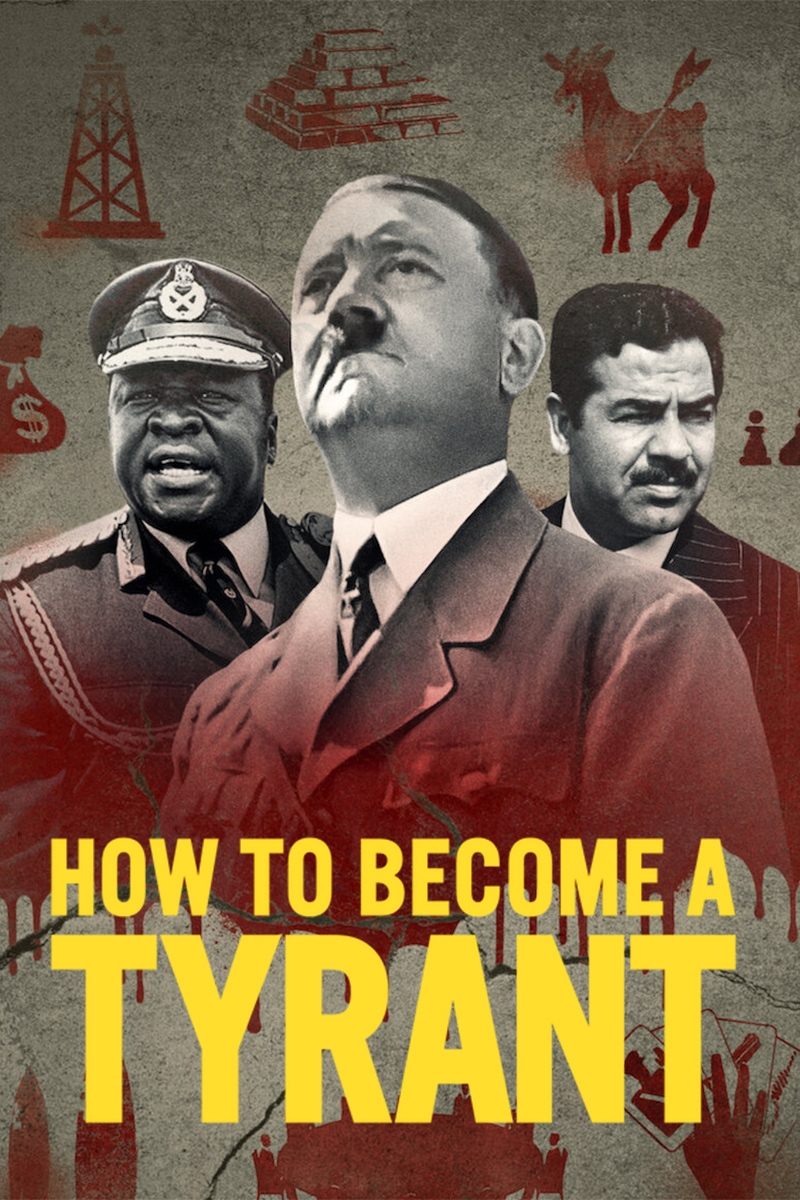
The documentary series explores different political figures throughout history.
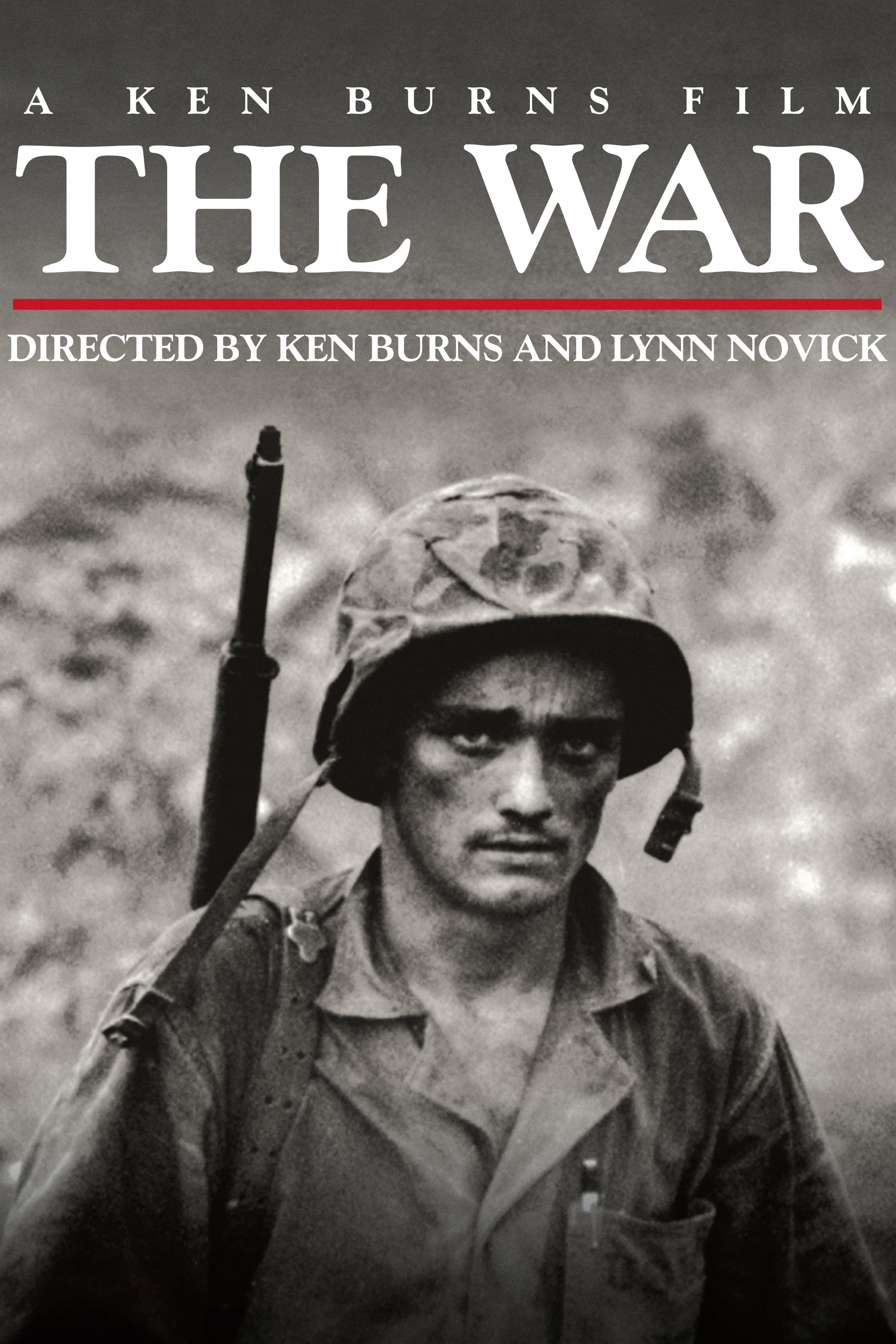
The story of the Second World War through the personal accounts of a handful of men and women from four American towns. The war touched the lives of every family on every street in every town in America and demonstrated that in extraordinary times, there are no ordinary lives.
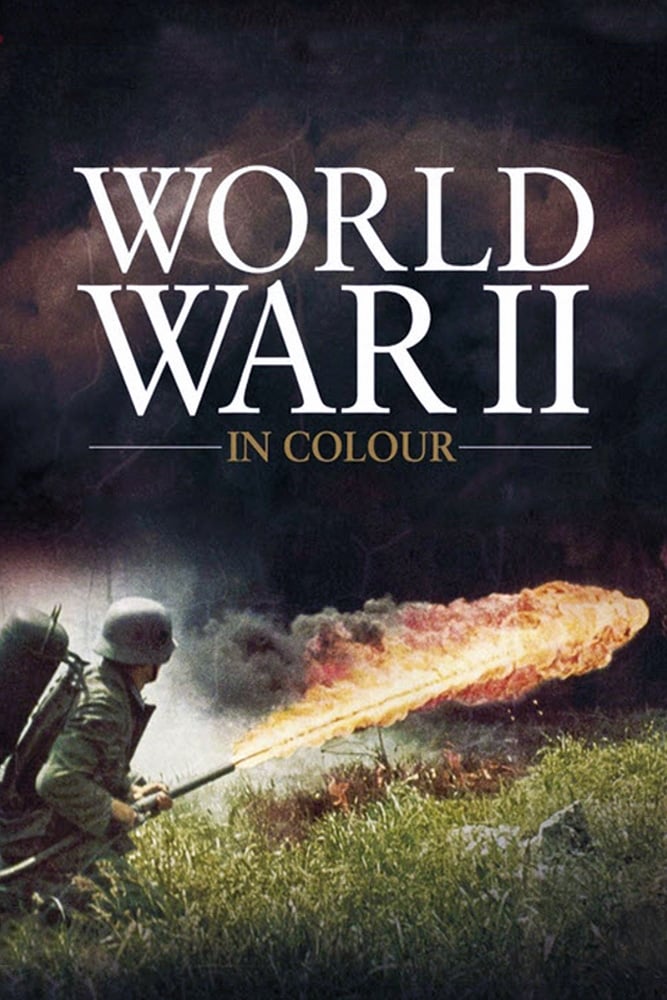
World War II In Colour is a 13-episode television documentary miniseries recounting the events of World War II narrated by Robert Powell. The show covers the Western Front, Eastern Front, and the Pacific War. It is on syndication in America on the Military Channel. This series is in full color, combining both original and colorized footage.
Using highly advanced colourisation techniques, critical moments from World War II, from Stalingrad to The Battle of Britain, are shown in a whole new light.
Explores WWII from Germany's invasion of Poland through the atomic age, examining pivotal battles, wartime leaders like Churchill and Roosevelt, and the human cost of total war.
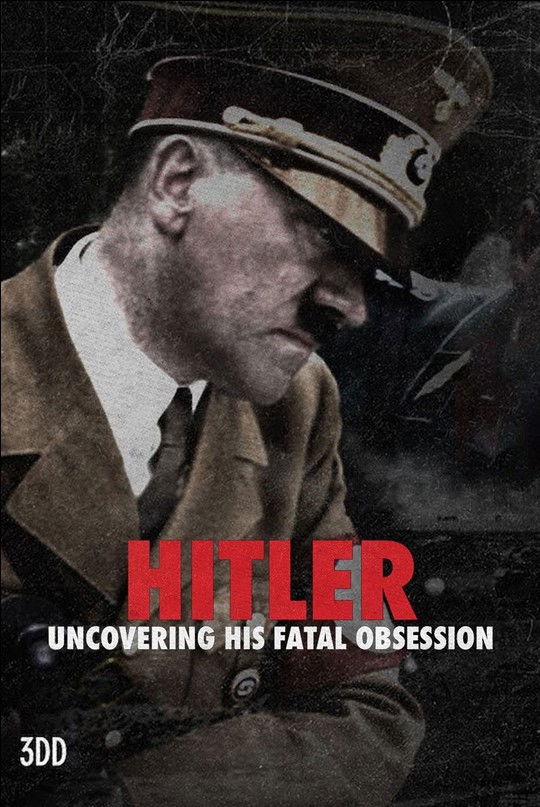
Surviving power struggles, betrayals and plots, Hitler's inner circle of Nazi leaders seizes control of Germany and designs its disastrous future.
Oliver Stone's re-examination of under-reported events in American history.
What happened to Mica Miller? This documentary series retraces her promising life, toxic marriage and the mysterious circumstances of her death.
An immersive 360-degree narrative telling the epic story of the Vietnam War as it has never before been told on film. Featuring testimony from nearly 80 witnesses, including many Americans who fought in the war and others who opposed it, as well as Vietnamese combatants and civilians from both the winning and losing sides.
Filmed across six continents, this docuseries uses cutting-edge camera technology to capture animals' nocturnal lives, revealing new behaviours filmed in full color like never before.
Don Wildman unearths relics from the world's greatest institutions to reveal secrets from the past. He examines each artifact to illuminate history's most incredible triumphs, sensational crimes and bizarre encounters.
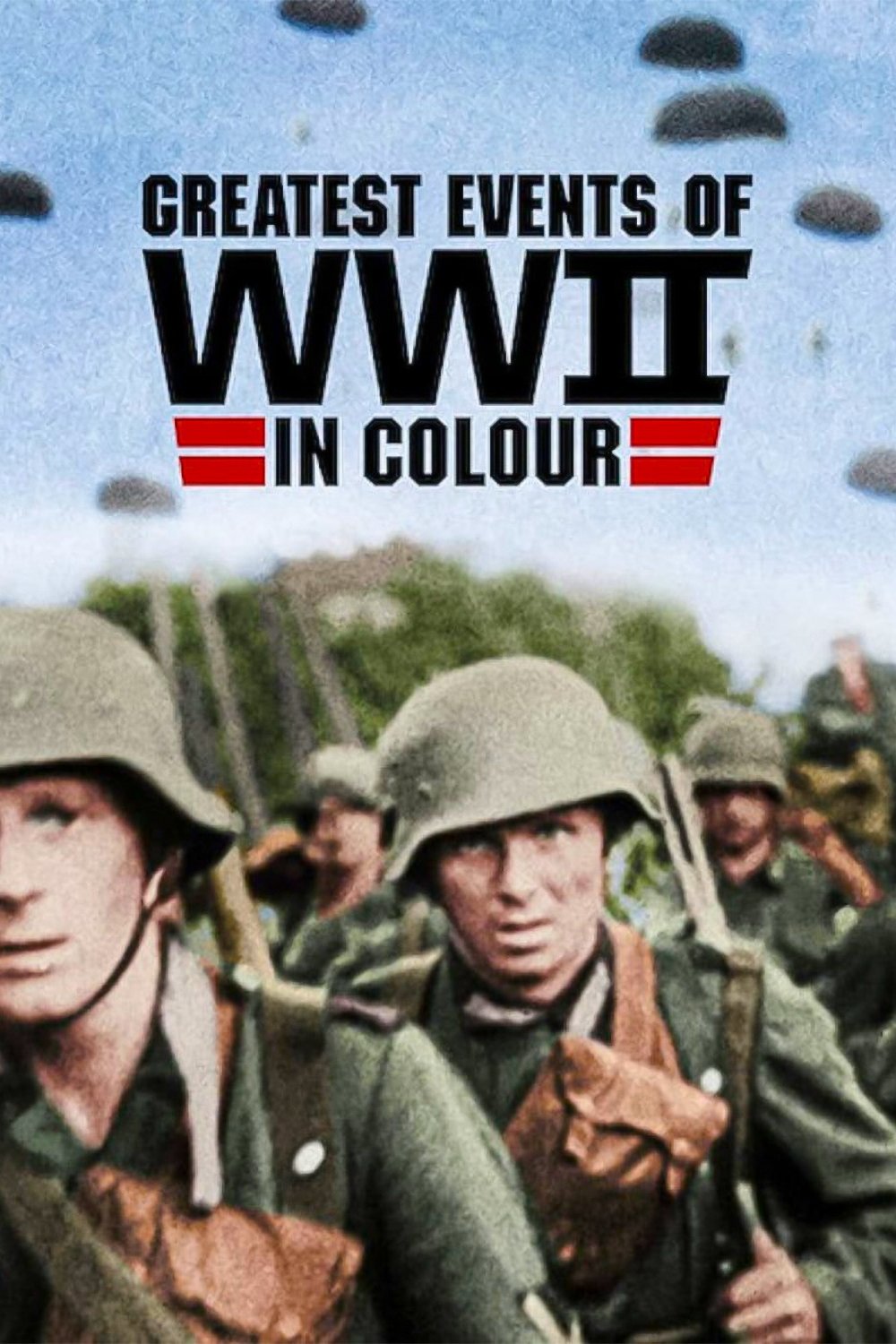
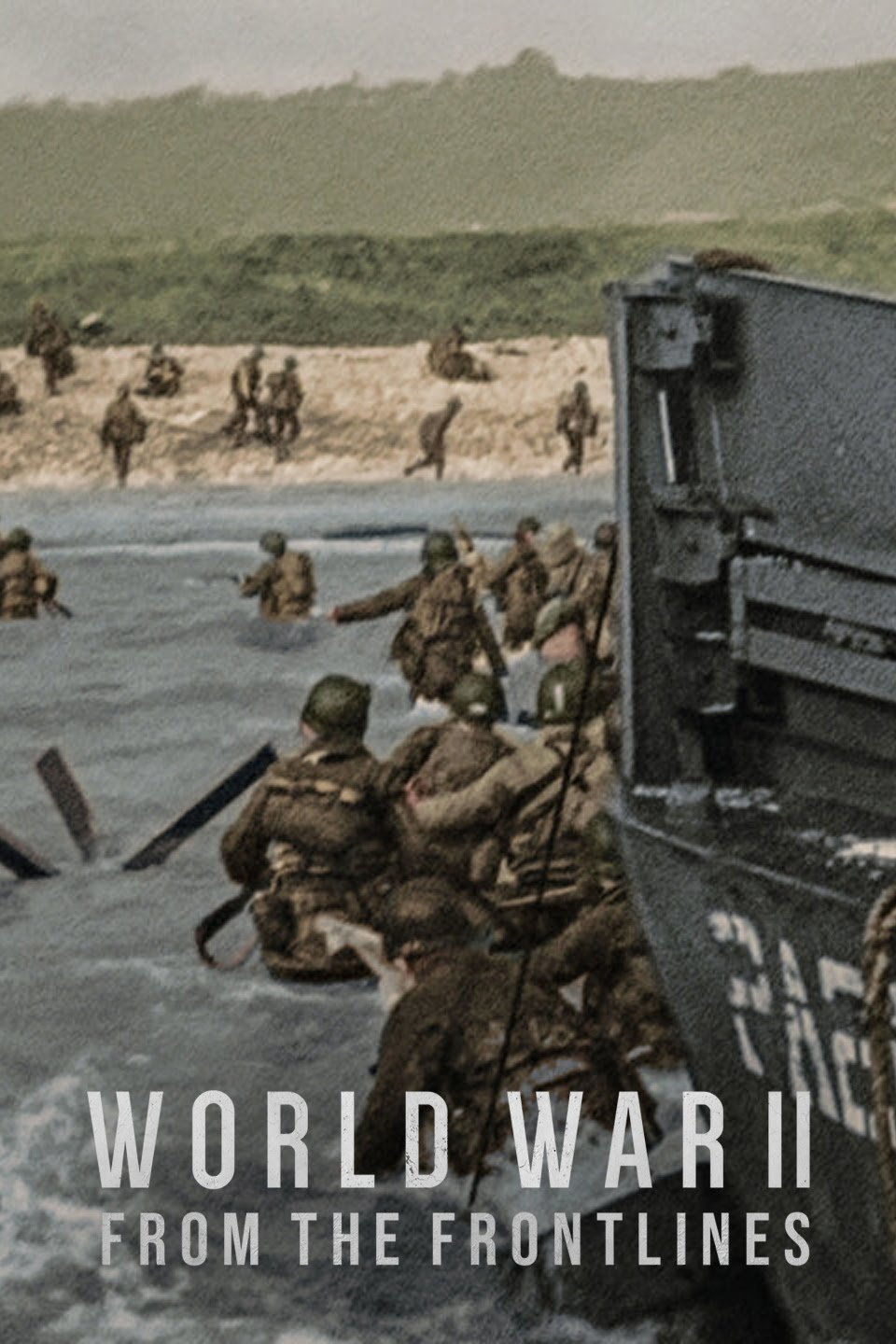
Through vividly enhanced archival footage and voices from all sides of the conflict, this docuseries brings WWII to life like never before.
Doctor Who Confidential is a documentary to complement the revival of the long-running British science fiction television series Doctor Who. Each episode was broadcast on BBC Three on Saturdays, immediately after the broadcast of the weekly television episode on BBC One. The running time of the first two series was 30 minutes, being extended to 45 minutes in the third. BBC Three also broadcast a cut-down edition of the programme, lasting 15 minutes, shown after the repeats on Sundays and Fridays and after the weekday evening repeats of earlier seasons.
Natural World is a nature documentary television series broadcast annually on BBC Two and regarded by the BBC as its flagship natural history brand. It is currently the longest-running series in its genre on British television, with more than 400 episodes broadcast since its inception in 1983. Natural World is produced by the BBC Natural History Unit in Bristol, but individual programmes can be in-house productions, collaborative productions with other broadcasters or films made and distributed by independent production companies and purchased by the BBC. Natural World programmes are often broadcast as PBS Nature episodes in the USA. Since 2008, most Natural World programmes have been shot and broadcast in high definition.
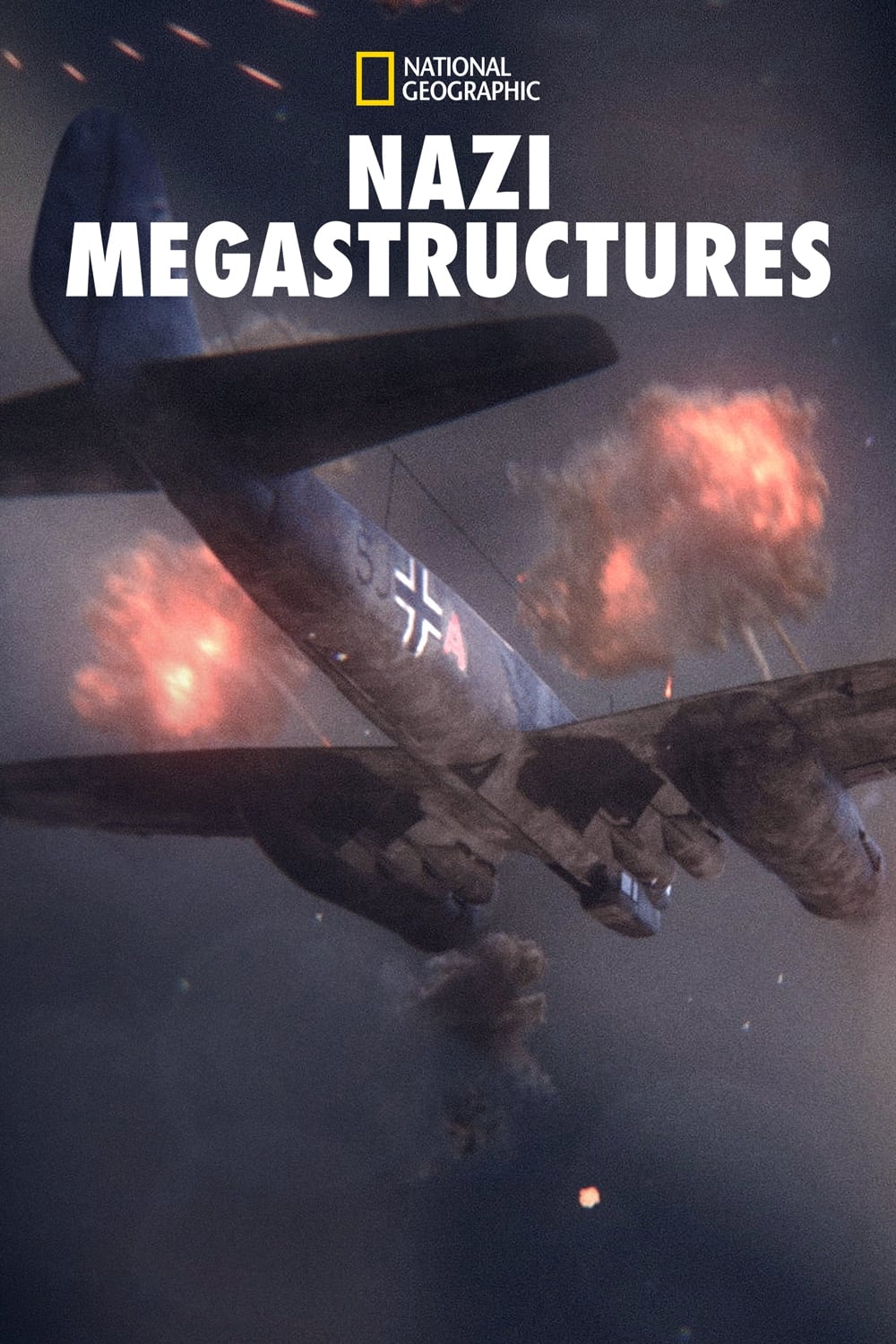
In a quest for world domination, the Nazis built some of the biggest and deadliest pieces of military hardware and malevolent technology in history. This is the stories of the engineers who designed them and how these structures sparked a technological revolution that changed warfare forever.
A documentary on the American Civil War narrated by Ken Burns, covering the secession of the Confederacy to the assassination of Abraham Lincoln.
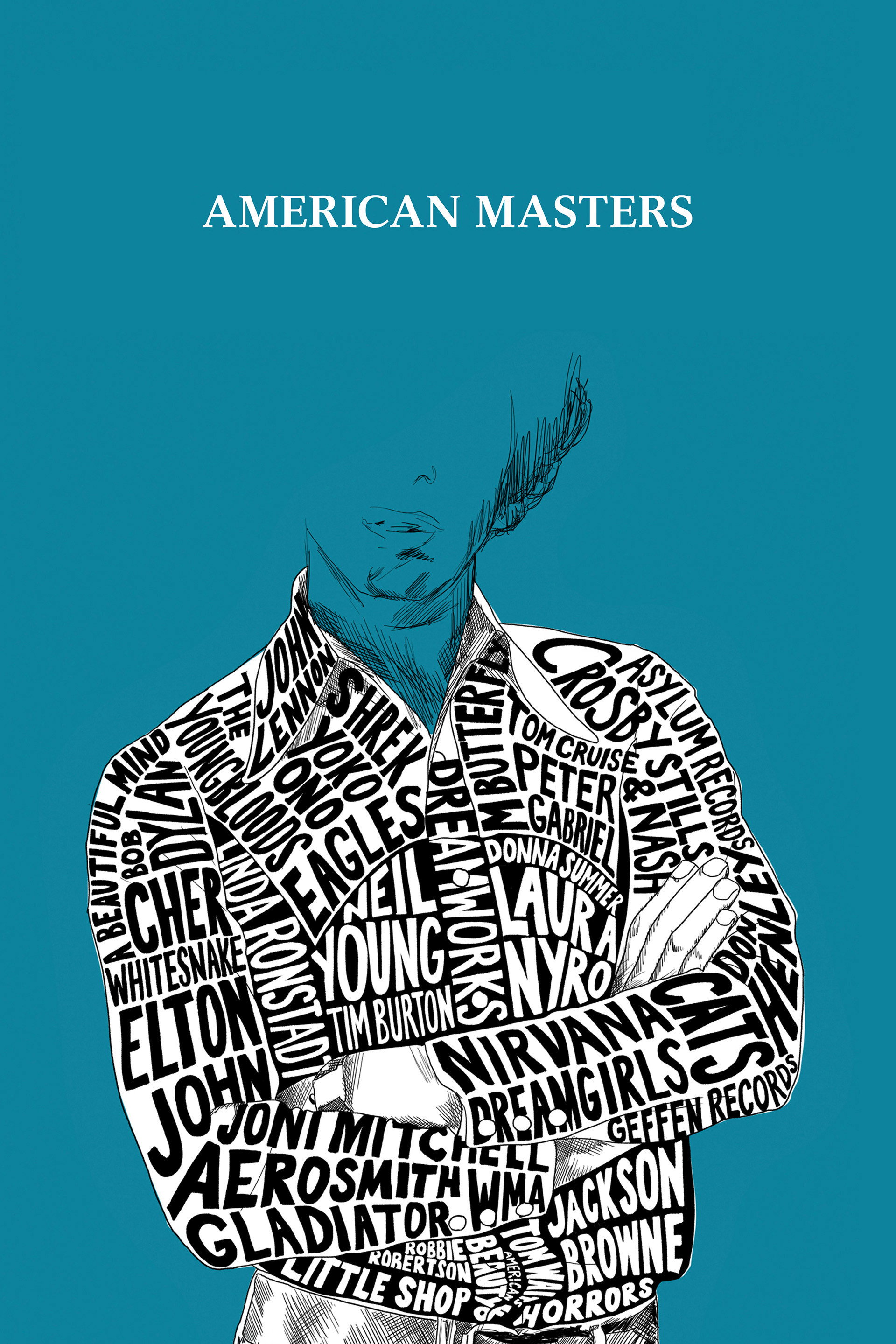
American Masters is a PBS television series which produces biographies on enduring writers, musicians, visual and performing artists, dramatists, filmmakers, and others who have left an indelible impression on the cultural landscape of the United States.
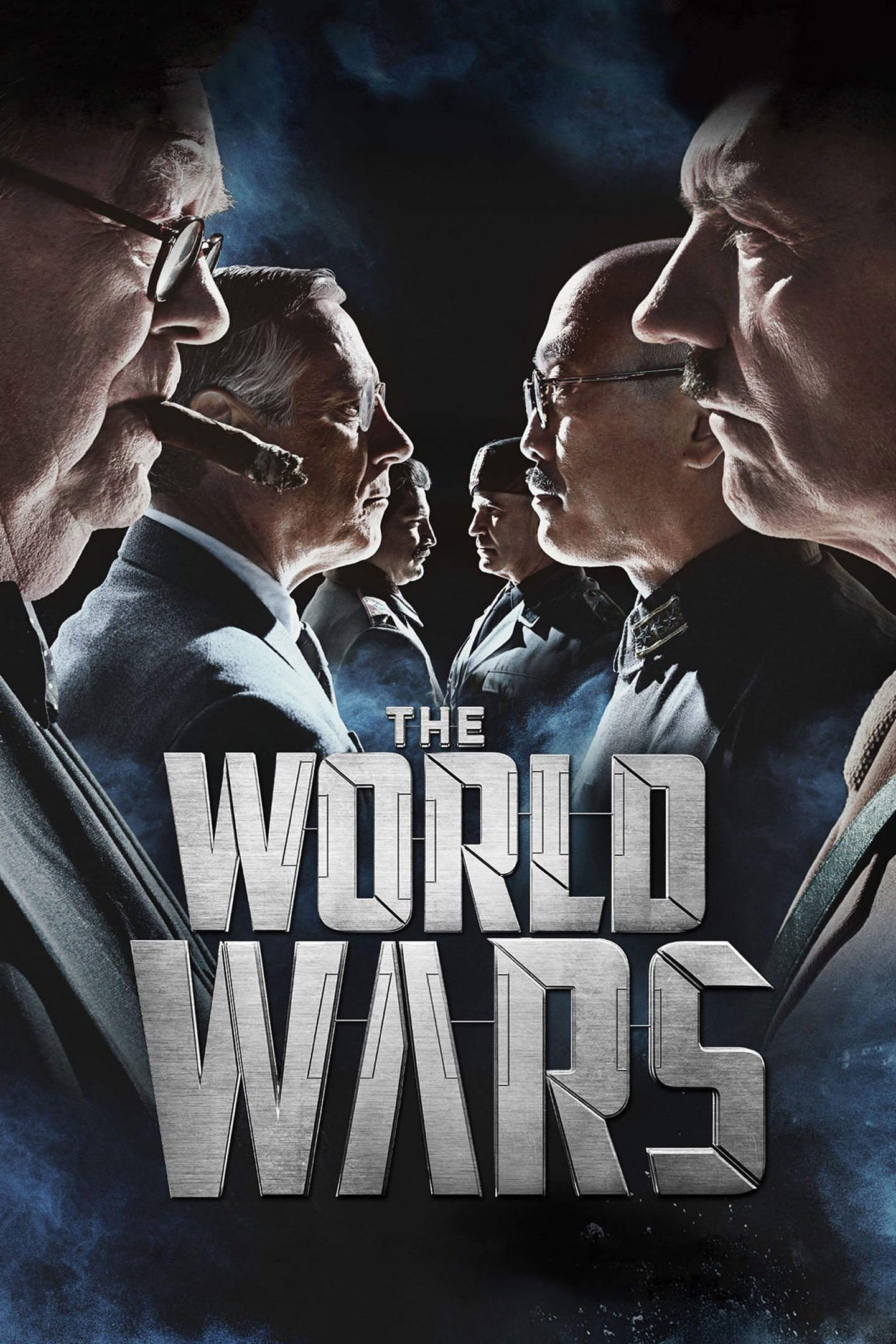
The story of three decades of war told through the eyes of various men who were its key players: Roosevelt, Hitler, Patton, Mussolini, Churchill, Tojo, DeGaulle and MacArthur. The series examines the two wars as one contiguous timeline starting in 1914 and concluding in 1945 with these unique individuals coming of age in World War I before ultimately calling the shots in World War II.