Social & External
The people behind it
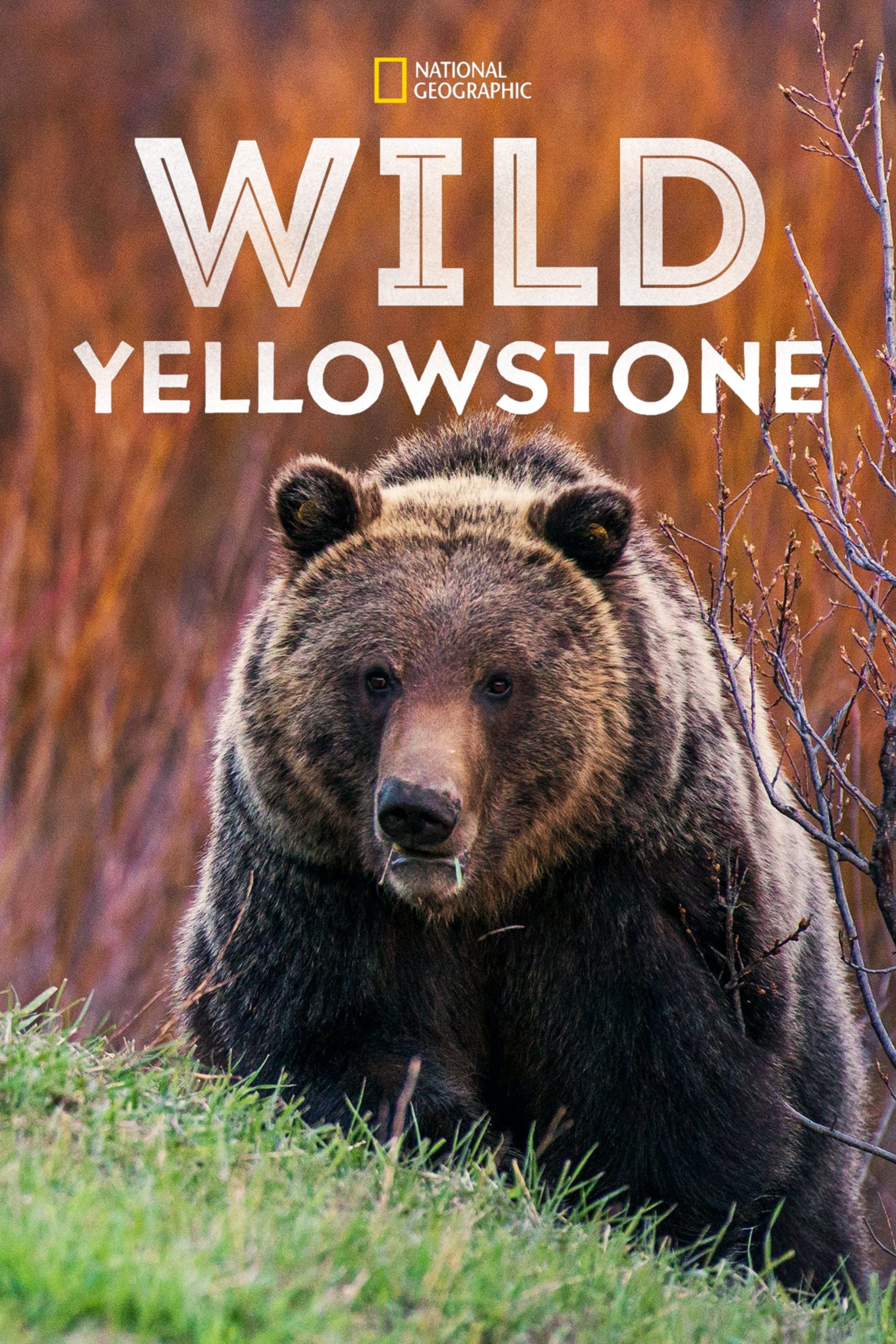
Yellowstone challenges every animal that lives in this Rocky Mountain wilderness; in summer it pitches them into battle against one another for food, territories and mates, in winter it forces them into a struggle for survival.
Three British aristocratic families struggle to hang on to their historic homes. Their lifestyle is assumed to be idyllic, but constant battle with roof-leaks, falling visitor numbers, and mounting debts all put pressure on their personal relationships and peace of mind.
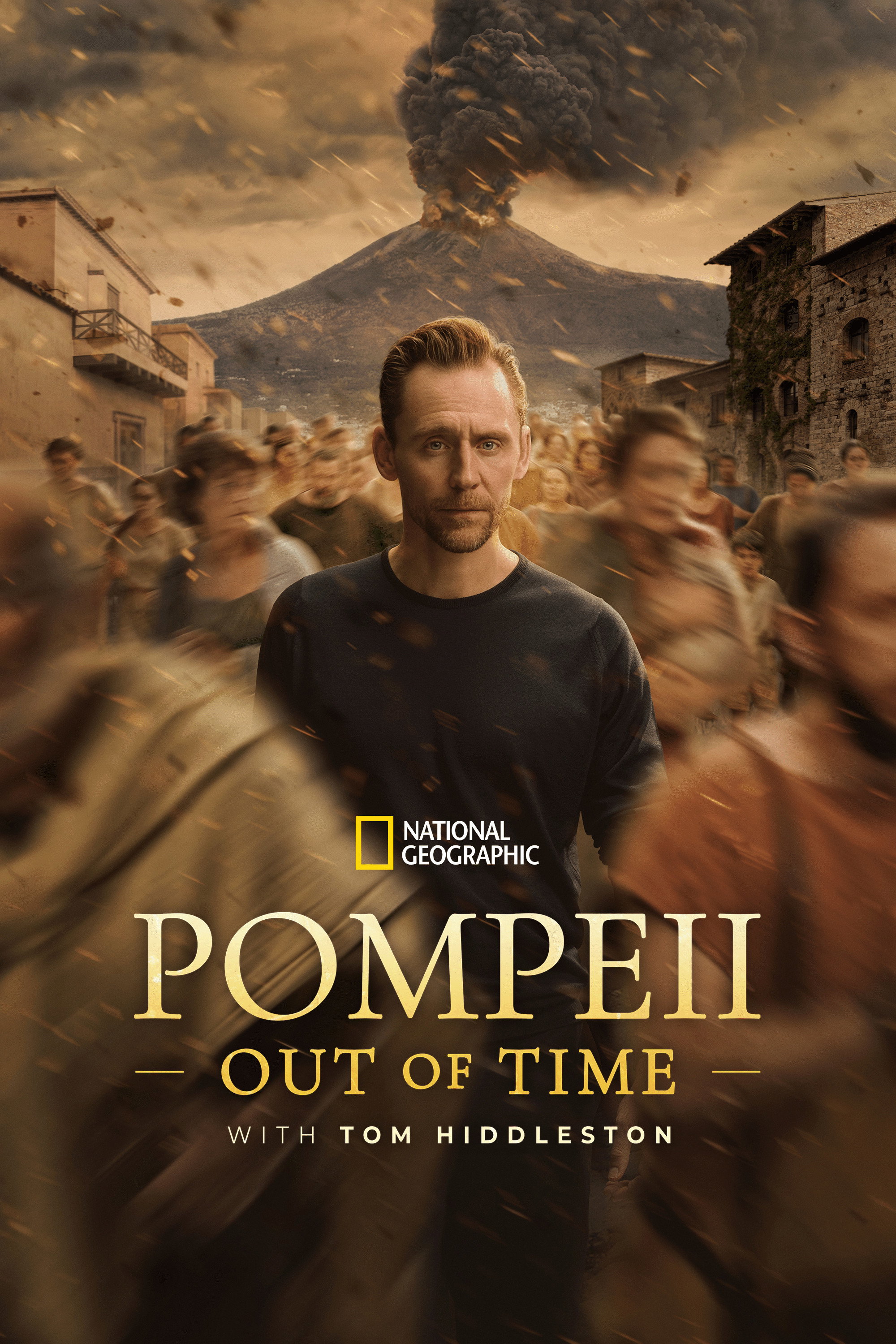
A historical exploration about the eruption of Vesuvius in 79 A.D. and the preserved Roman city it left behind.
Whales are beautiful and powerful, which rightly puts them in the category of 'most unique animals in the world'. Dive into the world of whales and discover what makes these creatures so fascinating.
Alex Honnold leads an expedition to Greenland to climb a huge 4,000 foot sea cliff and investigate the impacts climate change on the region.
Brings to life the epic story of the people and landscapes of Minnesota - from the retreat of the last ice sheets to the growth of today’s suburbs - using nature videography from across the state, never-before-seen historic images, state-of-the-art animations, and historic recreations.
Unique arts series venturing behind the scenes at the world famous museum of art, design and performance, the V&A.
David Attenborough examines the ways in which animals and plants adapt to their surroundings.
Hosted by Joanne Clendining, Maryland Farm & Harvest takes viewers around the state to see and experience what it's like to run a 21st century farm – from technological advances and conservation challenges to age-old complications such as weather hardships. MF&H also captures the number one reason why planters and growers dedicate themselves to it all: their simple love of farming.
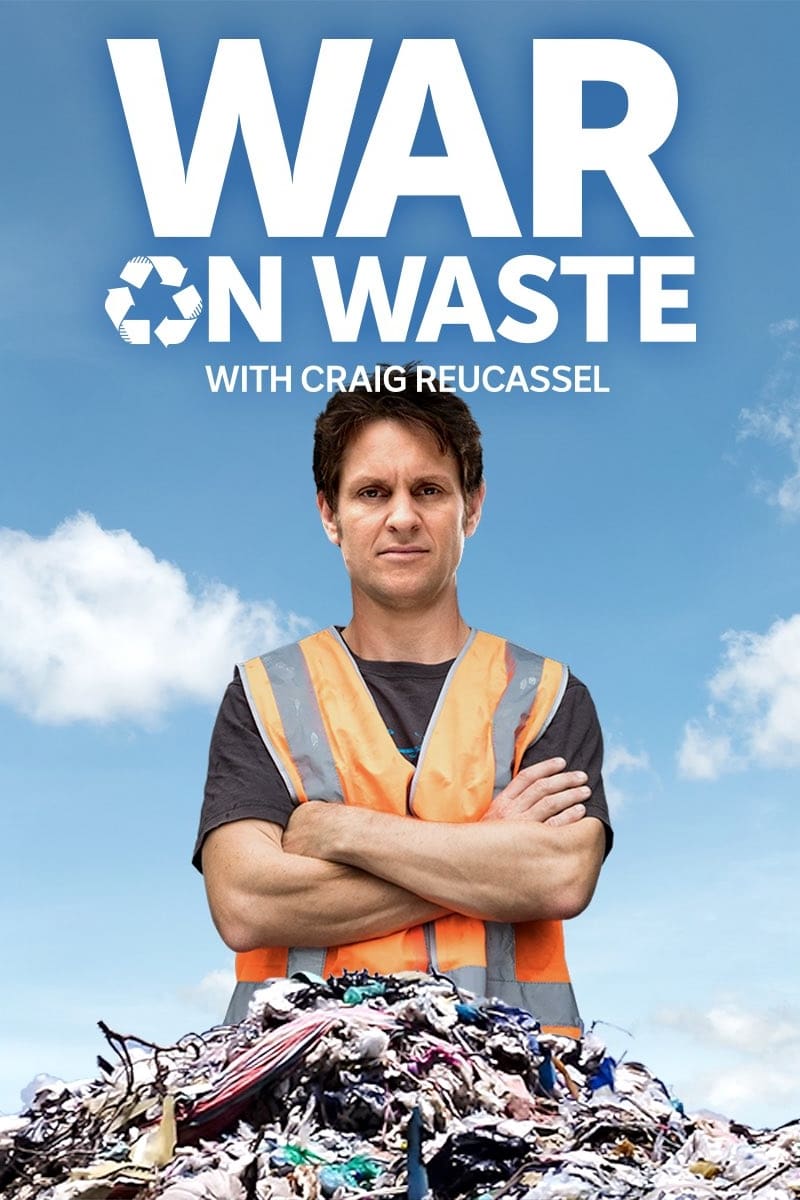
Our waste is growing at double the rate of our population with 52 mega tonnes generated a year. Australia is ranked 5th highest for generating the most municipal waste in the world. In this three-part series, Craig Reucassel is on a mission to see if we, as a nation, can all do a little bit better.
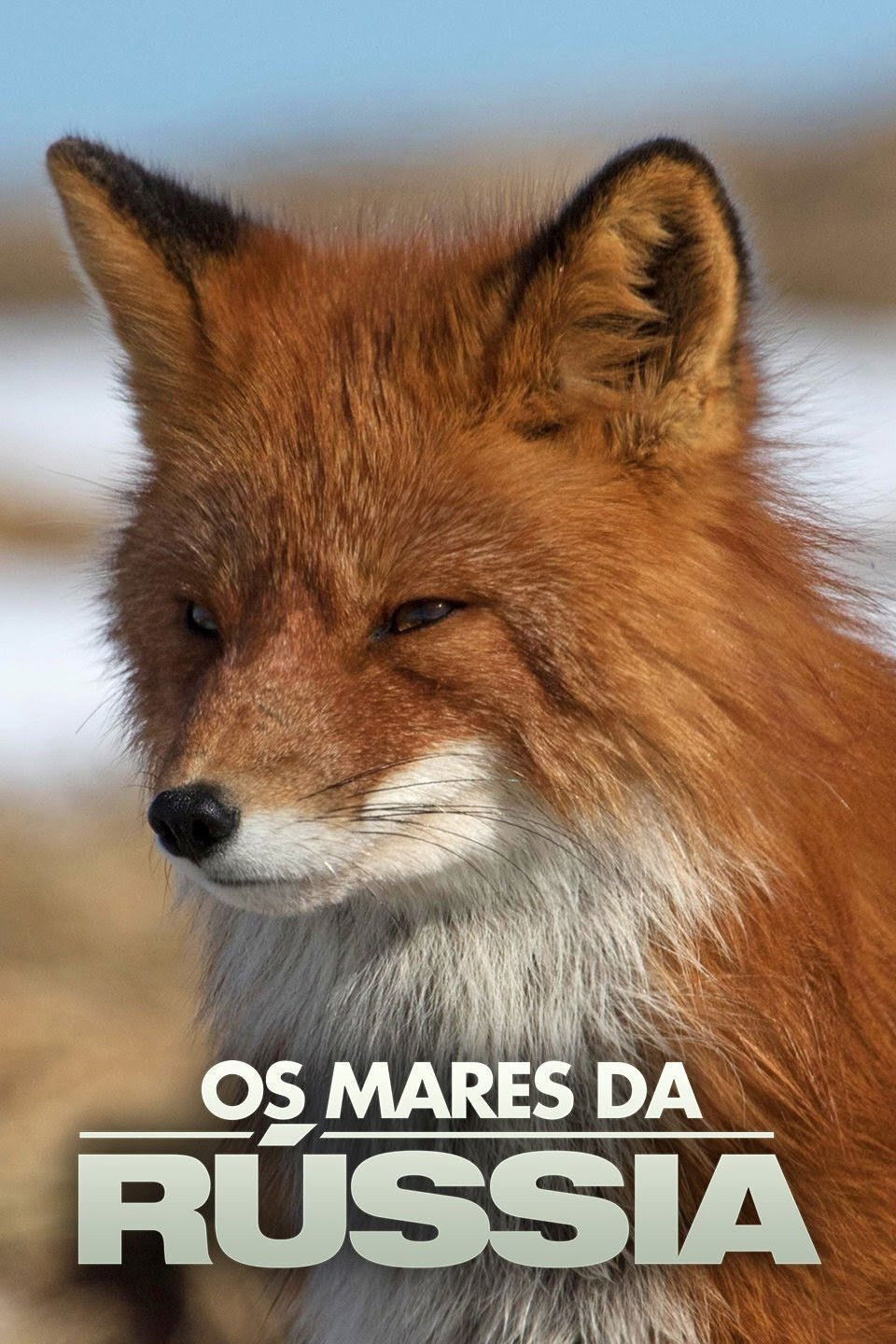
Fascinating stories of the region's inhabitants and presents the incredible contrasts of the sea's beauty and wilderness, rarely seen on film.
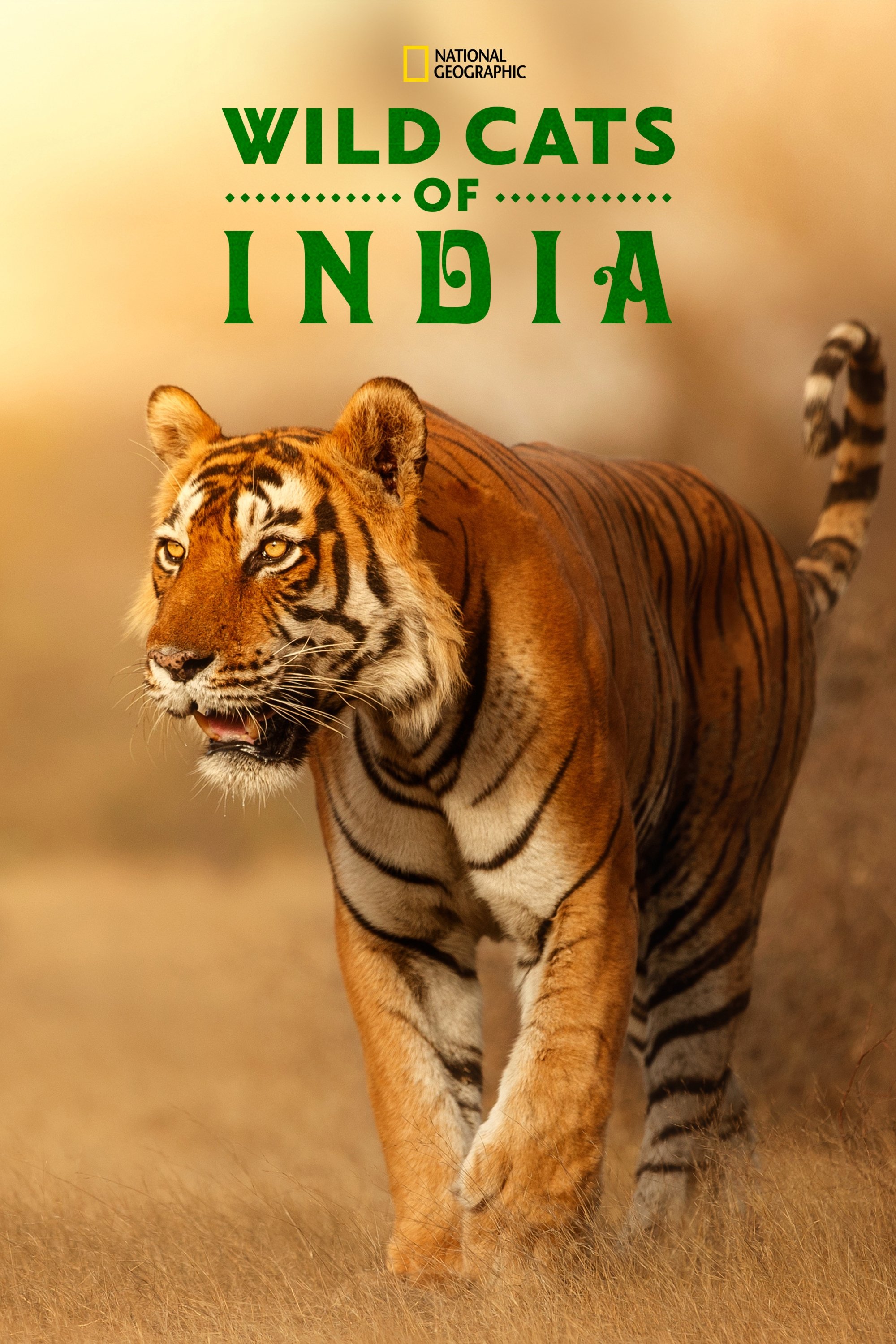
India's wildcats have been symbols of strength & royalty since the ancient times. Despite the reverence they evoke and their own adaptability & prowess, these cats have been pushed to the brink. Yet, they are the last hope for protecting the country's wild spaces. Two years in the making, 'Wild Cats of India' has journeyed across country's contrasting landscapes with an ambition to paint an intimate portrait of the intriguing lives of wildcats.
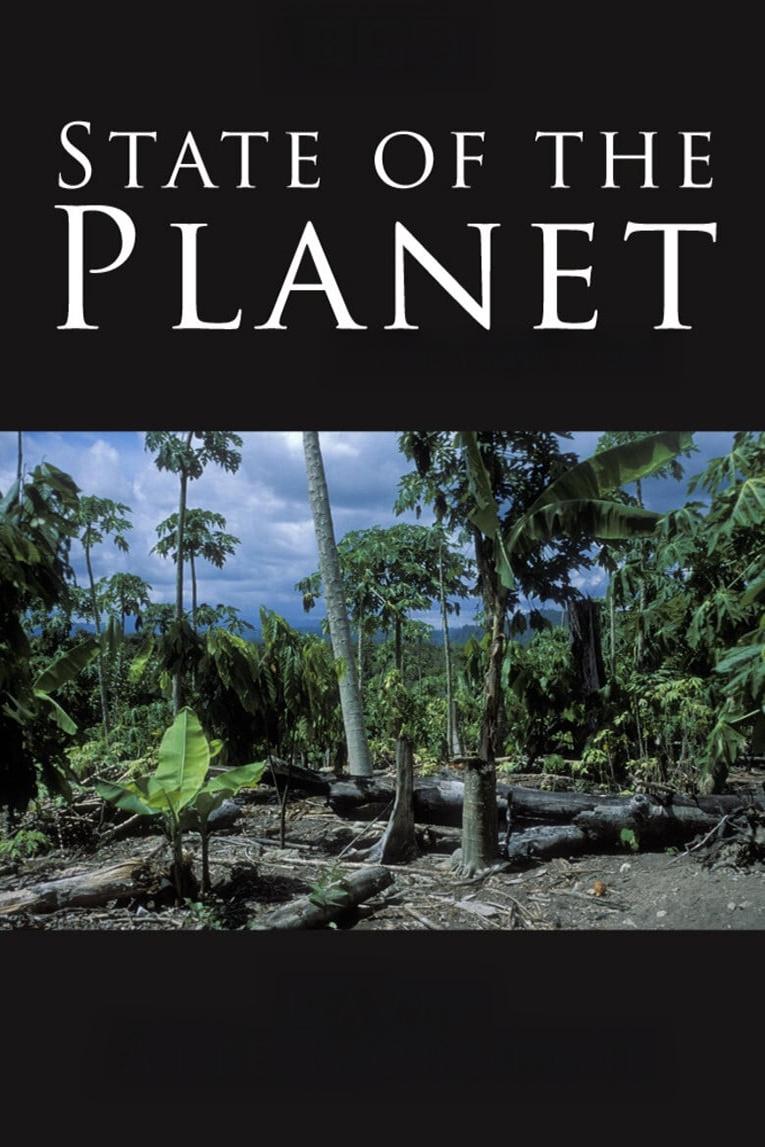
David Attenborough examines the ecological and conservation crises that threaten the world
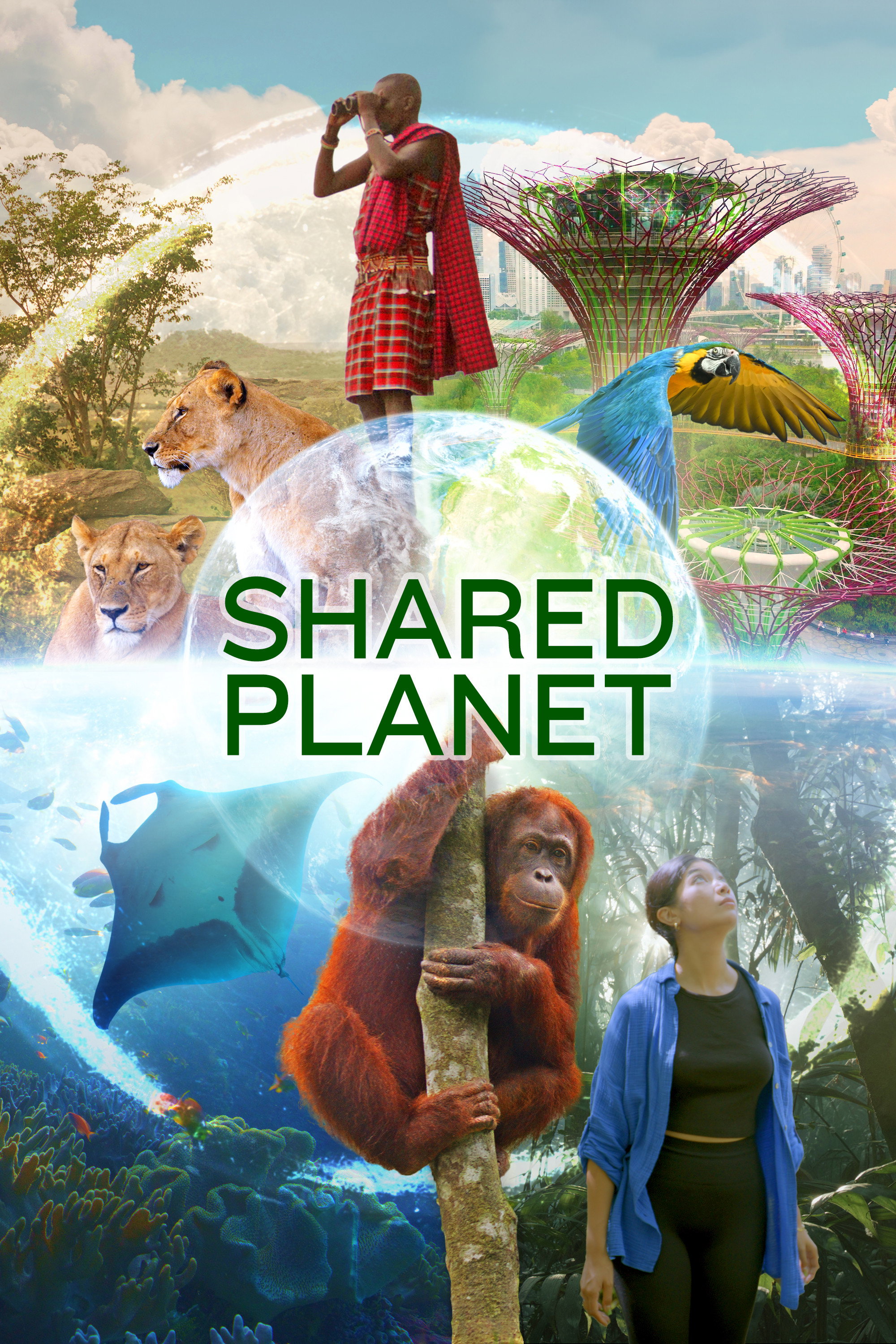
Shared Planet, a four-part documentary series from The Nature of Things, reveals inspiring, untold stories of people and wildlife flourishing - together - all over the world. In our current age of devastating environmental challenges, Shared Planet offers an alternative for our future.
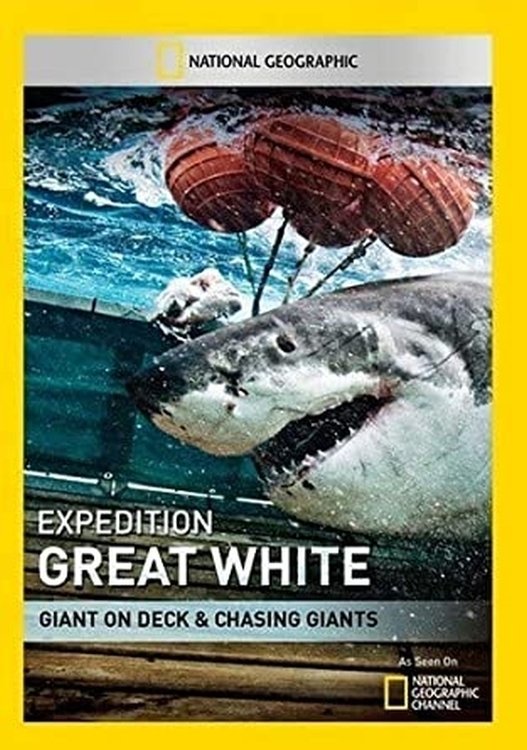
A team of world-class anglers and scientists take on one of the most challenging fish imaginable: the great white shark.
The 17,000 islands that comprise the nation of Indonesia stretch more than 3,000 miles along the equator, bridging Asia and Australasia. Indonesia’s natural habitats vary widely. On some islands, tropical forests climb from steamy lowlands to mountain slopes. On others, parched savannah thrives. Coral reefs line thousands of tranquil atolls, while relentless waves batter rocky cliffs on other shores. In Papua, the mountains reach so high that permanent ice caps top their peaks, surrounded by barren alpine tundra. These wildly ranging habitats are home to an incredible number and diversity of living creatures - this iconic and landmark series is a celebration of Indonesia’s most spectacular locations and incredible wildlife.
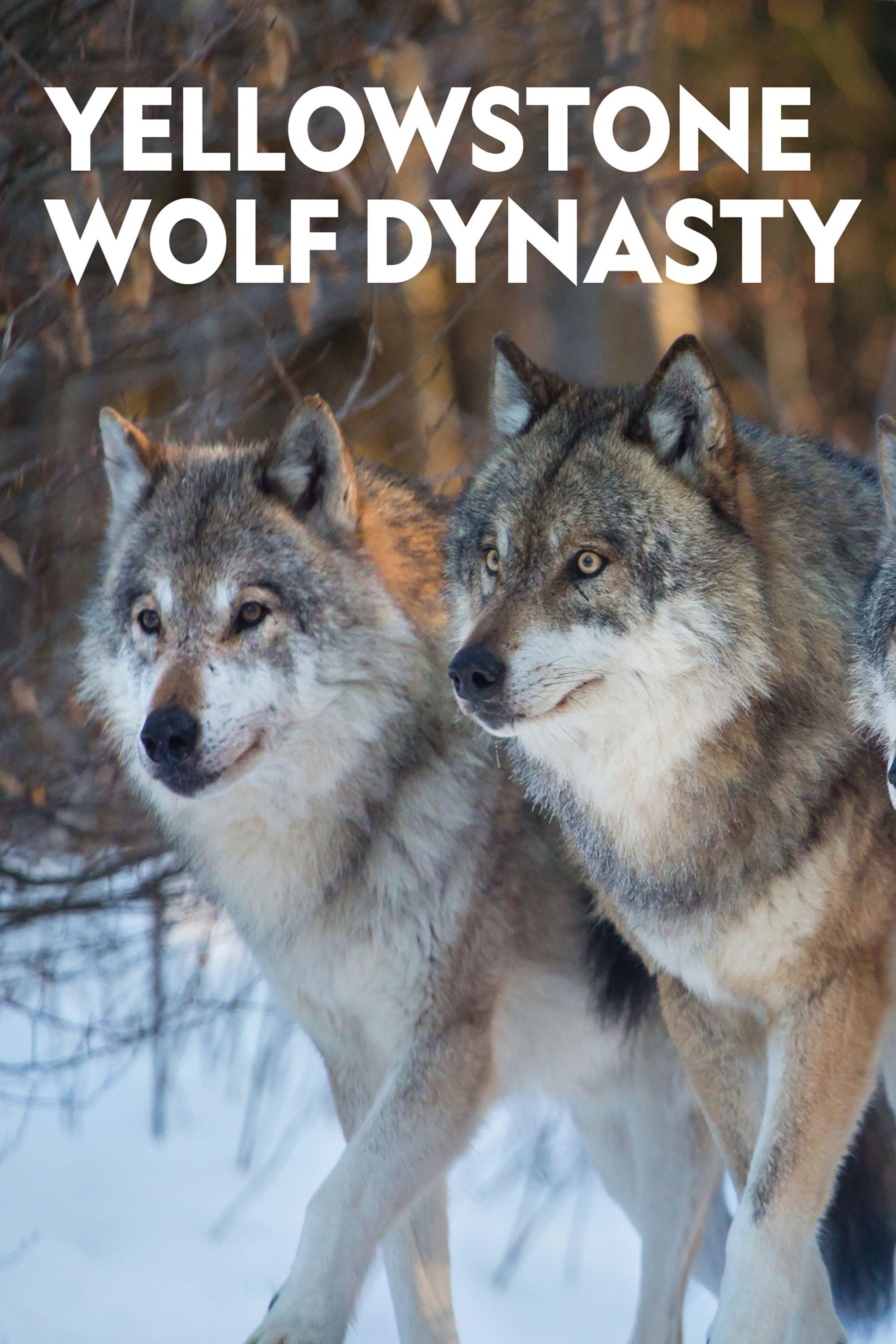
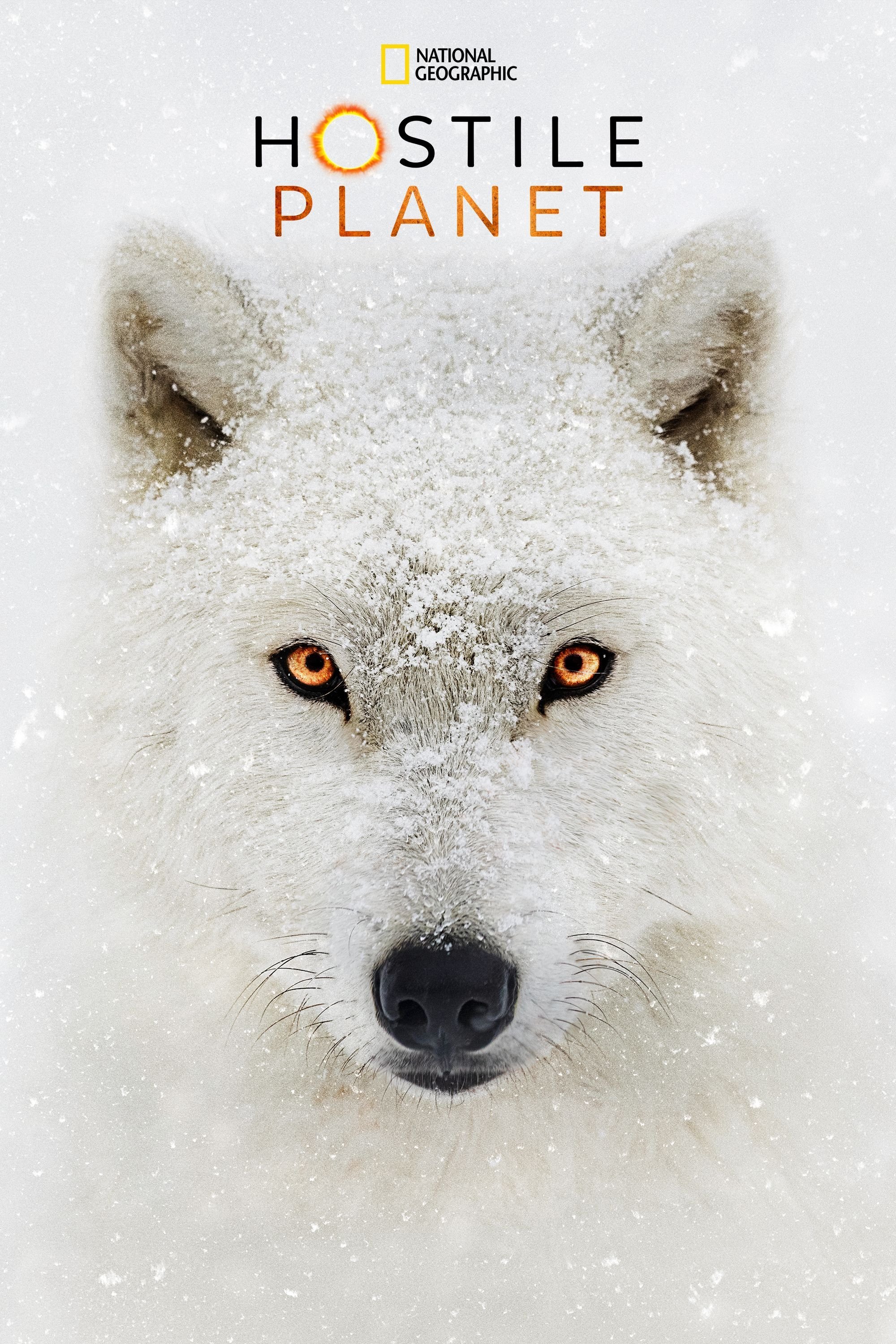
Wolves are reintroduced to Yellowstone National Park in 1995 in a controversial experiment, and no one is capable of predicting what will happen next.
Join narrator Nigel Marven as he discovers the colourful and varied wildlife and culture of Central America.
Documentary series examining community relocations across Canada. The show explores the multi-generational effects of forced upheaval on members of these communities and their descendants. Surviving members of the communities reveal their resilience and devotion to preserving the essential values and the most important legacies of their respective communities and cultures.
Natural World is a nature documentary television series broadcast annually on BBC Two and regarded by the BBC as its flagship natural history brand. It is currently the longest-running series in its genre on British television, with more than 400 episodes broadcast since its inception in 1983. Natural World is produced by the BBC Natural History Unit in Bristol, but individual programmes can be in-house productions, collaborative productions with other broadcasters or films made and distributed by independent production companies and purchased by the BBC. Natural World programmes are often broadcast as PBS Nature episodes in the USA. Since 2008, most Natural World programmes have been shot and broadcast in high definition.
Motoring programme featuring reviews of and reports about cars of all types.
Bear strands himself in popular wilderness destinations where tourists often find themselves lost or in danger.
30 for 30 is the title for a series of documentary films airing on ESPN, its sister networks, and online highlighting interesting people and events in sports history. This currently includes four "volumes" of 30 episodes each, a 13-episode series under the ESPN Films Presents title in 2011–2012, and a series of 30 for 30 Shorts shown through the ESPN.com website. The series has also expanded to include Soccer Stories, which aired in advance of the 2014 FIFA World Cup, and audio podcasts. This entry refers to the main Volumes of the series presented by ESPN
What happened to Mica Miller? This documentary series retraces her promising life, toxic marriage and the mysterious circumstances of her death.
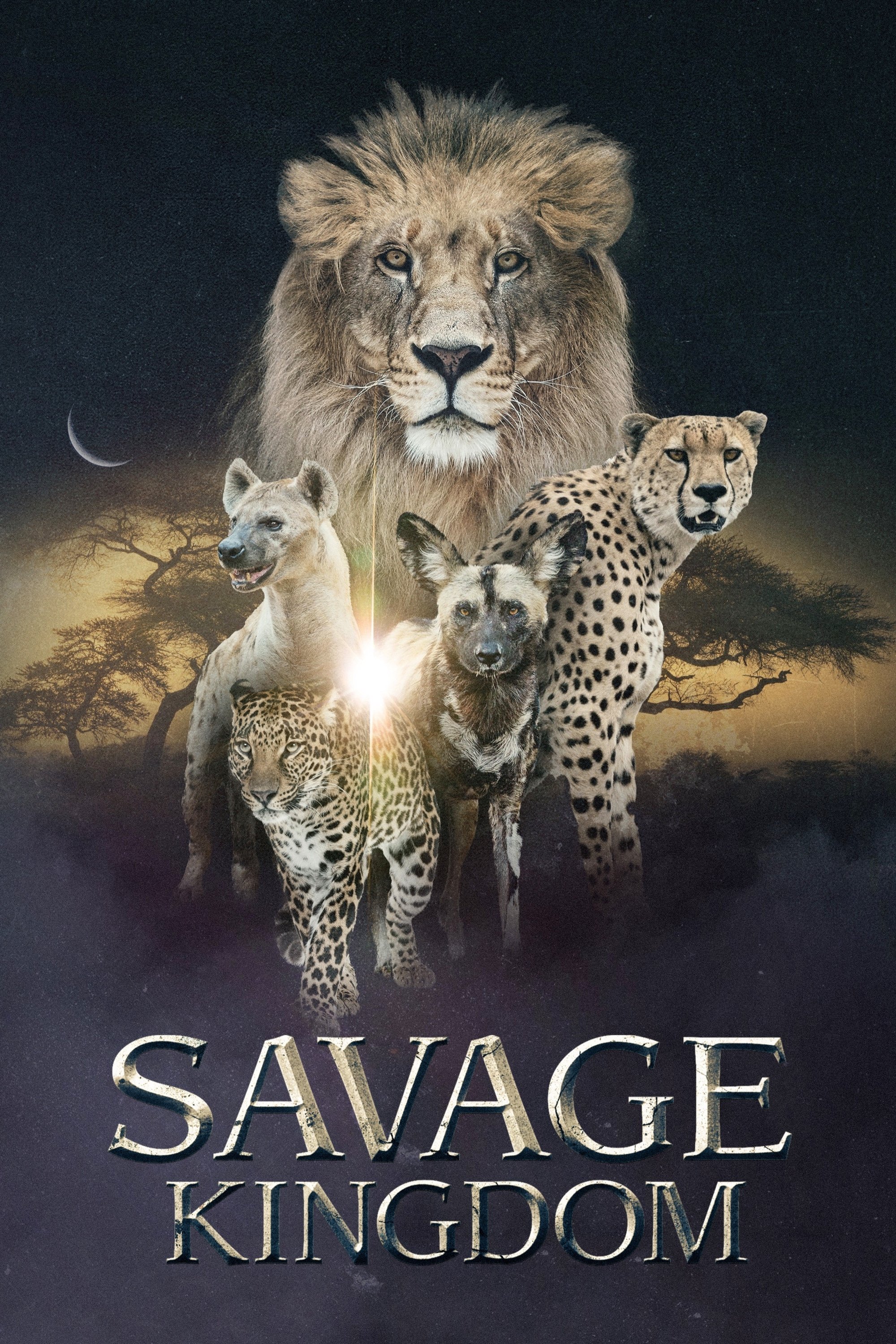
A rare look at warring animal clans battling for survival in a remote region of Africa, which is drying up after years of flood-soaked abundance.
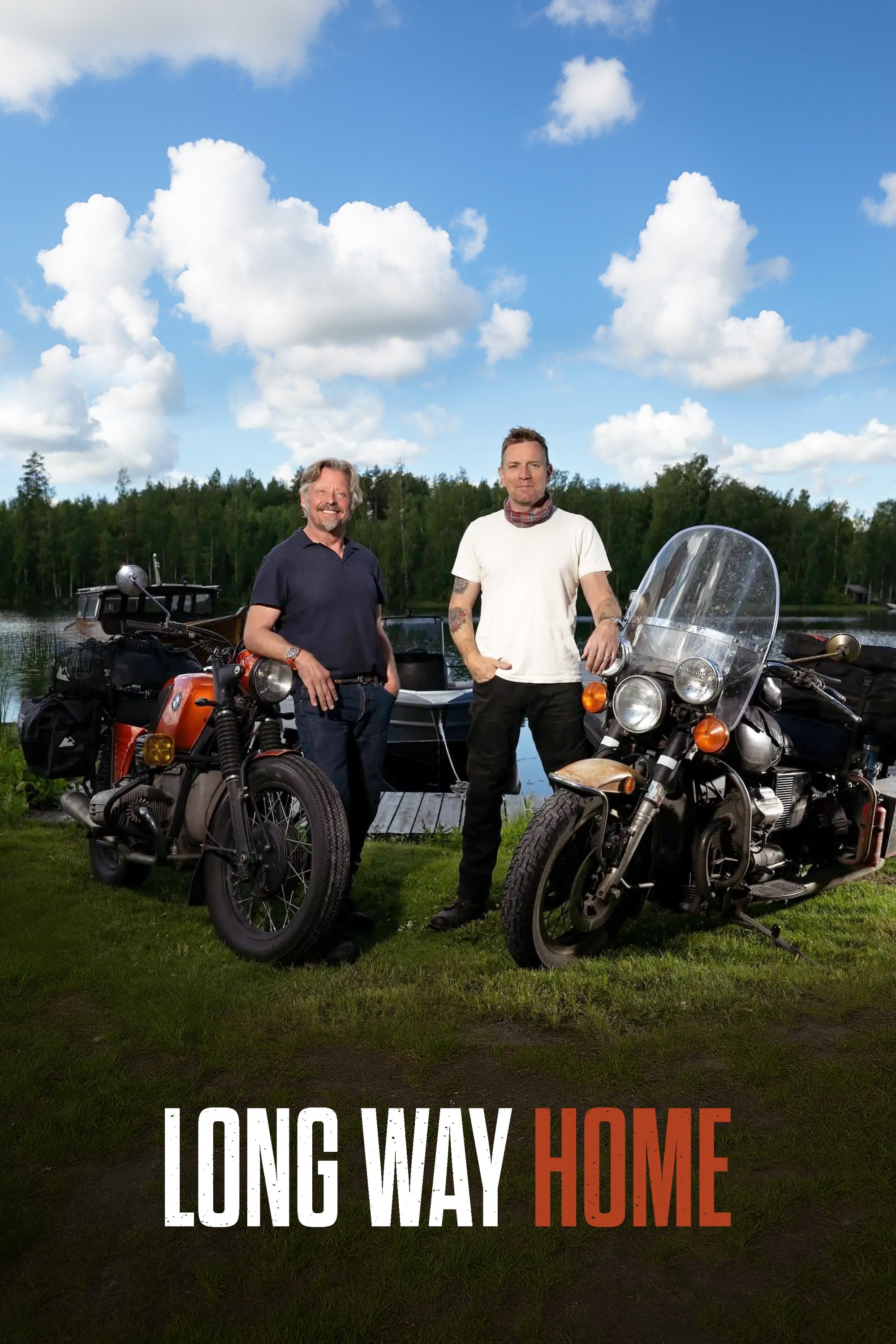
Best friends Ewan McGregor and Charley Boorman gear up for their fourth Long Way series—this time going from Ewan's home in Scotland to Charley's in England. They'll take the scenic route, of course, through 17 European countries on cranky old bikes.
This six part documentary draws attention to the most extraordinary — almost supernatural — accounts of animals that have adapted to the cruelest evolutionary curveballs.
Australian host Steve Irwin and his wife Terri run a wildlife refuge. Their shared passion is educating the world about wildlife, including the much feared crocodile and numerous venomous snakes. Steve's specialty is the capture and relocation of crocodiles. No animal appears too threatening to Steve, his true respect for animals is the foundation for everything he does.
A series of standalone documentaries powered by the unparalleled journalism and insight of The New York Times, bringing viewers close to the essential stories of our time.
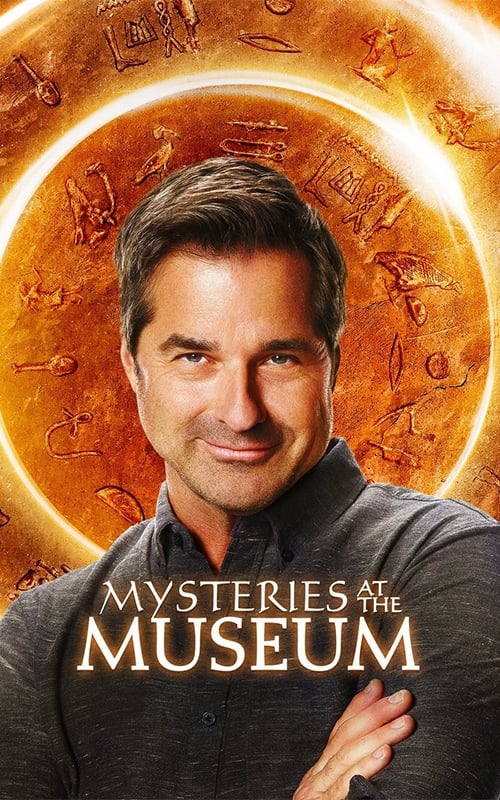
Don Wildman unearths relics from the world's greatest institutions to reveal secrets from the past. He examines each artifact to illuminate history's most incredible triumphs, sensational crimes and bizarre encounters.
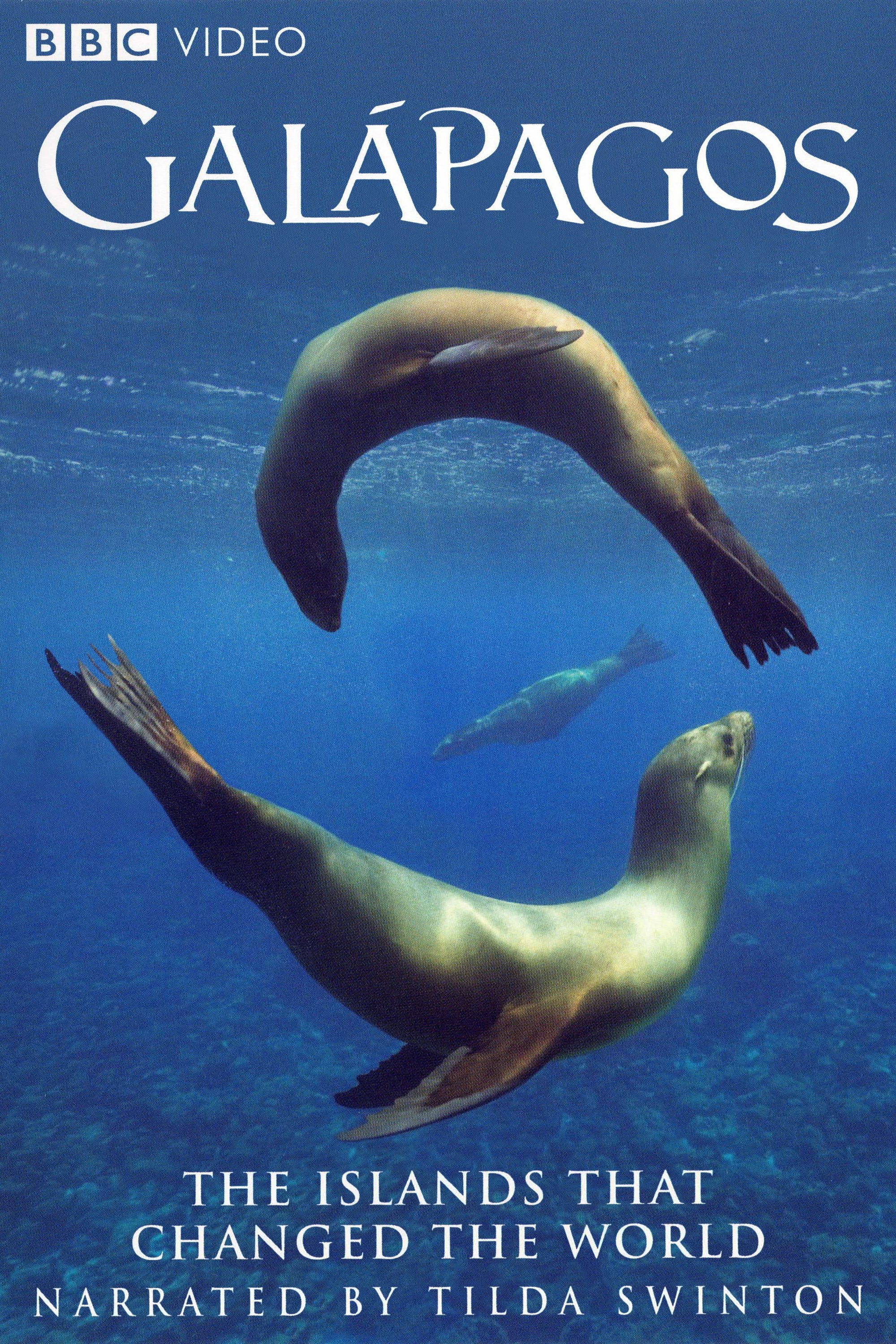
The history of these beautiful Islands from their creation as uprising lava to their being studied by Darwin to their modern day inhabitants.
A celebration of Paul Newman and Joanne Woodward’s iconic careers and decades-long partnership. Director Ethan Hawke brings life and color to this definitive history of their love, lives, and philanthropy.
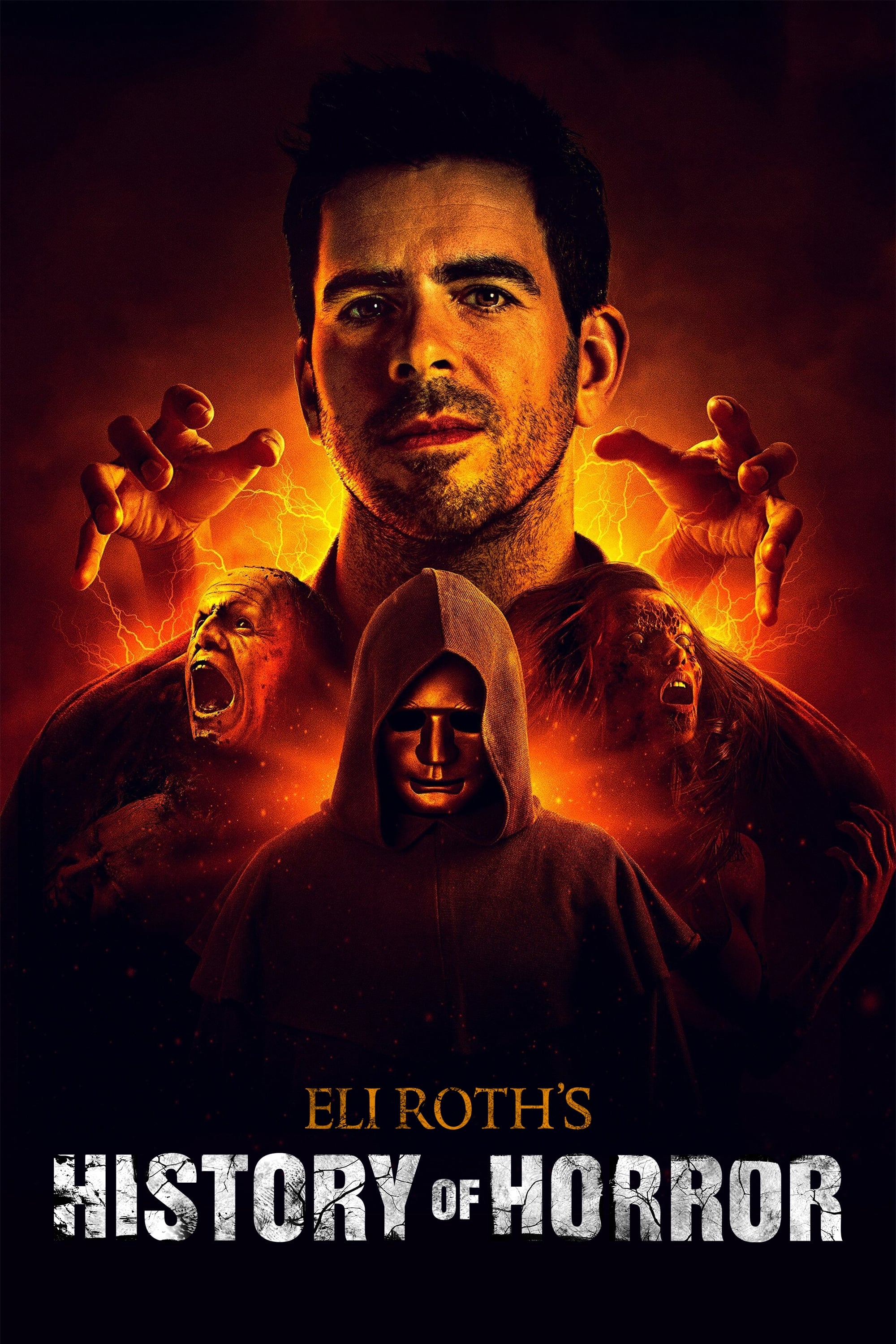
An in-depth look at the history and pop cultural significance of horror films.
Infographics and archival footage deliver bite-size history lessons on scientific breakthroughs, social movements and world-changing discoveries.
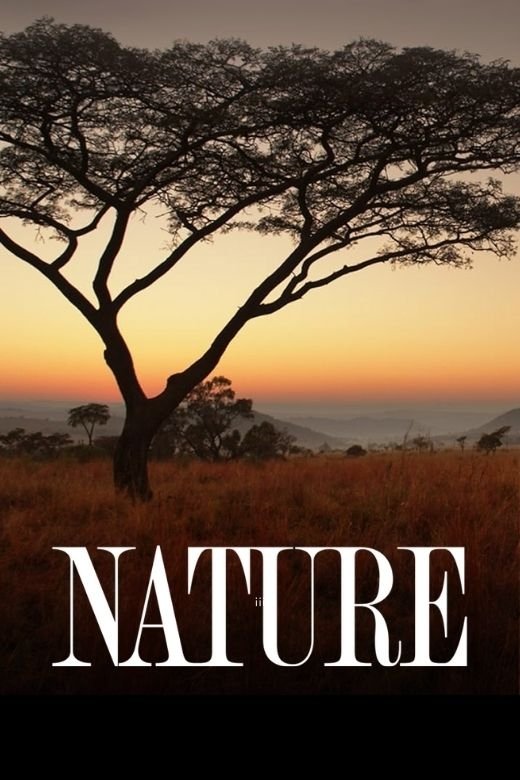
Consistently stunning documentaries transport viewers to far-flung locations ranging from the torrid African plains to the chilly splendours of icy Antarctica. The show's primary focus is on animals and ecosystems around the world. A comic book based on the show, meant to be used an as educational tool for kids, was briefly distributed to museums and schools at no cost in the mid-2000s.
This intimate docuseries follows Arnold Schwarzenegger's multifaceted life and career, from bodybuilding champ to Hollywood icon to politician.
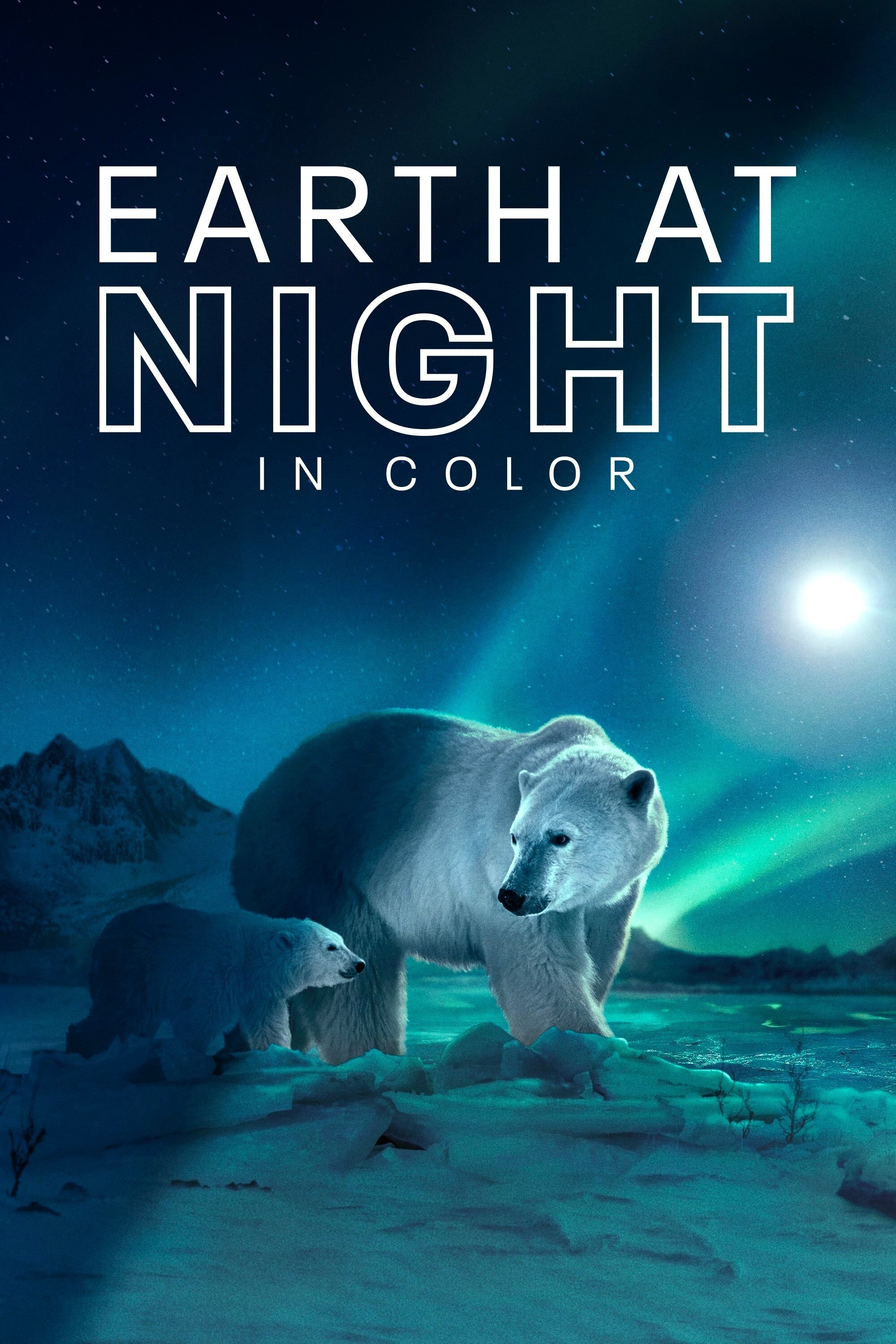
Filmed across six continents, this docuseries uses cutting-edge camera technology to capture animals' nocturnal lives, revealing new behaviours filmed in full color like never before.
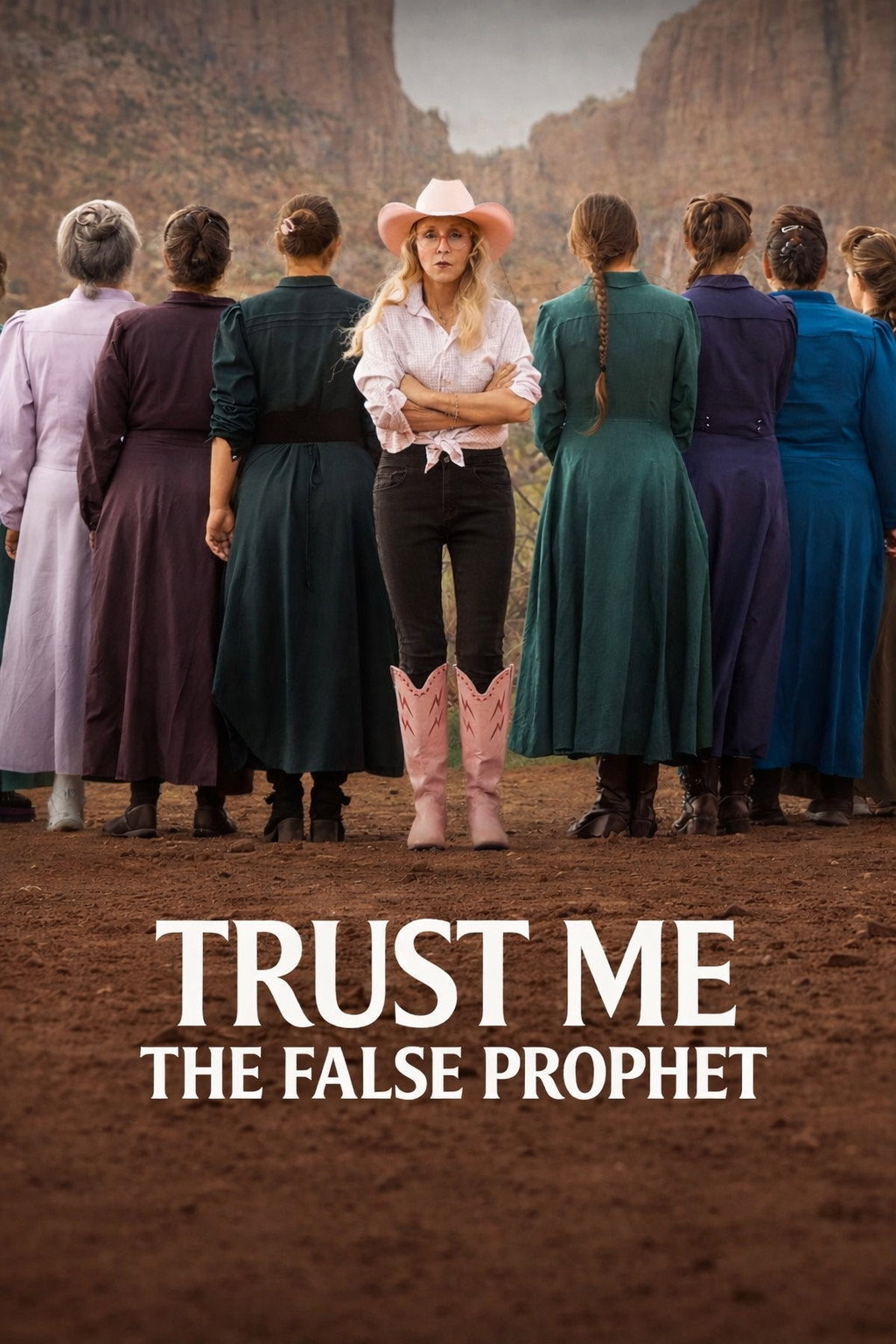
In this true-crime documentary, a cult expert and filmmaker infiltrate a polygamist sect to expose a self-proclaimed prophet and bring him to justice.
Honoring service members whose courage merited the awarding of a Medal of Honor, this docudrama series re-creates their inspiring true stories.