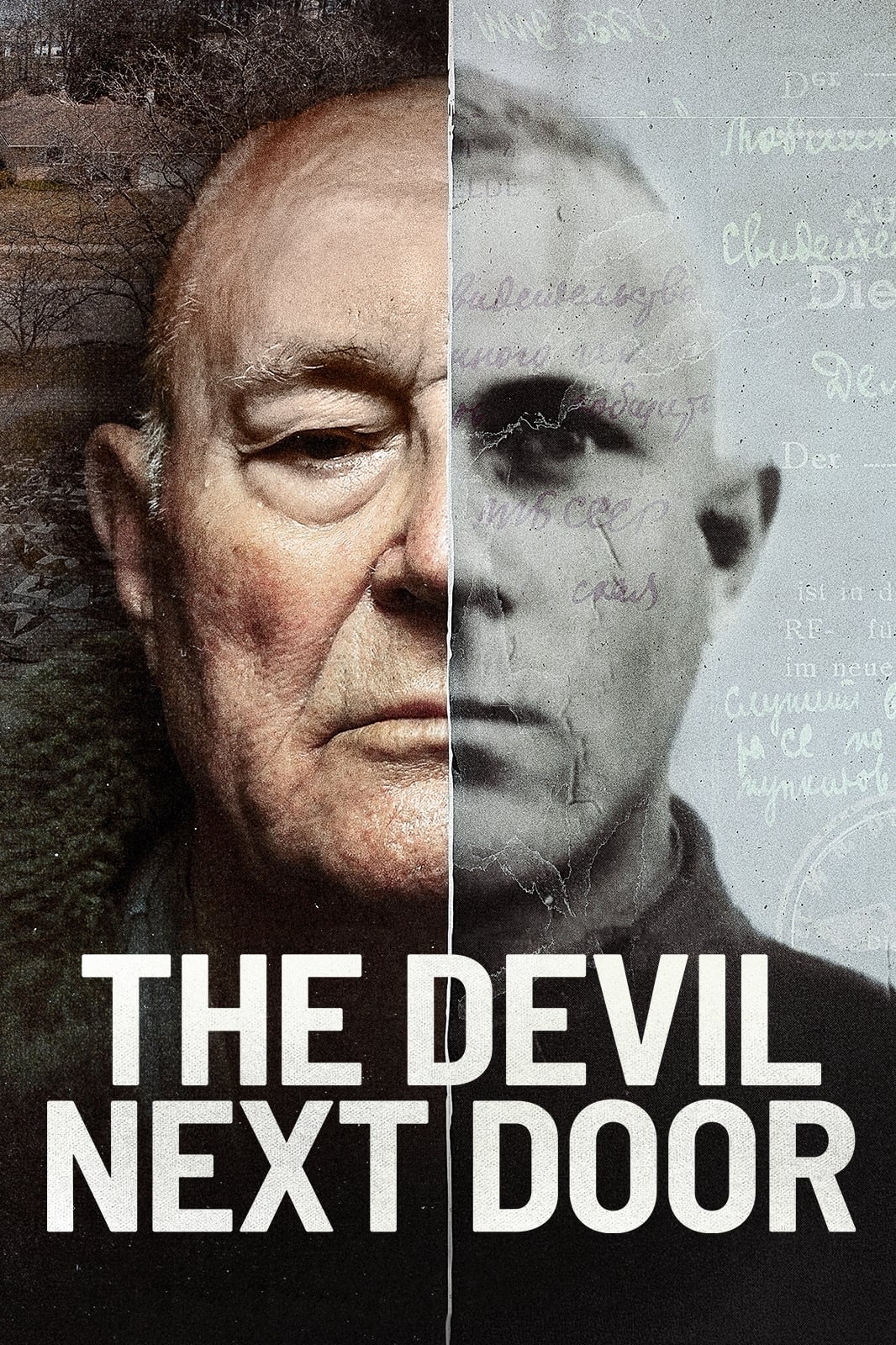
After a terrible winter, 1942 starts badly for Stalin due to a ruthless Nazi campaign that leaves millions of Soviets captive and without food.

Stream
Social & External
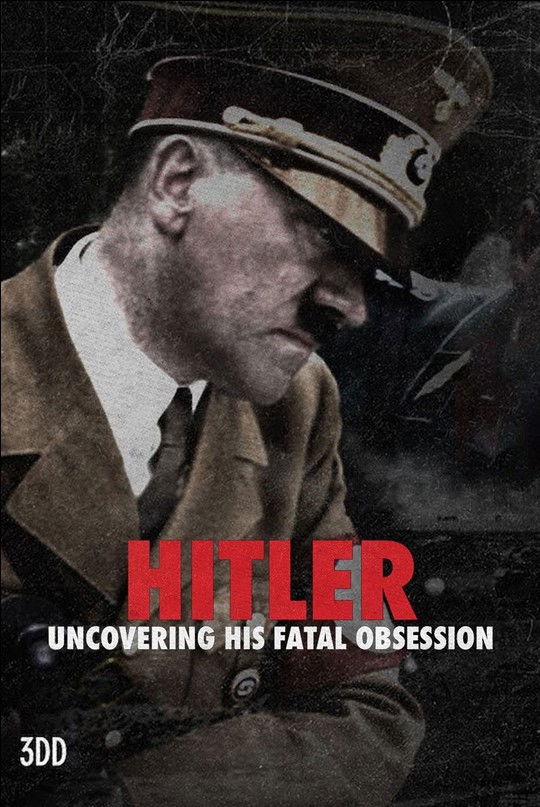
Adolf Hitler pretended to be poor but amassed a huge private fortune. The Führer may have believed he was Jewish. Rigorously fact-checked revelations throw a genuine new light on the Nazi regime.
The story of the biggest seaborne invasion in history, told using a treasure trove of rare and previously unheard recordings of those who lived through it, lip-synched by actors.
The story of Hitler’s war on the Eastern Front – an attempt to liquidate the Russian people and gain living space for his superior Aryan race. It is a conquest that takes the Nazis all the way to the gates of Moscow and back to the heart of Berlin, and culminates in the collapse of the Third Reich. The series reveals the cunning strategy, defensive megastructures and military technology deployed in this devastating war of brutality between giants.
WWII history series following a four-man team as they explore the war zones of the Eastern Front in an effort to excavate and preserve the forgotten battle relics, at the same time discovering the stories of fallen soldiers from their remains.
This 9-episodes documentary series extensively examines the history of Poland in the 20th Century, telling the story through archival films, newsreels, interviews, and readings from novels and poems.
When the war ends in 1945, the Allies and Soviets sweep across former Nazi territory, freeing Europe from the clutches of the Axis. As the threat of the Nazis recedes, it leaves behind artefacts of a dark science geared towards world domination.
The three-part miniseries chronicles the life of Franklin D. Roosevelt, the thirty-second President of the United States.
An original perspective on how and why a generation of men and women living in a European society became the leaders of one of the most terrifying regimes of all time, responsible for 60 million deaths. Visiting the places where elite Nazi leaders grew up and the sites of their worst atrocities, James Ellis, a dedicated young historian, explores the defining moments which transformed everyday Germans into mass murderers.
A three-part insight into an amazing wartime mission in Norway, undertaken in the early 1940s, which was immortalised by the Hollywood movie The Heroes of Telemark.
The assassinations of Nazis, terrorists and Iranian nuclear scientists have given the Mossad a fearsome reputation that has come with a moral cost. For the first time, former spy chiefs and operatives discuss personal and operational challenges, ethical dilemmas, and the personal price they were forced to pay.
Dwight D. Eisenhower, John F. Kennedy, Lyndon B. Johnson, Richard Nixon, Gerald Ford, Jimmy Carter, Ronald Reagan and George H.W. Bush. This is the story of how their war experiences change them, how they emerge from conflict as leaders and how the crucible of war shapes the decisions they make when they reach the White House.
6 June 1944. A titanic fleet launched an assault on the beaches of Normandy. Objective: to liberate Europe from Hitler's yoke. Drawing on the lessons learned from the Dieppe raid in August 1942, the mission was a spectacular success.
The Lost Evidence is a television program on The History Channel which uses three-dimensional landscapes, reconnaissance photos, eyewitness testimony and documents to reevaluate and recreate key battles of World War II.
A documentary series that gives a historical account of the events of World War II, from its roots in the 1920s to the aftermath and the lives it profoundly influenced.
Documentary using recorded figures and statistics to outline the full extent of the conflict, explaining the horrors of war and how it ever came to take place.
The story of the Convoys is a tale of compelling drama, full of bravery and tragedy. It takes us into the lives of hundreds of thousands of unheralded men whose incredible everyday courage, played out in the cruel seas and cold skies of the North Atlantic changed the course of the war.
Submarines today are highly complex machines crammed with technology and weapons. As impressive as their construction is, as terrifying is their destructive power. Hardly any other weapon triggers as many emotions as the submarine. It strikes from ambush and can use nuclear missiles to drag the whole world into the abyss. Submarines originated from a completely non-military idea, namely to be able to view the world under water. But the interest in the military use of submarines soon prevailed.
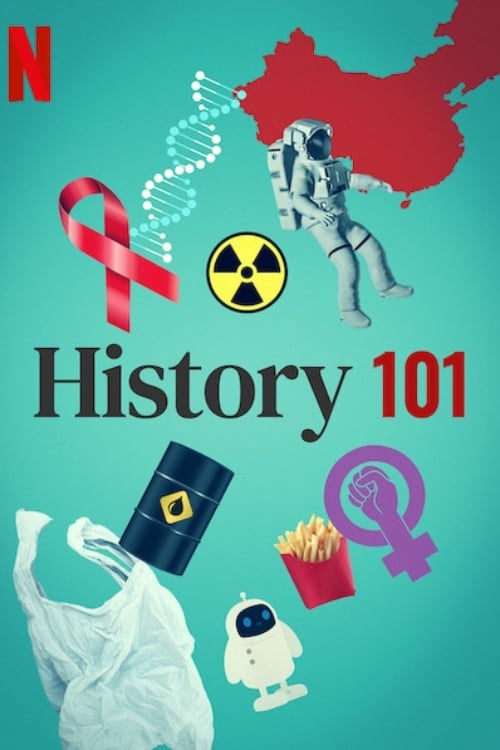
Infographics and archival footage deliver bite-size history lessons on scientific breakthroughs, social movements and world-changing discoveries.
Using highly advanced colourisation techniques, critical moments from World War II, from Stalingrad to The Battle of Britain, are shown in a whole new light.
A series of standalone documentaries powered by the unparalleled journalism and insight of The New York Times, bringing viewers close to the essential stories of our time.
A documentary news series with a taboo-breaking team who deliver incredible news stories from around the world.
The best in the performing arts from across America and around the world including a diverse programming portfolio of classical music, opera, popular song, musical theater, dance, drama, and performance documentaries.
Hybrid docuseries offering an expansive exploration of the exploitative and genocidal aspects of European colonialism, from America to Africa, and its impact on society today.
The story of the Second World War through the personal accounts of a handful of men and women from four American towns. The war touched the lives of every family on every street in every town in America and demonstrated that in extraordinary times, there are no ordinary lives.
This captivating docuseries examines Winston Churchill's pivotal role in World War II and the formative events that made him an ideal leader for the era.
An in-depth look at the history and pop cultural significance of horror films.
The science of living and the randomness of death are combined with a dash of Darwinism. Forensic experts, pathologists, toxicologists, herpetologists, and other experts offer eloquent explanations of mortality.
World War II In Colour is a 13-episode television documentary miniseries recounting the events of World War II narrated by Robert Powell. The show covers the Western Front, Eastern Front, and the Pacific War. It is on syndication in America on the Military Channel. This series is in full color, combining both original and colorized footage.
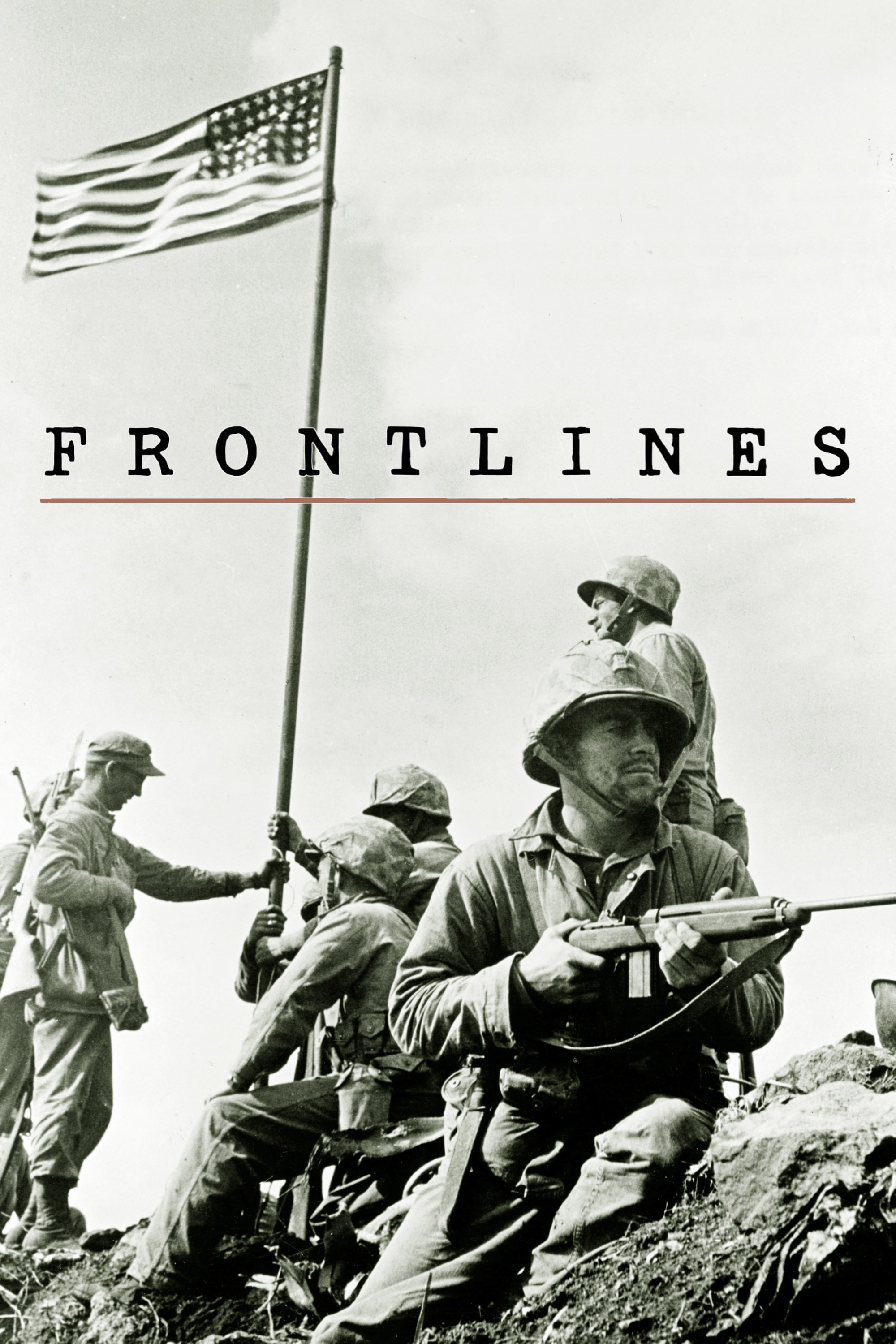
Since it began in 1983, Frontline has been airing public-affairs documentaries that explore a wide scope of the complex human experience. Frontline's goal is to extend the impact of the documentary beyond its initial broadcast by serving as a catalyst for change.
WWII in HD is a 10-part American documentary television miniseries that originally aired from November 15 to November 19, 2009 on the History Channel. The program focuses on the firsthand experiences of twelve American service members during World War II, including an Army nurse, a member of the Tuskegee Airmen, a second generation Japanese American and prisoner of war, and an Austrian Jewish immigrant. The twelve members recorded their time in both theaters and some had later interviews; found footage from the battlefield was paired with the stories of the twelve service members. The episodes premiered on five consecutive days, with two episodes per day. The series is narrated by Gary Sinise and was produced by Lou Reda Productions in Easton, Pennsylvania, United States.
TV's most-watched history series brings to life the compelling stories from our past that inform our understanding of the world today.
20/20 is an American television newsmagazine that has been broadcast on ABC since June 6, 1978. Created by ABC News executive Roone Arledge, the show was designed similarly to CBS's 60 Minutes but focuses more on human interest stories than international and political subjects. The program's name derives from the "20/20" measurement of visual acuity. The hour-long program has been a staple on Friday evenings for much of the time since it moved to that timeslot from Thursdays in September 1987, though special editions of the program occasionally air on other nights.
American Masters is a PBS television series which produces biographies on enduring writers, musicians, visual and performing artists, dramatists, filmmakers, and others who have left an indelible impression on the cultural landscape of the United States.
MegaStructures is a documentary television series appearing on the National Geographic Channel in the United States and the United Kingdom, Channel 5 in the United Kingdom, France 5 in France, and 7mate in Australia. Each episode is an educational look of varying depth into the construction, operation, and staffing of various structures or construction projects, but not ordinary construction products. Generally containing interviews with designers and project managers, it presents the problems of construction and the methodology or techniques used to overcome obstacles. In some cases this involved the development of new materials or products that are now in general use within the construction industry. MegaStructures focuses on constructions that are extreme; in the sense that they are the biggest, tallest, longest, or deepest in the world. Alternatively, a project may appear if it had an element of novelty or are a world first. This type of project is known as a Megaproject.
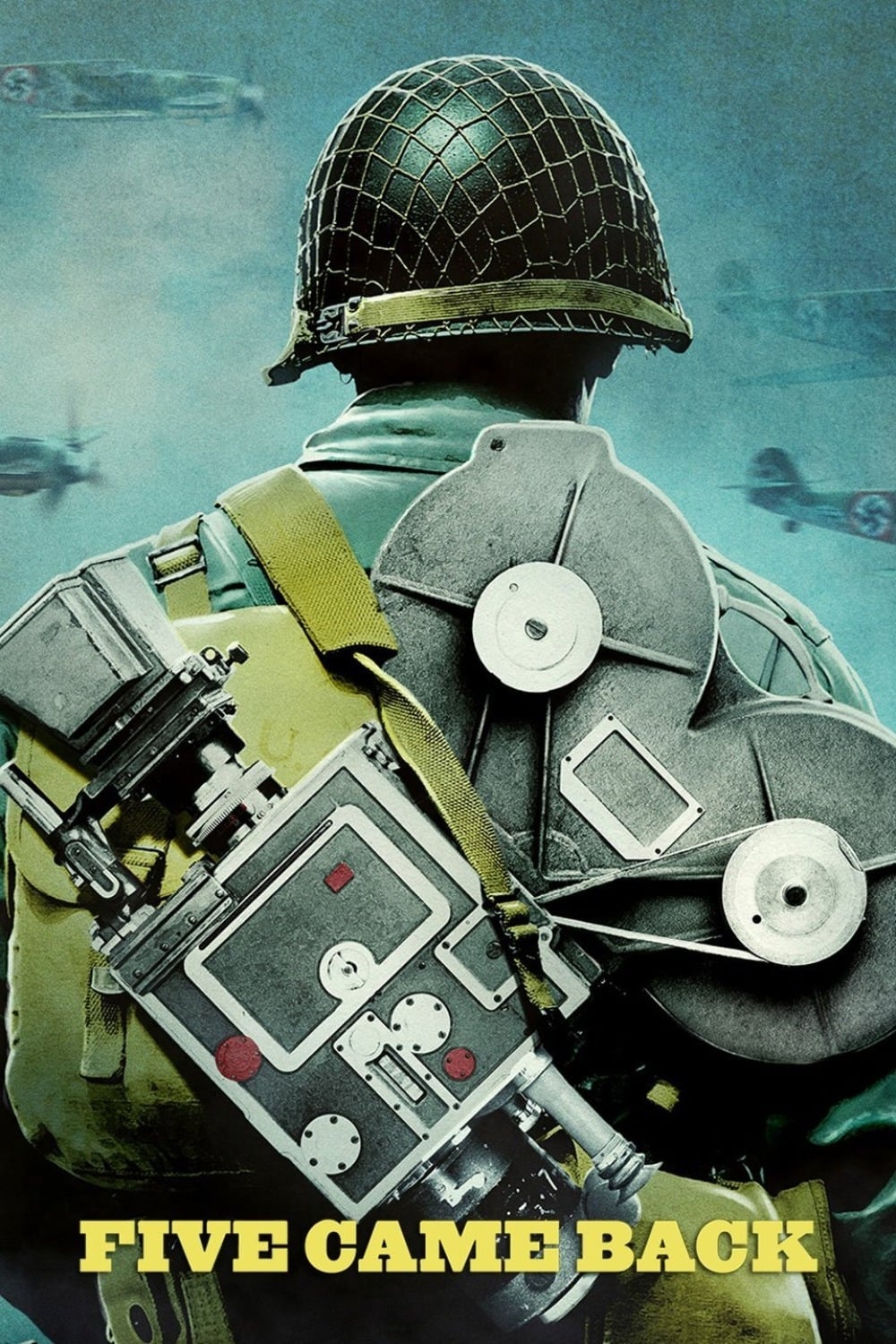
Five acclaimed contemporary directors tell the story of five legendary Hollywood filmmakers who enlisted in the armed forces to document World War II.
A “psychological exposé” into the minds of the most diabolical antagonists in WWE history and their impact on mainstream culture.