Social & External
The people behind it
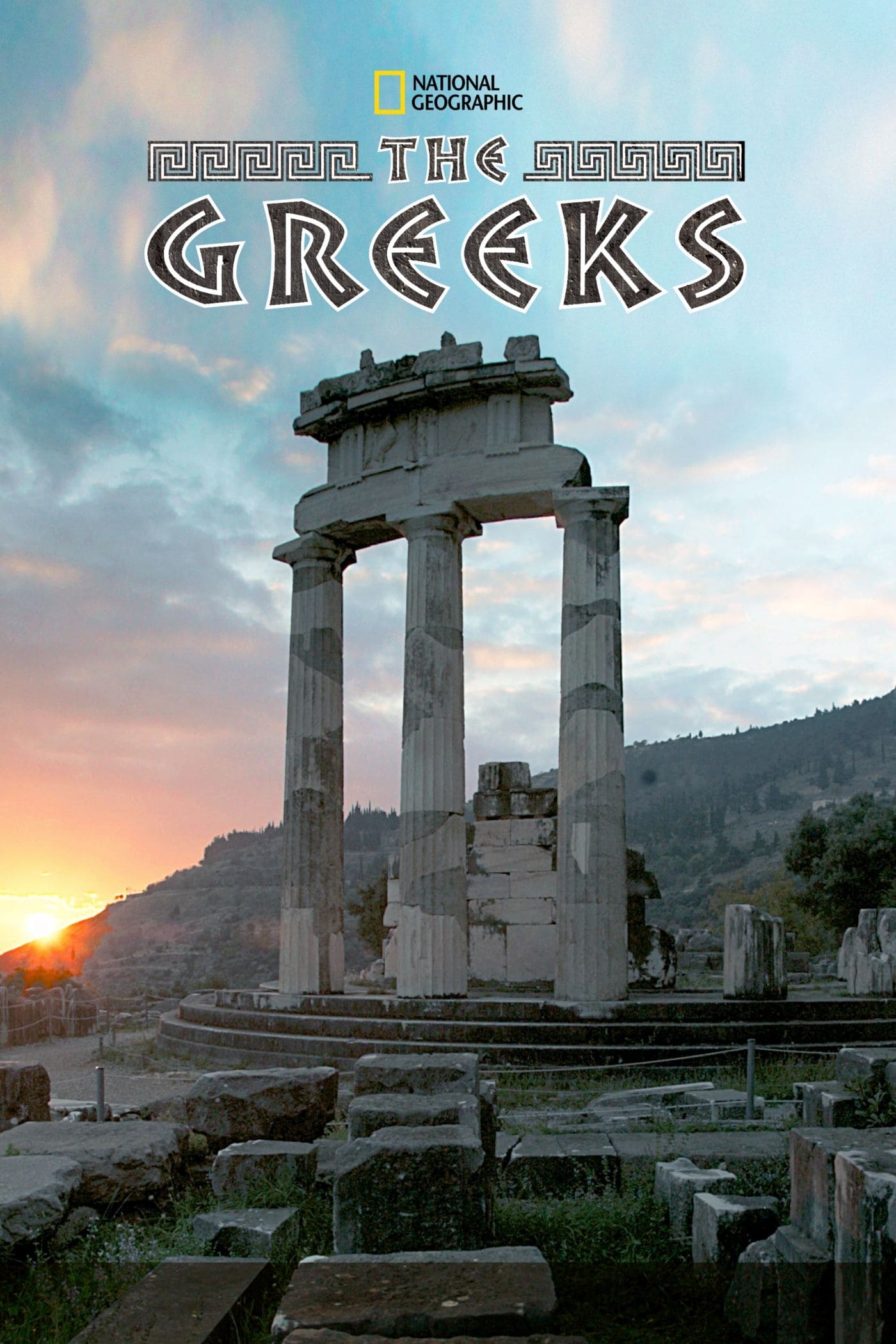
National Geographic's landmark event series, The Greeks, brings together historians, archaeologists, actors, athletes, scientists and artists to launch a groundbreaking exploration into the ancient Greeks' journey - not just to better understand their past, but to discover how their legacy illuminates our present, and will shape our future. The story of the Greeks is the story of us.
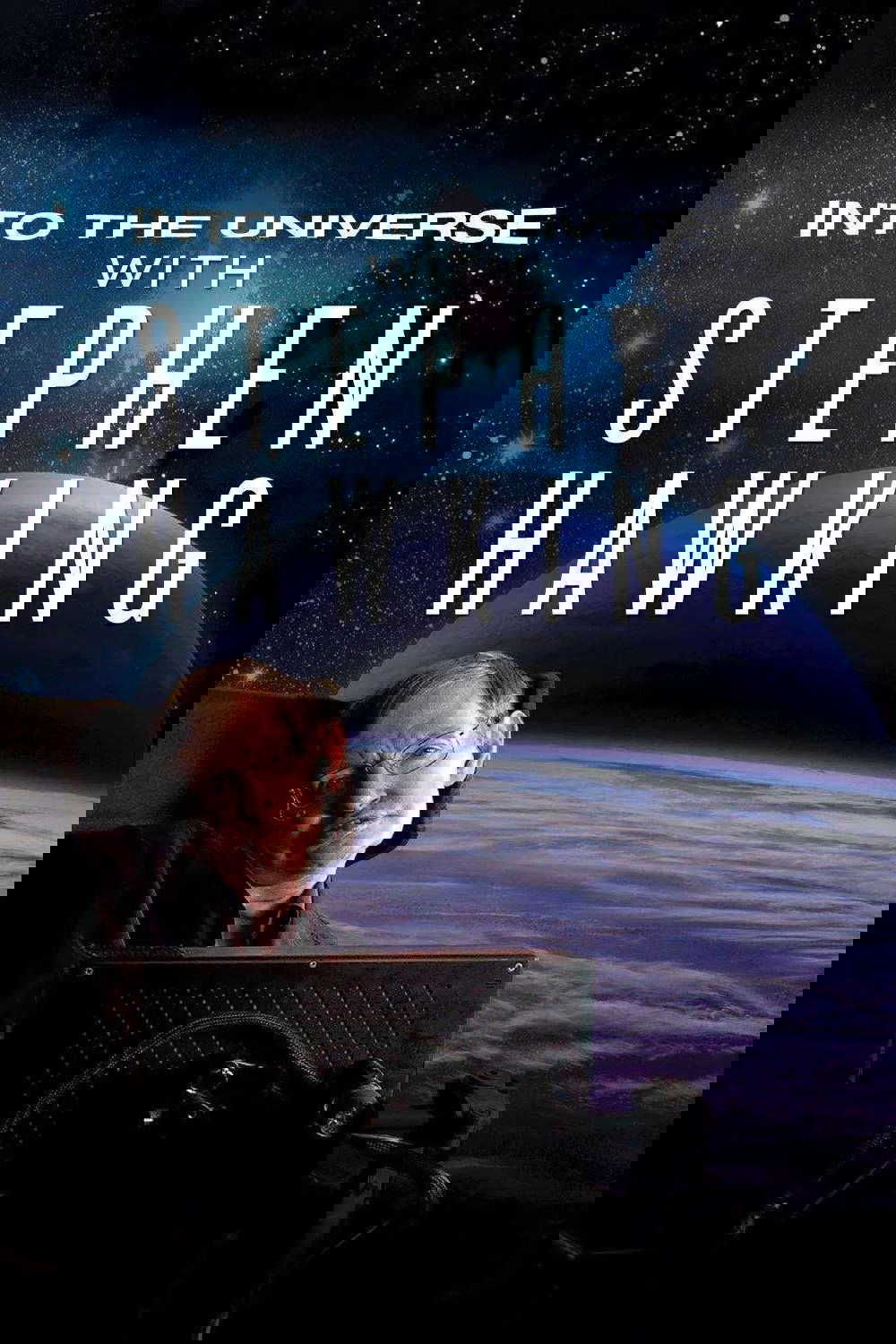
Hawking gives us the ultimate guide to the universe, a ripping yarn based on real science, spanning the whole of space and time -- from the nature of the universe itself, to the chances of alien life, and the real possibility of time travel.
From the planets to the stars and out to the edge of the unknown, history and science collide in a wondrous yet deadly adventure through space and time.
What would we be without mucus? Can we live on water? How much does life weigh? Finding out the answers is the aim of ARTE's new science show. In a nod to Douglas Adams's "Hitchhiker's Guide to the Galaxy", where the figure 42 is the ultimate answer to all questions, 42 tries to provide the answers.
Horizon tells amazing science stories, unravels mysteries and reveals worlds you've never seen before.
Join Stephen Hawking and other renowned thinkers as they explore the revolutionary new ideas that have evolved since the publication of his blockbuster book. Besides interviews, this stimulating documentary uses computer graphics and simple, easy-to-understand demonstrations to explain complex concepts. Topics include black holes, string theory, supersymmetry, dimensions beyond our perception, and the mysterious M force; all potential keys to unlocking the elusive "theory of everything" that seems so tantalizingly close.
An epic adventure that aims to unravel the mystery at the heart of our existence: the questions of our identity and our destiny. The series features some of the world’s most baffling real life stories and exciting findings in the fields of consciousness studies, near-death experiences and past-life memories. Adventurous researchers following the evidence where it leads them have discovered that the lines of evidence converge to a conclusion that is refreshingly new – yet perennially known.
Stefan Molyneux, host of Freedomain Radio, travels to California to explore all of the political, economic, moral and demographic complexities of the Golden State. What he learned astounded him—what he shows you will shock you…
Archaeologist and historian Richard Miles traces the development of Western civilization, from the first cities in Mesopotamia to the fall of the Roman Empire. In this six-part series, Miles travels through the Middle East, Egypt, Pakistan and the Mediterranean to discover how the challenges of society -- religion and politics, art and culture, war and diplomacy, technology and trade -- were dealt with and fought over in order to maintain a functioning civilization. Stories are told of disappeared, ruined and modern cities, from ancient Iraq to modern Damascus, to reveal how successes and failures of the ancients shaped the world today.
Polish-Flemish philosopher Alicja Gescinska interviews national and international personalities with diverse philosophical and religious backgrounds.
Tutored by Aristotle, helpless witness to his father's assassination, and a brilliant, pioneering tactician, Alexander the Great had conquered the known world--and sealed his legacy as one of history's most remarkable rulers--by the age of 25. In the year 334 B.C., 20-year-old King Alexander of Macedonia decided to bring the farthest reaches of the world under one domain. Over the next 12 years, he led a grand army across more than 20,000 miles and eventually brought all of Asia under his control, only to perish from battle wounds at the age of 32. Incorporating dramatic onsite reenactments with high-end computer graphics and the expertise of renowned scholars, THE TRUE STORY OF ALEXANDER THE GREAT is a special presentation from THE HISTORY CHANNEL®, examining the life and career of this military genius, impassioned lover, and fearless leader.
Brian Greene is going to let you in on a secret: We've all been deceived. Our perceptions of time and space have led us astray. Much of what we thought we knew about our universe-that the past has already happened and the future is yet to be, that space is just an empty void, that our universe is the only universe that exists-just might be wrong.
Professor Brian Cox and Dara O Briain are at Jodrell Bank Observatory, and joined by special guests to bring you the latest news and the best views of the night sky.
Alain de Botton's psychobabble-free self-help course for the philosophically minded.
Series of programmes about psychology, in which Jonathan Miller talks to eminent psychologists about their theories and beliefs.
David Malone’s 3-part series takes a fresh look at how the universe was formed, from a scientific and theological point of view. TESTING GOD re-examines the relationship between science and religion and asks: is science’s claim to victory premature?
Explores every aspect of Sparta's culture, lifestyle, history and legacy. Author Steven Pressfield reflects on the significance of the Battle of Thermopylae, where a force led by 300 Spartan warriors stalled the advance of a hundred-thousand-plus strong Persian army for nearly a week. Scholars explore the factors that drove the Peloponnesian city-state to strive for martial excellence. Ancient accounts explain how Sparta's warriors were trained and detail their prowess in battle.
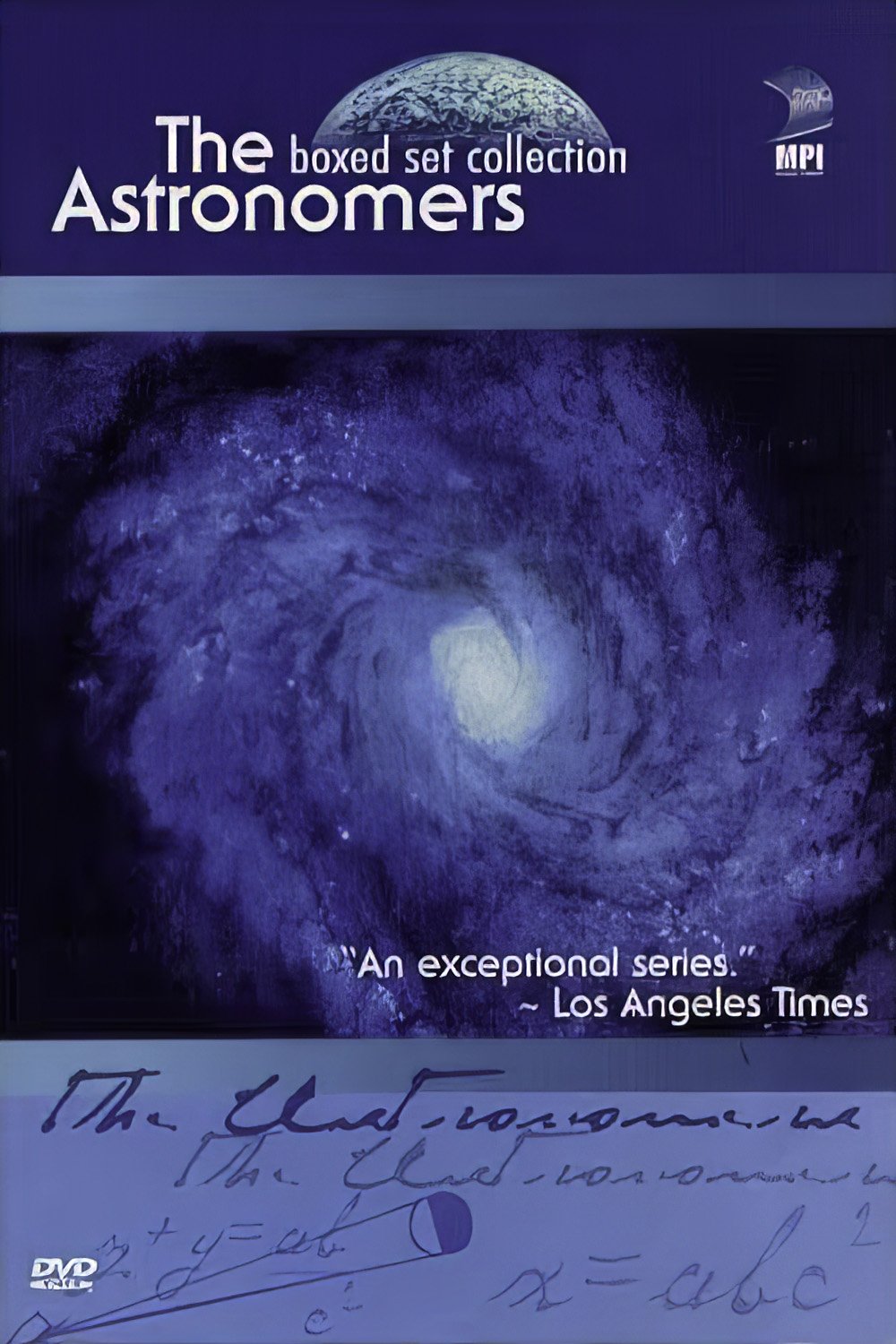
This series explores the lives and work of noted modern-day astronomers, taking the viewer into the farthest reaches of outer space in search of black holes, quasars, dark matter, gravity waves, stars and evidence of planets outside our solar system. Intriguing celestial phenomena are examined from the perspectives of the experts: the men and women that are uncovering the secrets of the cosmos. Further, the series focuses not only on professional achievements, but on the scientists' personal lives as well.
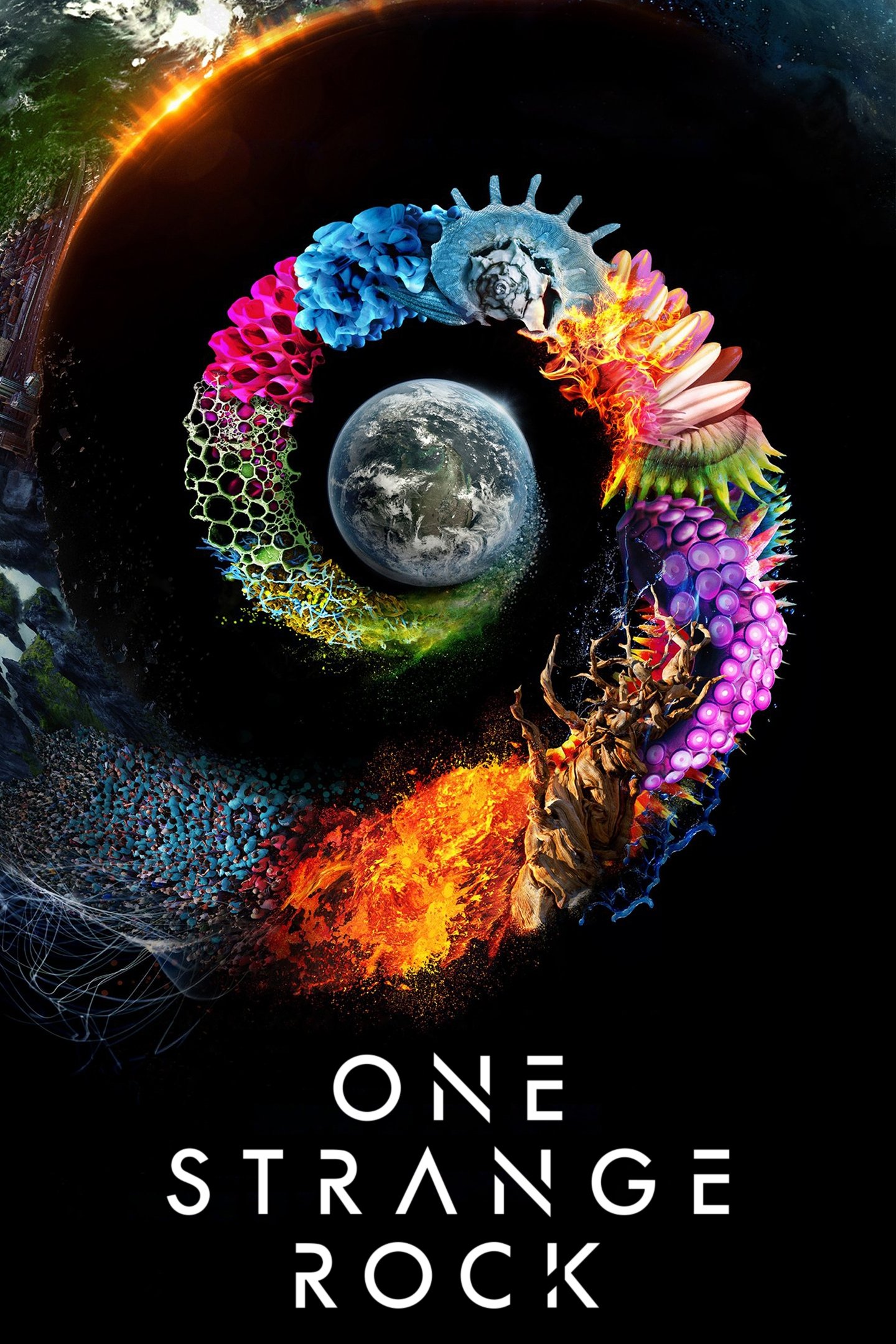
A mind-bending, thrilling journey exploring the fragility and wonder of planet Earth, one of the most peculiar, unique places in the entire universe, brought to life by the only people to have left it behind – the world’s most well known and leading astronauts.
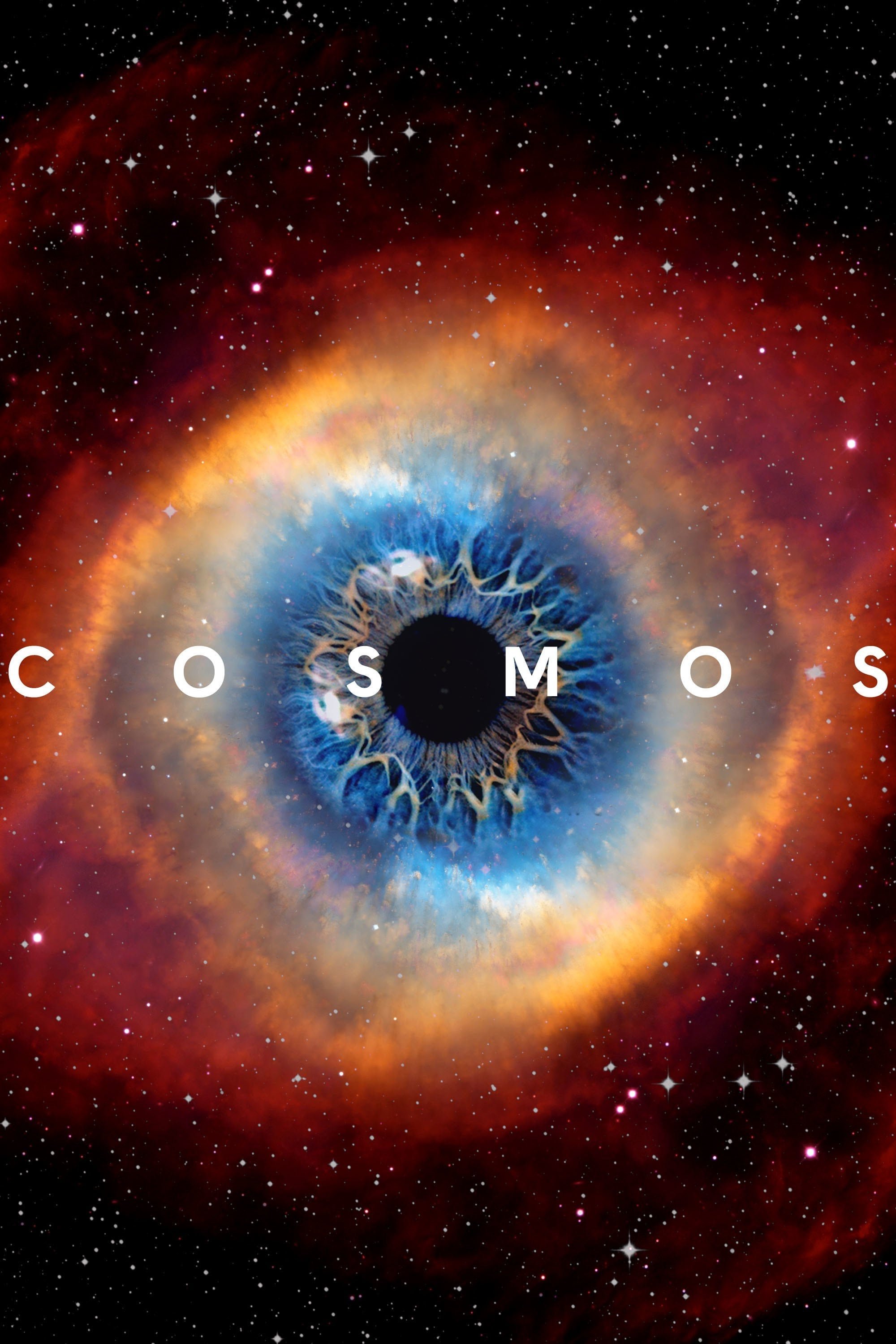
Famed astrophysicist Neil deGrasse Tyson provides clarity for the vision of the cosmos as he voyages across the universe with never-before-told stories that delve into the scientific concepts of the laws of gravity and the origins of space and time.
A users' guide to the cosmos, from the Big Bang to galaxies, stars, planets and moons: where did it all come from and how does it all fit together? A primer for anyone who has ever looked up at the night sky and wondered.
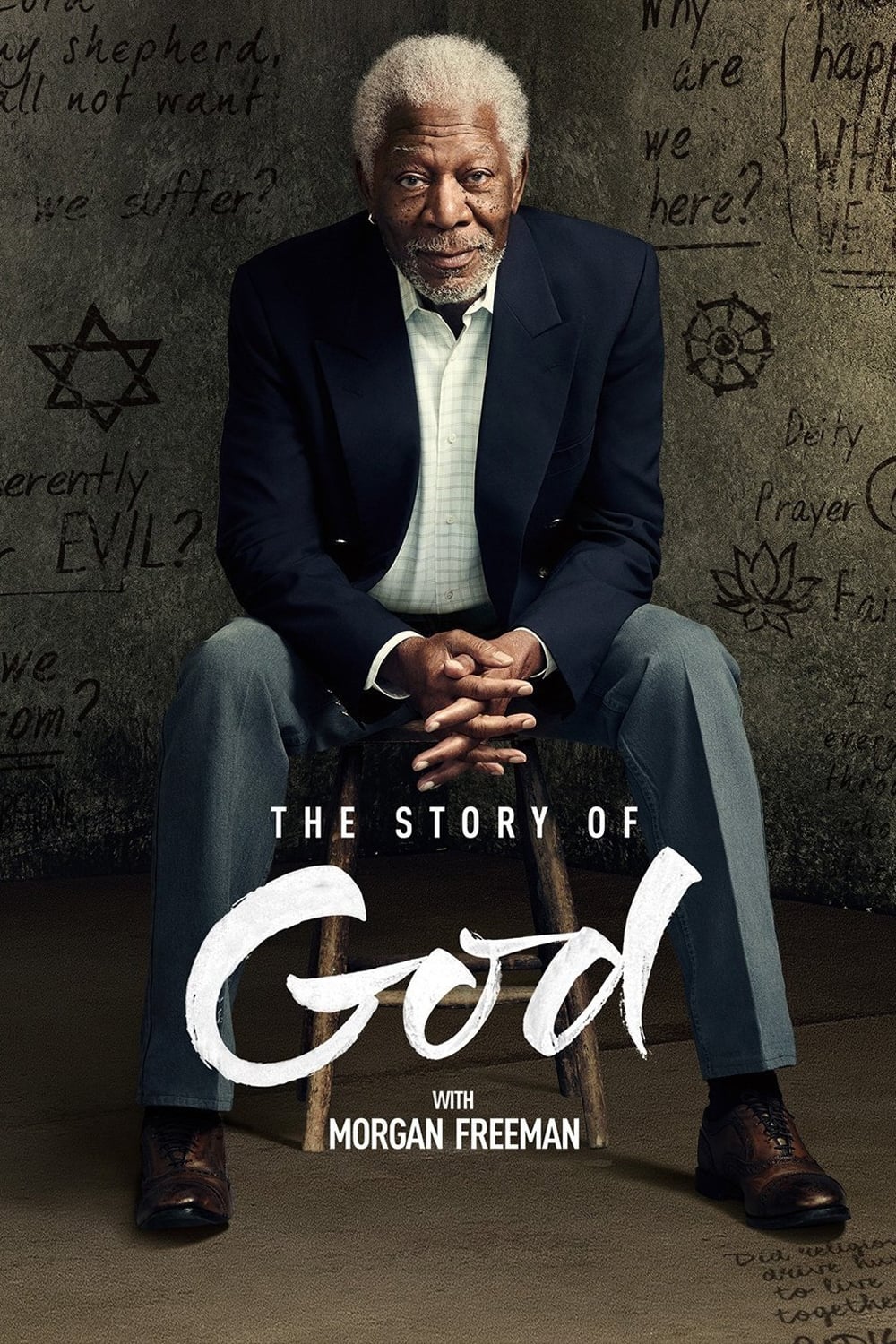
Morgan Freeman presents his quest in order to find how most religions perceive life after death, what different civilizations thought about the act of creation and other big questions that mankind has continuously asked.
An insider's look at the engineering and scientific miracles behind the things that form the modern world.
From the first dinosaurs to the last, this epic documentary series examines their 165 million years on Earth and the forces that shaped their evolution.
Experience the wonders of our world like never before in this epic series from Jon Favreau and the producers of Planet Earth. Travel back 66 million years to when majestic dinosaurs and extraordinary creatures roamed the lands, seas, and skies.
A cinematic experience bringing you the most amazing human stories in the world. Humans and wildlife surviving in the most extreme environments on Earth.
PBS' premier science series helps viewers of all ages explore the science behind the headlines. Along the way, NOVA demystifies science and technology, and highlights the people involved in scientific pursuits.
Consistently stunning documentaries transport viewers to far-flung locations ranging from the torrid African plains to the chilly splendours of icy Antarctica. The show's primary focus is on animals and ecosystems around the world. A comic book based on the show, meant to be used an as educational tool for kids, was briefly distributed to museums and schools at no cost in the mid-2000s.
Journeying to the far reaches of our planet, this eight part series follows some of the world's most amazing species, telling extraordinary stories that are dramatic, thrilling, funny and sometimes heart-breaking, but always full of hope.
Award-winning actor and nervous explorer Eugene Levy steps out of his comfort zone for a whirlwind tour of the world's most beautiful and intriguing destinations.
Filmed across six continents, this docuseries uses cutting-edge camera technology to capture animals' nocturnal lives, revealing new behaviours filmed in full color like never before.
Natural World is a nature documentary television series broadcast annually on BBC Two and regarded by the BBC as its flagship natural history brand. It is currently the longest-running series in its genre on British television, with more than 400 episodes broadcast since its inception in 1983. Natural World is produced by the BBC Natural History Unit in Bristol, but individual programmes can be in-house productions, collaborative productions with other broadcasters or films made and distributed by independent production companies and purchased by the BBC. Natural World programmes are often broadcast as PBS Nature episodes in the USA. Since 2008, most Natural World programmes have been shot and broadcast in high definition.
Meet culinary stars around the world who are redefining gourmet food with innovative dishes and tantalizing desserts.
Life's extraordinary journey to conquer, adapt and survive on Earth across billions of years comes alive in this groundbreaking nature docuseries.
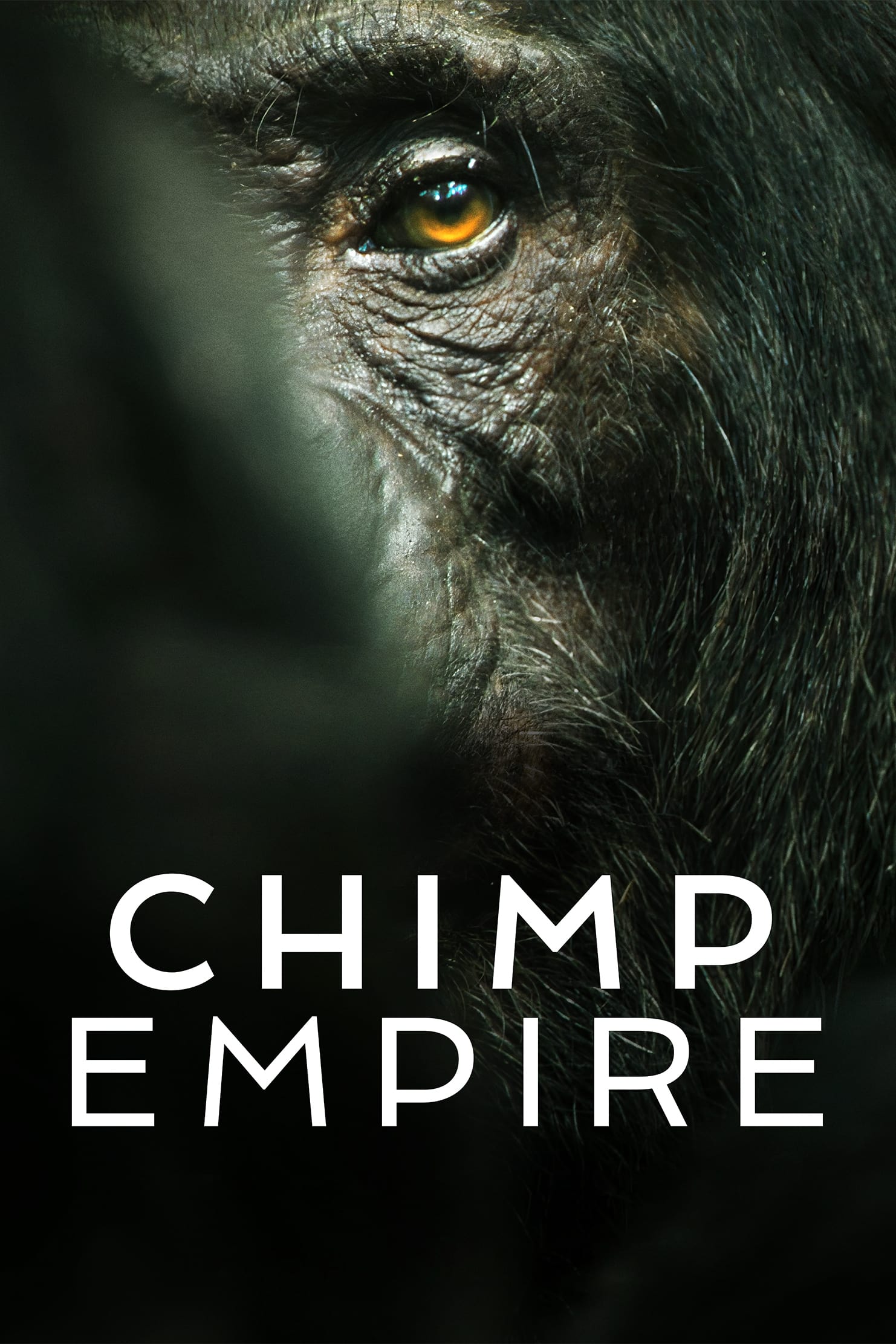
A vast community of chimpanzees thrives in a forest in Uganda, navigating complex social politics, family dynamics and dangerous territory disputes.
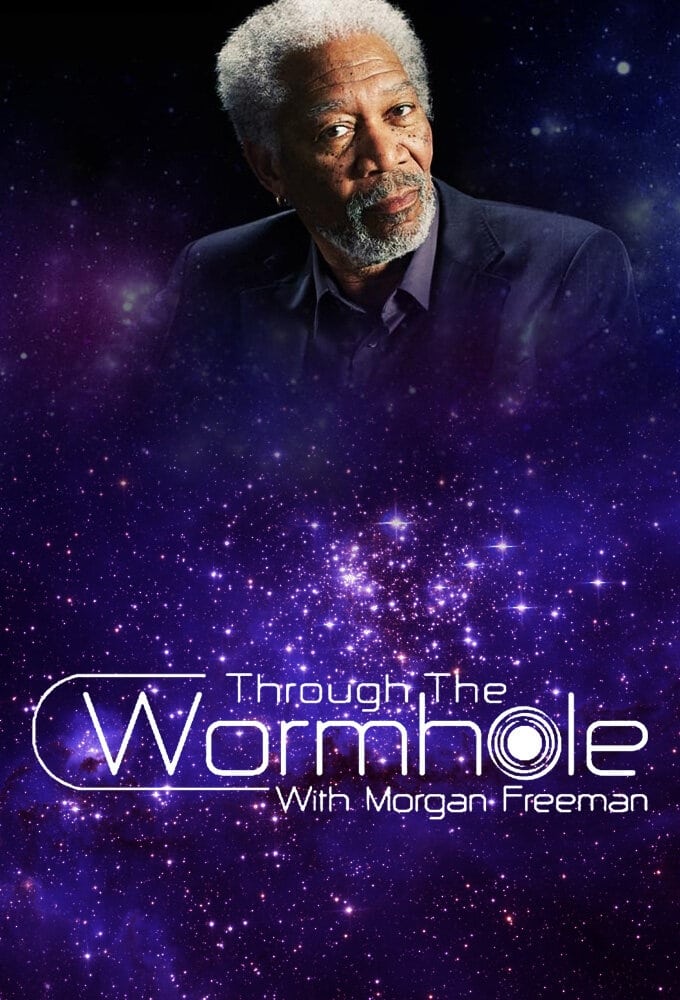
Hosted by Morgan Freeman, Through the Wormhole explores the deepest mysteries of existence - the questions that have puzzled mankind for eternity. What are we made of? What was there before the beginning? Are we really alone? Is there a creator? These questions have been pondered by the most exquisite minds of the human race. Now, science has evolved to the point where hard facts and evidence may be able to provide us with answers instead of philosophical theories. Through the Wormhole brings together the brightest minds and best ideas from the very edges of science - Astrophysics, Astrobiology, Quantum Mechanics, String Theory, and more - to reveal the extraordinary truth of our Universe.