Social & External
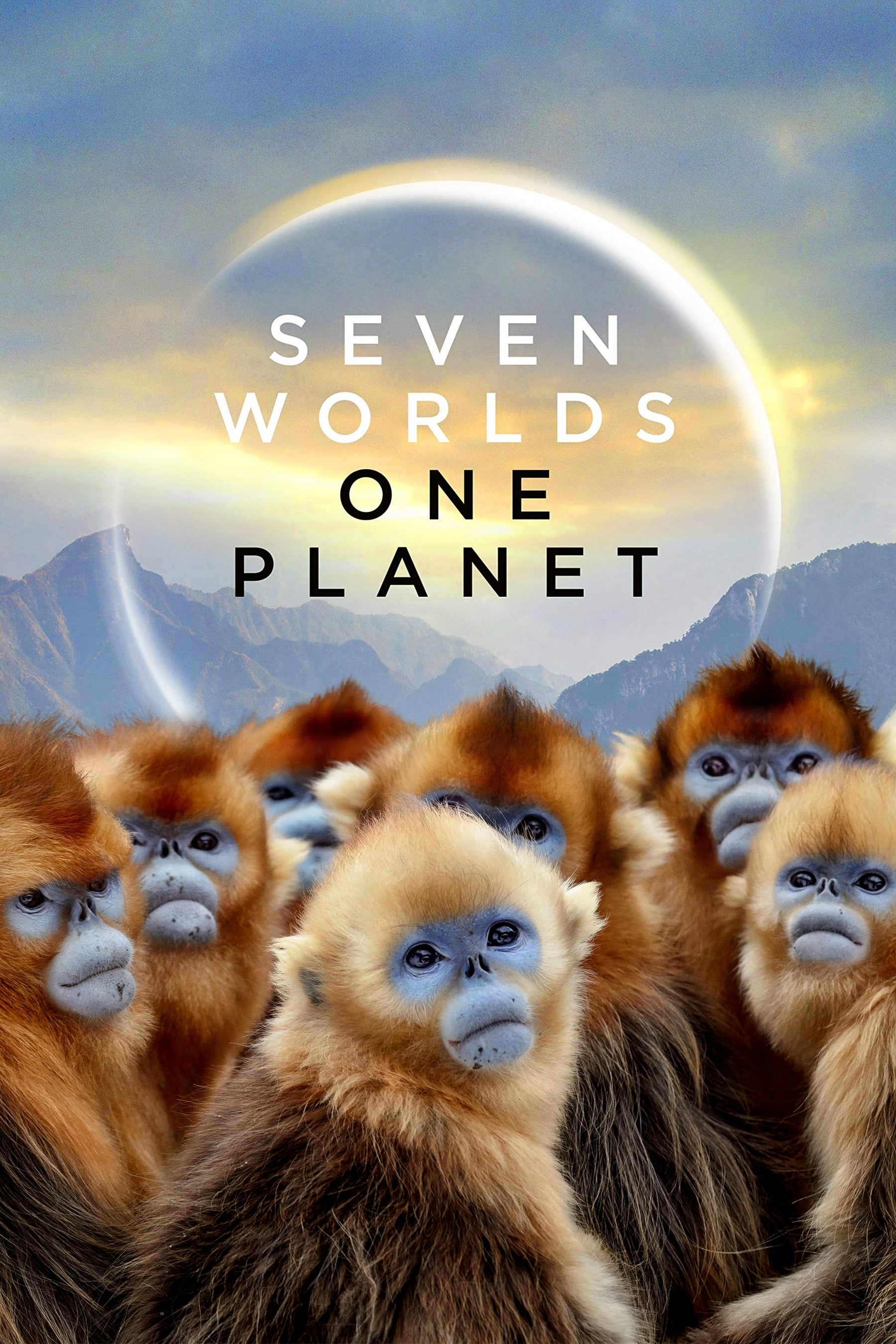
Millions of years ago, incredible forces ripped apart the Earth’s crust creating seven extraordinary continents. This documentary series reveals how each distinct continent has shaped the unique animal life found there.
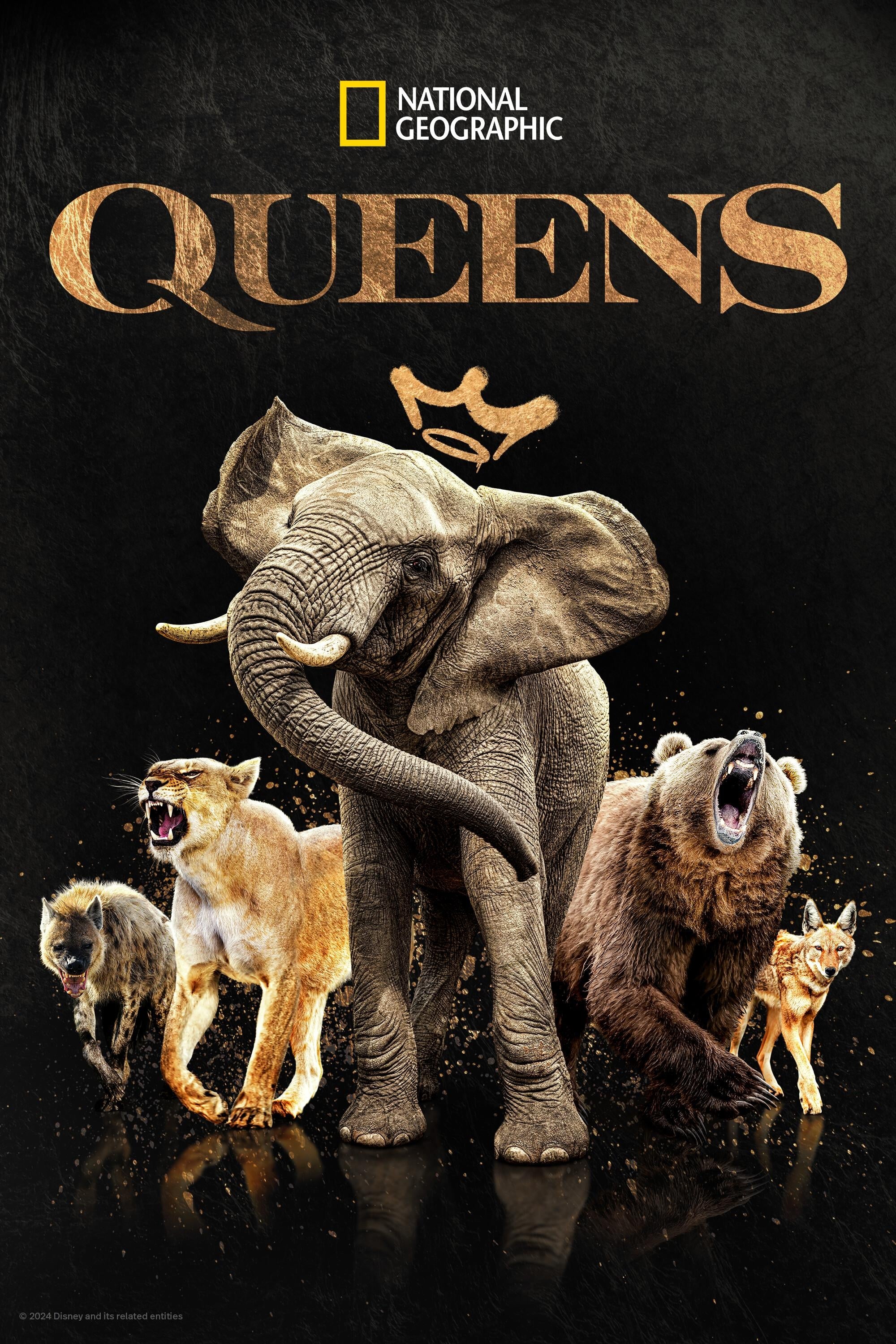
In six remote and beautiful places on our planet are queendoms run by the most powerful leaders in the animal world. These queens are sisters, single mothers, grandmothers. This documentary series tells their stories of resilience, strength, love and loss for the first time.
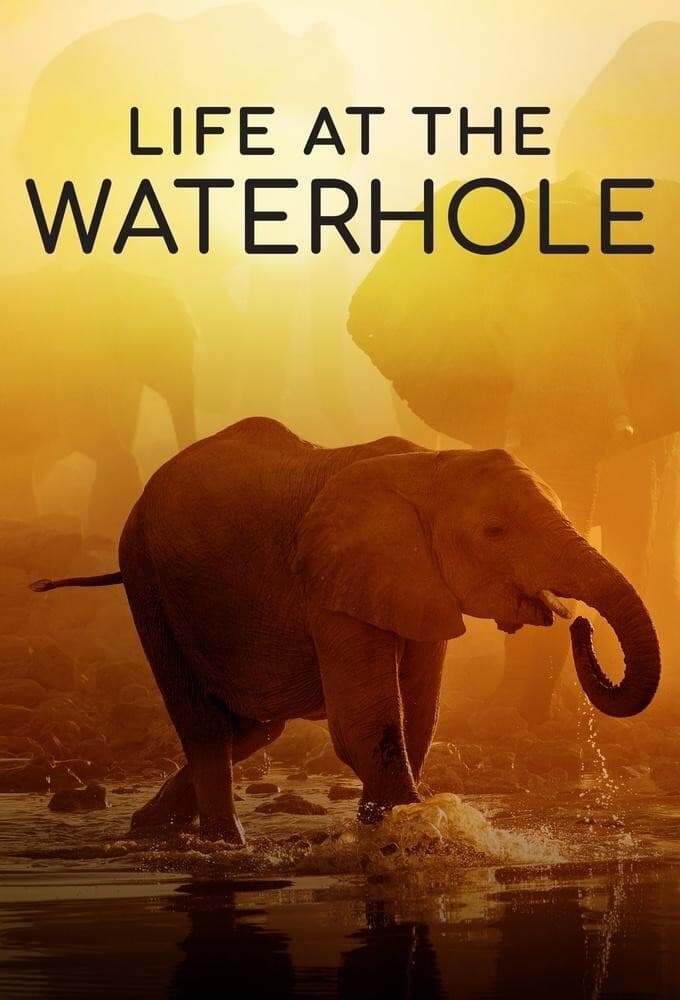
Explore the daily drama as African wildlife flock to a manmade waterhole rigged with cameras. Dr. M. Sanjayan and his team uncover the complex dynamic of this bustling oasis where elephants, lions, leopards and more meet and compete for water.
A four-part documentary series on ocean life around the world.
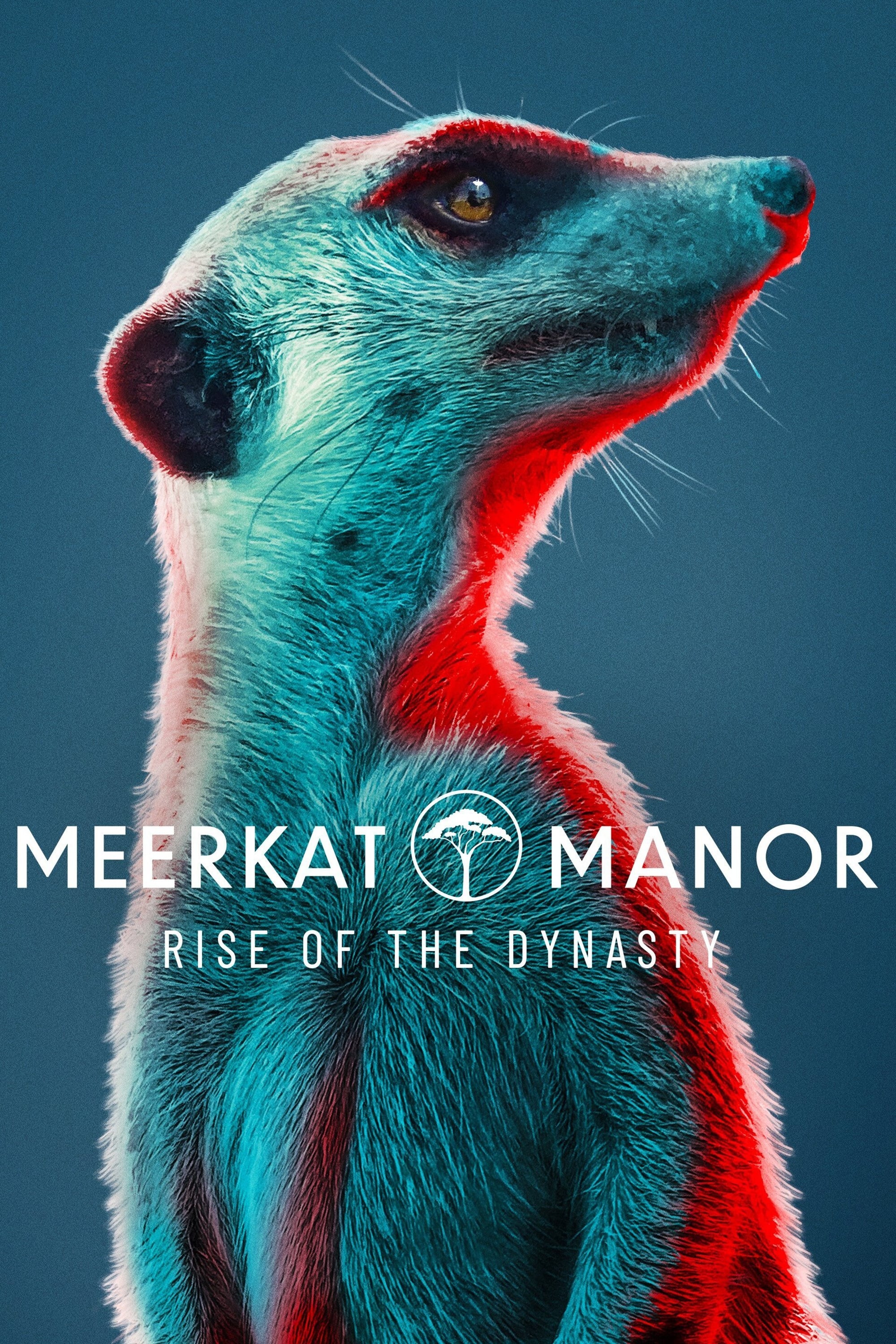
Continuing the compelling saga of the heartstring-tugging, dramatic tale of survival revolving around three families of meerkats who are descendants of the legendary meerkat matriarch, Flower. Neighbors and rivals who share a bloodline are forced to compete for food and resources in an environment that is undergoing a great deal of change: the Kalahari Desert in South Africa.
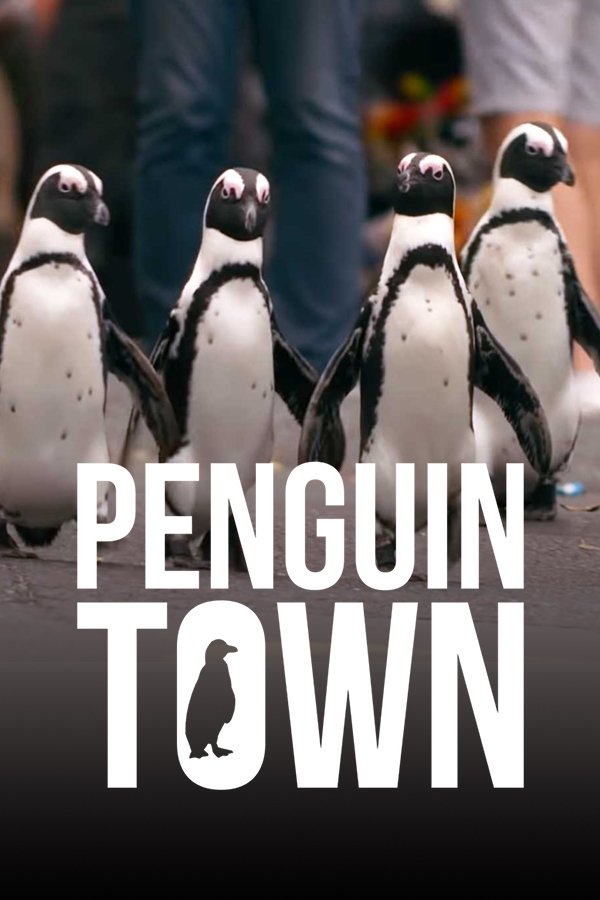
In a picturesque South African town, an eclectic group of endangered penguins flock together to find mates, raise families and mix with the locals.
A guide to the evolutionary biology of sex. Science documentary with songs(!) based on the book “Dr Tatiana's, Sex Advice to all Creation - The Definitive Guide to the Evolutionary Biology of Sex” written by the biologist Olivia Judson. and adapted for television. If sex is universal, why do species go about it in so many different ways? And what can humans learn from the mating habits of the creatures of the animal world? Sex is the engine of evolution - the drive to mix genes to produce the strongest, fastest or most efficient specimen of the species has propelled all of creation to evolve, adapt and survive. Promiscuity, jealousy, violence, incest, suicide, cannibalism and indeed hermaphrodites all serve an evolutionary purpose - and in the animal world, monogamy is a "sexually deviant" behaviour that serves no evolutionary intent. 3 x 1 hour episodes. Dr Tatiana is played by the author Olivia Judson. Production Company: Wag TV and EPI Productions for Channel 4: 2004
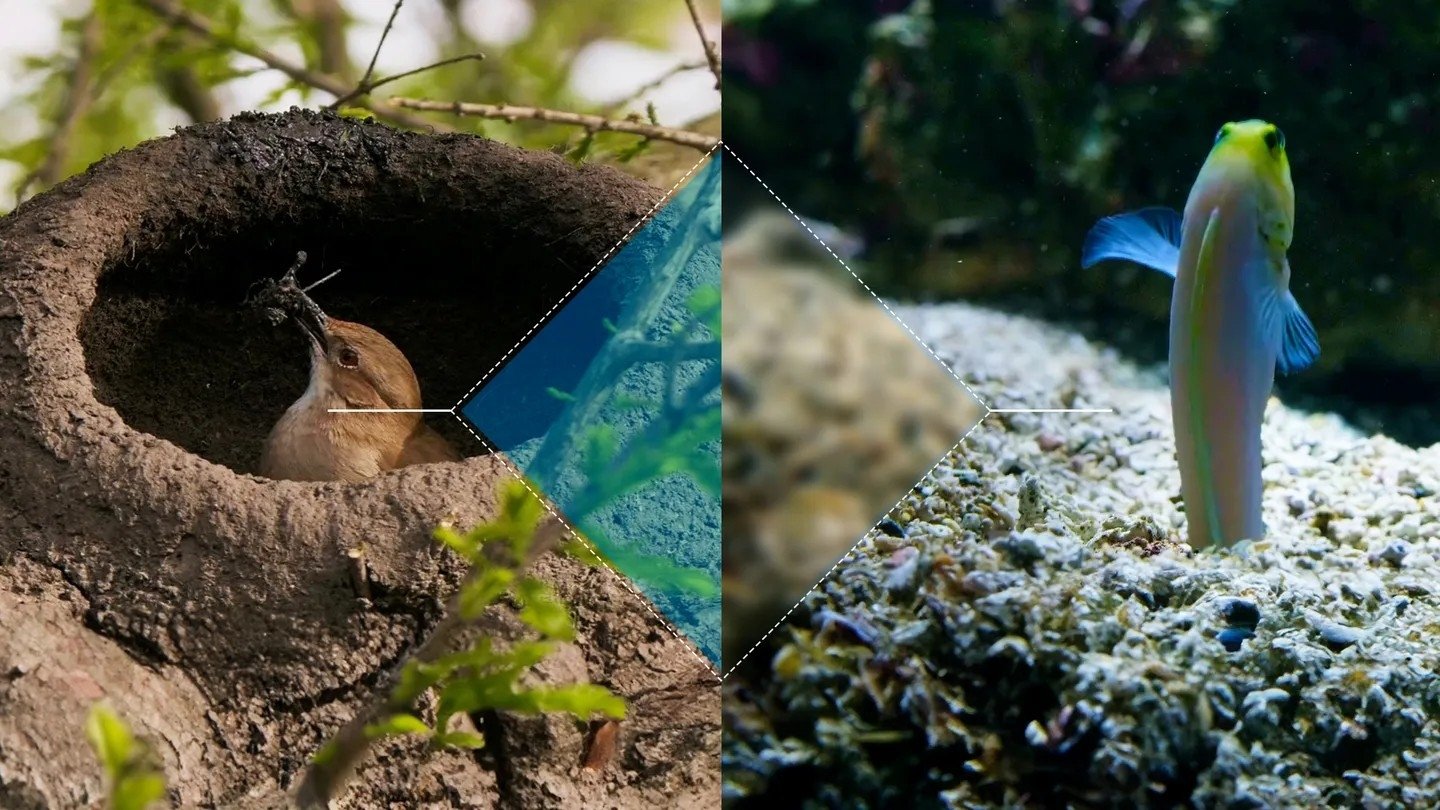
Discover the clever and creative ways animals navigate life’s most extraordinary challenges, from leaving home to finding a partner.
Meet three rescued meerkat families (mobs) who are learning the way of life in the wild for the very first time.
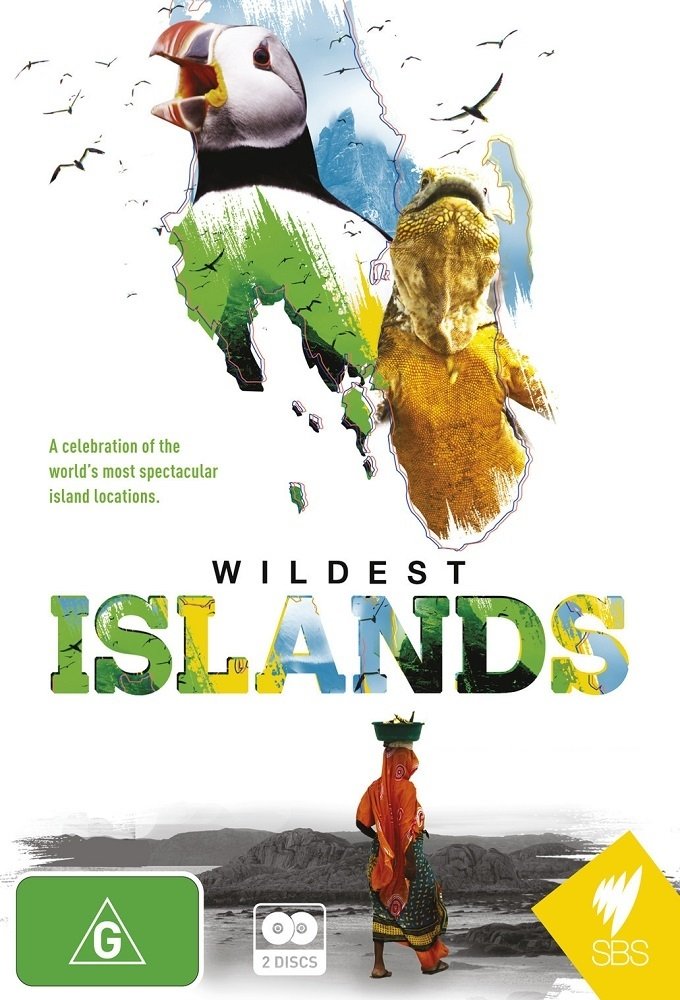
Islands can be home to the most extreme examples of life and the some of the most dramatic landscapes. Natural selection fuels evolution in the most extraordinary way. Isolated for hundreds of thousands of years, pockets of individuals survive, thrive and adapt to fill all available niches fuelling a rapid development of new species. Wildest Islands, a stunning five-part series featuring the world’s most spectacular island locations. Dive into the crystal clear waters of the Caribbean; journey through the lush forests of Zanzibar; discover the unspoilt environs of the Hebrides; and uncover the enduring wonders of the Galapagos Islands as Wildest Islands investigates the rich history of these pristine paradises.
Bill Pullman introduces and narrates this four-part documentary on the world's first national park, Yellowstone.
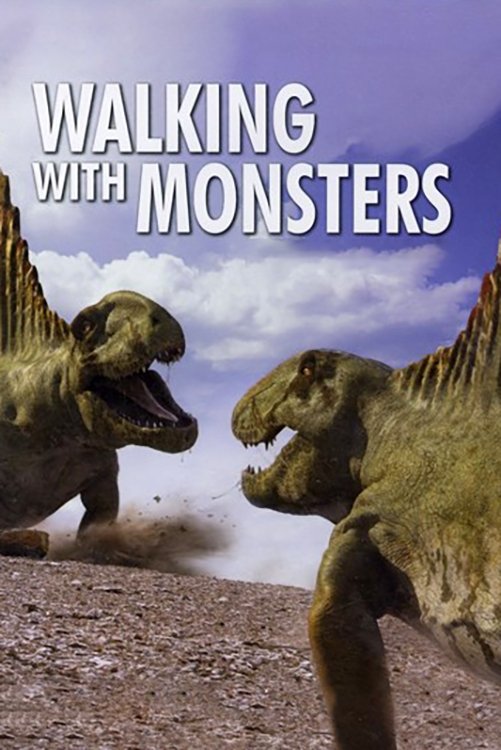
A three-part British documentary film series about life in the Paleozoic, bringing to life extinct arthropods, fish, amphibians, synapsids, and reptiles. Narrated by Kenneth Branagh and using state-of-the-art visual effects, this prequel to Walking with Dinosaurs shows nearly 300 million years of Paleozoic history, from the Cambrian Period (530 million years ago) to the Early Triassic Period (248 million years ago).
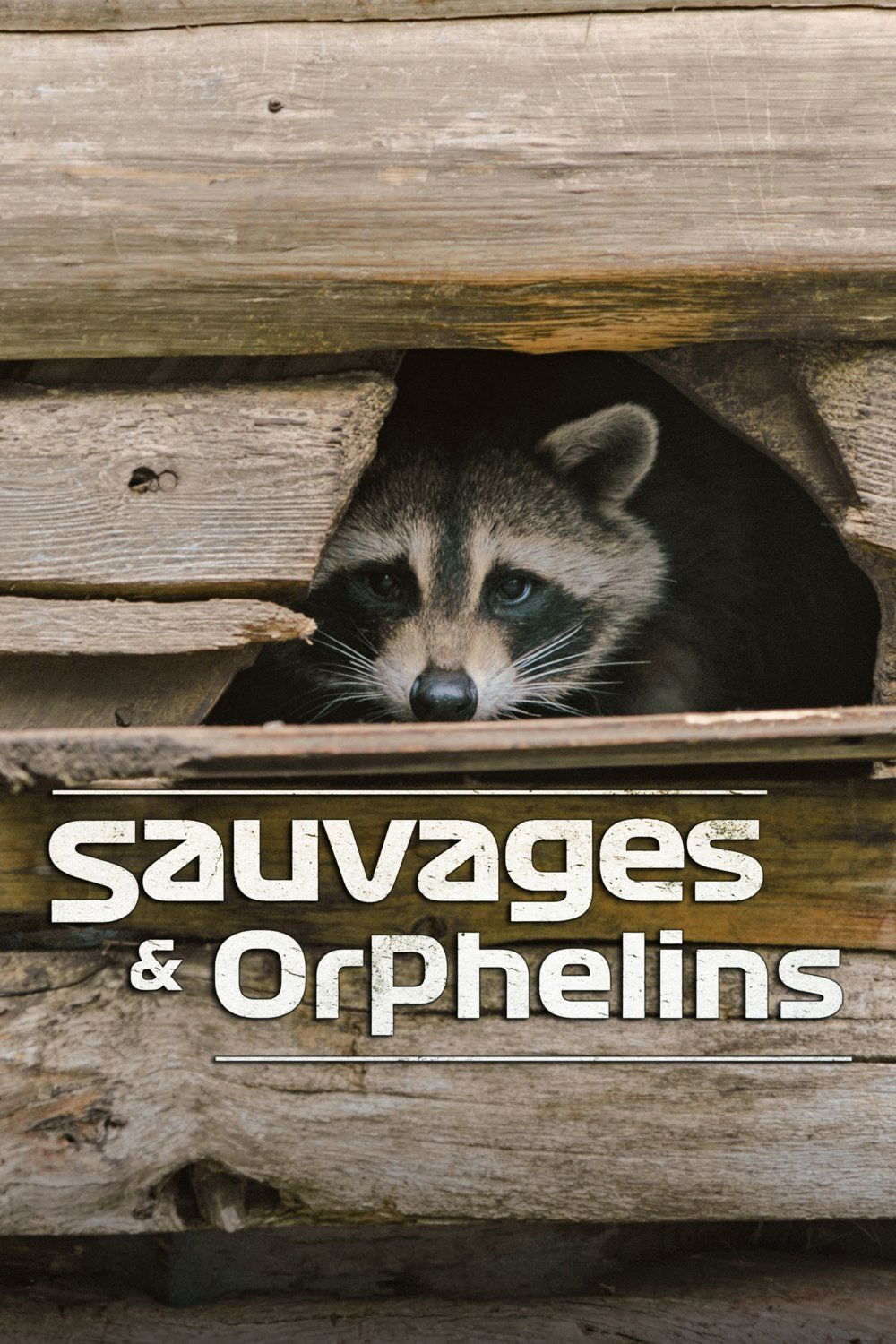
The daily struggles of animal lovers who have taken it upon themselves to run animal shelters for orphaned wild animals, mostly with their own resources, and often under their own roof.
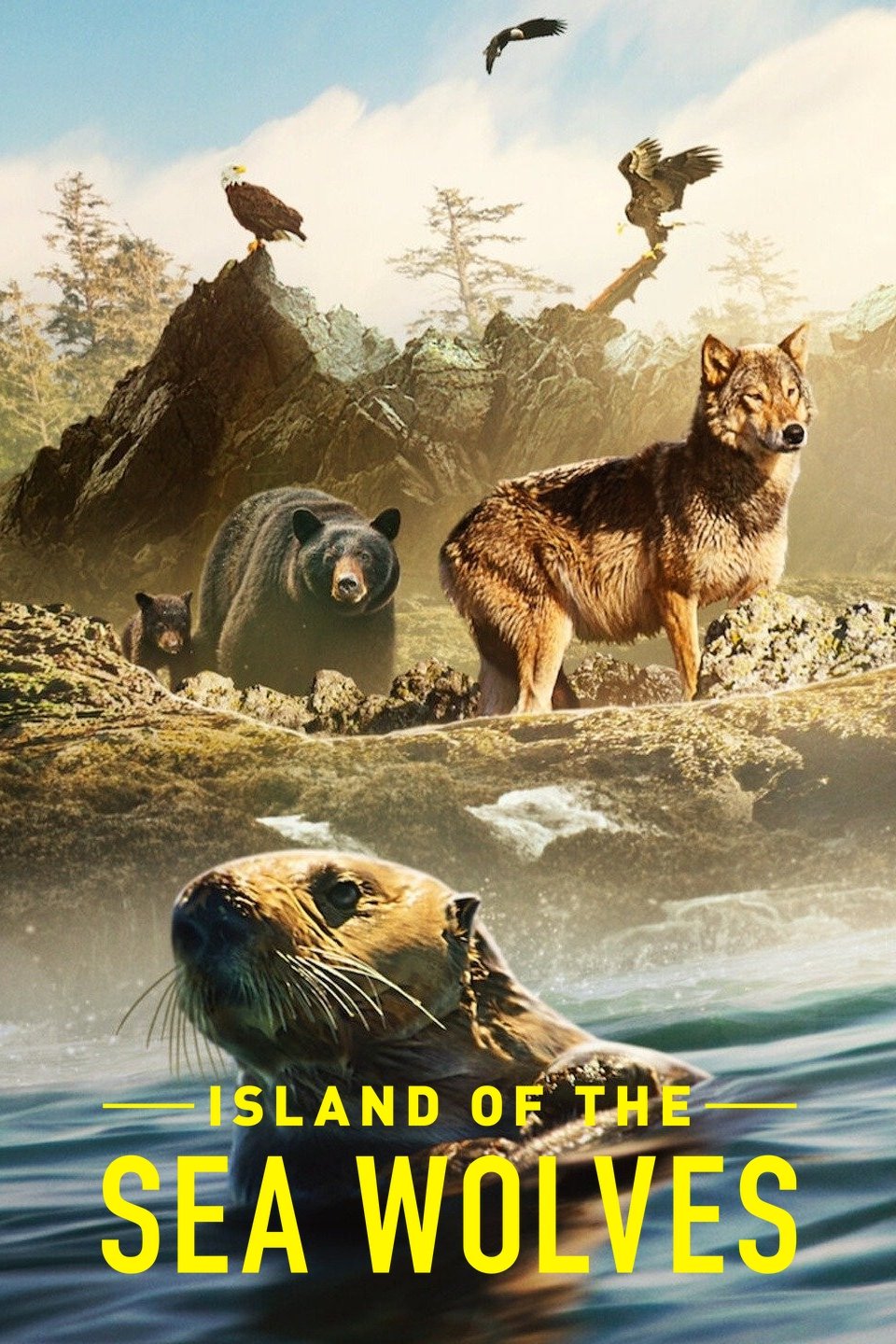
Explore wild, wondrous Vancouver Island, where the ocean nurtures all life, from bald eagles who go fishing to sea wolves who swim in frigid waters.
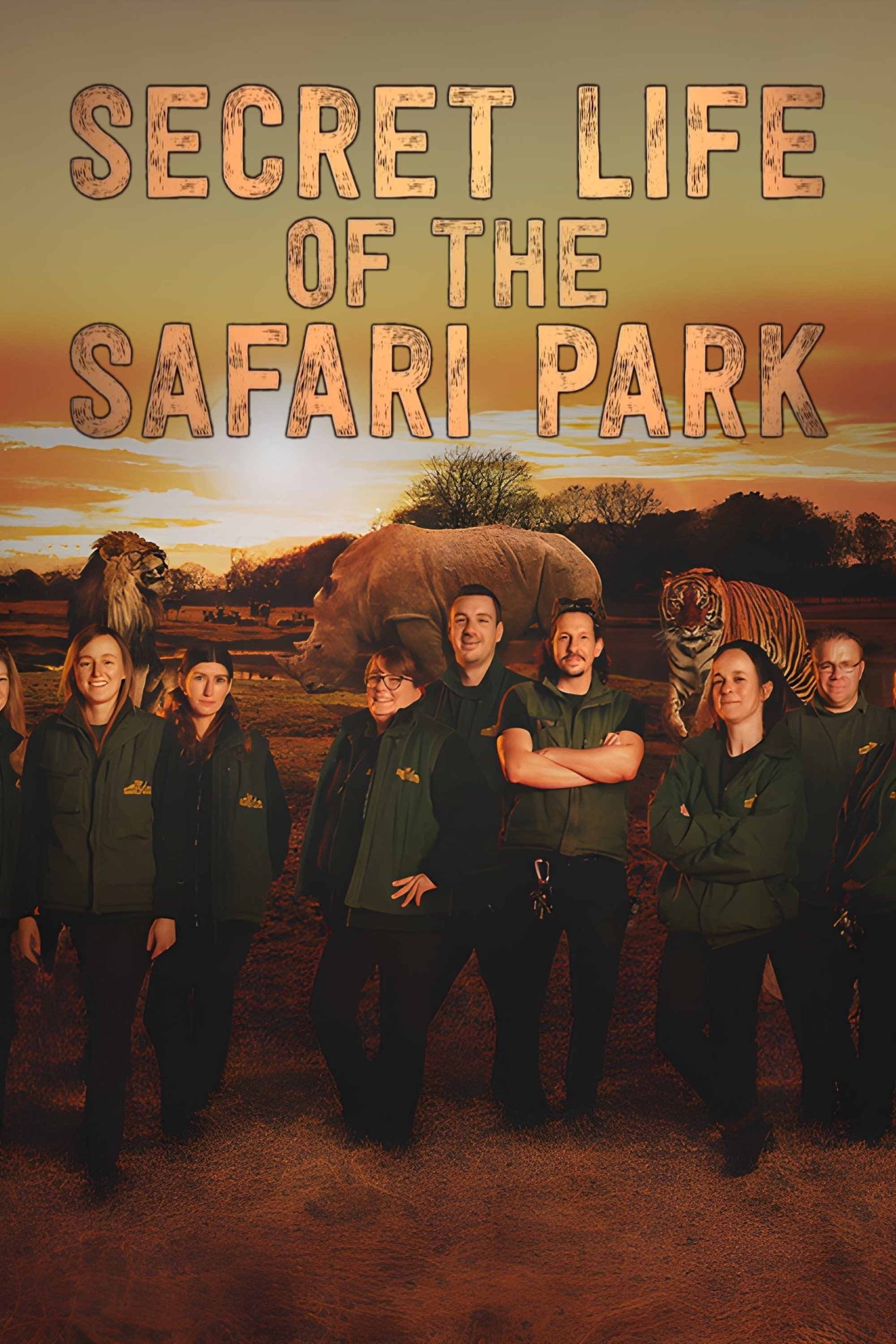
The denizens at Knowsley Safari, the longest safari drive in the UK and home to hundreds of wild animals from across the world, roam free on its grounds. The documentary explores the lives of these extraordinary animals, and the work of those who care for them, as well as the amazing, and at times hilarious, dashcam footage of visitors to Knowsley.
Master dog trainer Graeme Hall finds long-lasting solutions for dogs with issues.
Journeying to the far reaches of our planet, this eight part series follows some of the world's most amazing species, telling extraordinary stories that are dramatic, thrilling, funny and sometimes heart-breaking, but always full of hope.
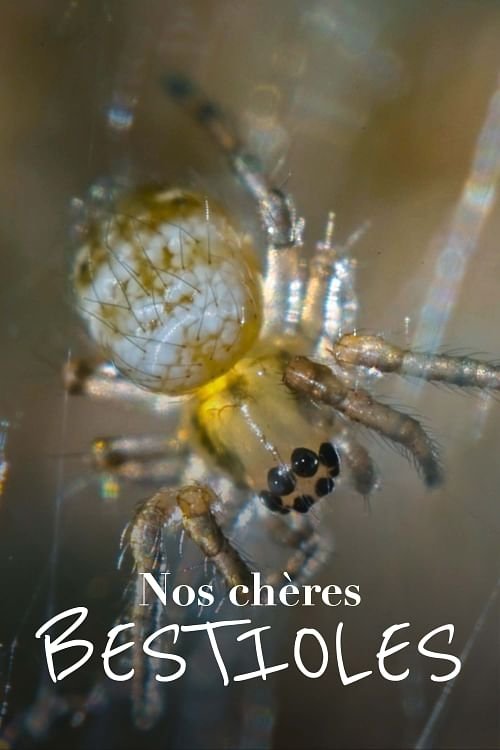
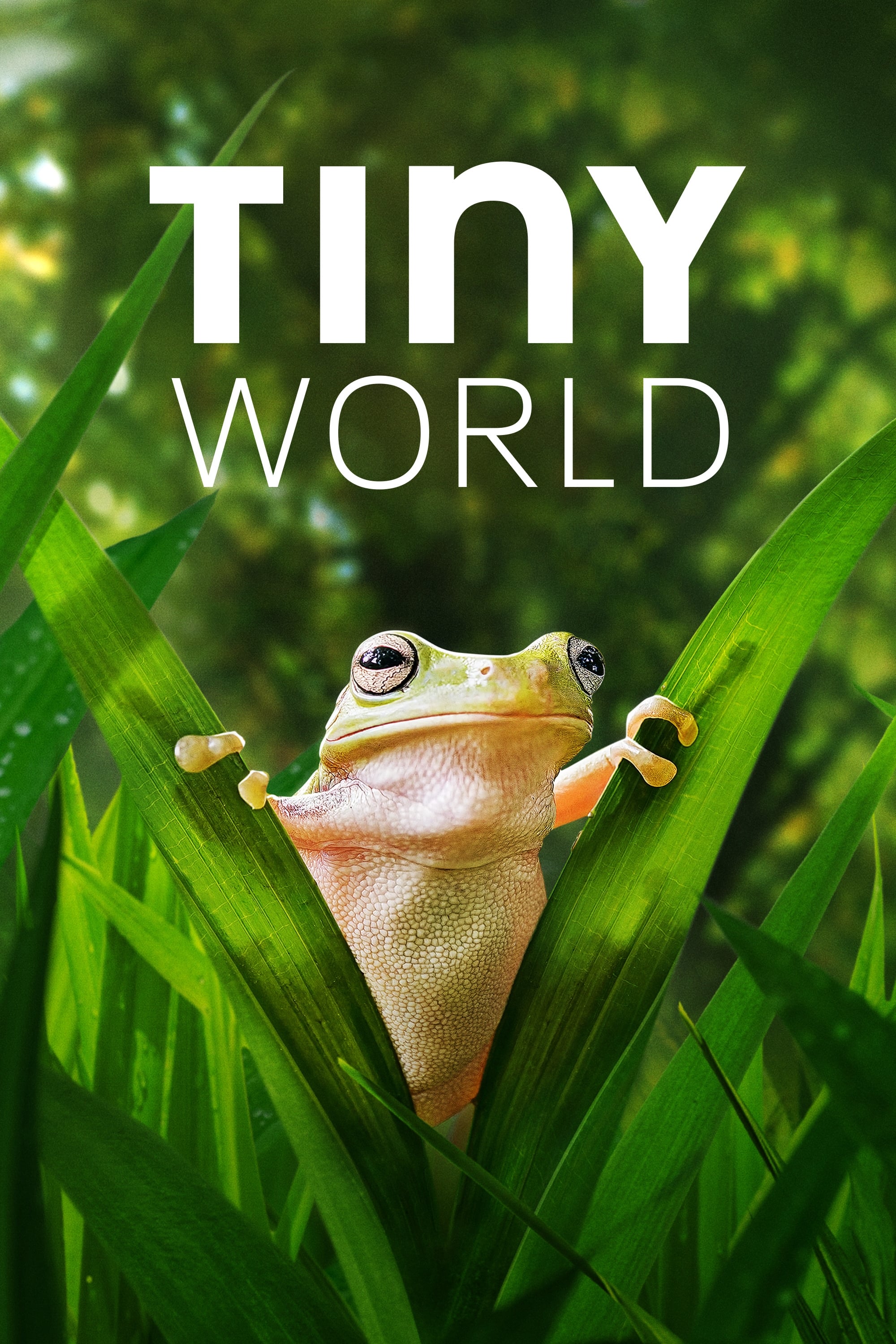
This docuseries showcases nature's lesser-known tiny heroes. Spotlighting small creatures and the extraordinary things they do to survive, each episode is filled with surprising stories and spectacular cinematography.
David Attenborough looks at the extraordinary ends to which animals and plants go in order to survive. Featuring epic spectacles, amazing TV firsts and examples of new wildlife behaviour.
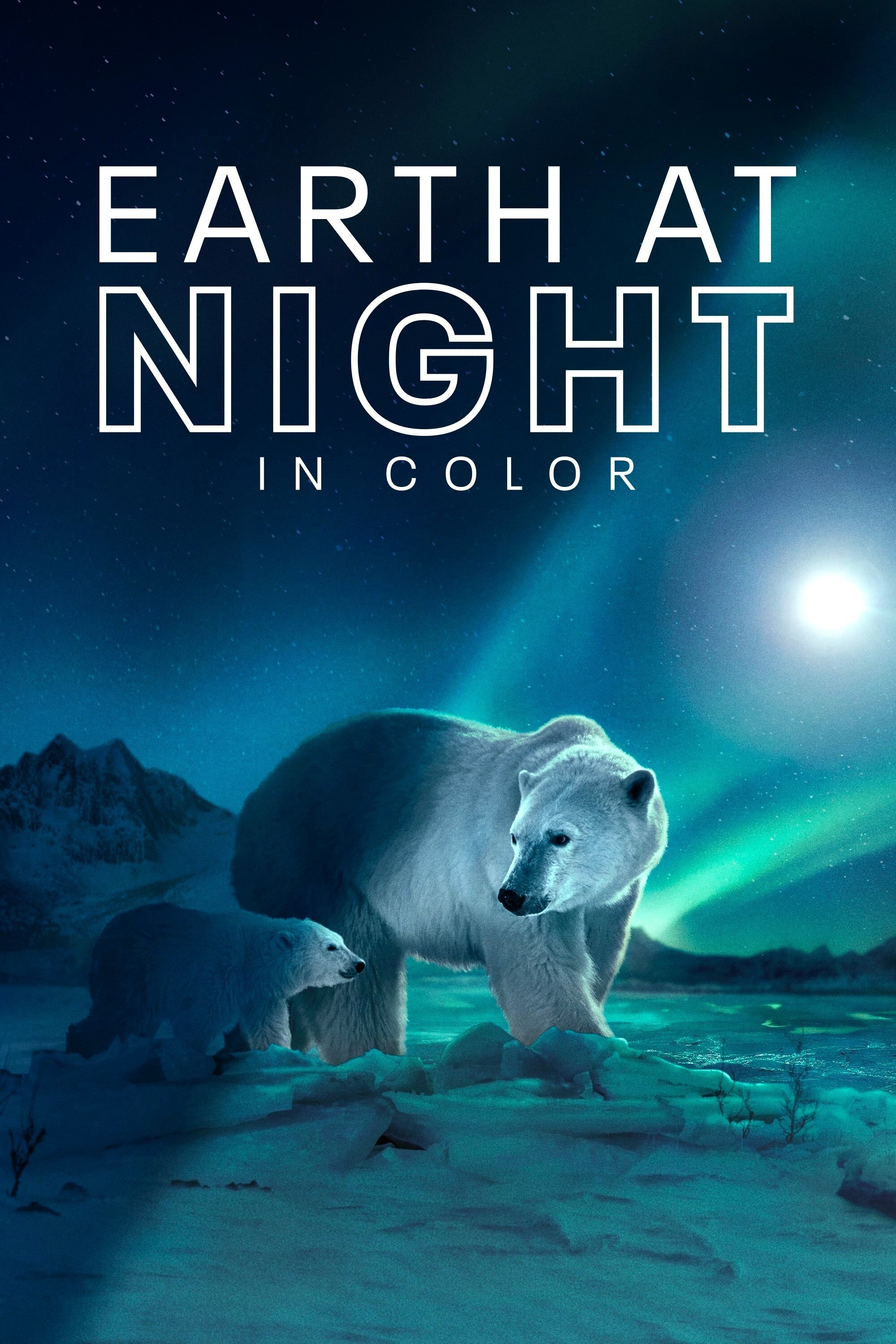
Filmed across six continents, this docuseries uses cutting-edge camera technology to capture animals' nocturnal lives, revealing new behaviours filmed in full color like never before.
Natural World is a nature documentary television series broadcast annually on BBC Two and regarded by the BBC as its flagship natural history brand. It is currently the longest-running series in its genre on British television, with more than 400 episodes broadcast since its inception in 1983. Natural World is produced by the BBC Natural History Unit in Bristol, but individual programmes can be in-house productions, collaborative productions with other broadcasters or films made and distributed by independent production companies and purchased by the BBC. Natural World programmes are often broadcast as PBS Nature episodes in the USA. Since 2008, most Natural World programmes have been shot and broadcast in high definition.
Consistently stunning documentaries transport viewers to far-flung locations ranging from the torrid African plains to the chilly splendours of icy Antarctica. The show's primary focus is on animals and ecosystems around the world. A comic book based on the show, meant to be used an as educational tool for kids, was briefly distributed to museums and schools at no cost in the mid-2000s.
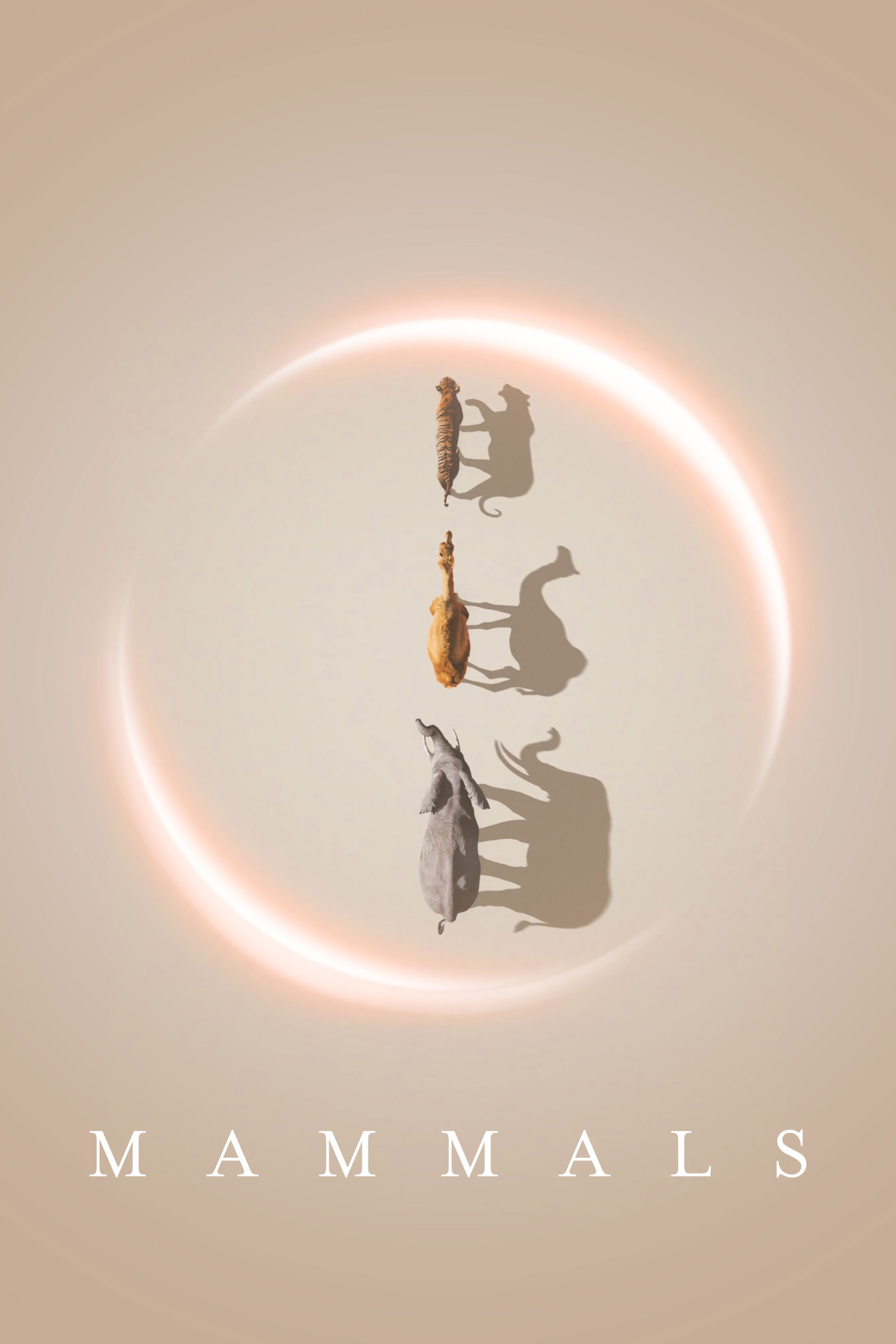
The series offers fascinating insights into the most successful animal group in the world. From the tiny Etruscan shrew to the giant blue whale, Mammals will reveal the secrets of their success, and how their winning design, incredible adaptability, unrivaled intelligence, and unique sociability have all contributed to their remarkable rise.
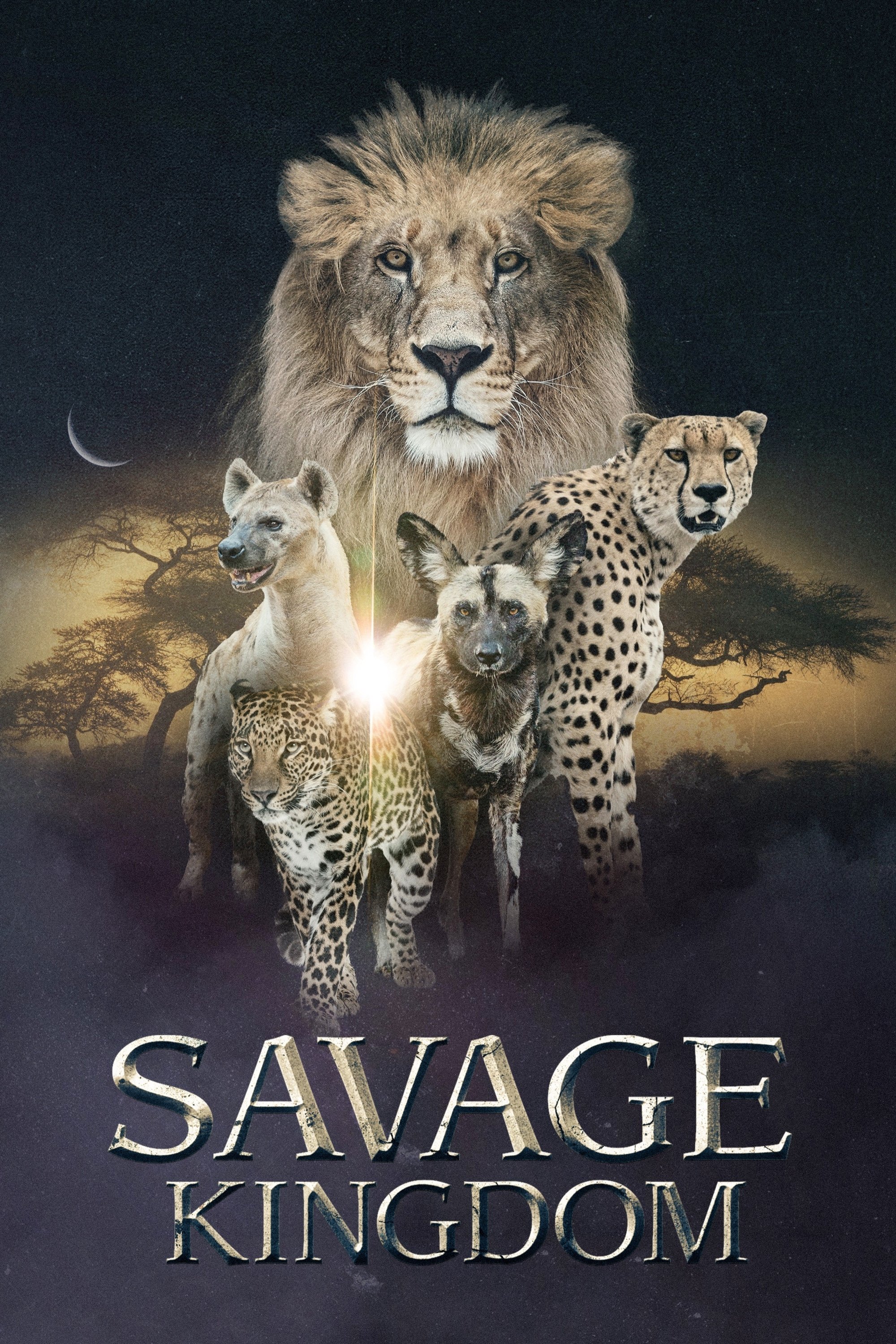
A rare look at warring animal clans battling for survival in a remote region of Africa, which is drying up after years of flood-soaked abundance.
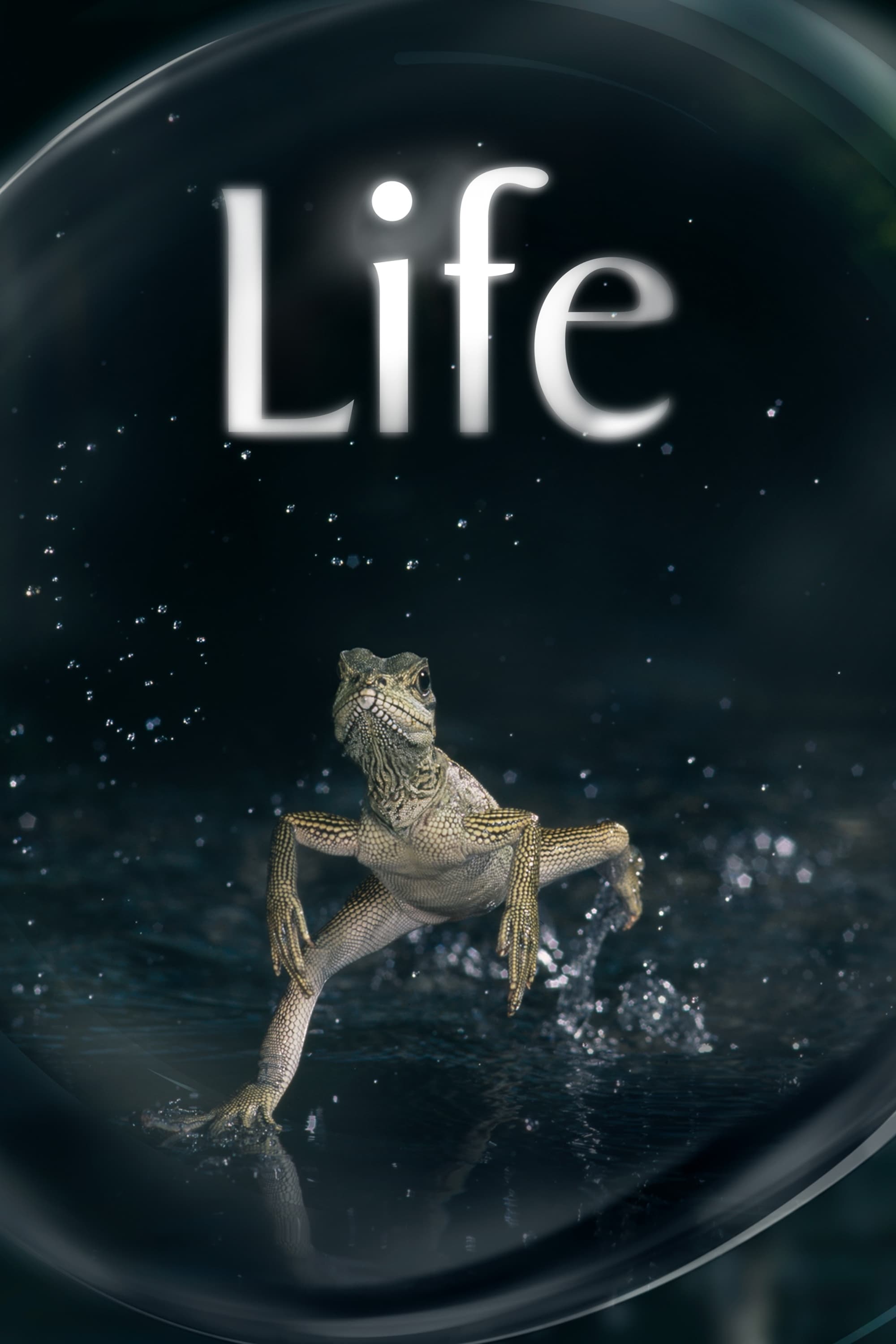
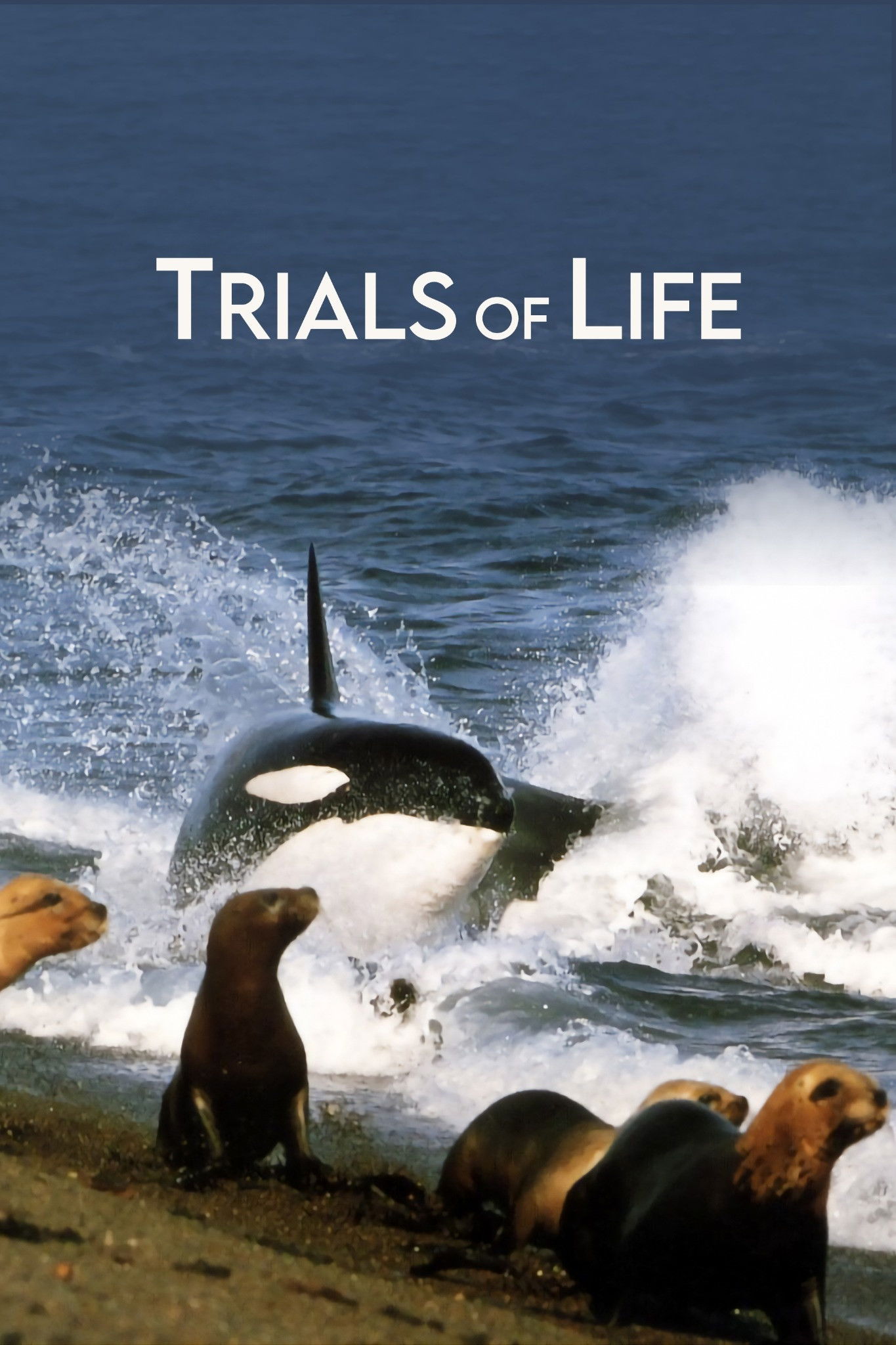
Each of the twelve 50-minute episodes features a different aspect of the journey through life, from birth to adulthood and continuation of the species through reproduction.
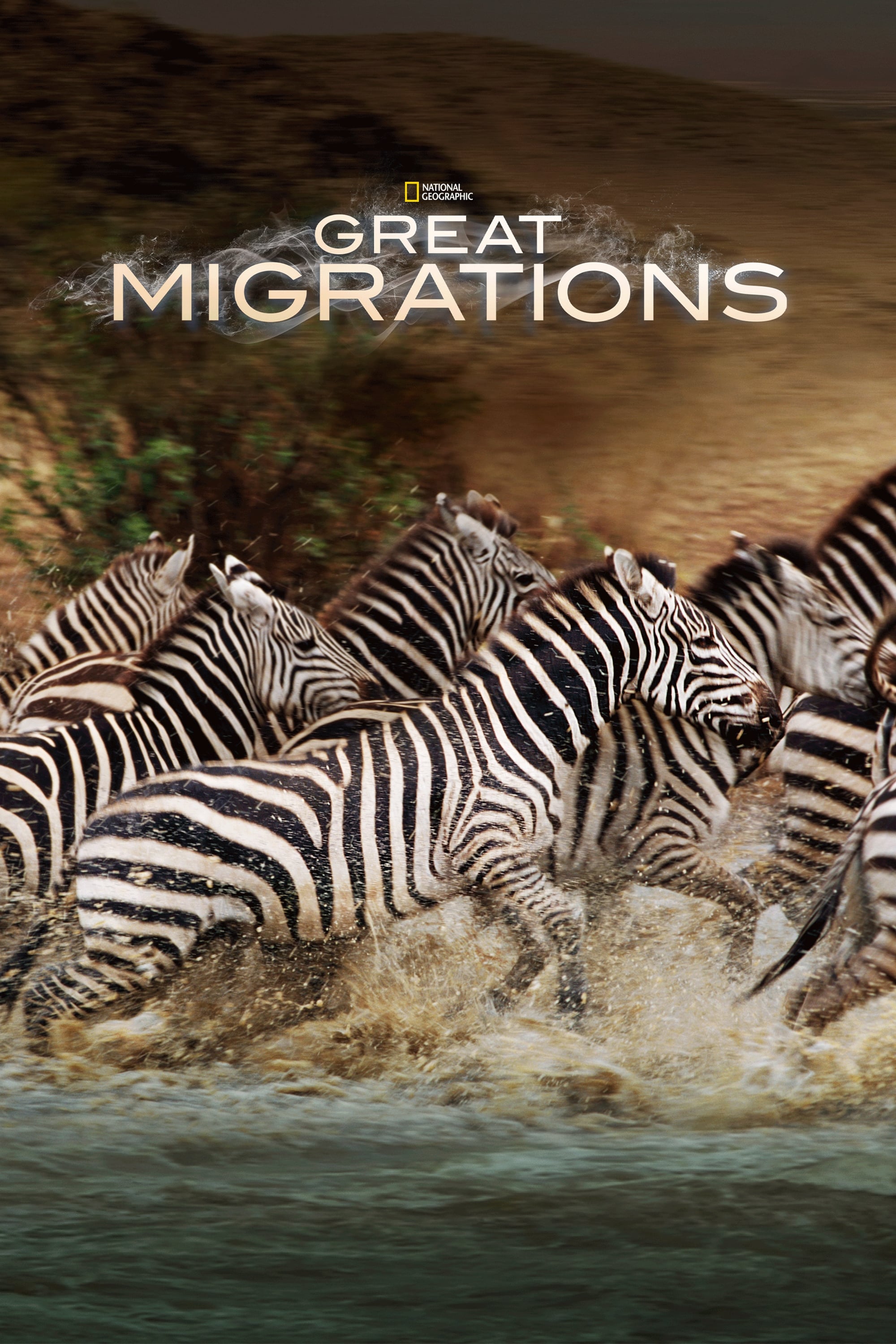
Shot from land and air, in trees and cliff-blinds, on ice floes and underwater, this documentary tells the powerful stories of many of the planet's species and their movements, while revealing new scientific insights with breathtaking high-definition clarity and emotional impact. The beauty of these stories is underscored by a new focus into these species; fragile existence and their life-and-death quest for survival in an ever-changing world.
Explore the surprising things we know (and don’t know) about why people are the way they are through expert interviews, rare footage from historical experiments, and brand-new, ground-breaking demonstrations of human nature at work.
David Attenborough celebrates the amazing variety of the natural world in this epic documentary series, filmed over four years across 64 different countries.
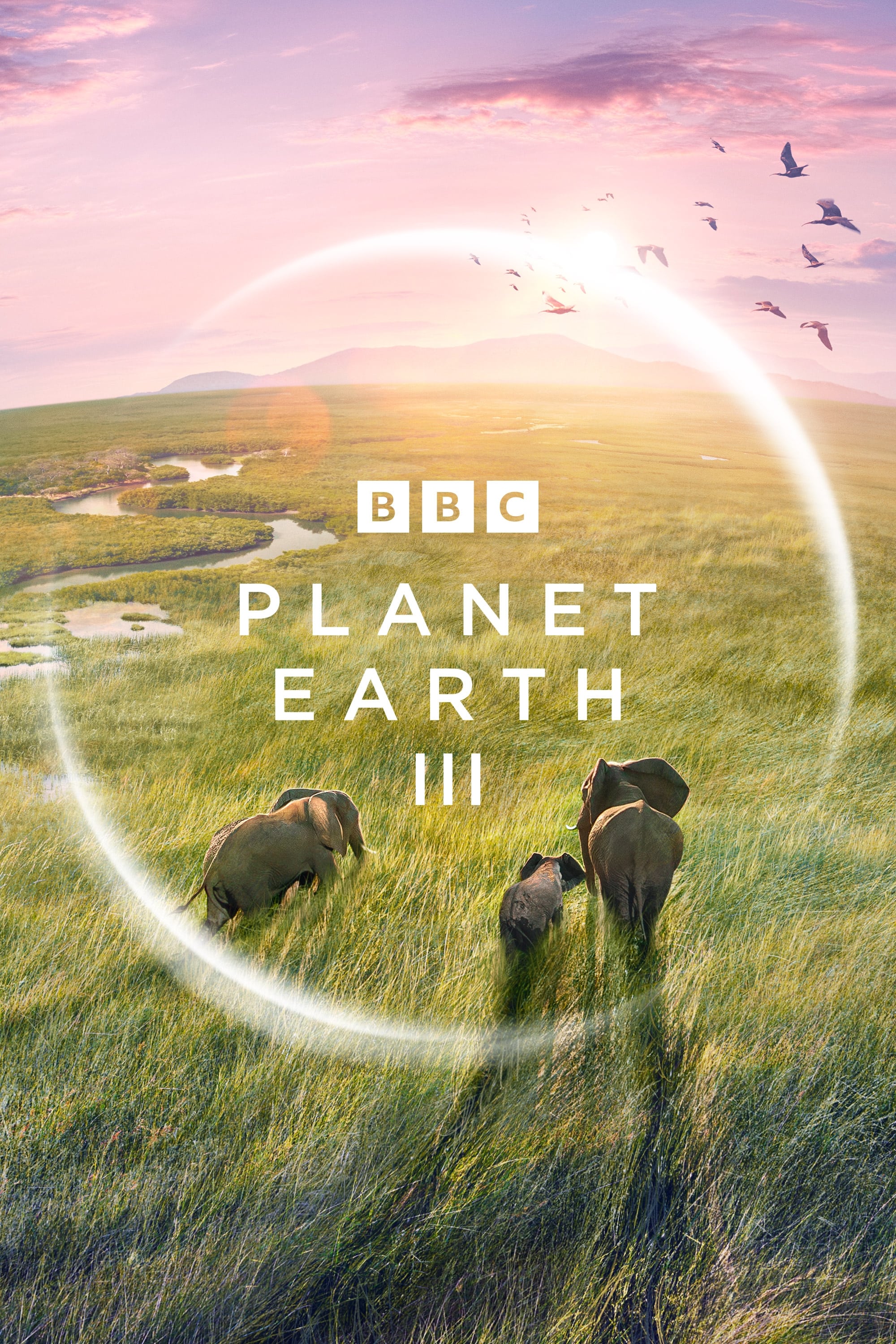
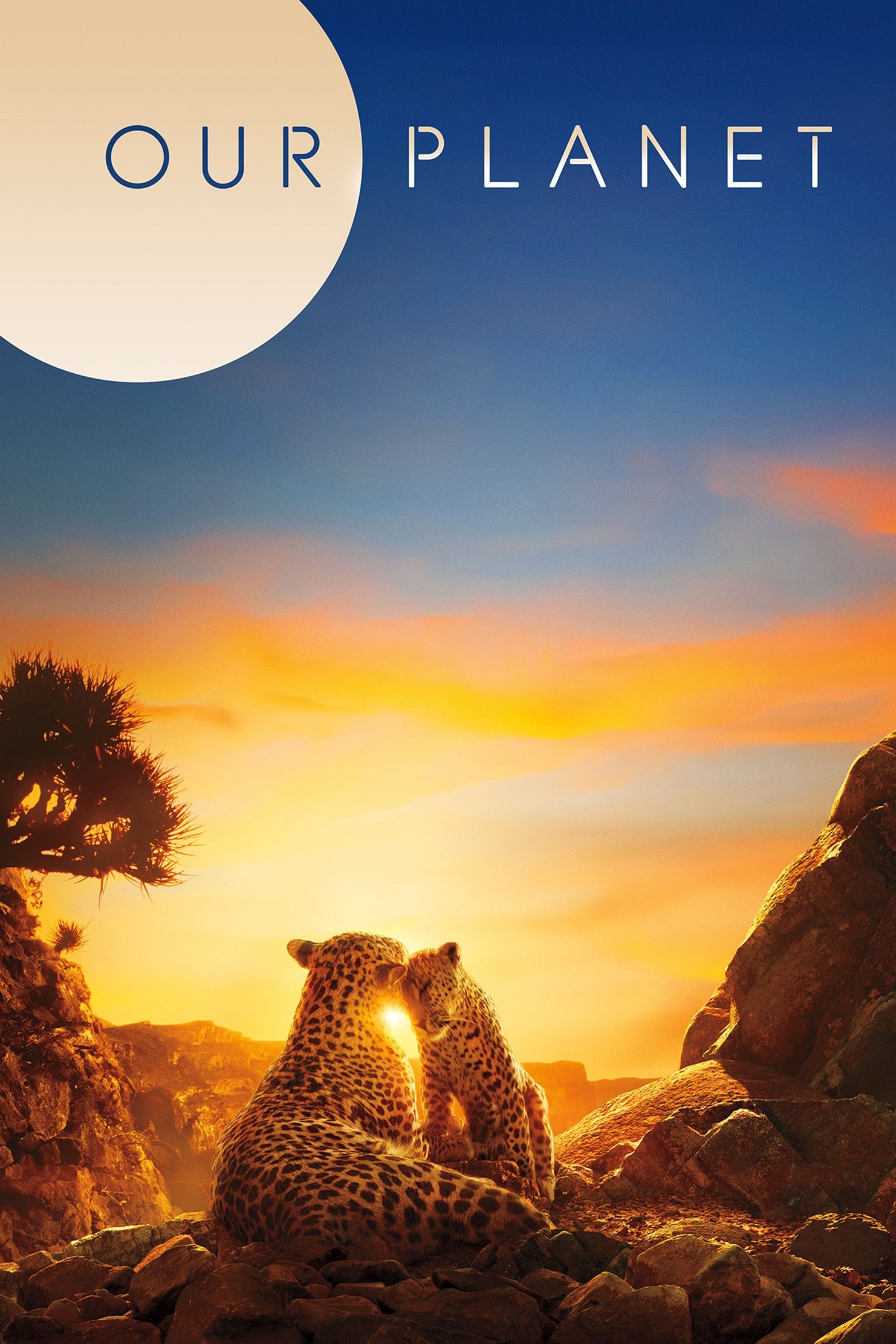
Experience our planet's natural beauty and examine how climate change impacts all living creatures in this ambitious documentary of spectacular scope.
Exploring the vital role colour plays in the daily lives of many species.
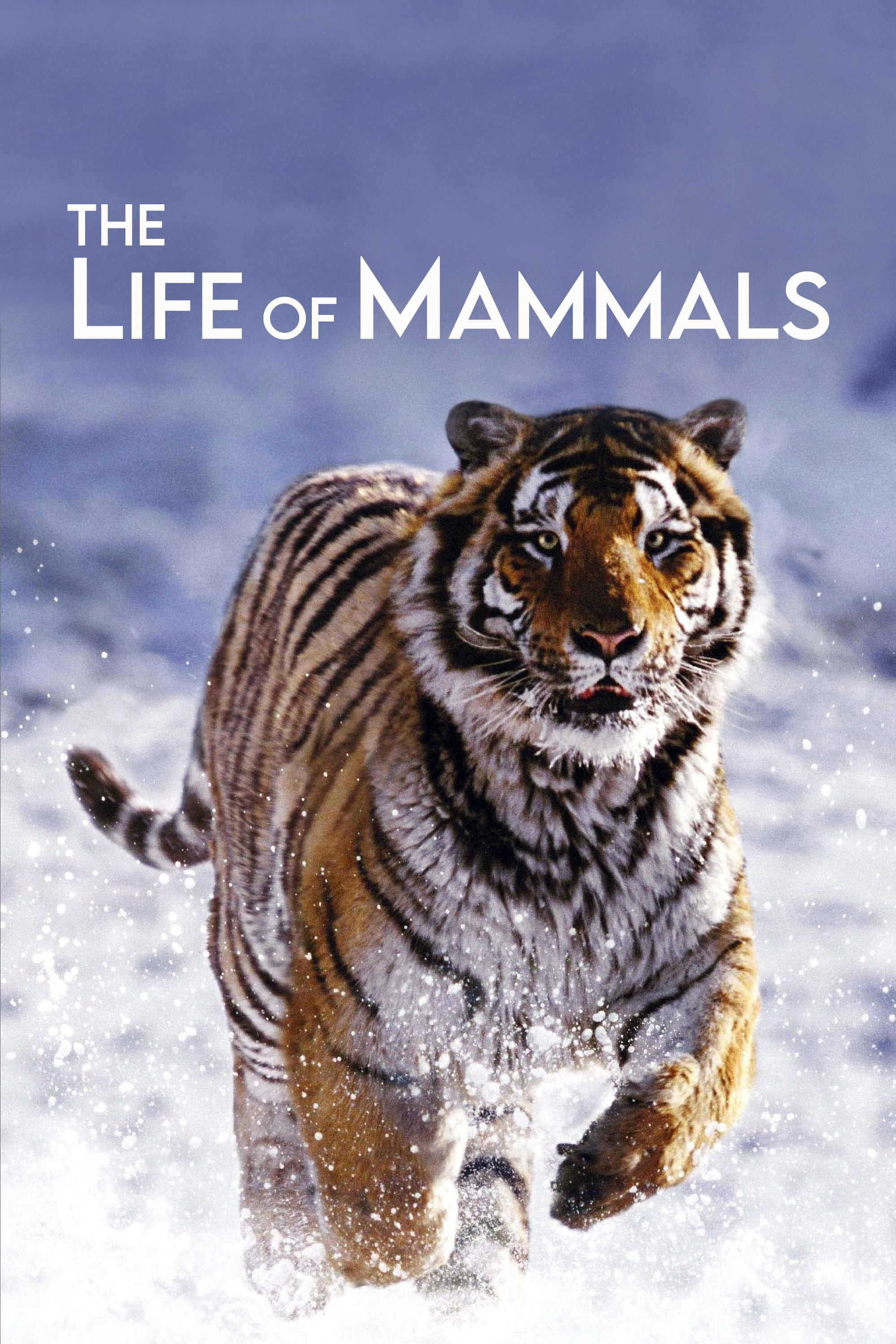
David Attenborough presents a nature documentary series looking at why mammals are the most successful creatures on the planet.
Documentary series uncovering the secret lives of big cats, using the latest technology and scientific research to bring these animal superstars out of the shadows.
A unique fusion of blue chip natural history and earth science that explains how our living planet operates. This five-part series shows how the forces of nature drive, shape and support Earth’s great diversity of wildlife.
Sigourney Weaver guides viewers on a journey to the heart of whale culture to experience the extraordinary communication skills and intricate social structures of five different whale species. With the help of new science and technology, viewers witness whales making lifelong friendships, teaching clan heritage and traditions to their young and grieving deeply for the loss of loved ones.