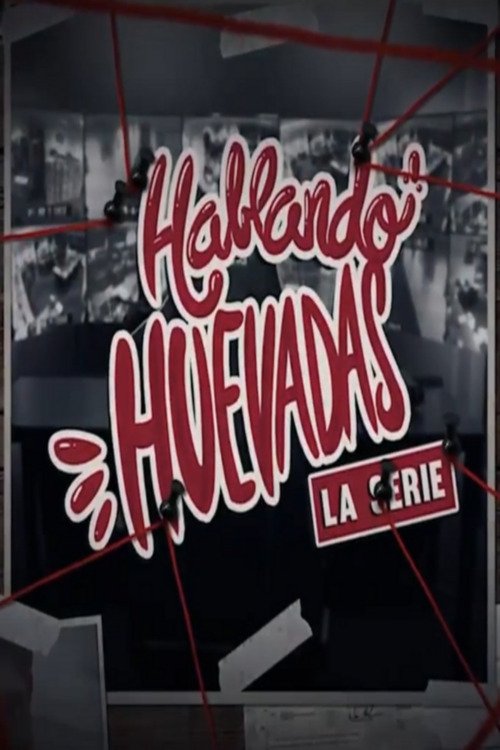
It is a popular Peruvian comedy show that is broadcast in podcast and video format. Created by comedians José Luis García and Ricardo Pérez, the show is characterized by its irreverent style and acidic humor.
Social & External
Jorge Luna
Ricardo Mendoza
The comedic misadventures of Roy, Moss, and their grifting supervisor Jen, a 'motley crew' of IT support workers at a large corporation headed by a hotheaded yuppie.
Mind Your Language is a British sitcom broadcast on ITV. Created and written by Vince Powell, and directed by Stuart Allen, three series were produced by London Weekend Television between 1977 and 1979, and it was briefly revived in 1985 (or 1986 in most ITV regions) with six of the original cast members. Jeremy Brown, a language teacher, tries to make a living by teaching English to immigrants. With pupils from India, France, China, and many other countries, his lessons do not always go as planned.
The trials and tribulations of the staff at Hatley railway station, who are all wondering if Dr Beeching will close them down.
Hi-de-Hi! is a British sitcom set in Maplins, a fictional holiday camp, during 1959 and 1960, and was written by Jimmy Perry and David Croft, who also wrote Dad's Army and It Ain't Half Hot Mum amongst others. It aired on the BBC from 1980 to 1988. The series revolved around the lives of the camp's management and entertainers, most of them struggling actors or has-beens. The inspiration was the experience of writers Perry and Croft: after being demobilised from the army, Perry was a Redcoat at Butlin's, Pwllheli during the holiday season. The series gained large audiences and won a BAFTA as Best Comedy Series in 1984. In 2004, it came 40th in Britain's Best Sitcom and in a 2008 poll on Channel 4, 'Hi-de-Hi!" was voted the 35th most popular comedy catchphrase.
Young teacher Alfie Wickers is "the worst teacher ever to grace the British education system" – at Abbey Grove School, in Watford, Hertfordshire.
An earnest young feminist joins forces with a low-rent publisher to make the world's first erotic magazine for women.
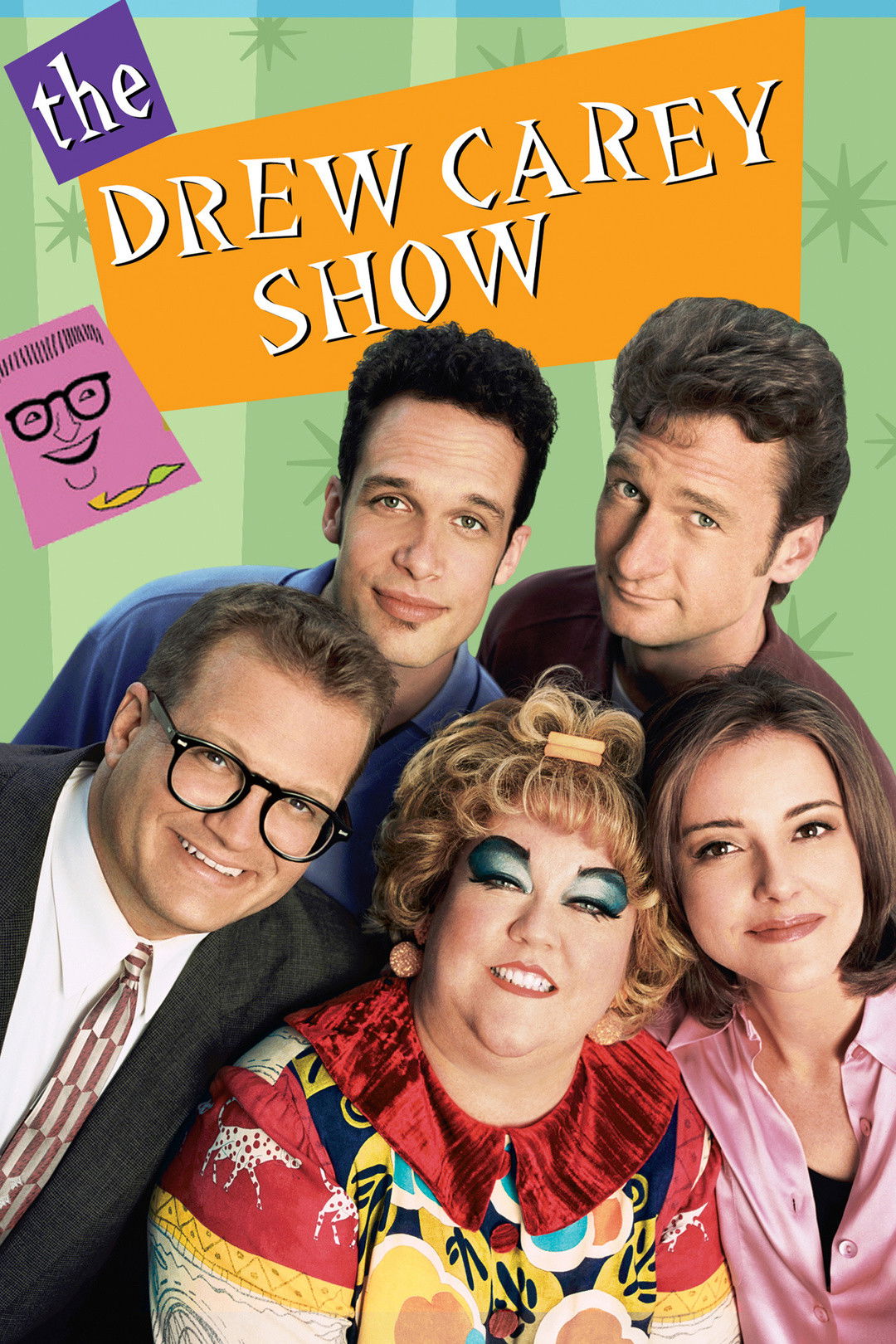
Drew is an assistant director of personnel in a Cleveland department store and he has been stuck there for ten years. Other than fighting with co-worker Mimi, his hobbies include drinking beer and not being able to get dates. To make a few extra bucks he has a micro-brewery going in his garage with his buddies.
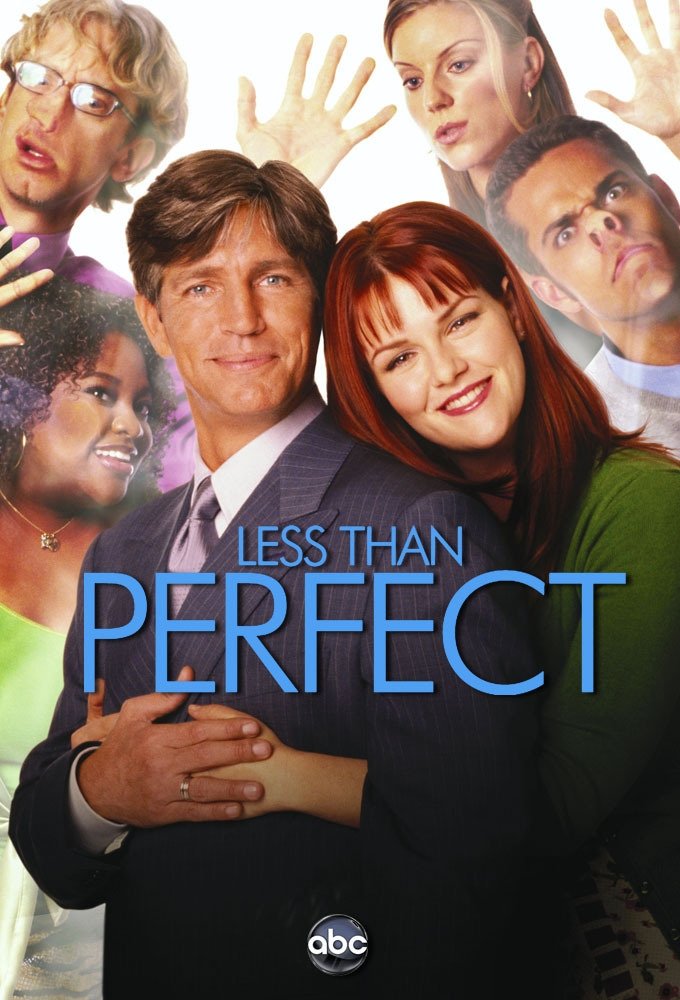
Claude Casey moved up in the secretarial world of television news, from temp to the anchor's desk. After her boss hires her full time, Claude realizes she may be in over her head in this world of assistants fighting to get ahead. But Claude is determined to prove that though she may not be perfect, she's not going down without a fight.
Mel is a broke, fat, Black JFK airport employee who's never been in love and forgotten how to dream, until an accidental brush with death catapults her on a journey to finally take flight and start living by any means necessary.
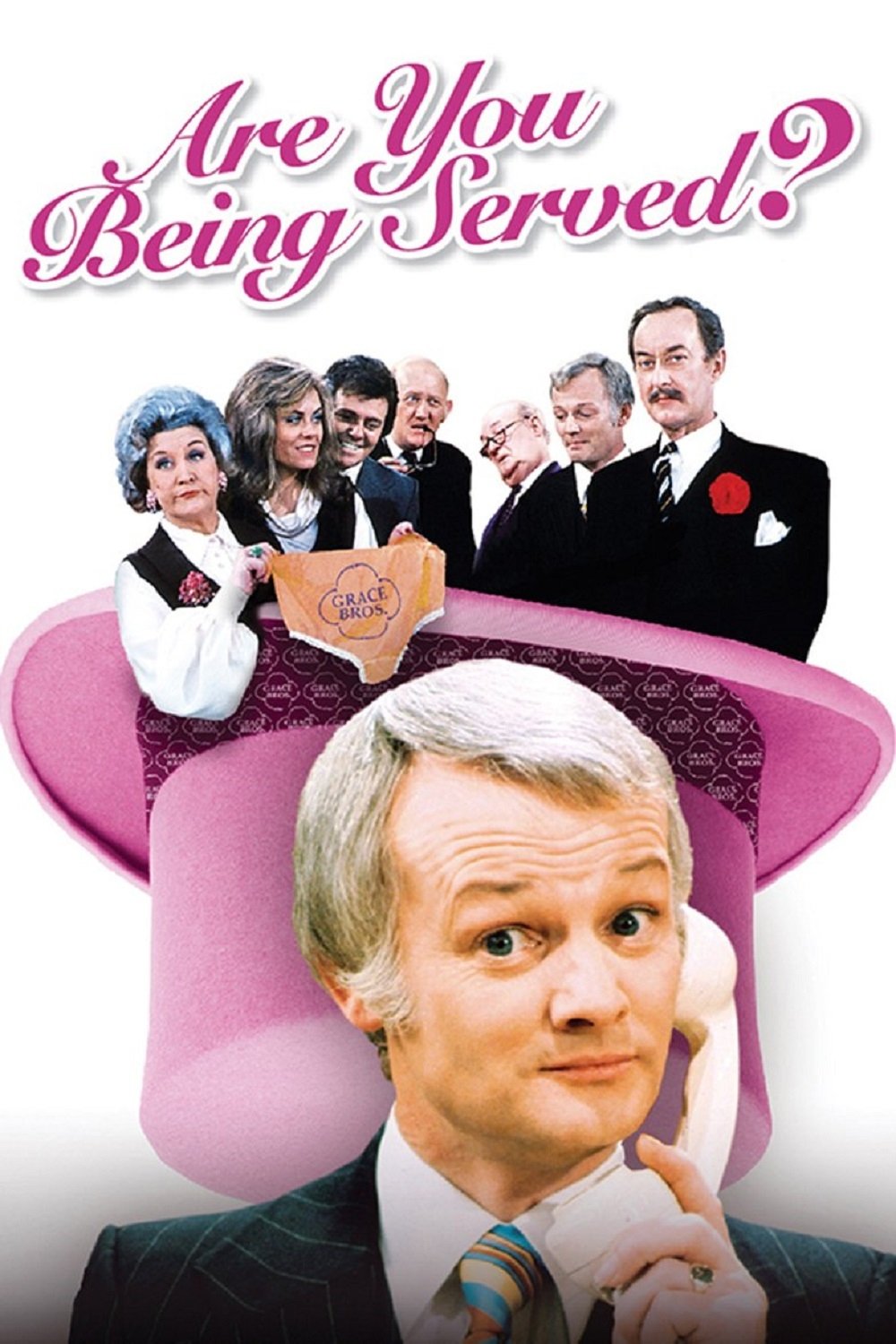
This comedy series, which follows the exploits of employees at London's fictional "Grace Brothers" department store, is full of sexual innuendo, slapstick, visual gags, and double entendres. Much of the show's humor parodies Britain's class system, and many of the show's characters are based on stereotypes of the period, including the effeminate Mr. Humphries and the rich, but stingy, store owner.
The series is about the office workers of Marketing Team 3 at the home appliance headquarters of Gaus Electronics—a multinational company. It highlights the highs and lows of corporate life, and love and friendship between the employees.
The story about a blue-collar Boston bar run by former sports star Sam Malone and the quirky and wonderful people who worked and drank there.
The Brittas Empire is a British sitcom created and originally written by Andrew Norriss and Richard Fegen. Chris Barrie plays Gordon Brittas, the well-meaning but incompetent manager of Whitbury New Town Leisure Centre. The show ran for seven series and 53 episodes — including two Christmas specials — from 1991 to 1997 on BBC1. Norriss and Fegen wrote the first five series, after which they left the show. The Brittas Empire enjoyed a long and successful run throughout the 1990s, and gained itself large mainstream audiences. In 2004 the show came 47th on the BBC's Britain's Best Sitcom poll, and all series have been released on DVD. The creators Andrew Norriss and Richard Fegen often combine farce with either surreal or dramatic elements in episodes. For example in the first series, the leisure centre prepares for a royal visit, only for the doors to seal, the boiler room to flood and a visitor to become electrocuted. Unlike the traditional sitcom, deaths were quite common in The Brittas Empire.
Cutters is an American sitcom that aired from June 11 until July 9, 1993.
Arnie is a television sitcom that ran for two seasons on the CBS network. It stars Herschel Bernardi, Sue Ane Langdon, and Roger Bowen. Bernardi played the title character, Arnie Nuvo, a longtime blue collar employee at the fictitious Continental Flange Company, who overnight was promoted to an executive position. The storylines mainly focused on this fish out of water situation, and on Arnie's sometimes-problematic relationship with his well-meaning but wealthy and eccentric boss, Hamilton Majors Jr.. Because he still held his union card, Arnie could negotiate tricky management/labor situations that no one else could. Arnie's surname was presumably a pun on nouveau riche, and possibly also on Art Nouveau. In addition to Bernardi, Bowen, and Langdon, cast members included Del Russel and Stephanie Steele as Arnie's son and daughter, Richard and Andrea; Elaine Shore as Arnie's secretary, Felicia; and Herb Voland as sour-tempered executive Neil Ogilvie. In its first season, despite being the lead-in to The Mary Tyler Moore Show on Saturday nights and winning an Emmy nomination as best comedy series, Arnie received only fair Nielsen ratings. For its second season, in order to increase its viewership, CBS made a major cast change in the show's format. Charles Nelson Reilly joined the cast as Randy Robinson, a TV chef who called himself "The Giddyap Gourmet," apparently a reference to The Galloping Gourmet.
Following the adventures of a bunch of nobodies who get up to a whole lot of nothing in the fictional prairie town of Dog River, Saskatchewan, Corner Gas focuses on the life (or lack thereof) of Brent LeRoy, proprietor of a gas station that is the only stop for miles around and a hub of action on the Prairies.
Alice is an American sitcom television series that ran from August 31, 1976 to March 19, 1985 on CBS. The series is based on the 1974 film Alice Doesn't Live Here Anymore. The show stars Linda Lavin in the title role, a widow who moves with her young son to start her life over again, and finds a job working at a roadside diner on the outskirts of Phoenix, Arizona. Most of the episodes revolve around events at Mel's Diner.
An office story about the Why Not Communications marketing team who have more time for rumors and relationships than work and promotions.
Follow along as Maulie, the manticore, quests to become Splendore's best real-estate agent while also struggling to find a stable home-life for herself amid a chaotic world of monsters and magic.
After divorcing her husband of 20 years, Molly Novak must figure out what to do with her $87 billion settlement. She decides to reengage with her charitable foundation and reconnect with the real world—finding herself along the way.
Dave Chappelle's singular point of view is unleashed through a combination of laidback stand-up and street-smart sketches.
A narrative series set in a limitless magical reality full of dynamic, hilarious characters and celebrity guests presenting sketches performed by a core cast of black women.
La que se avecina is a Spanish television comedy created by Alberto Caballero, Laura Caballero and Daniel Deorador. The TV-series focusing around the inhabitants of Mirador de Montepinar, a fictional building located on the outskirts of a big city. Both its storylines and cast are heavily based on Aquí no hay quien viva, which ended when Telecinco bought Miramón Mendi, the series production company. The episodes debuted on the Telecinco network, and were later rerun by the same network as well as cable/satellite channels FactoríaDeFicción and Paramount Comedy. The series debuted in 22 April 2007 and became popular thanks to its funny characters, witty script, use of catchphrases and capacity to integrate and poke fun at contemporary issues; the program presents a caustic satire of many of the 'types' found in Spanish society. The name of the show involves wordplay, as "vecina" is the Spanish word for neighbour.
Comic Garry Shandling draws upon his own talk show experiences to create the character of Larry Sanders, a paranoid, insecure host of a late night talk show. Larry, along with his obsequious TV sidekick Hank Kingsley and his fiercely protective producer Artie, allows Garry Shandling and his talented writers to look behind the scenes and to show us a convincing slice of behind the camera life.
Satirical sketch comedy set and filmed in Portland, Oregon that explores the eccentric misfits who embody the foibles of modern culture.
The Man Show is an American comedy television show on Comedy Central. It was created in 1999 by its two original co-hosts, Jimmy Kimmel and Adam Carolla, and their executive producer Daniel Kellison.
An unscripted variety series from Mexico in which ten professional comedians compete for a cash prize by trying to make each other laugh. The one who refrains from laughing the longest, while forcing other contestants to laugh first, is the winner.
The Kids in the Hall is a Canadian sketch comedy group formed in 1984, consisting of comedians Dave Foley, Kevin McDonald, Bruce McCulloch, Mark McKinney, and Scott Thompson.

Tim and Eric Awesome Show, Great Job! is an American sketch comedy television series, created by and starring Tim Heidecker and Eric Wareheim, which premiered February 11, 2007 on Cartoon Network's Adult Swim comedy block and ran until May 2010. The program features surrealistic and often satirical humor, public-access television–style musical acts, bizarre faux-commercials, and editing and special effects chosen to make the show appear camp. The program featured a wide range of actors, spanning from stars such as Will Ferrell, John C. Reilly, David Cross, Bob Odenkirk, Will Forte and Zach Galifianakis, to alternative comedians like Neil Hamburger, to television actors like Alan Thicke, celebrity look-alikes and impressionists. The creators of the show have described it as "the nightmare version of television."
The comic/folk duo Riki Lindhome and Kate Micucci hit prime time with their act in this scripted series for IFC. It follows hard-working underdogs trying to make their mark in comedy while muddling through messy dating scenarios, and doing so by performing one satirical (and often quite saucy) song after another. Nothing stops the ukulele- and guitar-wielding twosome from singing about life's unspoken truths, despite it leaving them detached from their peers. The series is titled after Lindhome and Micucci's band name, inspired by "two famous rock 'n' roll second bananas," Art Garfunkel and John Oates.
There's not a lot of fires to fight in one of the rainiest cities in America, leaving the crew at the Tacoma Fire Department tackling the less glamorous elements of the job. Light on blazes that need extinguishing, this squad keeps itself entertained with creative competitions, friendly first responder rivalries, and bizarre emergency calls.
A comedic talk show from an alternate reality featuring unstable hosts, a variety of celebrities—both real and fake—and unusual studio action.
A platonic pair of former best friends approaching midlife reconnect after a long rift. The duo’s friendship becomes more consuming—and destabilizes their lives in a hilarious way.
A workplace comedy about the underdogs who accidentally made the best Dracula movie you've never seen—the Spanish version of the 1931 classic.
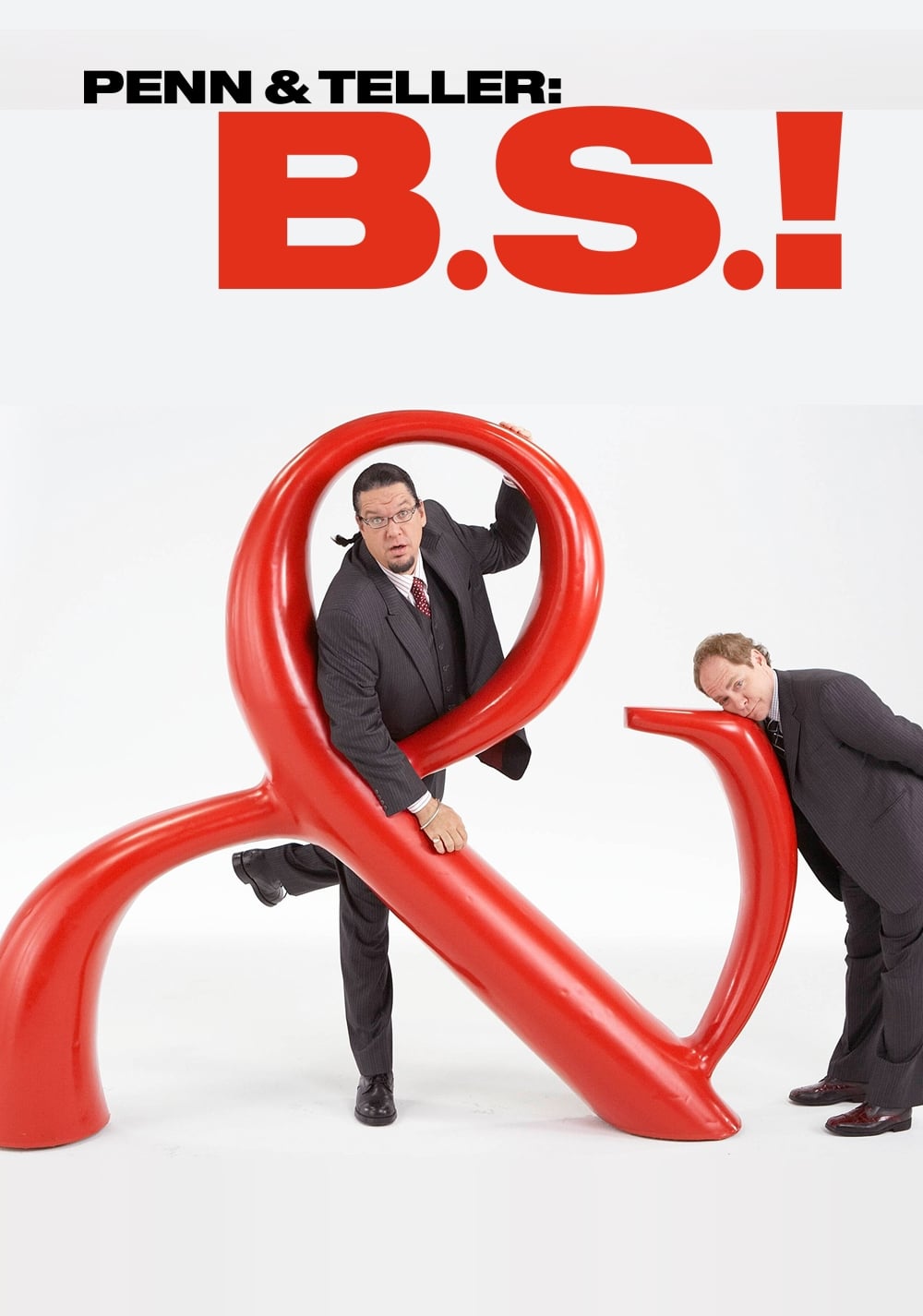
This daring original series stars postmodern bad boys of magic Penn & Teller as they question many of our culture's most cherished and widely held beliefs. From the truth about palm readings and TV psychics to the reality behind Feng Shui and Ouija boards, the archly comic masters of misdirection host this eye-opening analysis of the middle-ground between perception and reality.
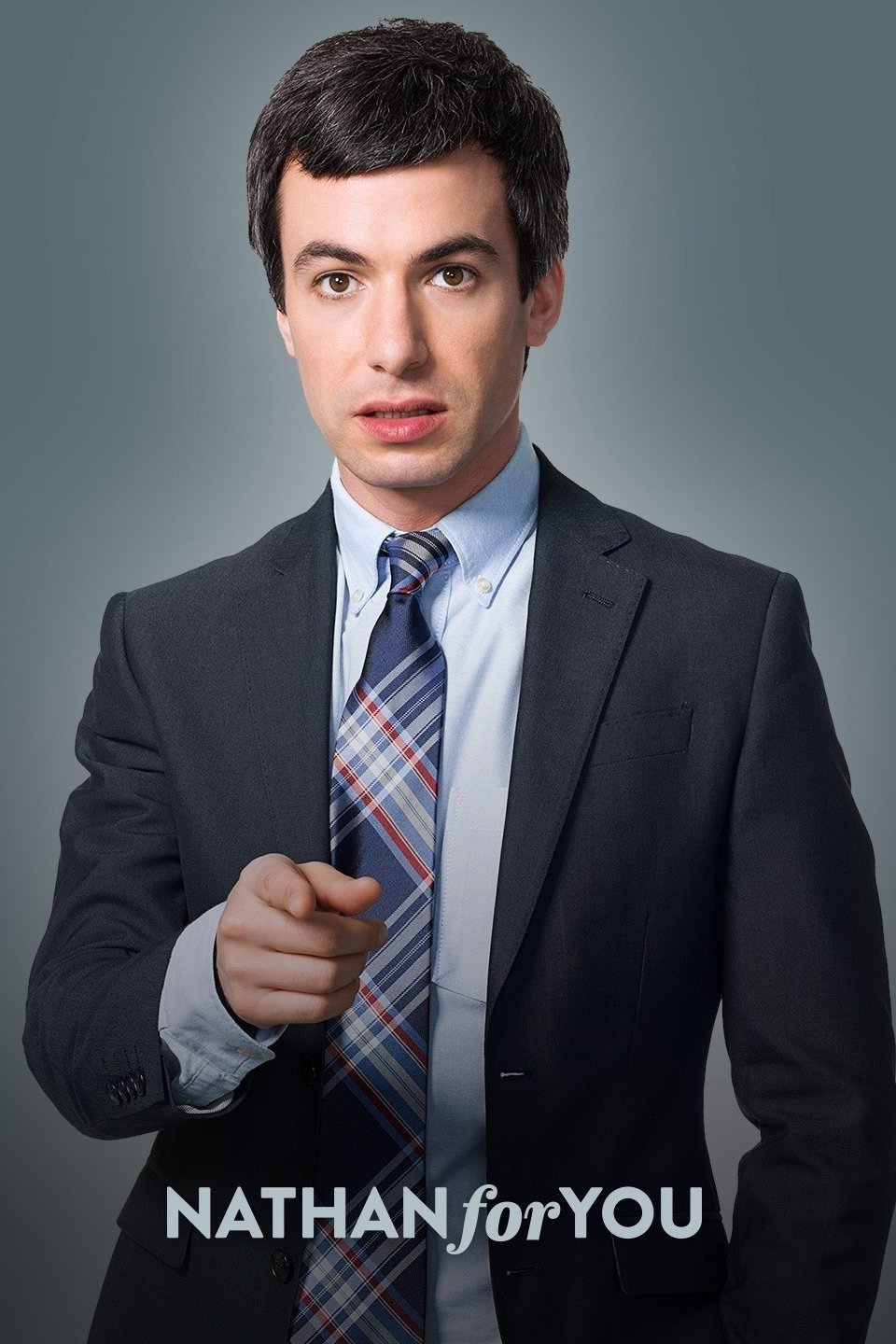
Self-proclaimed business expert, writer, director and comedian Nathan Fielder helps real small businesses turn a profit with marketing tactics that no ordinary consultant would dare to attempt. From driving foot traffic to an off-the-strip souvenir shop by using Hollywood flair and a Johnny Depp impersonator, to creating a rebate that can only be redeemed by climbing a mountain, to founding a coffee shop called "Dumb Starbucks,” Nathan has always gone to the limit to make his ideas come to life. With his unorthodox approach to problem solving, Nathan’s genuine efforts to do good often draw the real people he encounters into an experience far beyond what they signed up for.
A sketch comedy series starring and hosted by Bob Odenkirk and David Cross. The pair introduce most episodes as heightened versions of themselves before transitioning to a mixture of live sketches and pre-taped segments.
A comedy about the triumphs and tribulations of marriage and friendship from very different perspectives. It's about the funny – and sometimes annoying – things that happen between husbands, wives, parents, children, neighbors and friends day after day after day. The show focuses on Eddie and Joy Stark, a couple married for 23 years who live in Philadelphia, Pennsylvania.
The New York-based sketch comedy ensemble takes it's act to the small screen in this outrageous cable series. Led by Trevor Moore and Zach Cregger, the troupe takes on every stereotype, foible, and irony found in everyday life, no matter how un-PC the results.
The Benny Hill Show is a British comedy television show that starred Benny Hill and aired in various incarnations between 15 January 1955 and 30 May 1991 in over 140 countries. The show focused on sketches that were full of slapstick, mime, parody, and double-entendre. Thames Television cancelled production of the show in 1989 due to declining ratings and large production costs at £450,000 per show.