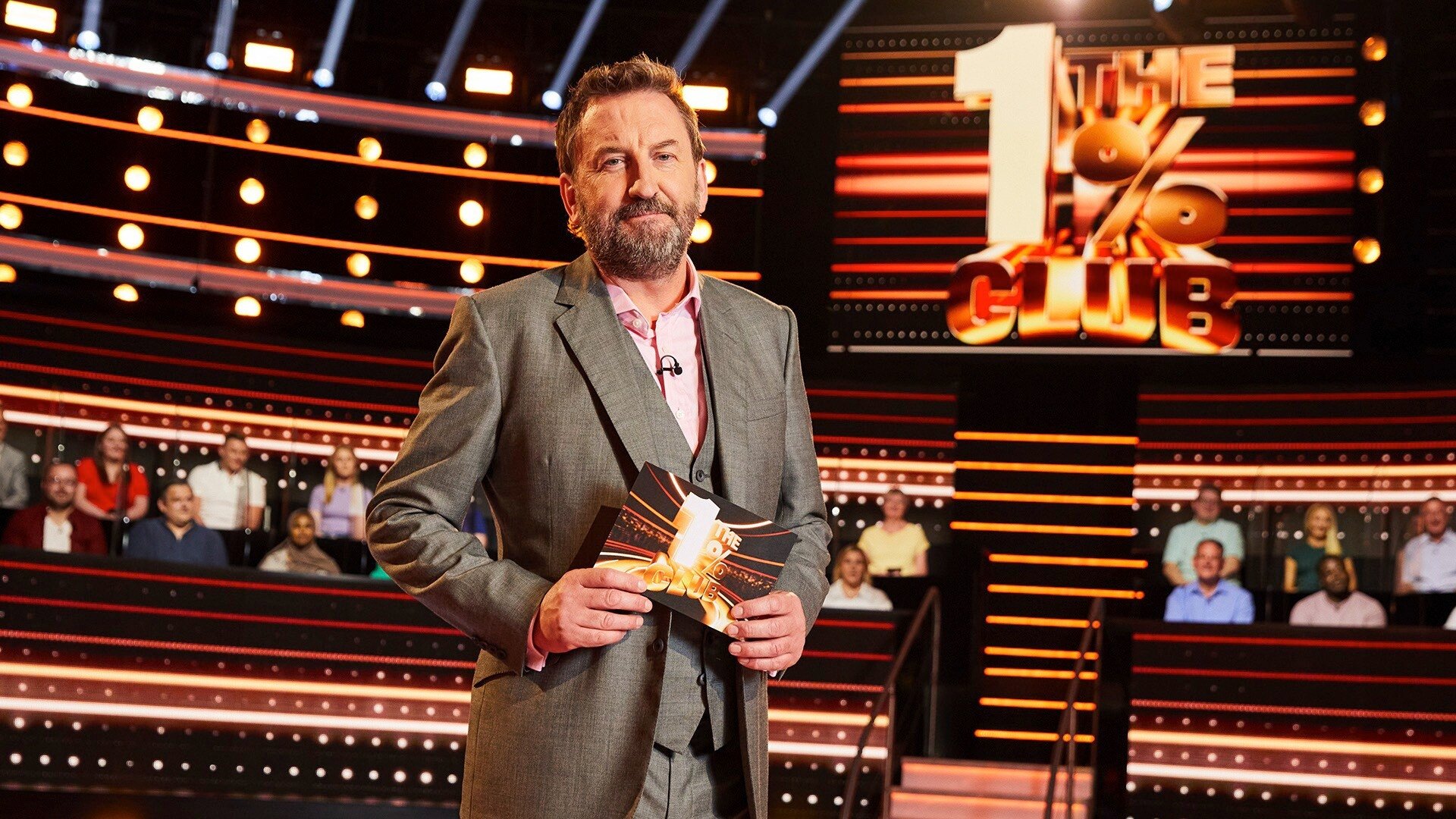
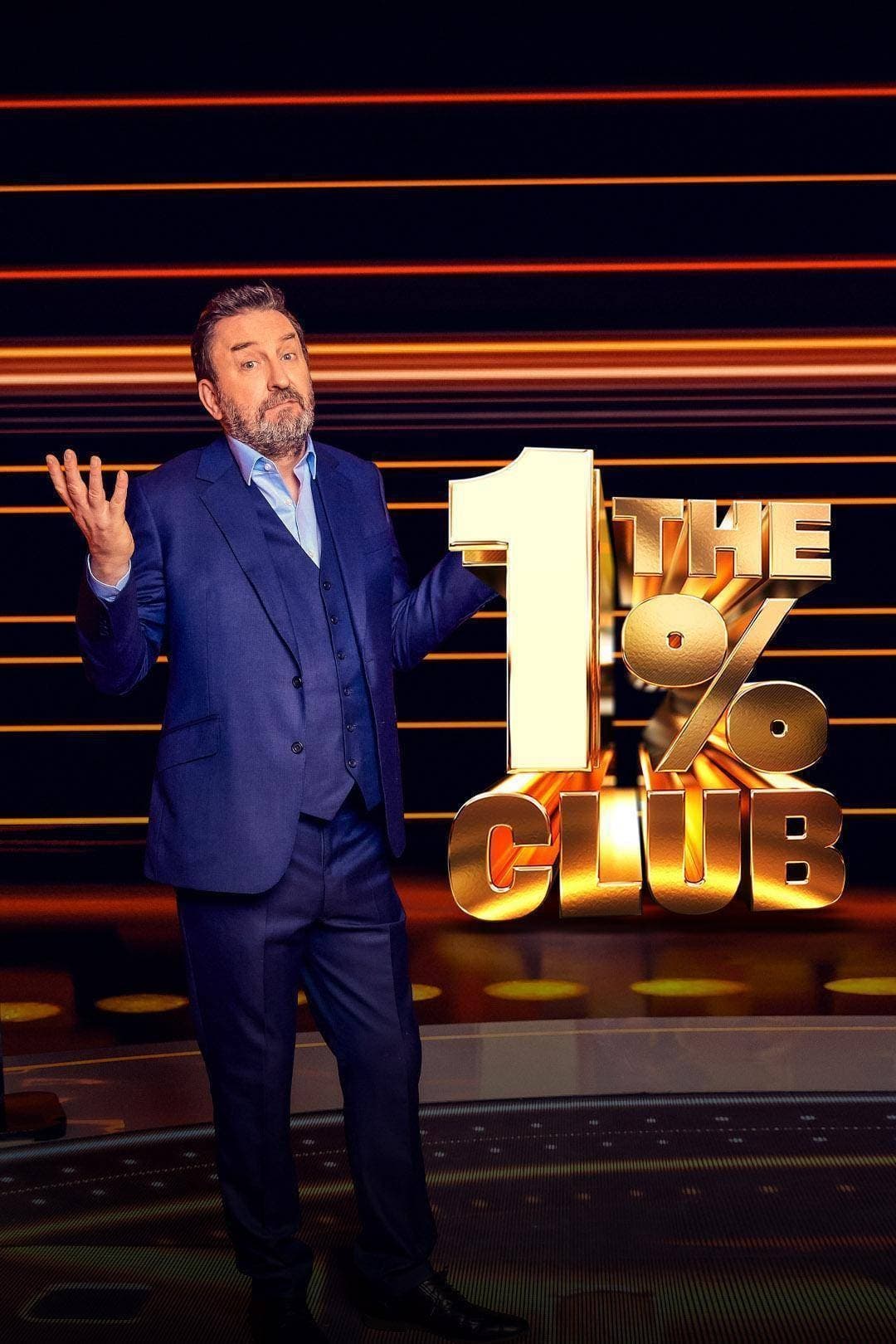
Quiz show where contestants try to answer a question that only 1% of the country can get right.
Social & External
Self - Presenter
The second version of the American television game show.
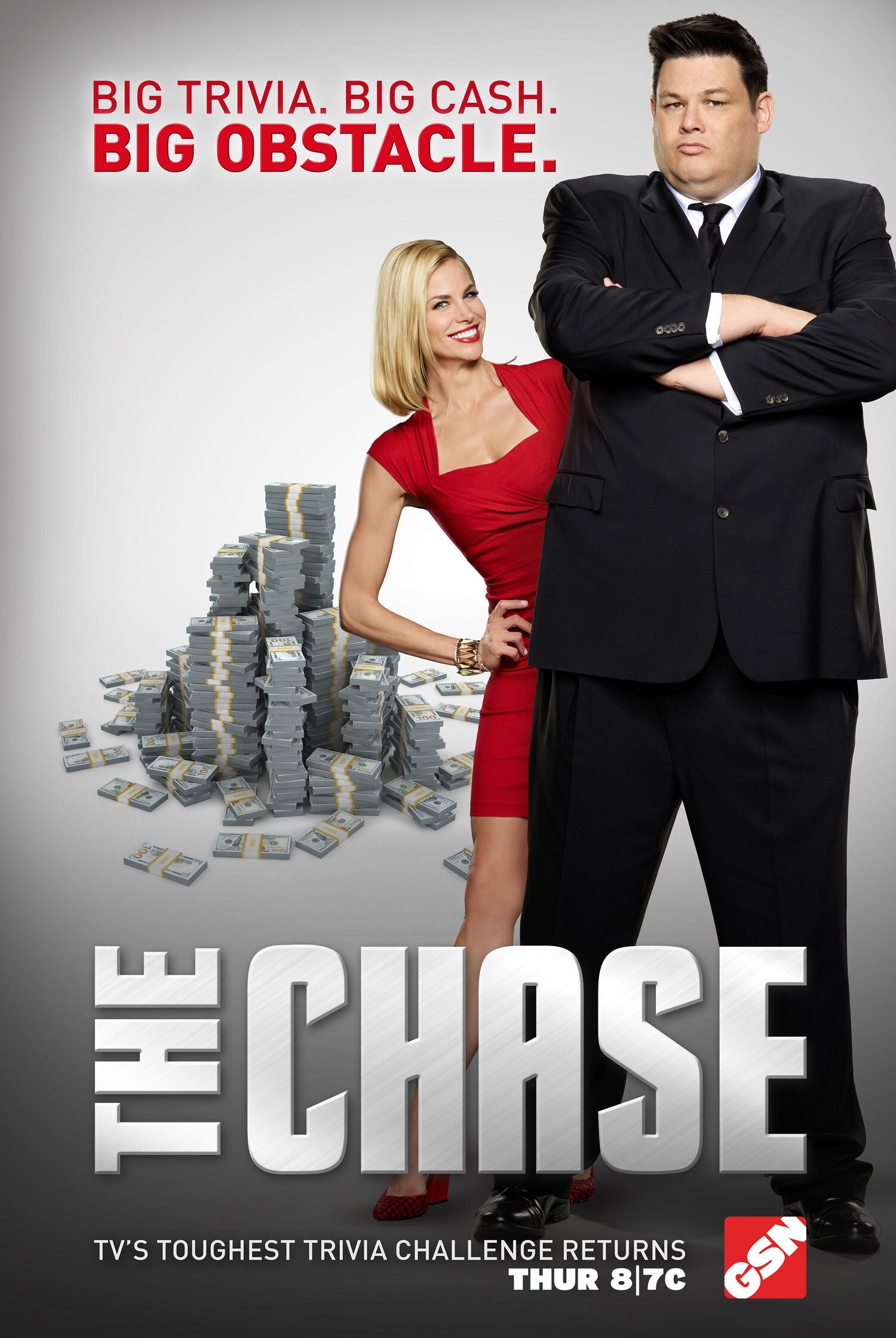
This trivia game show is based on the British show of the same name in which contestants try to win money by challenging a quiz show genius known as the Chaser. The series is hosted by Brooke Burns and features Mark Labbett as the Chaser. The show follows the same format as the original UK version, but with three contestants instead of four.
A Philippine musical game show touted as the "first community singing game show" where no one will be left empty-handed. Wherein features several community groups, which consists of 50 individuals, where they are asked to complete a line of a song in order for them to receive cash prizes, and a chance to share a winning jackpot of ₱1,000,000.
What do you get when you combine American Idol with the type of singing talent you usually only hear in the shower? This dress-up sing-along show from Fox, in which average folks make themselves over as their favorite celebrity and give a performance.
In a Temple filled with lost treasures and protected by mysterious Mayan temple guards, six teams of two children compete to retrieve one of the historical artifacts in the Temple by performing physical stunts and answering questions based on history, mythology, and geography. After three elimination rounds, only one team remains, who then earns the right to go through the Temple to retrieve the artifact within three minutes and win a grand prize.
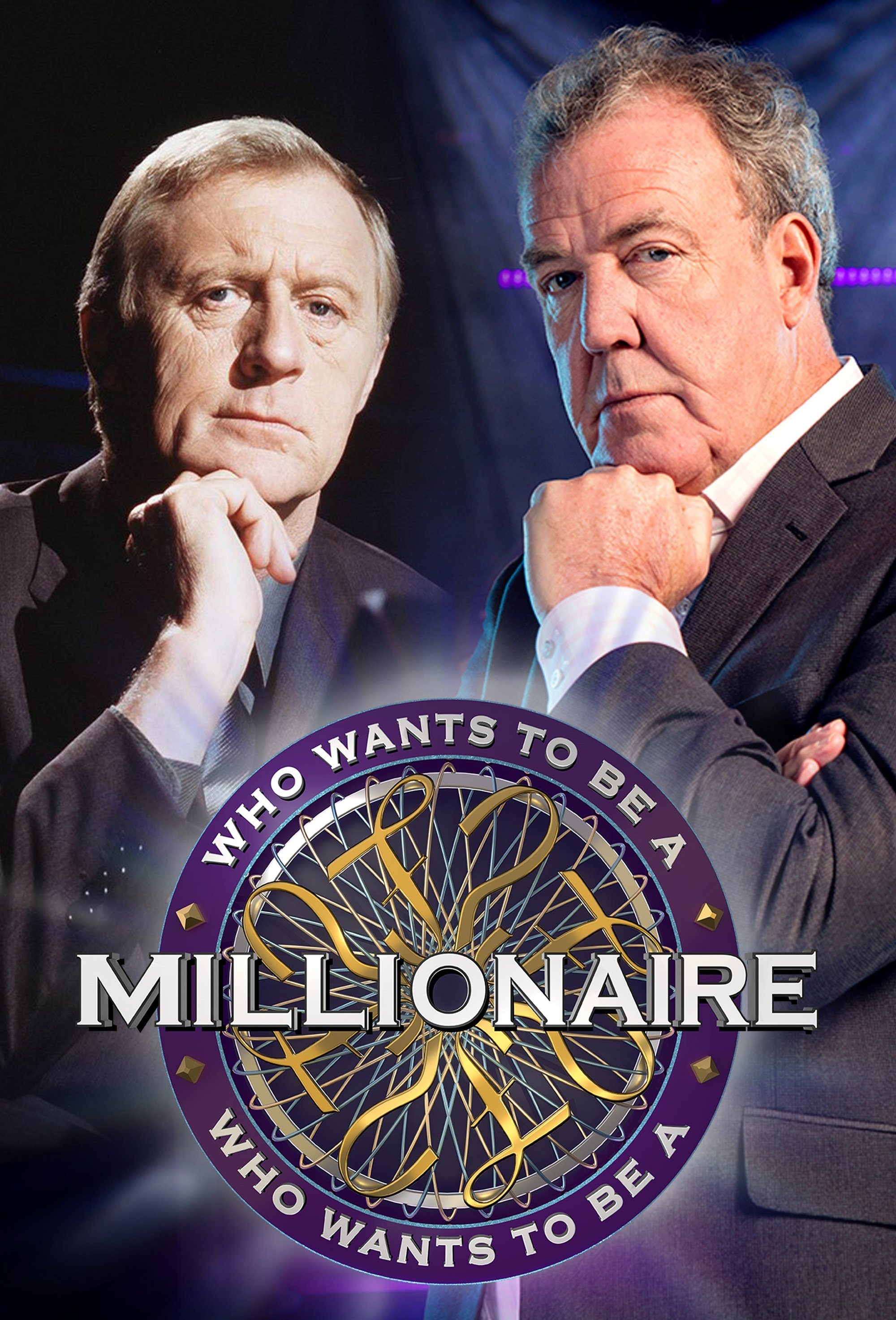
A game show created in the United Kingdom, in which contestants attempt to answer general knowledge questions in an intimidating atmosphere in order to scoop the £1 million top prize. The original series was hosted by Chris Tarrant, and its modern-day revival is hosted by Jeremy Clarkson.
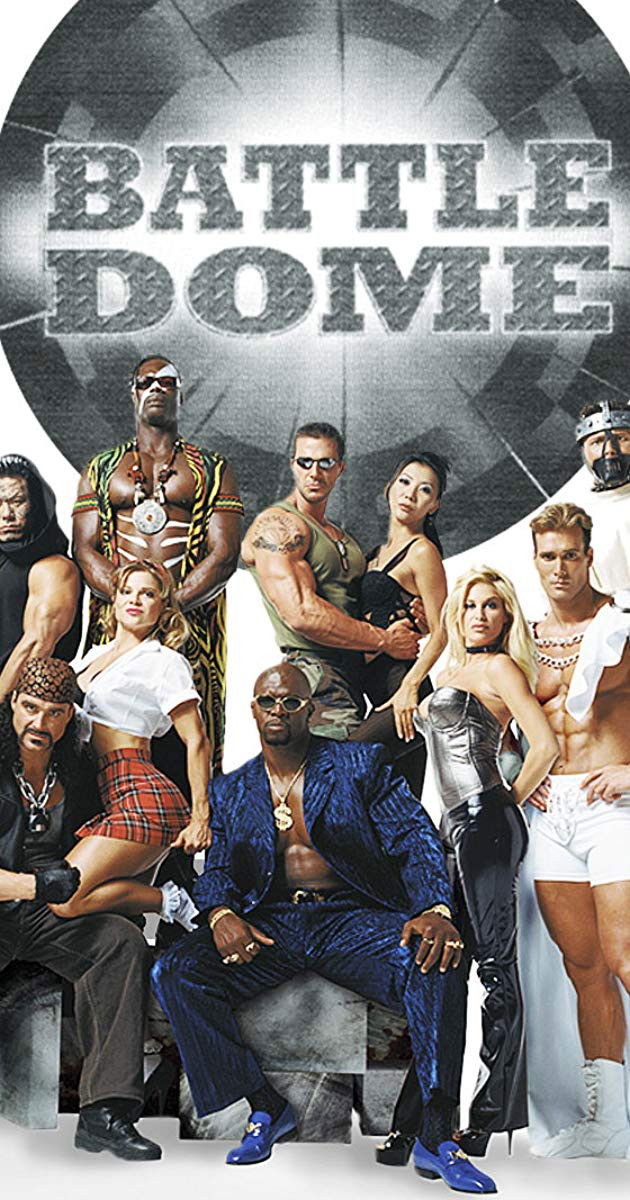
Battle Dome was a syndicated American television series that aired from September 1999 to April 2001. It combined elements of American Gladiators - inspired athletic competition with scripted antics more reminiscent of professional wrestling. Recurring character-athletes known as "Warriors" competed against weekly contestants in a variety of physically demanding events. The series was filmed at the Los Angeles Sports Arena and produced by Columbia TriStar Television. The entire first and second season of Battle Dome is available for purchase on iTunes and Amazon Instant Video.
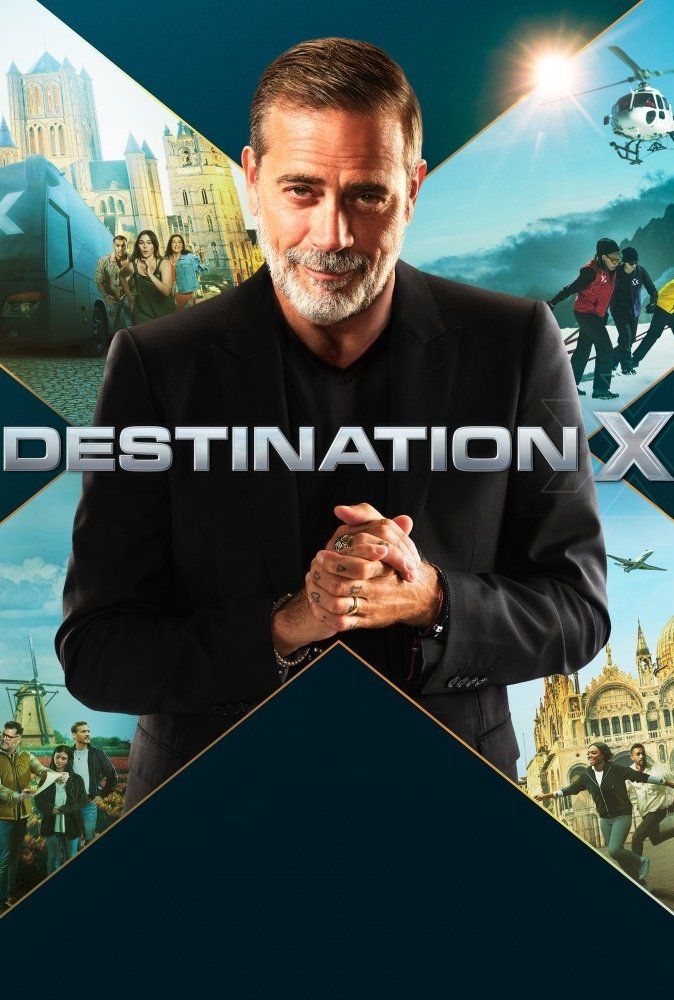
A group of contestants embark on mysterious road trip. Aboard a blacked-out bus, they face challenges offering location-clues while being misled, turning journey into real-life game to deduce their destination.
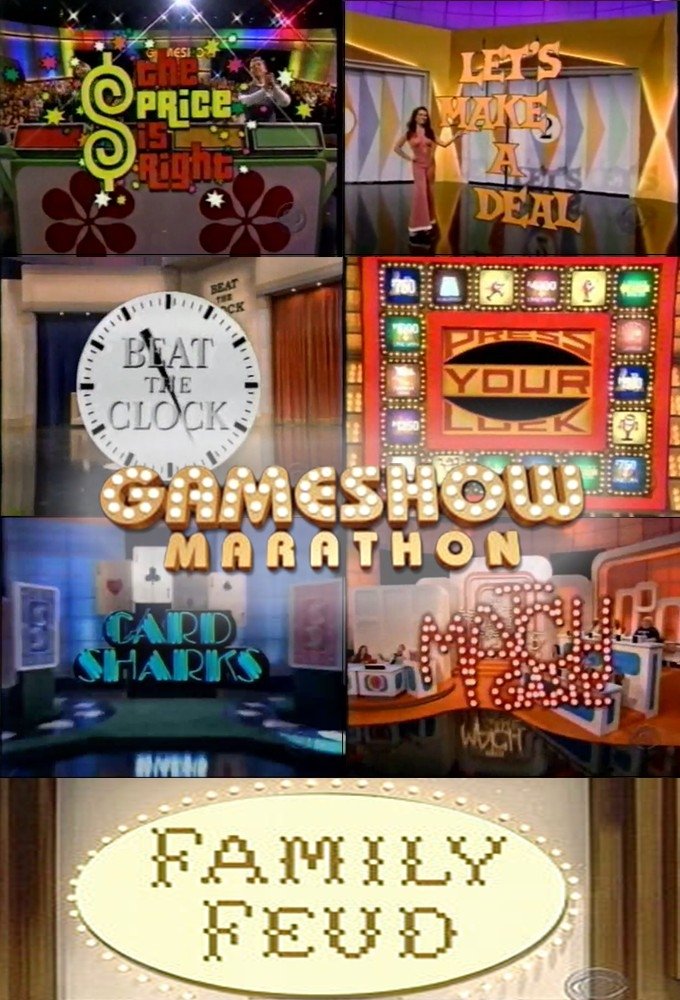
Game$how Marathon is an American television program which aired on CBS from May 31, 2006 to June 29, 2006. It is based on the UK series Ant & Dec's Gameshow Marathon which aired on ITV in 2005. The show features contestants competing in some of television's most historically popular game shows, in a single-elimination format until an ultimate winner is found. Both the UK and US versions featured celebrity contestants. The US version was produced by FremantleMedia North America and Granada America and was hosted by Ricki Lake and announced by Rich Fields. In the US, the series only aired for a single season, while in the UK a second season aired in 2007, this time entitled Gameshow Marathon and hosted by Vernon Kay. This program was recorded at Stage 46, CBS Television City in Los Angeles, CA, USA.
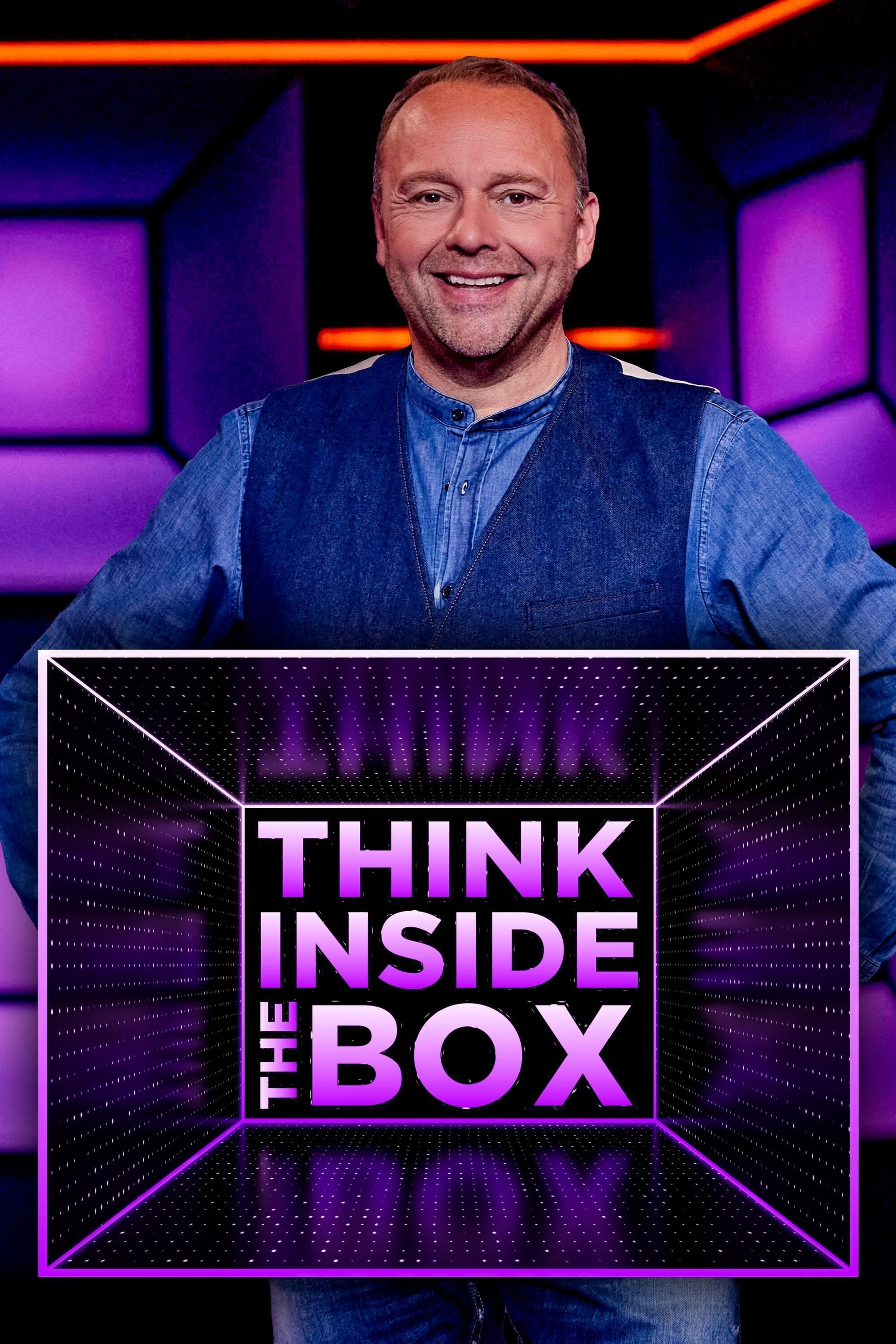
Dara Ó Briain hosts the high jeopardy quiz show where winning £1,000,000 is all about holding onto those six zeros... how risky would you be?
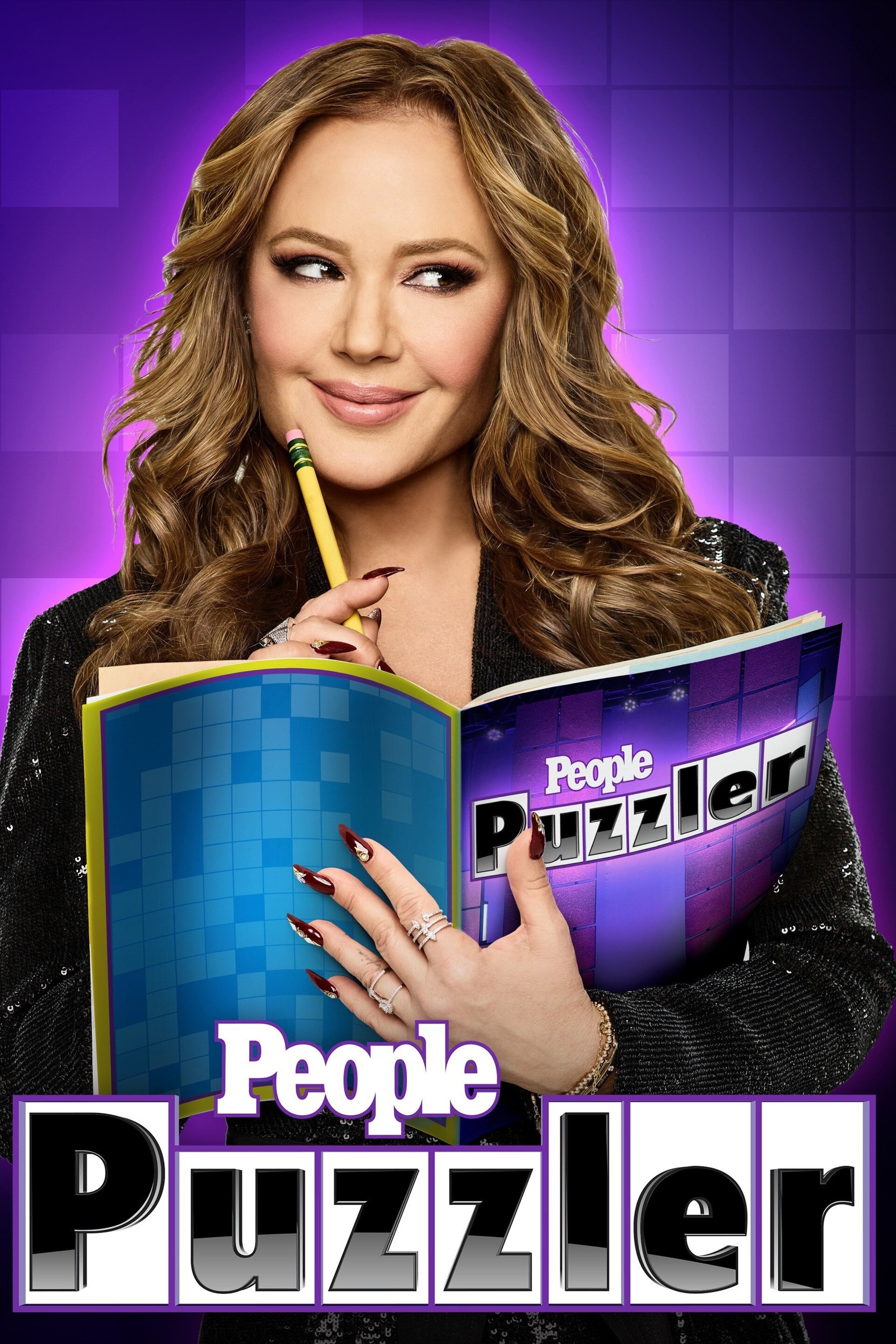
Three lucky contestants put their pop culture knowledge to the test to complete iconic, People Puzzler crosswords. The player with the most points at the end of three rounds wins the game and goes on to play the "Fast Puzzle Round" for an enormous cash prize.
Concentration is an American television game show based on the children's memory game of the same name. Matching cards represented prizes that contestants could win. As matching pairs of cards were gradually removed from the board, it would slowly reveal elements of a rebus puzzle that contestants had to solve to win a match. The show was broadcast on and off from 1958 to 1991, presented by various hosts, and has been made in several different versions. The original network daytime series, Concentration, appeared on NBC for 14 years, 7 months, and 3,770 telecasts, the longest run of any game show on that network. This series was hosted by Hugh Downs and later by Bob Clayton, but for a six-month period in 1969, Ed McMahon hosted the series. The series began at 11:30 AM Eastern, then moved to 11:00 and finally to 10:30. Nearly all episodes of the NBC daytime version were produced at 30 Rockefeller Plaza, New York City. A weekly nighttime version appeared in two separate broadcast runs: the first aired from October 30 to November 20, 1958 with Jack Barry as host, while the second ran from April 24 to September 18, 1961 with Downs as host.
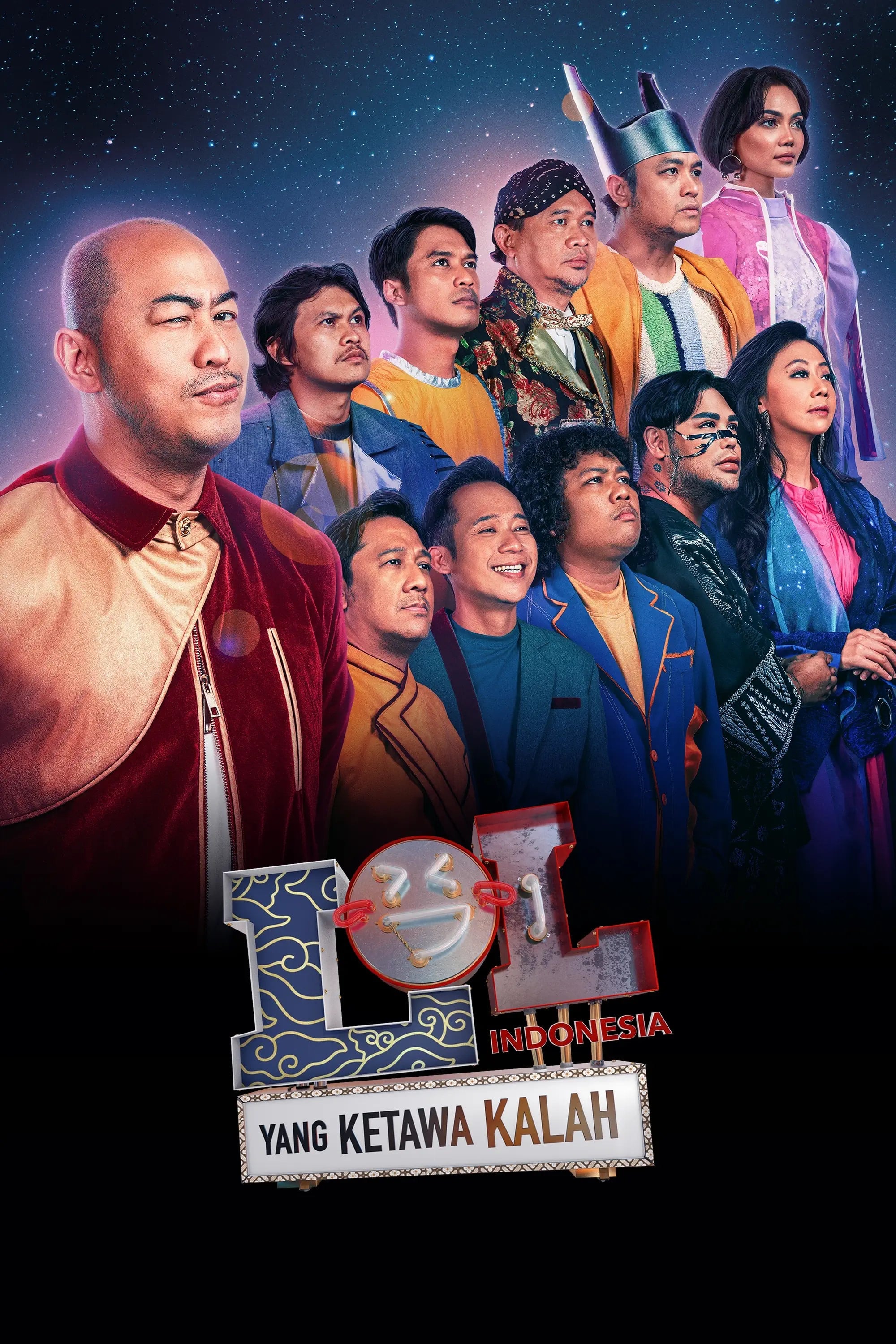
The hosts will lead top comedians in a chaotic battle of wits and endurance. A room devoid of laughter, where comedians armed with jokes and timing engage in a high-stakes battle to survive longer.
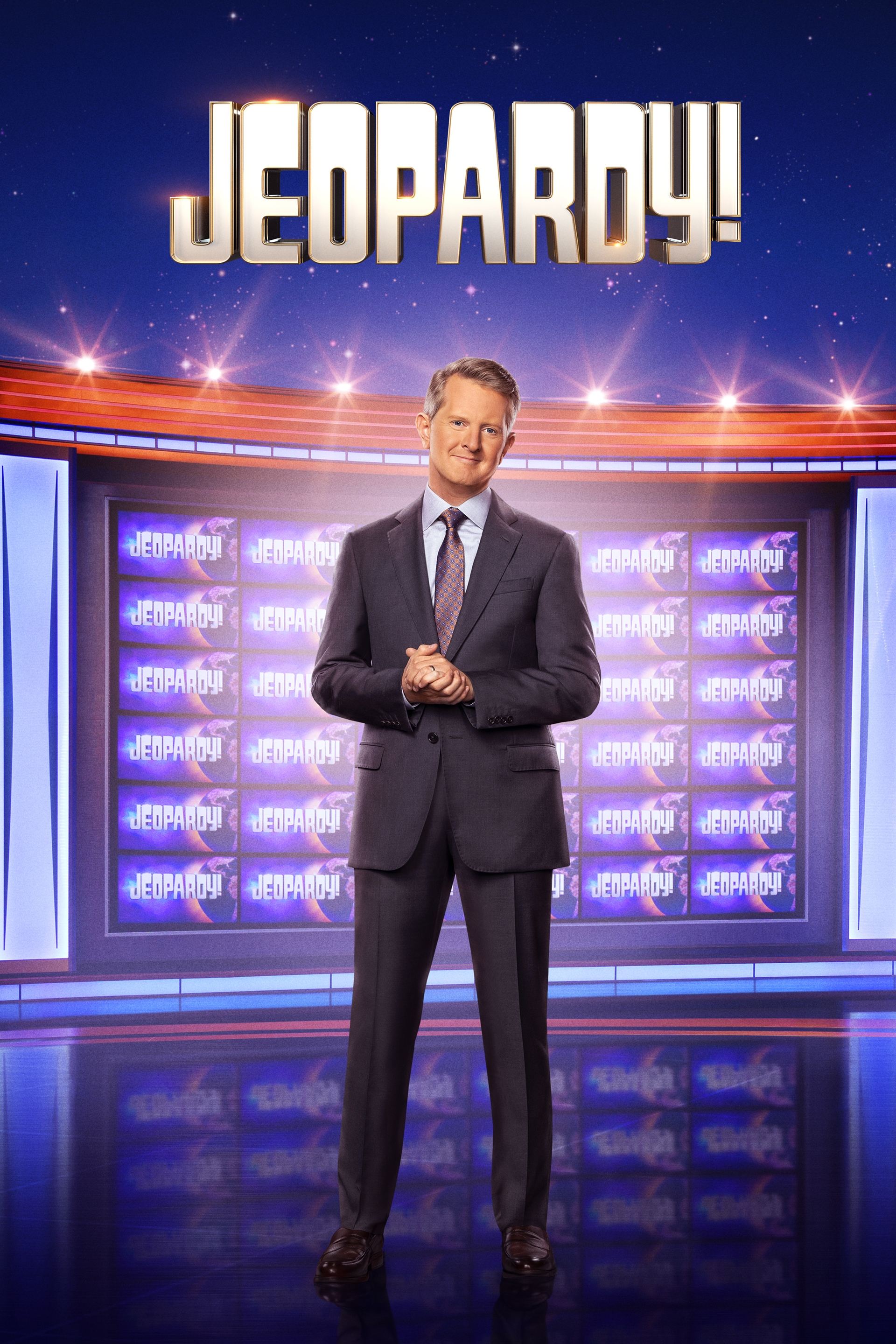
America's favorite quiz show where contestants are presented with general knowledge clues in the form of answers, and must phrase their responses in question form.
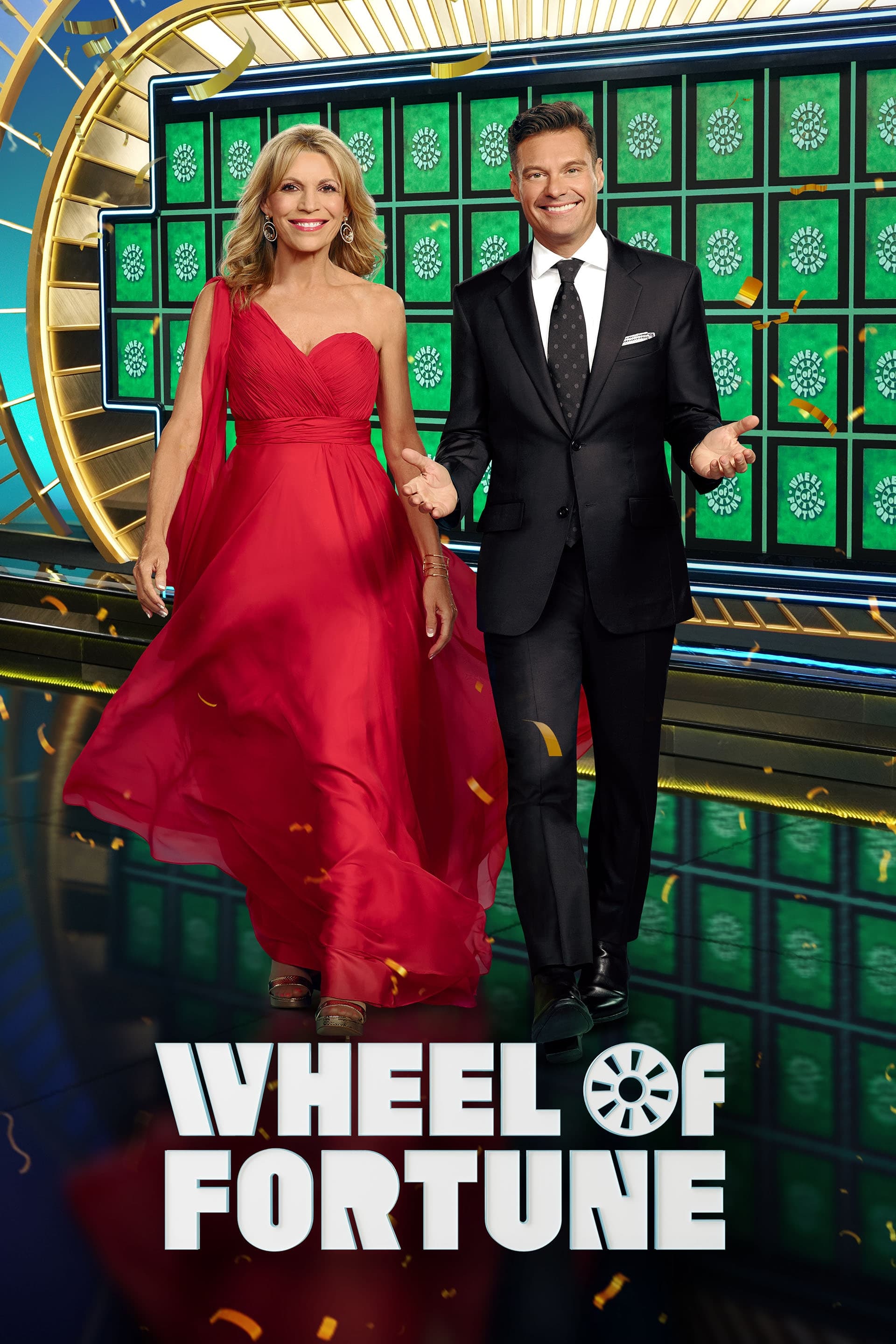
This game show sees contestants solve word puzzles, similar to those used in Hangman, to win cash and prizes determined by spinning a giant carnival wheel.
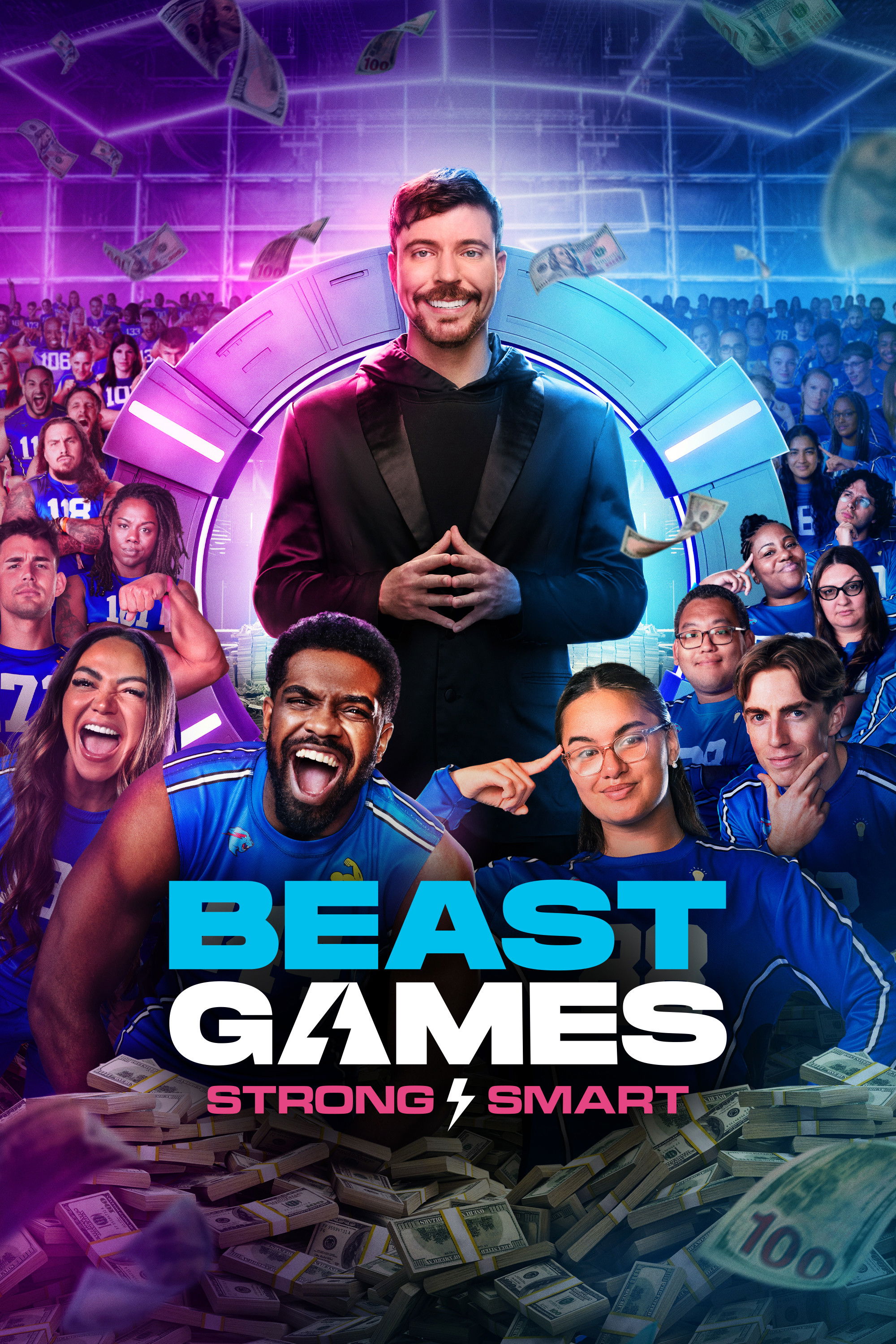
I gathered 1,000 people to fight for $5,000,000, the LARGEST cash prize in TV history! We're also giving away a private island, Lamborghinis, and millions more in cash throughout the competition! Go watch to see the greatest show ever made!
Quiz in which contestants try to score as few points as possible by plumbing the depths of their general knowledge to come up with the answers no-one else can think of.
Each Challenge pits numerous cast members from past seasons of reality shows against each other, dividing them into two separate teams according to different criteria, such as gender, which show they first appeared on, whether or not they're veterans or rookies on the show, etc. The two teams compete in numerous missions in order to win prizes and advance in the overall game.
"Come on down!" The Price Is Right features a wide variety of games and contests with the same basic challenge: Guess the prices of everyday (or not-quite-everyday) retail items.
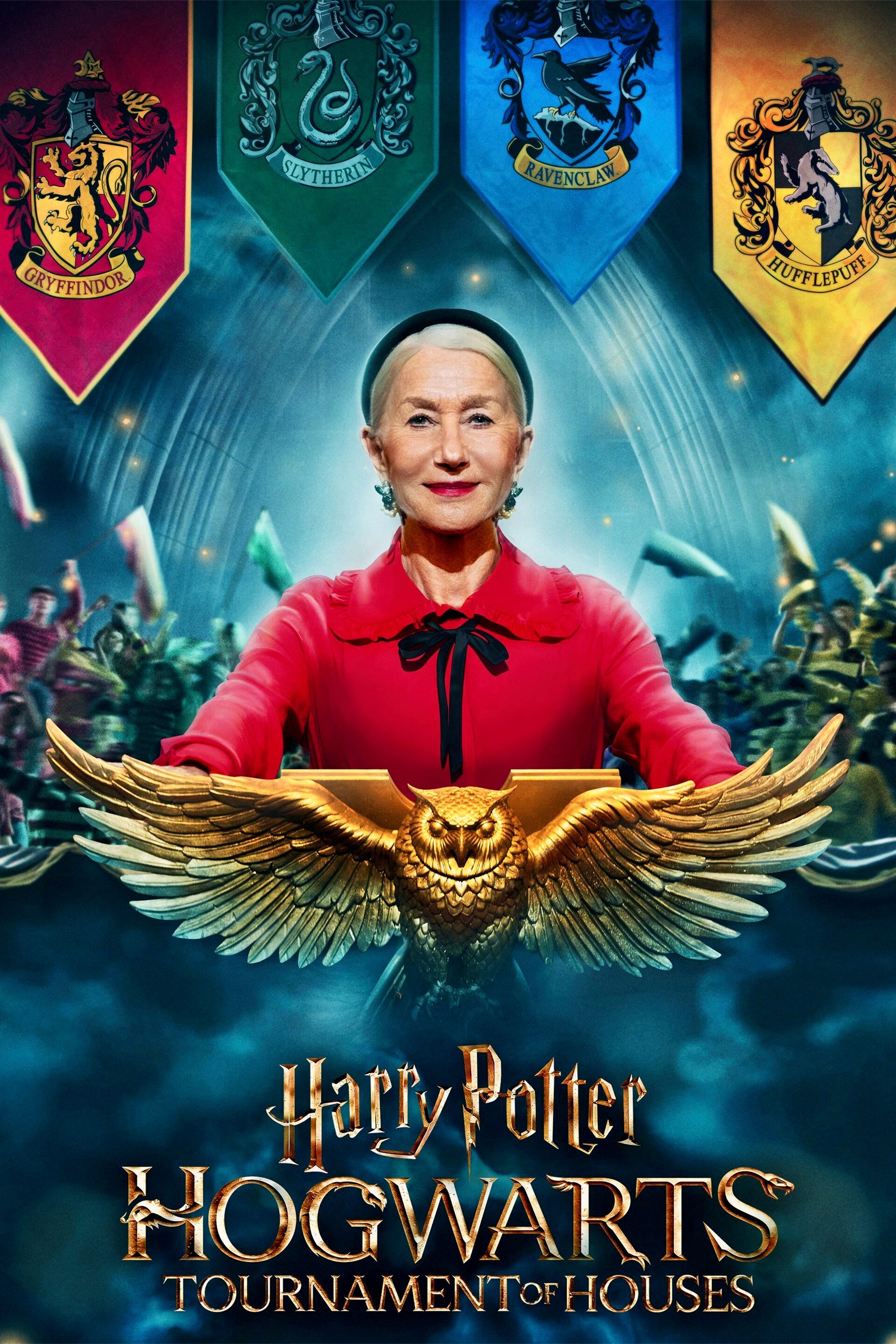
Wizarding World fans put their Harry Potter knowledge to the test for the ultimate honor to be named House Cup champion.
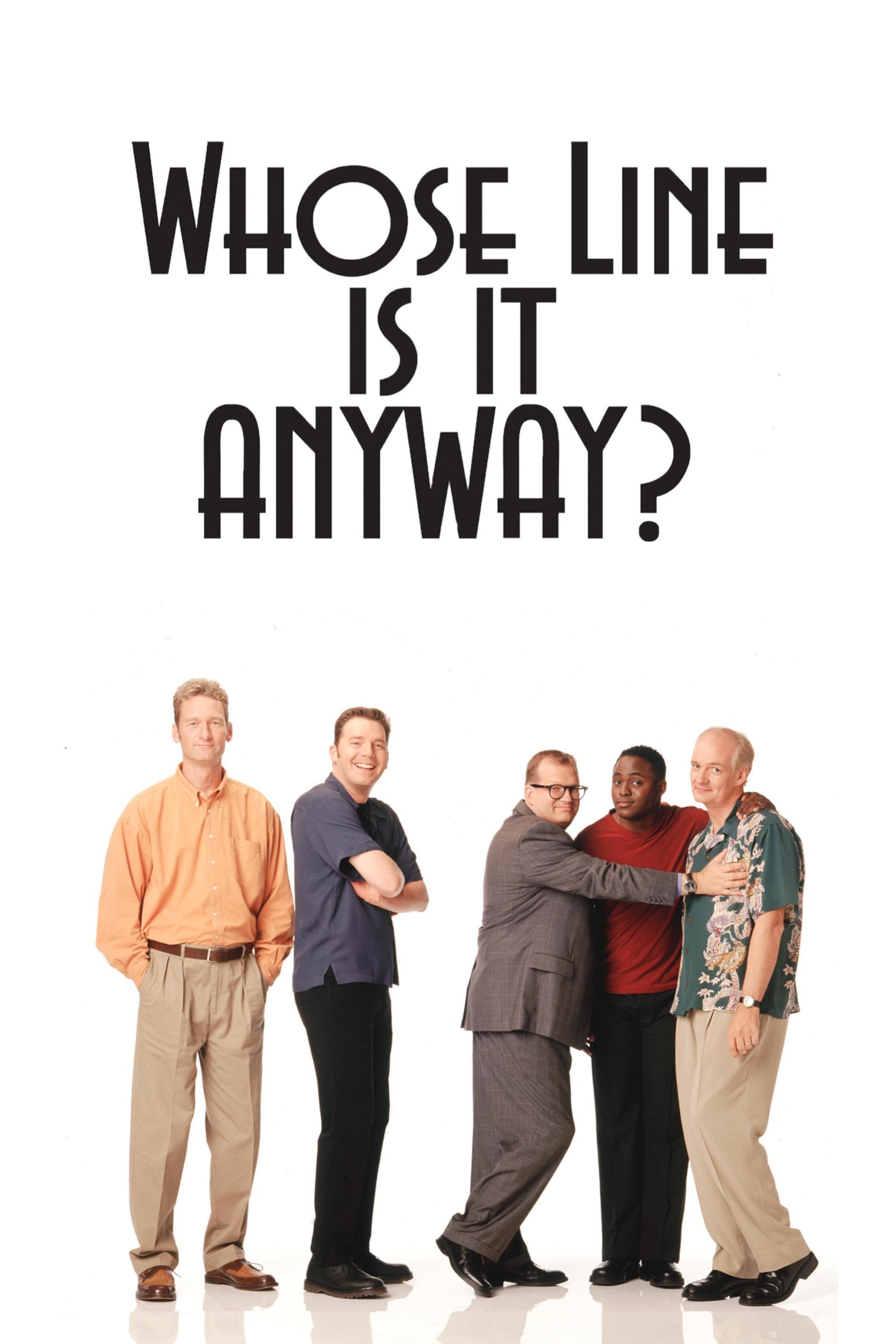
The show where everything's made up and the points don't matter. Not a talk show, not a sitcom, not a game show, Whose Line Is It Anyway? is a completely unique concept to network television. Four talented actors perform completely unrehearsed skits and games in front of a studio audience. Host Drew Carey sets the scene, with contributions from the audience, but the actors rely completely on their quick wit and improvisational skills. It's genuinely improvised, so anything can happen - and often does.
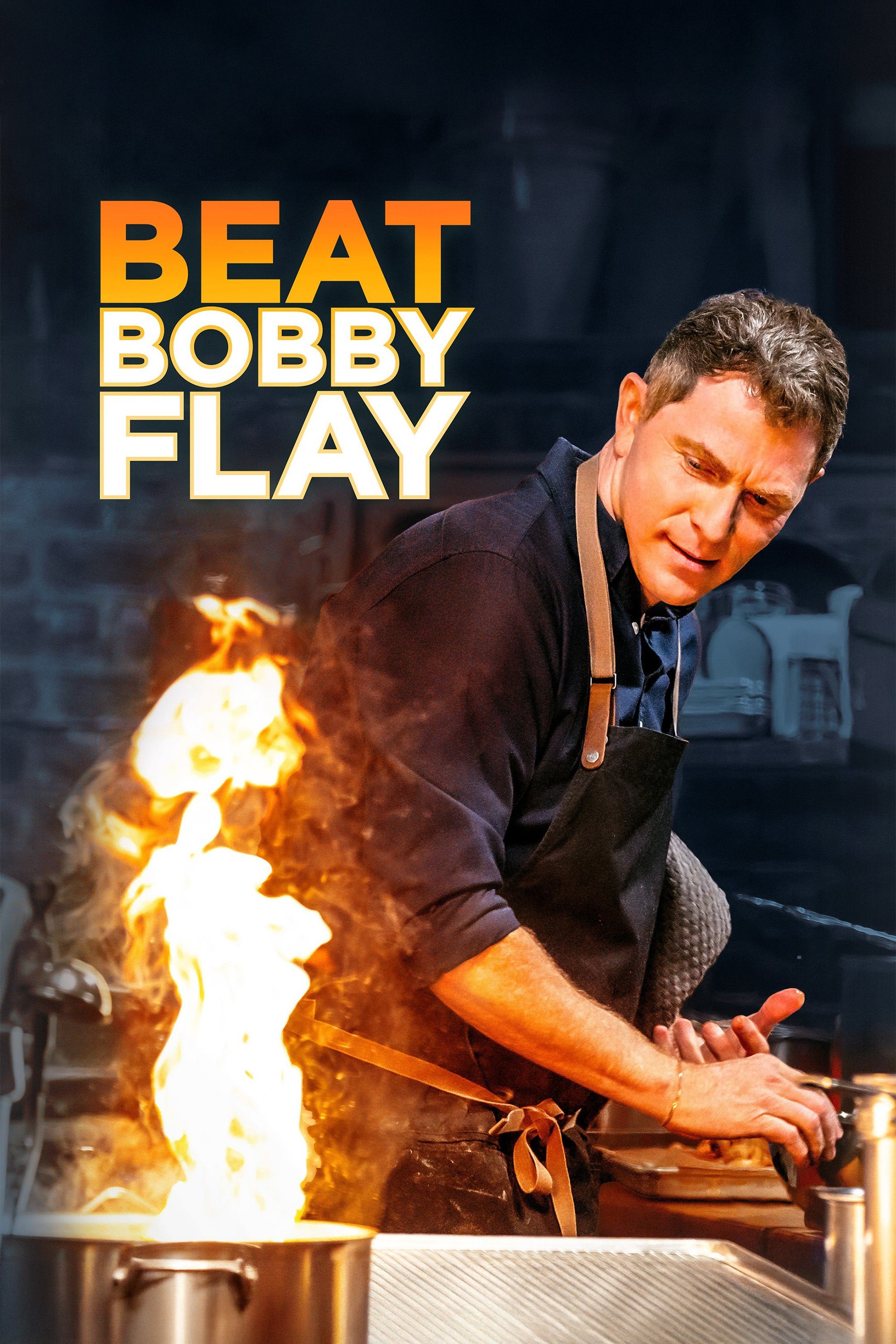
Two talented chefs go head-to-head for the chance to Beat Bobby Flay. To get to Bobby the chefs must first face off against each other, creating a spectacular dish with a secret ingredient of Bobby's choice. Judges Alex Guarnaschelli and Jeff Mauro know Bobby's strengths and his weaknesses. Their goal: Pick the chef who has the skills to take down Bobby Flay in his own arena. The winning chef gets to challenge Bobby with his or her surprise signature dish. If Bobby goes down, the winner can tell the world, "I beat Bobby Flay!"
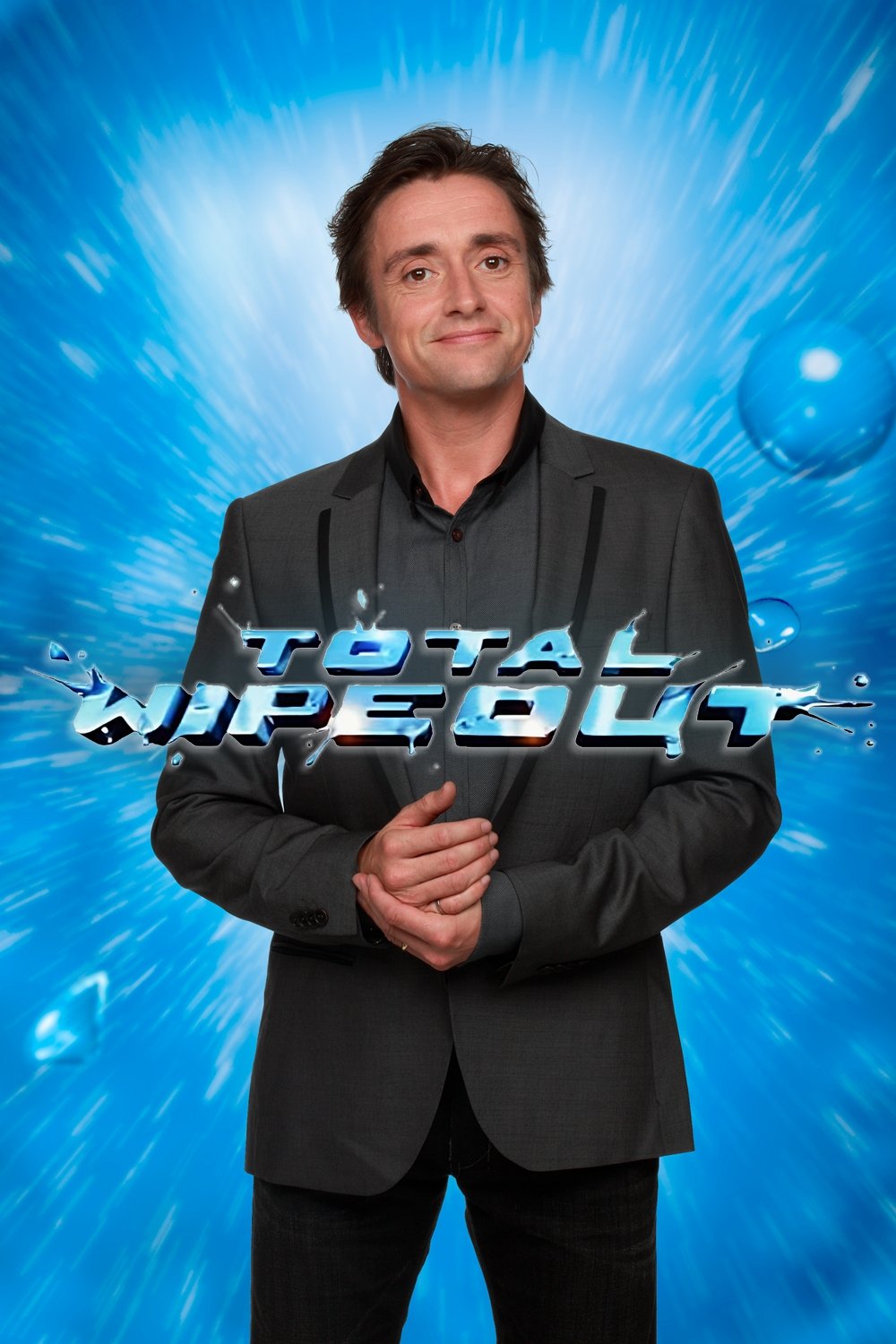
Each week, 20 contestants compete in a series of challenges in an attempt to win £10,000. These challenges are based in large pools of water or mud and generally involve large assault courses that participants must cross.
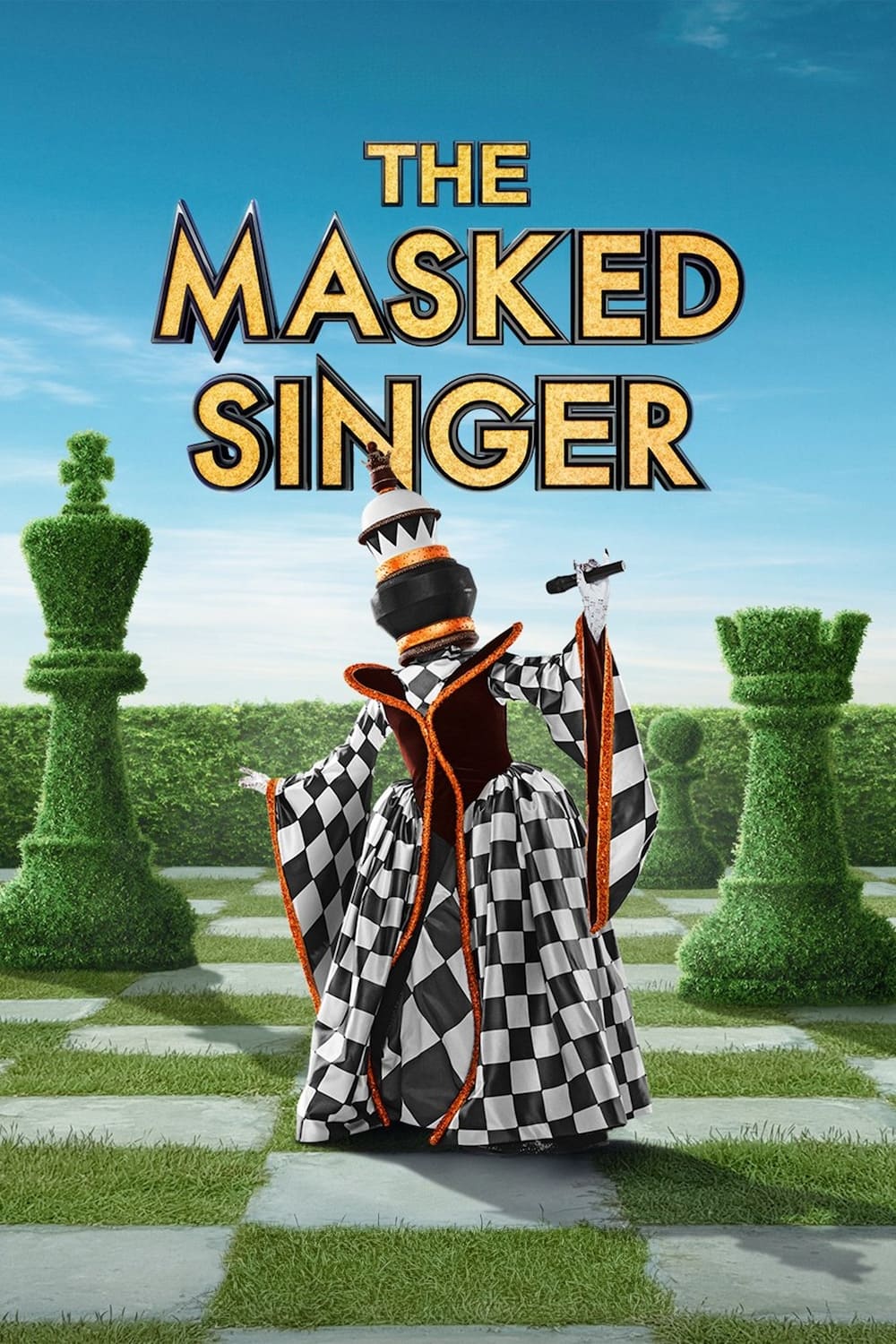
Celebrities compete in a singing competition with one major twist: each singer is shrouded from head to toe in an elaborate costume, complete with full face mask to conceal his or her identity. One singer will be eliminated each week, ultimately revealing his or her true identity.
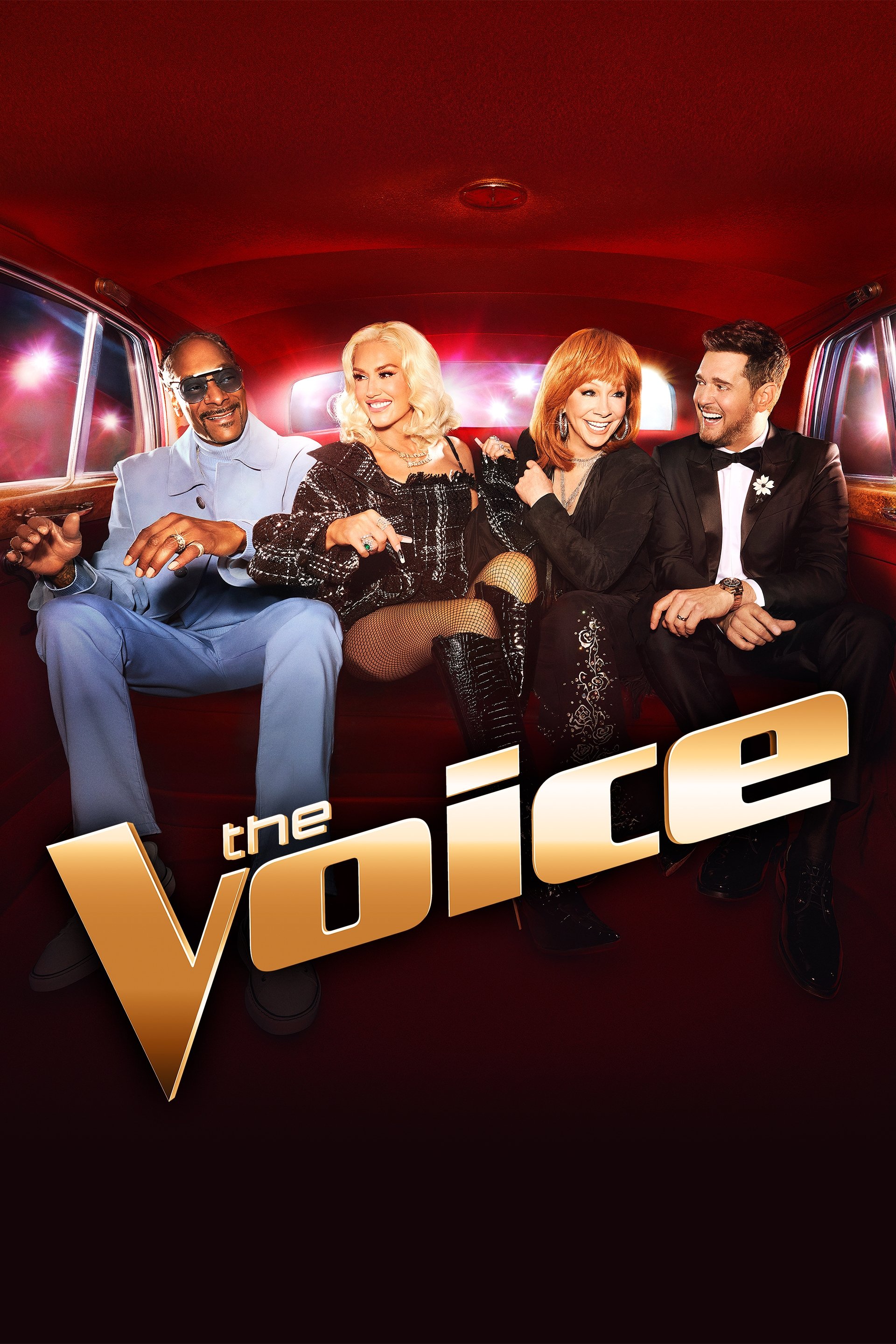
The strongest vocalists from across the United states compete in a blockbusters vocal competition, the winner becomes “The Voice.” The show's innovative format features four stages of competition: the blind auditions, the battle rounds, the knockouts and, finally, the live performance shows.
Teams of LEGO enthusiasts go head-to-head, with infinite possibilities and an unlimited supply of LEGO bricks. Teams of two will compete against each other in ambitious brick-building challenges to be crowned the country's most talented amateur LEGO builders. Based on the hit British reality-competition series of the same name.
This spin-off of the wildly popular House Hunters goes around the globe. Home hunters and their realtors check out all sorts of architectural styles and work through the quirks of buying real estate in other countries.
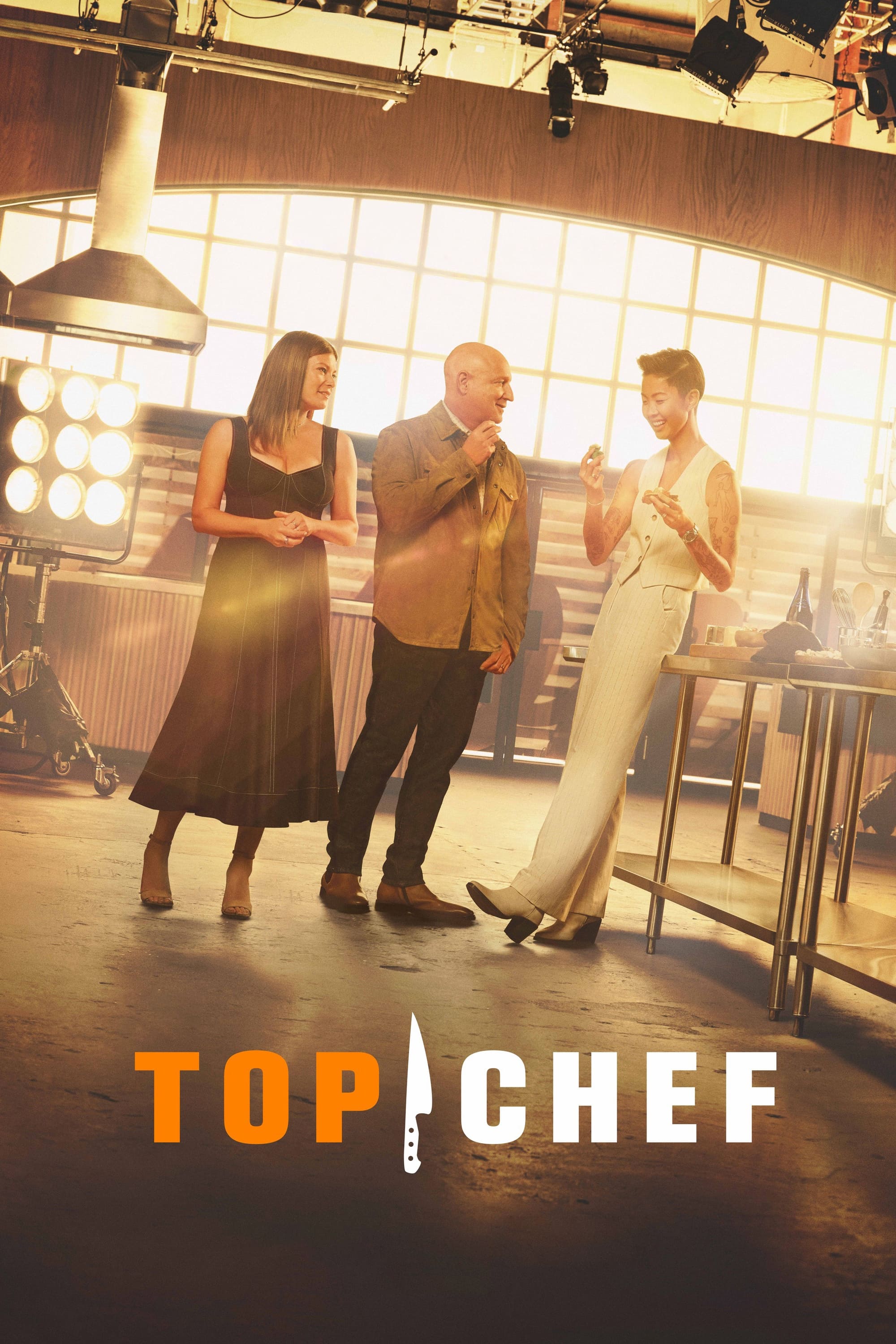
An American reality competition show in which chefs compete against each other in culinary challenges and are judged by a panel of professional chefs and other notables from the food and wine industry with one or more contestants eliminated in each episode.
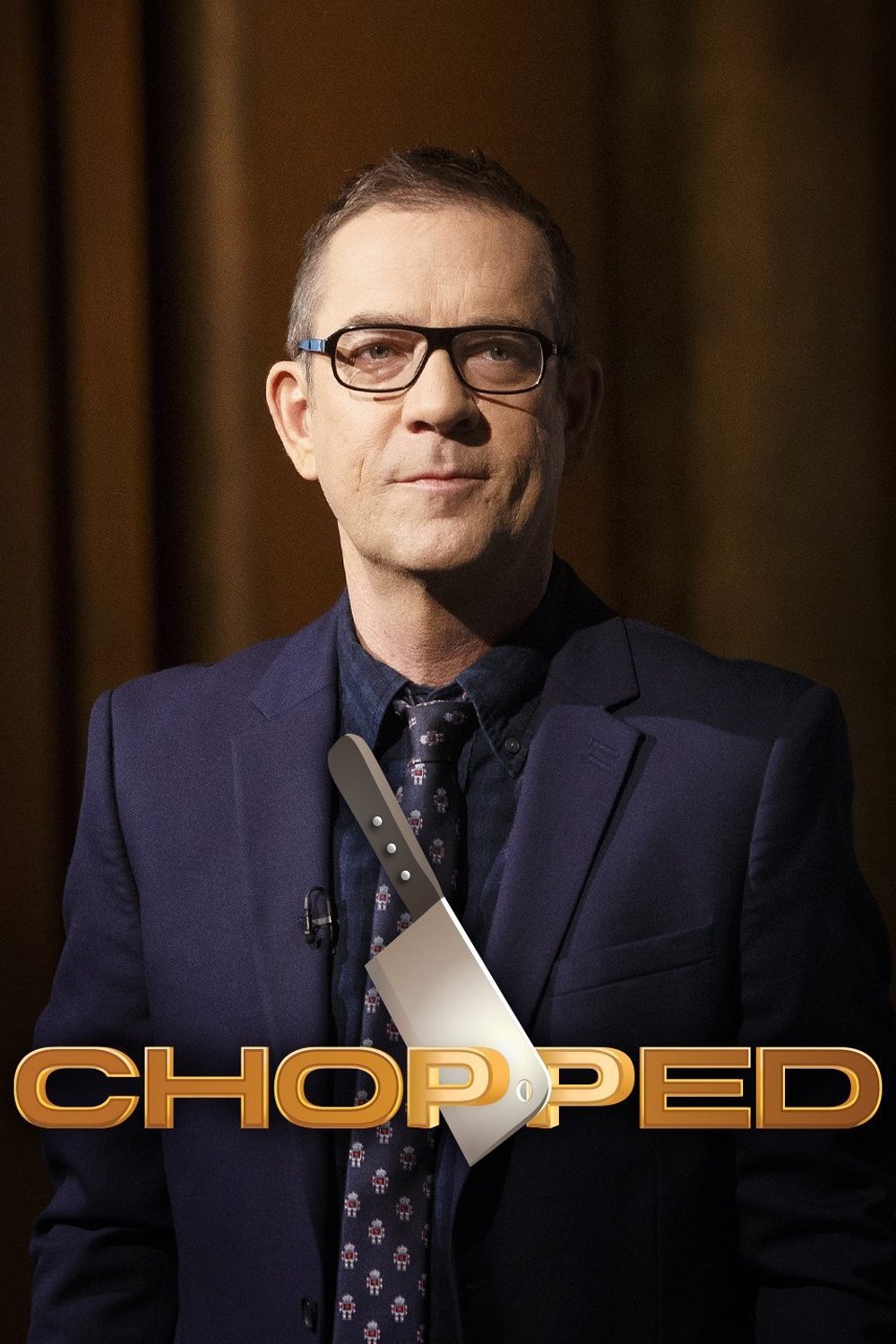
A high energy, fast paced cooking competition that challenges four up-and-coming chefs to turn a selection of everyday ingredients into an extraordinary three-course meal. After each course, a contestant gets “chopped” by our panel of esteemed culinary luminaries until the last man or woman left standing claims victory.
Dancers selected in open auditions across America take part in a rigorous competition designed to best display their talents, training and personalities to a panel of judges and viewers as they strive to win votes and avoid elimination.
In this intense obstacle course series, elite athletes from the U.S. and other countries compete for cash prizes, individual glory and national pride.
The Eurovision Song Contest is an international song competition, organised annually by the European Broadcasting Union (EBU) and featuring participants representing primarily European countries. Each participating country submits an original song to be performed on live television and radio, transmitted to national broadcasters via the EBU's Eurovision and Euroradio networks, with competing countries then casting votes for the other countries' songs to determine the winner.