Social & External
The people behind it
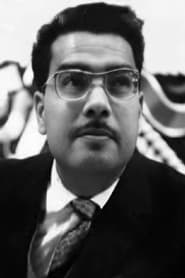
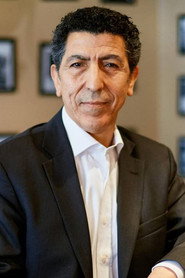
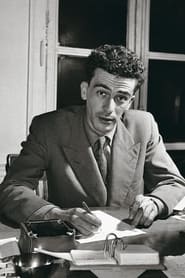
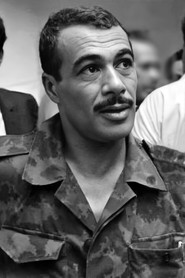
Ahmed Ben Bella
Self - First President of Algeria (archive footage)
Ferhat Abbas
Self - President of the Algerian Republic (archive footage)
Bachir Hadj Ali
Self - ALN Officer
Slimane Zeghidour
Self - Journalist
Kateb Yacine
Self - Poet
Louis Gardel
Self - Novelist
Germaine Tillion
Self - Ethnologist (voice) (archive footage)
Yacef Saâdi
Self - FLN Member
Zohra Drif-Bitat
Self - Moudjahidine
Henri Alleg
Self - Journalist (archive footage)
In this four-part BBC documentary, former Monty Python funnyman and renowned globe-trotter Michael Palin sets off from Gibraltar to travel across the Sahara, his witty humor downplaying the hardships he faces along the arduous journey. He travels to Morocco, Mauritania, Mali and beyond, across some of the harshest terrain on the planet.
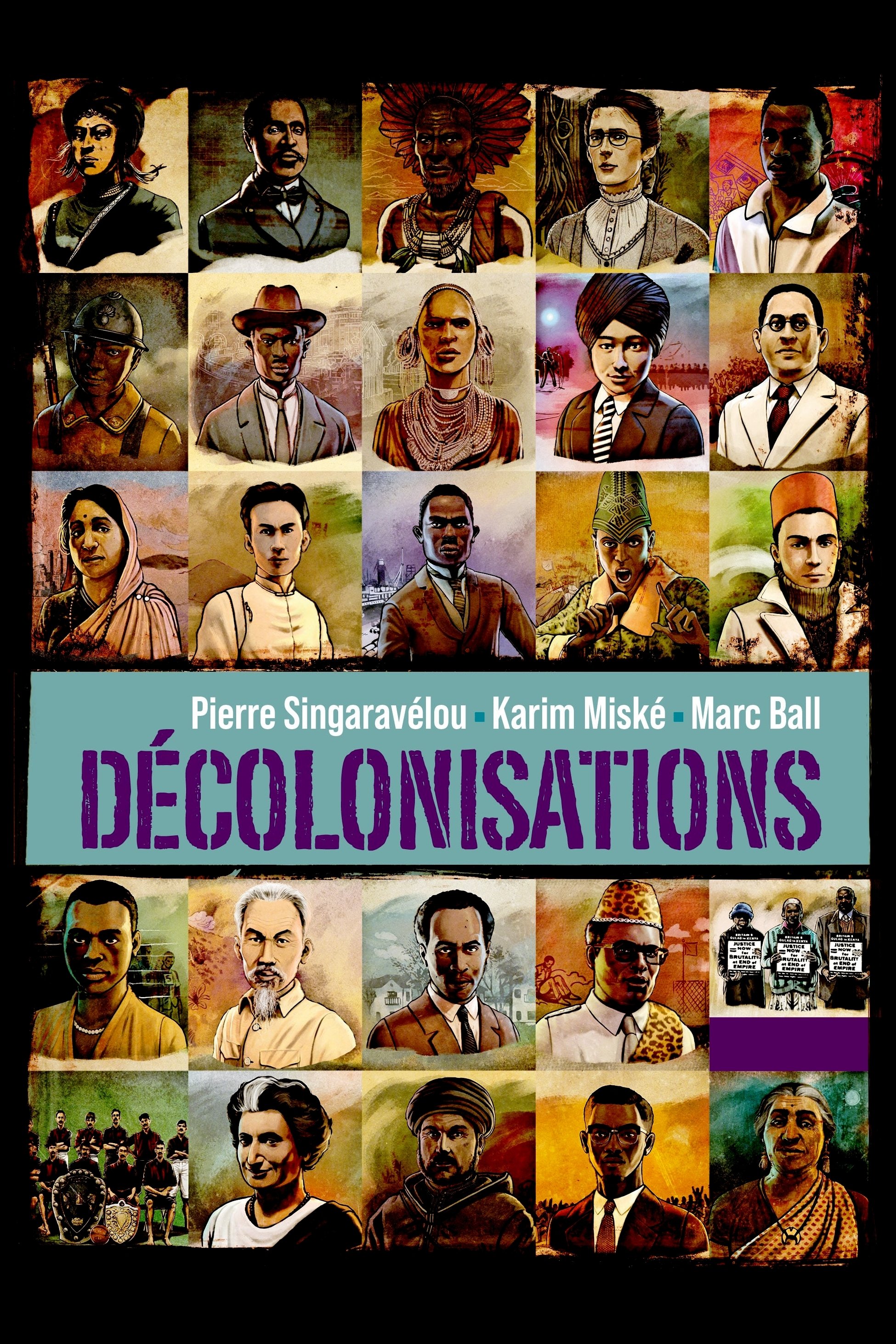
The history of decolonization from the point of view of colonized peoples, an epic story that still resonates and reverberates to this day.
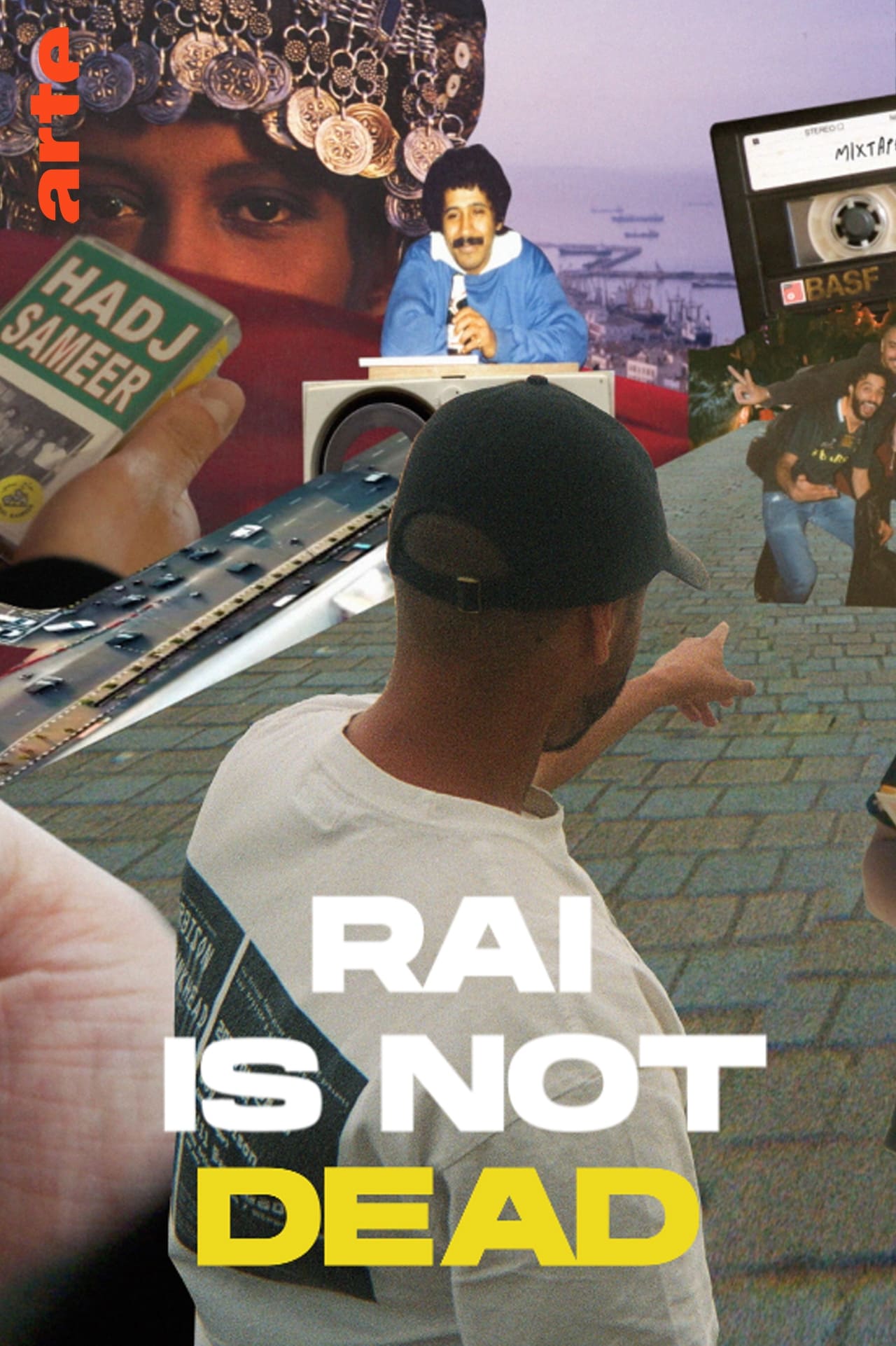
What musical genre can claim to have gone, in the space of fifty years, from a hidden cabaret in Oran to Super Bowl halftime? Born in Algeria at the end of the Second World War, the raï wave spread from the cabarets of western Algeria to the cassette shops of Barbès in Paris, before sweeping the world at the end of the 1980s. its hybridization, the intoxicating music traveled from Algerian and French weddings to the biggest international stages, before suddenly disappearing from the radar at the dawn of the new millennium. Icons that have disappeared, including Cheikha Remitti and Prince Hasni, to young heirs, passing by the star Khaled, the collector Hadj Sameer trace the tumultuous course of this musical genre, between clandestinity, planetary glory and resistance.
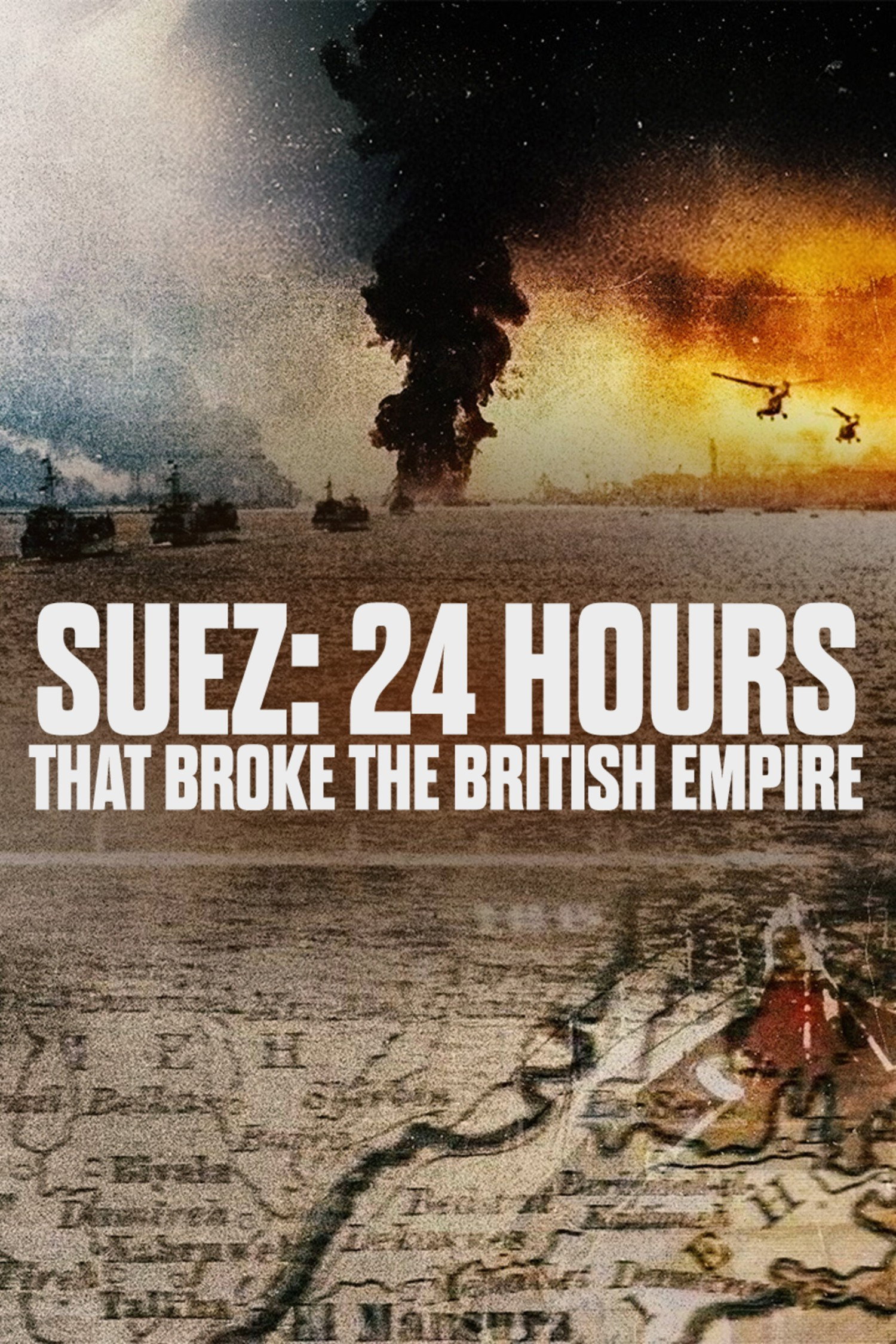
The dramatic inside story of 6 November 1956, the final day of the Suez Crisis. A day that changed Britain forever. Exactly as it happened - hour by hour, minute by minute.
After World War II, the French colonial empire, which dominated the lives of over 110 million people on five continents, collapsed in just under a quarter century of blood and tears.
The Generations of the Algerian War project brings together members of the National Office for Veterans and Victims of War (ONACVG), which, since 2015 and under the scientific guidance of three historians specializing in the period – Raphaëlle Branche, Jean-Jacques Jordi, and Abderahmen Moumen – has been working alongside the French Ministry of Education to provide teachers with resources for teaching about the Algerian War. A diversity of perspectives is highlighted through the choice of speakers: FLN and OAS militants, a Pied-Noir (French settler in Algeria), the son of a Harkis (Algerian Muslim who fought for the French during the Algerian War), a Jewish woman from Algeria, and French conscripts, all contributing to the construction of a collective memory. The ravages of colonization, forced exile, the transmission of trauma… Each of the three sessions addresses a theme related to the speakers' life experiences and explores different facets of this war.
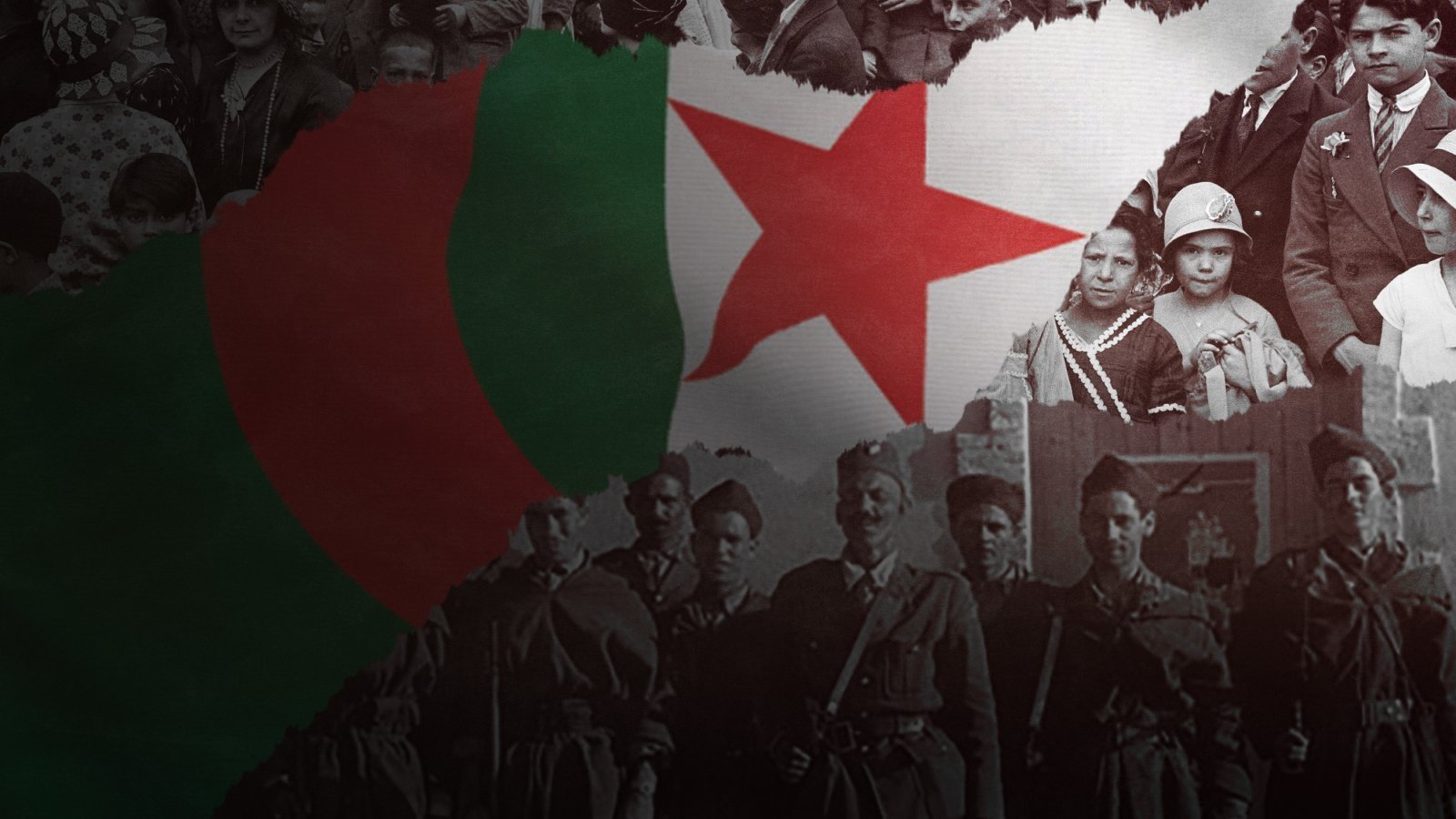
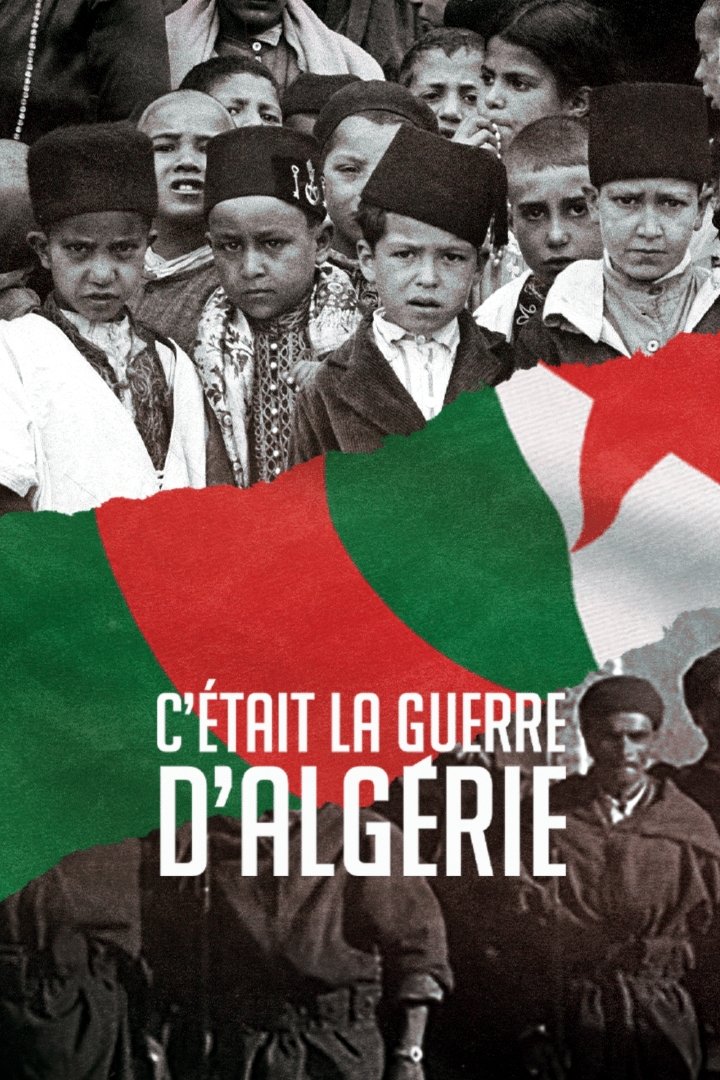
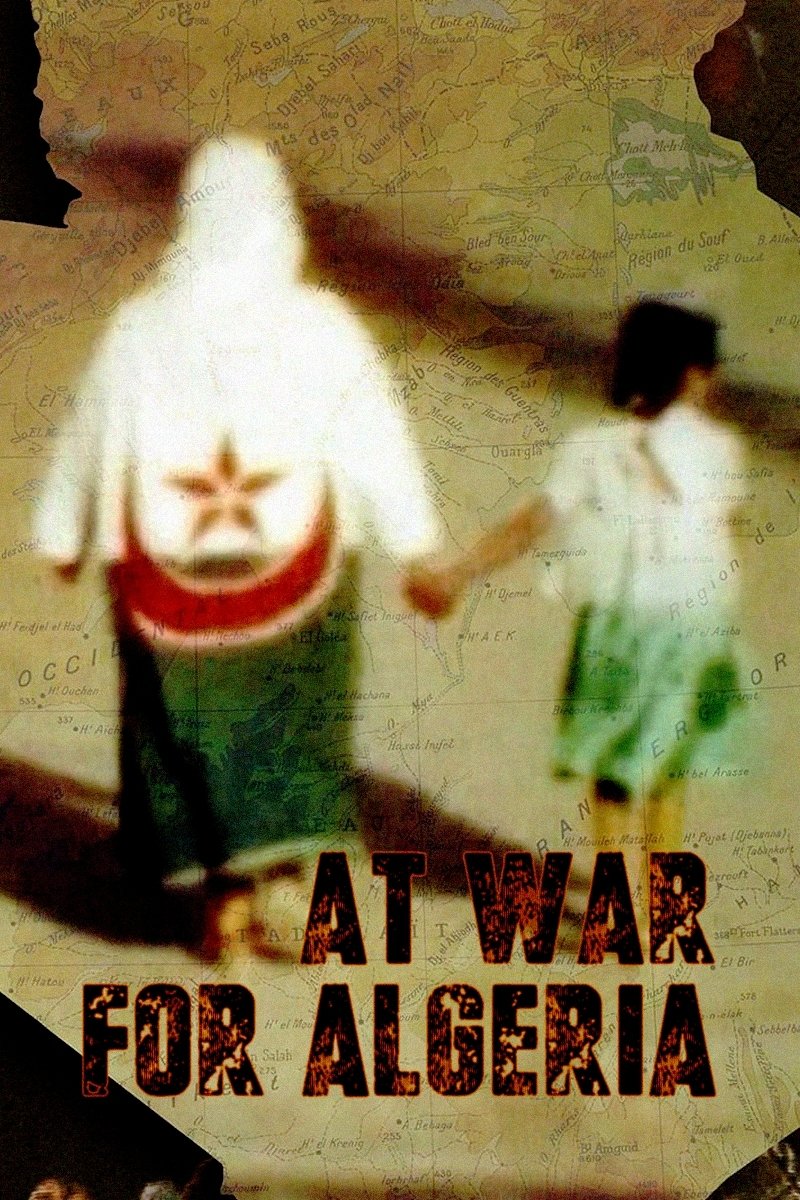
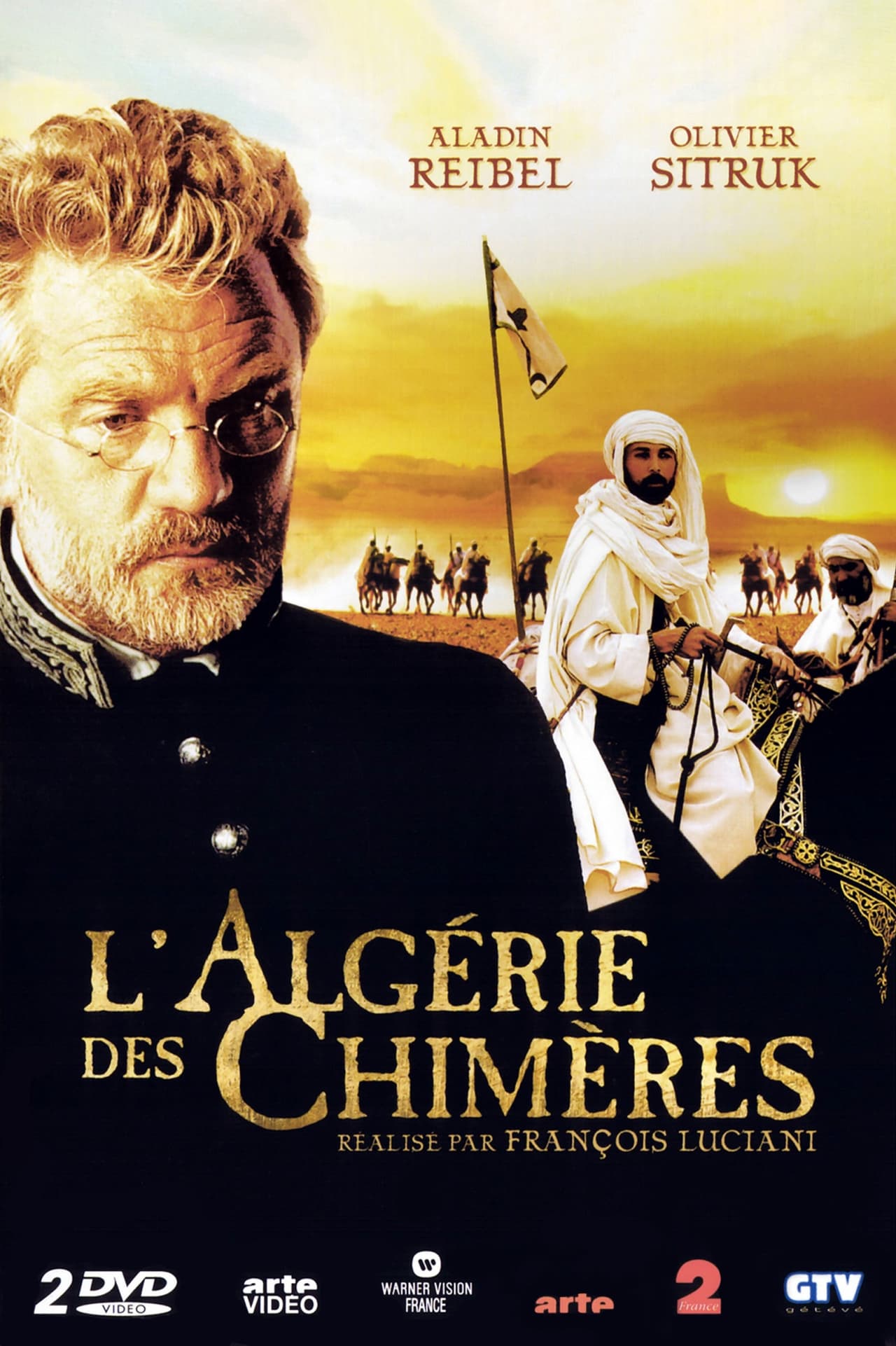
North Africa, 1954. The Algerian war of independence begins, a traumatic and extremely violent catastrophe that for eight long years will shake and finally overthrow the foundations of the colonial regime established by France in 1830.
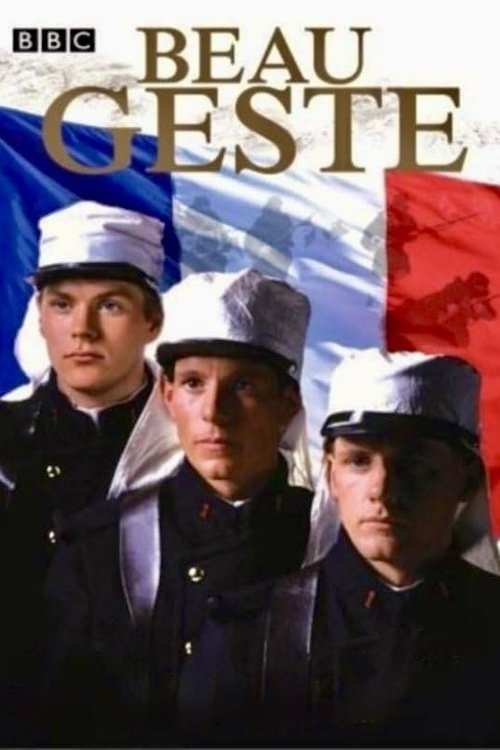
Brothers Beau, John and Digby Geste join the Foreign Legion, where they fall under the rule of tyrannical Sergeant Markoff. Beau and John are assigned to Fort Zinderneuf, where Markoff tries to break their spirit, aware of a dark family secret concerning a fabulous jewel one of them carries. As tensions rise, Arabs attack the fort and rivalries must be thrown aside in a desperate battle for life.
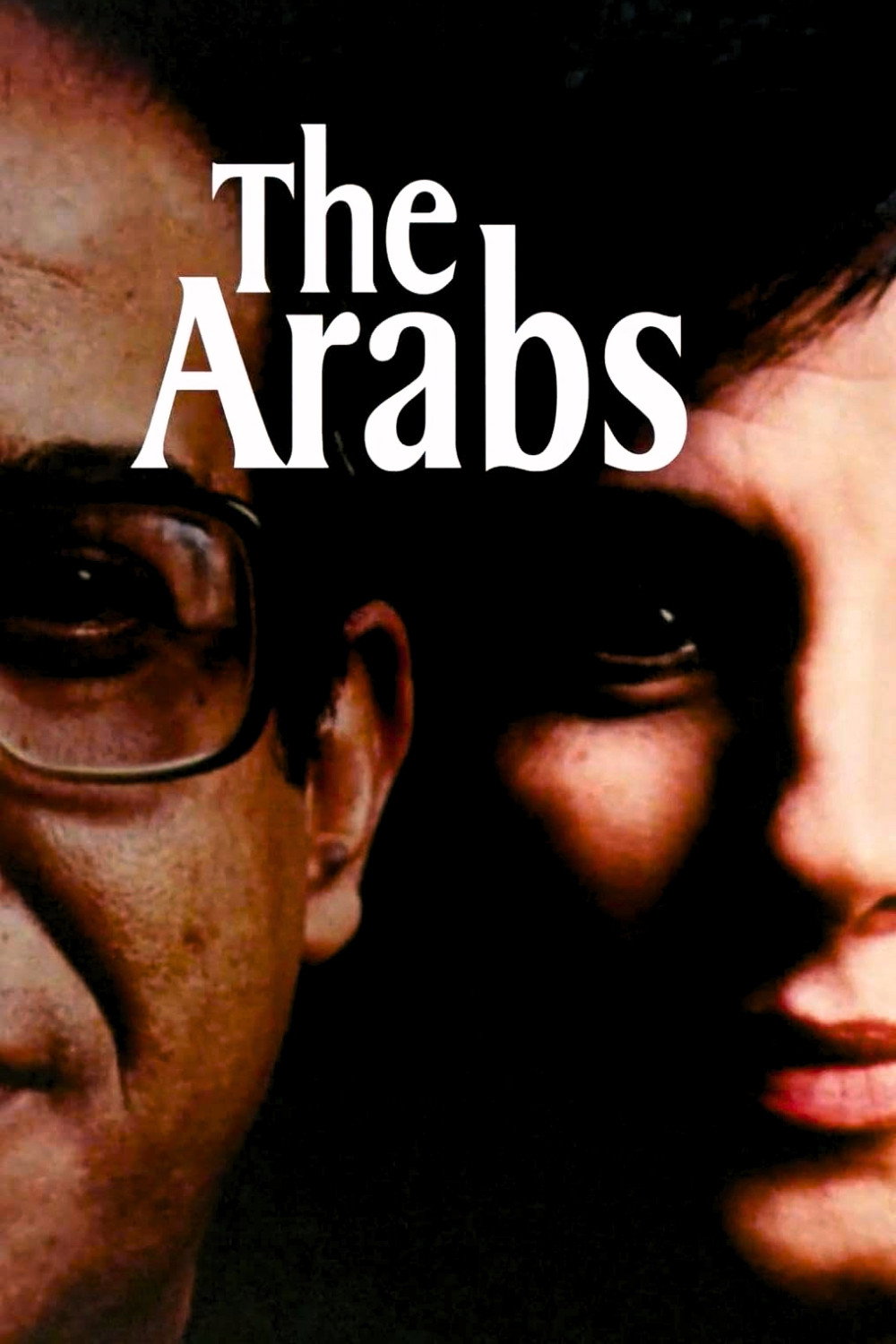
A series of ten one-hour documentaries which explores Arab history, culture and society from within through the lives and opinions of Arabs today.
A one-hour series showcasing documentary films from across the Al Jazeera Network.
"Bled Music" is an Algerian musical television program broadcast on ENTV between 1991 and 1992. directed by Aziz Smati and presented by Kamel Dynamite, Farid Rockeur and Samia Benkherroubi. The show, with its irreverent tone, was very popular and had a significant impact on the Algerian music scene, allowing the emergence of many artists including Chaba Fadela, Cheb Sahraoui, Cheb Anouar and Mohamed Lamine. A ranking of music videos by popularity and relied on fans sending their votes by mail. At the end of the 1980s, unrest broke out in Algeria which led the country into a Black Decade. At this time, fundamentalist groups attempted to ban music and most other forms of artistic expression. The show continued to air despite death threats, but on February 14, 1994, Aziz Smati was shot in both legs by a young extremist, which ultimately led to the end of the show .
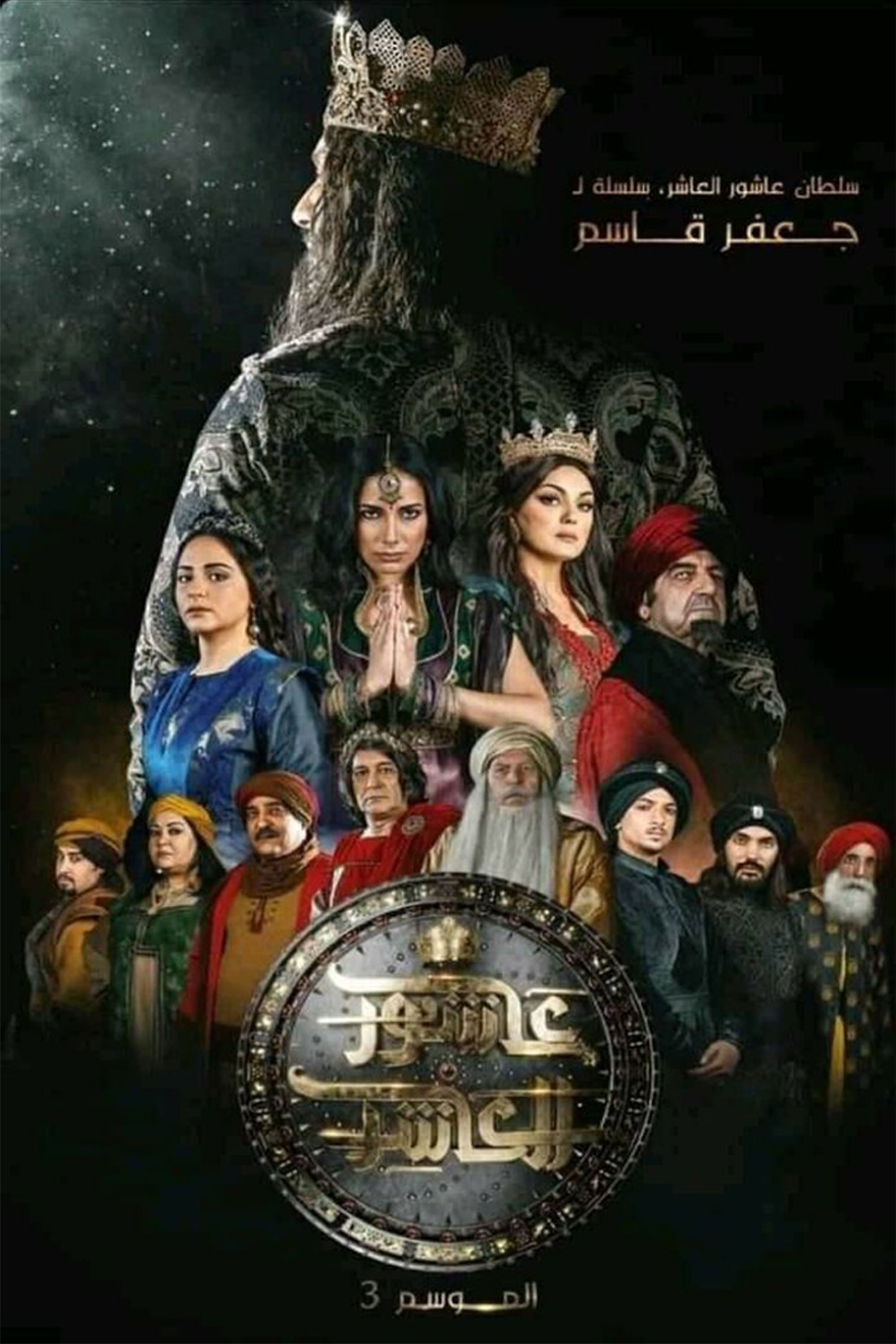
Sultan Achour 10 or Sultan Achour (in Arabic: السّلطان عاشور العاشر, As-Sulṭān ‘Āshūr al-‘Āshir) is an Algerian humorous television series in 66 episodes of 30 minutes, created by Djaffar Gacem and broadcast between June 18 2015 and May 9, 2021 on Echorouk TV then ENTV. The events of the series take place in a kingdom of Algeria, called "the Achourite kingdom", governed by Sultan Achour 10, and relate the daily adventures of the latter with his family, his people and the other kingdoms. The series is considered the largest Algerian comedy production, and was voted the most watched program in the country during the entire month of Ramadan 2015, 2017 and 2021.
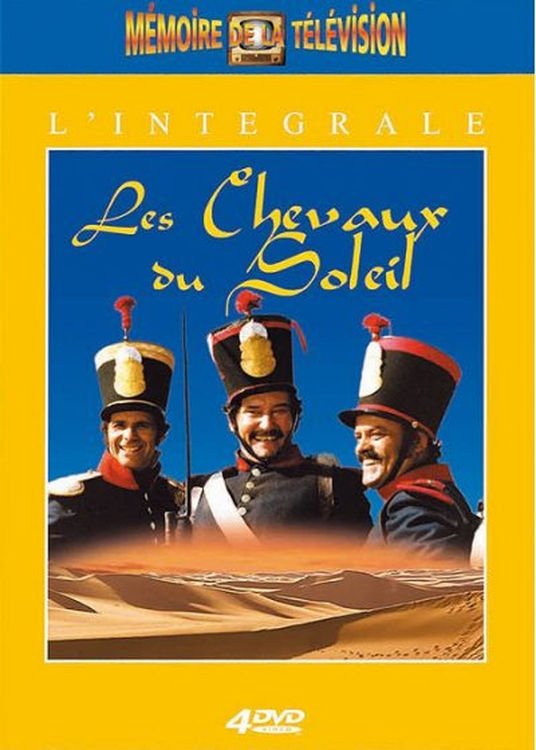
Adapted from Jules Roy's historical novel of the French presence in North Africa, the TV series follows the destiny of two families, the Bouychous and the Parises, from the conquest of Algiers in 1830 to the Independence in 1962.
Toussaint opposes the Spanish army and joins the French troops. On Saint-Domingue he succeeds to push the English back. He proclames himself as the gouvernor of Saint-Domingue. To restore the economy he takes a bold descision. He calls for the workers to return to the plantages...
Through the fictionalized lives of two young Saint-Simonians, this television film presents the history of French colonization in Algeria from 1837 to the end of the Second Empire.
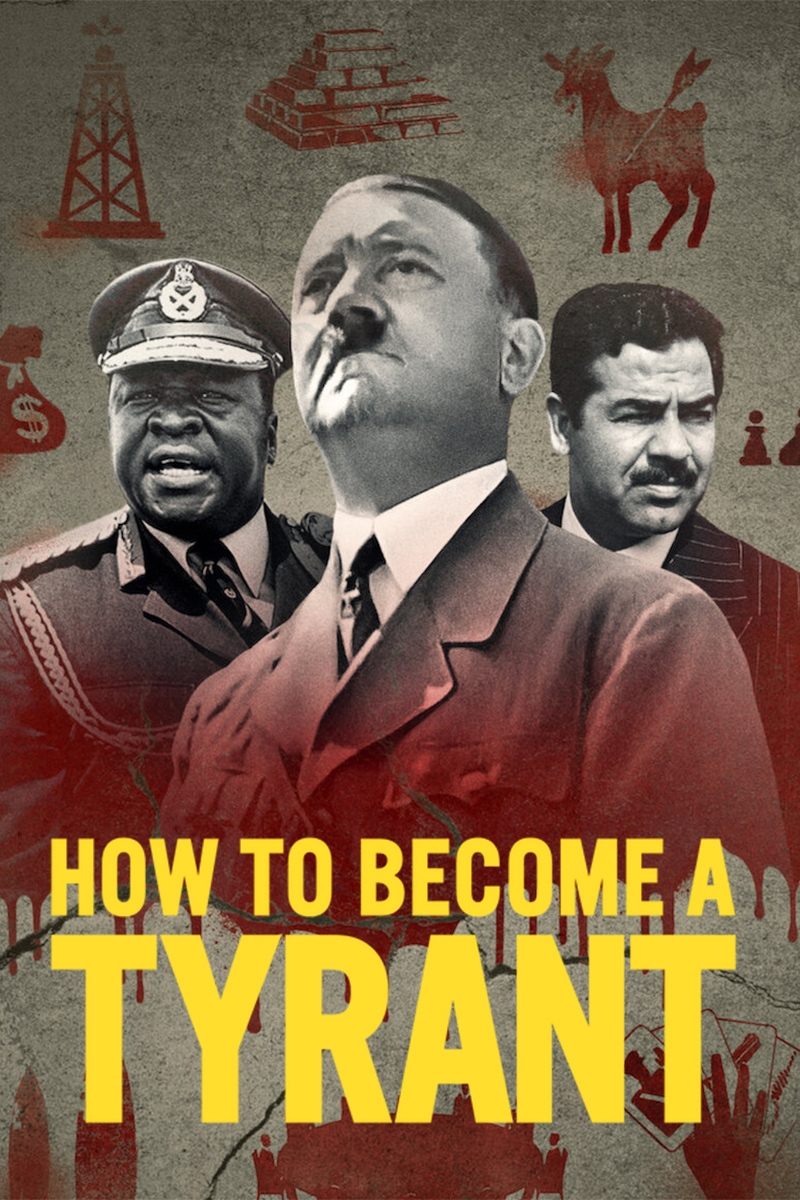
The documentary series explores different political figures throughout history.
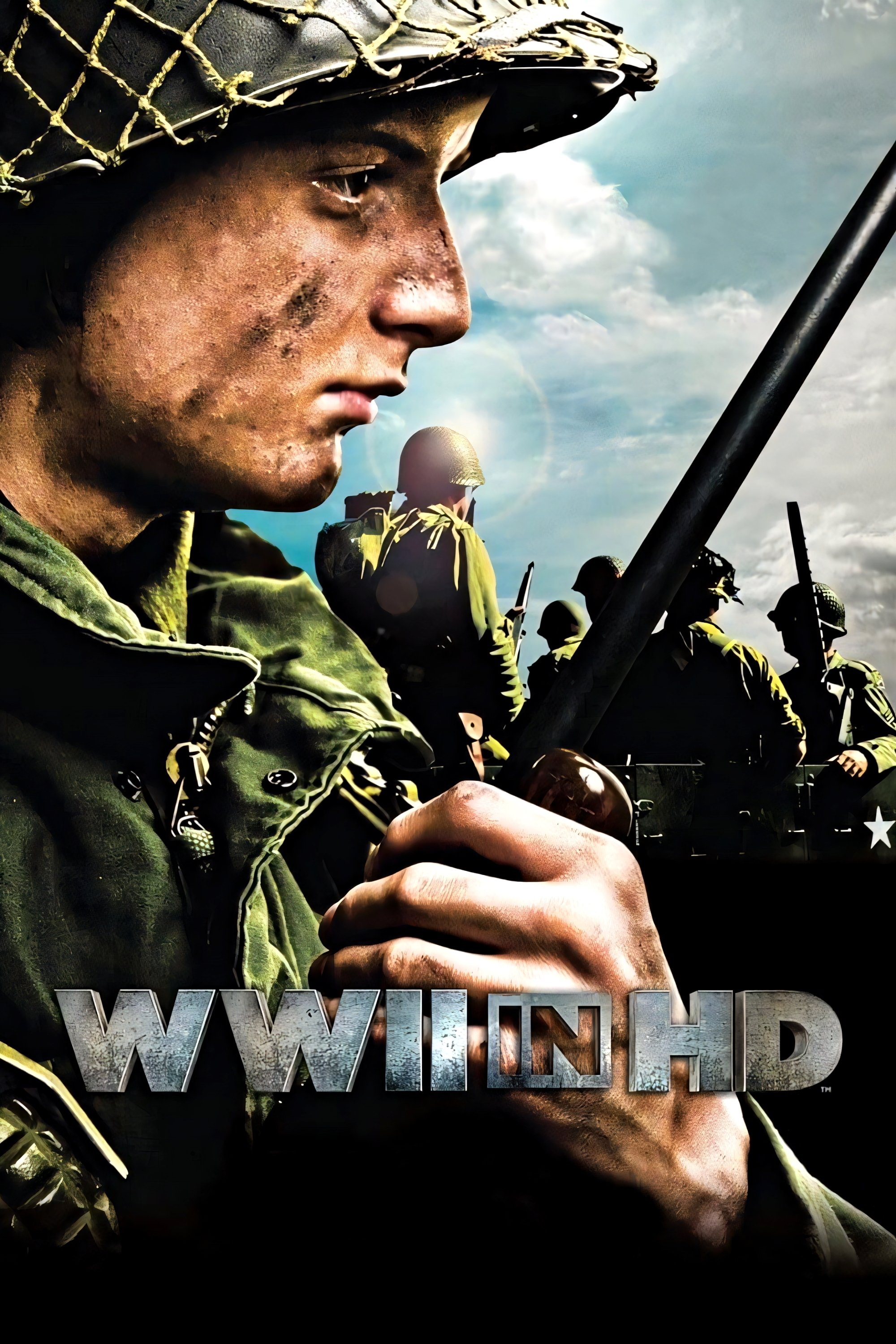
WWII in HD is a 10-part American documentary television miniseries that originally aired from November 15 to November 19, 2009 on the History Channel. The program focuses on the firsthand experiences of twelve American service members during World War II, including an Army nurse, a member of the Tuskegee Airmen, a second generation Japanese American and prisoner of war, and an Austrian Jewish immigrant. The twelve members recorded their time in both theaters and some had later interviews; found footage from the battlefield was paired with the stories of the twelve service members. The episodes premiered on five consecutive days, with two episodes per day. The series is narrated by Gary Sinise and was produced by Lou Reda Productions in Easton, Pennsylvania, United States.
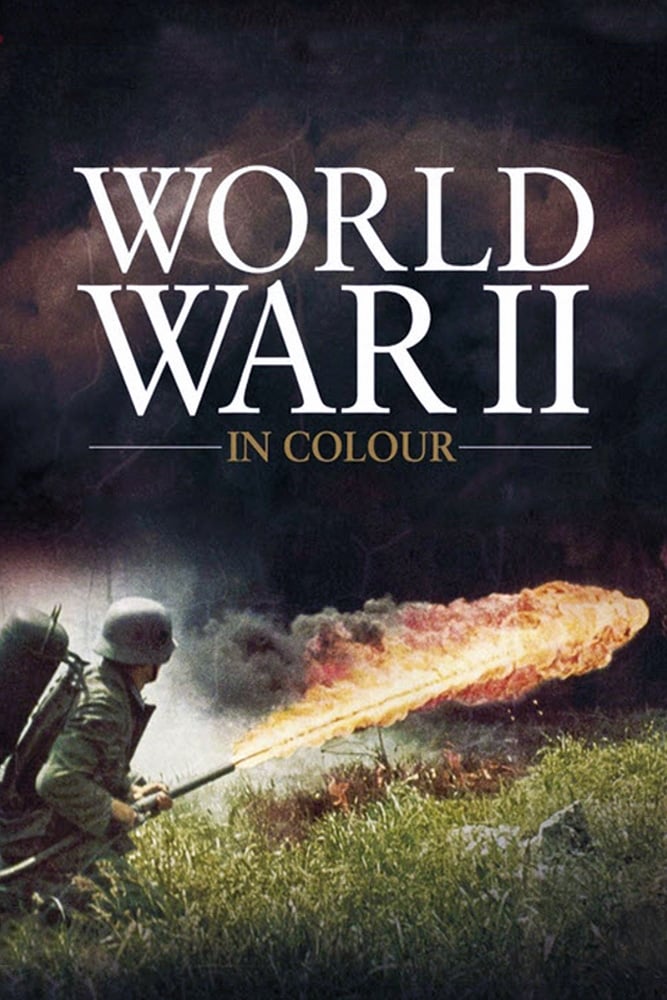
World War II In Colour is a 13-episode television documentary miniseries recounting the events of World War II narrated by Robert Powell. The show covers the Western Front, Eastern Front, and the Pacific War. It is on syndication in America on the Military Channel. This series is in full color, combining both original and colorized footage.
The story of the Second World War through the personal accounts of a handful of men and women from four American towns. The war touched the lives of every family on every street in every town in America and demonstrated that in extraordinary times, there are no ordinary lives.
Surviving power struggles, betrayals and plots, Hitler's inner circle of Nazi leaders seizes control of Germany and designs its disastrous future.
A documentary series that gives a historical account of the events of World War II, from its roots in the 1920s to the aftermath and the lives it profoundly influenced.
Using highly advanced colourisation techniques, critical moments from World War II, from Stalingrad to The Battle of Britain, are shown in a whole new light.
Oliver Stone's re-examination of under-reported events in American history.
A documentary on the American Civil War narrated by Ken Burns, covering the secession of the Confederacy to the assassination of Abraham Lincoln.
The American Revolution was at once a war for independence, a war of conquest, a civil war, and a world war, fought by neighbors on American farms and between global powers an ocean or more away. It impacted millions from Vermont’s Green Mountains to the swamps of South Carolina, from Indian Country to the Iberian Peninsula. In defeating the British Empire and giving birth to a new nation, the American Revolution turned the world upside-down. Thirteen colonies on the Atlantic Coast united in rebellion, won their independence, and established a republic that still endures. The American Revolution will present the story of the men and women of the Revolutionary generation, their humanity in victory and defeat, and the crisis that they lived through.
An immersive 360-degree narrative telling the epic story of the Vietnam War as it has never before been told on film. Featuring testimony from nearly 80 witnesses, including many Americans who fought in the war and others who opposed it, as well as Vietnamese combatants and civilians from both the winning and losing sides.
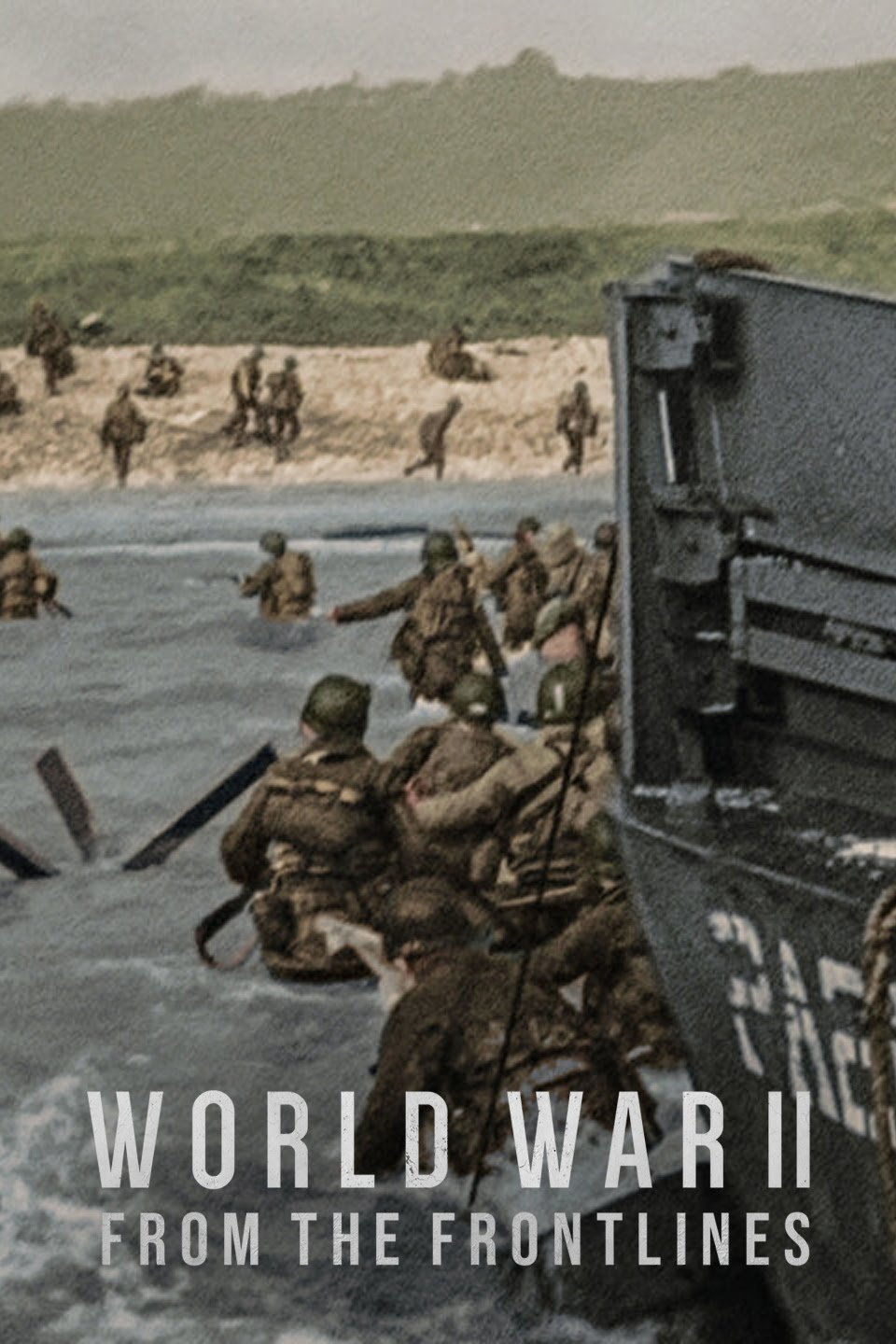
Explores WWII from Germany's invasion of Poland through the atomic age, examining pivotal battles, wartime leaders like Churchill and Roosevelt, and the human cost of total war.
Through vividly enhanced archival footage and voices from all sides of the conflict, this docuseries brings WWII to life like never before.
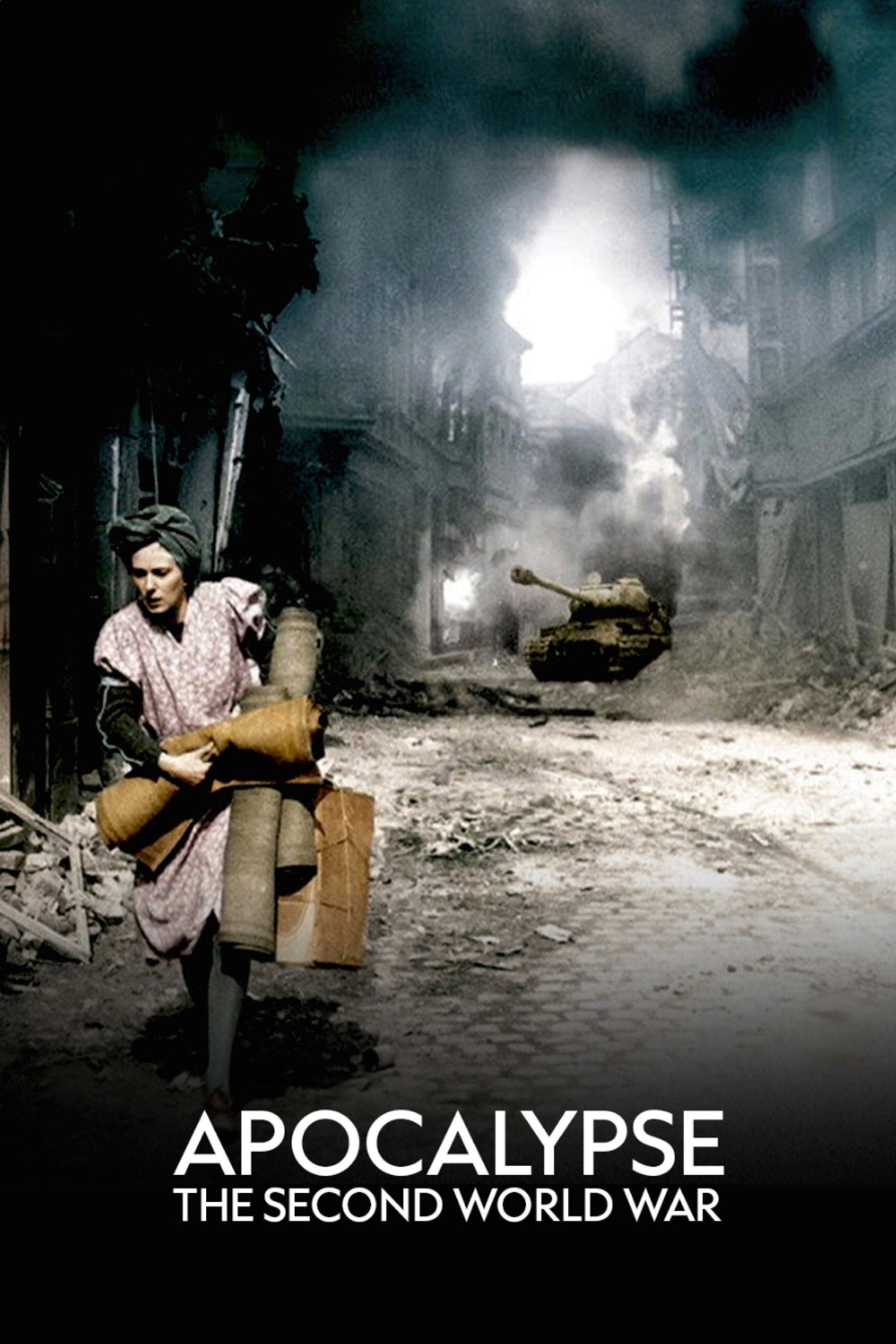
A six-part French documentary about the Second World War composed exclusively of actual footage of the war as filmed by war correspondents, soldiers, resistance fighters and private citizens. The series is shown in color, with the black and white footage being fully colorized, save for some original color footage. The only exception to the treatment are most Holocaust scenes, which are presented in the original black and white.
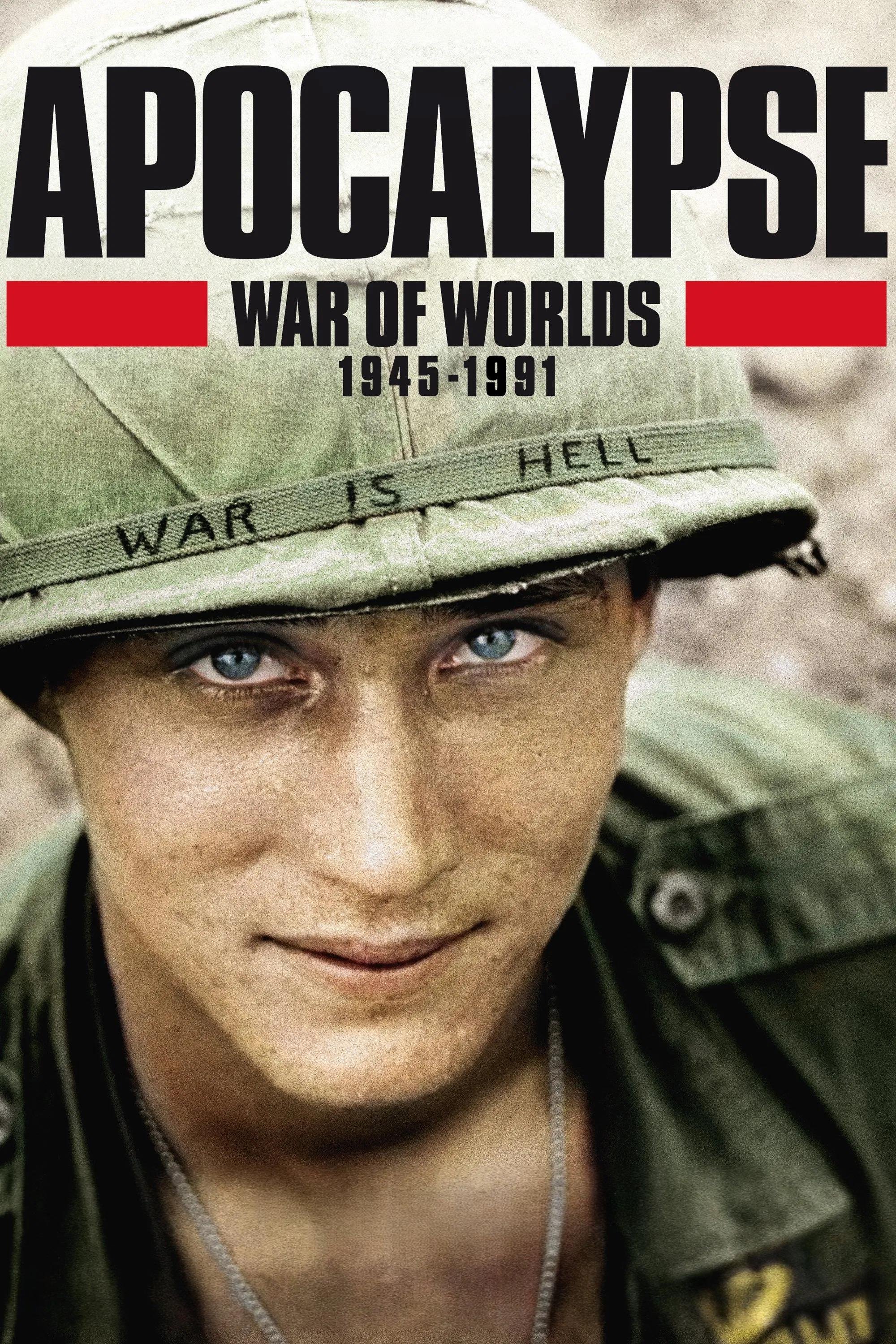
The story of this fantastic period of history between 1945 and 1991, which was defined by the confrontation of two worlds and two systems. The capitalist West, dominated by the ever-powerful United States, is pitted against the Communist East, the Soviet Empire.
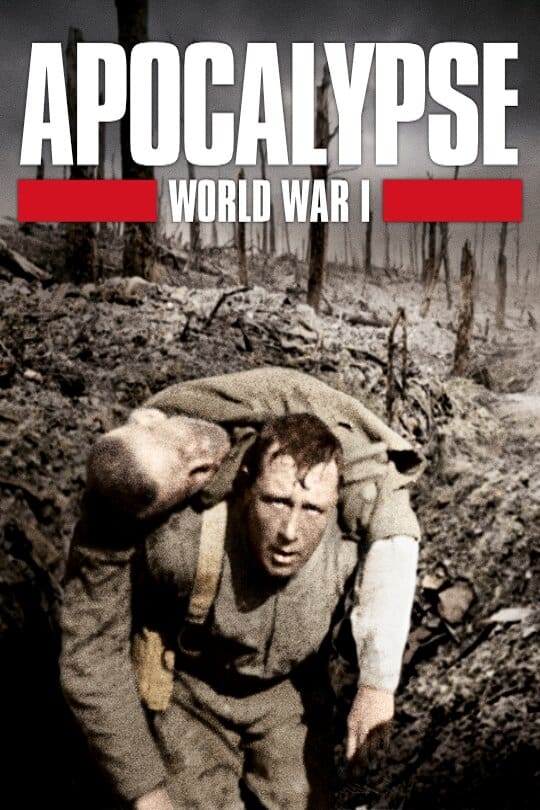
Colorized historical footage in ascending order of World War 1. Not only the relatively known Flanders and France battles, but also the generally unknown Italian-Austrian, German-Polish-Russian, Japanese-German, Ottoman Empire- Allied and African German Colonies, and other unknown or forgotten fronts and battles.
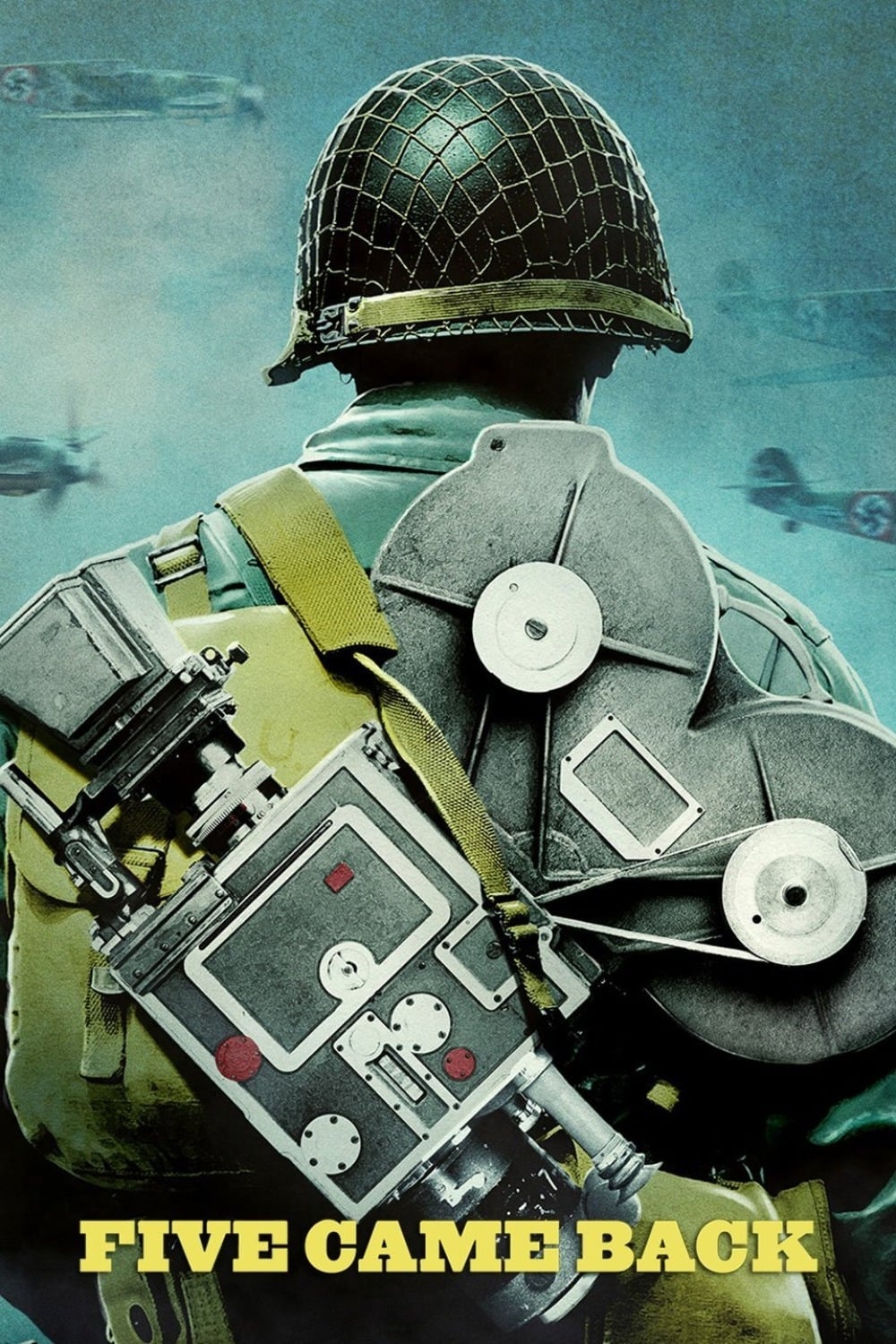
Five acclaimed contemporary directors tell the story of five legendary Hollywood filmmakers who enlisted in the armed forces to document World War II.
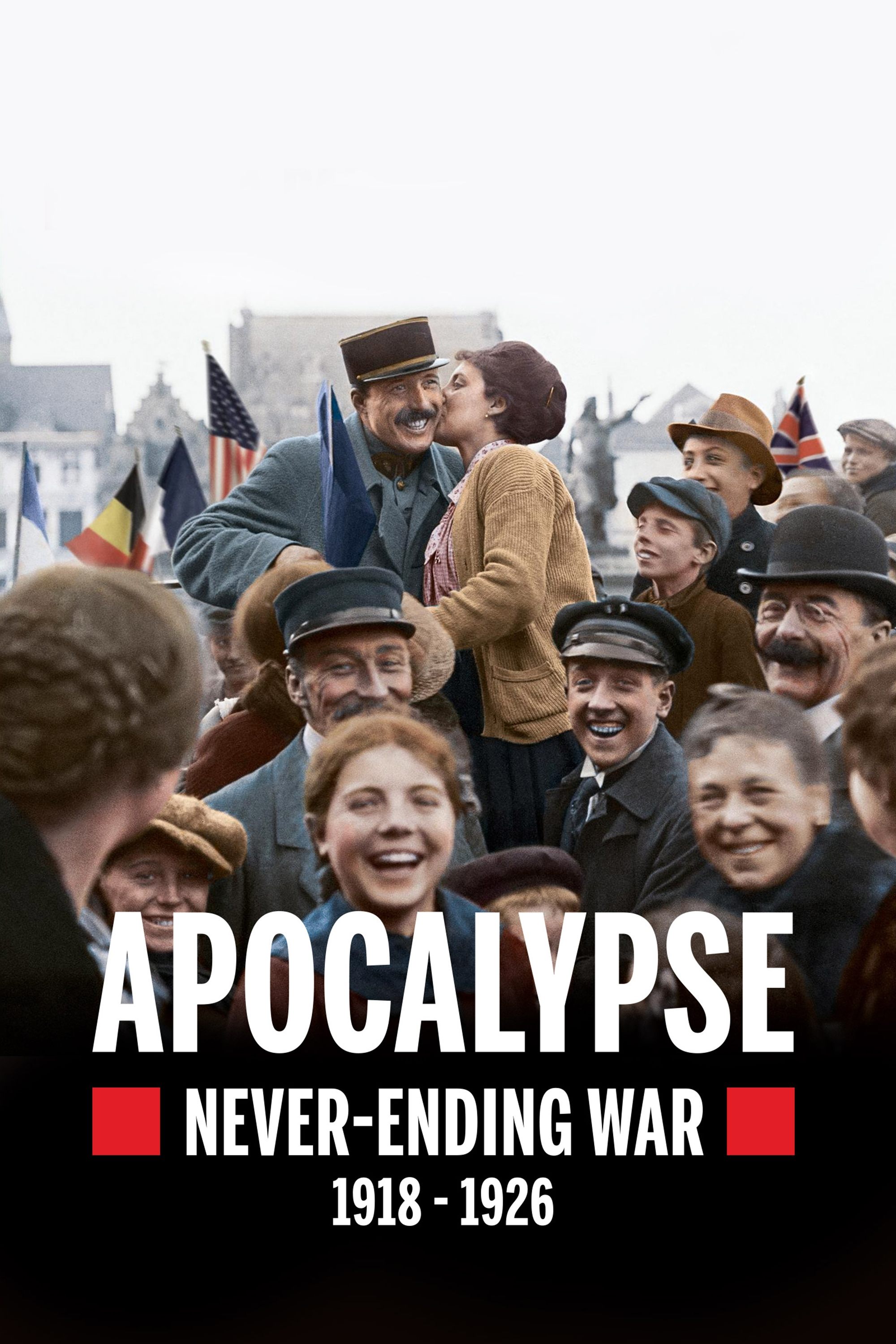
November 11, 1918. The world emerges from the most horrific conflict ever known. While leaders of the victorious countries design a new world order, traumatized societies struggle to find their footing. In the aftermath of war the Russian, German, Austro-Hungarian and Ottoman Empires fall apart, currencies fluctuate wildly, and vast numbers of refugees flee misery. Before long, age-old hatreds, fears, and resentments resurface and drive the world to the brink of a new apocalypse.
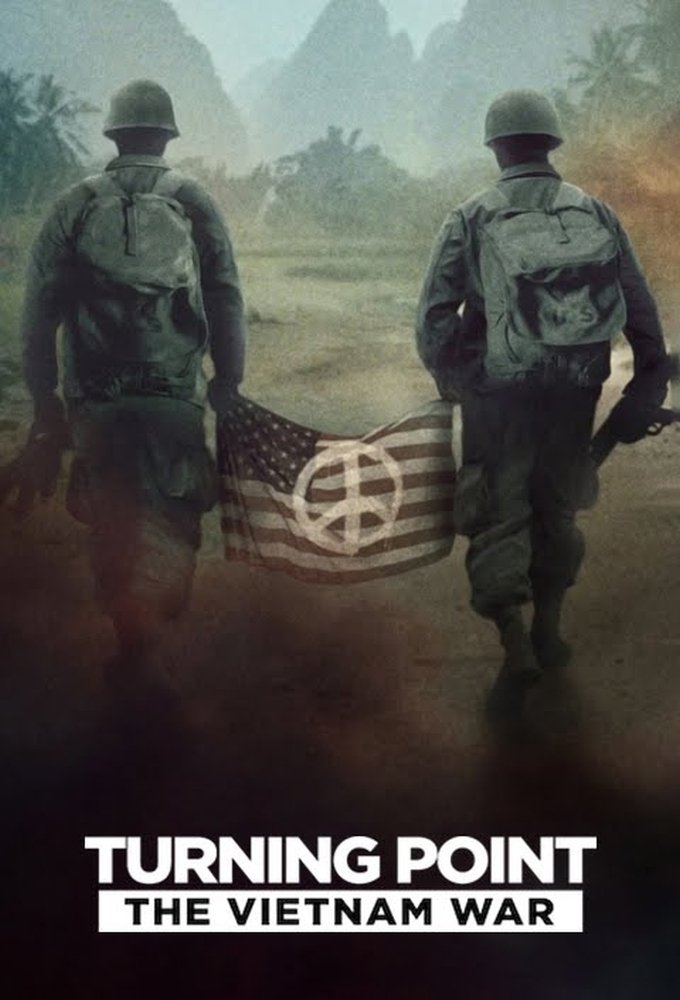
This thought-provoking documentary series examines the harrowing consequences of the Vietnam War, from the Gulf of Tonkin incident to the fall of Saigon.
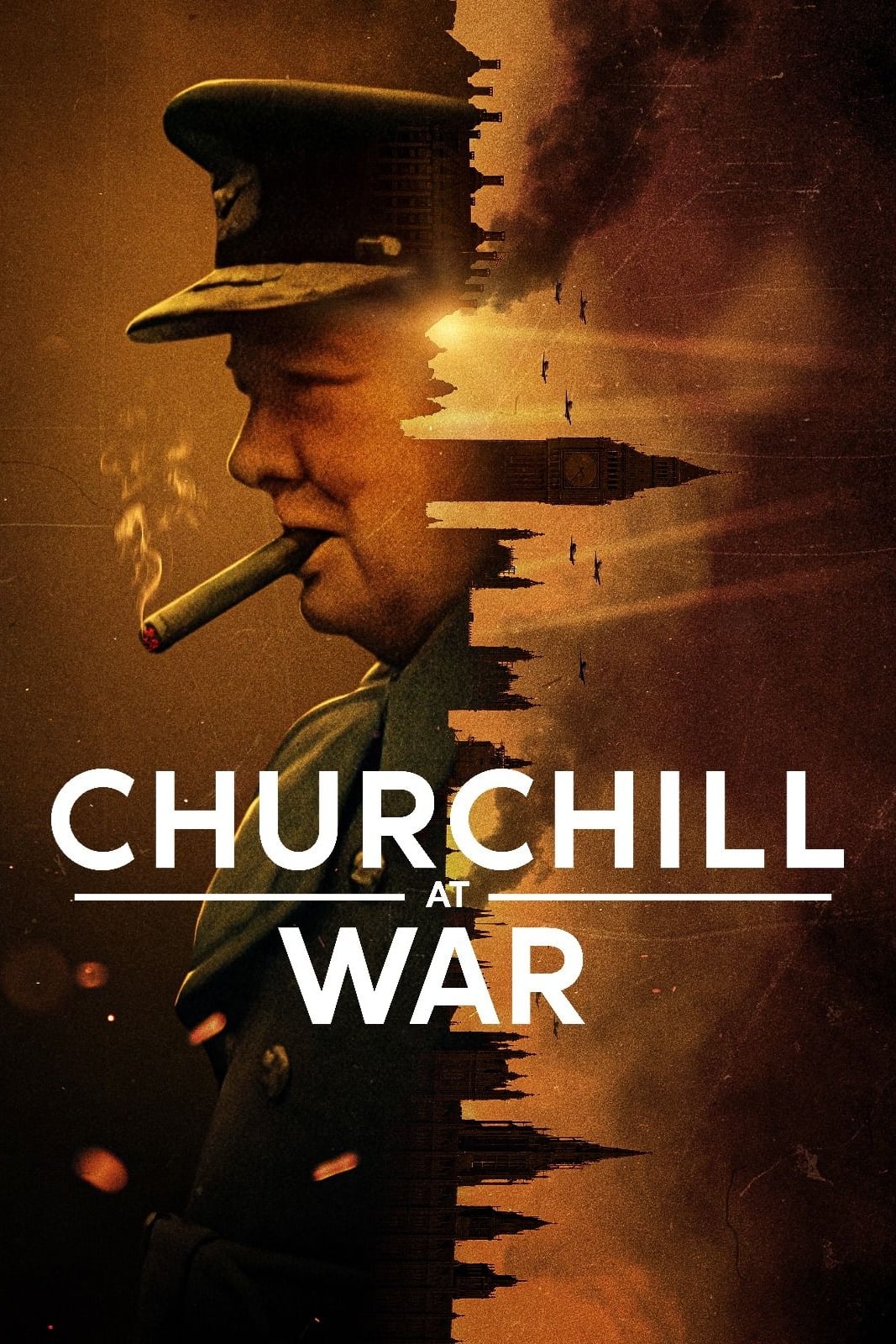
This captivating docuseries examines Winston Churchill's pivotal role in World War II and the formative events that made him an ideal leader for the era.