Social & External
Stonehenge is one of the most enigmatic and fascinating historical sites that Britain has to offer, largely because historians have little idea what the huge stone monoliths were for, or how they got there. There's no end of theories, but none of them so far have been conclusive. Recent revolutionary research has just been undertaken which, over the course of four years, has yielded some fascinating insights into the site. Drawing on this new data, archaeologists might finally be able to put to bed some of its mysteries. This two-part programme reveals the project's findings
Stretching from the Stone Age to the year 2000, Simon Schama's Complete History of Britain does not pretend to be a definitive chronicle of the turbulent events which buffeted and shaped the British Isles. What Schama does do, however, is tell the story in vivid and gripping narrative terms, free of the fustiness of traditional academe, personalising key historical events by examining the major characters at the centre of them. Not all historians would approve of the history depicted here as shaped principally by the actions of great men and women rather than by more abstract developments, but Schama's way of telling it is a good deal more enthralling as a result. Schama successfully gives lie to the idea that the history of Britain has been moderate and temperate, passing down the generations as stately as a galleon, taking on board sensible ideas but steering clear of sillier, revolutionary ones. Nonsense. Schama retells British history the way it was--as bloody, convulsive, precarious, hot-blooded and several times within an inch of haring off onto an entirely different course. Schama seems almost to delight in the goriness of history. Themes returned to repeatedly include the wars between the Scots and the Irish and the Catholic/Protestant conflicts--only the Irish question remains unresolved by the new millennium. As Britain becomes a constitutional monarchy, Schama talks less of Kings and Queens but of poets and idea-makers like Orwell. Still, with his pungent, direct manner and against an evocative visual and aural backdrop, Schama makes history seem as though it happened yesterday, the bloodstains not yet dry.
Neil Oliver travels back to Ice Age Britain as he tells the story of how the island and its people came to be over thousands of years.
The series uncovers some extraordinary warrior skeletons from history: Samurai, Crusaders and The British Navy. The episodes will unleash the full force of modern forensics upon them: battle scars, bone deformations and recoverable scraps of DNA will all be tested and explored.
Heartland Bowhunter documents the adventures of the team as they bowhunt all over the Midwest for anything from whitetail deer to Canada geese. From the beginning, Heartland Bowhunter was founded with one guiding principle: quality. No matter the service, product or production, quality was going to be the baseline for everything embarked upon. Heartland Bowhunter documents the adventures of the team as they bowhunt all over the Midwest for anything from whitetail deer to Canada geese.
English author Bernard Cornwell presents the history of the Peninsular War, the setting for his Sharpe novel series. It was fought for control of the Iberian Peninsula during the Napoleonic Wars.
Charisma Carpenter is the survivor of a real-life incident that she endured more than 20 years ago. The actress and two friends were swimming at San Diego's Torrey Pines State Beach in 1991 when they were violently attacked by an armed serial rapist. Carpenter fought for her survival after being held at gunpoint, but her two friends were both shot by the attacker. In the first episode of the series Charisma tells her story in raw emotional detail about what happened that night.
Behind closed doors, cliques of the world's most powerful men form societies so secret and controversial that their very names spark fear in our hearts and minds: the Freemasons, the Illuminati, Skull and Bones. What are the intentions of these secret societies? Are the members of these brotherhoods the innocent victims of mudslinging conspiracy theorists or are they untouchable elitists who control the world?
Since their development in the 1850s, ocean liners have been far more than simply passenger ships - they were also the conduit for enormous technological, social and global cultural change. This four-part series is an international story told from a uniquely Australian point of view about the most romantic ships ever built.
Dateline NBC, or simply Dateline, is a weekly American television newsmagazine series. It was previously the network's flagship newsmagazine, but now focuses mainly on true crime stories with only occasional editions that focus on other topics.
Major real-life air disasters are depicted in this series. Each episode features a detailed dramatized reconstruction of the incident based on cockpit voice recorders and air traffic control transcripts, as well as eyewitnesses recounts and interviews with aviation experts.
Driven was a motoring television programme launched by Channel 4 in 1998 as a rival to the successful and long-running BBC series Top Gear. The style was similar to its rival, but with additional features such as the "Driven 100", a road test of three cars in the same class, where each car would be given marks for qualities such as practicality, desirability and cost of ownership. The car with the highest total score would be the winner. The programme launched with the concept that the presenters should interact with each other rather than present items on their own, as was then the case on Top Gear. The first series also featured a "headquarters", a racing team truck, set on a former air force base at which cars were put through their paces. These concepts resurfaced in the reborn Top Gear soon after.
For many decades, archaeological excavations and scientific expeditions throughout the entire region have been attempting to solve the mystery of what held the Empire by the Nile together for so long. The four-part series Planet Egypt delves deep into crucial periods in the history of the Pharaohs. The documentary depicts the founding of the Empire under King Narmer, the rise of Egypt to a world power under Thutmose III, the revolution during the reign of Akhenaten and the enormous surge in construction activity under Pharaoh Ramses the Great. By means of dramatic re-enactments and lavish computer animations, Terra-X resurrects the world of Ancient Egypt. Entire cities such as Hierakonpolis, Thebes and Amarna are reconstructed in 3-D animations and brought back to life. Each episode sheds light on one of the vital foundation stones at the base of this extraordinary civilisation.
Nightmare in Suburbia is the shocking series that peers behind the lace curtains of suburban Britain to expose its dark, sinful and murderous underbelly. Come with us as we reveal that criminality is not only confined to big cities. In fact some of the most gruesome and unexpected crimes in the UK’s recent history have taken place amongst the most unsuspecting and apparently innocent of communities.
Motoring programme featuring reviews of and reports about cars of all types.
An in-depth look at the history and pop cultural significance of horror films.
Doctor Who Confidential is a documentary to complement the revival of the long-running British science fiction television series Doctor Who. Each episode was broadcast on BBC Three on Saturdays, immediately after the broadcast of the weekly television episode on BBC One. The running time of the first two series was 30 minutes, being extended to 45 minutes in the third. BBC Three also broadcast a cut-down edition of the programme, lasting 15 minutes, shown after the repeats on Sundays and Fridays and after the weekday evening repeats of earlier seasons.
Infographics and archival footage deliver bite-size history lessons on scientific breakthroughs, social movements and world-changing discoveries.
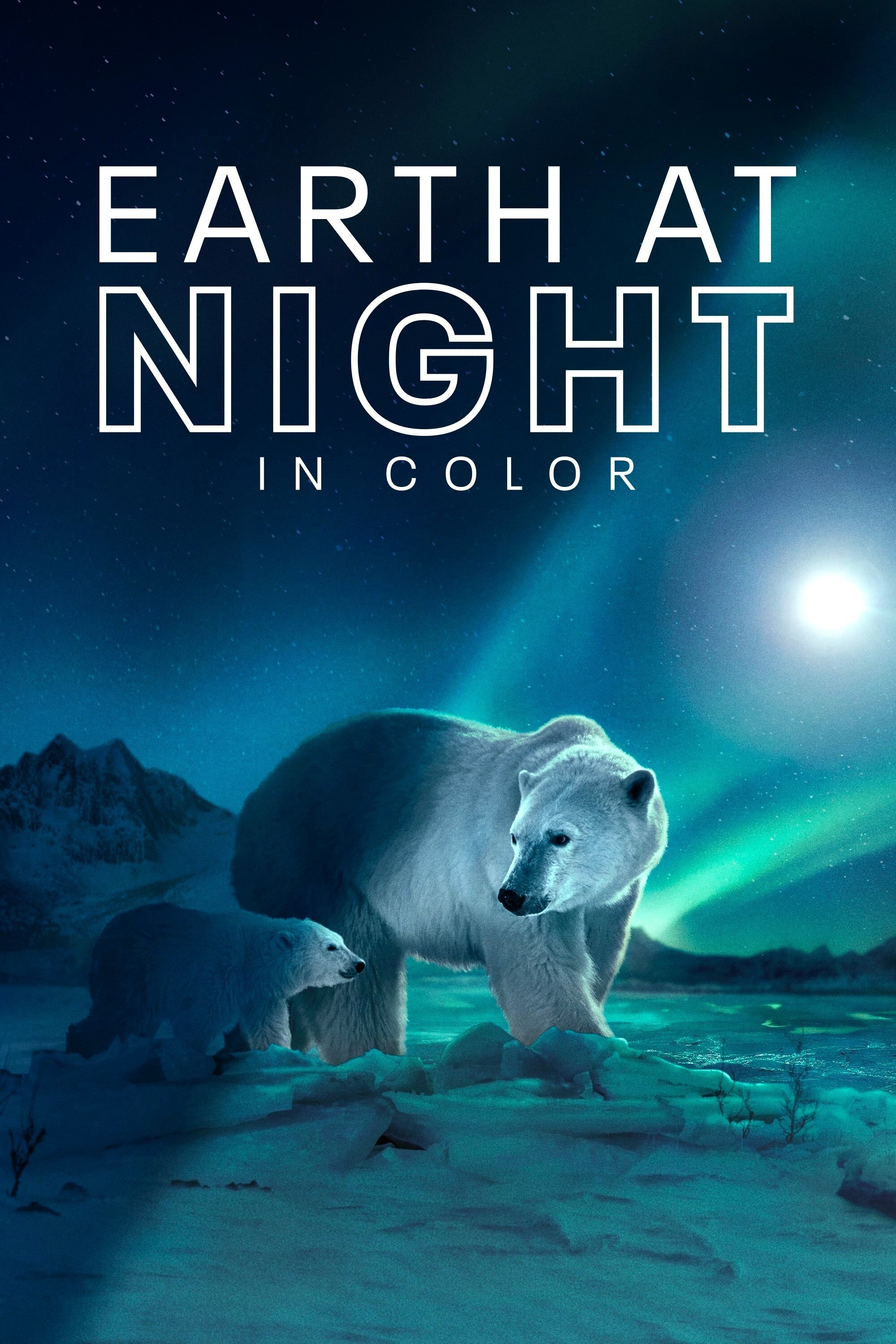
Filmed across six continents, this docuseries uses cutting-edge camera technology to capture animals' nocturnal lives, revealing new behaviours filmed in full color like never before.
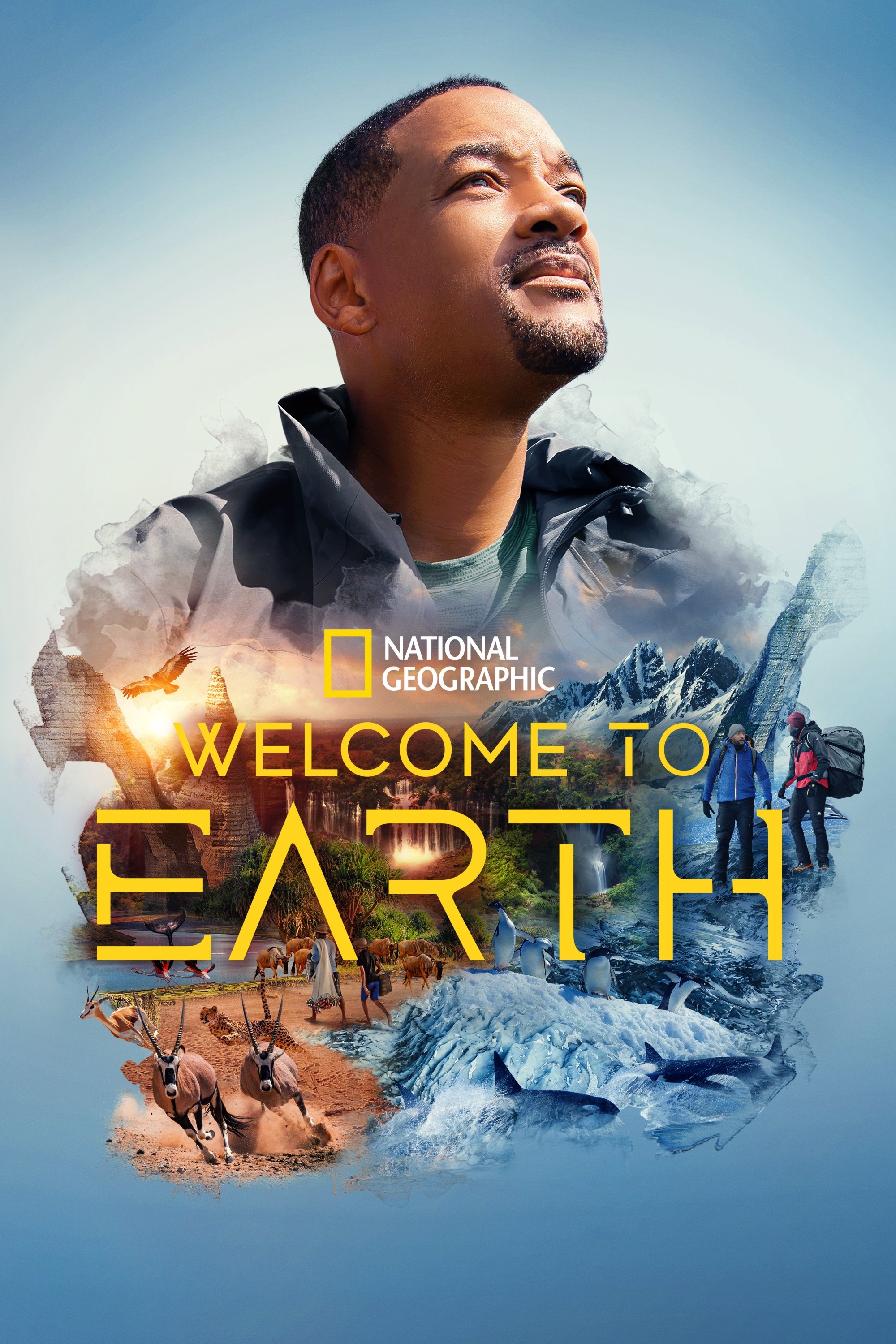
Will Smith whose curiosity and wonder is positively infectious—is guided by National Geographic Explorers traveling to different corners of the world to get up close and personal with the weirdest, most unusual, dangerous and thrilling spectacles of the planet.
TV's most-watched history series brings to life the compelling stories from our past that inform our understanding of the world today.
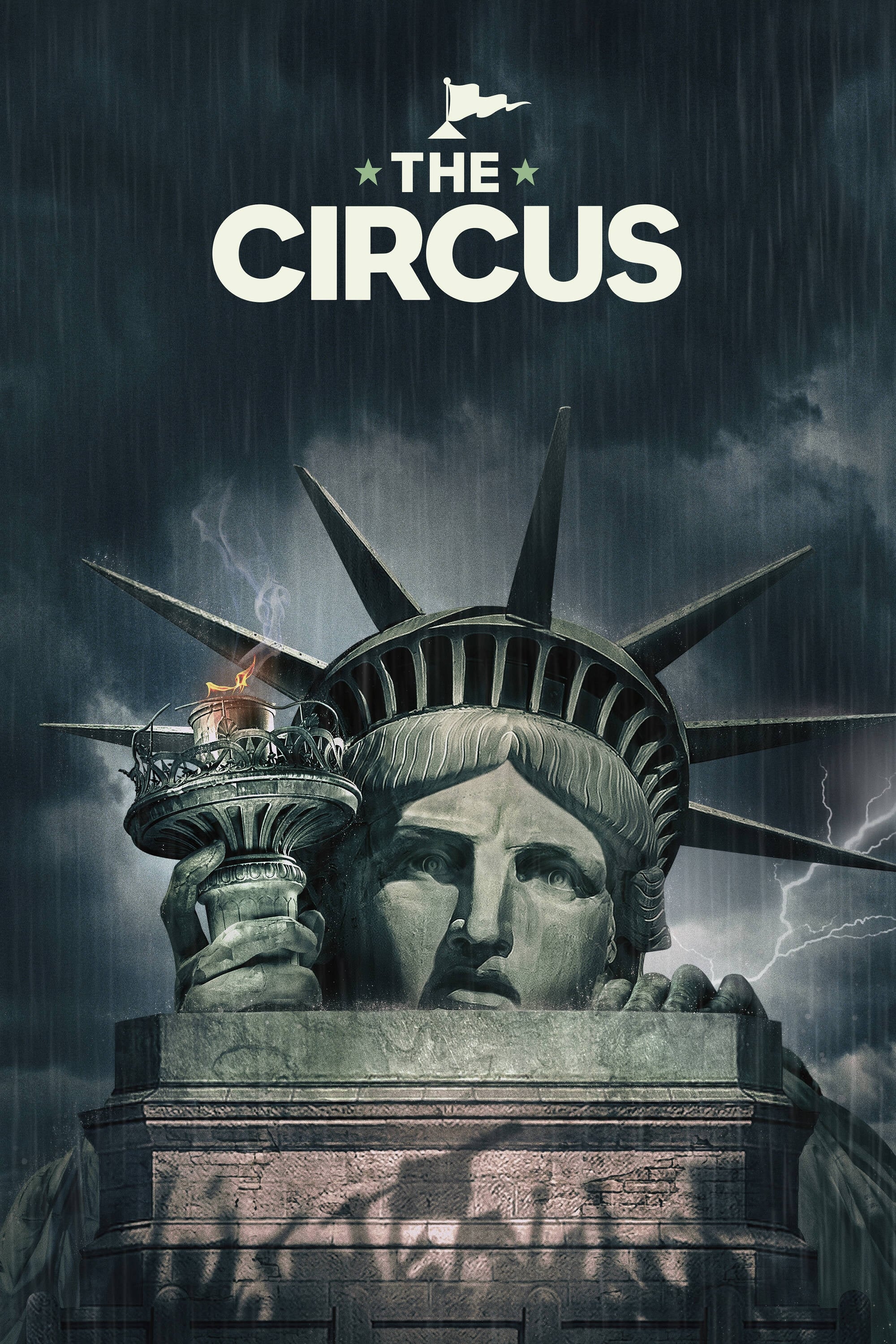
Come one, come all to The Circus. This real-time documentary series pulls back the curtain on the current political stories, revealing the intense, inspiring and infuriating stories behind the headlines. Key characters and events are presented in real time, as they are happening.
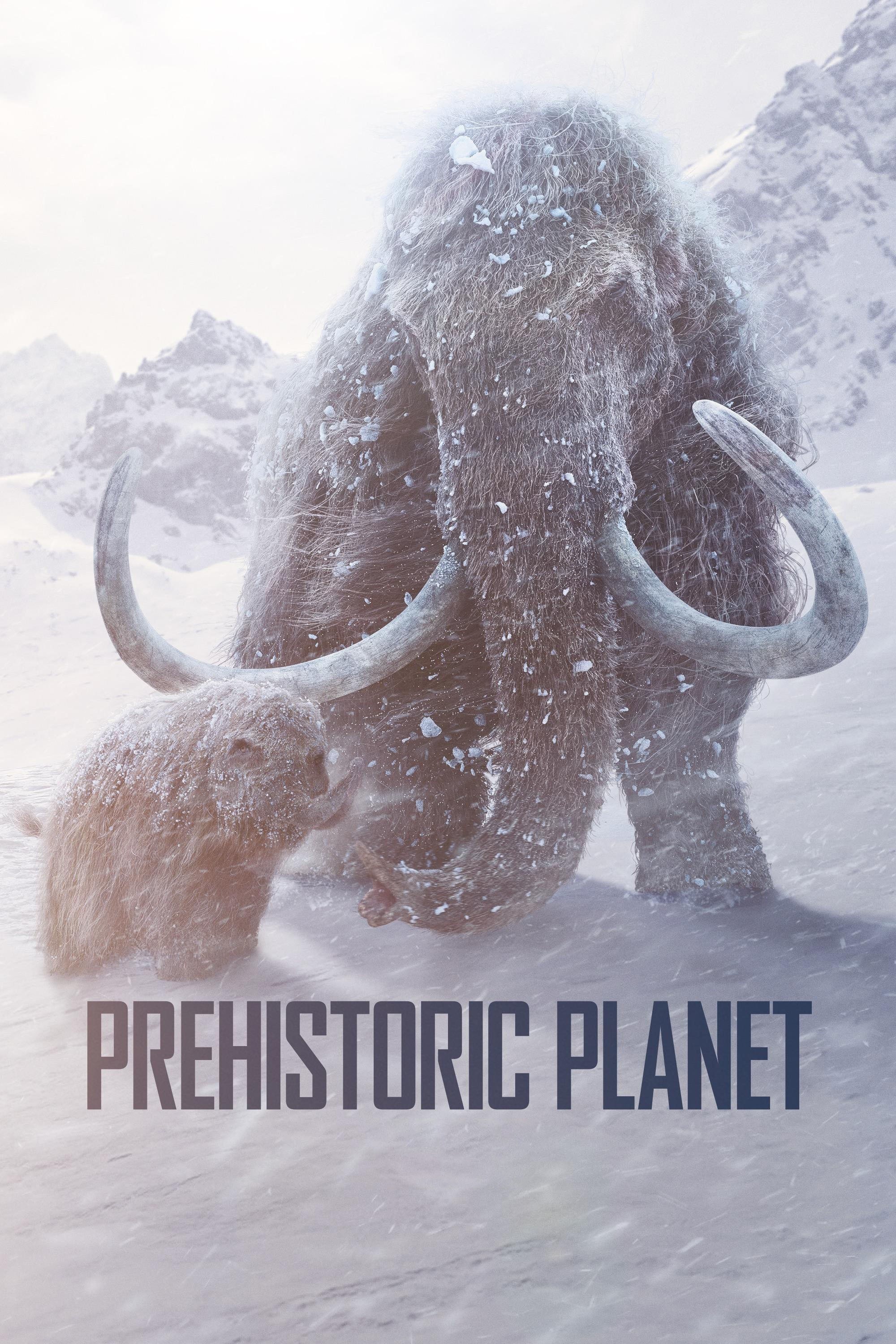
Experience the wonders of our world like never before in this epic series from Jon Favreau and the producers of Planet Earth. Travel back 66 million years to when majestic dinosaurs and extraordinary creatures roamed the lands, seas, and skies.
Award-winning actor and nervous explorer Eugene Levy steps out of his comfort zone for a whirlwind tour of the world's most beautiful and intriguing destinations.
The documentary takes viewers through Janet Jackson's life and career, contain never-before-seen footage, and feature home videos from the legendary artist. Jackson discusses her controversial 2004 Super Bowl halftime show performance with Justin Timberlake, her father Joe Jackson, the death of her brother Michael Jackson, and more.
Explore the surprising things we know (and don’t know) about why people are the way they are through expert interviews, rare footage from historical experiments, and brand-new, ground-breaking demonstrations of human nature at work.
Before he was Hulk Hogan, he was Terry Bollea. Uncover the man behind the legend in this unfiltered documentary featuring his very last interview.
An immersive, action-packed and discovery-led series following International teams of Egyptologists as they unearth the world's richest seam of ancient archaeology - Egypt's Valley of the Kings.
Biography is a documentary television series. It was originally a half-hour filmed series produced for CBS by David Wolper from 1961 to 1964 and hosted by Mike Wallace. The A&E Network later re-ran it and has produced new episodes since 1987. The older version featured historical figures such as Helen Keller and Mark Twain, or long-dead entertainment figures such as Will Rogers or John Barrymore. The A&E series has placed the emphasis on such people as Marilyn Monroe, Elvis Presley, Plácido Domingo, Freddie Mercury, Jacqueline Kennedy Onassis, Eric Clapton, Pope John Paul II, Gene Tierney, Selena, Diego Rivera, Mao Zedong and Queen Elizabeth II, and fictional characters like The Phantom, Superman, Hamlet, Betty Boop, and Santa Claus. The program ended up profiling enough figures that in 1999, A&E spun it off into an entire network, The Biography Channel.
Morgan Freeman presents his quest in order to find how most religions perceive life after death, what different civilizations thought about the act of creation and other big questions that mankind has continuously asked.
Explores WWII from Germany's invasion of Poland through the atomic age, examining pivotal battles, wartime leaders like Churchill and Roosevelt, and the human cost of total war.
The team behind Frozen II open their doors to cameras for a six-part documentary series to reveal the hard work, heart, and collaboration it takes to create one of the most highly-anticipated films in Walt Disney Animation Studios’ near-century of moviemaking. Cameras were there to capture an eye-opening - and at times jaw-dropping - view of the challenges and the breakthroughs, the artistry, creativity and the complexity of creating the #1 animated feature of all time.
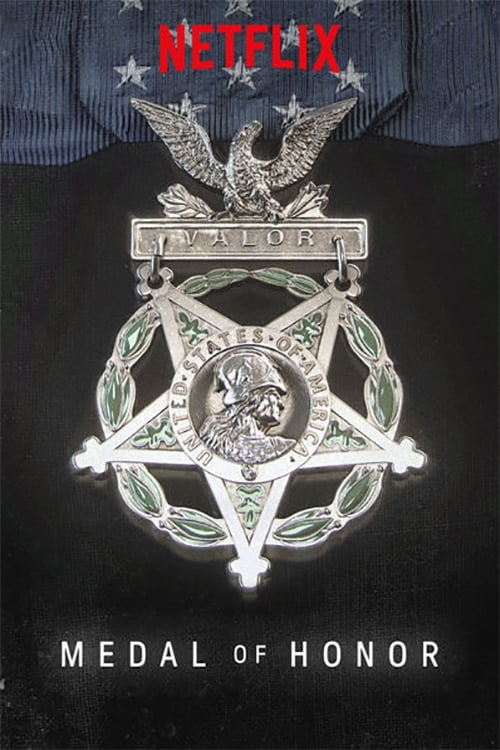
Honoring service members whose courage merited the awarding of a Medal of Honor, this docudrama series re-creates their inspiring true stories.
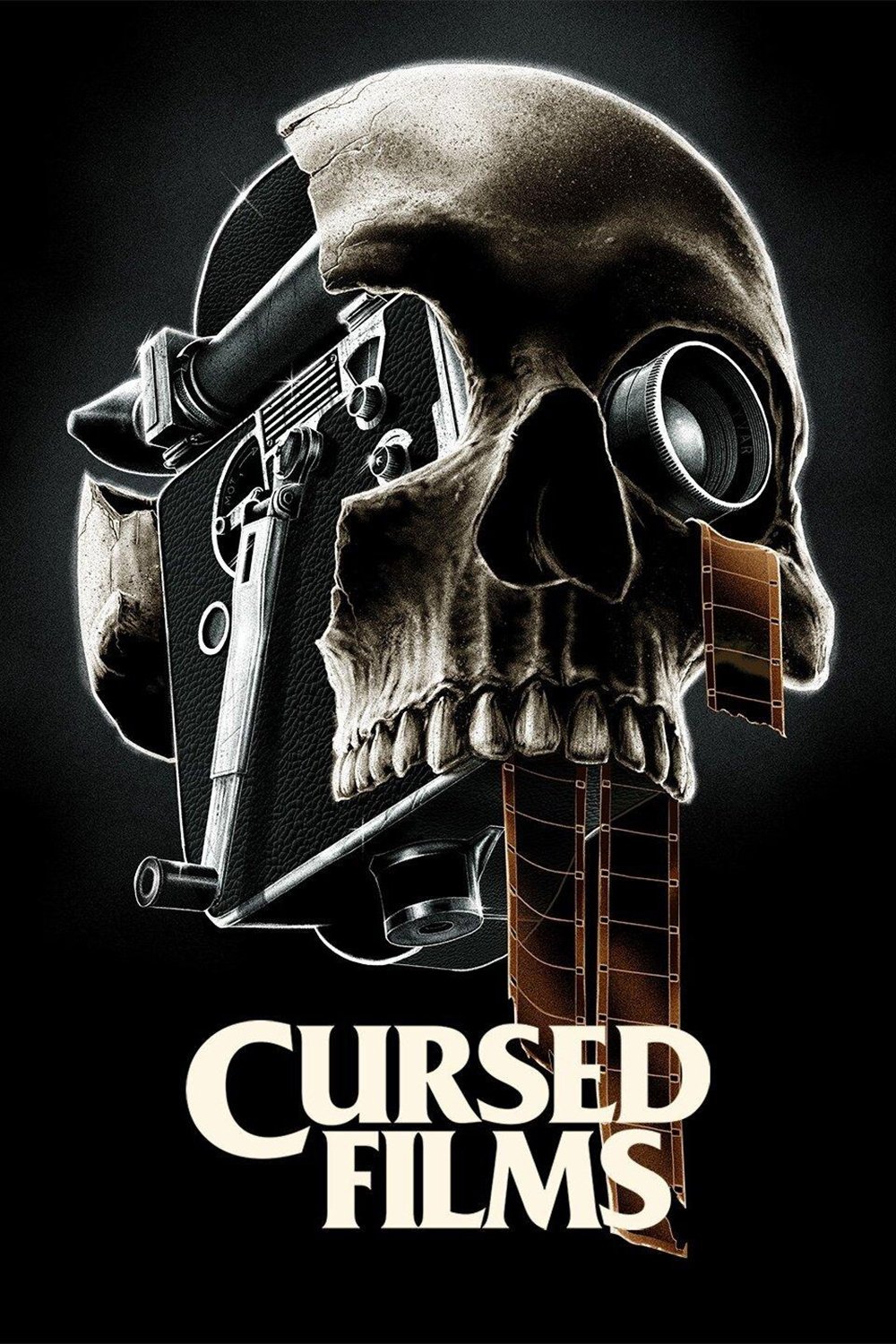
A documentary series exploring the myths and legends behind some of Hollywood’s notoriously “cursed” horror film productions. From plane accidents and bombings during the making of The Omen, to the rumored use of real human skeletons on the set of Poltergeist, these stories are legendary amongst film fans and filmmakers alike. But where does the truth lie?