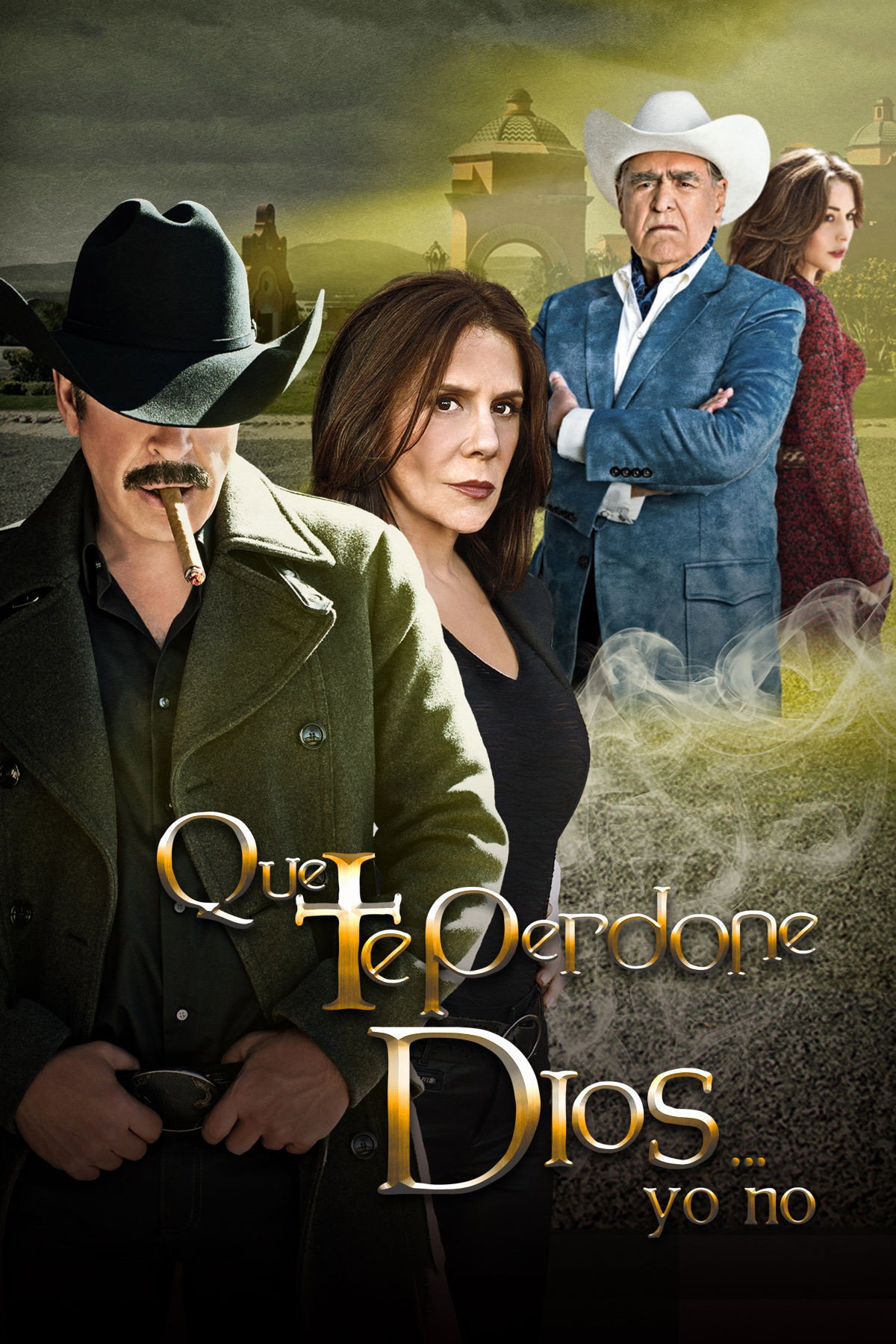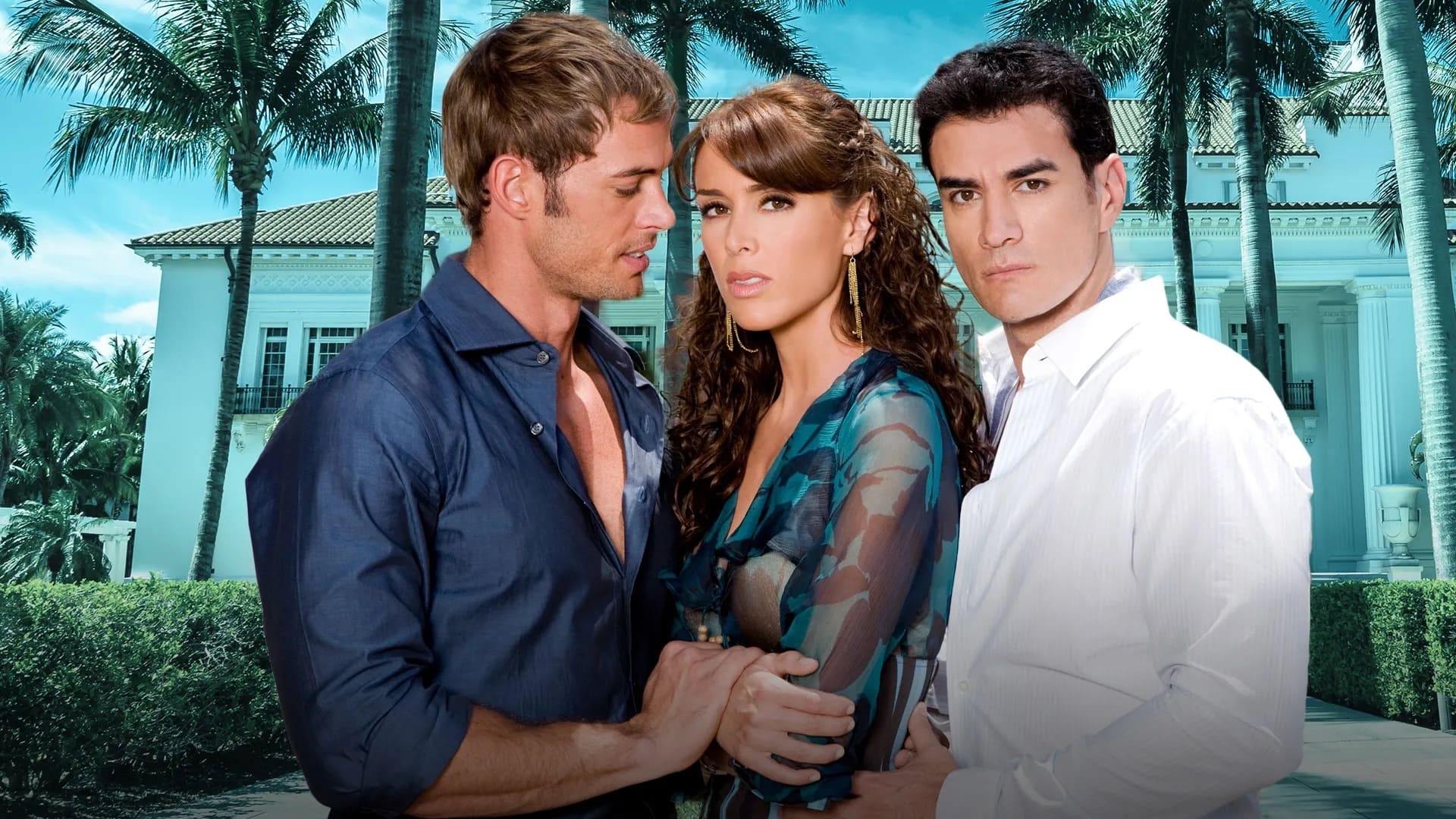

María José is a simple small-town woman eagerly awaiting her wedding day to Alejandro Lombardo, unaware that her “Alejandro” is actually Bruno—the half-brother of the real Alejandro—who has inherited a vast fortune.

Social & External
The people behind it
Jacqueline Bracamontes
María José Samaniego Miranda de Lombardo / Sandra Betancourt Miranda
William Levy
Alejandro "Alex" Lombardo Villavicencio
David Zepeda
Bruno Damian Albéniz / Bruno Damian Lombardo Sarmiento
Daniela Romo
Victoria Vda. de Albéniz / Vda. de Lombardo
Gabriel Soto
Fernando Alanís
Chantal Andere
Raquel Albéniz de Castelar / Raquel Lombardo de Castelar
Ana Brenda Contreras
Maura Albarrán
María Victoria
Felipa
José Carlos Ruiz
Chucho
Mónica Miguel
Maya San Juan
Sentimientos Ajenos is a Mexican telenovela produced by José Alberto Castro for Televisa and originally broadcast on Canal de las Estrellas from August 19, 1996, to January 3, 1997. It is based on the Chilean radio serial Dos mujeres y un hombre, created by Arturo Moya Grau and adapted for television by Lorena Salazar and Eduardo Quiroga. The story follows Sofía de la Huerta, a kind-hearted young painter who falls in love with Renato Aramendia, unaware that their relationship will awaken the jealousy and hatred of her own sister, Leonor. After a series of manipulations and betrayals tear her family apart, Sofía must fight to reclaim her life, protect her son, and find happiness while confronting the woman determined to destroy her.
Tenías que ser tú is a Mexican telenovela produced by Carlos Téllez for Televisa and originally broadcast on Canal de las Estrellas from November 23, 1992, to March 12, 1993. Created by Jorge Patiño and Gerardo Sánchez Luna, it was the last telenovela produced by Carlos Téllez. The story follows Gabriela Beltrán, whose life changes dramatically after the tragic death of her father leaves her family in poverty. As she and her family struggle to rebuild their lives, Gabriela falls in love with her childhood friend, Gorka Charachaga. Their romance is threatened by Santa, an ambitious young woman determined to separate them, leading to a story of love, sacrifice, and perseverance in the face of adversity.
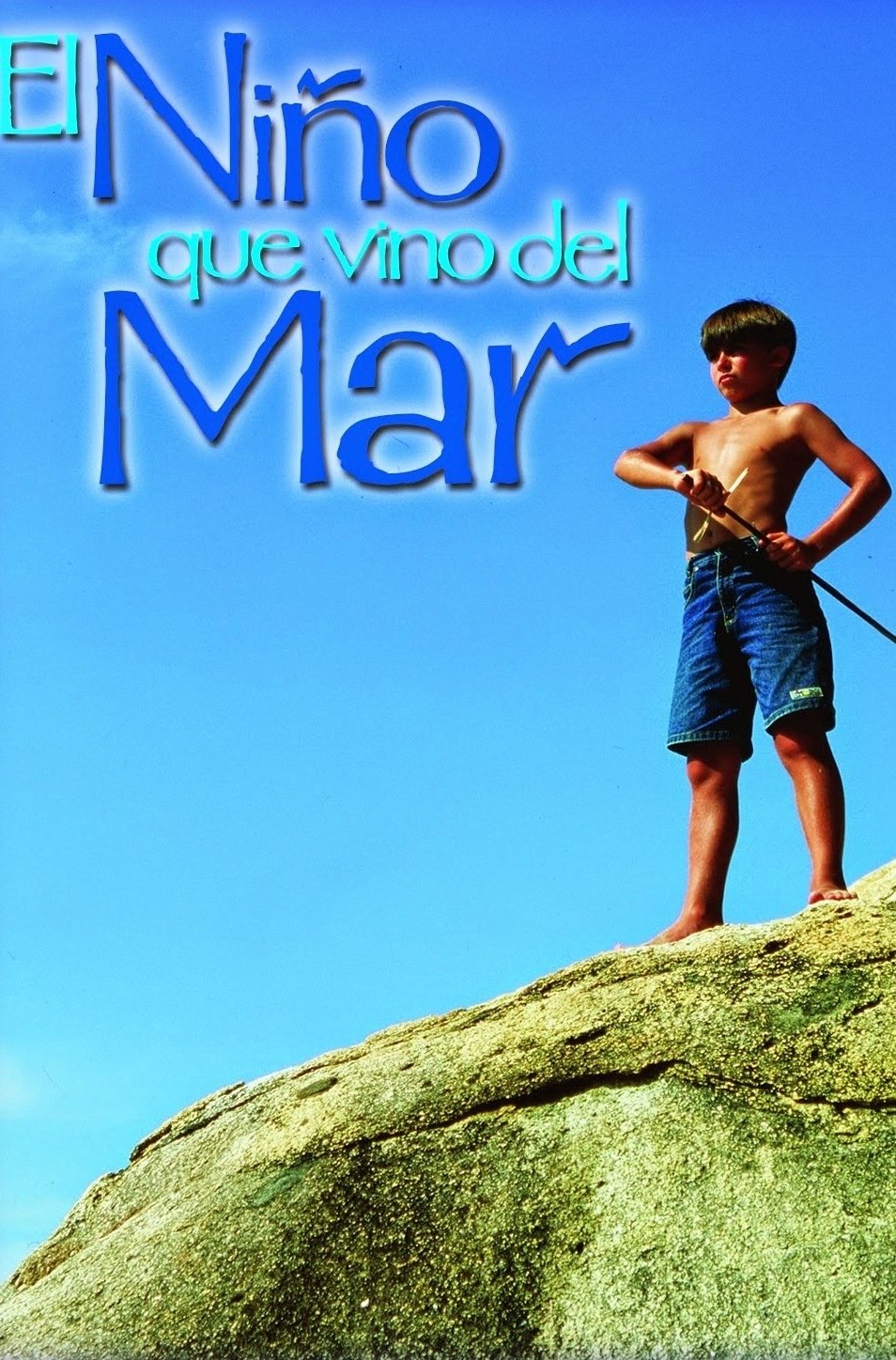
El Niño que Vino del Mar is a Mexican children's telenovela produced by Mapat L. de Zatarain for Televisa and originally broadcast on Canal de las Estrellas from April 19 to August 27, 1999. Based on the radio serial El pequeño Lord by Olga Ruilópez, it was adapted for television by Lourdes Barrios, Georgina Tinoco, and Dolores Ortega. The telenovela stars Imanol Landeta, Natalia Esperón, and Enrique Ibáñez. The story follows Felipín, a young boy who survives a shipwreck while traveling to reunite with his father, the wealthy Duke of Oriol. Rescued by the kind-hearted Nisa, he begins a new life in a coastal town, unaware that powerful enemies are determined to keep him away from his family and inheritance. As secrets from the past emerge, Felipín's courage and innocence help reunite his loved ones and restore justice.
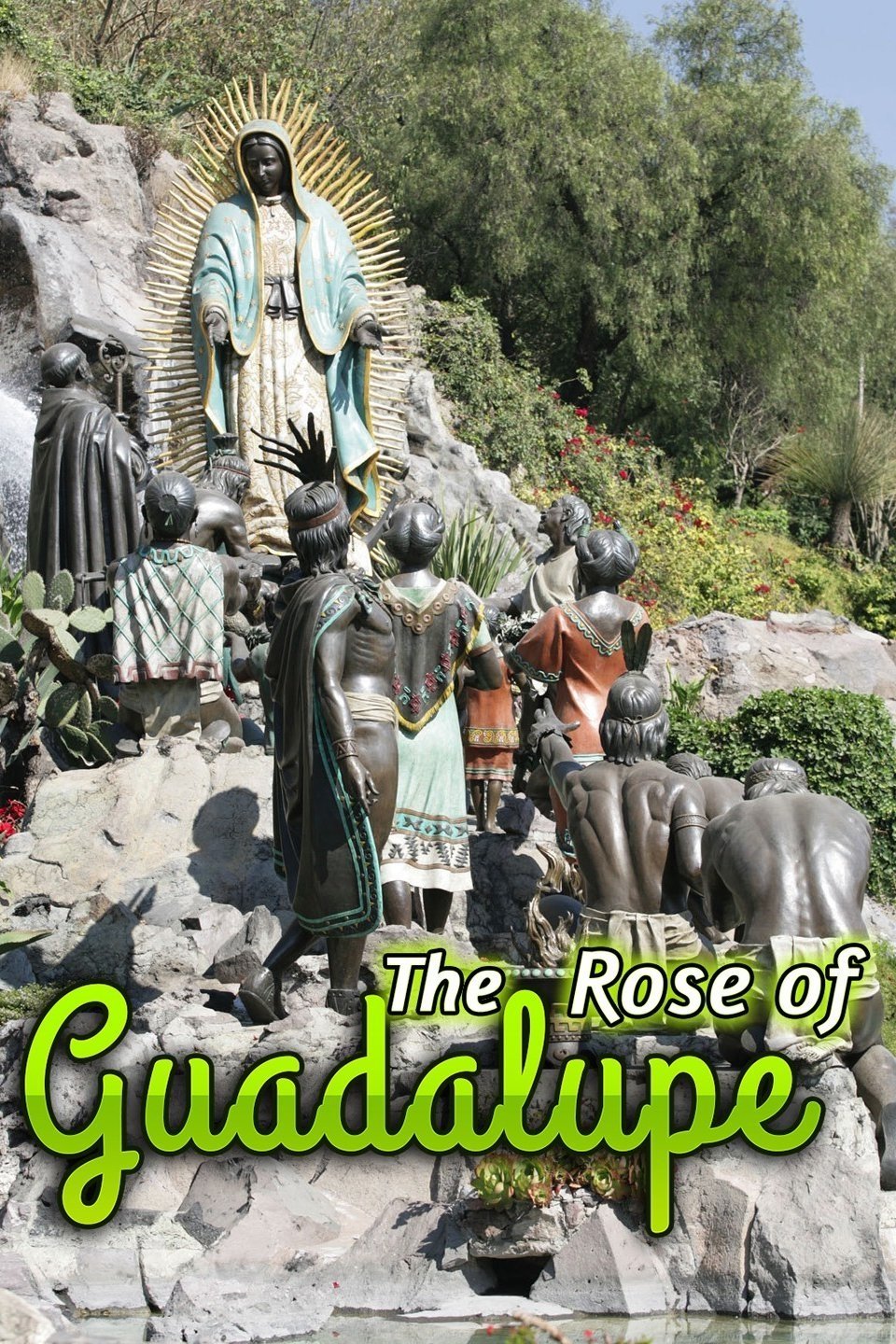
Stories about people who get into problems who use the help of Virgin Mary and where a rose appears and their problems are solved.
The series follows 14-year-old Emma Alonso, as she moves to Miami and her life turns upside-down. Not only does she discover that she is a witch, she also has a crush on the boy next door, Daniel. But Daniel’s ex-girlfriend Maddie, who is an 'evil witch' and leader of the school clique the 'Panthers', is still willing to fight for the boy she loves.
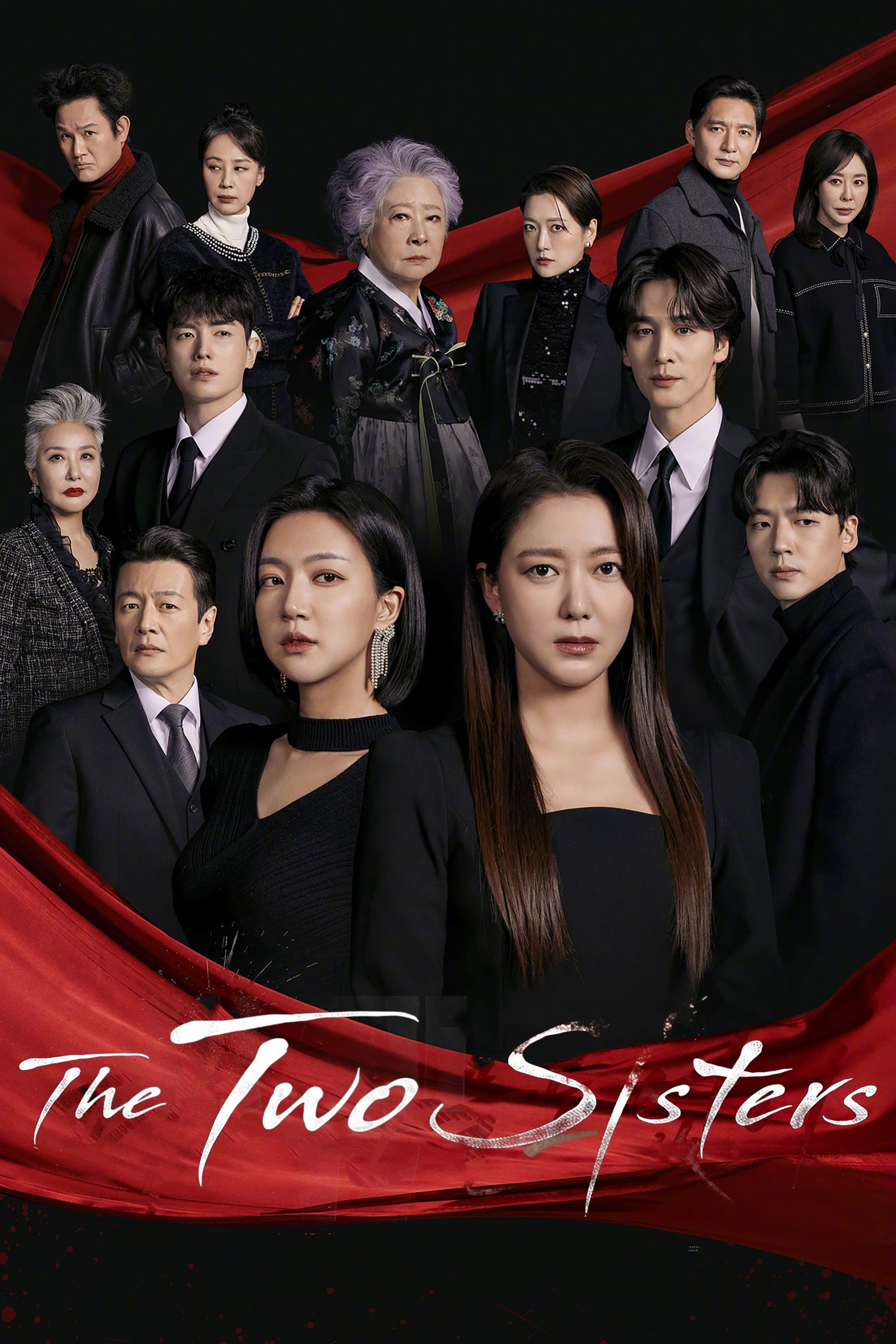
A tragic story about young sisters who part ways after their parent's divorce but reunite once again as mother and daughter-in-law in the whirlwind of fate, ending up in catastrophe after desire and conflict.
A story about love and its different manifestations, told through the little boy Marcelino in search of his biggest dream: to meet his mother. Inspired by a famous book, the plot takes place in the 1940s.
Chepe Fortuna and Niña Cabrales are from different social classes. Chepe is a poor fisherman and Niña is from a wealthy family. He wants to become mayor to stop her wealthy family from building a port to industrialize the town. Niña is an ecologist and dissident from her family. She wants to help the community. Their love is brought together by dreams and the past, though they do not know it.
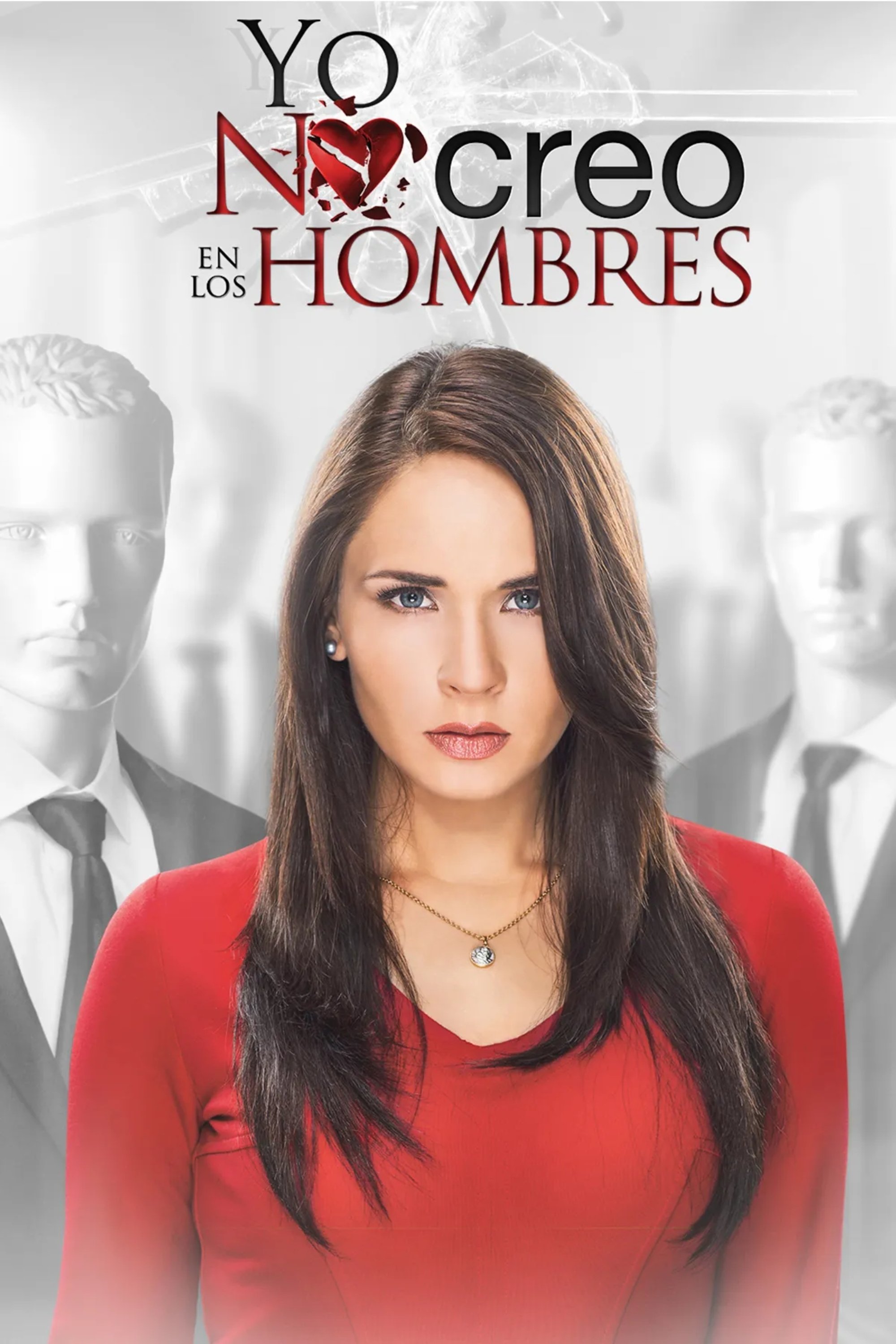
Yo no creo en los hombres (I don't trust men anymore) is a Mexican telenovela produced by Giselle González for Televisa. It is based on Yo no creo en los hombres (1991), produced in México.
85 episodes (1994). Cristina Carbajal is a woman who has paid an unjust sentence for having been wrongly blamed for the death of her husband. After ten years locked up, she manages to get out of prison for good behavior. Her daughters Karina and Rosita, who were only five years and one year old when her mother was incarcerated, are now 15 and 11 years old. They have been raised by her father's uncles, Braulio and Eloisa Monasterios. The Monasteries hate Cristina, since they believe that she is responsible for the death of her nephew, and they have told the girls that they are orphans.
Los exitosos Pells is a 2008-2009 Argentine telenovela, produced by Underground Producciones and Endemol, and aired by Telefe. It started being aired on November 5, 2008, replacing Vidas Robadas at 10:30PM. After a pair of schedule changes, it returned to 10:30PM until its end on July 15, 2009. The story is about a successful couple of TV hosts from a news channel, Martín Pells and Sol Casenave. In the first episode Martín Pells falls into a coma, and the CEO of the channel hires an underground actor, Gonzalo Echague, who happens to be extremely similar to Pells, to replace him. Such replacement is done not only for the TV but also with friends and relatives, in order that nobody suspects the absence of the real Pells. Gonzalo, acting as Martin, discovers that Martin and Sol had broken up long ago and were only acting as a happy couple for the television cameras. In reality, Sol had another lover which she hid from the public, and Martin had a homosexual relationship with the son of the CEO of the channel. Nevertheless, Gonzalo falls in love with Sol, and the main storyline of the soap opera involves his attempts to build a relationship with her.
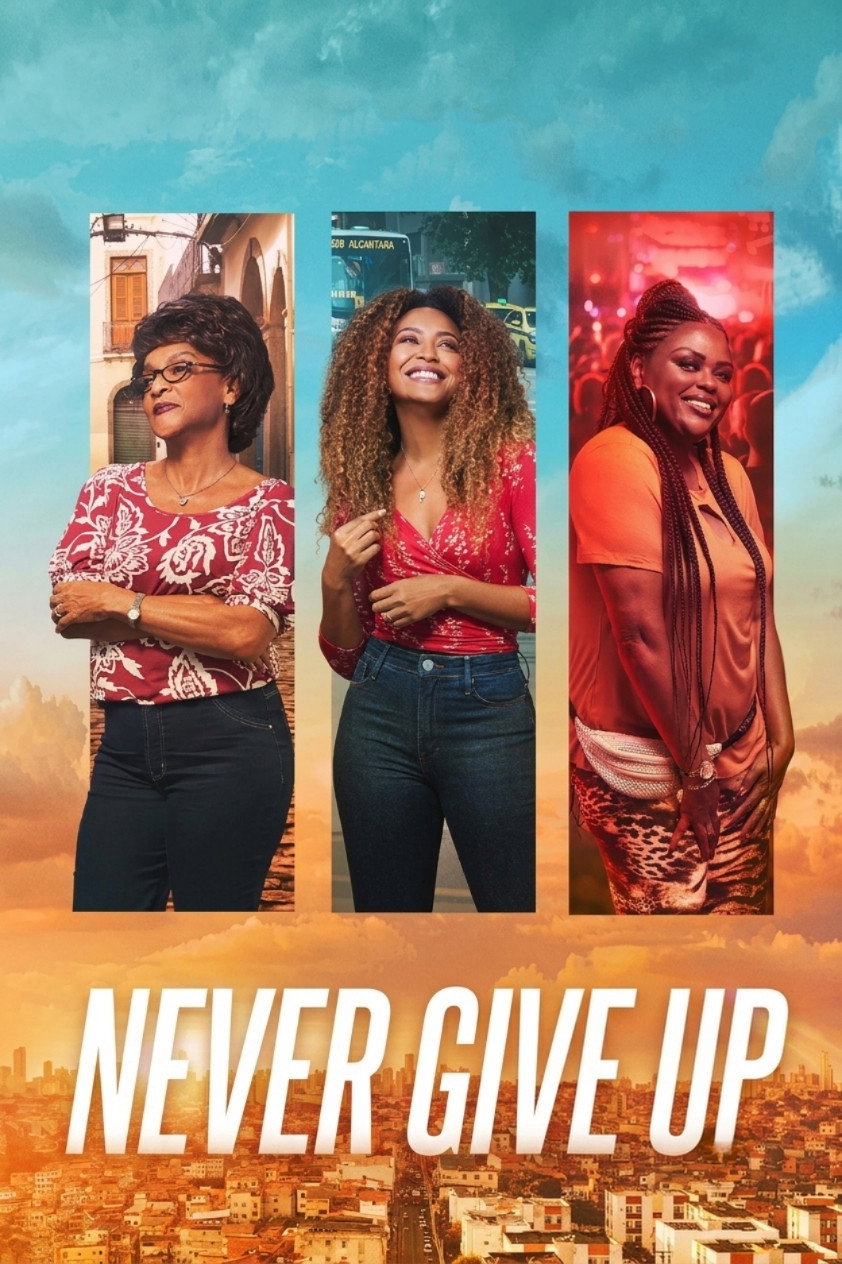
Sol is a hardworking woman who has the chance to work as a backing vocalist for a funk singer and return to dancing, as she did in her youth. Torn between family pressure and passion for the stage, she must face the judgment of her church's members and conflicts with her family. The new chance will make her reconnect with her past in many ways, leading her to find her great youth love.
A comedy-drama following a chaste young woman who is accidentally impregnated via artificial insemination as she struggles to inform her devoutly religious family and make the right choices concerning the child. Based on the telenovela "Juana la virgen."
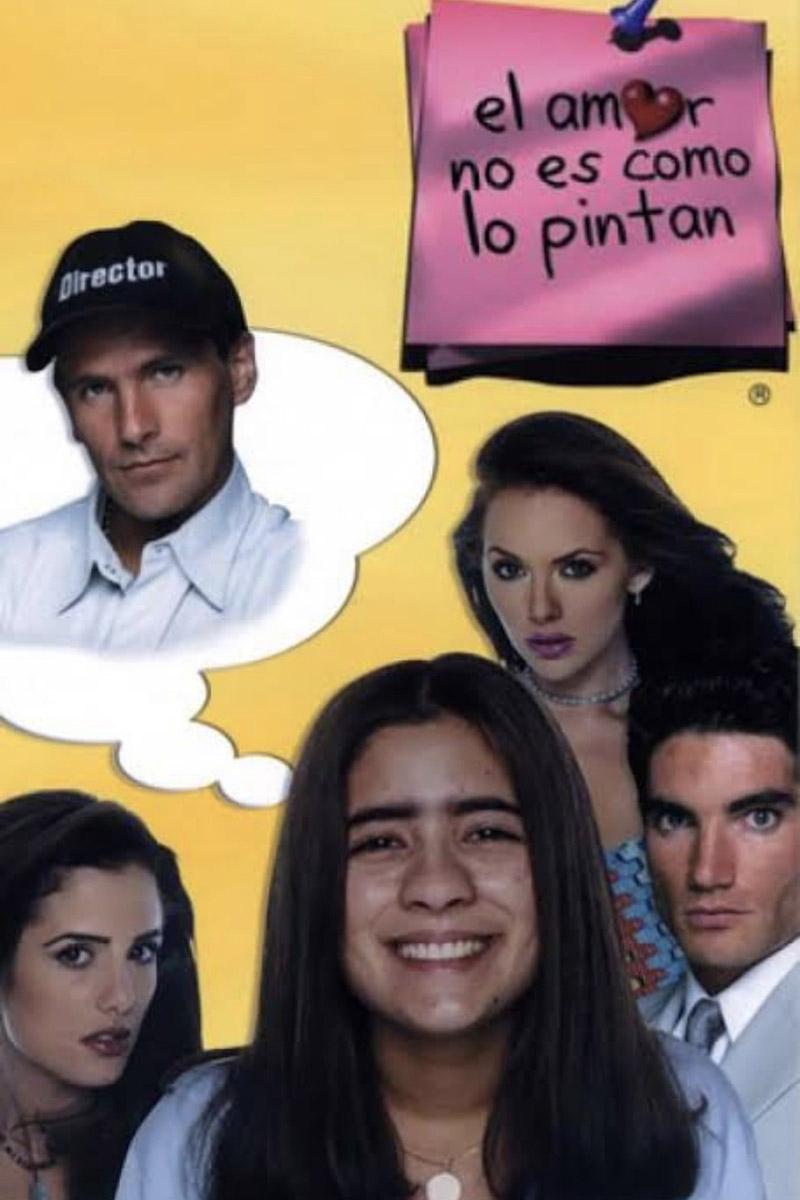
El amor no es como lo pintan is a Mexican telenovela produced by Juan David Burns and Elisa Salinas for TV Azteca. It was broadcast on Azteca 13 from November 6, 2000 to April 27, 2001 for 165 episodes.
Native American girl Maria Isabel makes friends with Graciela, a rich white girl, despite Graciela's father's opposition; their friendship lasts into their adulthood.
Rubí Pérez is a very beautiful but poor woman who studies at an exclusive university thanks to the financial support from Cristina , her hard-working older sister. She is best friends with Maribel de la Fuente , a kind and wealthy young woman. Rubí is actually jealous of Maribel's social status while pitying her disability and dreams of marrying a rich man to leave poverty behind.
Mariana Cantú and Silvana Del Valle are twin sisters who were separated at birth. After 11 years, the twins meet again and Silvana proposes to Mariana to be part of 'Cómplices al Rescate'. Together they will learn about friendship and love.
¡Válgame Dios! is a Spanish-language Venezuelan telenovela written by Mónica Montañéz for Venevisión. Sabrina Seara and Eduardo Orozco star as the main protagonists while Ricardo Alamo, Carlota Sosa and Raquel Yanez star as the main antagonists.
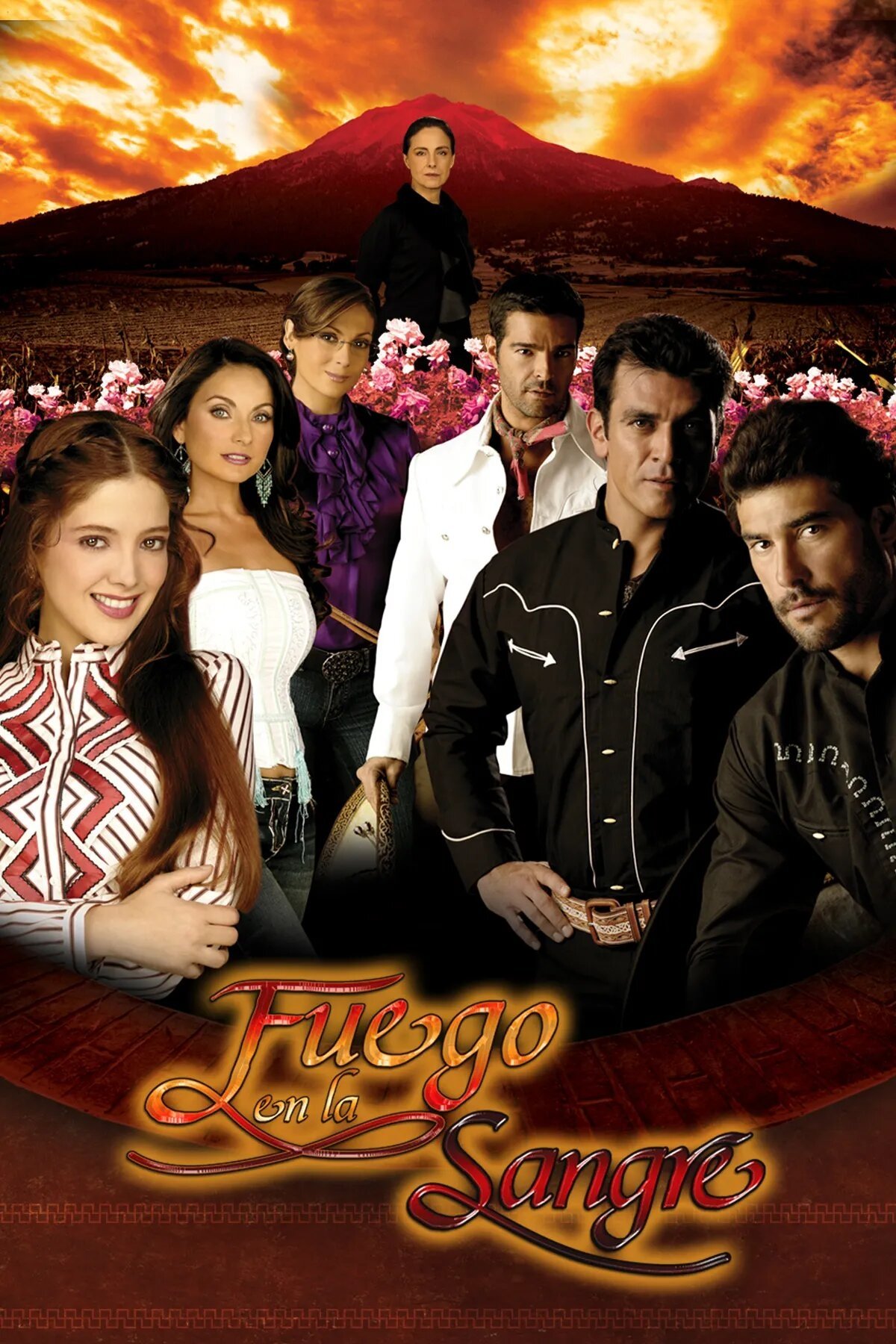
Fuego en la sangre is a telenovela that began transmissions on January 21, 2008, through Mexico's Canal de las Estrellas network. Starring Adela Noriega, Eduardo Yáñez, Diana Bracho, and Guillermo García Cantú. It is the Mexican remake of the Colombian soap operas Las Aguas Mansas and Pasion de Gavilanes. The theme song called "Para Siempre" is sung by Vicente Fernández. The telenovela received TVyNovelas Award for Best Telenovela, in 2009.
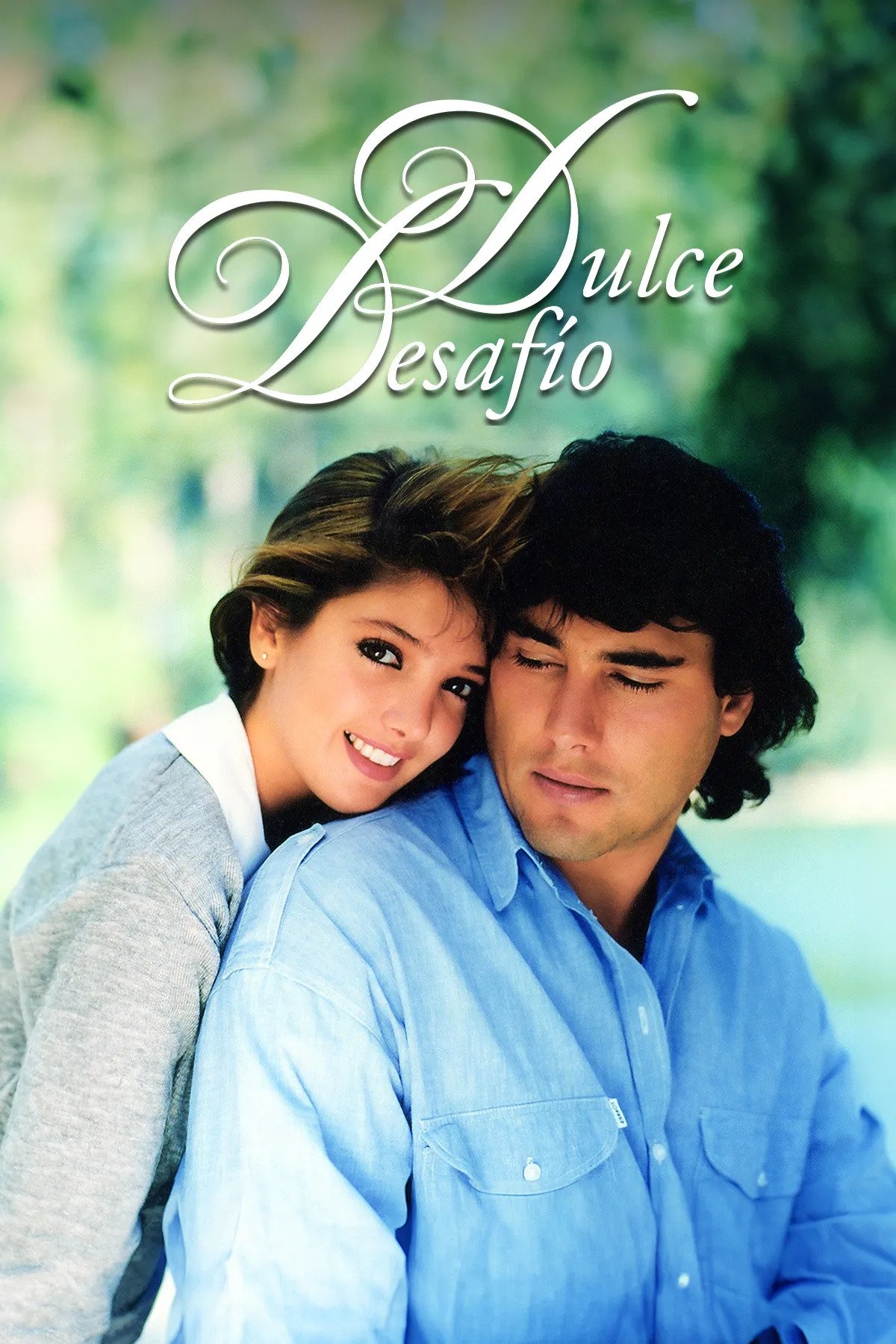
Dulce Desafío is a Mexican telenovela starring Adela Noriega and Eduardo Yáñez.
Story of love between Marimar and Sergio. Sergio is from a wealthy family, and Marimar lives with her poor grandparents in a hut in front of the ocean.
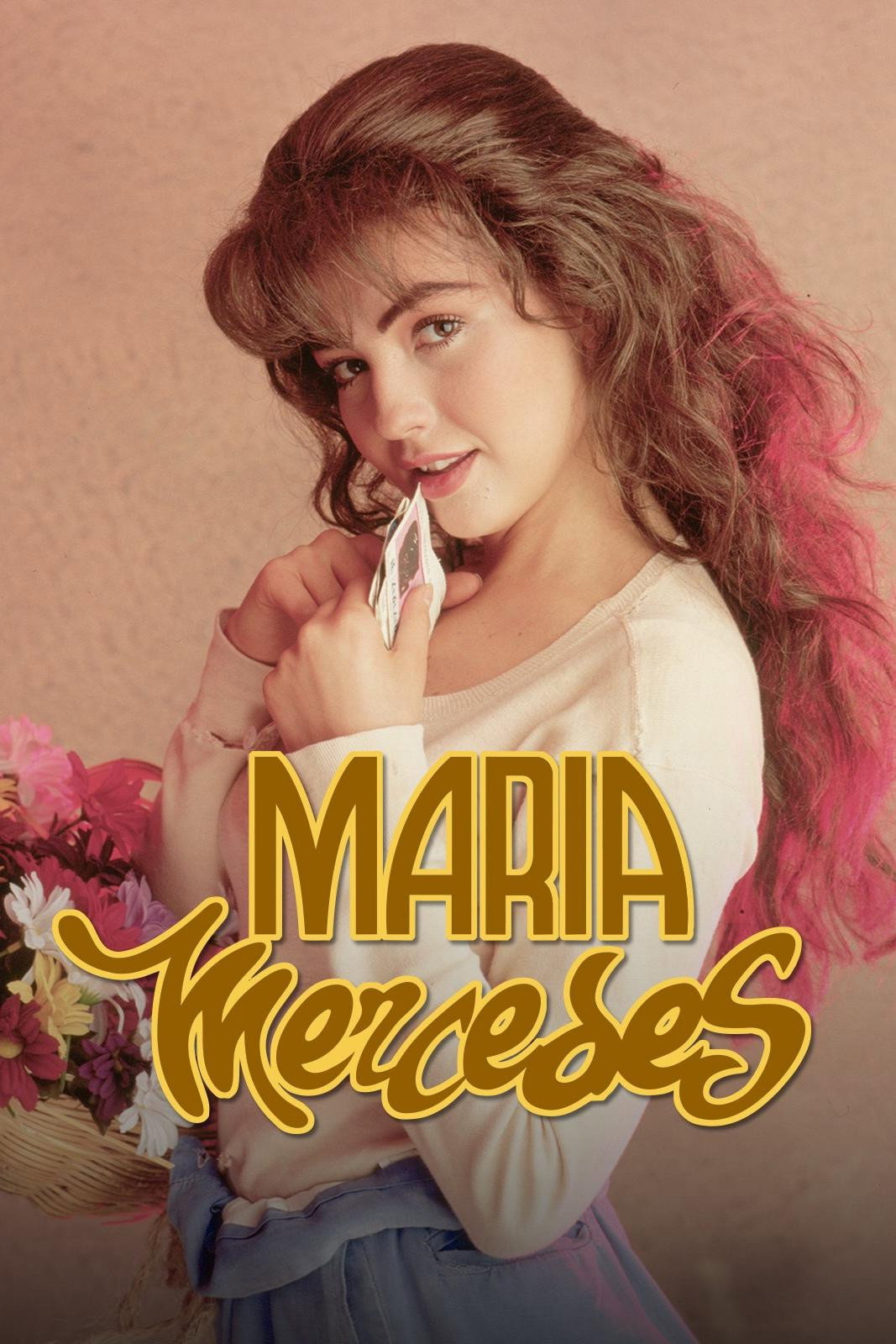
María Mercedes, a poor girl who sells lottery tickets, meets a rich man who hates his own family and sees in María Mercedes an opportunity to make their lives miserable.
The show's premise revolves around a pair of twin sisters who were separated when they were young, and as adults the younger sister is forced to act as a "replacement" for her wealthy twin who wants to temporarily leave her husband and his family to enjoy a life of luxury with multiple lovers.
The beautiful young Montserrat is forced to marry a man she does not love in order to save her family from ruin and maintain their social standing.
The story of Renata Flores del Angel, a young woman from a wealthy family who falls for Pablo Ramos, the foreman of her father's estate.
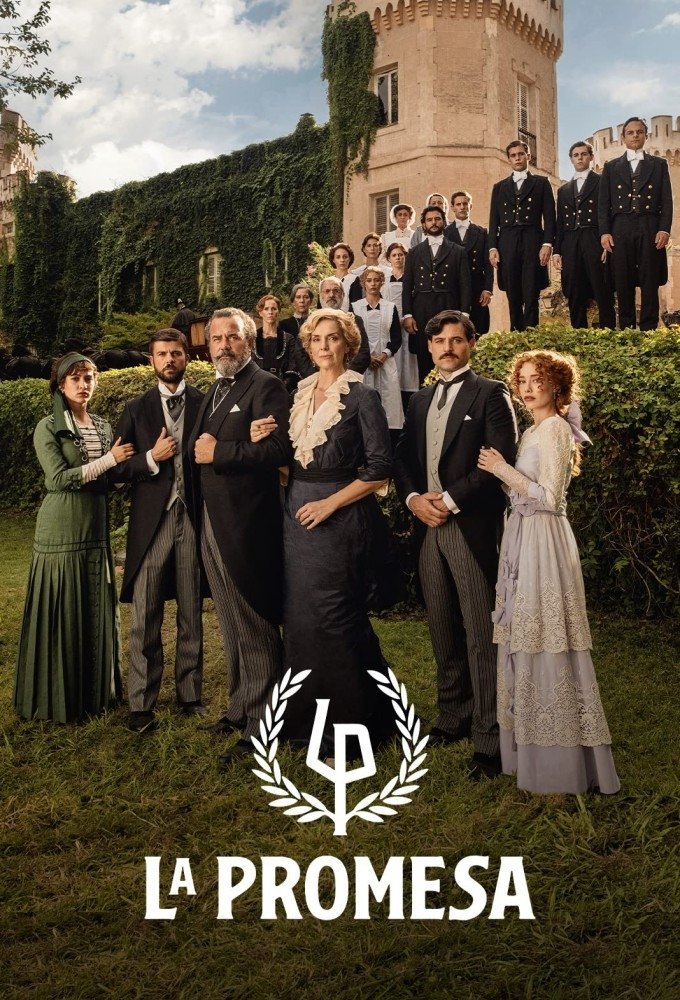
In 1913 Spain, a woman gets a job at the palace of La Promesa as a reward for saving the marquesses' son - but nobody knows that she has her own plans, which involve avenging her mother's death and finding her missing brother.
A brave, poor young girl is welcomed into a rich family and develops a romance with their misogynist youngest son, driving a woman already in love with him to go to great lengths to destroy their relationship.
A telenovela that dramatizes the romances and rivalries between two brothers and two sisters in Mexico between the years 1885 and 1900.
Over a road trip, triplets Ana Laura, Ana Leticia, and Ana Lucía, along with their parents, suffer a dramatic accident crashing by the side of a river. The consequences of this event are catastrophic: Both parents die, Ana Laura loses one leg, and Ana Lucía, unconscious, is dragged by the river’s flow. Only Ana Leticia, who actually caused the accident, emerges unscathed. Soledad, a woman who was seriously hurt after her daughter’s death, helps Ana Lucía, whom she finds agonizing. Although Soledad discovers who the girl is, she takes advantage of her memory loss regarding the accident and her family and decides to keep her, making her believe she is her mother. Despite everyone declares Ana Lucía is death, Ernestina, the triplets' grandmother, and Ramiro, their uncle, don’t give up and do everything they can to find Ana Lucía. But years go by, the same as their wishful
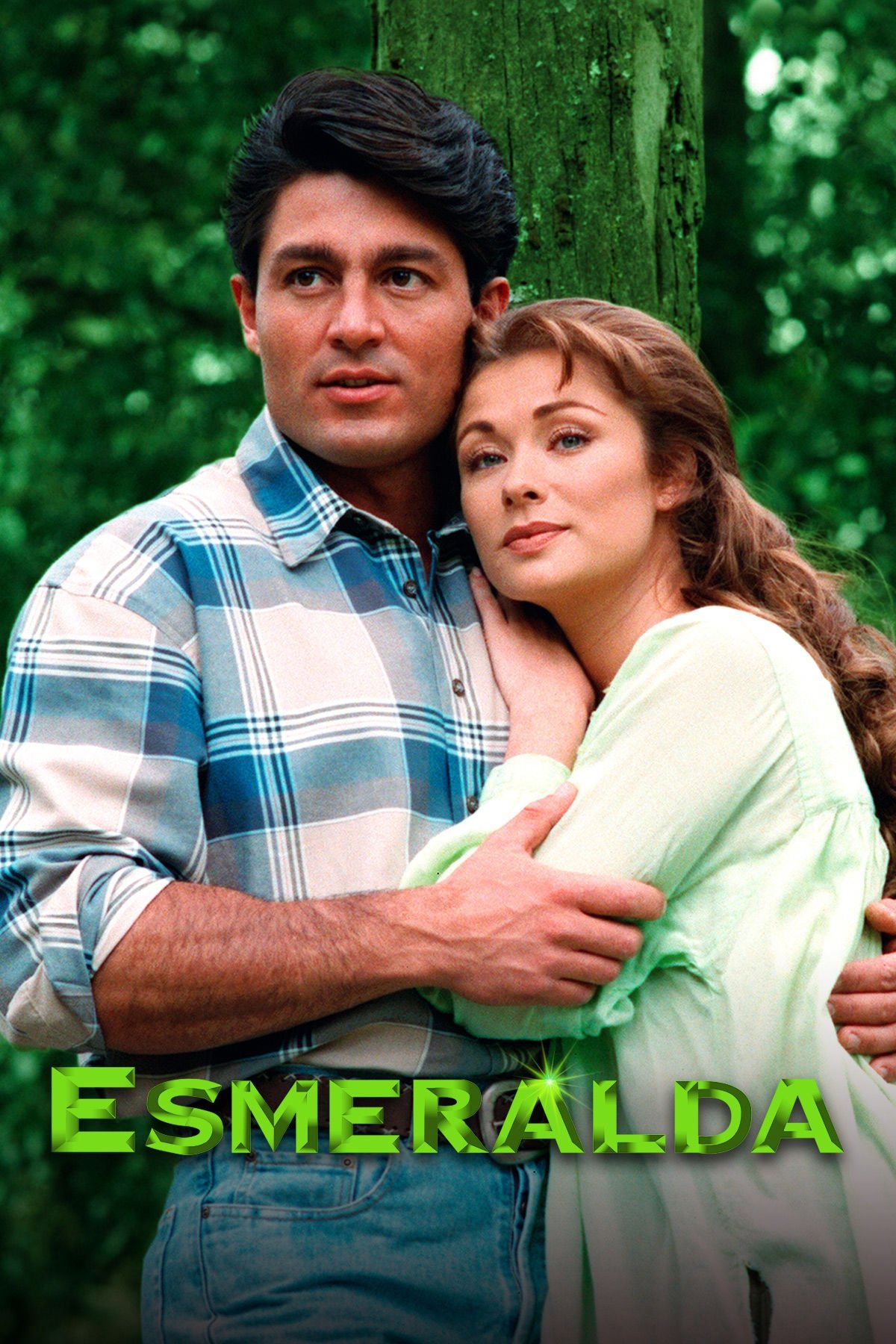
Esmeralda is a telenovela that was released by Televisa in 1997. It is a remake of a 1970 Venezuelan telenovela of that same name, and was itself remade in Brazil in 2004. Another version is Topacio from Venezuela in 1984. One of the most famous telenovela all the time.
Mistreated by the Narváez family, the poor and innocent Maricruz is humiliated, abandoned, and imprisoned, losing everything. Upon discovering her true origins, she transforms into a wealthy and powerful woman. Driven by grief and the loss of her father, she vows revenge against everyone who made her suffer.
Los Carmona viven en el campo y su vida cambiará radicalmente cuando el gobierno les expropia su terreno y se mudan a la ciudad. En su nueva casa se encontrarán con la adinerada familia Velasco con quienes tendrán muchas aventuras. "The Carmona live in the countryside and their life will change radically when the government expropriates their land and they move to the city. In their new home they will meet the wealthy Velasco family with whom they will have many adventures."
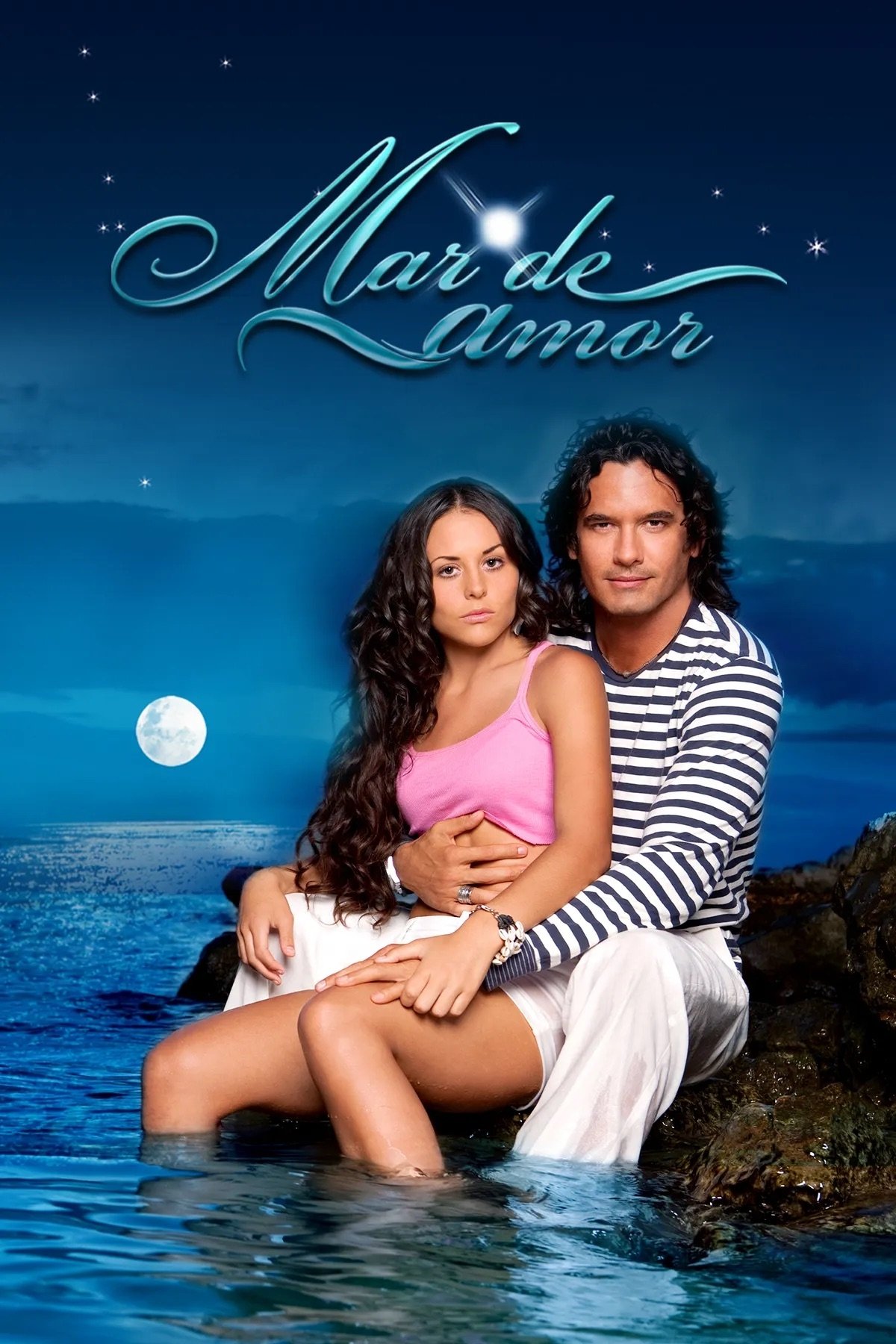
Mar de Amor is a Spanish-language telenovela produced by Nathalie Lartilleux with protagonists Zuria Vega, Mario Cimarro and Mariana Seoane and antagonists Ninel Conde, Marcelo Córdoba and Manuel Landeta. This is a remake of the 1978 Venezuelan telenovela María del Mar.
Teresa Chavez is a young woman with an obsession for money and ambition. Despite her beauty and the fact that she was raised in the bosom of a loving family, she is resentful; her one desire is to leave her humble but poor neighbourhood.